By Tricia Curtis | Program Coordinator
Dear Friends in Conservation,
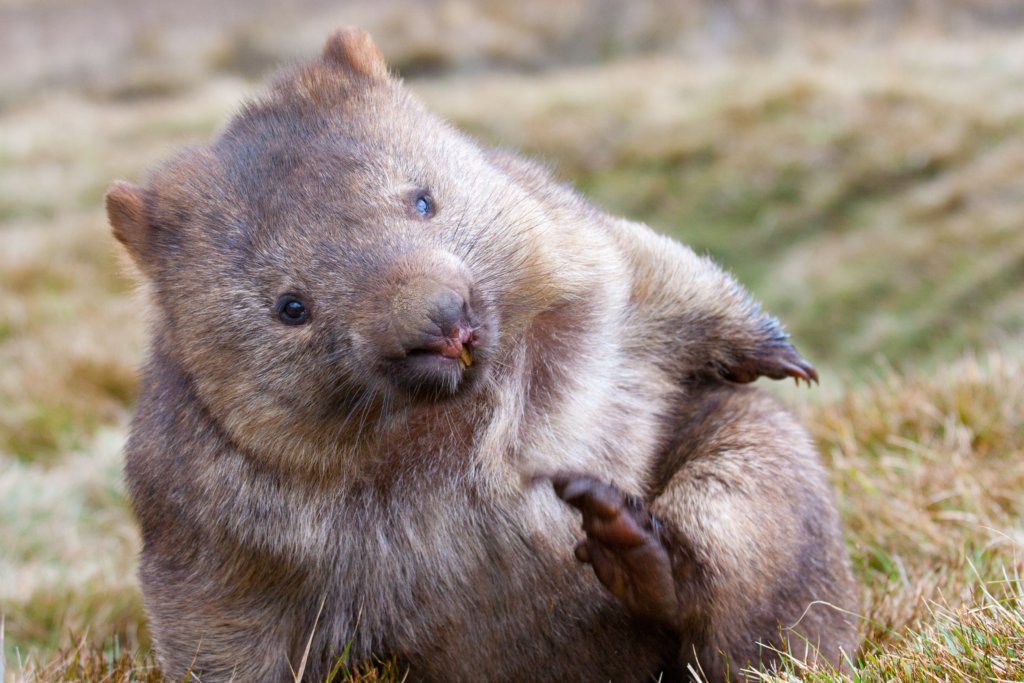
This is the time of year that the Southern Hairy-nosed wombats look forward to – the emergence of their favourite food, Speargrass (Austrostipa). Some native grasses are making headway at Brookfield Conservation Park, but it is clear that there will not be enough to keep these special marsupials thriving through the summer.
It is therefore great news that the experimental exclosures have been erected and the trial is in full swing. The decline of grasslands in the Murraylands is of great concern and causing numerous issues such as increasing competition with wildlife.
The project will bring innovative and tested methods of grazing and grassy understorey management to marginal areas within the region. The project trials a range of different methods including grazing, fire, disturbance and seeding regimes, or a combination of these management techniques. The aim of this research is to develop an effective integrated management plan that takes into account the needs of all stakeholders, as well as the long-term conservation of our iconic native species.
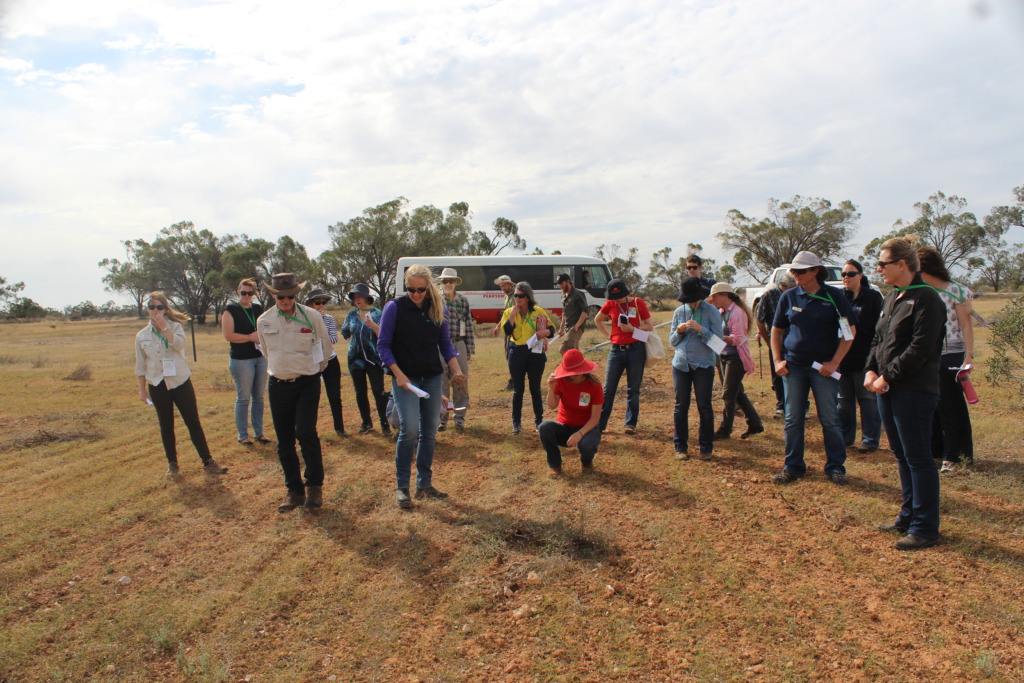
We were pleased to showcase this project to a tour group from the State Landcare Conference. The delegates were extremely interested in the innovative approach, along with the fact the community were helping to deliver the program through volunteering. Conference Delegate Amy Linke stated, “This is a great example of partnerships and collaboration striving for a common goal – the survival of the Southern Hairy-nosed Wombat. How fortunate that this special animal has captured the attention of generous folk from Global Giving.”
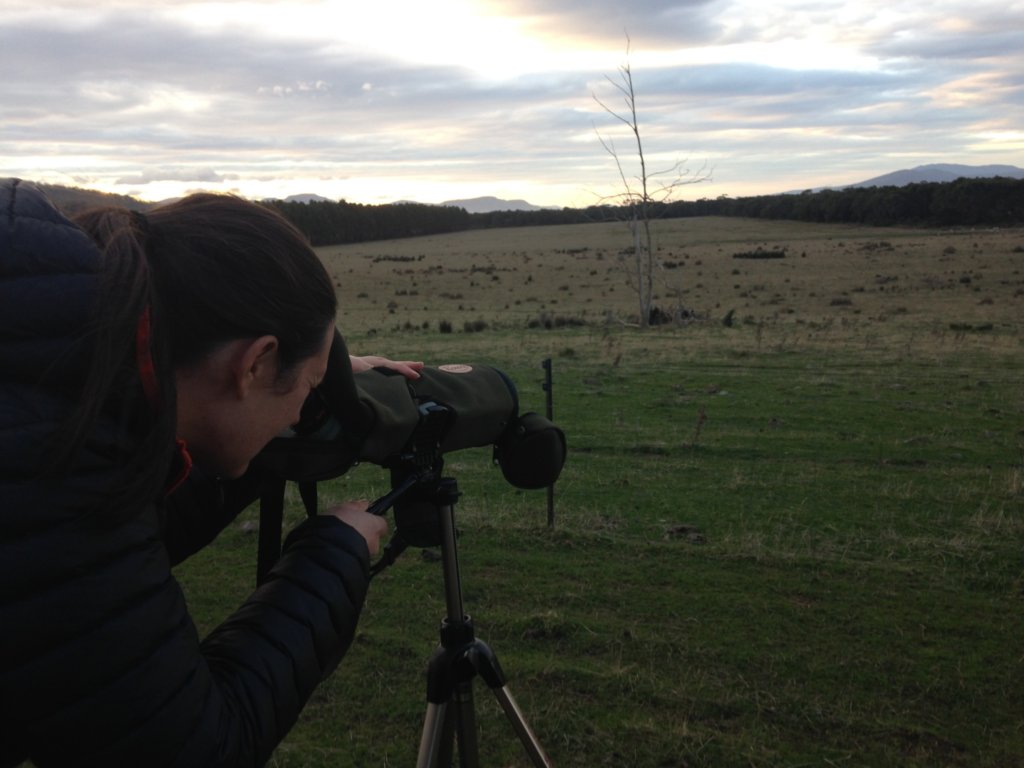
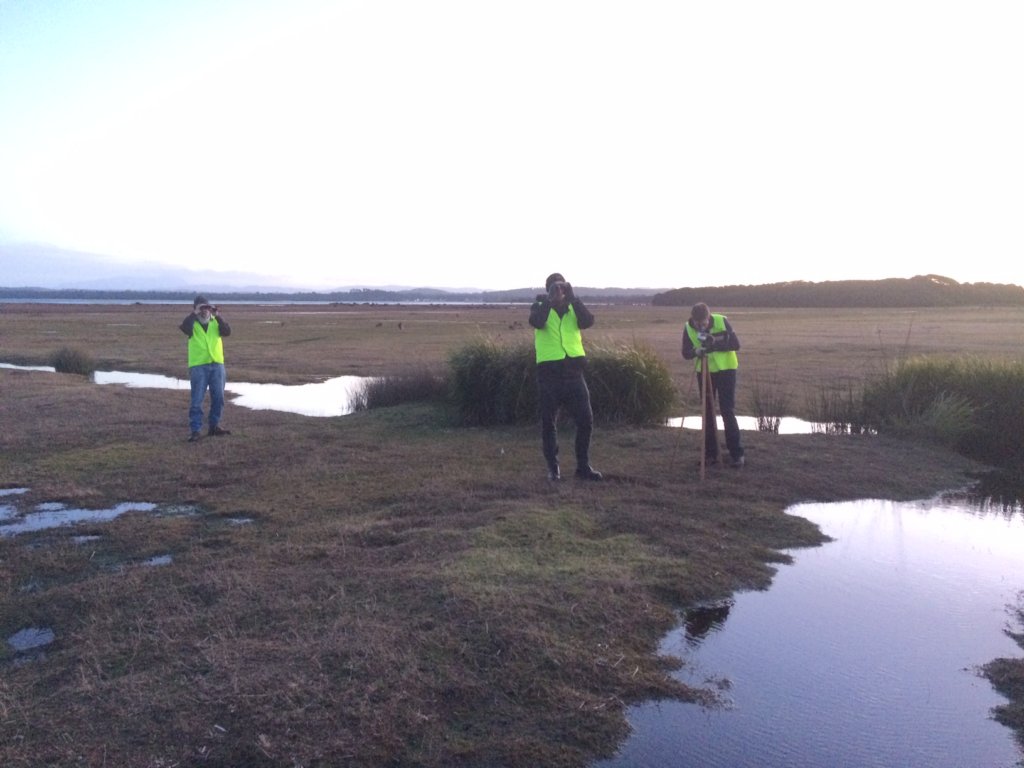
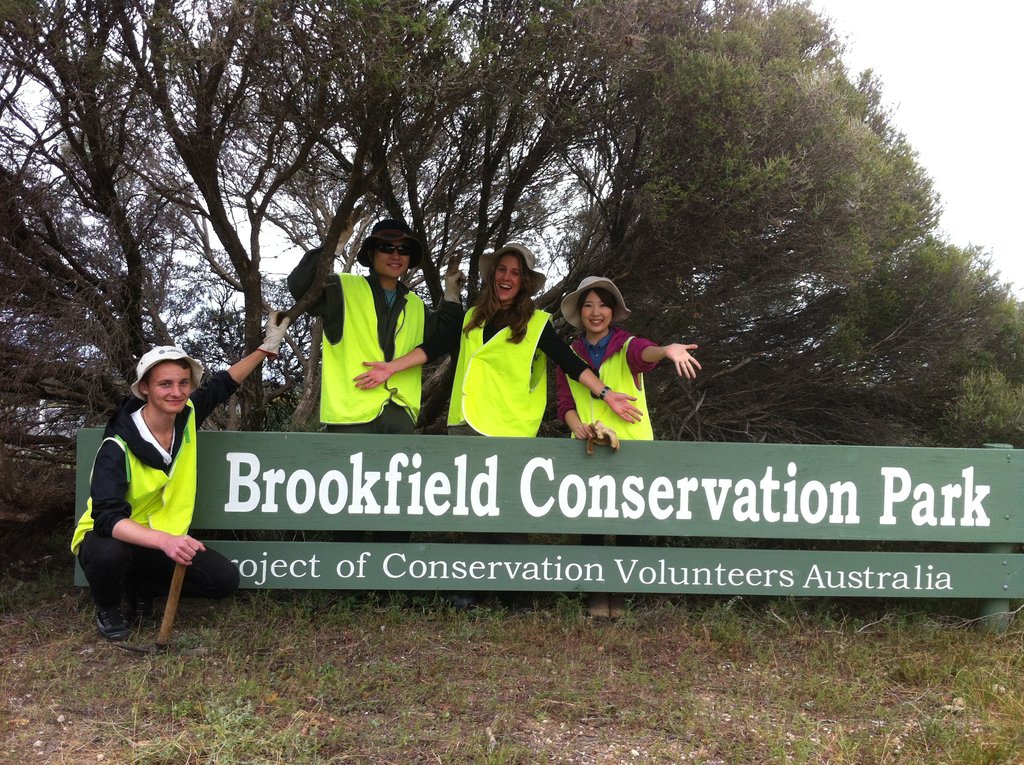
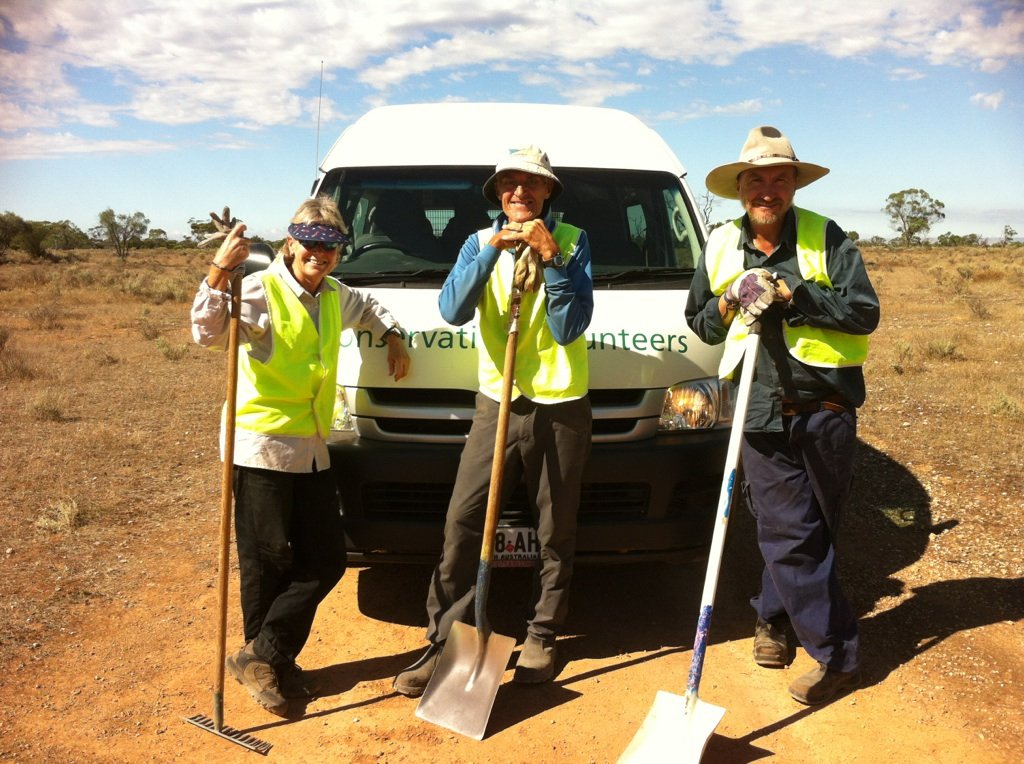
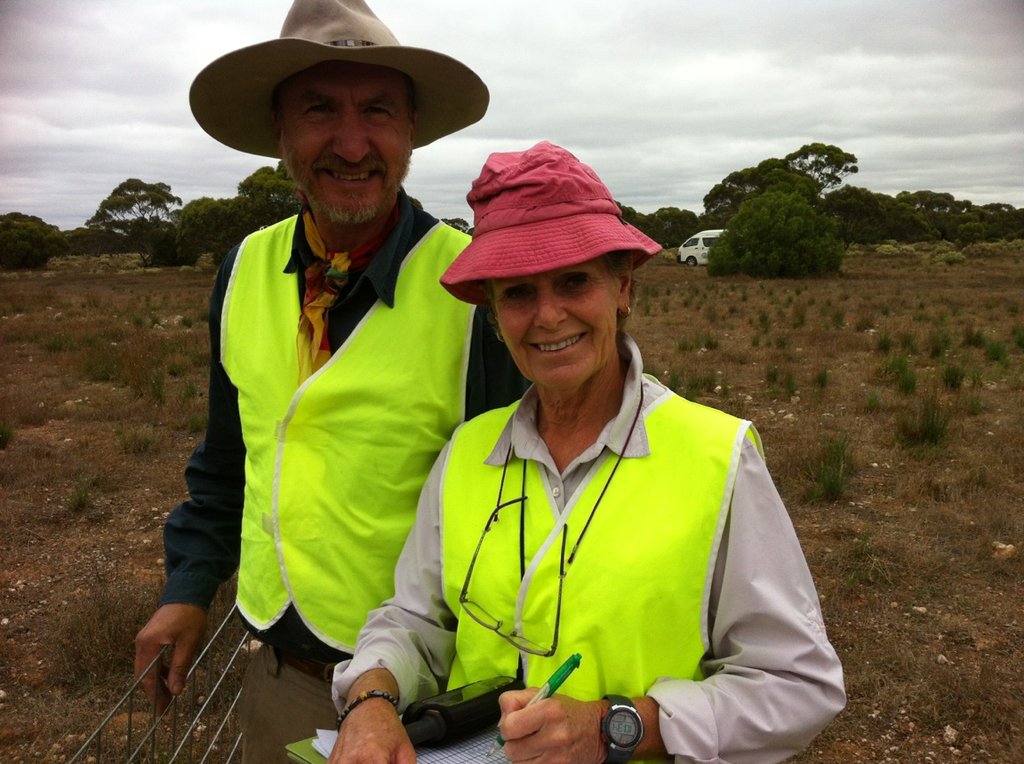
Our volunteers will be monitoring the exclosures and gathering data. They will also be keeping an eye on the condition of the wombats in the Park, as word is out that Mange could be on the rise – it is a skin disease of mammals caused by parasitic mites - something we all need to keep on top of to ensure a healthy wombat population (see news report link for more information).
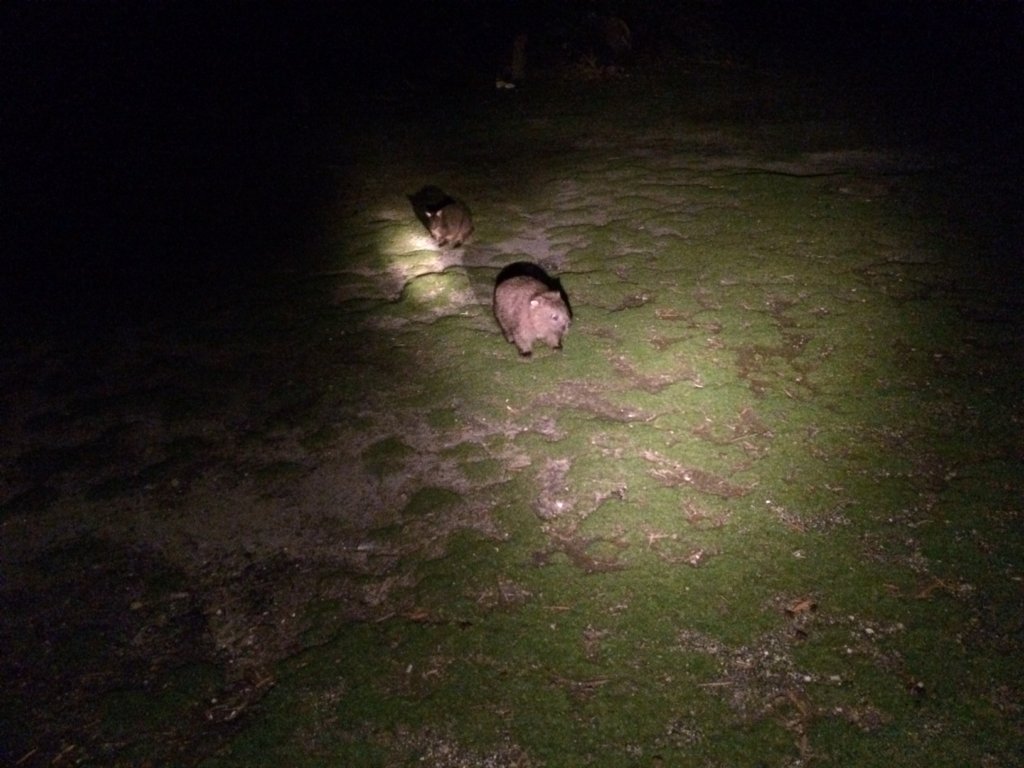
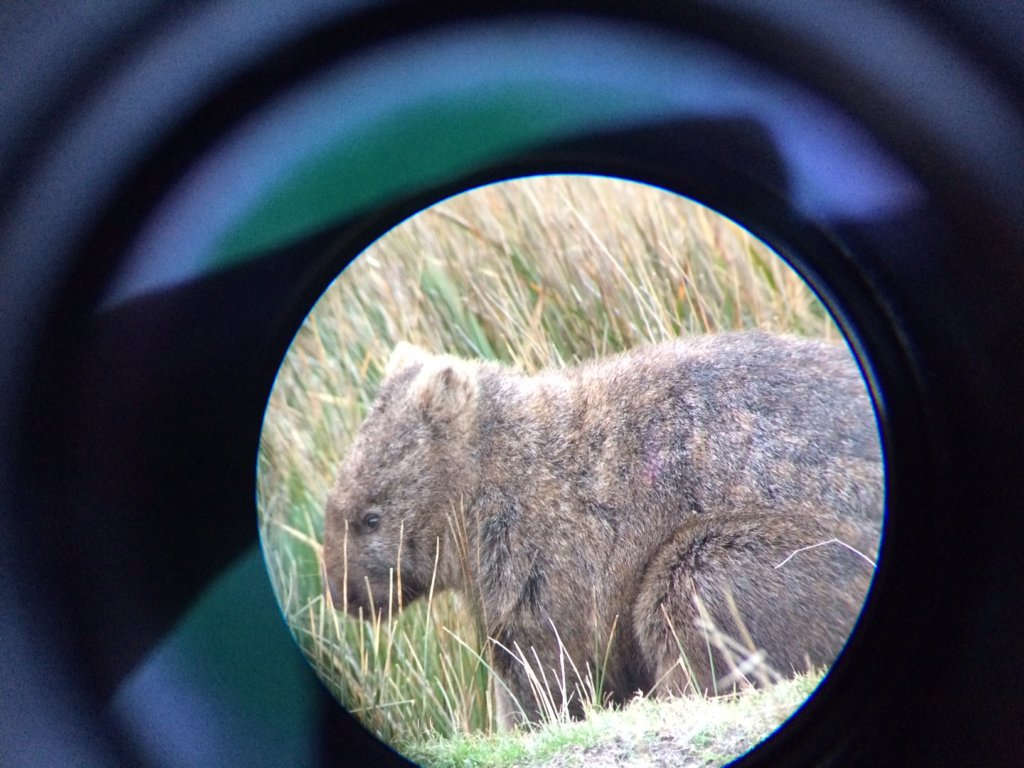
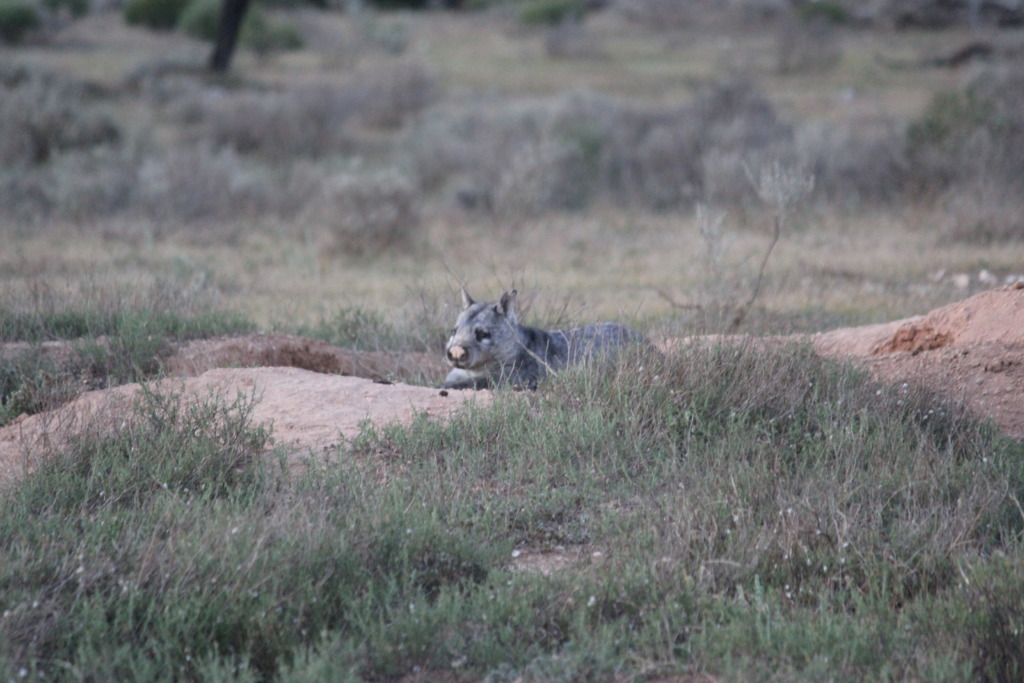
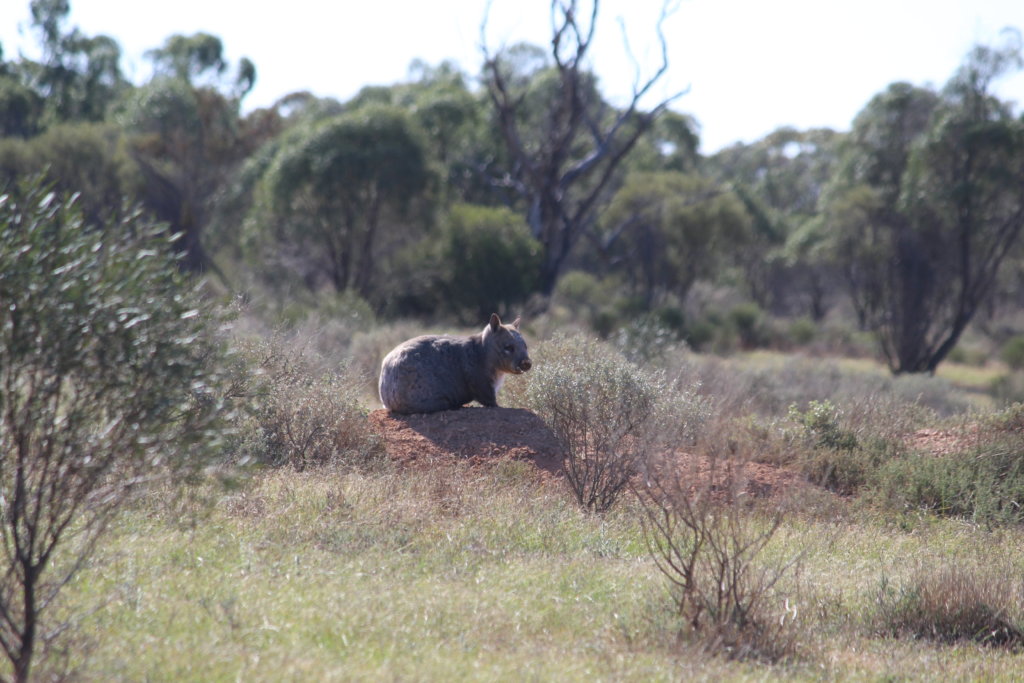
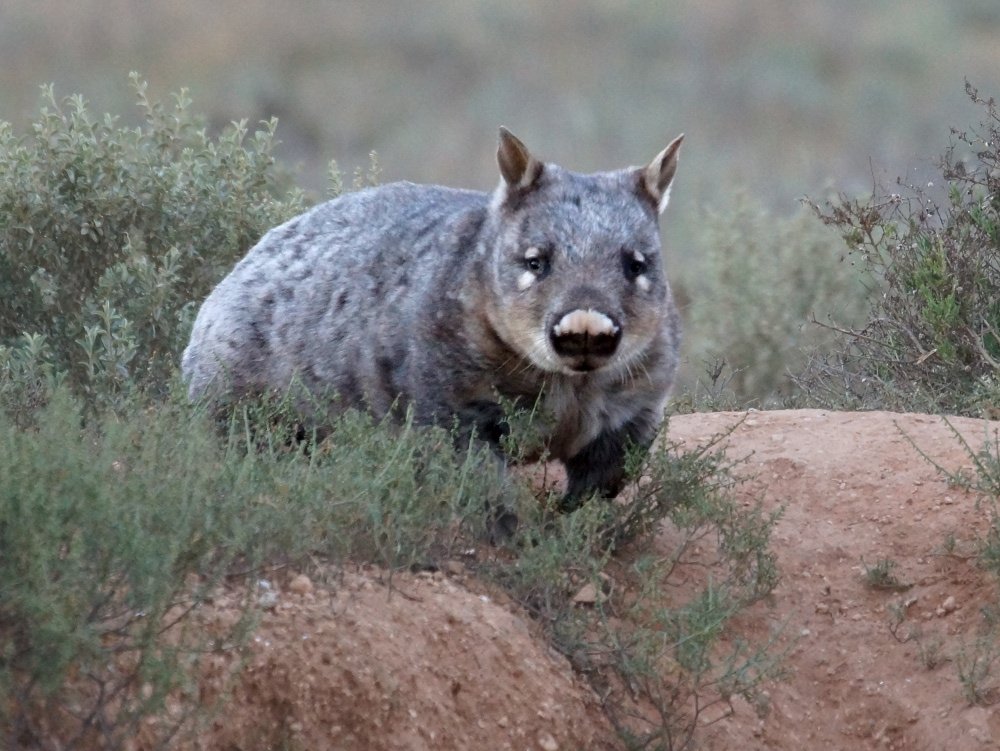
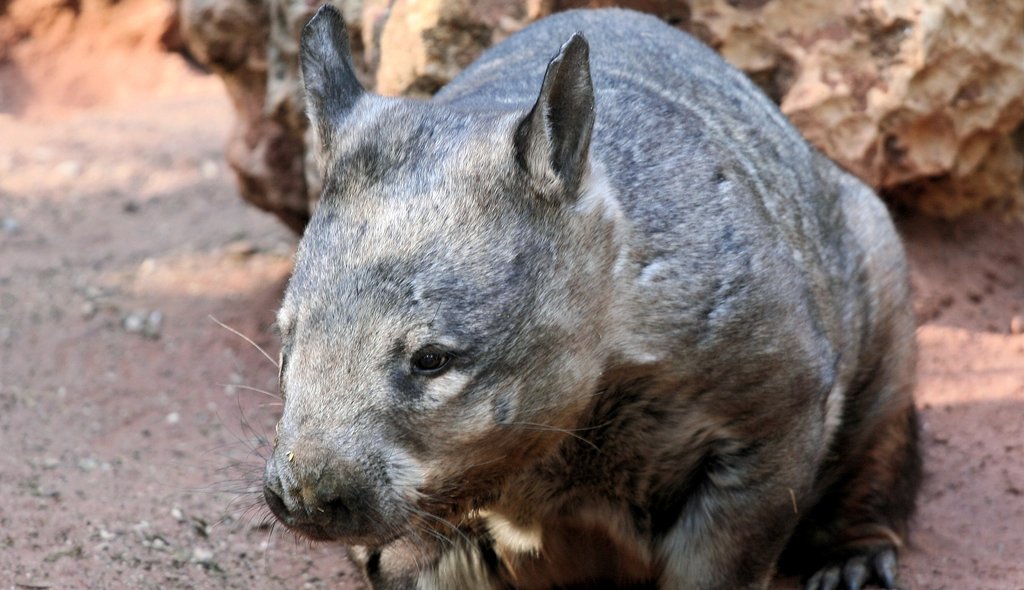
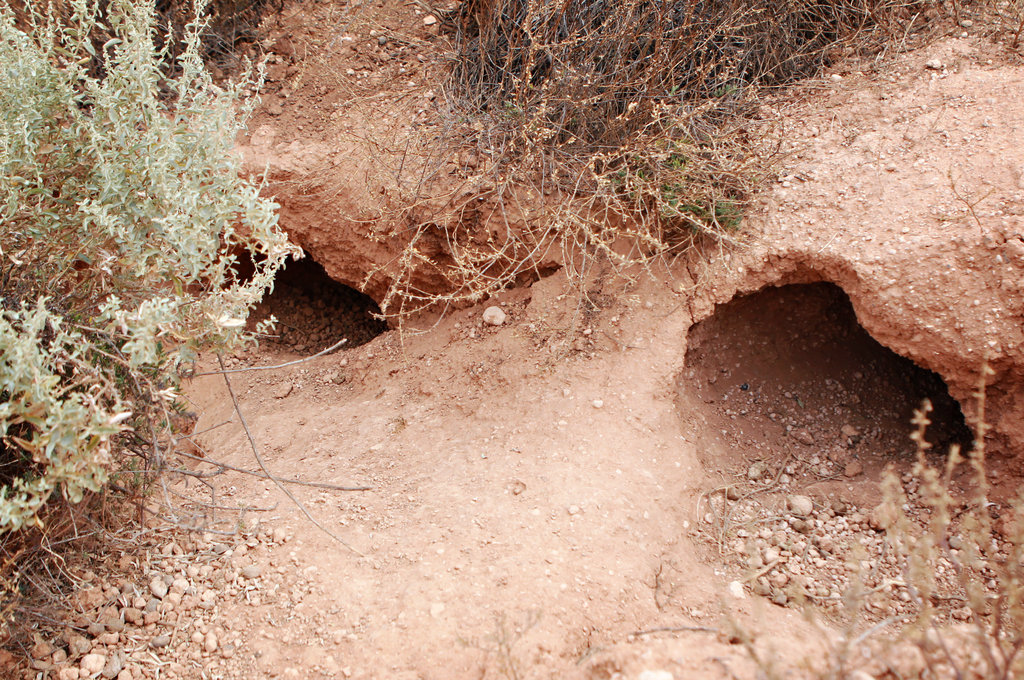
Despite all of these issues, we have been witnessing some very robust wombats with beautiful shiny coats. They have been enjoying the warmer afternoons on top of their burrows before they head off for their nightly forage.
The support of generous donors through Global Giving is instrumental in discovering innovative ways to manage the Southern Hairy-nosed Wombat and its habitat, particularly at the moment with a dry summer looking very likely. We look forward to your continued support to ensure our vital work can continue successfully.
Links:
By Tricia Curtis | Wild Futures Team
By Tricia Curtis | Wild Futures Team
Project reports on GlobalGiving are posted directly to globalgiving.org by Project Leaders as they are completed, generally every 3-4 months. To protect the integrity of these documents, GlobalGiving does not alter them; therefore you may find some language or formatting issues.
If you donate to this project or have donated to this project, you can receive an email when this project posts a report. You can also subscribe for reports without donating.