By Tricia Curtis | Regional Manager
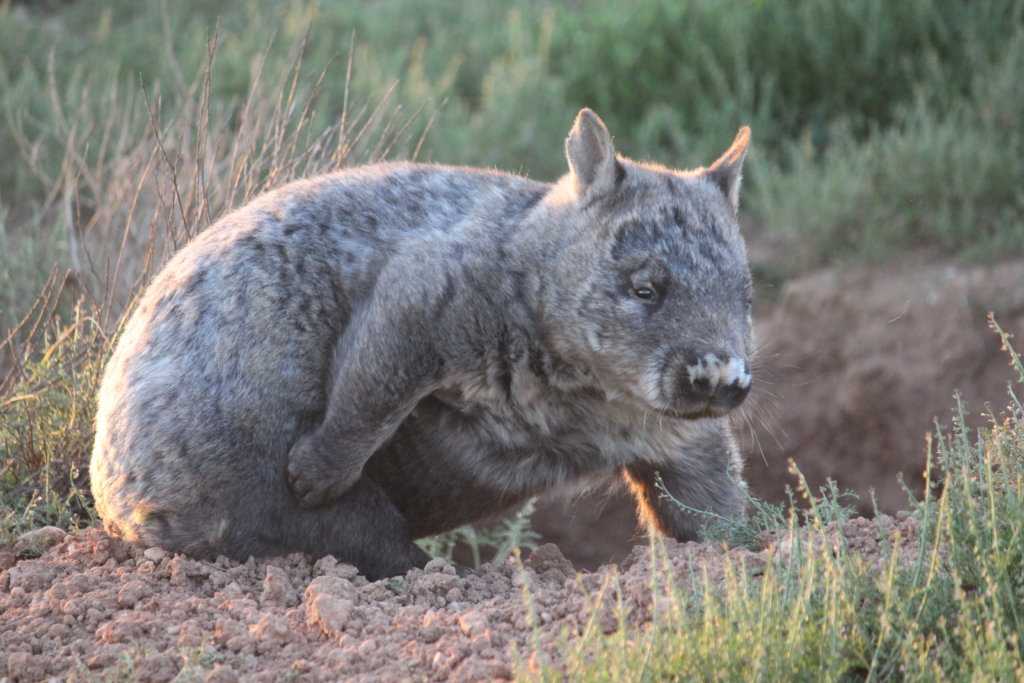
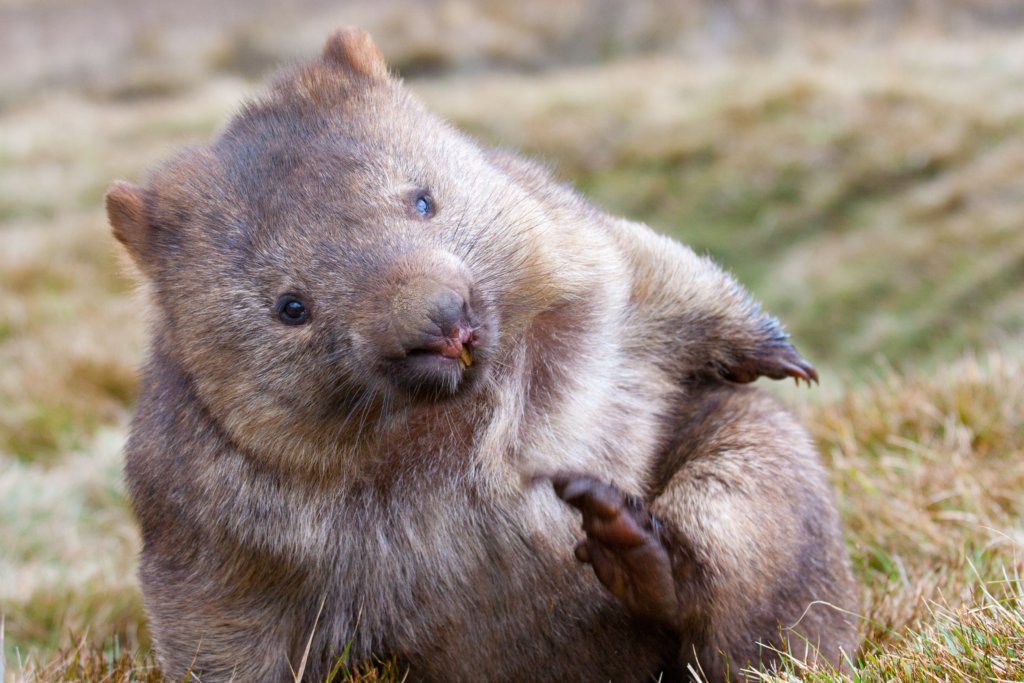
Our focus over the past 3 months has been on threats to the Southern Hairy-nosed Wombats. These threats can come in the form of carriers of disease, removal of preferred food source and unwelcome visitors.
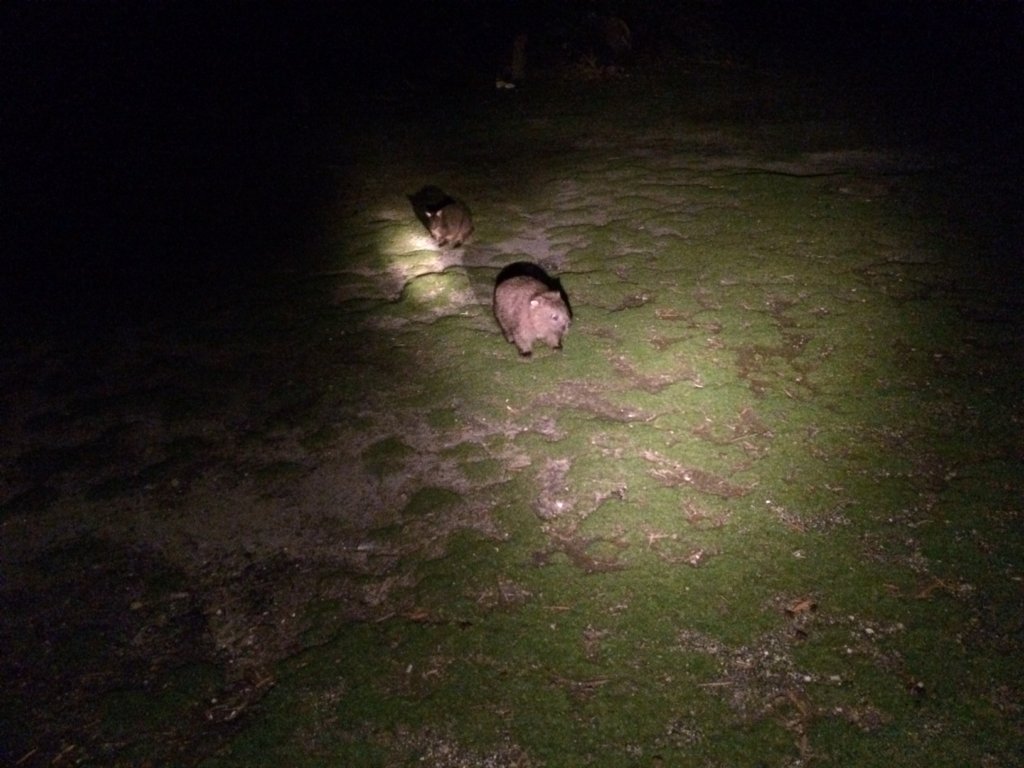
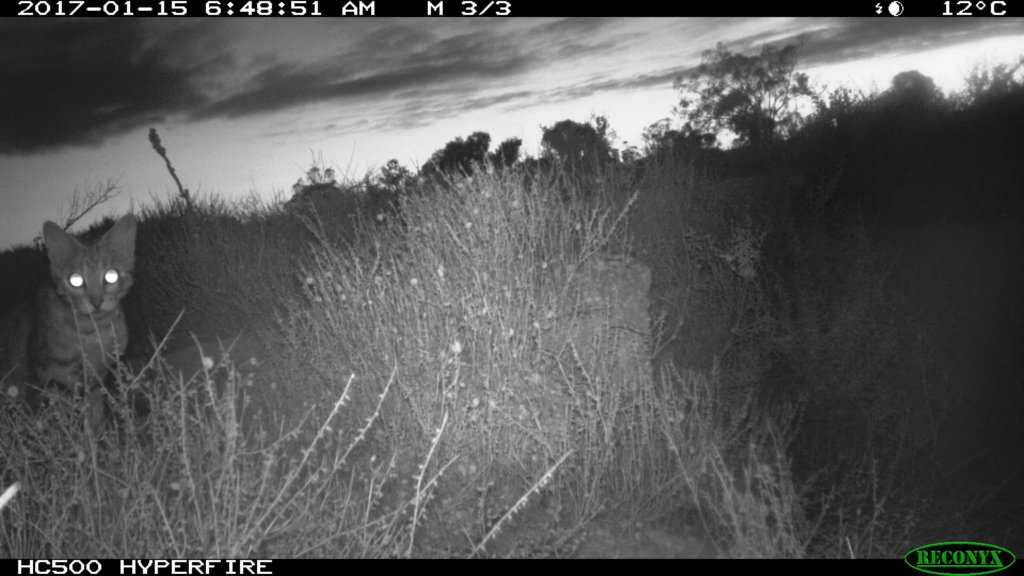
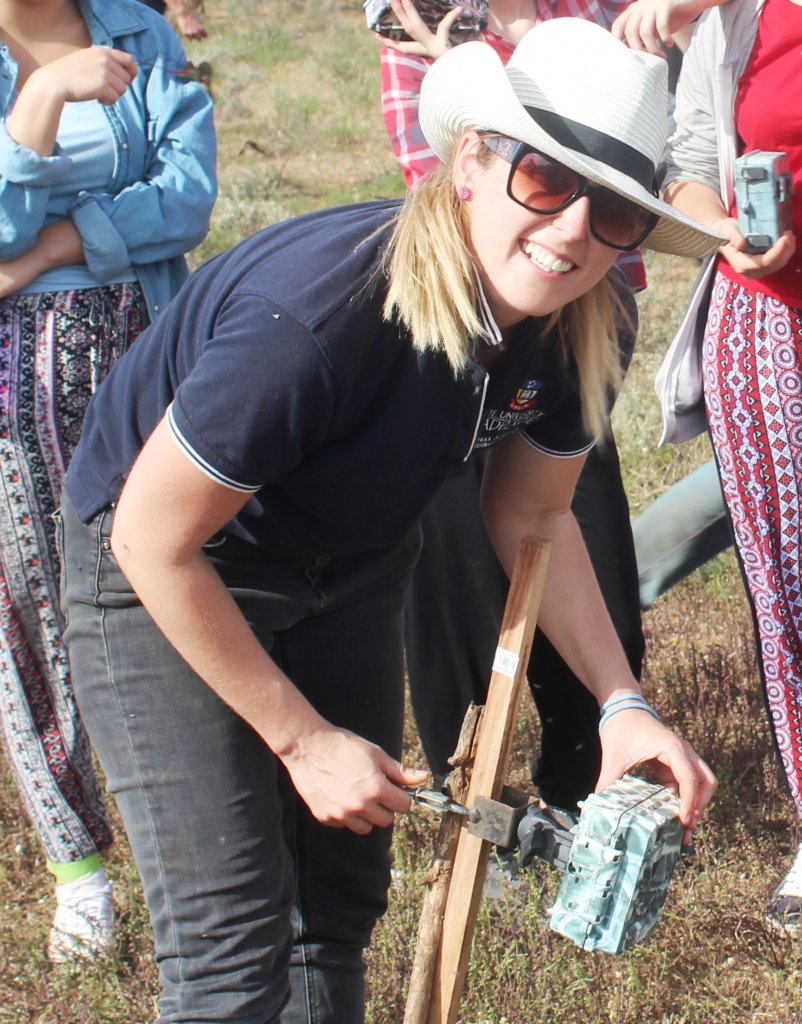
Since our last report, we have installed a remote sensor camera at a large warren to gain clear evidence that we have feral cats at Brookfield Conservation Park. We have seen feral cats on the property, but only had anecdotal information that the cats were utilising the same burrows as the wombats. With the camera in place, we recently captured clear evidence of this cohabitation, which was identified by volunteers searching through all the images recorded. As a result, we can now implement a program for the humane removal of these threats. The camera also captured other useful images of the resident emus and very inquisitive wombats!
Another threat to the biodiversity and integrity of the Park are goats. They are a common problem in this region and just like the wombats, they are drawn to the park as it is an oasis in the region. We have recently set up a water trough to attract the feral goats into one area where we will be able to gather and move them off the Park. Their impact is quite dramatic when in abundance and although they are browsers (eat lower branches and small shrubs) as opposed to grazers (like wombats), they affect the health of the Park, which ultimately affects the health of all native wildlife that inhabit the region. Volunteers have been monitoring remote sensor cameras set up at the troughs to ascertain goat numbers and their regularity to the area. This will assist us with determining the next steps needed to manage these goats.
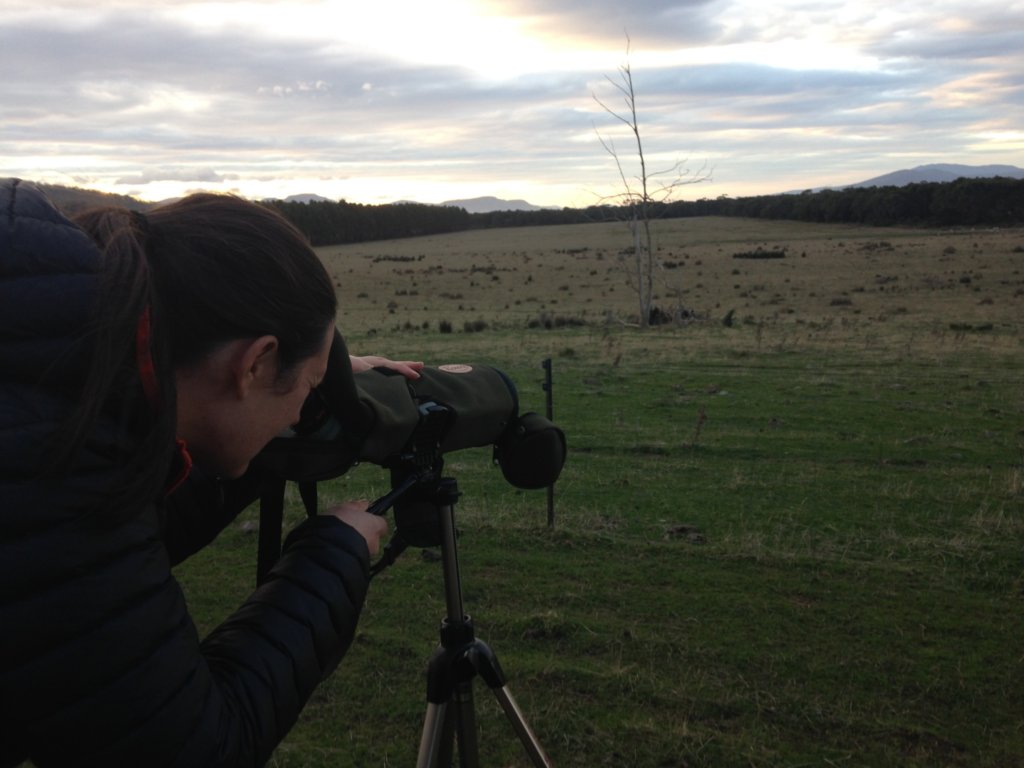
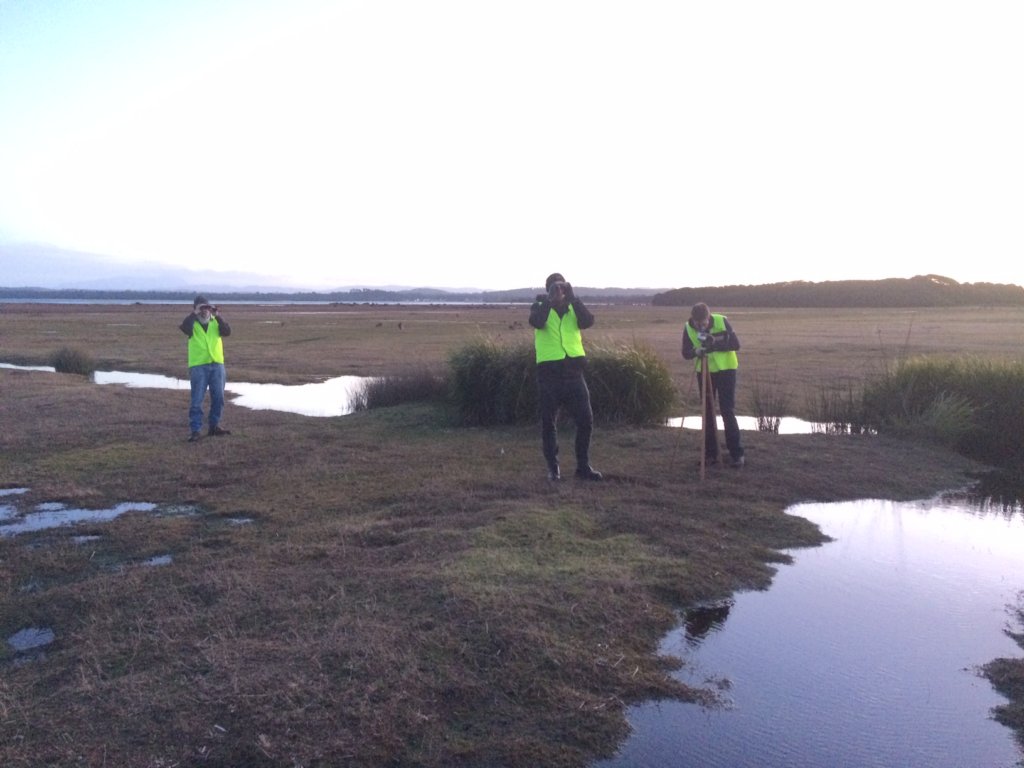
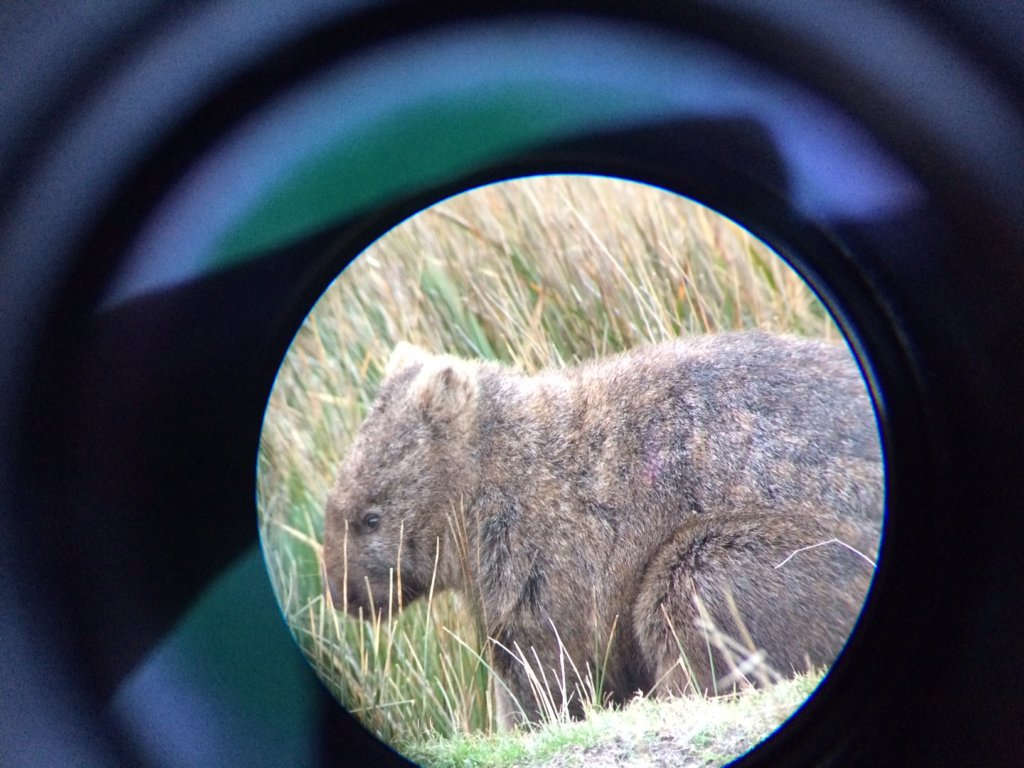
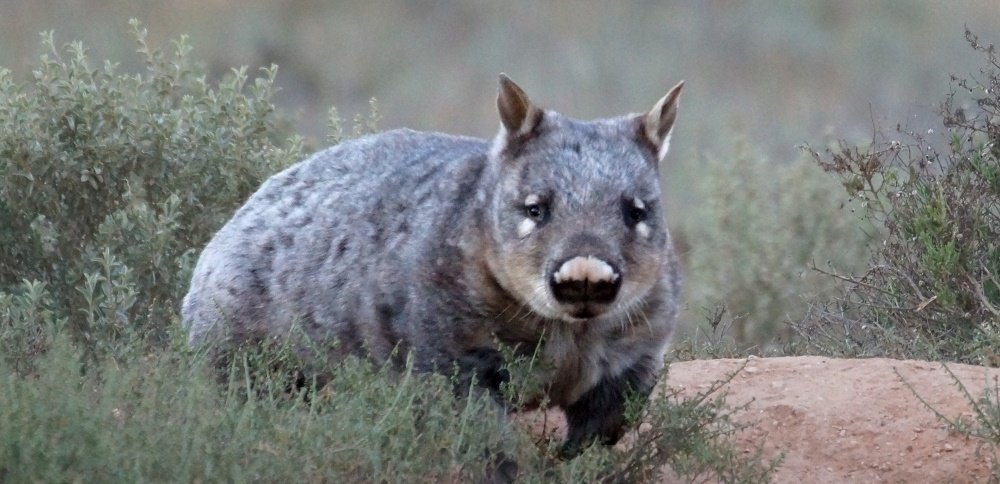
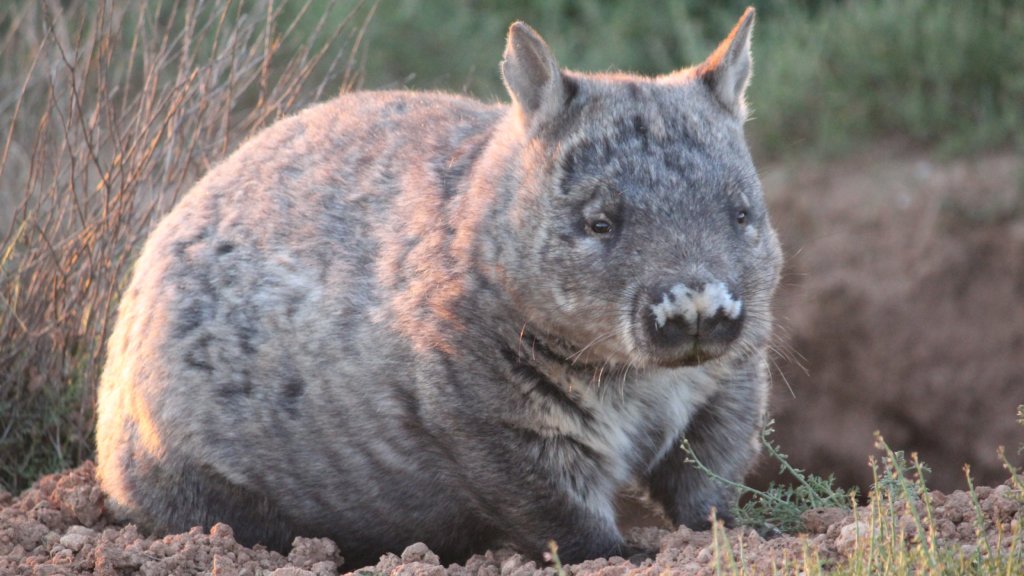
Despite the temperature reaching at least 47 degrees Celsius at the Park recently, volunteers have been rewarded often with sightings of robust looking wombats, taking advantage of the cooler days resting on the warrens. A researcher who regularly visits the Park has captured video footage of a female wombat with a young at heel, a special treat for a species so cryptic!
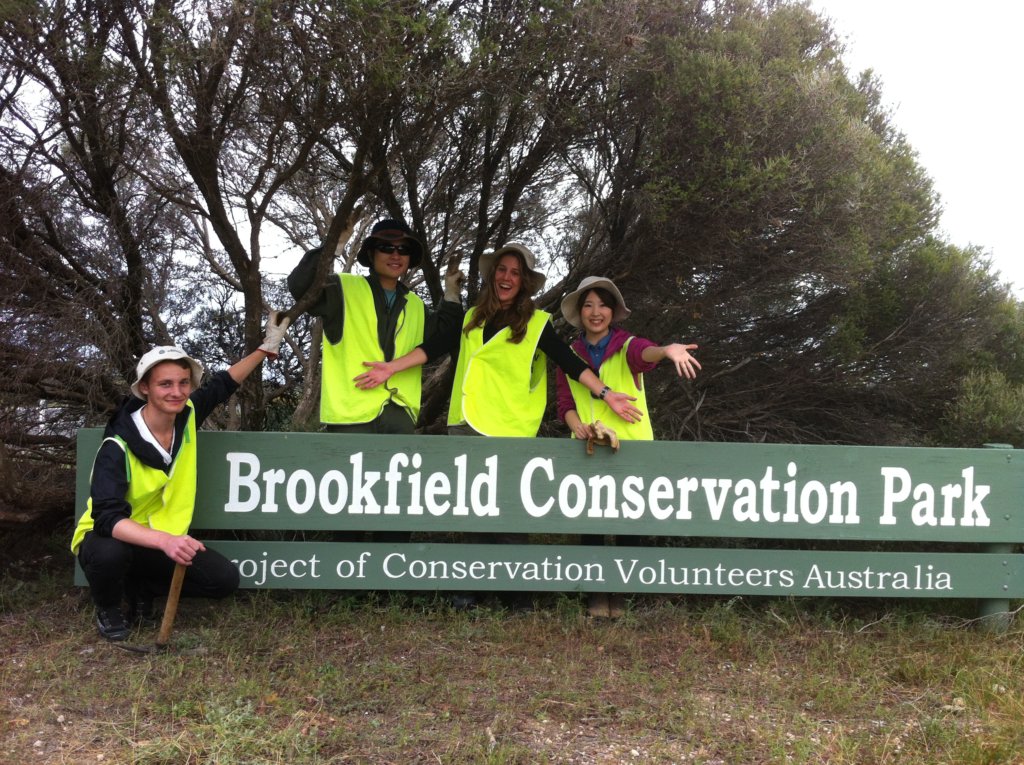
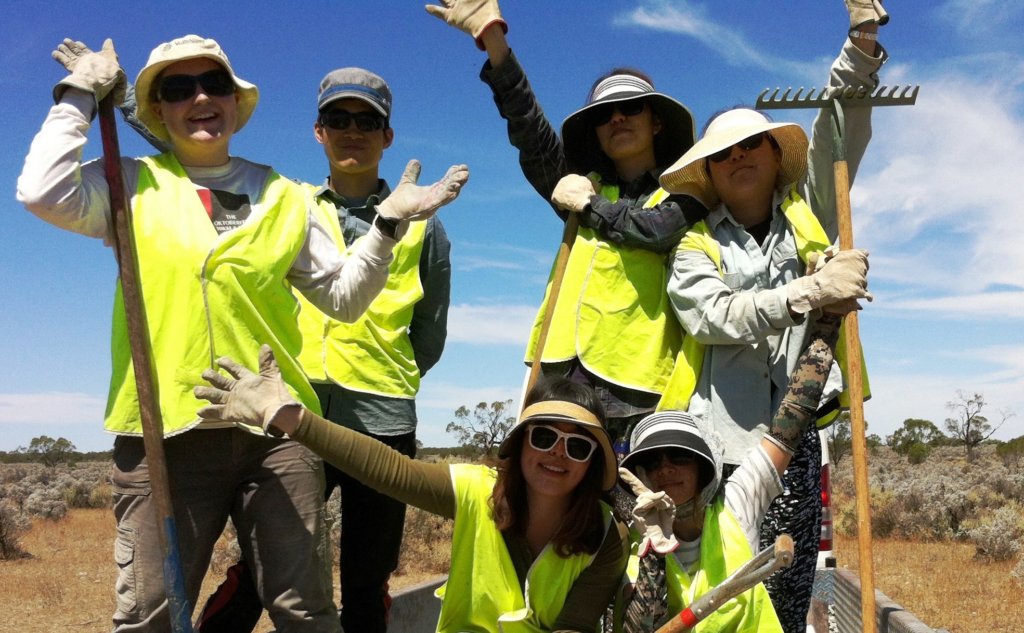
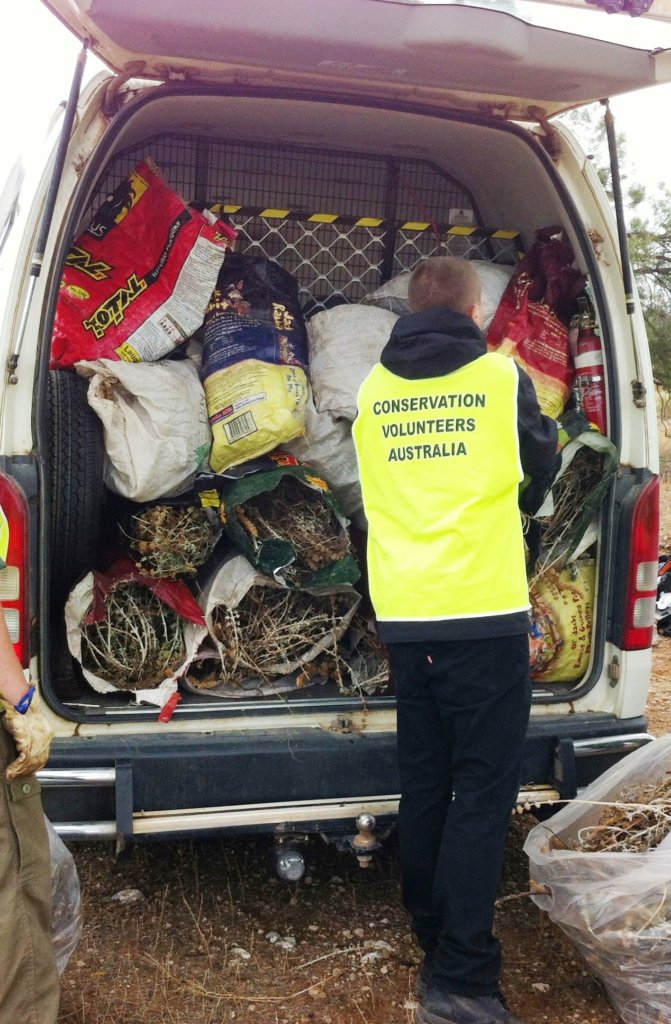
The coming months will see our continuing efforts on the invasive weeds throughout the Park, as well as looking forward to the arrival of a return research team. Having completed a research program 16 years ago on collecting DNA samples through wombat hairs, the principal researcher is returning to repeat that work. It is not often there is the time or funds for this kind of return trip, so we are waiting in anticipation for the team to arrive! We would like to sincerely thank you for your generous donations, they are supporting this timely research and we looking forward to sharing the progress with you in our next report.
*Video courtesy of Matt Gaughwin
Links:
By Tricia Curtis | Regional Manager
By Tricia Curtis | Regional Manager
Project reports on GlobalGiving are posted directly to globalgiving.org by Project Leaders as they are completed, generally every 3-4 months. To protect the integrity of these documents, GlobalGiving does not alter them; therefore you may find some language or formatting issues.
If you donate to this project or have donated to this project, you can receive an email when this project posts a report. You can also subscribe for reports without donating.