By Rachael Risby Raz | International Relations Manager
We are pleased that for the first time in three years, we were able to run the program in its entirety. Apart from a few occasions when there were cancellations because of classes with high covid-19 numbers, things were back to normal like it was before the beginning of the pandemic.
In fact, some of our staff members had for the first time a full year of therapy since they joined our team.
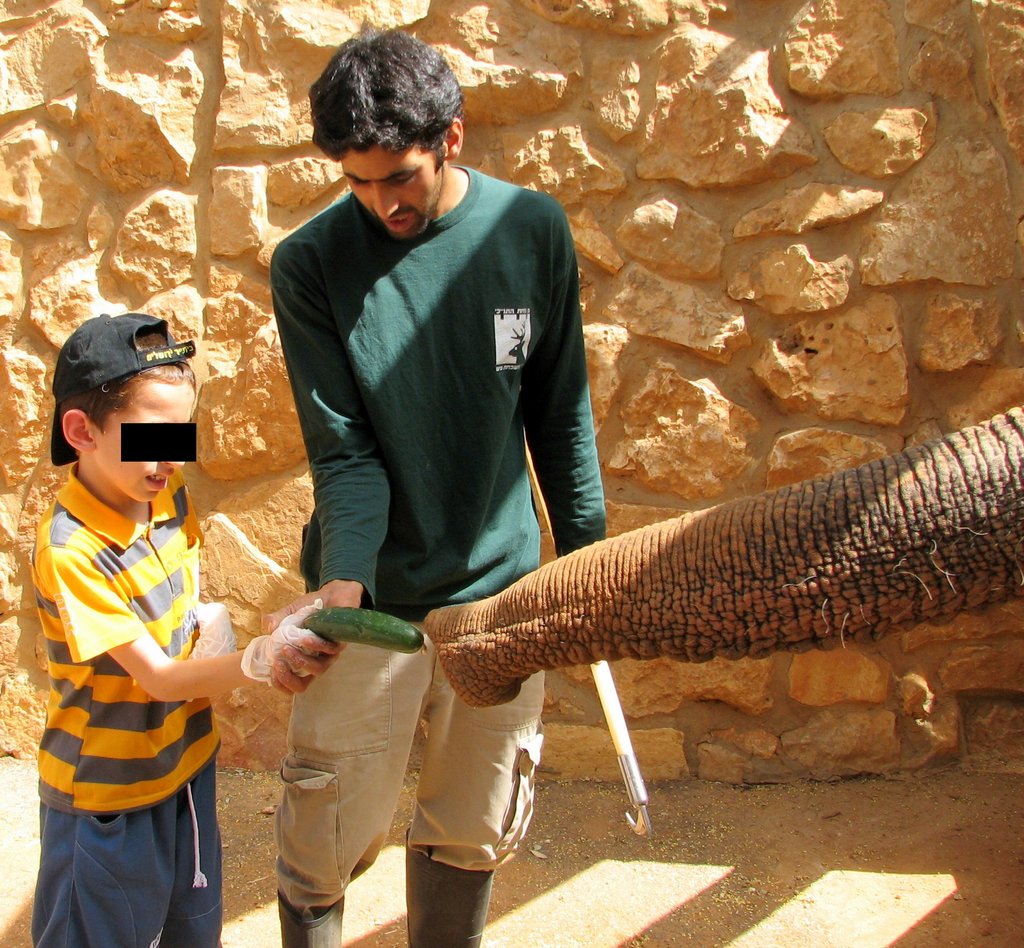
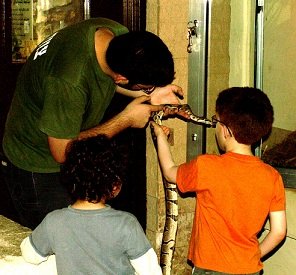
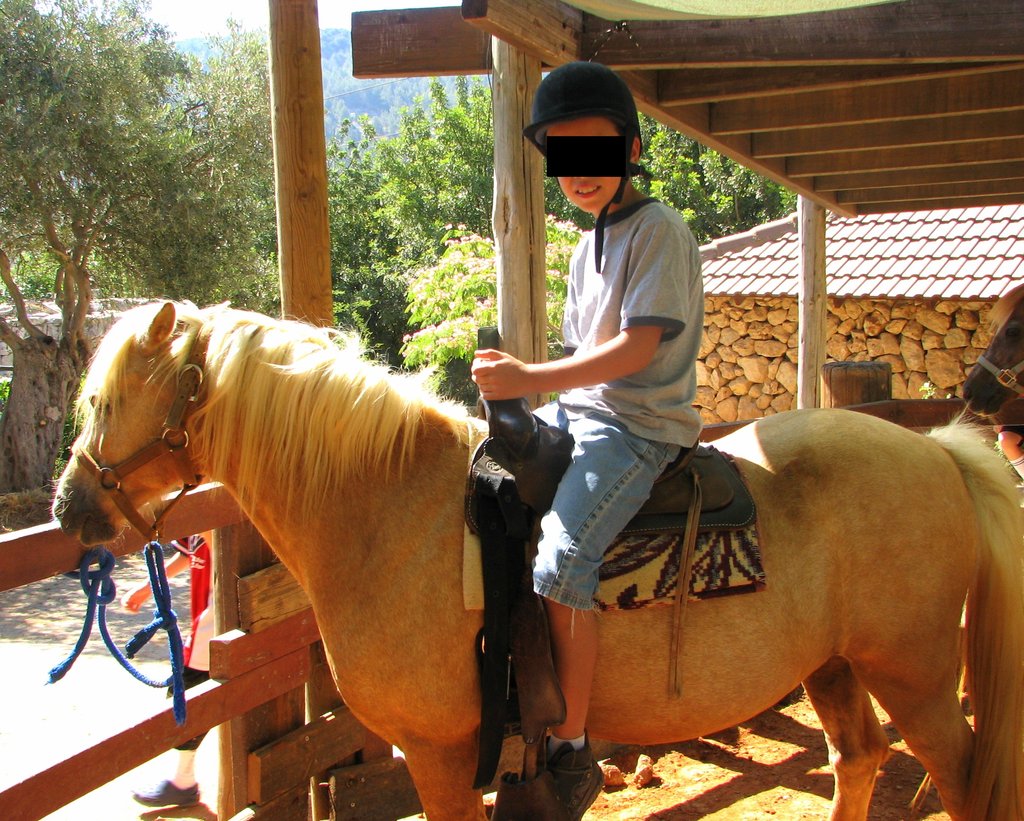
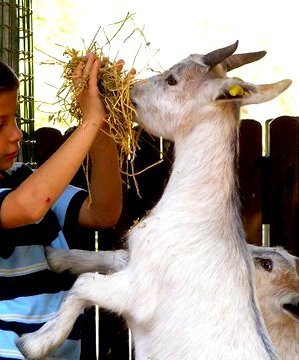
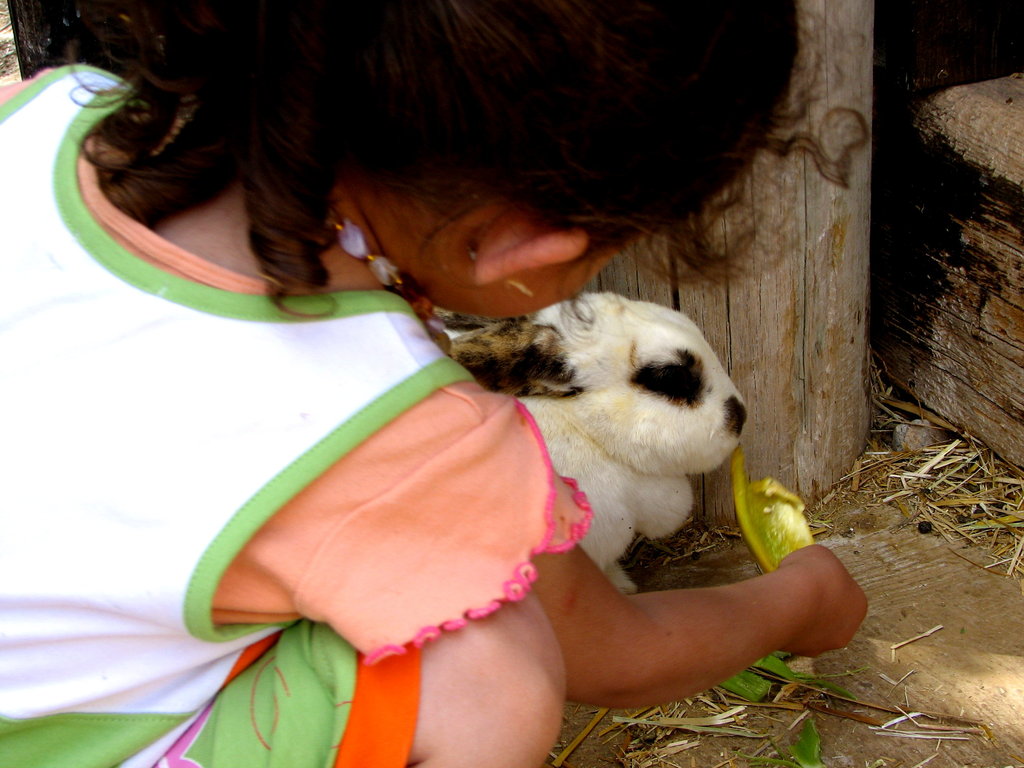
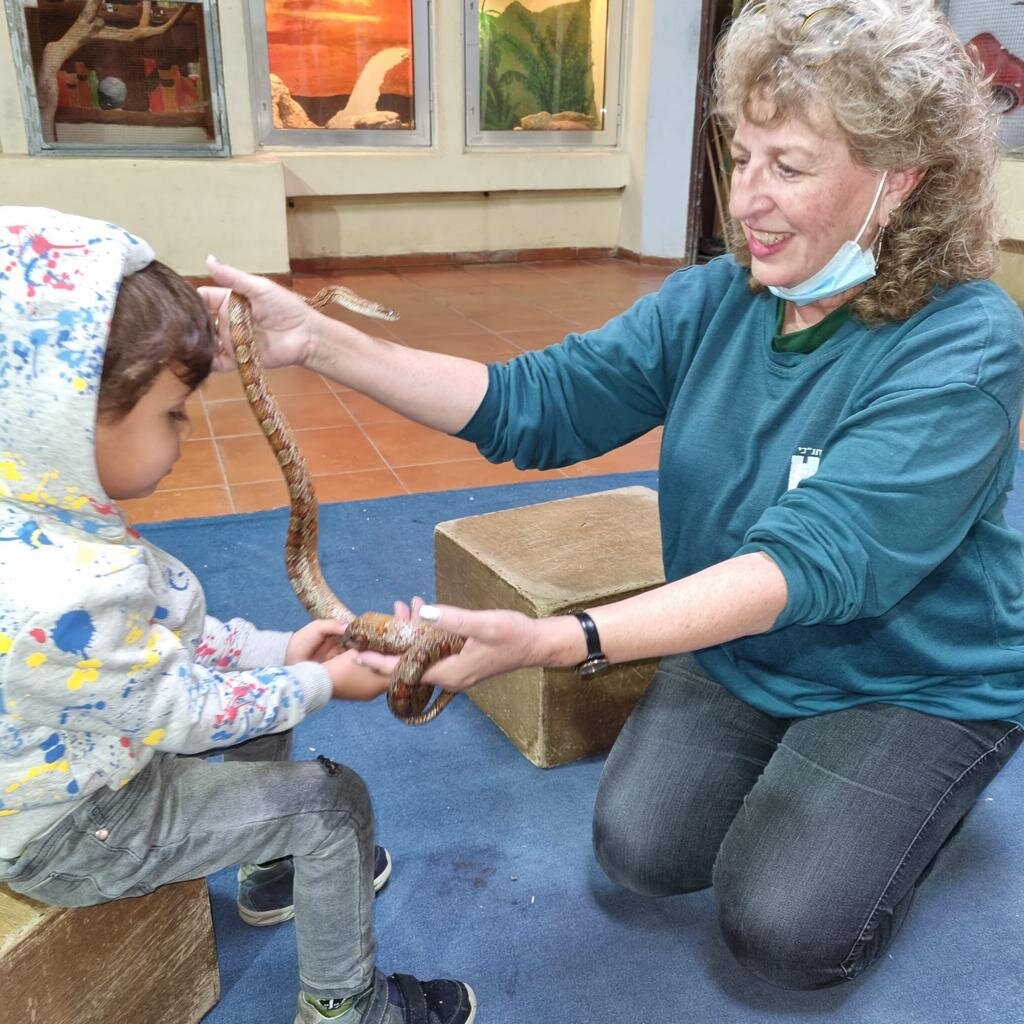
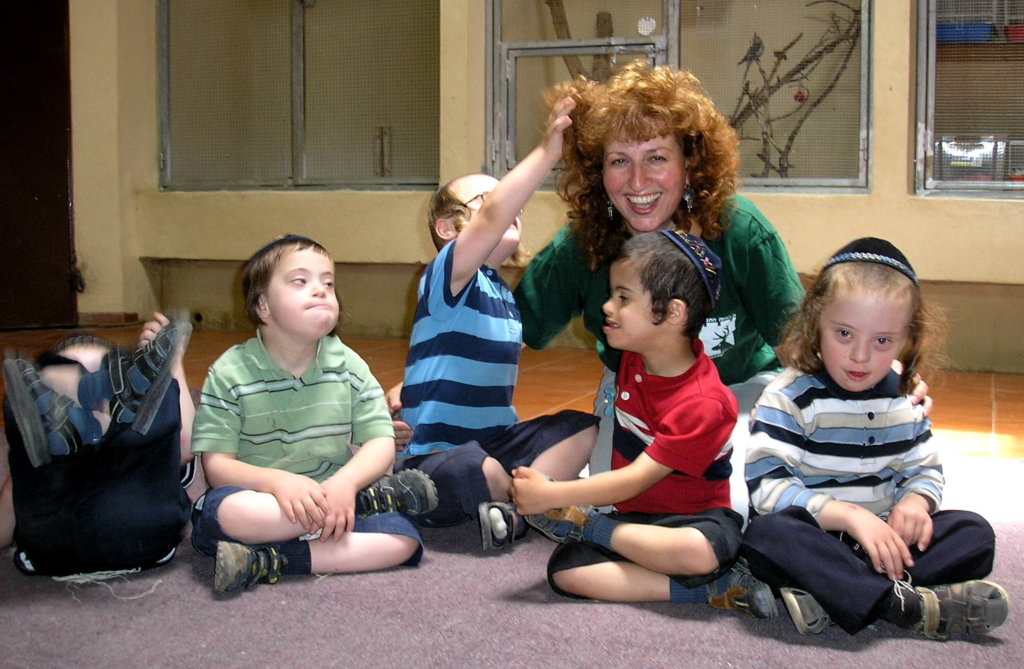
Here is an example of an activity we did this year with our therapeutic groups:
Yael, one of our seasoned therapists,reports about a visit to the peccary exhibit:
“The group was excited to be responsible for feeding this South American animal (which looks a little like a pig but is not related but is also a little smelly). We had to teach them not to throw directly to the animals but to where the animals were not standing. Also to make sure smaller, slower animals got food thrown near them as well. I had them cut up the fruit and vegetables first as part of the preparation process. They learnt not to throw too hard, not to throw weakly because then the food can fall in the space between guard rail and electric wire. When this happened, and the food fell into "no man's land," we made an activity of constructing a utensil/ tool to retrieve the wasted fruit and vegetables in order to be able to try and throw them in to the exhibit again.”
In this example we see that the group is learning how to problem-solve together as a group in the altruistic act of feeding the peccaries.
The enrollment numbers for the incoming year are encouraging.
By Rachael Risby Raz | International Relations Manager
By Rachael Risby Raz | International Relations Manager
Project reports on GlobalGiving are posted directly to globalgiving.org by Project Leaders as they are completed, generally every 3-4 months. To protect the integrity of these documents, GlobalGiving does not alter them; therefore you may find some language or formatting issues.
If you donate to this project or have donated to this project, you can receive an email when this project posts a report. You can also subscribe for reports without donating.



Support this important cause by creating a personalized fundraising page.
Start a Fundraiser