By Umam Hadinata | Project Staff
In an era of rapid digitalization and instant information, the tradition of reading books is slowly fading—especially among school-age children. Screens are increasingly accessible, while books are touched less frequently. Yet reading from an early age remains one of the most powerful foundations for critical thinking, literacy development, and imagination.
In many rural communities, this challenge is even more complex. Access to quality books is limited. School libraries often lack sufficient collections. At home, many parents do not have reading habits or book collections that can enrich their children’s exposure to knowledge. As a result, reading is often seen as a school obligation rather than a personal joy.
This is concerning, because strong literacy skills are closely linked to academic achievement and long-term social mobility. Children who develop consistent reading habits not only expand their vocabulary but also strengthen their ability to understand science, mathematics, and complex social realities. Reading nurtures curiosity, empathy, and independent learning—skills essential for navigating the modern world.
Building a reading culture means building a foundation for the future.
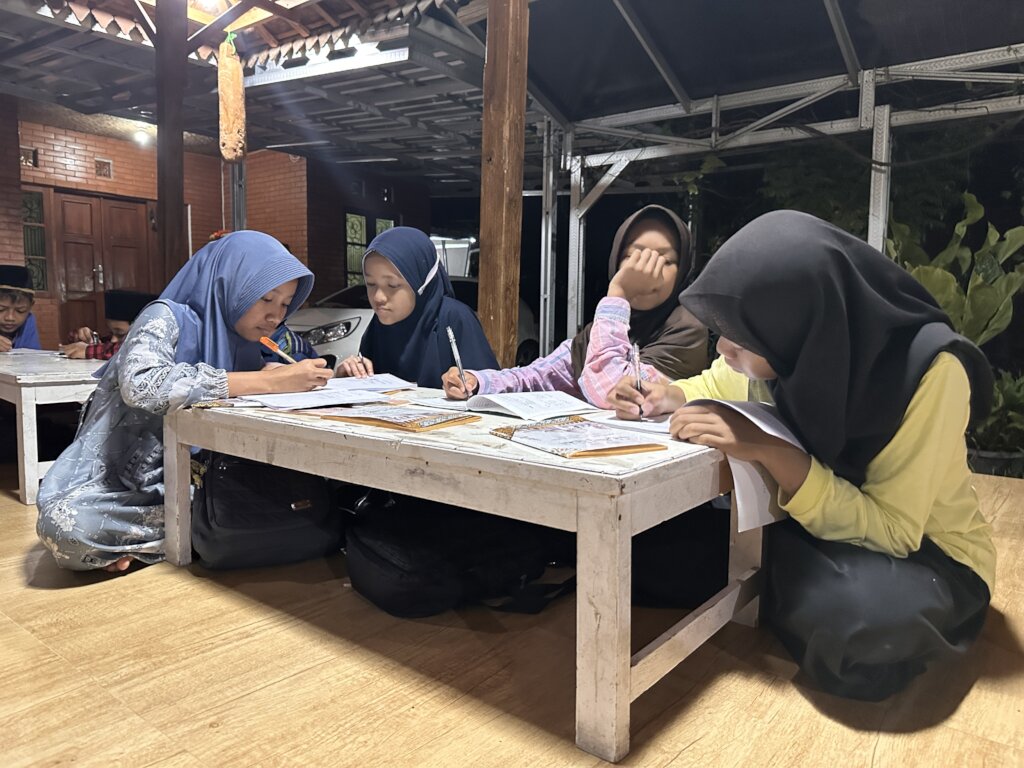
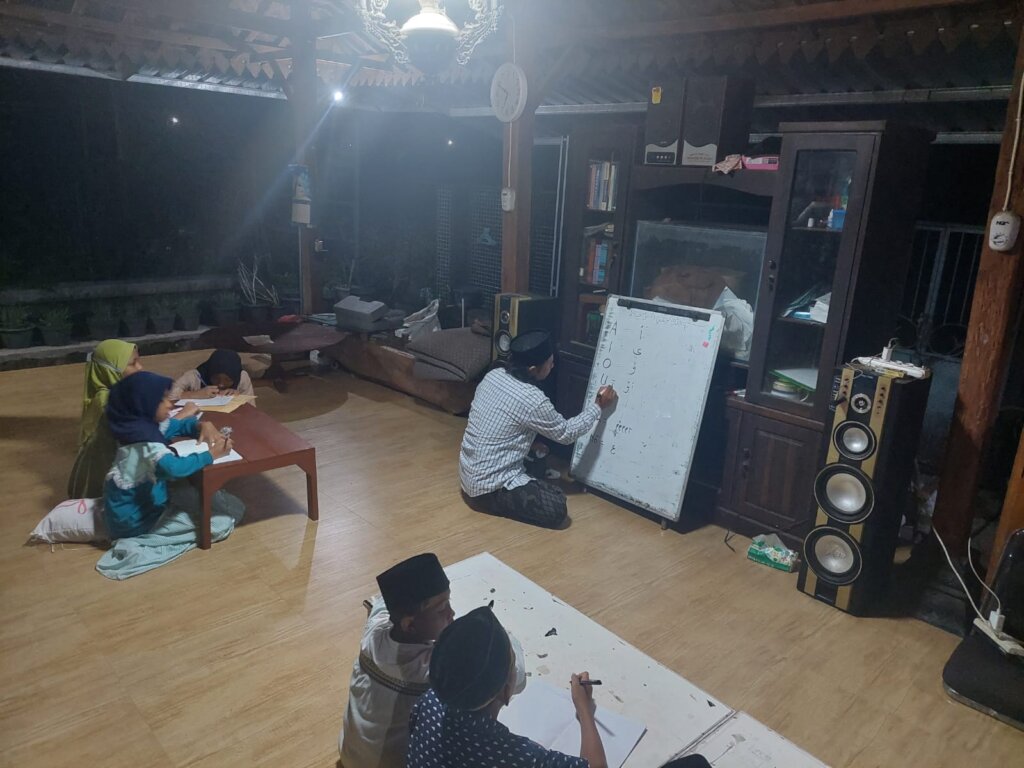
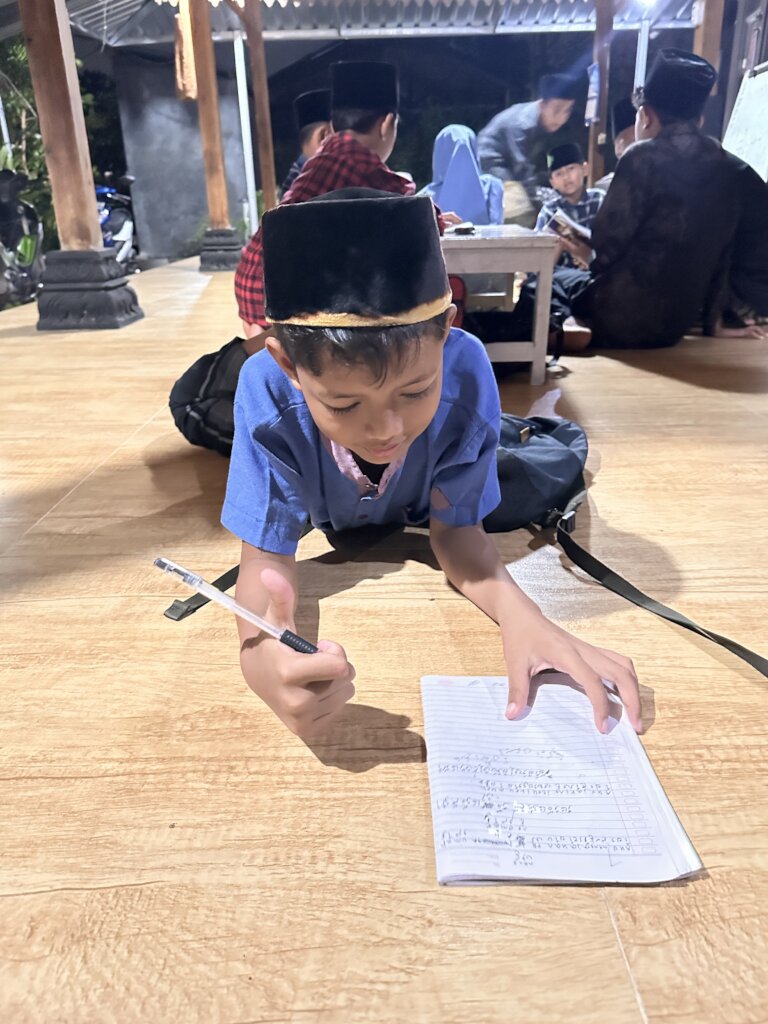
At Punthuk Sewu Learning Center, we are committed to restoring reading as a habit and a culture, not merely an activity. We create comfortable reading spaces, introduce engaging and age-appropriate books, and accompany children as they discover the joy within each page.
Reading is not only about decoding words.
It is training the mind to think.
It is training the imagination to grow.
It is training the heart to understand the world.
We invite partners, donors, and communities to join us in providing quality books, strengthening child-friendly library facilities, and sustaining literacy programs that nurture lifelong learners.
Let us raise a generation that does not simply know how to read—but loves to read.
Because from a reading habit grows a generation ready to shape the future.
By munir | Project Staff
By Misbachul Munir | Project Staff
Project reports on GlobalGiving are posted directly to globalgiving.org by Project Leaders as they are completed, generally every 3-4 months. To protect the integrity of these documents, GlobalGiving does not alter them; therefore you may find some language or formatting issues.
If you donate to this project or have donated to this project, you can receive an email when this project posts a report. You can also subscribe for reports without donating.



Support this important cause by creating a personalized fundraising page.
Start a Fundraiser