By Marija Virijevic | Project Leader
Hello from Niš!
A lot has happened since our last update — including an important new chapter for us: we have moved into a new space!
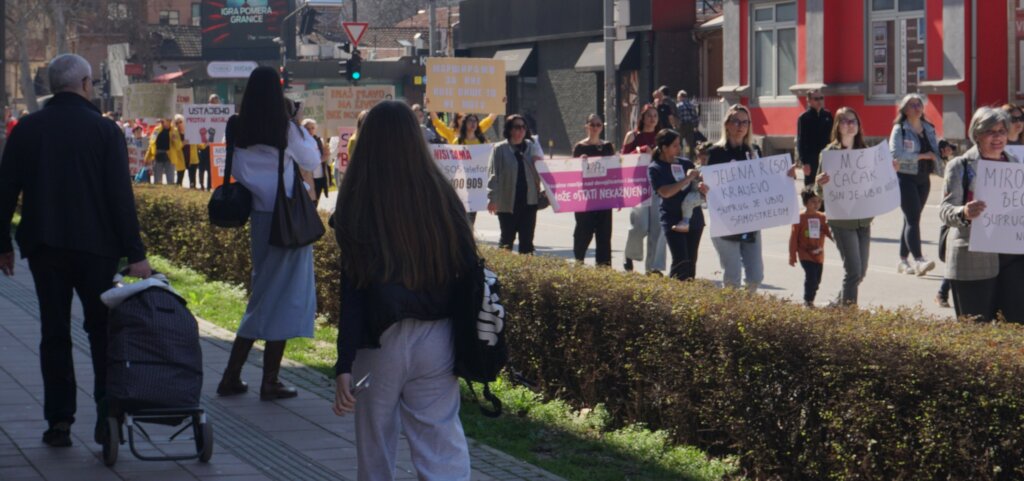
Over the past few months, we have continued to create, learn, connect, organize and take action. We held trainings, performances and public actions, stood in the streets to say NO to femicide, brought together activists and professionals, and organized our 12th Feminist Art Colony.
Here are some of the moments we would like to share with you.
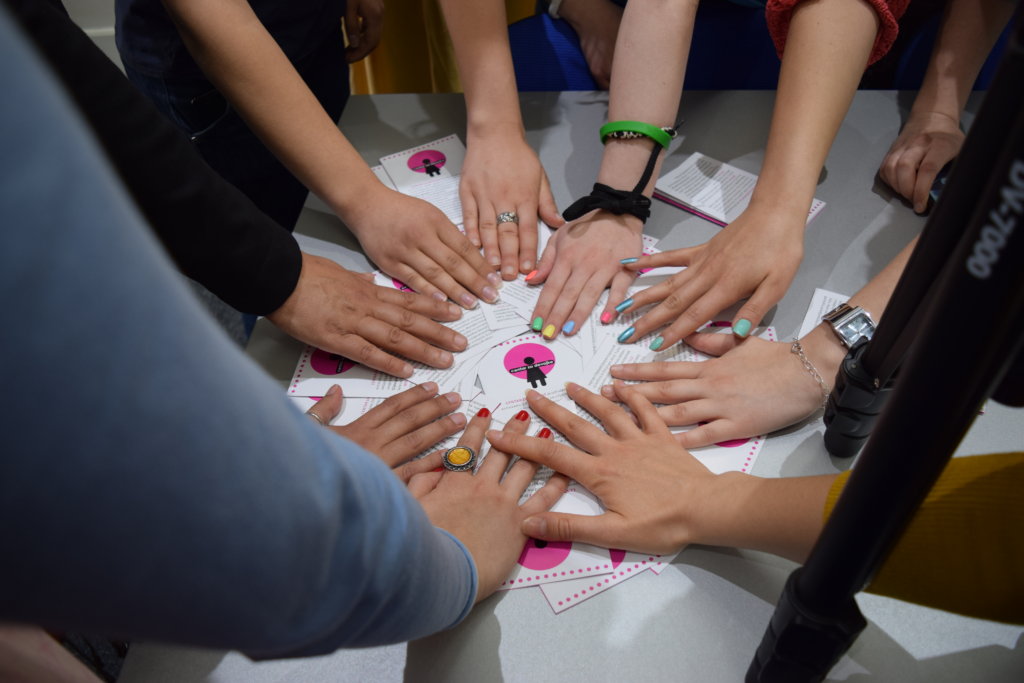
Building confidence, skills and feminist leadership
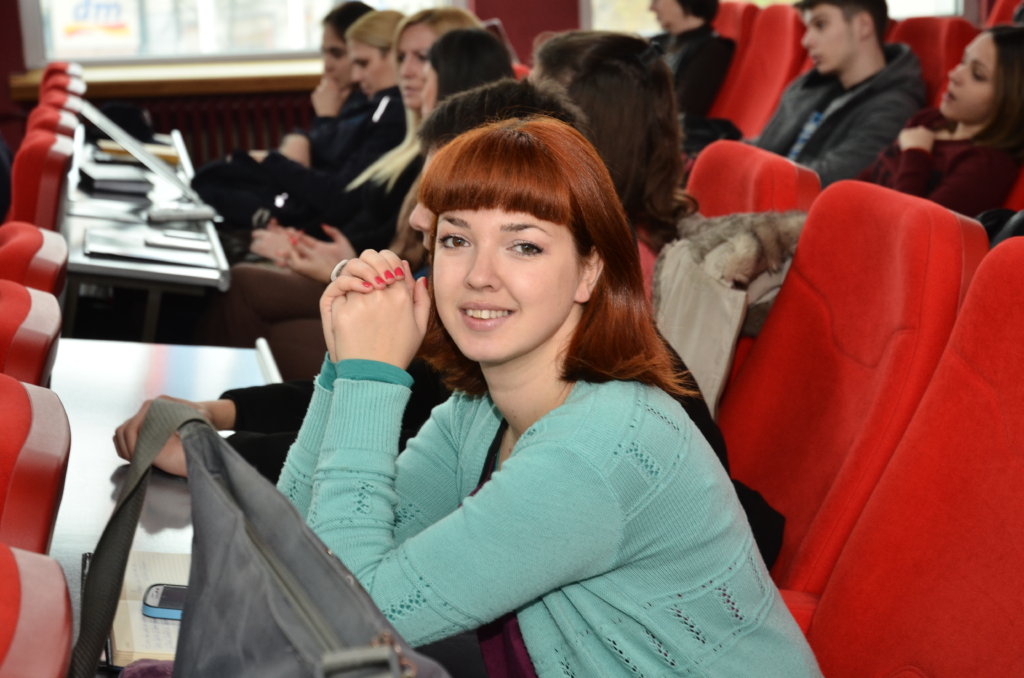
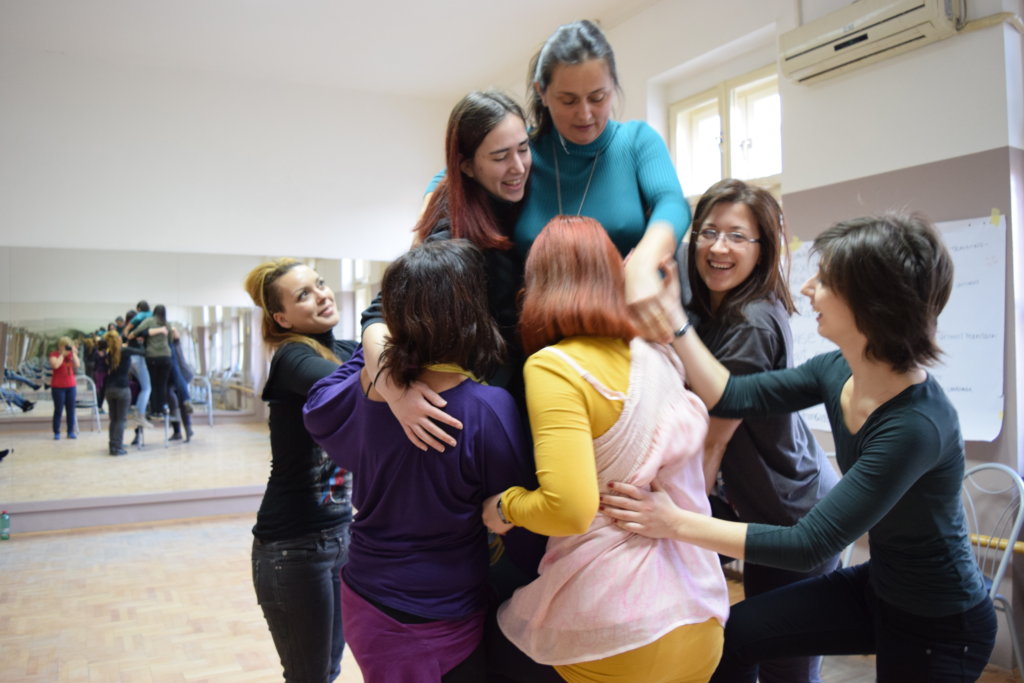
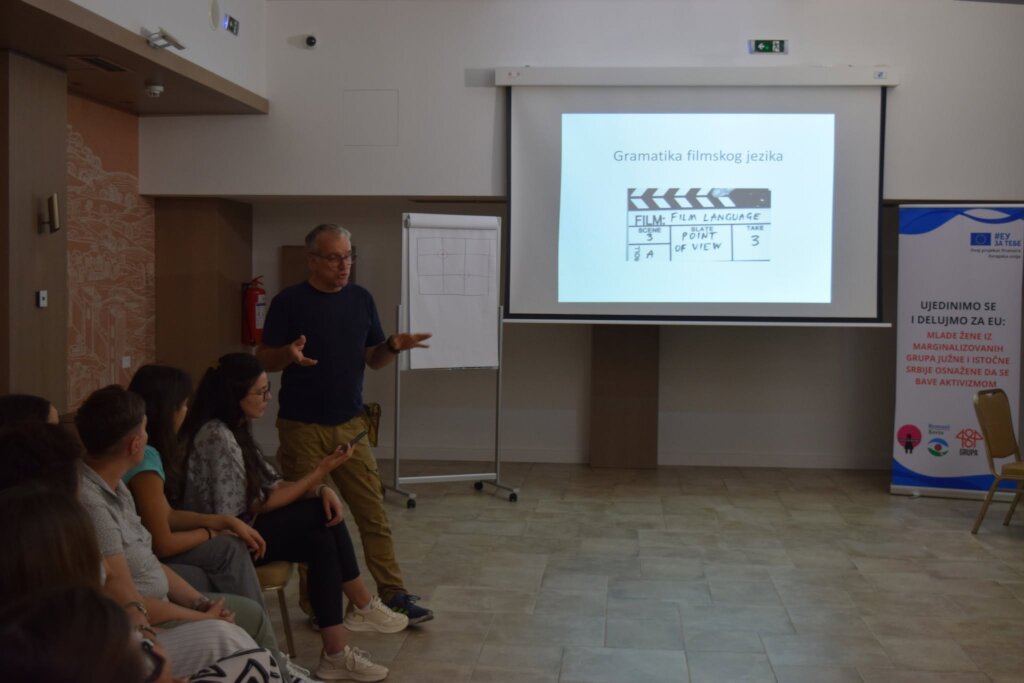
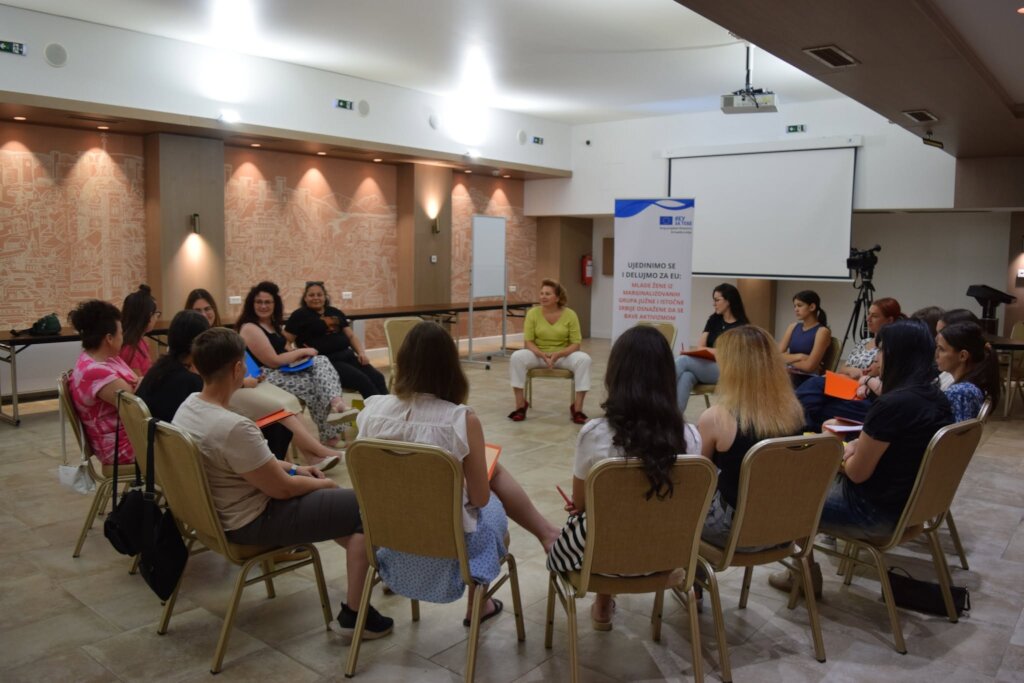
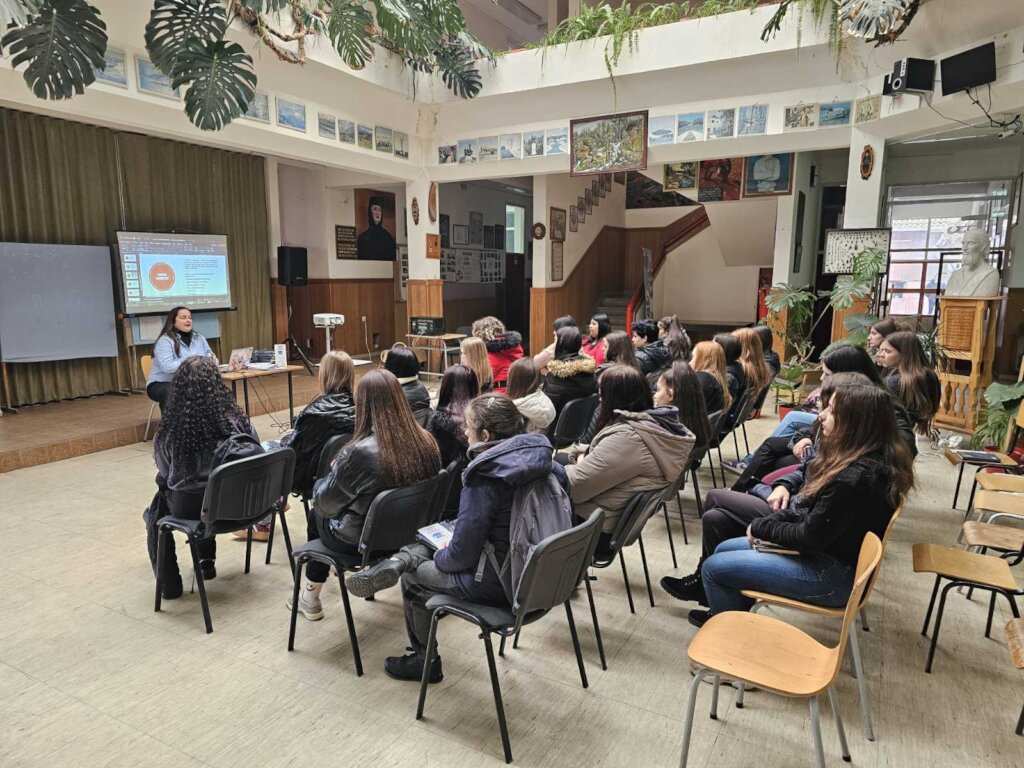
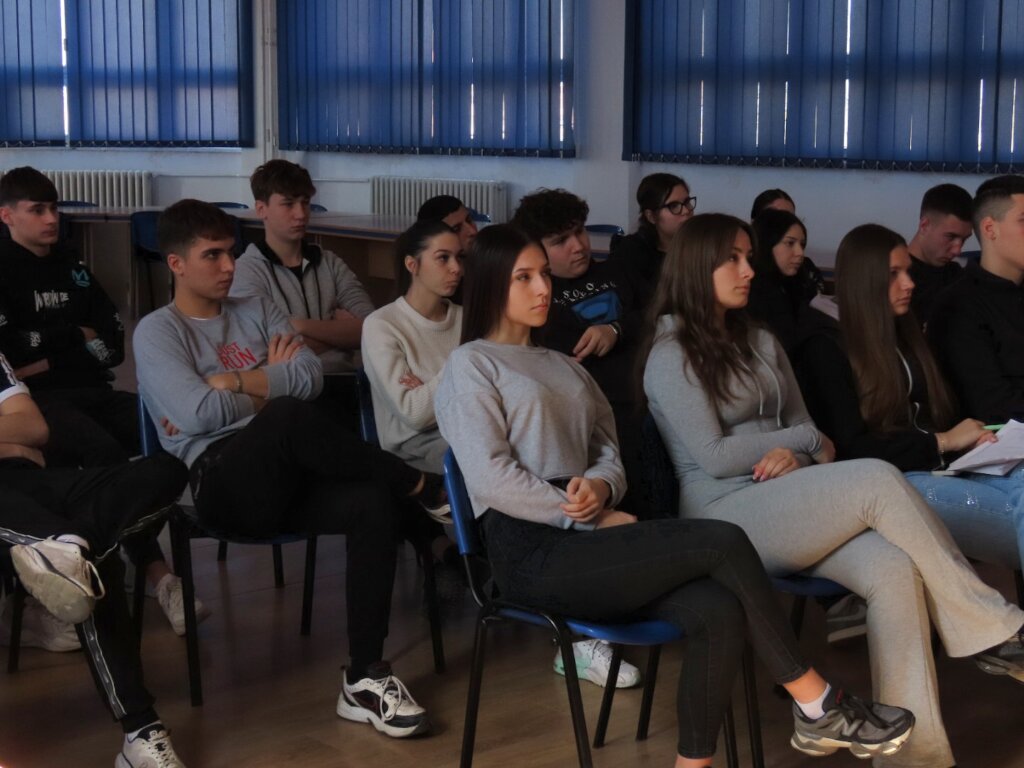
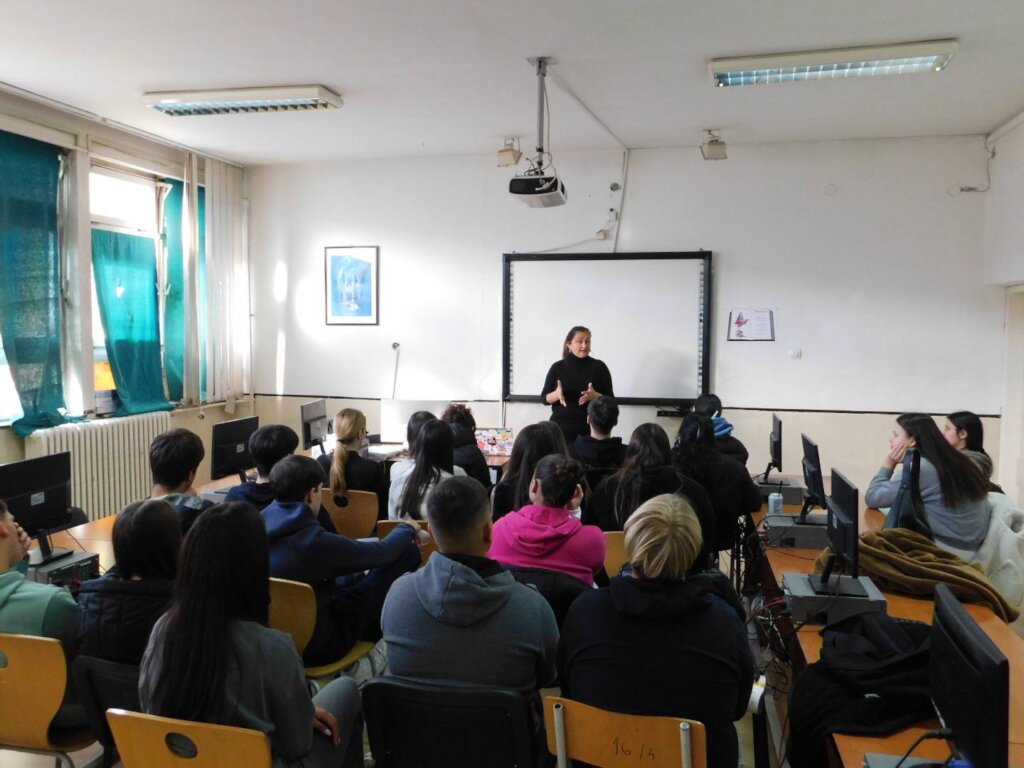
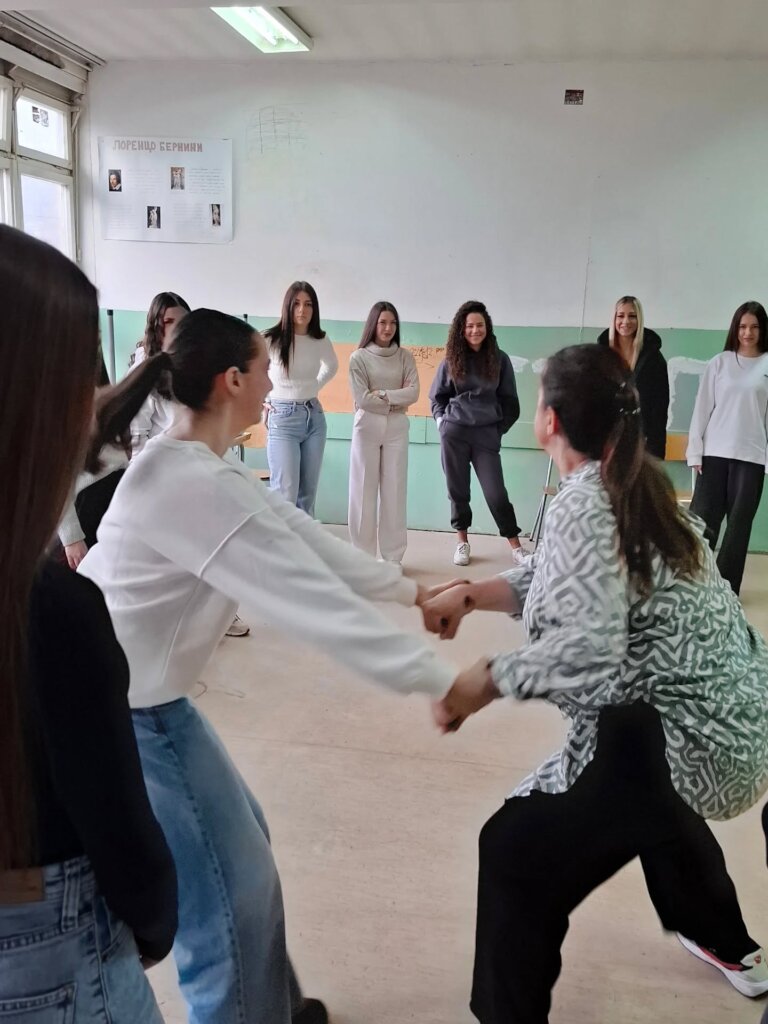
Through our three-day training “In Front of and Behind the Camera: From a Statement to a Performance, from a Photograph to a Video”, participants explored how to express themselves confidently, overcome stage fright, engage an audience and communicate creatively through photography and video.
They learned the basics of film language, how to create a sequence and how to deliver a strong and effective statement.
The participants came from Bor, Zajecar, Niš, Leskovac, Pirot, Vranje, Surdulica and Vlasotince.
Their evaluation of the training included words such as emotion, discovery, art, happiness, inspiration, self-confidence, support, knowledge, empowerment and new perspectives — a powerful reminder that building skills is also about creating space for confidence, connection and new possibilities.
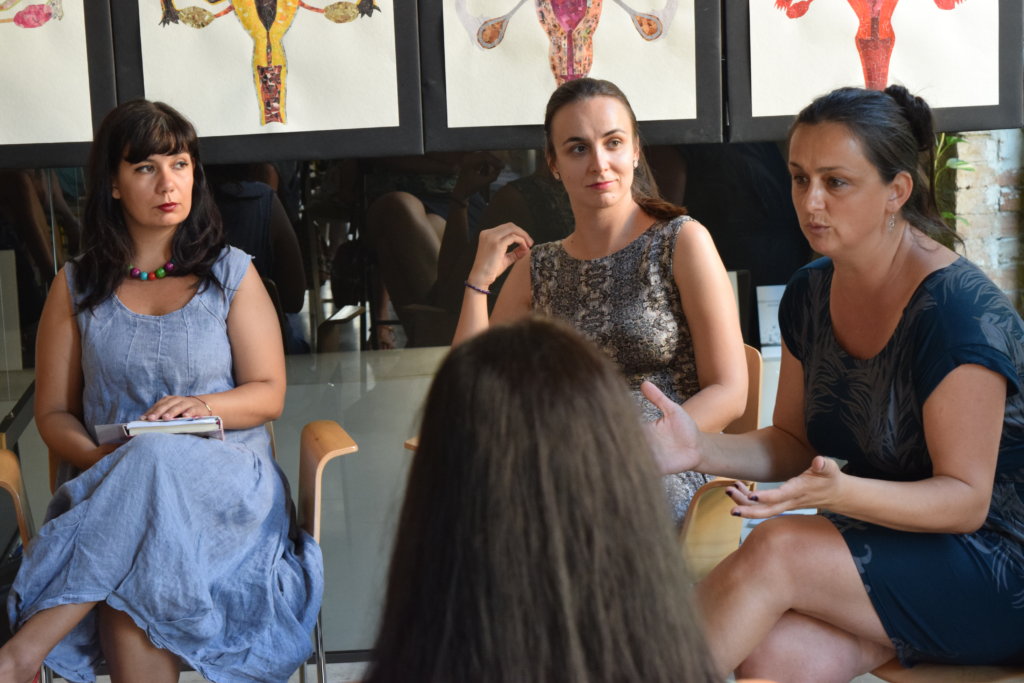
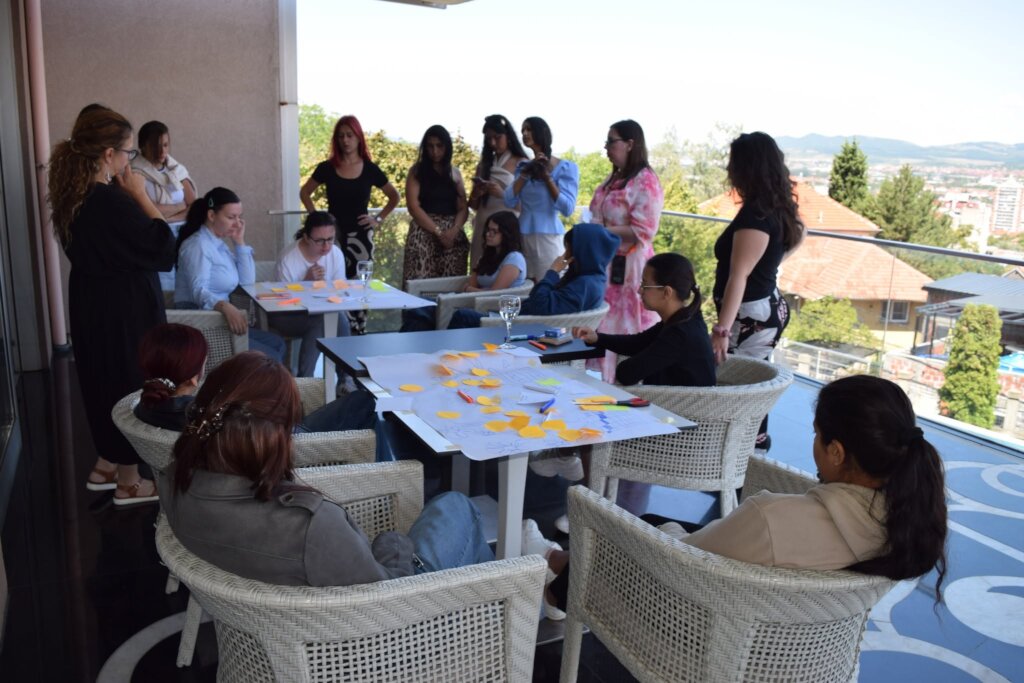
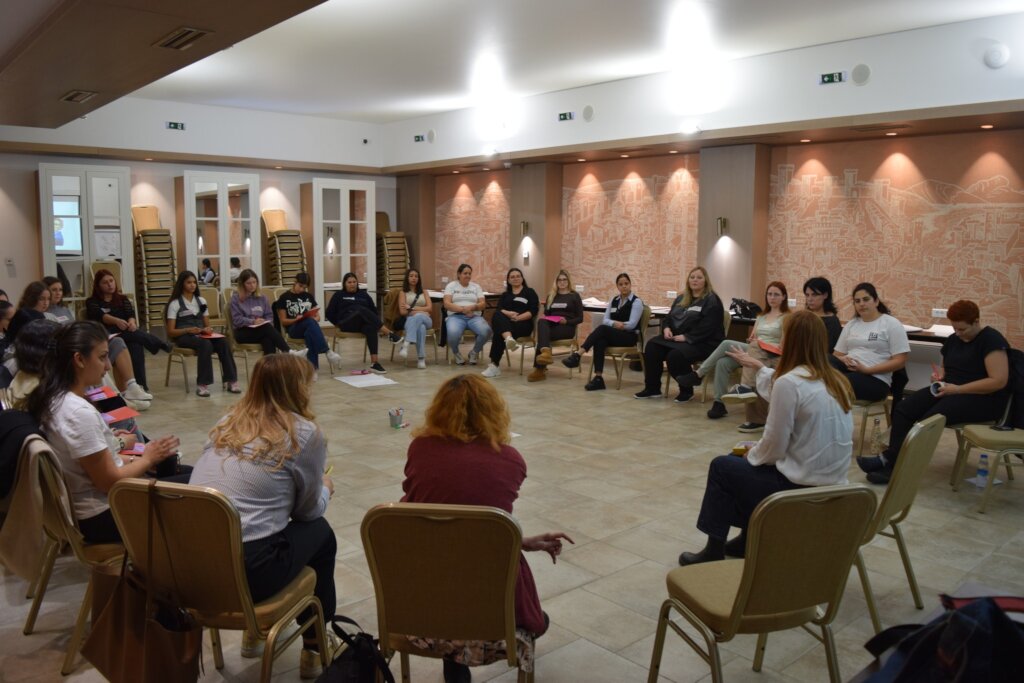
We also brought together activists from Zajecar, Niš, Leskovac, Vlasotince, Pirot, Surdulica and Bela Palanka for the training “From Coffee with Girlfriends to Changing the World: How to Make a Plan and Survive (Both Us and Our Ideas).”
Together, we explored the basics of strategic planning and began developing ideas and directions for local activism in the communities participants come from.
Because change often starts exactly there — over coffee, through conversation, and with the courage to turn an idea into action.
Bringing institutions together to support children in street situations
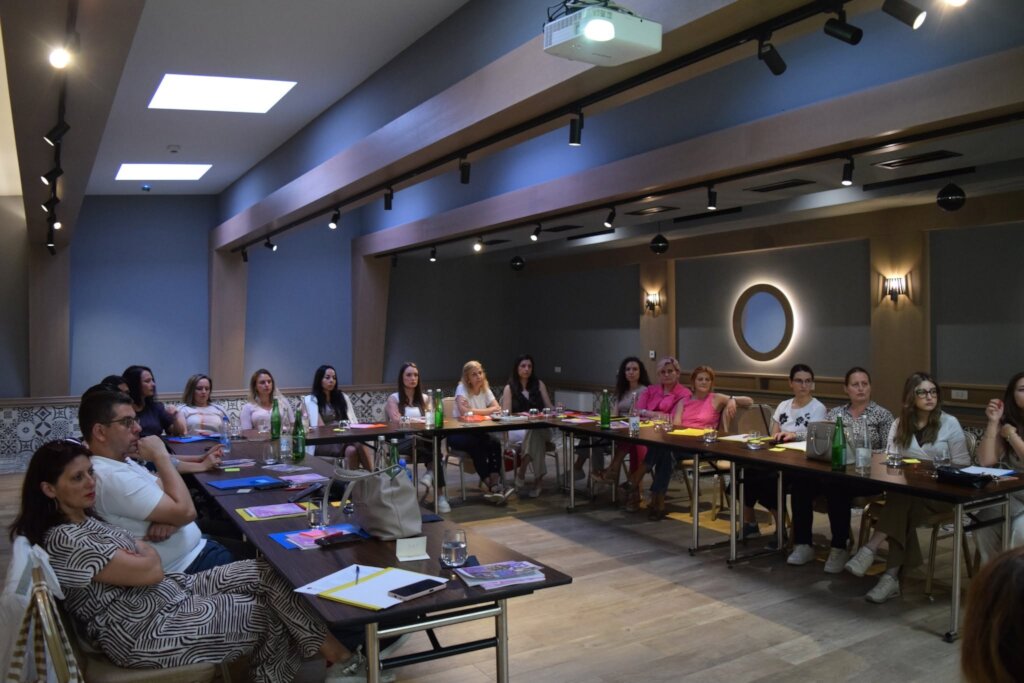
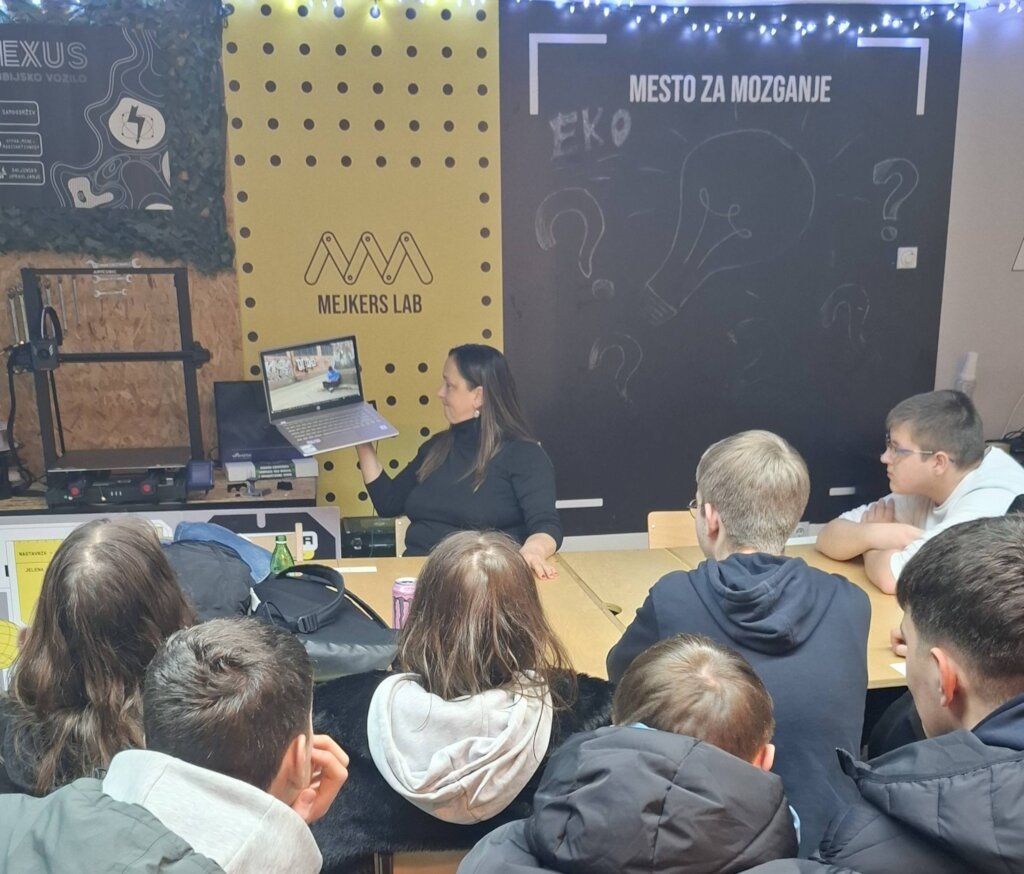
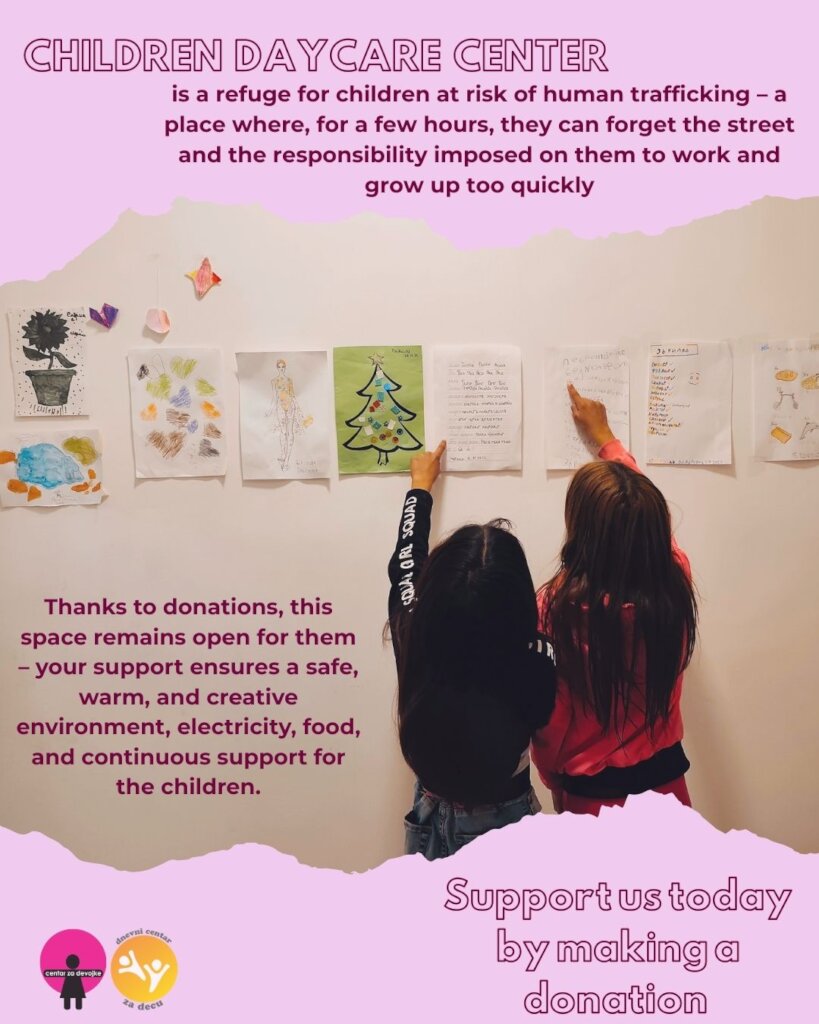
We organized a three-day training “Children in Street Situations – Preventing Violence and Discrimination through Multisectoral Cooperation.”
The training brought together 20 representatives of institutions and civil society organizations from Niš, including social welfare services, police, the judiciary, the prosecutor’s office, schools, Children and Youth Home, a shelter and civil society organizations.
Together, we discussed who children in street situations are, the social concept of child labour, the existing legal framework, challenges in supporting children, and opportunities for stronger multisectoral cooperation.
The training was facilitated by two representatives of the Centre for Youth Integration, whose expertise helped us open an important conversation about how institutions and civil society can work together more effectively to protect children from violence, exploitation and discrimination.
Feminist art crossing borders
This summer also brought opportunities to share our feminist artistic work beyond Niš.
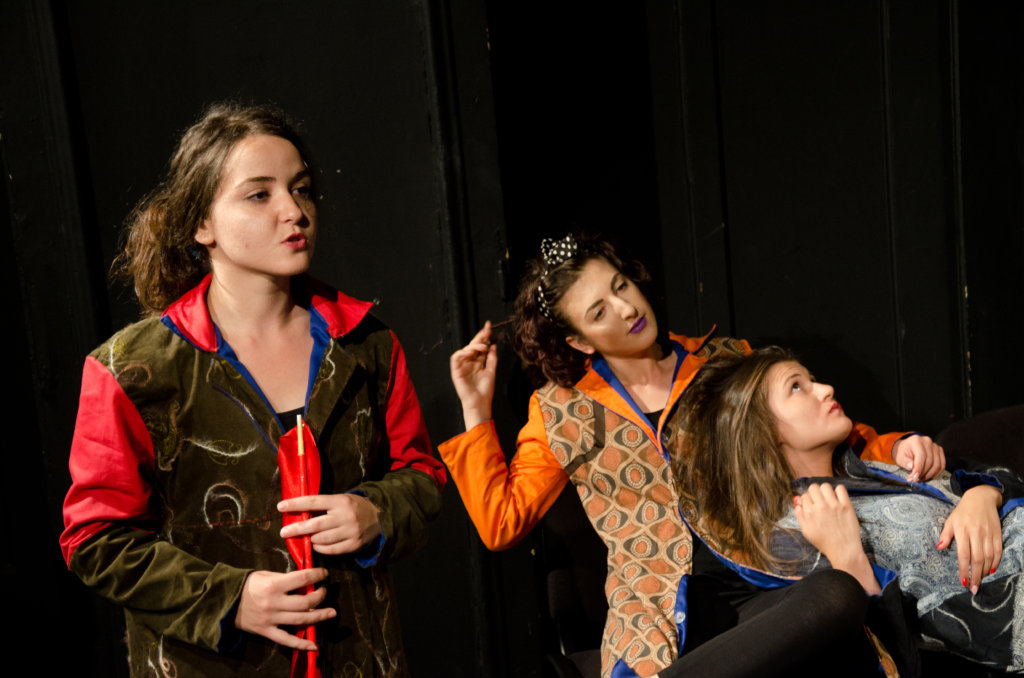
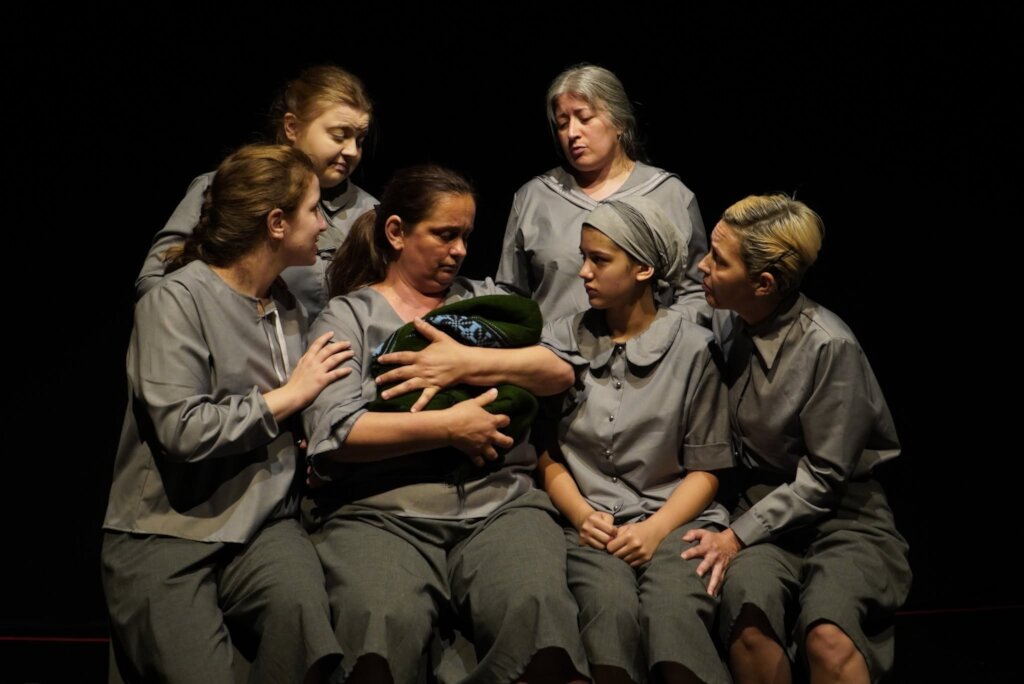
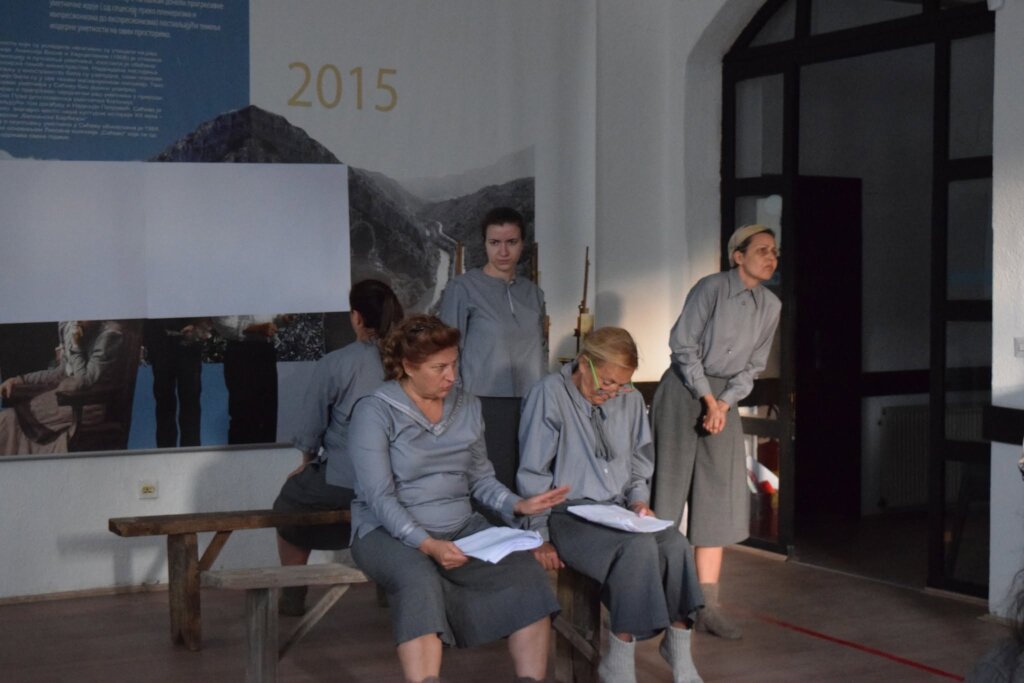
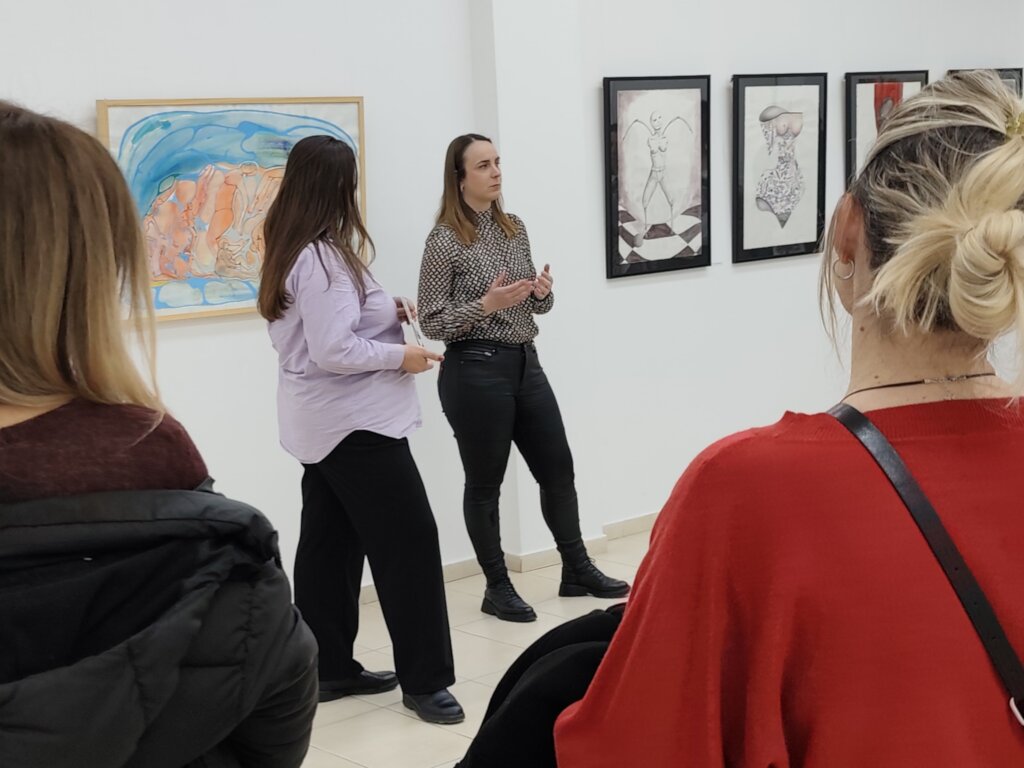
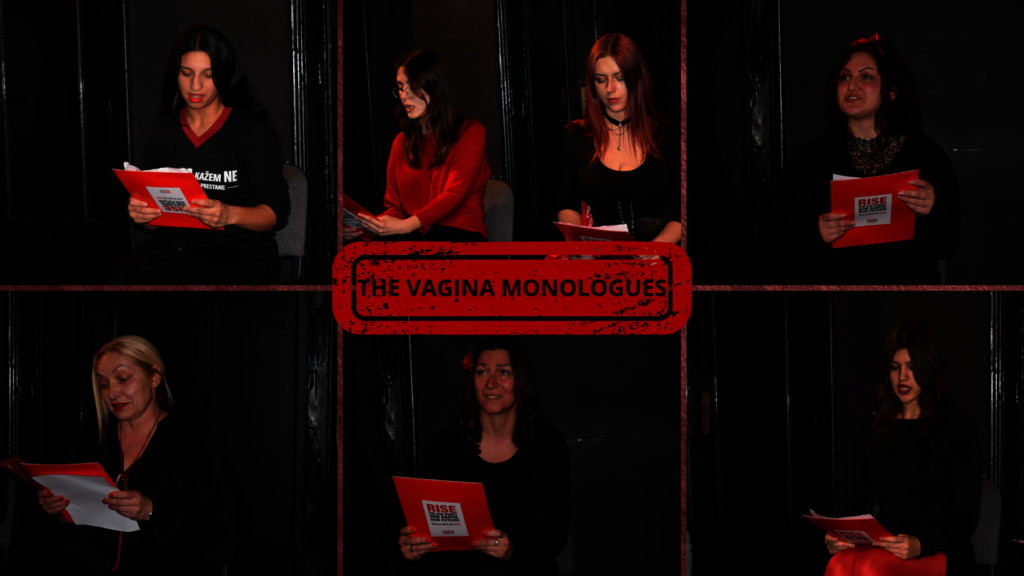
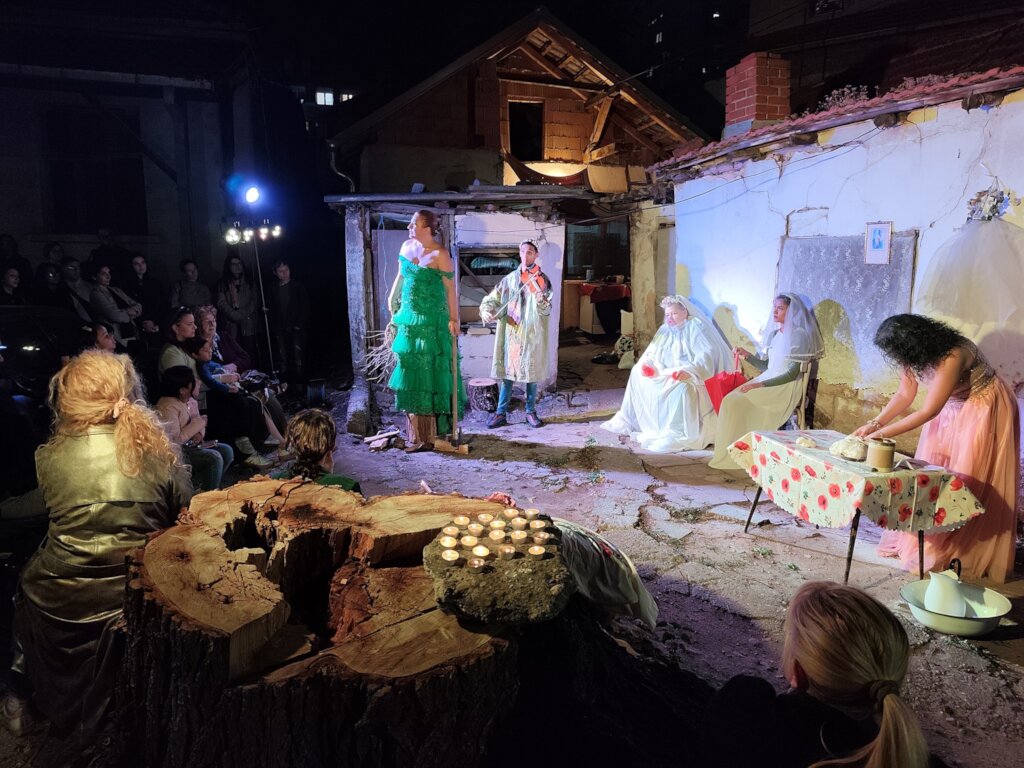
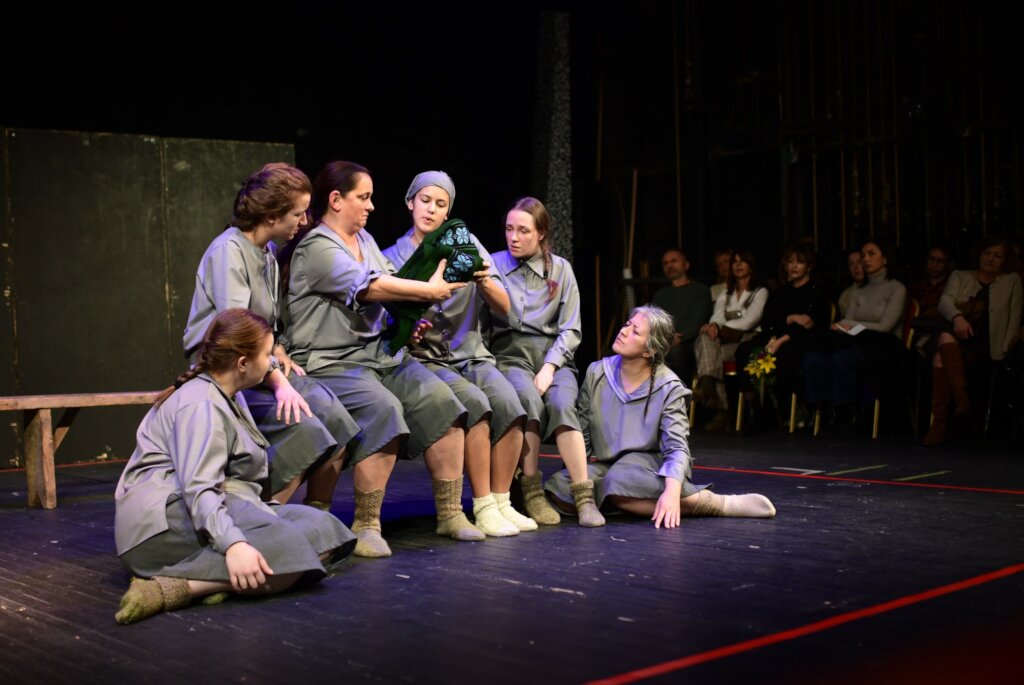
At the two-day FEM Festival in Sofia, we presented our performance “The Women’s Room” and exhibited works created by three artists during our Feminist Art Colony.
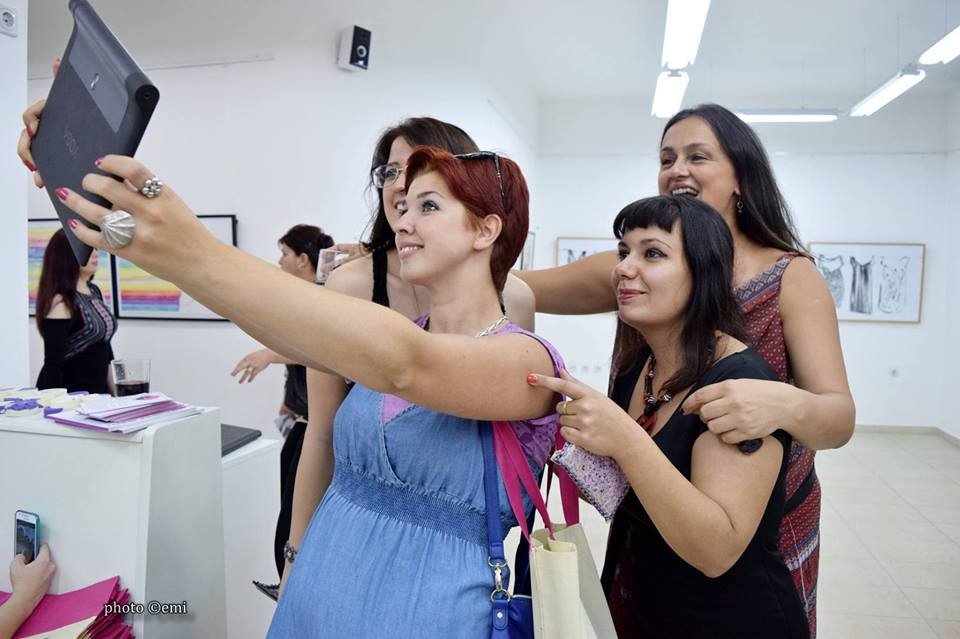
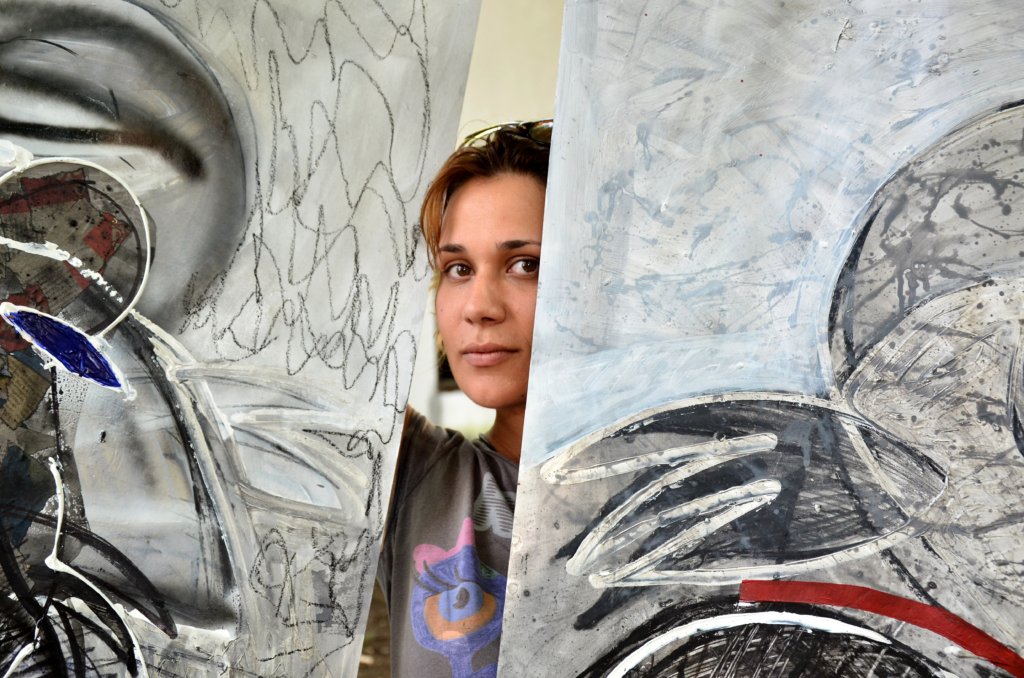
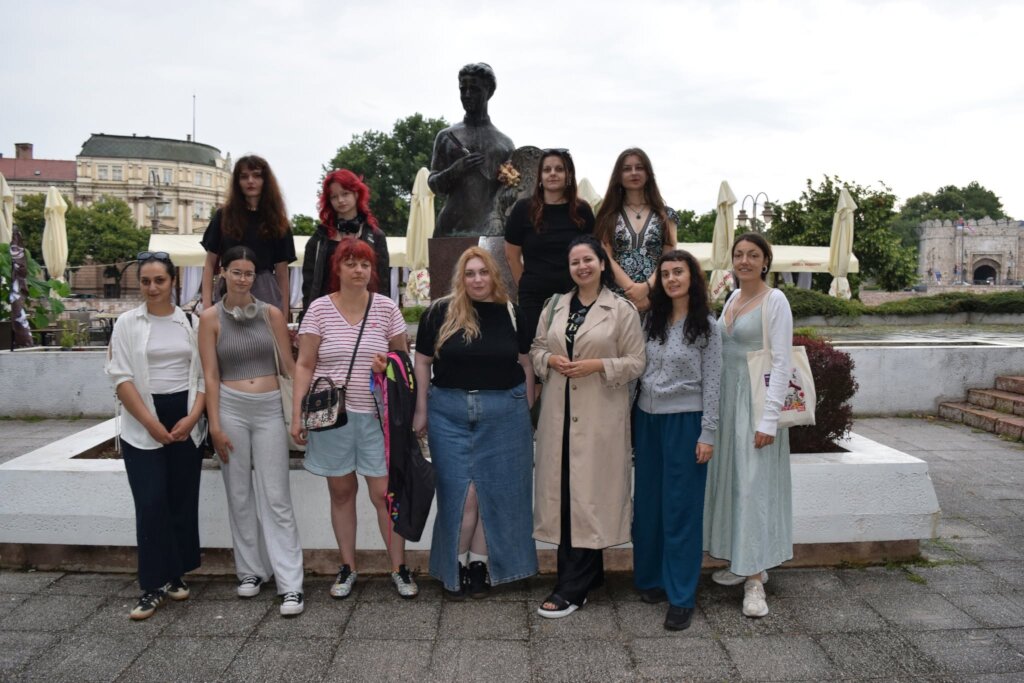
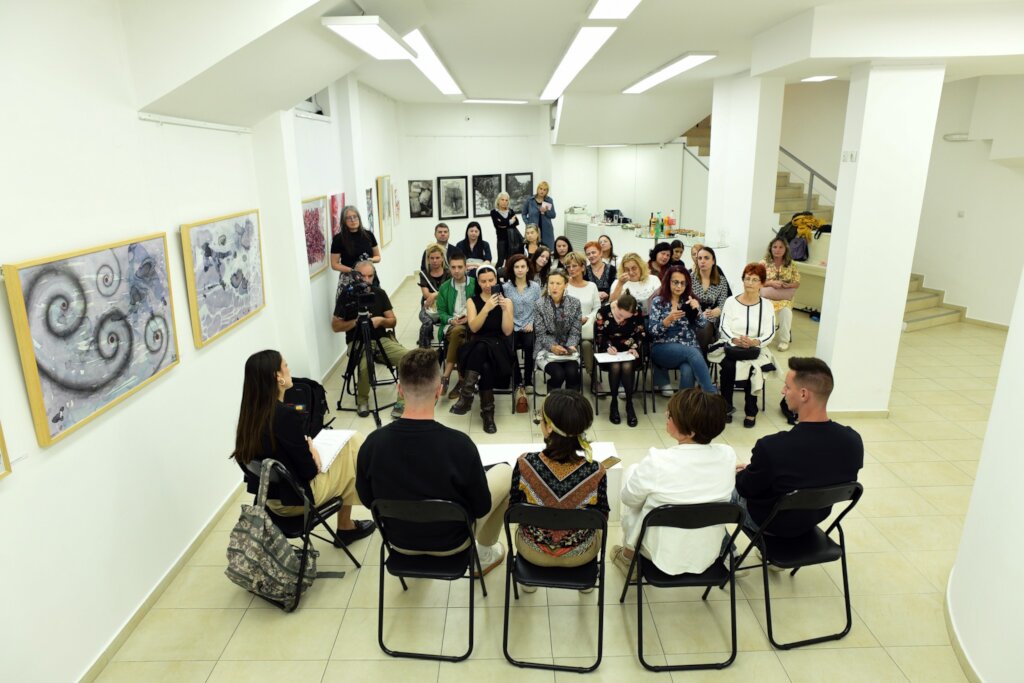
Back in Sicevo, our 12th Feminist Art Colony brought together 10 female artists from Serbia, Bosnia and Herzegovina and Montenegro.
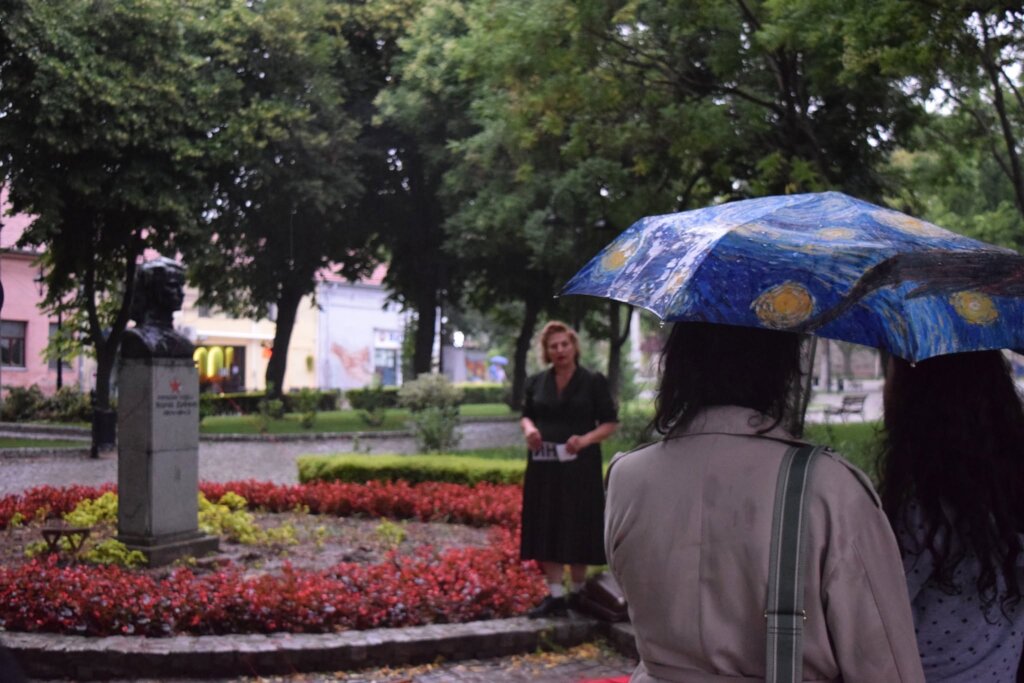
The programme opened with a performance about the folk heroine uka D., followed by our traditional performance “Nadezda P. – Self-Portrait in the Plural.” A rehearsal of “The Women’s Room” was also held during the colony.
For us, feminist art is not simply about creating and exhibiting. It is a way of telling stories, questioning dominant narratives, creating space for women's voices and connecting activism with creativity.
Standing together against human trafficking
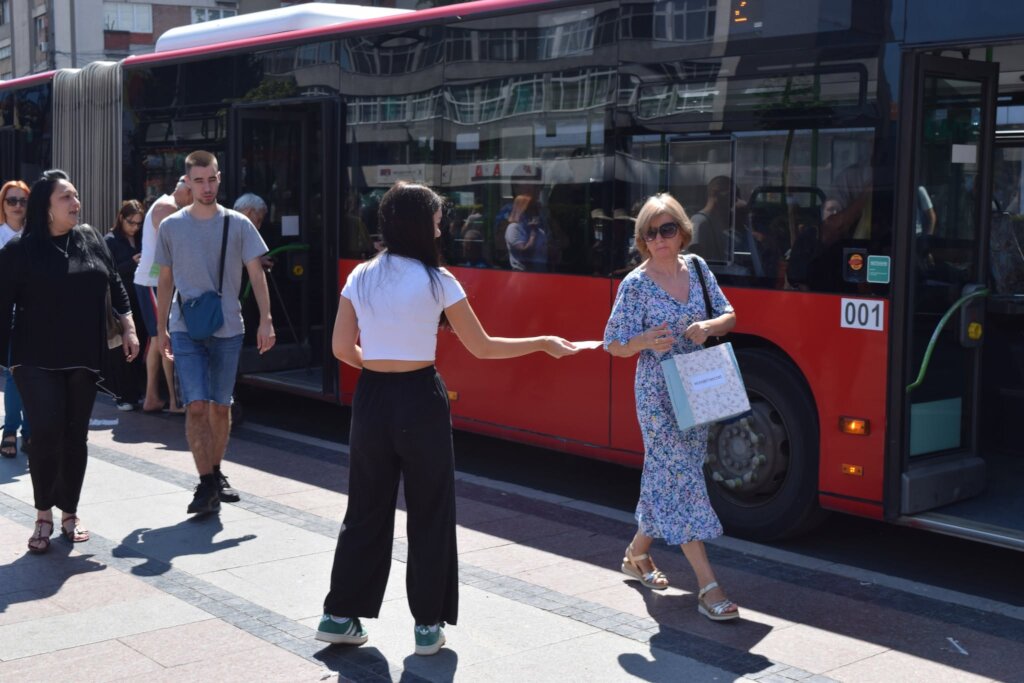
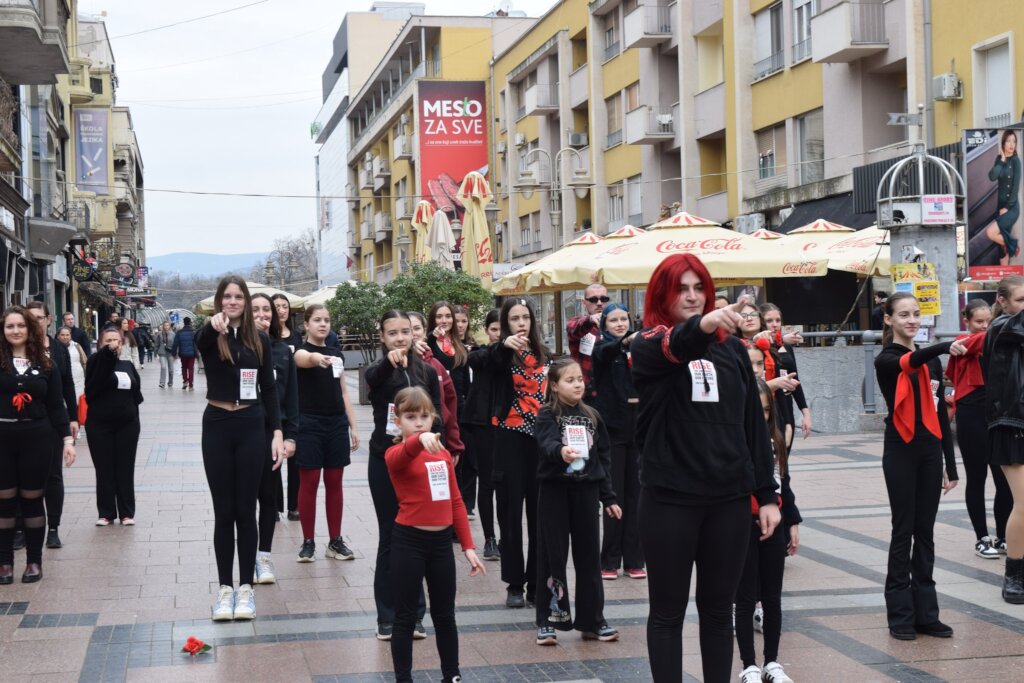
On the World Day Against Trafficking in Persons, our activists took to the streets to share information with citizens about human trafficking and the risks and forms of exploitation that can remain invisible in everyday life.
The Center for Girls is a member of the AT Network, together with seven other organizations working to strengthen the response to human trafficking.
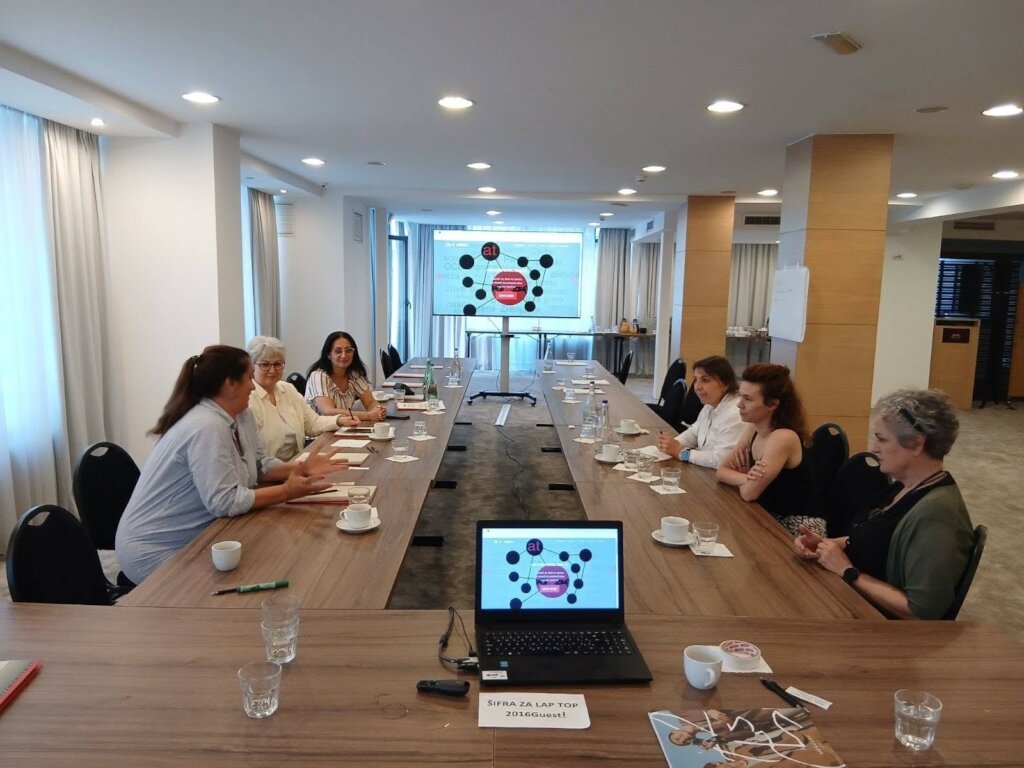
In July, we also hosted an AT Network meeting in Niš, where we discussed membership, future joint activities and the next steps in our work.
The meeting was held as part of the training “Understanding and Adapting to New Migration Trends – Civil Society’s Response,” organized in Niš by ASTRA.
Staying connected with Roma families
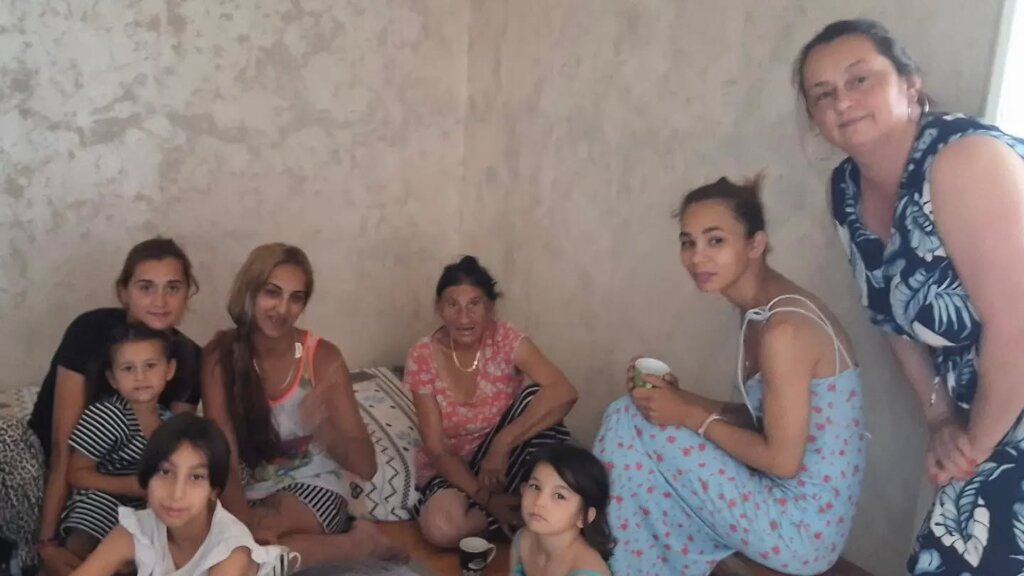
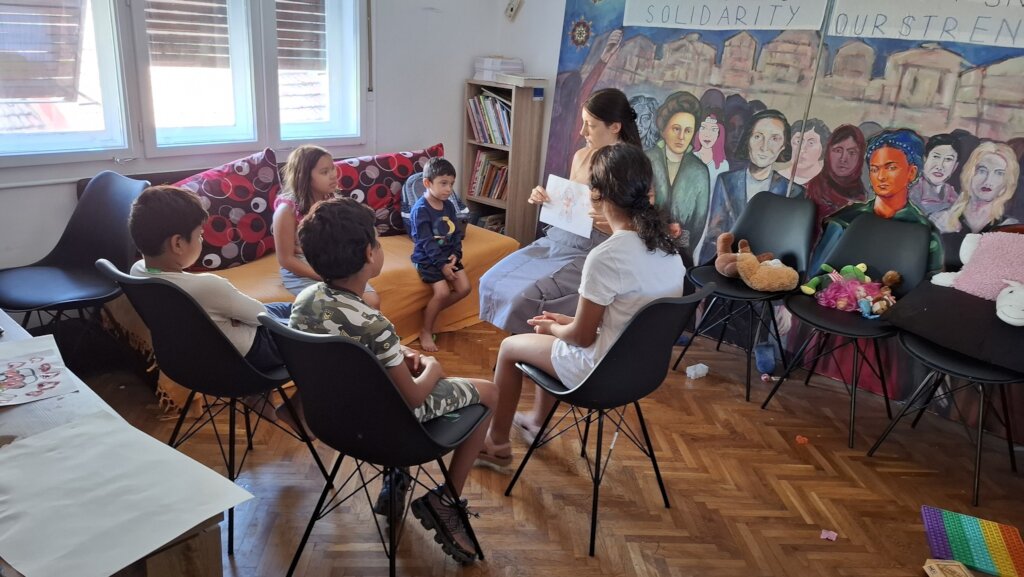
Throughout the summer, we visited several Roma families in the local mahala. We spent time talking with them about everyday life, the challenges they face and the conditions in which they live through the hot summer months.
These visits are a reminder that support is not always about large interventions. Sometimes, being present, listening and building trust matters just as much.
Young people matter
On August 12 – International Youth Day, we reminded the public that young people are not just the future of our society — they are an important part of its present.
Young people in Serbia continue to face challenges including economic insecurity, limited access to opportunities for development and the risk of social exclusion. For those growing up in poverty or experiencing violence and discrimination, these challenges can be even greater.
Our work with young people is therefore not only about providing opportunities. It is about creating spaces where they can be heard, supported, informed and empowered to participate in shaping the communities they live in.
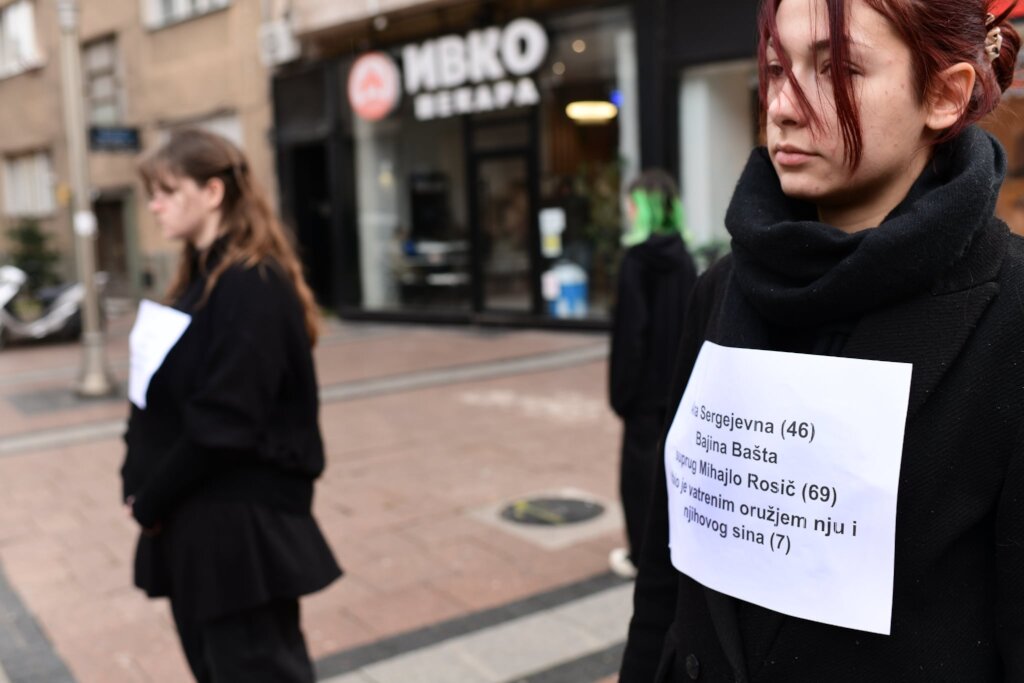
Four women. Four lives. Four names that must not become just numbers.
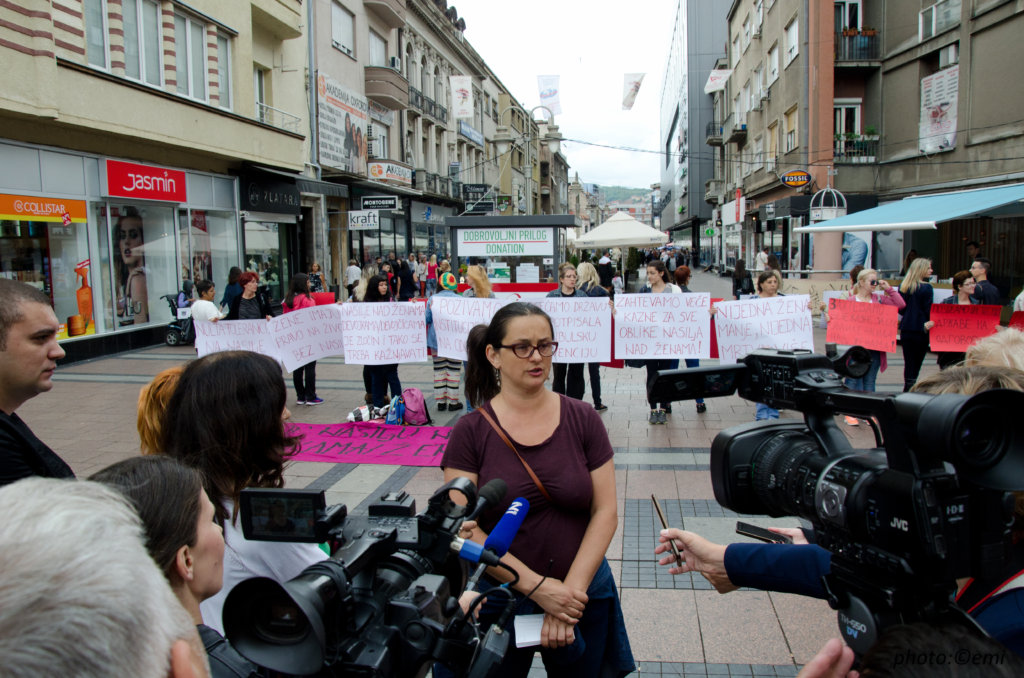
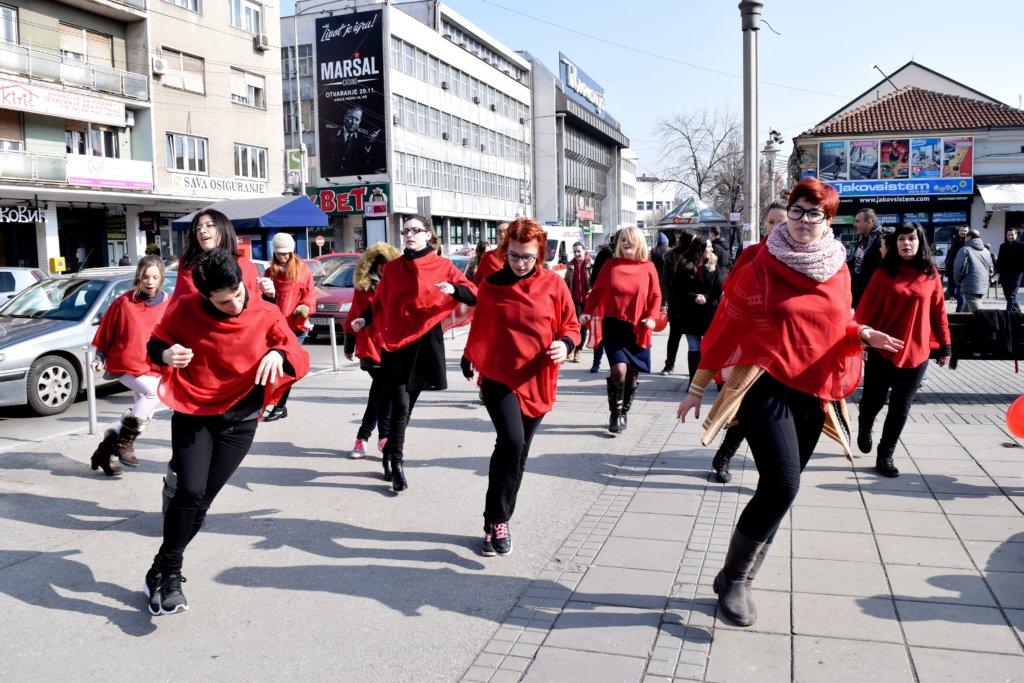
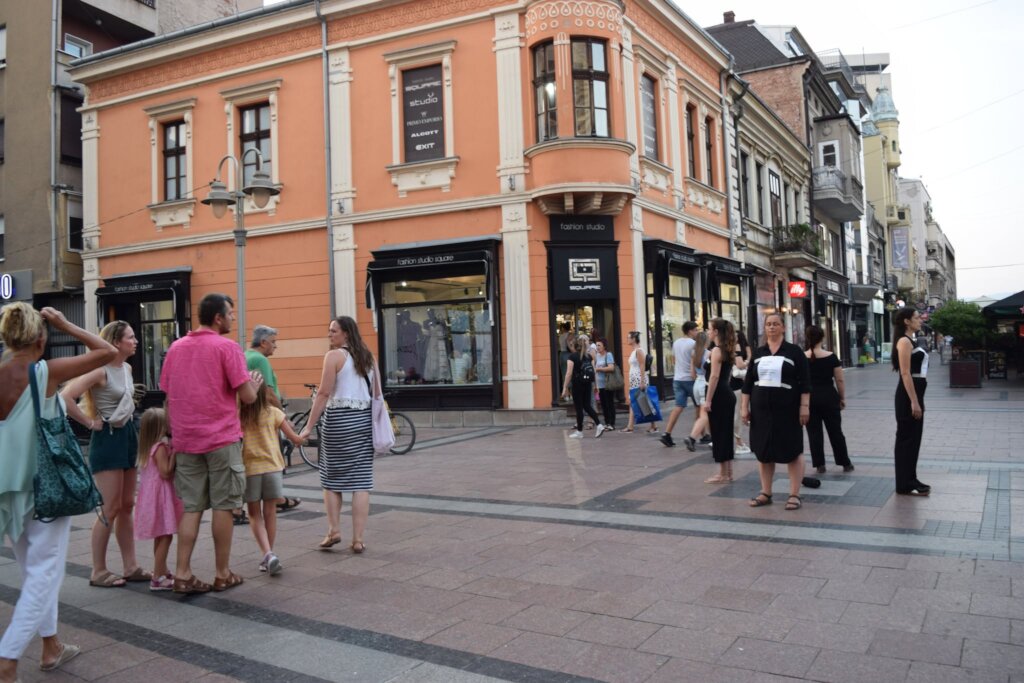
In August, we once again performed “The Women’s Cemetery” in the main street of Niš.
We did so in response to the killing of four women in just nine days — four lives lost as a result of violence against women.
More than 1,500 people saw the performance.
At a time when statistics can become just numbers, we wanted to make those numbers visible and impossible to ignore.
Behind every number is a woman — her life, her family, her friends, her dreams and a future that was taken away from her.
We refuse to accept silence, the normalization of violence or attempts to justify the killing of women. Femicide is not a private matter. Femicide is a social problem. We demand concrete measures, accountability and a system that protects women. The Women’s Cemetery is a symbol of all the women who are no longer with us. So that no woman becomes just a number.
We are grateful to everyone who continues to stand with us — our partners, supporters, donors, collaborators, artists, activists and all the people who stop, listen, participate and believe that change is possible.
Thank you for reading, for supporting our work and for being part of this journey.
We’ll be back with more stories in a couple of months.
Warm greetings from the south of Serbia,
Center for Girls
By Marija Virijevic | Program coordinator
By Marija Virijevic | Project leader
Project reports on GlobalGiving are posted directly to globalgiving.org by Project Leaders as they are completed, generally every 3-4 months. To protect the integrity of these documents, GlobalGiving does not alter them; therefore you may find some language or formatting issues.
If you donate to this project or have donated to this project, you can receive an email when this project posts a report. You can also subscribe for reports without donating.



Support this important cause by creating a personalized fundraising page.
Start a Fundraiser