Dear partner,
At F ssibu Mission foundation, we believe that talent knows no gender, and potential knows no economic boundary. However, for countless girls in our community, the path to realizing that potential is blocked not by a lack of ambition, but by a lack of opportunity.
Thanks to the initial support from partners like you, we have successfully launched an intensive vocational intervention program. We are writing to share the profound impact of this initiative specifically, how we have equipped 40 marginalized girls with the tools, skills, and confidence to transform their lives and become economically independent.
The Challenge: The Barriers to Education
For the 40 girls currently enrolled in our program, formal education was a distant dream, stolen by circumstances beyond their control. These young women, aged between 13 and 19, represent a demographic often rendered invisible by society. Their reasons for dropping out are complex and deeply rooted in systemic issues:
· Economic Strangulation (Poverty): Families living on less than $1 a day often view education as a luxury. These girls were forced to prioritize menial labor or early marriage over schooling to reduce the financial burden on their households.
· Skepticism in Girl Child Education: In many households, investing in a girl’s education is seen as a futile expense, with the belief that she will eventually marry and the "investment" will benefit another family.
· Deep-Seated Cultural Beliefs: Harmful traditions and gender norms dictate that a woman’s place is in the home, not in the classroom. These girls were actively discouraged from pursuing intellectual growth.
· Zero-Based Opportunity: For a significant portion of this cohort, the issue wasn't just dropping out it was never getting in. They never had the chance to step foot inside a classroom at all.
We decided that it was time to meet these young women where they are, offering not judgment, but a ladder.
Our Solution: Skills Over Circumstance
We designed a holistic vocational program that bypasses the traditional academic barriers and dives straight into economic empowerment. We identified trades that are in high demand within our local economy, ensuring that upon graduation, these girls are not just skilled, but employable.
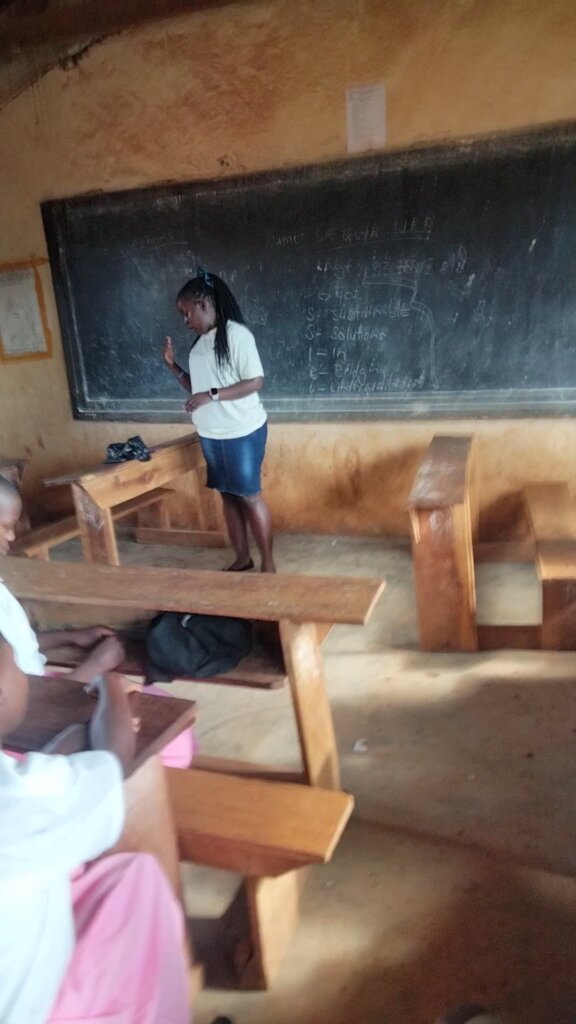
Over the past [Duration of program, e.g., six months], these 40 girls have been immersed in rigorous, hands-on training in the following disciplines:
· Hairdressing & Beauty Therapy: Learning braiding, styling, and modern treatments to tap into the thriving beauty industry.
· Fashion & Tailoring: Mastering the sewing machine, from design and cutting to stitching finished garments, turning fabric into income.
· Bakery & Confectionery: Developing the art of baking bread, cakes, and pastries a skill with immediate marketability for local cafes and events.
· Liquid Soap & Detergent Making: Acquiring the technical knowledge to produce high-demand household cleaning products for wholesale and retail.
The Impact: Stories of Transformation
This program is about more than just technical skills; it is about restoring dignity.
· peace, 17, was married at 16 to alleviate her family’s poverty. After being abandoned by her husband, she returned home with an infant and no income. Today, she is the top student in our tailoring class and has already taken orders for her first five school uniforms. She is no longer a burden; she is a provider.
· Rena 19, never saw the inside of a classroom. She was told her entire life that her value was in domestic chores. In our bakery class, she discovered a knack for business. She now leads her team in production and dreams of opening a café.
These are just two of the 40 faces of change. These girls are now dreaming again not of escape, but of enterprise.
The Road Ahead: A Call for Continued Partnership
The transformation we have witnessed is irreversible. However, graduation from the training phase is just the beginning. The final, and most critical, step is ensuring these girls can transition from learners to earners.
To fully realize the return on this investment, we are raising funds for a "Start-Up Kit Initiative." We aim to provide each graduate with a starter kit relevant to their trade (e.g., sewing machines, hairdryers, baking ingredients, or raw materials for soap making). Without these tools, the risk of them slipping back into the cycle of poverty is high.
Your continued support can ensure that these 40 newly empowered women do not just have skills—they have the means to use them.
We invite you to partner with us in this final mile. Together, we are not just funding a program; we are underwriting a future where a girl’s potential is limited only by the size of her dreams.
Thank you for believing in the power of second chances.
With Gratitude,
F SSIBU MISSION FOUNDATION-UGANDA