Project Report
| Nov 15, 2024
Health: derive from Indigenous Knowledge - Diverse Cultures
By George Obua | Project Leader
![Practicing Indigenous knowledge- diverse cultures]()
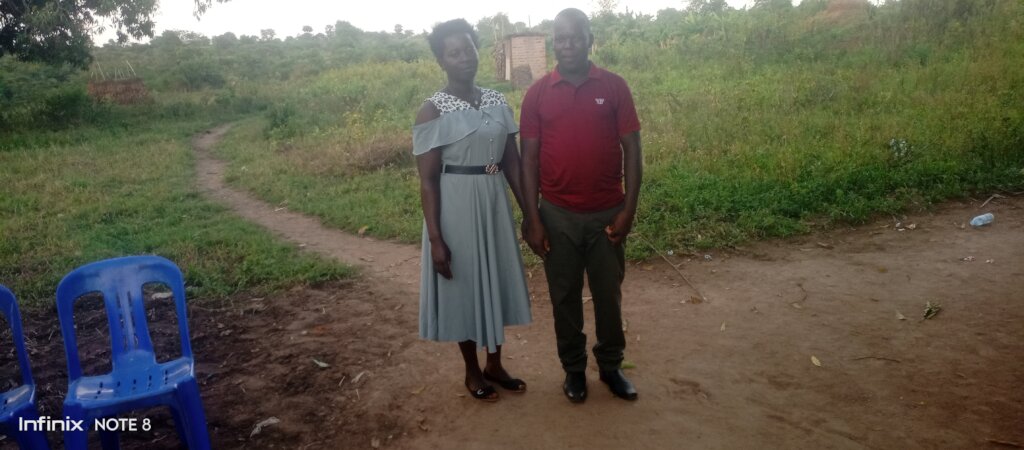
Practicing Indigenous knowledge- diverse cultures
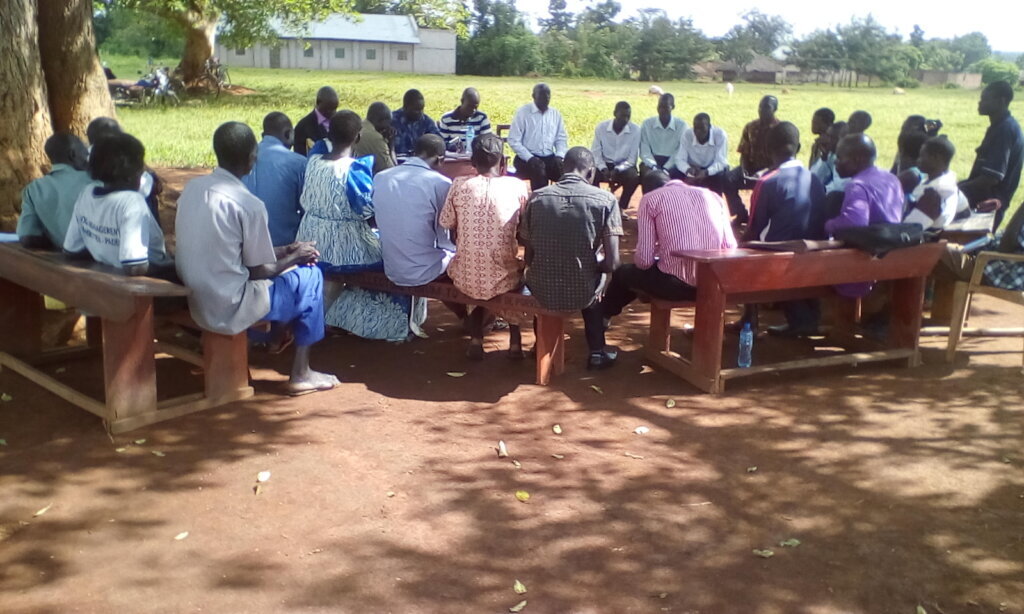
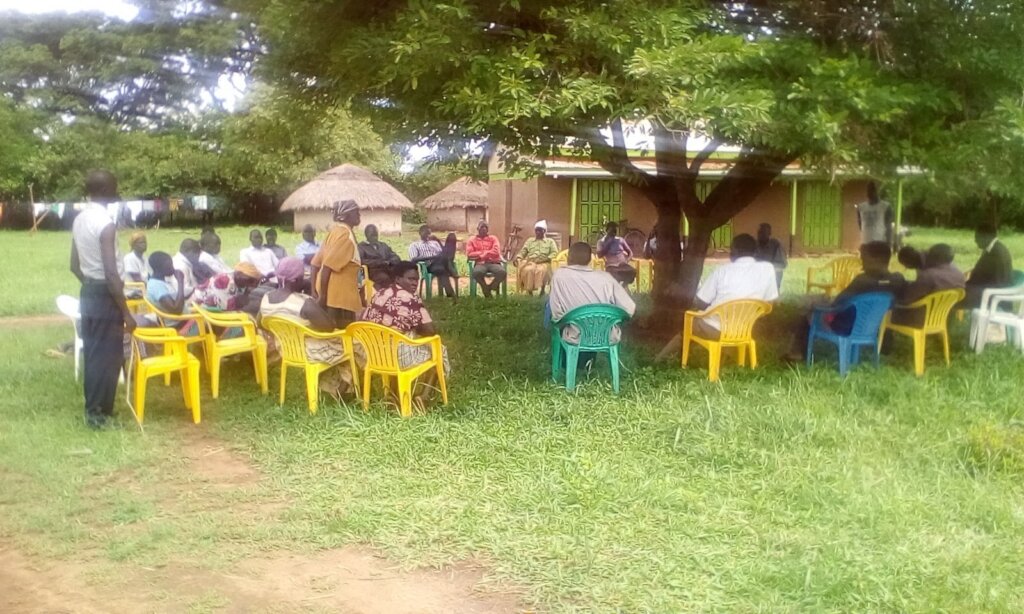
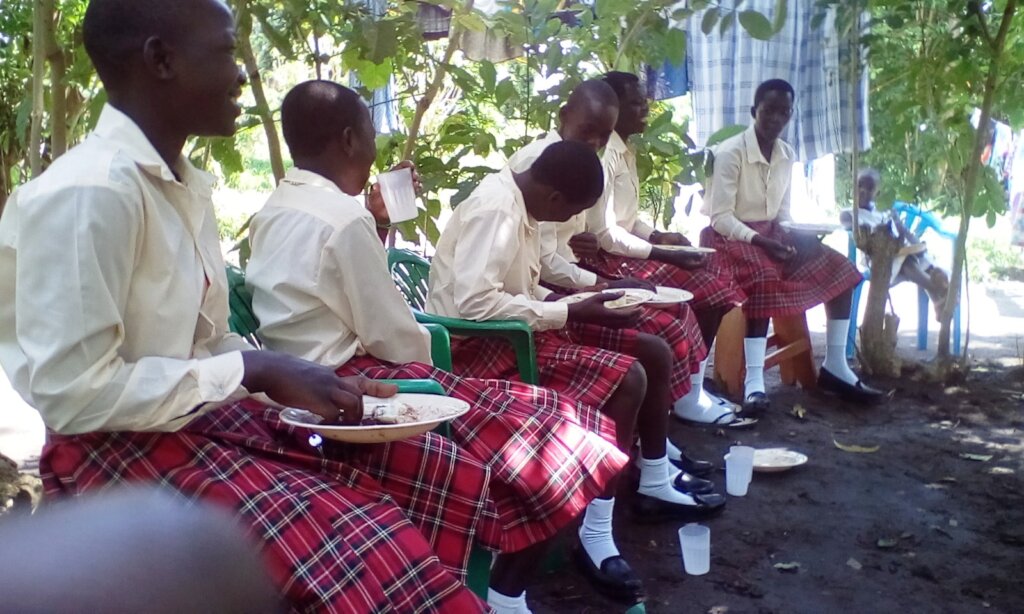
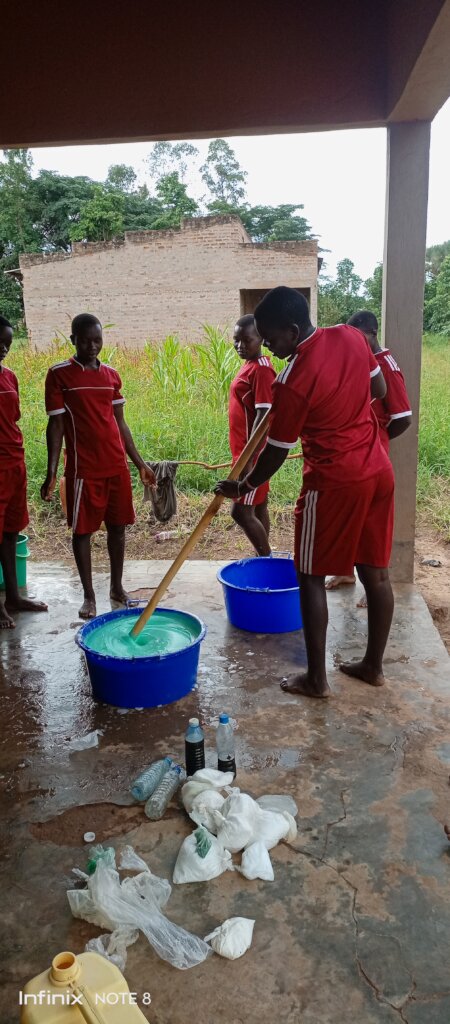
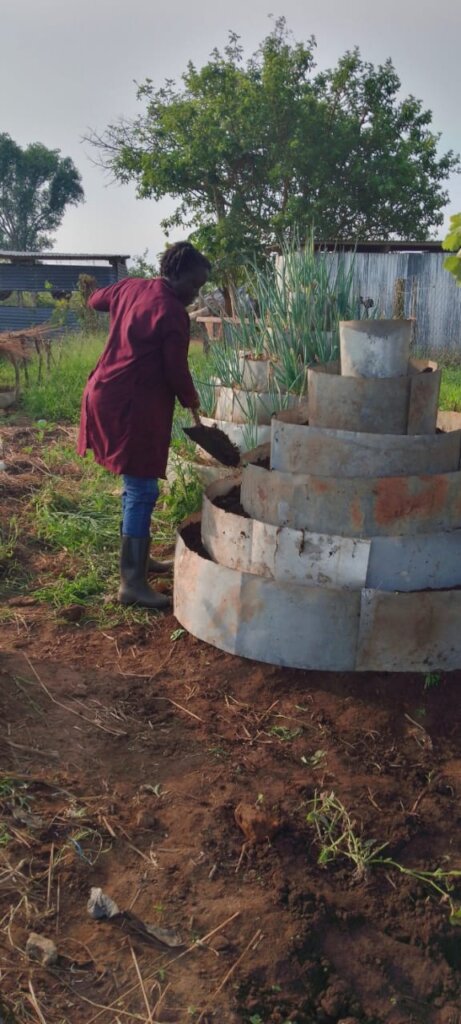
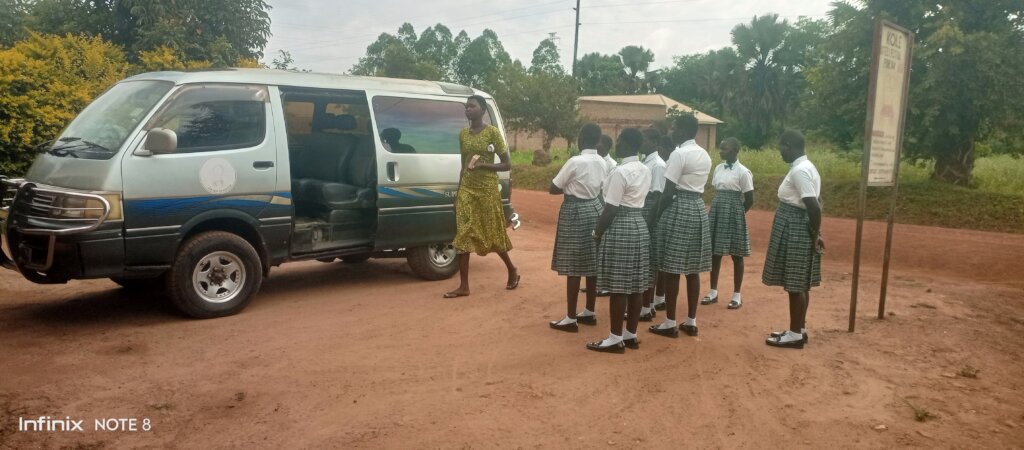
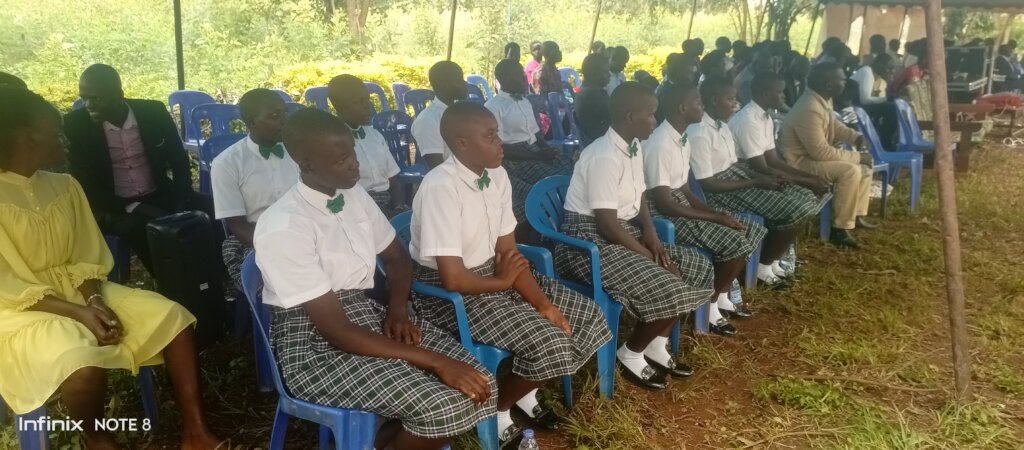
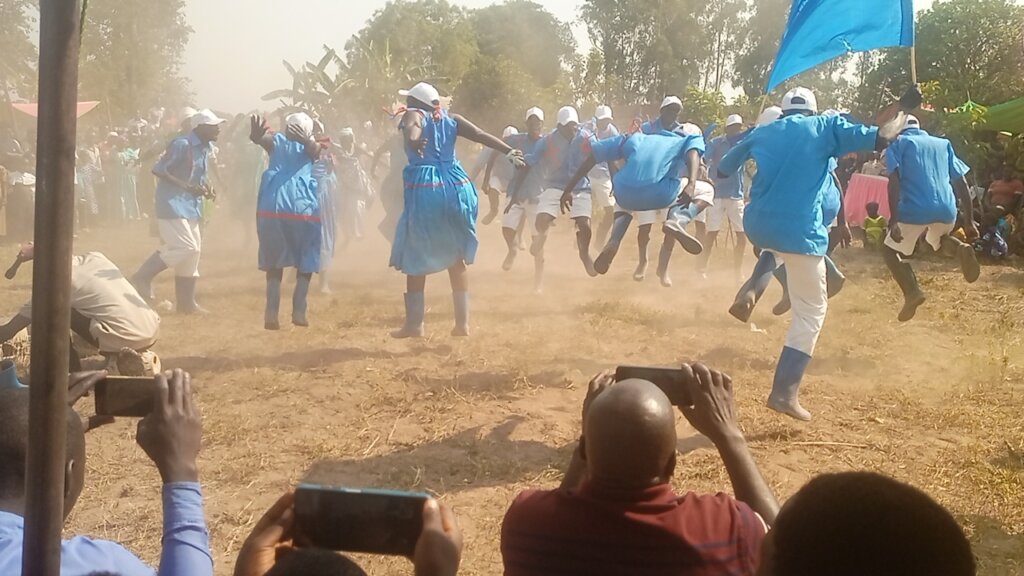
Kole Intellectual Forum are training their students with a subject that is called Indigenous knowledge and cultural diversity; that is a collection of traditional practices, beliefs, and knowledge systems that are unique to a culture, society, or group of people. It is also known as traditional knowledge (TK), local knowledge (LK), or traditional ecological knowledge (TEK), or at an international knowledge; with the expectations of that:

- In education. Students in diverse environments can learn to value diversity, develop empathy, and improve their cognitive skills. They can also become more globally aware and culturally competent.
- In society. Cultural diversity can promote peace and make the world more interesting. It can also help dispel negative stereotypes and encourage open-mindedness.
- In the workplace. When join the work place, in diverse workplaces, it can lead them to better decision-making, more innovative ideas, and stronger business performance. Companies can learn from each other's experiences and apply that knowledge to their work; while
- In financial performance. When they in association, when they link up with more diverse leadership teams more of them can be likely to outperform with their peers. For example, according to McKinsey & Company, top-quartile companies for racial and ethnic diversity are 36 percent more likely to outperform fourth-quartile companies; and among others,
- In sustainable development. Cultural diversity is an essential requirement for sustainable development. It's important to recognize the equal dignity of all cultures and to provide access to the means of cultural expression.
Nov 14, 2024
Advocacy for Good Feeding
By George Obua | Project Leader
![Advocating for good feeding]()
Advocating for good feeding
Advocacy for Good Feeding
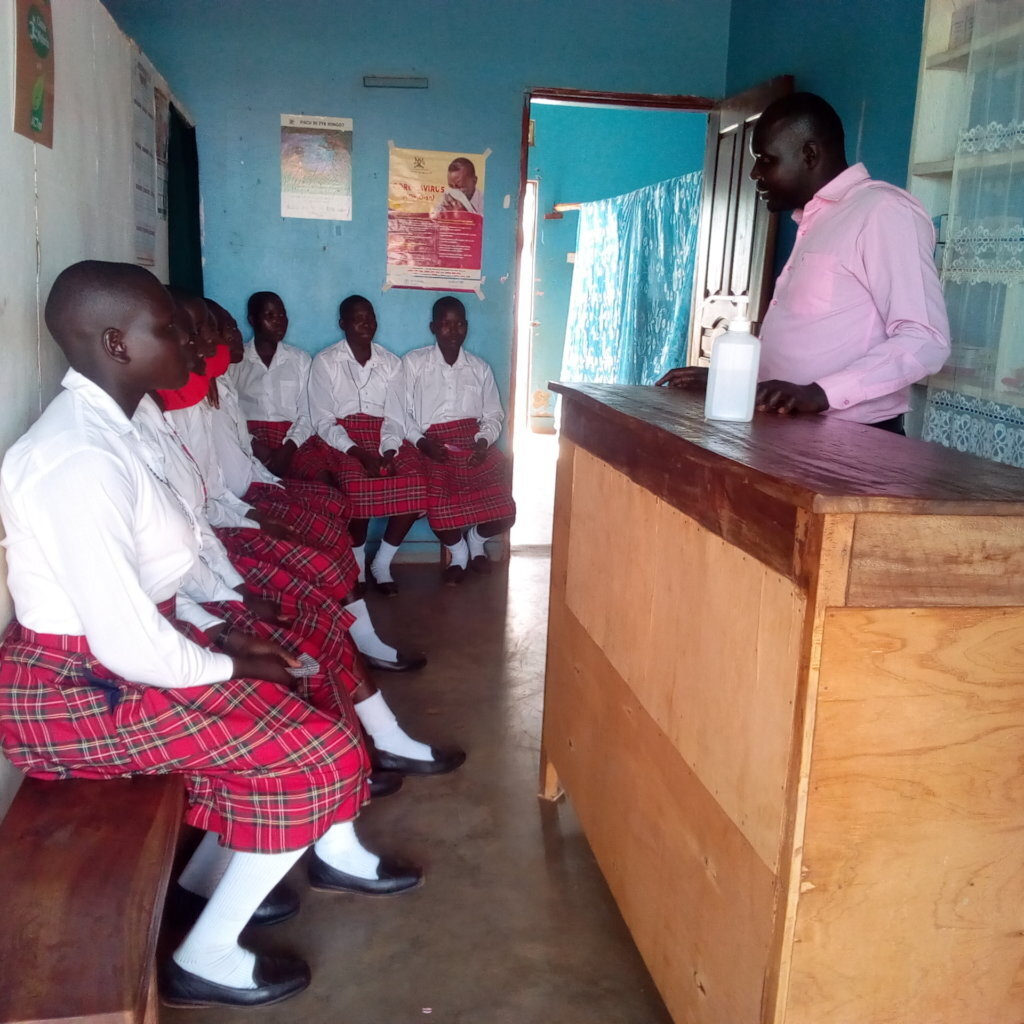
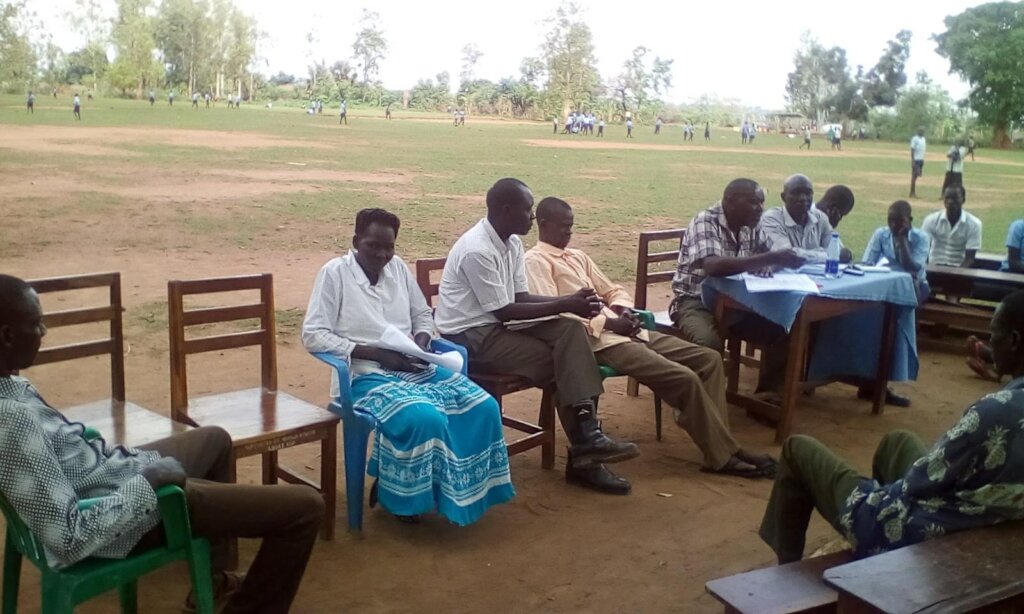
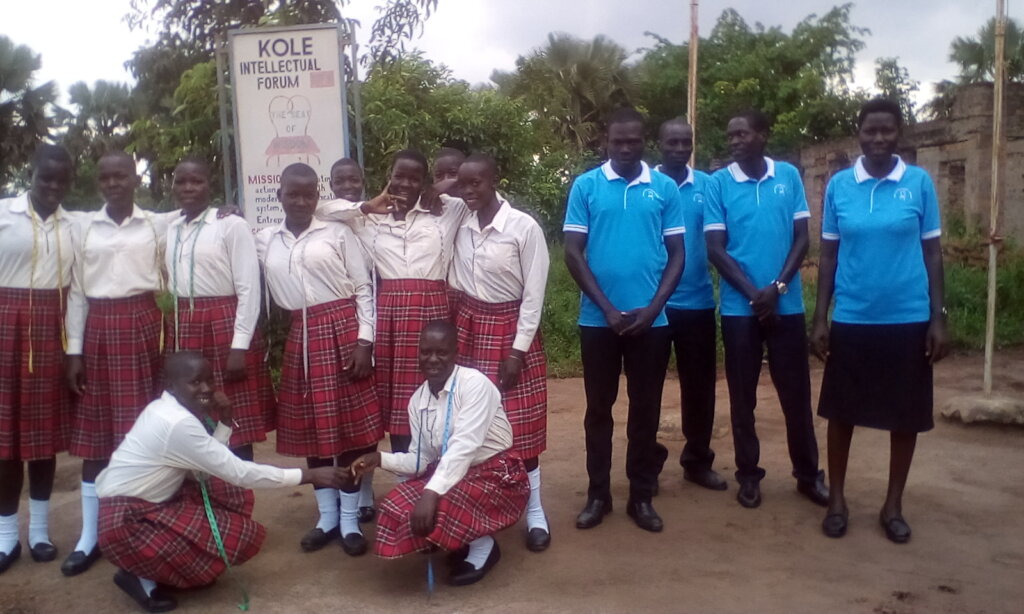
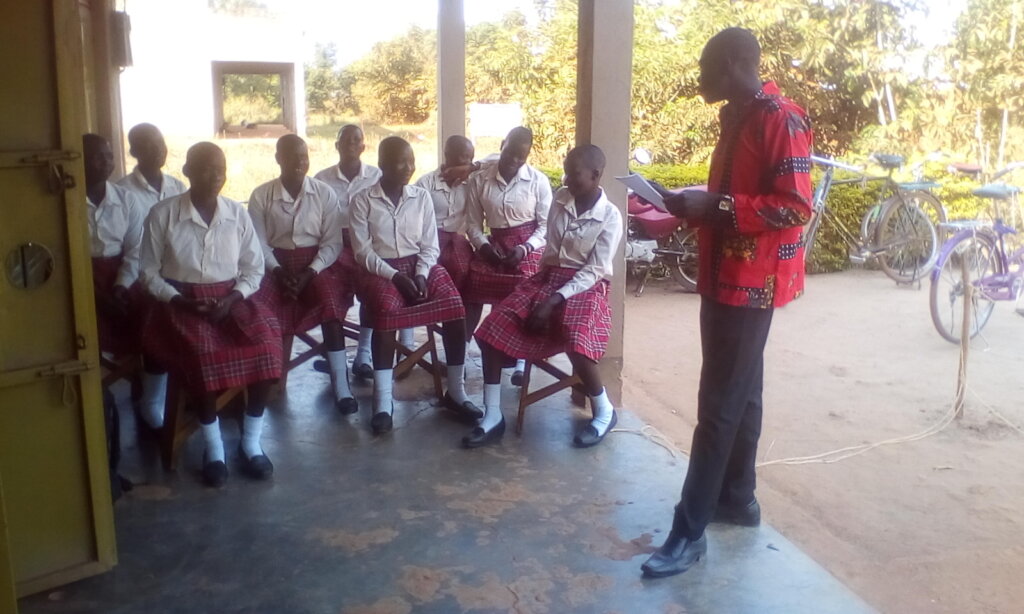
Advocacy for good feeding is the act of publicly supporting or recommending policies or even taking action in the causes related that involves issues that related to matters of nutrition and food. The goal of advocacy according to Kole Intellectual Forum is meant to improve on nutrition as well as reducing on matters of malnutrition among their students and also the society around their Institute
In the view of the promoters, the advocacy is observed, because when one feed well, it can protect them from diseases, economic loss, and even low productivity. It can also a complex issue that may affect a number of sector like health, development, agriculture, and water, sanitation, and hygiene
Nov 14, 2024
KIFA Hires Medical Personnel To Advocate: HIV/AIDS
By George Obua | Project Leader
![Hired expert from the MOH to train the youth]()
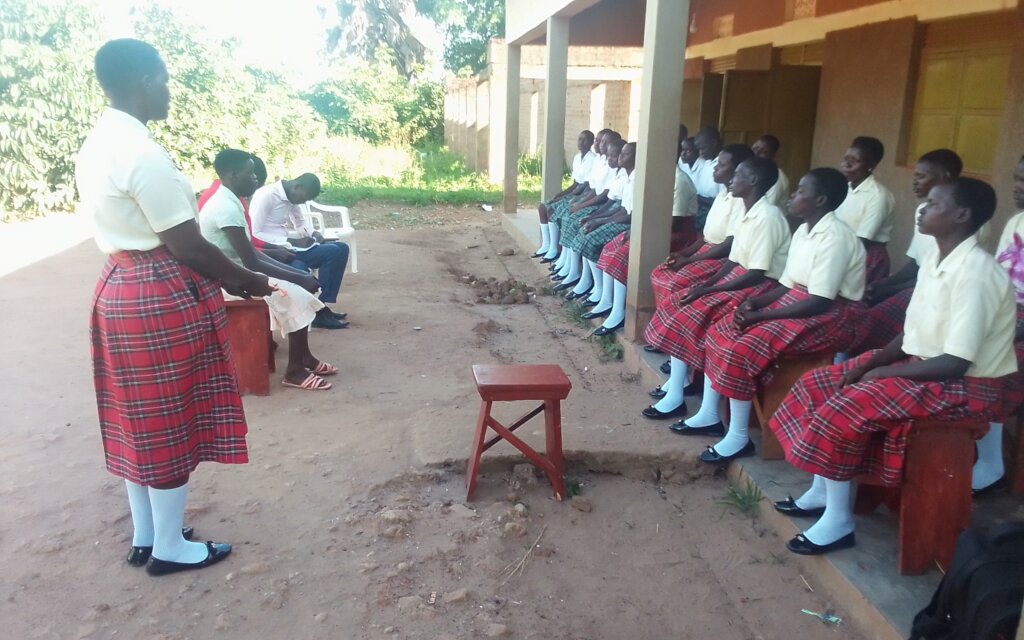
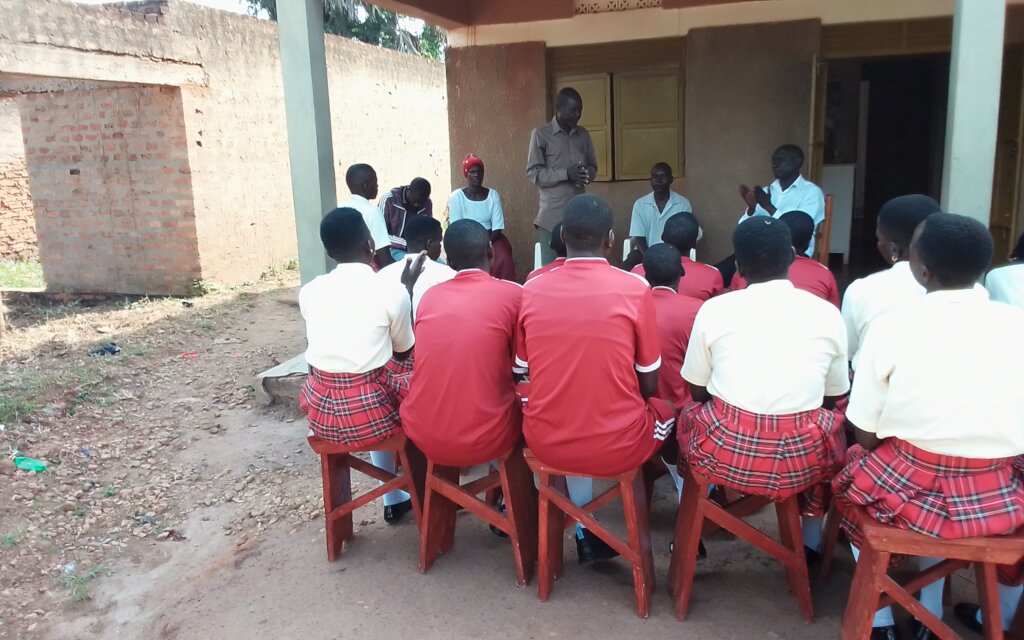
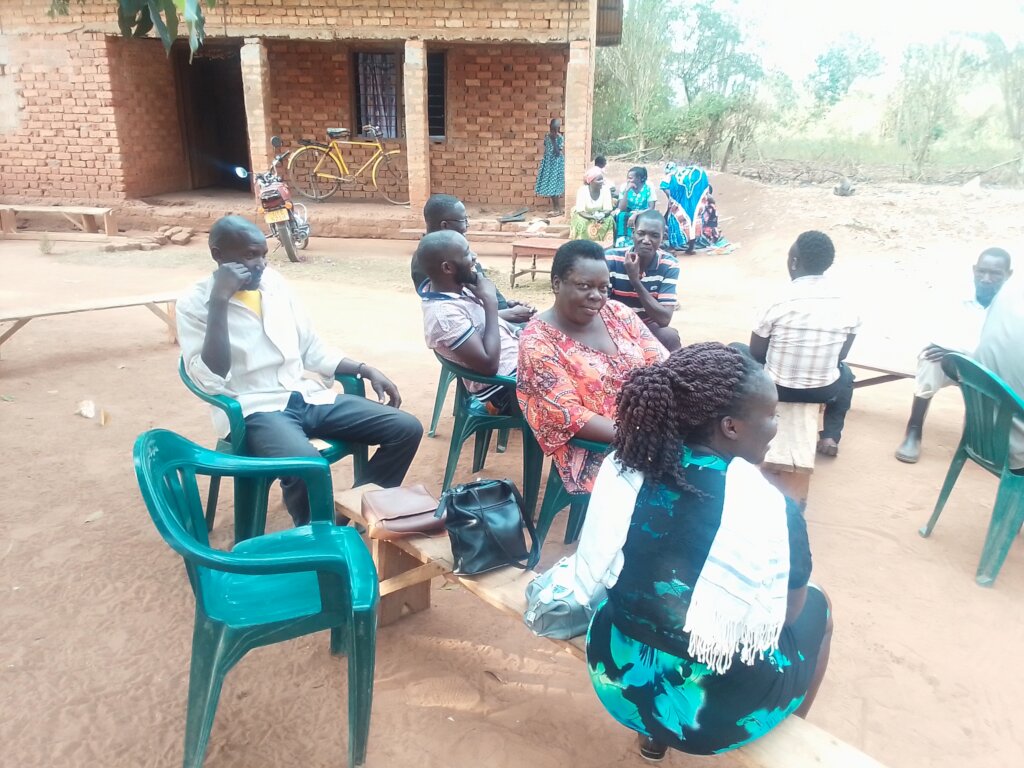
Hired expert from the MOH to train the youth
KIFA Hires Medical Personnel To Advocate: HIV/AIDS
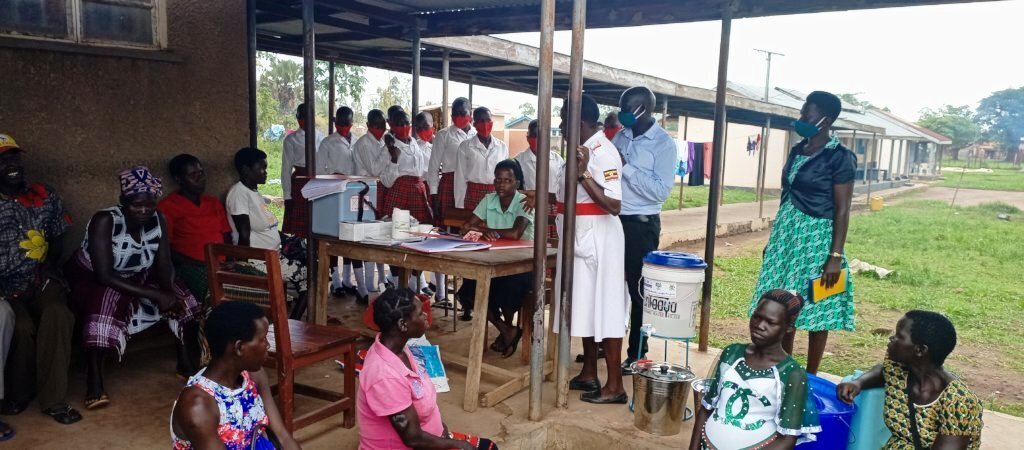
KIFA hires medical personnel to advocate for HIV/AIDS
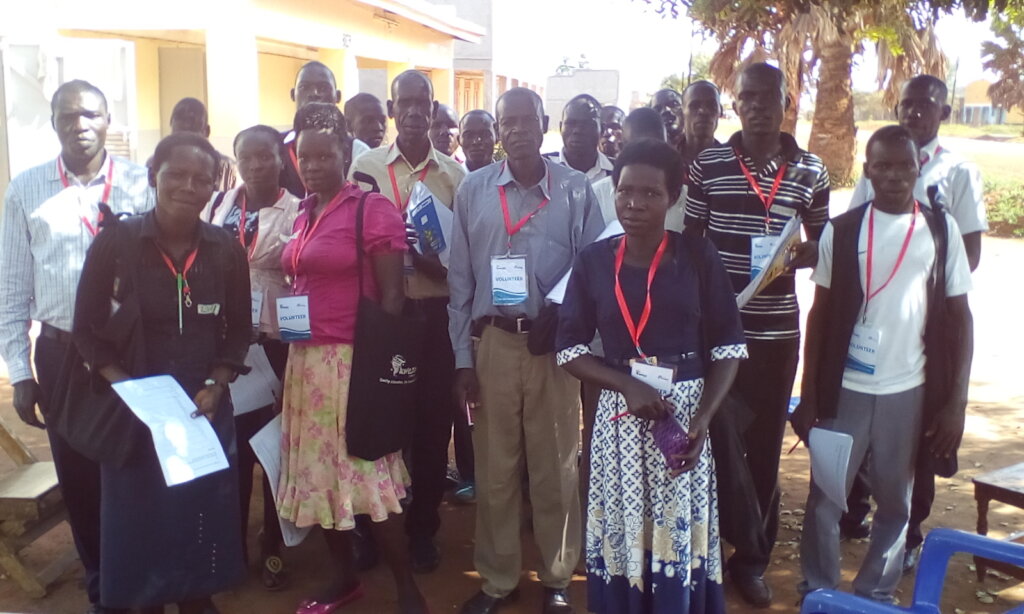
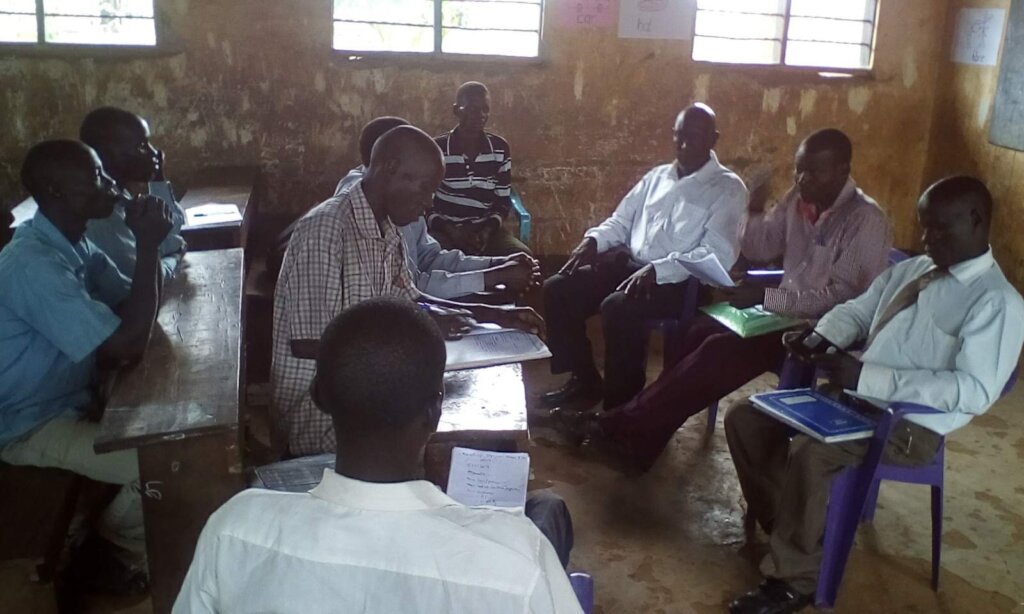
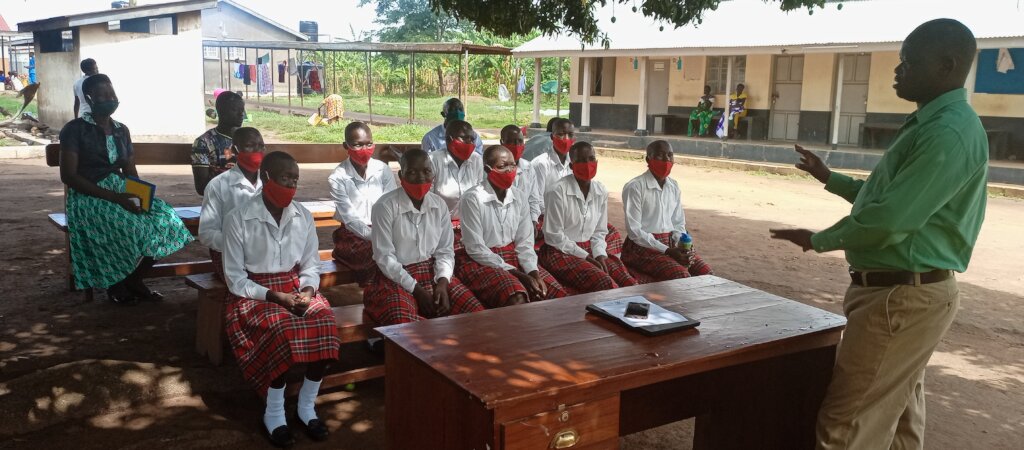
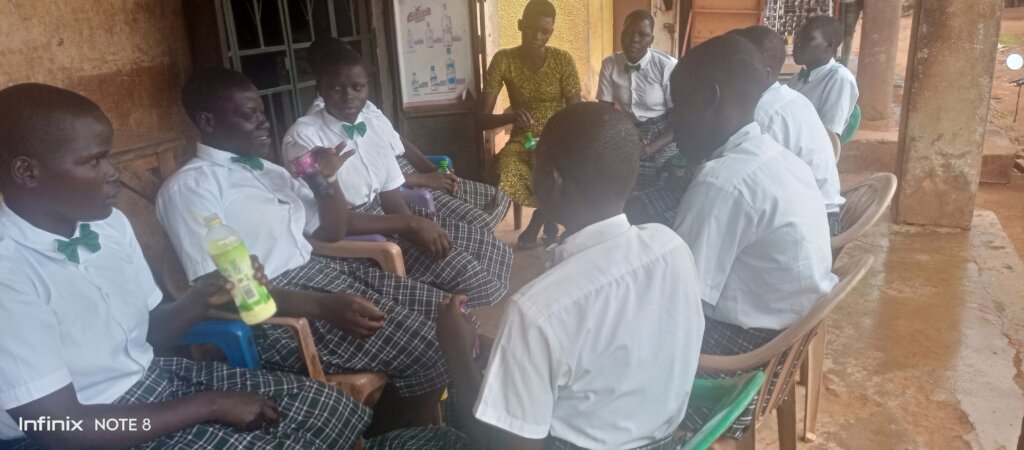
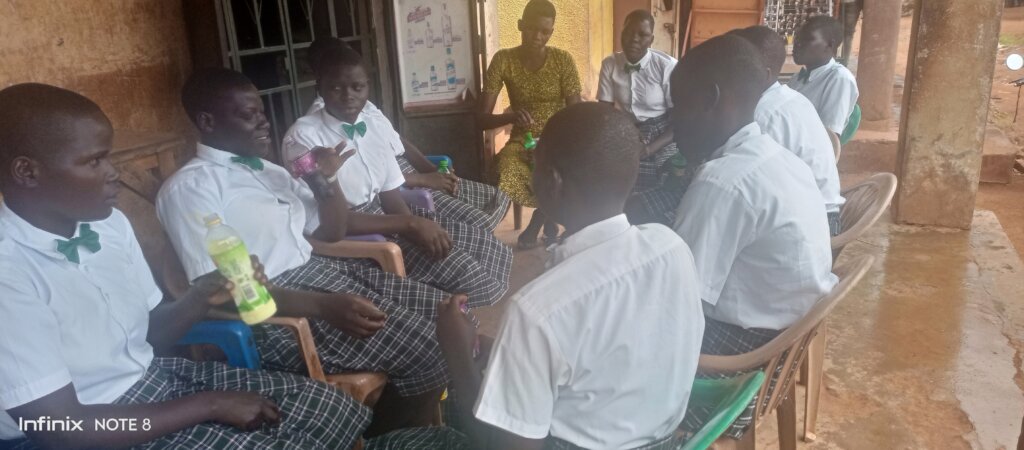
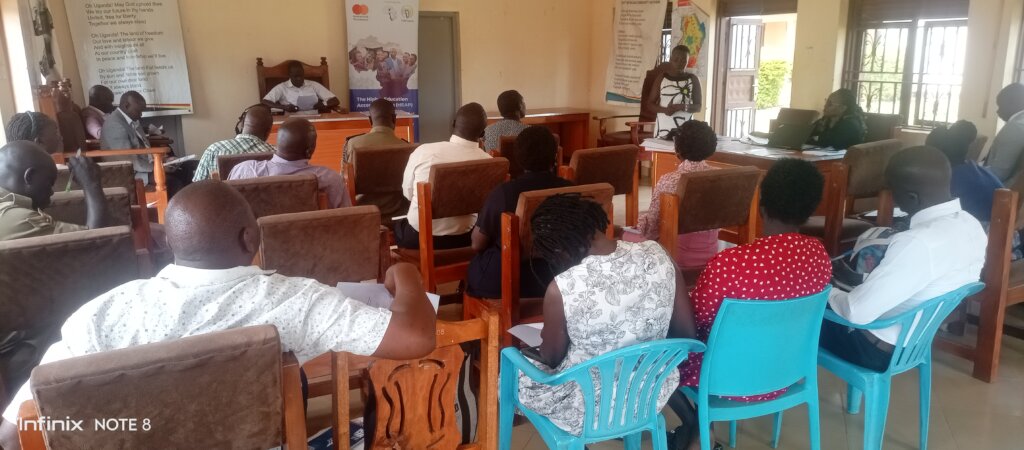
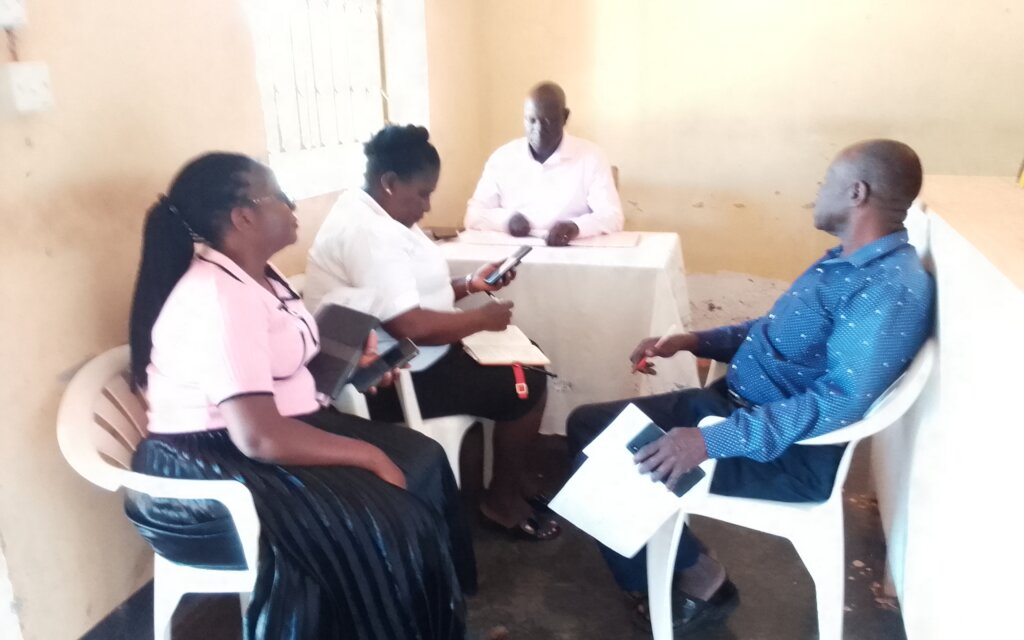
With an attempt to equip the youth within the area of its operation with the knowledge of how to prevent and control spread of HIV/AIDS; Kole Intellectual Forum has hired expert from the Ministry of Uganda (MOH), to talk to them and also brief them of the sources of information and ways of living HIV/AIDS free; these included among others, the:
- Life skills training guide: This guide is available from the Health and Education Resource Centre and covers HIV/AIDS and substance use prevention. It includes modules, exercises, games, lectures, and case studies.
- Training course for HIV/AIDS counselors: This course is available from the MOH Knowledge Management Portal.
- UNMISS training: The United Nations Peacekeeping supports training on HIV/AIDS prevention.
- Vocational training with HIV prevention: This program is available for Ugandan youth and includes a 10-session Street Smart HIV prevention program.
And some ways to reduce the risk of getting HIV include:
- Getting tested for HIV
- Using condoms
- Limiting the number of sexual partners
- Getting tested and treated for STDs
- Talking to a health care provider about pre-exposure prophylaxis (PrEP)
- Not injecting drugs
- Having only low-risk sex
- Only having partners with the same HIV status
- A Training Course for HIV/AIDS Counselors
Taking into account that:
Positive Prevention Counseling: A Training Course for HIV/AIDS Counselors, MOH Knowledge Management Portal; and that, show all, is for an informational purpose that are used mainly only for medical advice or diagnosis or through consultation of the professionals