By Marta Beatrice Sciunnach | Junior project manager
Dear Donor, thank you for your contribution to Kenya.
The pandemic situation that we are facing is scary not only for the serious health problems it cause but also for the devastating consequences it determines for the most vulnerable.
It is alarming that in Kenya, which is currently dealing with the Covid-19 emergency, there has been an increase in pregnancy among underage girls. The report comes from the Machakos County, in the surroundings of Nairobi, where – according to the research by the Kenya Health Information System – 4,000 girls below 19 years old got pregnant in the period between March and June 2020. According to these data, confirmed by the responsible of the Children Office of Machakos, every day about 28 girls in the County get pregnant. These numbers are even more worrying as, according to the enquiry, only 2% of adolescent mothers return to school, at least in the short term.
The main reason why this situation is occurring is given by the closure of schools, which brings young people to get together more often but also creates more opportunities for adults to abuse of girls when they are at home, a practice which is still very common in the country. The problem is not only psychological, social and economic: pregnancy during adolescence is also a health issue since risks of premature birth and perinatal death are higher among young mothers. In particular, most adolescent pregnancies in Kenya are unintentional and over one-third of them leads to abortions. These are almost always performed illegally, consequently exposing extremely young women to the risk of complications and infections that can ultimately cause death during child delivery.
Covid-19 is causing parallel damages in Kenya that are only marginally represented by the daily number of positive cases. The suspension of the majority of economic activities and the following crisis have further reduced the basic support means of a large part of the population, especially the most vulnerable. Although the government has activated emergency lines, social media pages and other types of information channels to reach the people and the Ministry of Education has developed communication strategies through radio, television and internet to allow the youngest to continue with their studies, too many citizens cannot afford a mobile phone connected to the internet.
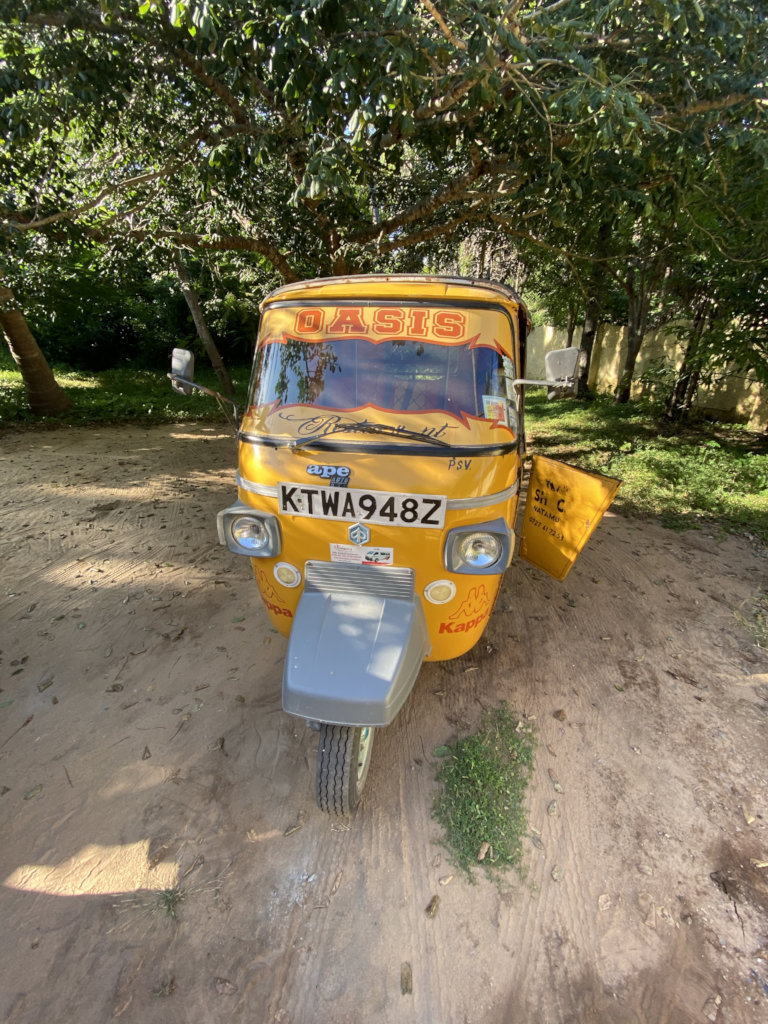
Another problem denounced by national Children Offices is the lack of food supply for all those boys and girls who could previously get one meal per day at low cost, if not for free, at school. Now, many of them may need to work to get an income to guarantee the survival of themselves and their families. As stated by a study from the African Population and Health Research Center, this leads to a higher risk that girls engage in sexual activities as a bargaining chip to have access to basic goods and services that are currently missing: these include not only food but also sanitary pads and transportation. Indeed, some of the principal users of such services provided by female adolescents are motorcycle taxi drivers, the so-called “boda-boda”.
Overall, the picture is definitely not reassuring. Despite both governmental and non-governmental efforts, the direct and indirect consequences of the Covid-19 pandemic are massive and involve different areas of people’s, and specifically young girls’, lives. We now more than ever need your support to keep providing our help to Kenya and its vulnerable people!
By Michelle Dovi Klouvi | junior project manager
By Ilaria Ventura | project leader
Project reports on GlobalGiving are posted directly to globalgiving.org by Project Leaders as they are completed, generally every 3-4 months. To protect the integrity of these documents, GlobalGiving does not alter them; therefore you may find some language or formatting issues.
If you donate to this project or have donated to this project, you can receive an email when this project posts a report. You can also subscribe for reports without donating.