By Lauren Hofer | Project Leader
Dear Friend,
Thank you for supporting Foodbank Australia’s Food Relief for 3.5 Million Australian Households project.
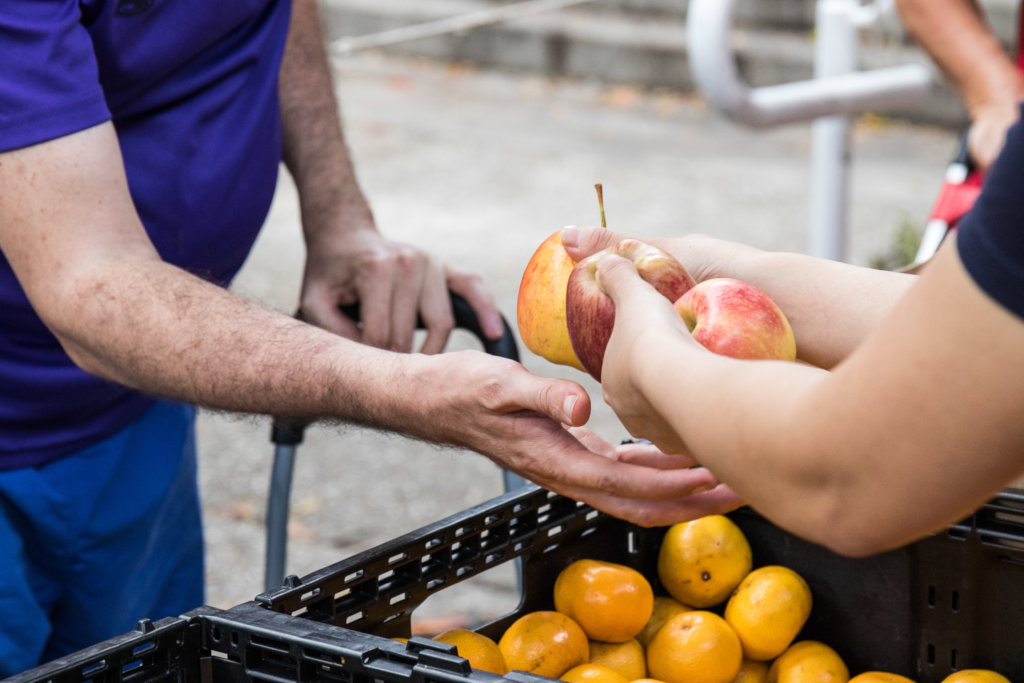
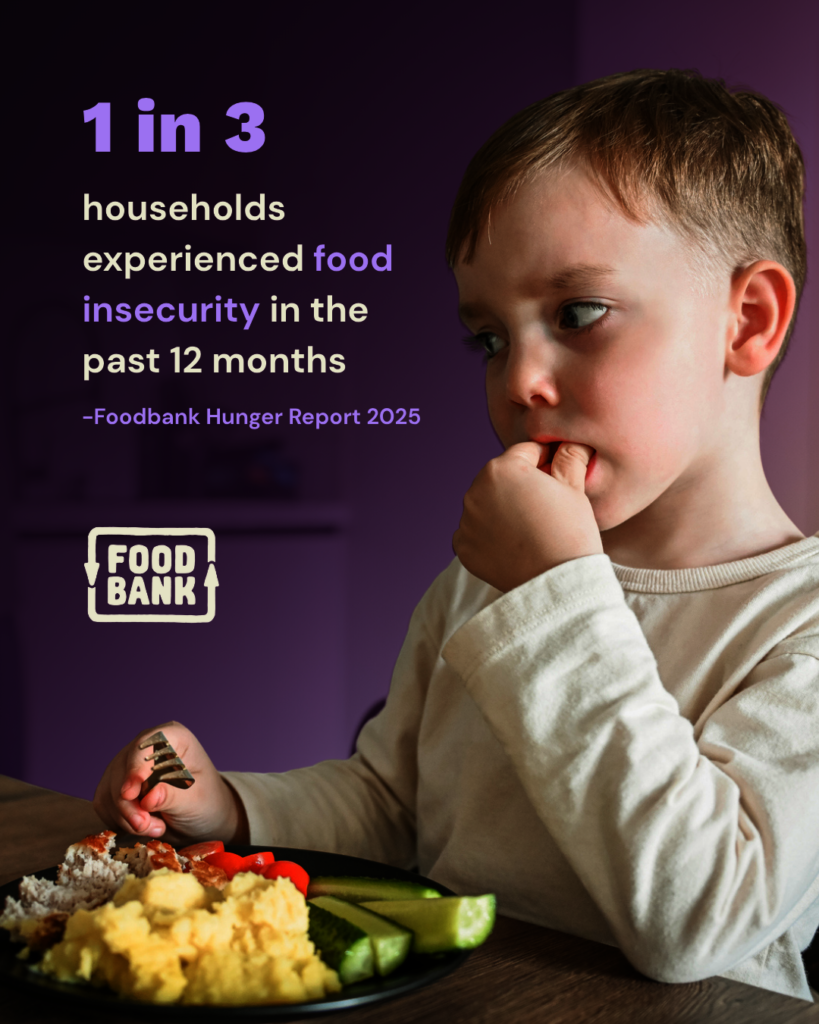
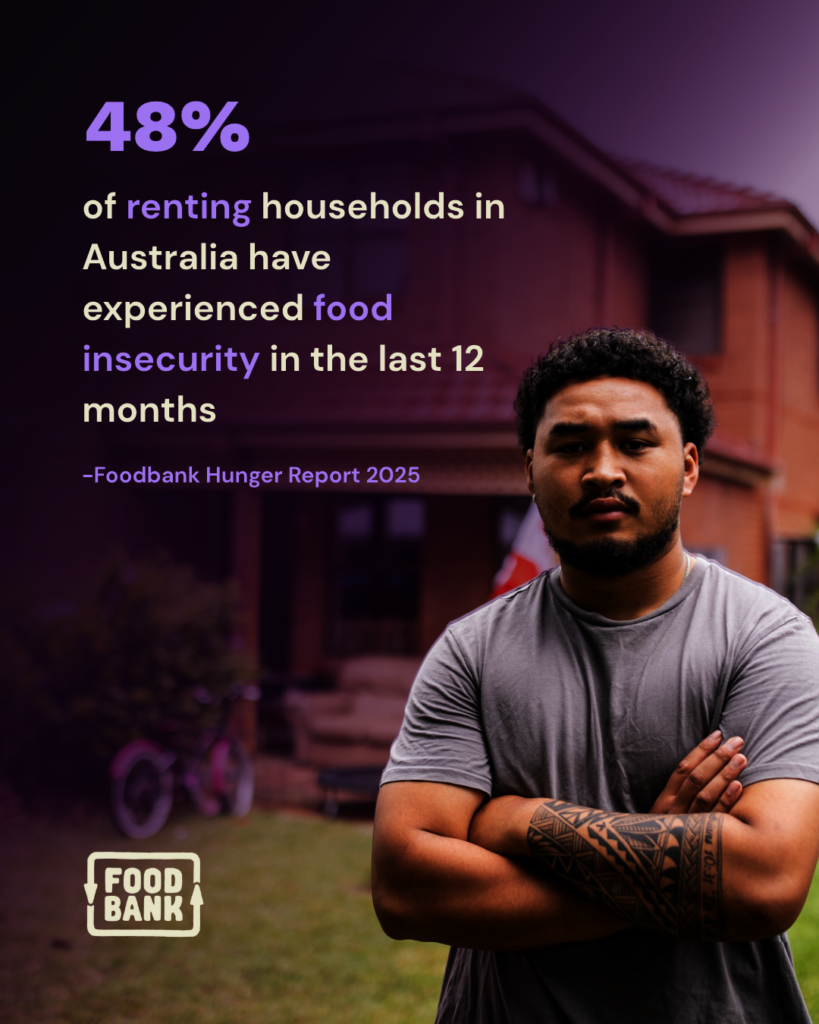
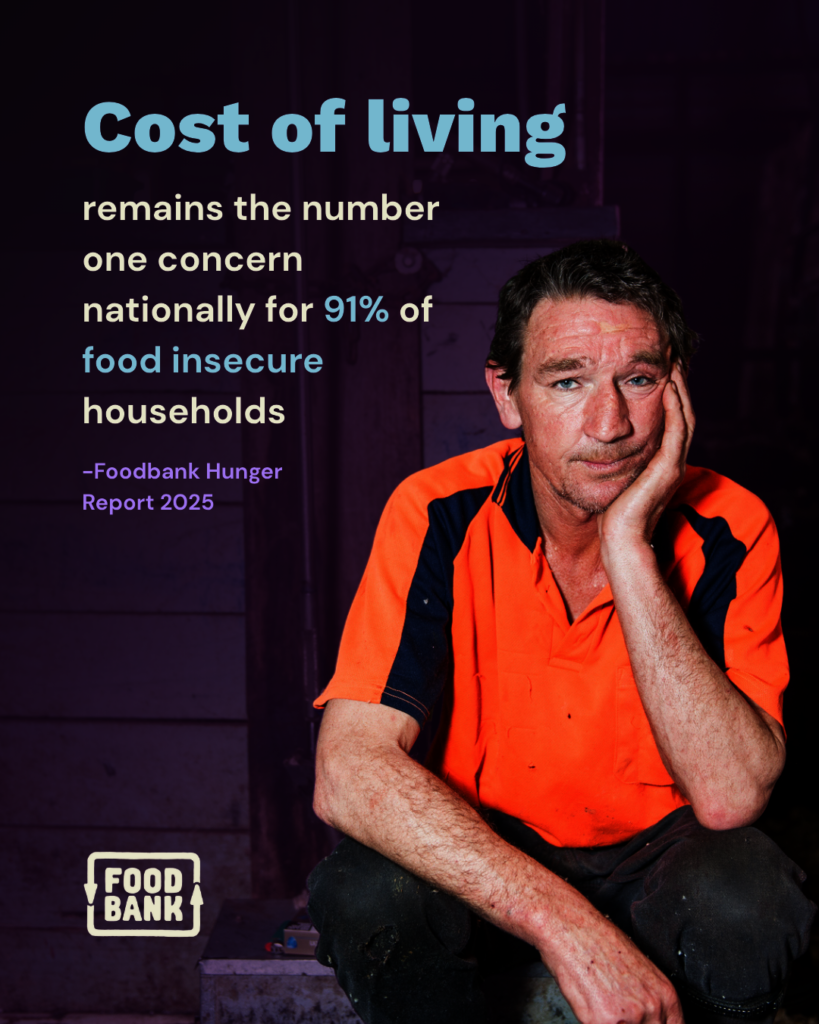
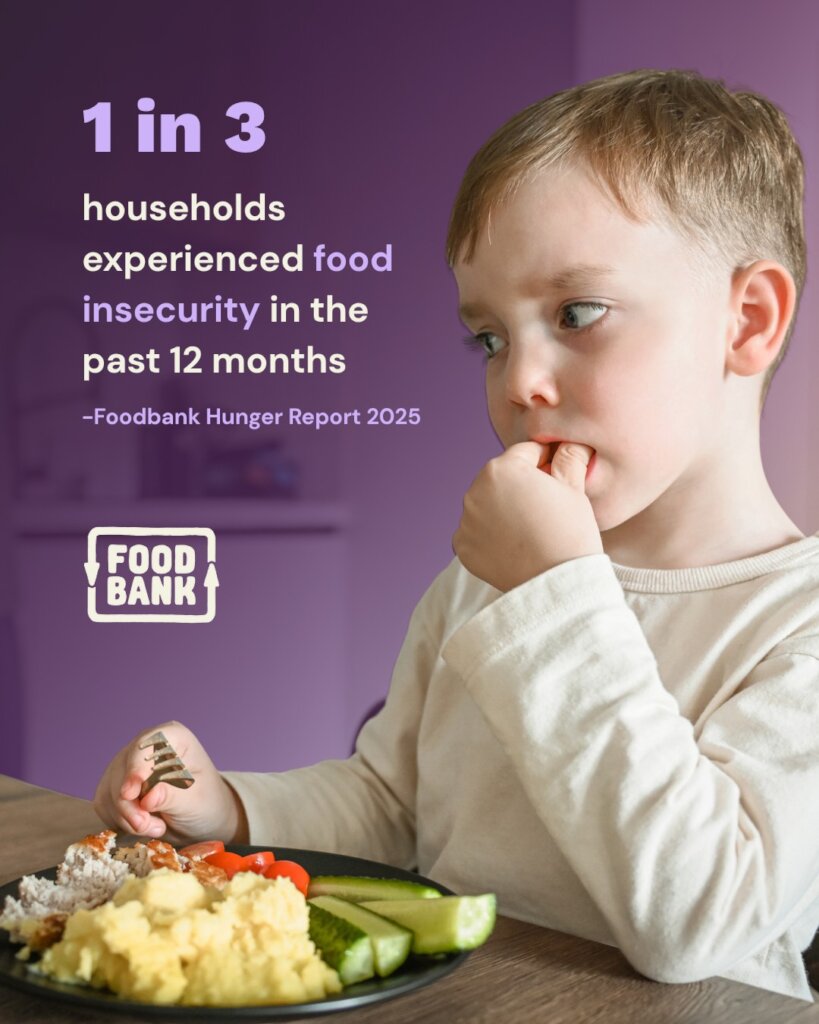
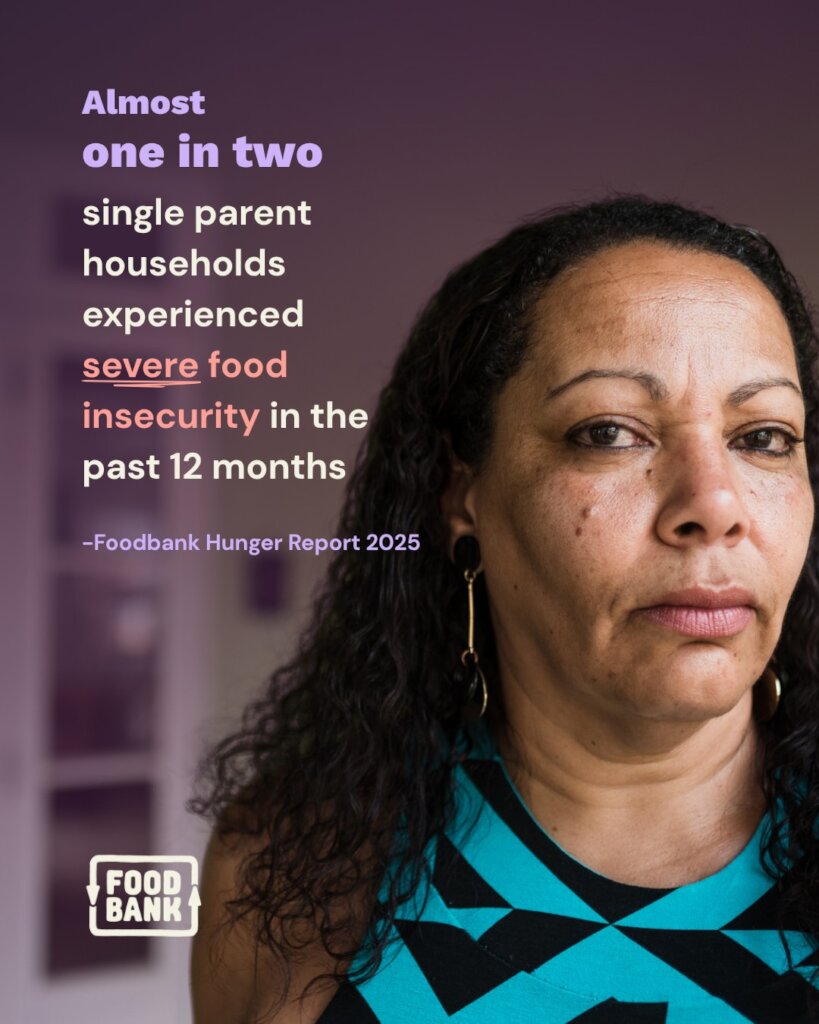
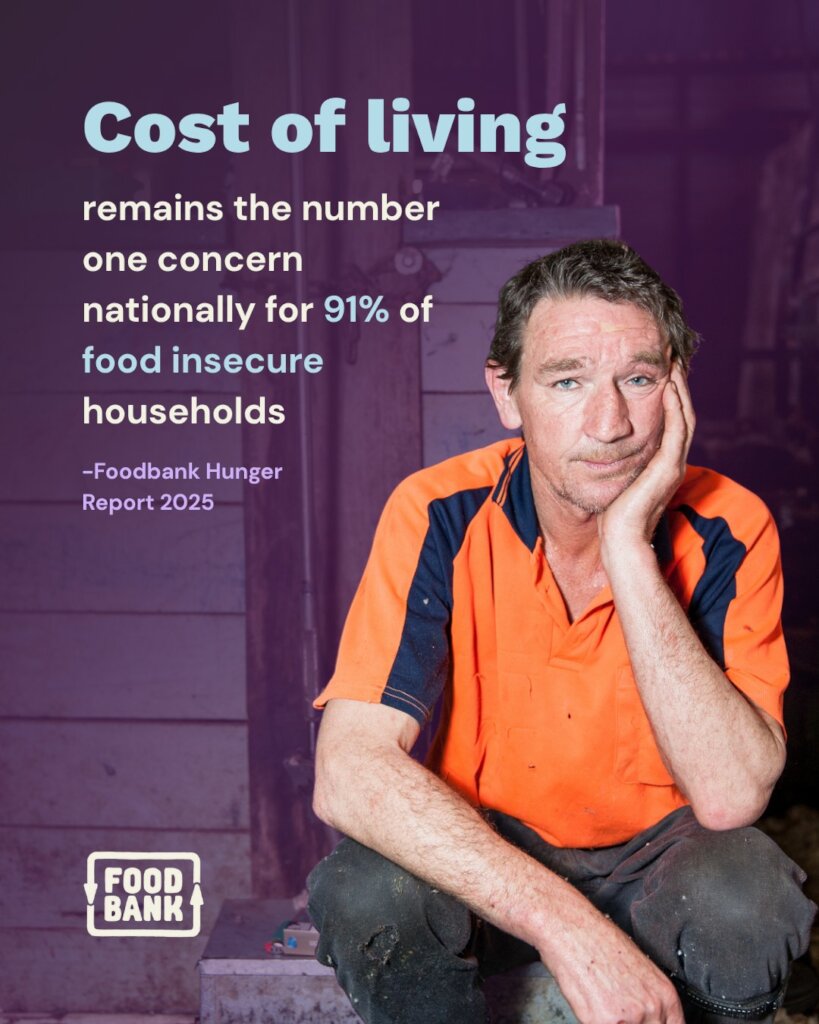
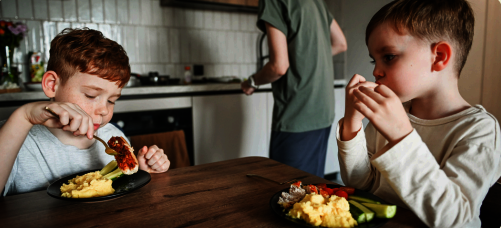
Across Australia, food insecurity remains a daily reality for millions of households, with many families forced to choose between paying rent, bills or buying groceries. Through this project, your support helps Foodbank source and distribute essential staple foods such as cereal, milk, pasta, rice, canned vegetables and protein-rich foods to communities experiencing hardship.
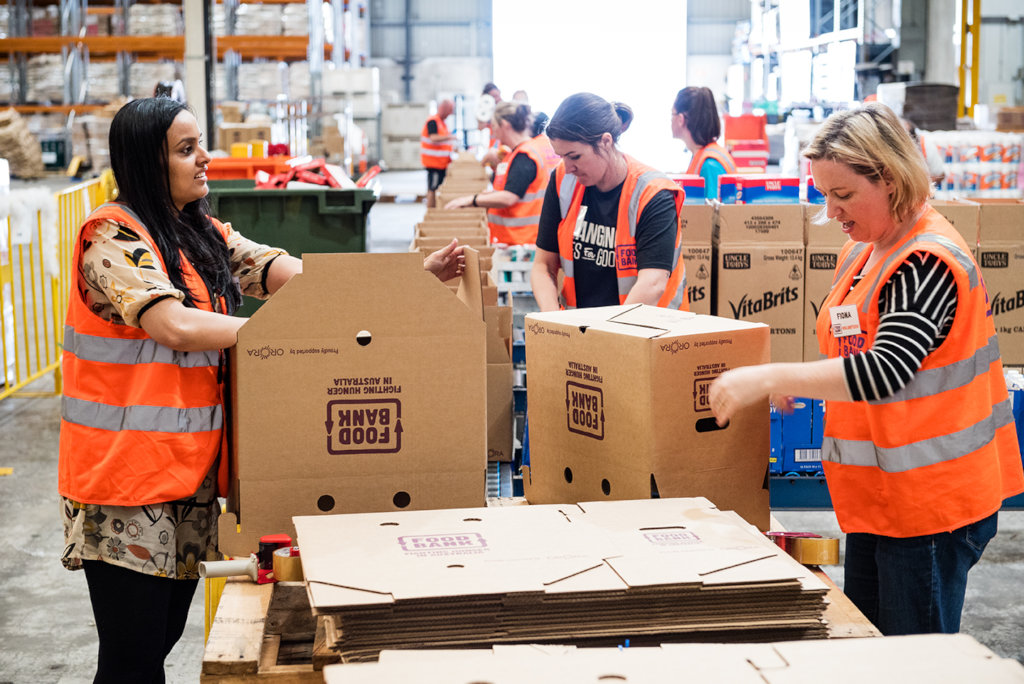
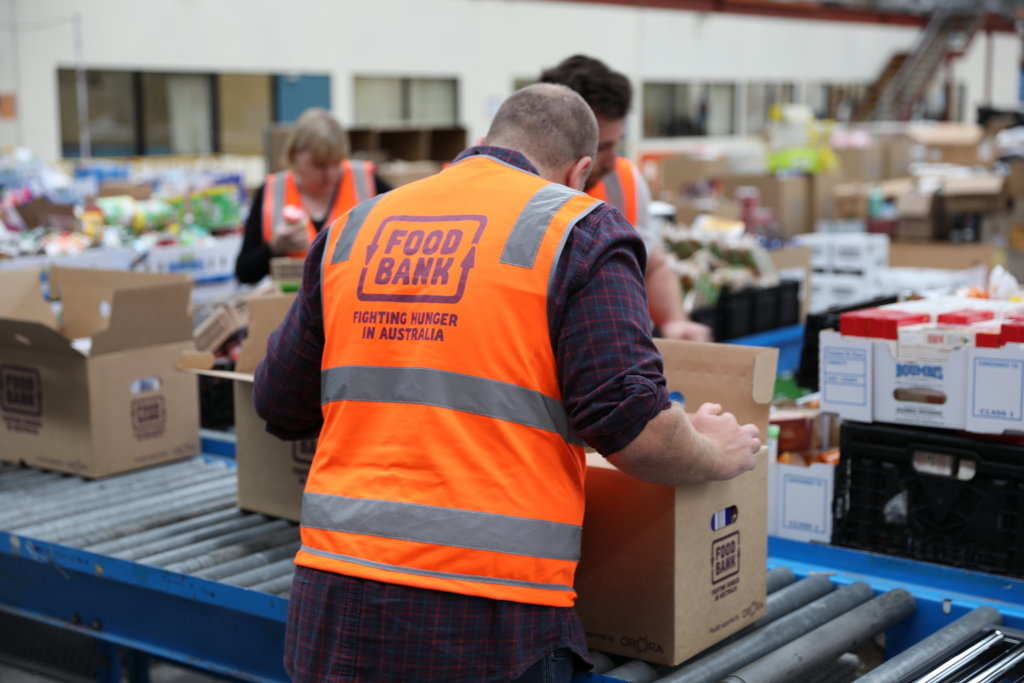
Over the past year, Foodbank sourced the equivalent of 92 million meals - around 252,000 meals every day - supporting 2,966 charity partners and 3,649 school breakfast programs across the country. More than 30% of all food distributed reached regional and remote communities, where access to affordable food is often most challenging.
Food relief is about much more than filling an empty pantry. Access to nutritious food helps reduce stress, supports health and wellbeing, and provides families with greater certainty during difficult times. Every meal distributed represents practical support delivered with dignity.
Your support is also helping Foodbank grow innovative solutions like the Foodbank Food Locker Program. Piloted by Foodbank SA & NT, these purpose-built Food Lockers are placed in remote communities ahead of disaster seasons and stocked with essential food, water and grocery items. If floods, cyclones or other emergencies disrupt supply chains, communities have immediate access to vital supplies while longer-term relief efforts are coordinated.
As this successful pilot expands, Foodbank's goal is to establish more Food Lockers in disaster-prone communities across Australia, helping communities become more resilient before disasters strike. If you'd like to support this initiative, your contribution can help ensure more communities have essential food and groceries ready when they're needed most.
Looking ahead, Foodbank will continue strengthening its Collaborative Supply Program, growing partnerships with growers, food manufacturers and retailers, supporting school breakfast programs, and responding to communities impacted by natural disasters and rising cost-of-living pressures.
Thank you for making this work possible. Your generosity is helping provide more than food—it is helping Australians build healthier, stronger and more food-secure futures.
By Claudine Habib | National Partnerships Executive
By Claudine Habib | National Partnerships Executive
Project reports on GlobalGiving are posted directly to globalgiving.org by Project Leaders as they are completed, generally every 3-4 months. To protect the integrity of these documents, GlobalGiving does not alter them; therefore you may find some language or formatting issues.
If you donate to this project or have donated to this project, you can receive an email when this project posts a report. You can also subscribe for reports without donating.



Support this important cause by creating a personalized fundraising page.
Start a Fundraiser