By Sydney Usselmann | Programms & Office Intern
SEED is preparing a seven-month project to improve conditions at the community health centre (CSB) in Analandravy, in the Anosy region of southeastern Madagascar. The CSB is the main health provider for three surrounding villages, and its catchment grows to as many as 12 villages in the rainy season, when poor roads cut people off from other facilities. Six staff see around 700 patients a month, serving a population of more than 6,700.
The centre’s biggest problem is water. Its collection system no longer works, as there is no connection between the water source and the storage tank, which sits more than four metres above the ground. Staff have to carry water up to fill it by hand, and because the work is so physically demanding, the tank is often left empty. The alternative is an on-site well that takes about ten minutes of hard pumping to draw a single bucket. Water is needed for routine medical procedures and patient care, as well as for keeping the building clean, so the shortage affects everything the centre does.
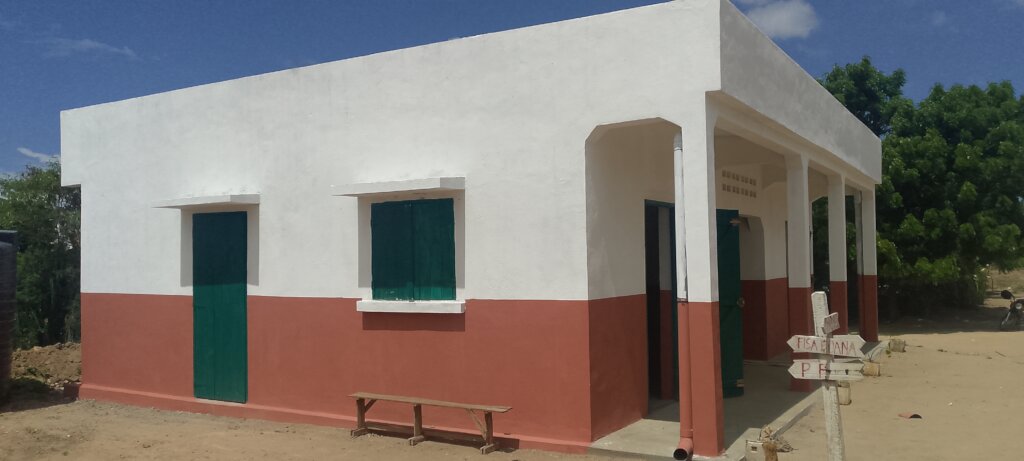
Sanitation is also compromised. The CSB has only two latrine cubicles for staff and patients, with no separation between men and women. The two menstrual hygiene and shower rooms are not connected to a water supply, which makes it difficult for women and girls to manage menstruation hygienically and with privacy.
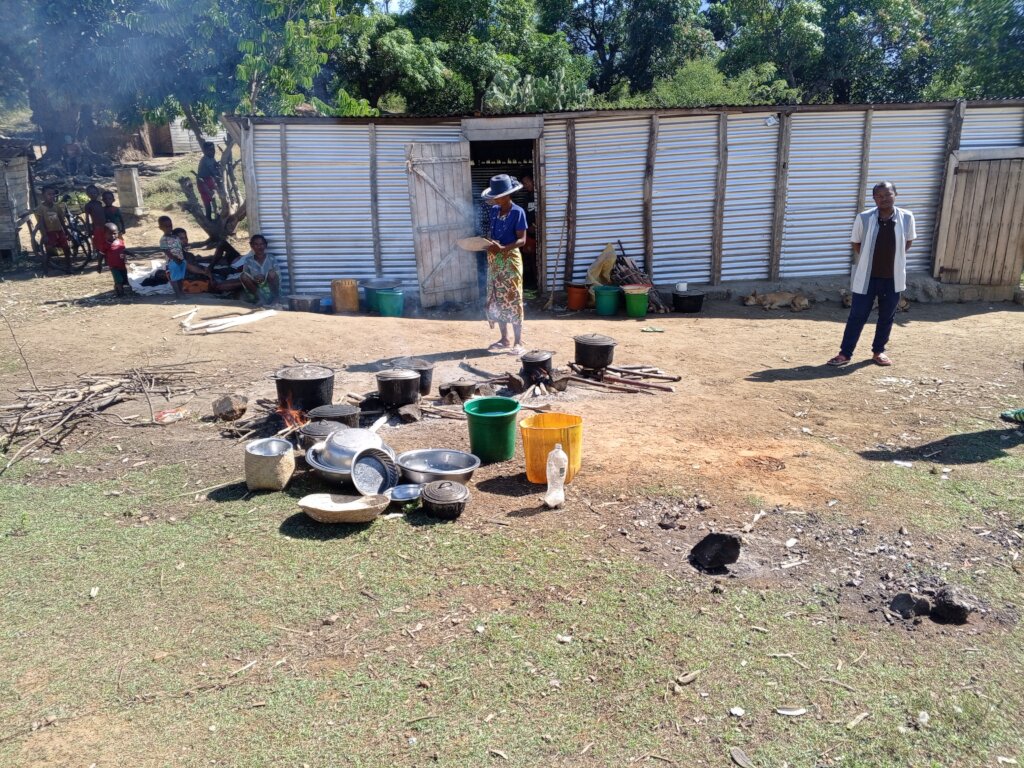
There is nowhere for staff or patients to stay. Without a place to stay, staff struggle to remain on site overnight, especially during emergencies like births. Patients and their families, who often journey from far-off villages, also need shelter, but the current building is run-down and frequently overcrowded. When the rains come, families cook inside alongside ill patients, using open fires in a fragile wooden and tin shelter.
The project will attend to these problems. Working with Tatirano Social Enterprise, a Fort Dauphin organisation specialising in sustainable water solutions, SEED will install a 10,000-litre rainwater harvesting system with handwashing stations, monitored by a local agent to quickly identify faults. A solar-powered pump will connect the existing 20-metre well to the storage tank, replacing manual pumping. SEED will build an additional ventilated latrine cubicle to separate the existing latrines by gender, and will connect both the shower and menstrual hygiene rooms to running water. Two new buildings will provide accommodation for staff and for patients and their families, each with cooking facilities.
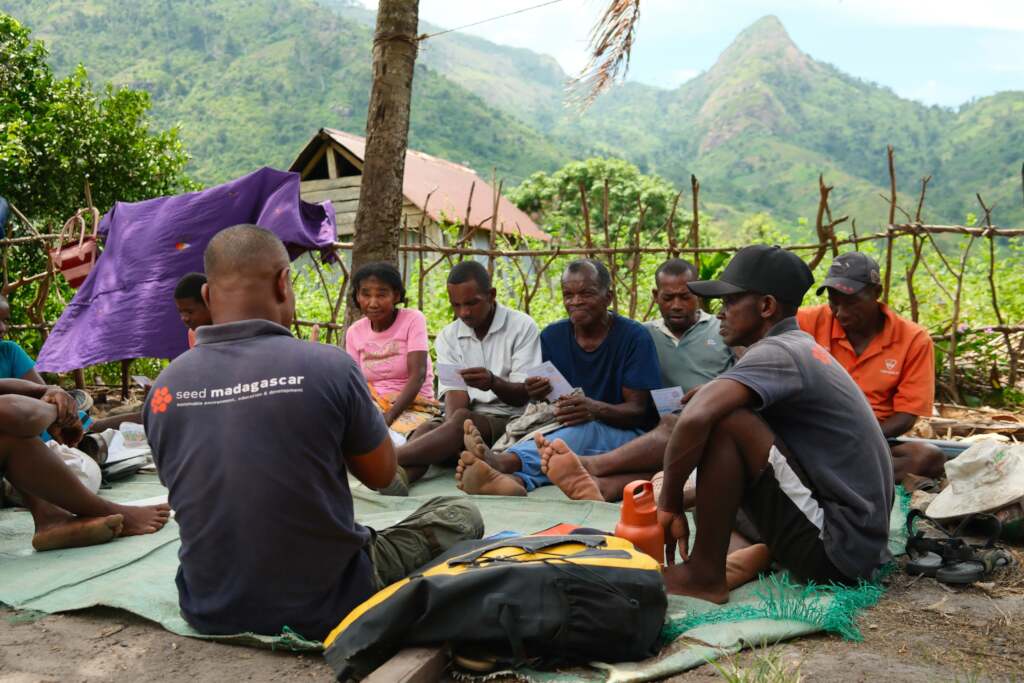
To make sure the facilities last, the regional Ministry of Health will deliver two days of WASH training to all CSB staff, ending with a WASH action plan written by the staff themselves. After the project, the CSB will manage the infrastructure under an agreement signed beforehand with SEED and local authorities.
By Frankie Bird | Programmes and Office Assistant
By Cassie Senn | Programmes and Office Assistant
Project reports on GlobalGiving are posted directly to globalgiving.org by Project Leaders as they are completed, generally every 3-4 months. To protect the integrity of these documents, GlobalGiving does not alter them; therefore you may find some language or formatting issues.
If you donate to this project or have donated to this project, you can receive an email when this project posts a report. You can also subscribe for reports without donating.



Support this important cause by creating a personalized fundraising page.
Start a Fundraiser