By Sara Steffen | Conservation Coordinator
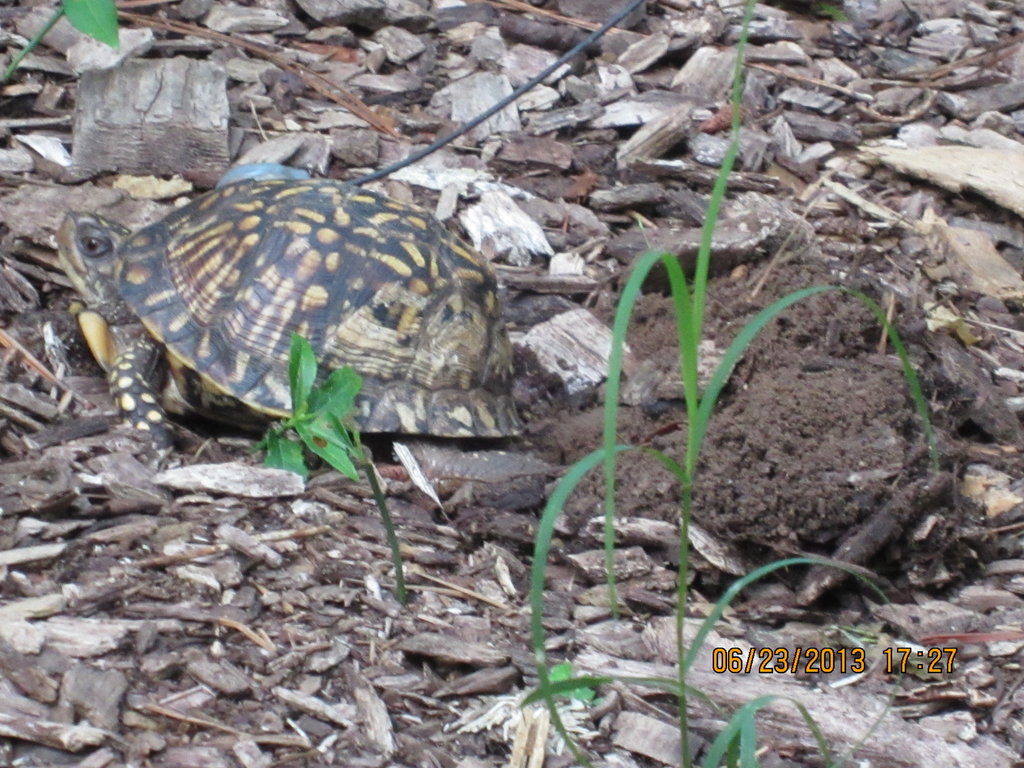
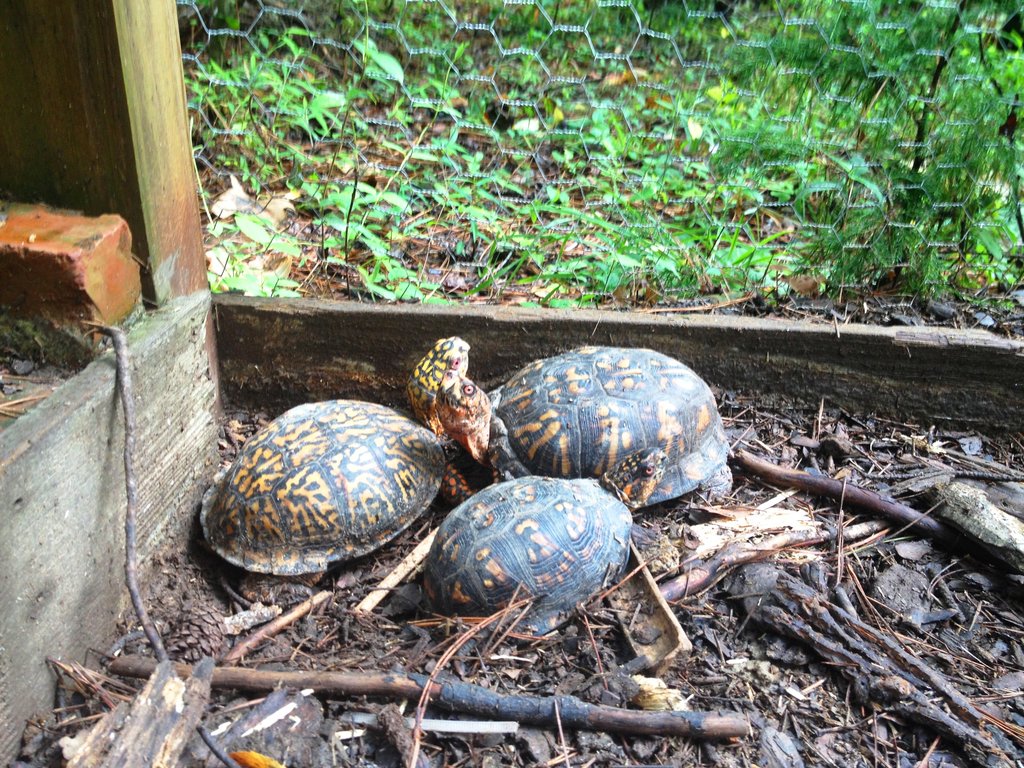
In June, we were lucky enough to find two box turtles nesting within just a couple of days! These box turtles picked out loose soil in sewer lines within our park. Areas such as sewer lines, road sides, and sandy areas offer easy digging for turtles. Many times people find turtles laying eggs next to the road for this reason.
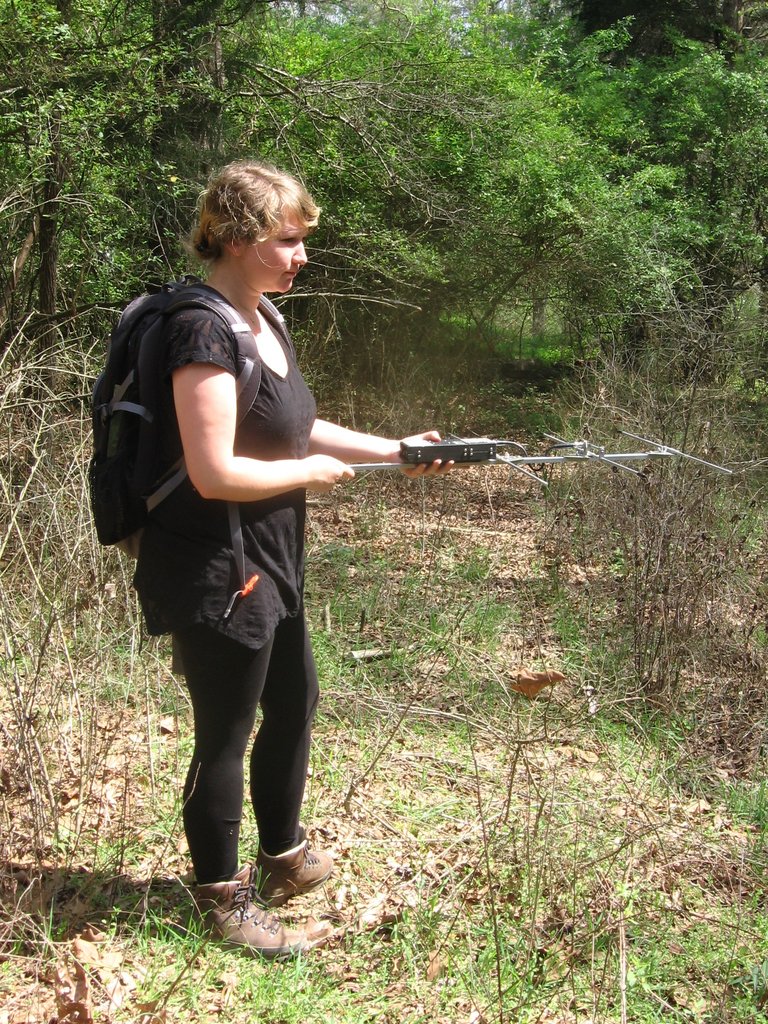
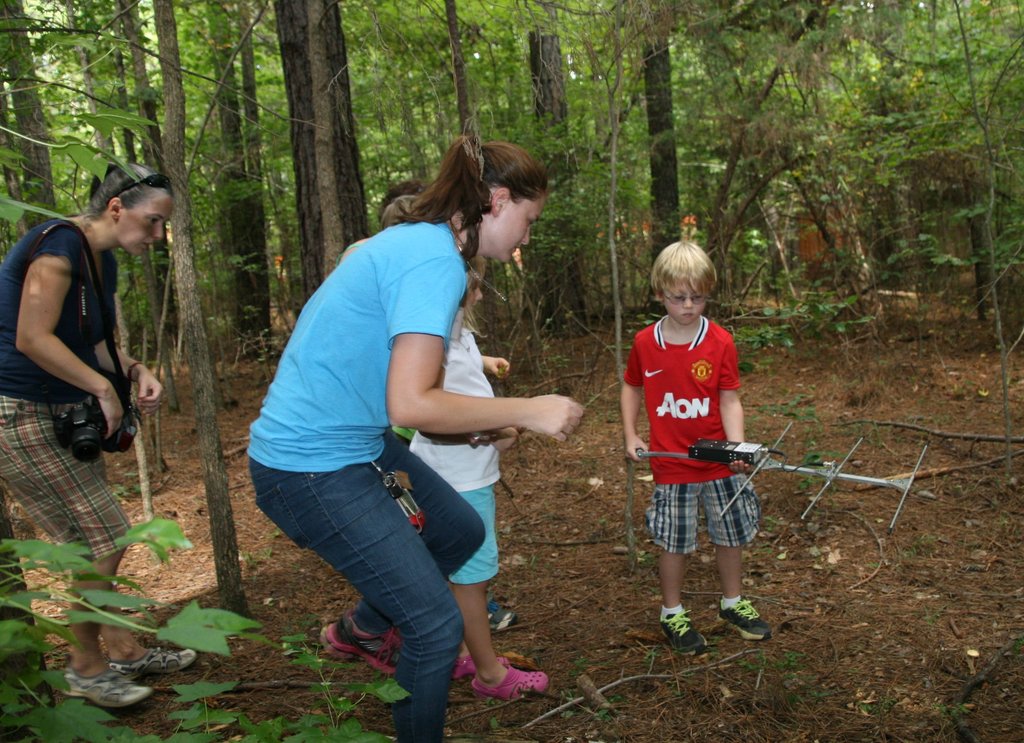
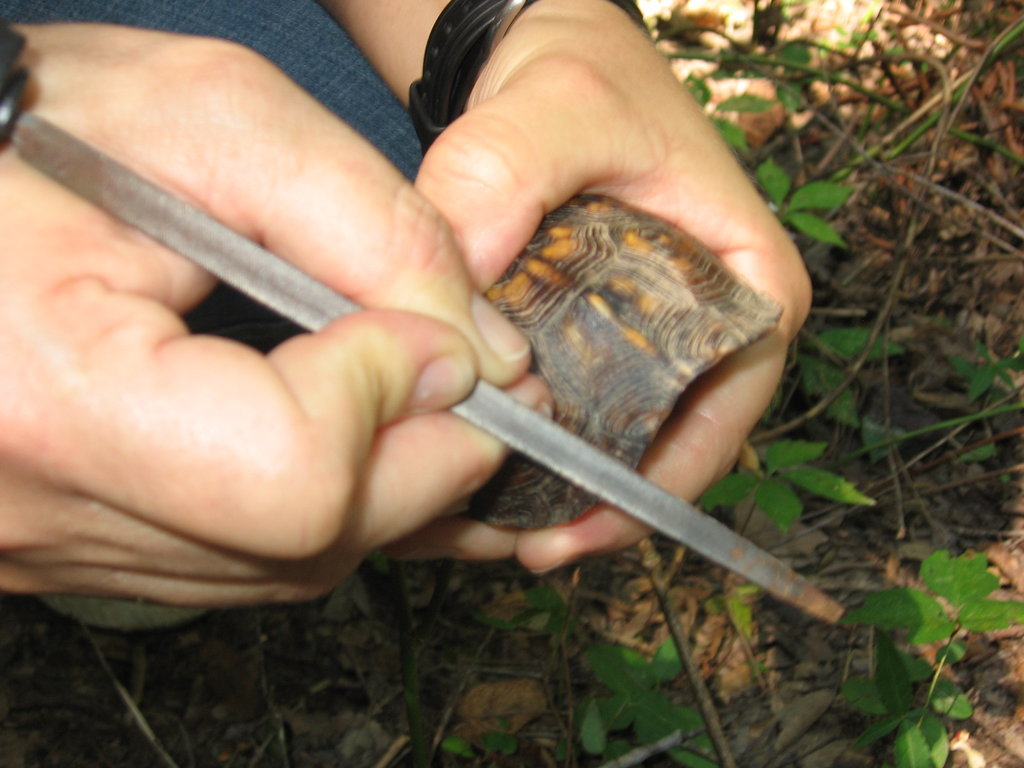
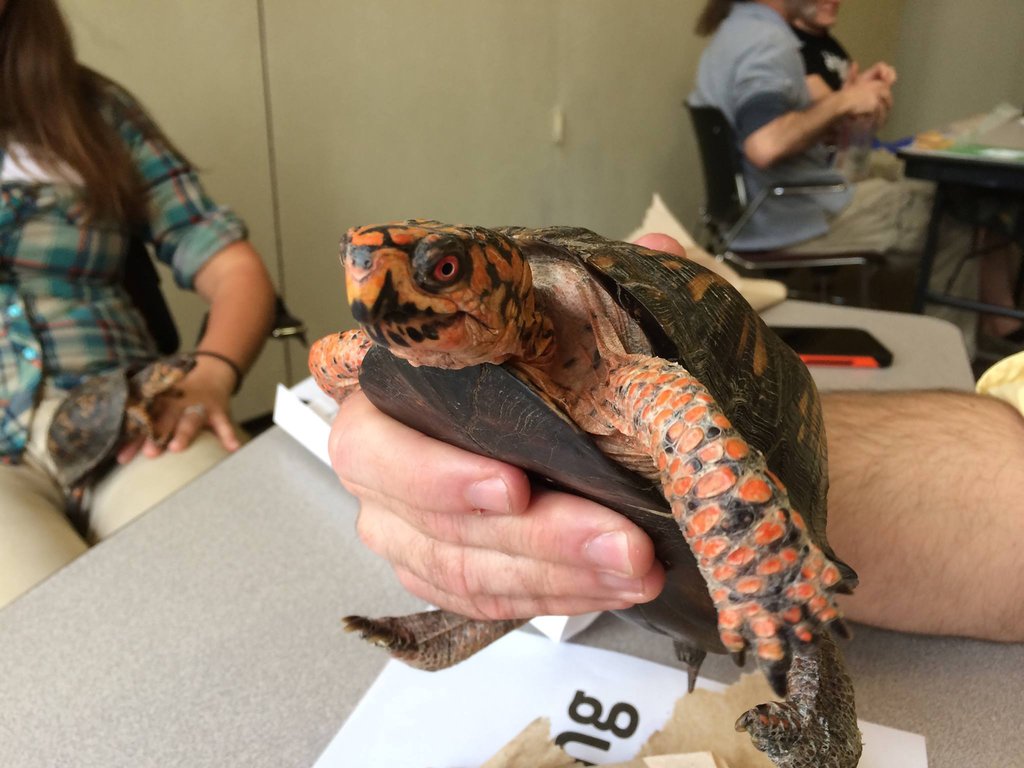
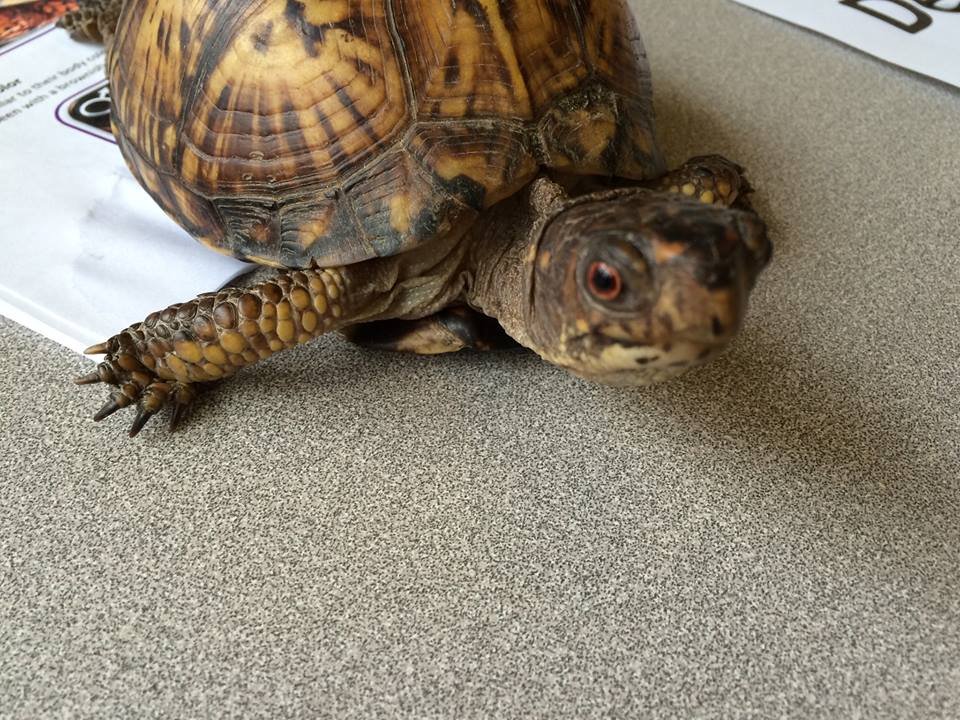
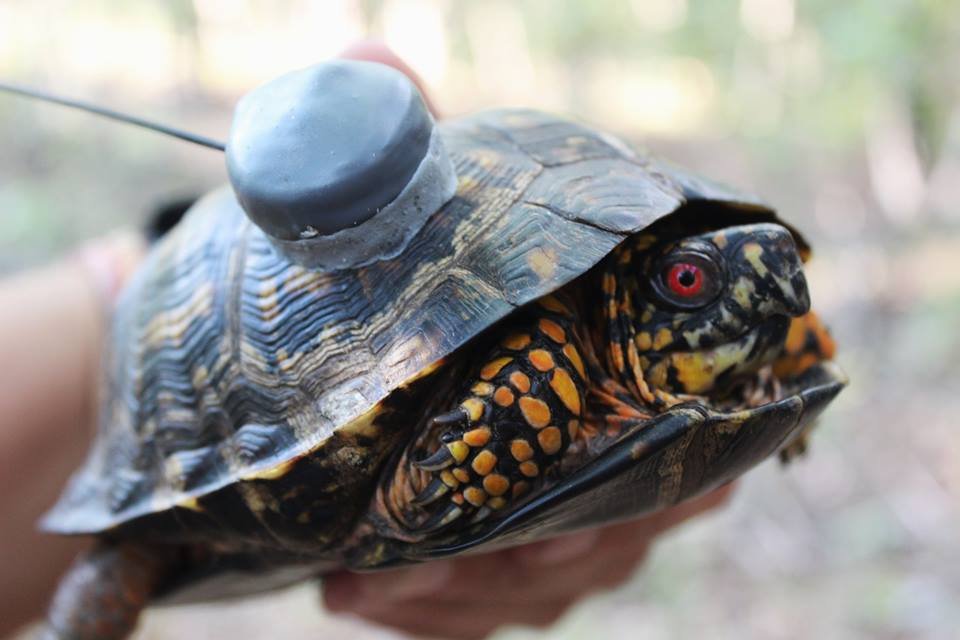
The first turtle laid in recently dug soil in a sewer line. The second turtle we found was digging in a sandy area just next to the sewer line. It took her over 3 hours to dig a hole, lay a few eggs, and cover the hole back up. After she finished laying you couldn’t tell anything had happened in that location. The first nesting box turtle was already marked and a part of our box turtle population study, but the second turtle was not. When the unmarked turtle was finished covering her hole, we marked her and took measurements. We tried to be as quick and gentle as possible since we know that laying eggs is stressful to their bodies. It’s amazing that we are still finding new, adult turtles after marking turtles for 6 years.
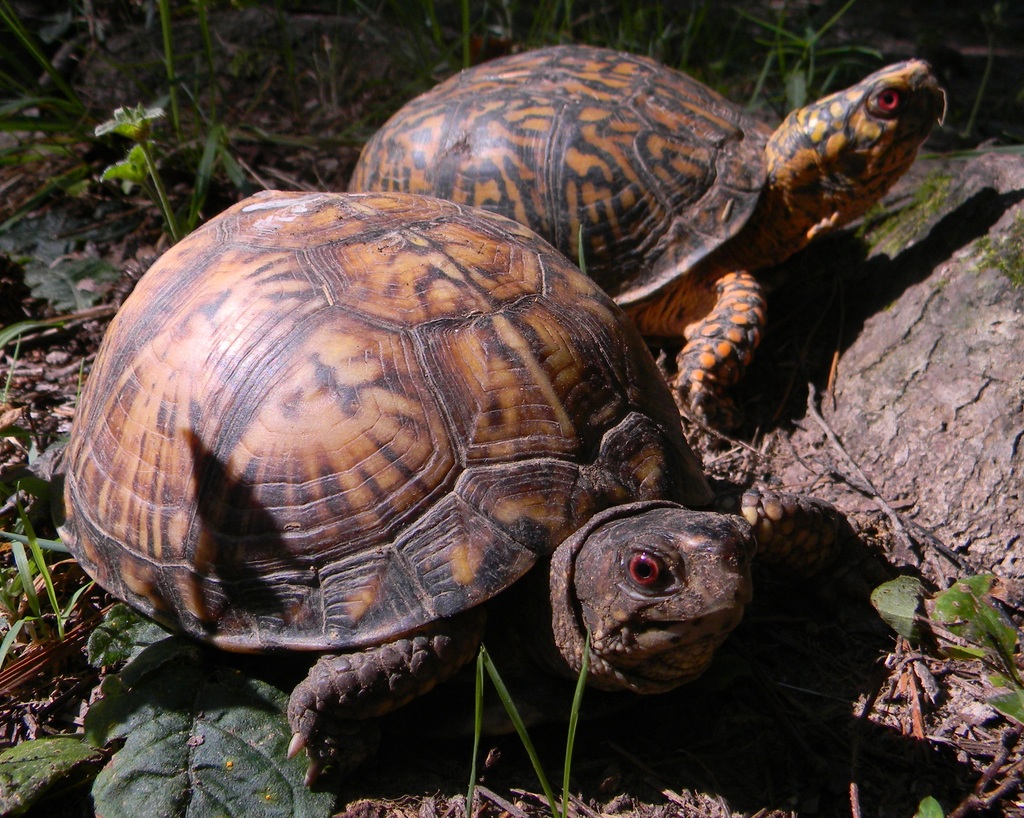
Box turtles generally lay between 2 -8 eggs per clutch (nest) and can have multiple clutches in one season. After mating, they can hold sperm for up to 3 years, which allows them to have genetic diversity among the eggs. Each clutch may be fertilized by multiple males, which is a bonus for the gene pool. The more diversity, the healthier a population is. It takes approximately 70 days for the eggs to hatch.
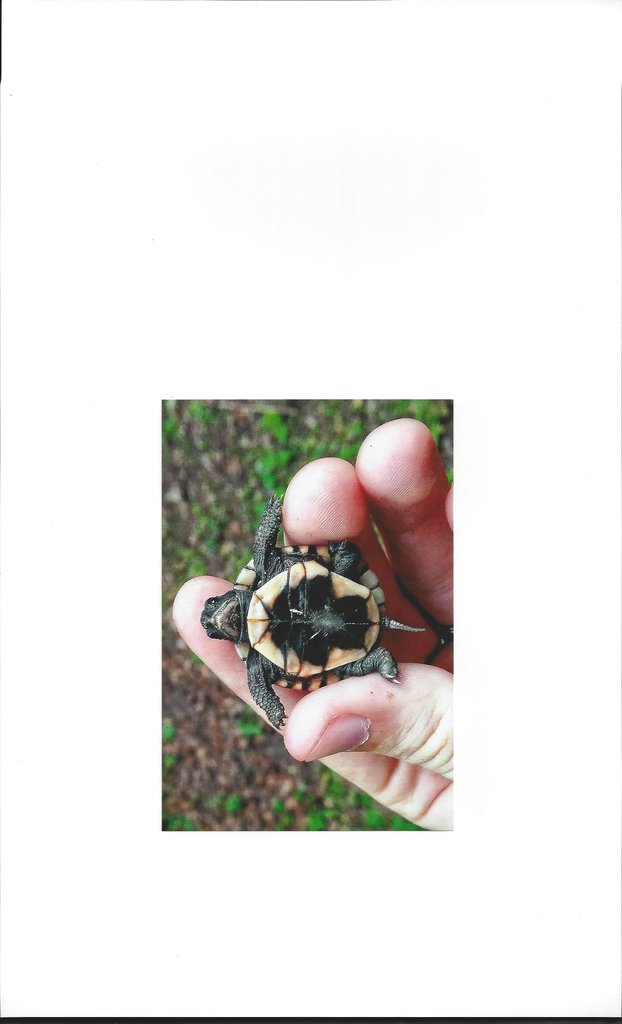
We covered both nests with a predator guard. This helps prevent predators from digging up the nest and eating delicious eggs. There were some ants at the second nest, which have been known to consume eggs. We are hopeful all the eggs will hatch. We feel like the proud grandma, eagerly awaiting hatchling turtles! We hope to see a few, and although they will be too small and delicate to mark at emergence, we can count how many turtles and eggs each turtle laid.
It’s been a great year for turtles so far. We hope as the weather turns cooler here that we will find more turtles out during the day. There are only a couple months left until they hibernate again for the winter.
Links:
By Sara Steffen | Conservation Coordinator
By Sara Steffen | Conservation Coordinator
Project reports on GlobalGiving are posted directly to globalgiving.org by Project Leaders as they are completed, generally every 3-4 months. To protect the integrity of these documents, GlobalGiving does not alter them; therefore you may find some language or formatting issues.
If you donate to this project or have donated to this project, you can receive an email when this project posts a report. You can also subscribe for reports without donating.