By Sara Steffen | Director of Conservation
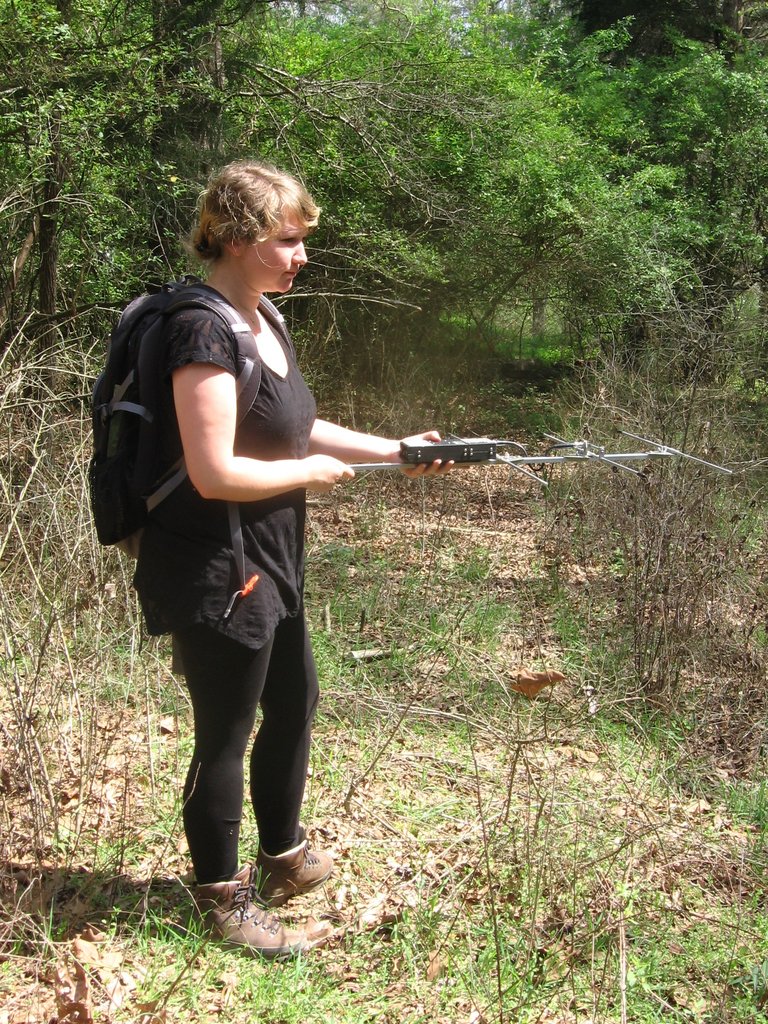
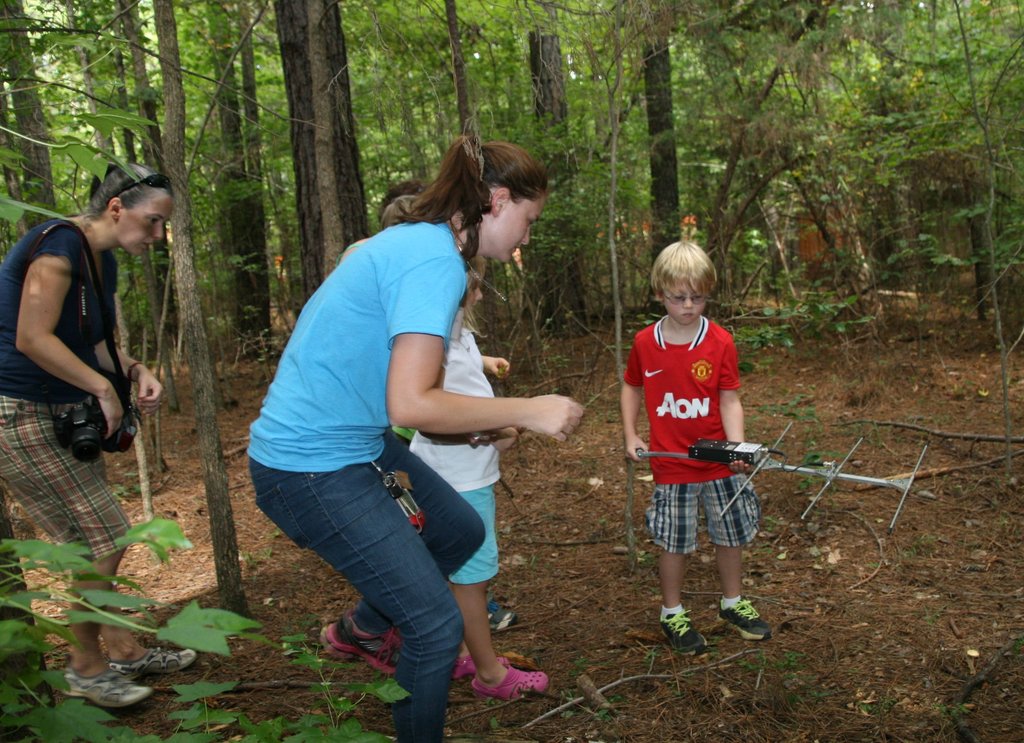
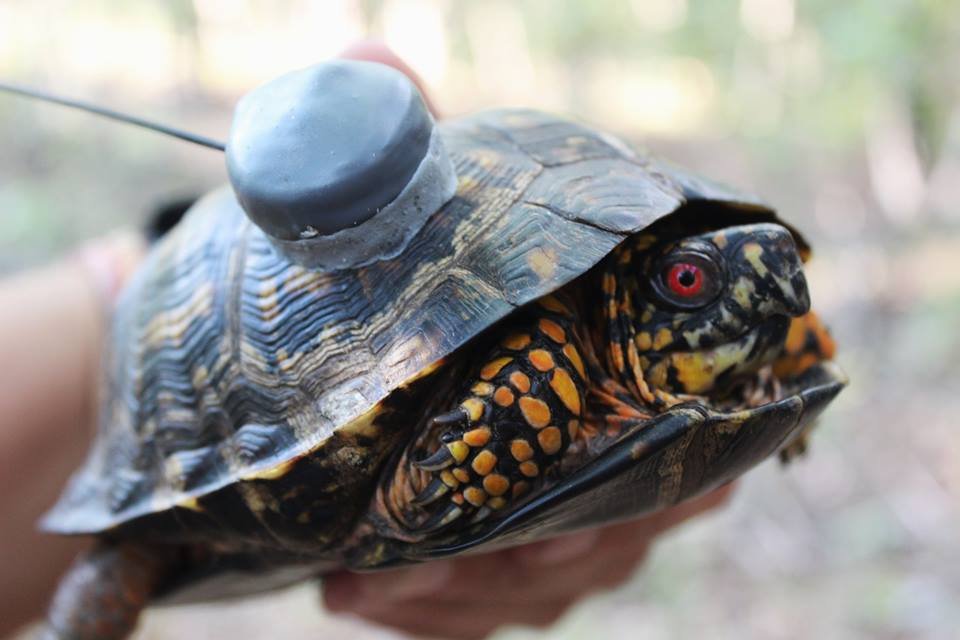
After the loss of Peggy, we have been in search of new turtles to recruit into our tracking program. Thanks to your support, we were able to purchase 8 transmitters this summer. We replaced the transmitters on our 6 turtles, and we found a new turtle “JMP” who is a new addition to our project. We are still in search of one additional turtle to join the tracking team. Our conservation educator, Noelle, and our fall intern, Tekeyia, have been searching the woods to find a new turtle. We’ll let you know when we’ve found one!
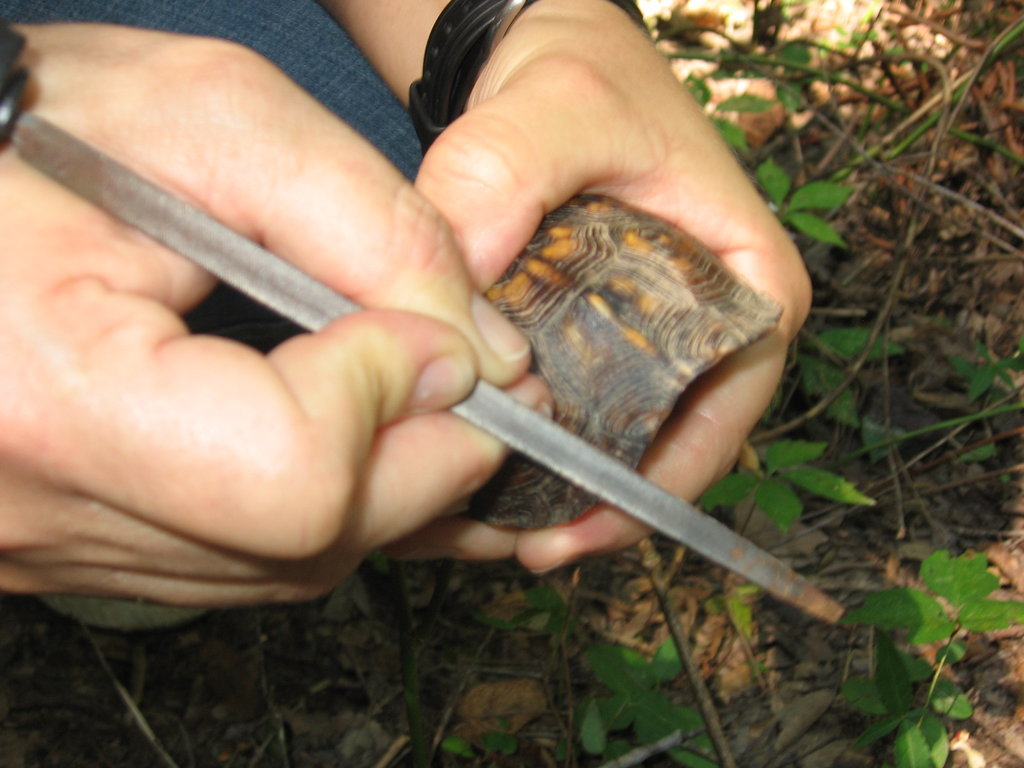
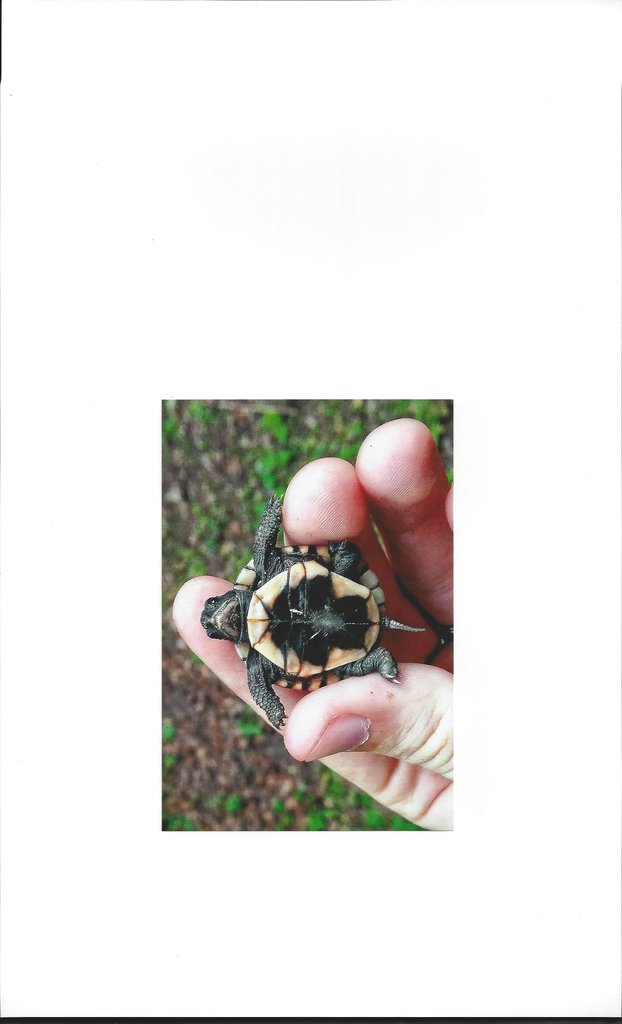
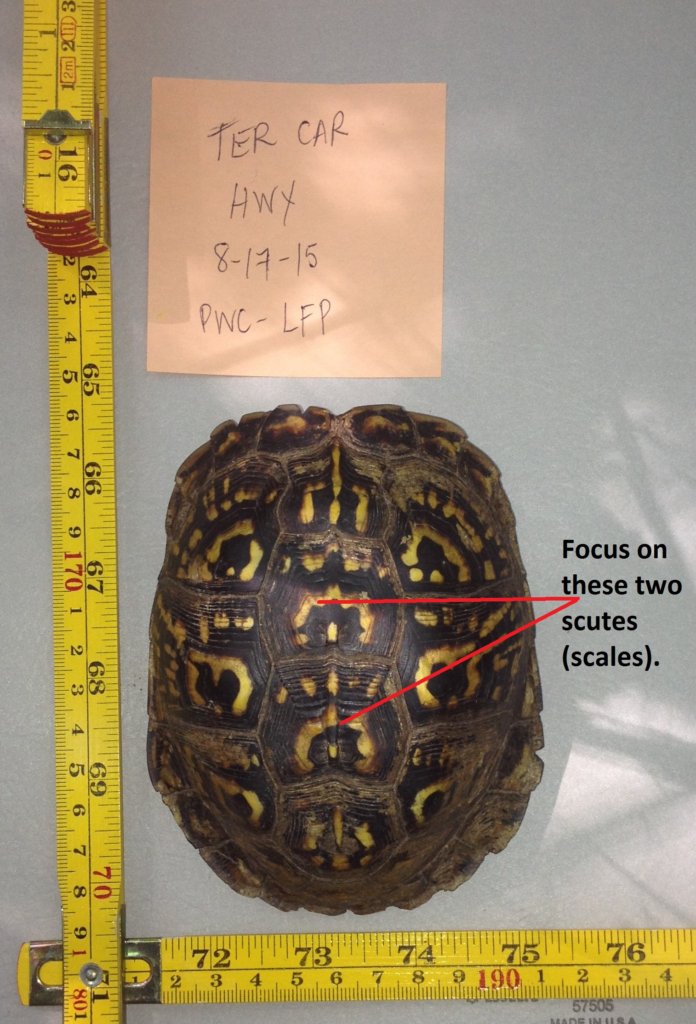
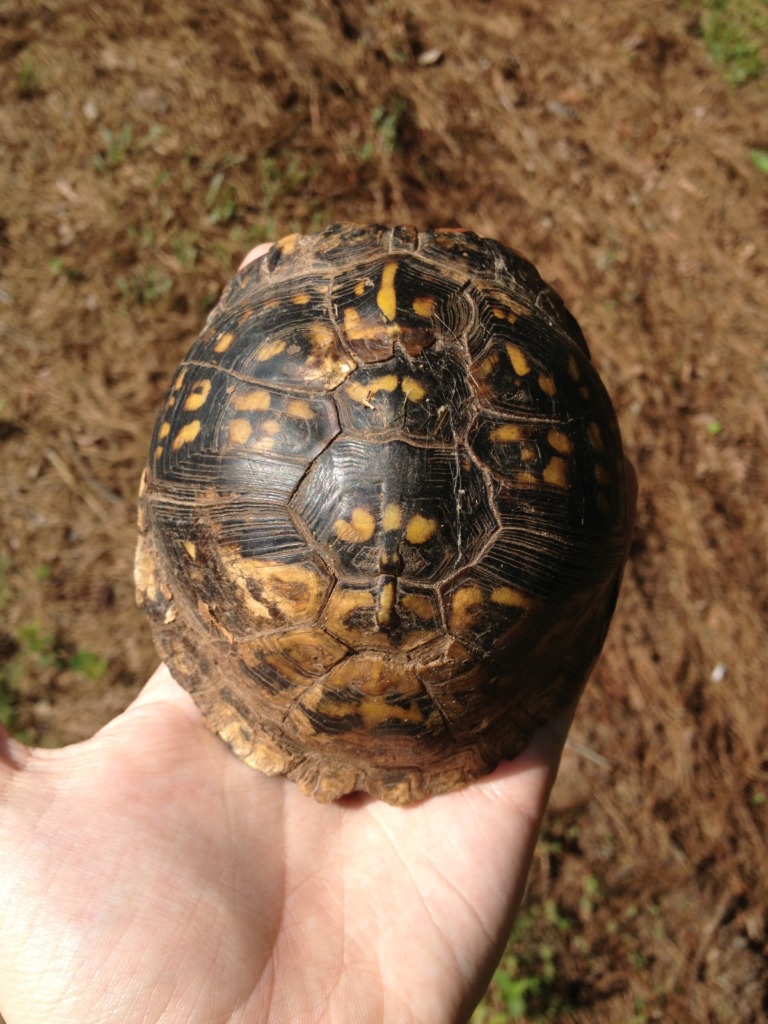
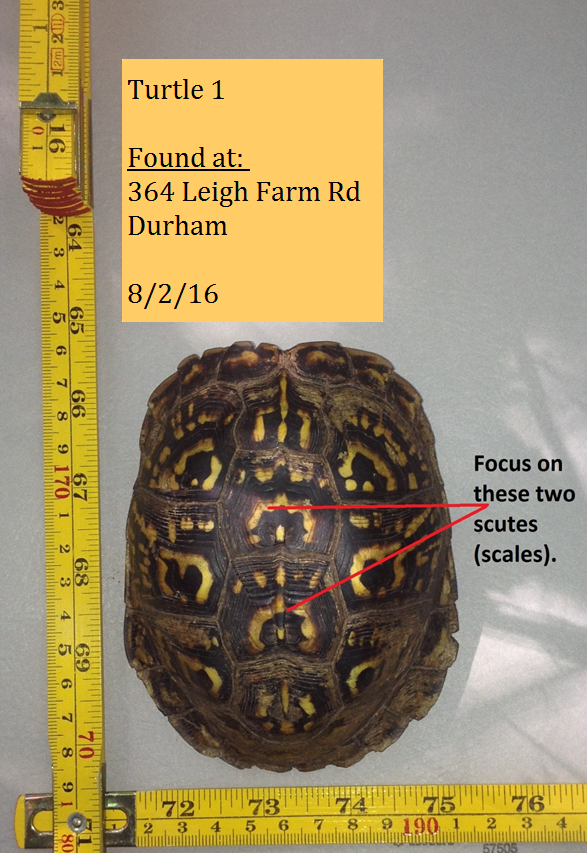
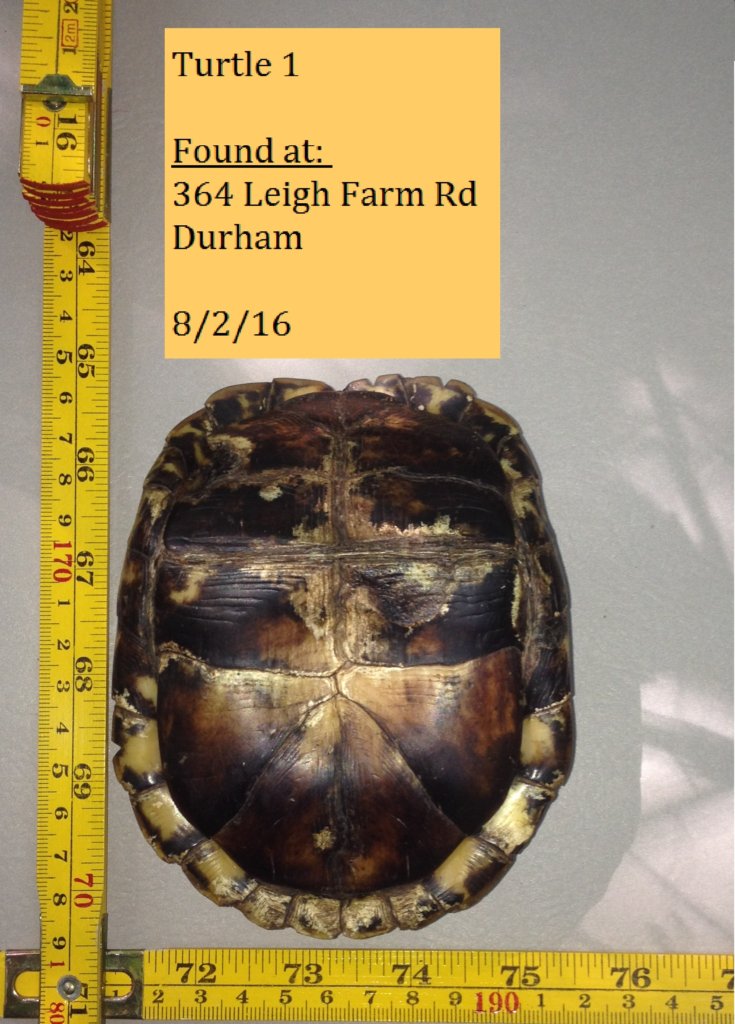
In addition to searching for a new turtle, we have begun inputting all of our photo data into an online database, called iNaturalist. This database will be used by WildTrack so they can process the photographs we receive from the citizen science project, Turtle Trekkers, as well as the photographs we collect from the Box Turtle Connection. This will help WildTrack make their box turtle database more robust, as we work towards a software program that can recognize individual turtles based on their measurements.
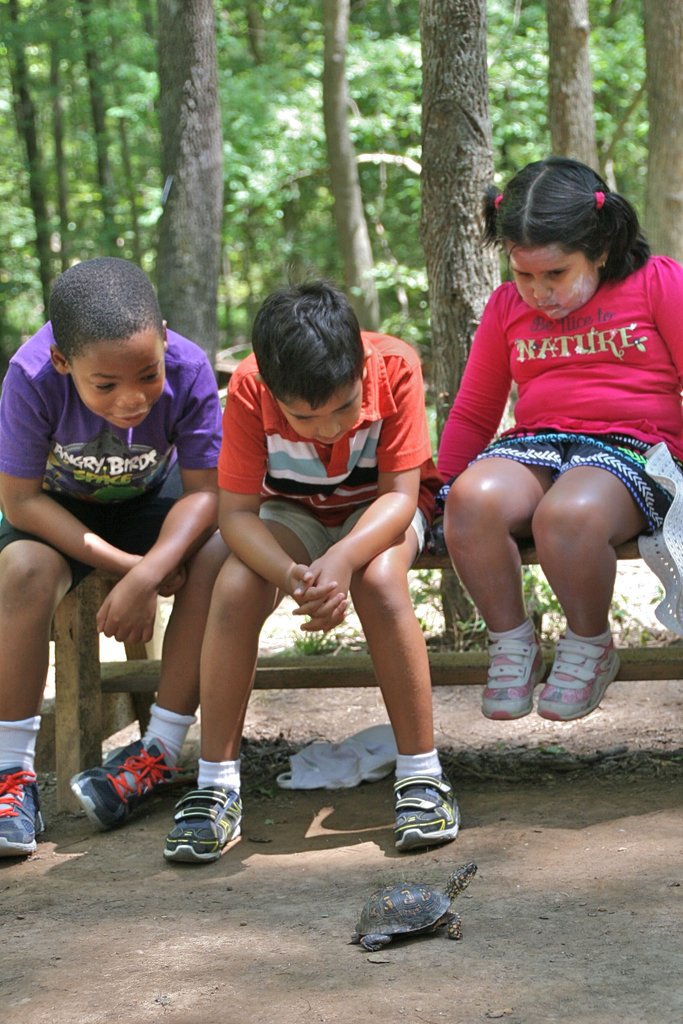
As the temperatures cool down a bit, our reptile friends will be on the move. This is a great time to look for turtles and submit any photographs you have to Turtle Trekkers. Through your donations, we will be able to market and advertise our Turtle Trekker program to more people throughout the Triangle. Currently, many of our participants live in rural areas. While this will be very helpful in the future as development continues, we do also want to know where the urban turtles are living. Or are there urban turtles? Without advertising for our program, we won’t be able to reach people who live in urban settings.
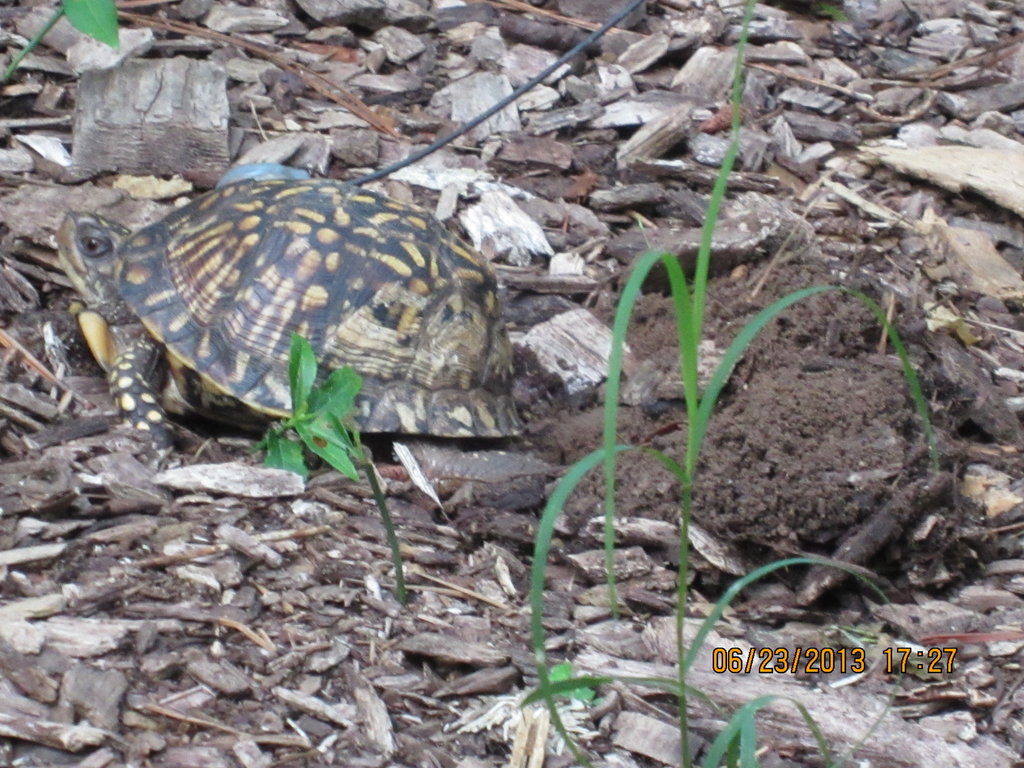
I live in an urban neighborhood. My street is filled with townhomes, which means a lot of driveways. I’ve lived here for 10 years. I walked out of my house this morning, and for the very first time I saw a box turtle. Due to all the cars in these driveways that had yet to leave for work, I was worried about the fate of the turtle. I resisted the urge to move him somewhere I deemed more hospitable, and instead I let him go on his merry way. Within 30 minutes, he was nowhere to be seen, but he knew where he was going. Luckily, I captured a couple of photos for Turtle Trekkers. Perhaps another neighbor will see him sometime soon, and will submit their photos to us. If his tale doesn’t end with a happy ending, we may still be able to identify the individual turtle and the cause of his demise. If his ending happens to be one that is not due to a natural cause, this information can help us determine ways to protect box turtles and their habitats for future turtle generations.
Can you help support us today so we can advertise and continue to educate about box turtles? The state reptile of North Carolina counts on our research and conservation efforts so that it can continue to be an ambassador for other reptiles in North Carolina.
Links:
By Sara Steffen | Director of Conservation
By Sara Steffen | Conservation Coordinator
Project reports on GlobalGiving are posted directly to globalgiving.org by Project Leaders as they are completed, generally every 3-4 months. To protect the integrity of these documents, GlobalGiving does not alter them; therefore you may find some language or formatting issues.
If you donate to this project or have donated to this project, you can receive an email when this project posts a report. You can also subscribe for reports without donating.