By Pamela Azaria | International Resources Director
From Wartime Emergency to Strengthening Families at Home
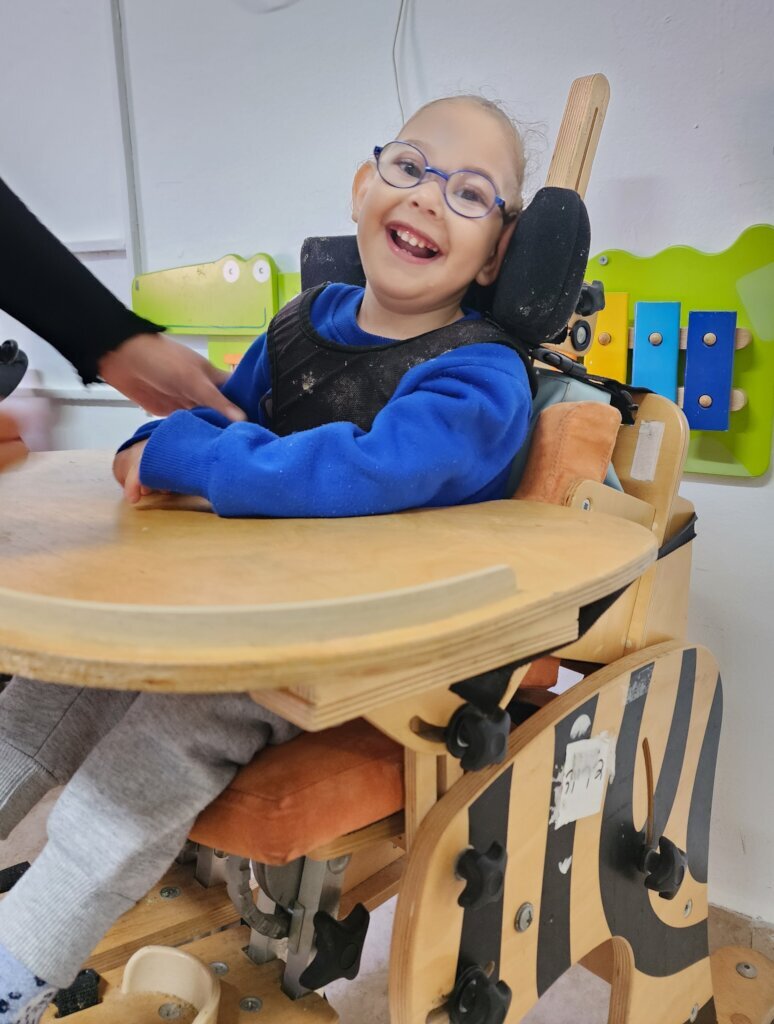
When the Israel-Gaza war began, Chimes Israel responded immediately to families raising young children with disabilities in Ashkelon and other affected communities. Early childhood centers closed under Home Front Command restrictions, therapies were interrupted, and families were confined to their homes during prolonged periods of rocket fire.
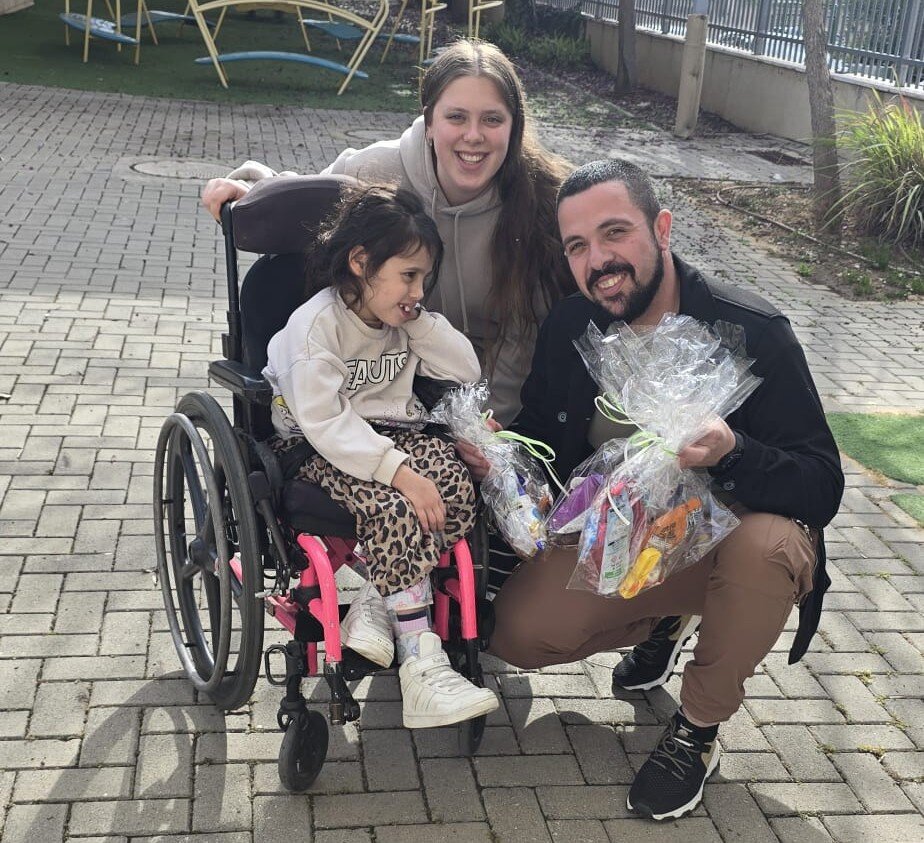
With your support, we delivered emergency supplies, supermarket vouchers, therapeutic equipment, and direct professional assistance to families who suddenly found themselves caring for children with complex disabilities without their usual support systems. As time passed, the crisis changed. What we learned during those months is shaping our emergency response today.
A Crisis Inside the Home
The war exposed just how vulnerable some families already were. Parents raising children with autism, developmental delays, genetic syndromes, communication difficulties, and complex medical conditions often need specialized knowledge to understand and respond to their child's needs. For families also experiencing financial hardship, social isolation, trauma, and prolonged wartime stress, the disruption of professional services made an already difficult situation much harder.
Some families were approaching serious crisis and increased involvement from social services. In the most vulnerable situations, there was concern about whether parents would be able to continue caring safely for their child at home. These parents love their children. What they often lack are the specialized skills required to raise a child with significant developmental needs. That is something we can change.
Bringing the Professionals Home
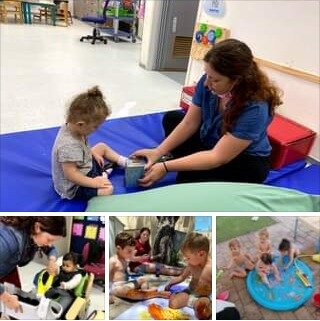
Chimes Israel is now directing more of our emergency response toward Families in Growth, an intensive home-based intervention program. Our multidisciplinary professionals—including social workers, occupational therapists, speech therapists, psychologists, and behavioral specialists—go directly into families' homes. Rather than giving parents general advice, they work with them in the environment where everyday challenges actually occur.
Parents learn how to communicate more effectively with their child, establish healthy routines, respond to challenging behavior, reduce stress, encourage development, and reinforce therapeutic goals throughout the day.
The results are significant. In recent program cycles, 85% of participating families demonstrated stronger parenting skills and more consistent positive interactions, while 72% reported lower stress and fewer emotional crises. Among the children, 76% showed improved emotional regulation and 78% demonstrated greater engagement in daily activities. Most importantly, the program helps stabilize families before their difficulties become crises.
One Family at a Time
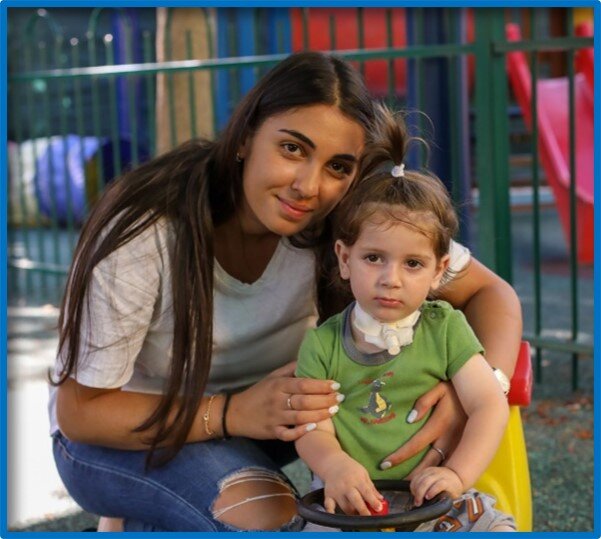
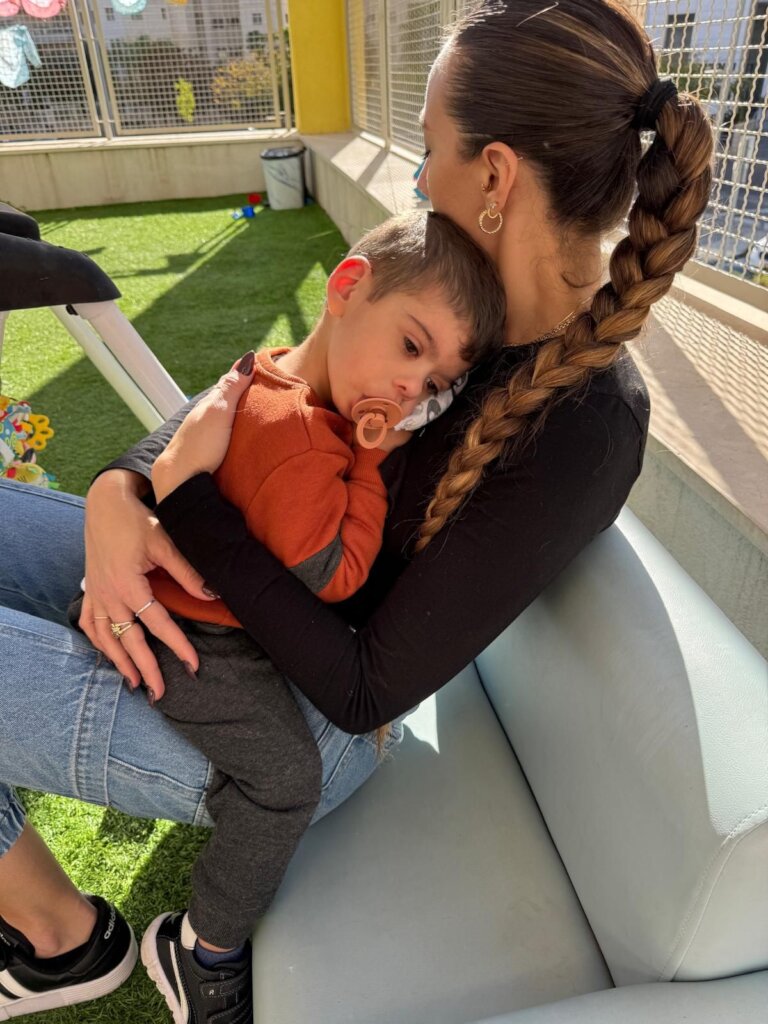
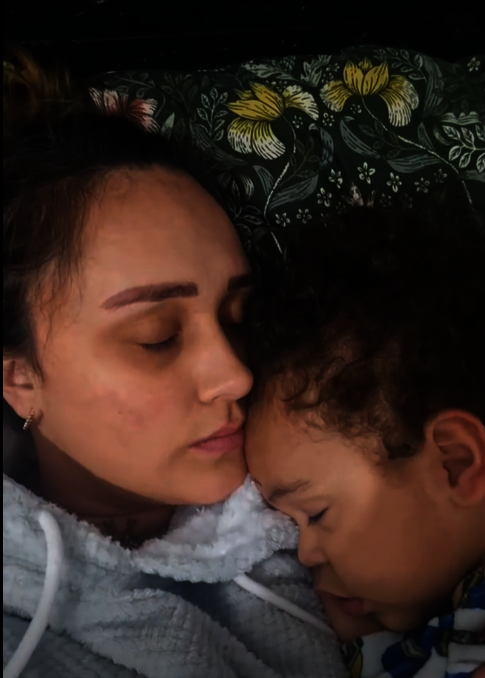
For one father, accepting his son's disability was extremely difficult. He withdrew from family life and was unable to speak with his child. With patient coaching and practical guidance from Chimes Israel professionals, he gradually learned how to interact with his son through ordinary activities. He began participating in playtime and daily routines and became an active part of his child's development.
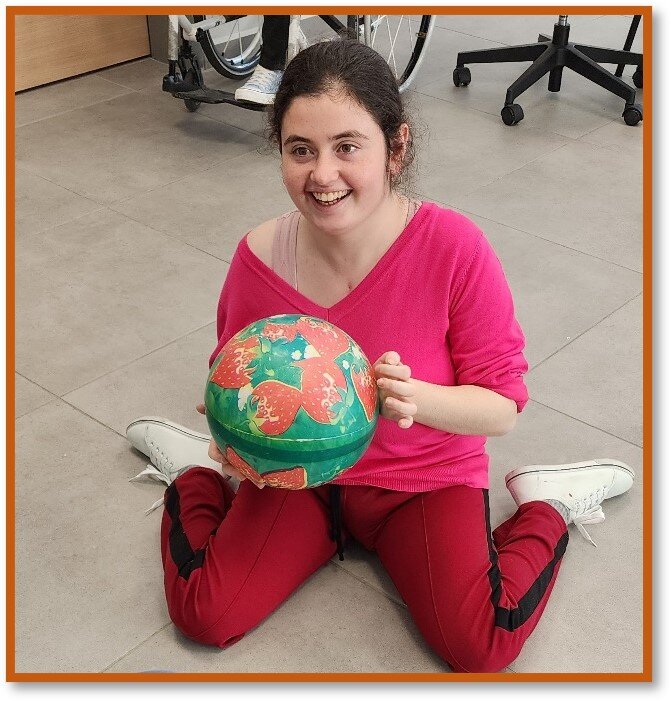
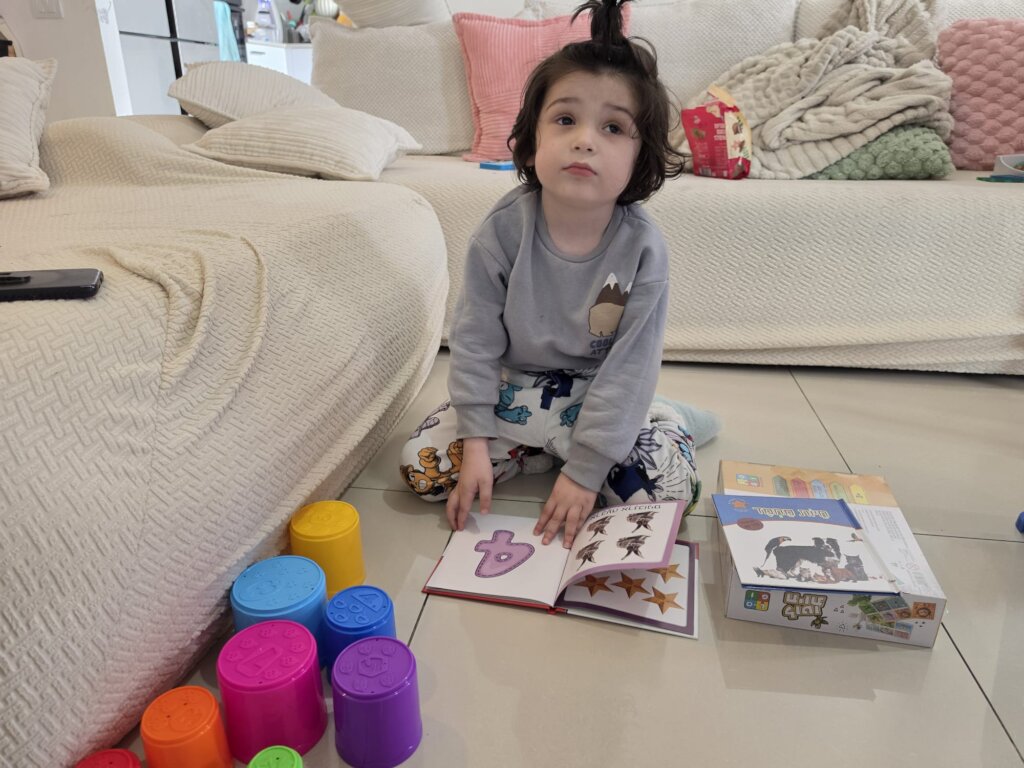
Another family learned new ways to help their daughter through difficult transitions. As her parents gained skills and confidence, communication improved, daily life became calmer, and their home became a more predictable and nurturing environment.
These changes matter enormously for children whose stability and development depend upon the adults caring for them every day.
Responding While Construction Is Delayed
Our long-term goal of creating a safe, accessible early childhood facility in Ashkelon remains important. Unfortunately, plans for the new building have encountered significant regulatory and administrative delays. But these children cannot wait for a building. We therefore made a practical decision: while we continue working toward a permanent facility, we will expand the support we can provide right now.
Families in Growth allows us to reach vulnerable children immediately, strengthen the people caring for them, and help prevent family situations from deteriorating to the point where much more serious intervention may be necessary.
Your Emergency Support Is Still at Work
Emergency relief does not always look the same months or years after a crisis begins. At first, families needed food, supplies, equipment, and access to therapy. Today, some of the most vulnerable families need something equally important: the skills and professional support that will allow them to care successfully for their children at home.
Your support is helping Chimes Israel respond as those needs change.You are helping parents become more capable and confident. You are helping children continue developing in the place where they spend most of their lives. And, in the most vulnerable families, you are helping prevent crises that could ultimately separate children from their parents.
Thank you for continuing to stand with Israel's families of children with disabilities. We hope you will continue to support this project as we help them where they need us most, at home.
By Pamela Azaria | International Resources Director
By Pamela Azaria | International Resources Director
Project reports on GlobalGiving are posted directly to globalgiving.org by Project Leaders as they are completed, generally every 3-4 months. To protect the integrity of these documents, GlobalGiving does not alter them; therefore you may find some language or formatting issues.
If you donate to this project or have donated to this project, you can receive an email when this project posts a report. You can also subscribe for reports without donating.



Support this important cause by creating a personalized fundraising page.
Start a Fundraiser