By Karyn Mikkelsen-Tillet | Global Director Development & Communication
Dear Friend,
Thank you for your support, please find an update of how your support has helped advance our mission!
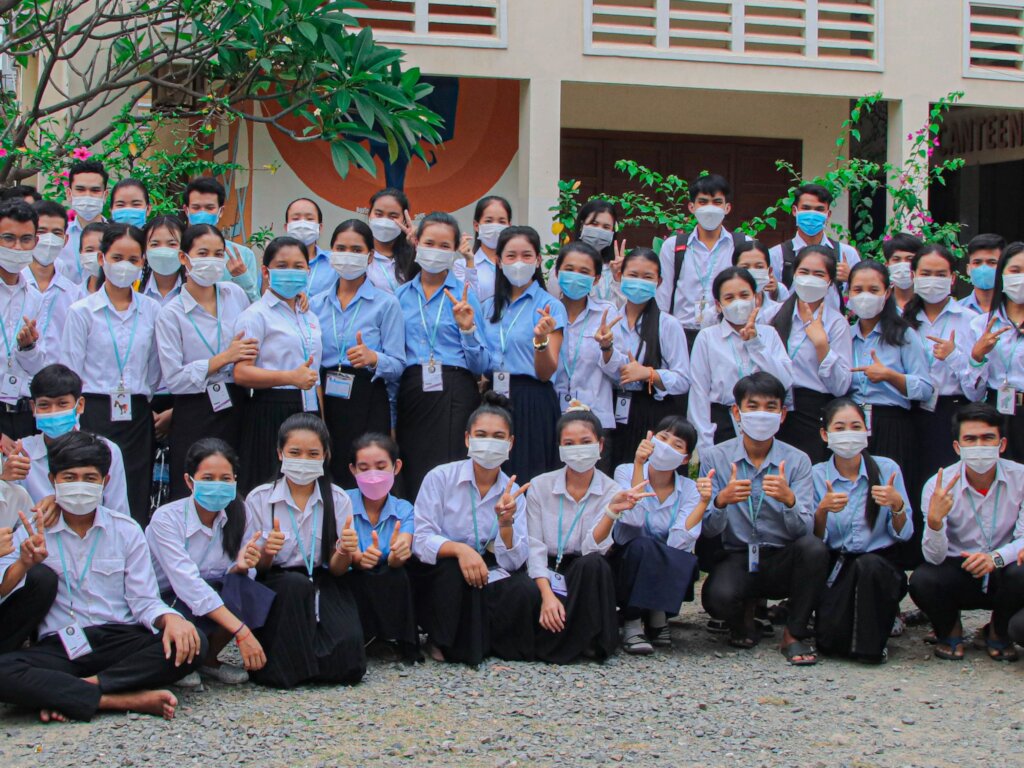
Graduate employment rate: 100%
Rate of alumni working in the IT sector: 92%
Average monthly starting salary of our graduates: 305 USD
Average salary of our graduates' families before PNC, per worker: 50 USD
Our actions contribute to 6 of the 17 United Nations Sustainable Development Goals,
namely: SDG 1: No poverty, SDG 4: Quality education, SDG 5: Gender equality, SDG 8: Decent work & economic growth, SDG 10: Reduced inequalities and SDG 17: Partnerships for the achievement of the Goals.
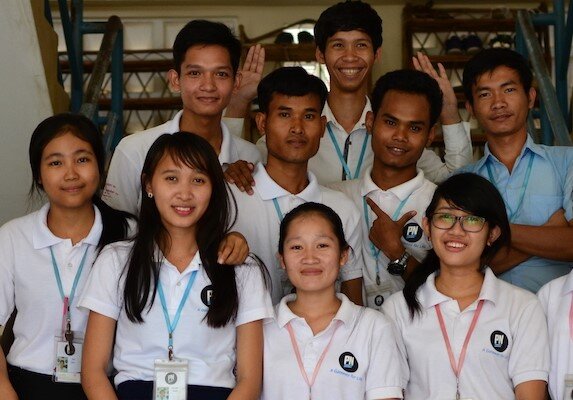
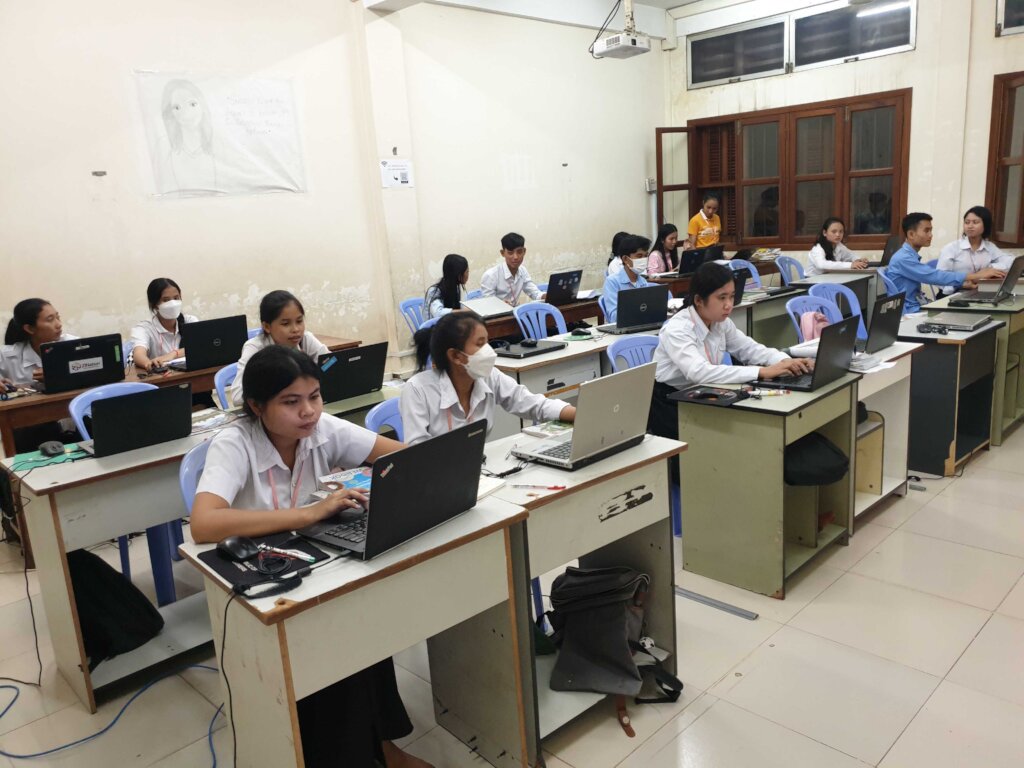
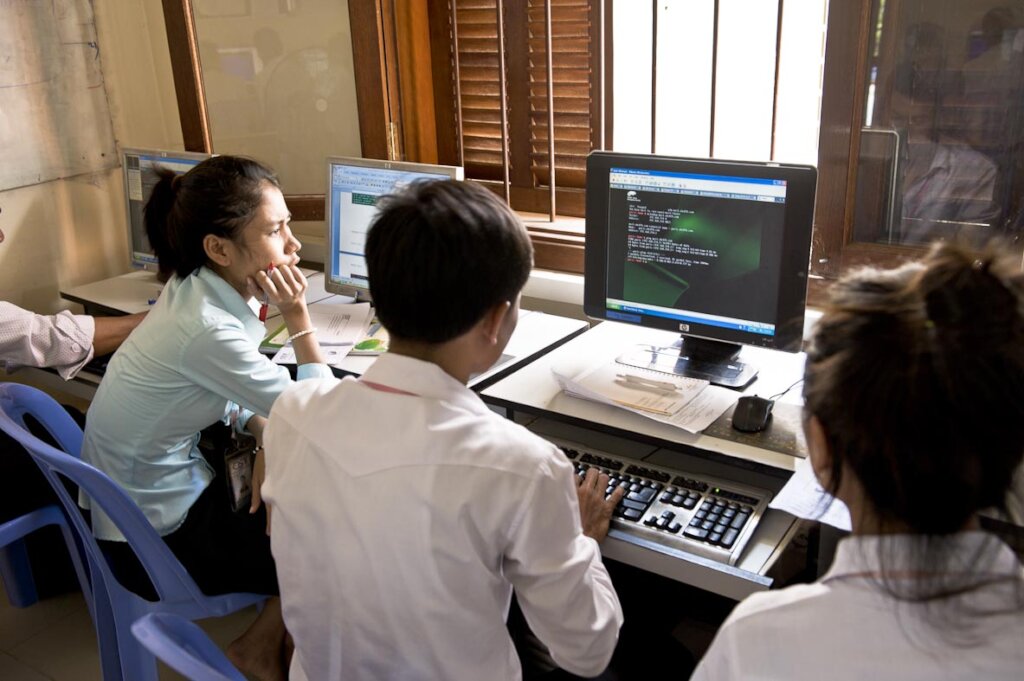
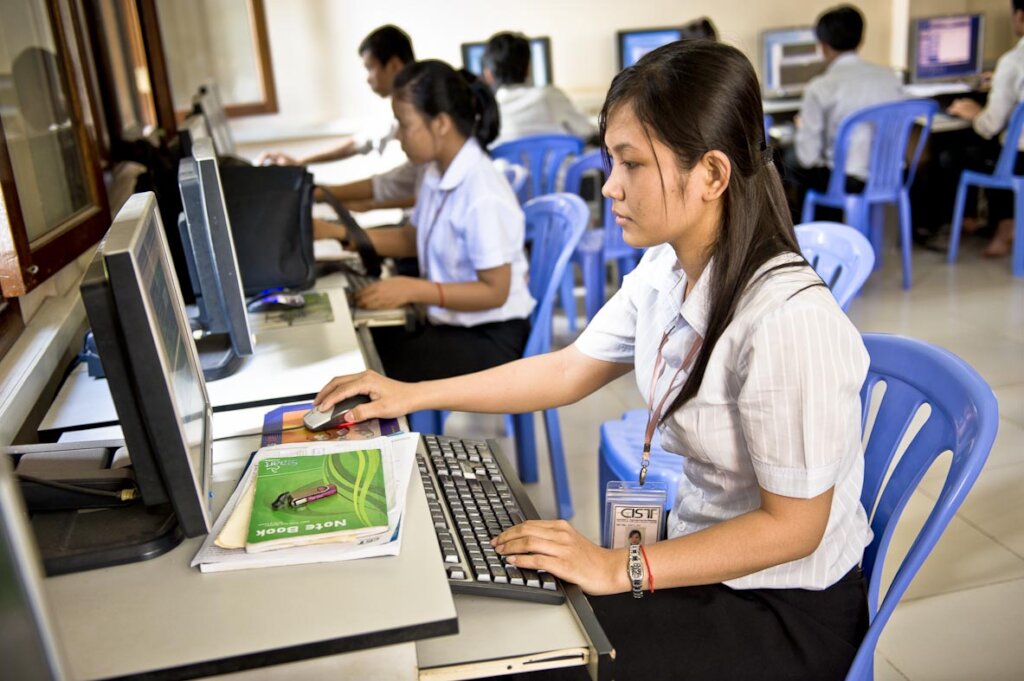
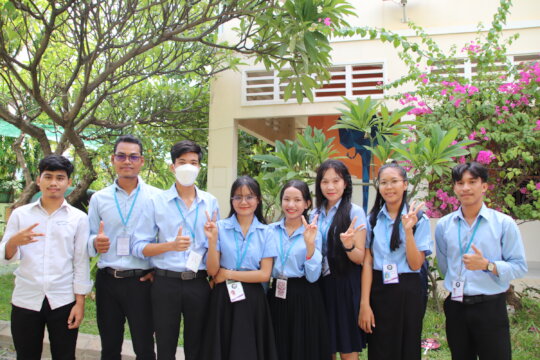
At the end of the training, alumni should emerge from poverty sustainably by finding a qualified and stable job in a booming sector. This will enable them to improve their living conditions and those of their family members, but also to promote access to education for their younger brothers and sisters. We also expect more diversity and less gender inequality in the
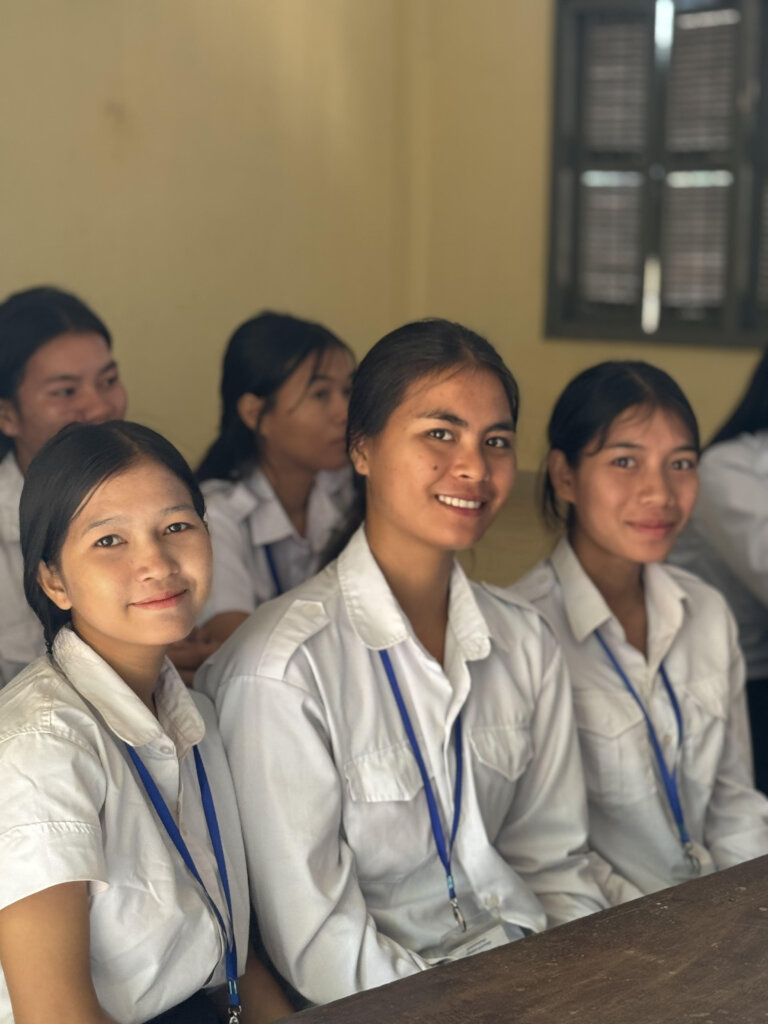
digital sector and in higher education, particularly in STEM (Science, Technology, Engineering, Mathematics). The fact that we ensure that 50% of our beneficiaries are young girls not only expands education and training opportunities for girls, but also combats gender stereotypes. The integration of female students into a computer science course and their success in finding qualified employment demonstrates by example the qualifications of the young women selected and their ability to emancipate themselves economically and socially through education. It is important to note that women represent only 25% of the STEM workforce. Of the 14% of Cambodians who earn a bachelor’s degree or higher, only 39% of students are women. Only 14.6% pursue STEM studies (compared to 52% in Thailand and 48% in
Malaysia). In comparison, 27.8% of boys (nearly double) choose to pursue STEM studies. Gender stereotypes still entrenched in society push parents to favor boys’ education, resulting in early marriages for girls and unequal access to formal, stable, and skilled employment. On a larger scale, the social and economic impact will be through the reduction of the gap between the supply and demand for skilled talent and the needs of the information technology industry. Social and economic inequalities are expected to be reduced, including those fuelled by the rural-urban divide. The rural-urban digital
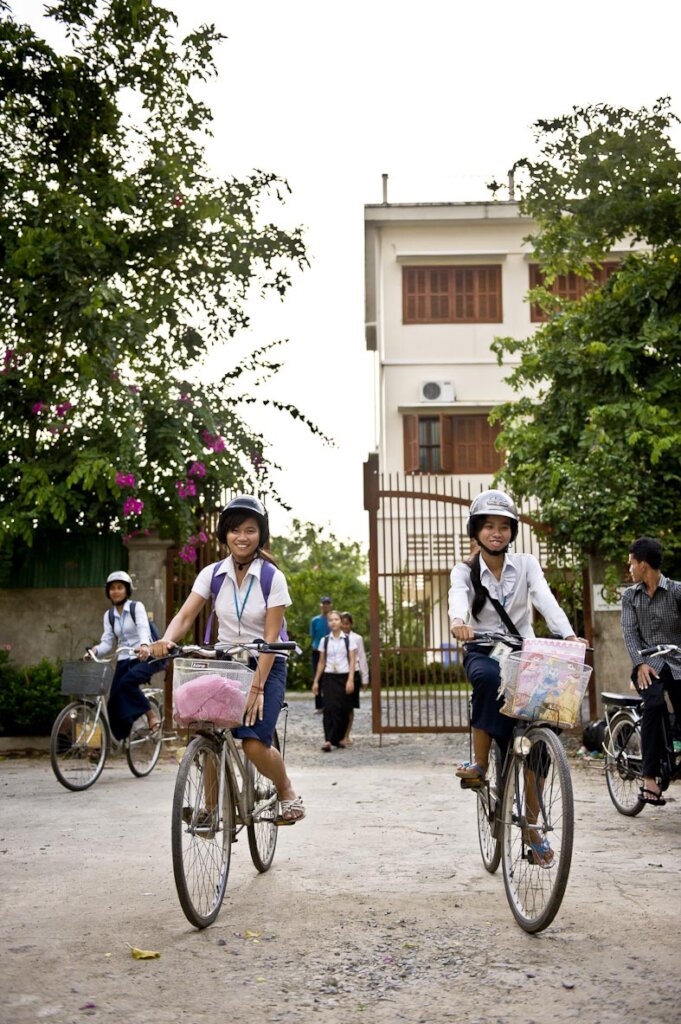
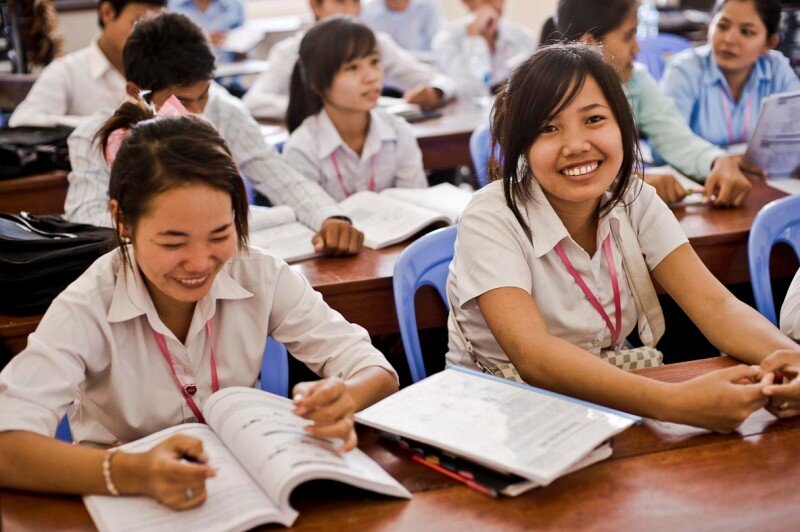
divide, which is significant in Cambodia and contributes to economic and social inequalities, will also be partially bridged. Access to education will be improved for vulnerable youth in underserved areas, particularly girls.
Wishing you a wonderful new year!
Links:
By Karyn Mikkelsen-Tillet | Director Global Partnerships & Communication
By Karyn Mikkelsen-Tillet | Director Global Partnerships & Communication
Project reports on GlobalGiving are posted directly to globalgiving.org by Project Leaders as they are completed, generally every 3-4 months. To protect the integrity of these documents, GlobalGiving does not alter them; therefore you may find some language or formatting issues.
If you donate to this project or have donated to this project, you can receive an email when this project posts a report. You can also subscribe for reports without donating.