By Mohsin Arif | Project Leader
One Meal, One Hope: Feeding Brick Kiln School Kids
Implemented by Moses Welfare Foundation – Pakistan
1. Executive Summary
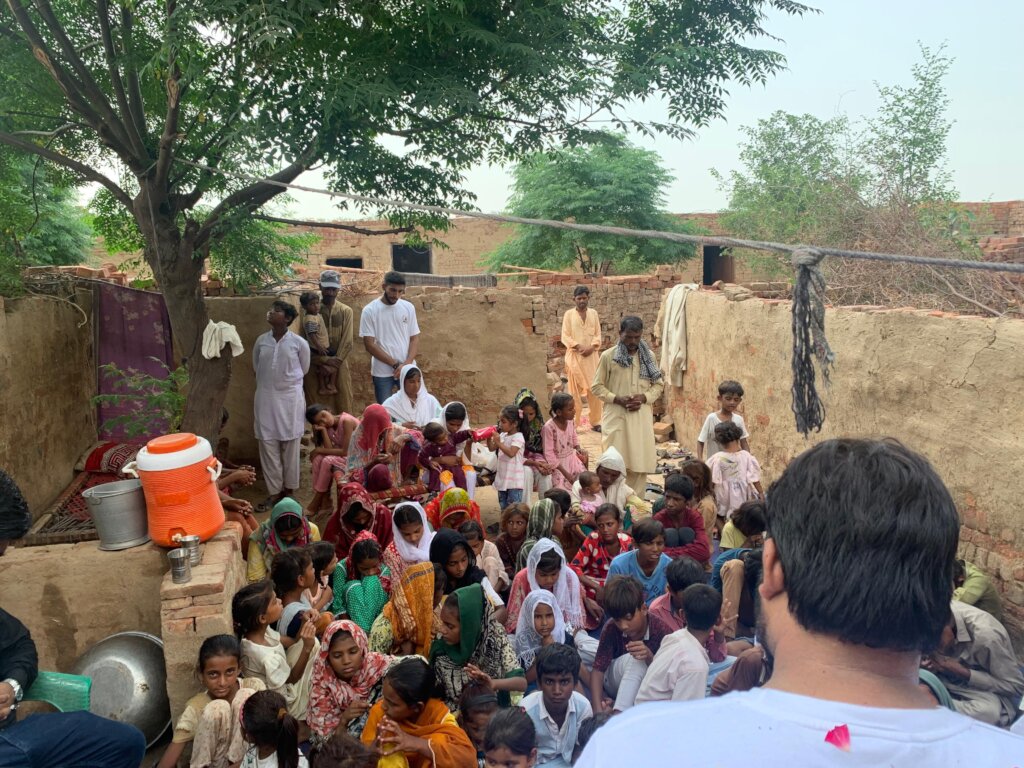
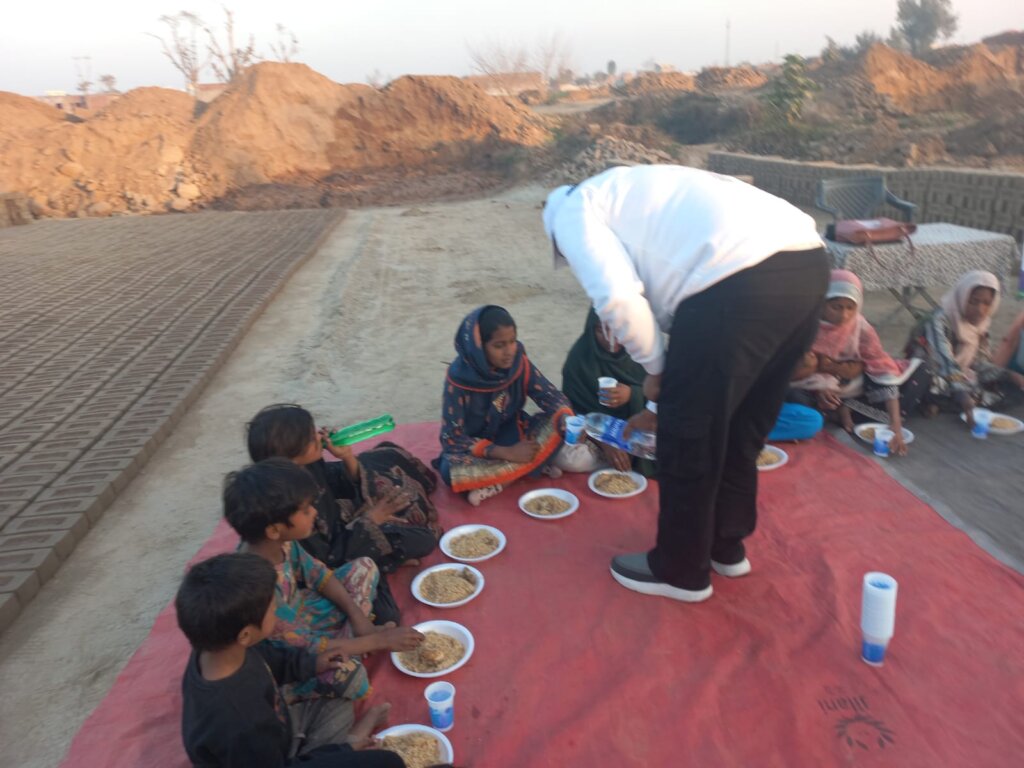
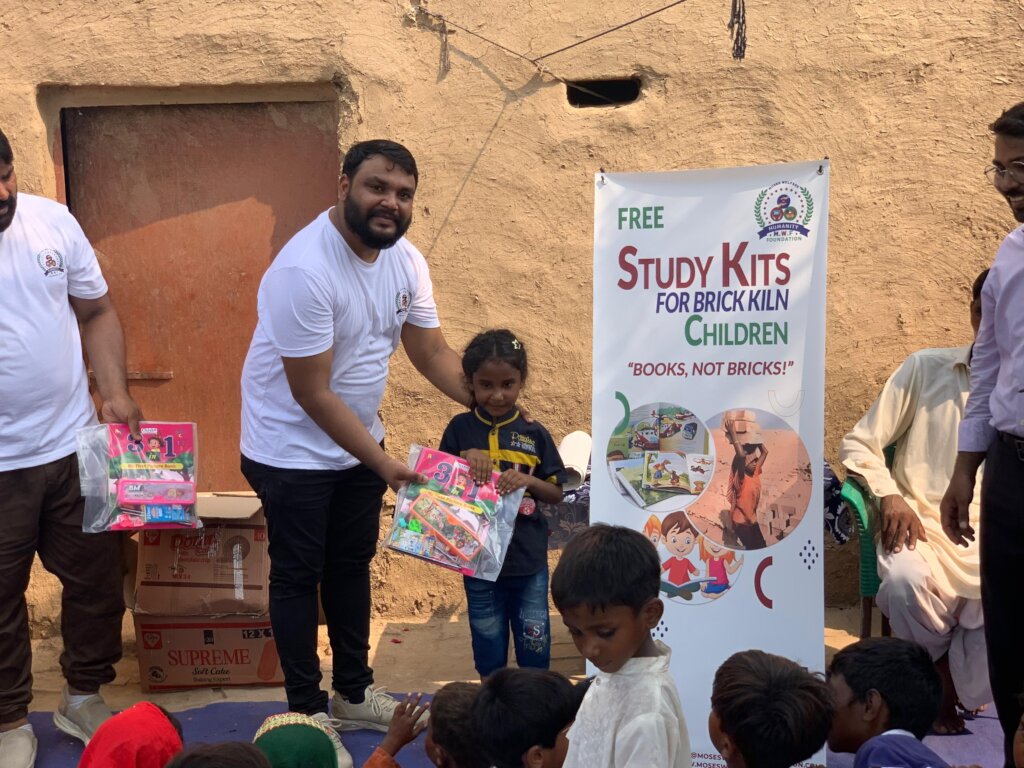
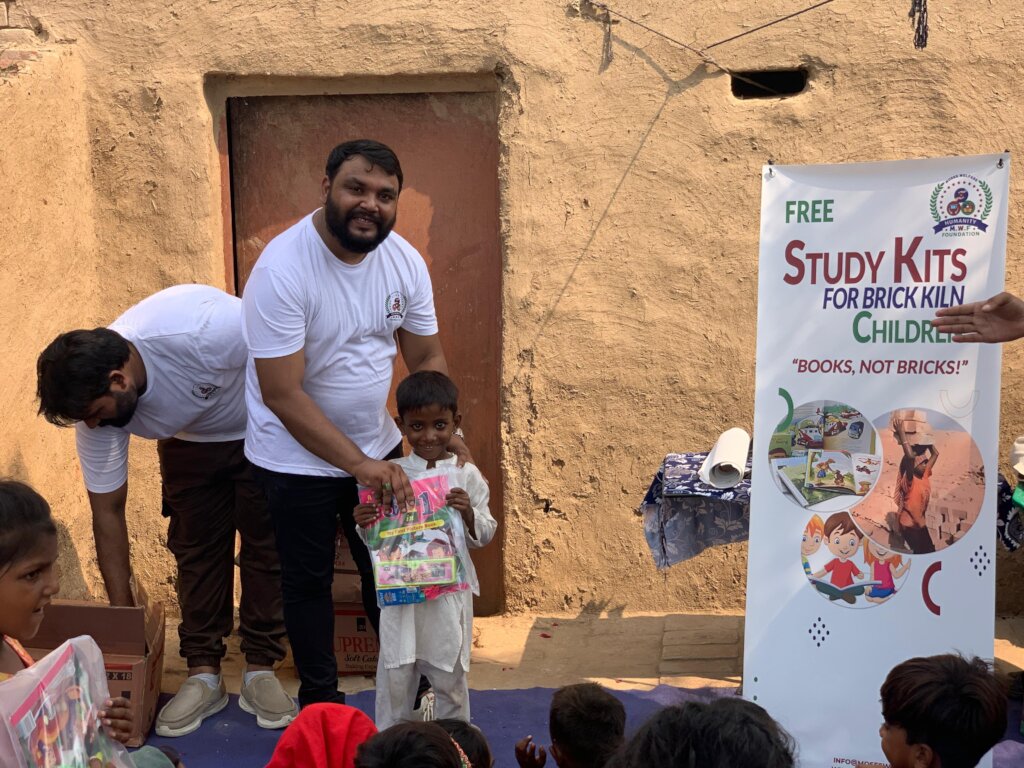
Moses Welfare Foundation is implementing “One Meal, One Hope: Feeding Brick Kiln School Kids”, a child-focused nutrition and education initiative designed to support children living in and around Pakistan’s brick-kiln communities.
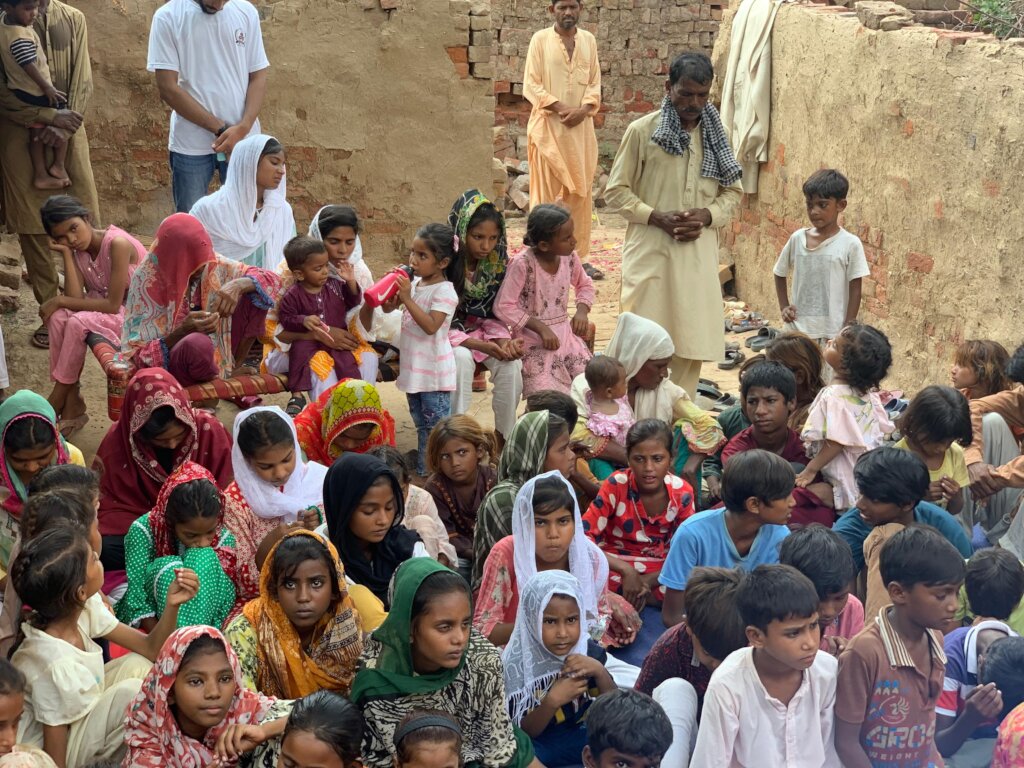
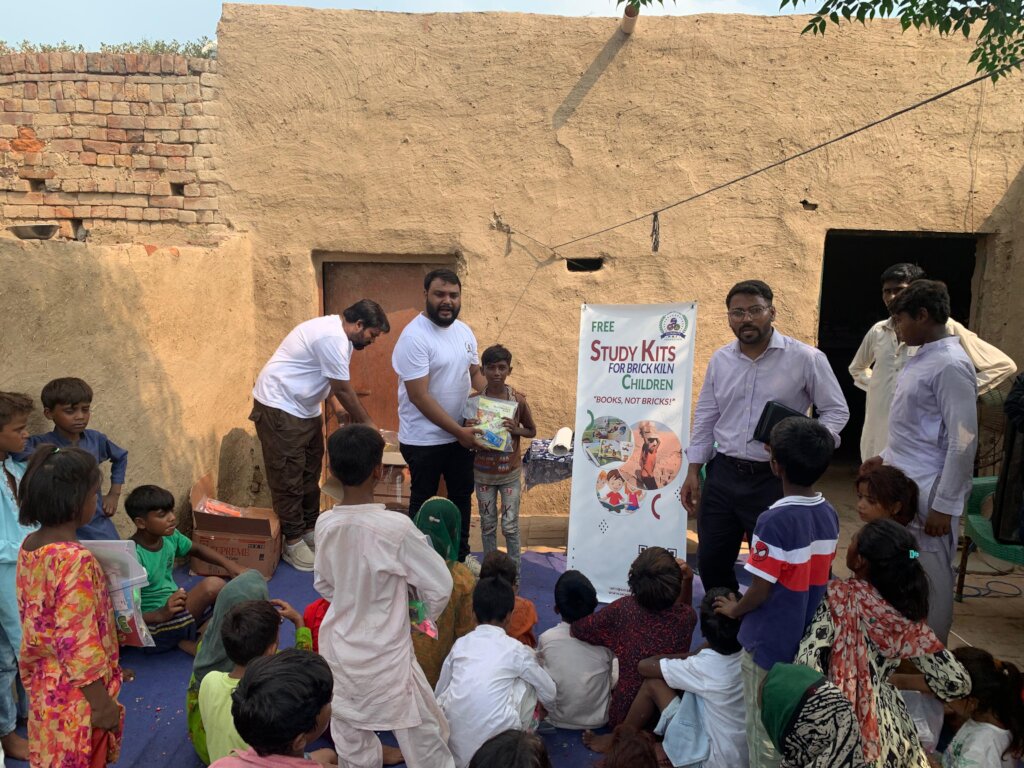
Many children in these communities come from families experiencing severe poverty and economic vulnerability. Children may attend informal or hut-based schools while facing food insecurity at home. Arriving at school hungry can affect their concentration, energy, attendance, participation, and ability to benefit from education.
This project responds to a simple but critical need: a hungry child cannot learn effectively.
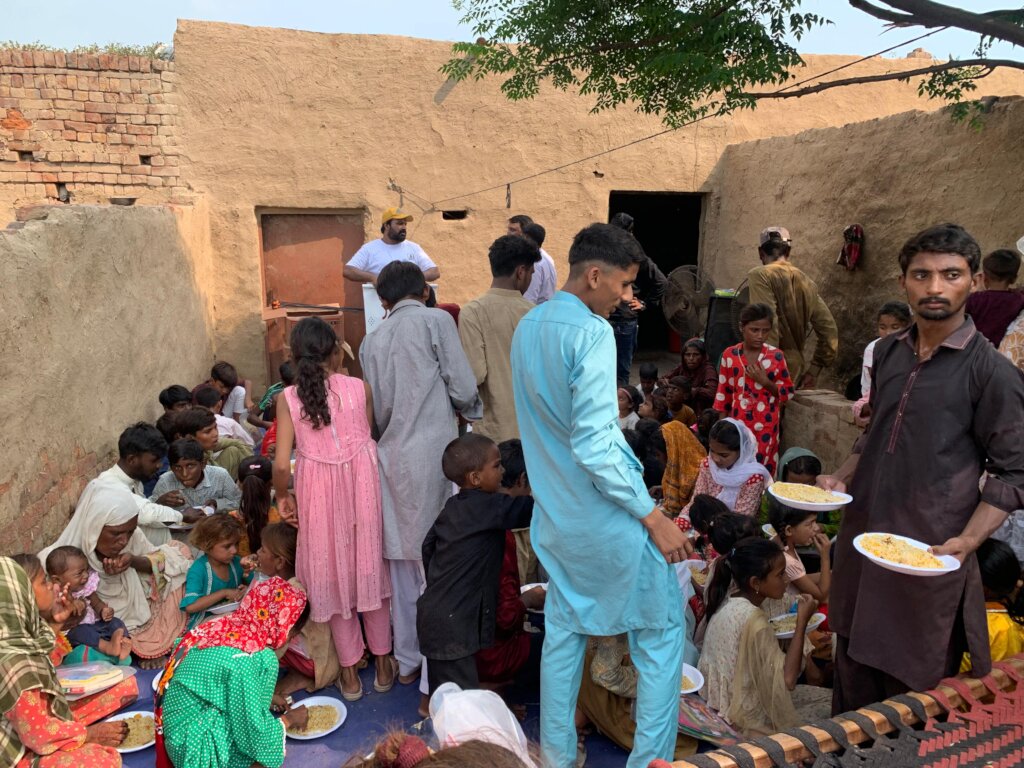
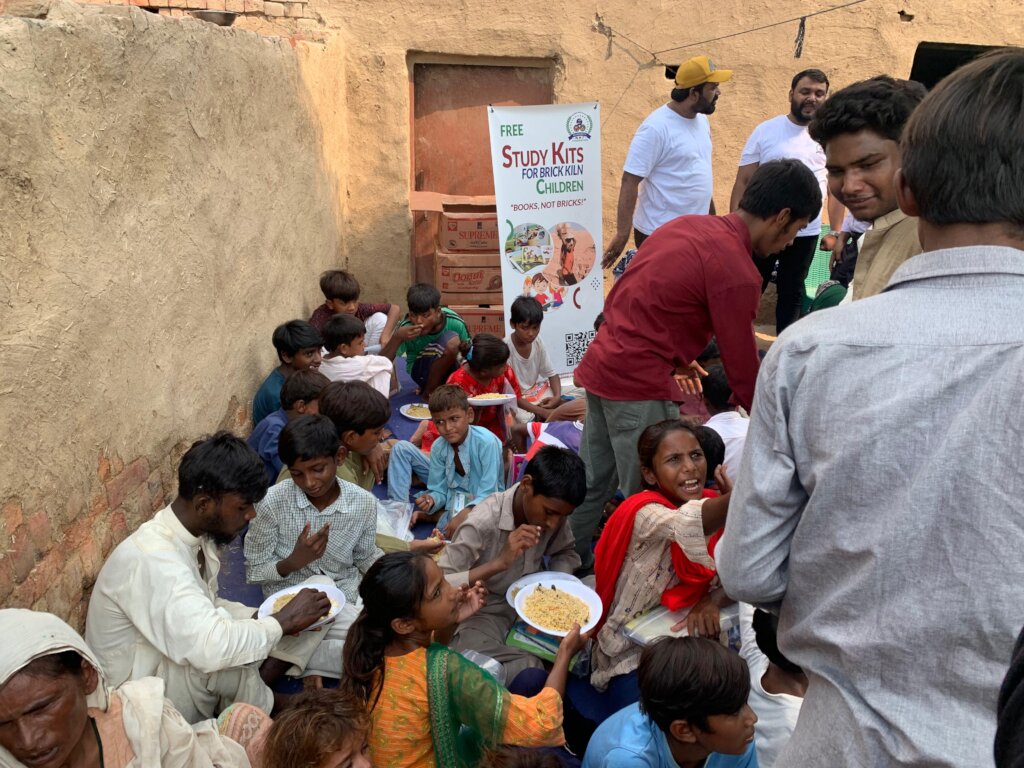
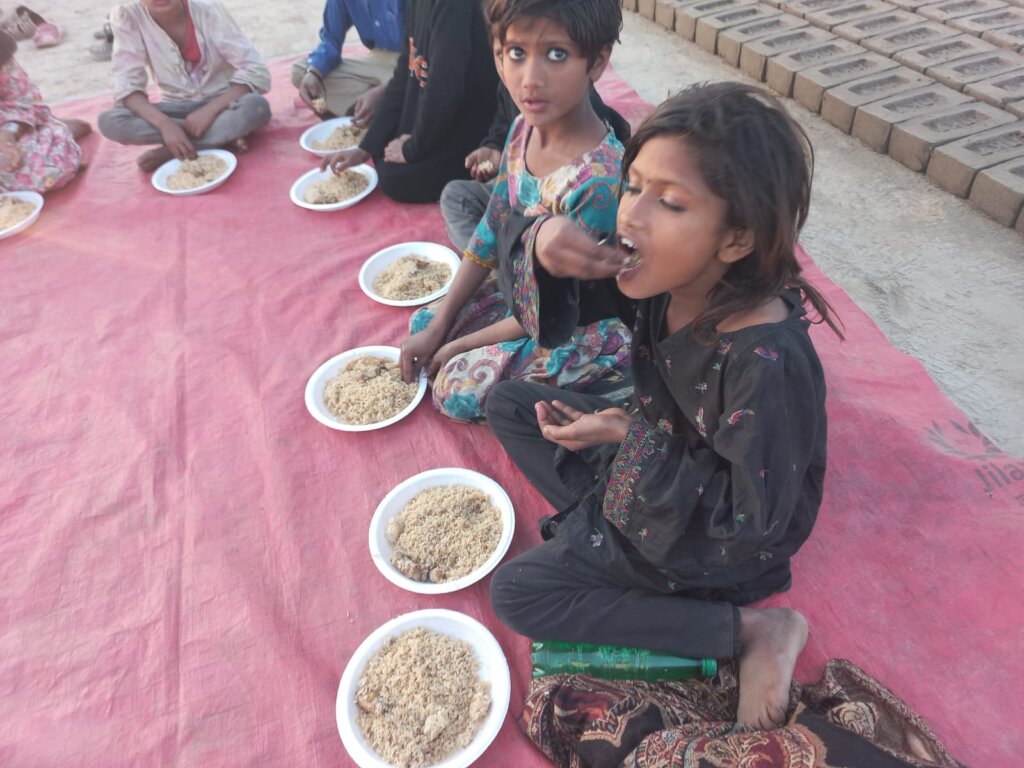
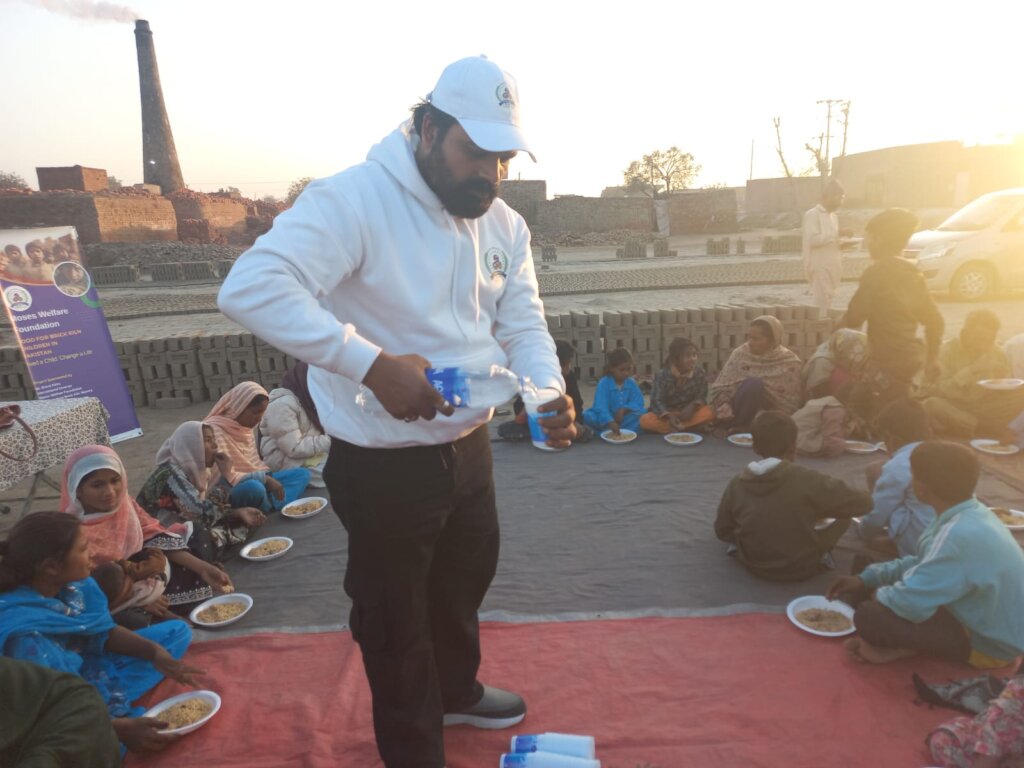
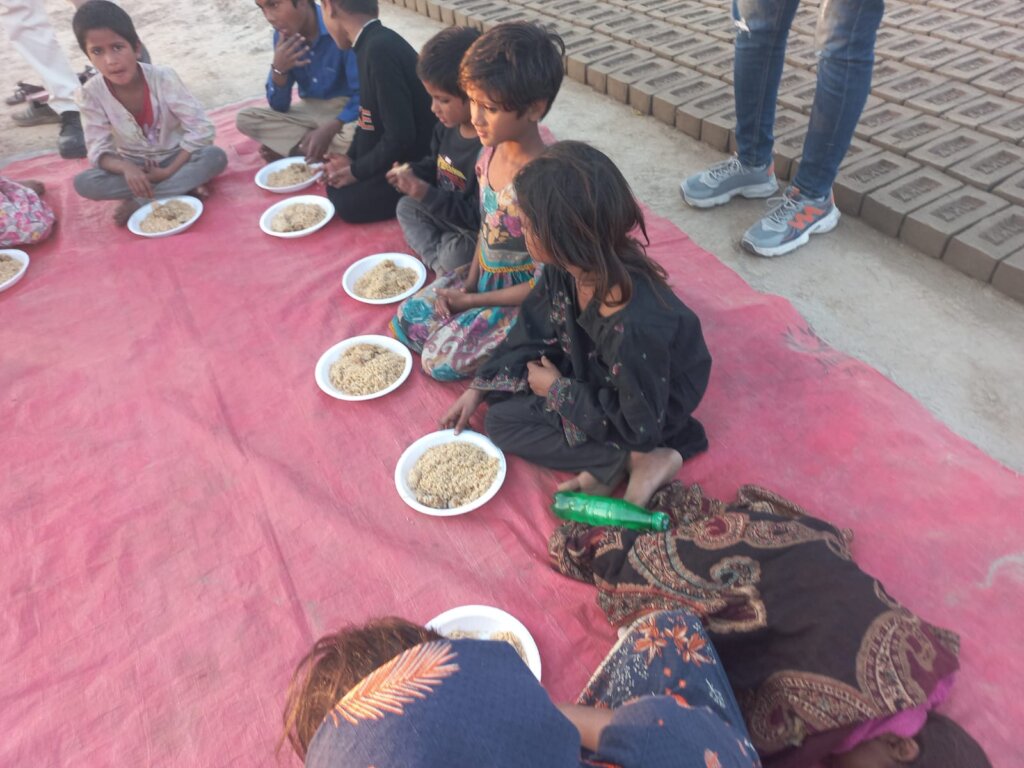
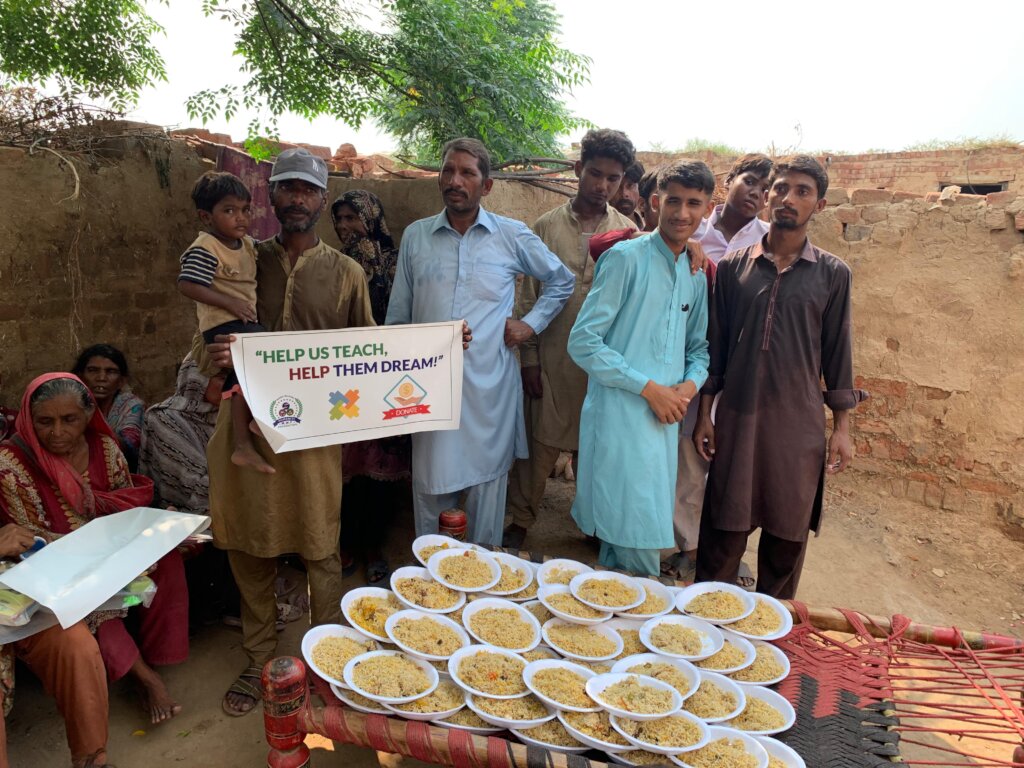
Through this initiative, Moses Welfare Foundation aims to provide one nutritious meal each school day to 300 children attending schools serving brick-kiln communities.
The meal component is designed not only as food assistance but as an education-support intervention. By reducing hunger during the school day, the project seeks to help children remain in school, participate actively in learning, improve their wellbeing, and strengthen their prospects for a future beyond extreme poverty.
2. Project Background
Brick-kiln communities in Pakistan are among the most economically vulnerable environments in which children grow up. Families often depend on daily or seasonal labor, with limited access to stable income, adequate housing, healthcare, education, and nutritious food.
Children growing up in these circumstances face multiple and interconnected challenges:
For many children, school represents one of the few opportunities to build a different future.
However, education alone cannot address every barrier. When children attend school hungry, their ability to concentrate, participate, and learn can be significantly affected.
The One Meal, One Hope project therefore places nutrition alongside education.
3. The Problem We Are Addressing
A child living in extreme poverty may have to choose between education and the immediate needs of survival.
Parents struggling to provide food for their families may be unable to consistently provide a nutritious lunch for their children. Some children therefore arrive at school having eaten little or nothing.
Hunger during school hours can contribute to:
This creates a cycle:
Poverty → Food Insecurity → Hunger → Poor School Participation → Dropout Risk → Limited Opportunities → Continued Poverty
Our project seeks to interrupt this cycle at an important point:
Nutritious Food → Better Energy → Better Participation → Better Attendance → Continued Education → Greater Future Opportunities
4. Project Goal
The overall goal of the project is:
To reduce school-day hunger among vulnerable brick-kiln children by providing nutritious meals while supporting regular school attendance, learning, and long-term educational opportunity.
5. Project Objectives
The project has five primary objectives:
Objective 1 – Reduce Hunger
Provide one nutritious meal to 300 children attending schools serving brick-kiln communities.
Objective 2 – Support Education
Help children remain physically and mentally prepared to participate in classroom activities.
Objective 3 – Improve School Attendance
Reduce hunger-related barriers that may contribute to irregular attendance and school dropout.
Objective 4 – Improve Child Wellbeing
Support children's energy, general wellbeing, and ability to participate in school activities.
Objective 5 – Break the Cycle of Poverty
Combine food support with education, so children have a stronger opportunity to pursue a future beyond extreme poverty and exploitative labor.
6. Target Beneficiaries
The primary beneficiaries are:
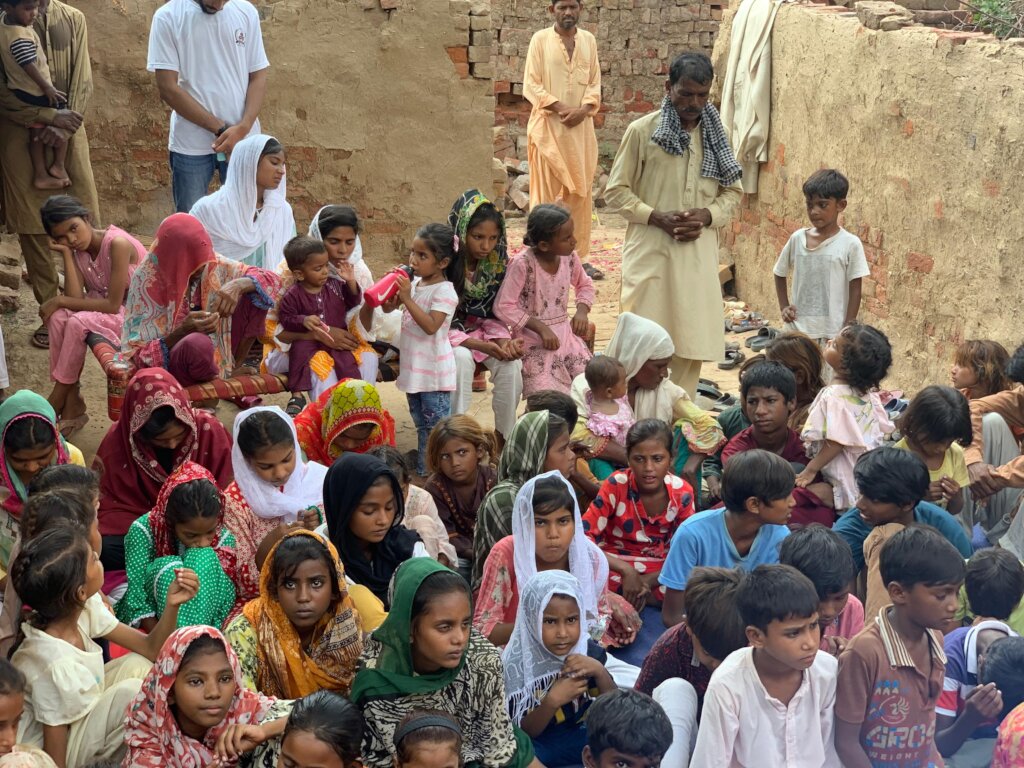
300 children attending schools serving communities around brick kilns in Pakistan.
Priority is given to children from households experiencing significant economic vulnerability.
The project particularly seeks to support children who face barriers such as:
The project is designed to reach children based on need and vulnerability, without discrimination.
7. What the Project Provides
The project will support the provision of:
One nutritious school-day meal
Each participating child will receive a meal intended to provide meaningful nutritional support during the school day.
Depending on local availability, food procurement, and nutritional planning, meals may include combinations of:
Food menus may vary according to availability, affordability, cultural suitability, and nutritional considerations.
8. Why One Meal Matters
For a child living in poverty, one meal can mean much more than food.
It can mean:
Energy to learn.
Strength to participate.
A reason to attend school.
Relief from hunger.
A sense of dignity.
Hope for tomorrow.
The project therefore uses the concept:
“One Meal, One Hope.”
The meal is the immediate intervention.
Education is the pathway.
A better future is the long-term goal.
9. Implementation Approach
Moses Welfare Foundation will implement the project through its existing community relationships and school activities in brick-kiln areas.
The implementation process will include:
Step 1 – Identify eligible children
Children will be identified through participating schools and community-level assessment.
Step 2 – Confirm beneficiary records
Basic beneficiary records will be maintained to monitor the children receiving meals.
Step 3 – Food procurement
Food will be purchased locally where practical, helping control costs and support local suppliers.
Step 4 – Meal preparation
Meals will be prepared under appropriate hygiene and food-safety practices.
Step 5 – Distribution
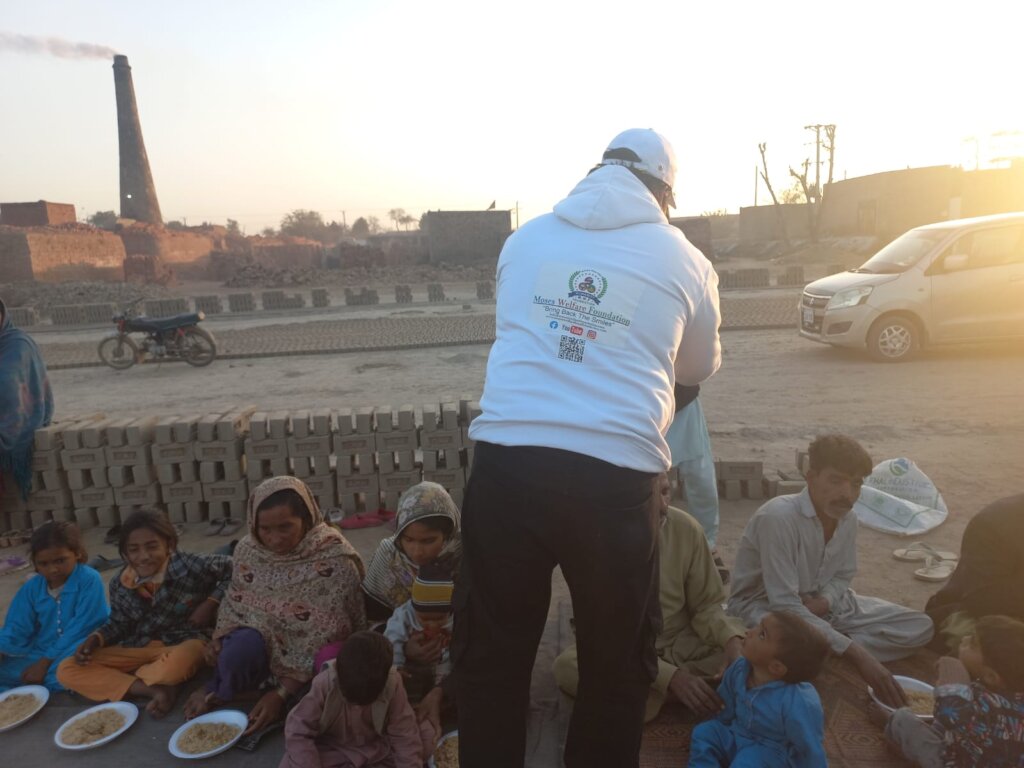
Meals will be distributed to participating children during the school day.
Step 6 – Monitoring
Moses Welfare Foundation will monitor:
Step 7 – Reporting
Project information, photographs where appropriate and available, beneficiary stories, and financial information will be documented for accountability and donor reporting.
10. Expected Results
The project expects to achieve the following results:
Immediate Results
Short-Term Results
Long-Term Results
11. Monitoring and Evaluation
Moses Welfare Foundation will use practical monitoring mechanisms to assess project performance.
Key indicators will include:
Indicator
Target
Children supported
300
School-day meals provided
According to project duration
Participating schools/community learning sites
As identified through implementation
Beneficiary attendance monitoring
Regular
Meal distribution records
Maintained
Expenditure records
Maintained
Project progress reports
Prepared periodically
Where appropriate, the Foundation will collect feedback from teachers, children and families to understand whether the meal intervention is helping children attend and participate more consistently.
12. Accountability and Transparency
Moses Welfare Foundation recognizes that donor trust is essential.
Project resources will be managed according to the Foundation's financial and administrative procedures.
The organization will maintain appropriate documentation relating to:
Donor support will be used for the intended charitable purpose of supporting vulnerable children through nutrition and education-related assistance.
13. Sustainability
The project is designed as more than a short-term food distribution activity.
The long-term approach is to connect nutrition with education and community development.
Moses Welfare Foundation seeks to develop sustainable support by:
The ultimate objective is not for children to depend permanently on food assistance.
The objective is to help create conditions in which children can remain in education, develop skills, and eventually have opportunities to build independent livelihoods.
14. The Importance of Continued Funding
The current project goal is $20,000, while $1,022 has been raised, leaving $18,978 still required to fully support the project.
This funding gap is significant.
Every contribution can help provide meals to children who may otherwise attend school hungry.
A donor's contribution can therefore support both:
Immediate need
Providing food to a vulnerable child.
Long-term opportunity
Helping that child remain connected to education.
The project needs continued support to reach the full target of 300 children throughout the planned implementation period.
15. Donor Impact
Donors are not simply funding meals.
They are helping create a bridge between hunger and education.
Their support can help a child:
Come to school → Eat a nutritious meal → Have energy to learn → Stay engaged in education → Build a better future.
This is why we call the project:
One Meal, One Hope.
16. Conclusion
For children growing up in brick-kiln communities, poverty can begin to define their future before they are old enough to understand it.
A hungry child faces immediate hardship.
A child who leaves school because of poverty faces a much greater long-term challenge.
Moses Welfare Foundation believes that children deserve an opportunity to learn, grow, and hope for a better future regardless of the circumstances into which they were born.
Through One Meal, One Hope: Feeding Brick Kiln School Kids, we are addressing one basic need while supporting a much larger goal.
A meal can relieve hunger today.
Education can change tomorrow.
Together, they can help change a child's future.
Moses Welfare Foundation invites donors, partners, churches, foundations, companies, and individuals to join us in ensuring that vulnerable brick-kiln children do not have to choose between hunger and education.
One Meal. One Child. One Hope. One Future.
By Mohsin Arif | Project Leader
By Mohsin Arif | Project Leader
Project reports on GlobalGiving are posted directly to globalgiving.org by Project Leaders as they are completed, generally every 3-4 months. To protect the integrity of these documents, GlobalGiving does not alter them; therefore you may find some language or formatting issues.
If you donate to this project or have donated to this project, you can receive an email when this project posts a report. You can also subscribe for reports without donating.



Support this important cause by creating a personalized fundraising page.
Start a Fundraiser