By Shahinur Bashar | Development Coordinator
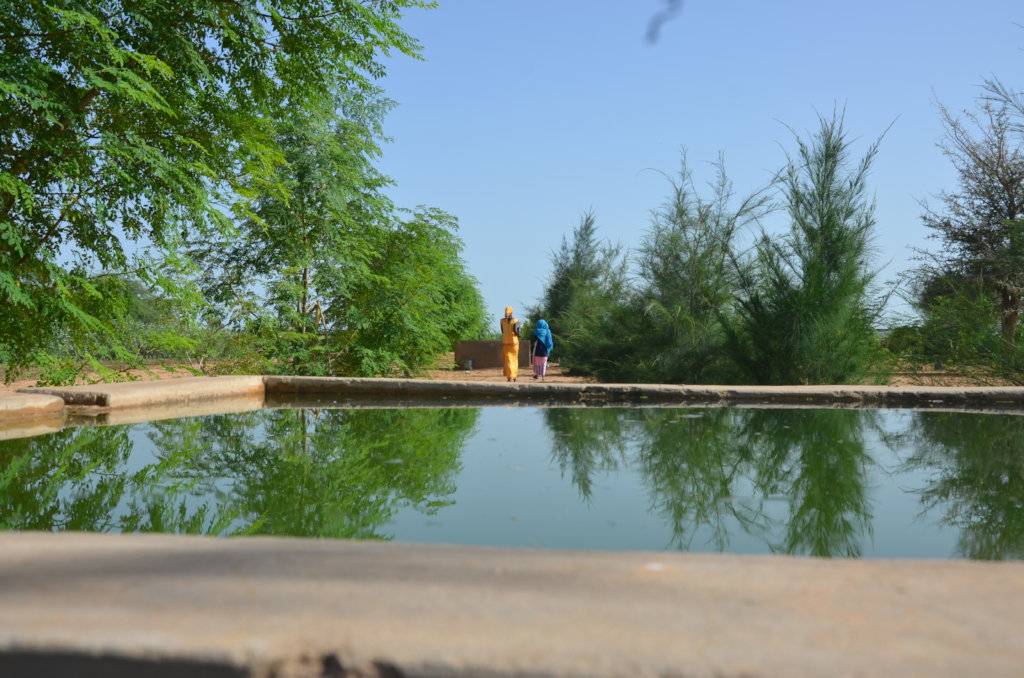
In the hot, open lands of rural Senegal, where the warm winds once carried away topsoil and hope, a gentle but powerful change is emerging. Instead of the harsh harmattan winds that used to blow across empty lands, lush green areas are transforming the environment into a lively, food-secure, and resilient place. Thanks to your partnership, tree planting has become more than just a one-time effort; it's now a lasting way of life that brings hope and growth in Senegal.
Community Spotlights: Two Paths, One Shared Transformation
Our two partner communities are at different points in their journey: Keur Birane, a community in the advanced stage of joining CREATE! starting to enjoy lasting agricultural success, and Ngaraff, a village successfully continuing its reforestation efforts.
Keur Birane: The Harvest of Resilience
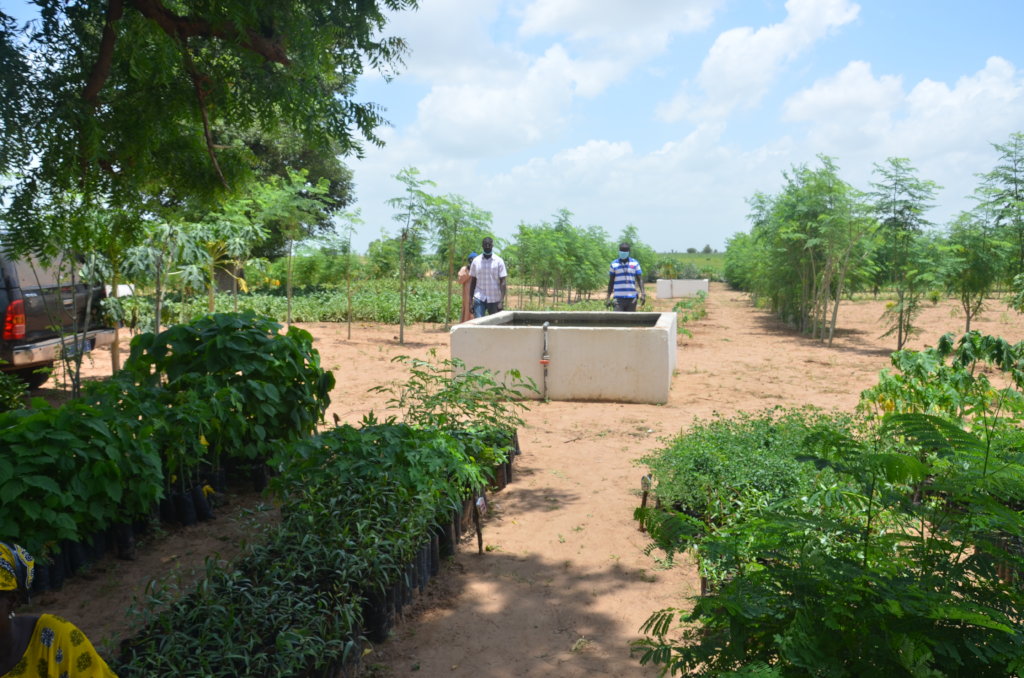
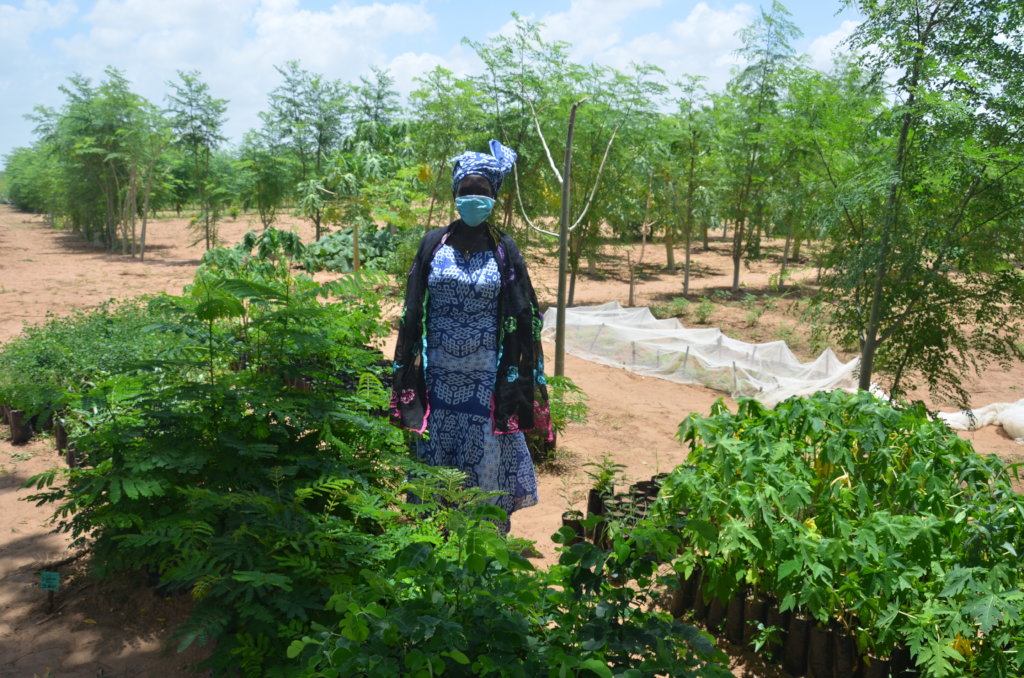
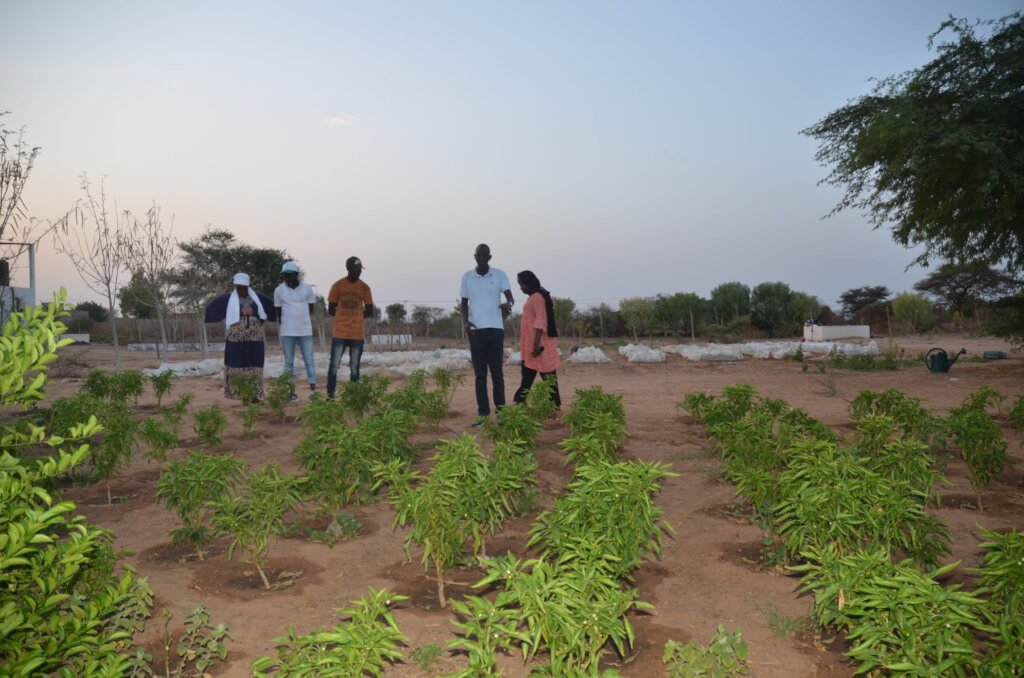
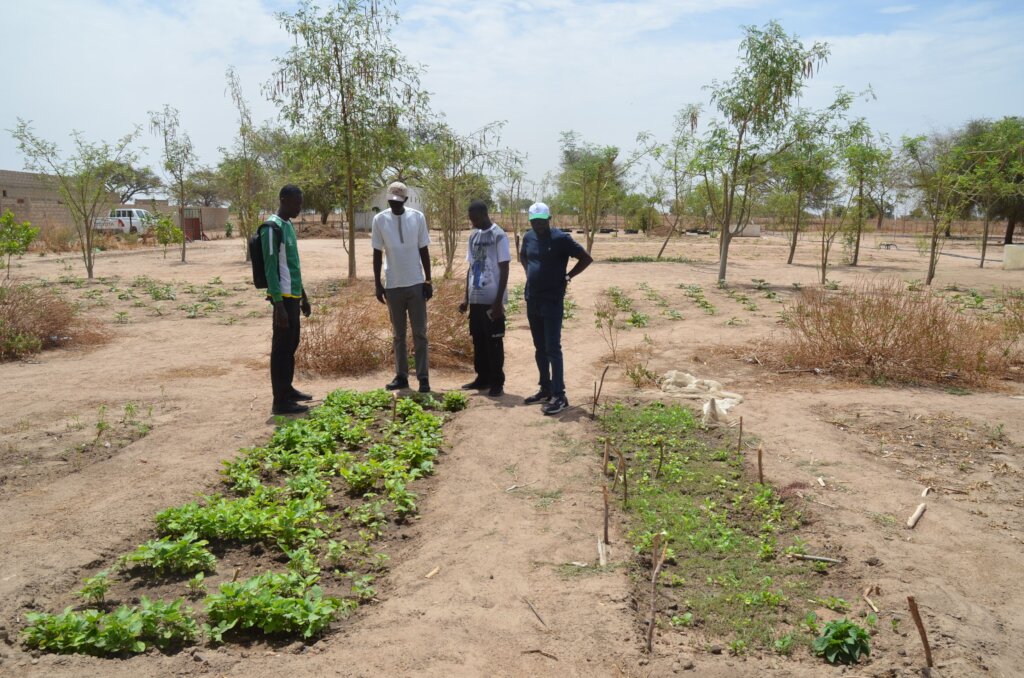
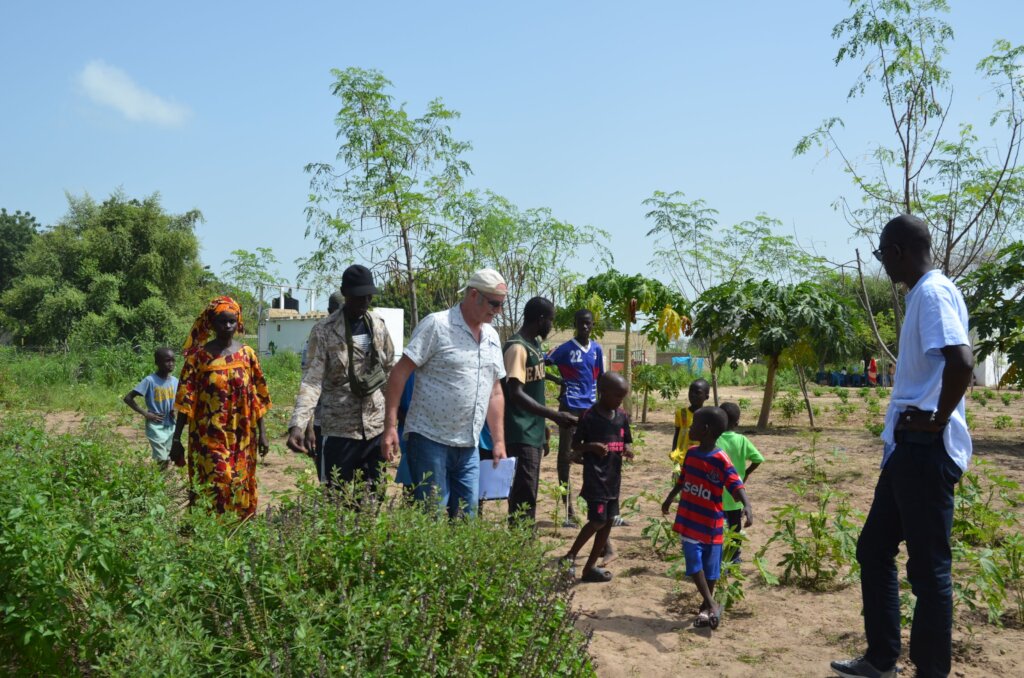
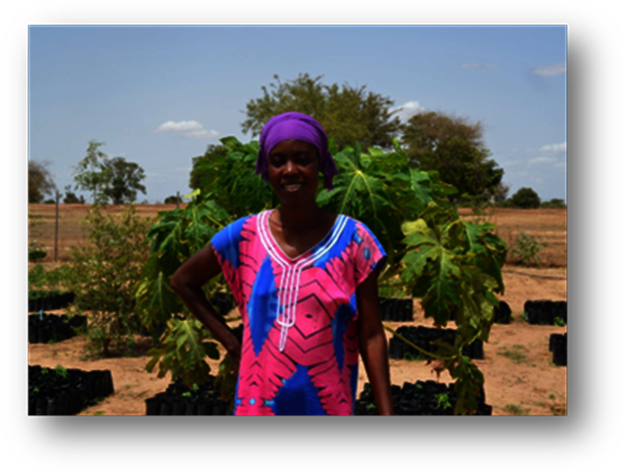
Before joining CREATE!, Keur Birane was characterized by dry horizons and tough seasonal winds. Today, it's beautifully surrounded by lush belts of lemon, papaya, pomegranate, and soursop trees, along with plenty of shade trees. The soil, which used to crack under the scorching 110°F heat, now remains much cooler, making it possible to grow nutrient-rich Moringa leaves year-round.
Keur Birane’s metrics and testimonials
Data Outcomes: 3000 trees planted in June 2026 | 96.96% germination rate
" These trees have significantly improved our quality of life. The fruits we harvest, especially papayas and lemons, enrich our diet by providing essential vitamins. Furthermore, their shade offers us a pleasant place to rest, particularly during periods of intense heat, thus contributing to our daily well-being and comfort."
Aida Seck, Keur Birane
Ngaraff: The Frontier of Hope
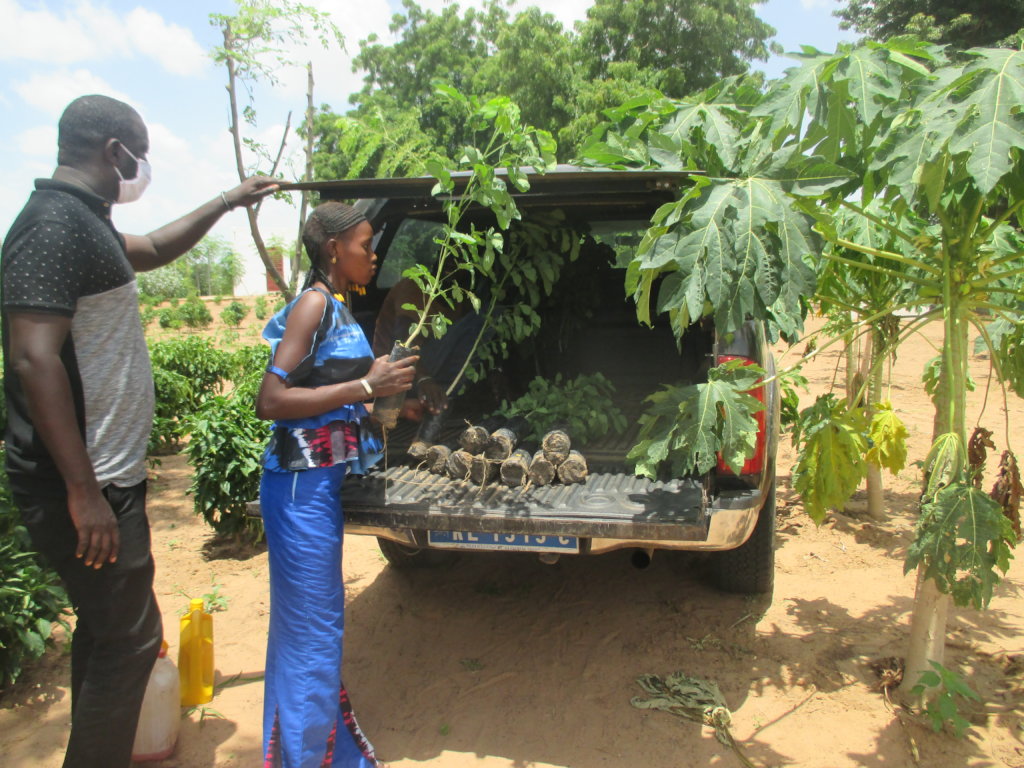
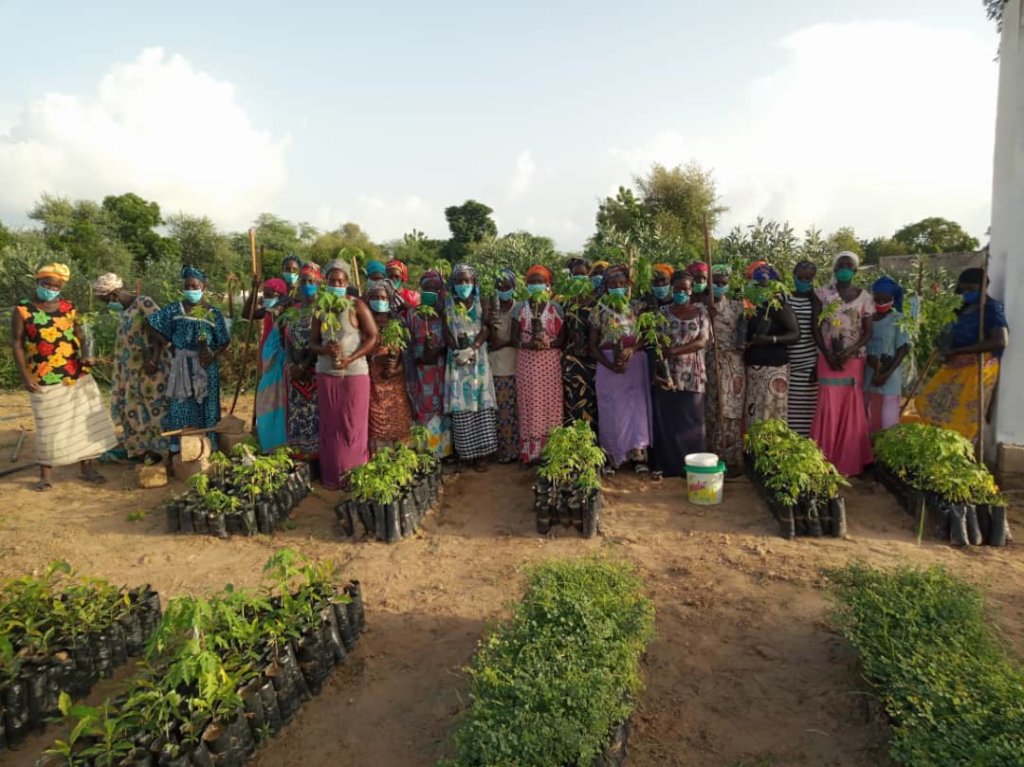
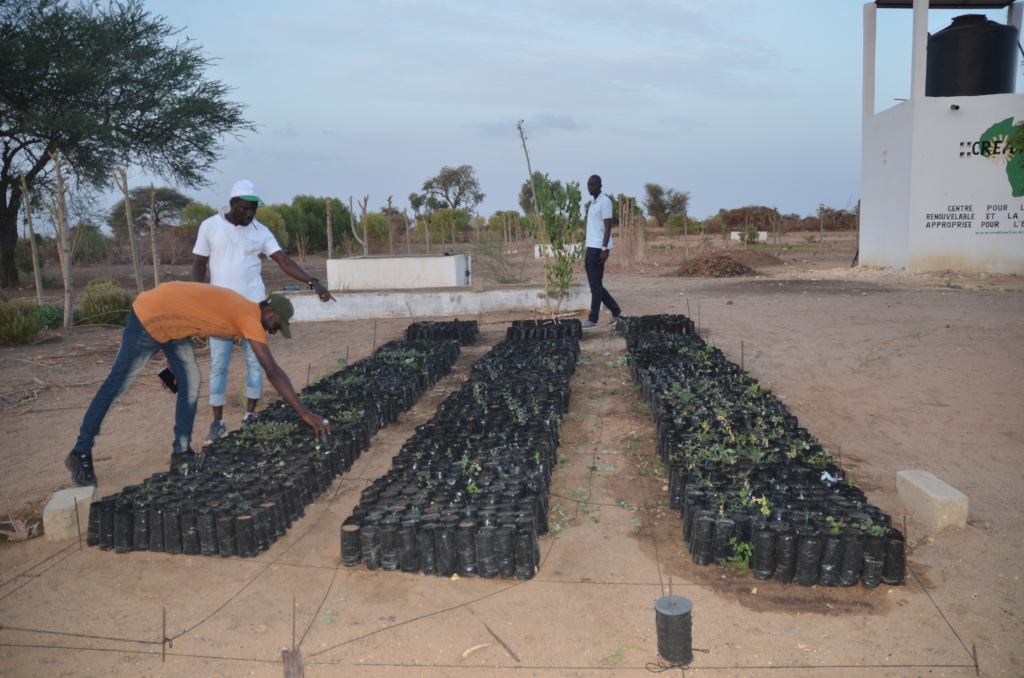
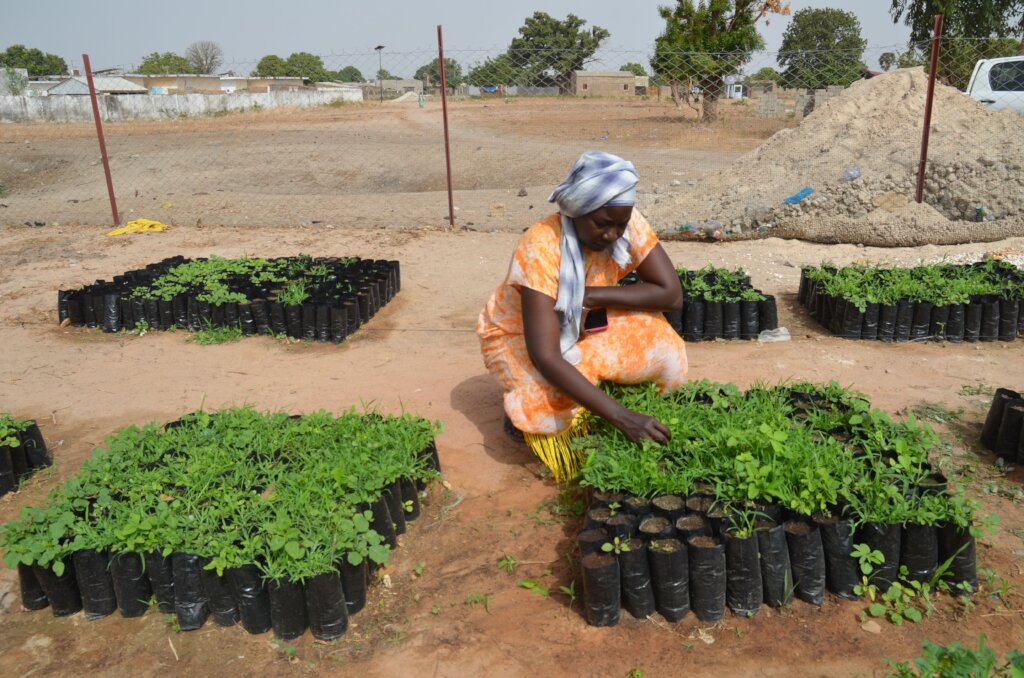
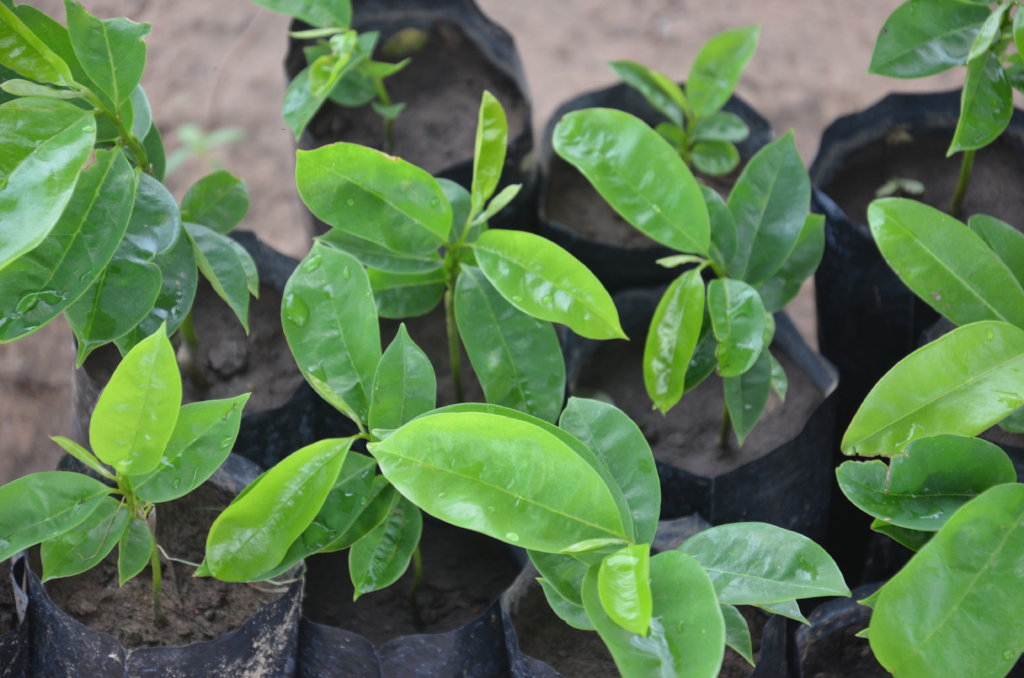
In Ngaraff, the community is also making excellent progress in improving their environment and lifestyle through tree planting. The Ngaraff communities have already filled and planted many nursery polybags, with key species like Moringa, Papaya, Jujube, and Henna already showing signs of germination. Thanks to careful watering and dedicated care, the fruit trees and shade canopies planted earlier are thriving on the site, paving the way for a greener and more self-sufficient future. They regularly include the fruits in their meals, which add to their family's nutrition.
Ngaraff Metrics and testimonials
Data Outcomes: 2000 trees planted in June,2026
“This program has helped us improve our living conditions, as well as those of the community. Today, we share our knowledge and work together to build a better future.”
Faty Diop, Ngaraff
Every seedling planted today is a living shield against desertification and poverty for generations to come. Please make your tax-deductible gift today and turn vulnerable dust into a flourishing legacy of hope.
By Paulomi Bhattacharyya | Project Leader
By Shahinur Bashar | Ms
Project reports on GlobalGiving are posted directly to globalgiving.org by Project Leaders as they are completed, generally every 3-4 months. To protect the integrity of these documents, GlobalGiving does not alter them; therefore you may find some language or formatting issues.
If you donate to this project or have donated to this project, you can receive an email when this project posts a report. You can also subscribe for reports without donating.



Support this important cause by creating a personalized fundraising page.
Start a Fundraiser