By Merren Wallace | Development Director
Thanks to your generosity, Hope Health Action is supporting thousands of mothers and babies across Haiti, South Sudan and Uganda. Through community outreach, safer births, and access to specialist hospital care, your donations are helping women navigate pregnancy and early motherhood with greater safety and dignity.
But while numbers help us measure reach, they can sometimes feel distant. So we wanted to share a real story we heard from Haiti just last week - a reminder of what this support means for individual families, in the most critical moments.
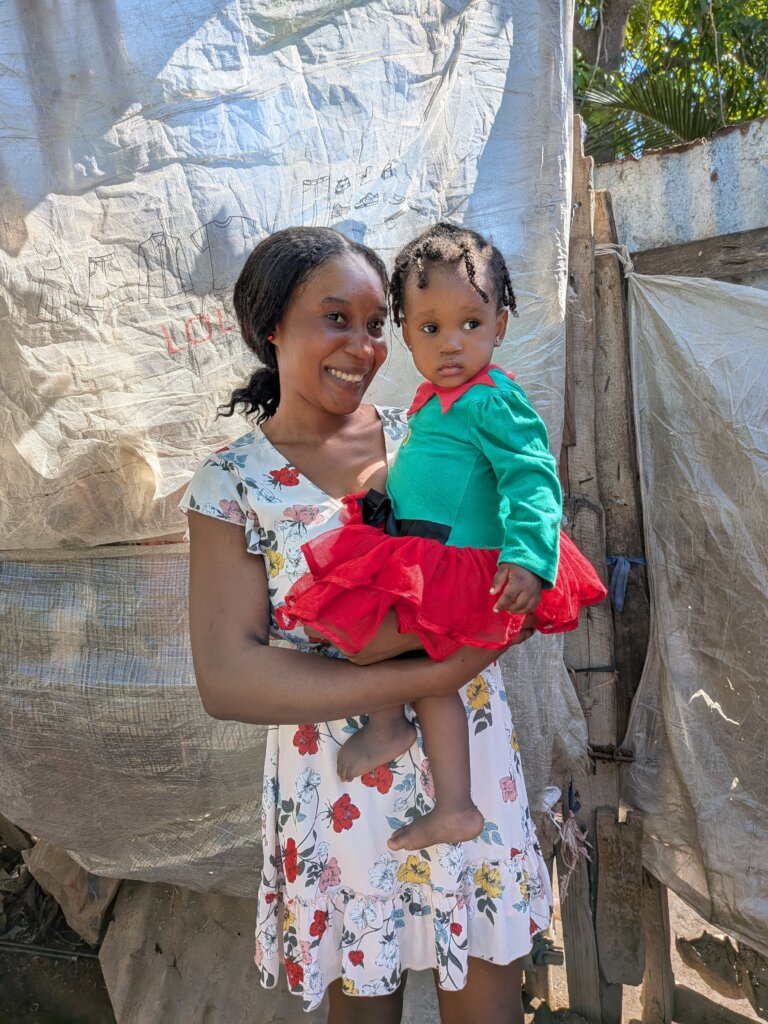
When Kerline went into labour at just 29 weeks pregnant, fear set in immediately. She and her husband, Ephesian, had already experienced the heartbreak of losing a baby late in pregnancy, and they knew how fragile the days ahead could be. This time, however, their journey was different.
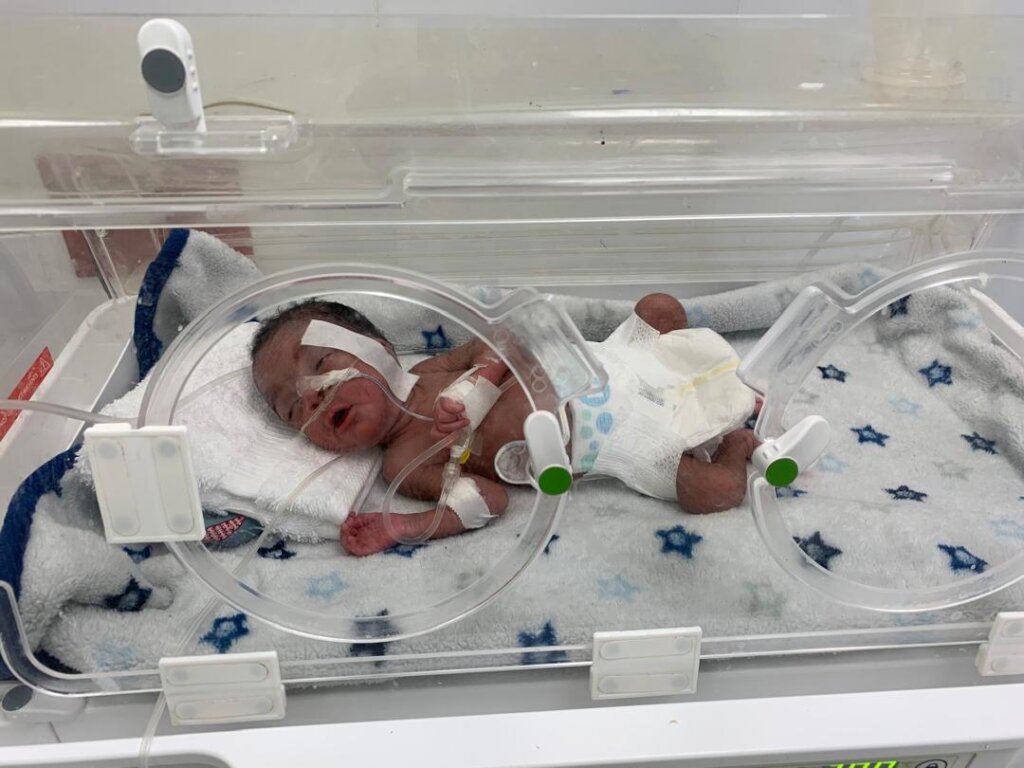
Kerline was able to go straight to Justinien University Hospital, the only remaining teaching hospital in the north of Haiti. Just a year ago, the hospital’s neonatal unit was struggling, with no working incubators and severely stretched resources. Thanks to your support, Hope Health Action has been working alongside the hospital over the past year, donating five specialised incubators and providing staffing support to strengthen neonatal care.
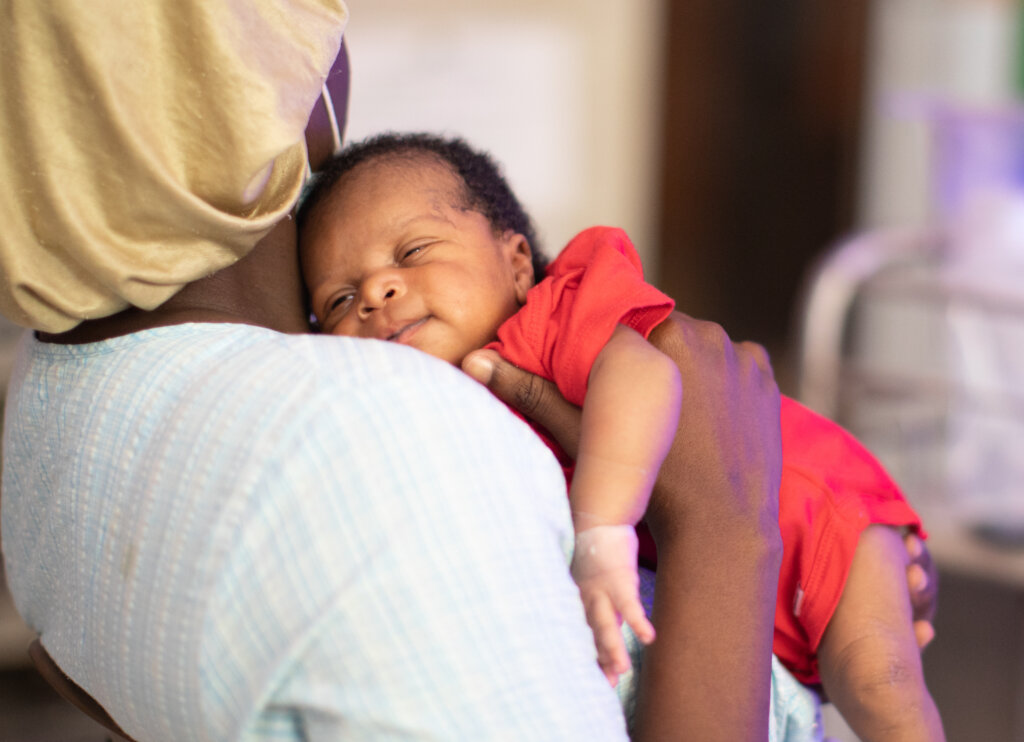
This support meant that, when Kerline and Ephesian’s baby boy was born extremely prematurely, he was admitted to a functioning neonatal unit - with an incubator ready for him, and a trained team able to provide the specialist care he needed to survive those critical early days.
Access to this level of care is rare in Haiti. Dr Vimal Vasu, a UK-based neonatal consultant who has volunteered with HHA and supported the development of our neonatal programme through staff training, explains the stark reality:
“In the UK, around 9 out of 10 babies born at 29 weeks survive to go home with their mother and father. Sadly in Haiti, this figure is reversed, with 9 out of 10 babies dying. We know that keeping premature babies warm after birth is one of the key ways to help improve their chances of survival.”
For Kerline and Ephesian’s son, the warmth and protection of the incubator, alongside skilled neonatal care, helped him beat the odds.
“Not a lot of hospitals in Haiti have this kind of service,” Ephesian shared. “A lot of children, I imagine, pass away because of limited access to incubators. It’s really important and it’s really needed in Haiti. We were really fortunate to have this kind of service here in Cap Haitien.”
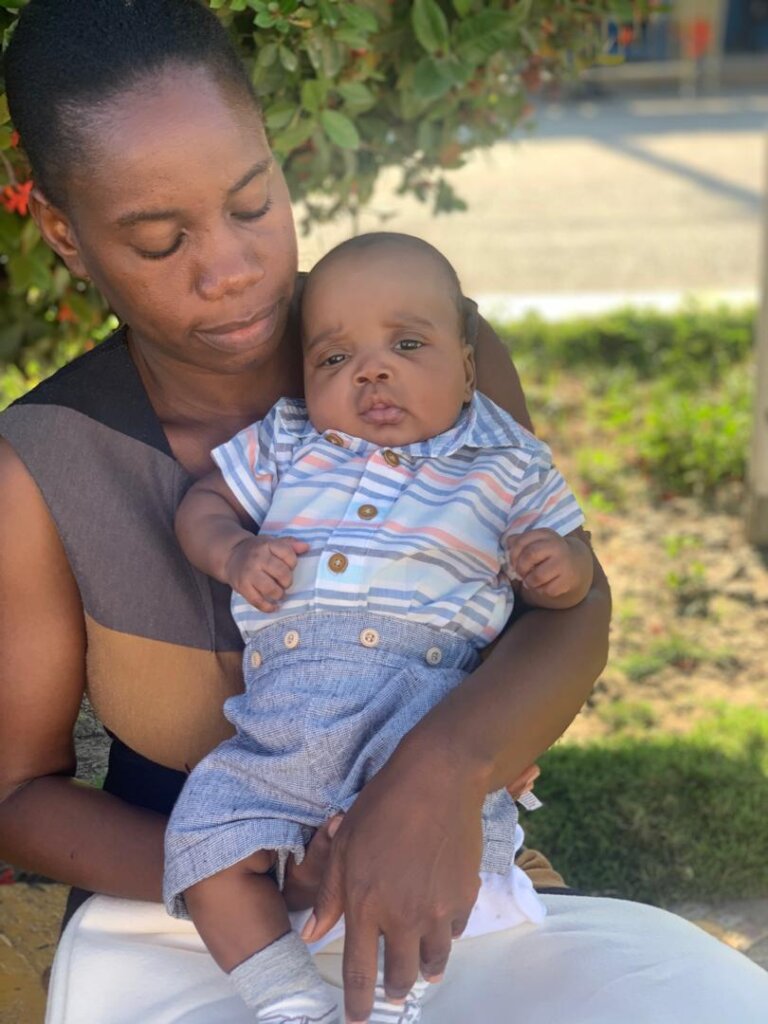
Today, their baby boy, Caleb, is growing stronger every day. Despite being born so early, he is gaining weight quickly and developing well. Ephesian smiles as he explains that doctors advised Caleb should feed every two hours - but even that is often not enough for him, a small but joyful sign of how well he is doing.
Looking ahead, the family hopes that more parents across Haiti will have access to the same life-saving care they received. “Now we have our baby, and we’re hoping and praying for more things like this to happen in Haiti, so that more people can have their own child,” Ephesian said. “A lot of people have been losing their child because of lack of things like this.”
For Kerline and Ephesian, access to specialist neonatal care did not just save their son’s life. It gave them hope after loss, and the chance to bring their baby home.
Thank you for making stories like Caleb’s possible.
By Tim Holmes | Operations Coordinator
By Merren Wallace | Development Director
Project reports on GlobalGiving are posted directly to globalgiving.org by Project Leaders as they are completed, generally every 3-4 months. To protect the integrity of these documents, GlobalGiving does not alter them; therefore you may find some language or formatting issues.
If you donate to this project or have donated to this project, you can receive an email when this project posts a report. You can also subscribe for reports without donating.
Support this important cause by creating a personalized fundraising page.
Start a Fundraiser