By Eleanor E | Individual Giving Executive
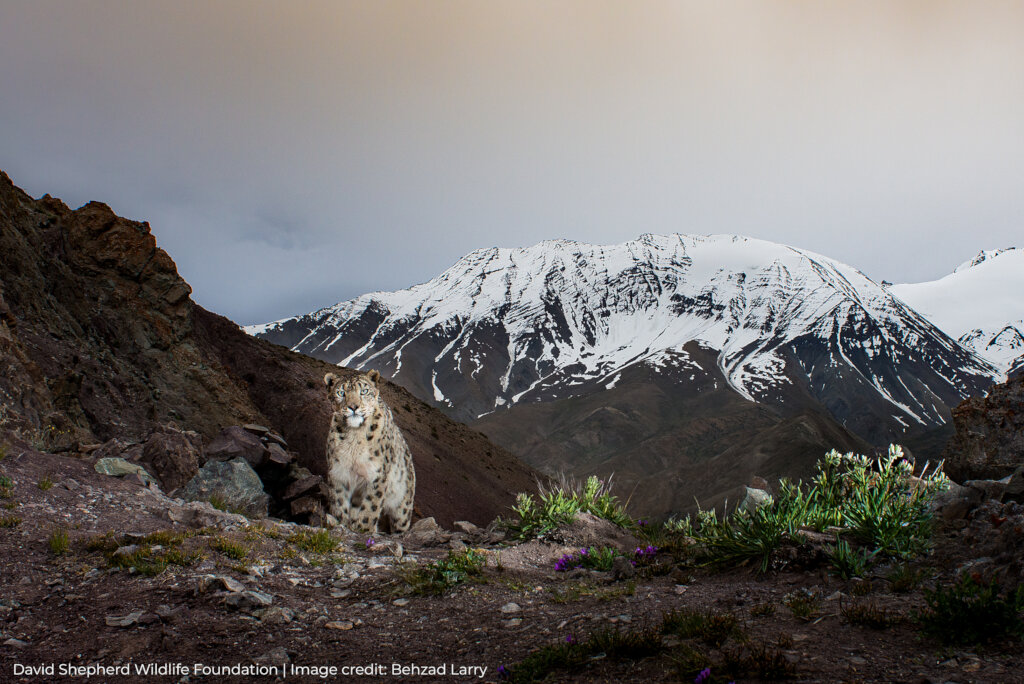
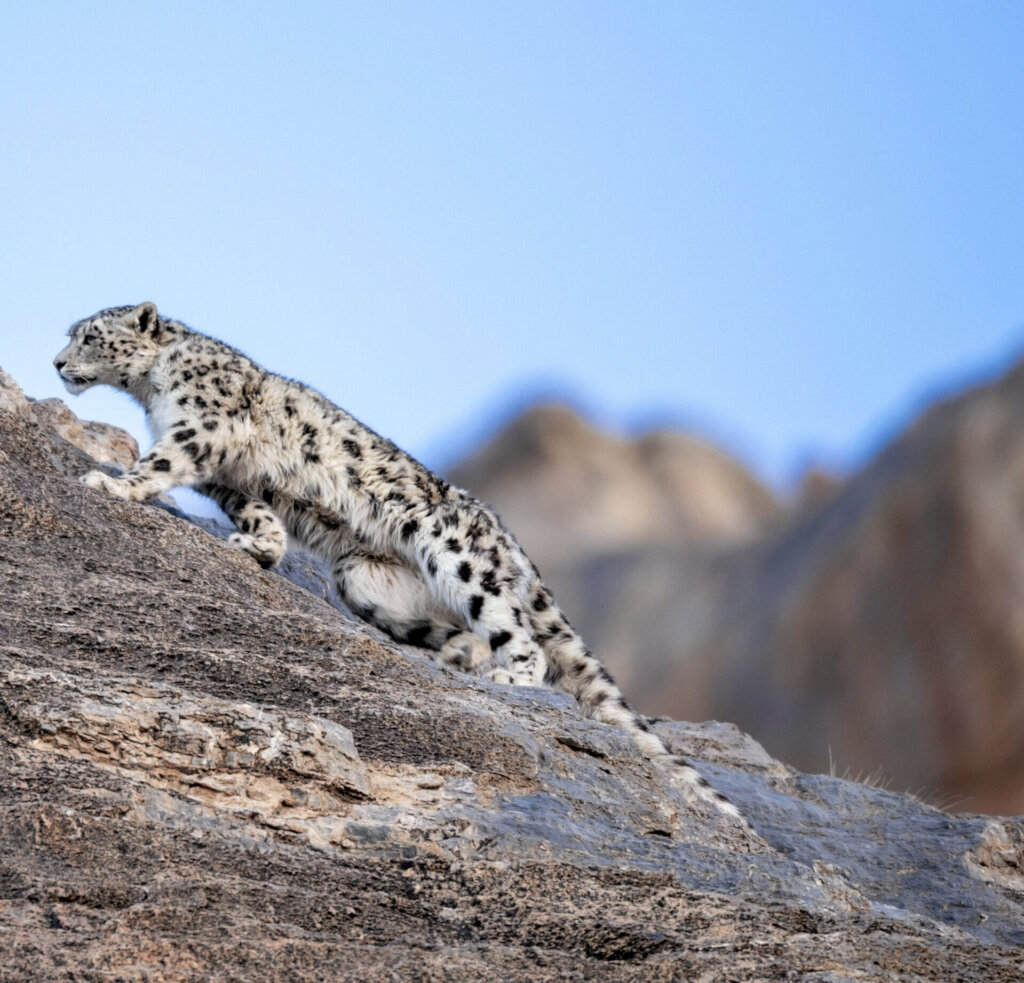
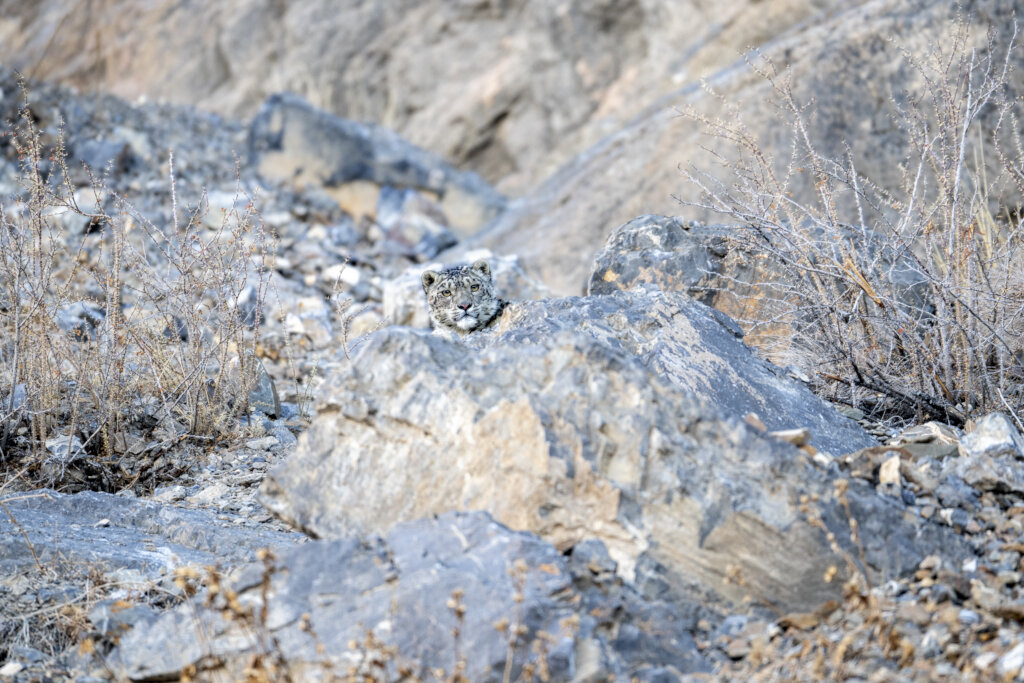
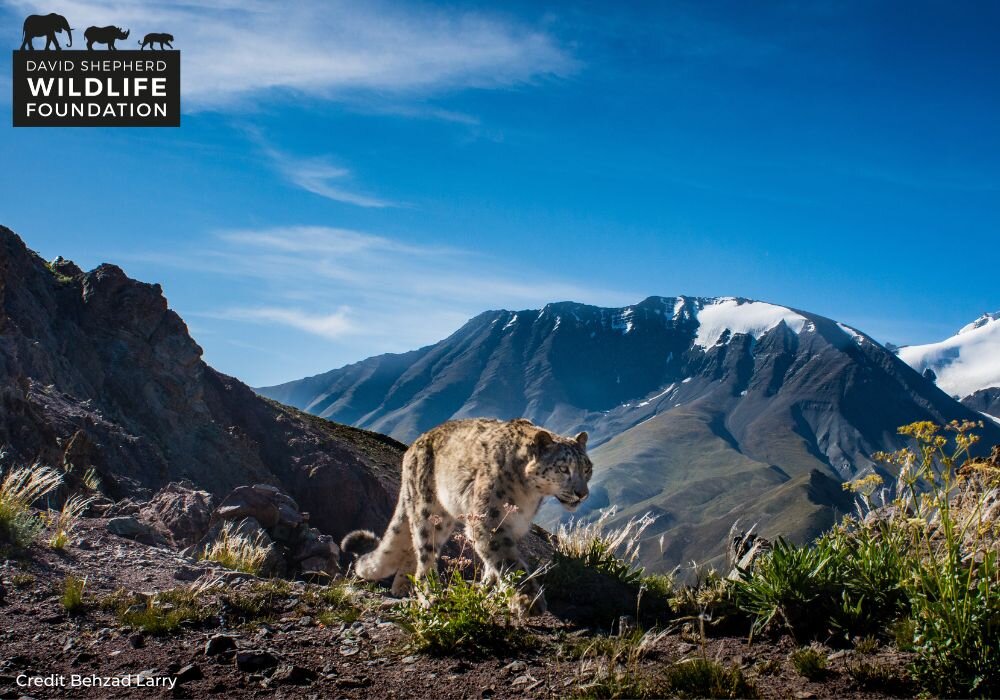
As summer draws to a close in Mongolia and Kyrgyzstan, we are eagerly anticipating the onset of the snow leopard’s mating season. Mating season for wild snow leopards is typically between January and mid-March, which means they use this time in the autumn to start their scent marking. The increased scent-marking helps them communicate with potential mates and establish territories, ensuring successful mating opportunities during the breeding season.
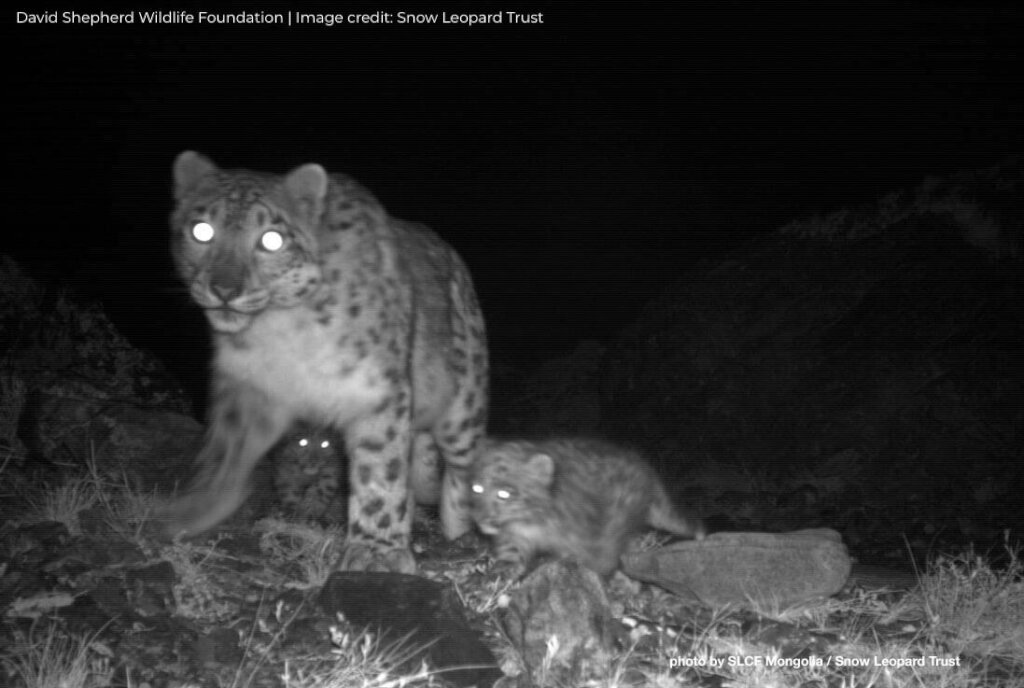
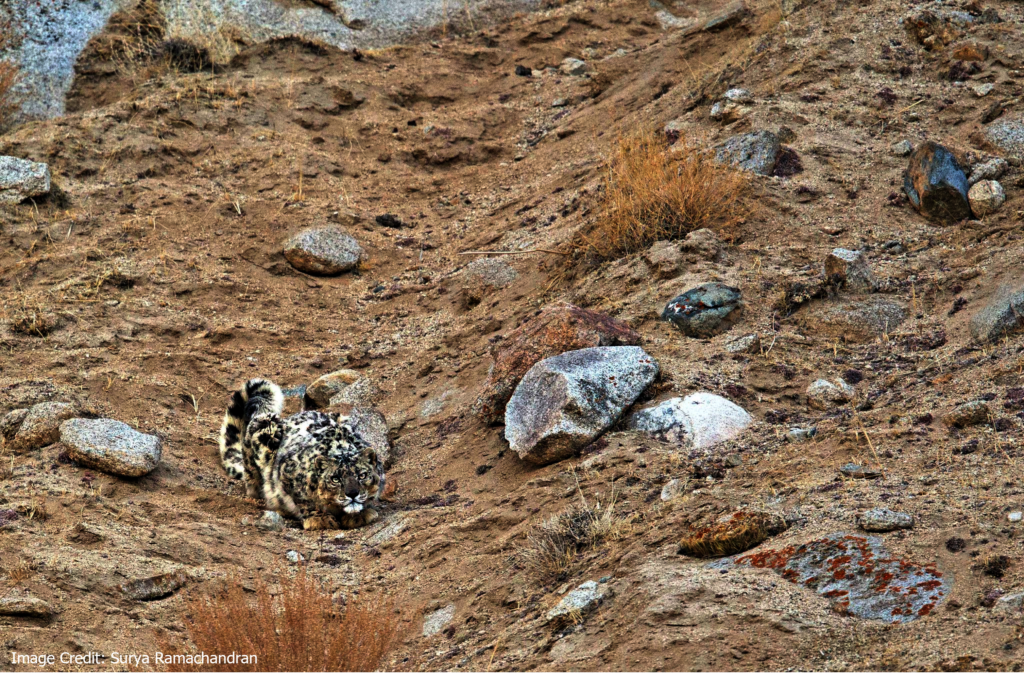
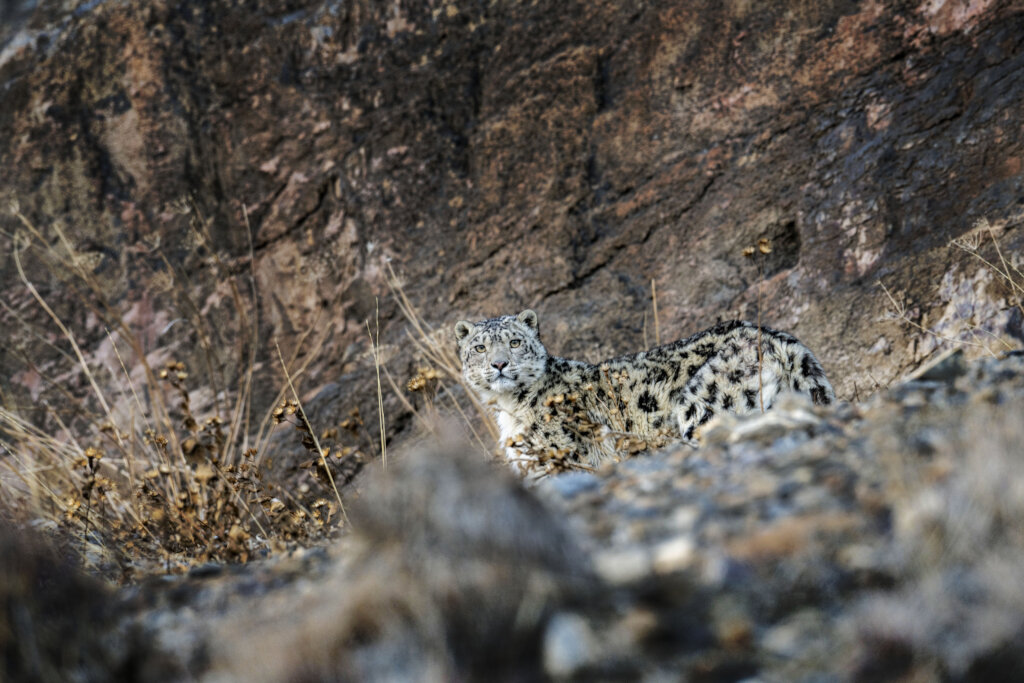
In preparation for this important period, we are also reflecting on the results of this year’s mating season. A female snow leopard is typically pregnant for 93-110 days before giving birth to her cubs in June or July. Our partner’s ongoing monitoring efforts in the Tost Nature Reserve have been particularly promising. They have managed to capture over 8,400 camera trap images of snow leopards, and preliminary analysis indicates that at least six cubs were born in the reserve in the 2023 birthing period. Results for this year are not yet available as the mothers are still in the early stages of raising their offspring, a task they undertake alone. At this stage, cubs born in the summer will soon be ready to start eating solid food and to follow their mothers around, learning important behaviours such as hunting.
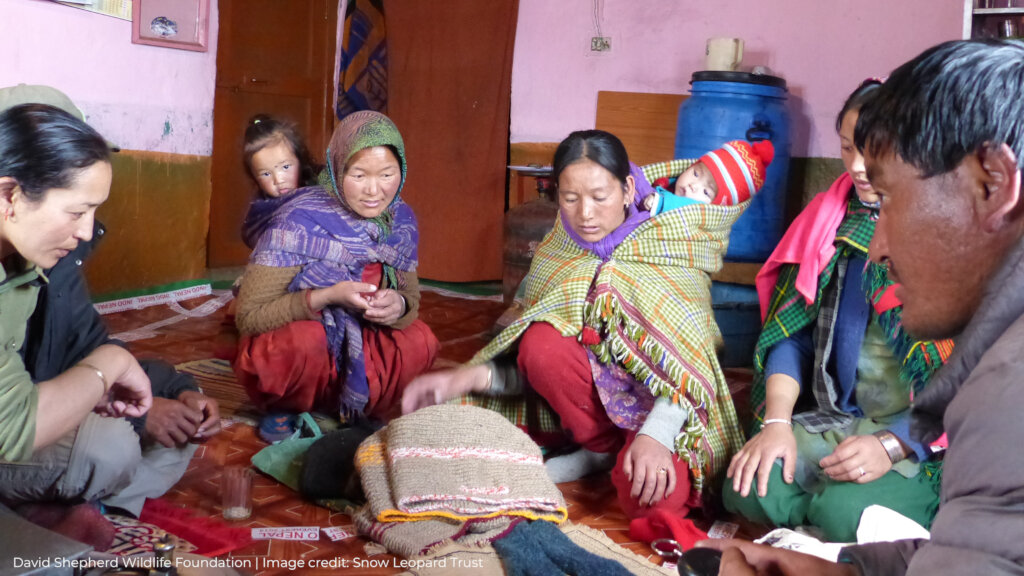
Recently, a situation in Mongolia highlighted the importance of innovative approaches to human-wildlife conflict. A local herder reported a snow leopard had killed one of his foals. In response, our partner’s science team collaborated with the herder to develop and trial a new type of protective collar designed to safeguard his remaining foals. This collar features blinking lights and emits high-frequency sounds that vary with the horse’s movements, aiming to deter predators without allowing them to become accustomed to the stimuli. This inventive solution is part of our partner’s broader effort to reduce livestock losses and promote co-existence between snow leopards, wolves, and local communities.
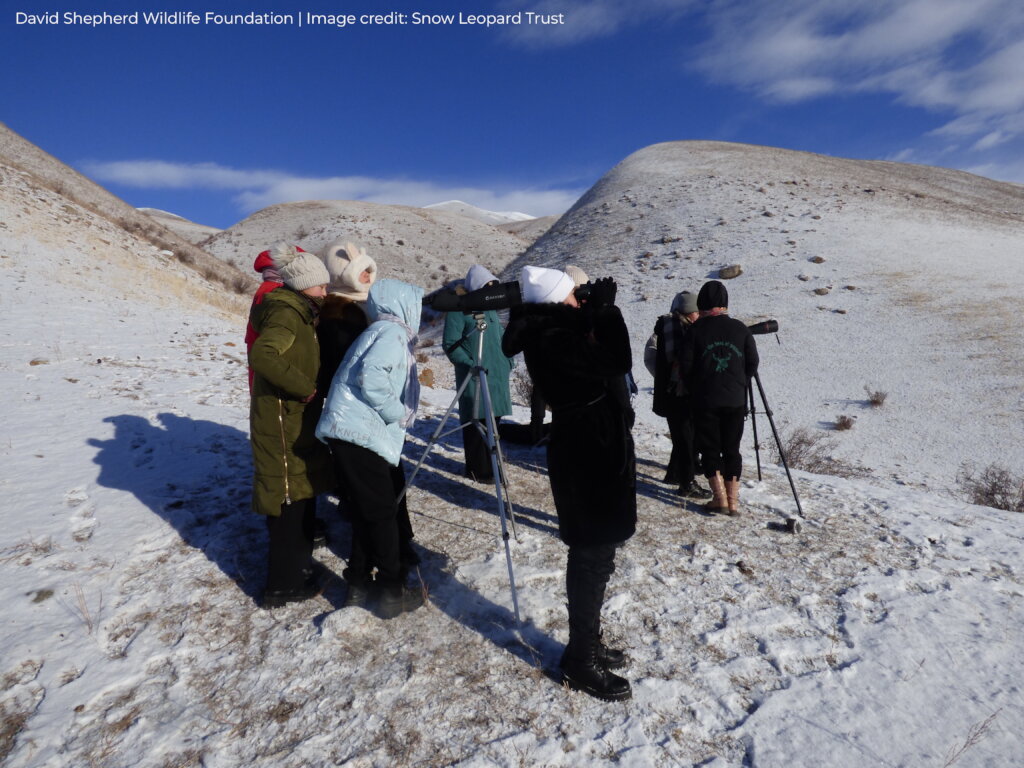
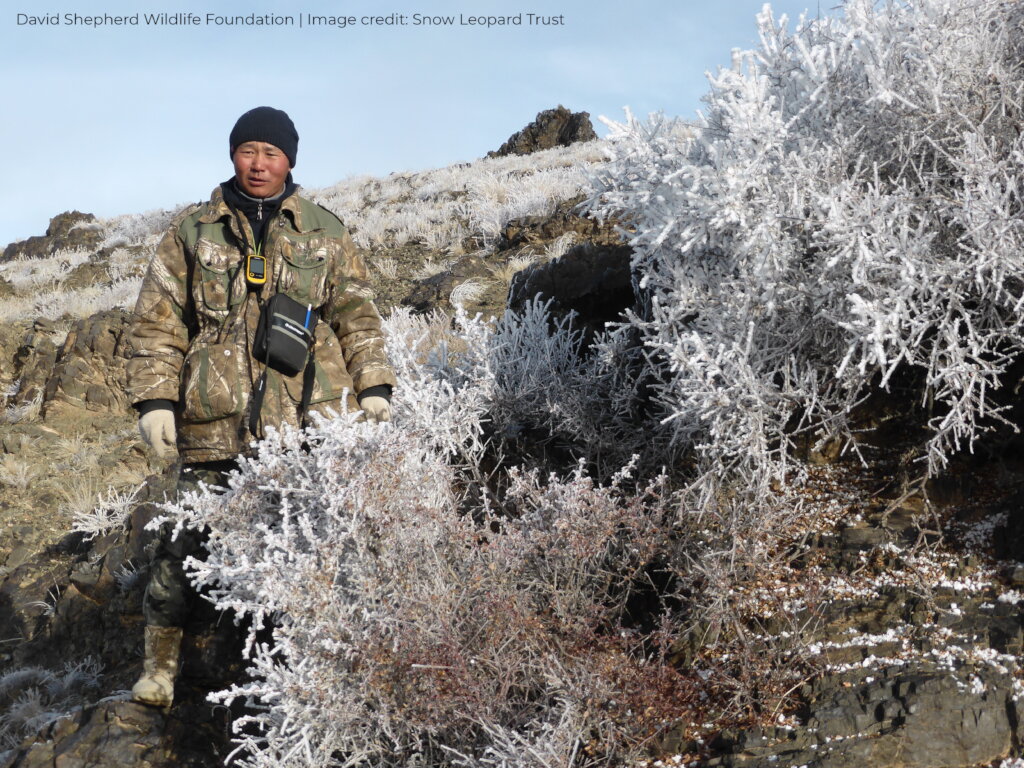
Our commitment to developing locally driven solutions, such as the protective collar, demonstrates our dedication to balancing the needs of wildlife with those of local communities. By addressing challenges like livestock predation, we aim to foster greater acceptance and support for snow leopard conservation.
As we look to the future, our commitment to protecting Mongolia and Kyrgyzstan’s wildlife and wild spaces remains steadfast. As always, thank you for your generous support in providing a more sustainable future for snow leopards and the communities that live alongside them.
Stay up to date with our work and how your generous support is making a difference, receive exciting wildlife conservation stories and hear about forthcoming campaigns, fundraising initiatives, and events: Sign Up
By Eleanor E | Individual Giving Executive
By Jo B | Senior Fundraising Executive
Project reports on GlobalGiving are posted directly to globalgiving.org by Project Leaders as they are completed, generally every 3-4 months. To protect the integrity of these documents, GlobalGiving does not alter them; therefore you may find some language or formatting issues.
If you donate to this project or have donated to this project, you can receive an email when this project posts a report. You can also subscribe for reports without donating.



Support this important cause by creating a personalized fundraising page.
Start a Fundraiser