By Jayne Horswill | Project Leader
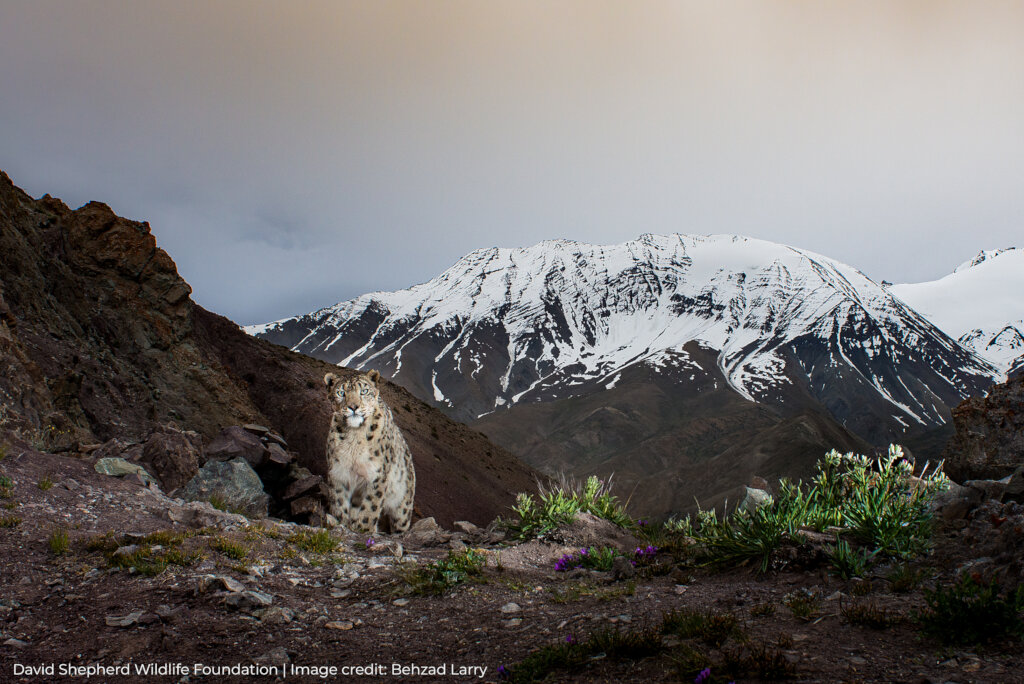
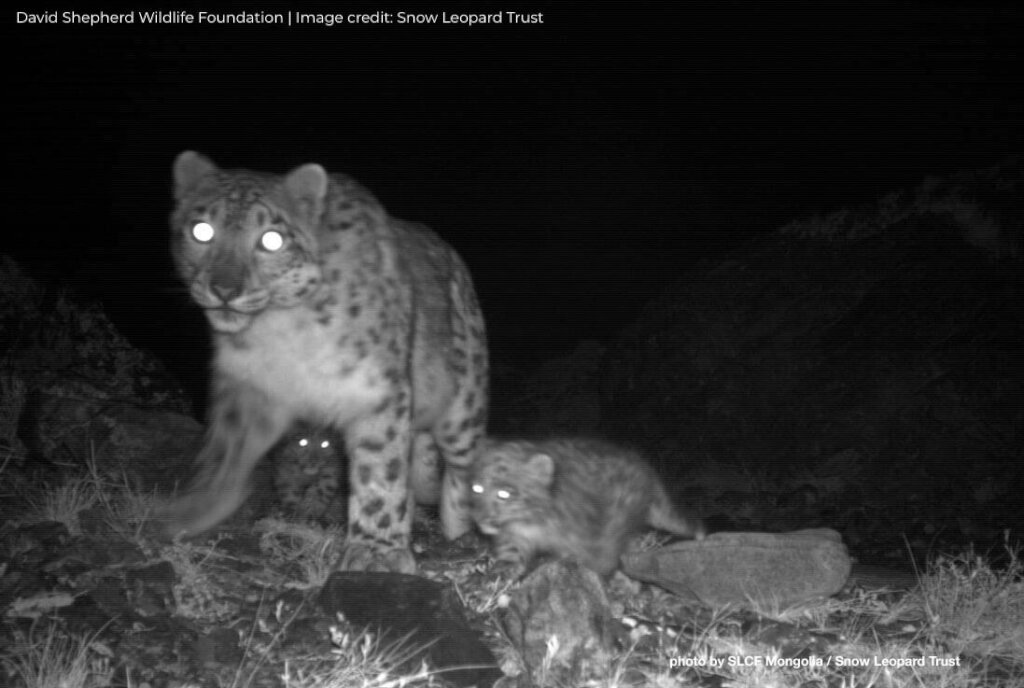
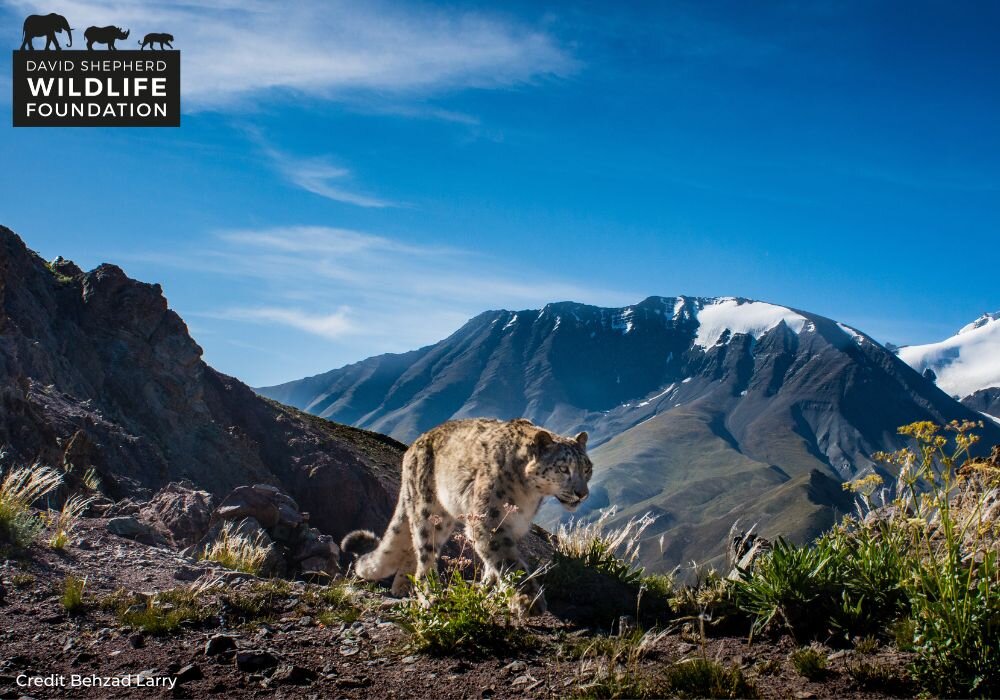
Thank you for donating to our Protecting Snow Leopards project. Your support helps to fund The Snow Leopard Trust (SLT), the ground-based conservation partners that David Shepherd Wildlife Foundation (DSWF) supports and who work to protect the elusive snow leopard in Kyrgyzstan and Mongolia.
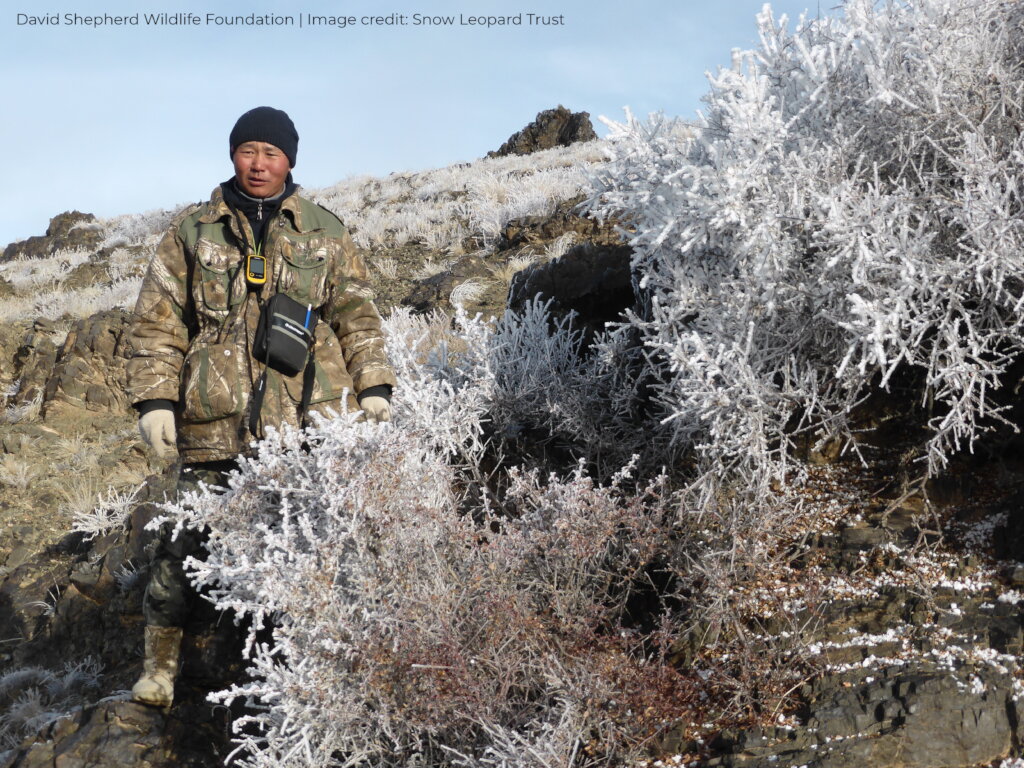
We recently had the opportunity to speak to Bayara Argvaantseren, the Director of the Snow Leopard Trust Mongolia, and one of the co-founders of the Snow Leopard Conservation Foundation. Both organisations are leaders in their field, protecting the elusive snow leopard and its habitat.
Bayara won the 2019 Goldman Award this year, which was a huge achievement for her and her work. The Award was given to her in recognition of her role in securing the first ever protected snow leopard nature reserve and preventing mining in the area.
We spoke to Bayara about how she came to dedicate her life to protecting the snow leopard and what it’s like to work in the field in such a remote part of the world.
When did you first become interested in wildlife and what was your first memory of needing to help animals and the environment?
I grew up in Northern Mongolia, in a remote town in the wilderness. During school breaks in summer, I used to go to the countryside to help my grandmother tend to her livestock and that made me feel very close to nature. She taught me a lot about local plants and how to harvest wild berries. But in this part of Mongolia, we didn’t have snow leopards.
As a young child at school, I was taught about local wildlife like red deer, musk deer, marmots and of course wolves; but not about snow leopards. When I was an adult, and I started working for the conservation of the snow leopard, I became even more interested about wildlife and I finally began to know more about the big cats.
Why did you decide to dedicate your life and career to protecting wildlife?
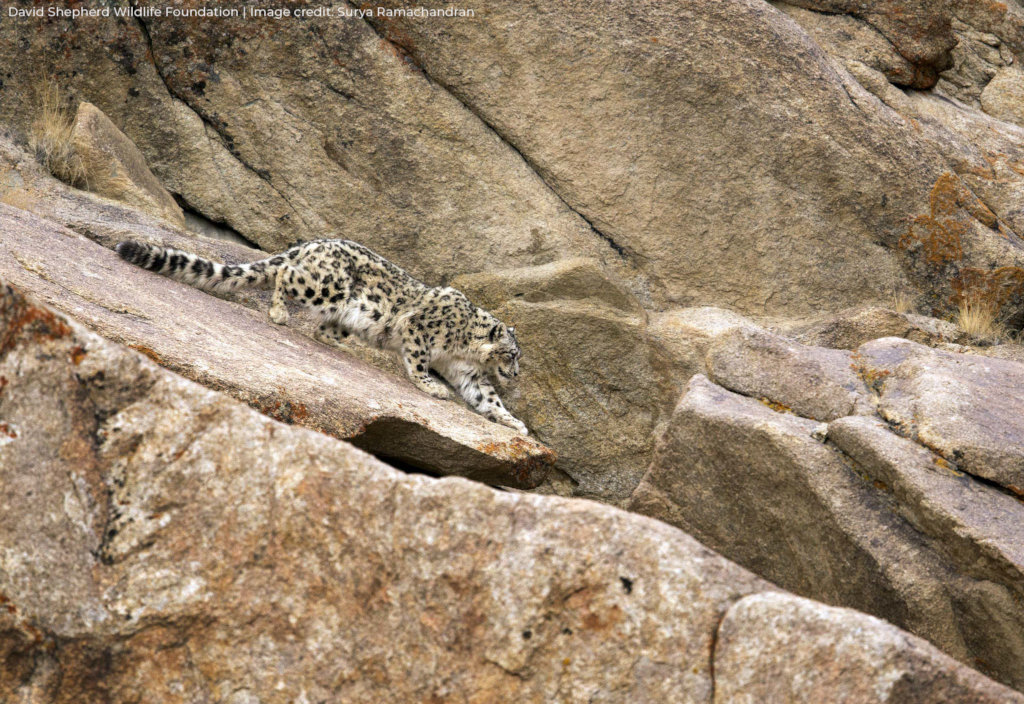
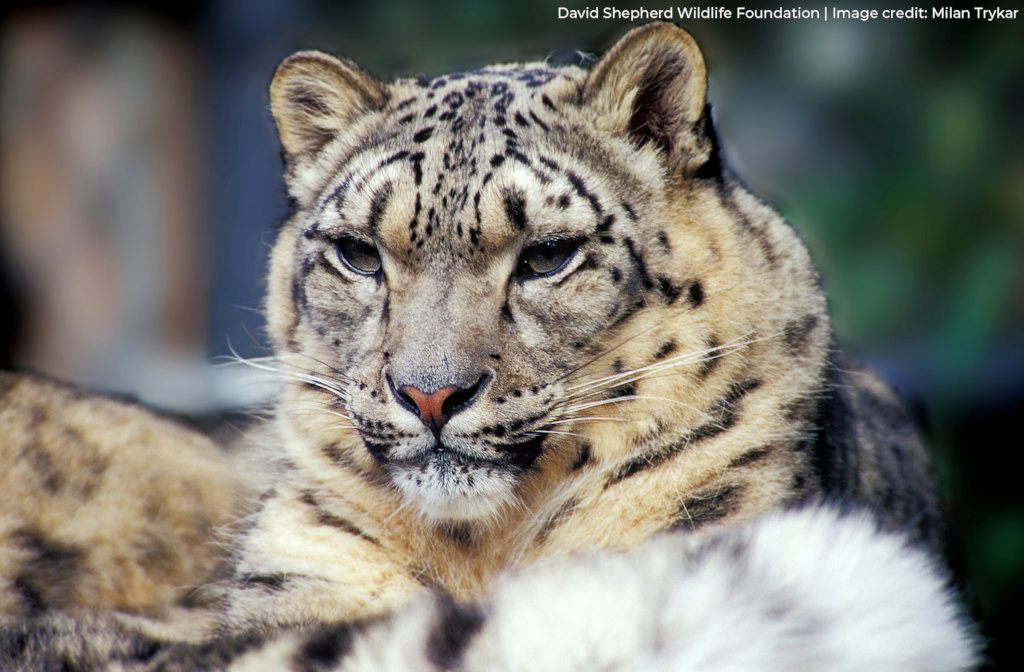
Snow leopards are of course very beautiful, but also very secretive. I started working with Dr. Tom McCarthy to find out the threats facing snow leopards. Talking to local people, I saw that poaching of snow leopards and negative attitudes from local people is a big threat to the cats. I felt like I could help snow leopard conservation by building collaborations with local people. That was a very important turning point for me.
How did you come to work in snow leopard conservation?
We created the Snow Leopard Conservation Foundation (SLCF) in 2007. We needed more effort and time dedicated to snow leopard conservation, and I realized that Mongolia needed better capacity and a stronger team. I think within the country, we had quite low capacity to do snow leopard work and we had limited information and resources. That was the turning point when we needed to create this new organization. SLCF is the only organization in Mongolia solely focused on snow leopard conservation, which makes us unique from other organisations.
What is one of the biggest achievements of your career?
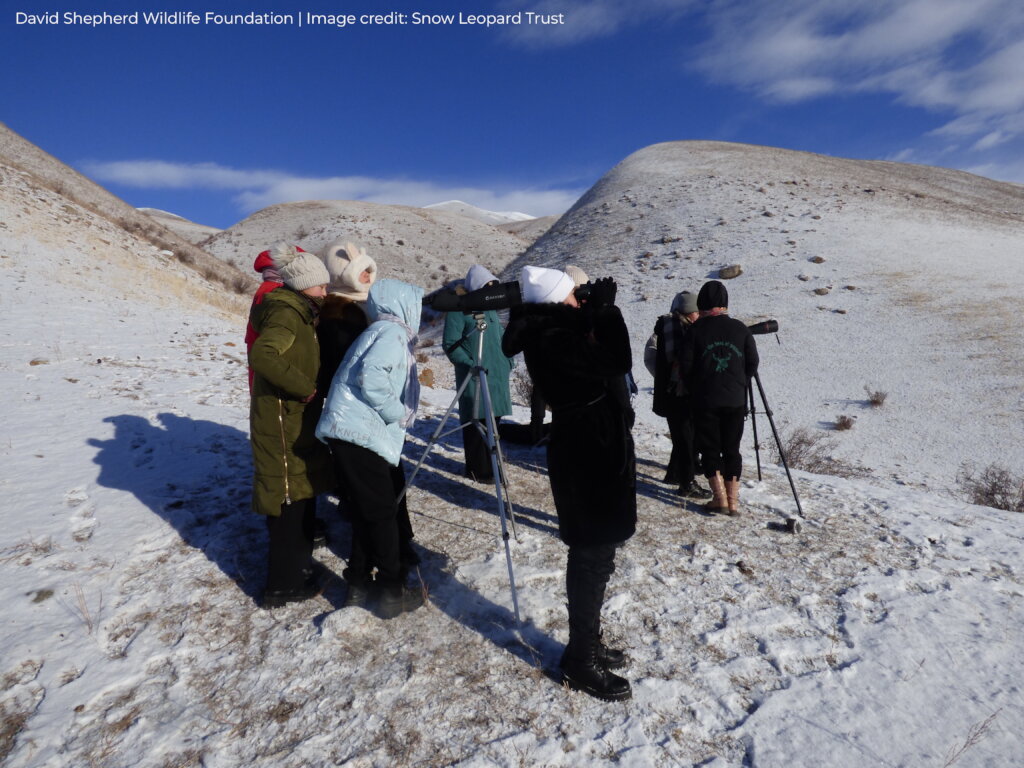
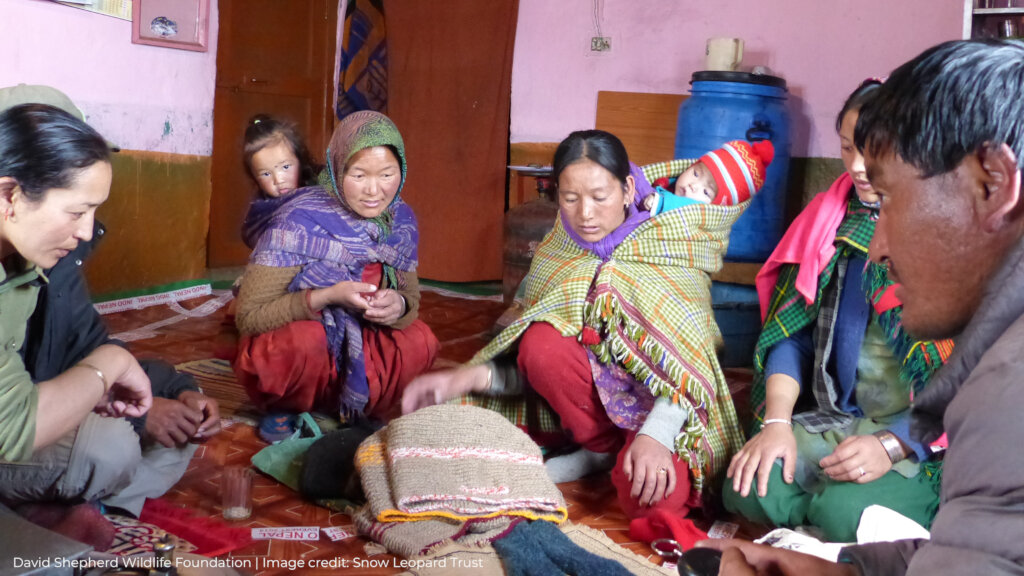
The formation of the new Tost-Tosonbumba nature reserve [Mongolia’s first protected area designated specifically for snow leopards] is definitely a big achievement for me. Another is that local people are now collaborating with conservation organizations—the fact that they are doing this and the ways in which they are doing this and now much different and at a much higher level than before. I am seeing that local people are realizing they have a great amount of power and voice. This is something my team has worked on for many years, and now I have started to see these changes within our partner communities—and this feels great.
What are some of the major challenges you face doing your job?
Bureaucracy, lack of awareness, and lack of networking between different levels of government. There isn’t a lot of collaboration, so I have to spend a lot of time to get people at different levels working together, which makes a lot of decisions take longer. Also, I feel like when you are a woman initiating something and working towards these things, you have to work twice as hard. In the field, at the local level, there are women who are quite motivated and active. But there are very few women at the highest levels of government, and I still see gender imbalance. Overall, these challenges mean I must push harder, and wait longer to get things done.
Do you feel positive about the future of snow leopards and their habitat?
Yes, I do—you have to be positive! I know that it’s hard and there always challenges. But I am positive about saving snow leopards for future generations. Of course, we have a lot of obstacles to overcome and lots of work to do; but a lot has changed since I started in 1998.
Thanks to your continued support, we can work together with the Snow Leopard Trust to continue Bayara’s incredible work and protect snow leopards in the wild forever.
Links:
By Theo Bromfield | Project Leader
By Theo Bromfield | Programmes & Policy Executive
Project reports on GlobalGiving are posted directly to globalgiving.org by Project Leaders as they are completed, generally every 3-4 months. To protect the integrity of these documents, GlobalGiving does not alter them; therefore you may find some language or formatting issues.
If you donate to this project or have donated to this project, you can receive an email when this project posts a report. You can also subscribe for reports without donating.



Support this important cause by creating a personalized fundraising page.
Start a Fundraiser