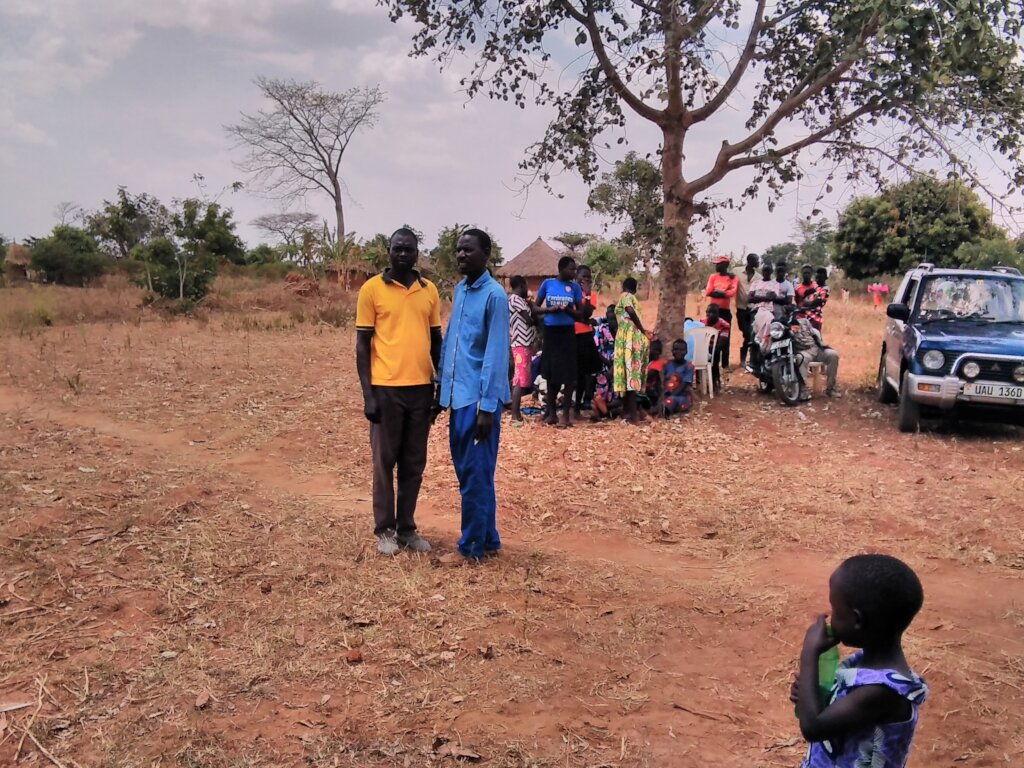
![Institute instructor's, Joseph and Martin]()
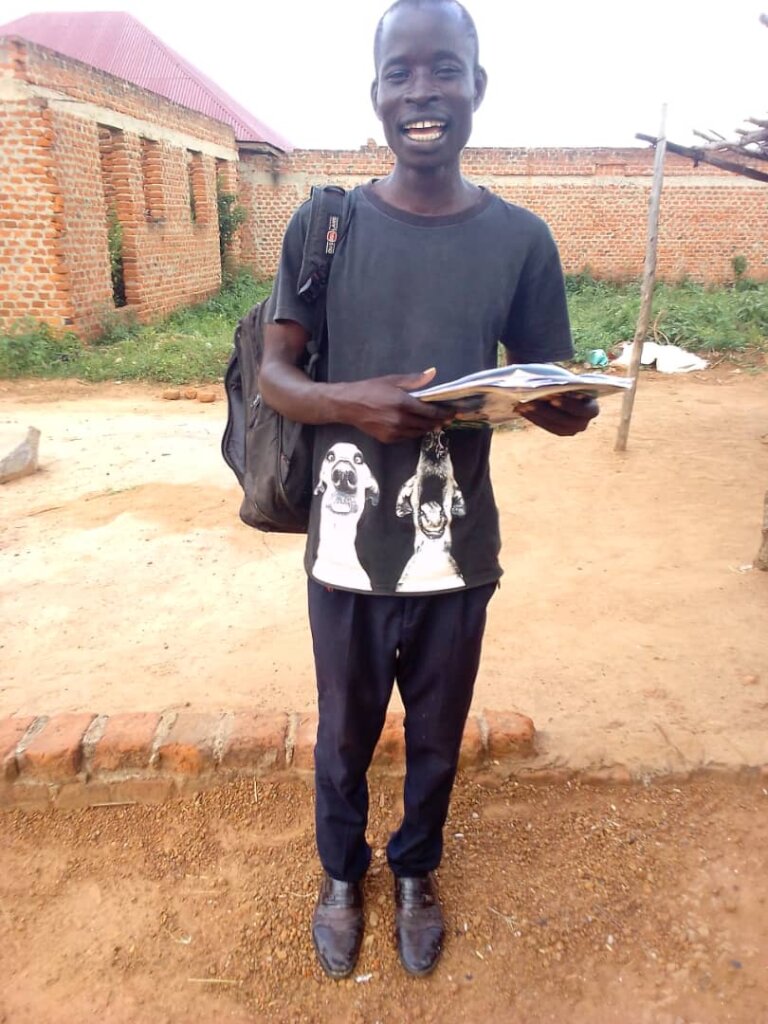
Institute instructor's, Joseph and Martin
Introduction!
Early school leavers miss out on the wider potential benefits of education- including sense of self-worth
Empowering Youth Through Skills Development
In Pallisa District, a narrative of resilience and innovation unfolds, fueled by the transformative power of education and skills development
Skills development initiative brings positive changes in Uganda
A high school drop-out, jane who lives on the slums of Kisenyi survived years of joblessness. She lived in a small house with her four children and her mother.
“I was jobless and stranded,” she says.
That all changed in 2018 when jane heard about a training opportunity at SHARE, a skills training academy located near her home. She enrolled the same year and trained for six months in tailoring design and weaving, a program falling under the US$10 a month-funded by global Giving Skills Development Project. She excelled at it and was retained by the program to teach others.. With her salary, Jane now lives in her own house, pays school fees for her children, and takes care of herself.
WHAT WE DO
Our priorities: access to primary education, better healthcare system and skills development for school dropout Youth.
CURRENT PROJECTS
These are the skills we are currently training on.
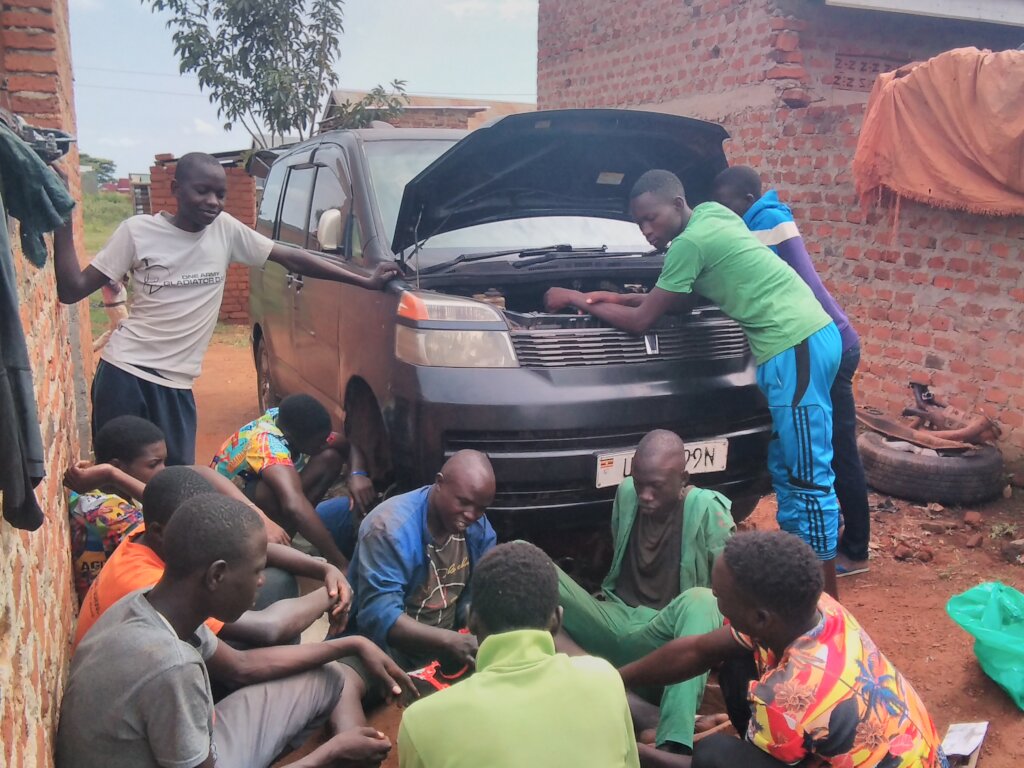
Tailoring, (garment cutting and designs), carpentry, hairdressing, plumbing, and, driving course etc.
EDUCATION
Uganda, like many sub-Saharan African countries, faces major challenges in providing quality and accessible basic education to children and adolescents. Poor education affects health awareness and respect for the rights of children, women and people with disability.
Only 10% of the children between 3 and 5 years of age are enrolled in pre-primary education. This means that out of 100 children, 90 are not involved in any educational program.
Many children do not complete their schooling: only 1 in 4 children who start primary school make it to secondary school. Less than half (40 percent) of students are literate at the end of primary school. Children with disabilities are largely excluded from formal schooling because of shortages of special needs teachers and facilities.
Secondary education is still inaccessible to most adolescents: early marriage, teenage pregnancy, abuse at schools and school fees keep many teens, especially girls, out of secondary schools.
24 % of Ugandan children have experienced sexual abuse in schools.
Benefits of sponsor for school dropout Youth!
Stories such as Jane are heart-warming. This is exactly why SHARE NGO is committed to investing in workforce skills development as part of its objective under the country’s Third National Development Plan to accelerate the acquisition of urgently needed skills in key growth areas, and to create a skilled, inclusive, and ethical labor force.
We see enormous opportunities in harnessing the powers of youth and women to achieve real and sustainable economic transformation for Uganda. Today there are nearly 10.5 million Ugandans between 15 and 29 years of age, with this number expected to grow to 13 million by 2030. However, many young people are engaged in activities that are low-skill, low-earning, low-productivity, and low-value-added. This is particularly so in agriculture, where 72% of the youth are employed in "traditional" agriculture. So, we need to provide youth and women with skills to move higher up the value chain in agriculture, as well as to enter other sectors of the economy.
Strategic skills development policies and interventions will play a key role in this transformation. Importantly, skills programs need to give trainees a flexible skill set, one that includes cross-cutting elements, such as communication and problem-solving skills, and how to use personal initiative and digital know-how. This approach ensures that workers have skills suited to today's economic realities—the skills to enable economic transformation—and the skills needed to adapt to fast-changing labor market demands.
Building blocks first
Improving the quality of basic education is an essential building block for skills development, skills upgrading, and, ultimately, for productive employment. But most youth in Uganda are not completing their basic education. Uganda has universal enrollment in primary (elementary) education but one of the lowest primary cycle survival rates. This is linked to high dropout rates, particularly between Primary 5 and Primary 7, which has led to low transition rates overall between primary and secondary education.
This undermines the benefits of skills training later in life. Foundational skills such as functional literacy and numeracy, and some may include digital literacy in our world now, collectively serve as a critical base for further skills' development.
The SHARE NGO Skills Development Project is expanding opportunities for the development of skills that are market-driven and enterprise-driven, including for the informal sector.
So far more than 182 youth (47% of whom are female) have benefitted from industry- and enterprise-based training for the formal and informal sectors. The impact study for this intervention shows the good transition of over 60% of graduates to employment and promises the potential to scale-up similar training programs, particularly those that target vulnerable youth, women, and micro- and small enterprises for upskilling and retooling workers in key economic sectors.
The project has also supported the development of new standards in the training curricula of trades and occupations aligned with these priority sectors, such as construction, plumbing, catering, tailoring, training of driver's, and Mechanic's. These ensure that the skills provided are aligned with what the labor market demands.
To really bring about sustainable change, though, we need to invest in skills development at scale, for impact. Employers across formal and informal sectors in Uganda say the lack of practical, digital, and entrepreneurial skills, as well as a lack of soft skills—such as managerial, communication, and socio-emotional—are limiting improvements in productivity. Uganda also needs to position its workforce for the emergence of green economies and digital economies, which are opening up new opportunities for the development of skills to them. And, most importantly, improving Uganda’s human capital, particularly for women like Jane, who completed her primary though not her secondary (high) school education, is crucial to achieving a more inclusive growth that accelerates poverty reduction.
School Dropout Youth - Uganda!
Uganda the average primary school dropout rate is 45% but this rate is much higher amongst girls. This can be due to to a lack of basic needs like good nutrition, clothing and child labour, or cultural reasons such as domestic chores, child marriages and teenage pregnancies. Even if they do attend, it may not always be an attractive place to be with a lack of role models, career guidance, educational materials and gender inequality.
There are also common cultural attachments to address given that parents and communities see girls as only a source of a dowry and less important than boys.
Charles SHARE NGO Director, has been a direct witness of school dropout rates. He sat primary leaving examination with 50 students, and went to high school with just ten. Now as a non profit leader, he wanted to implement a strategy that would not only attract kids to school and keep them there but shift the mindset for the entire community; showing them that girls can do what boys can do and be equally as important within the community if given the right education.
Since 2018 Charles formalized a skills for selfreliance program to help solve these educational challenges and longstanding inequalities.
Uganda has a high rate of school dropouts, according to research done in 2019. Busoga sub-region (where the study district of Jinja and Kamuli are found) has a school dropout rate of 91% at primary school level, and this calls for high attention.
To attain sustainable livelihoods, we have focused on finding solutions to the problems of vulnerable communities by creating human-centered, participatory, and dynamic development opportunities. It embraces a person’s capabilities, assets, income and activities required to secure the necessities of life.
Through this program, school dropouts and young mothers are exposed to non-formal education opportunities.
In Teso 7,597 Youths aged between 18-30 are neither working nor in school and 18,699 of Persons aged 18 years and above are illiterate.
Our goal is to establishing a vocational skills training center that will equip the youth with skills that will enable them create income generating activities hence reducing the high rate of unemployment and ultimately alleviate poverty.
We call upon you to support this noble cause through financial donation or by donating tools or machines to our link below. https://goto.gg/56199
Our partnership with GlobalGiving organizations is aimed to promote skill development, help in facilitating skill development workshops that equip the youth and women with customized training according to their areas of interest and God given purpose.
Support for single mothers! Small loans of 50 dollar,as a start up.
This programme empowers women through community-based savings groups that help members save money, develop financial literacy and invest in income-generating activities. These women’s programs also promote self-esteem boosting and community action that position women as confident decision-makers and leaders in their homes and communities.
Conclusion!
School dropout rates in Uganda are high, with about 45% of primary school children and 30% of secondary school children dropping out before completing their education
There are a number of factors that contribute to school dropout rates in Uganda, including:
Poverty: Poverty is a major factor in school dropout rates. Many families cannot afford to send their children to school, and children are often needed to work to help support the family.
Child labour: Child labour is also a major factor in school dropout rates. Many children are forced to work in order to support themselves and their families, and they do not have the time or resources to attend school.
Early marriage: Early marriage is another factor that contributes to school dropout rates. Girls who marry early are often forced to drop out of school in order to care for their families.
Gender discrimination: Gender discrimination is also a factor in school dropout rates. Girls are often discriminated against in the education system, and they are less likely to be enrolled in school or to complete their education.
Poor quality of education: The quality of education in Uganda is often poor. Schools are often overcrowded and under-resourced, and teachers are not always qualified. This can make it difficult for students to learn and can lead to school dropout rates.
The government of Uganda has taken some steps to address school dropout rates.
These steps include.
Free primary education: The government of Uganda has made primary education free for all children. This has helped to increase enrollment rates, but it has not had a significant impact on dropout rates.
Conditional cash transfers: The government of Uganda has introduced a program of conditional cash transfers. Under this program, families receive cash payments if their children attend school regularly. This program has been shown to be effective in reducing school dropout rates.
Teacher training: The government of Uganda is also investing in teacher training. This is being done to improve the quality of education and to make it more likely that students will stay in school.
Despite these efforts, school dropout rates in Uganda remain high. There is still much work to be done to address the root causes of school dropout rates and to ensure that all children have access to quality education.
Here are some current statistics on school dropout rates in Uganda:
Primary school: 45% of primary school children drop out before completing their education.
Secondary school: 30% of secondary school children drop out before completing their education.
Girls: Girls are more likely to drop out of school than boys.
Rural areas: Children in rural areas are more likely to drop out of school than children in urban areas.
School dropout rates have a number of negative consequences for individuals and for society as a whole.
These consequences include:.
Reduced economic opportunities: School dropouts are less likely to be able to get a job and earn a living. This can lead to poverty and social exclusion.
Increased crime rates: School dropouts are more likely to be involved in crime. This can lead to a breakdown in law and order.
Health problems: School dropouts are more likely to have health problems. This is because they are less likely to have access to healthcare and are more likely to engage in risky behaviors.
By addressing the root causes of school dropout rates, we can help to improve the lives of individuals and of society as a whole.
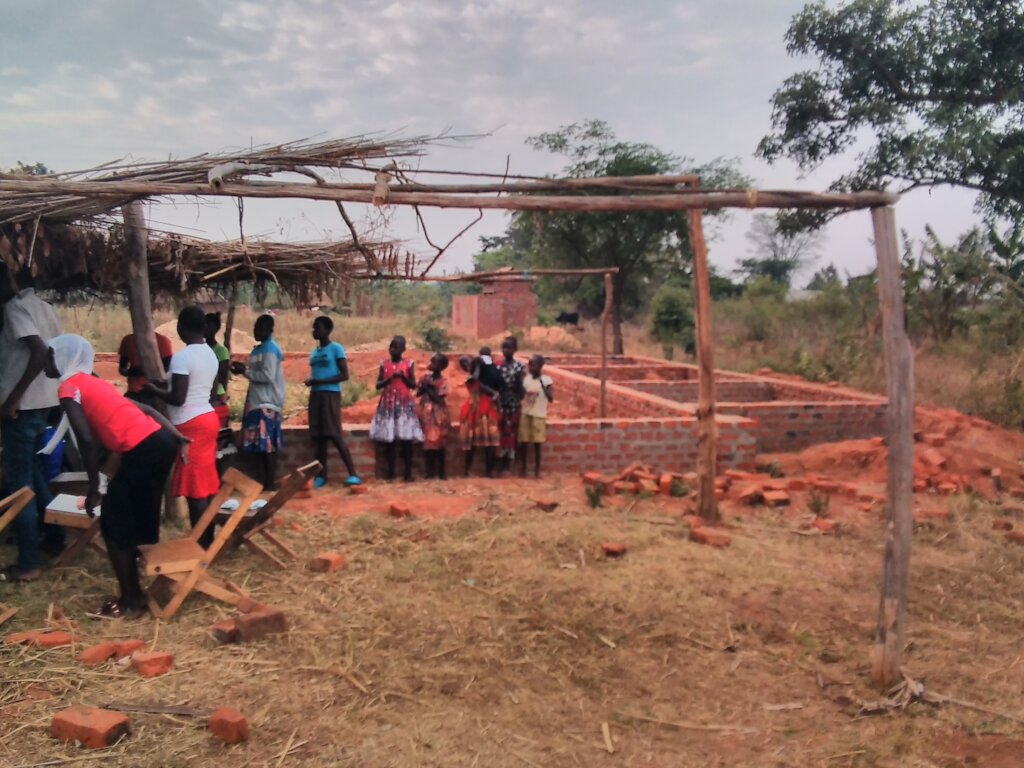
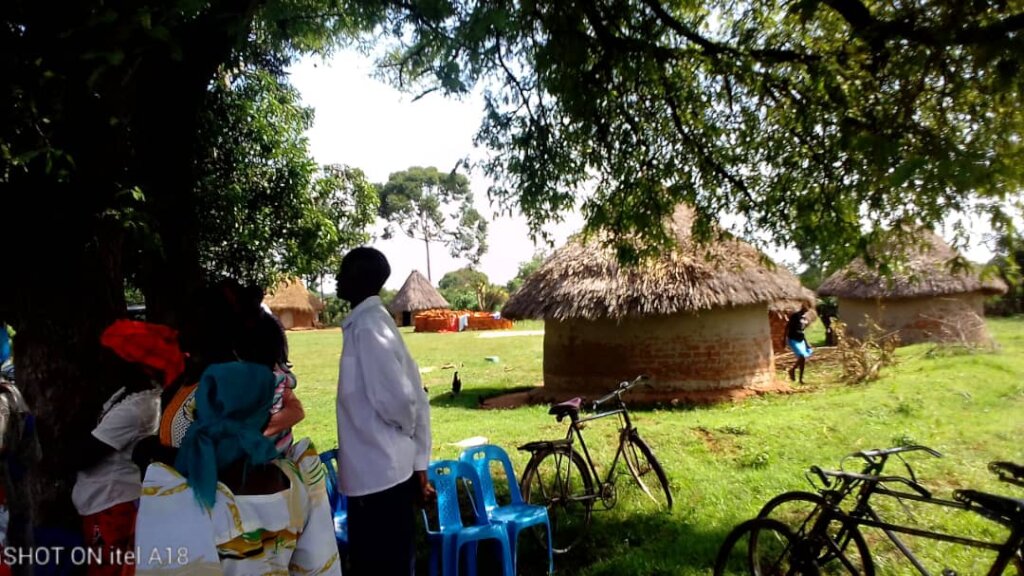
![Skill training cente needs construction assistance]()
Skill training cente needs construction assistance
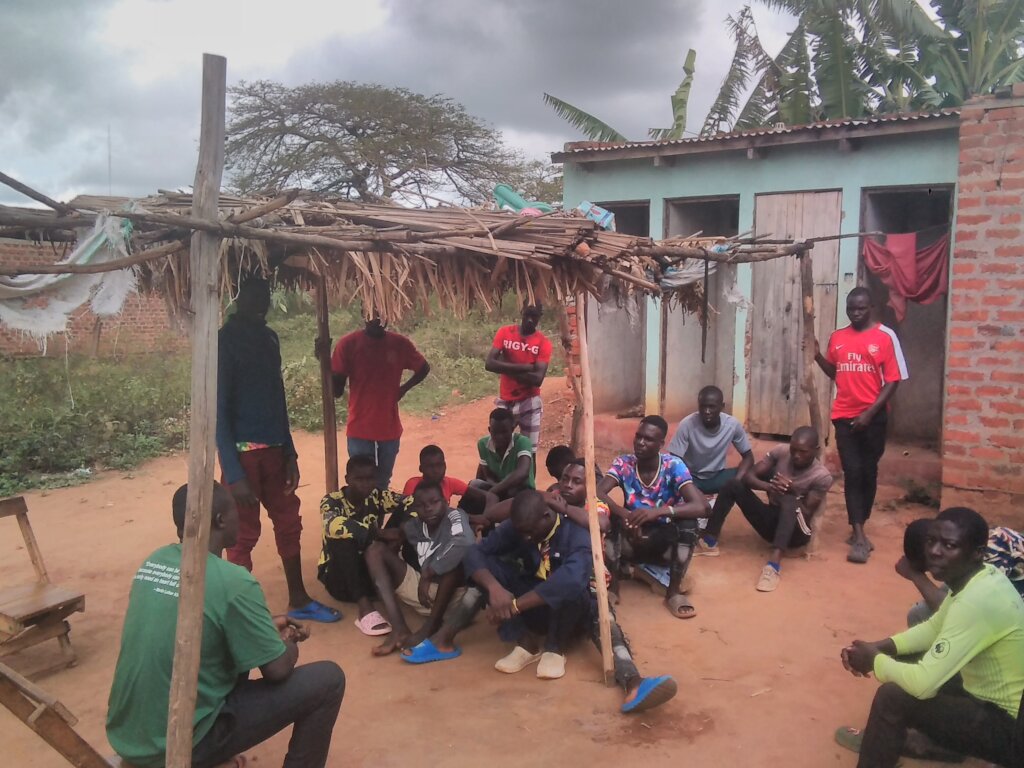
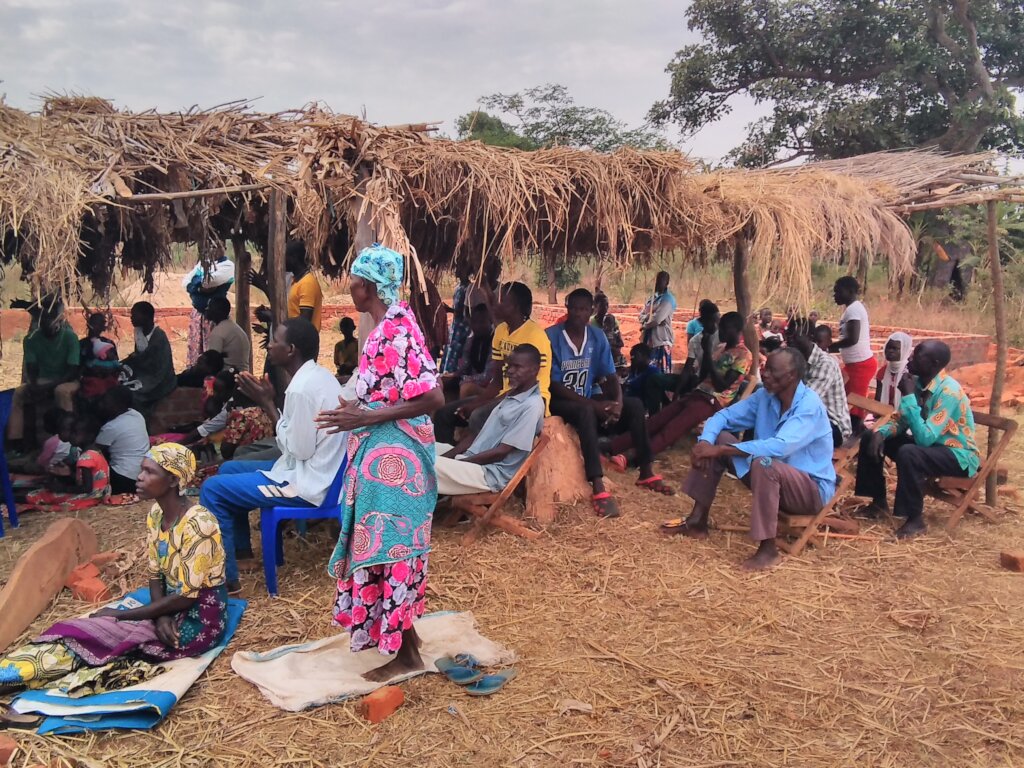
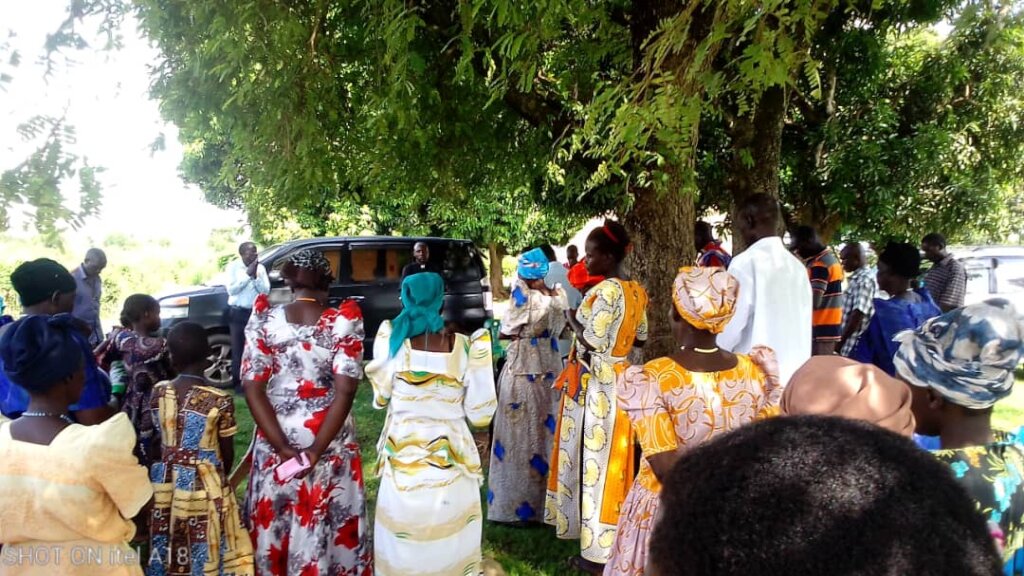
![Community meeting on how to complete construction]()
Community meeting on how to complete construction
![Share on Twitter]()
![Share on Facebook]()