By Ranna Khalil | Researcher
Dear friends,
As Israel's genocide in Gaza, settler and military violence in the West Bank, and the forced displacement of Palestinians continue, Israel has taken further steps to restrict the work of international humanitarian organizations (IHOs) serving Palestinian communities in the occupied Palestinian territory (OPT). These measures threaten the delivery of lifesaving assistance at a time of unprecedented humanitarian need. The Israeli Supreme Court (SCT) has now reinforced these restrictions, further undermining the ability of humanitarian organizations to operate and protect Palestinian rights.
On 19 May 2026, the SCT upheld new government regulations requiring IHOs operating in the OPT to re-register in Israel under highly restrictive conditions. The petition, brought by the Association of International Development Agencies (AIDA) and 18 other groups that provide life-saving assistance in the OPT, challenged an Israeli Government Decision and the pursuant procedure enacted in March 2025 regarding the requirement for IHOs working primarily with Palestinians in Gaza and the West Bank, including East Jerusalem to re-register in Israel. The regulations require organizations to disclose extensive personal information about Palestinian and international staff members and introduce vague political criteria that can be used to deny or revoke registration, including alleged "delegitimization" of Israel or support for international accountability efforts.
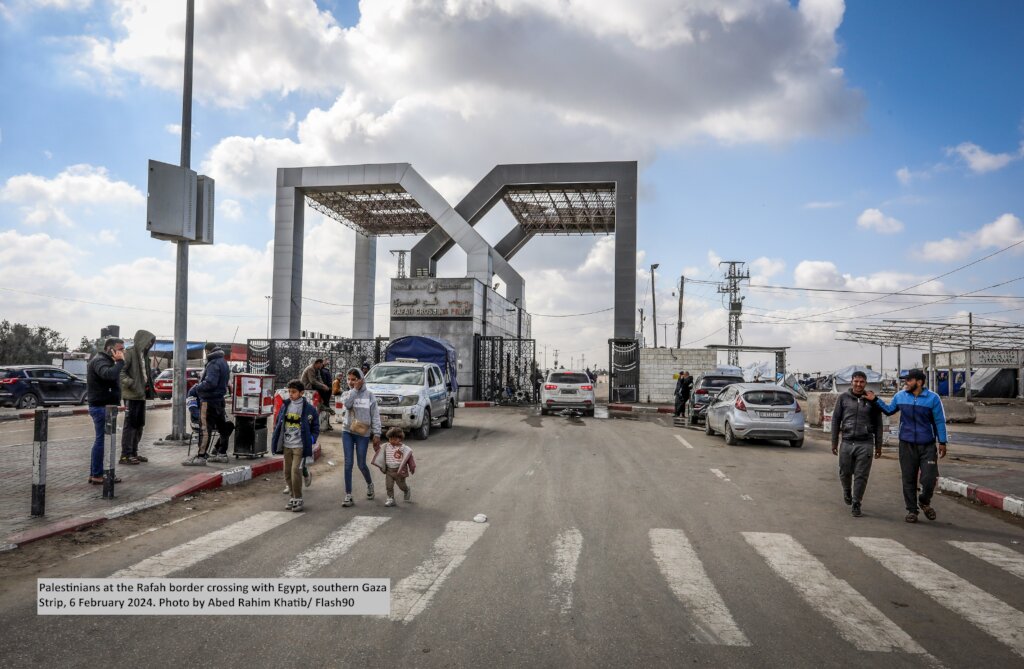
The decision has severe humanitarian consequences. Organizations that fail to comply risk losing their legal authorization to operate, including access to visas and border crossings that are essential for delivering humanitarian assistance. As a result of these regulations, 37 humanitarian organizations are not re-registered, placing lifesaving assistance to Palestinians in Gaza and the West Bank at even greater risk.
In response, Adalah and 10 leading Palestinian NGOs in Israel published a joint public statement in May 2026 opposing the SCT's ruling and calling on the international community to take immediate action. The statement stressed that the decision further undermines humanitarian operations at a time when Palestinian civilians continue to endure catastrophic humanitarian conditions, repeated military attacks, widespread displacement, and severe shortages of basic necessities.
The groups highlighted the grave risks created by the requirement to disclose detailed information about humanitarian workers, particularly given the dangers faced by aid workers in Gaza, who have repeatedly been killed, attacked, subjected to surveillance and intimidation, and faced severe movement restrictions. The organizations warned that these measures threaten the independence, neutrality, and safety of humanitarian operations while further shrinking civic space and intensifying restrictions on organizations advocating for Palestinian rights.
The statement further emphasized that the Court failed to meaningfully consider Israel's obligations under international humanitarian law, including its duty to facilitate humanitarian relief for the civilian population in Gaza. It also failed to acknowledge that the humanitarian catastrophe has been driven in large part by Israel's own actions and the extensive restrictions imposed by its authorities.
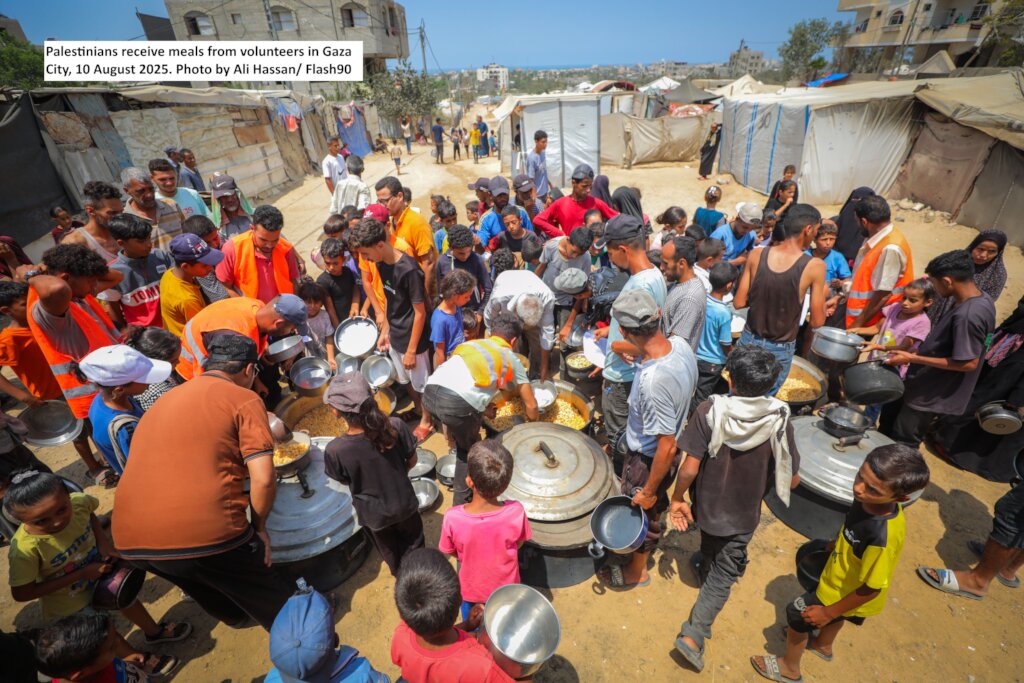
The organizations concluded that the ruling forms part of a broader pattern of measures aimed at shrinking civil society space, silencing criticism of Israeli policies, and criminalizing advocacy for accountability and Palestinian rights. The decision comes as civilians in Gaza continue to face catastrophic humanitarian conditions despite the declared ceasefire, with ongoing military assaults, mass destruction, forced displacement, and widespread deprivation of food, water, medical care, and other basic necessities.
The statement called on the international community to take urgent action to ensure the continued operation of humanitarian organizations, protect humanitarian workers, and guarantee the delivery of humanitarian assistance to Palestinian civilians in Gaza and the West Bank.
Through this coordinated advocacy effort, Adalah is amplifying the voices of civil society and drawing international attention to policies that restrict humanitarian relief and undermine the protection of civilians. We remain committed to working alongside local and international partners to challenge measures that obstruct humanitarian assistance and to advocate for the protection of Palestinian civilians and the organizations that serve them.
Thank you for your continued support.
The Adalah Team
By Ranna Khalil | Researcher
By Ranna Khalil | Researcher
Project reports on GlobalGiving are posted directly to globalgiving.org by Project Leaders as they are completed, generally every 3-4 months. To protect the integrity of these documents, GlobalGiving does not alter them; therefore you may find some language or formatting issues.
If you donate to this project or have donated to this project, you can receive an email when this project posts a report. You can also subscribe for reports without donating.



Support this important cause by creating a personalized fundraising page.
Start a Fundraiser