By Elizabeth Johnson Sellers | U.S. Director of Development & Communications
Thailand has been hosting refugees for many years.
Since the 1980s, it has become one of the main host countries for Burmese refugees fleeing persecution in their country. Even today, more than 100,000 people survive there in precarious conditions.
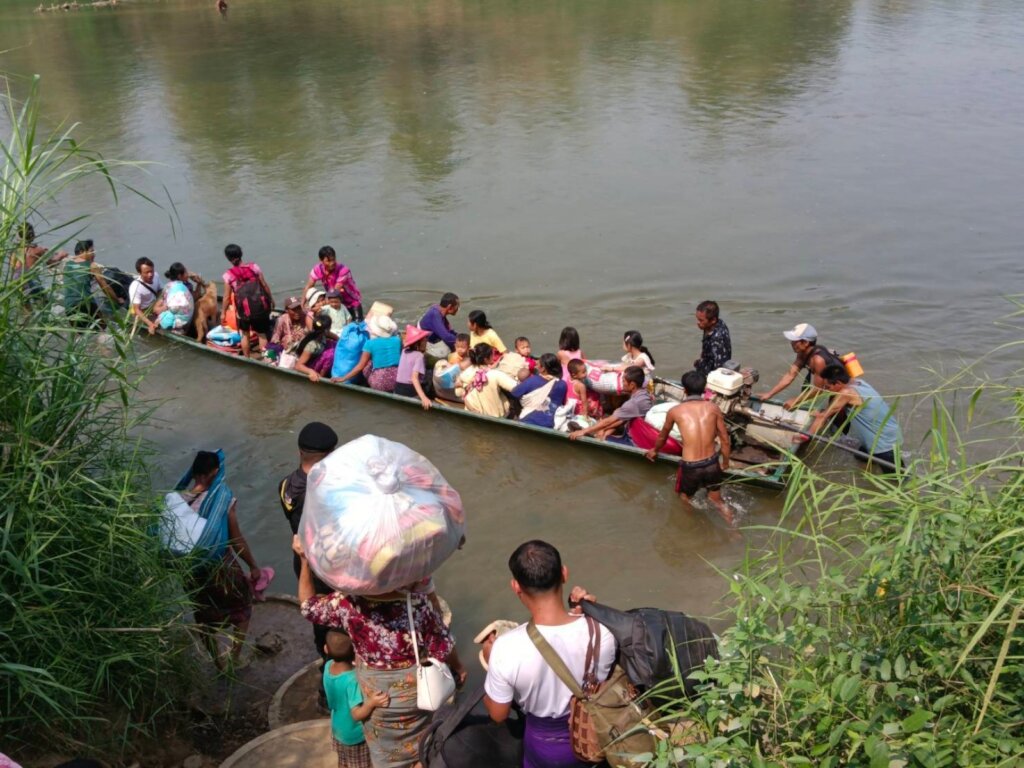
Myanmar, formerly Burma, has been plagued by internal conflicts for decades. With the 2021 military coup, violence has intensified, forcing tens of thousands of civilians to flee to neighboring Thailand.
Nine so-called “temporary” camps host over 100,000 Burmese refugees. Others continue to flee the fighting and take shelter in “temporary displacement areas.”
“The people we assist live in makeshift shelters. Access to healthcare, water, or safety is a daily challenge. Some have been refugees for over 40 years. Others have just arrived.” — Angelina Robinson, Humanity & Inclusion’s country manager in Thailand
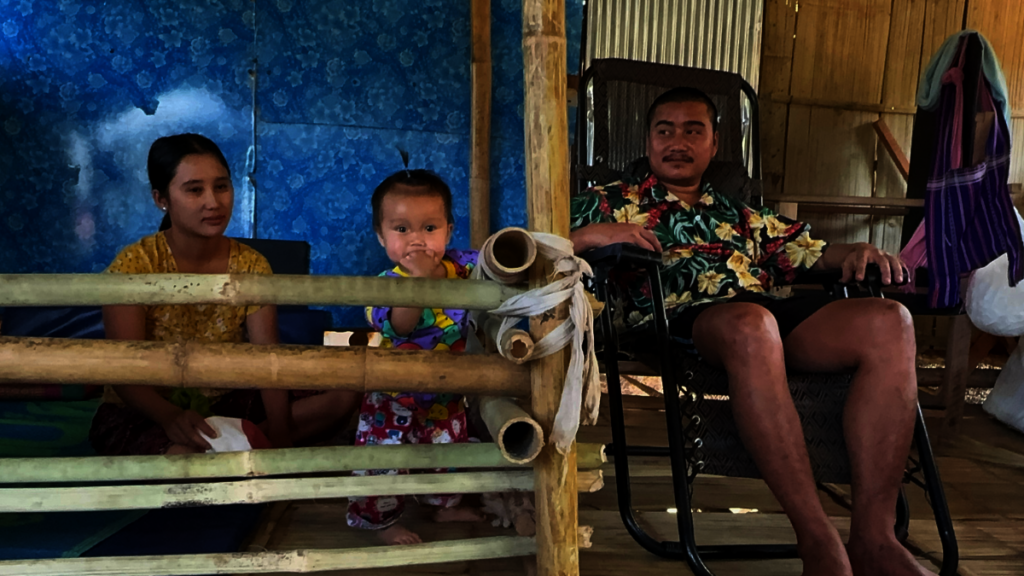
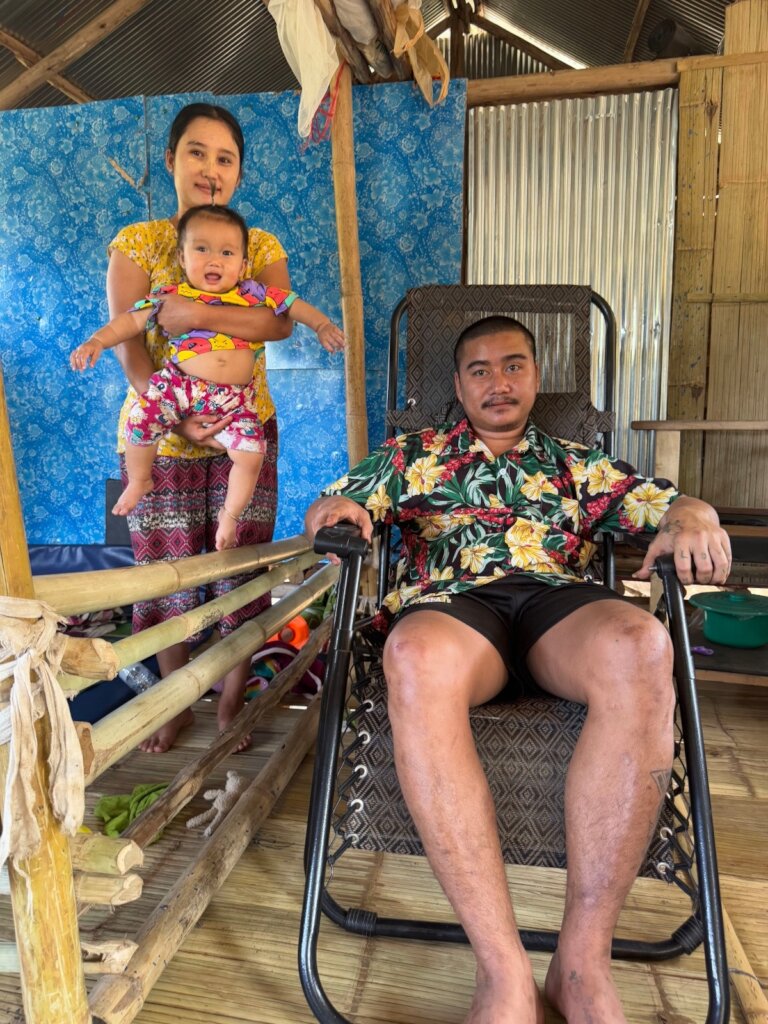
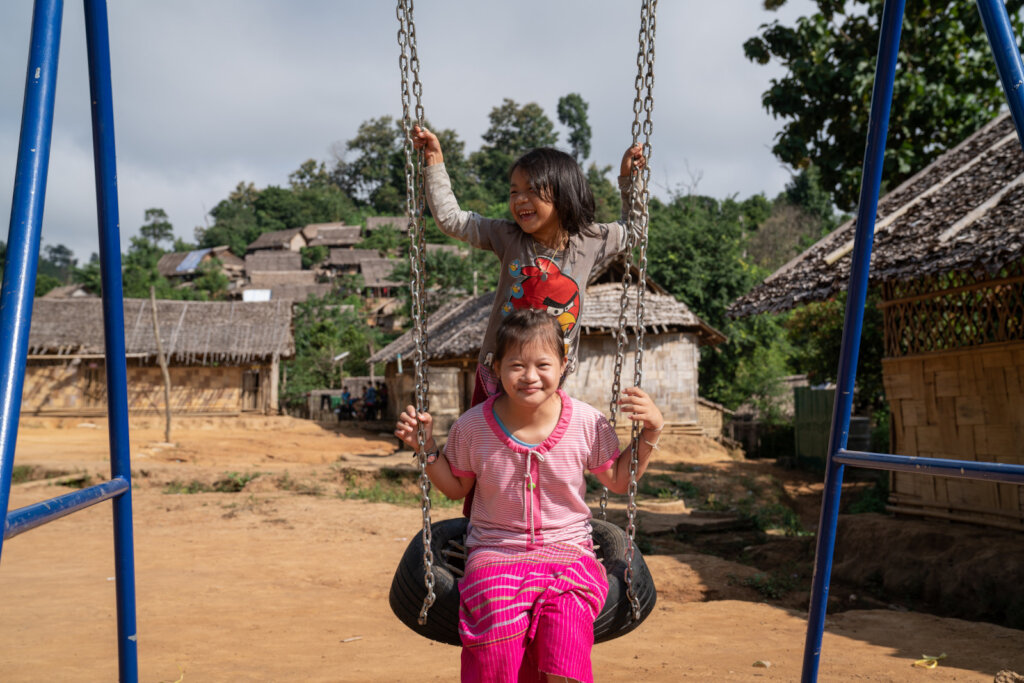
Living at the border is a daily struggle. Refugees live in makeshift bamboo shelters. They face exposure to extreme heat and flooding with limited access to drinking water and food.
The situation is especially difficult for unaccompanied children, people with disabilities and individuals living with chronic illnesses or injuries.
“I live with paraplegia. I’m ashamed that my baby and I both wear diapers. Sometimes I think about suicide.” — K’Paw, Burmese refugee, 35 years old
Contamination by explosive devices, particularly landmines, further worsens the situation. Myanmar is currently the most heavily affected country in the world by these weapons. Civilians fall victim to them every week – some encounters can be deadly, while others can cause amputation or other permanent disabilities.
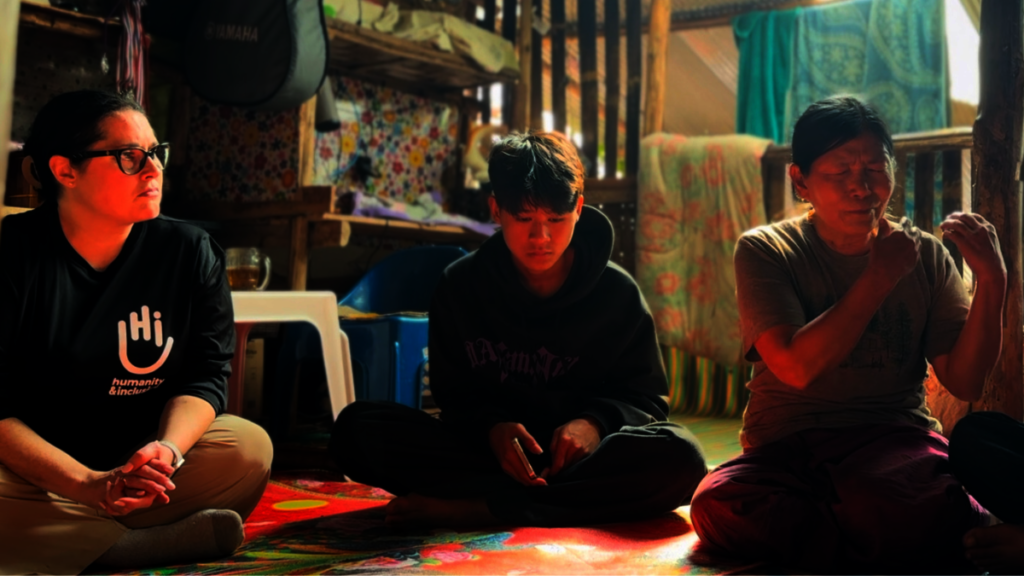
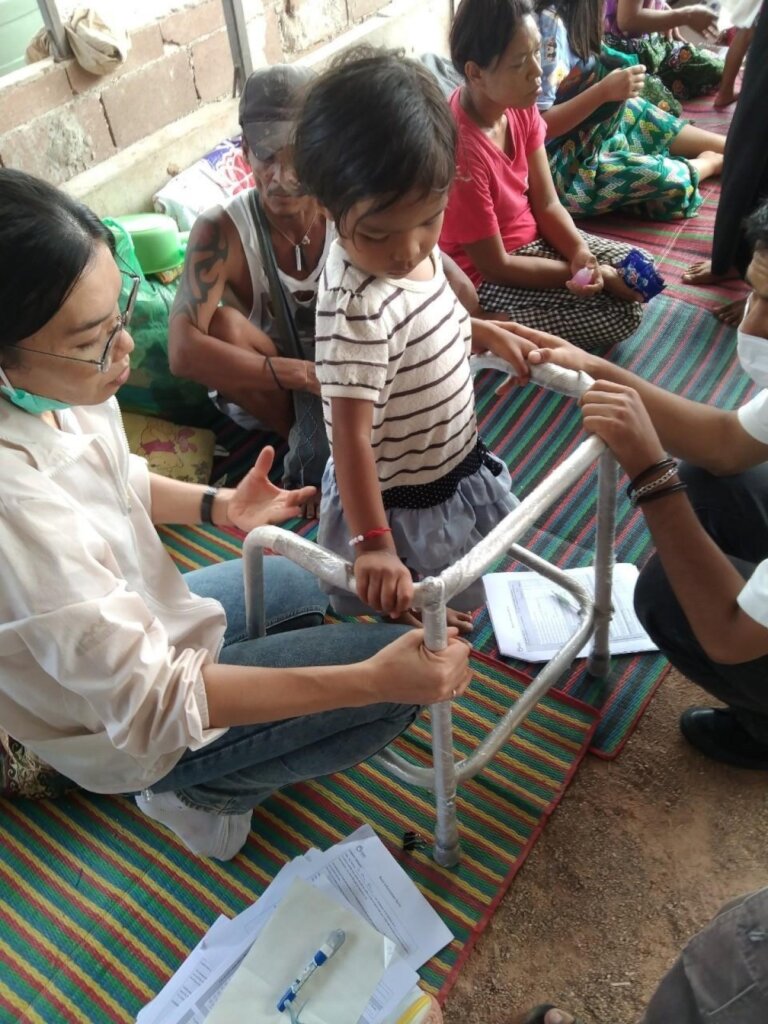
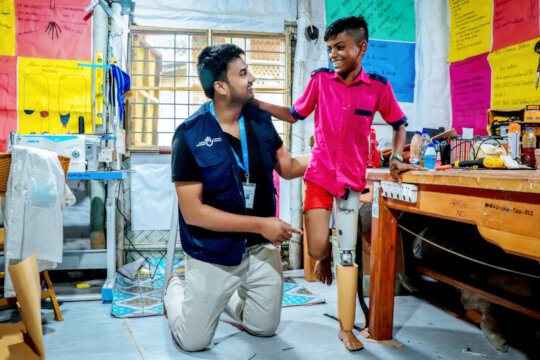
Humanity & Inclusion operates in all nine camps and in temporary displacement areas. Our teams provide:
HI’s local teams also train refugees in the camps to ensure the continuity of care and prevention. HI works with local authorities and NGOs on the ground, including in hard-to-reach areas.
Links:
Project reports on GlobalGiving are posted directly to globalgiving.org by Project Leaders as they are completed, generally every 3-4 months. To protect the integrity of these documents, GlobalGiving does not alter them; therefore you may find some language or formatting issues.
If you donate to this project or have donated to this project, you can receive an email when this project posts a report. You can also subscribe for reports without donating.