By Alexa Telano | Development Associate
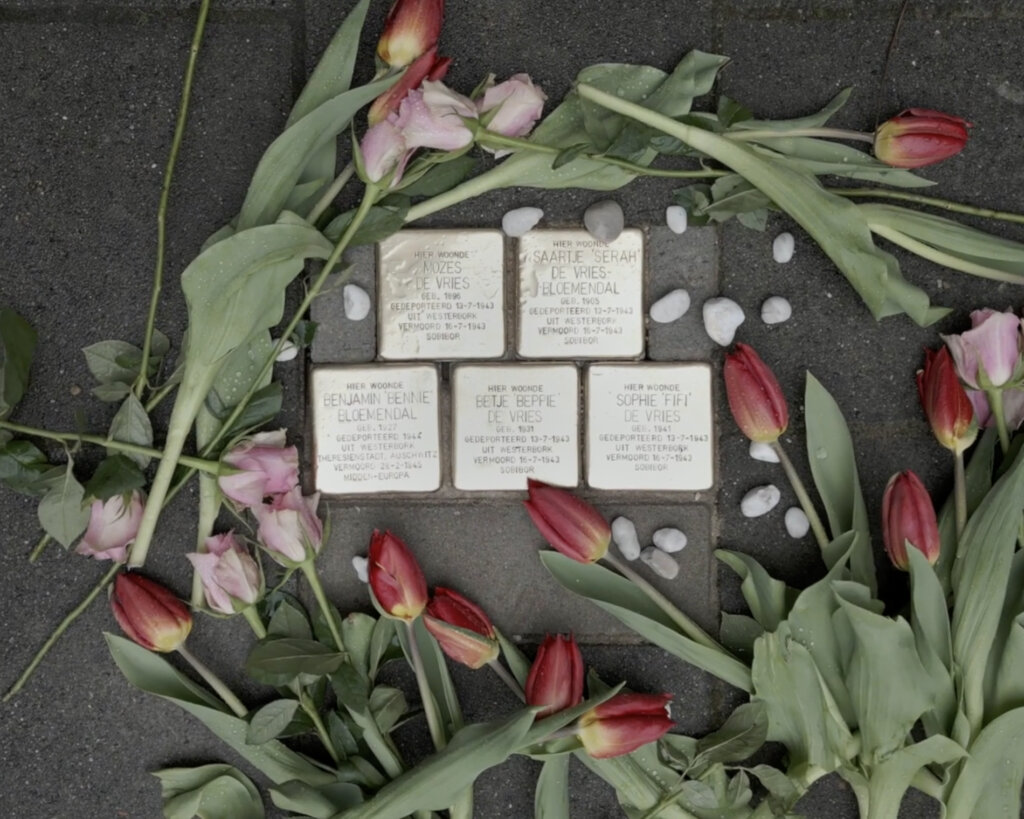
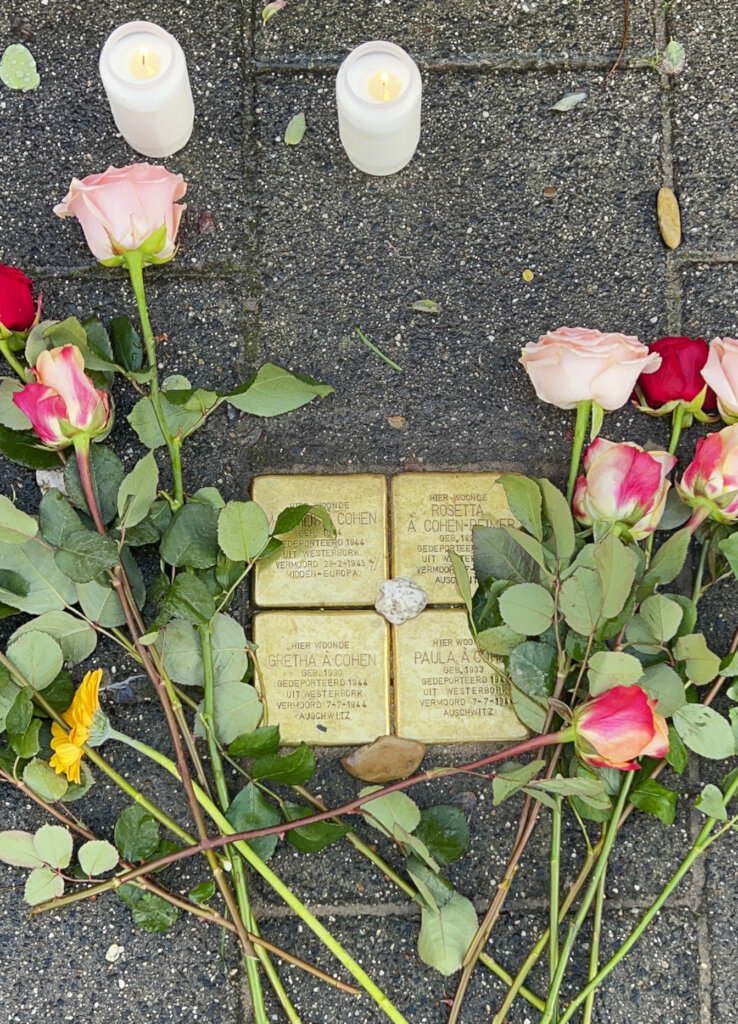
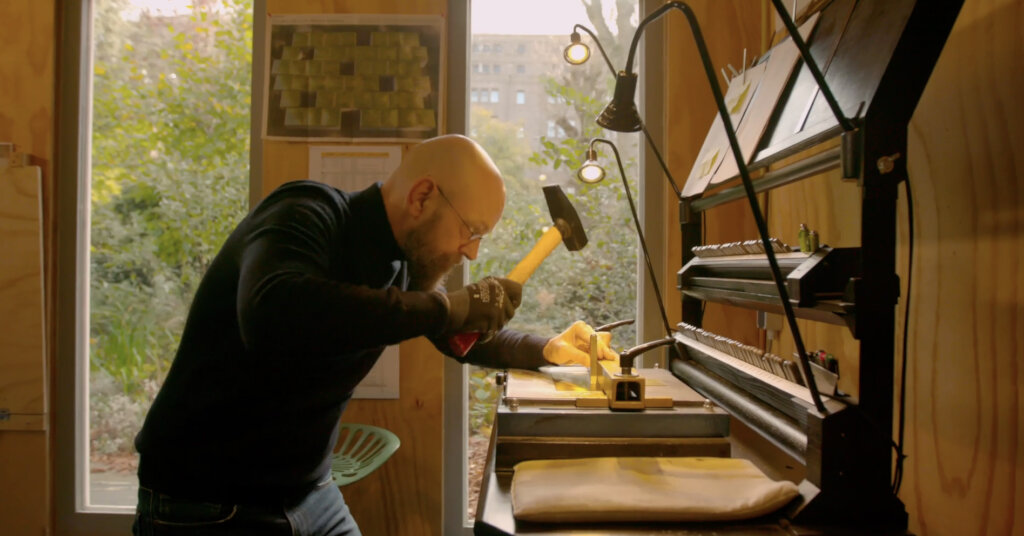
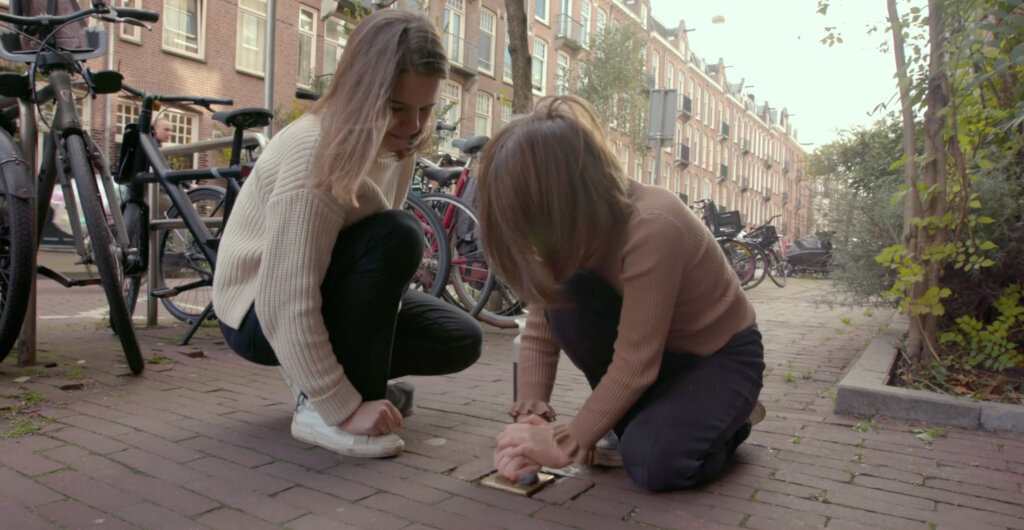
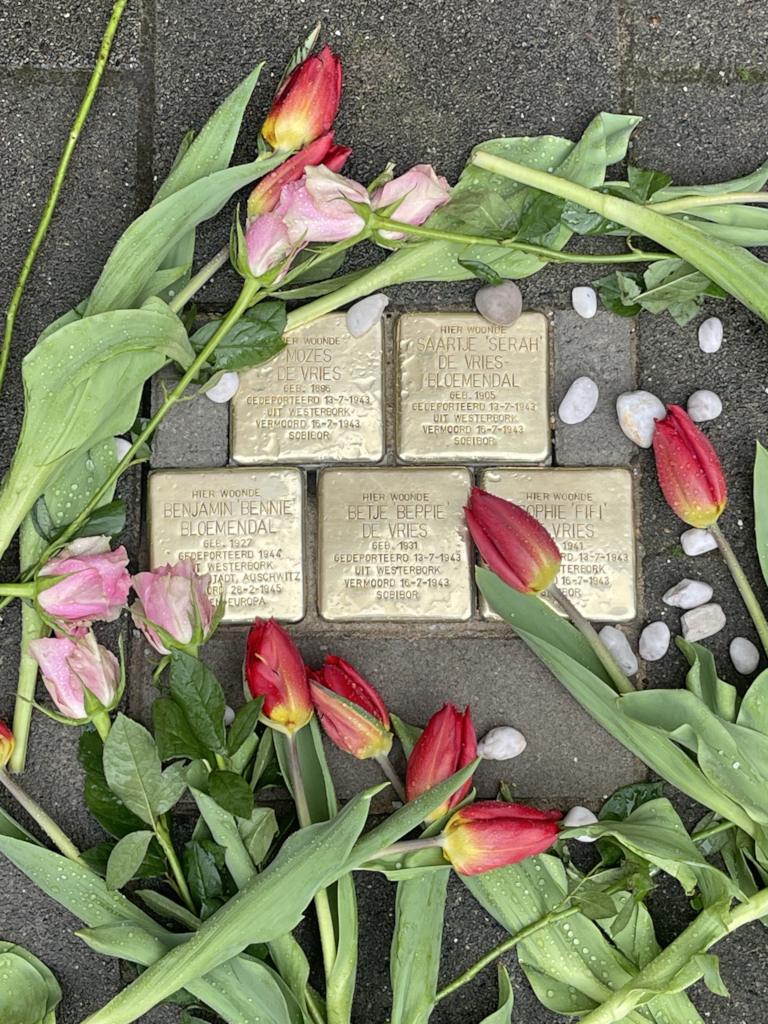
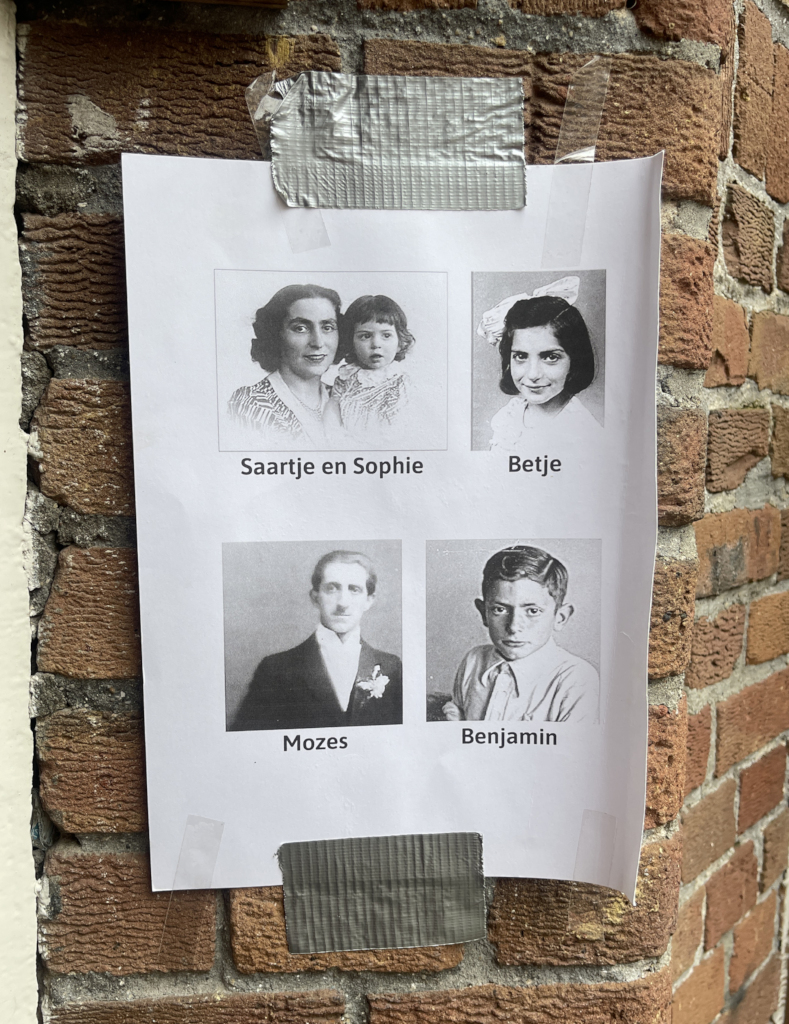
Gunter Demnig, the conceptual artist, initially envisioned the Stolpersteine project (meaning "stumbling stones") to commemorate Roma, Sinti, and disabled victims of National Socialism in his home country of Germany. Little did he know that his project would become the world's largest decentralized memorial. The Netherlands, with the second-highest percentage of Jews murdered by the Nazis after Poland, has seen significant demand for Stolpersteine since Demnig laid the first ones there in 2007. The demand for these commemorative stones is more significant in the Netherlands than elsewhere.
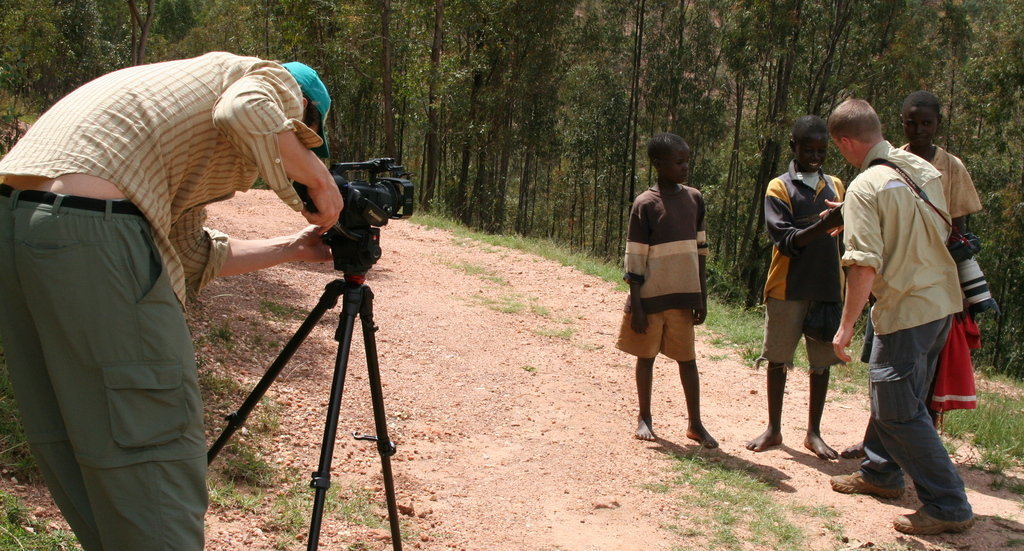
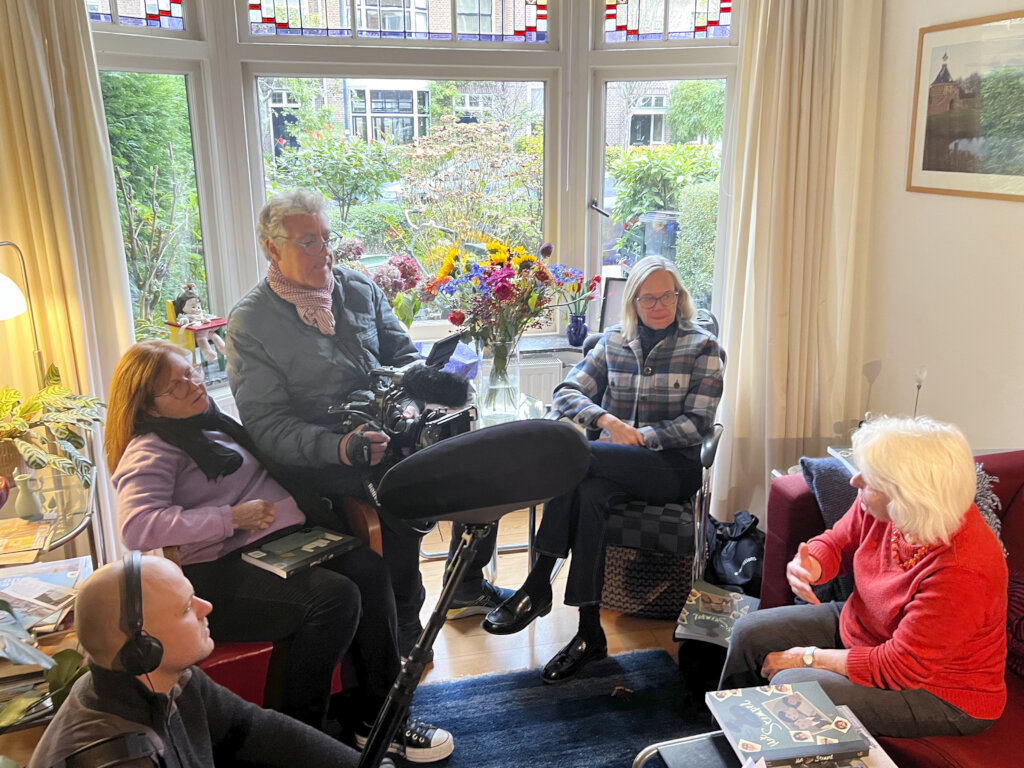
Our upcoming feature documentary, HERE LIVED, primarily focuses on the Dutch Stolpersteine project. However, we recently traveled to Nuremberg, Germany, to witness Gunter Demnig laying the 100,000th Stolpersteine on May 26th. This event was a perfect conclusion to HERE LIVED, and we were honored to film it.
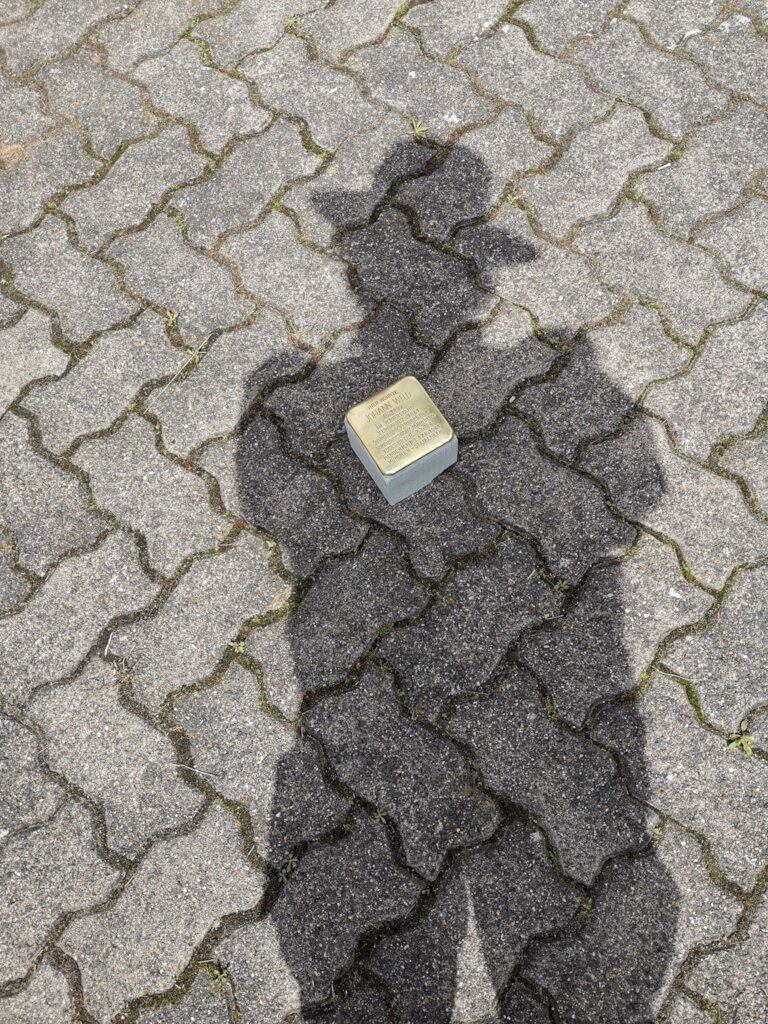
Although 100,000 may appear significant, it pales compared to the actual number of lives lost - 12 million - due to the Nazi regime during WWII. Gunter Demnig created Stolpersteine to commemorate each individual by their name, life, and contributions rather than reducing them to mere statistics. Among the nine stones placed that day in honor of Nazi victims, Johann Wild's is the 100,000th.
Johann Wild was born on May 24, 1892, in Nuremberg. He received training as a mechanic and worked for the fire department in Nürnberger after the First World War. He resided with his wife Emma and daughter Elvira at Bartholomäusstrasse 29a, where the commemorative stone is placed. Until 1933, he was affiliated with the SPD, the Reichsbanner, and the Iron Front. During World War II, he listened to foreign radio stations and was politically motivated to send several letters to das Reich Ministry of Propaganda in 1939 and 1940 under a pseudonym. In these letters, he criticized Hitler and the Nazi state and exposed their crimes. However, the police discovered documents that proved his authorship of these letters, leading to his sentencing to death by the Nuremberg Special Court on March 7, 1941. He was arrested on May 17, 1941, and executed by guillotine in Munich-Stadelheim prison.
Capturing the placement of the 100,000th Stolpersteine is a crucial reminder that each stone represents a lost human life. Now more than ever, it's critically important to record and remember these crimes against humanity. Filming and editing our now complete, and we are excited to premiere HERE LIVED soon. To stay updated on HERE LIVED, please visit our website, sign up for our newsletter, and connect with us on social media @herelivedfilm.
By Alexa Telano | Development Associate
By Alexa Telano | Development Associate
Project reports on GlobalGiving are posted directly to globalgiving.org by Project Leaders as they are completed, generally every 3-4 months. To protect the integrity of these documents, GlobalGiving does not alter them; therefore you may find some language or formatting issues.
If you donate to this project or have donated to this project, you can receive an email when this project posts a report. You can also subscribe for reports without donating.



Support this important cause by creating a personalized fundraising page.
Start a Fundraiser