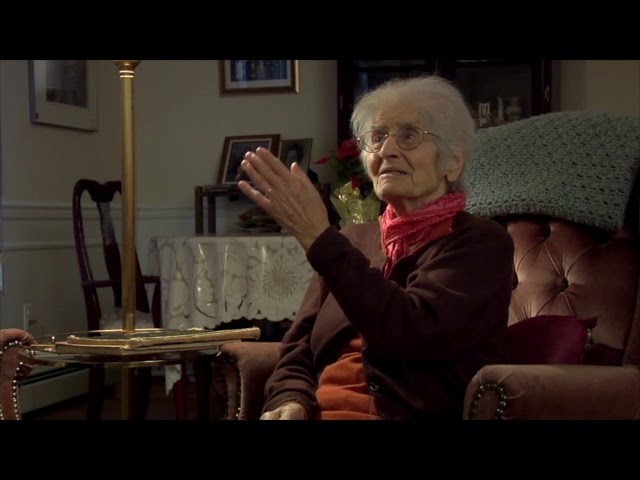
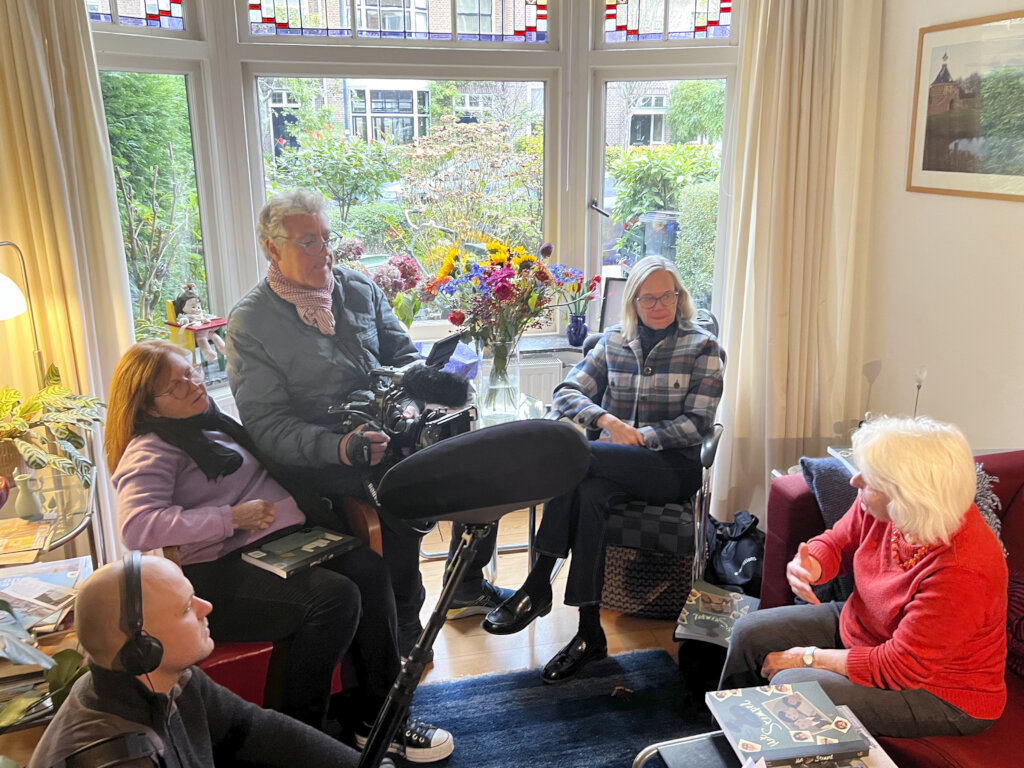
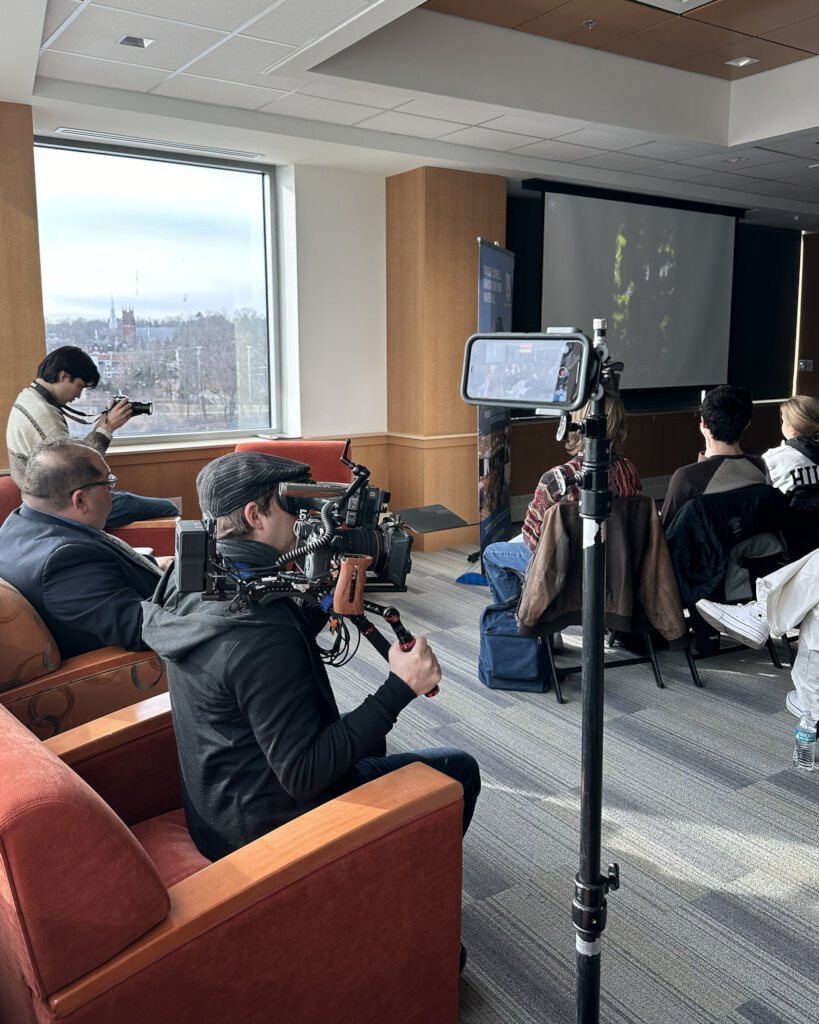
![Students of the Osher Lifelong Learning Institute]()
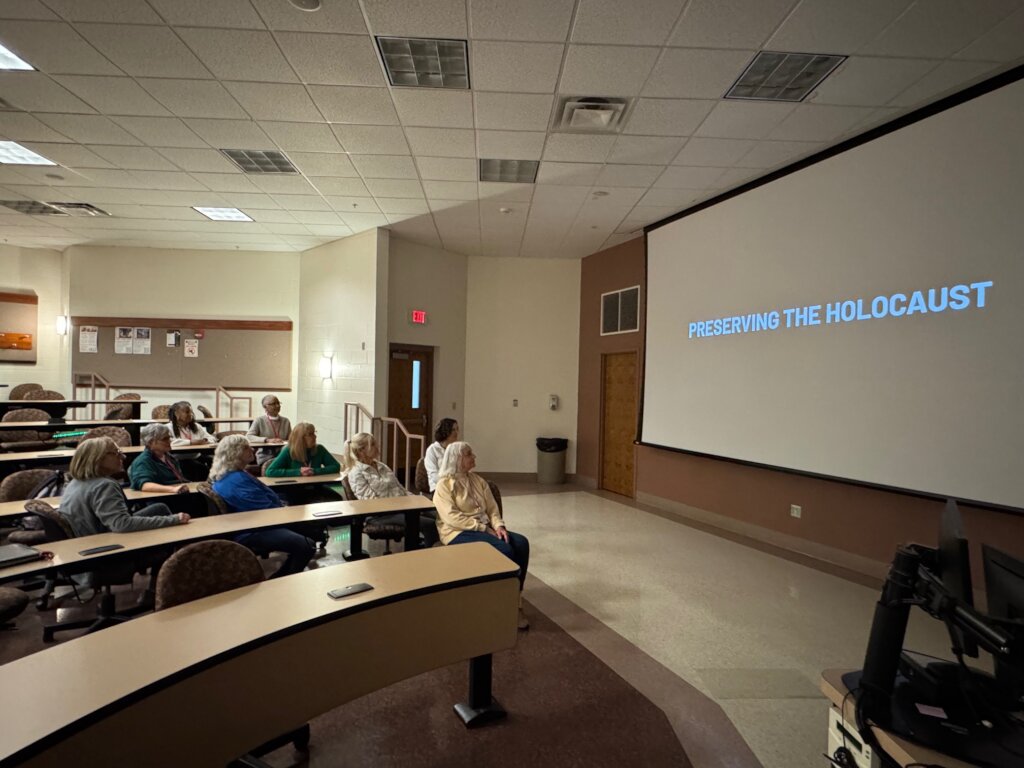
Students of the Osher Lifelong Learning Institute
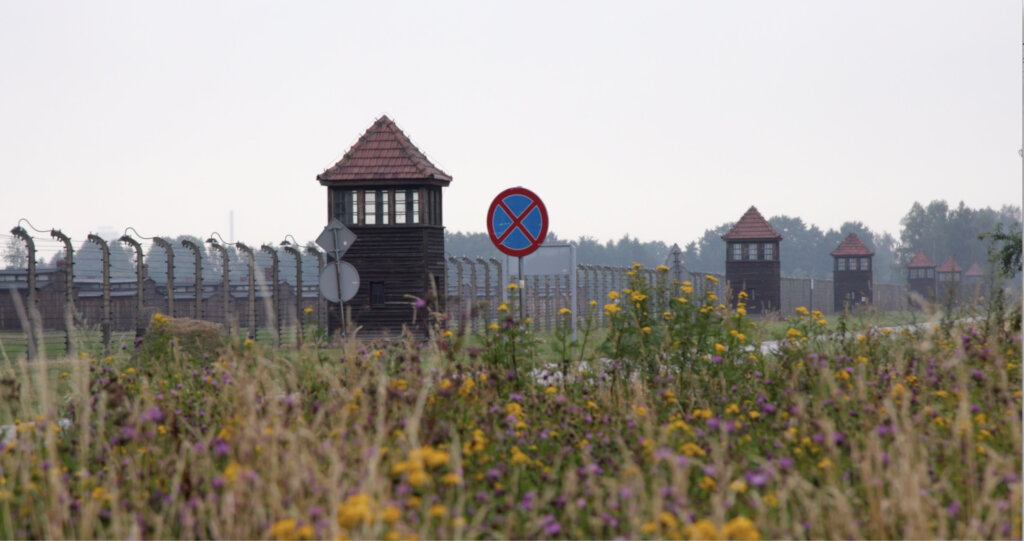
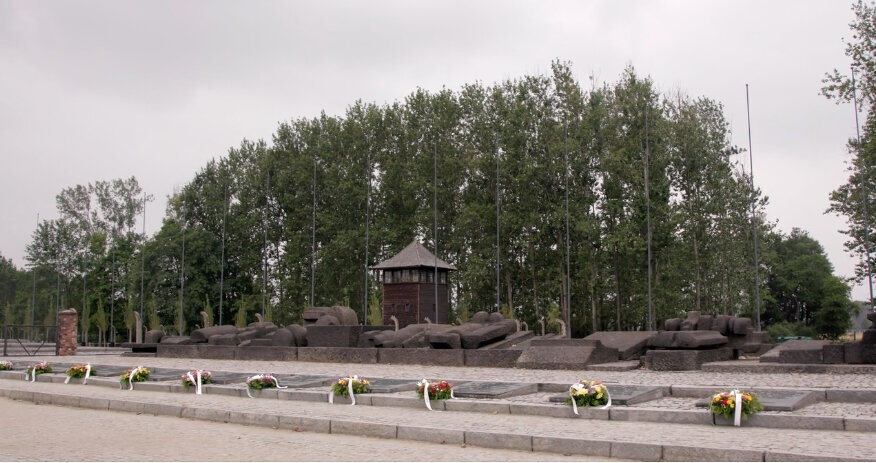
At 3 Generations, we document human rights abuses and truths to create historical evidence. As we mark Yom HaShoah, Holocaust Remembrance Day, we remember the lives and futures that were lost at the hands of the Nazis. Our short documentary, Preserving the Holocaust (2021), showcases the dedication of a group of young Polish conservators who safeguard the artifacts and structures of the Auschwitz-Birkenau concentration camp, ensuring that the lives and stories of those lost continue to speak to us. By centering those who carry memory forward, this short film reflects our belief that preservation is not only about the past, but about shaping a different future.
Recently, 3 Generations collaborated with Professor Anne Flick, a Cincinnati-based Holocaust educator. As part of this partnership, Preserving the Holocaust was viewed in an 8-week course at the Osher Lifelong Learning Institute, a volunteer-driven program for adult learners aged 50 and older. The course focused on the Auschwitz exhibition currently on display at the Cincinnati Museum Center, featuring more than 500 artifacts from the Auschwitz Museum. As Flick observed, Preserving the Holocaust brings learners “safely in” to connect deeply with each artifact and “safely out”, knowing that these histories are maintained for generations to come. Additionally, adult learner and cohort member, Susan Carini, highlighted the meticulous care the conservators bring to their work and articulated how profoundly human remembrance is.
We invite you to watch the film here and learn about the ongoing efforts to preserve history for ourselves and future generations.
--------------------------------------------------------------------------------------
Anne Flick, Volunteer Professor at the Osher Lifelong Learning Institute
Holocaust history is hard. But essential. The greatest challenge I face in teaching it is how to make it bearable for students, even the age 50+ adult learners who choose my course at the University of Cincinnati’s Osher Lifelong Learning Institute. Thanks to years of outstanding trainings from Echoes & Reflections, I know the answer: Bring learners“safely in and safely out.” That can be difficult to operationalize, but the film, Preserving the Holocaust, made it easy.
Our most recent coursework centered around a field trip to the acclaimed traveling exhibition Auschwitz. Not long ago. Not far away. making its last North American stop at our Cincinnati Museum Center. This extraordinary exhibition boasts more than 500 artifacts, most of them lent from the Auschwitz-Birkenau State Museum. We set out on a six-week exploration into as many aspects of Auschwitz history as we could fit in. Students became engaged with the artifacts even before setting foot in the exhibition, and each discussion served as a pre-assessment on what learners already knew about the history. While brief, the activity effectively brought students “safely in,” eager to learn the answers to what they wondered.
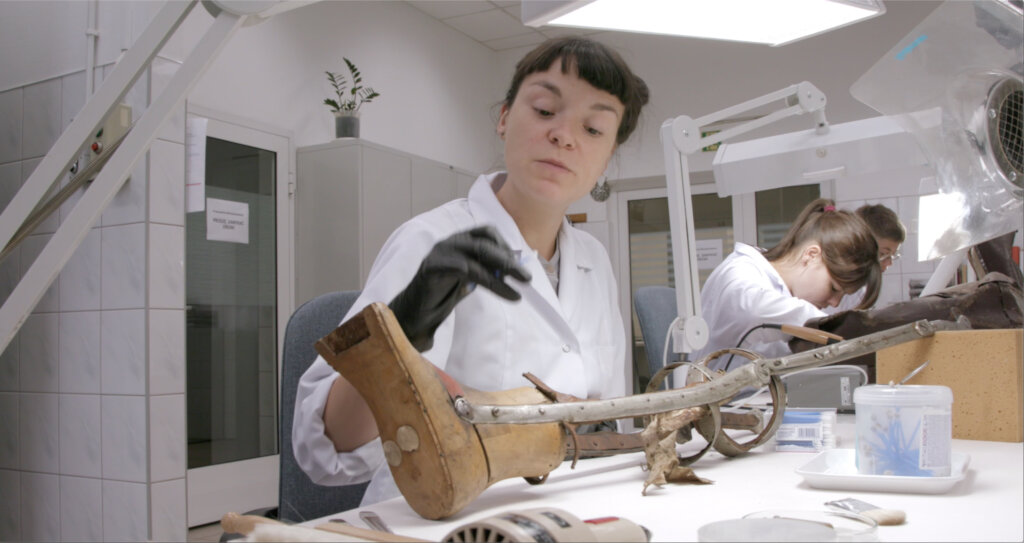
Preserving the Holocaust proved to be the perfect culmination of our focus on artifacts, revealing the effort that goes into conserving the artifacts in the exhibition. We learned that there are 41 preservation specialists protecting suitcases, prostheses, shoes, and myriad other artifacts at the Auschwitz-Birkenau State Museum. The film informed us that 3,800 suitcases survived the Nazis’ fire that raged for five days before the Soviets arrived at Auschwitz. We did the math, and, based on the conservative end of the “two to four weeks” that conservator Margrit Bormann says it takes to preserve a single suitcase, it will take more than 146 years of work to preserve just the suitcases.
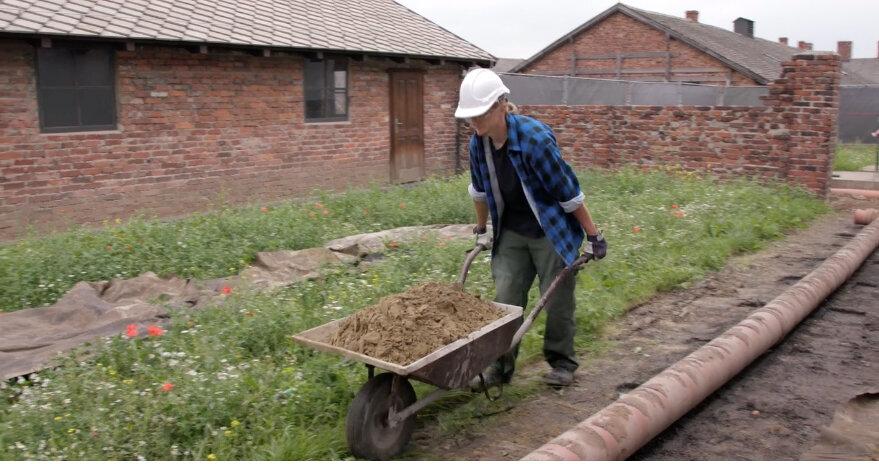
Meanwhile, the structures of Auschwitz and Birkenau pose another conservation challenge. The film features Agnieska Tanistra-Rozanowska, who describes the sole focus on straightening the walls of Birkenau’s brick barracks, which were constructed under poor conditions by Soviet prisoners of war. Agnieska estimates that even this limited conservation work will take 25-30 years.
As an instructor, I saw the full-circle beauty of this film. It brought everyone “safely in” by connecting immediately to the artifacts. The interviews with conservators conveyed the essential truth and value of the artifacts: that each one carries one person’s story. Since the person perished, we cling to their story through their object. But Preserving the Holocaust also brought my students “safely out,” in no small part because the preservation specialists are all markedly younger than the age-50 minimum of the learners in the class. My students will indeed carry the stories of the artifacts they are privileged to see. Preserving the Holocaust leaves them additionally inspired by the young conservators almost 5,000 miles away, making it their life’s work to preserve these precious artifacts not only for the age 50+ generation but for their children, grandchildren, great-grandchildren, and generations beyond. These young people literally and figuratively handle this hard history every single day so that all of humanity will never forget.
--------------------------------------------------------------------------------------
Susan M. Carini, Adult learner and recently retired Marketing Writer, Emory University
The title of the documentary Preserving the Holocaust is itself an important history lesson about the Auschwitz-Birkenau concentration camp.
The Polish parliament established the Auschwitz-Birkenau State Museum in 1947, two years after the camp’s liberation. With that act of preservation, one might ask, “What more can be preserved?” A great deal, as it turns out.
Dedicated young Poles, divided into conservator and archaeological teams, ensure that the camp’s occupants still speak to us through objects they left behind: among them, 3,800 suitcases, 110,000+ shoes, 470 prostheses. Though one conservator says, “I try to cut myself off from the emotional feelings to concentrate on the work at hand,” the work’s painstaking detail bespeaks what cannot be other than loving regard for these battered shoes. Or pairs of glasses. Or letters.
The site is massive, with 155 buildings, four gas chambers and crematoria, and 300 ruins. And preservation is equally ongoing at this level as well, with estimates of the completion time being perhaps 30 years. As the narrator walks through a barrack, she notes: “I like the feeling of peace here. The first aim of every conservator is to keep the historical substance. But the real reason is to keep the remains of the people who were here. Many died building these structures and many suffered, so the influence of the object is very big for us.”
In these ways, many times over, a site of untold suffering becomes one of active remembrance and gratitude—not only for the imprisoned but also for those who brave the sadness of this site every day to create a fuller, more lasting history.
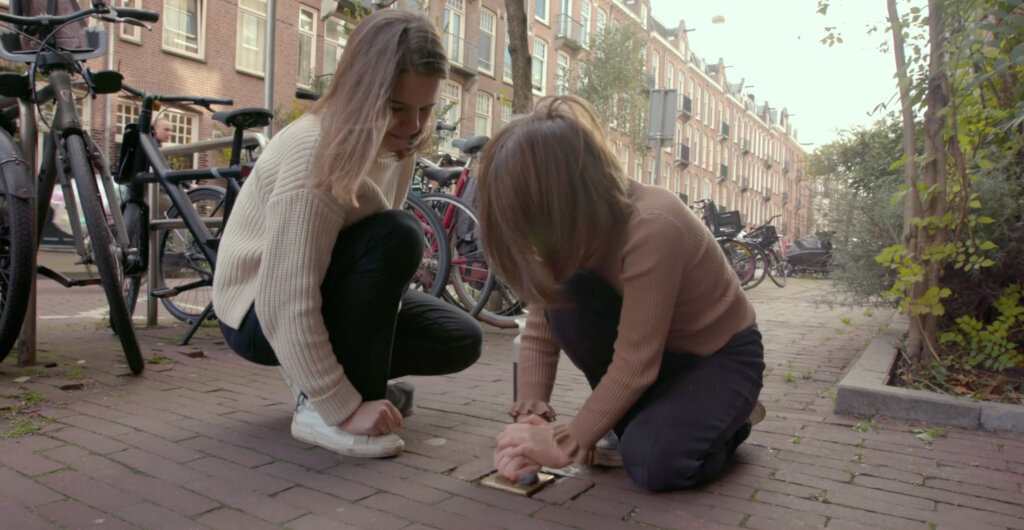
![Still from Preserving The Holocaust(2021)]()
Still from Preserving The Holocaust(2021)
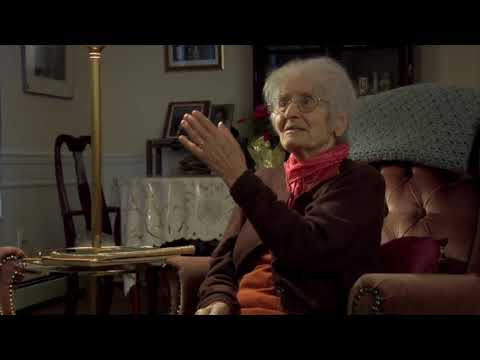
![Still from Preserving The Holocaust(2021)]()
Still from Preserving The Holocaust(2021)
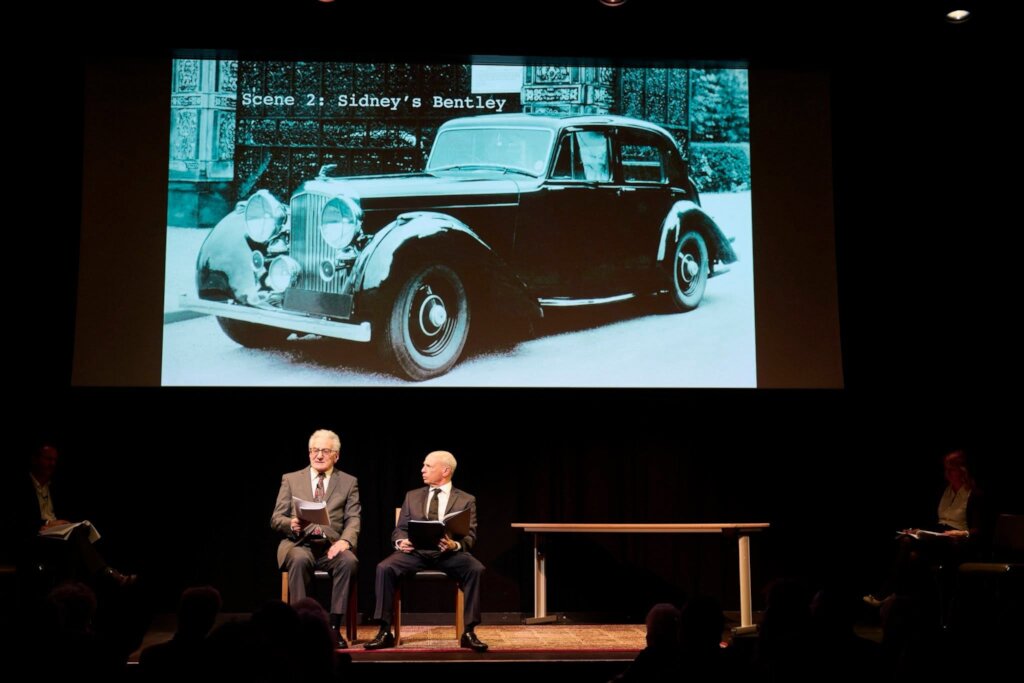
![Still from Preserving The Holocaust(2021)]()
Still from Preserving The Holocaust(2021)
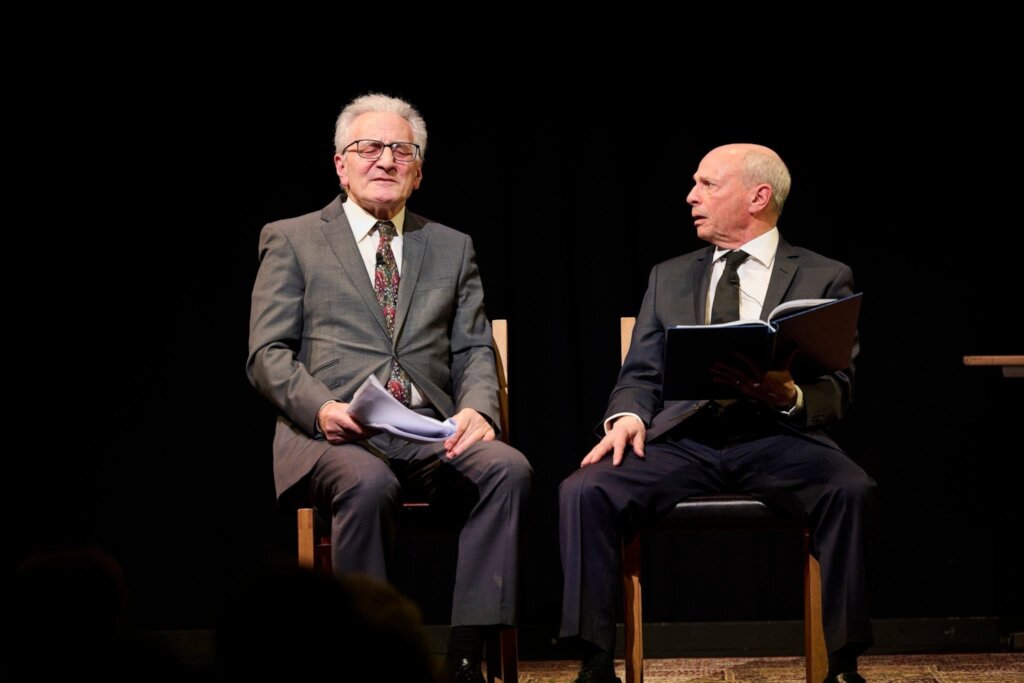
![Still from Preserving The Holocaust(2021)]()
Still from Preserving The Holocaust(2021)
![Share on Twitter]()
![Share on Facebook]()