![]()
Thanks to all our partners who support TFT, we are sharing a story of change from a child in a high-needs area with you.
Who says we cannot have a champion from underprivileged areas? See TFT Alumni LIANG-CHIN’s implementation on robot educaion.
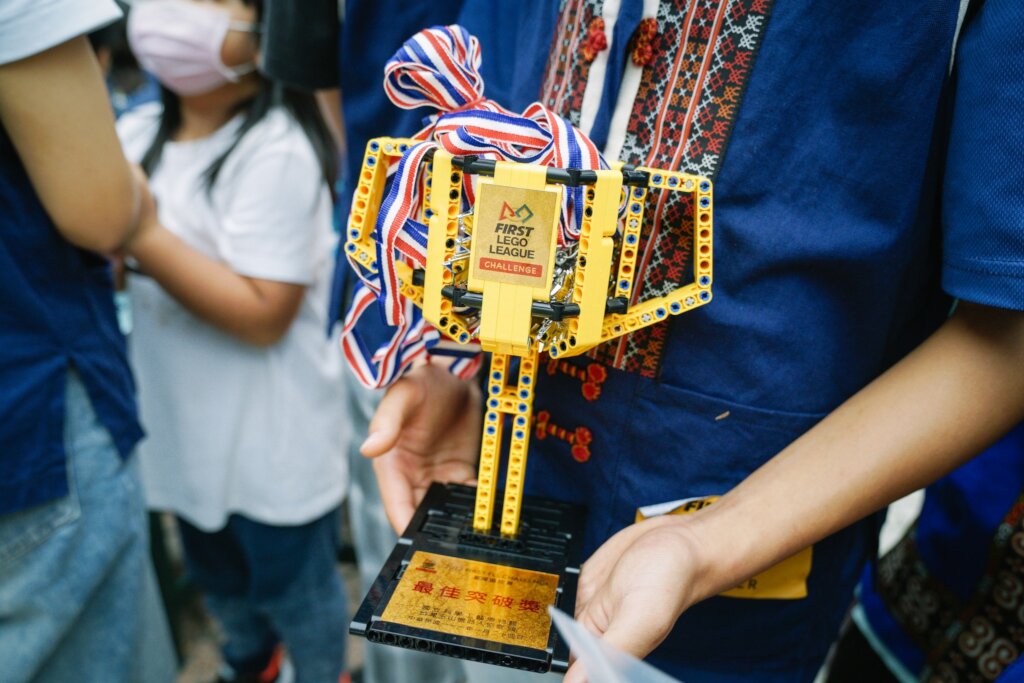
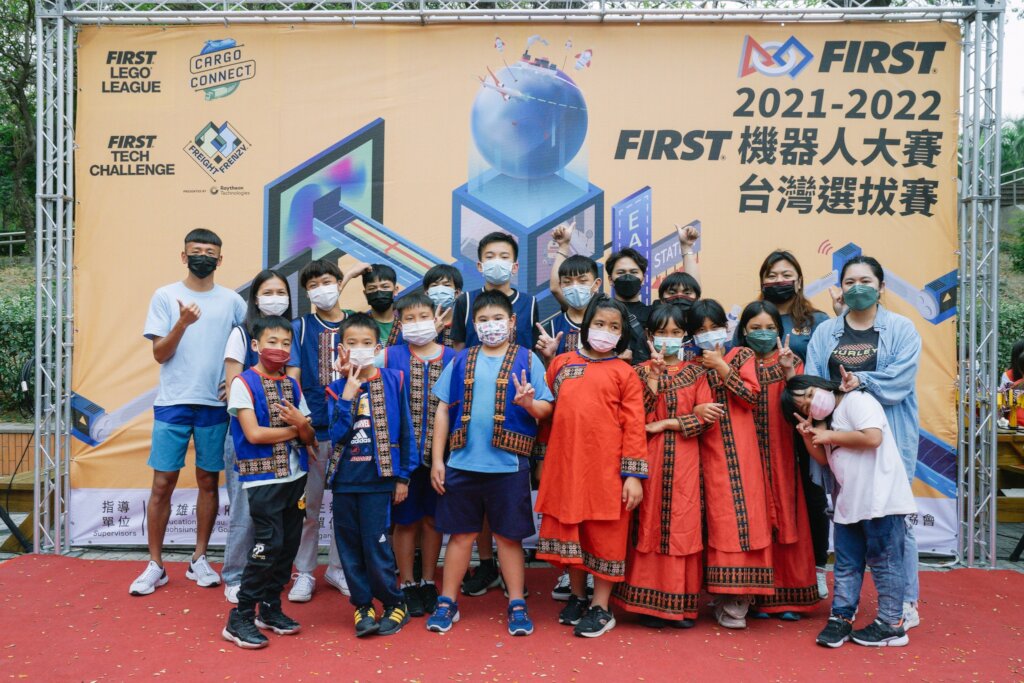
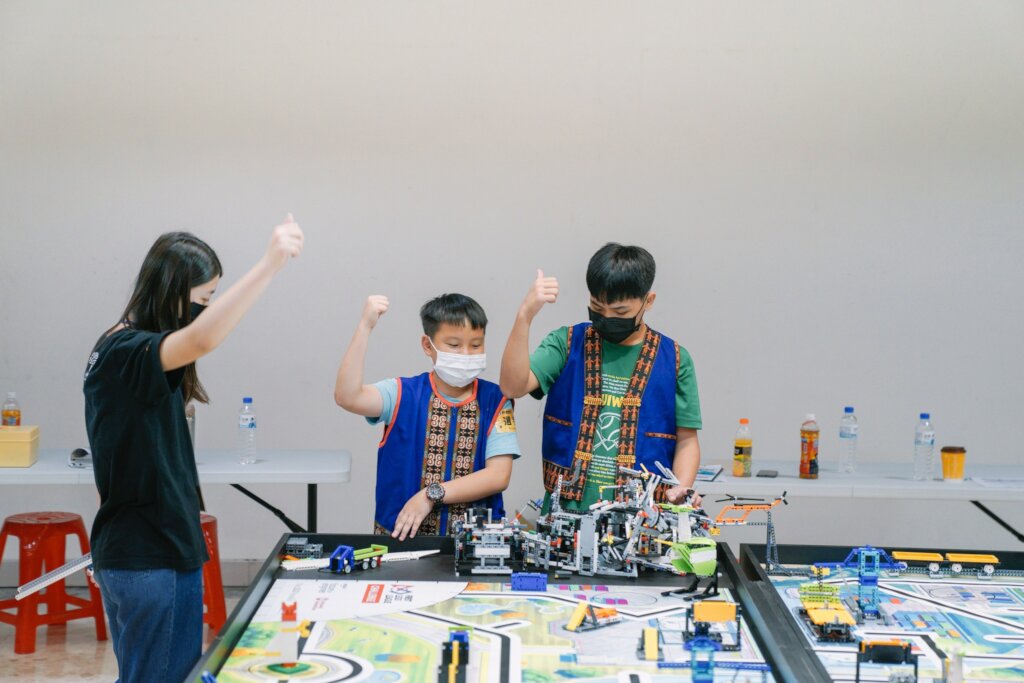
In November 2021, in an engineering creative competition, a child from Pintong, Manzhou township stood on the winners’ pedestal and won the national championship, breaking the norm that technological competitions used to be won by children from metropolitan schools.
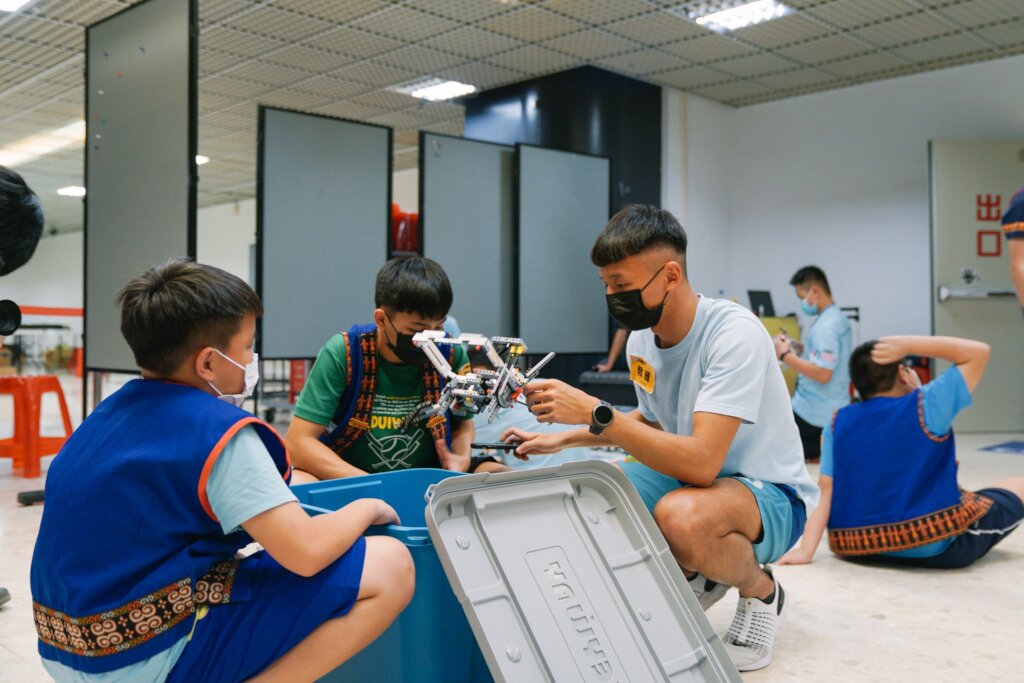
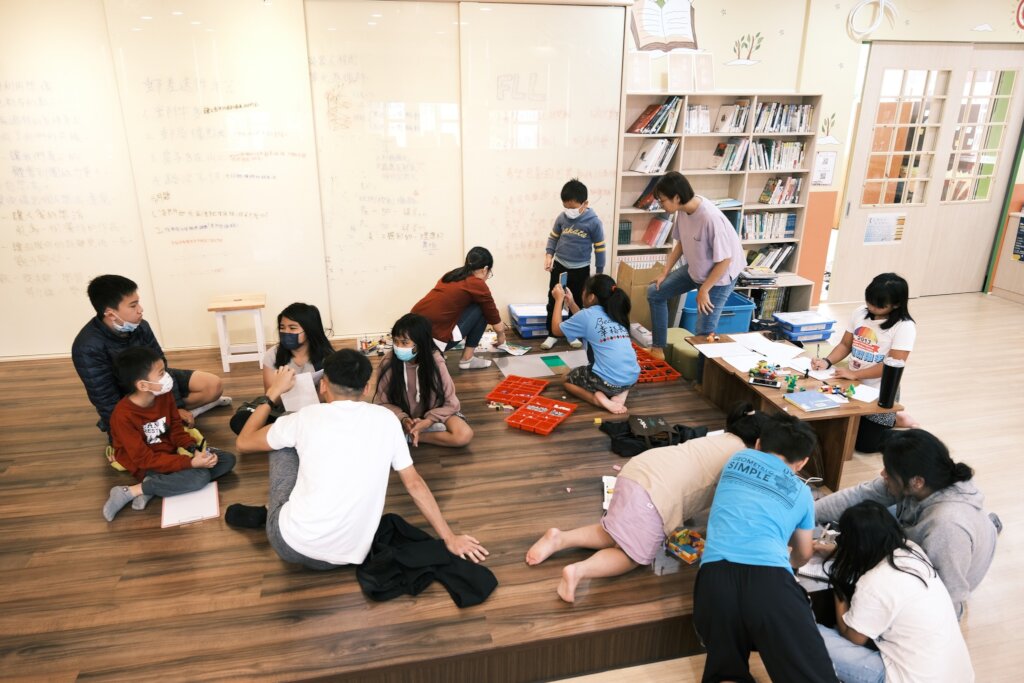
The teacher who led this child is Liang-Chin Peng, TFT’s 6th Alumni. Three years ago, he came to this remote school, brought more stimulations from technological engineering educations to children, and found a robot club, allowing children to use technology as their media to get to know their hometown and culture and to broaden their horizons while cultivating their non-cognitive competencies such as perseverance and bravery.
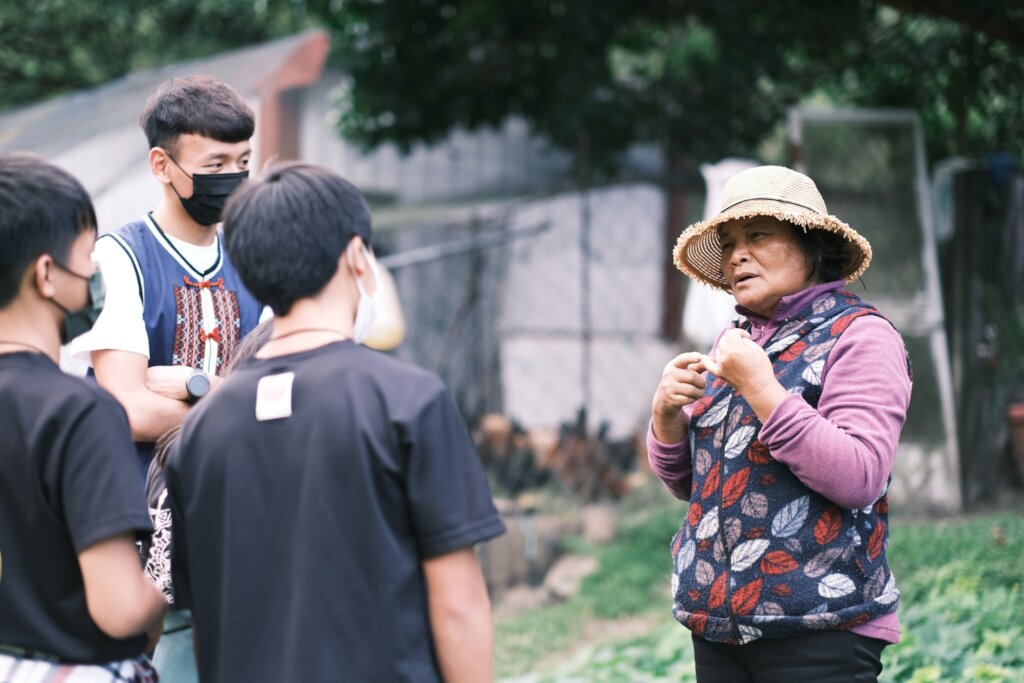
By combining technology and local culture, children have gotten the chance to rediscover the place they grew up in.
Before participating in the TFT program, Liang-Chin was a part-time teacher teaching robots. He found that children who joined in robot competitions were mostly from upper socioeconomic status. “Compared with leading children who already own more resources, I found out that I want to teach those who didn’t have chances to touch on engineering technologies.” Consequently, he registered for the TFT program and became a teacher at this school.
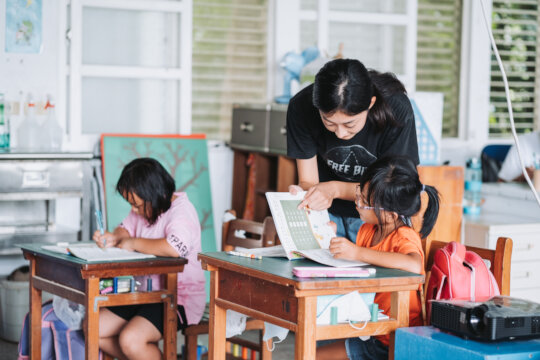
After coming to this school, Liang-Chin started to assist in promoting information education, trying to combine technology with the existing lessons. “Children and I all discovered that, once those local historical stories were turned into fresh technological contents, new motivations were generated as well.”
After the children got more familiar with information technology and received help from various places, they joined the national coding competition held by Microsoft--MakeCode CUP. By using gaming experiences to introduce the history and culture of the HengChun Peninsula, these children won “The Best Popularity Award” in the competition.
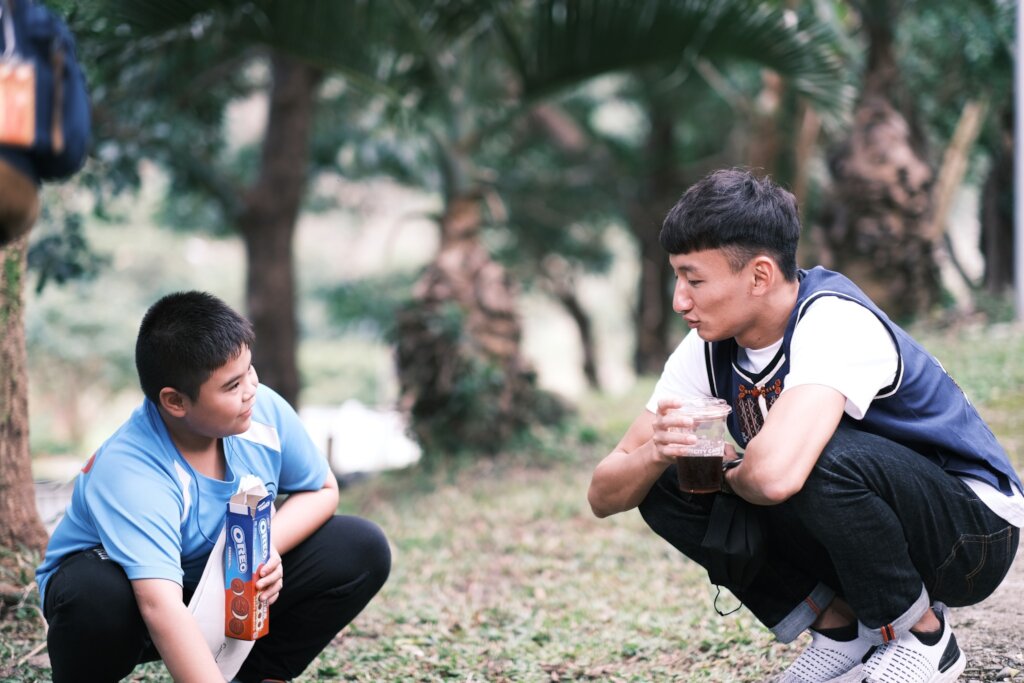
“These children became more confident after the competition. When they found out that people outside are actually loving the cultural stories that they were telling, they became more accepting of the place and culture they grew up in.” Liang-Chin shared, saying that the children are now cultivating the “embroidery” from the traditional culture as their own hobby. He also considered that the combination of technology and the existing lessons generated a doubled effect, allowing children to find a balance between traditional culture and modern society.
With their horizons broadened in the robot competition, children learned to persevere and spotted their own possibilities
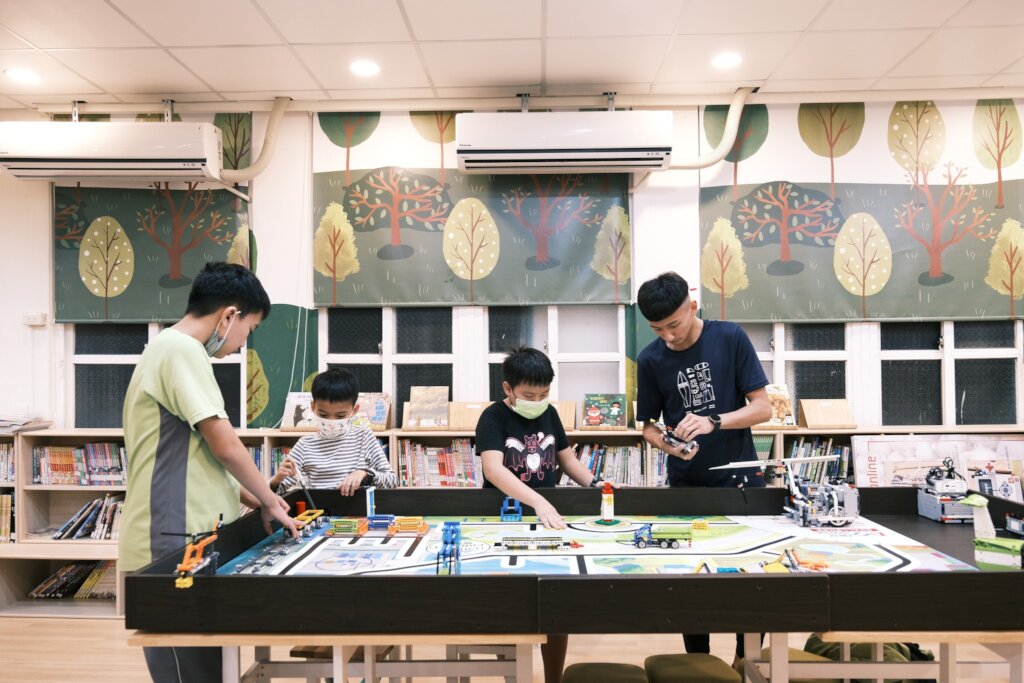
Besides the class lessons, Liang-Chin brought in robot education; he even found a robot club with support from the principal in the school year 109 and started to prepare for the national engineering creative competition of the Pingtung magistrate cup.
In the beginning, the children were motivated out of curiosity. However, along with the increased pressure of the competition, and the tedious processes of revising and retrying the robot program all over again and again, more and more children decided to give up.
“What I could do was to accompany them and to show perseverance,” Liang-Chin said. When the children were facing frustrations, he encouraged them by staying beside them, giving them the courage to keep facing the challenge. In addition, he chose to show the children the spirit of not giving up, demonstrating the power that perseverance could deliver.
Eventually, they won a national championship, a third-place award, and many honorable mentions. Throughout the process, the children found their defective parts while competing against each other. Liang-Chin mentioned when they saw the spirit of perseverance from other groups, the children who tended to easily give up learned how to hold up and keep trying.
“The geological remoteness will not affect children's performances, because they actually can do the same thing.” Liang-Chin believed that via the experience of this competition, all of the children of the school discovered their own possibilities.
With the accumulations throughout these years, Liang-Chin will bring the children to attend the world's widely renowned robot competition--First Lego League. He will combine the power of the whole village, from all the teachers and students of their school, parents, and residents in the community, to let these children spot their own possibilities.
![]()
![]()
![]()
![]()
![]()
![]()
![]()
Links:
![Share on Twitter]()
![Share on Facebook]()