By Verona Lucas | Project Leader
Virtues are the inner qualities of a human being and everyone is born with all the virtues in potential. In the early childhood years, training and education, primarily from parents and then school teachers, allows for the development of these qualities. But how do we define them and help others understand and practice them?
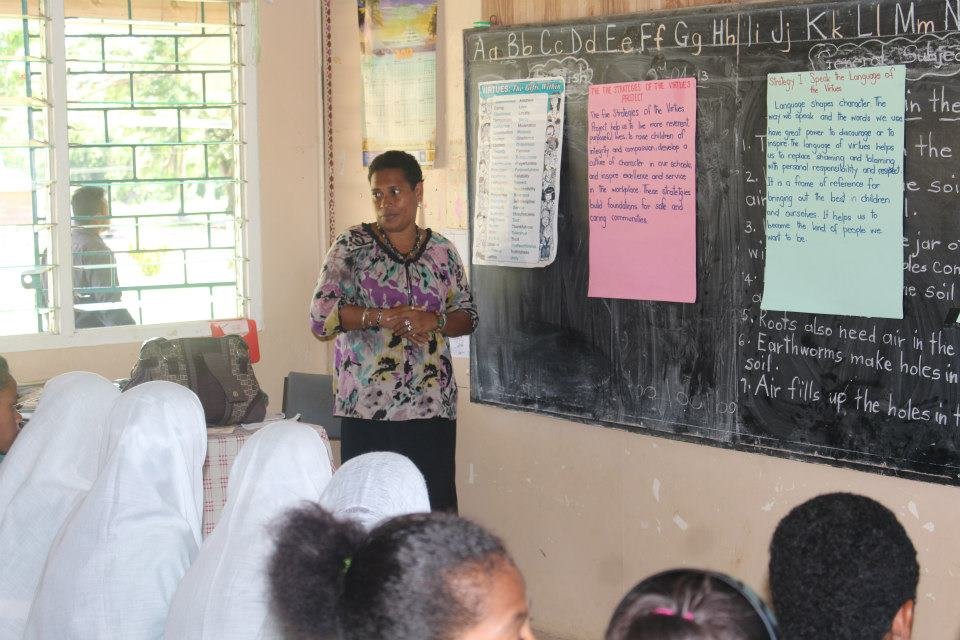
There are hundreds of virtues that have been identified in The Virtues Project and Five Strategies were developed to promote the understanding and practice of virtues. Then from their list of virtues, the Founders chose 52 virtues, one for each week of the year, and developed a parenting model and a school character education model utilizing 52 virtues and the Five Strategies of The Virtues Project. In addition to The Family Virtues Guide and The Virtues Project Educator's Guide, a personal development book, A Pace of Grace, and an end of life book, Graceful Endings have also been published. All the books help us to better understand virtues and how to practice them during the different stages of life.
The Five Strategies apply from the moment a baby is born to companioning another at the end of their life. At every season, the practice of love, patience, compassion, excellence, devotion, joy, etc. allows each act and interaction to be meaningful.
You can learn more about the Five Strategies here.
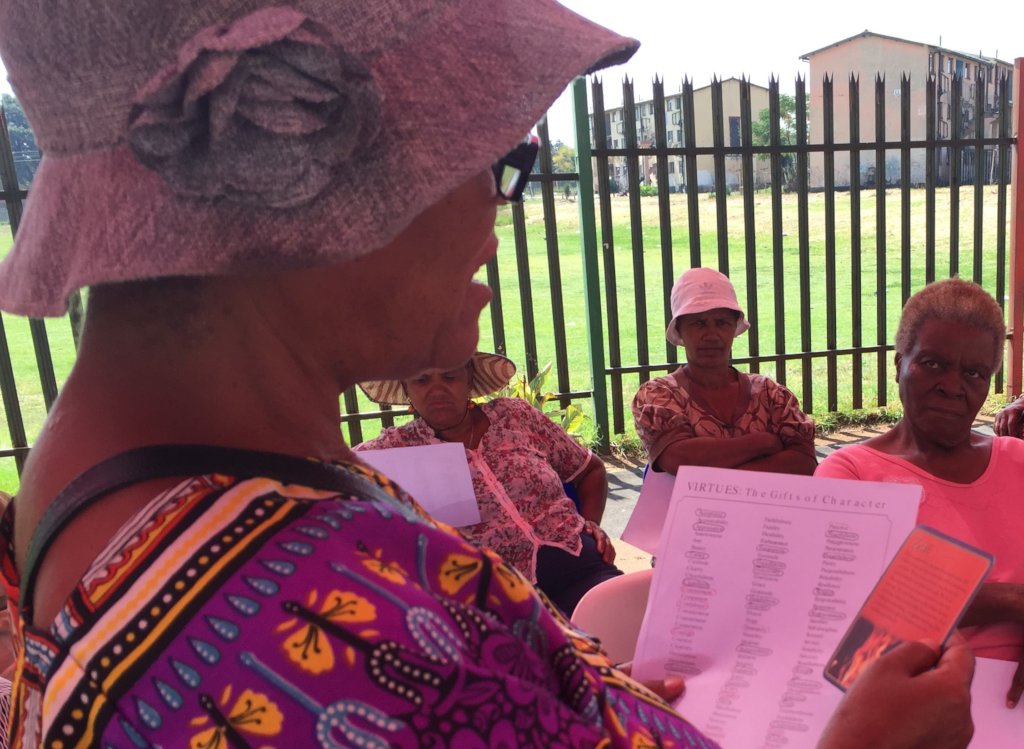
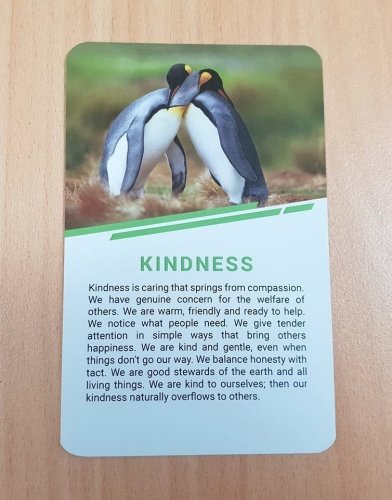
To further understanding and practice, decks of virtues cards were created with a variety of suggested activities. The cards make learning and conversations fun! Each card defines a virtue and gives examples of how to practice that virtue. Decks of cards have been developed for families, the classroom, personal use, interpersonal relationships, the workplace, faith communities, etc. You can see a wide selection of cards at the Virtues Shop. Some of the decks are also available as phone apps. You can learn more at www.virtuescards.org.
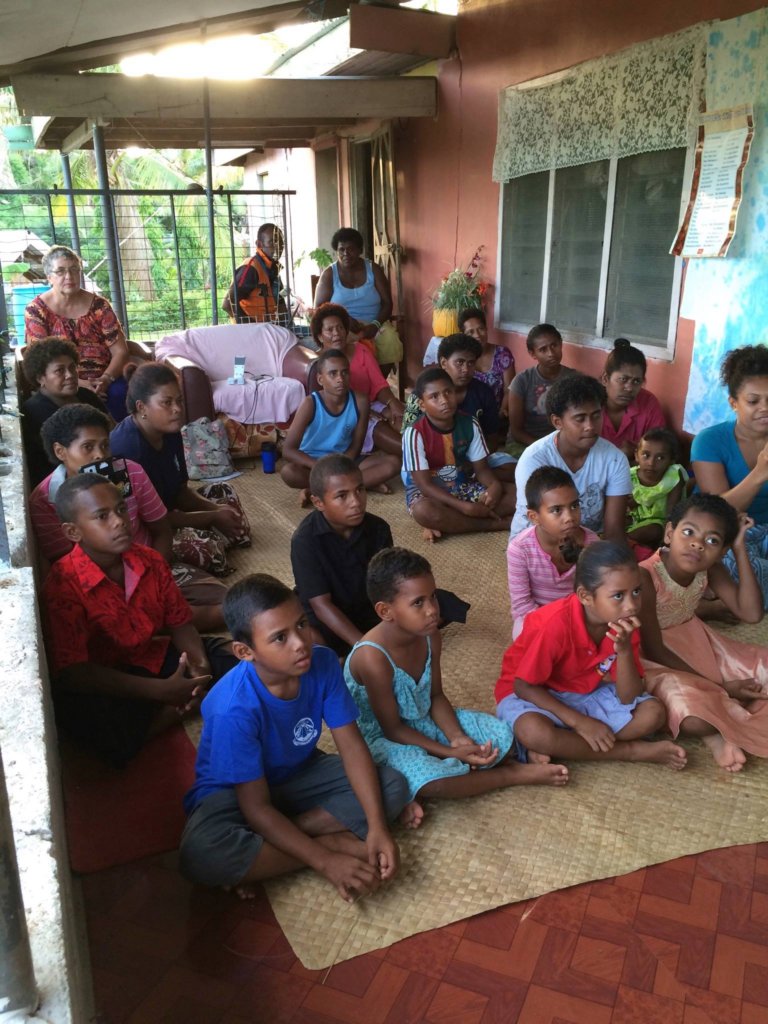
Cards are being translated into many languages: French, Spanish, Portuguese, Italian, Fijian, Chinese, Swahili, Kiribati languages to name a few. The Virtues Project is growing and expanding its reach. There are many calls for translations of our books, cards and other materials.
Ignite A Global Revolution of Virtues is currently supporting the work being done to update the website, translate books, cards, and to develop phone applications. Thank you for your generous support of our project.
By Valerie Hess | Project Leader
By Verona Lucas | Manager Global Giving VPIA
Project reports on GlobalGiving are posted directly to globalgiving.org by Project Leaders as they are completed, generally every 3-4 months. To protect the integrity of these documents, GlobalGiving does not alter them; therefore you may find some language or formatting issues.
If you donate to this project or have donated to this project, you can receive an email when this project posts a report. You can also subscribe for reports without donating.



Support this important cause by creating a personalized fundraising page.
Start a Fundraiser