By George Obua | Project Leader
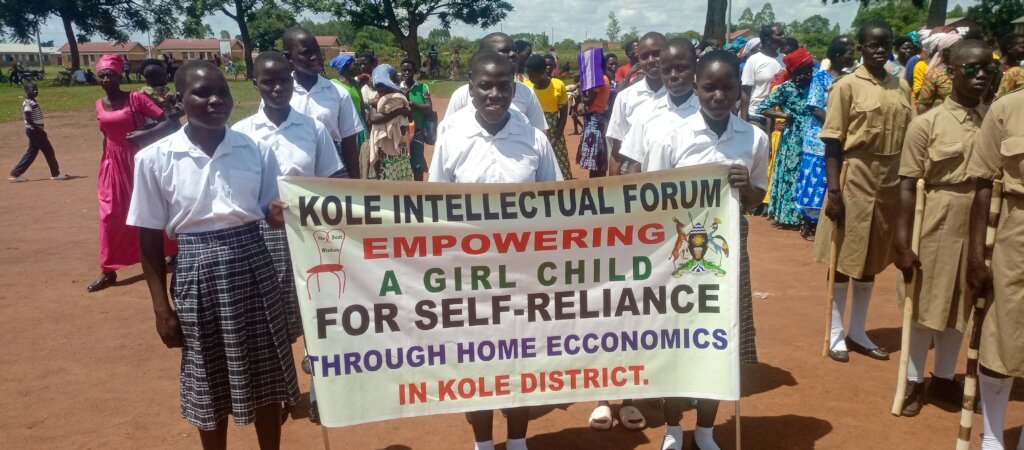
Role and responsibilities of KIFA: Representation
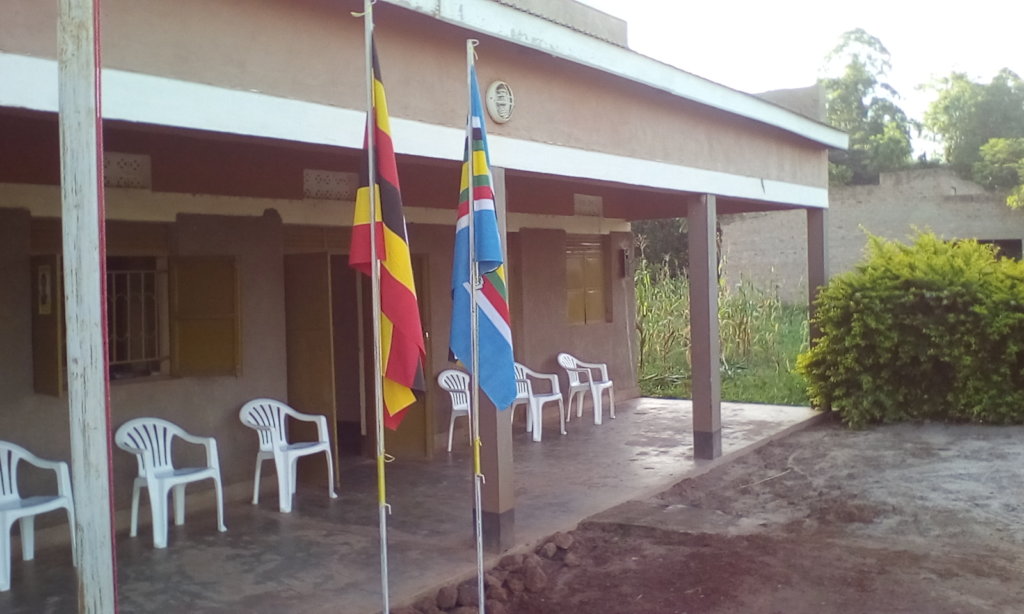
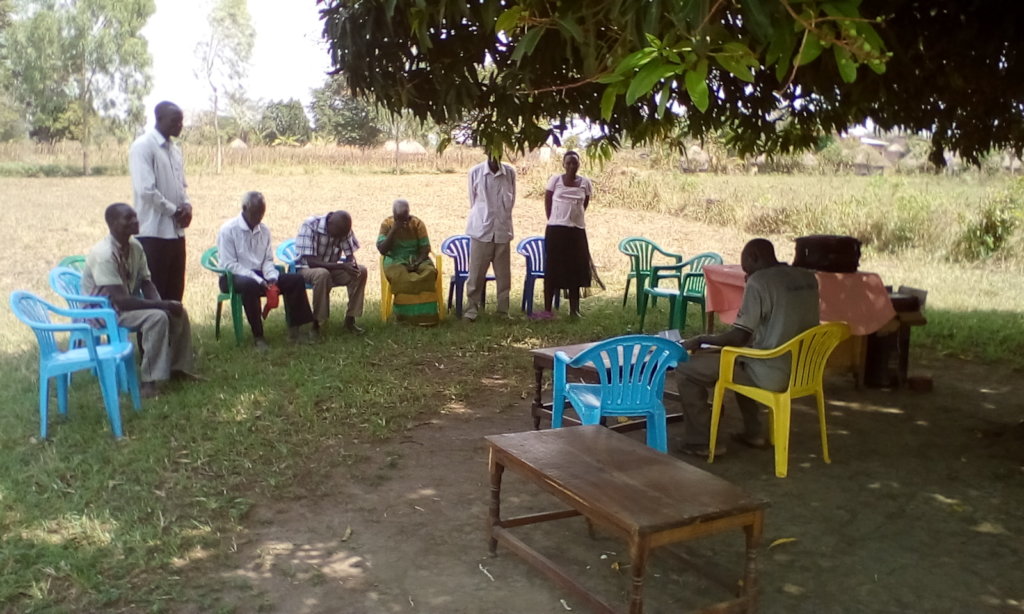
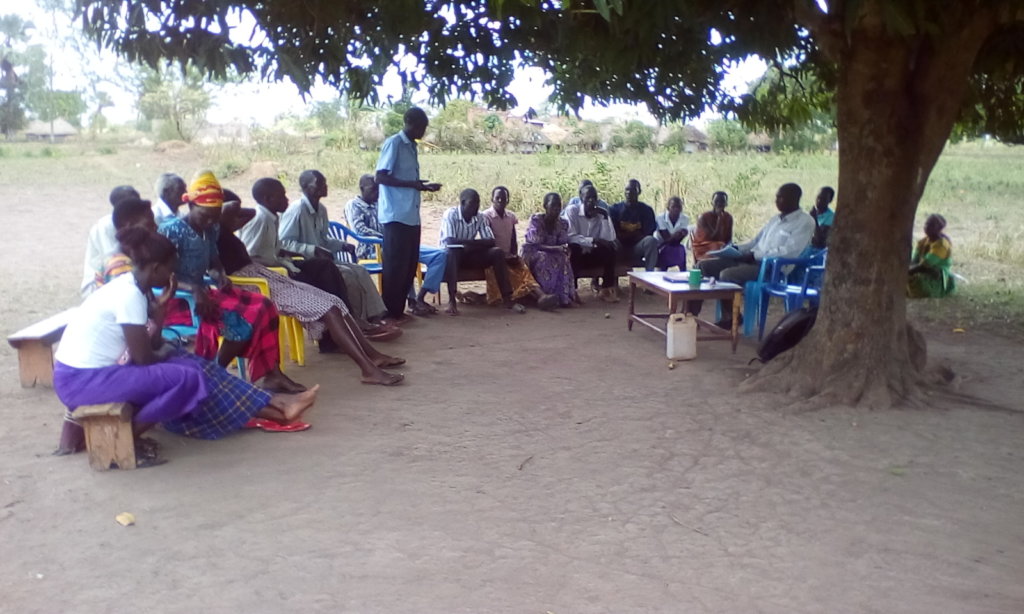
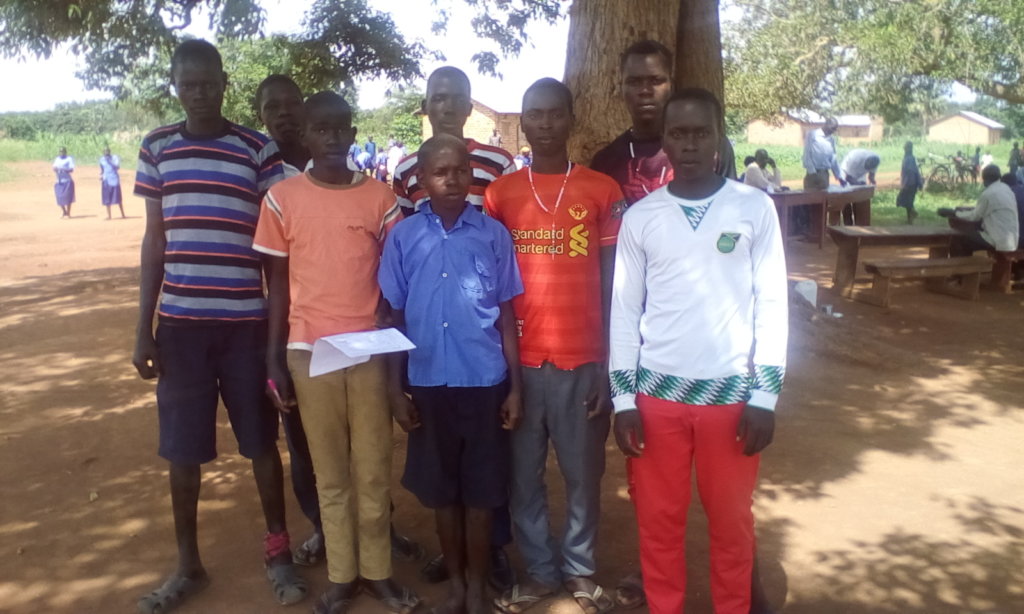
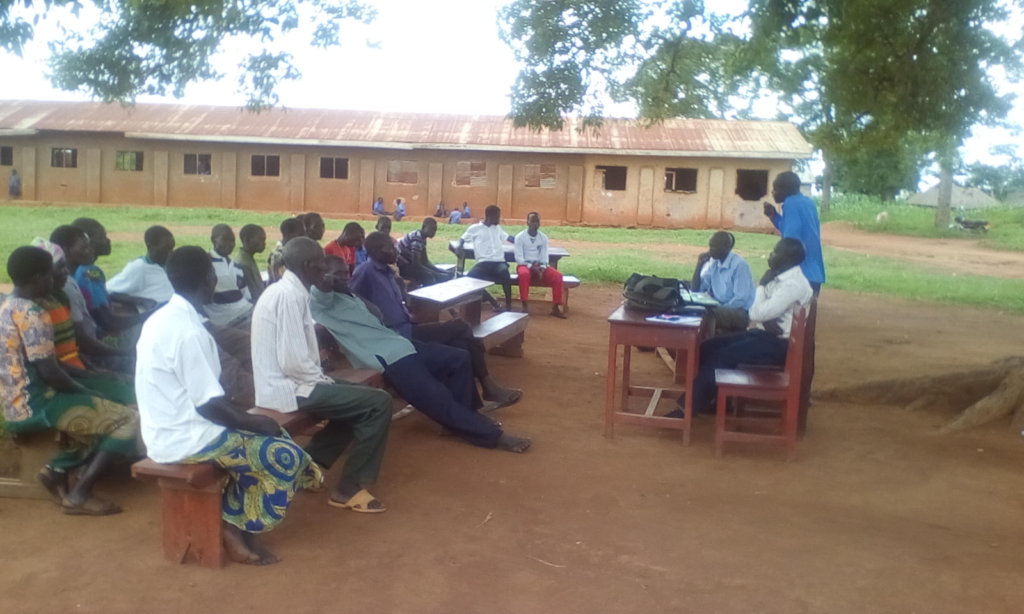
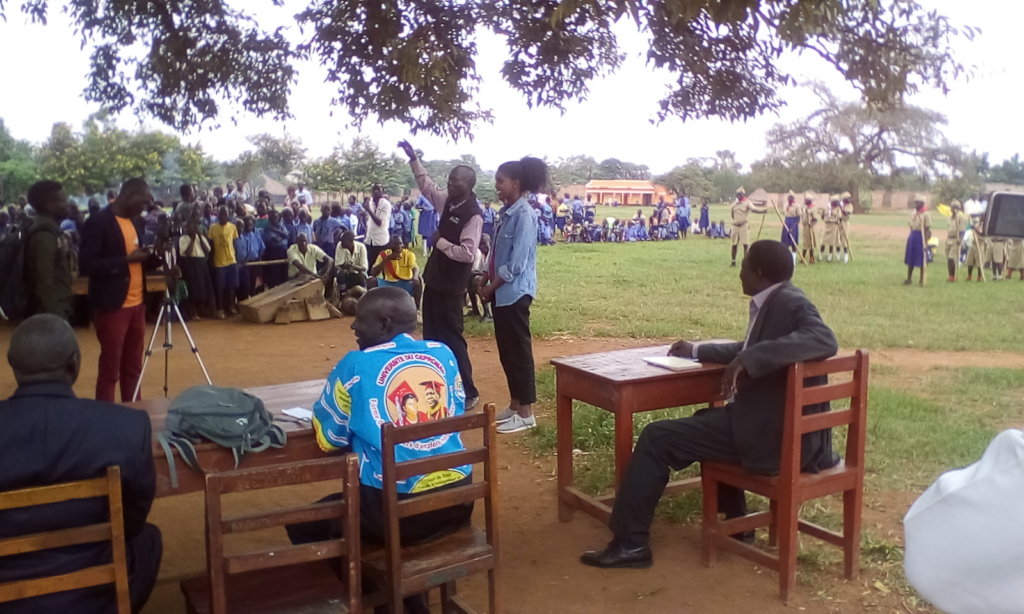
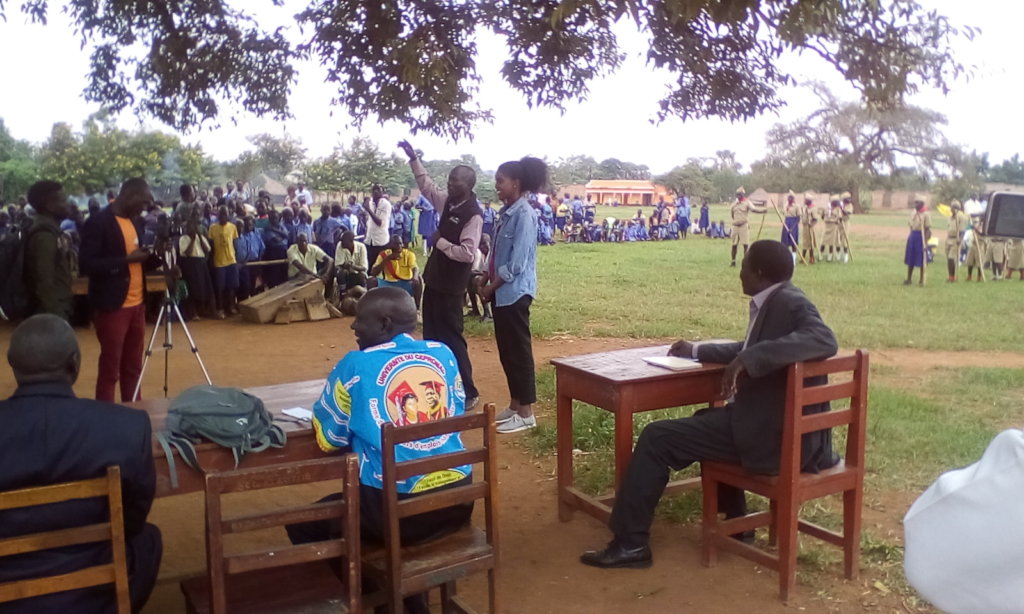
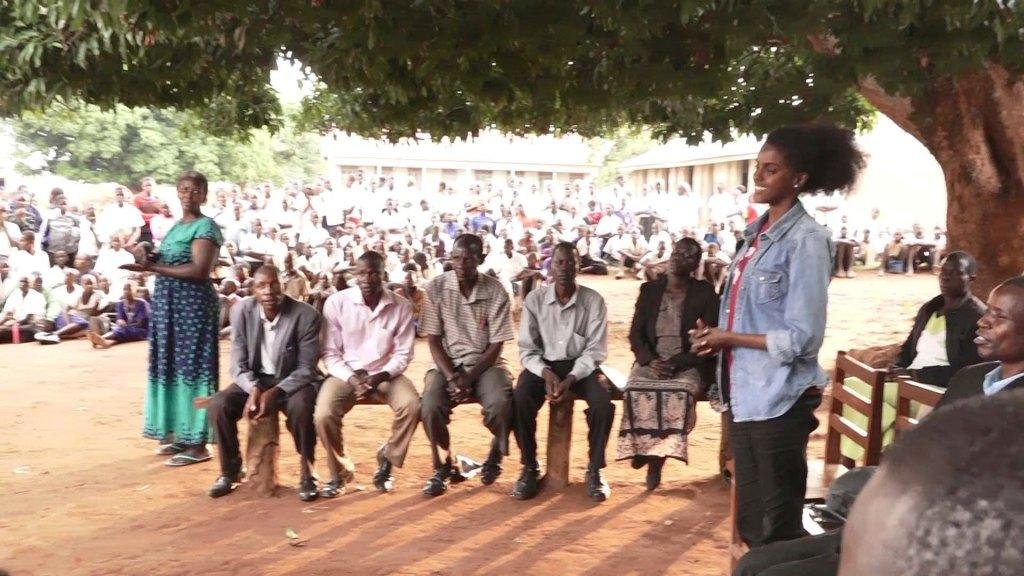
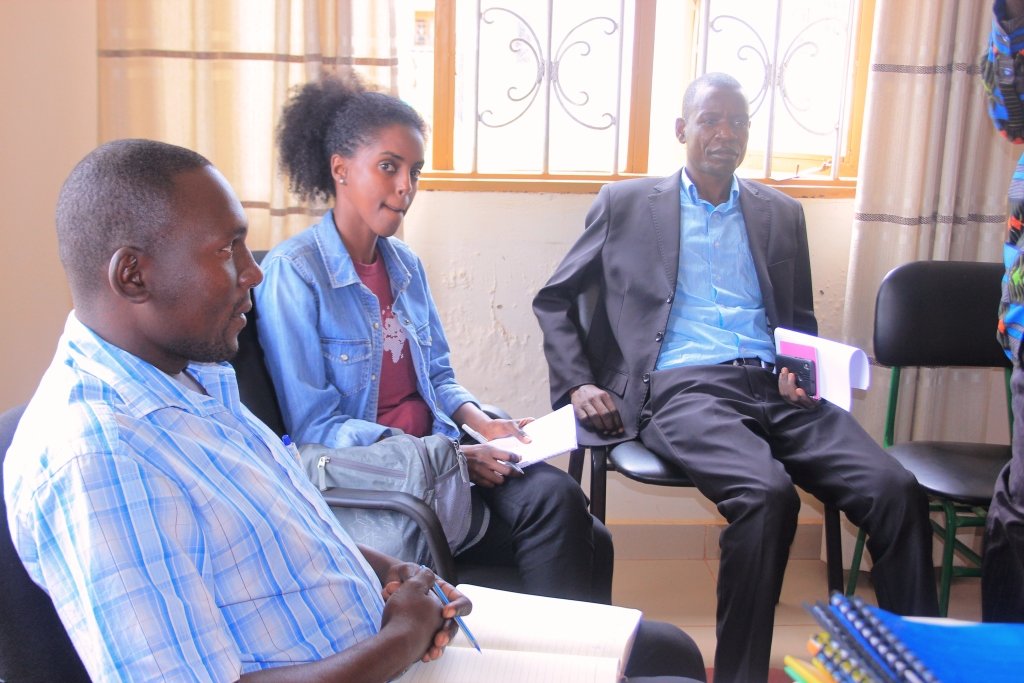
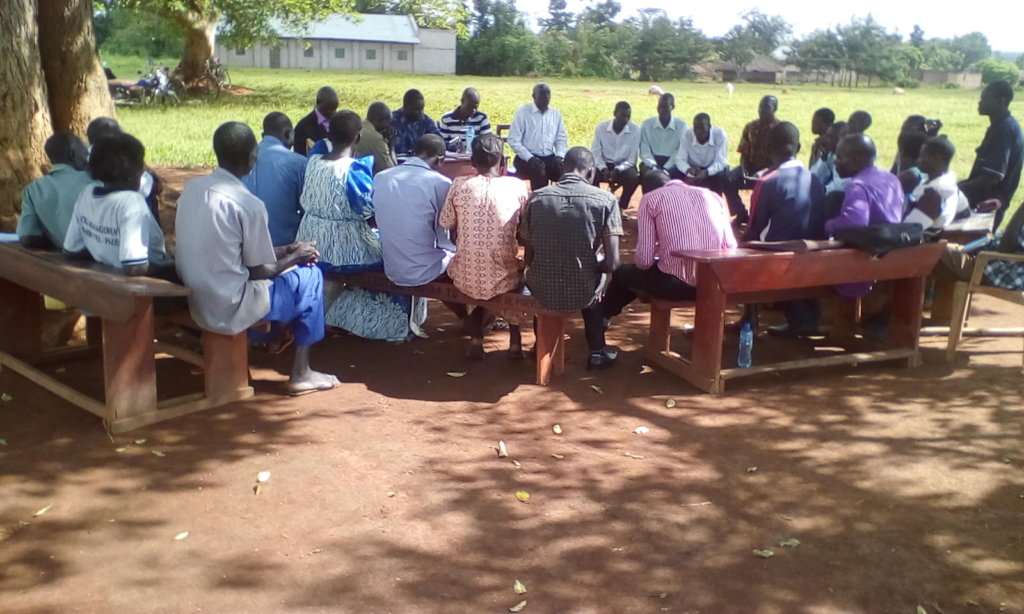
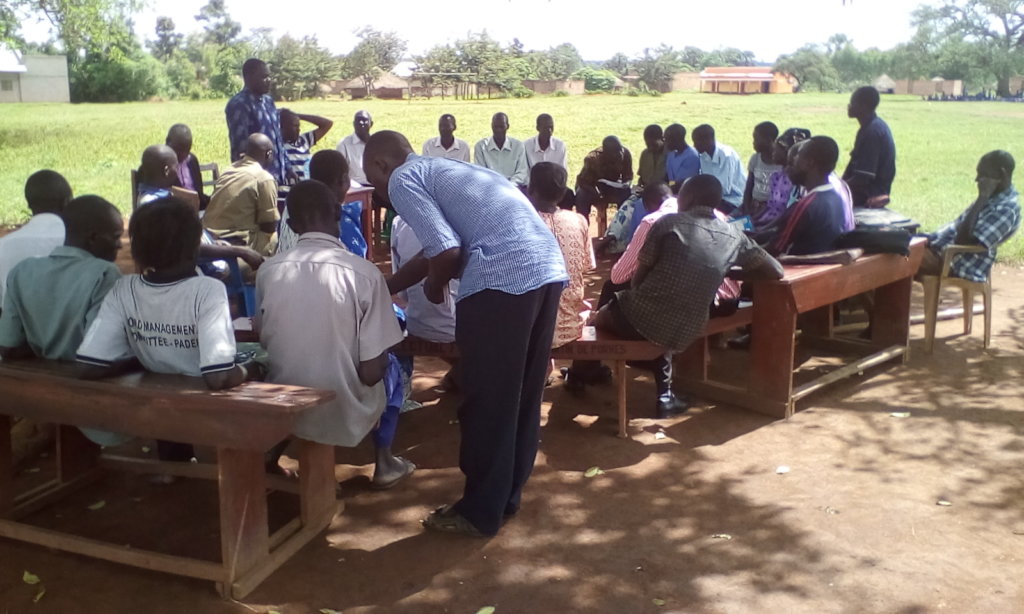
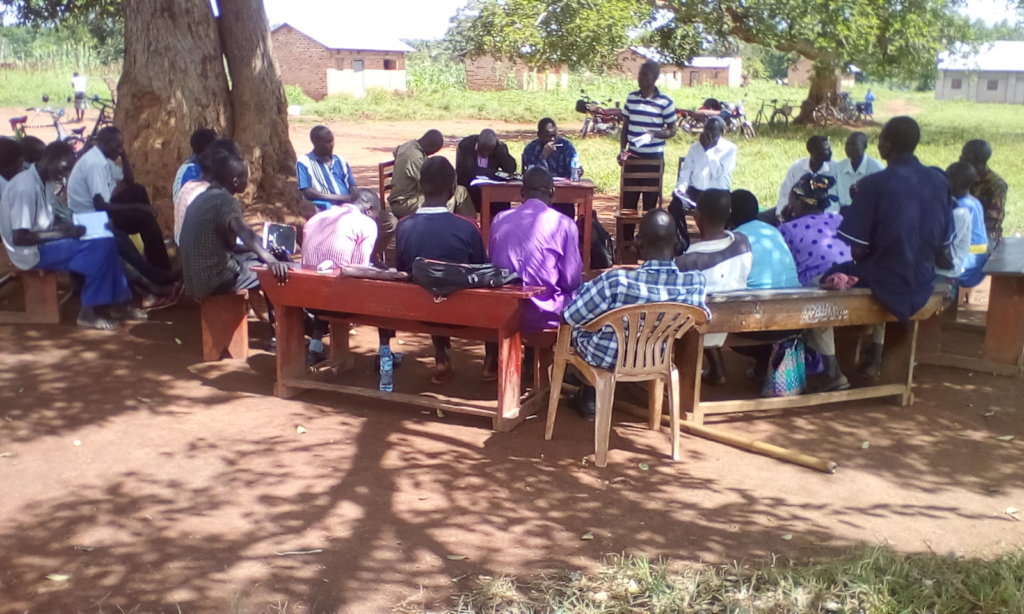
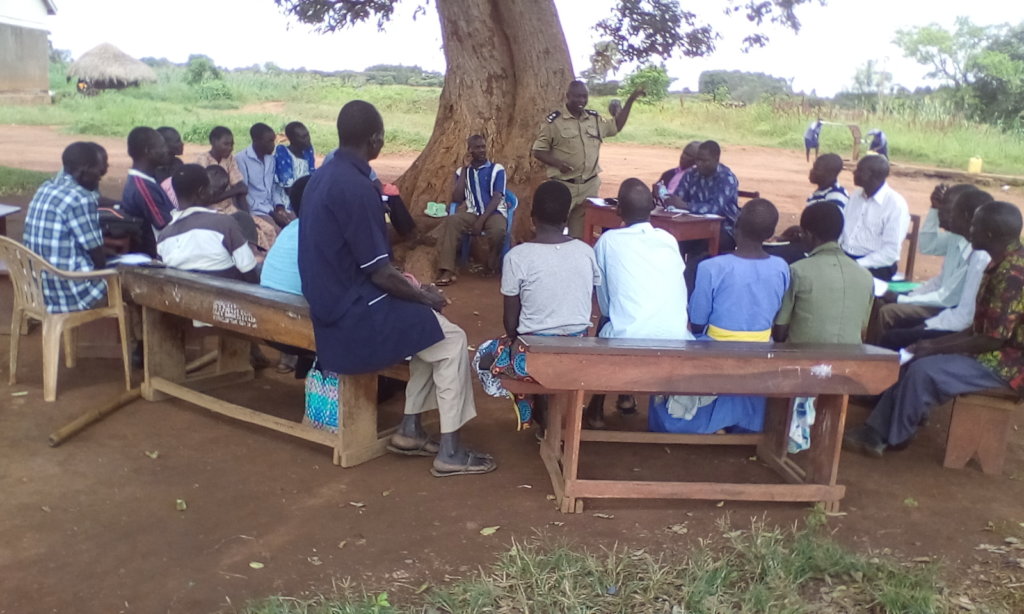
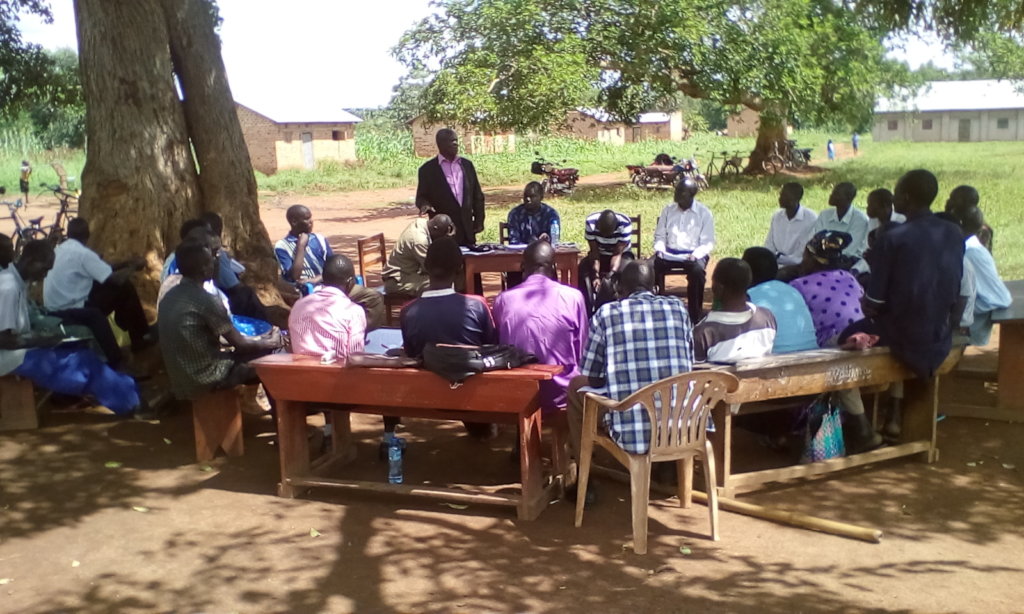
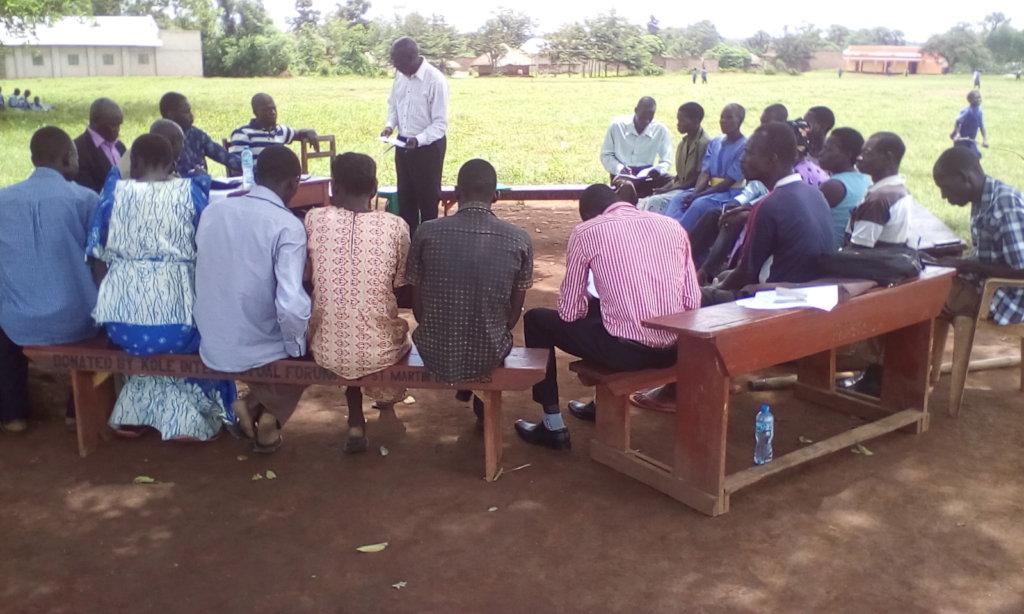
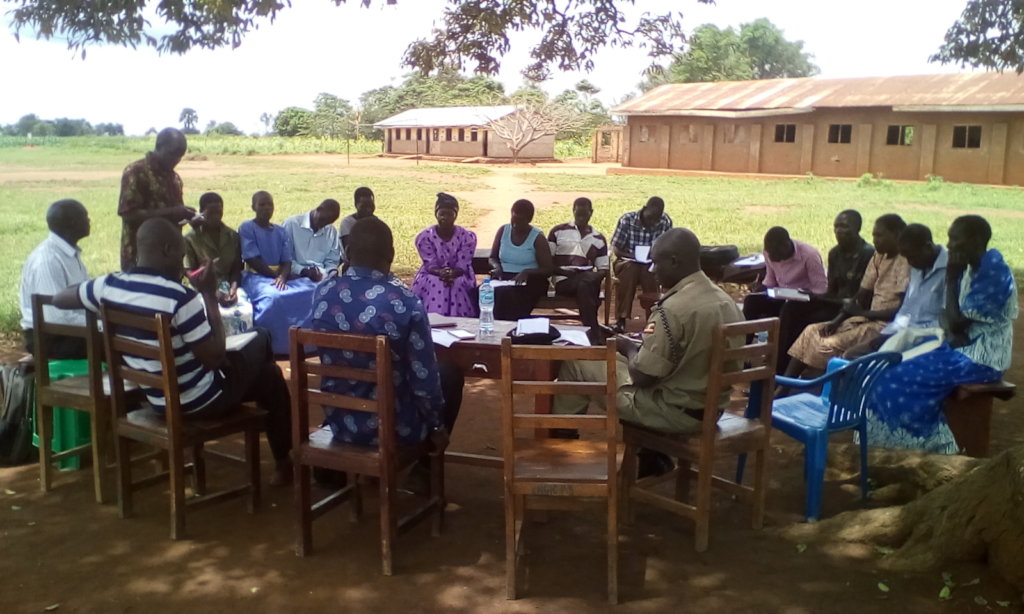
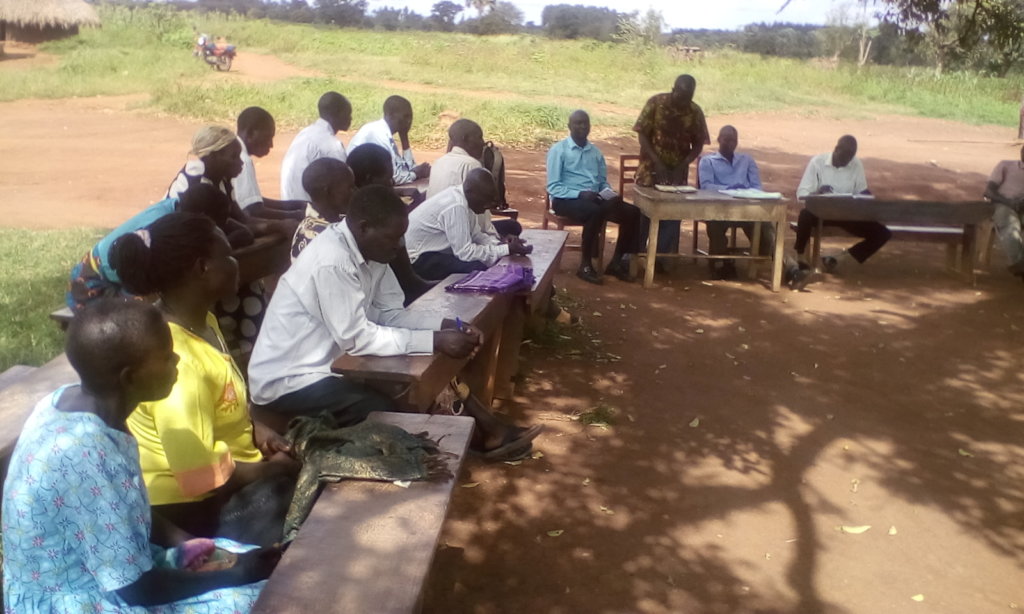
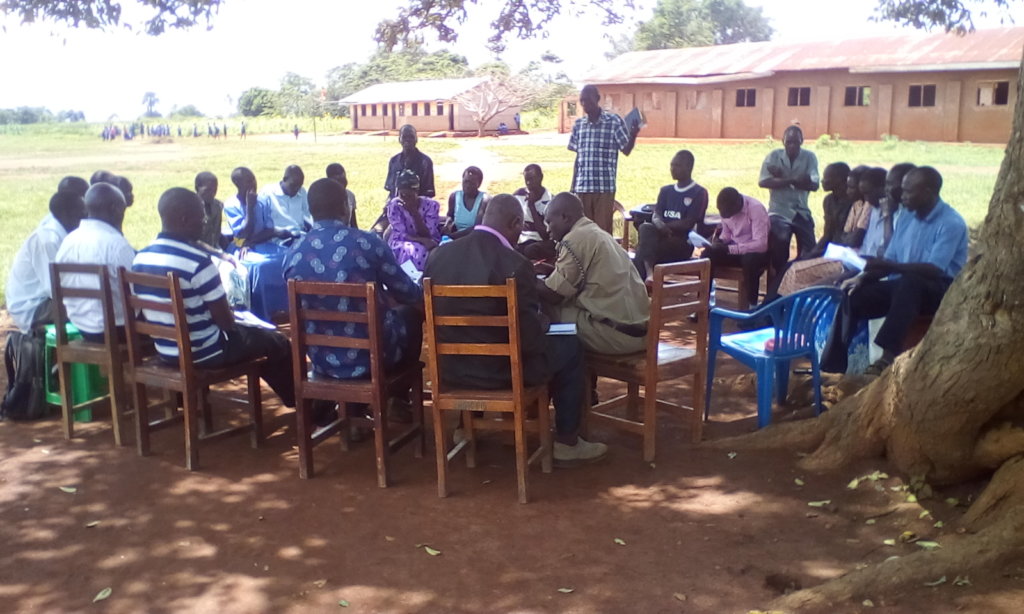
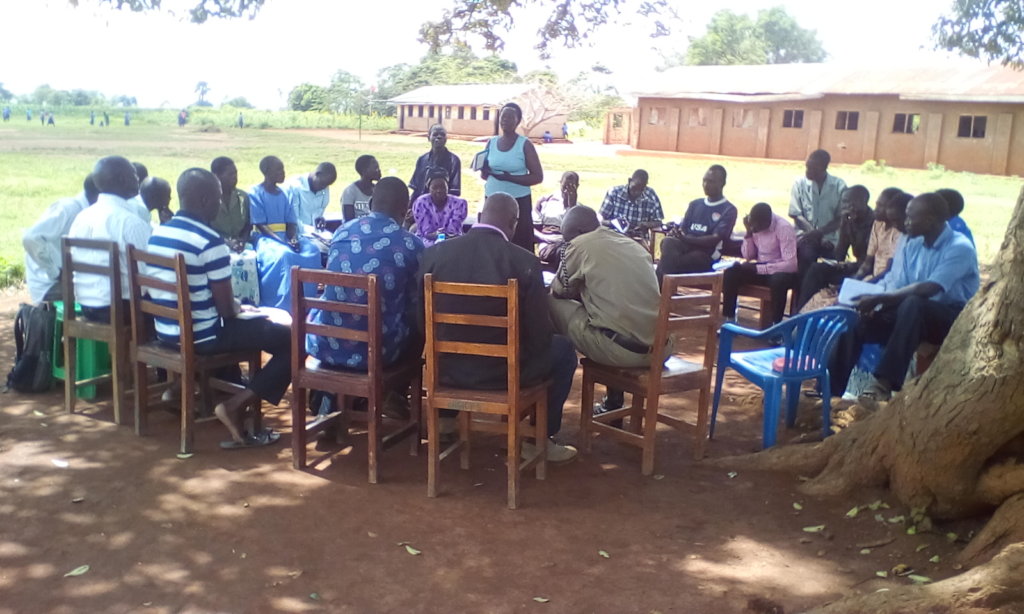
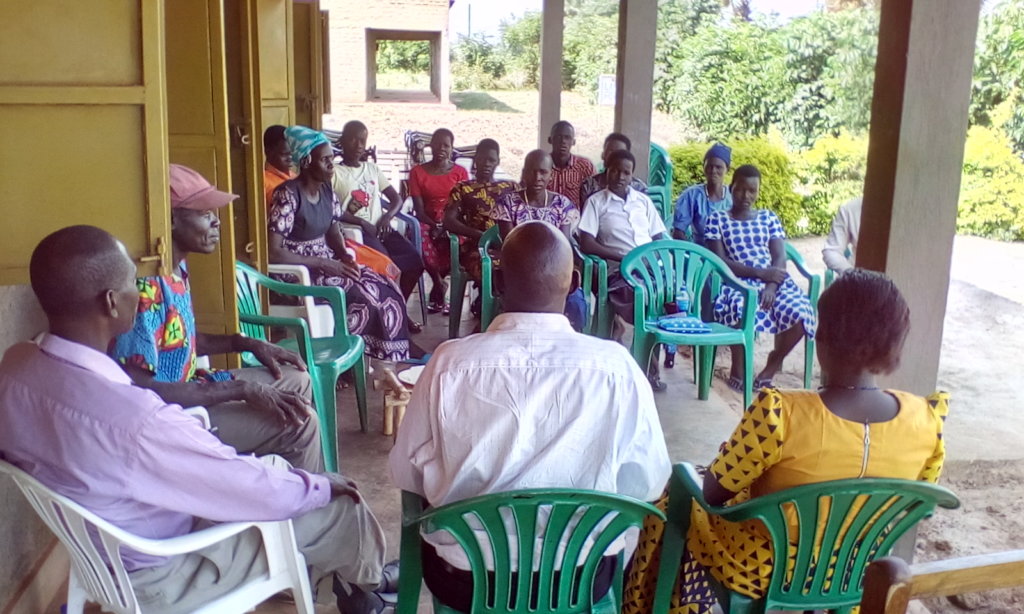
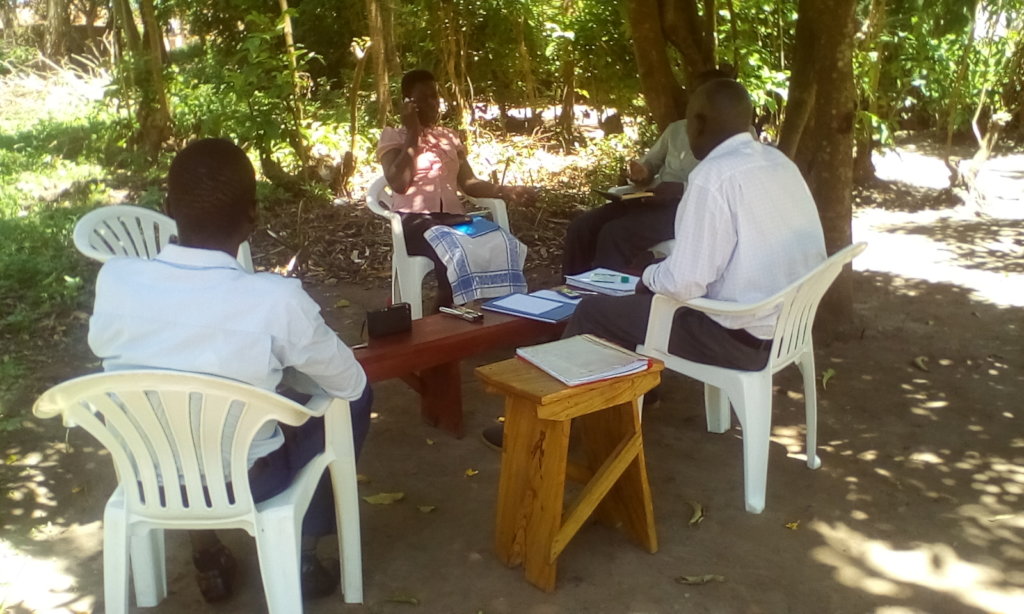
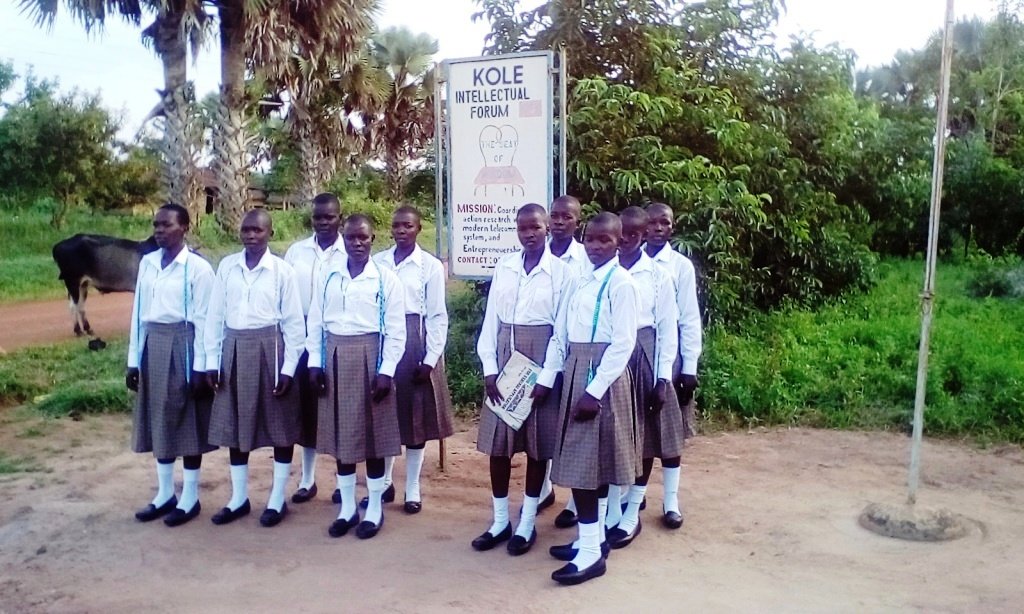
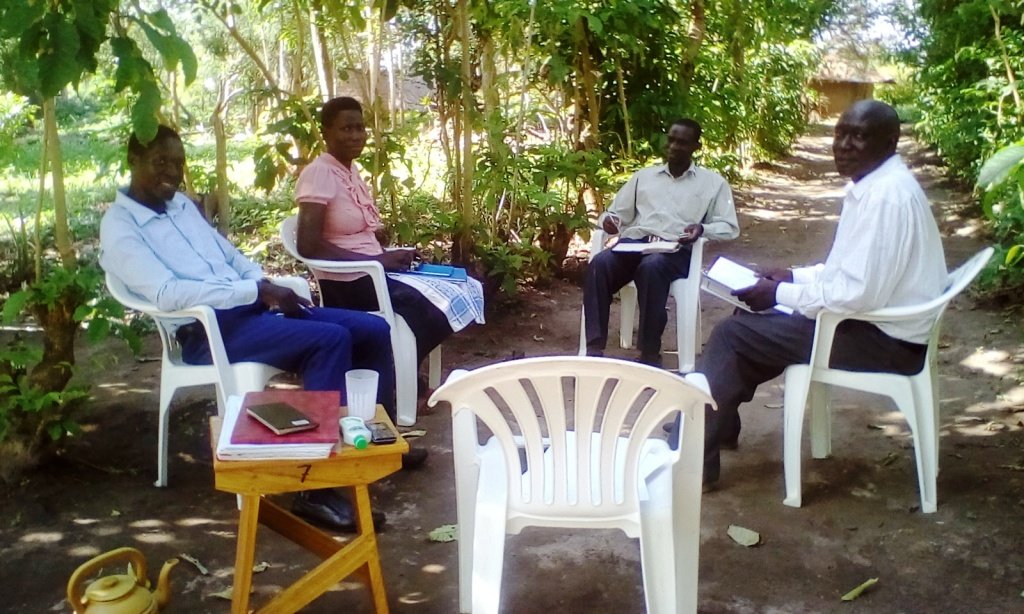
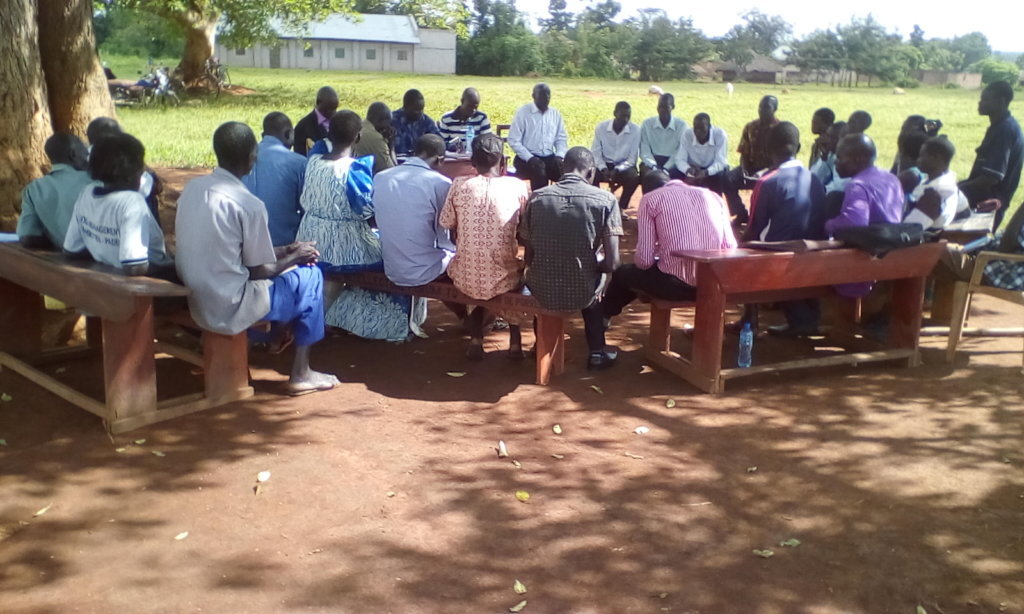
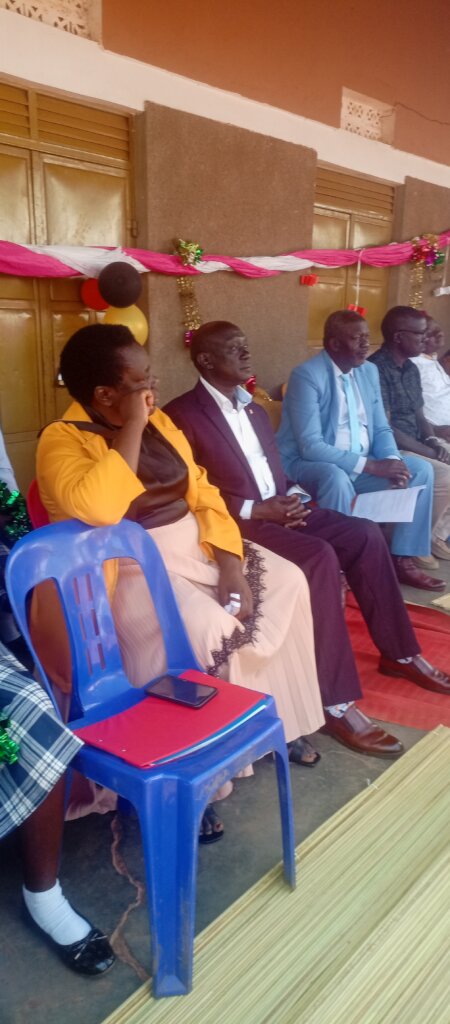
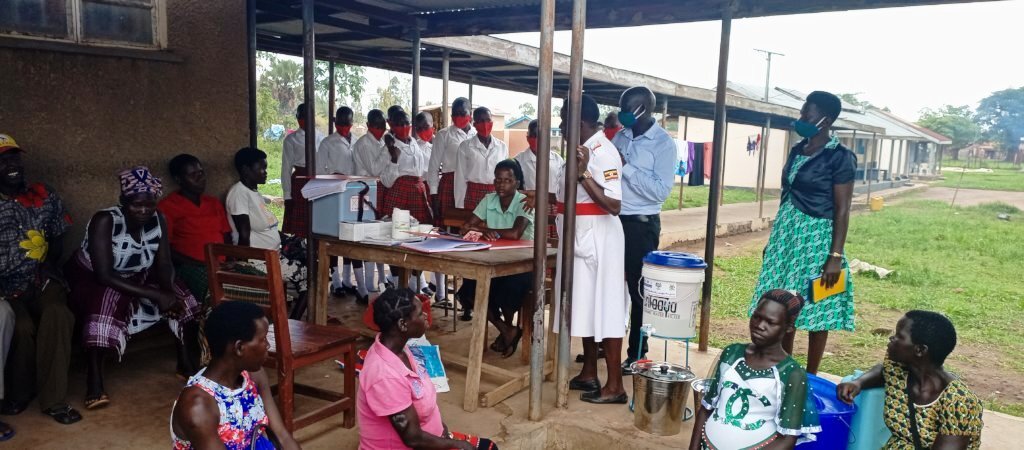
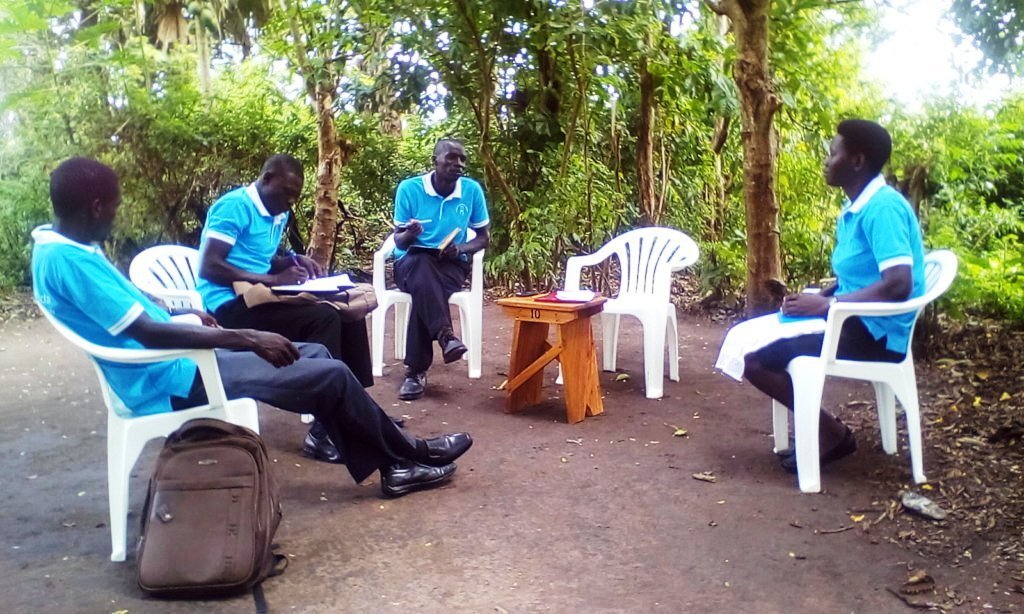
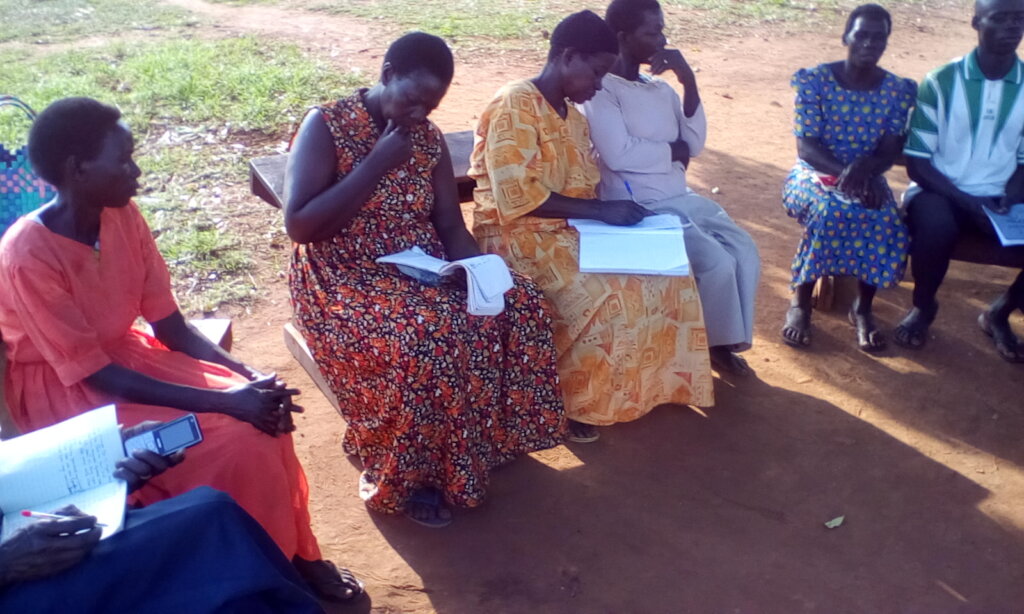
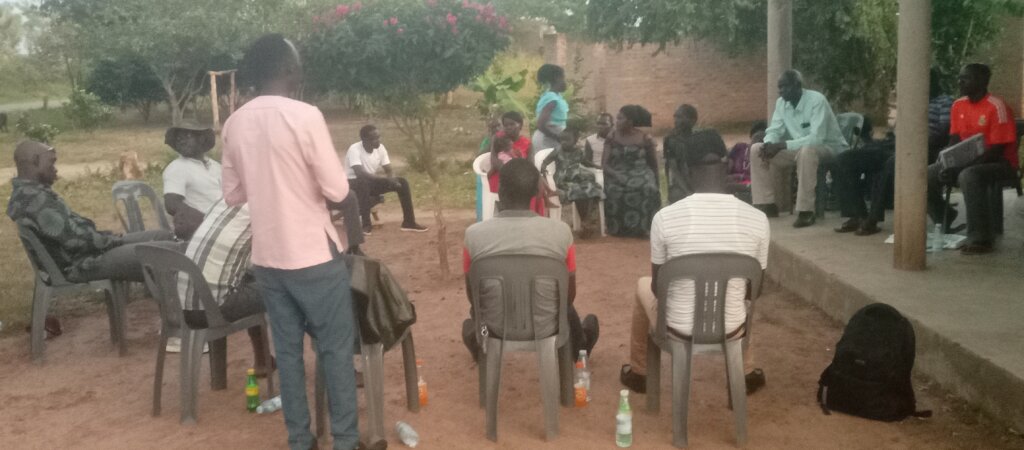
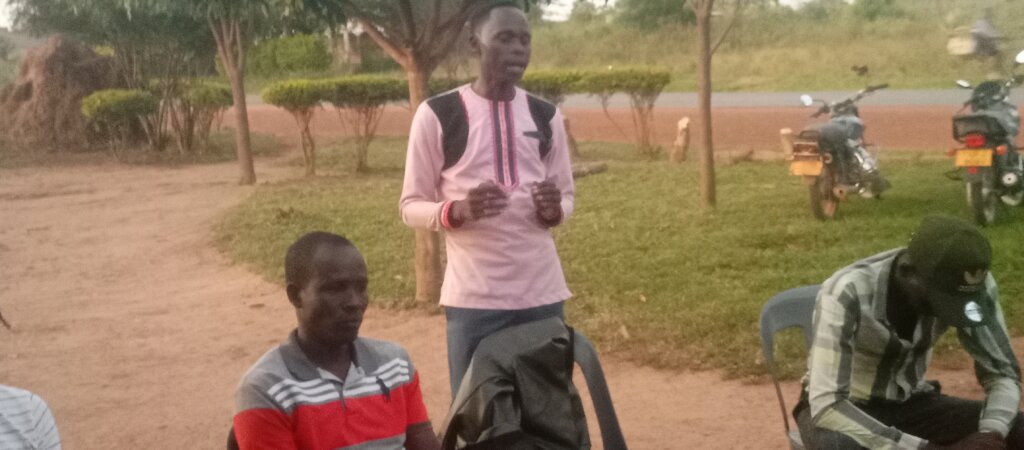
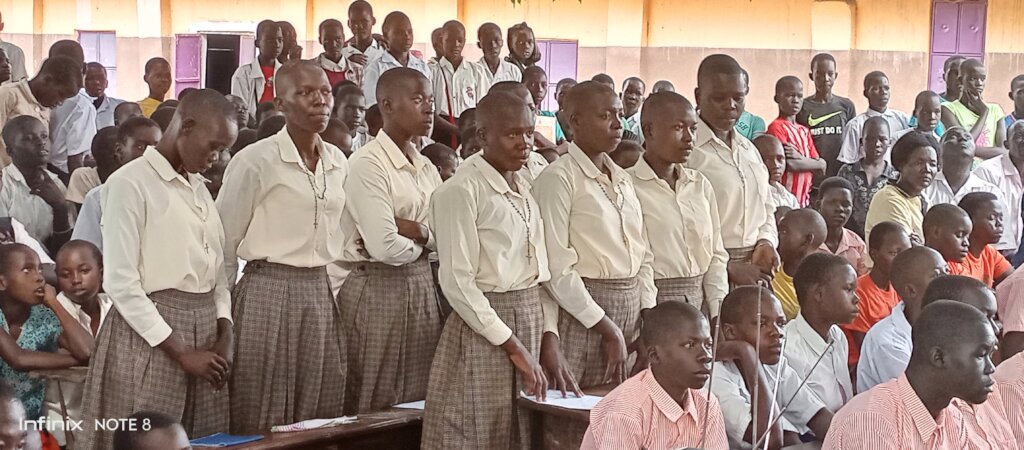
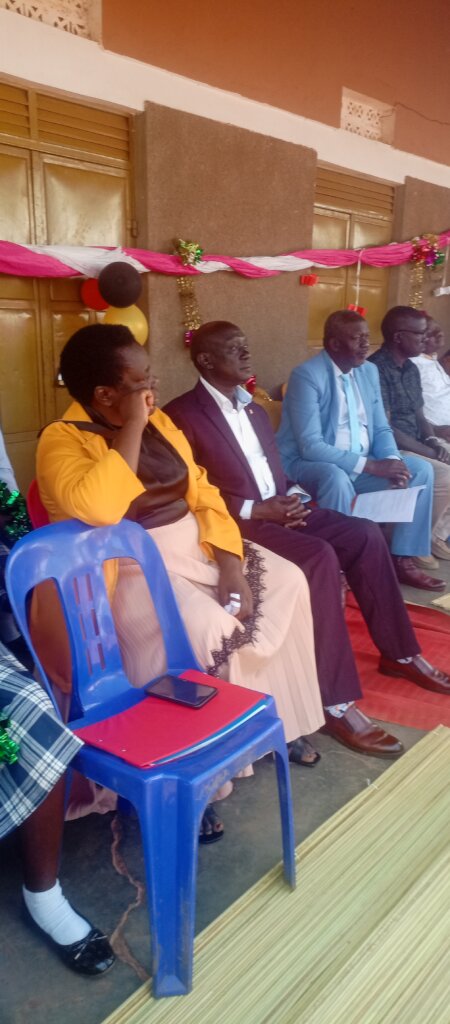
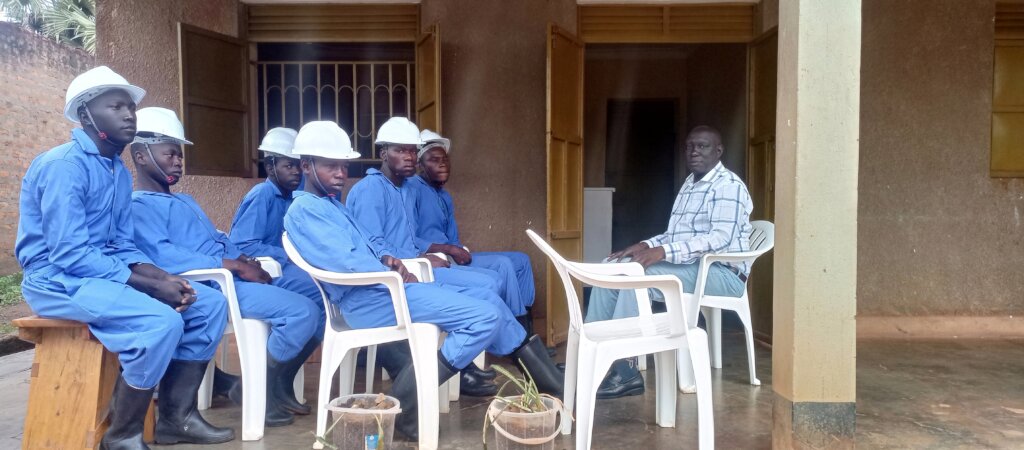
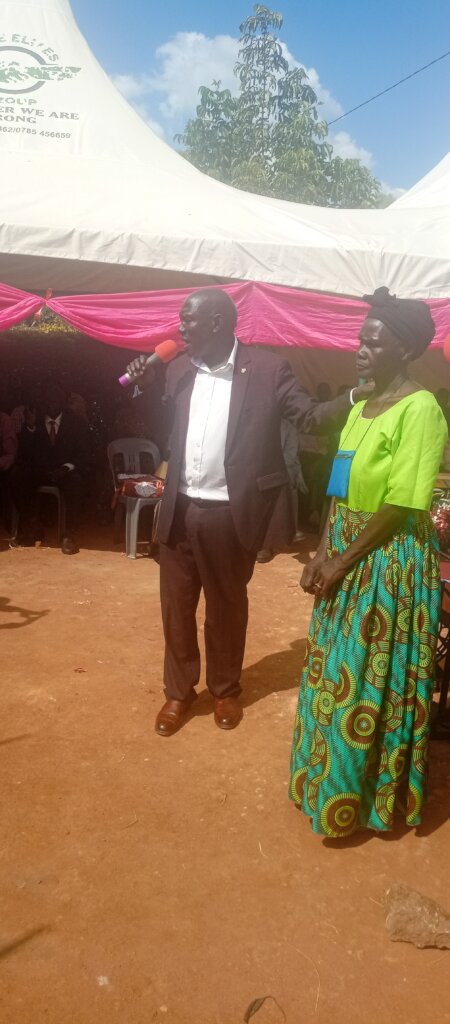
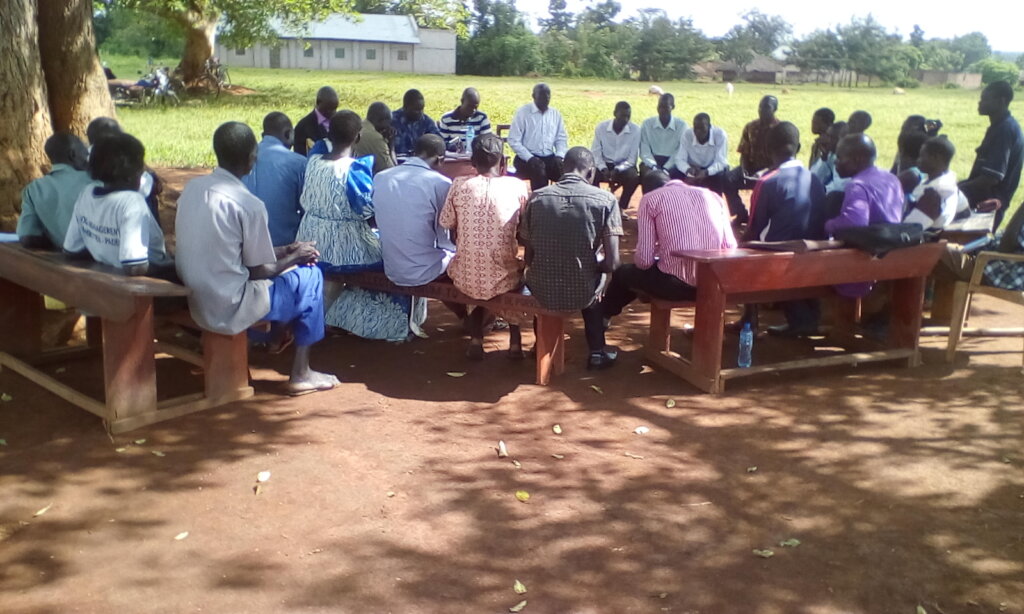
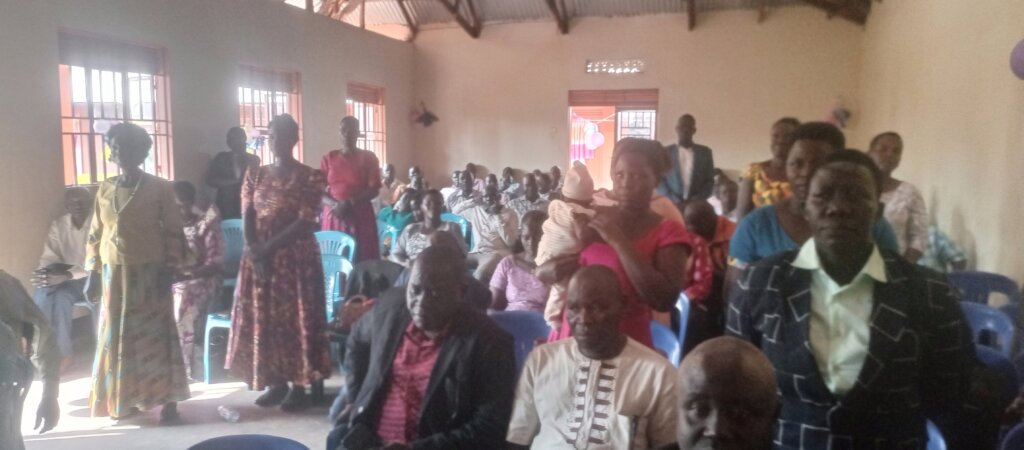
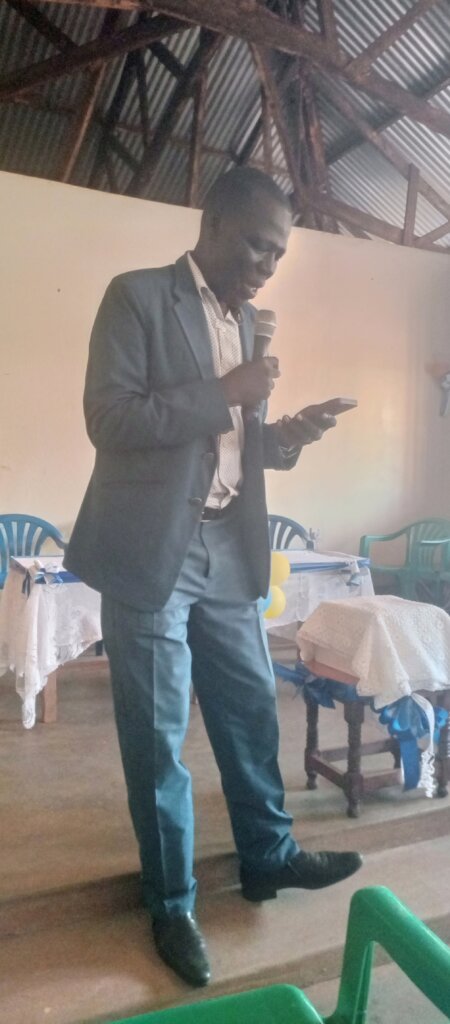
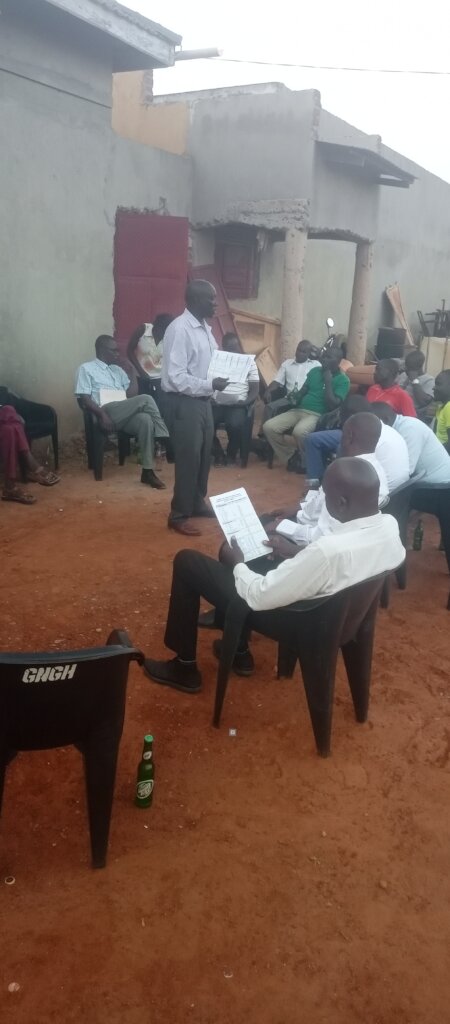
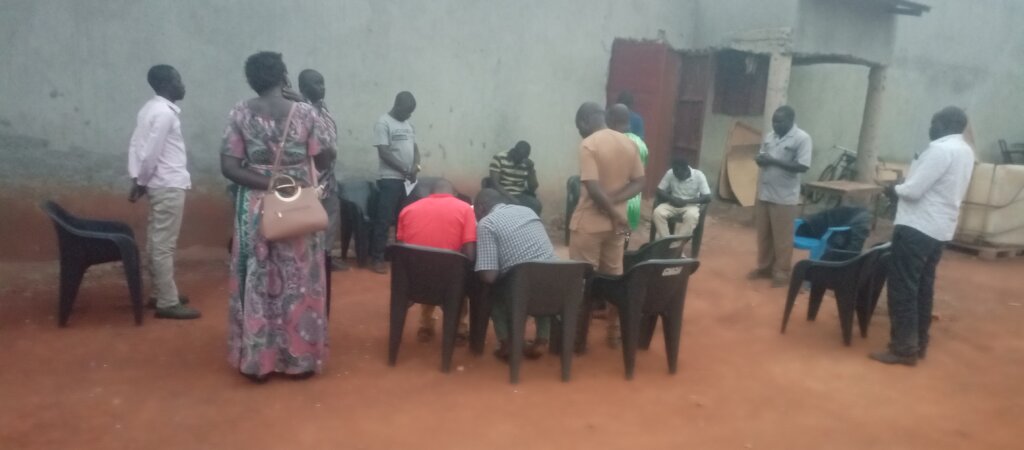
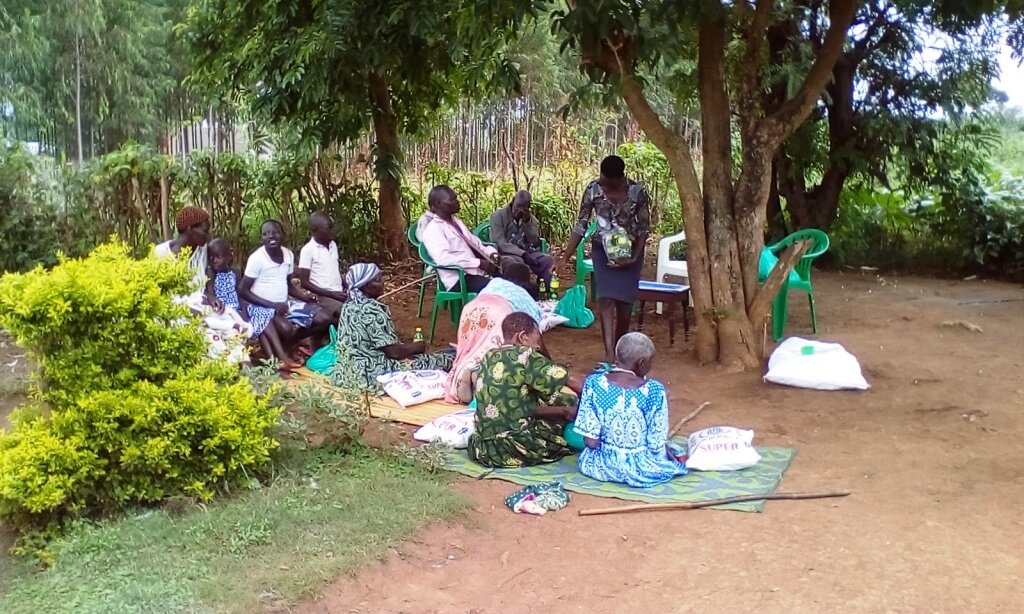
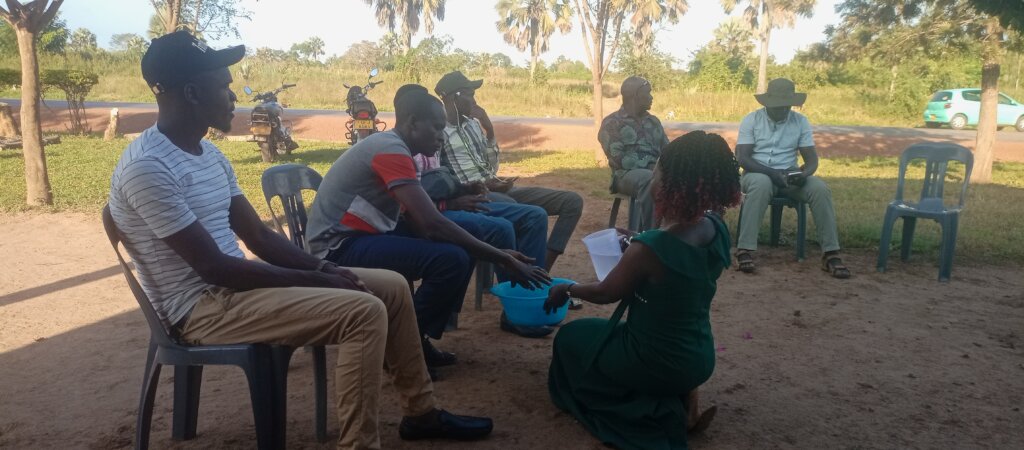
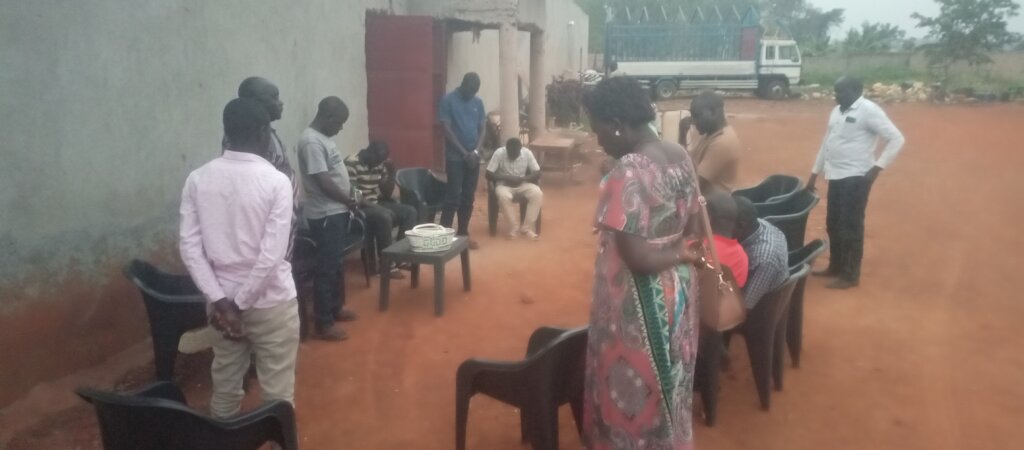
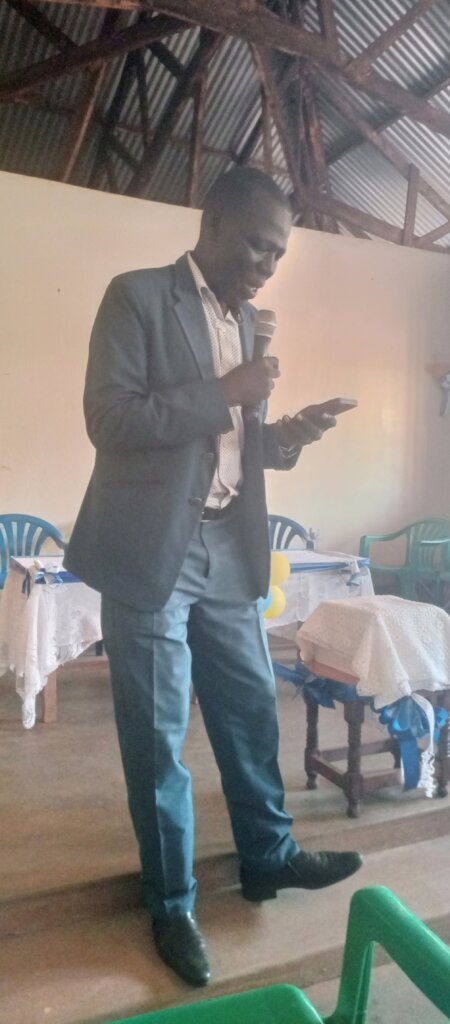
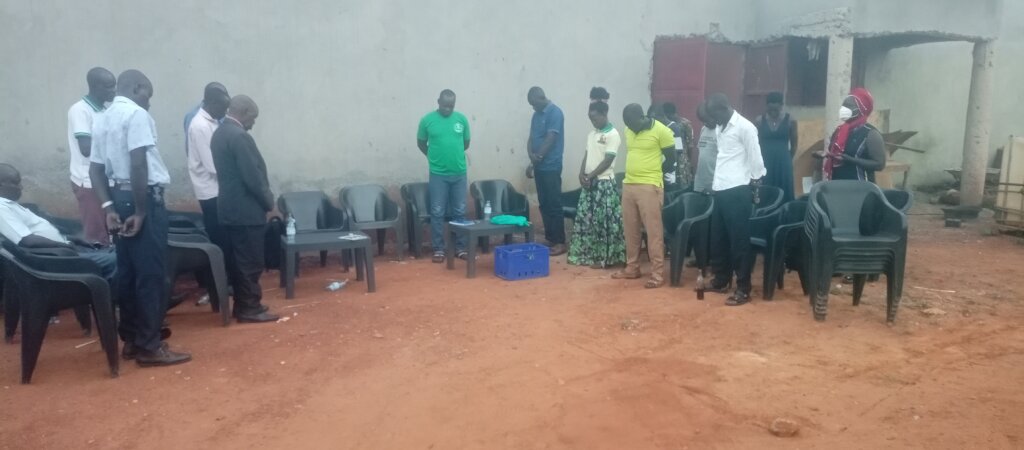
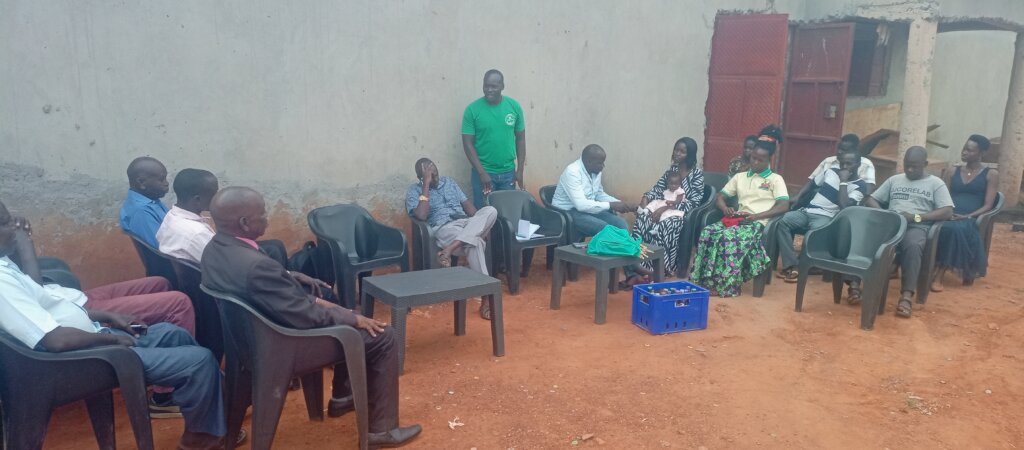
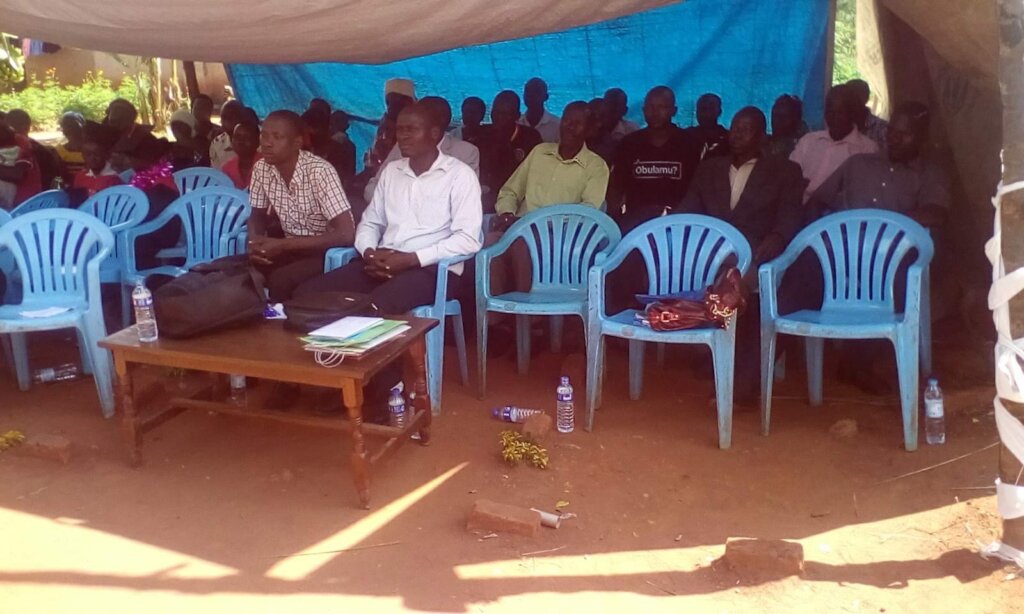
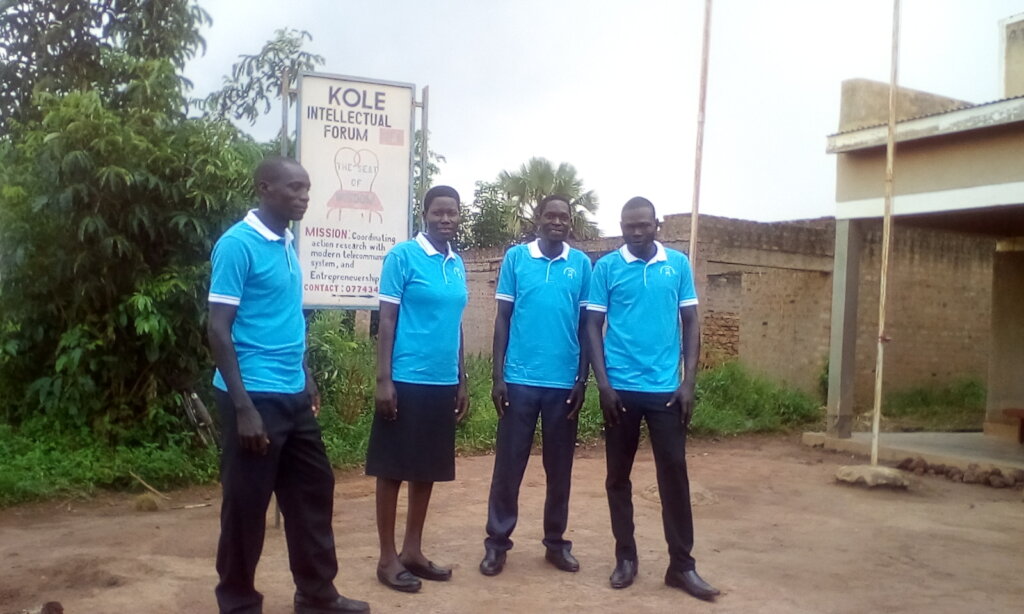
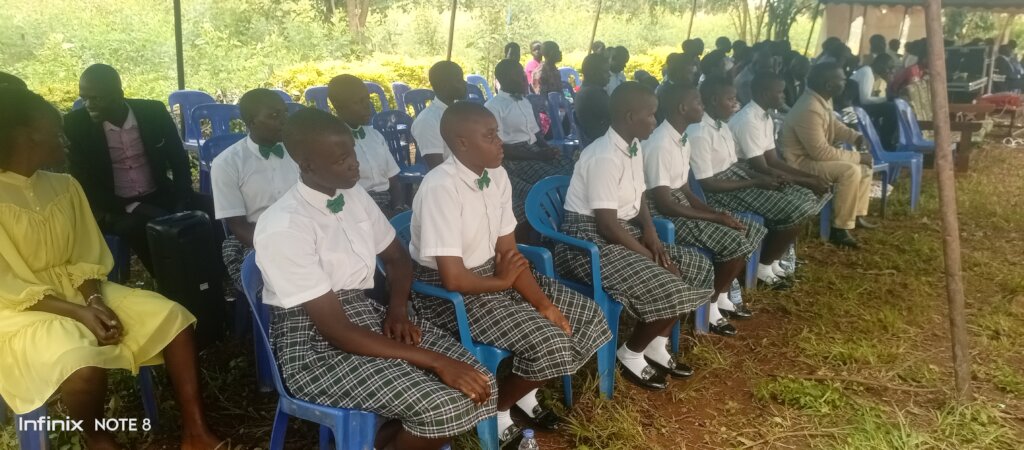
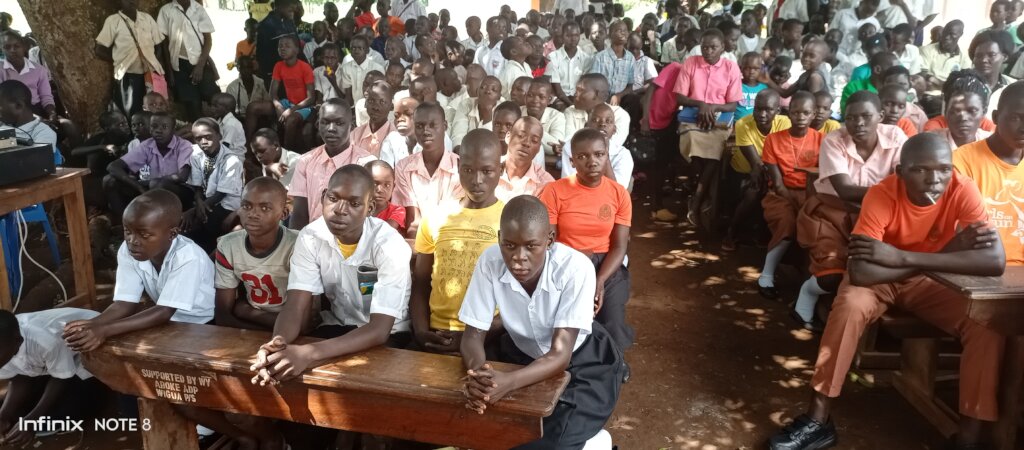
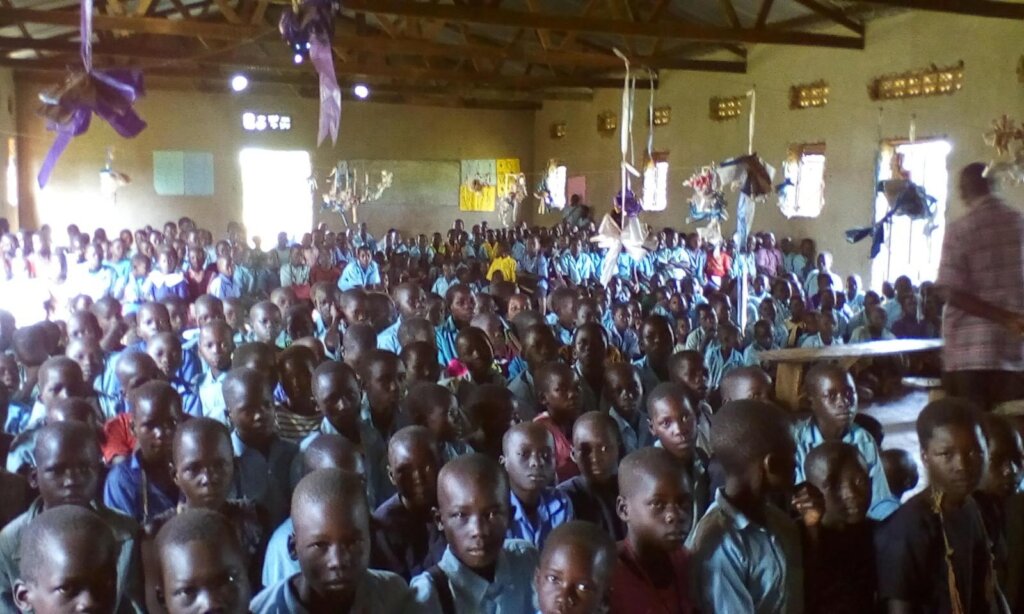
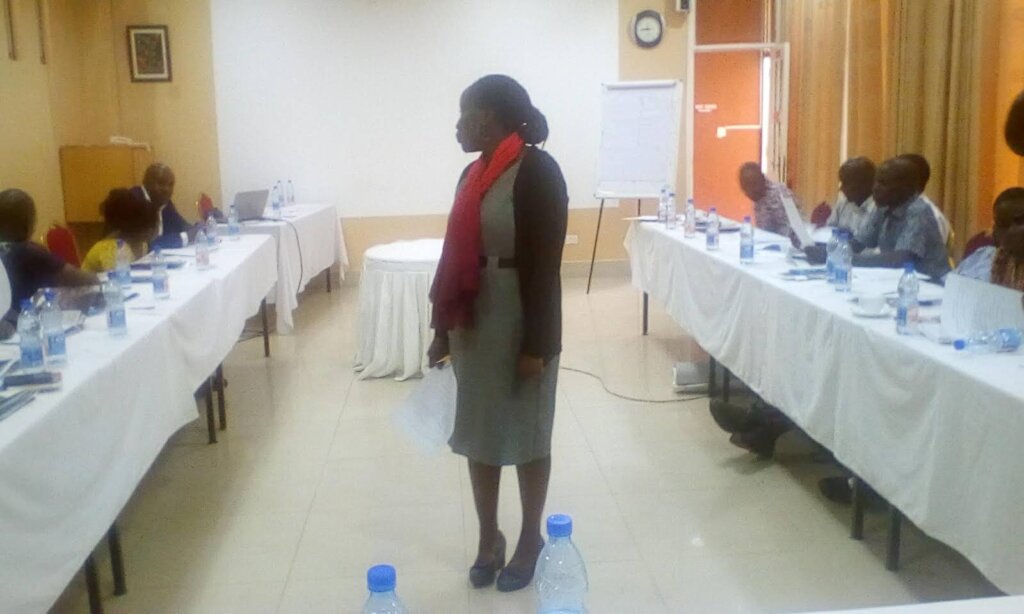
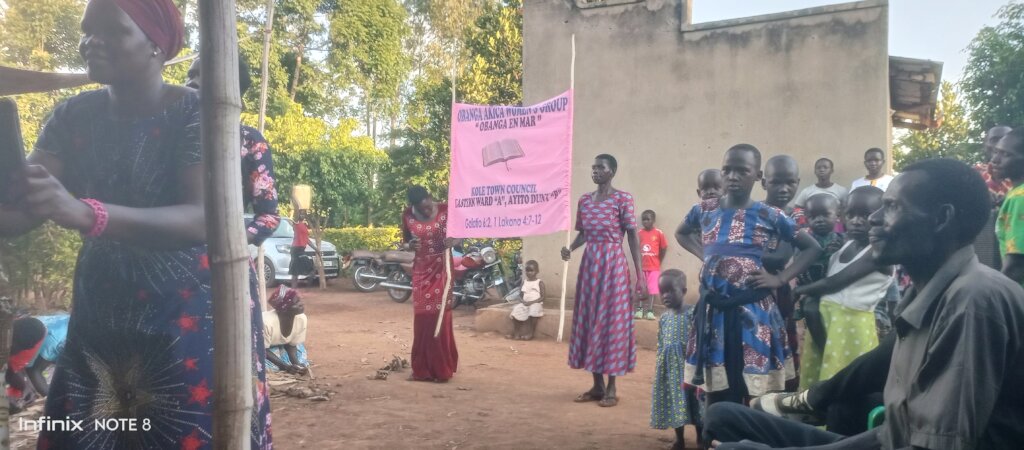
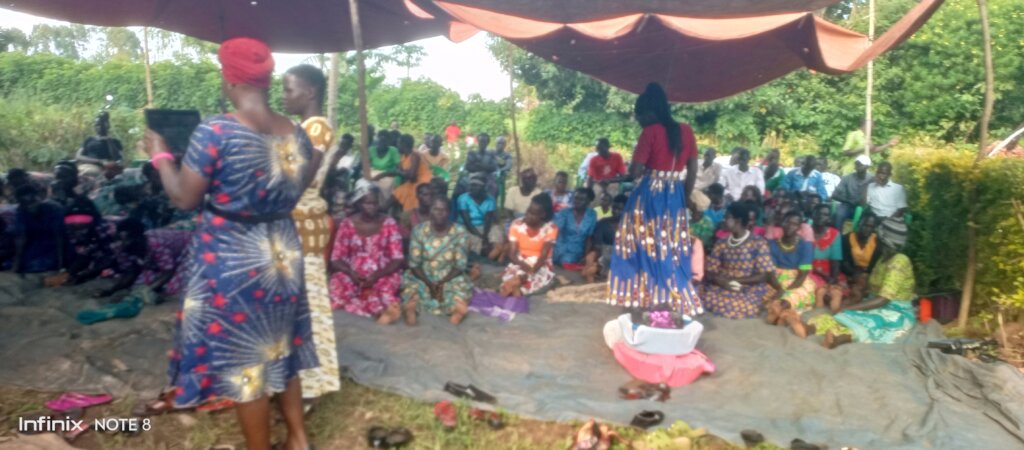
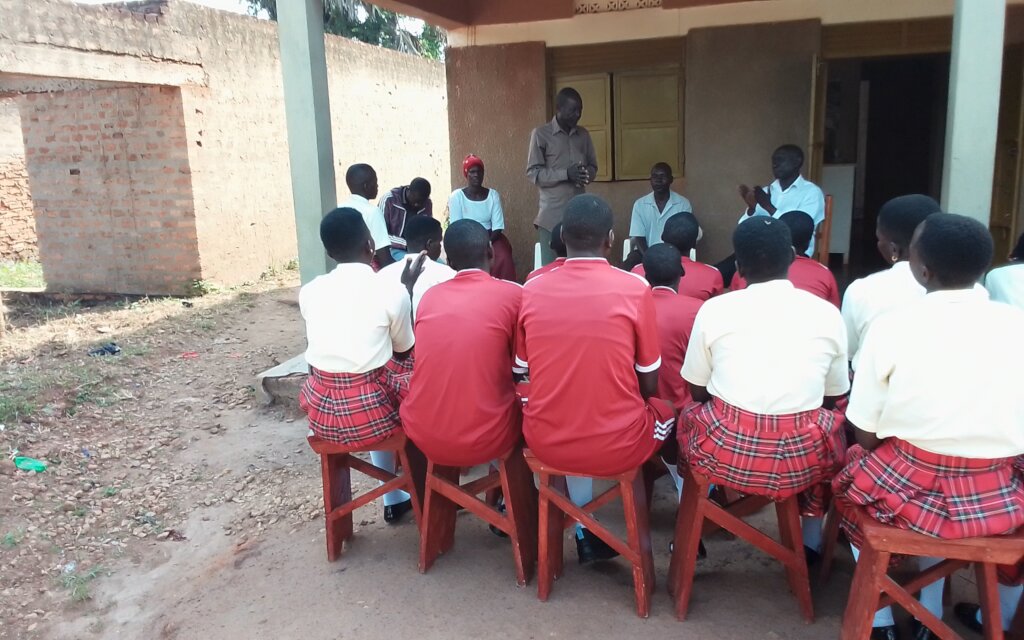
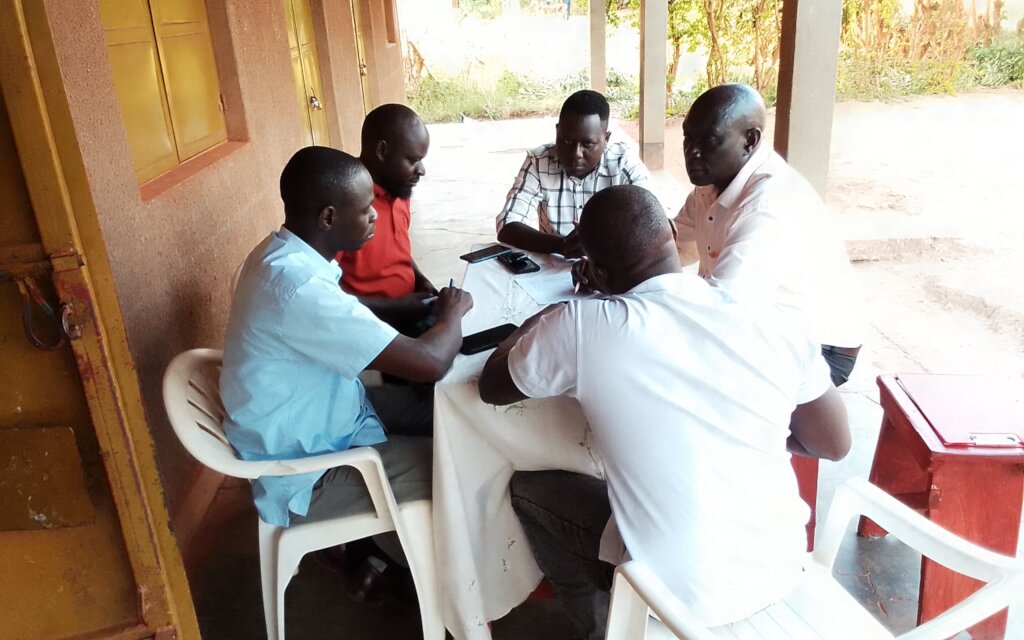
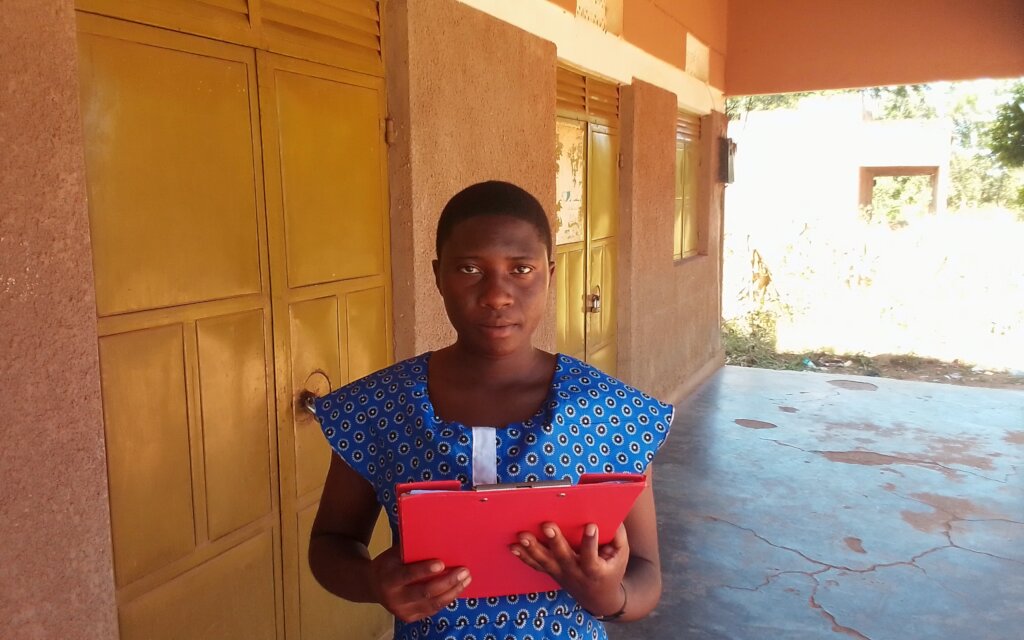
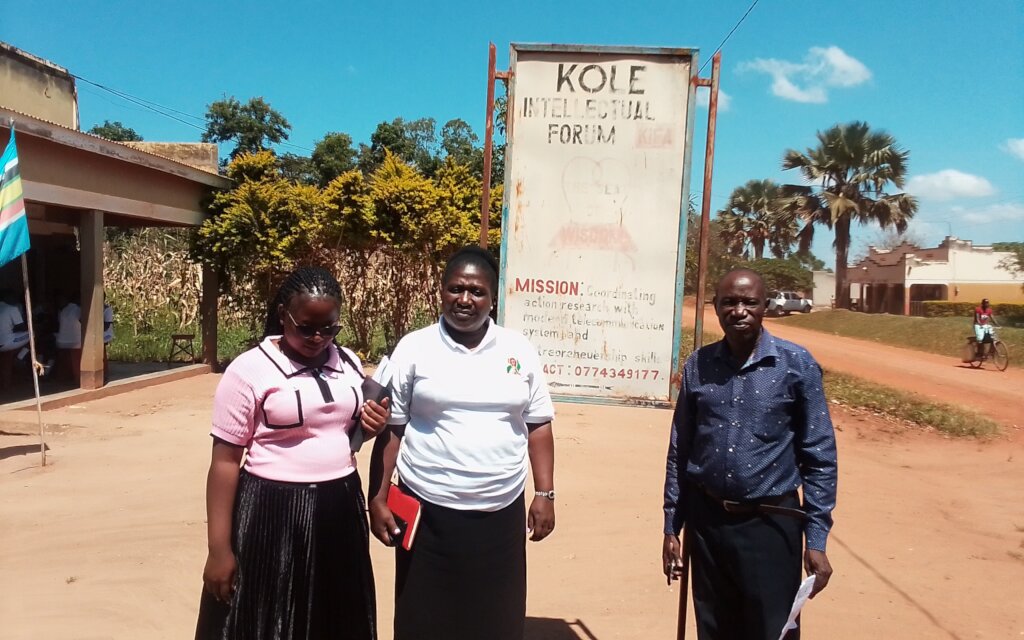
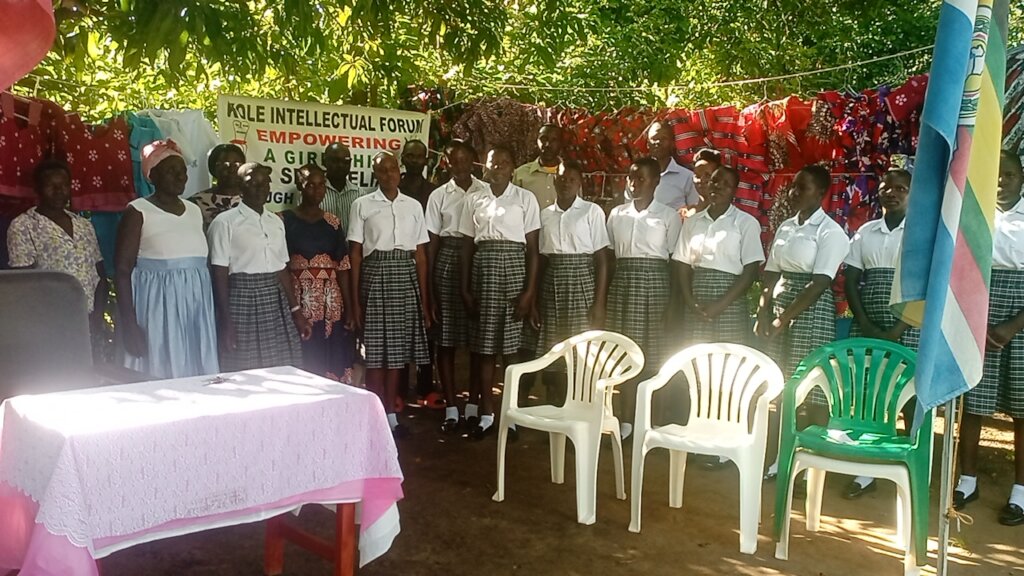
Kole Intellectual Forum (KIFA), a Community Based Organization in Kole District is selected as an home grown organization whose activities is seen as being permanent within the district setting; hence, it is through its leader, representing, CSOs within the district and it serves as a vital intermediary between local citizens and the District Local Government (DLG), facilitating participatory planning, holding leaders accountable, and enhancing service delivery. They act as advocates for marginalized groups, ensuring that voices from the community, including women, youth, and persons with disabilities, are represented in council decisions.
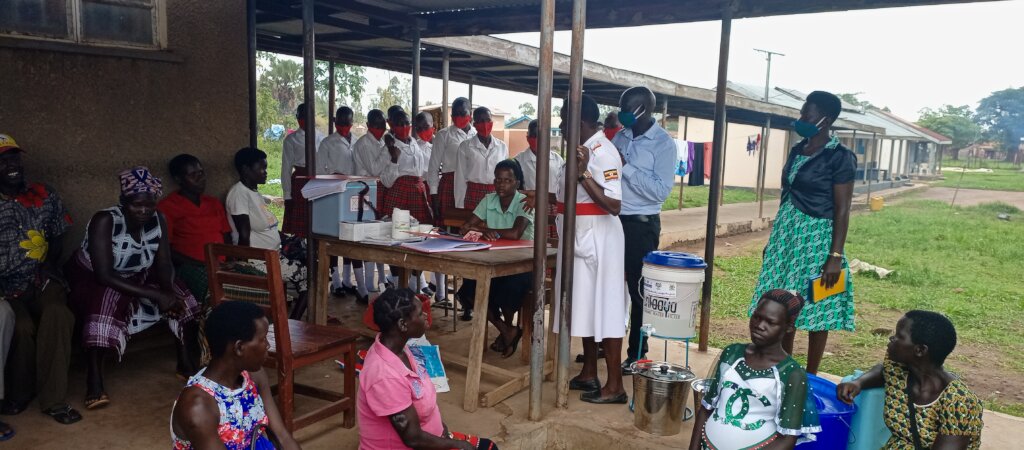
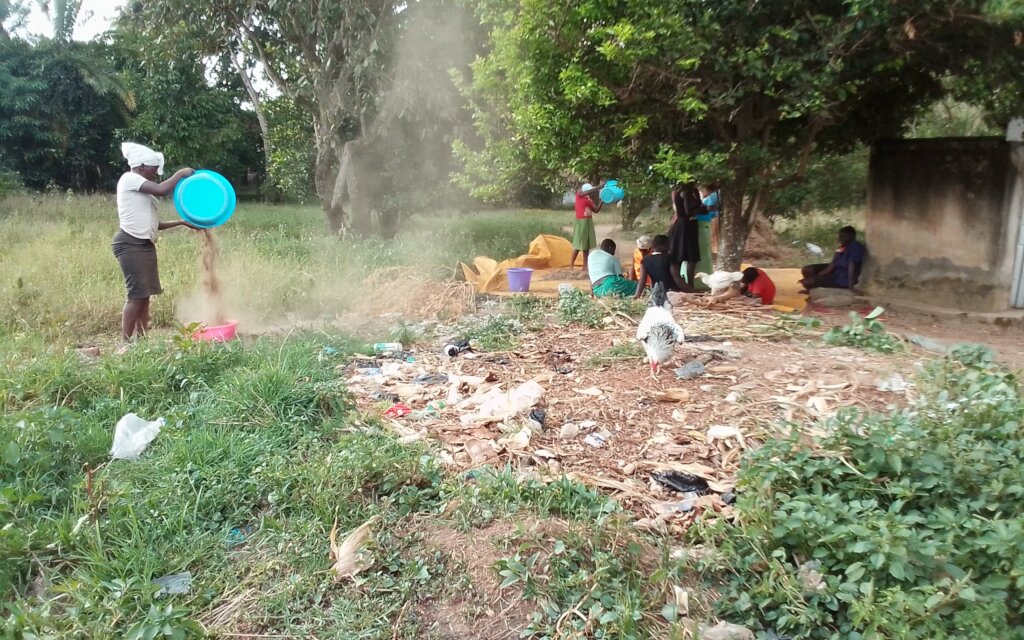
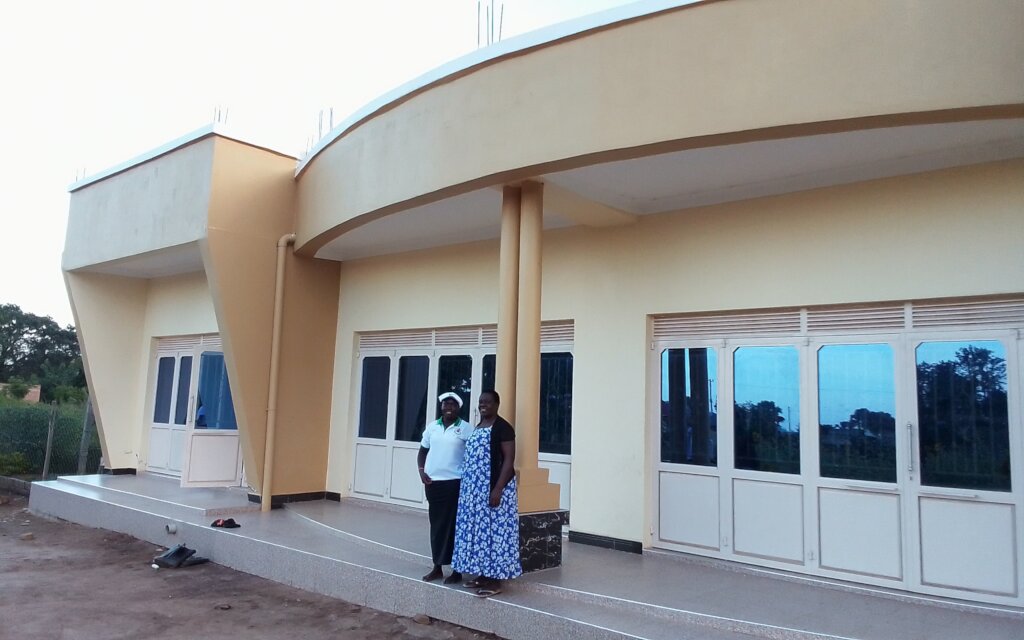
The Roles and Responsibilities of the organization in representation is to be at: Participatory Planning and Budgeting: in that, CSOs contribute to local development planning by ensuring community priorities are reflected in the District Development Plans (DDPs) and budgets; Service Delivery Monitoring: They monitor the implementation of government projects and services (such as health, education, and water) to ensure accountability and efficiency in the use of public funds; Advocacy and Accountability: CSOs act as watchdogs, providing checks and balances on local government actions and advocating for transparent, rights-based governance; Information Sharing and Feedback: They bridge the gap between technical officials and residents, sharing information on government policies while relaying community feedback back to decision-makers; and of course, Capacity Building: that, CSOs often provide training to local community groups to enhance their engagement in governance processes.
By George Obua | Project Leader
By George Obua | Project Leader
Project reports on GlobalGiving are posted directly to globalgiving.org by Project Leaders as they are completed, generally every 3-4 months. To protect the integrity of these documents, GlobalGiving does not alter them; therefore you may find some language or formatting issues.
If you donate to this project or have donated to this project, you can receive an email when this project posts a report. You can also subscribe for reports without donating.



Support this important cause by creating a personalized fundraising page.
Start a Fundraiser