By George Obua | Project Leader
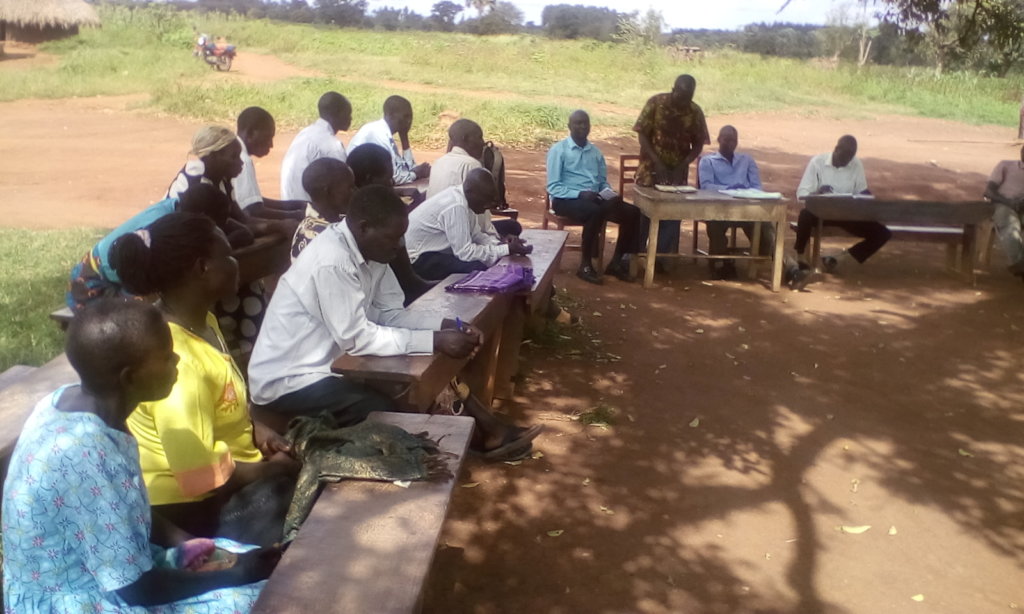
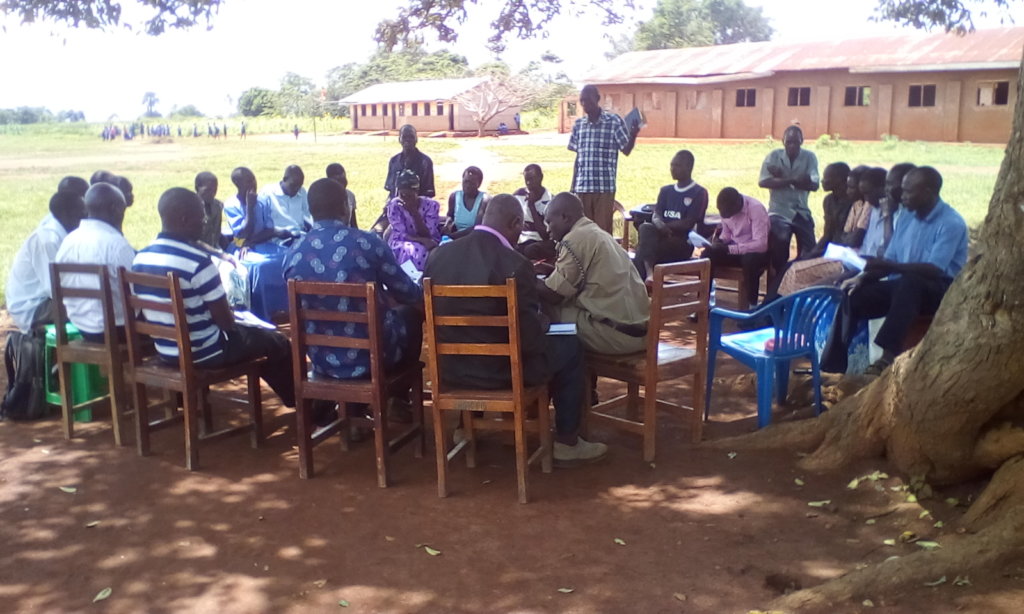
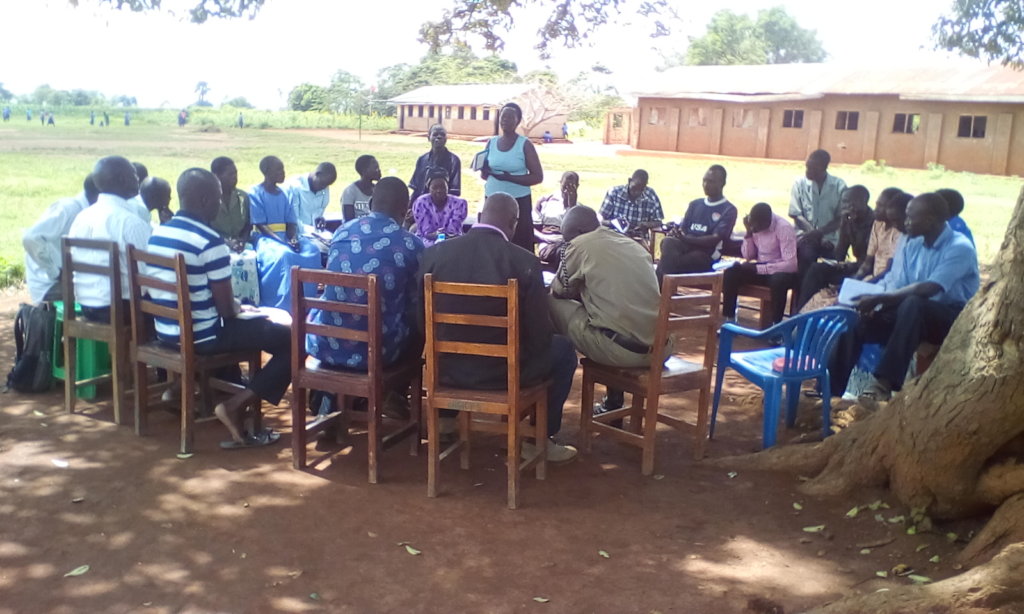
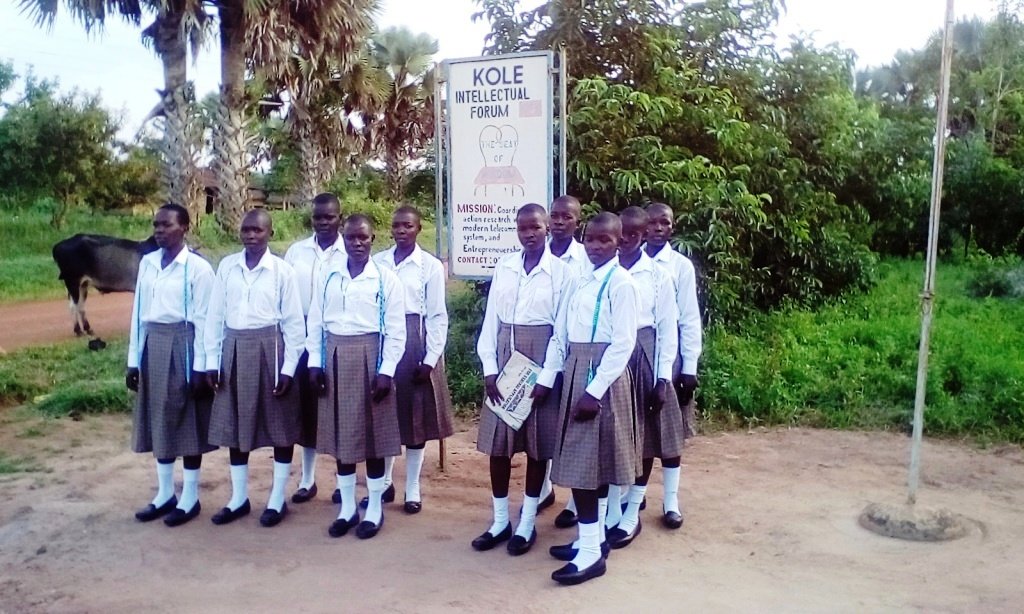
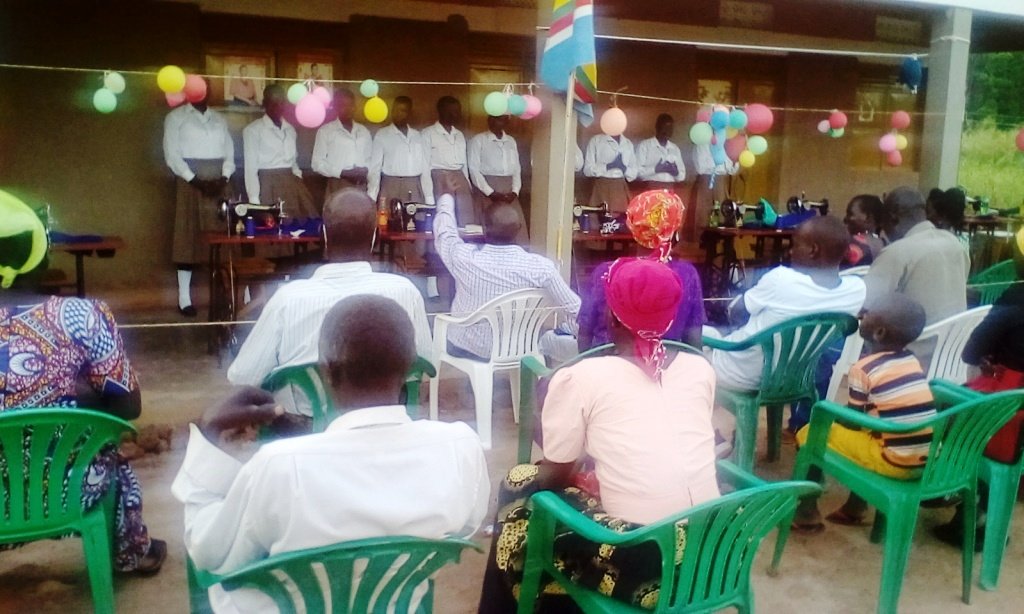
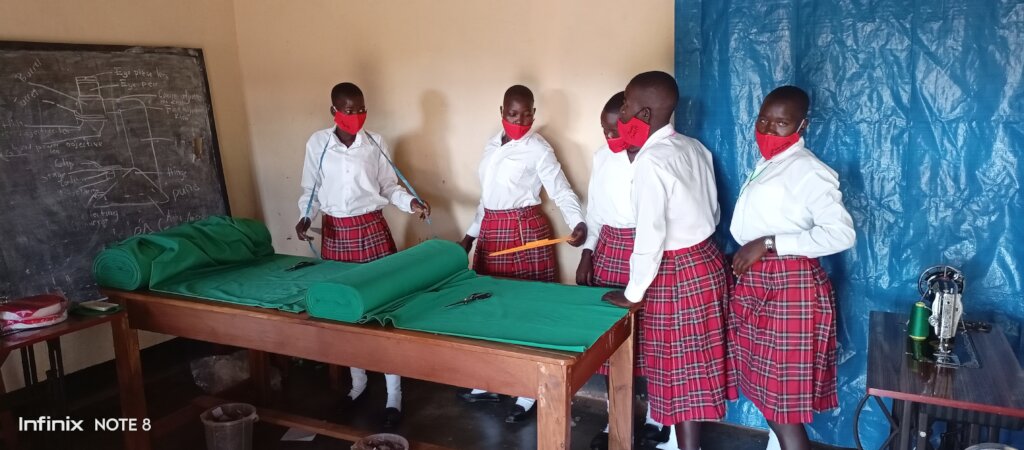
Training beyond skilling at KIFA
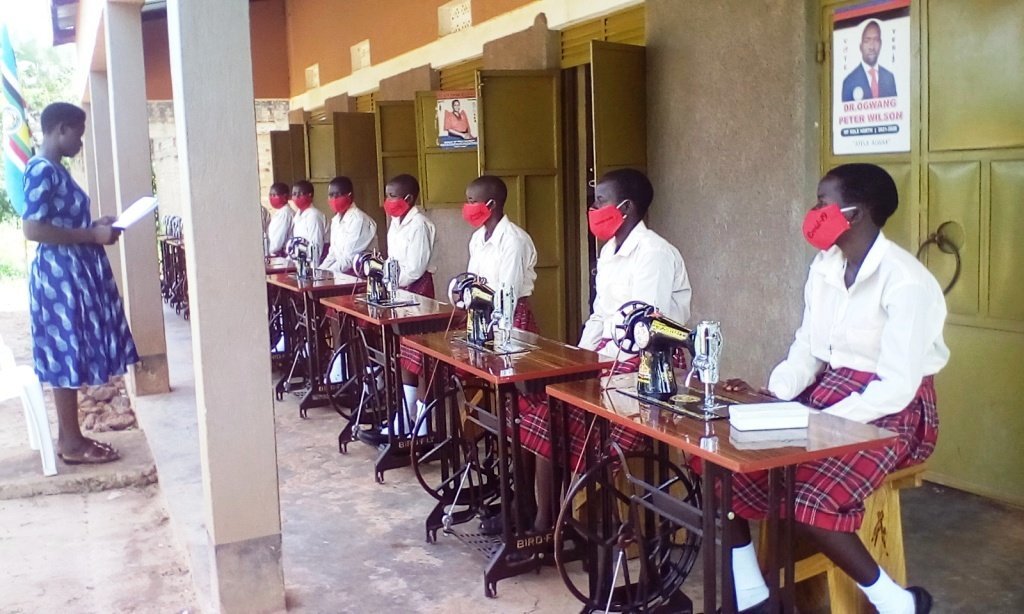
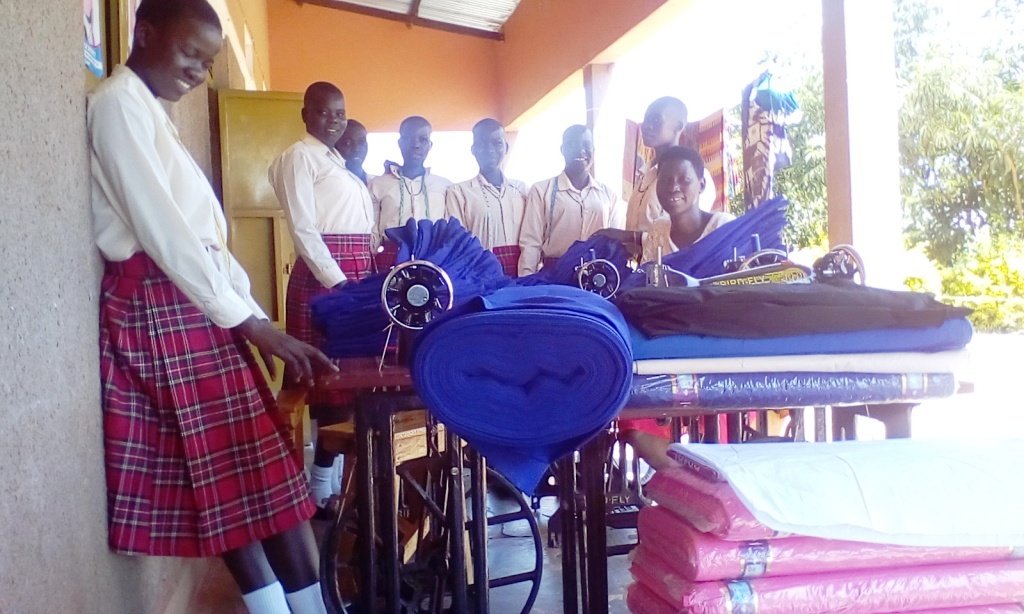
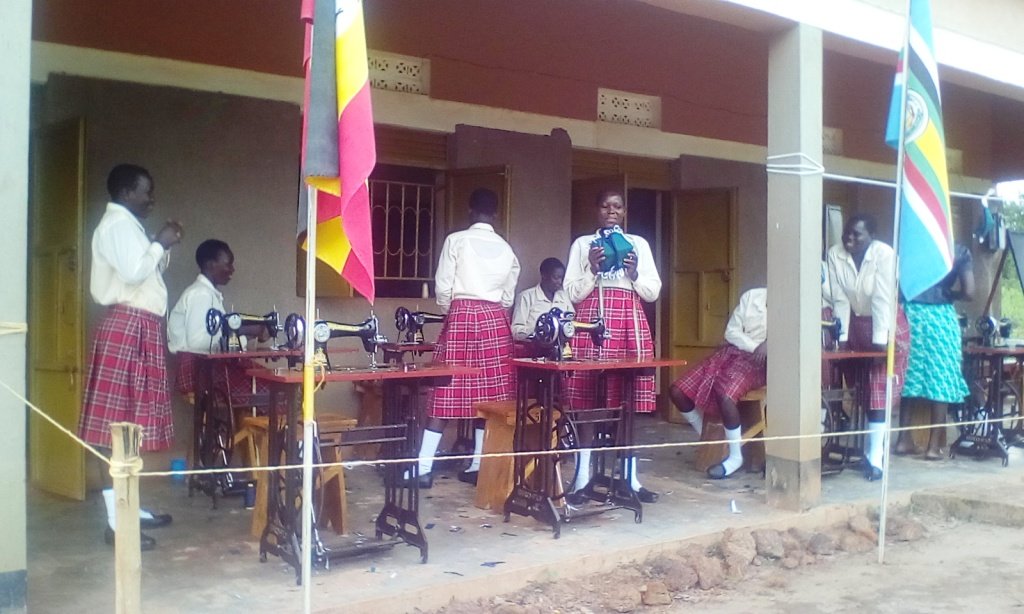
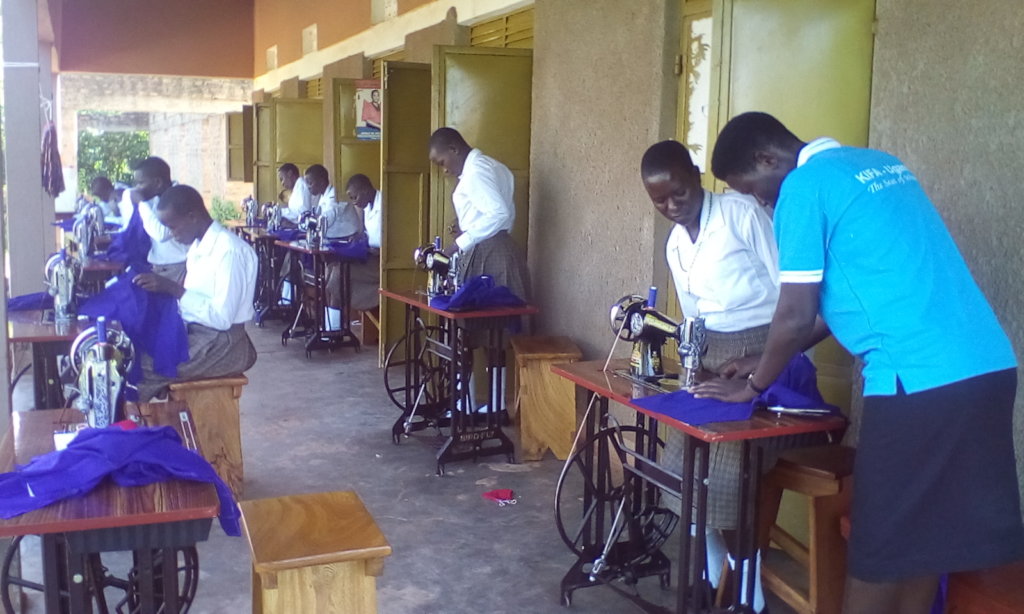
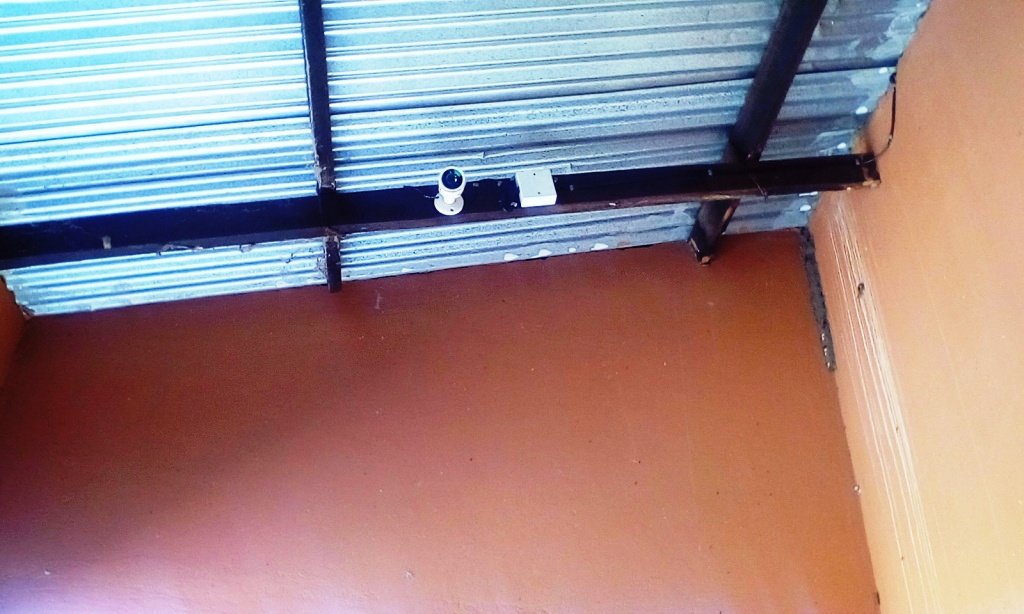
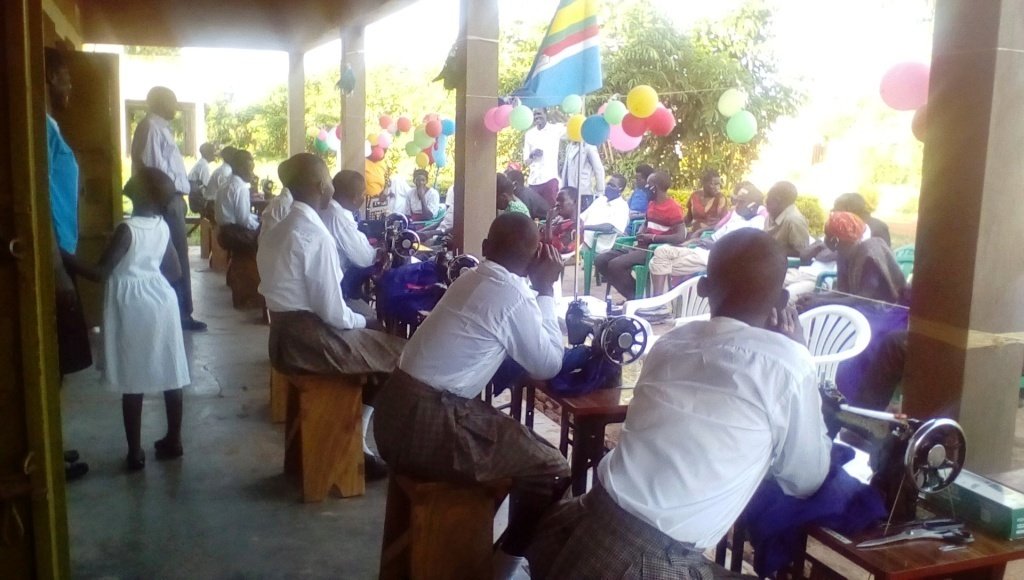
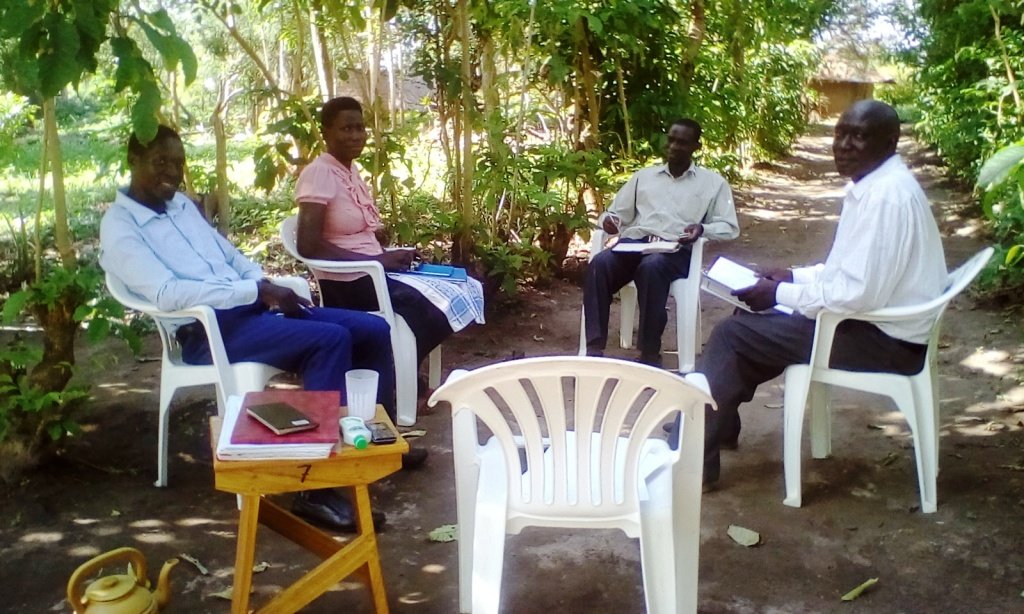
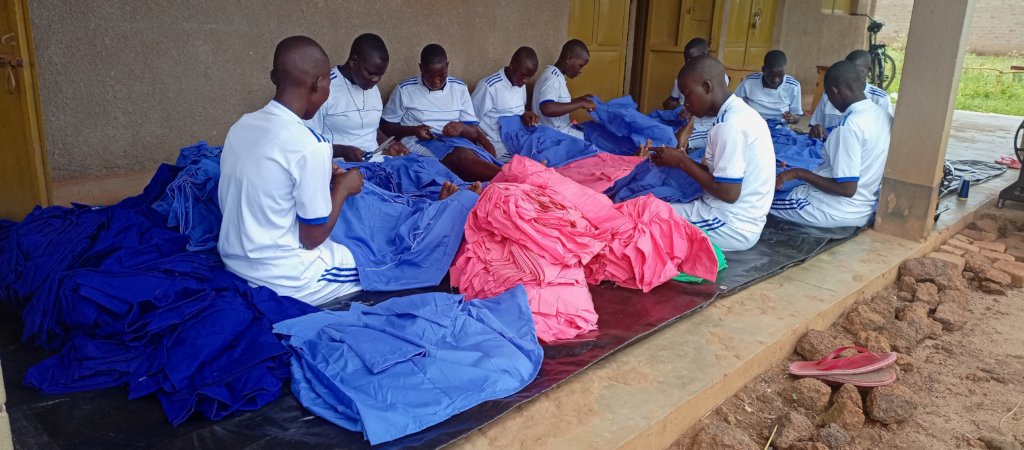
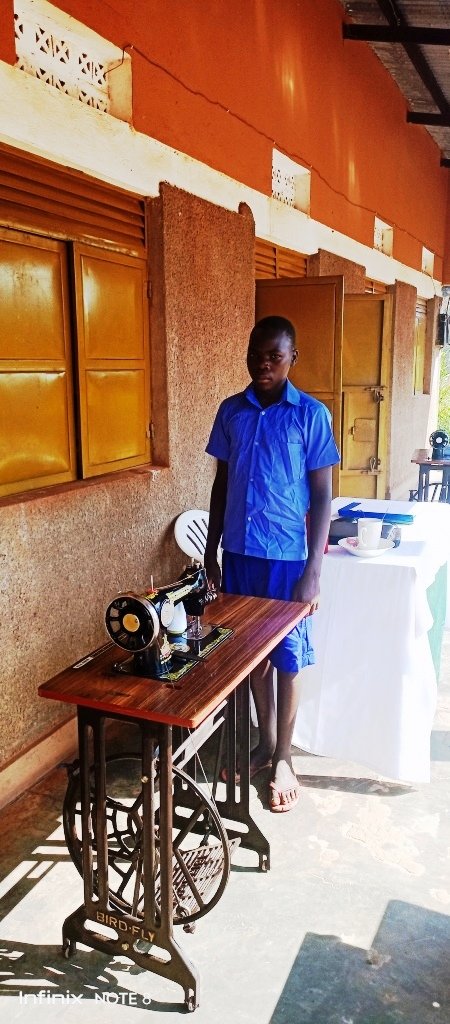
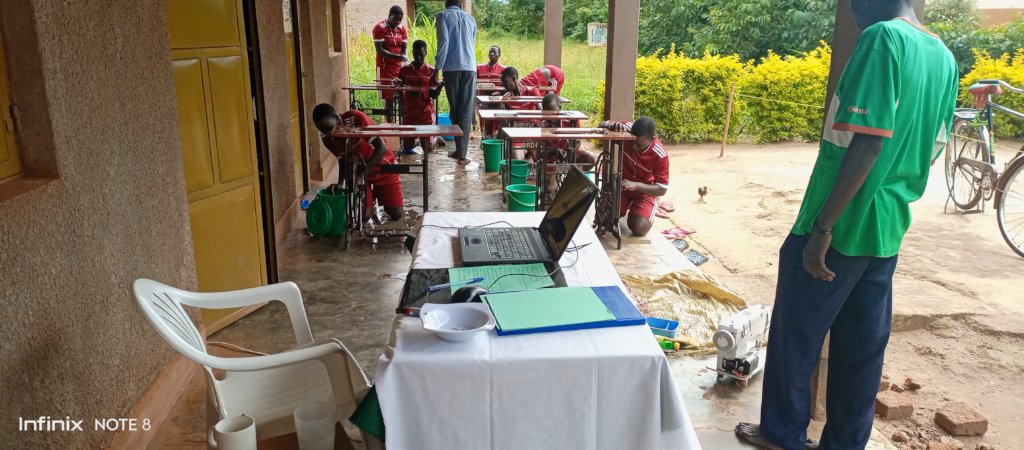
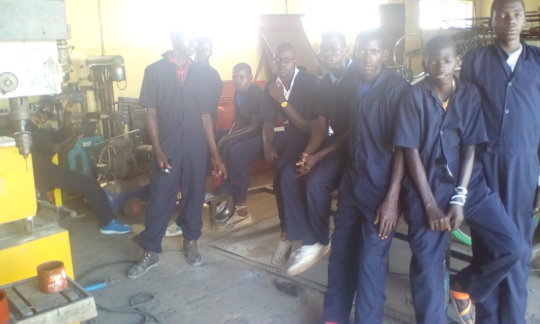
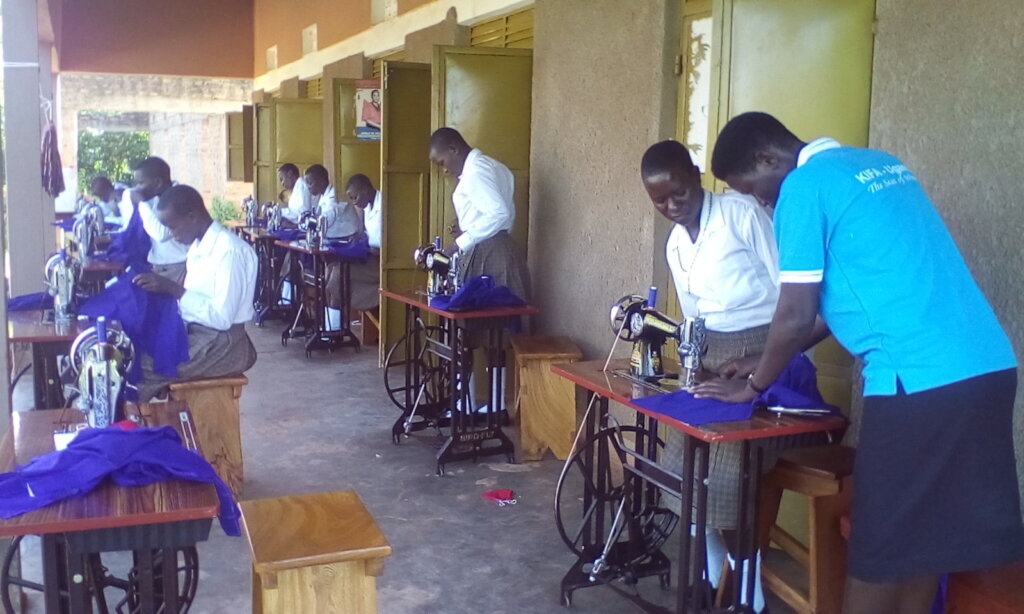
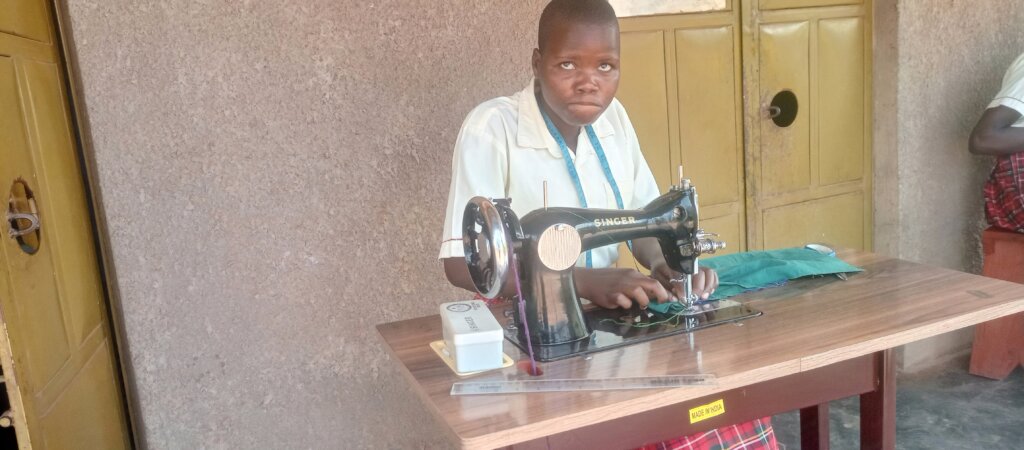
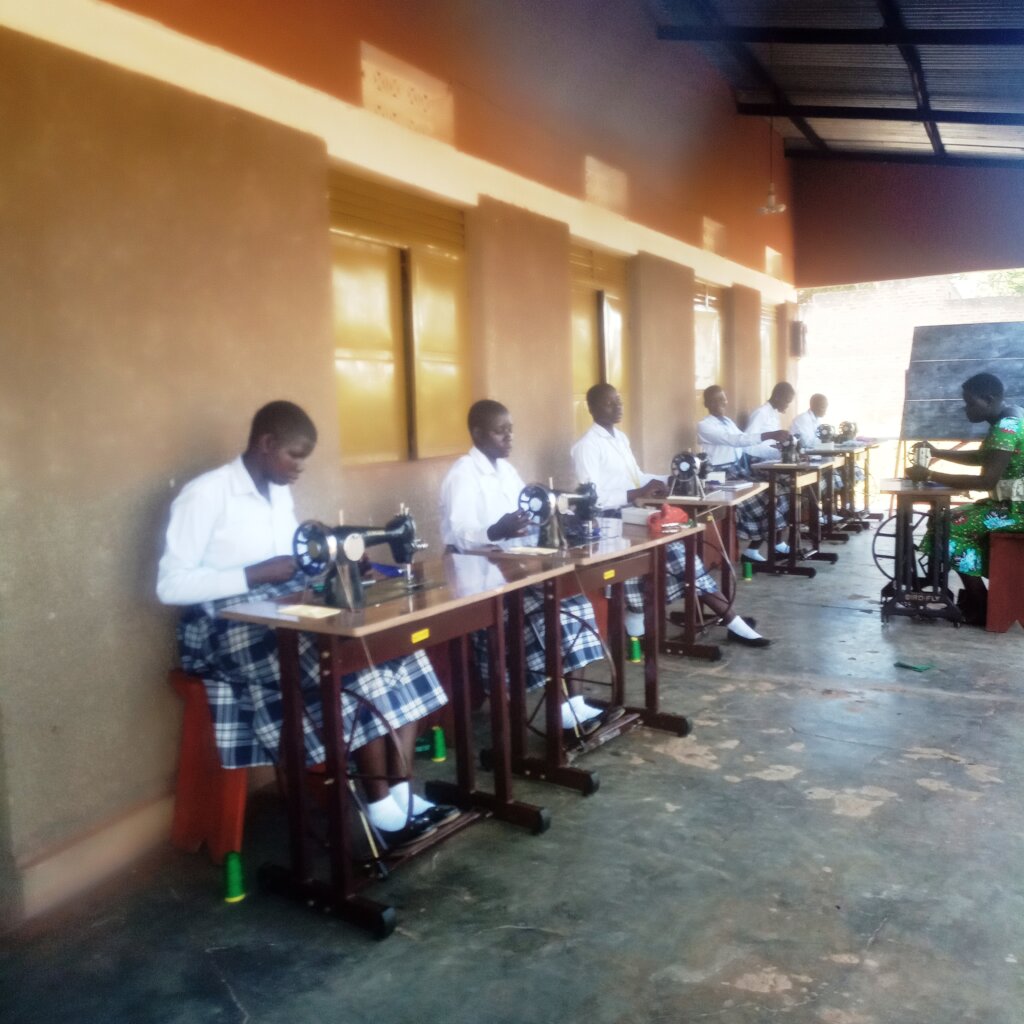
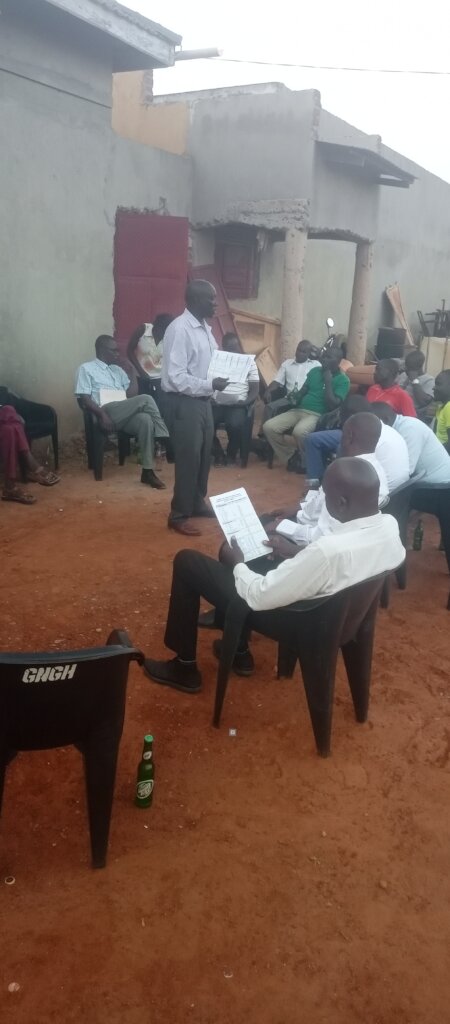
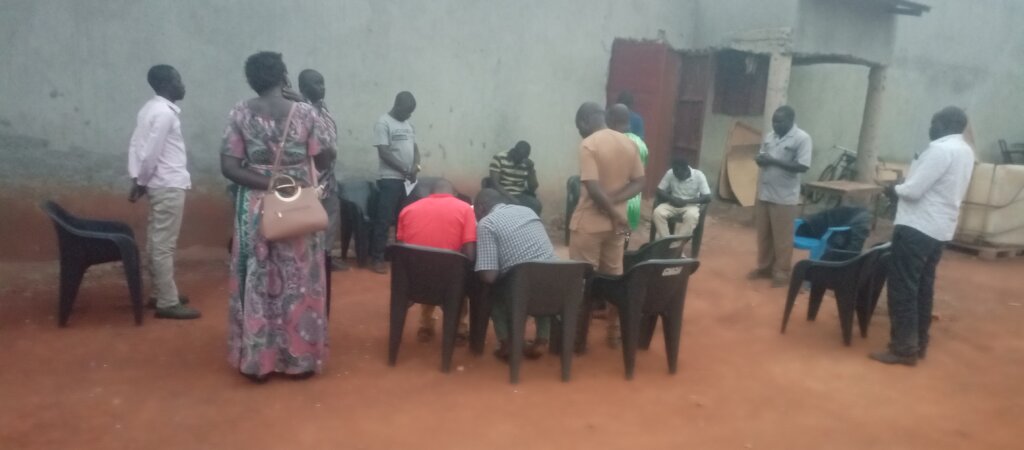
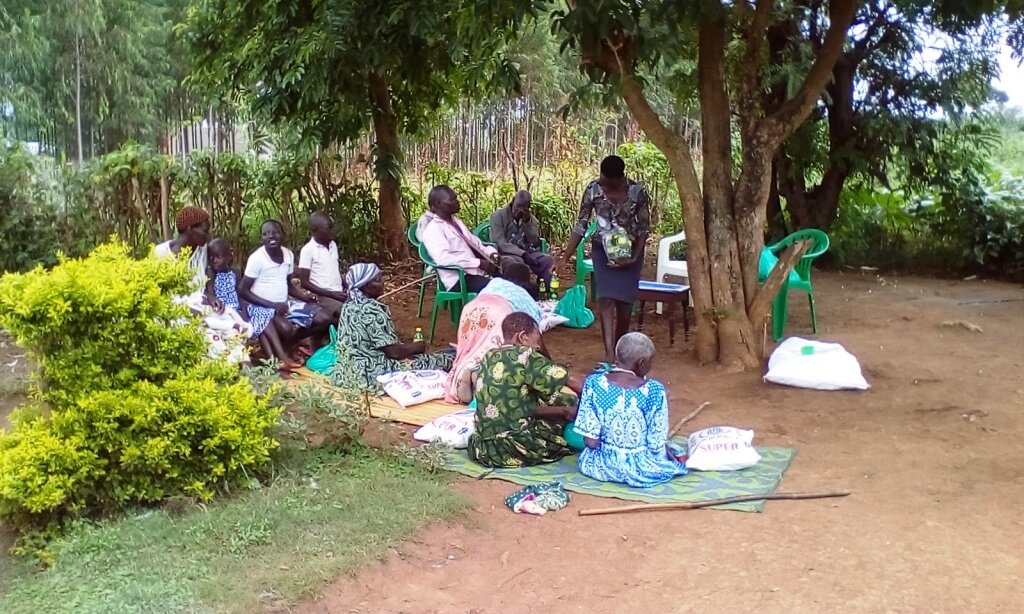
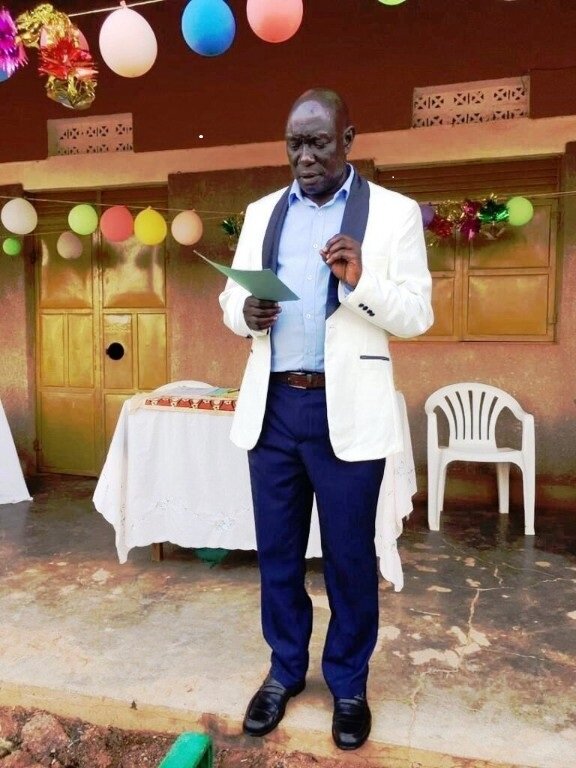
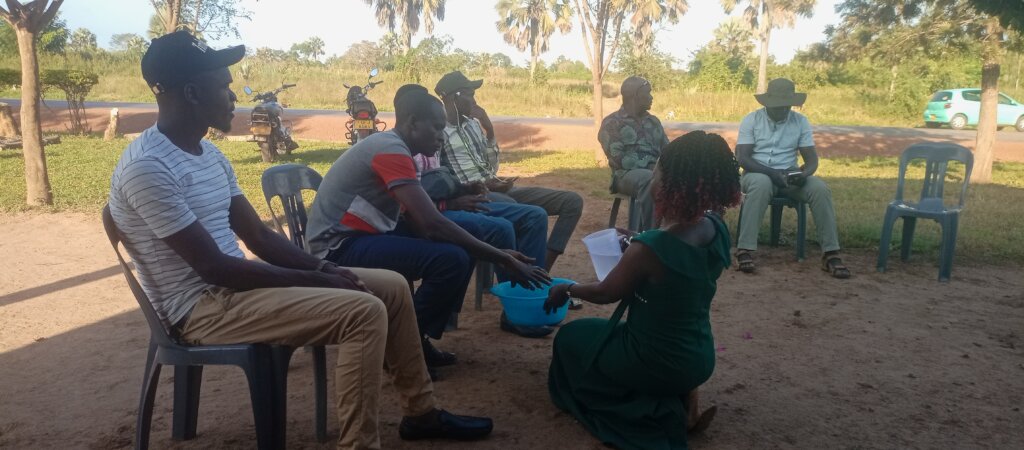
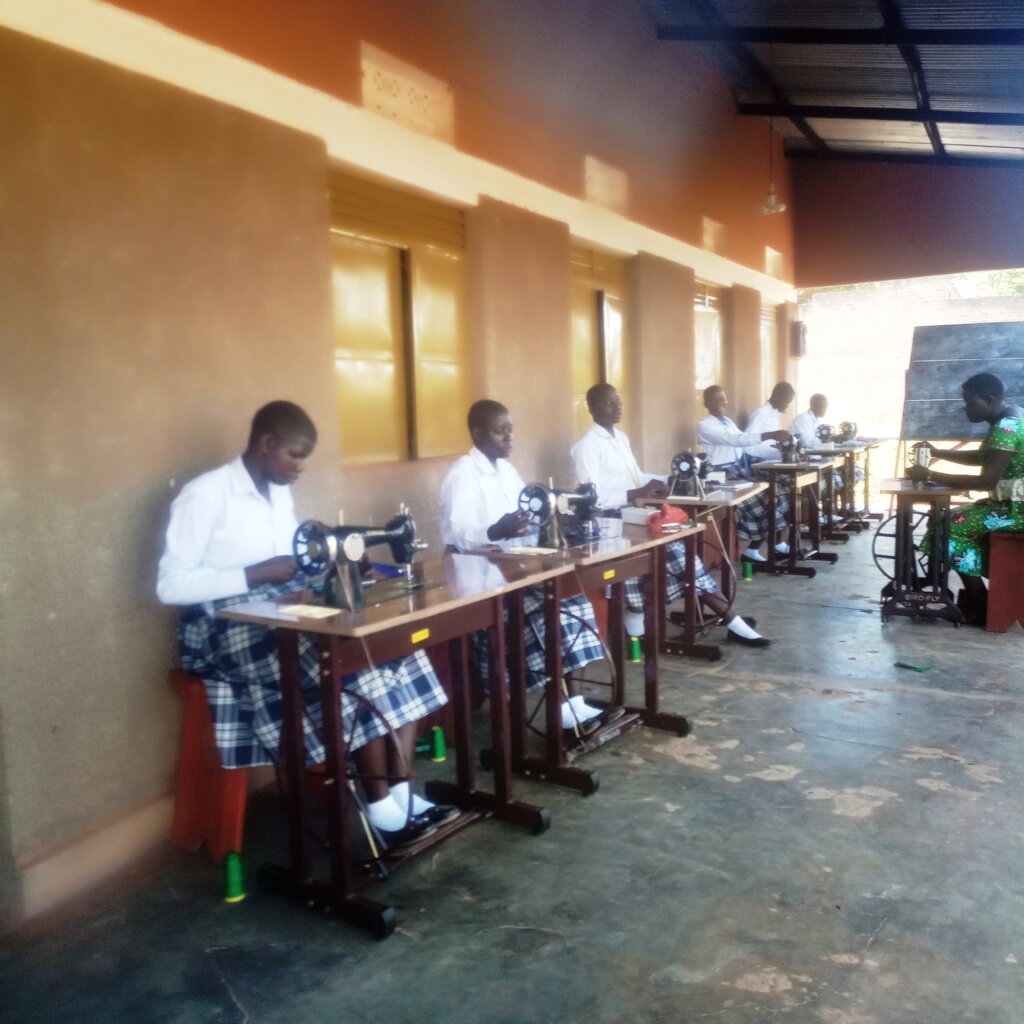
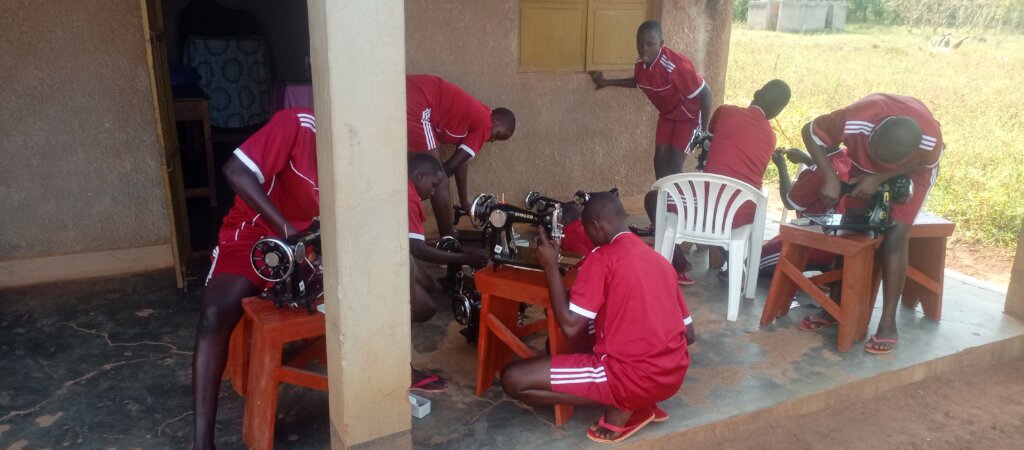
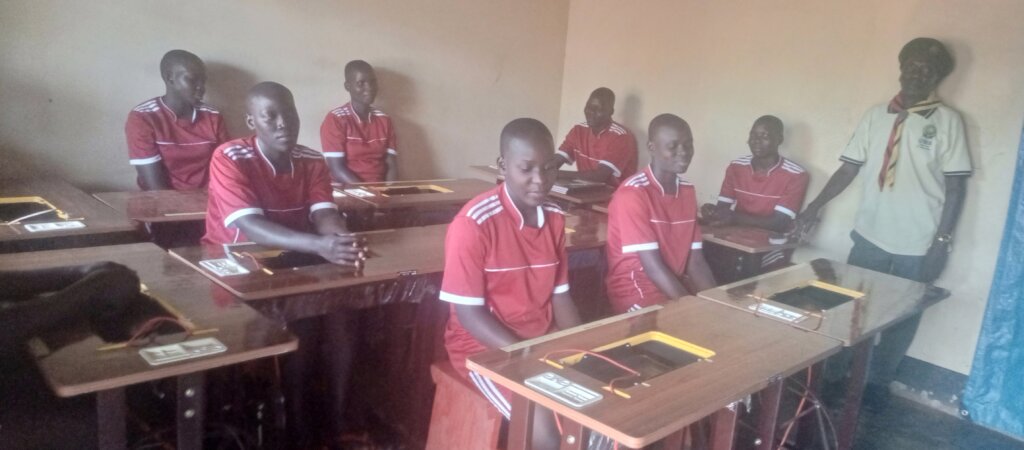
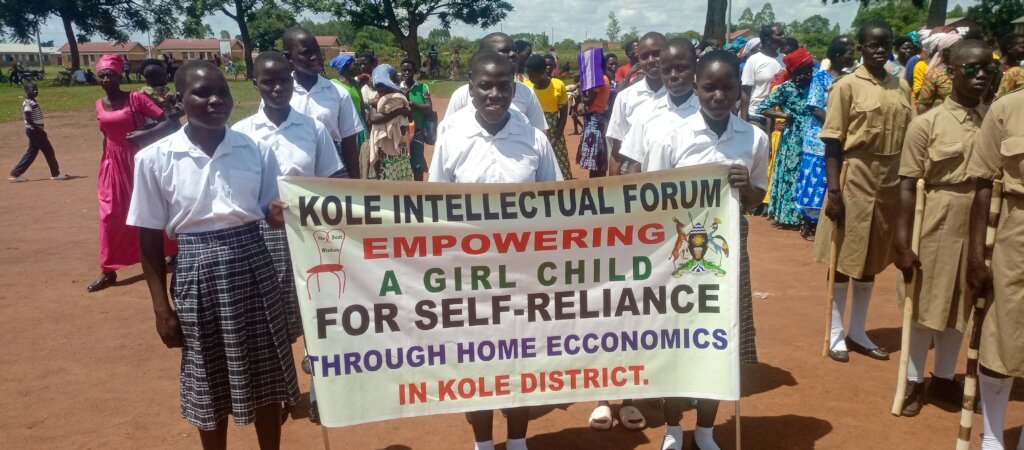
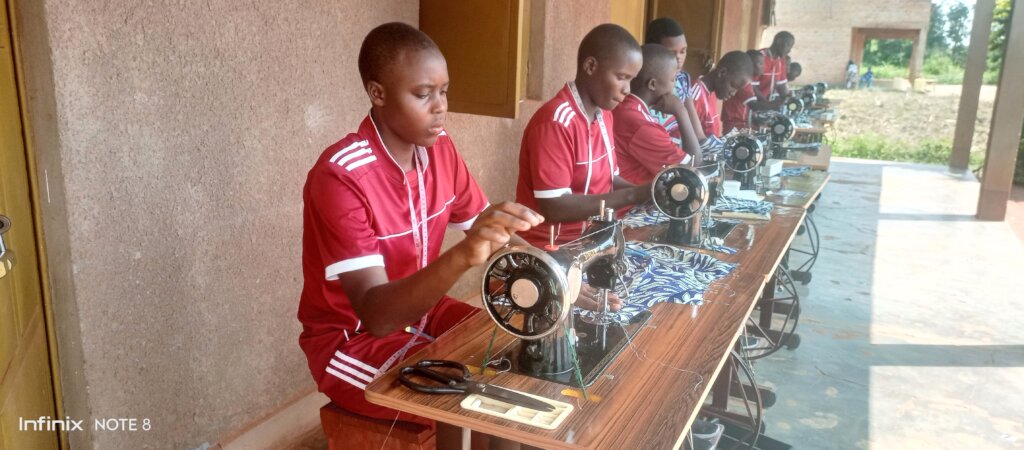
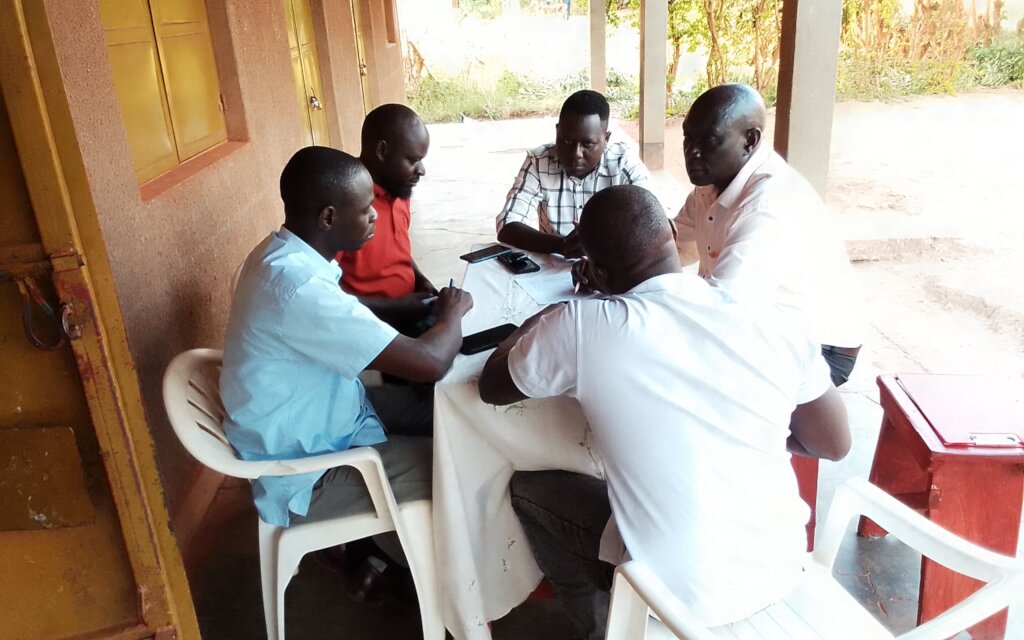
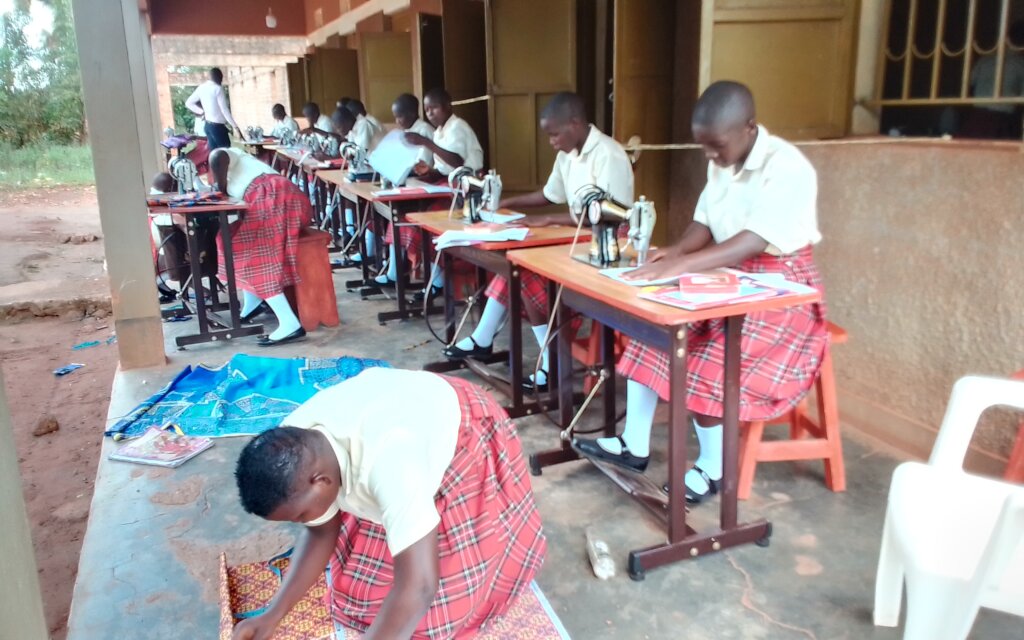
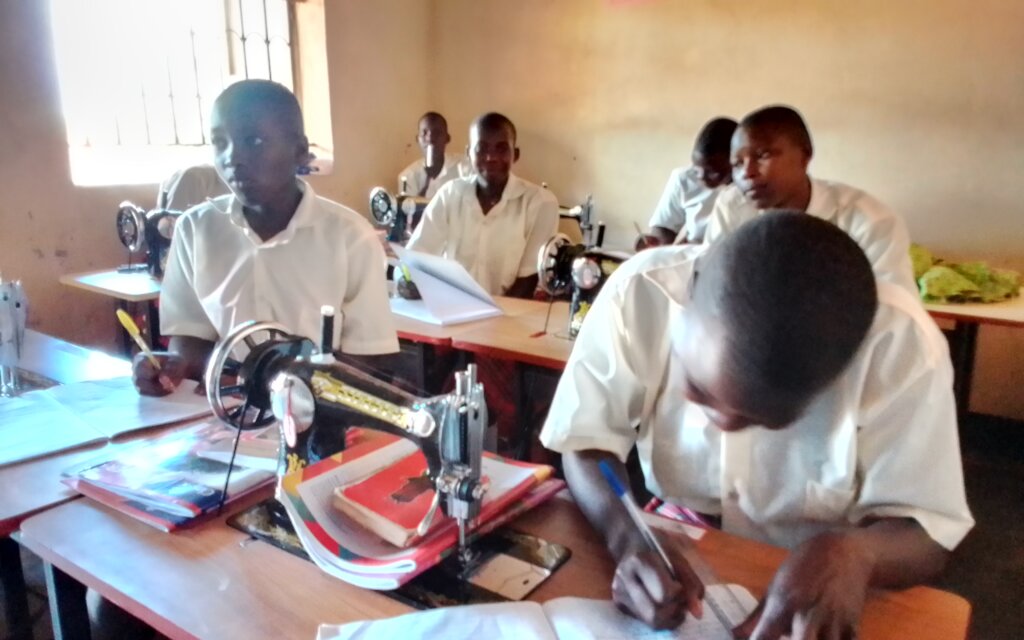
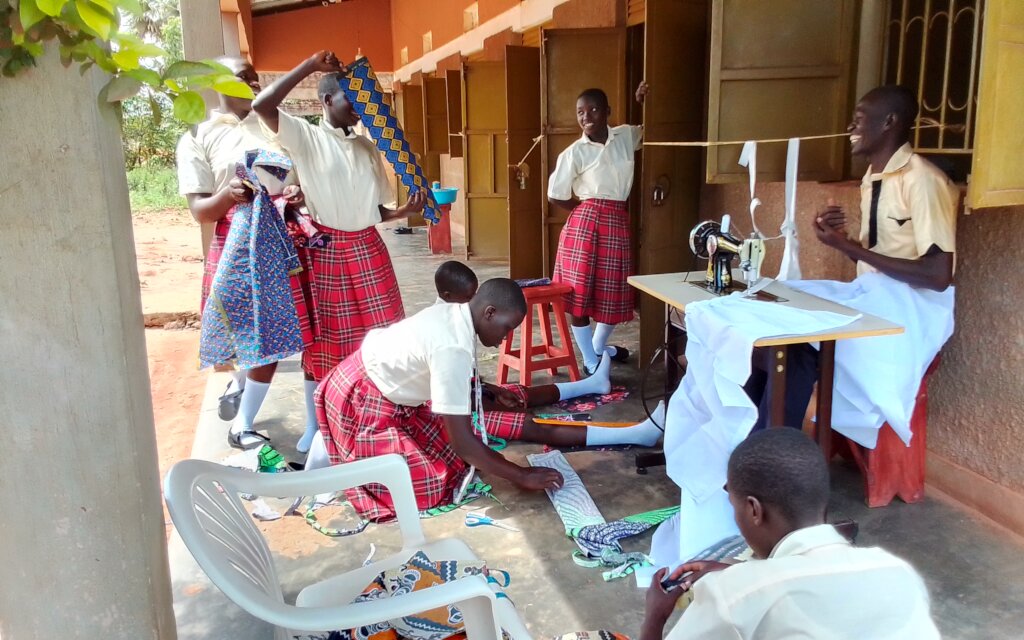
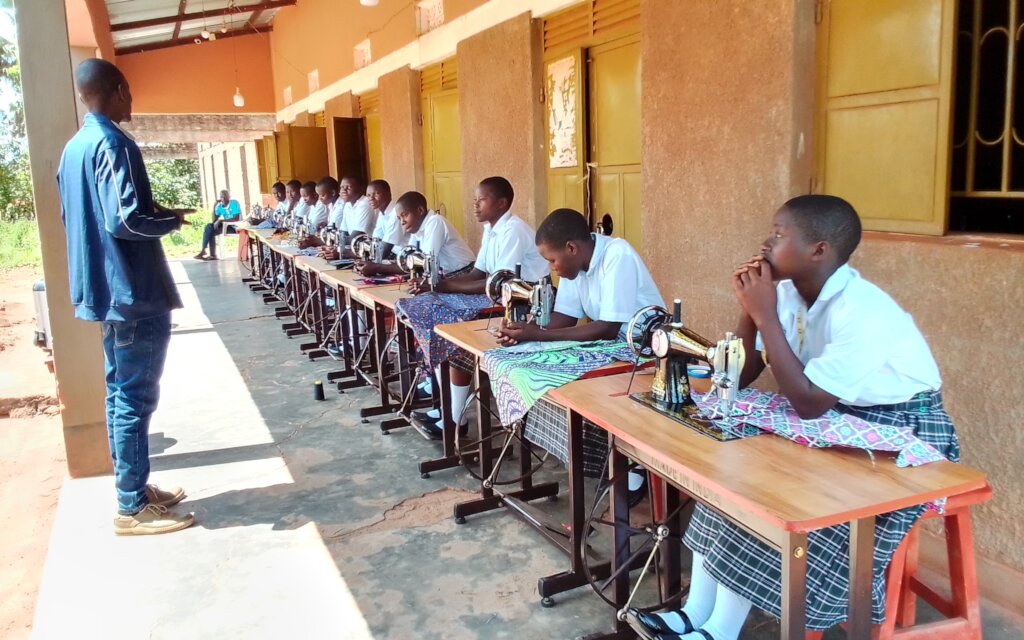
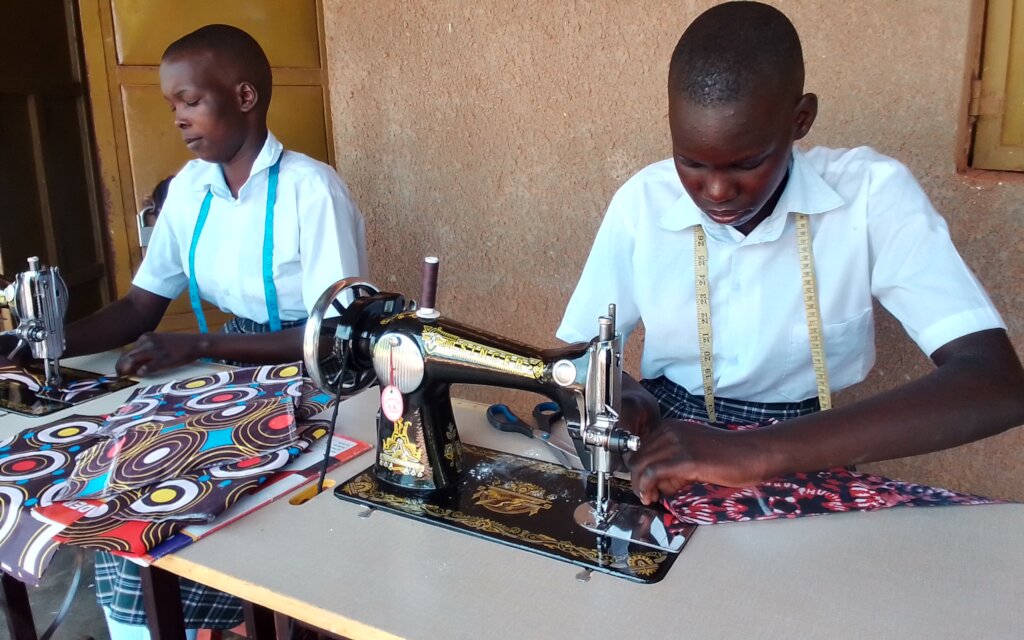
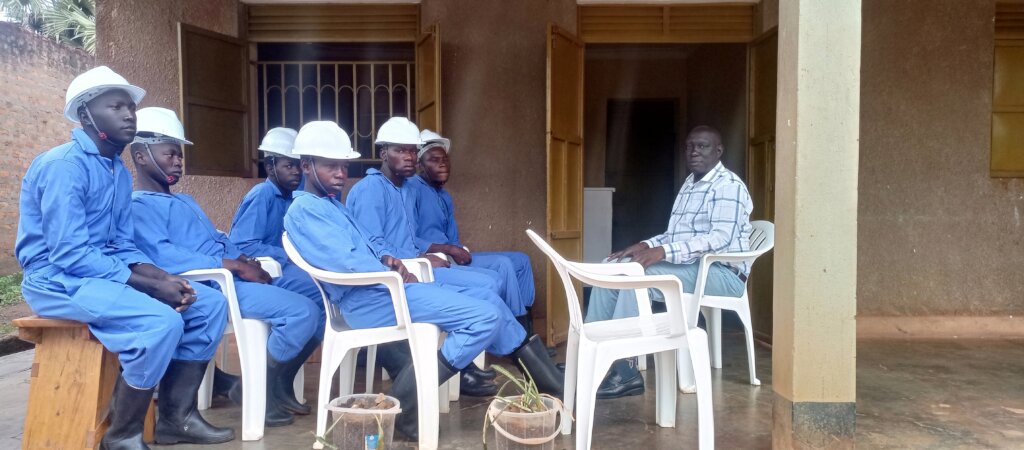
We, at Kole Intellectual Forum (KIFA), we treat maintenance of the students’ machines and the entire system with a full capacity of confidence because we want to ensure reliability, prevent costly problems, and promote a sense of control and the general well-being of the organization.
To us, at Kole Intellectual Forum, confident maintenance are practiced, whether being it be physical asset or personal well-being, and these have led the organization to realize a better performance, reducing stress, and to have a more positive outlook.
In terms of Reliability and Prevention: A confident approach to maintenance of the organizational assets and its human capital, has helped the organization to identify potential issues early and address them before they escalate into major problems. This proactive approach ensures things run smoothly and reduces the risk of unexpected failures or breakdowns.
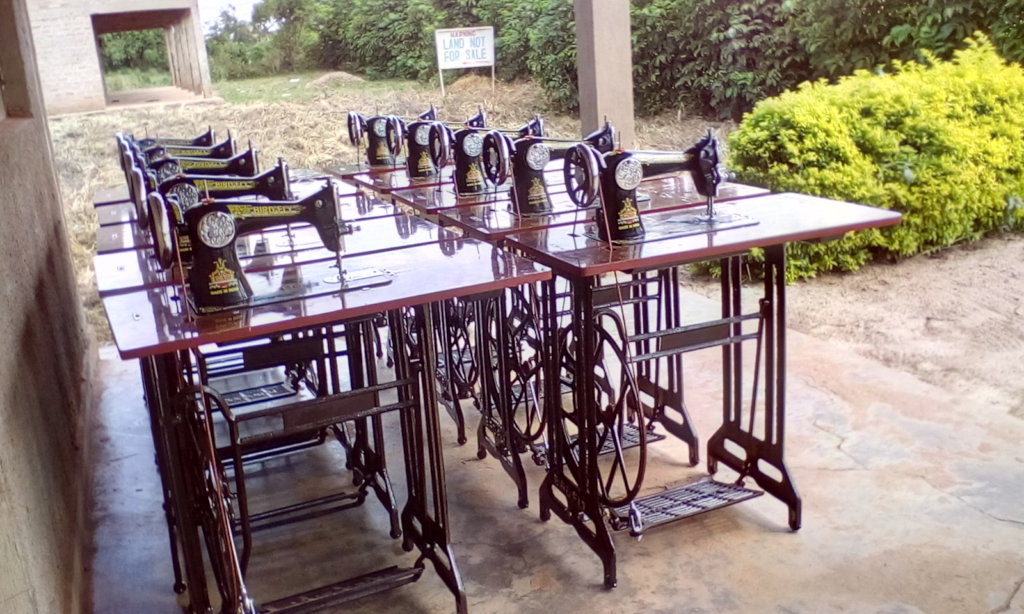
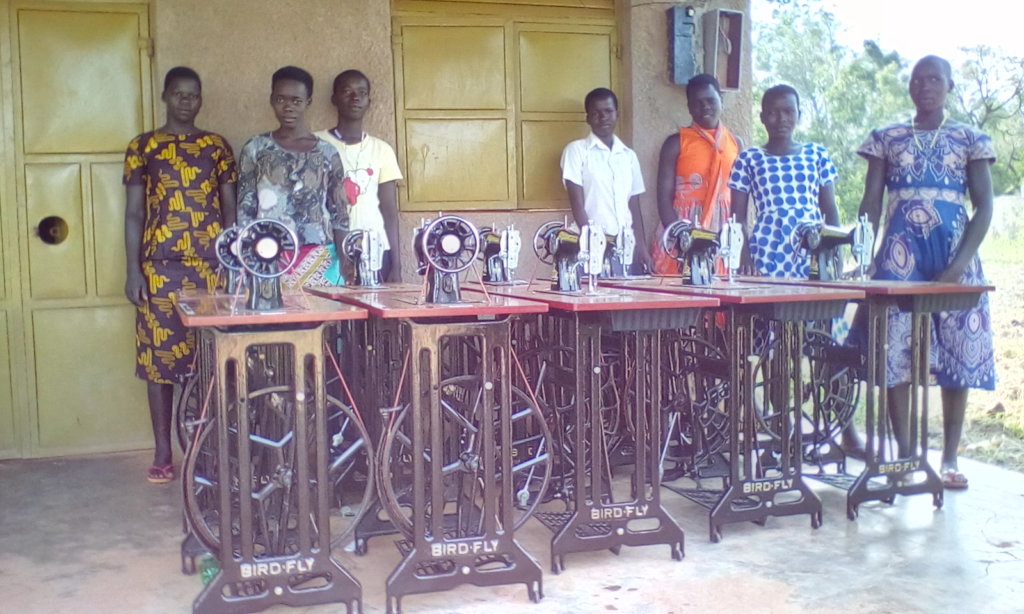
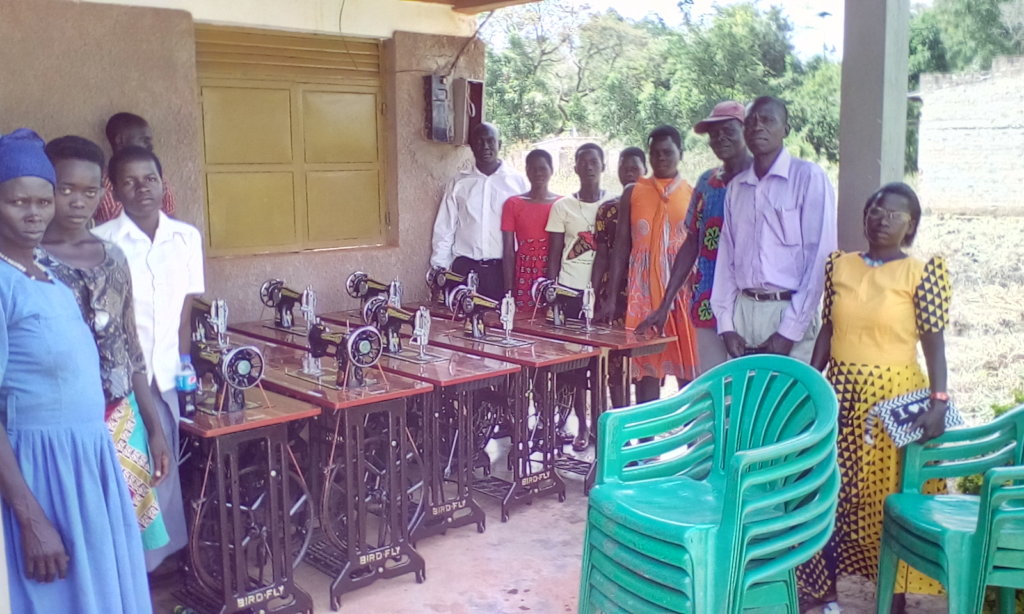
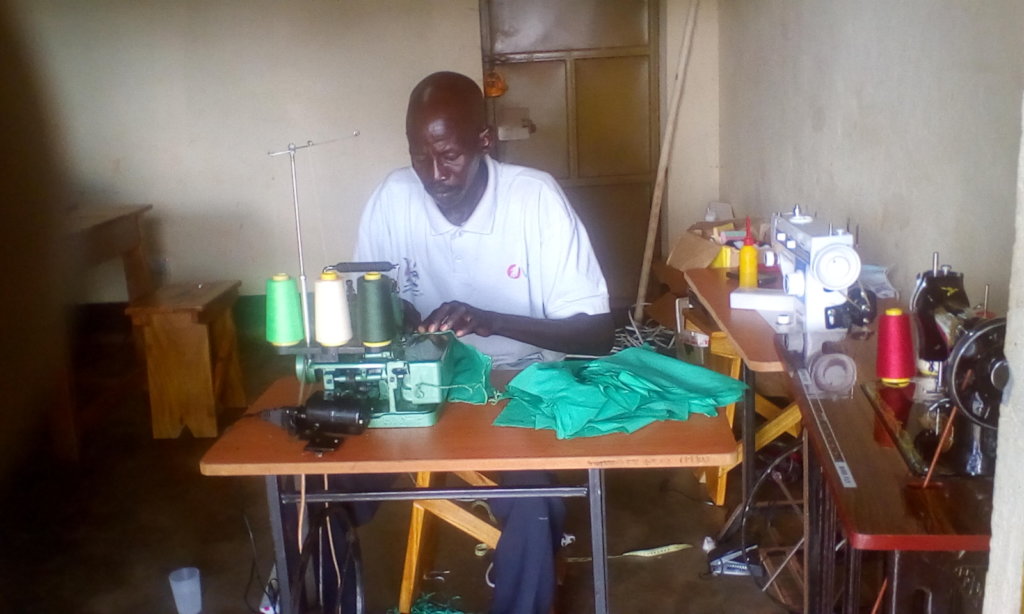
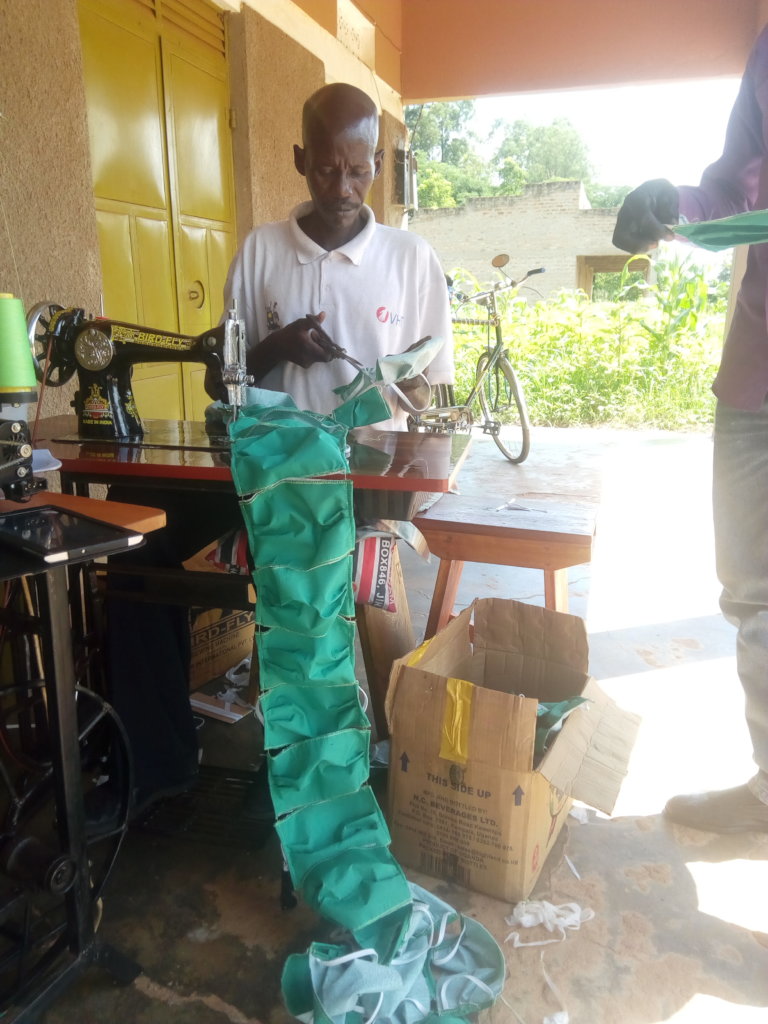
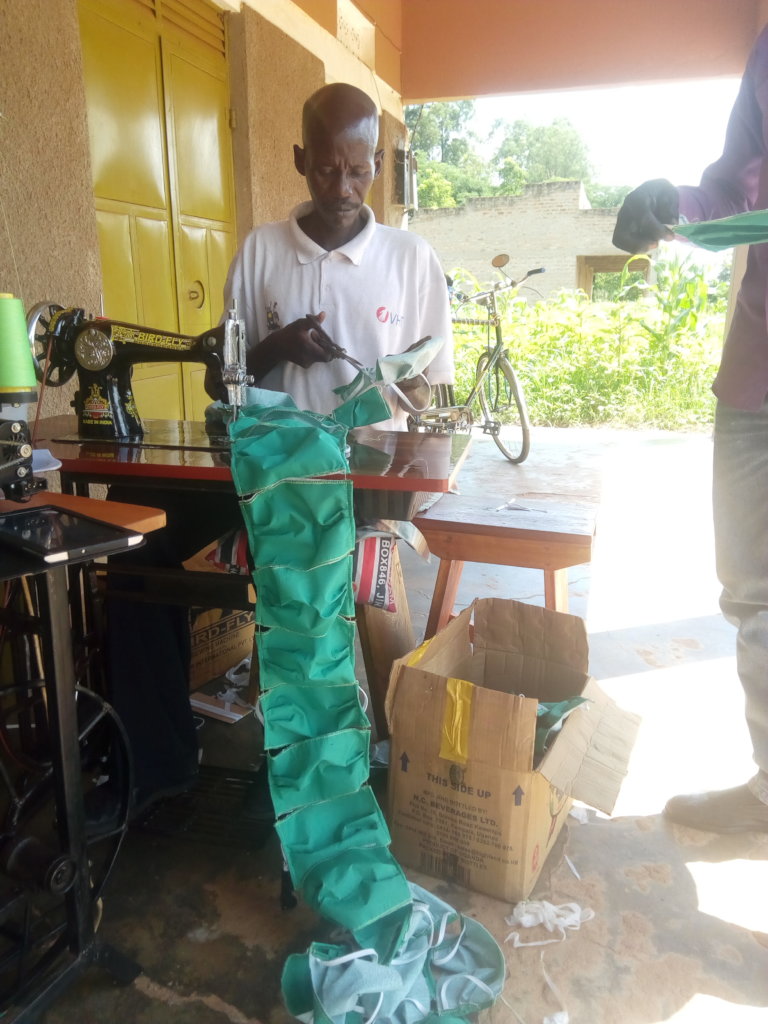
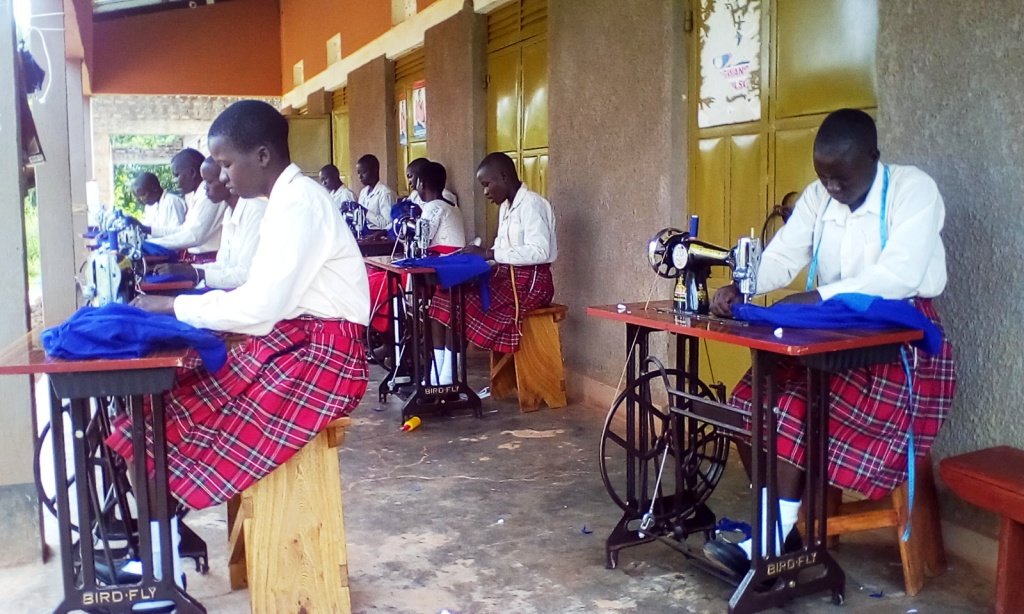
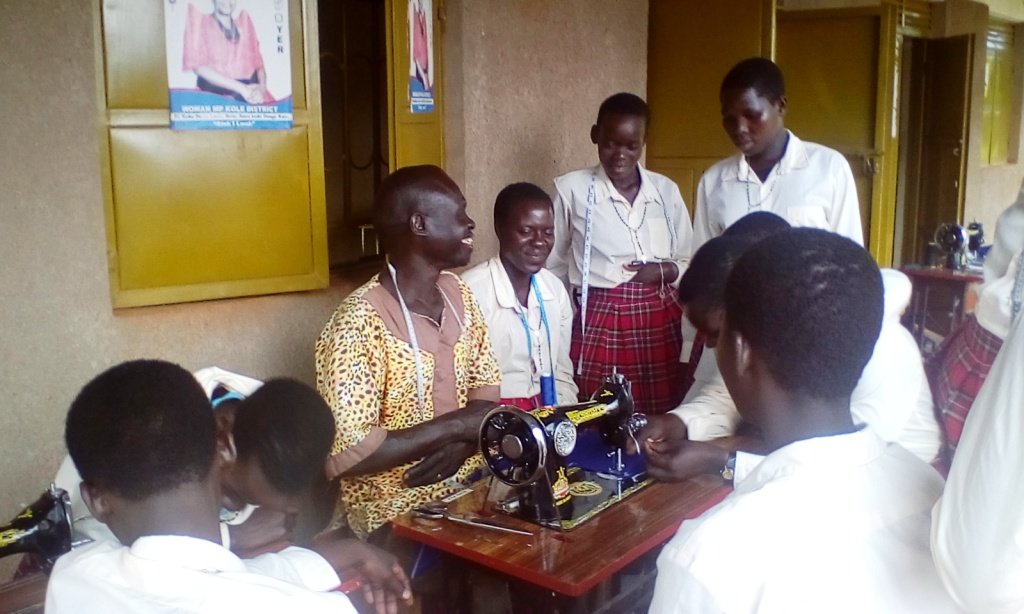
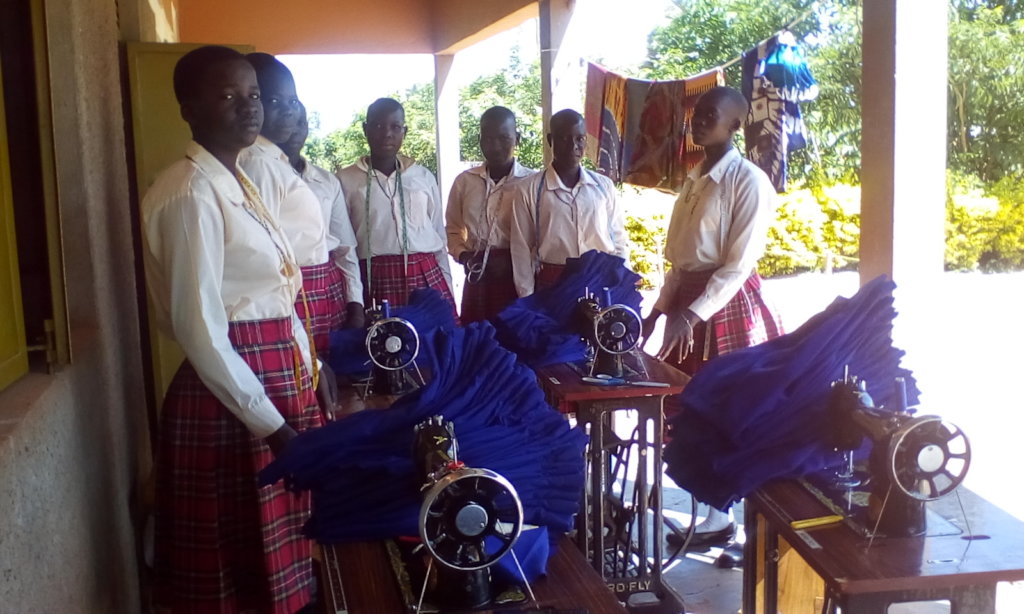
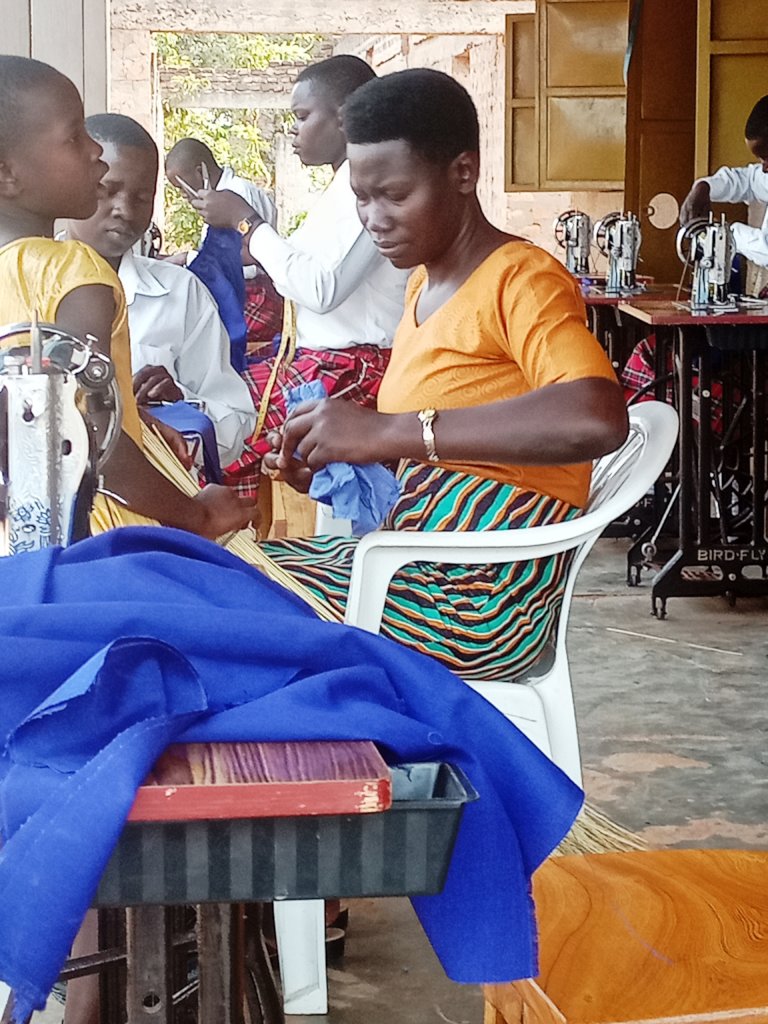
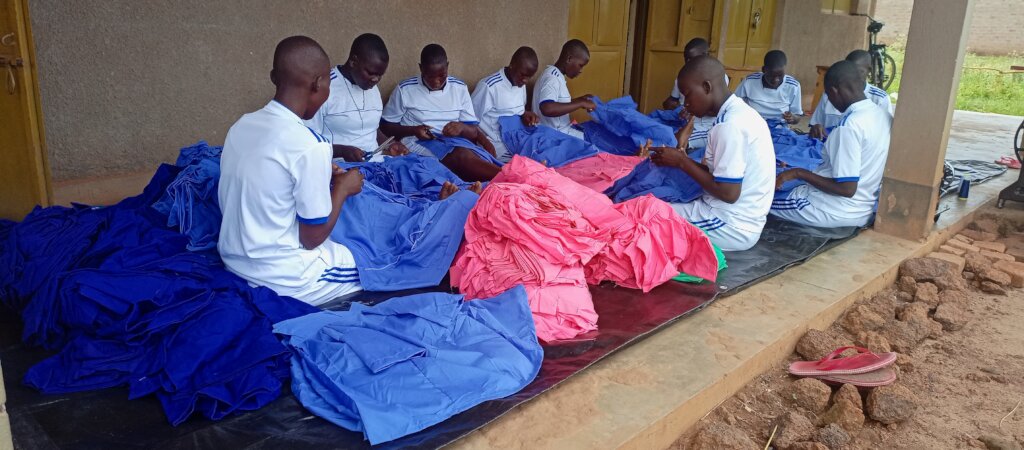
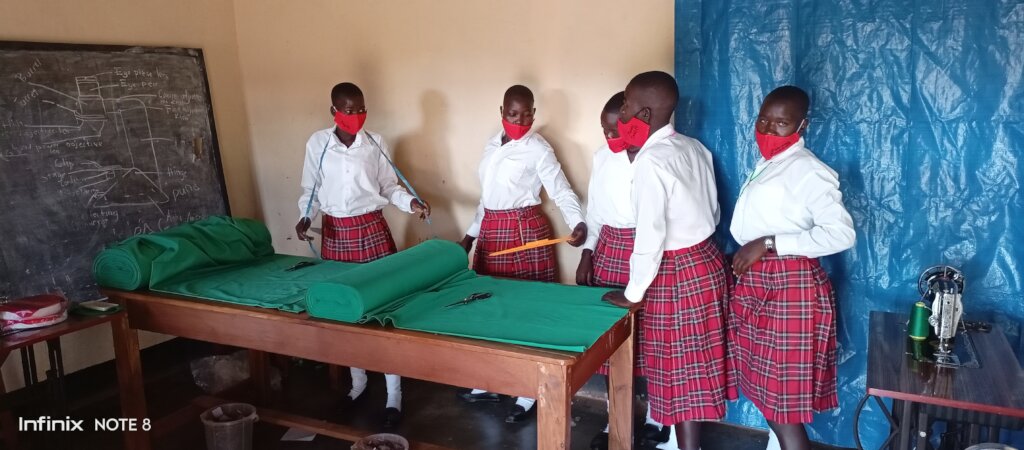
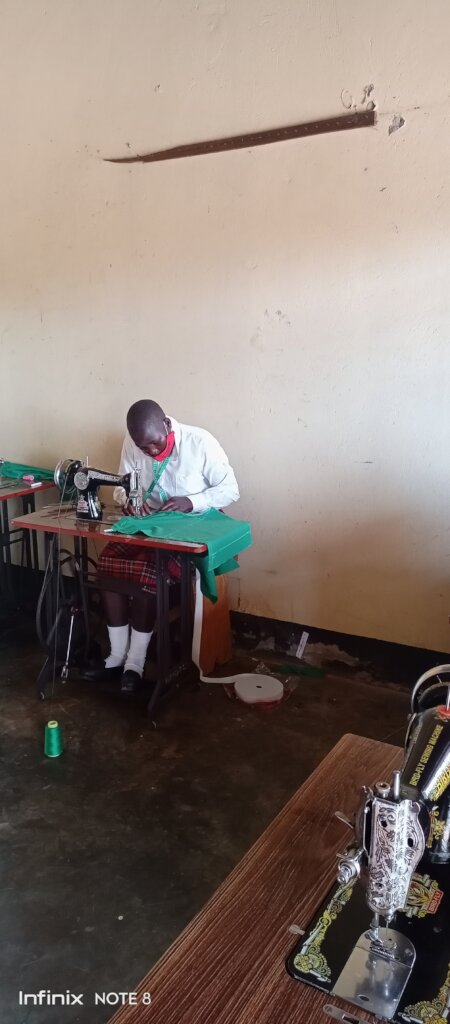
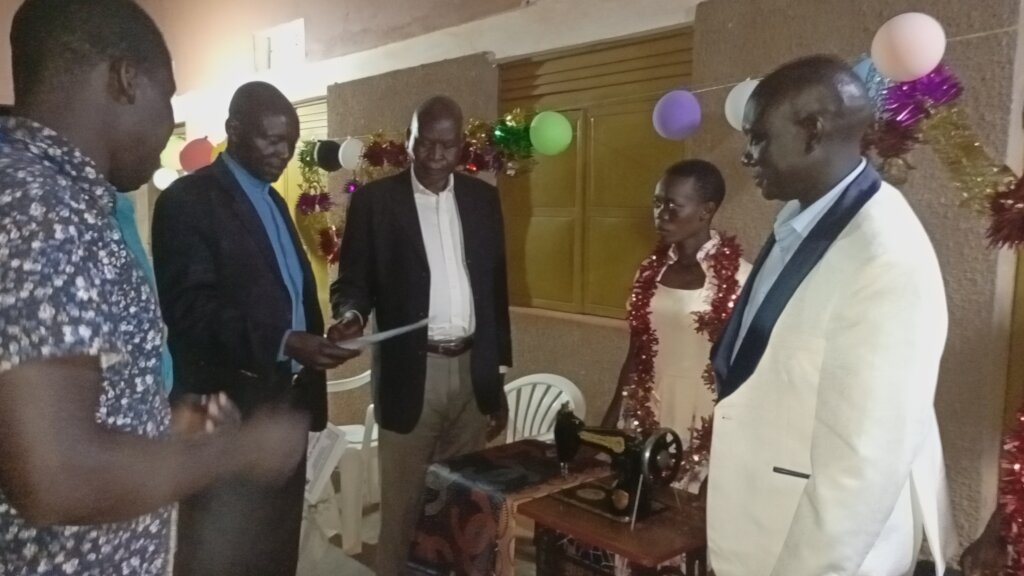
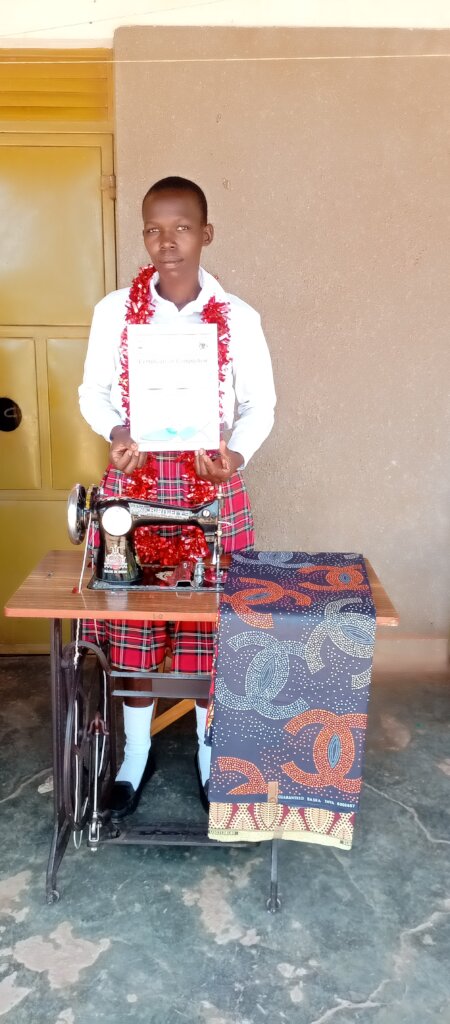
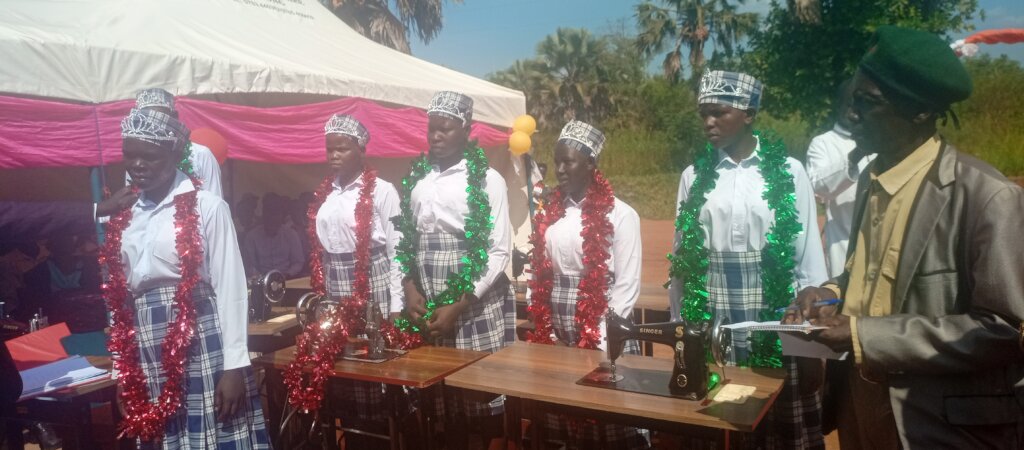
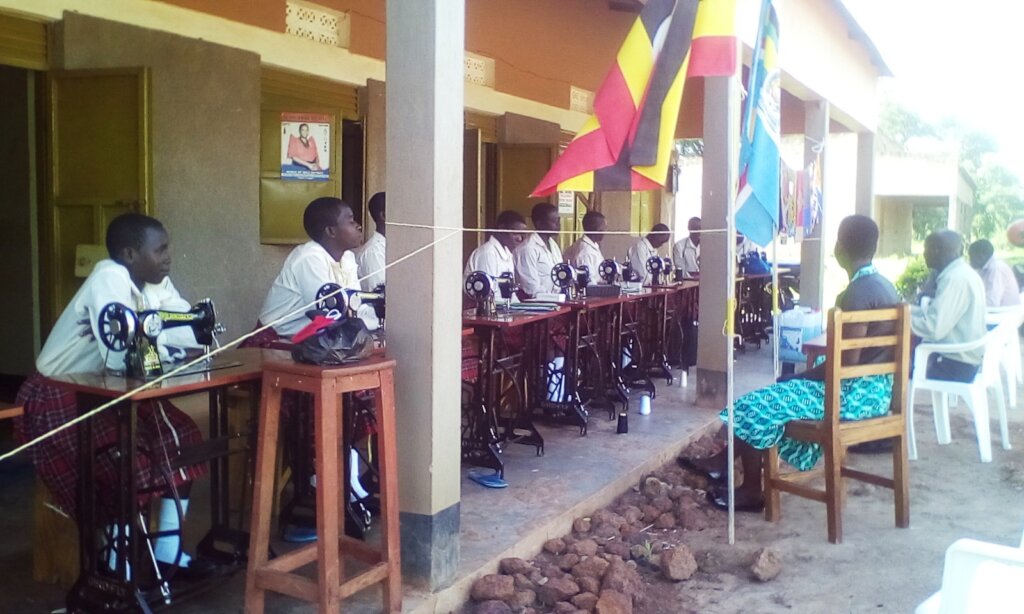
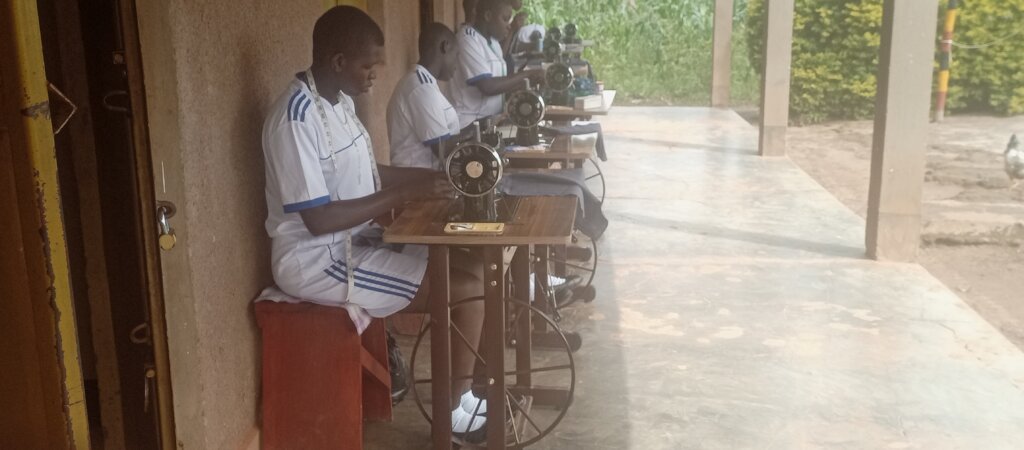
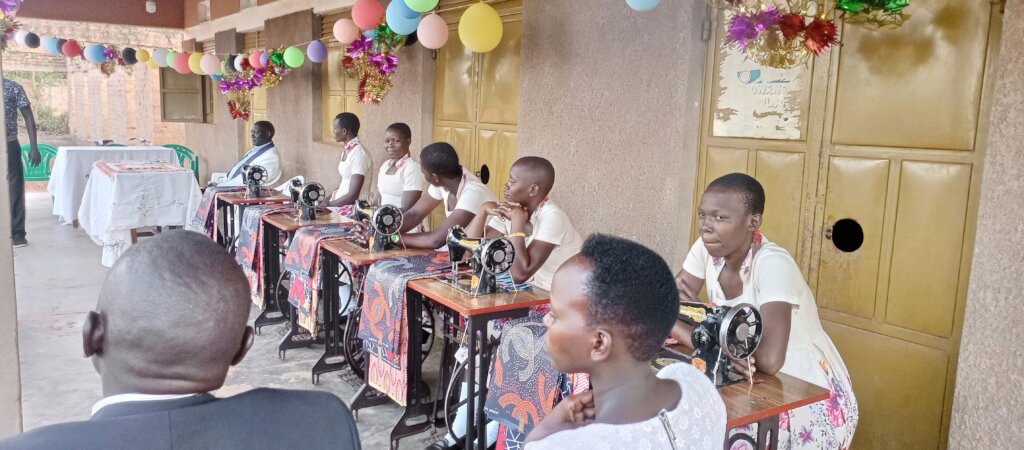
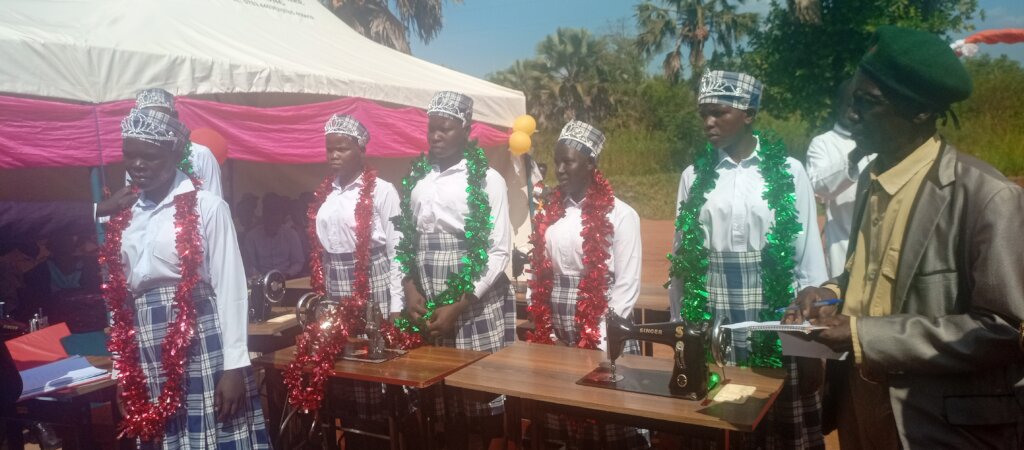
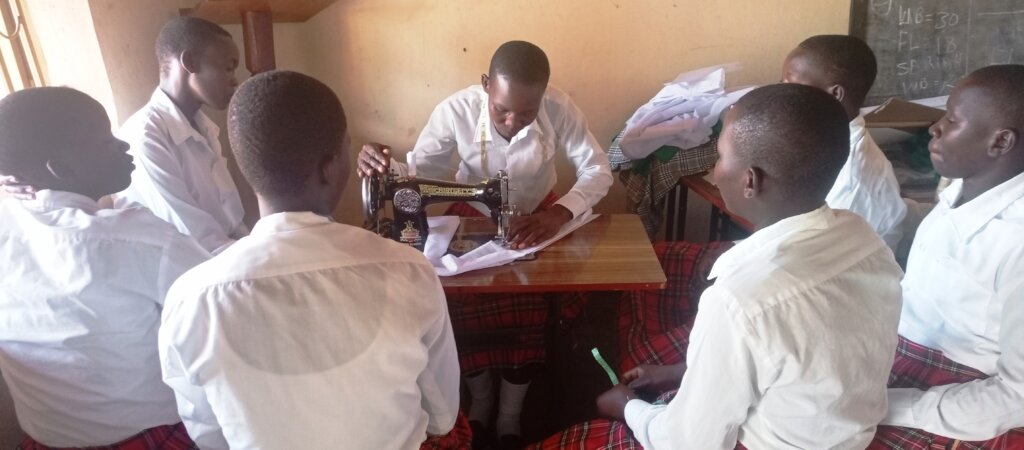
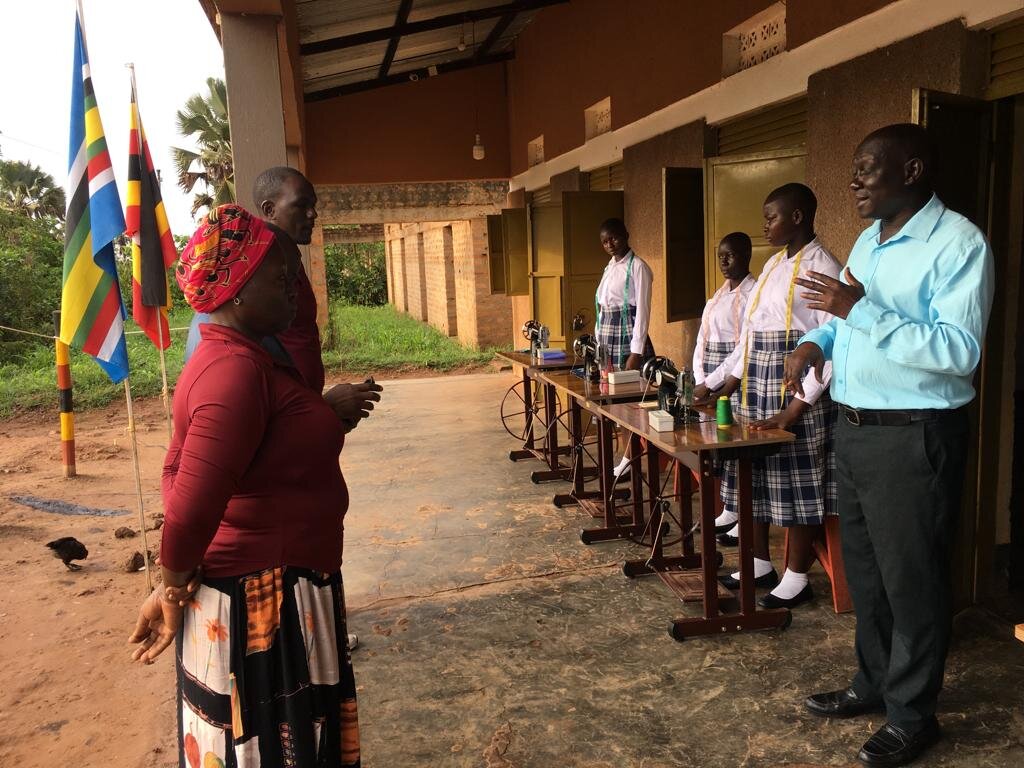
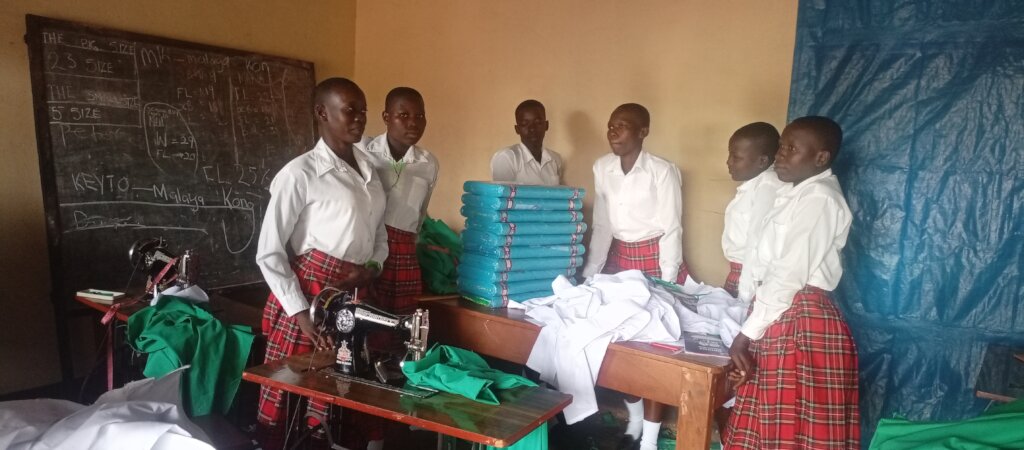
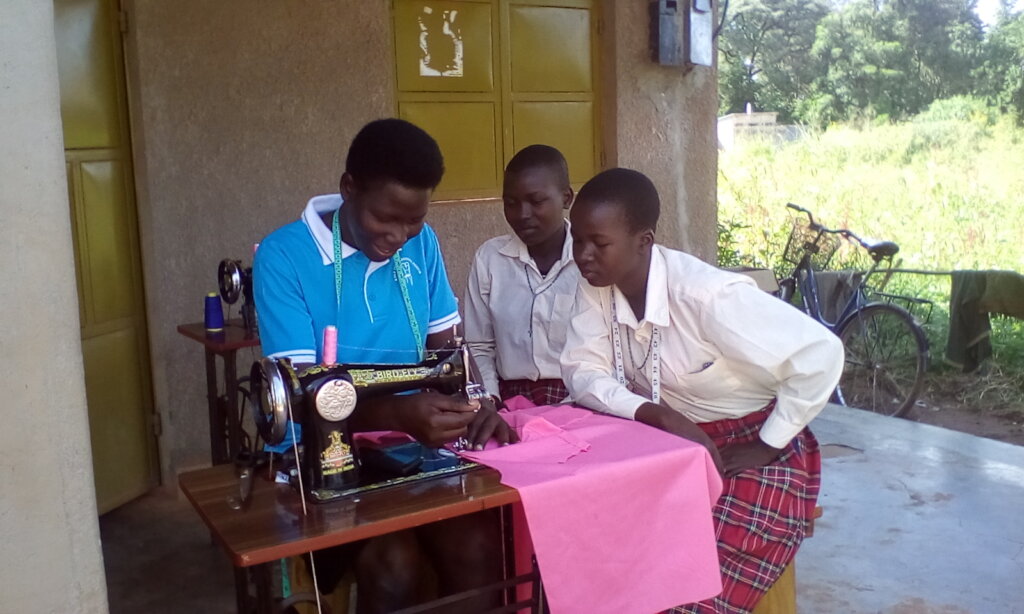
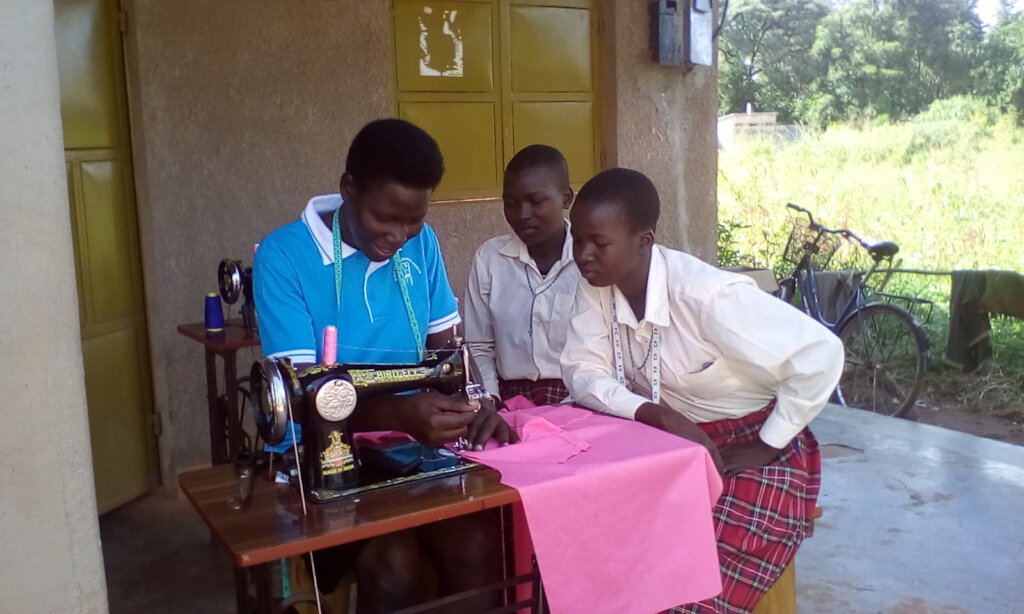
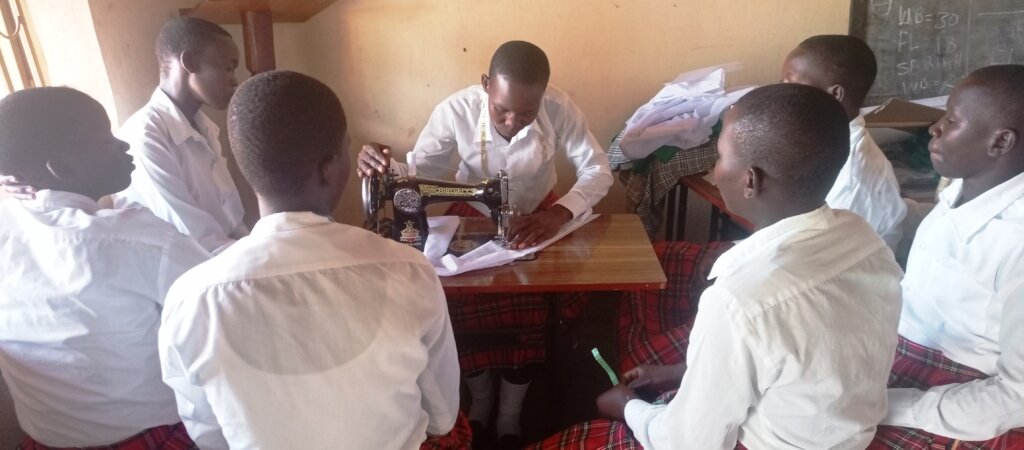
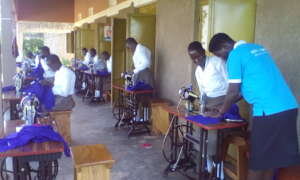
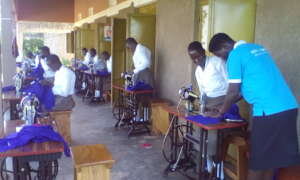
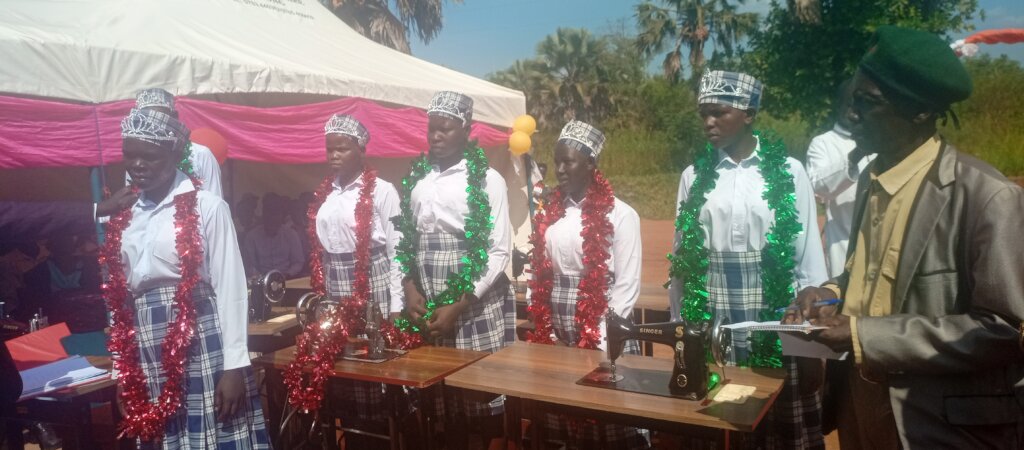
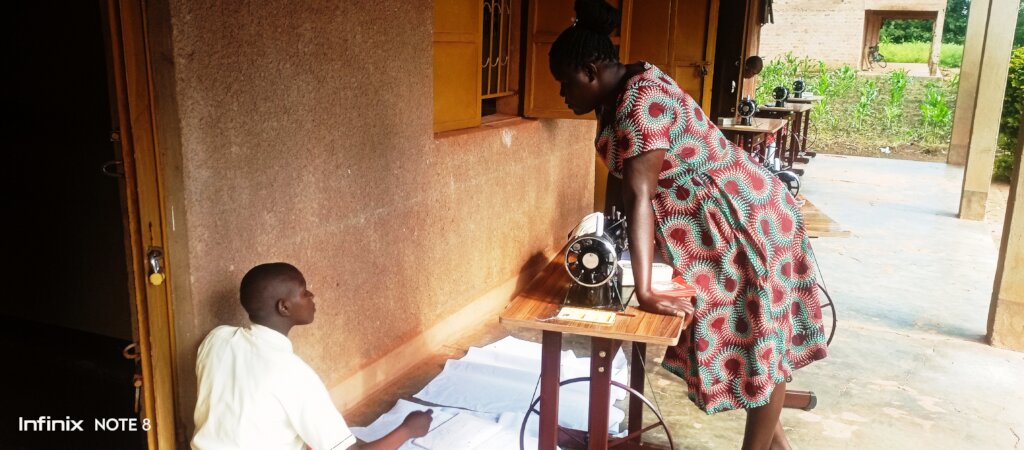
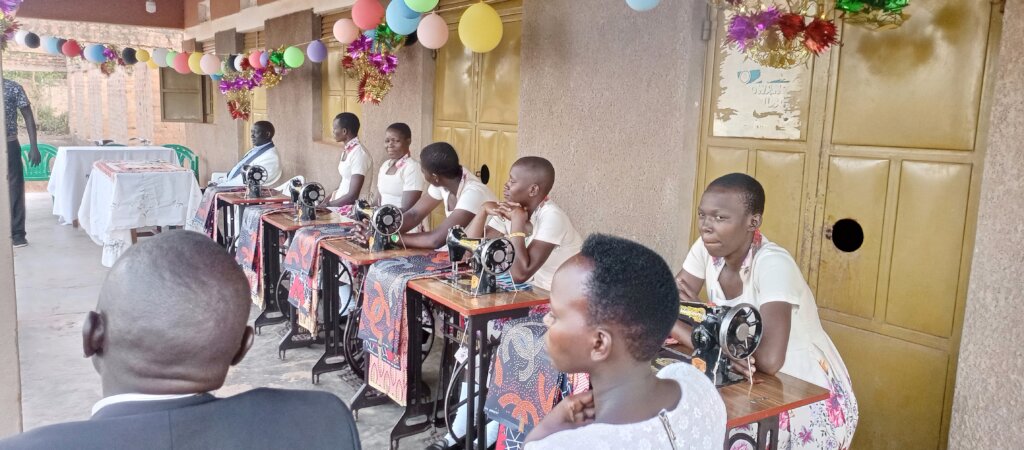
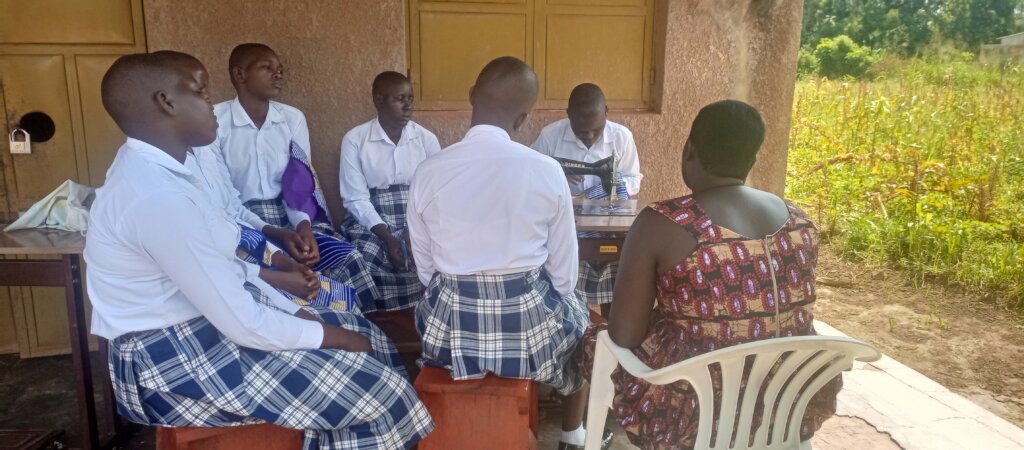
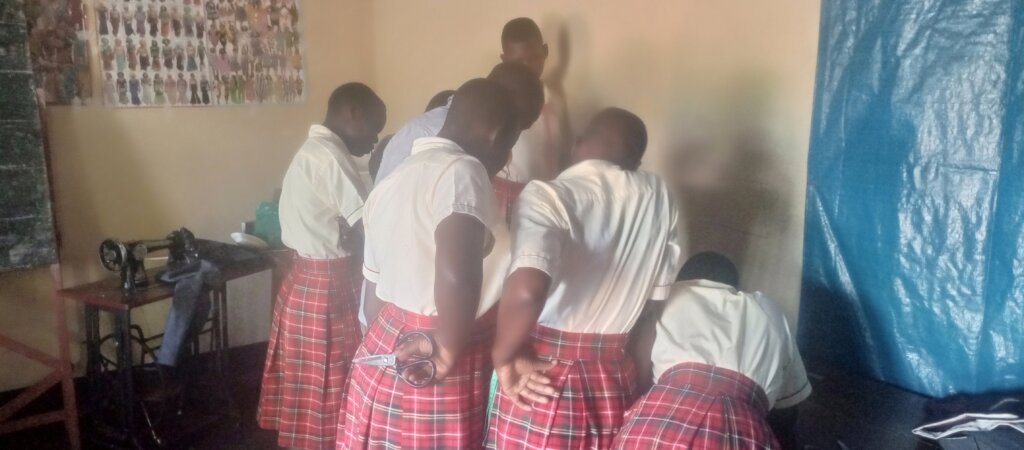
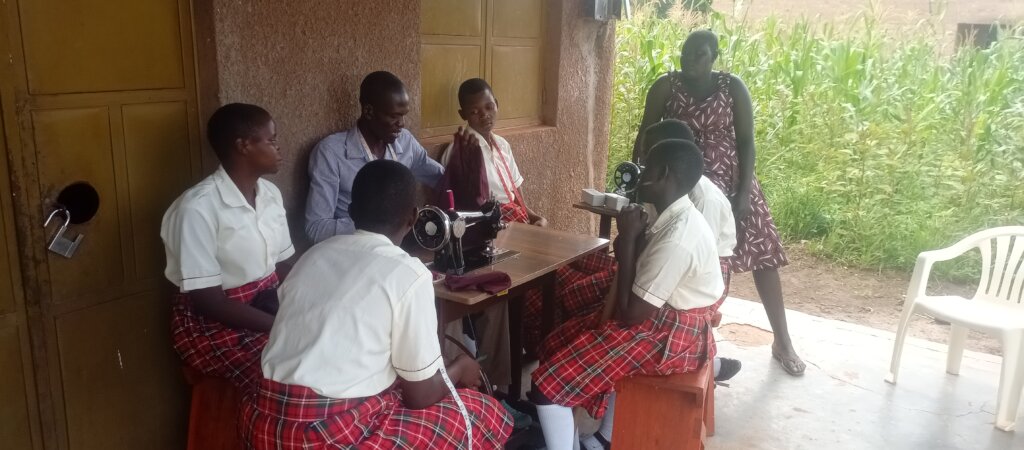
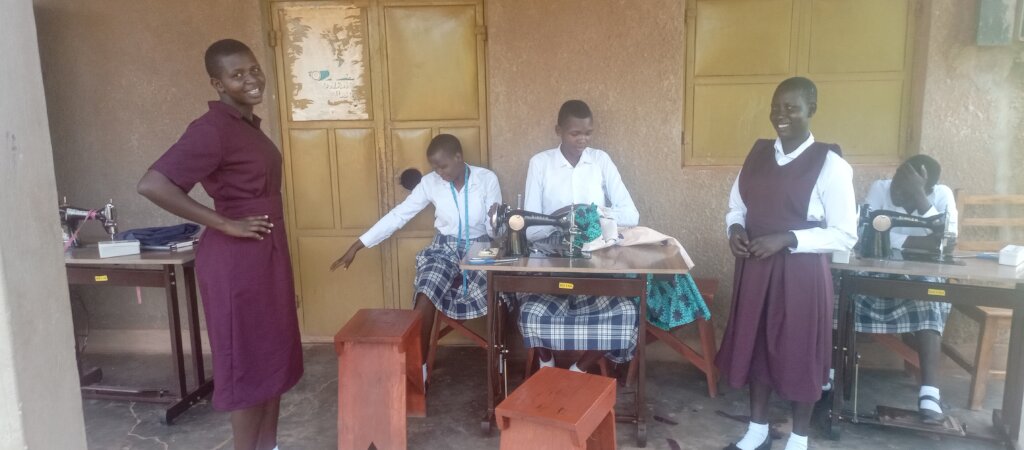
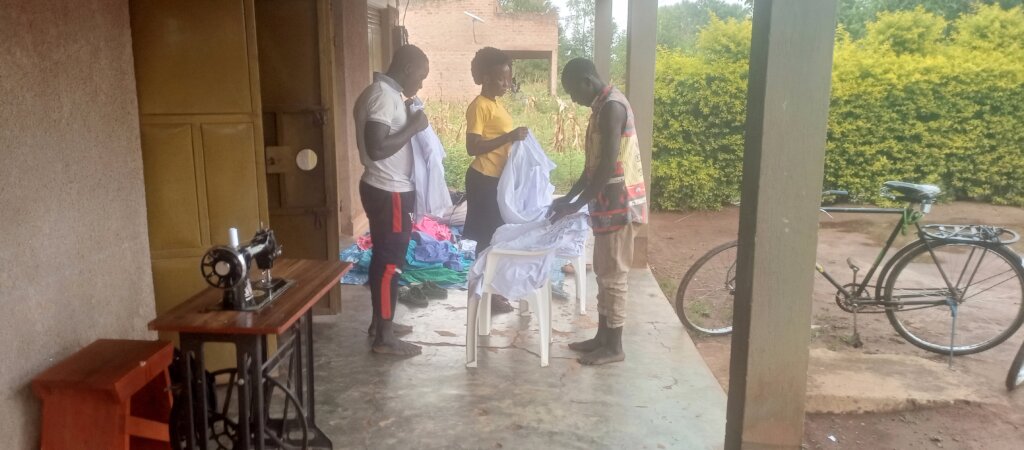
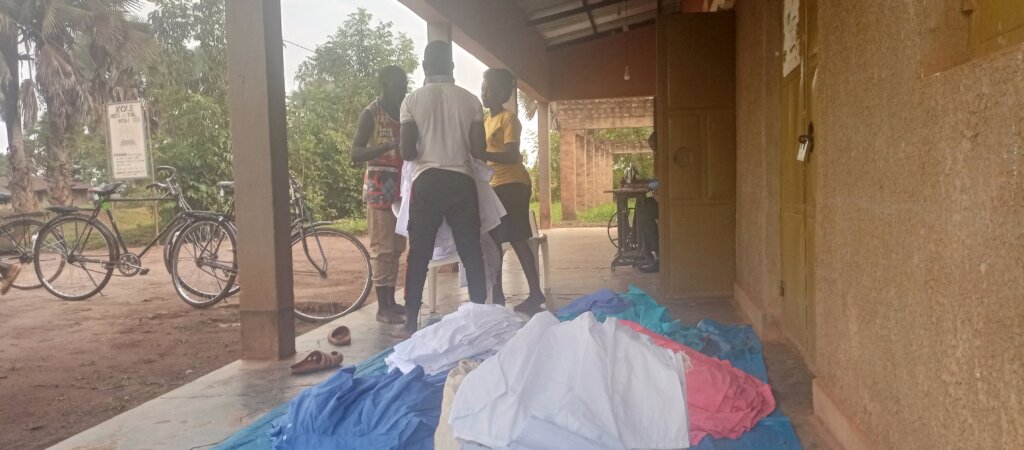
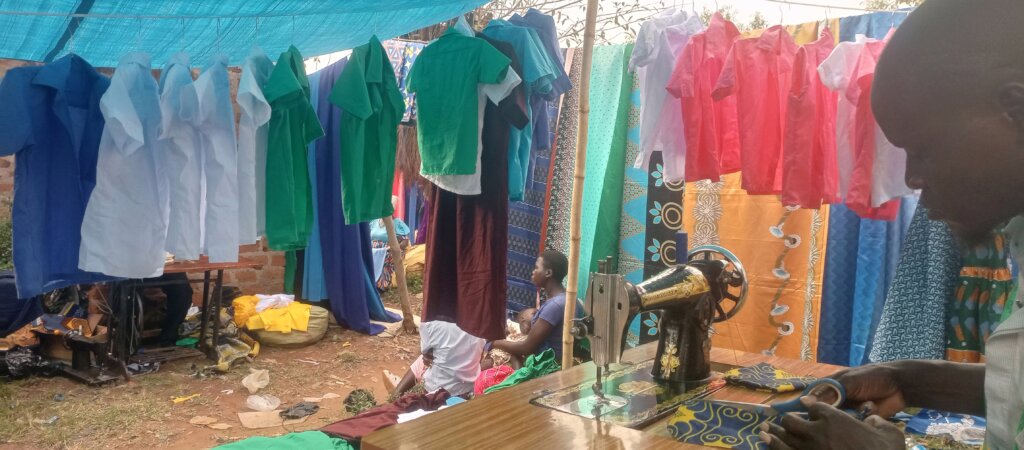
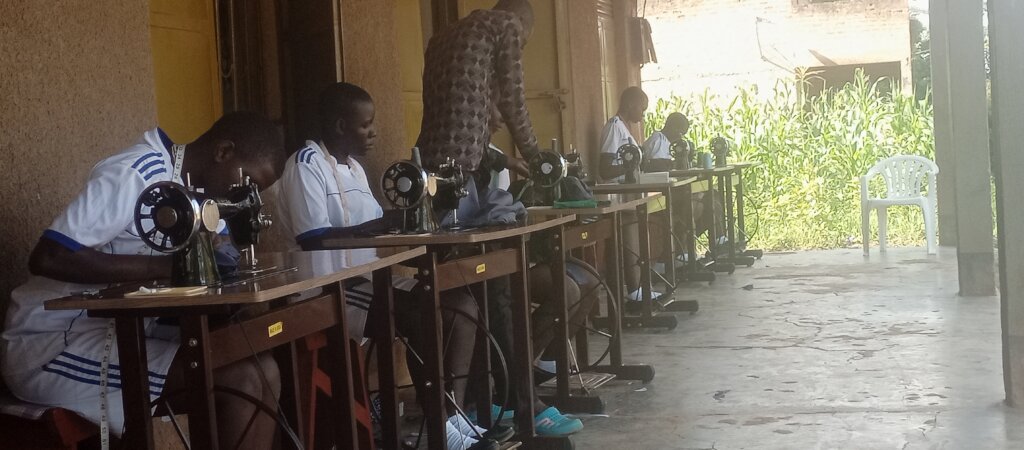
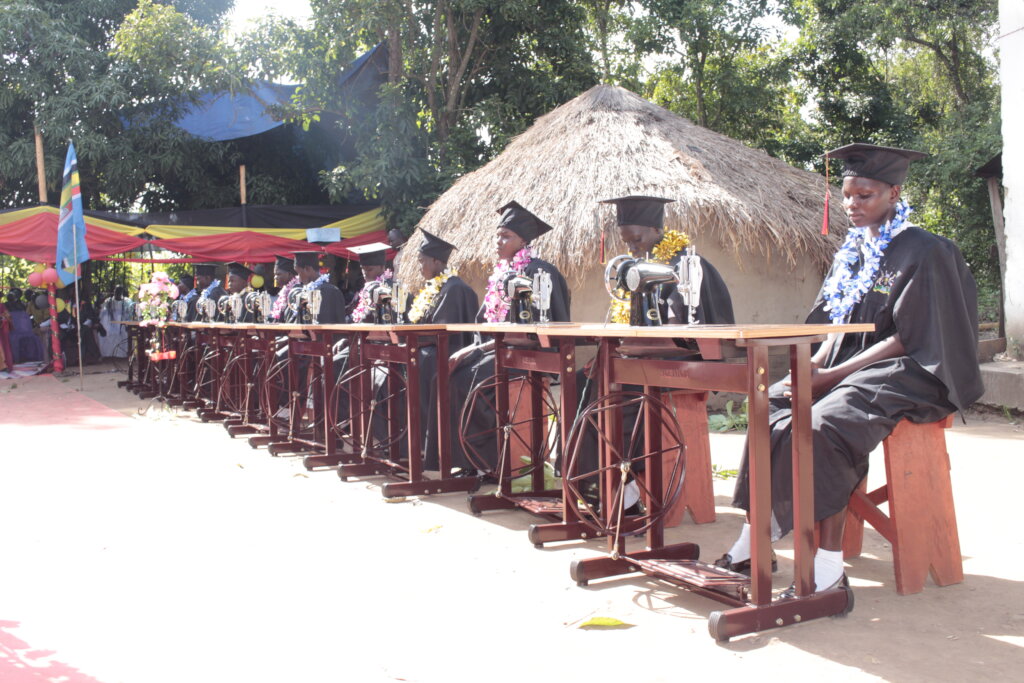
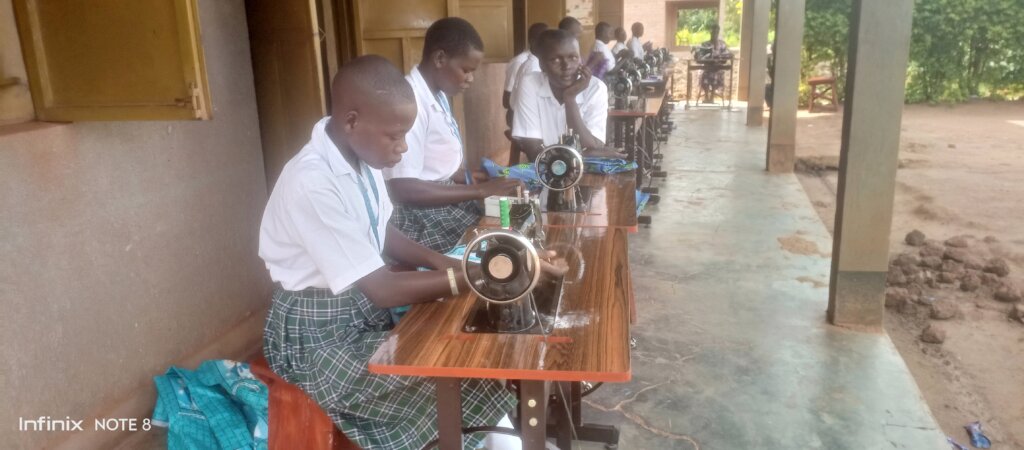
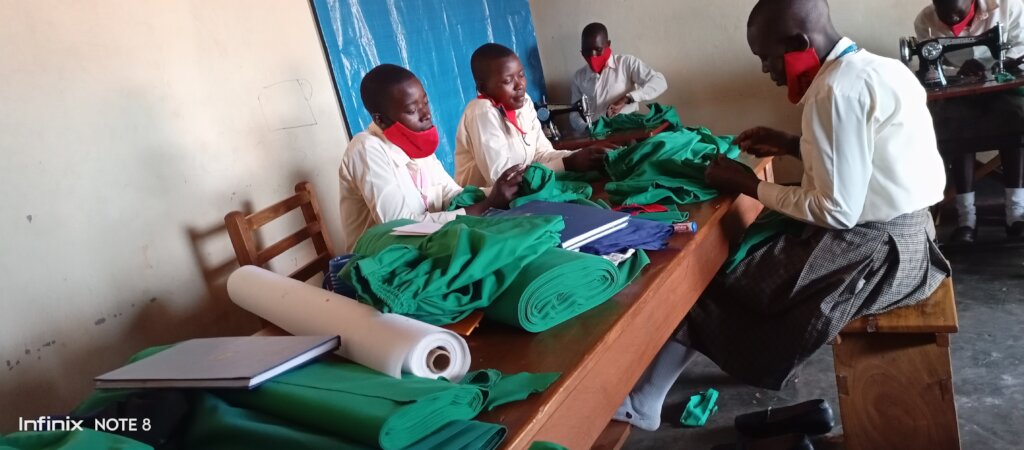
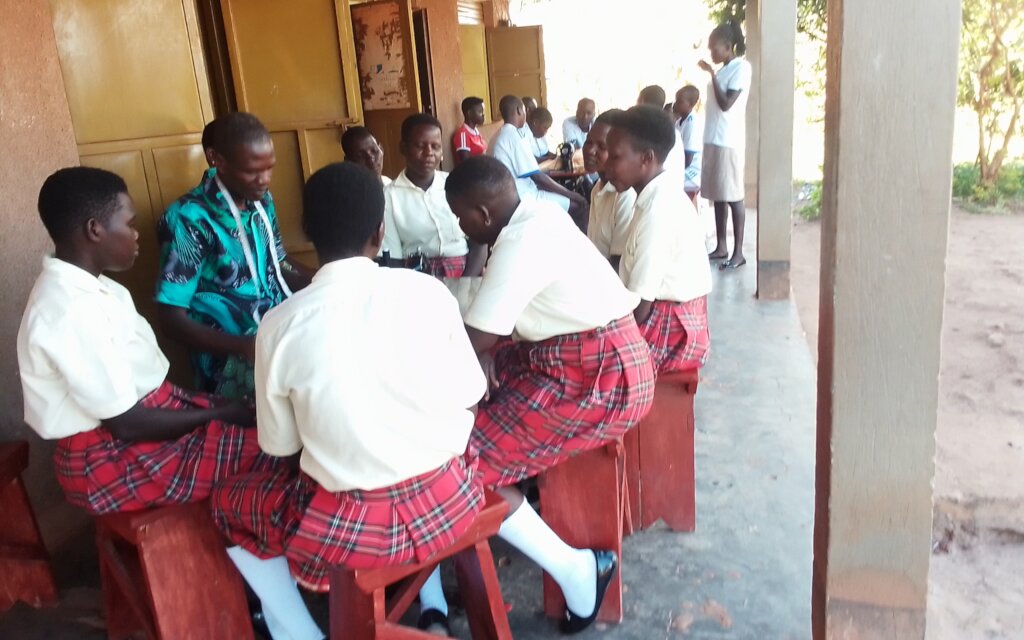
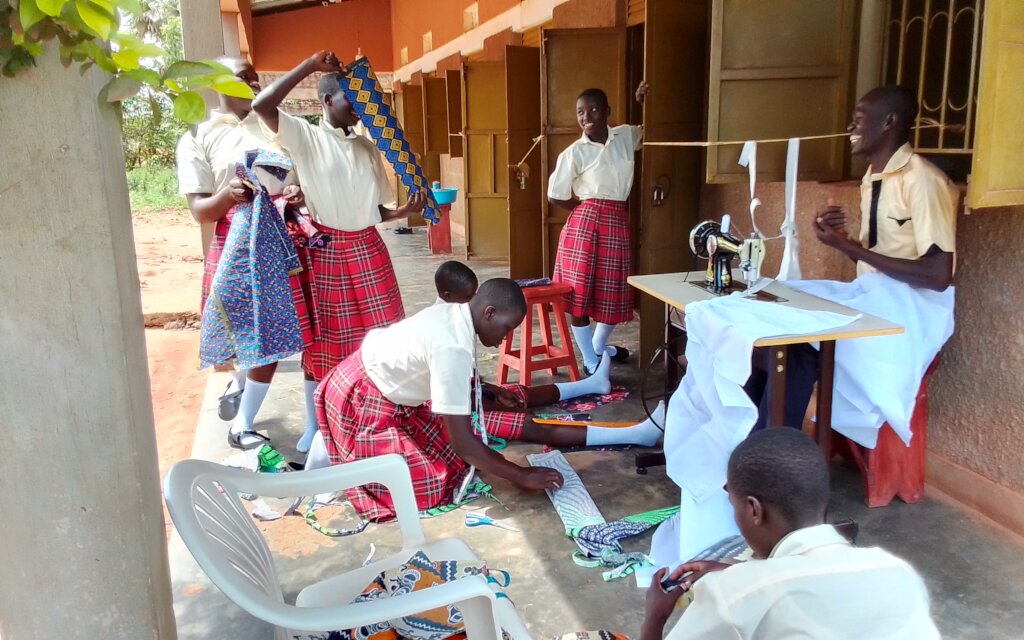
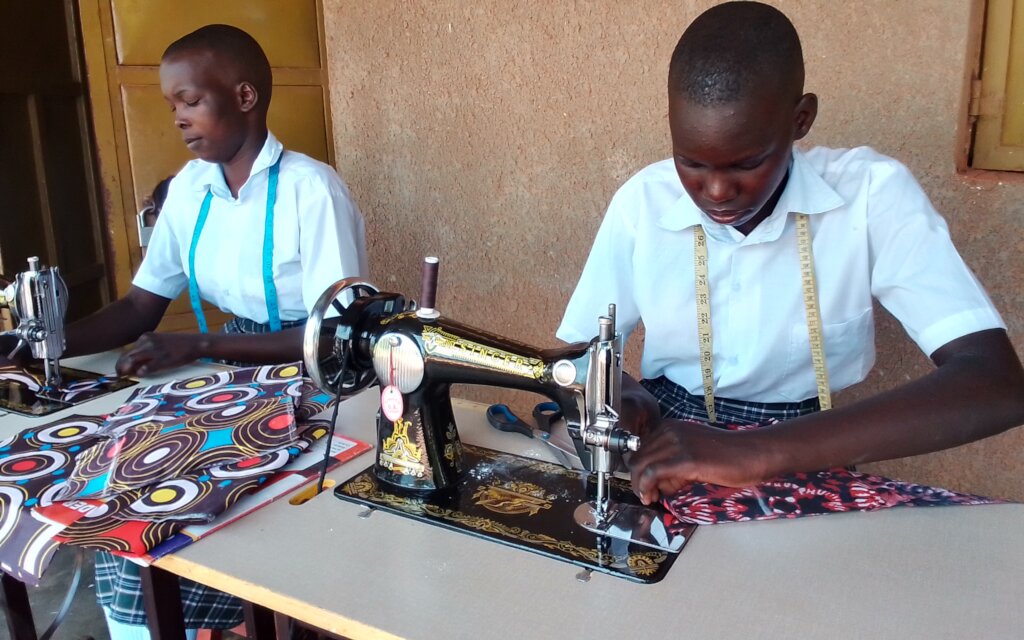
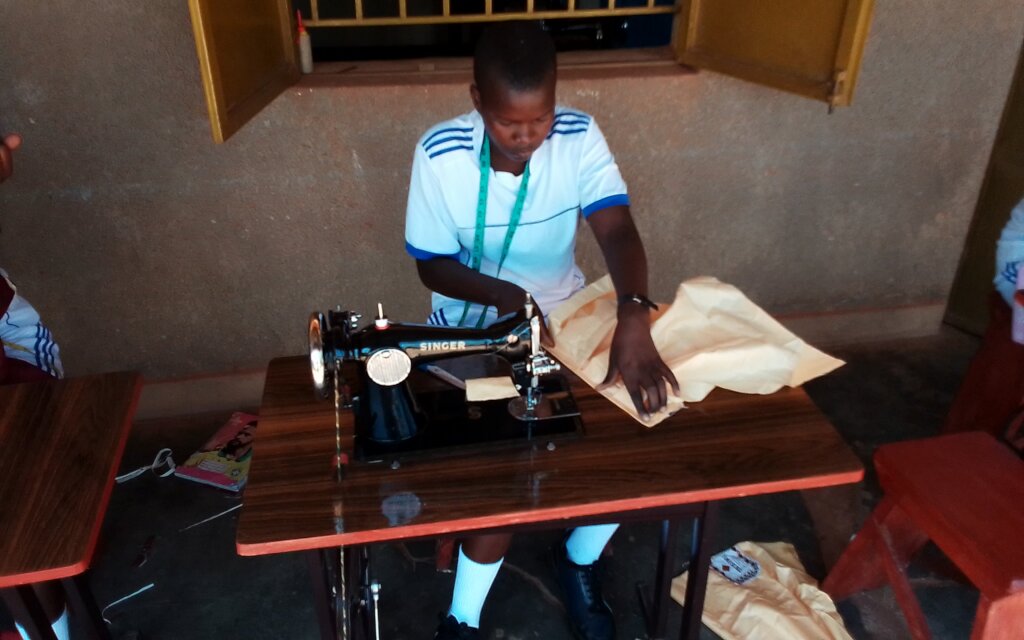
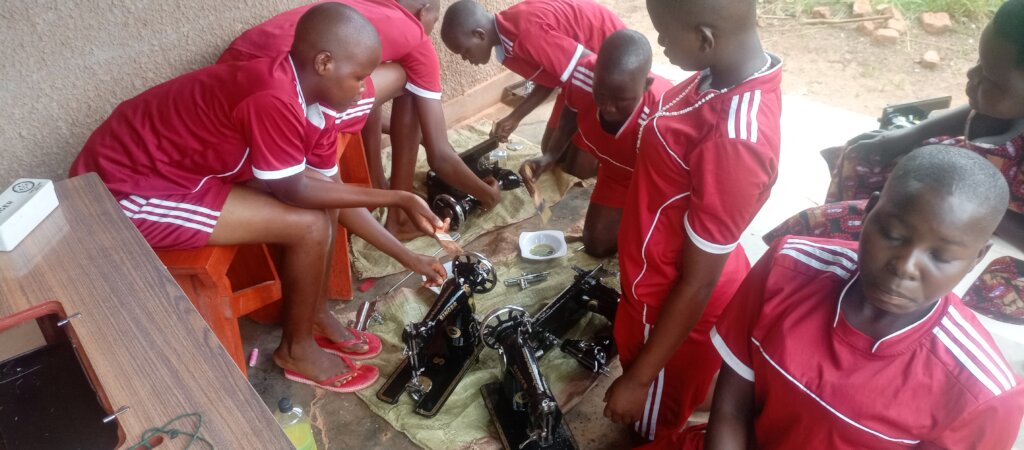
Cost-effectively: regular maintenance, performed with confidence, has also shown out significantly more cost-effective results rather than addressing the consequences of neglect. For example, timely sewing machines maintenance has prevented a costly repairs that would have happen
By George Obua | Project Leader
By George Obua | Project Leader
Project reports on GlobalGiving are posted directly to globalgiving.org by Project Leaders as they are completed, generally every 3-4 months. To protect the integrity of these documents, GlobalGiving does not alter them; therefore you may find some language or formatting issues.
If you donate to this project or have donated to this project, you can receive an email when this project posts a report. You can also subscribe for reports without donating.



Support this important cause by creating a personalized fundraising page.
Start a Fundraiser