Project Report
| Nov 12, 2025
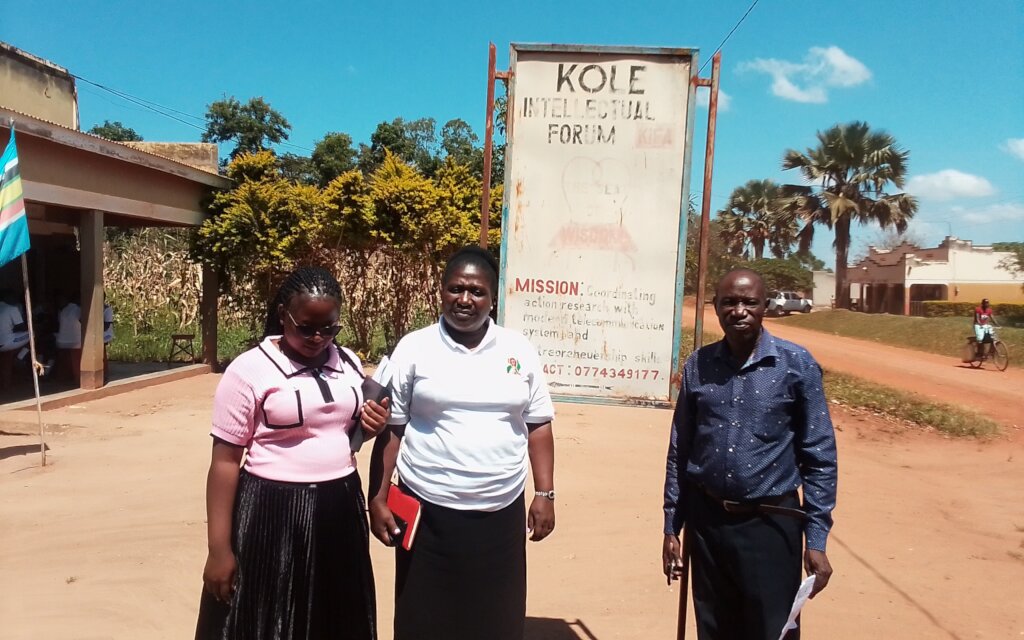
A model center: Institute at KIFA
By George Obua | Project Leader

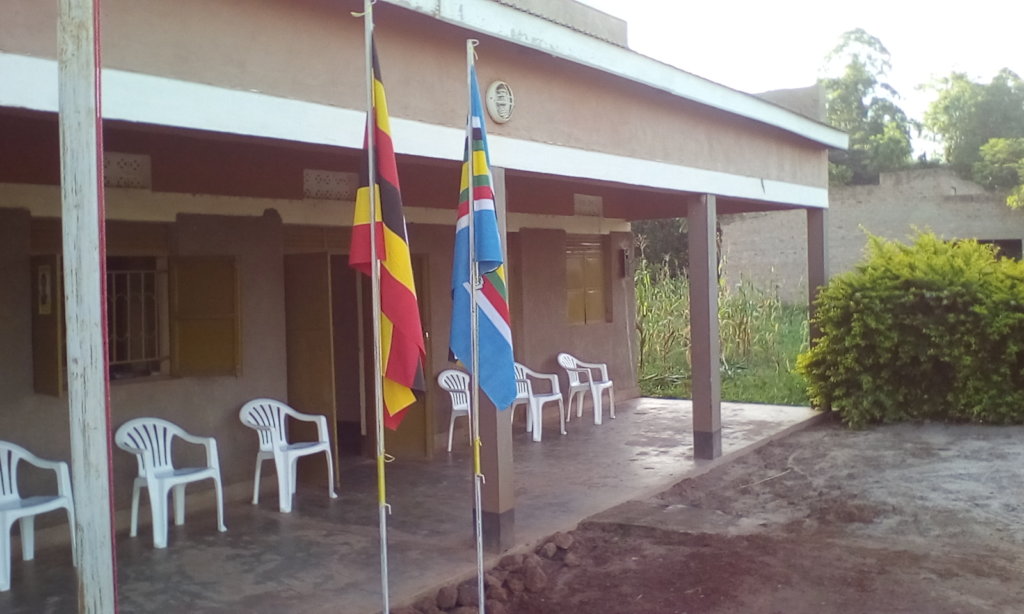
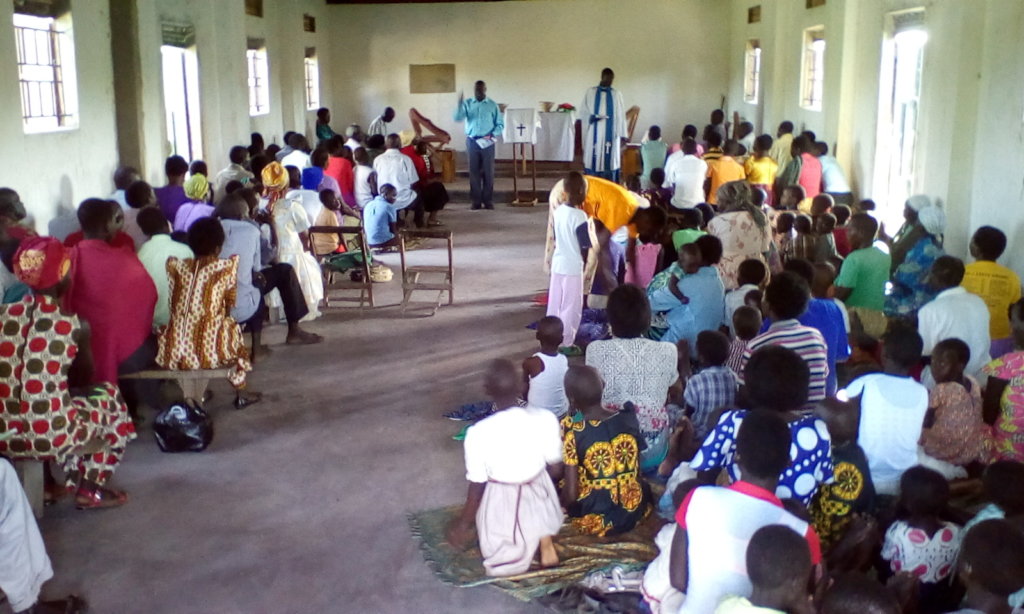
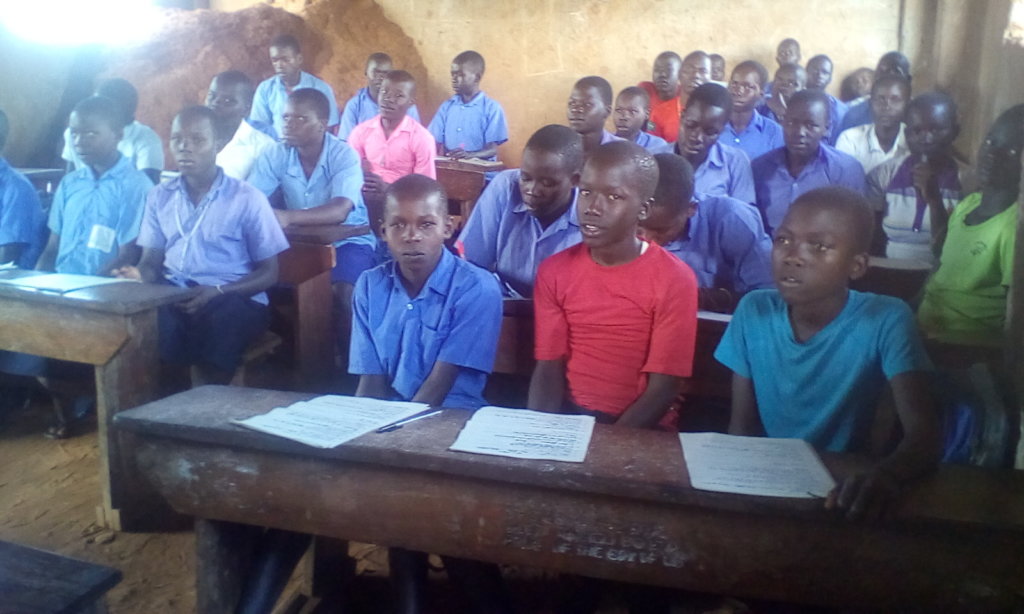
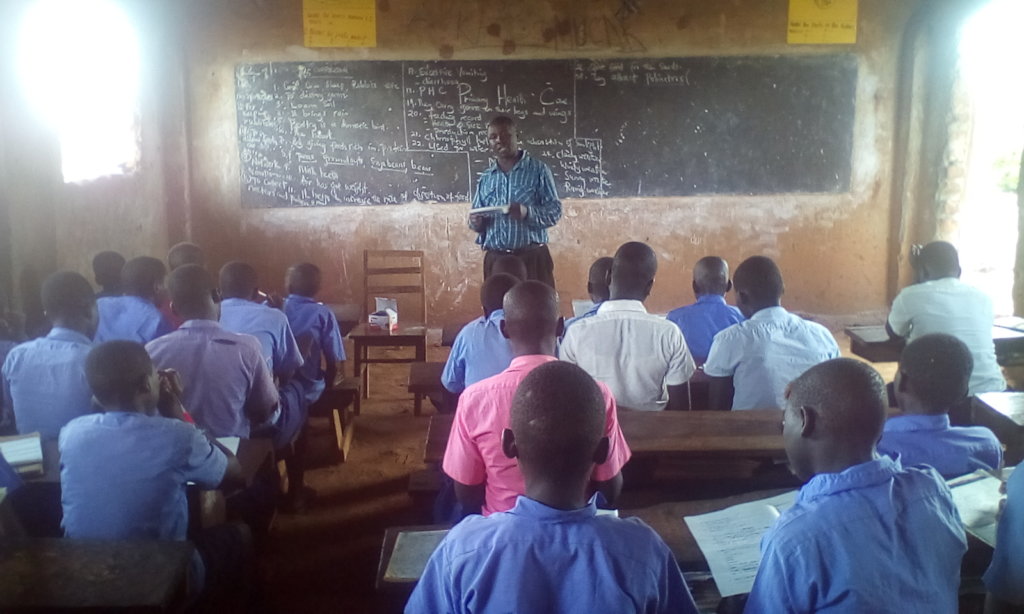
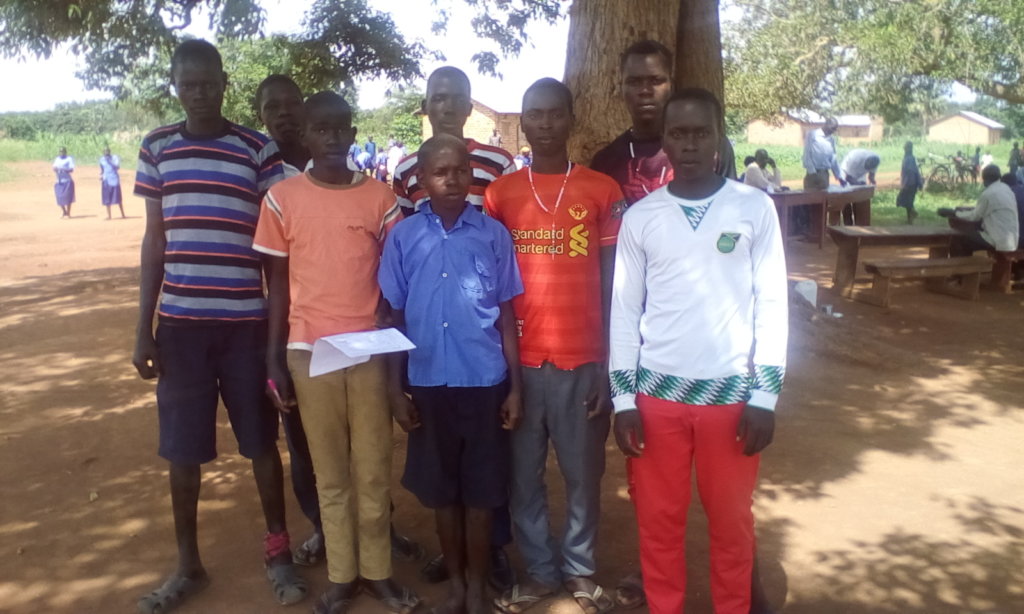
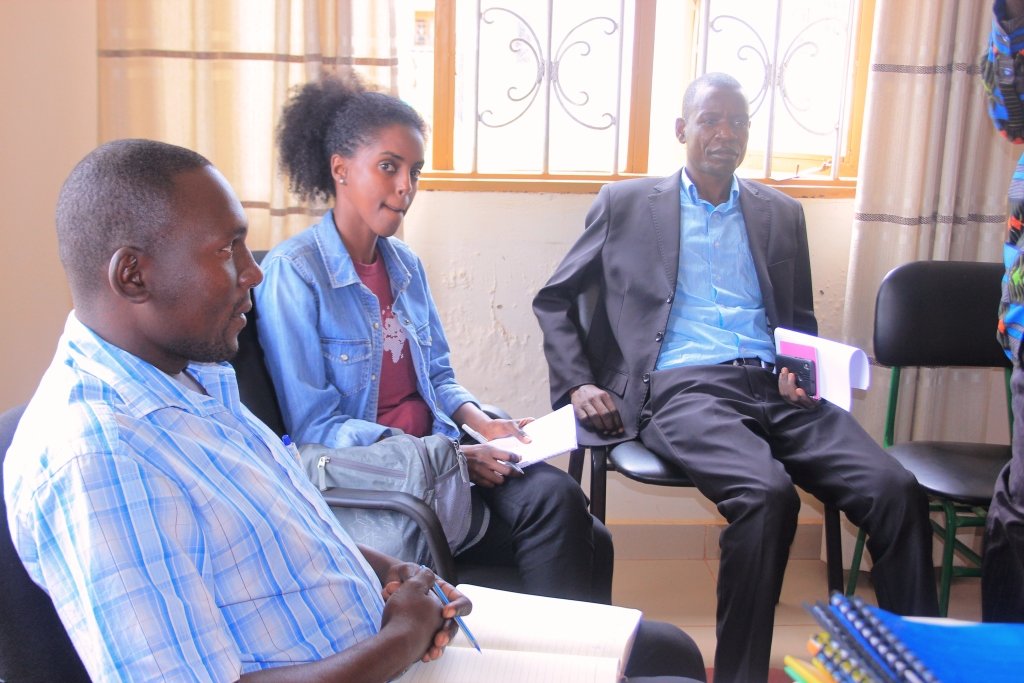
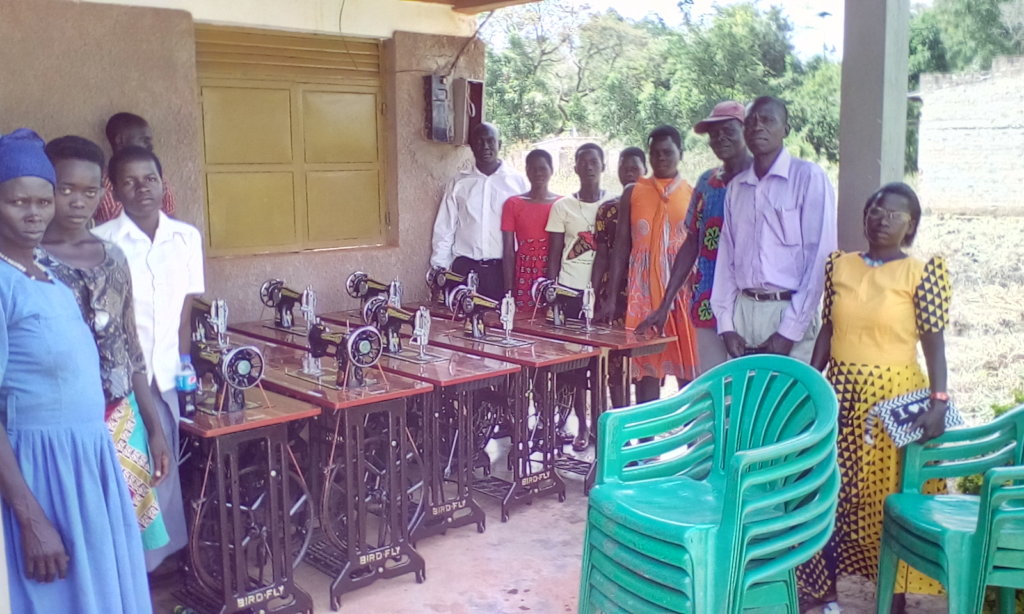
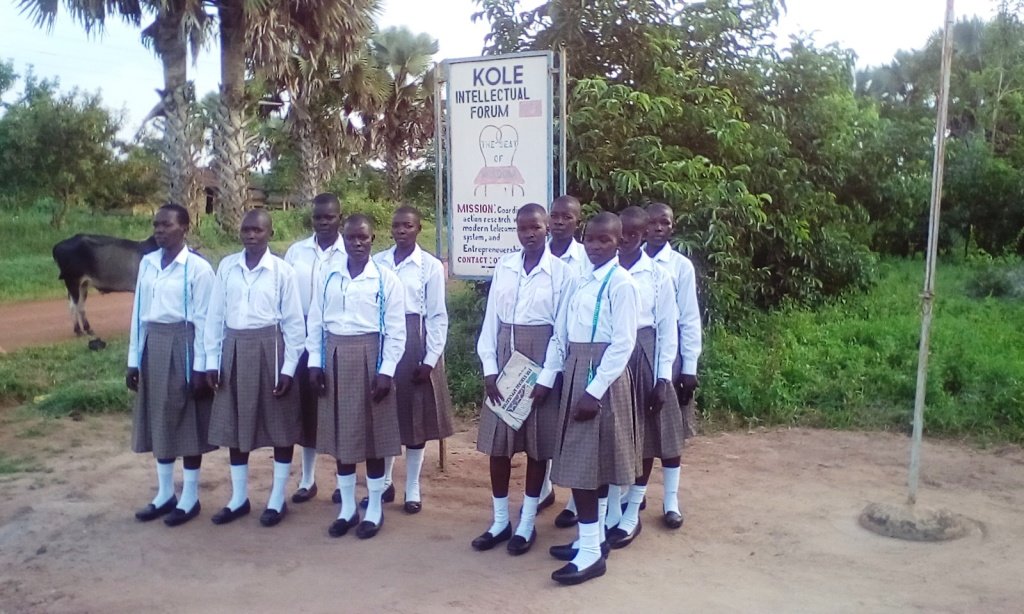
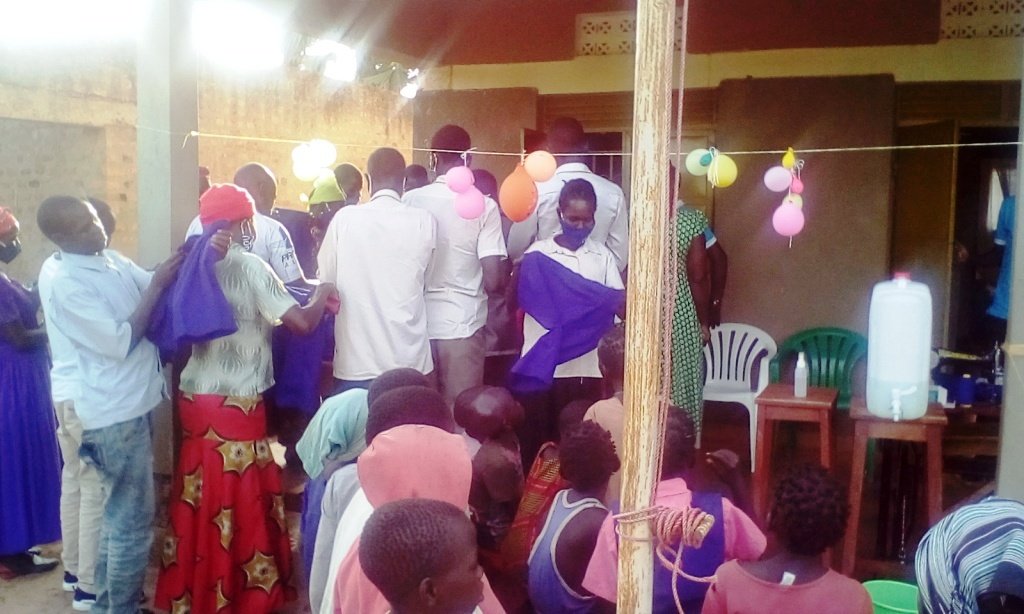
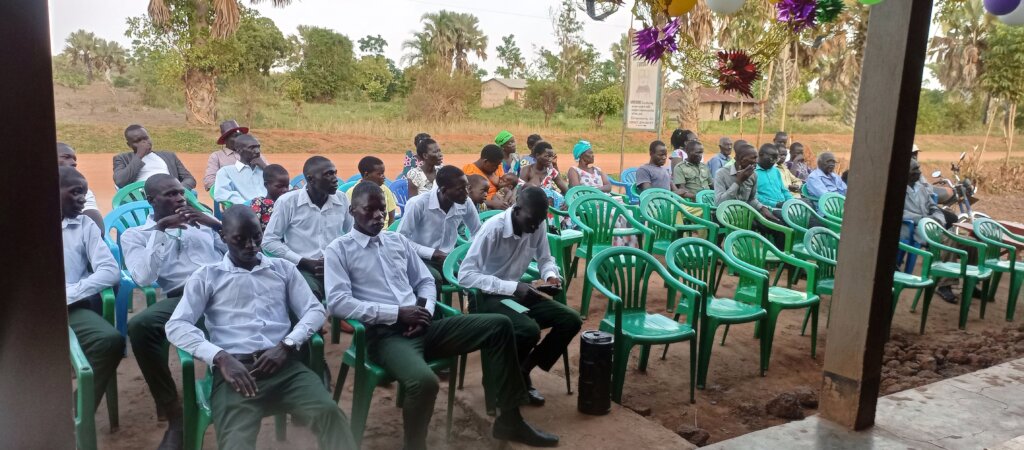
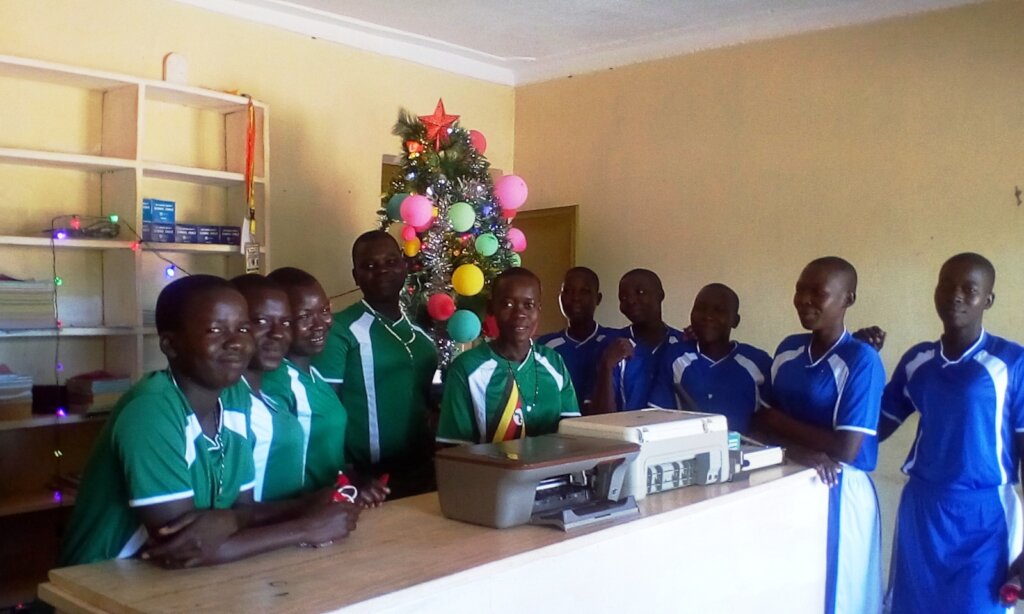
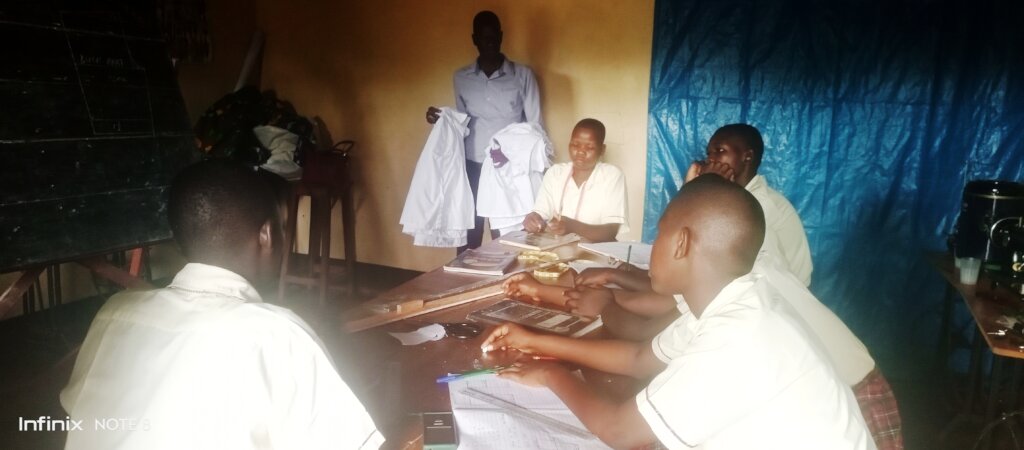
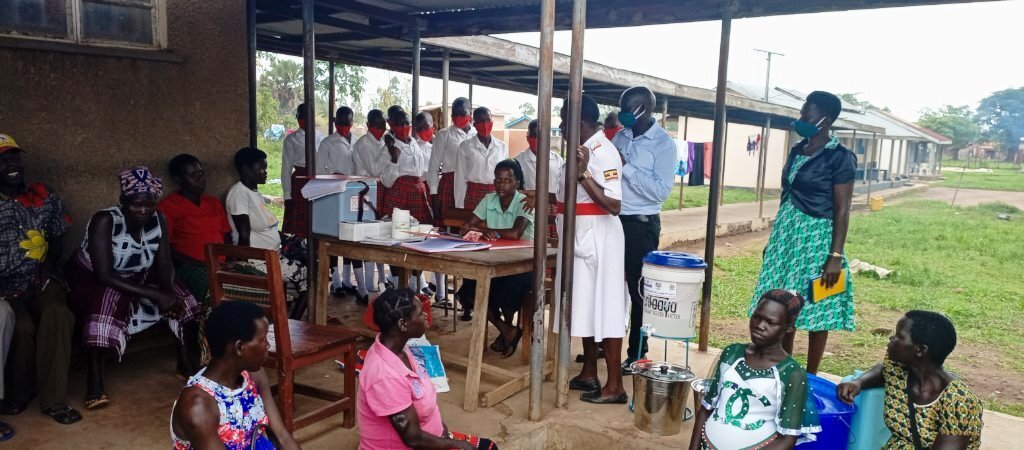
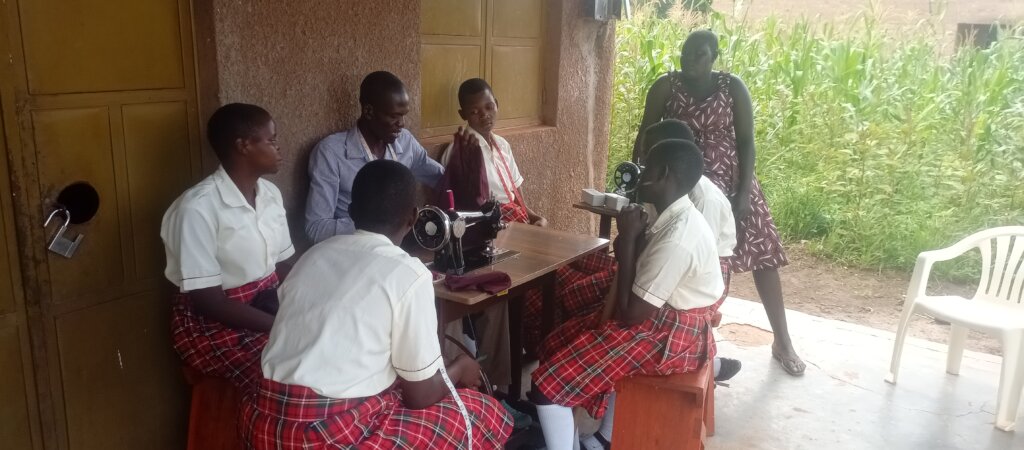
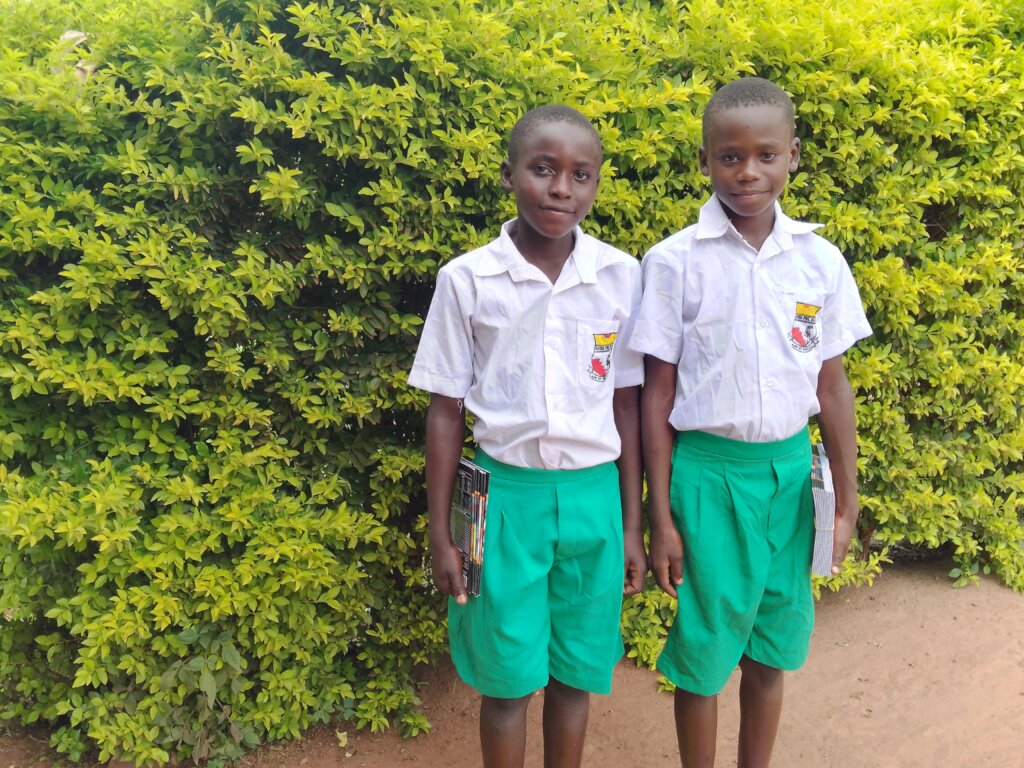
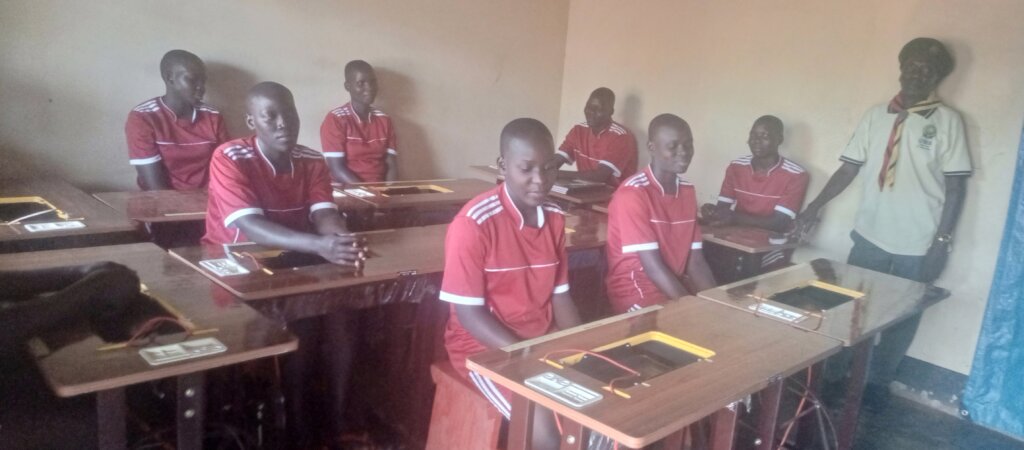
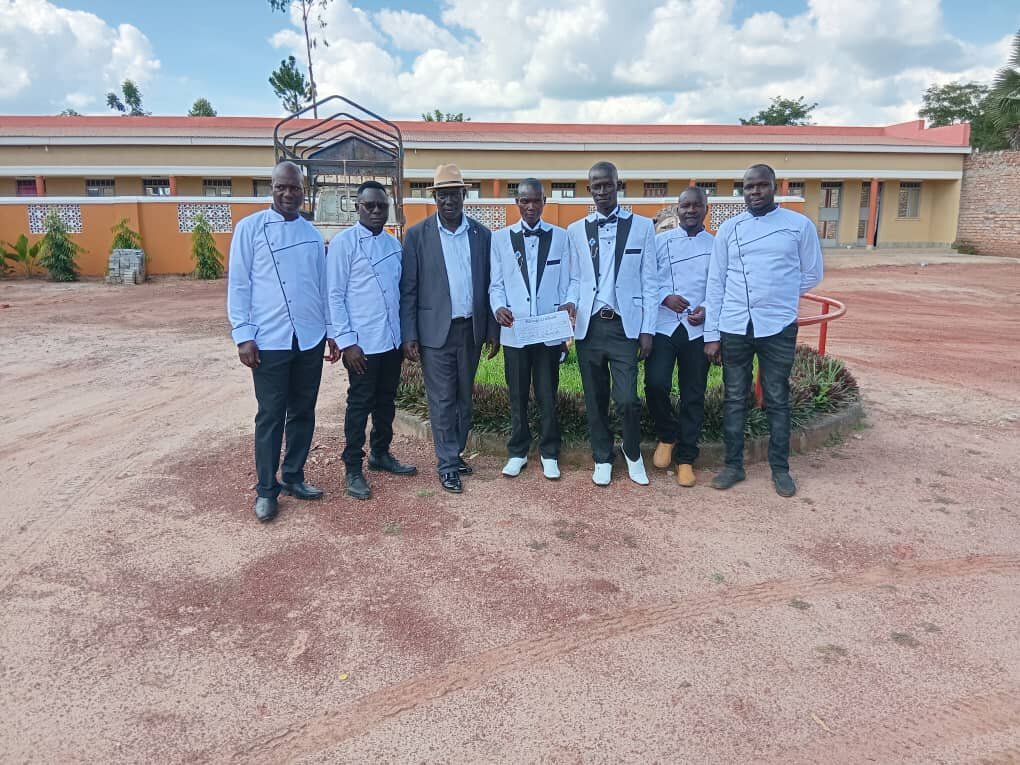
![Visitors at the model Institute of learning]()
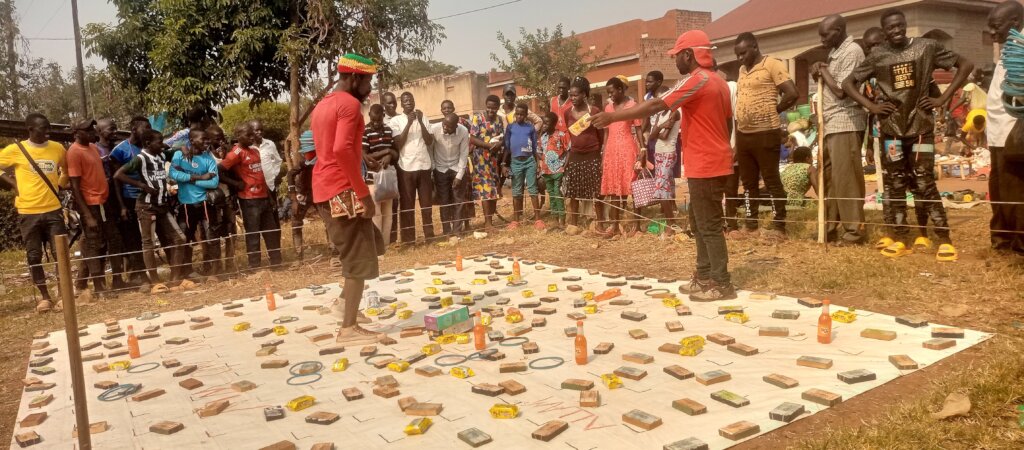
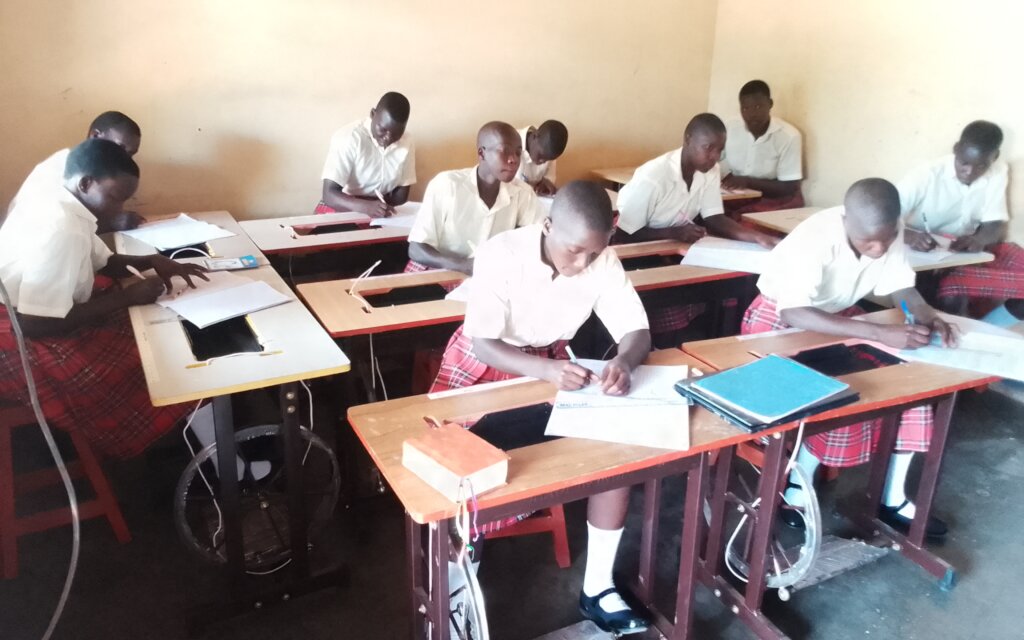
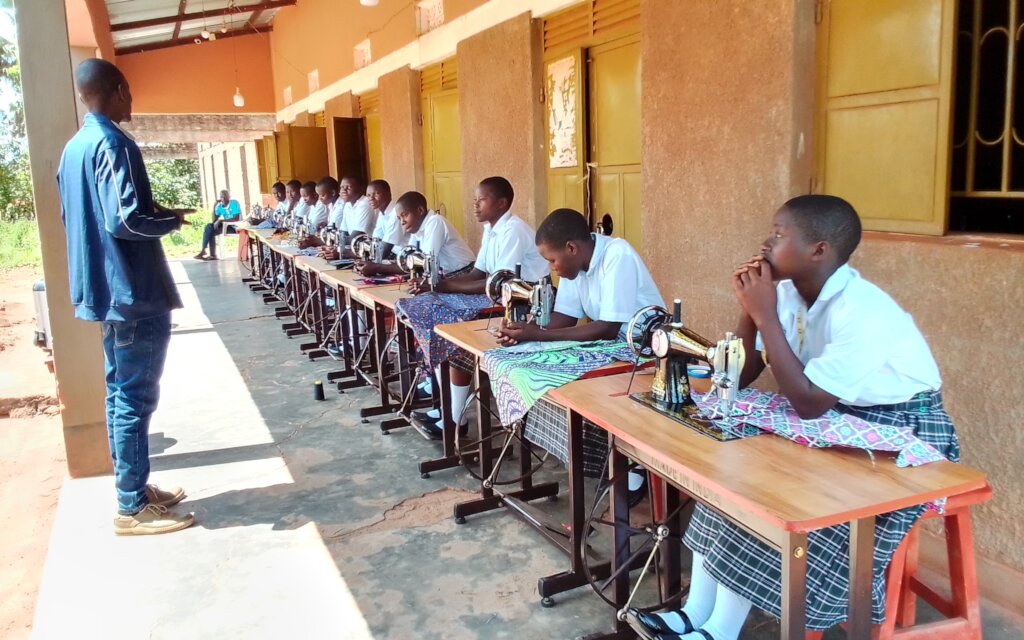
Visitors at the model Institute of learning
A model center: Institute at KIFA (Kole Intellectual Forum)
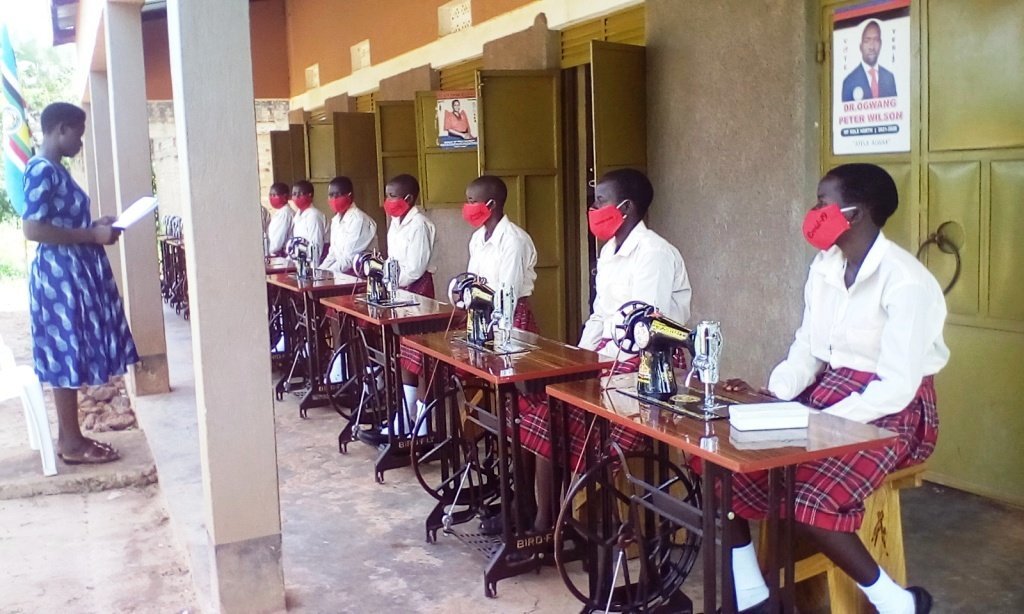
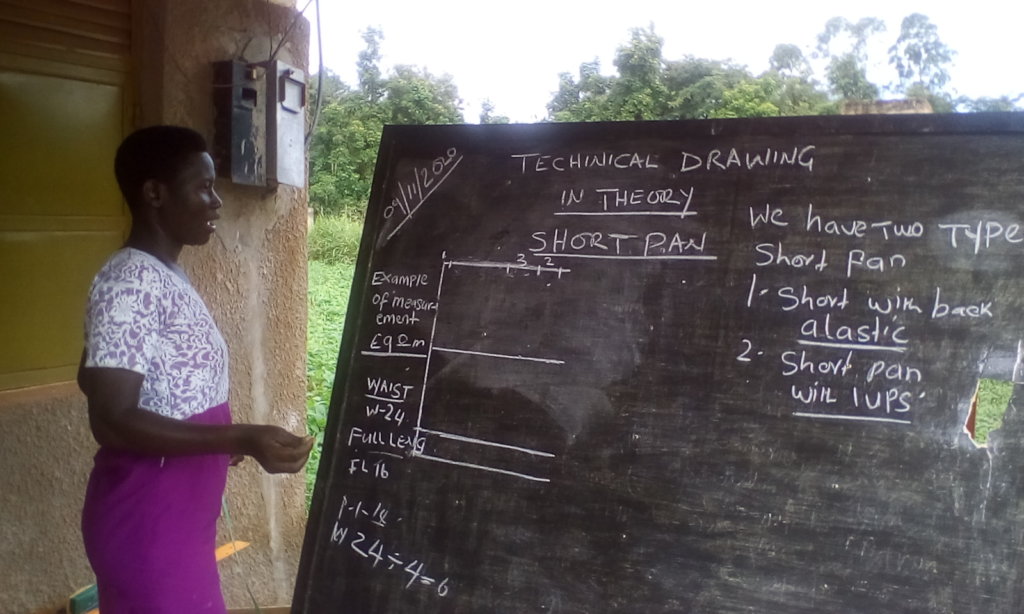
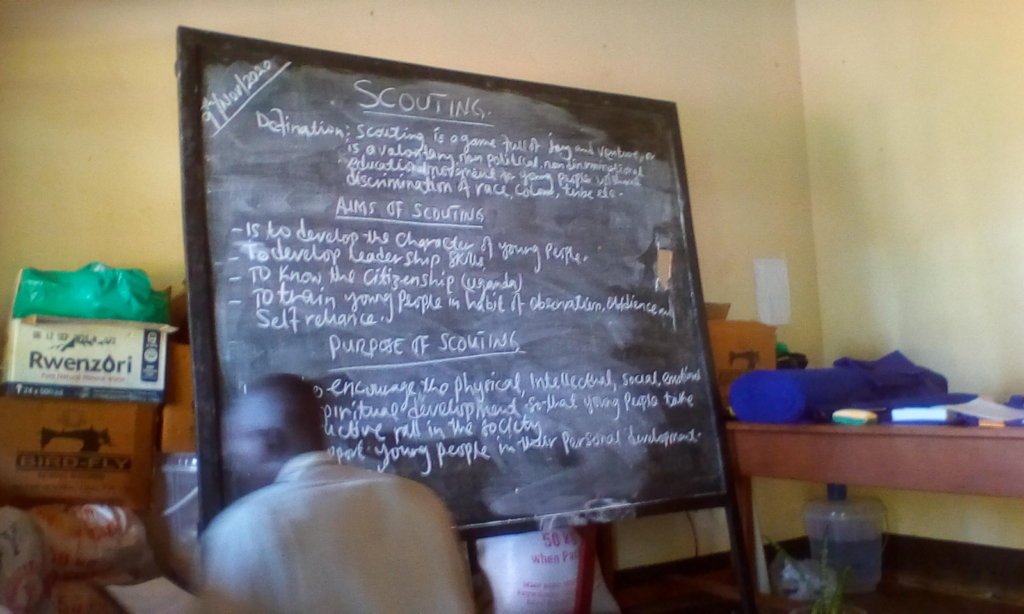
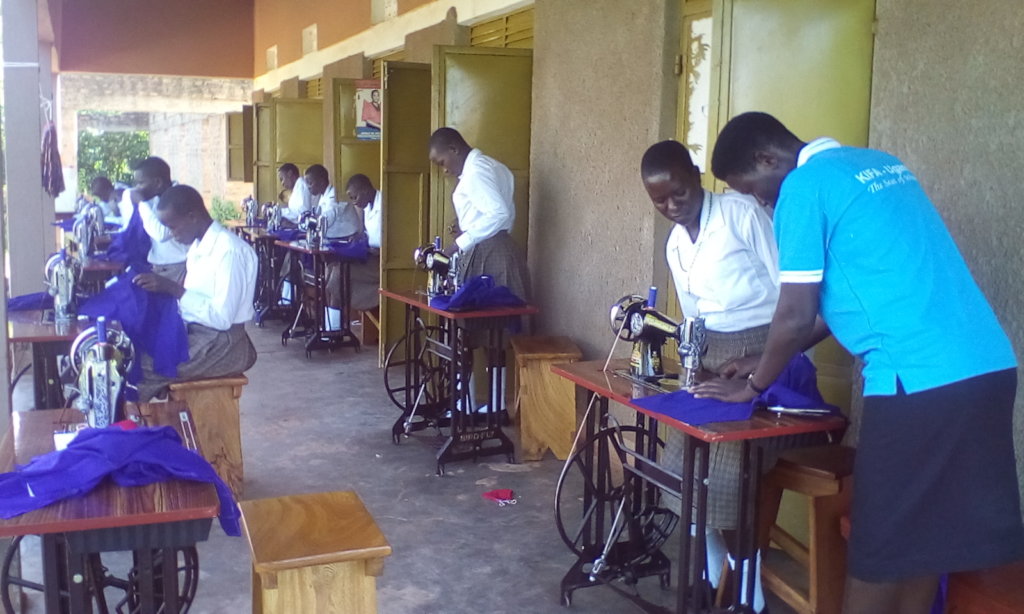
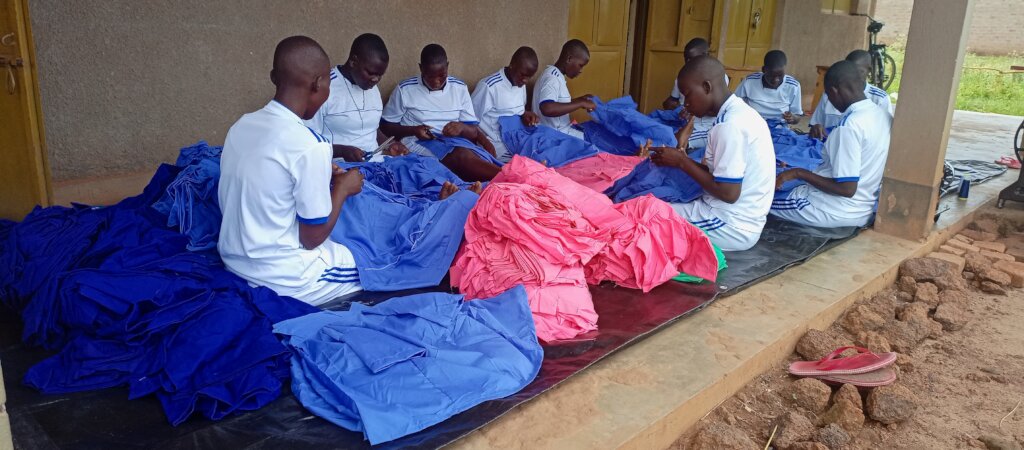
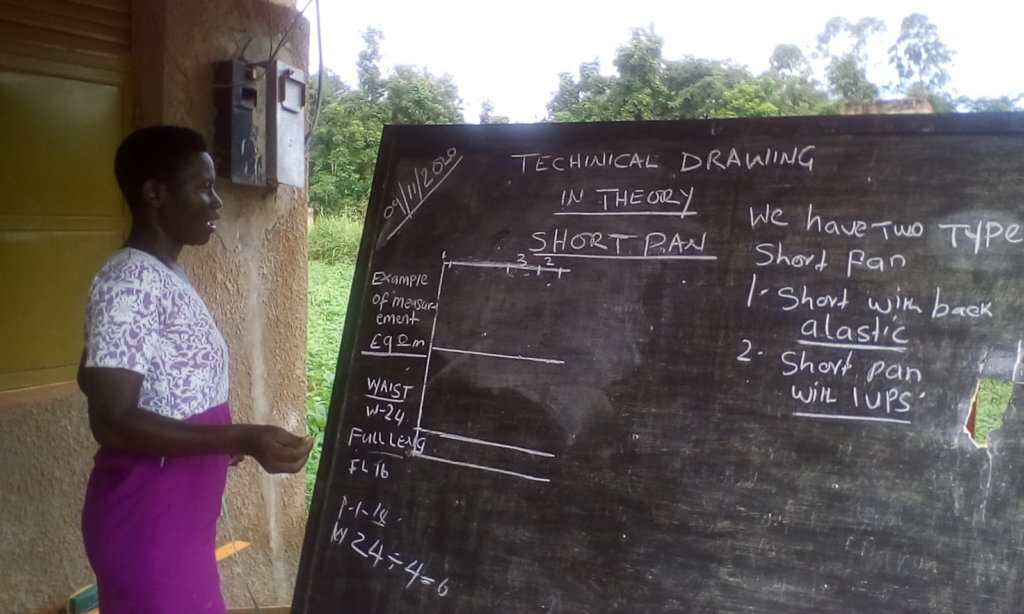
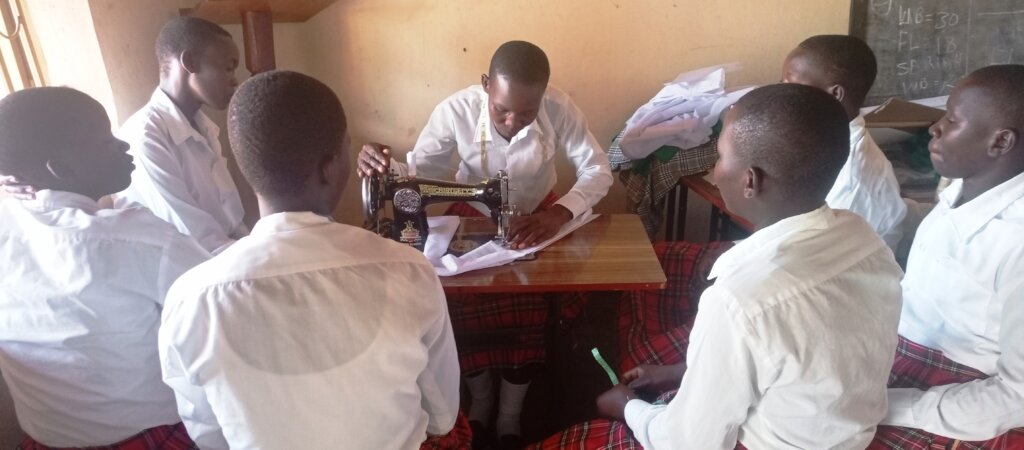
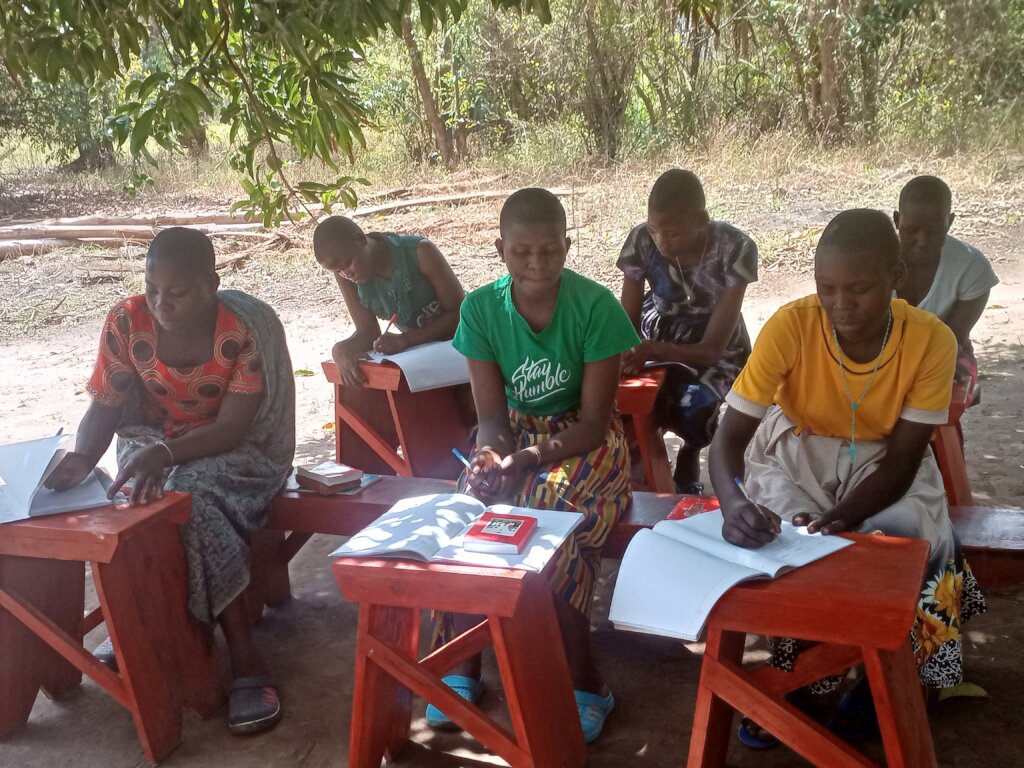
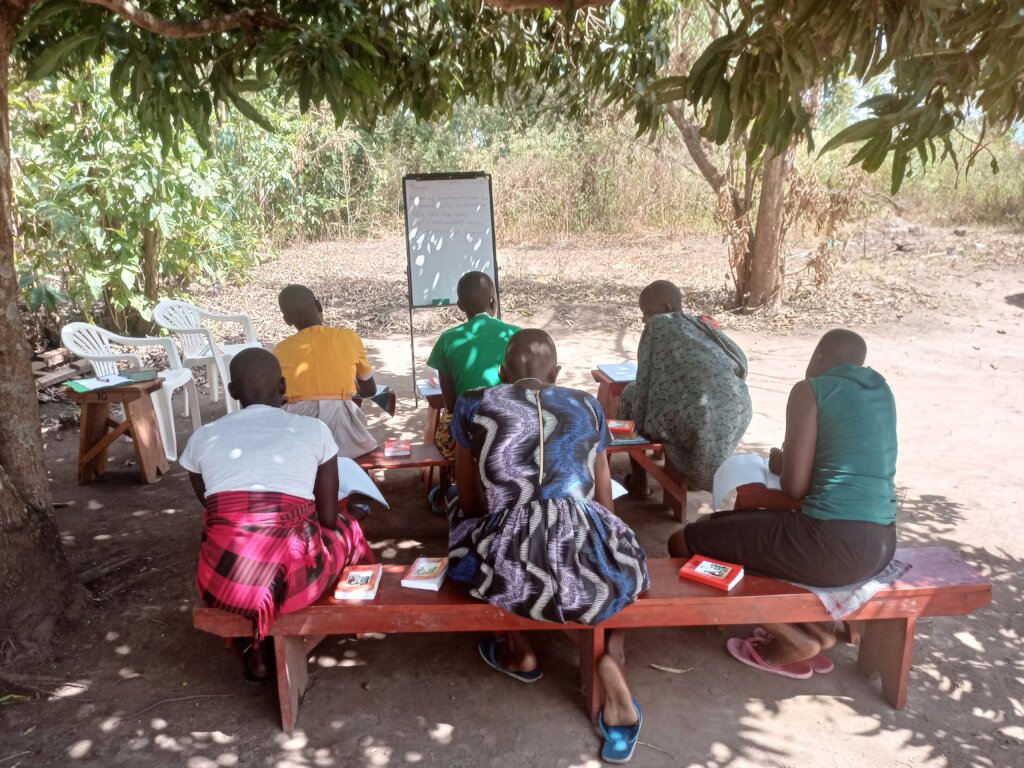
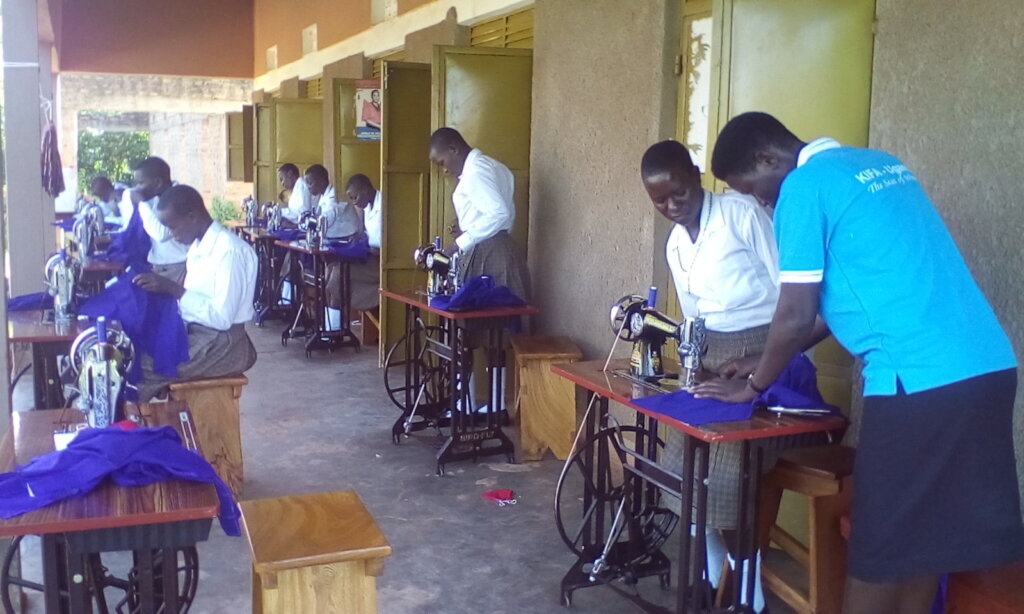
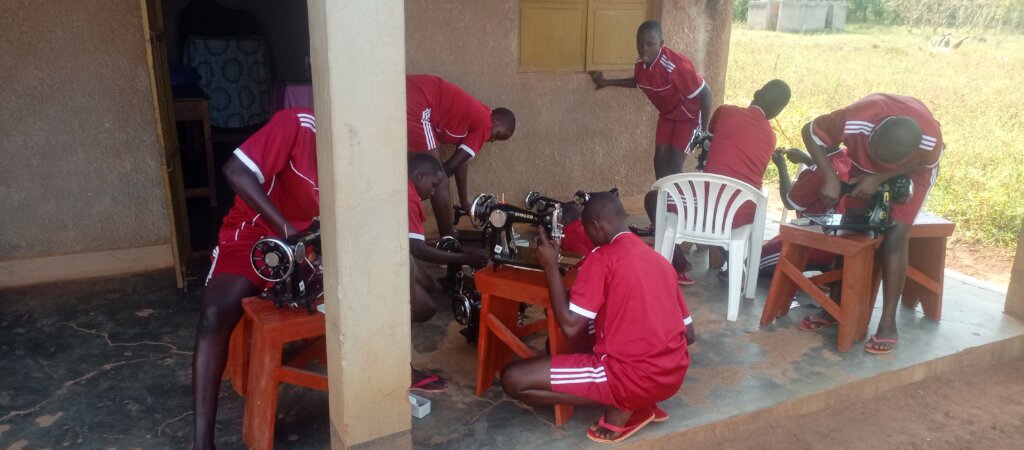
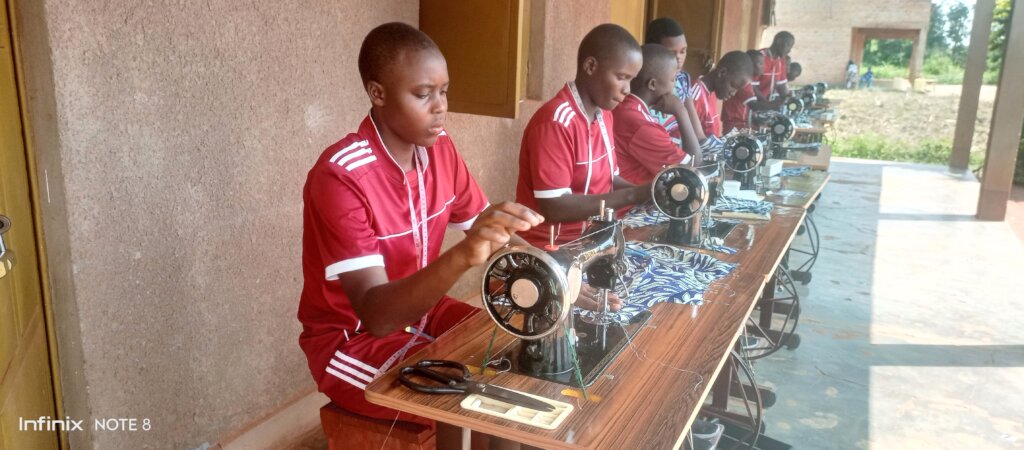
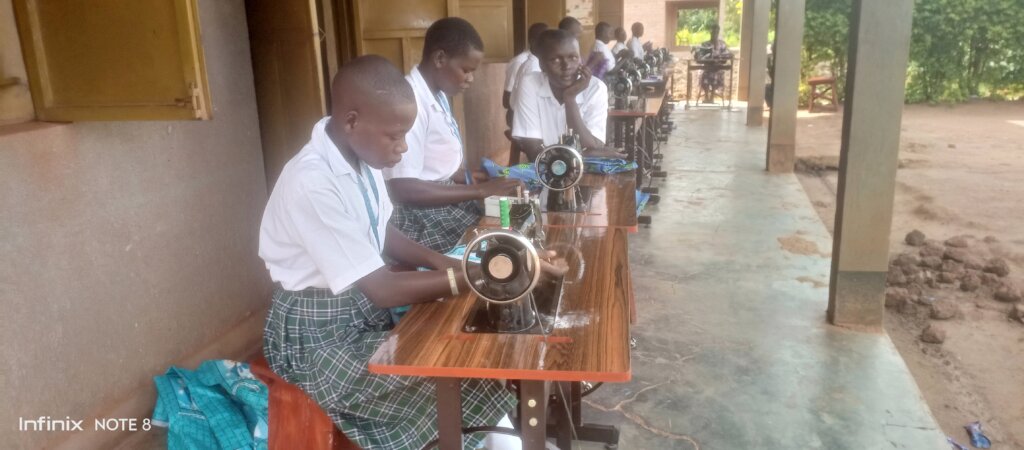
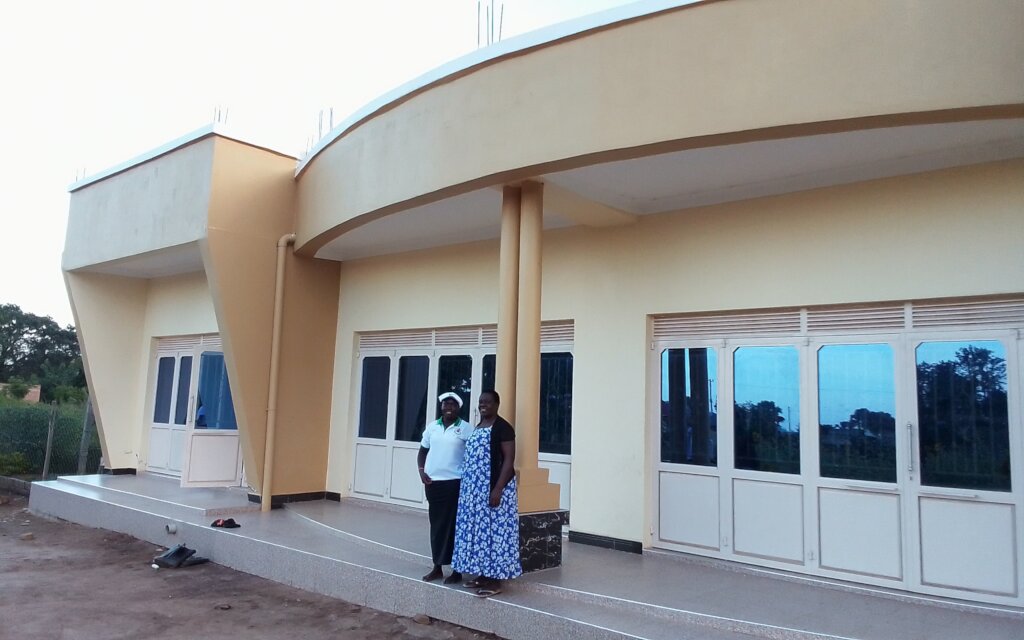
Kole Intellectual Forum, has instituted a model learning center; whereby, the center is being used as demonstration Centre where successful teaching practices, providing resources, and creating a replicable, stimulating environment for learners are conducted. The key learning elements those are put in place include using innovative, play-based teaching methods with locally made materials, training staff and parents, and promoting a student-centered approach to learning that focuses on skills development rather than rote memorization. This model center can then be scaled to become a template for other locations.


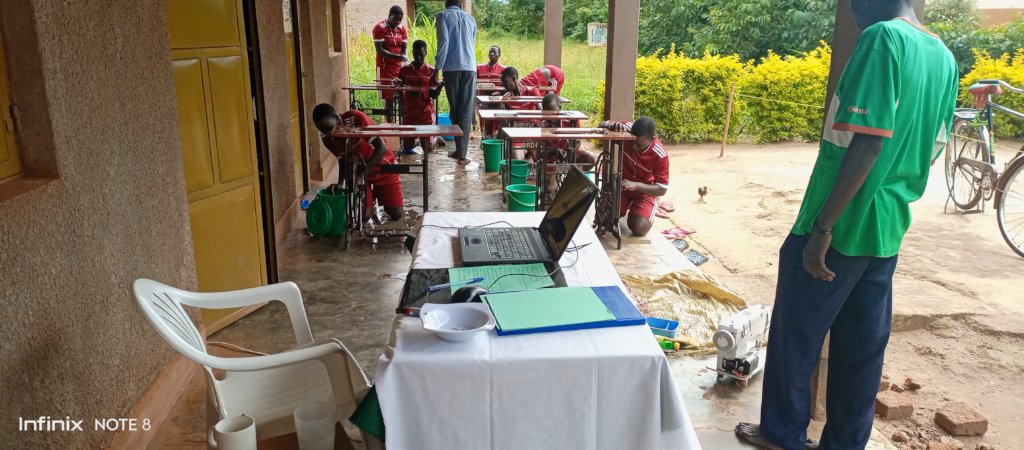
Key strategies those are used at Kole Intellectual Forum or at this model learning center include
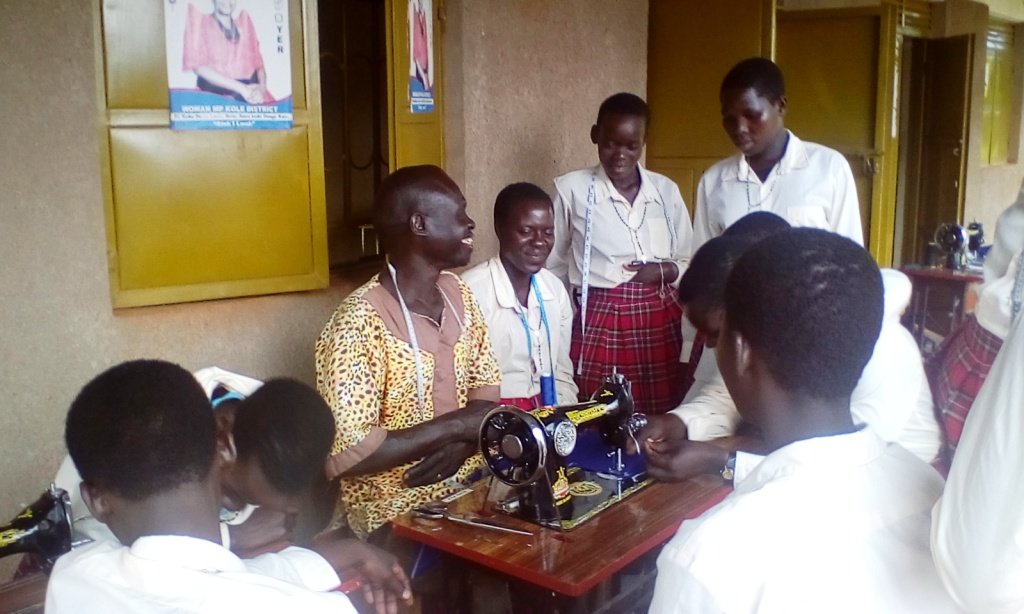
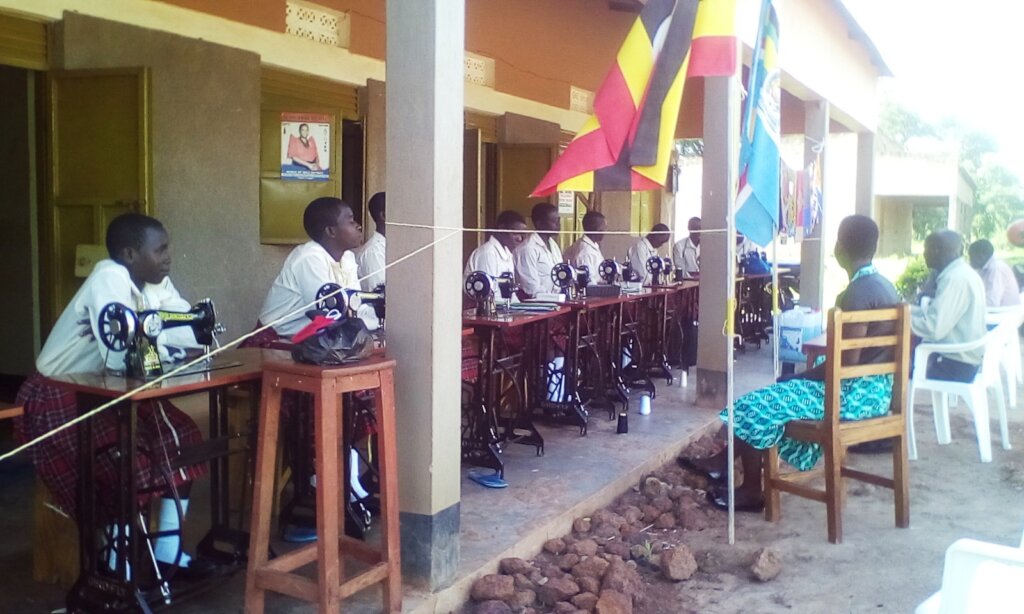
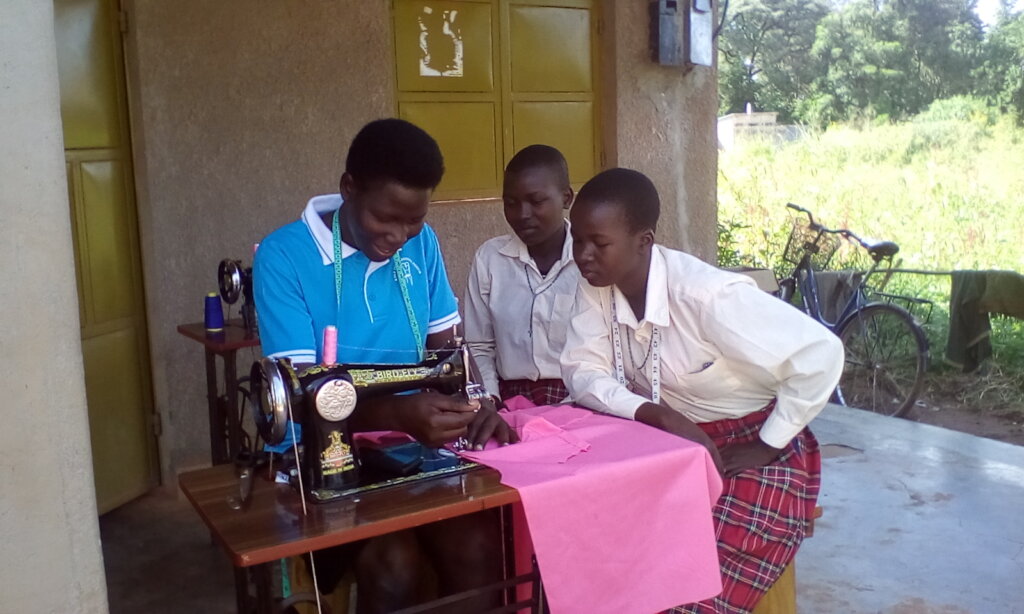
- Implementing innovative teaching methods: the center use creative approaches like play-based learning to engage children and help them grasp information faster. For example, a center is using locally made materials like clay dolls and handcrafted pottery to make learning interactive.
- Focusing on student-centered learning: the center offers a variety of designated areas for students to practice and strengthen skills through play. This contrasts with traditional tuition centers that often focus on rote learning.
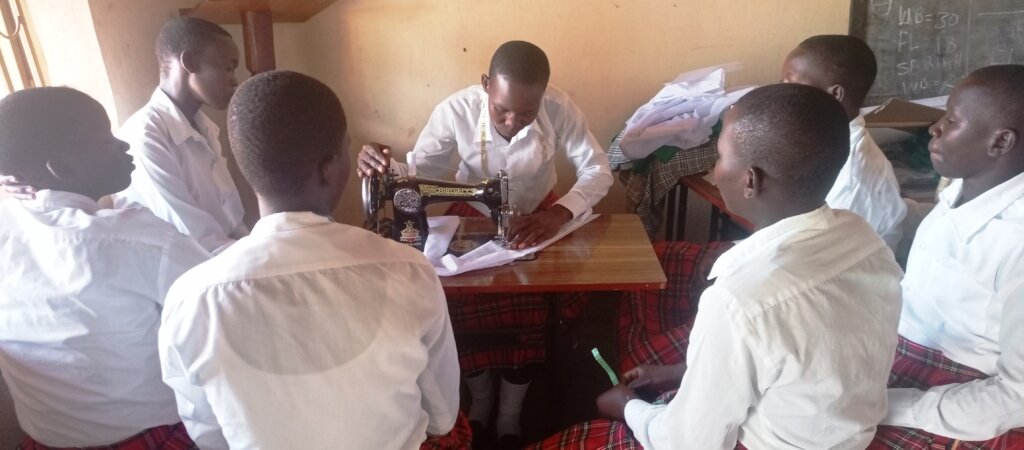
- Modeling and demonstrating skills: Effectively demonstrate on how to perform a skill or complete a task before expecting students to do it independently. This "me, we, you" approach helps reduce confusion and builds confidence.
- Providing resources and training: Equip the center with necessary materials and provide training to staff and parents on how to use them and how to replicate them at home. This ensures the learning experience is consistent and motivating for children throughout their development.
- Analyzing and identifying gaps: Collect data on the users of the center, such as by grade, gender, and shift, to identify any gaps in participation. Use this analysis to find out why certain groups are not using the center and take action to encourage their participation.
- Creating a stimulating environment: Ensure the learning environment is stimulating and enriched, reinforcing the importance of such an environment for early childhood education (ECE).
- Promoting the center and its success: Highlight the impact of the center through success stories and use successful learners to promote it to their colleagues. Effectively launch new courses and initiatives and use workplace briefings to inform everyone of what's available.
Nov 13, 2025
KIFA: 5th Graduation Ceremony Preparation Underway
By George Obua | Project Leader
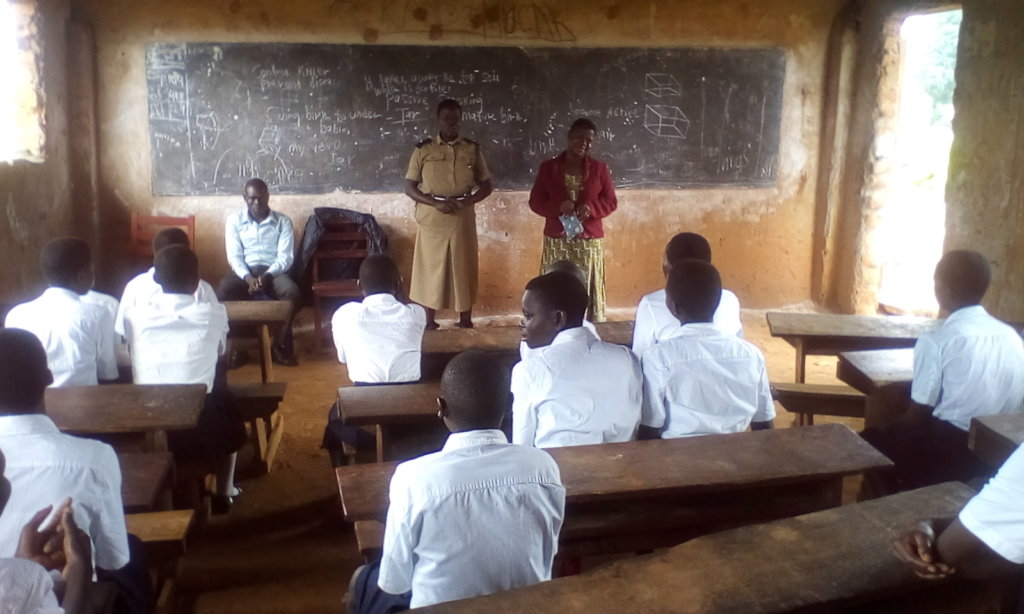
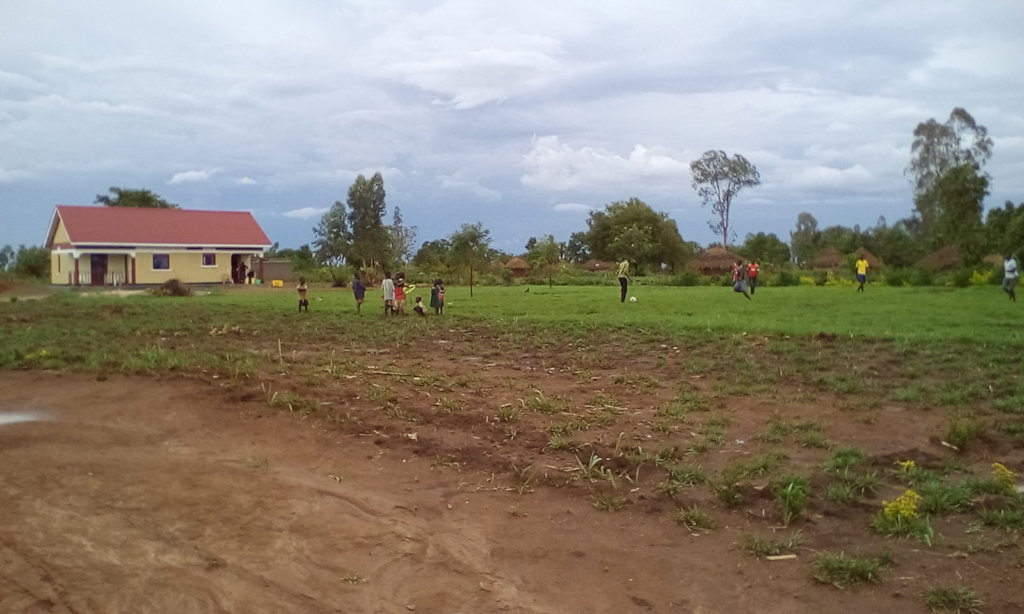
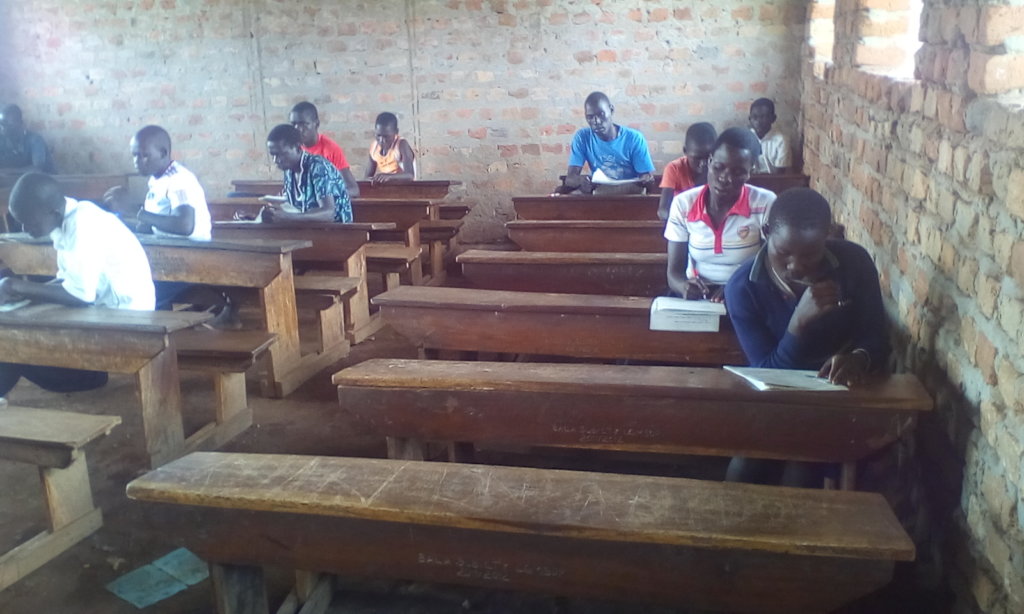
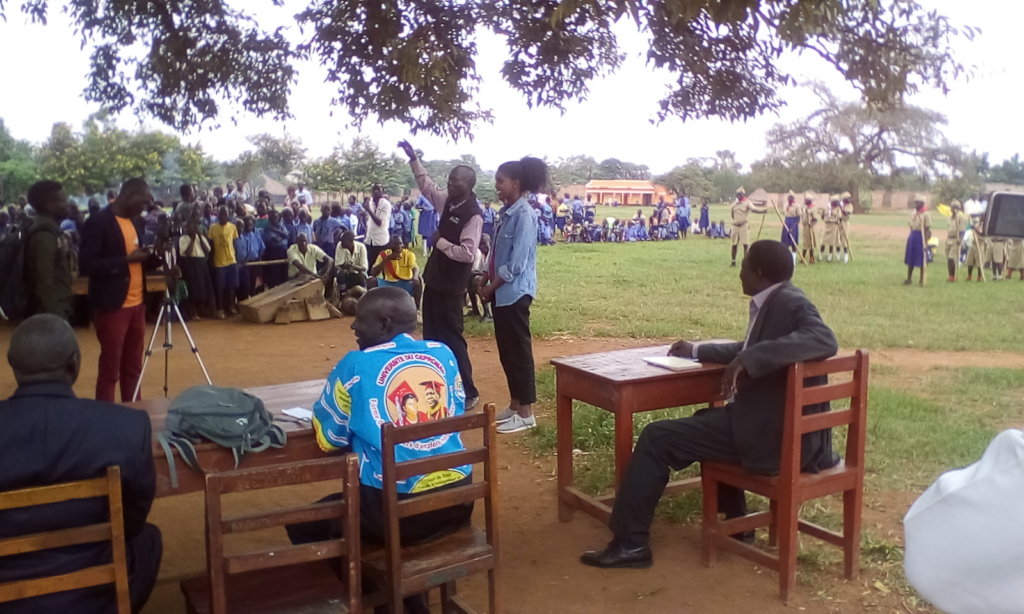
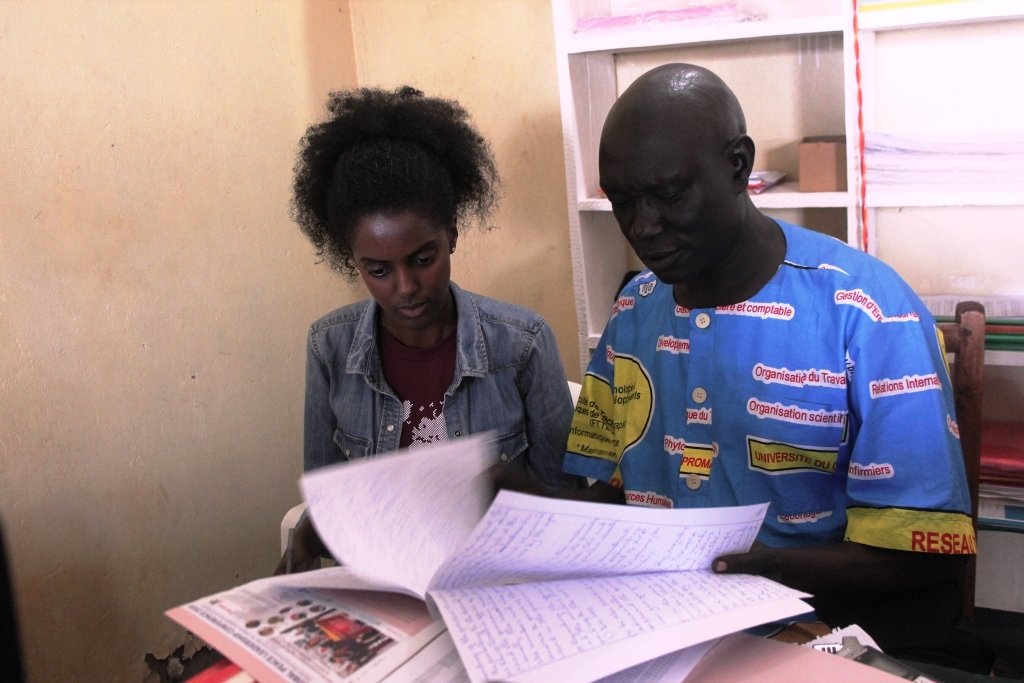
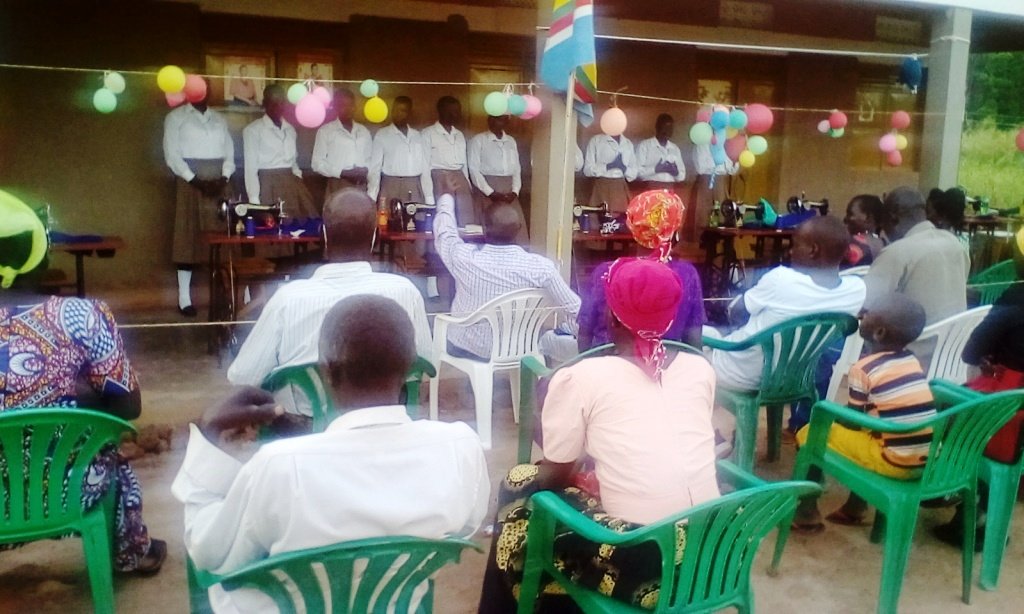
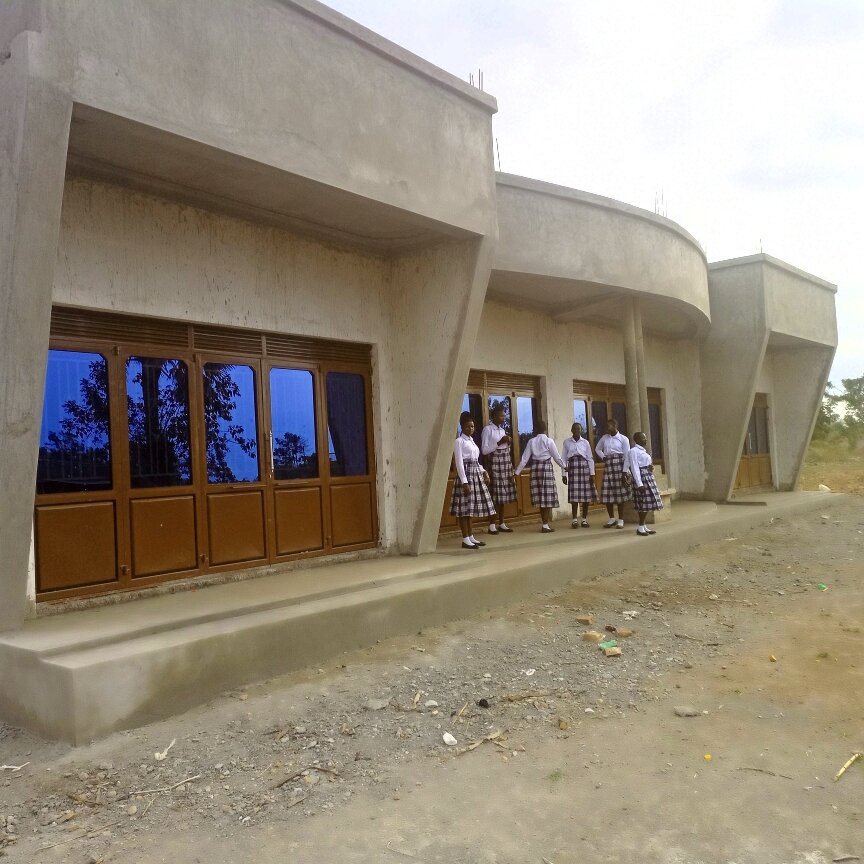
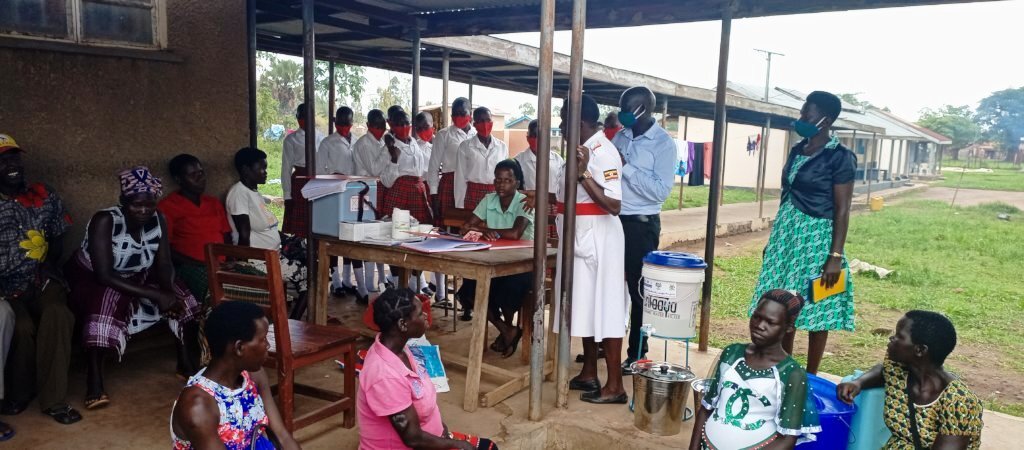
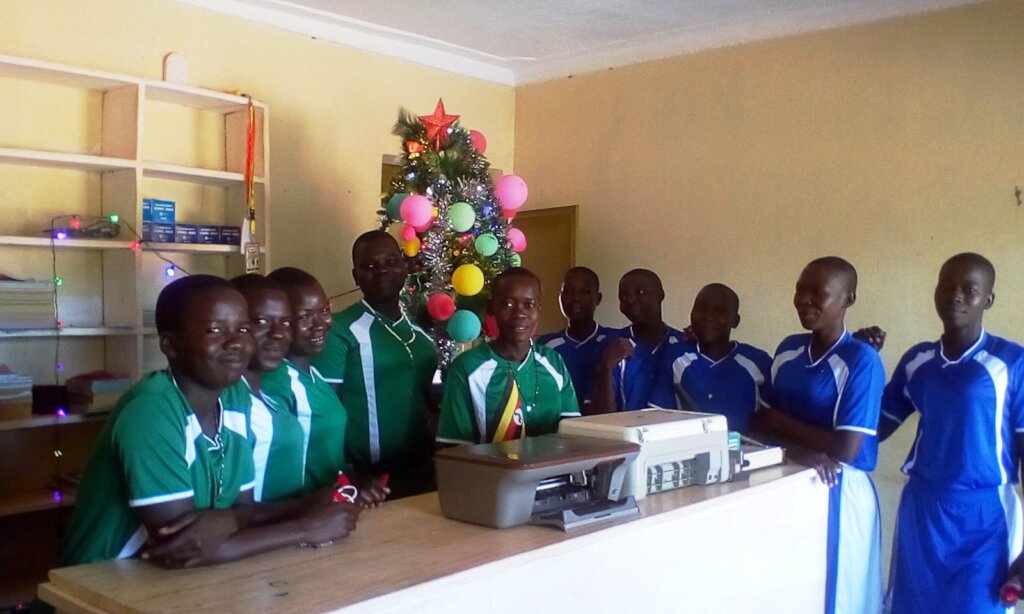
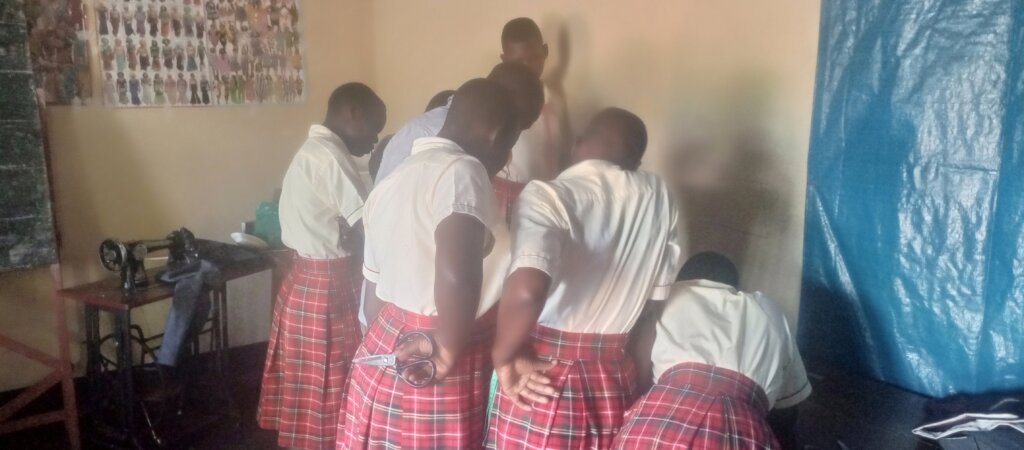
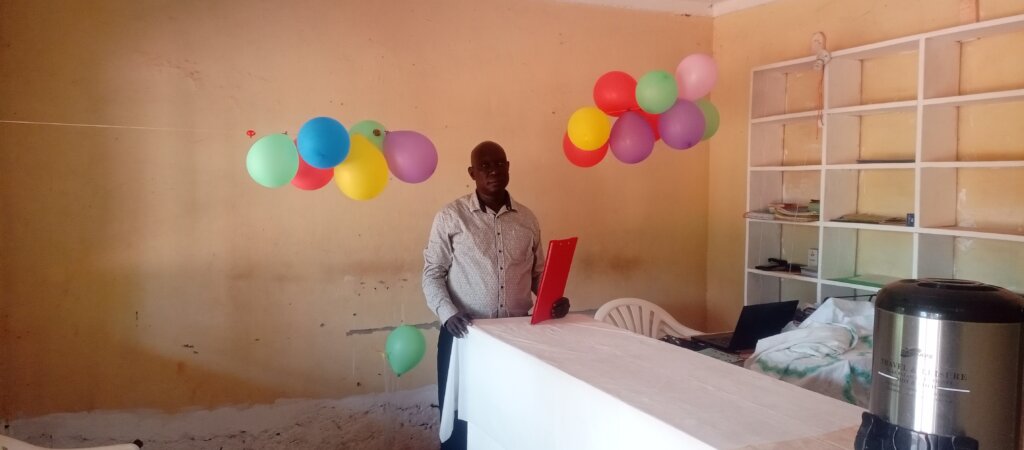
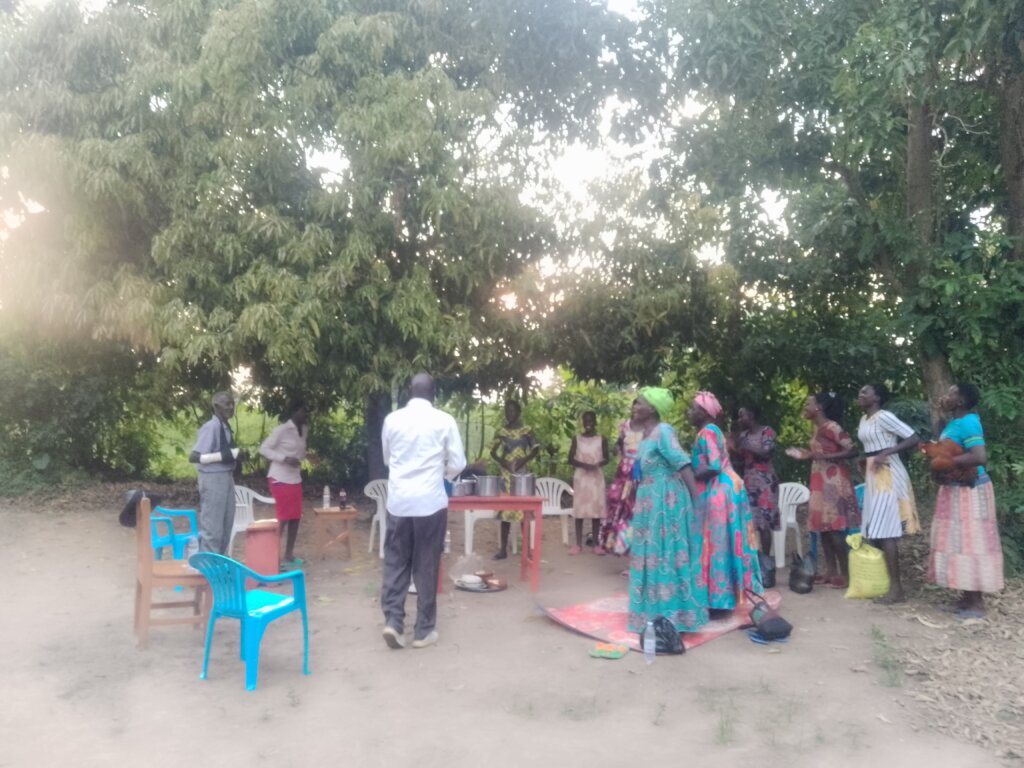
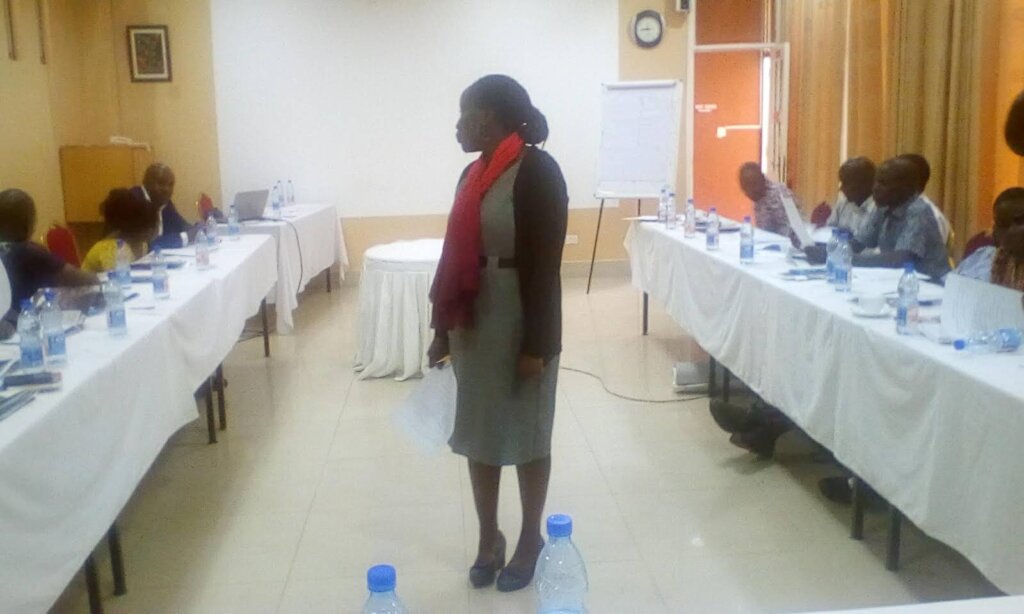
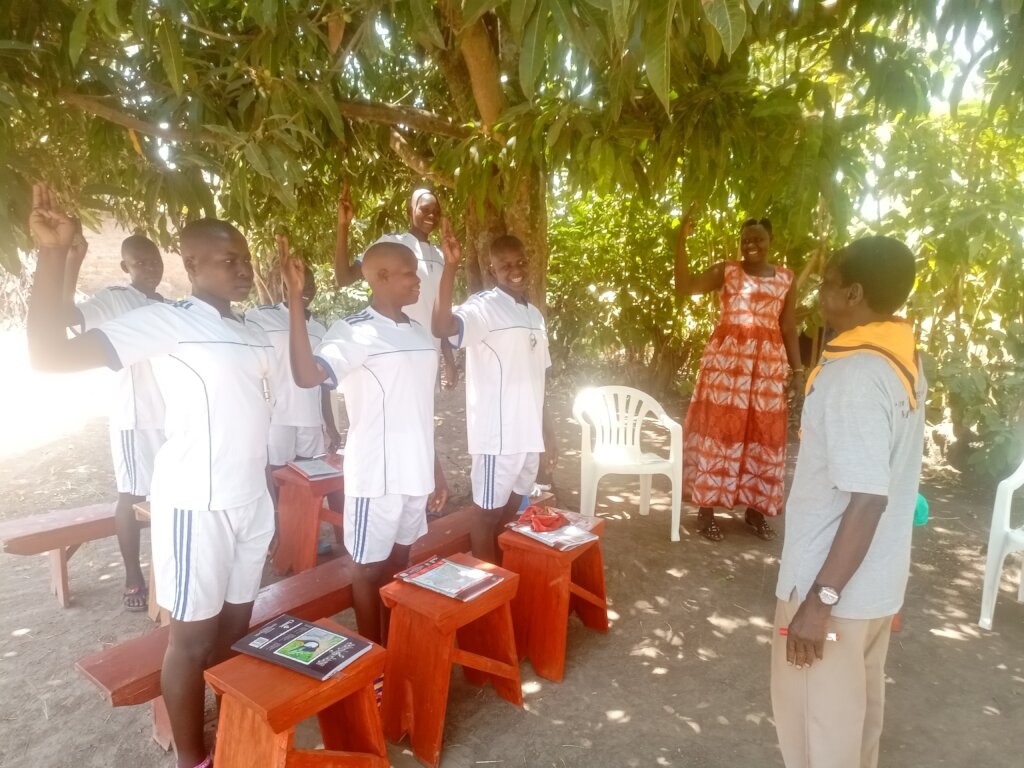
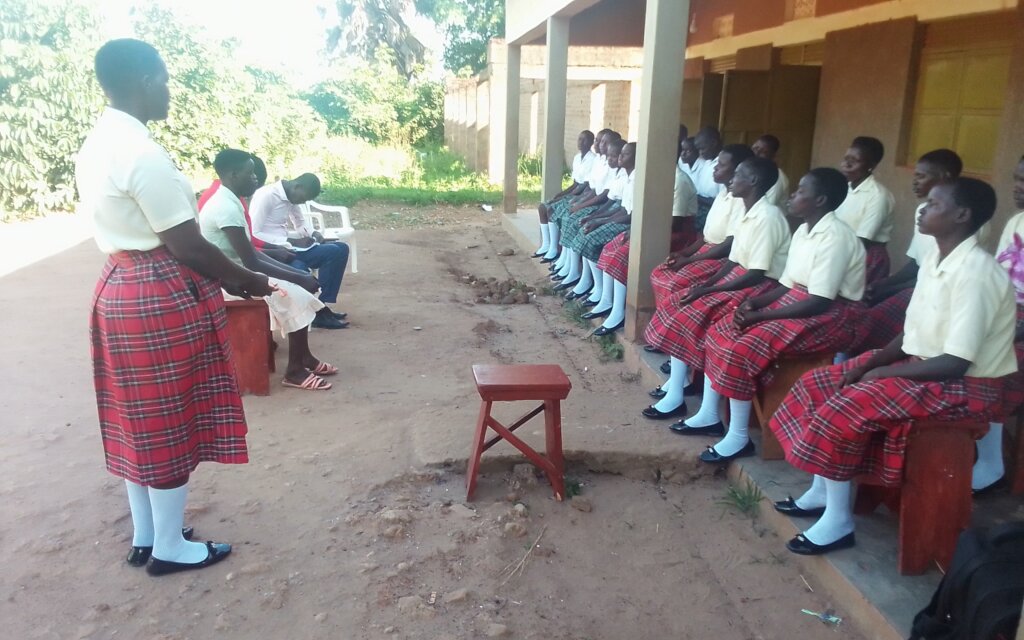
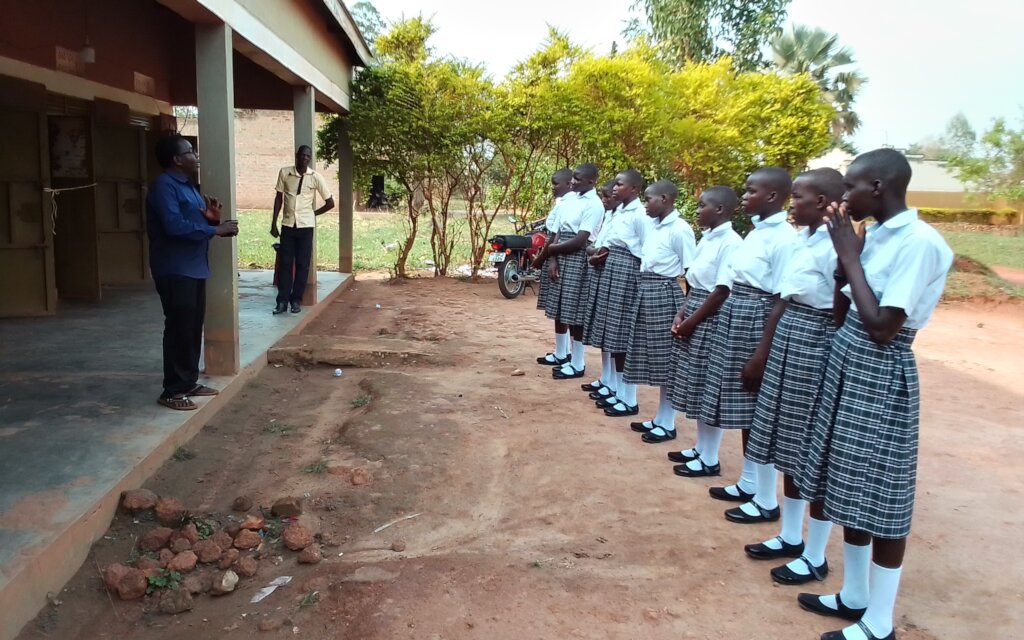
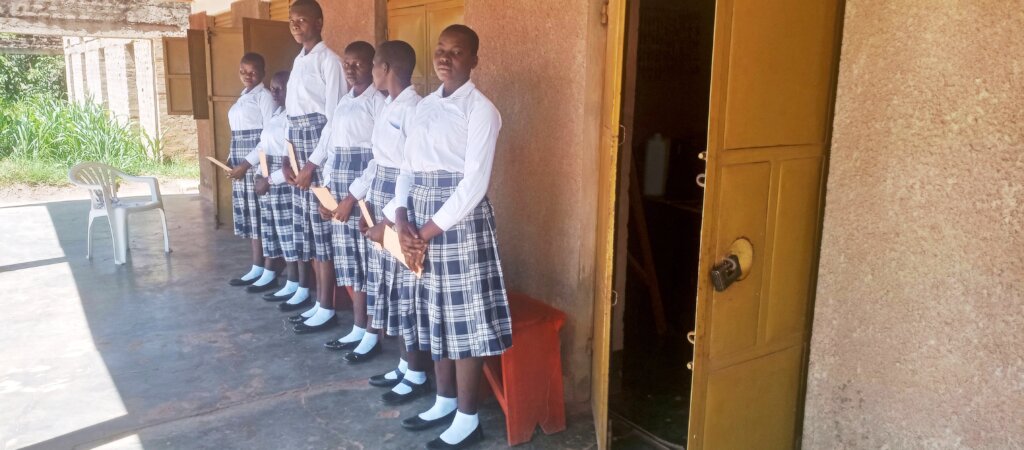
![Practice for graduation are ongoing]()
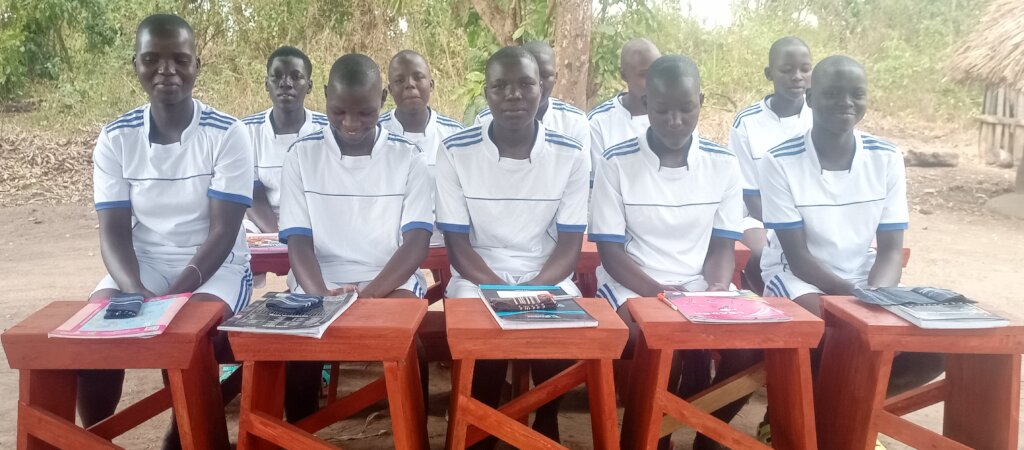
Practice for graduation are ongoing
KIFA: 5th Graduation Ceremony Preparation Underway
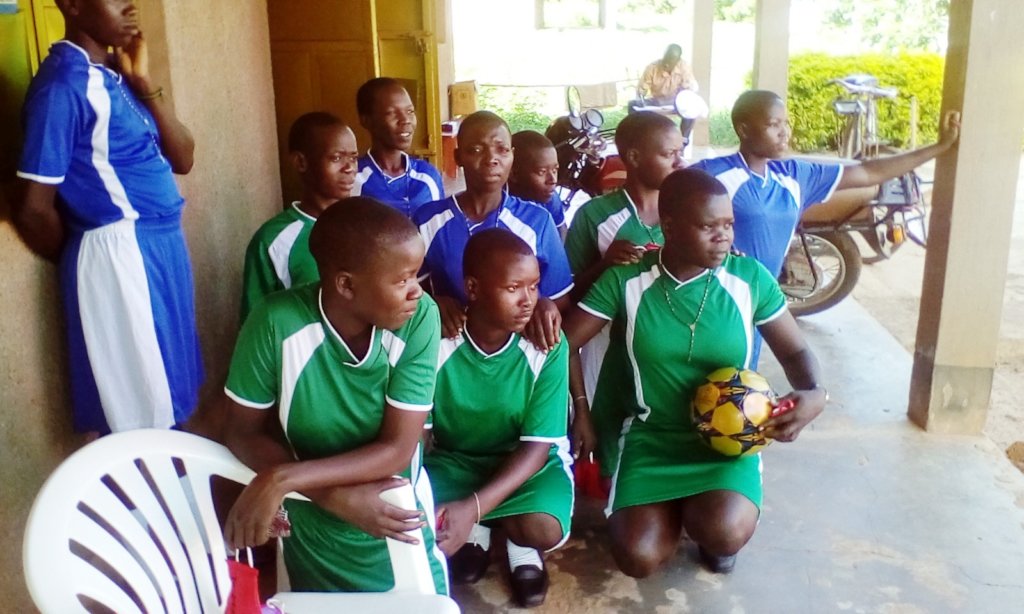
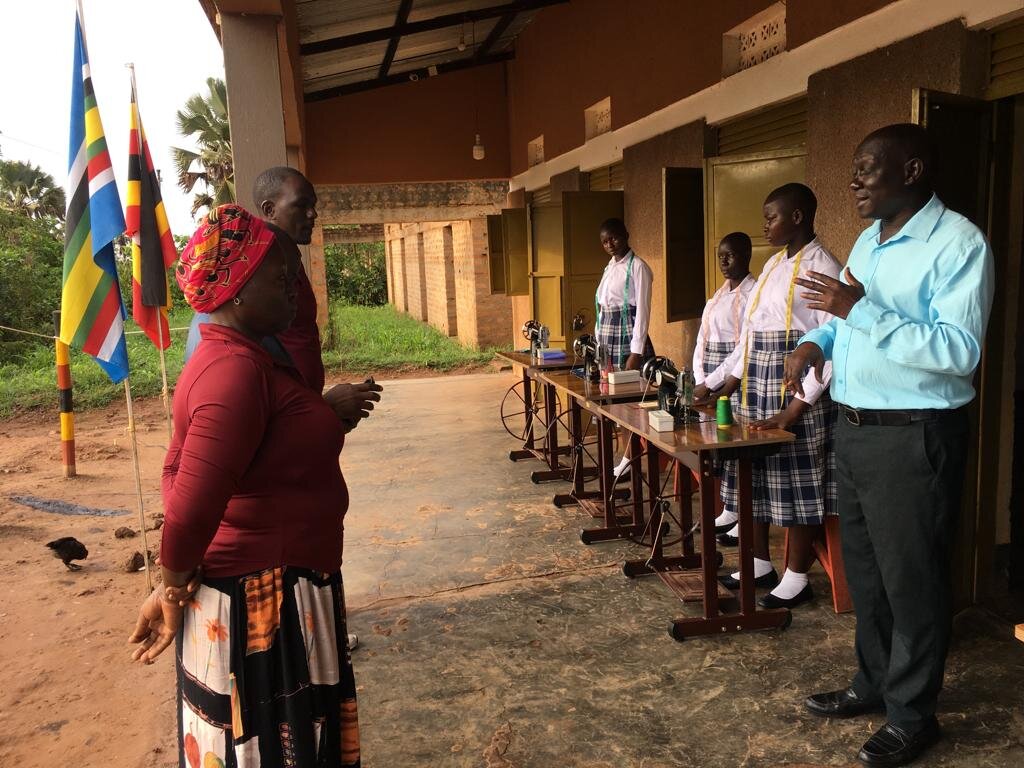
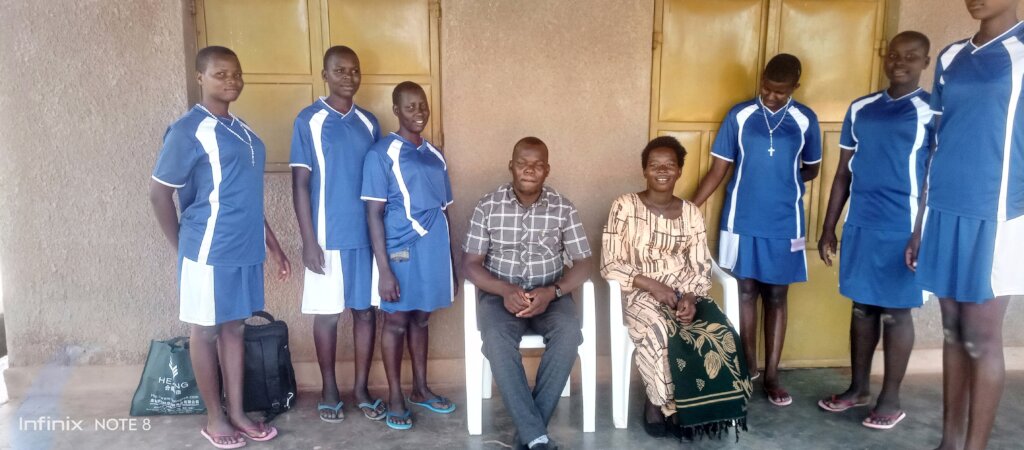
Yearly, since 2020 Kole intellectual Forum Institute of Home Economics has been conducting graduation ceremonies to pass out their students; as they do so, they always try to make preparation in advance, among them is to instill confidence to their students and give them the power to improve on their speeches through thorough preparation, repeated practice, and effective use of feedback. Definitely, this has made them to have a shift in their mindset and propel them to focus on delivering value to the audience, rather than drawing self-concern
Strategies that are used to build their confidence include:
- Preparation and Knowledge: Confidence comes from knowing your material inside and out. Thorough research to avoid forgetting key points or being asked challenging questions.
- Practice and Rehearsal: "Practice makes perfect" is especially true for public speaking.
- Practice out loud: Rehearse the speech multiple times to become comfortable with the flow and timing.
- Record and review: Watching a recording of the practice sessions helps identify distracting habits (like filler words or fidgeting) and areas for improvement in body language and voice modulation.
- Practice in front of others: Start with friends or family and gradually increase the audience size to get used to speaking in front of people in a supportive environment.
- Mindset and Nervousness Management:
- Reframe nervousness as excitement: The physical symptoms of nervousness and excitement are similar; framing the feeling as enthusiasm can help manage anxiety.
- Use positive self-talk and visualization: Imagine oneself delivering a successful and impactful speech.
- Employ relaxation techniques: Deep breathing exercises before speaking can help calm nerves.
- Focus on the message and audience: Shift the focus from personal performance and potential mistakes to the value the information provides to the audience.
Nov 11, 2025
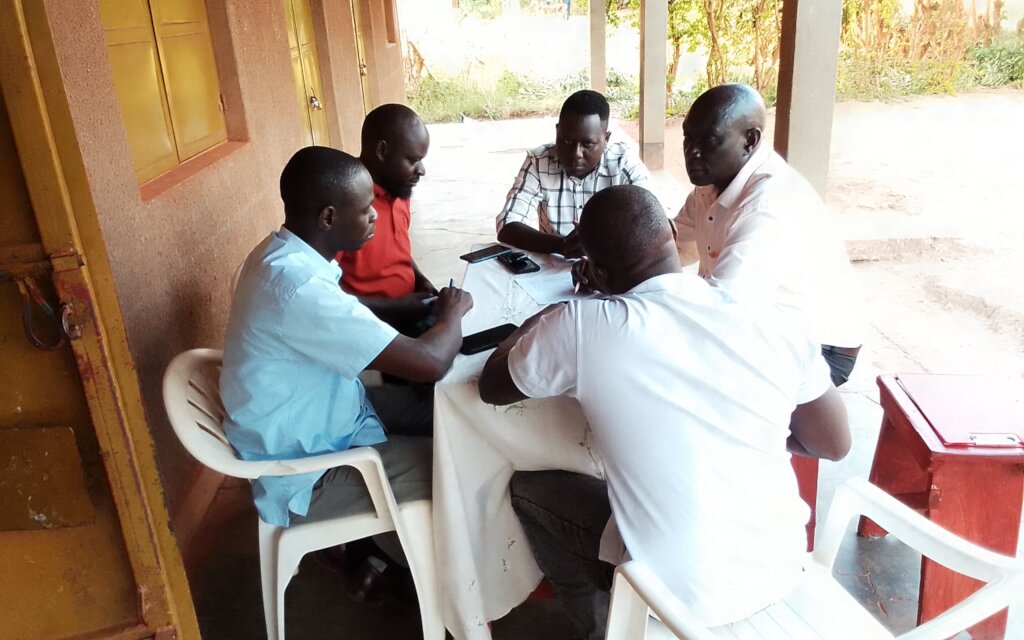
Working towards the same goals through meetings
By George Obua | Project Leader
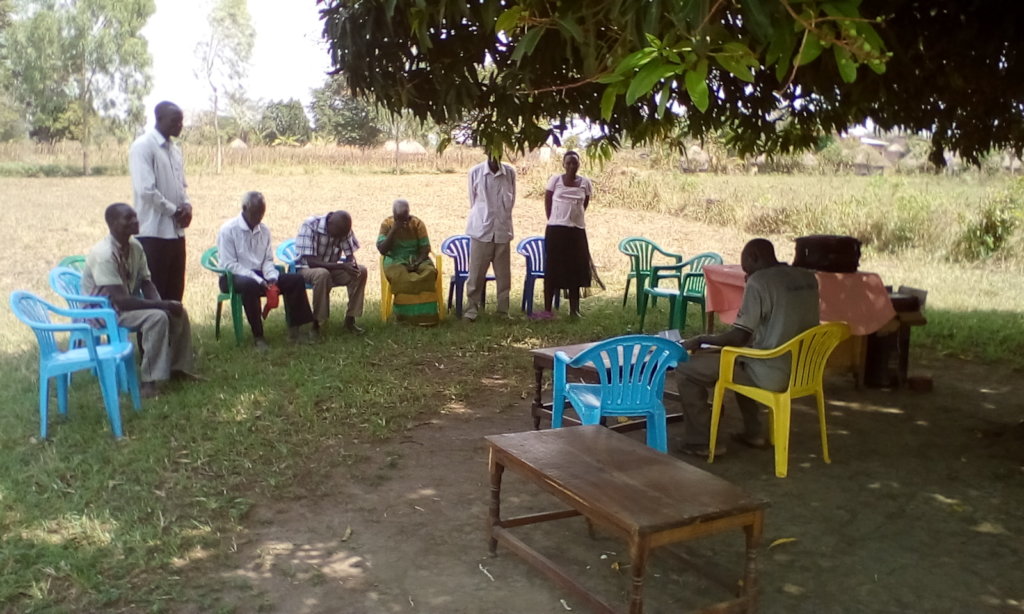
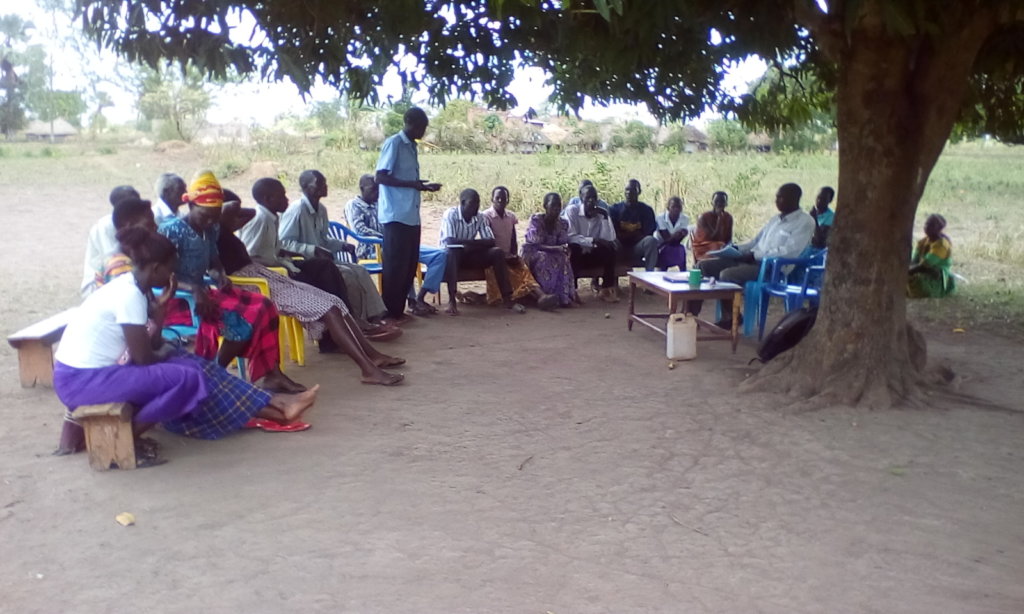
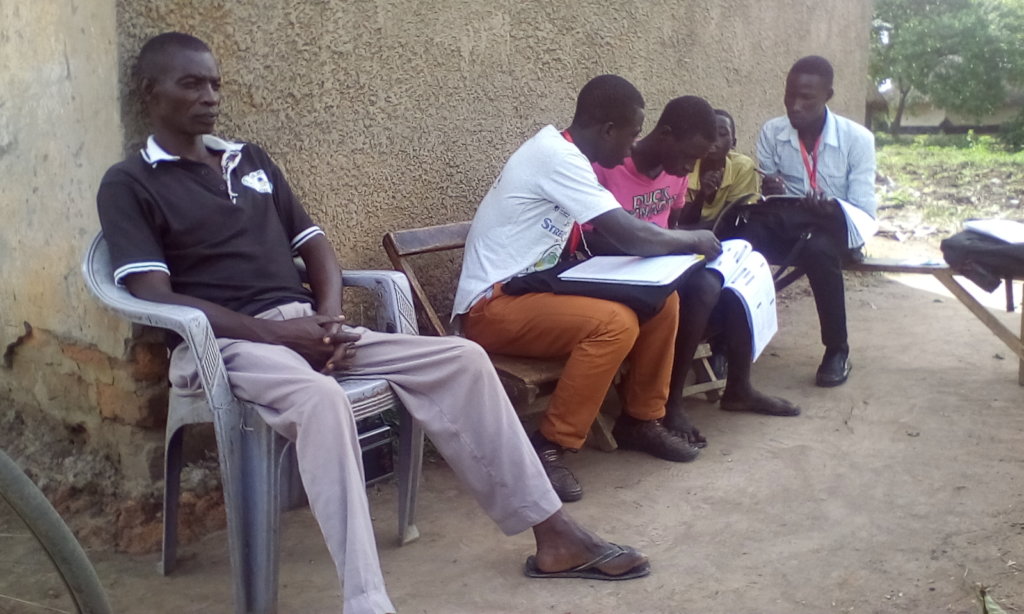
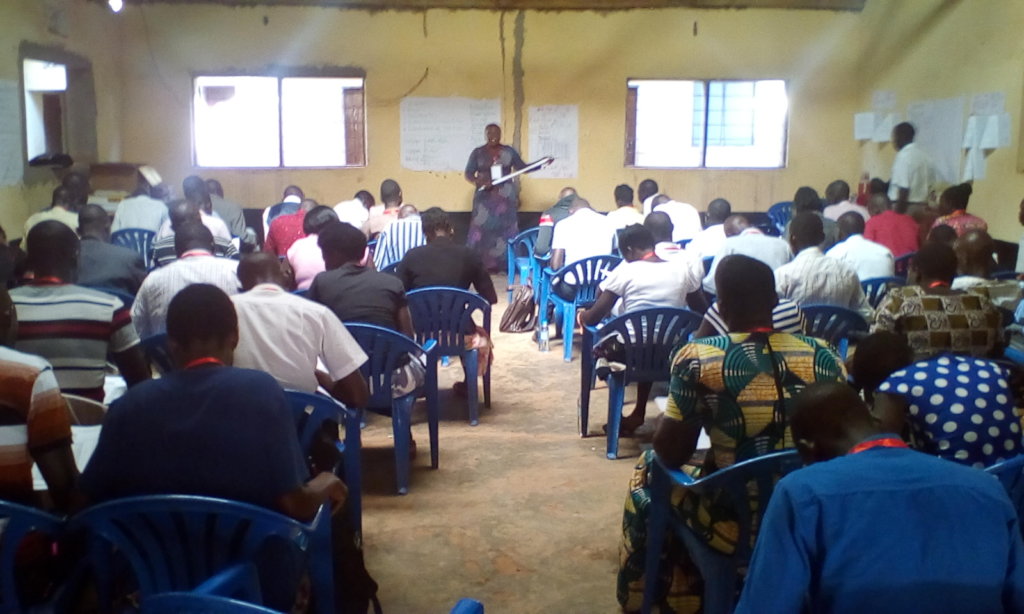
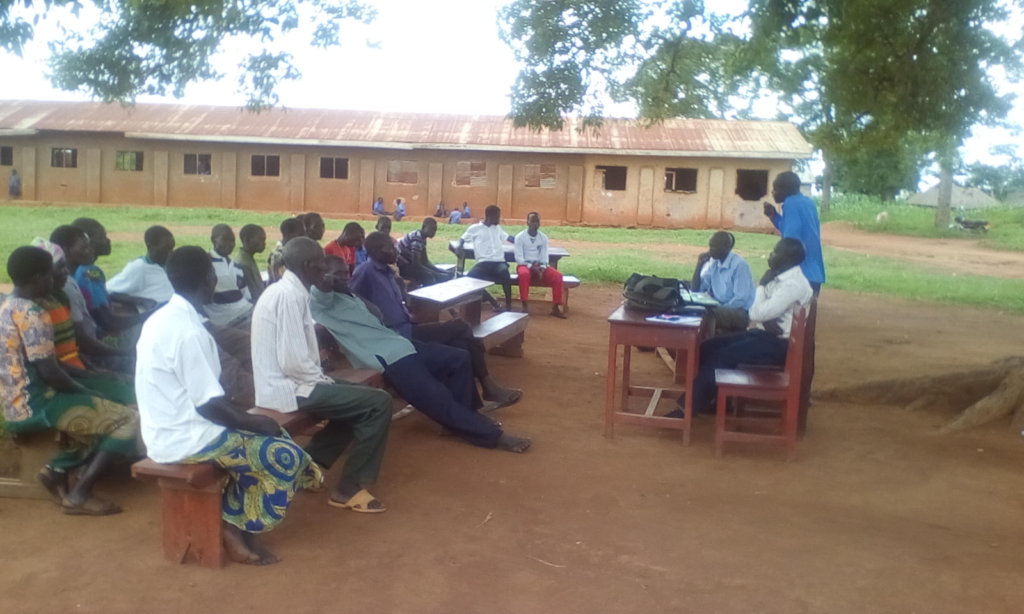
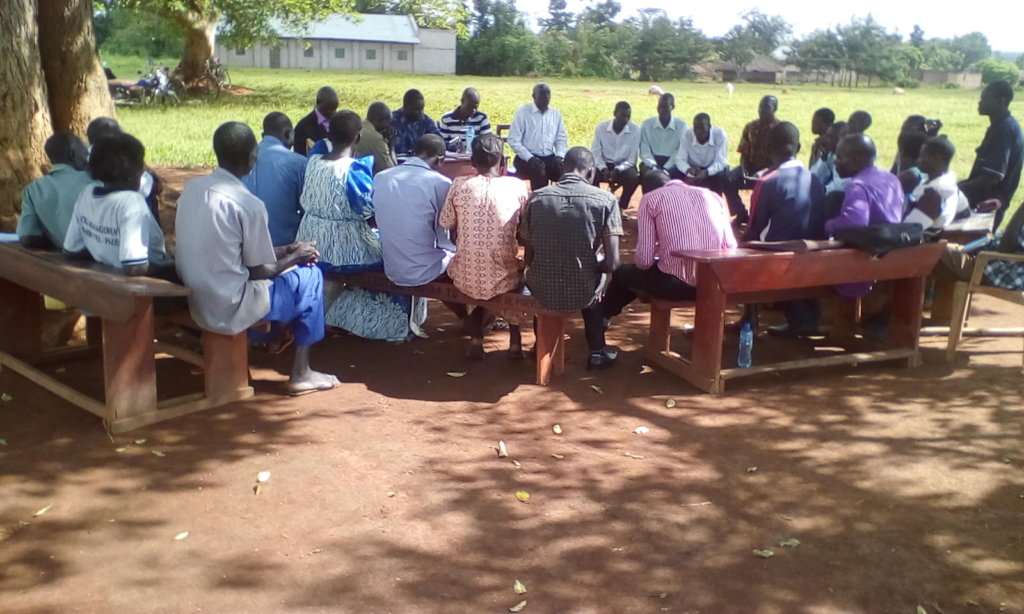
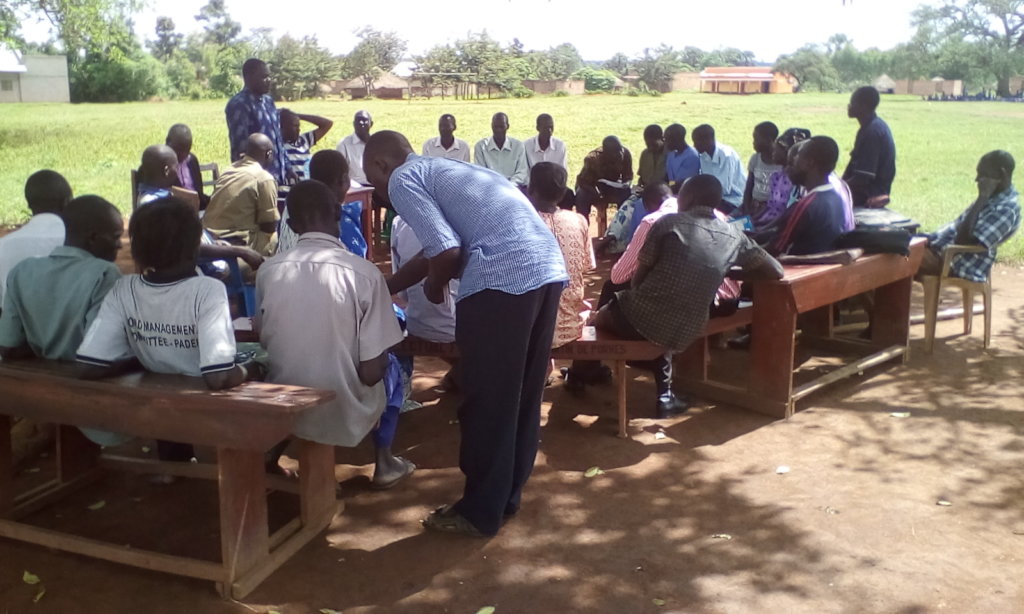
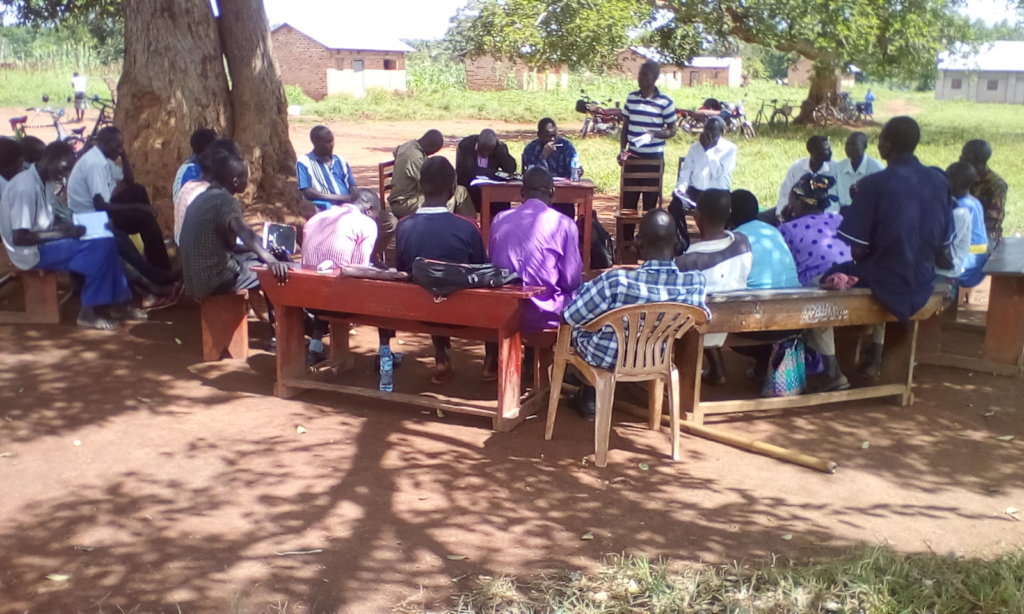
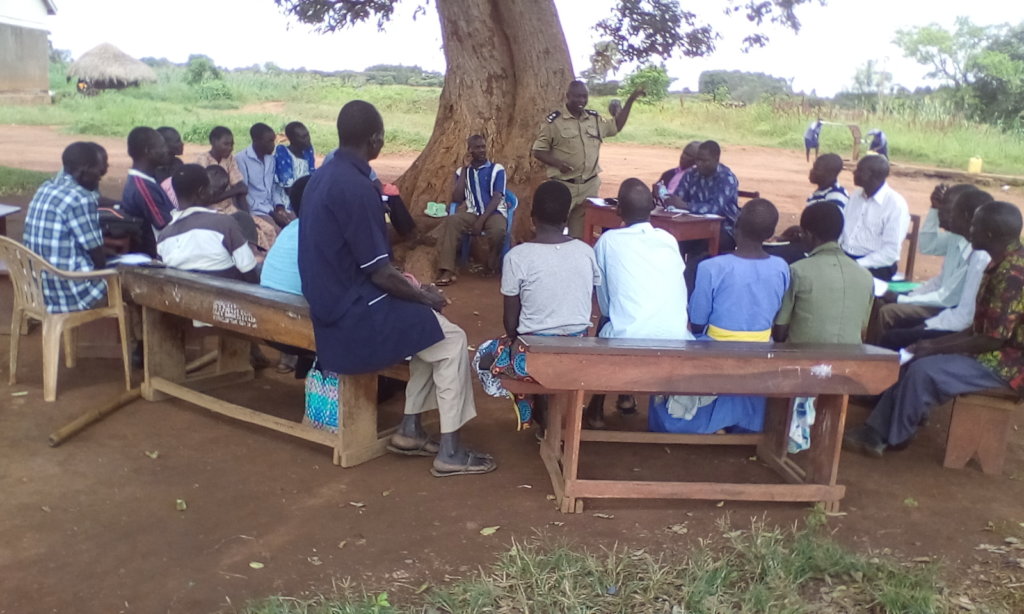
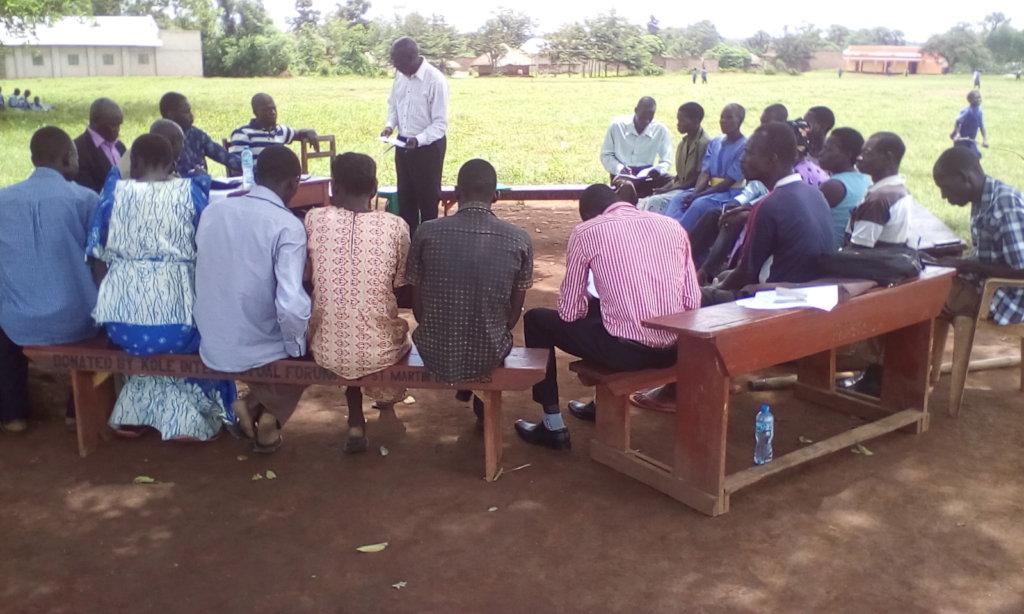
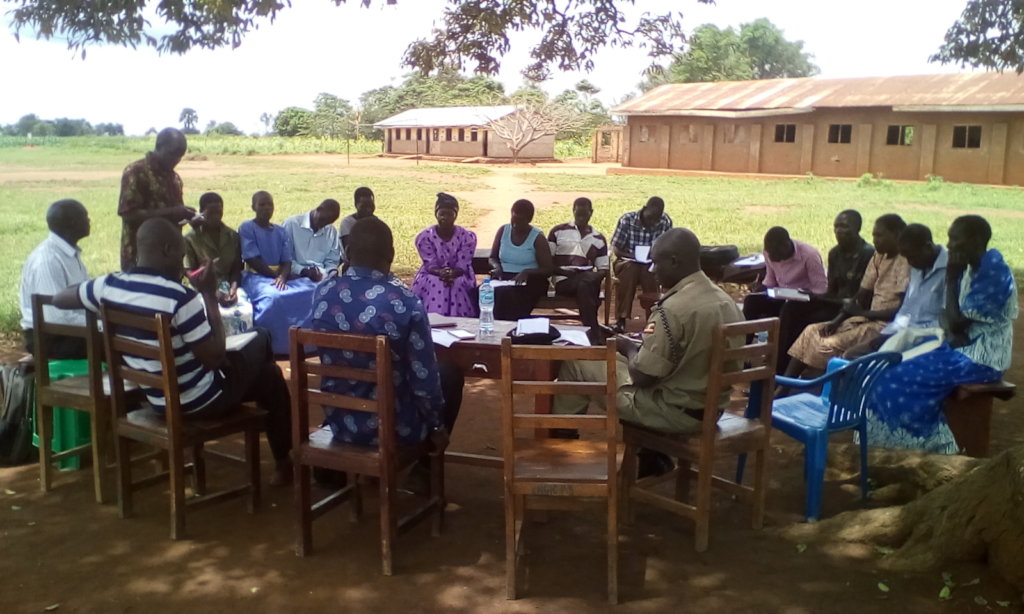
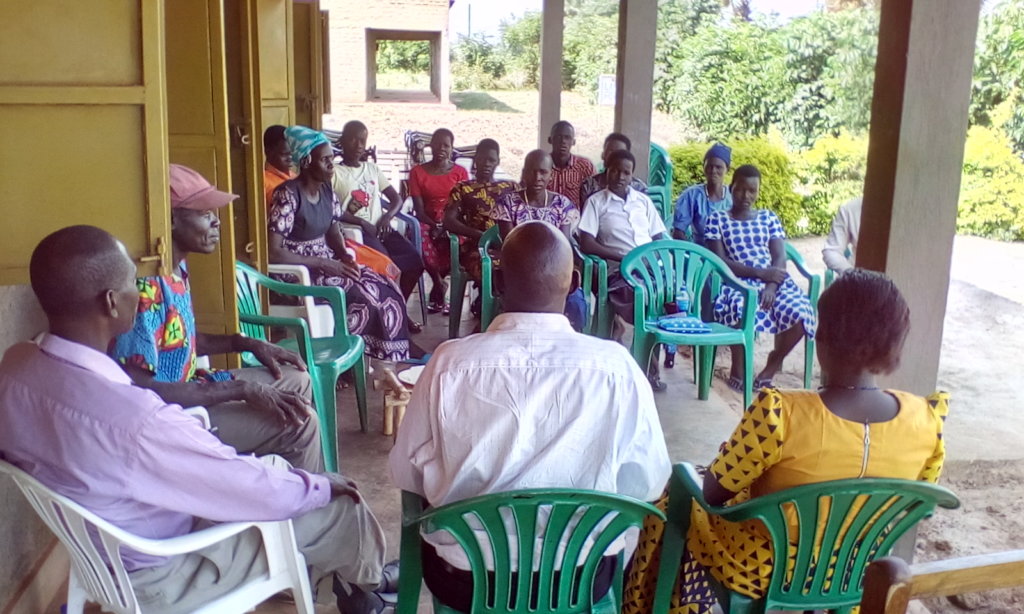
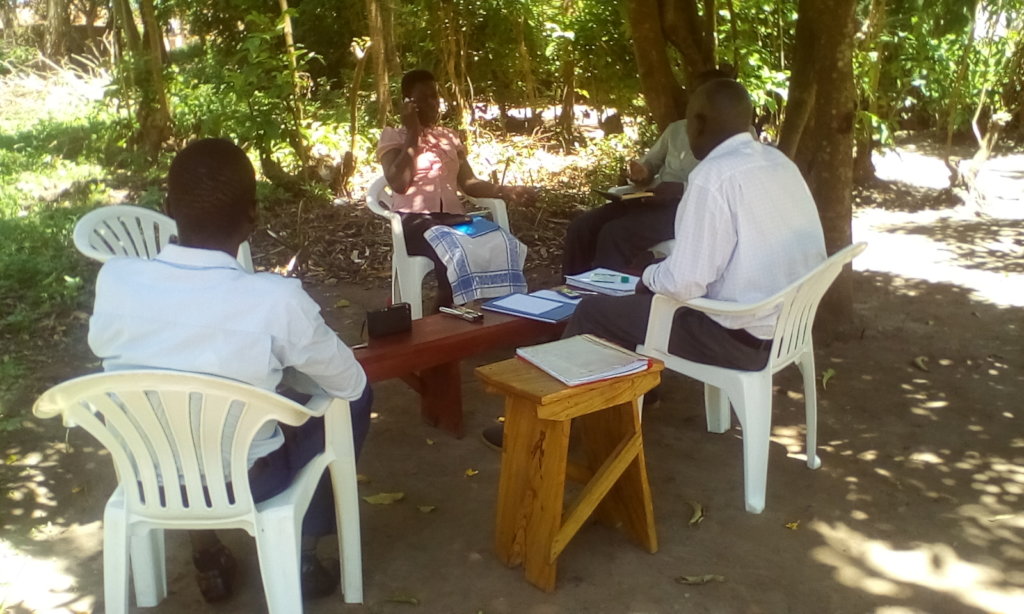
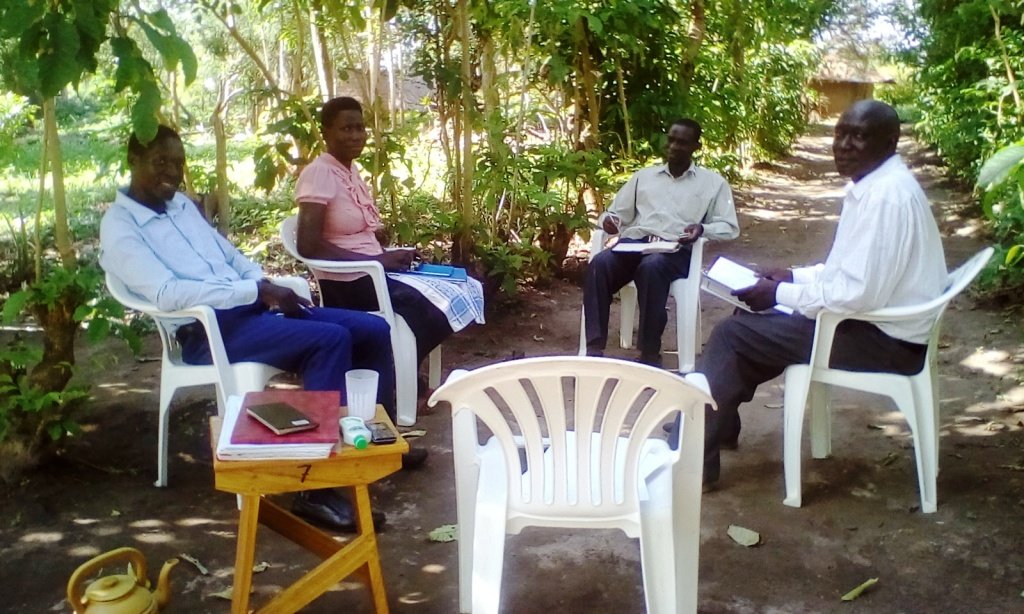
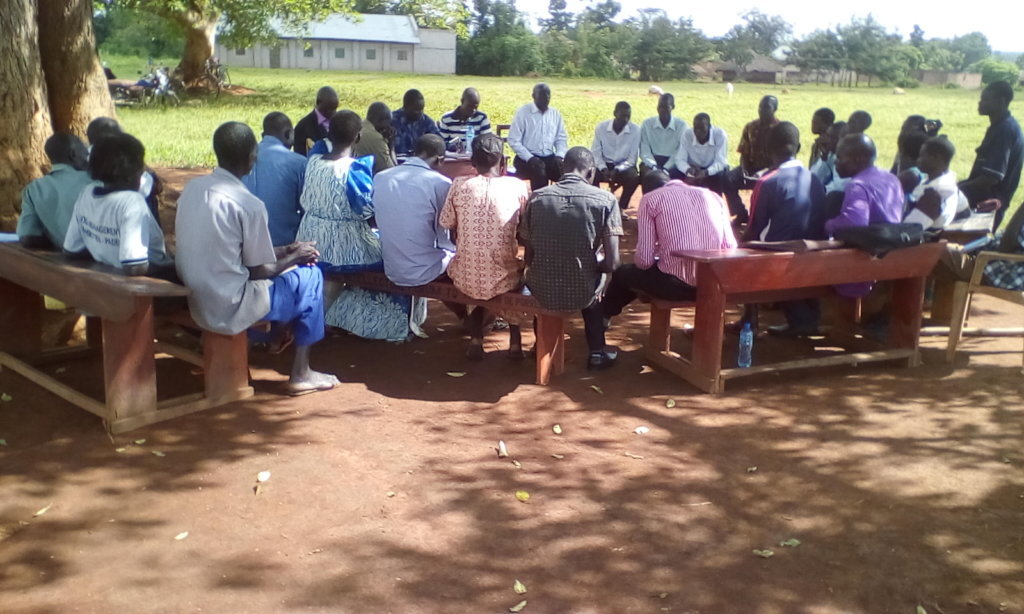
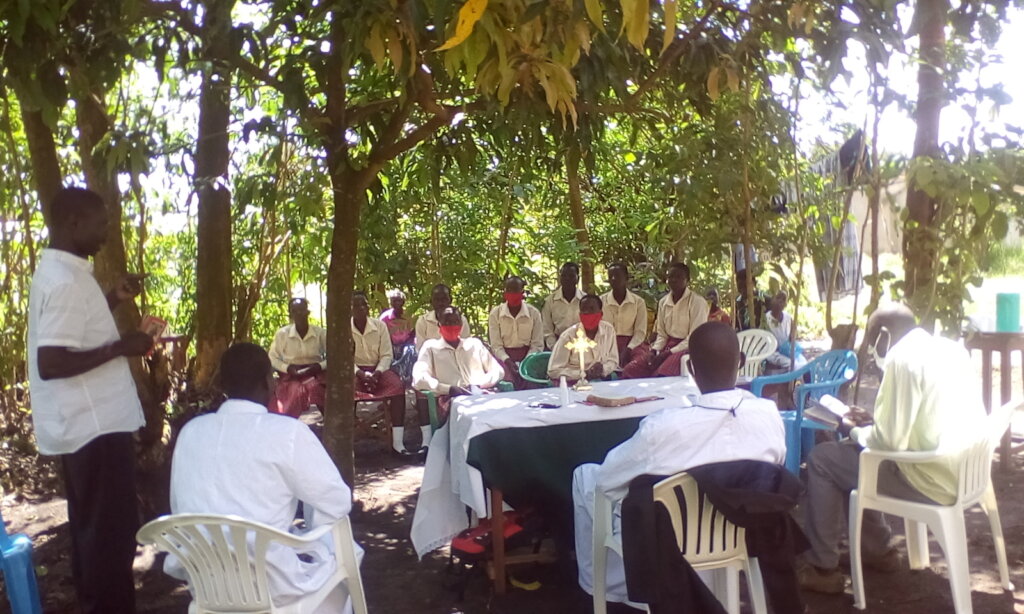
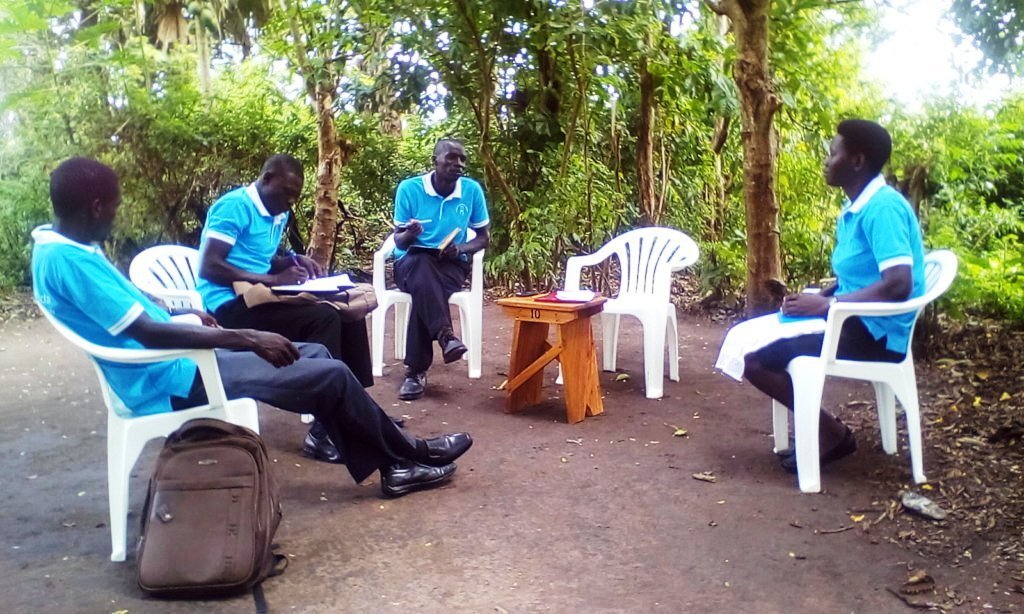
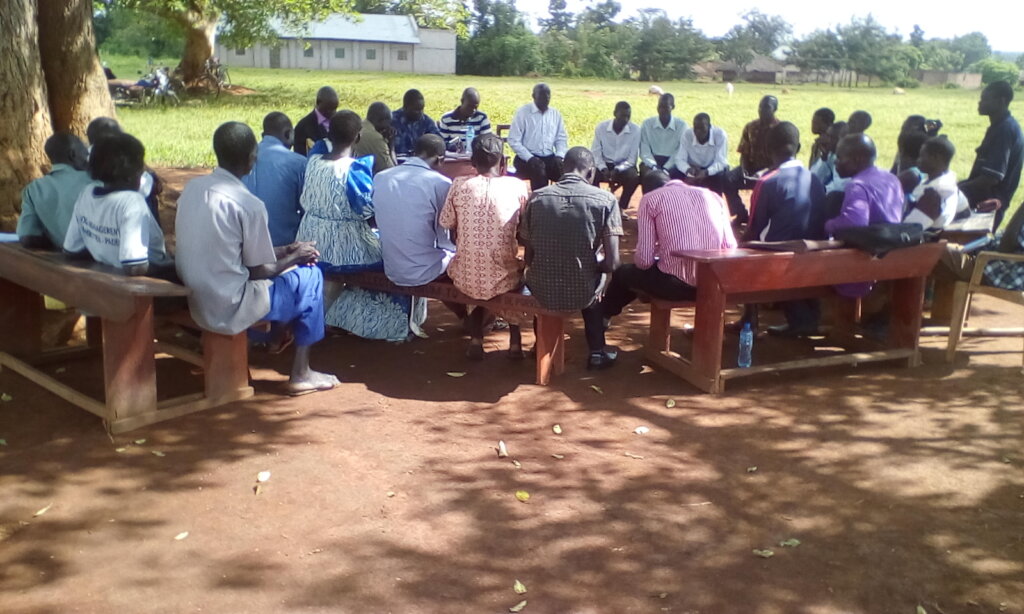
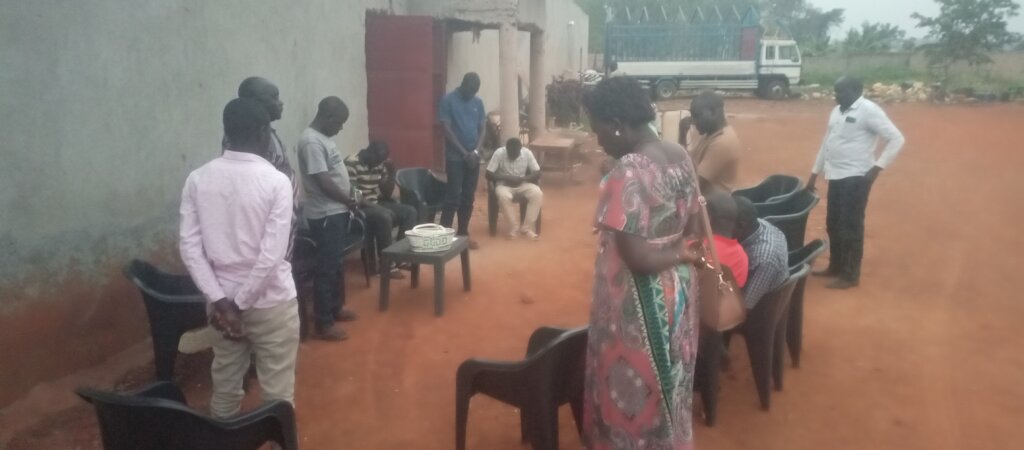
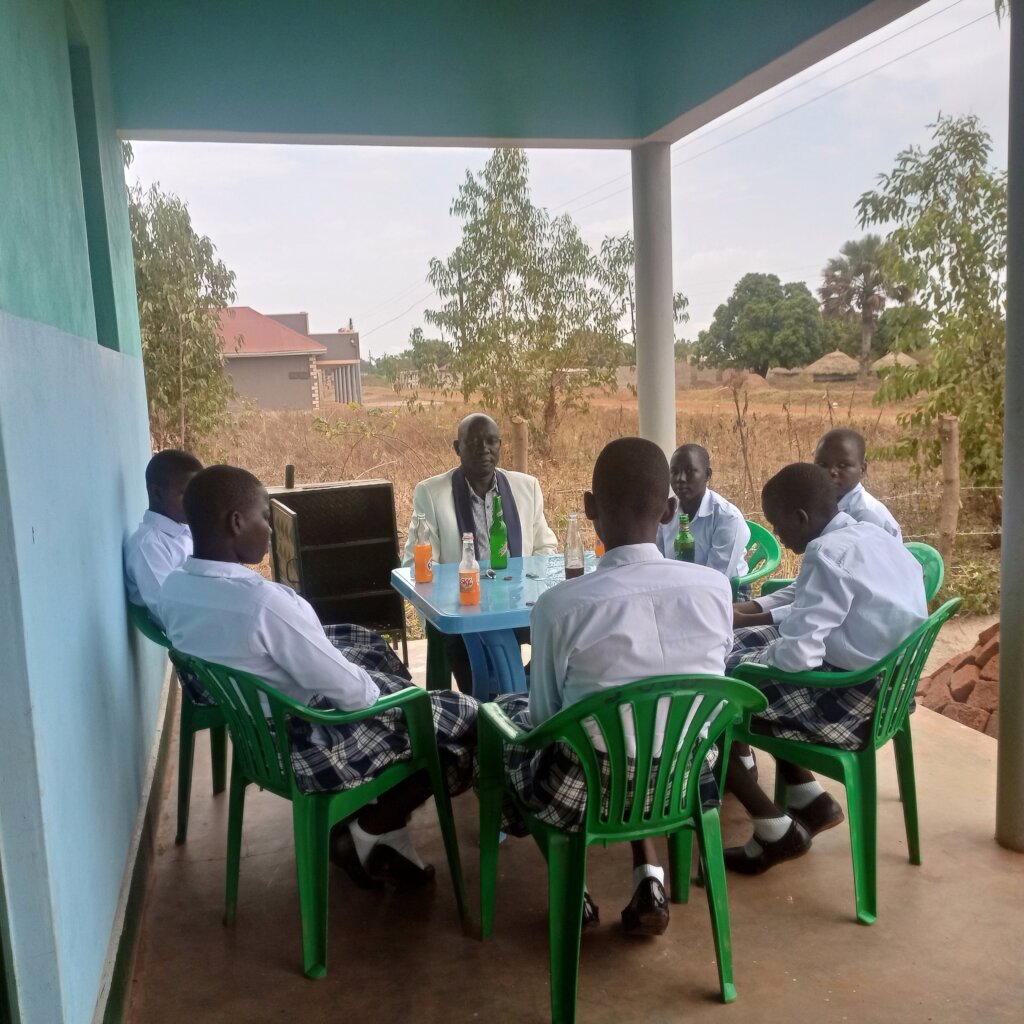
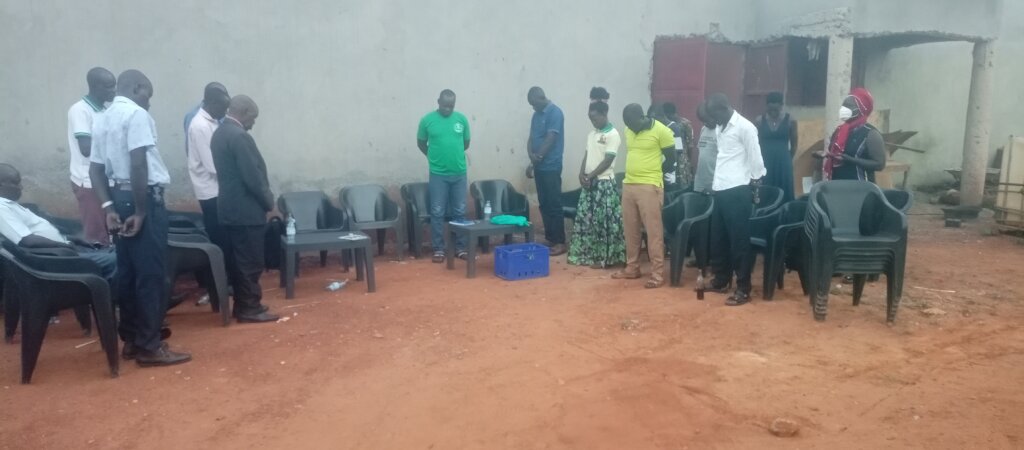
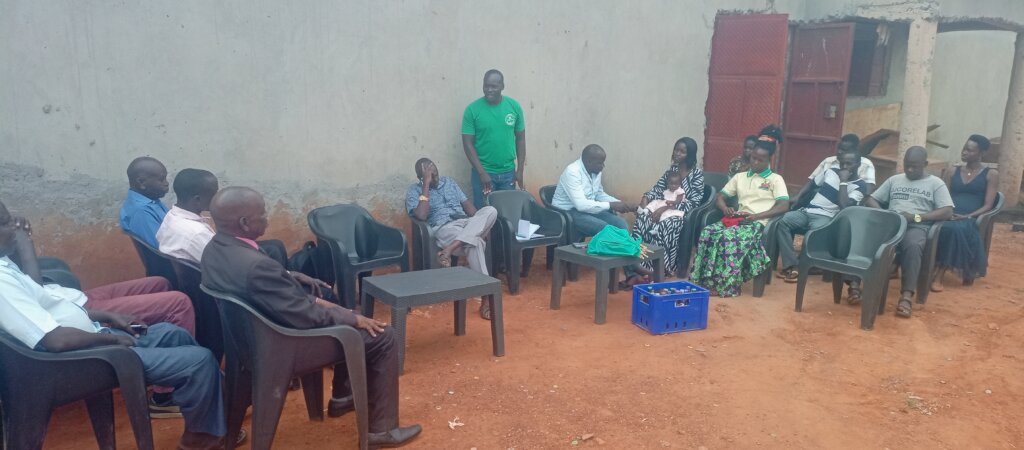
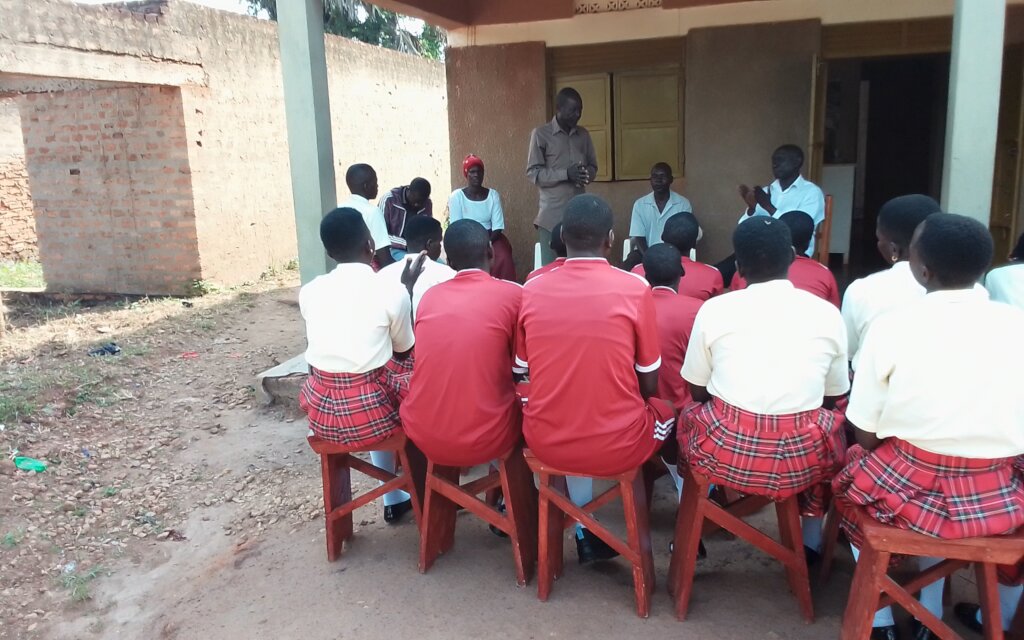
![Goals settings through meetings]()
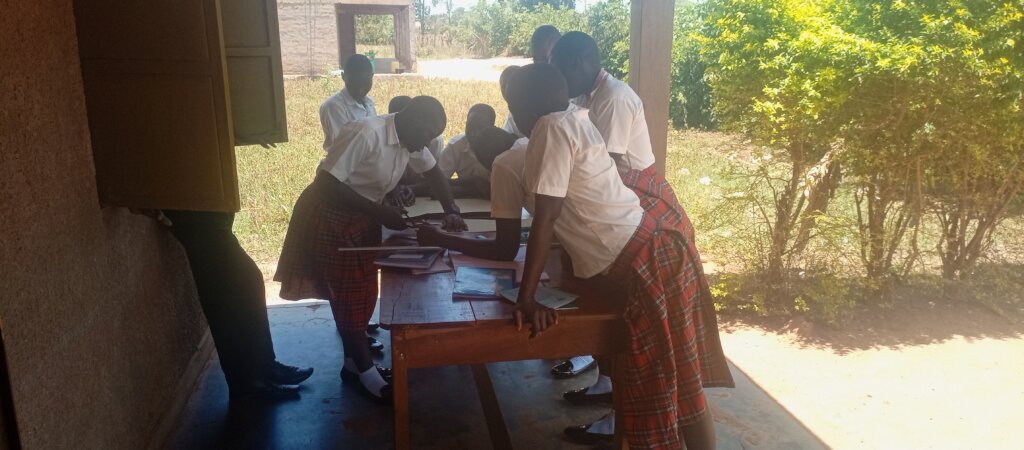
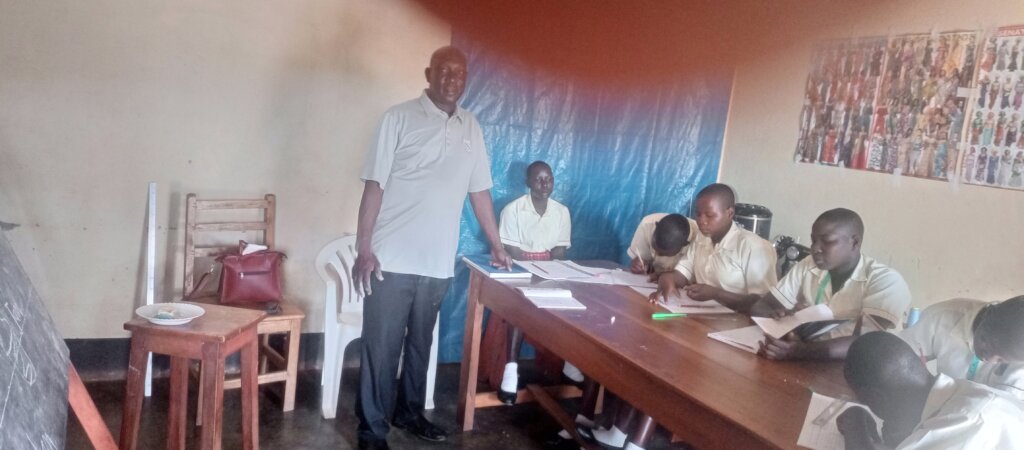
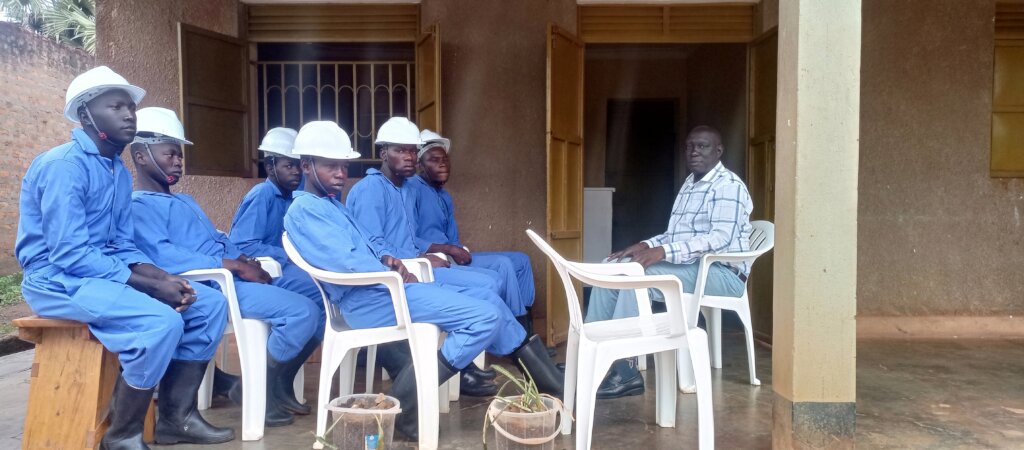
Goals settings through meetings
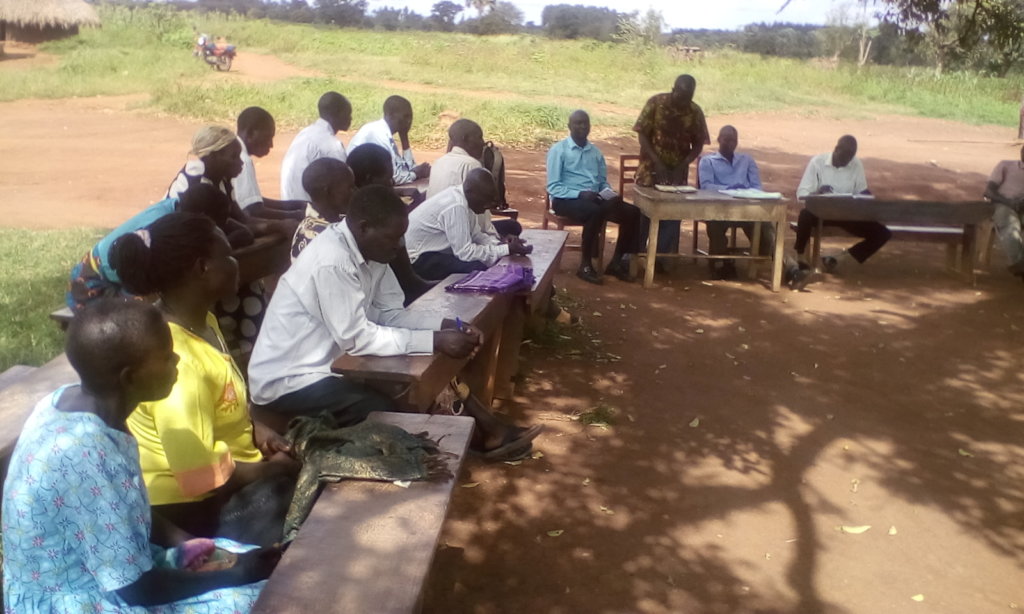
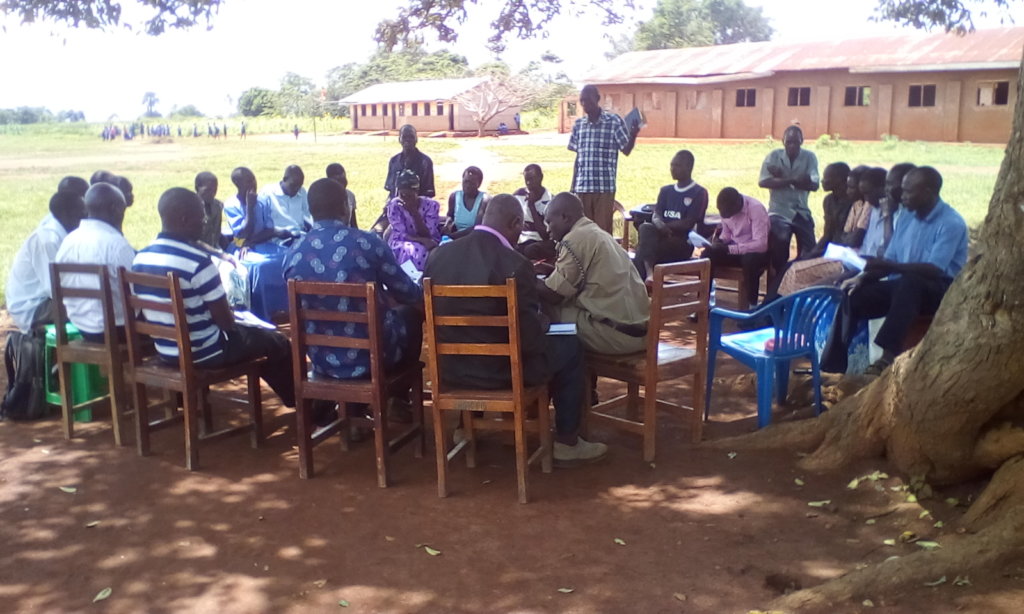
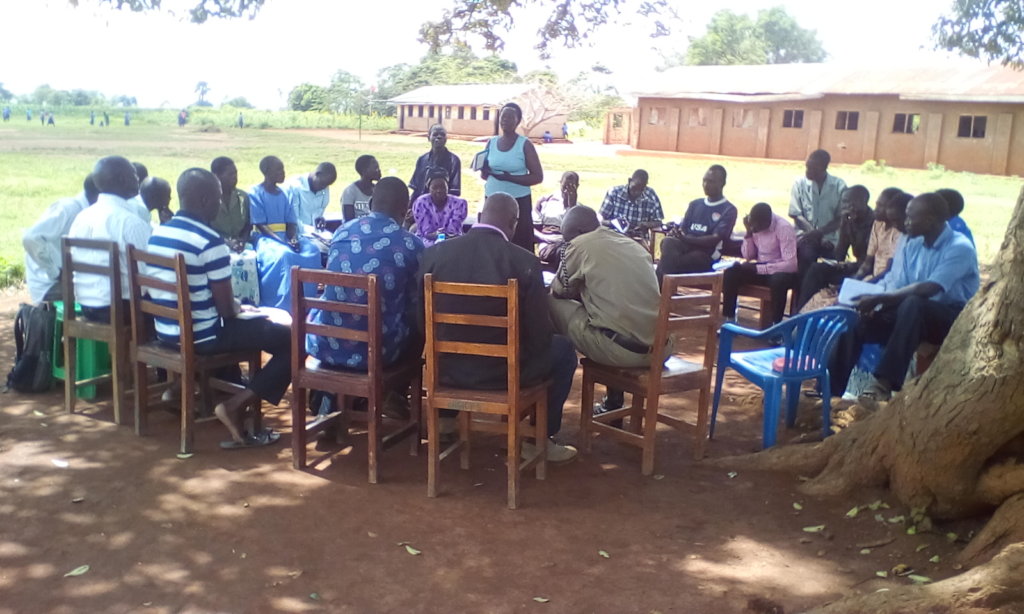
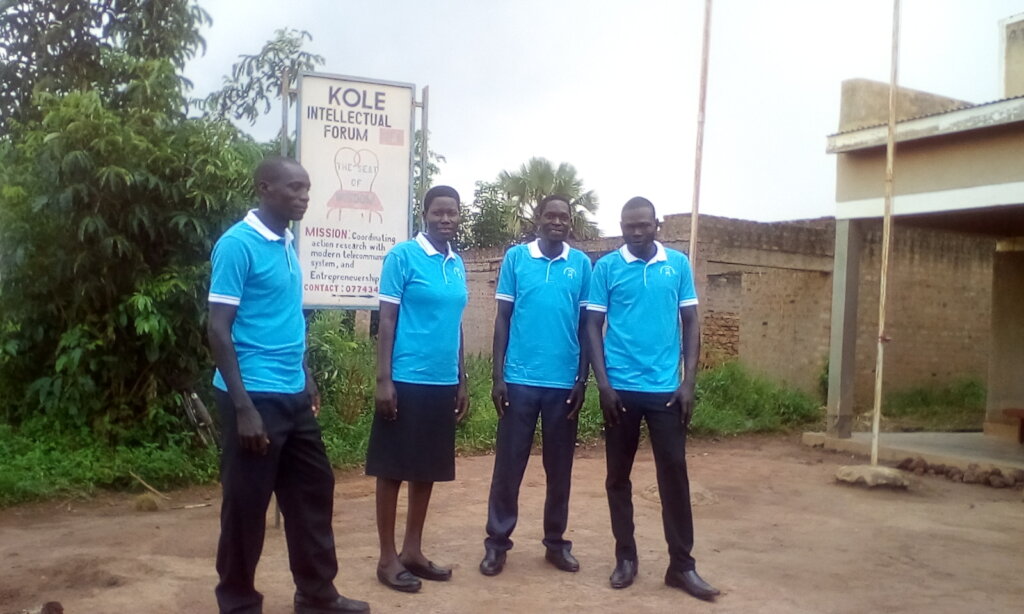
Working towards the same goals through meetings at Kole Intellectual Forum
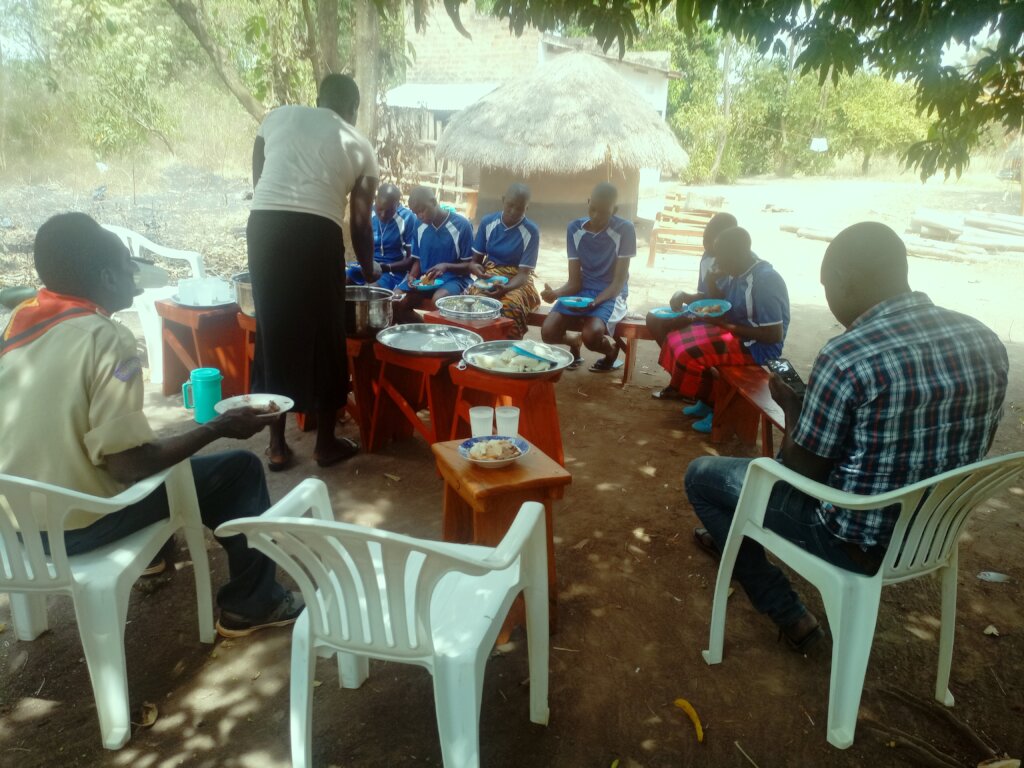
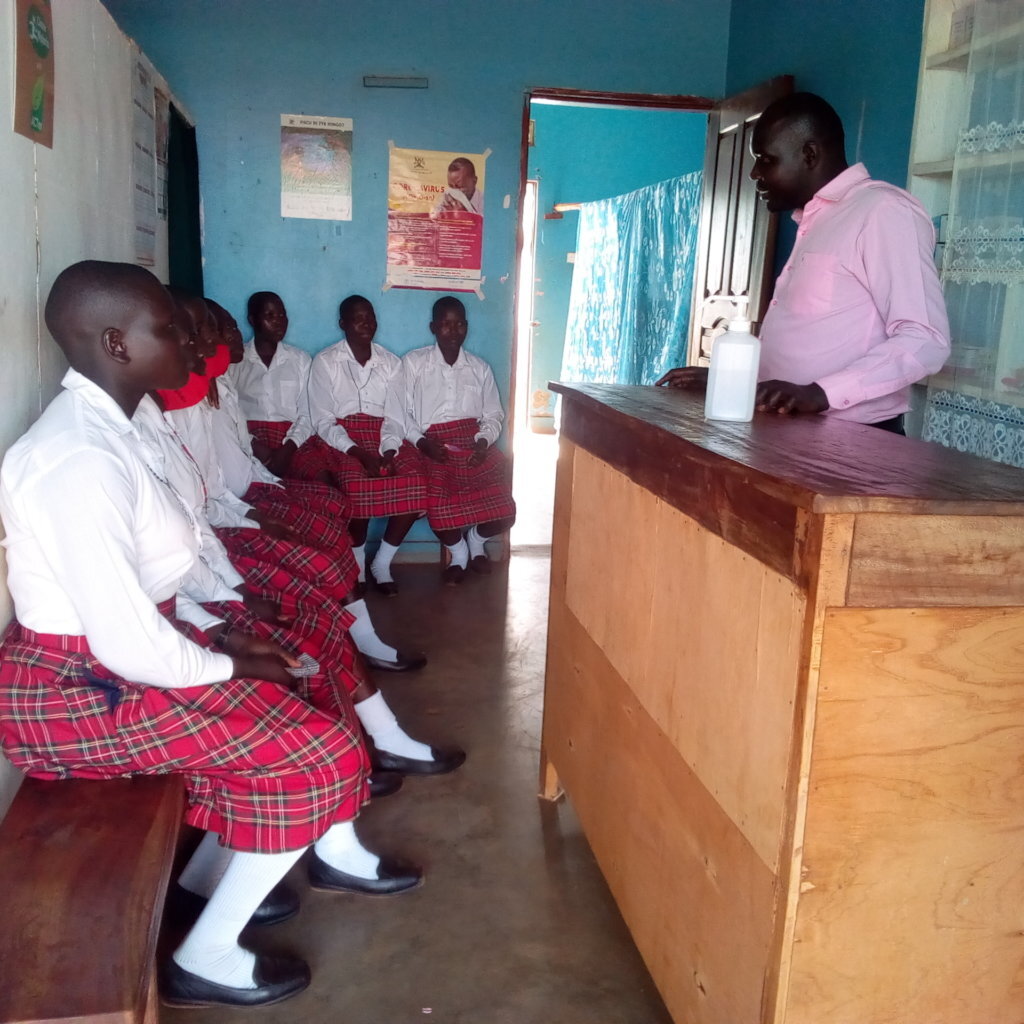
In an attempt to make clear decisions, solve problems, and share information, as they facilitate direct communication, collaboration, and alignment; Kole Intellectual Forum, has to always try as much as possible to organize frequent meetings to ensure everyone is working towards the same goals, which can be more difficult to achieve through other communication methods other meetings.
The core reasons that Kole Intellectual Forum is using to make them hold meetings are that:
- Decision-making: Meetings allow them to discuss options and reach a consensus on a course of action.
- Problem-solving: That meetings provide a forum for teams to collaborate, brainstorm solutions, and use critical thinking skills to overcome challenges.
- Information sharing: Meetings are essential for keeping everyone informed, updating teams on projects, and briefing members on important news.
- Collaboration and idea generation: they believe that, when people are in the same space, they can engage in dynamic exchanges of ideas that spark new creativity and insight.
- Alignment and clarity: on the other perspective, meetings has help them to ensure everyone on a team understands shared goals and clarify misalignments that might not be apparent in written communication.
- Team building and morale: Regular meetings have also contributed to the improvement of morale, foster a sense of team cohesion, and provide opportunities for employees/students to connect and build trust.