Project Report
| Apr 14, 2026
Exploring into a greater chances
By George Obua | Project Leader
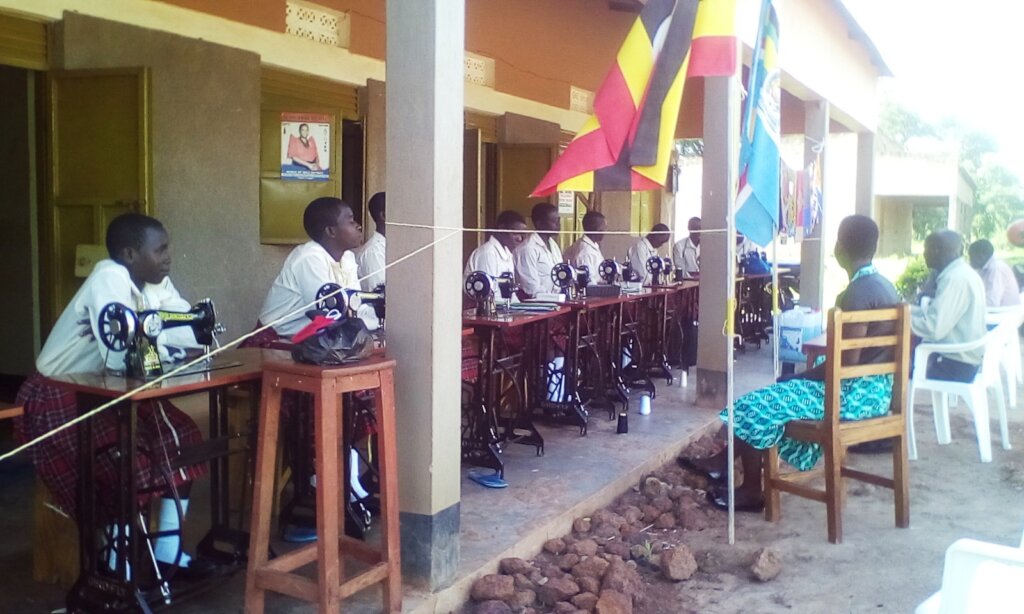
![Exploring into job market for a better living]()
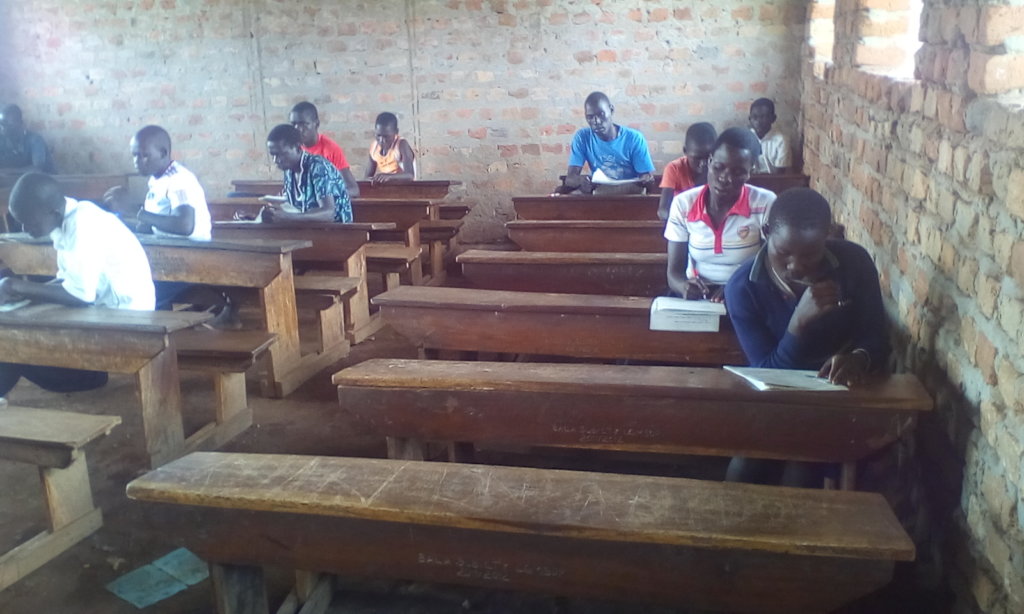
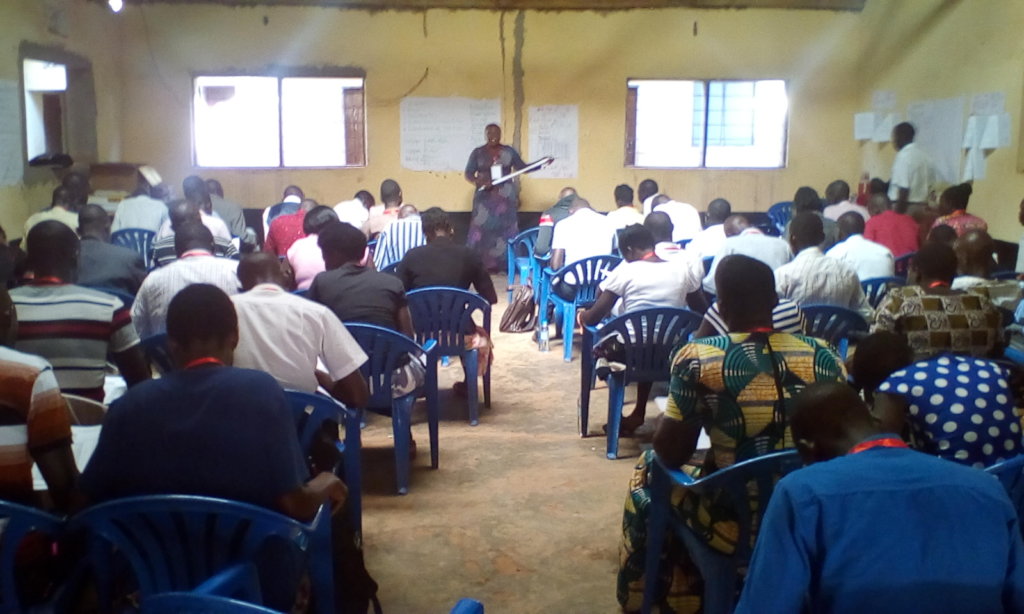
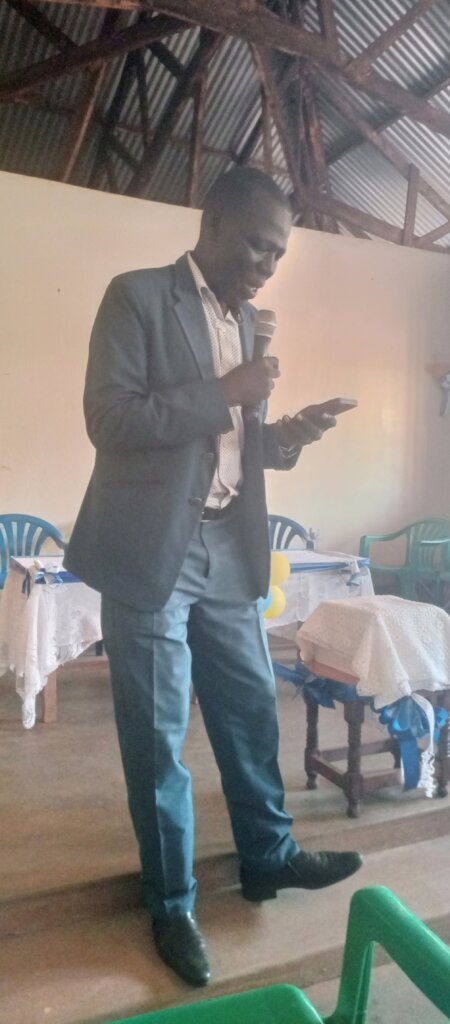
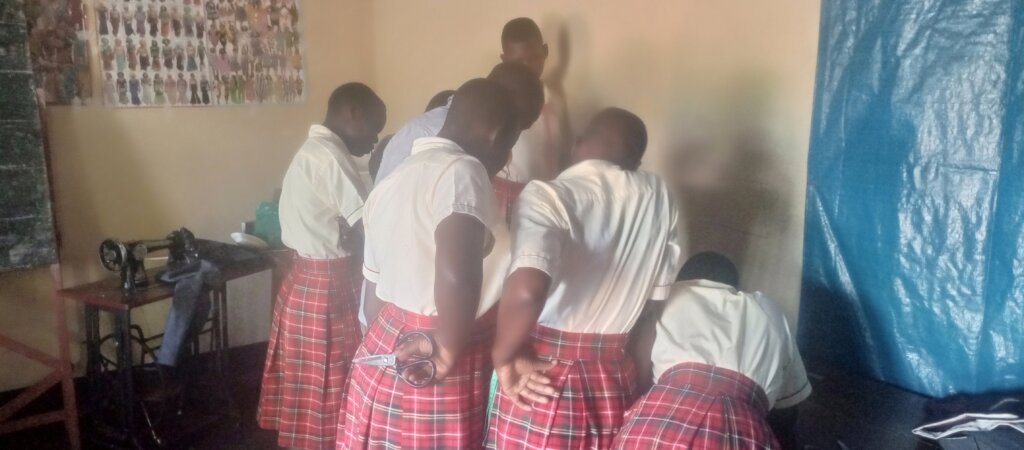
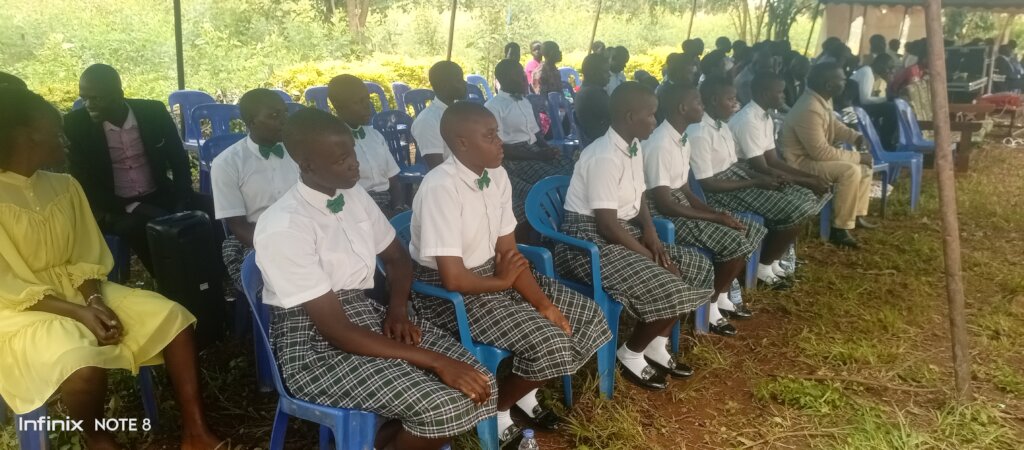
Exploring into job market for a better living
Exploring into a greater chances
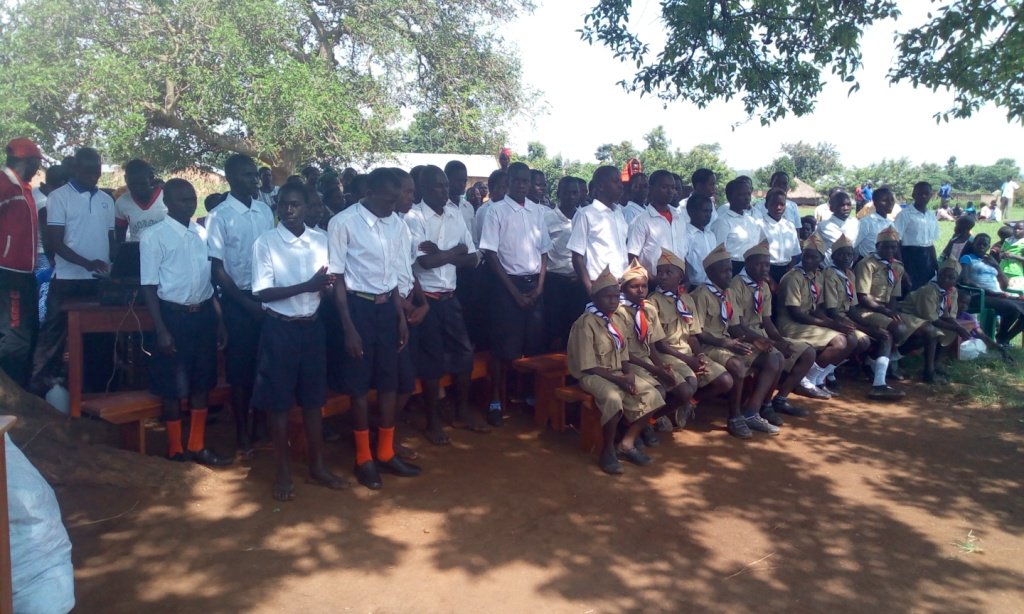
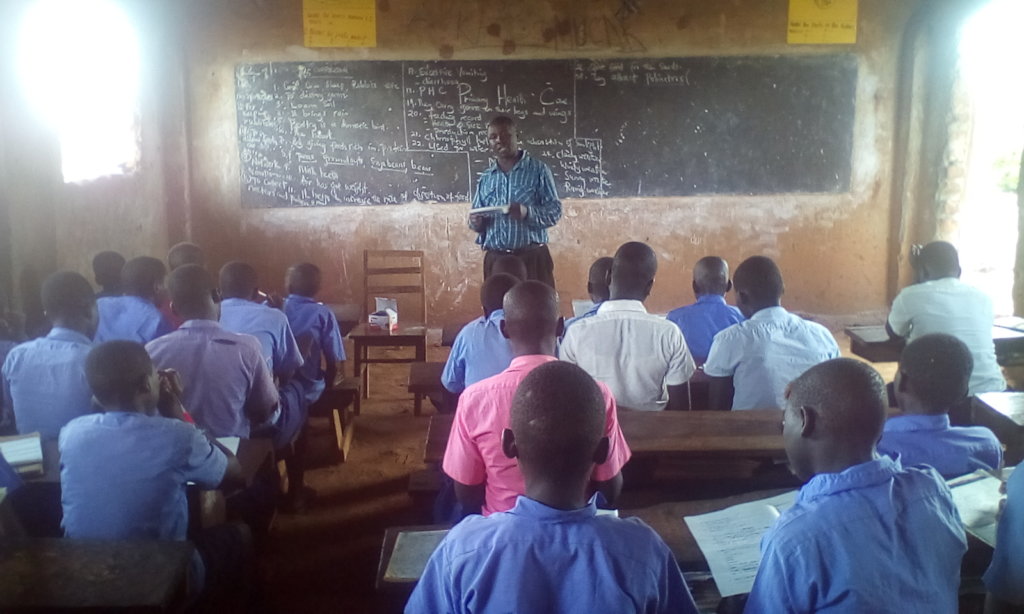
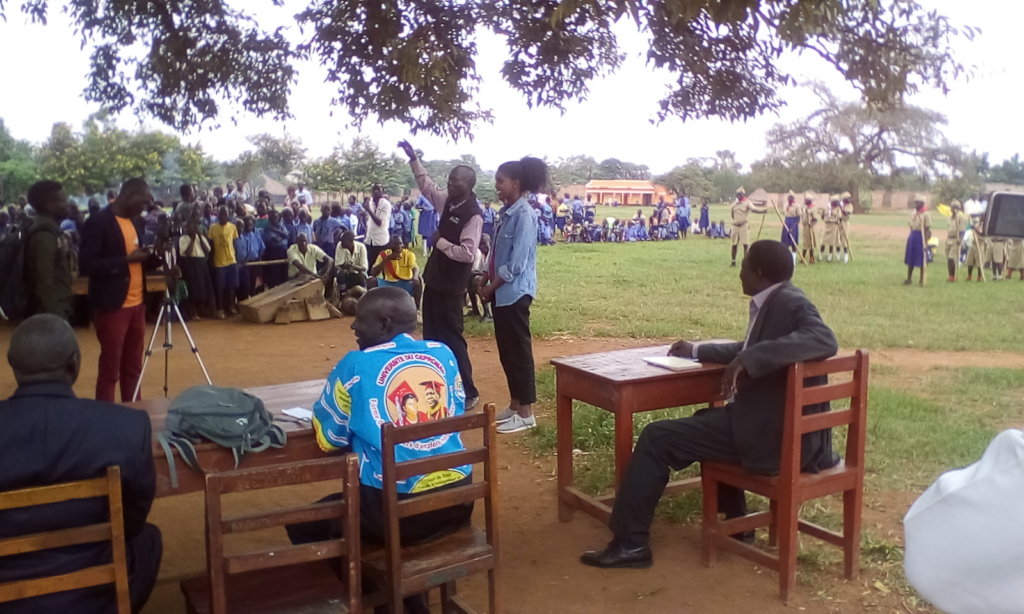
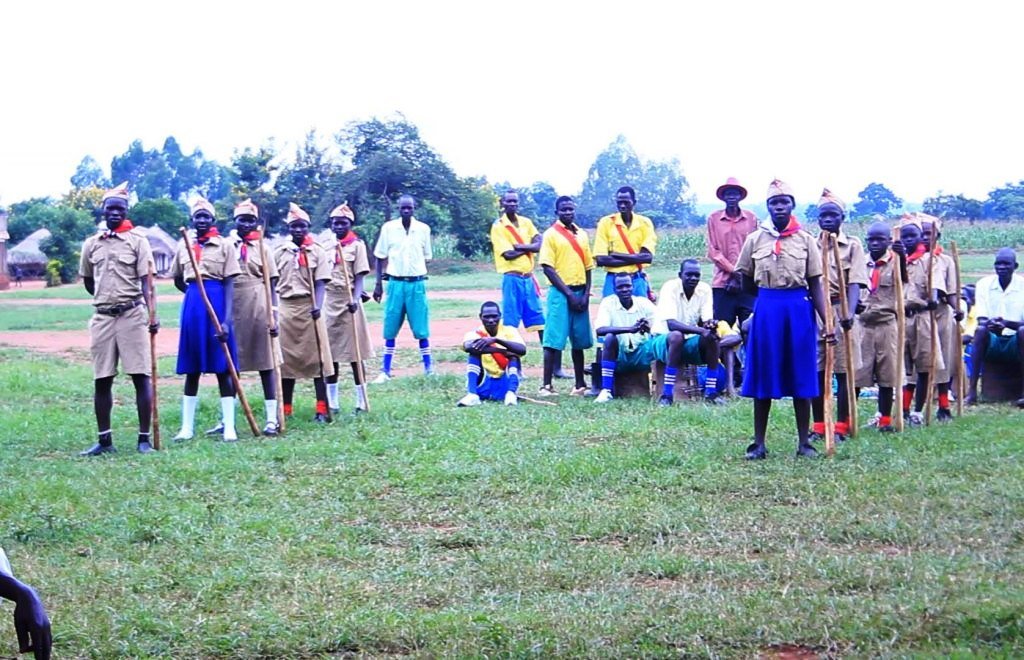
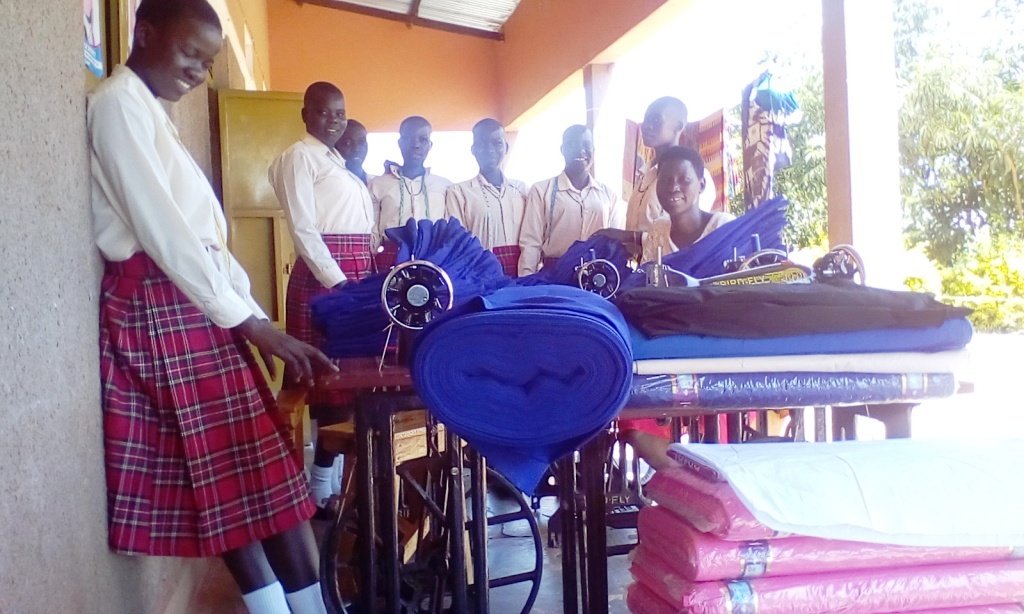
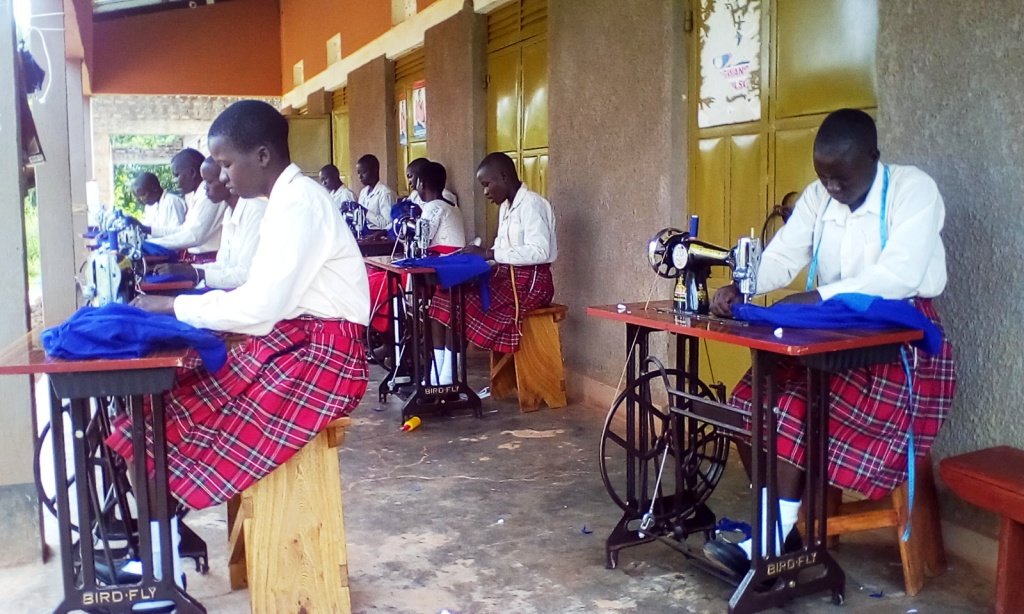
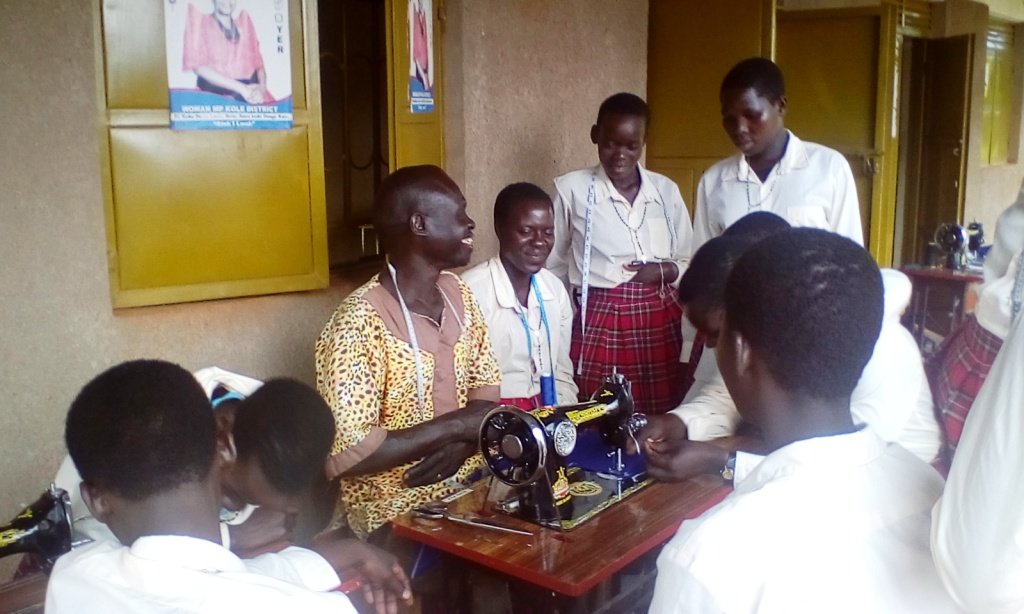
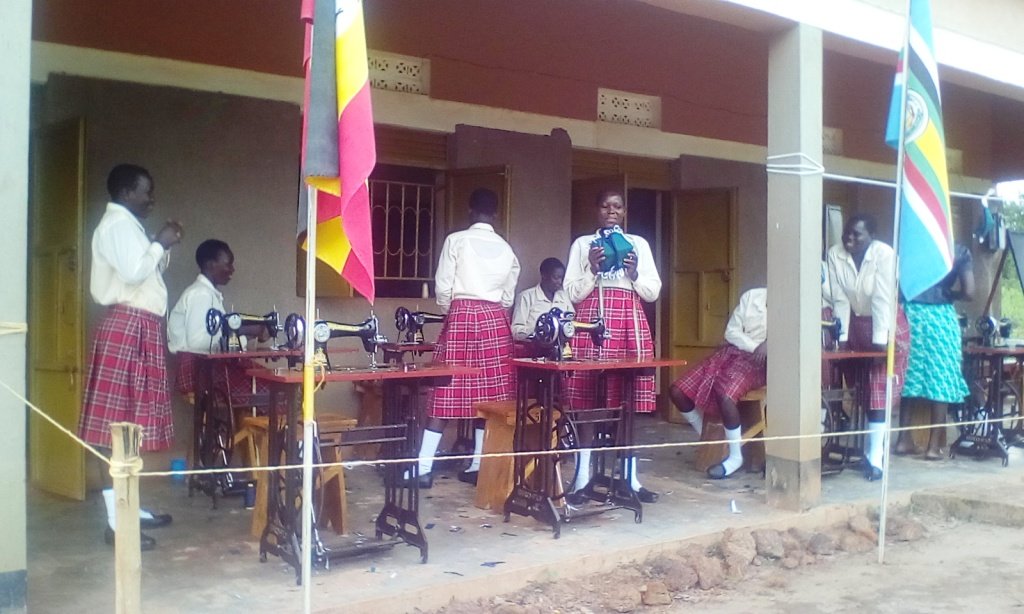
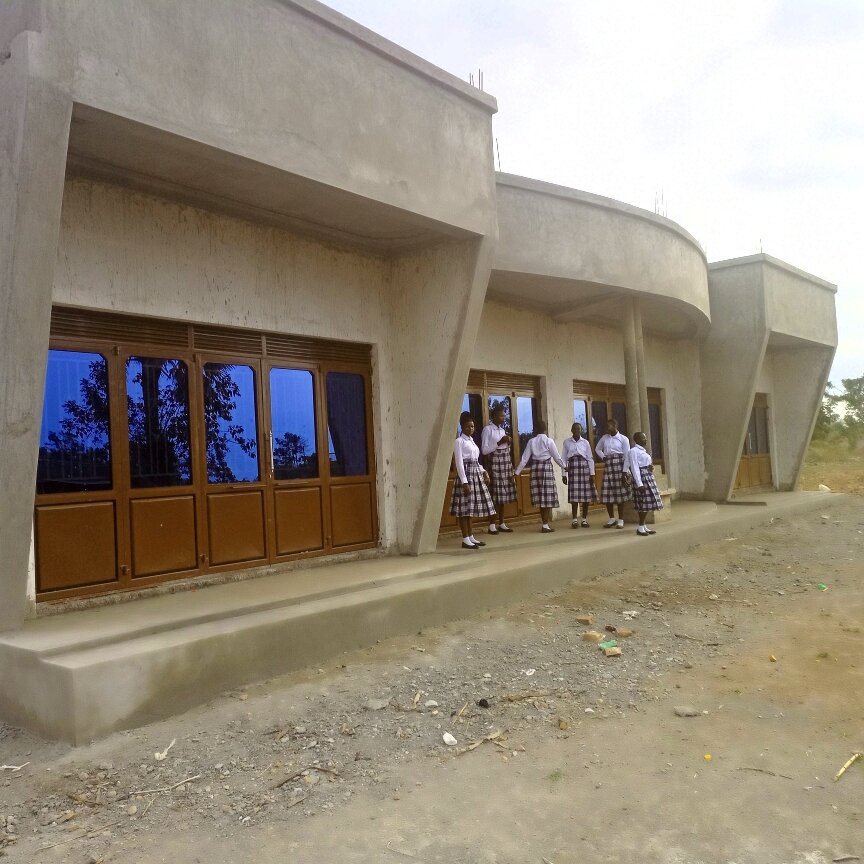
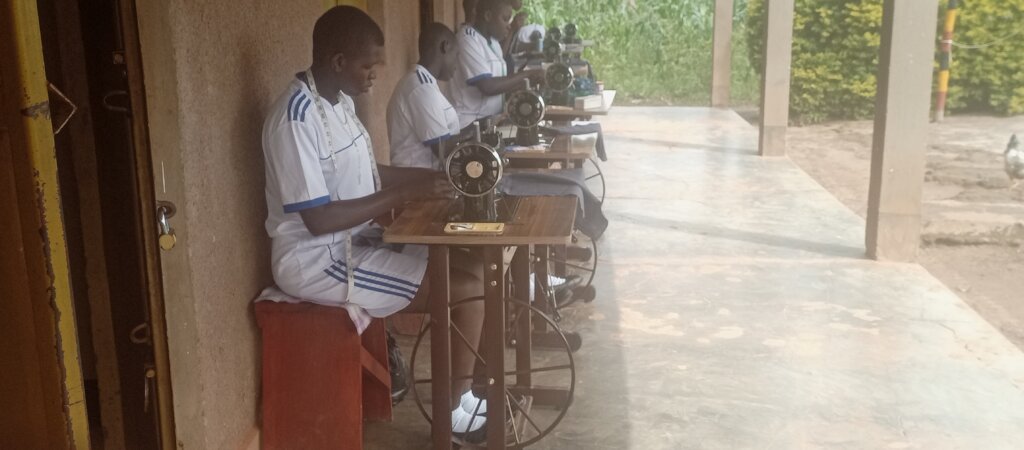
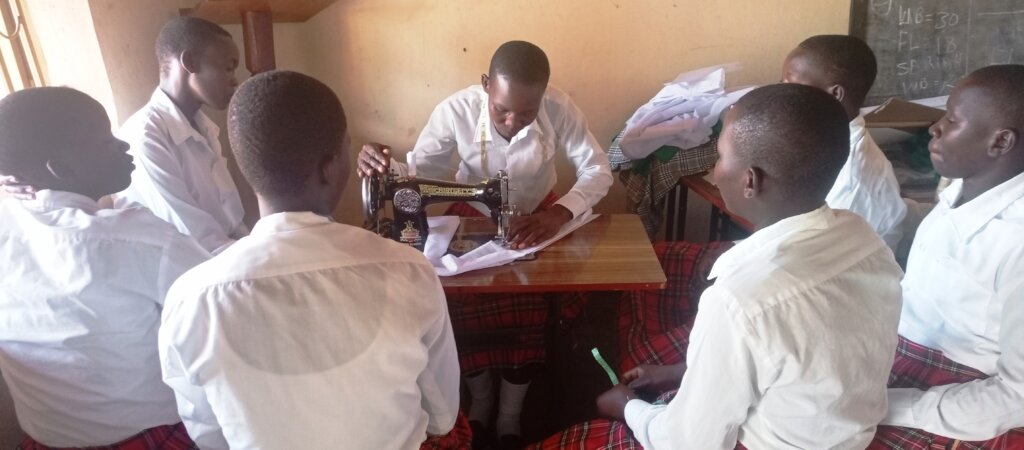
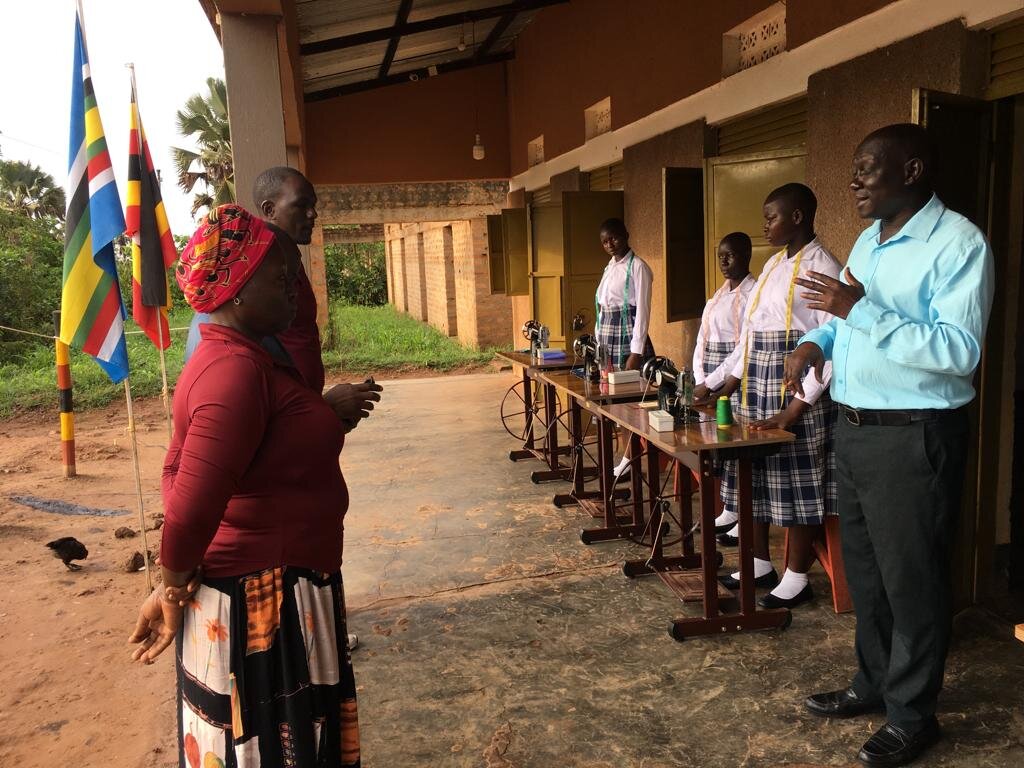
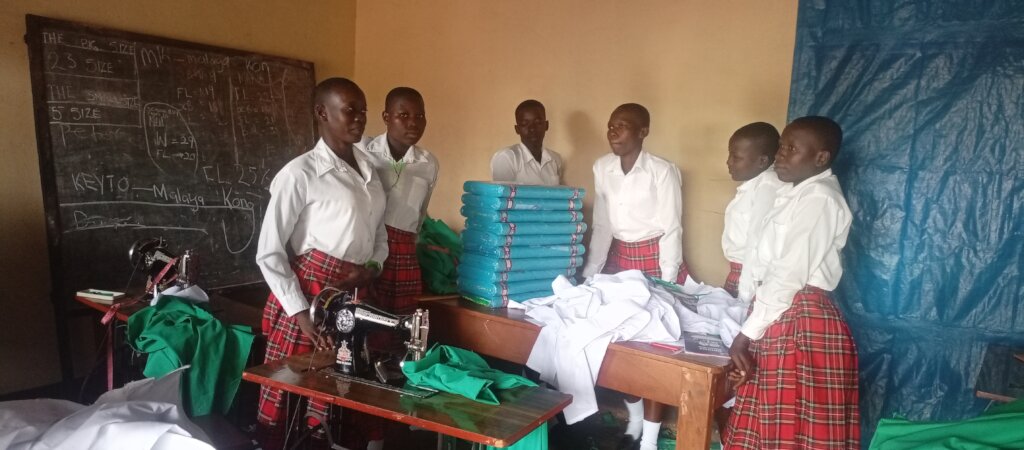
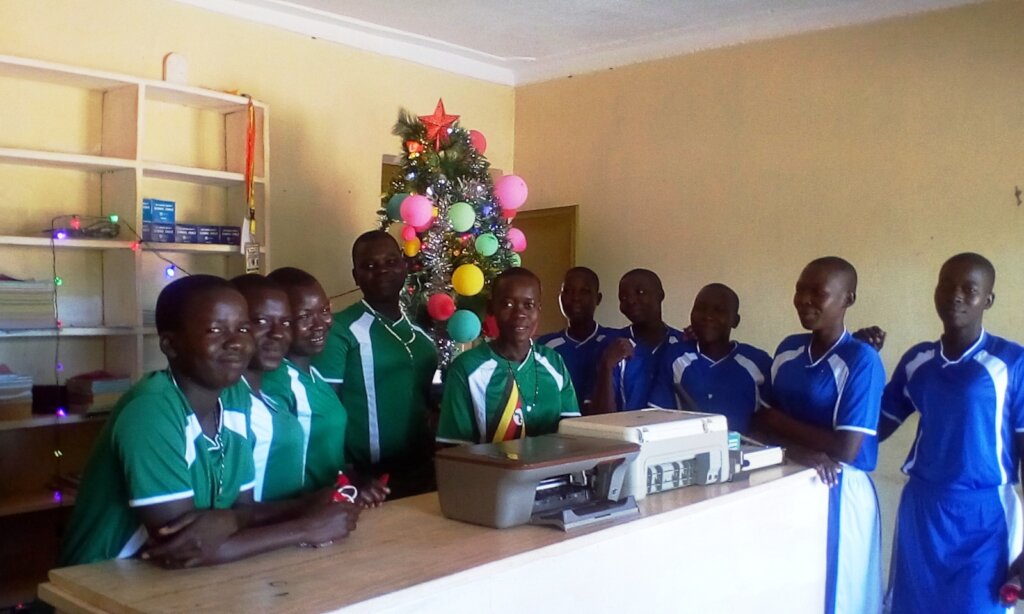
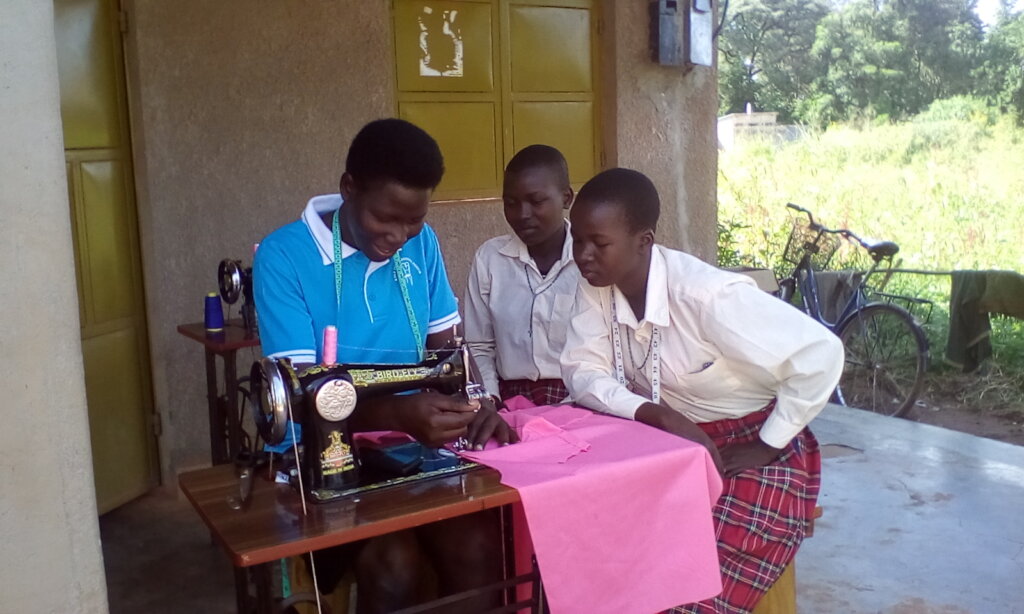
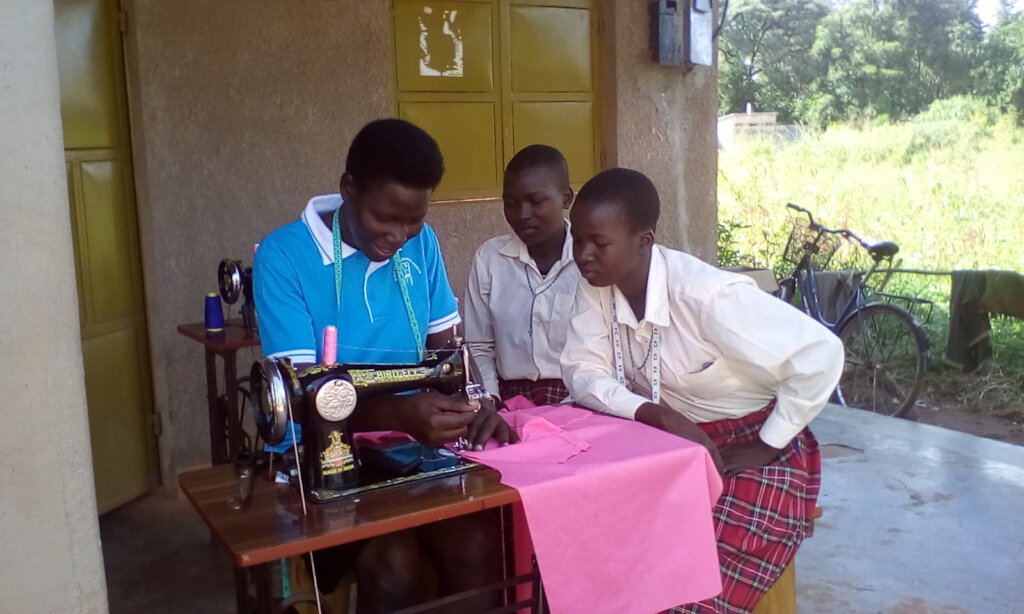
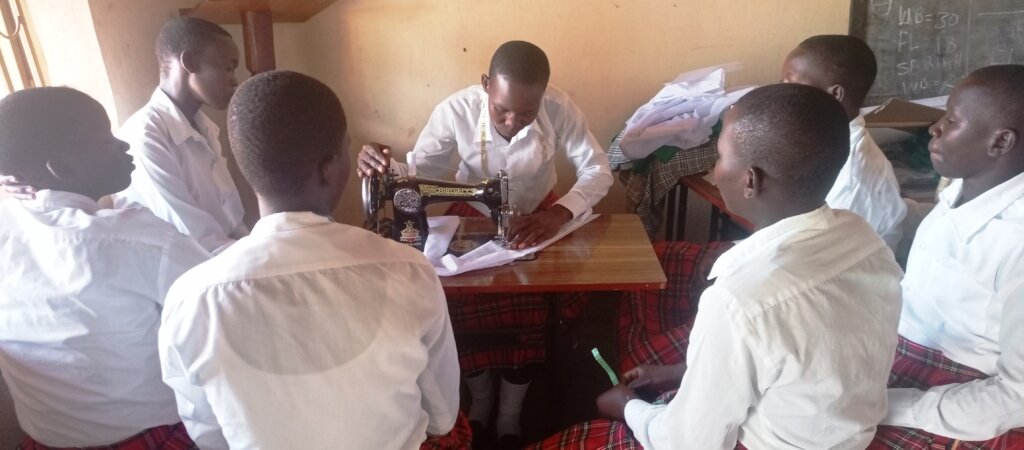
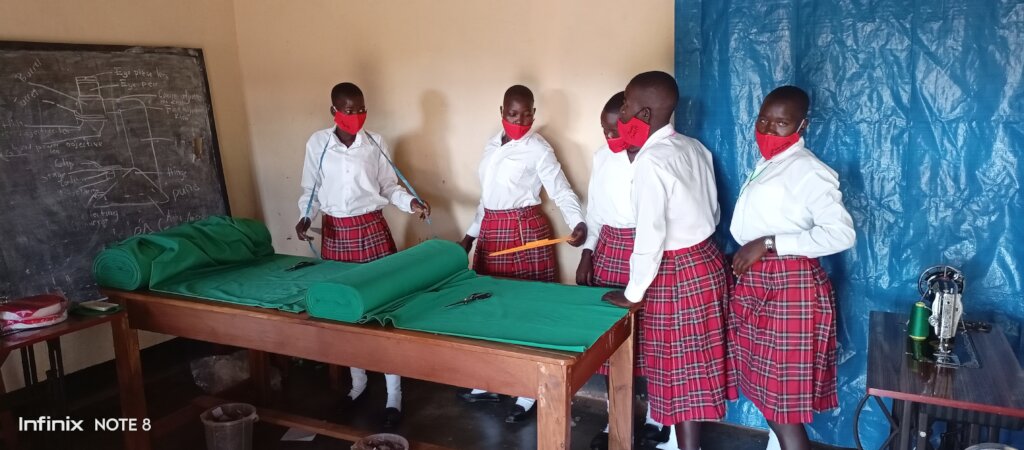
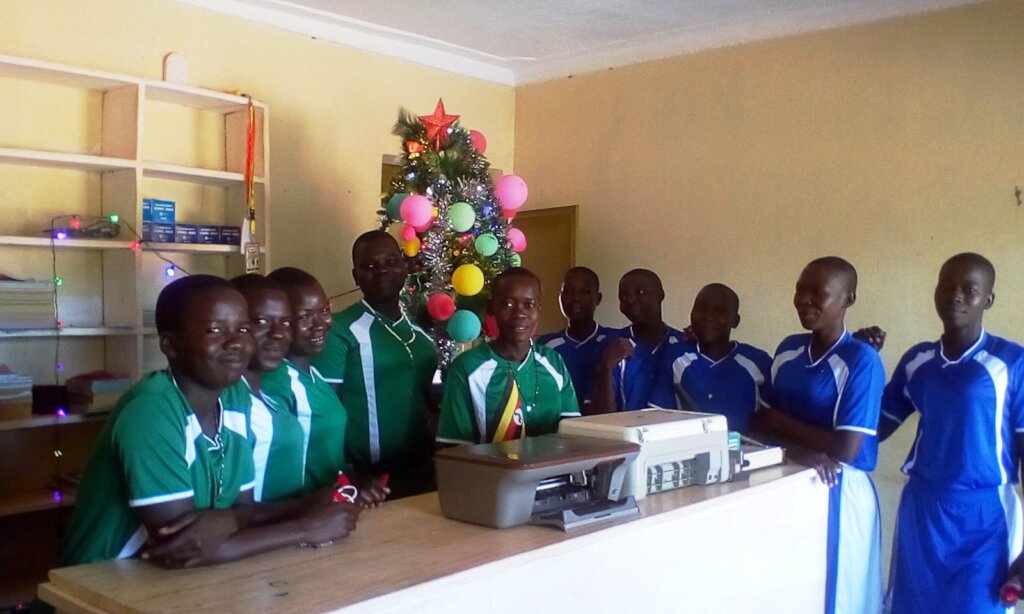
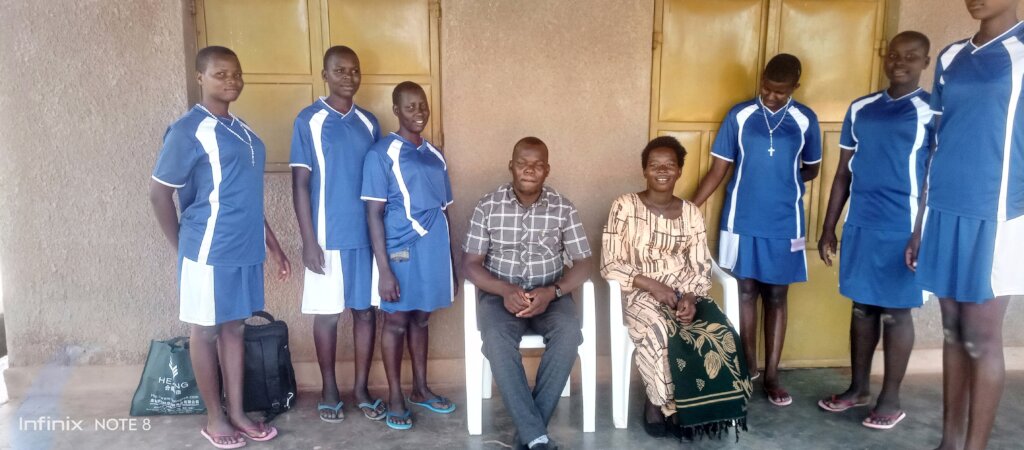
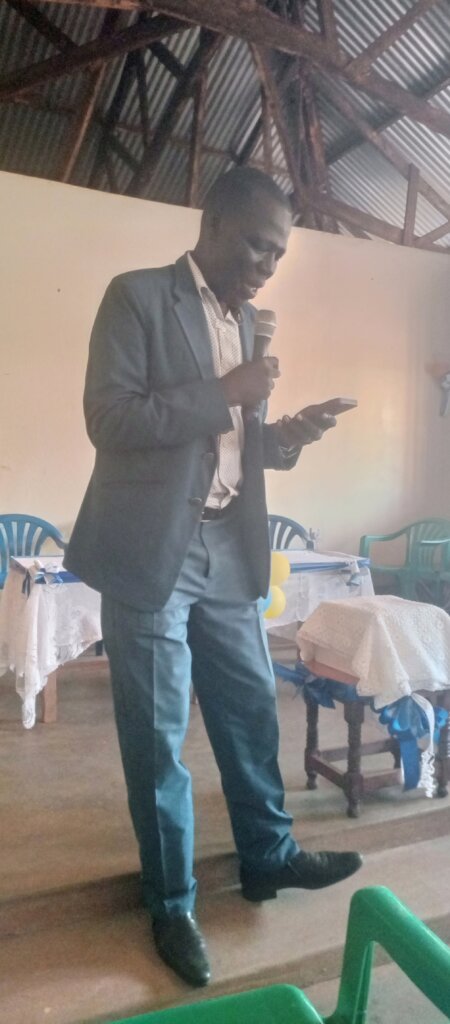
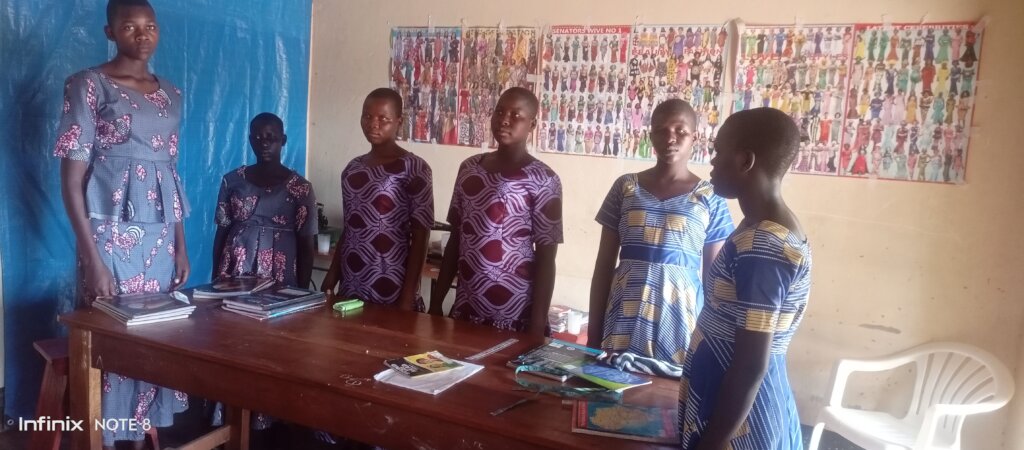
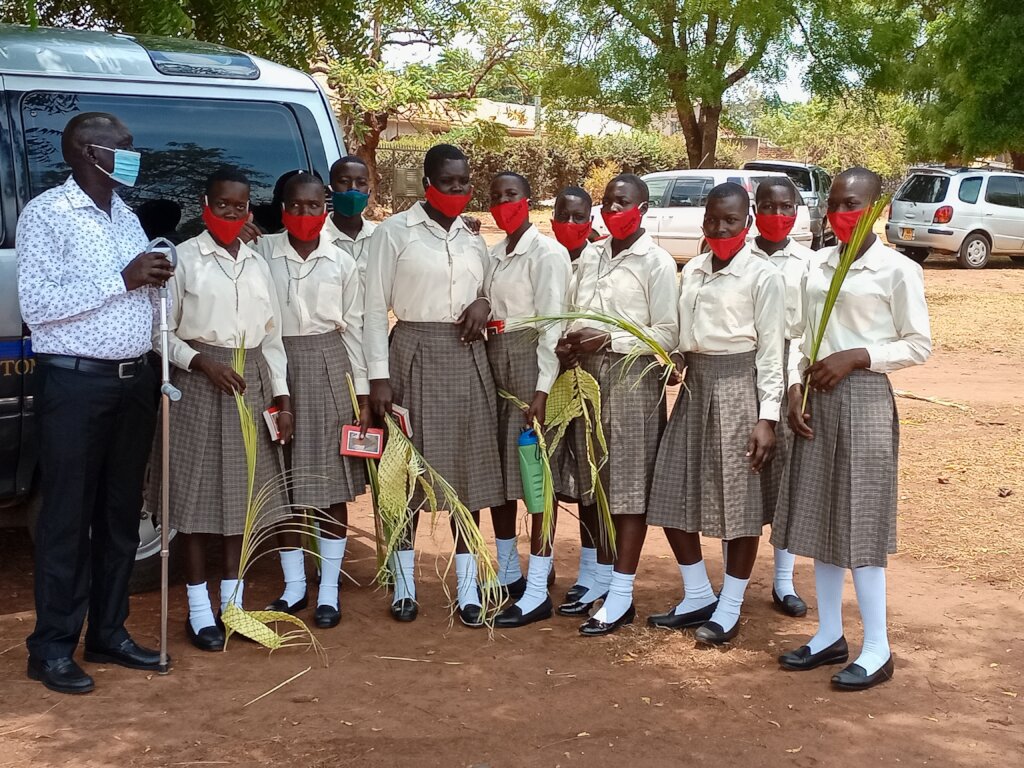
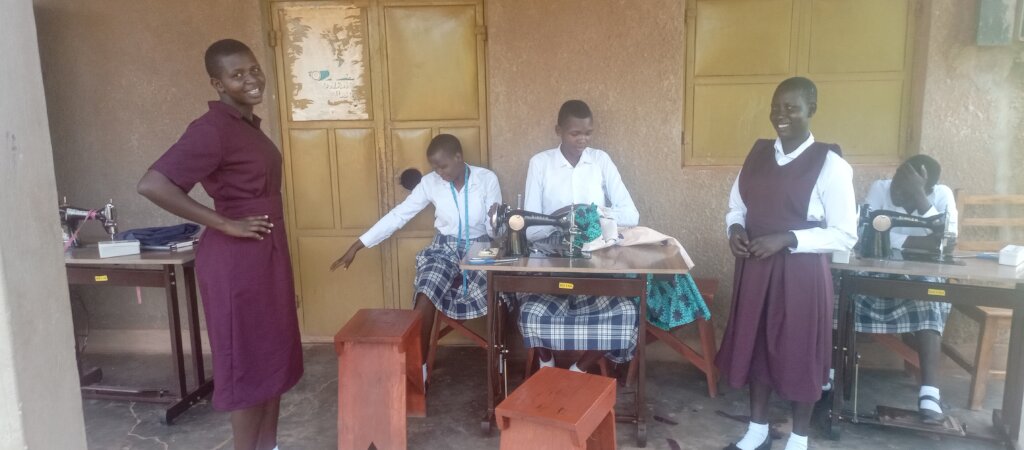
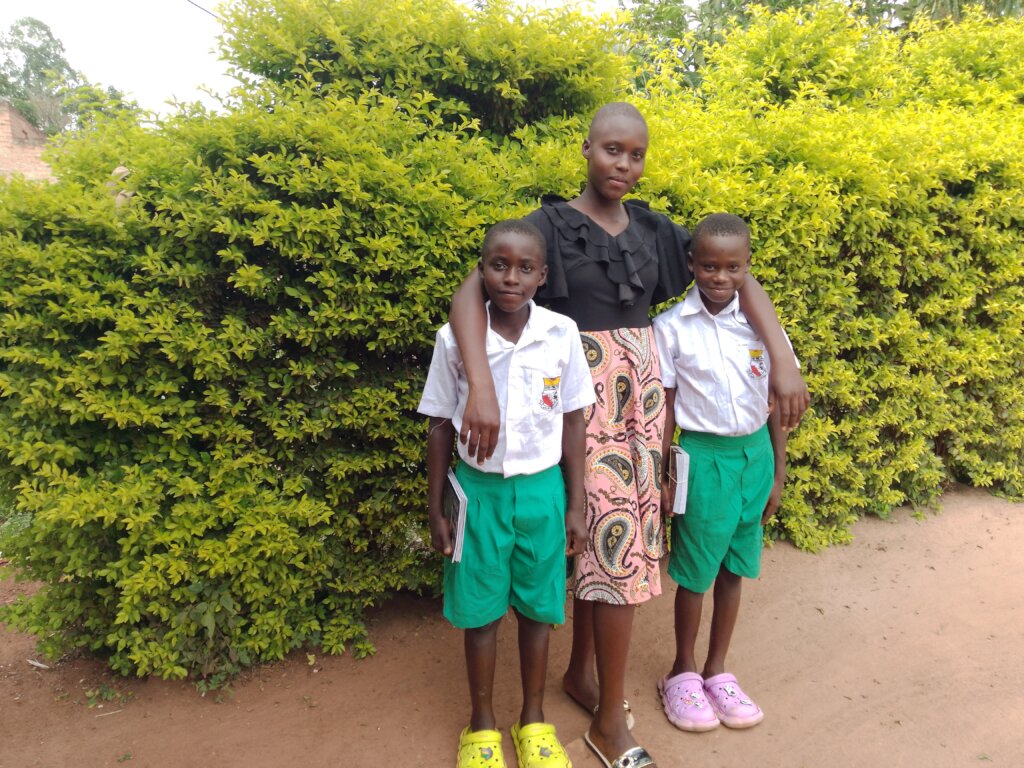
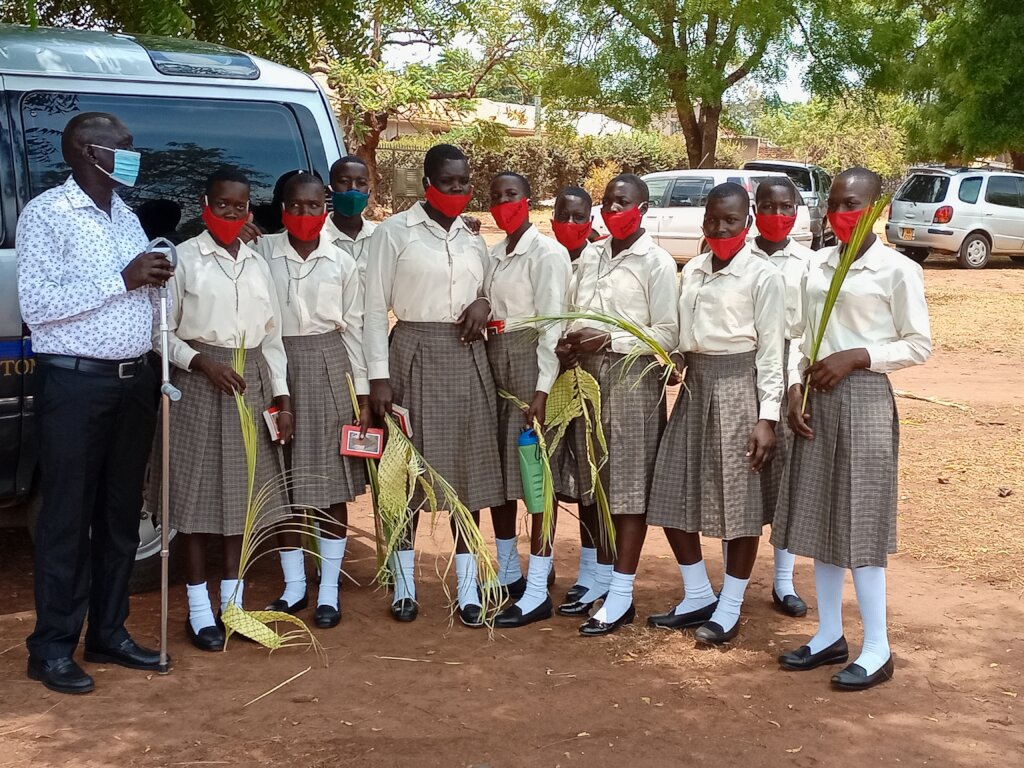
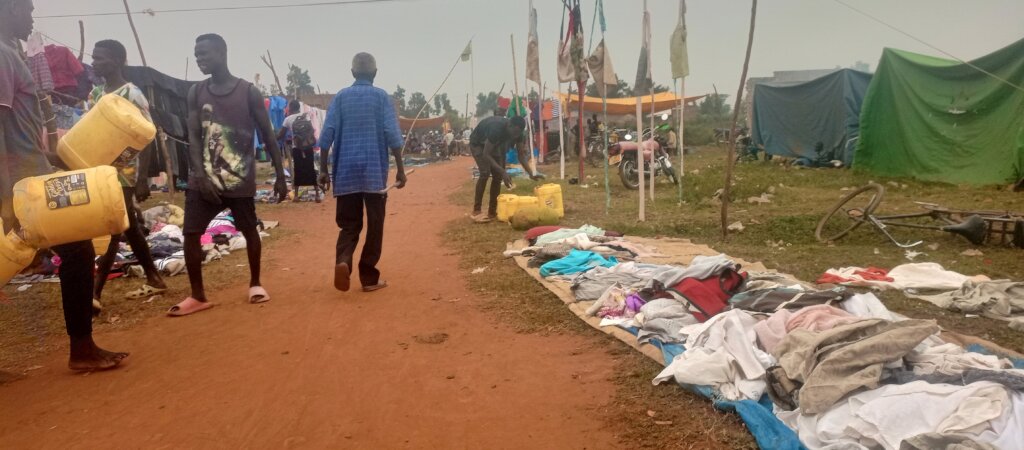
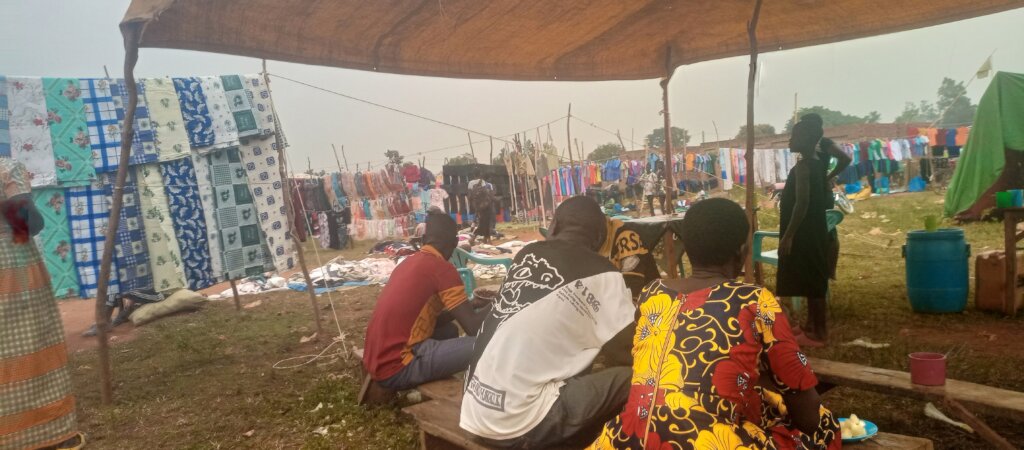
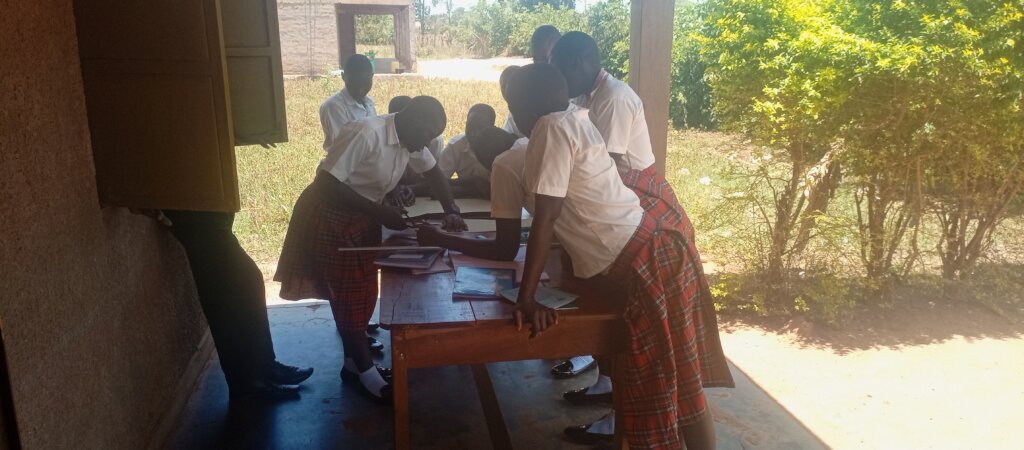
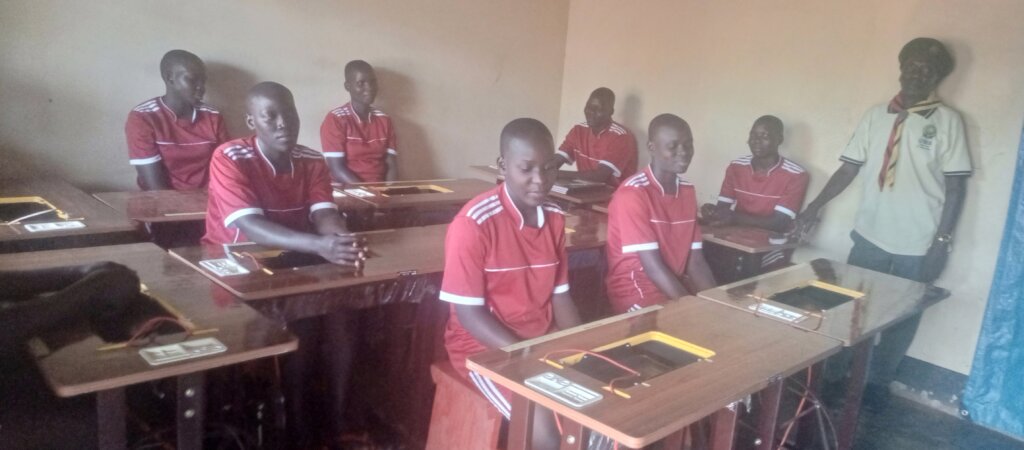
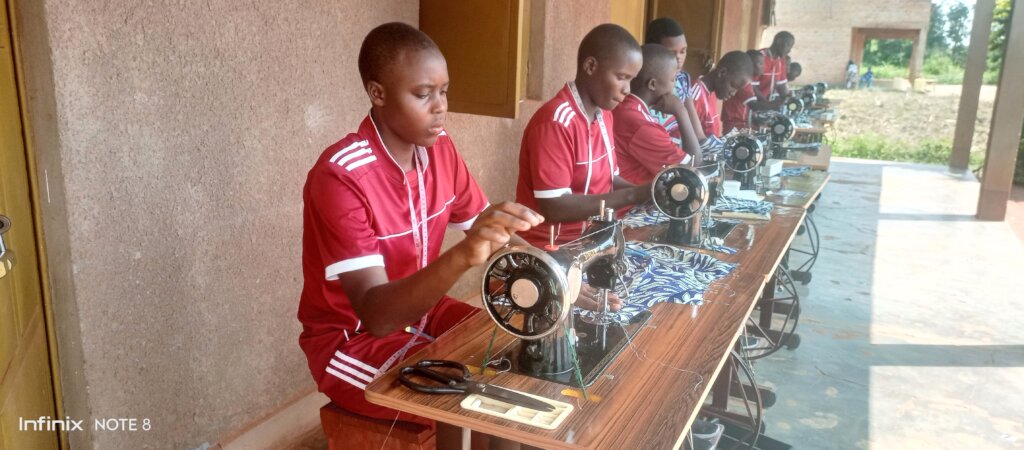
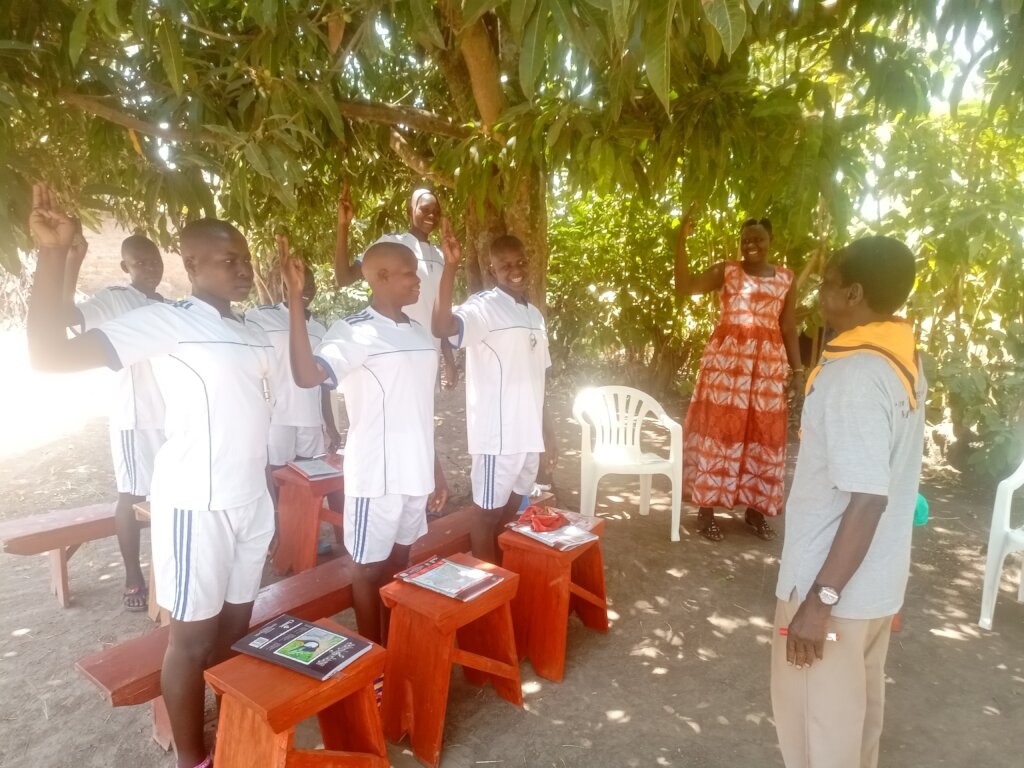
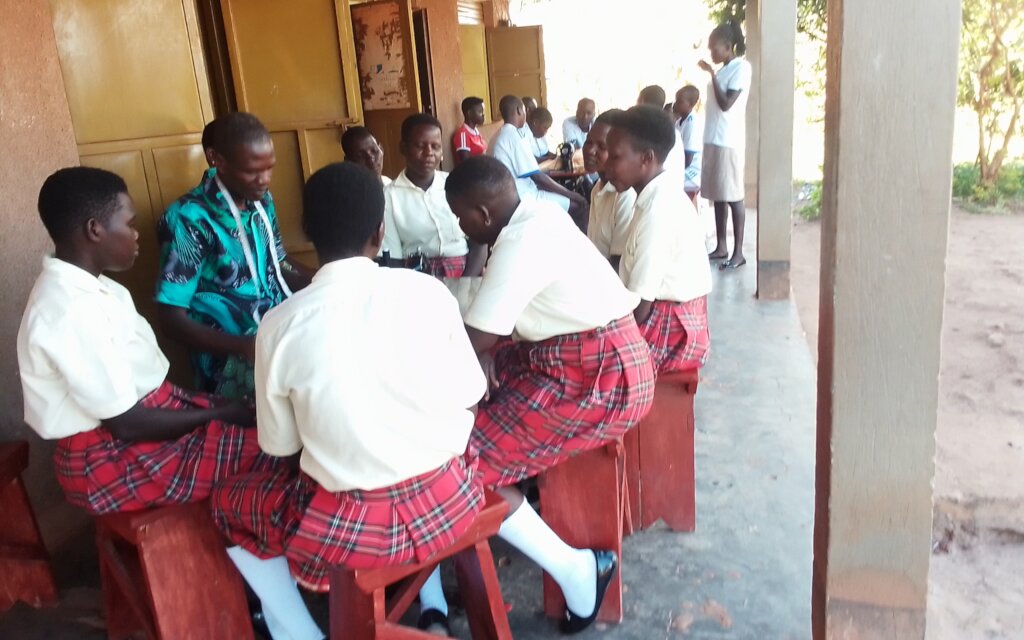
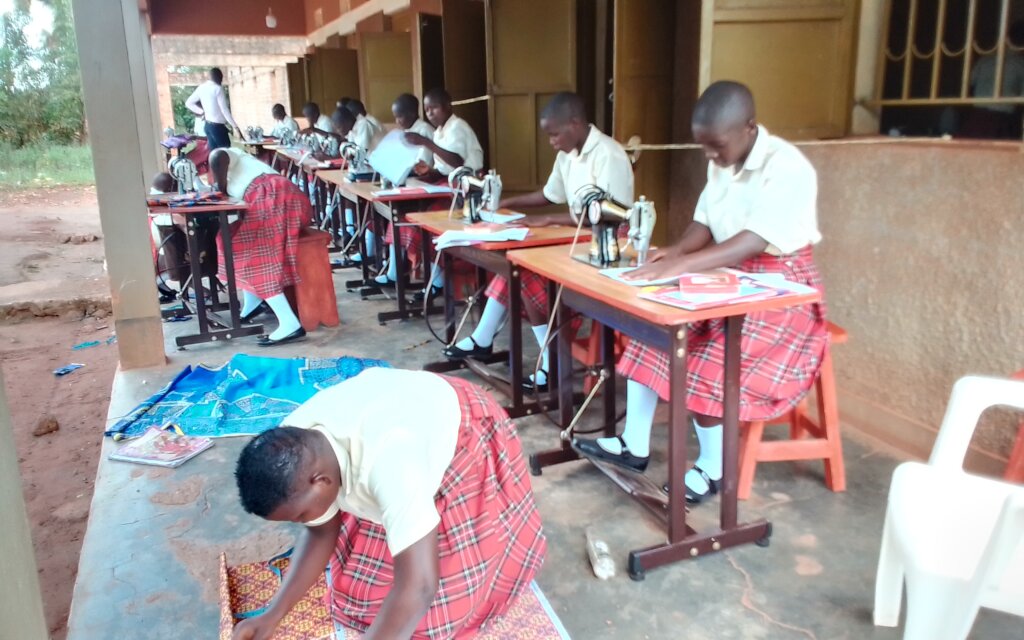
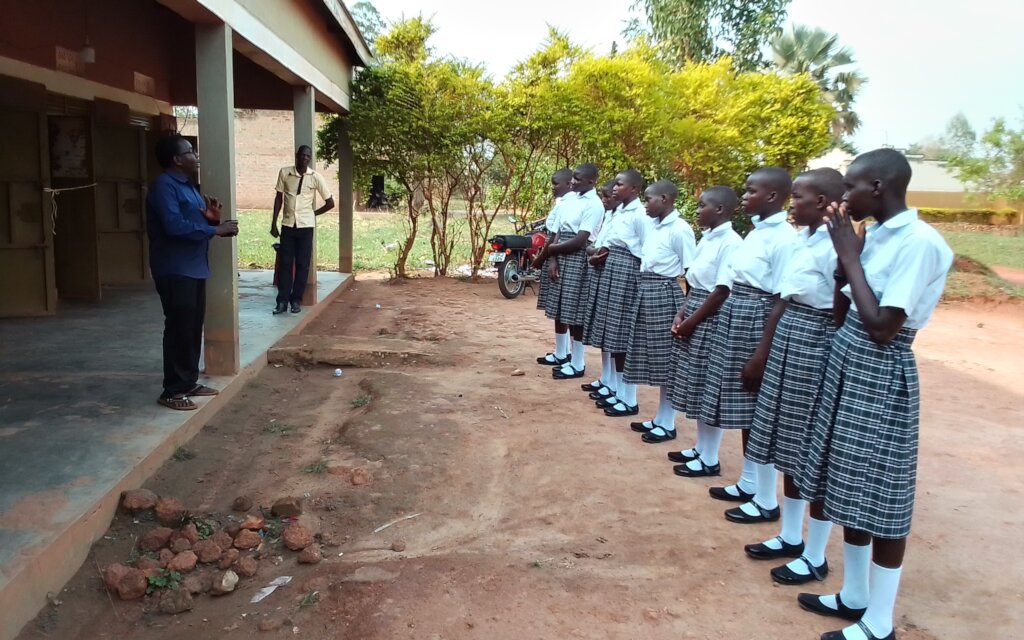
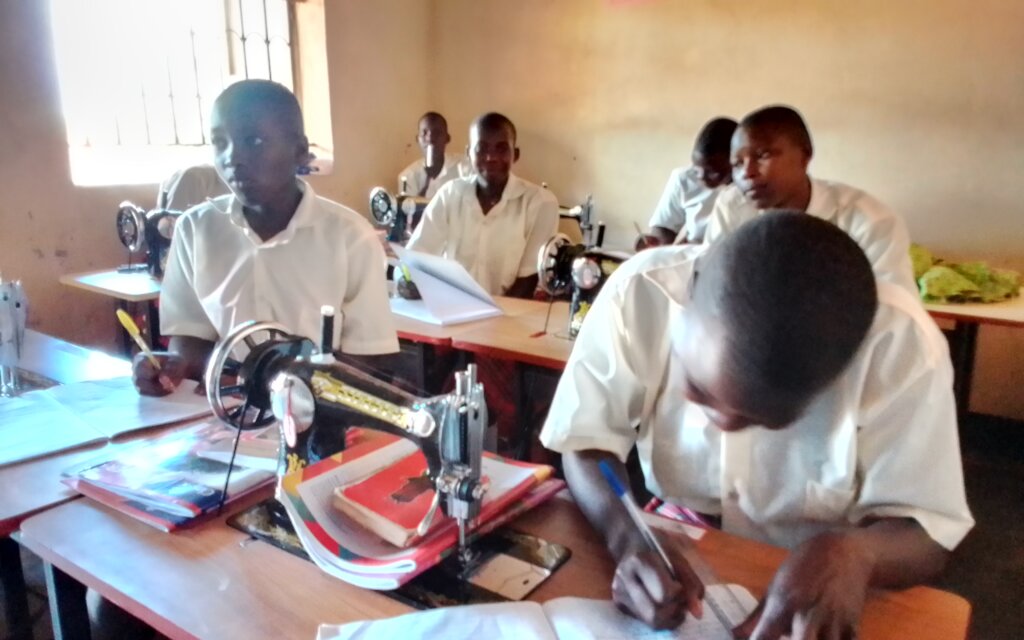
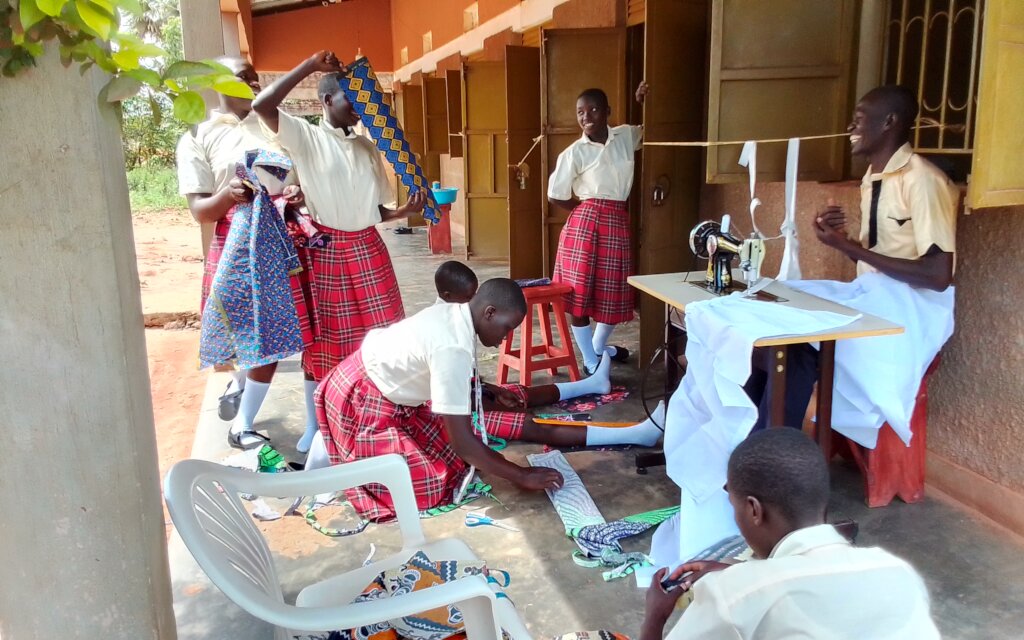
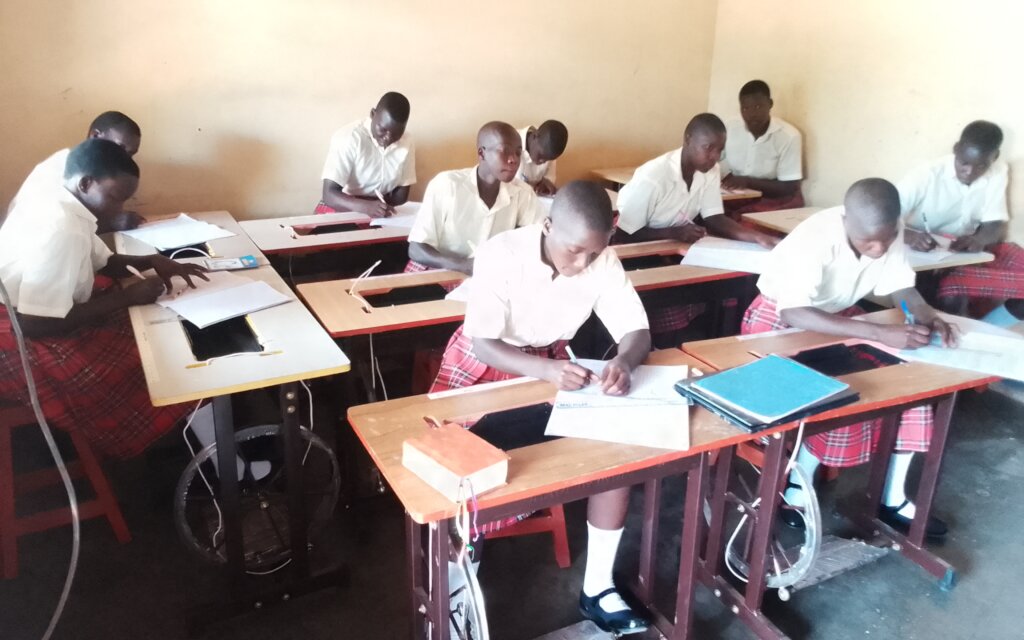
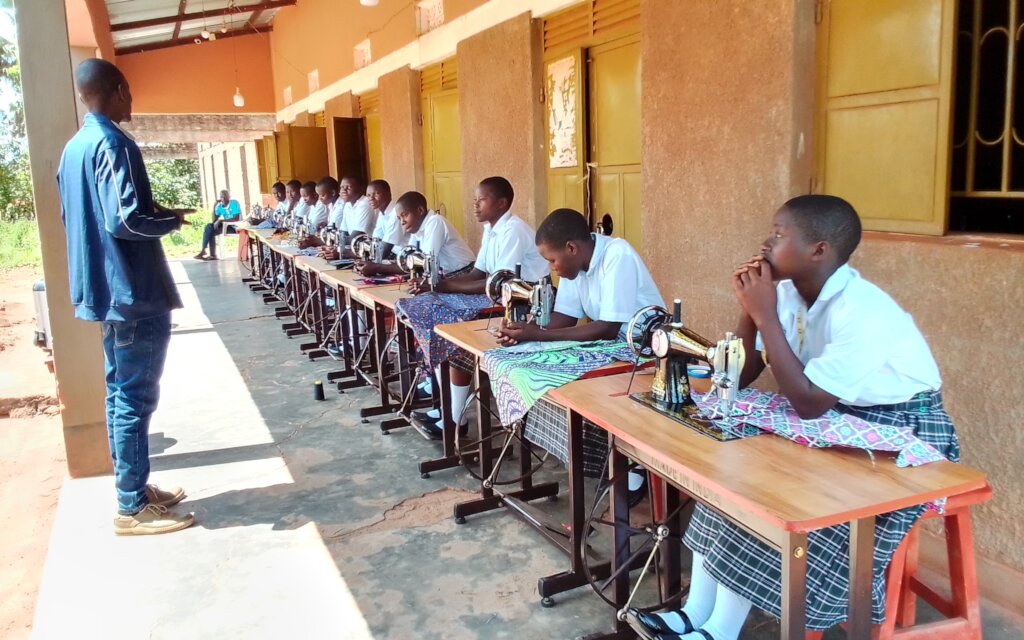
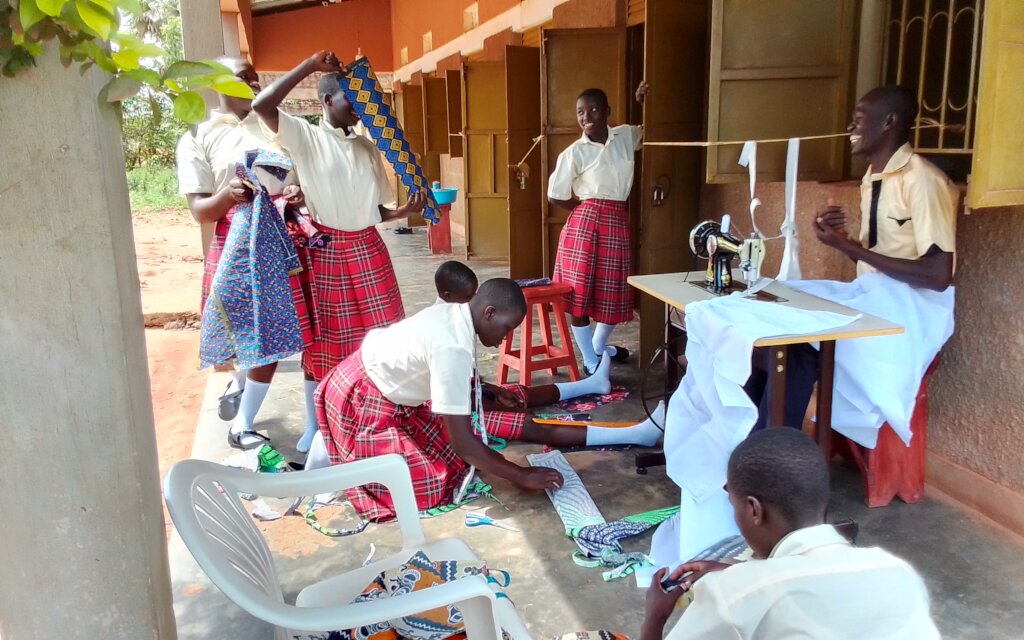
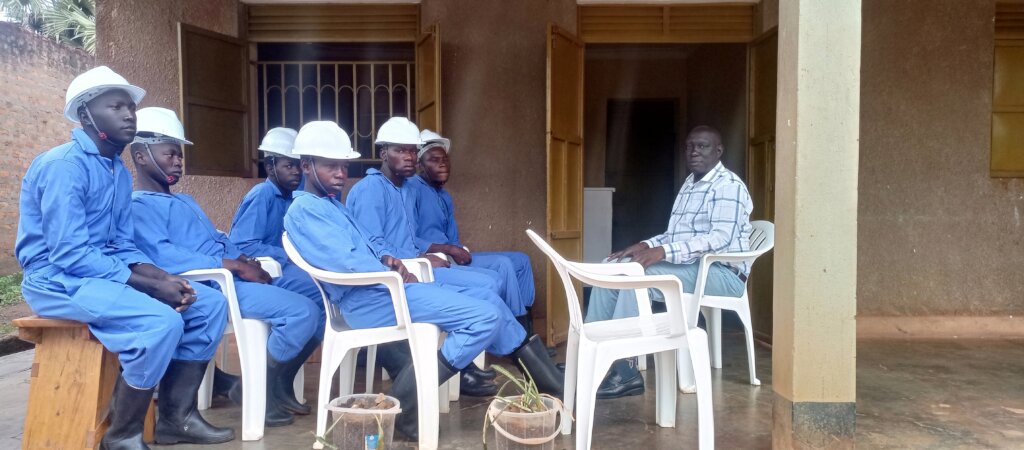
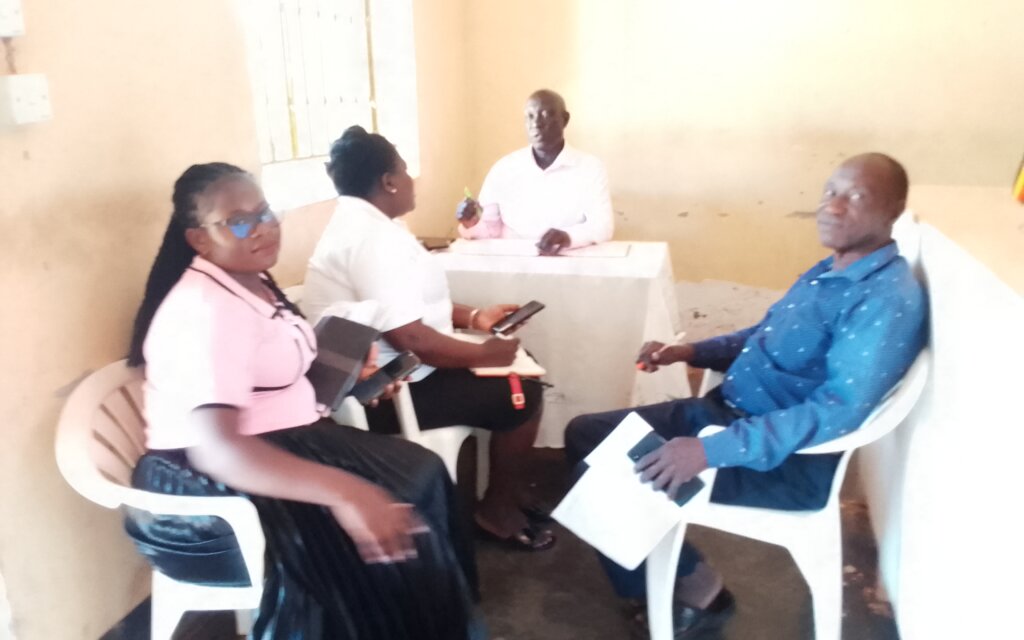
Kole Intellectual Forum has learnt that: exploring into the job markets can help the students to get involve into a comprehensive strategy that bridges the gap between academia and industry demands; and the key methods Kole Intellectual Forum are focusing on are providing them with a practical experience, enhancing career education, while fostering their relevant skills, and building professional networks.
These key Strategies for Exposing Students to Job Markets are:
- Integrated Work Experience:
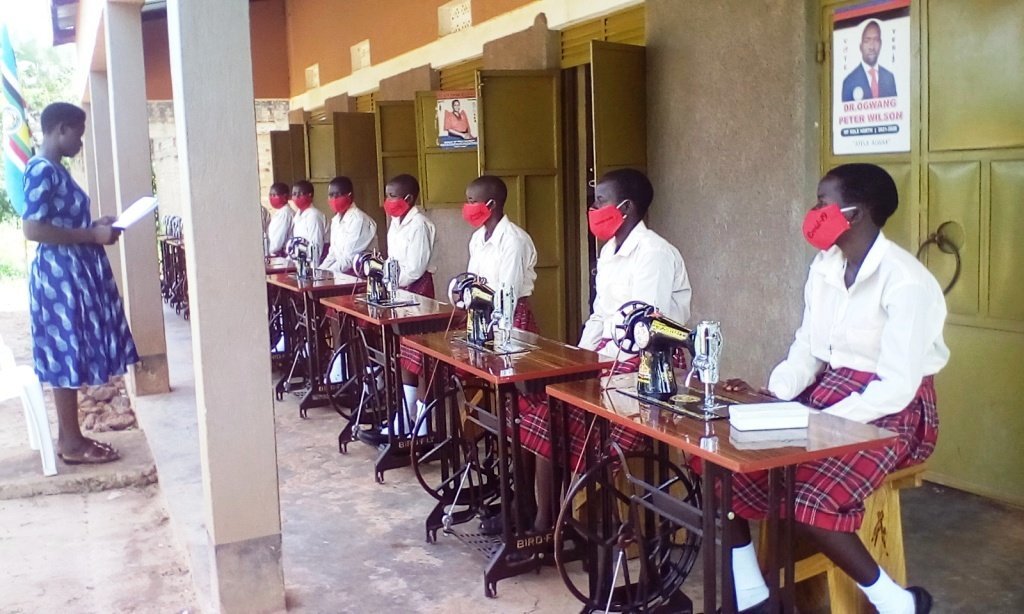
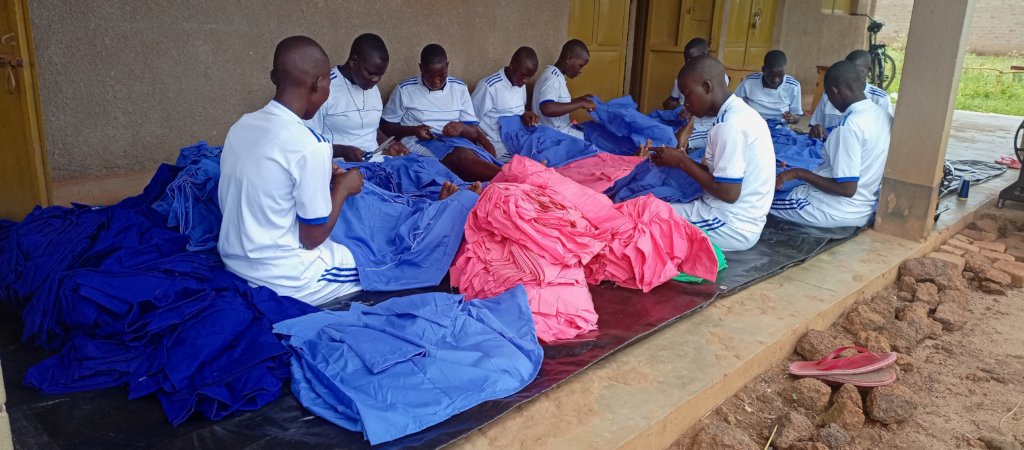
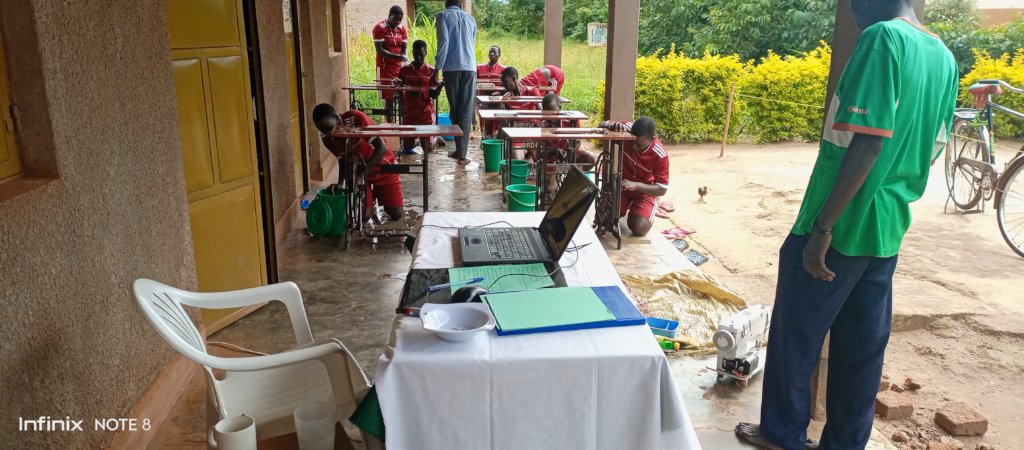
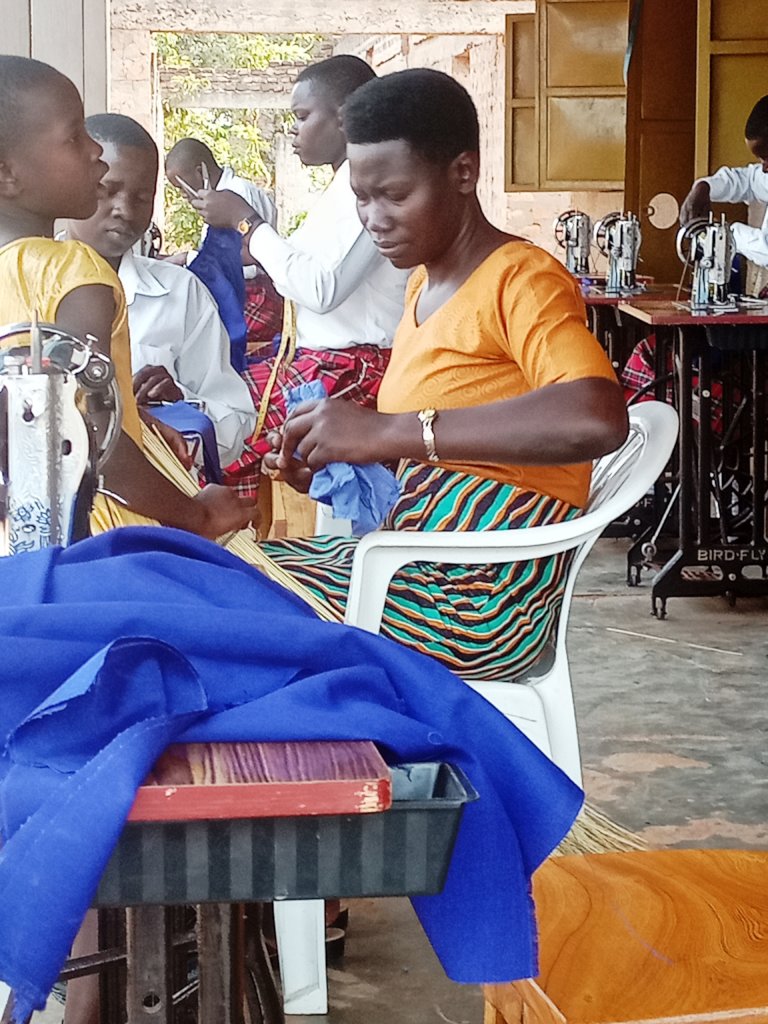
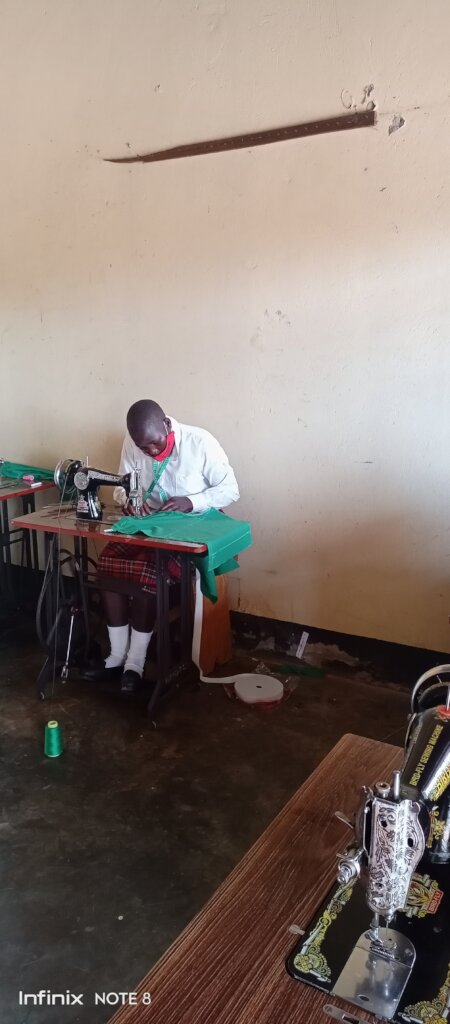
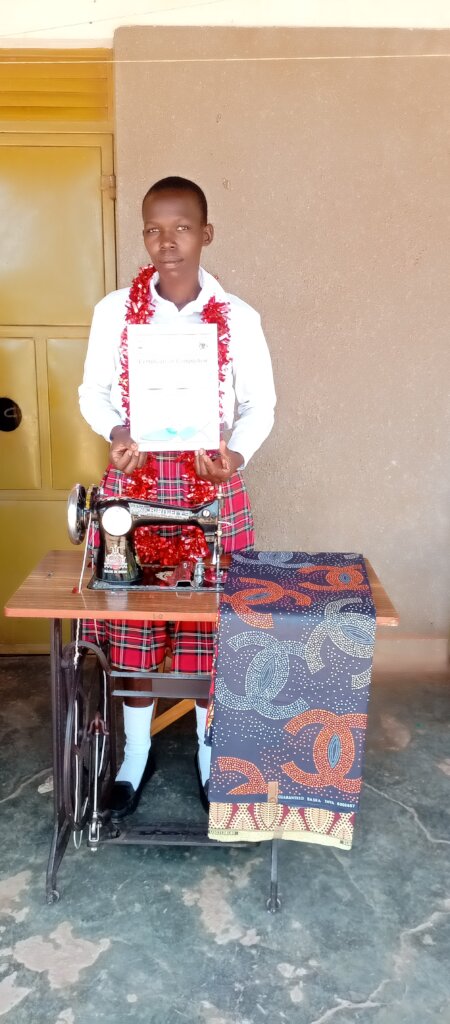
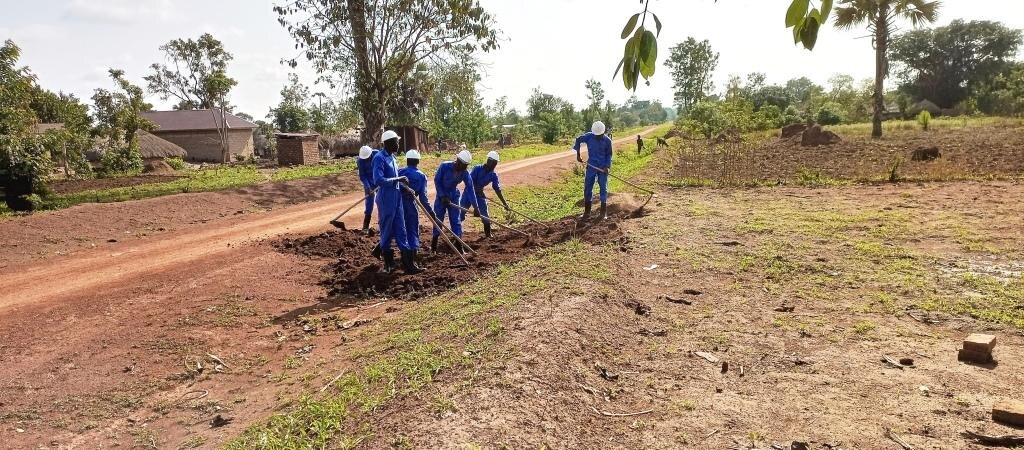
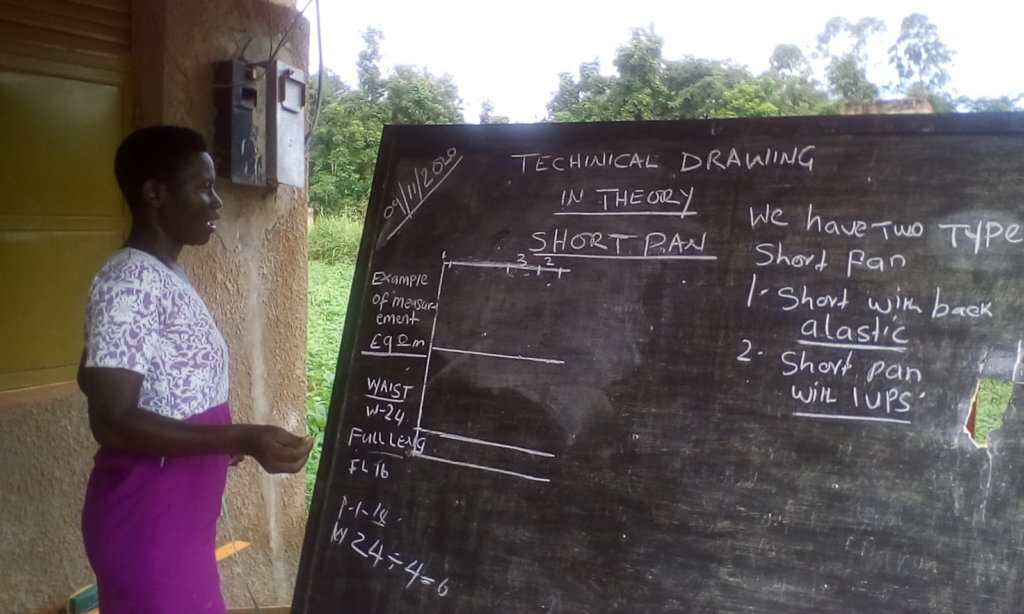
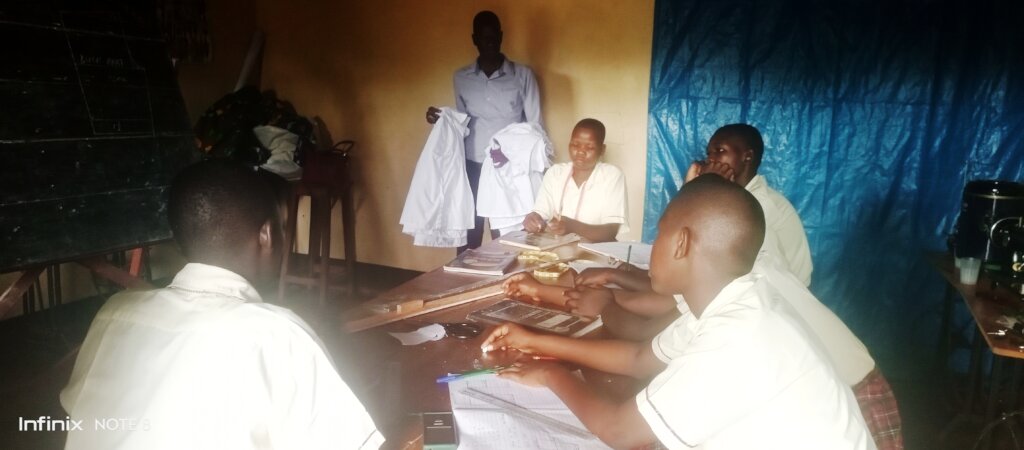
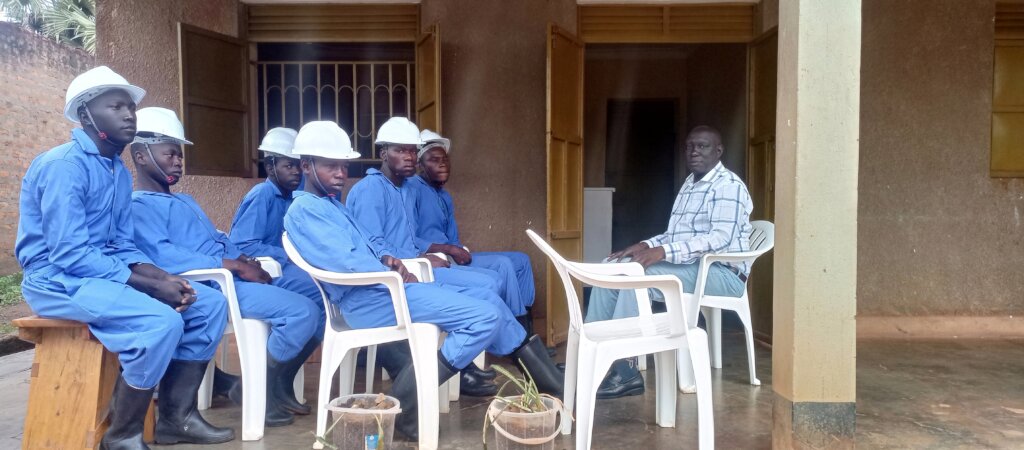
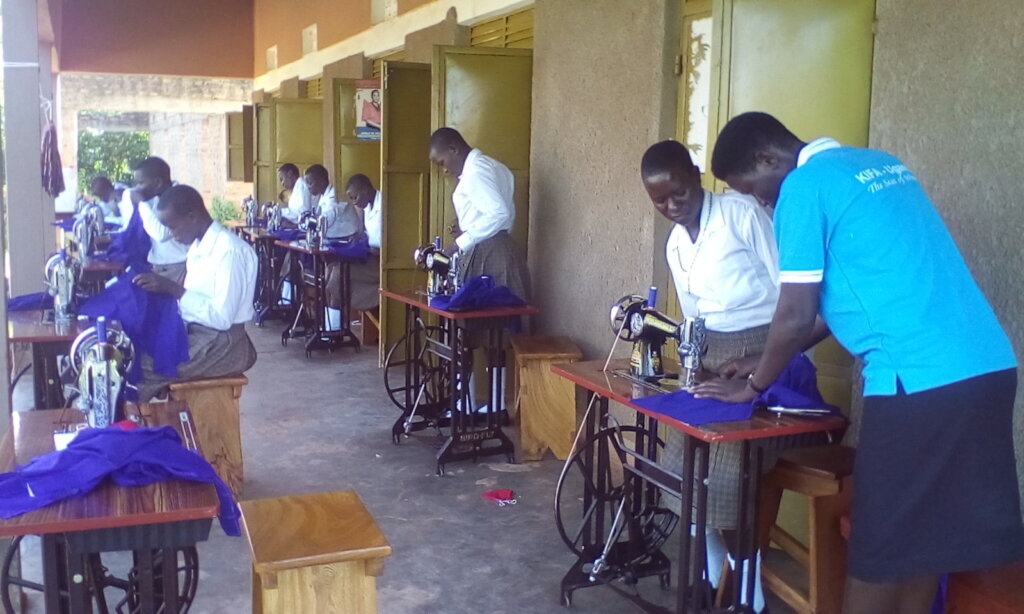
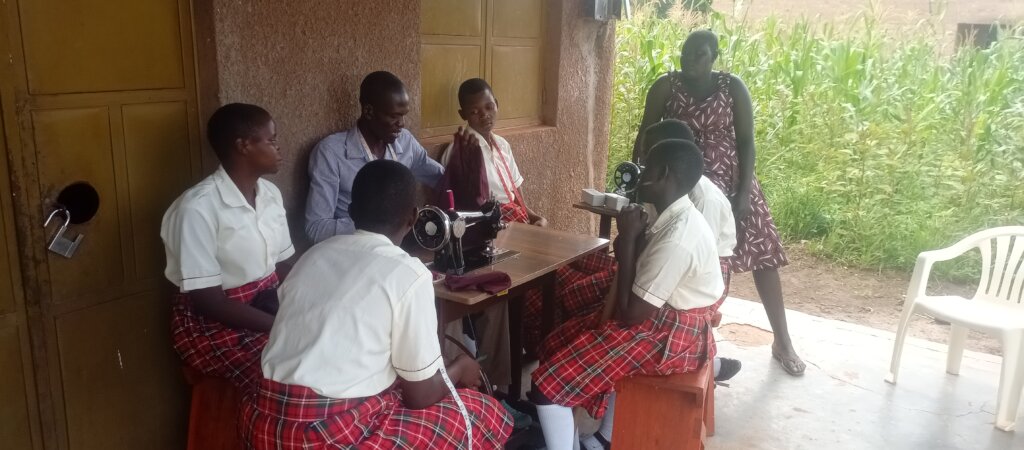
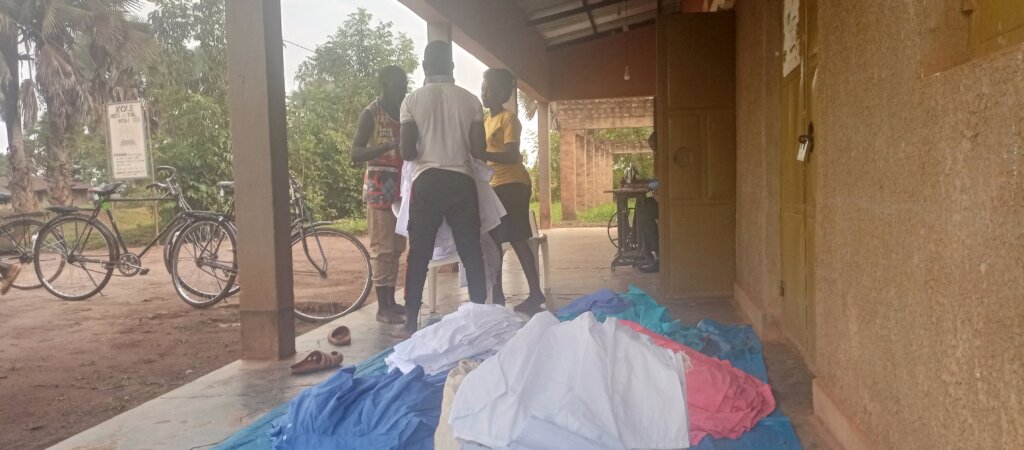
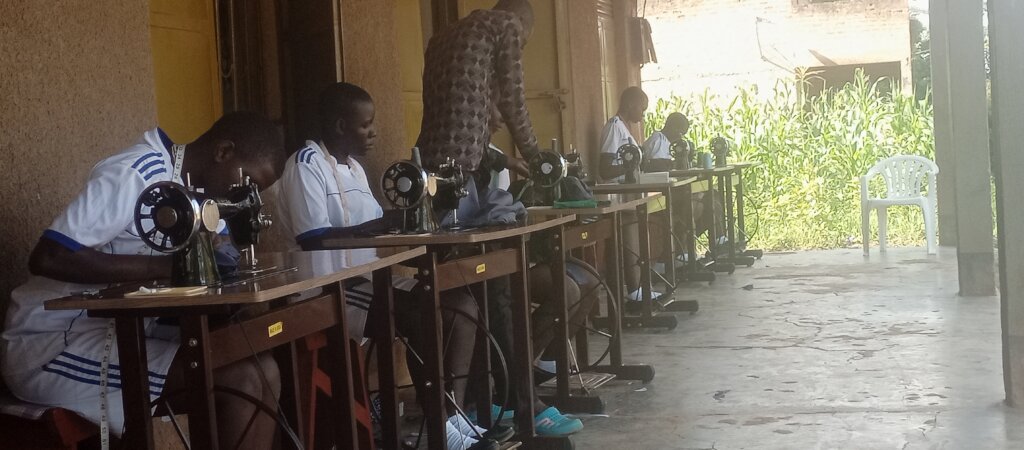
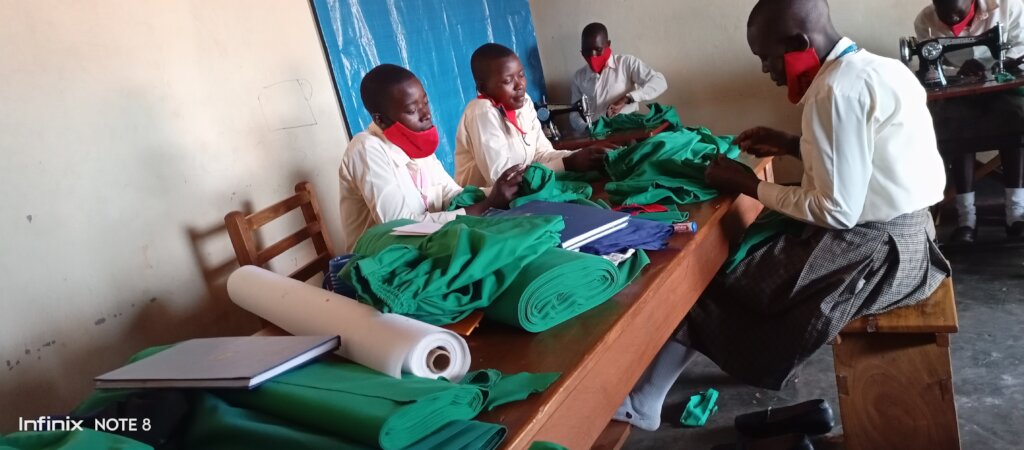
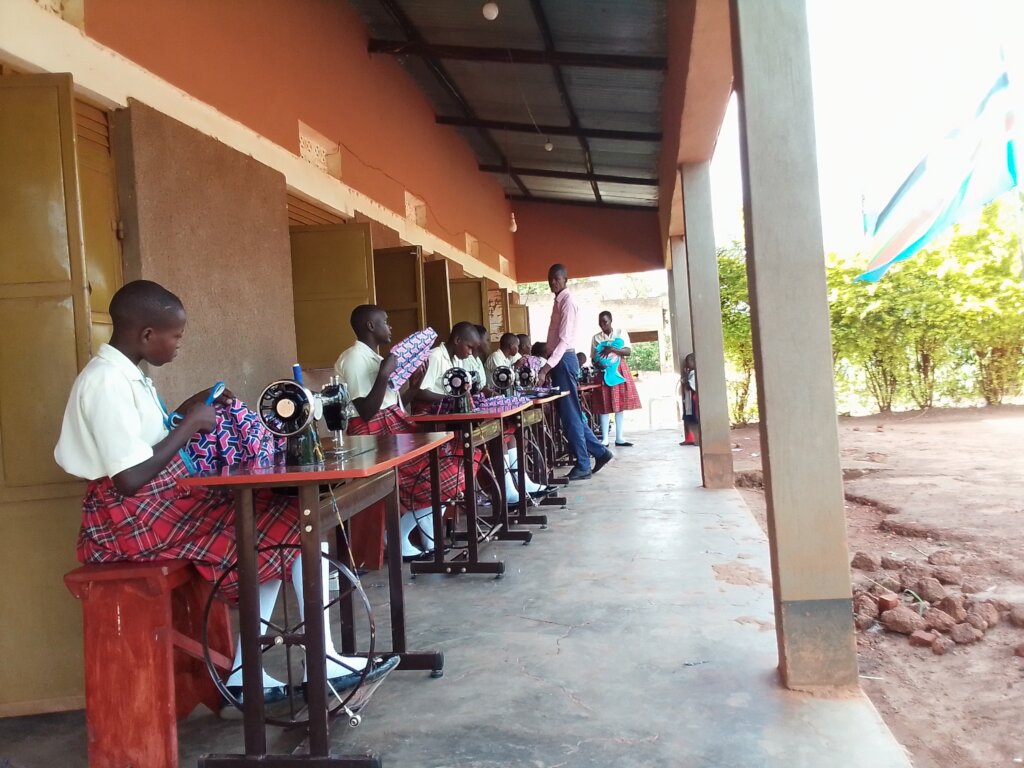
- Internships and Apprenticeships: Integrating structured, relevant internships and apprenticeships into the curriculum allows students to gain hands-on experience and apply theoretical knowledge in real-world settings. Quality mentorship during these experiences is crucial for their effectiveness.
- Work-Based Learning: Collaborating with employers on specific projects or work-related learning where employers enrich classroom teaching can provide practical skills and insights into industry demands.
- Enhanced Career Education and Guidance:
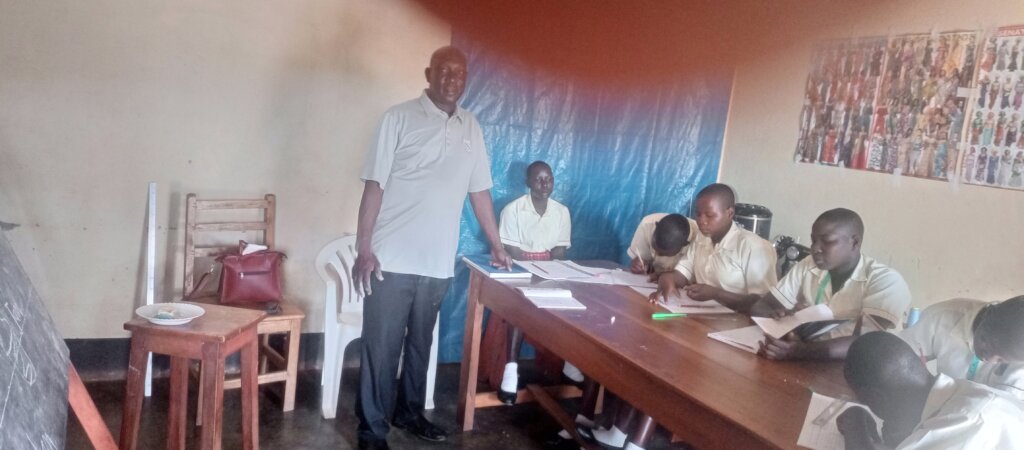
- Early and Ongoing Career Guidance: Beginning career exposure in elementary and middle school, and continuing through higher education, helps students connect their interests and strengths with possible career paths, reducing stereotypes and building confidence.
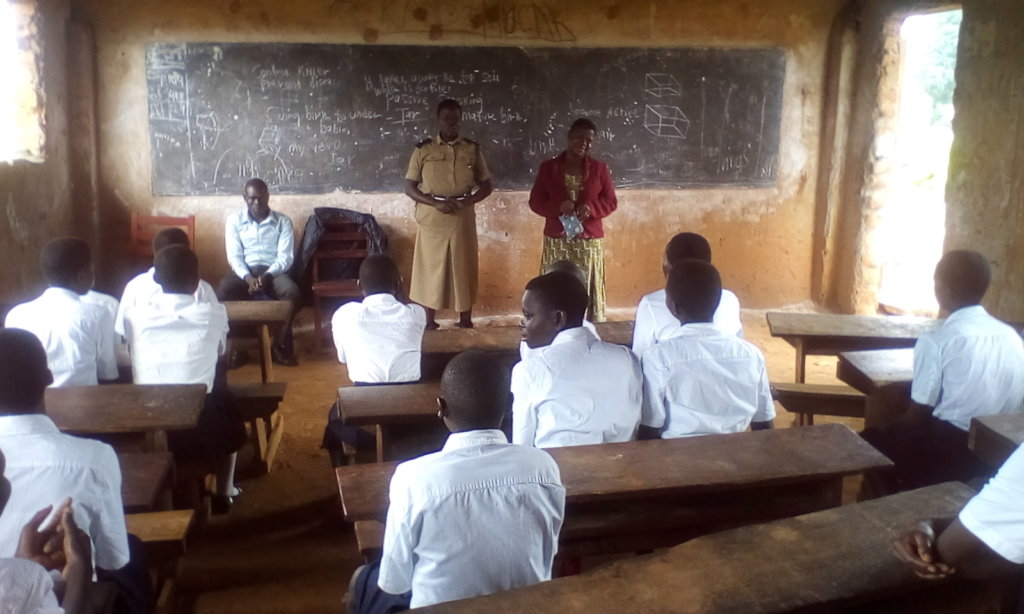
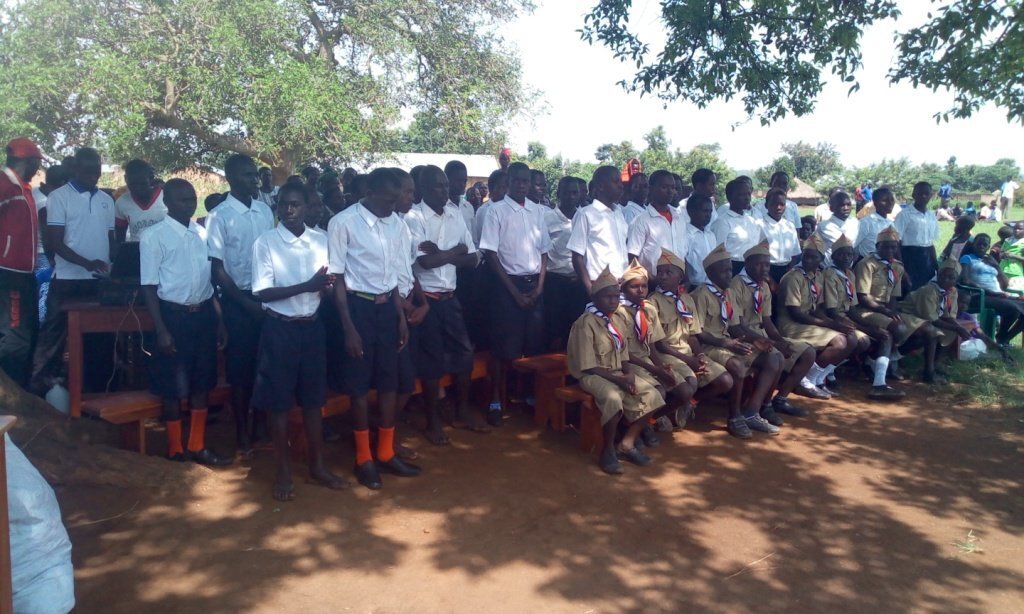
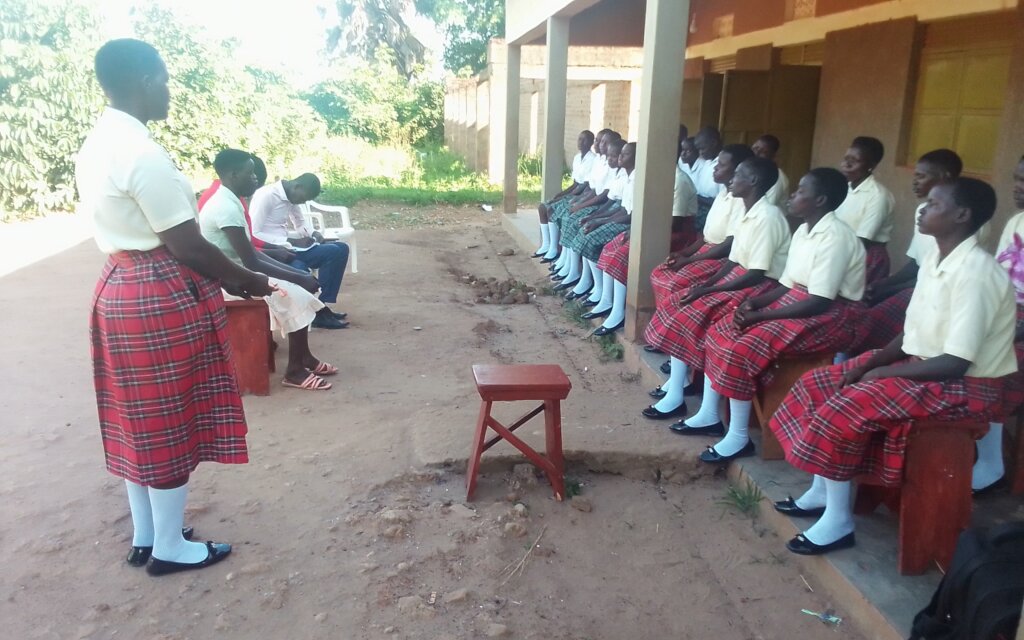
- Career Talks and Fairs: Organizing career talks, job fairs, and workplace visits provides direct exposure to various professions and opportunities to interact with industry professionals.
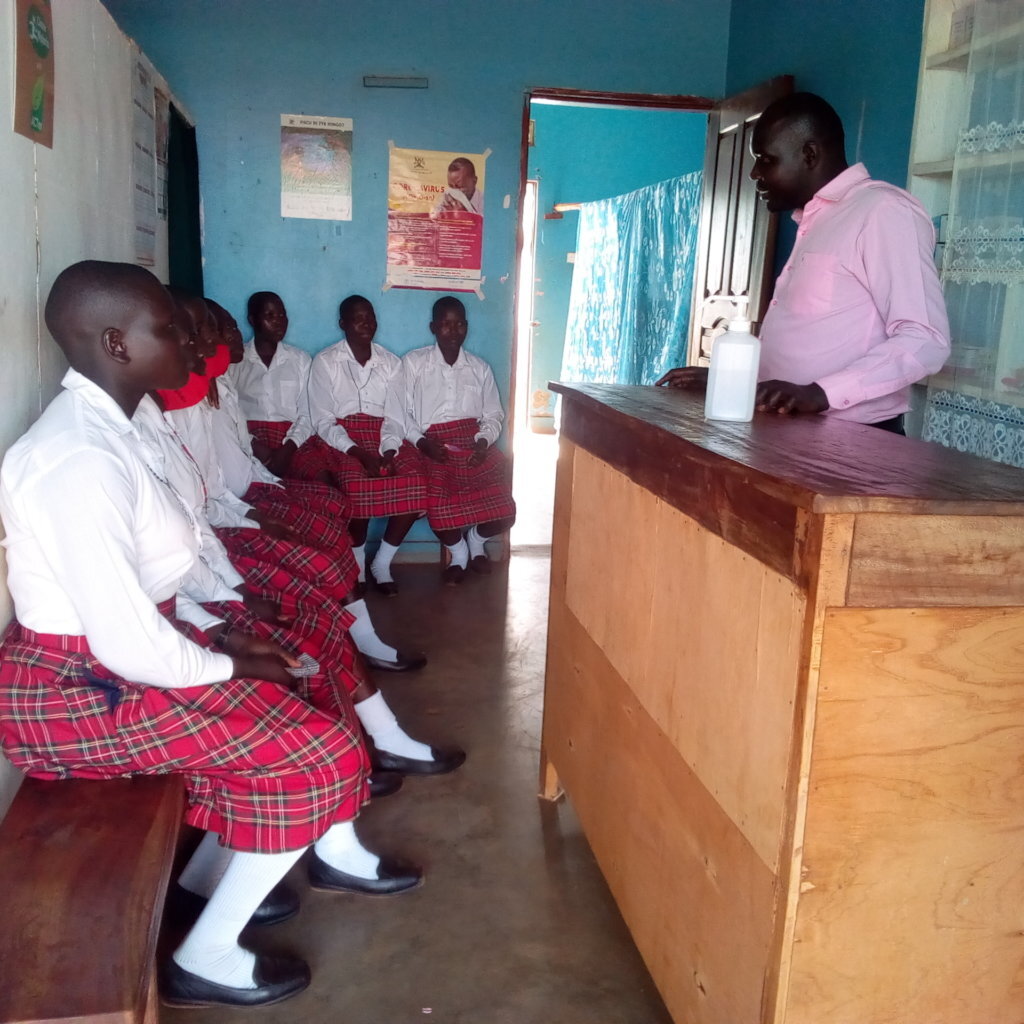
- Career Counseling and Resources: Offering robust career counseling and job search assistance, including resume writing workshops, interview preparation, and online career exploration tools, helps students navigate the job market effectively.
- Skills Development Focused on Market Needs:
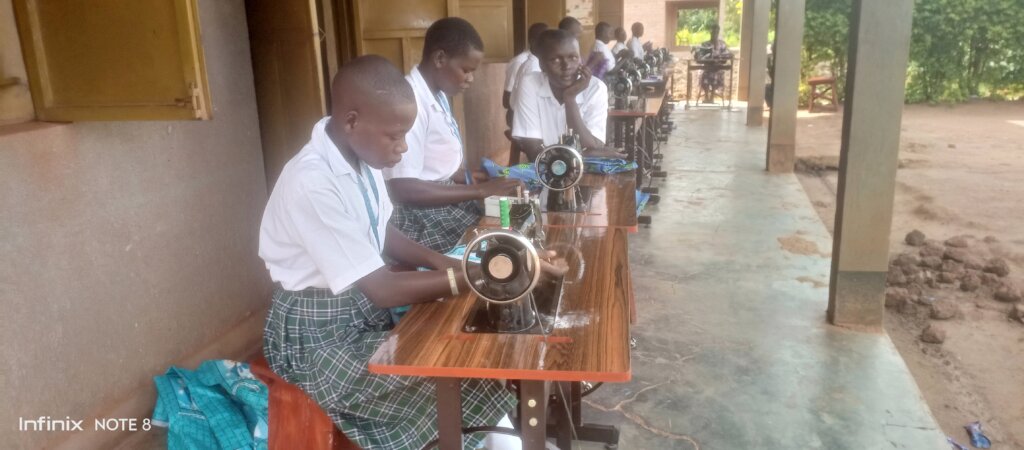
- Focus on In-Demand Skills: Curricula should be updated regularly to align with evolving job market needs, with an emphasis on both technical skills (e.g., digital literacy, coding) and soft skills (e.g., communication, teamwork, problem-solving, critical thinking).
- Industry Certifications: Offering opportunities to earn industry certifications can make students more competitive by providing credentials valued by employers.
- Entrepreneurship Training: Equipping students with business planning and financial management skills encourages entrepreneurship and self-employment as viable career paths.
- Building Connections and Networks:
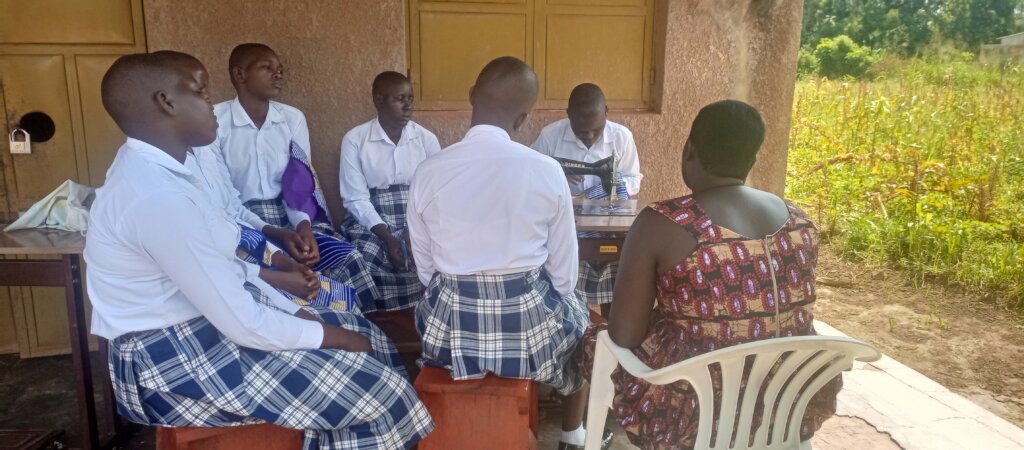
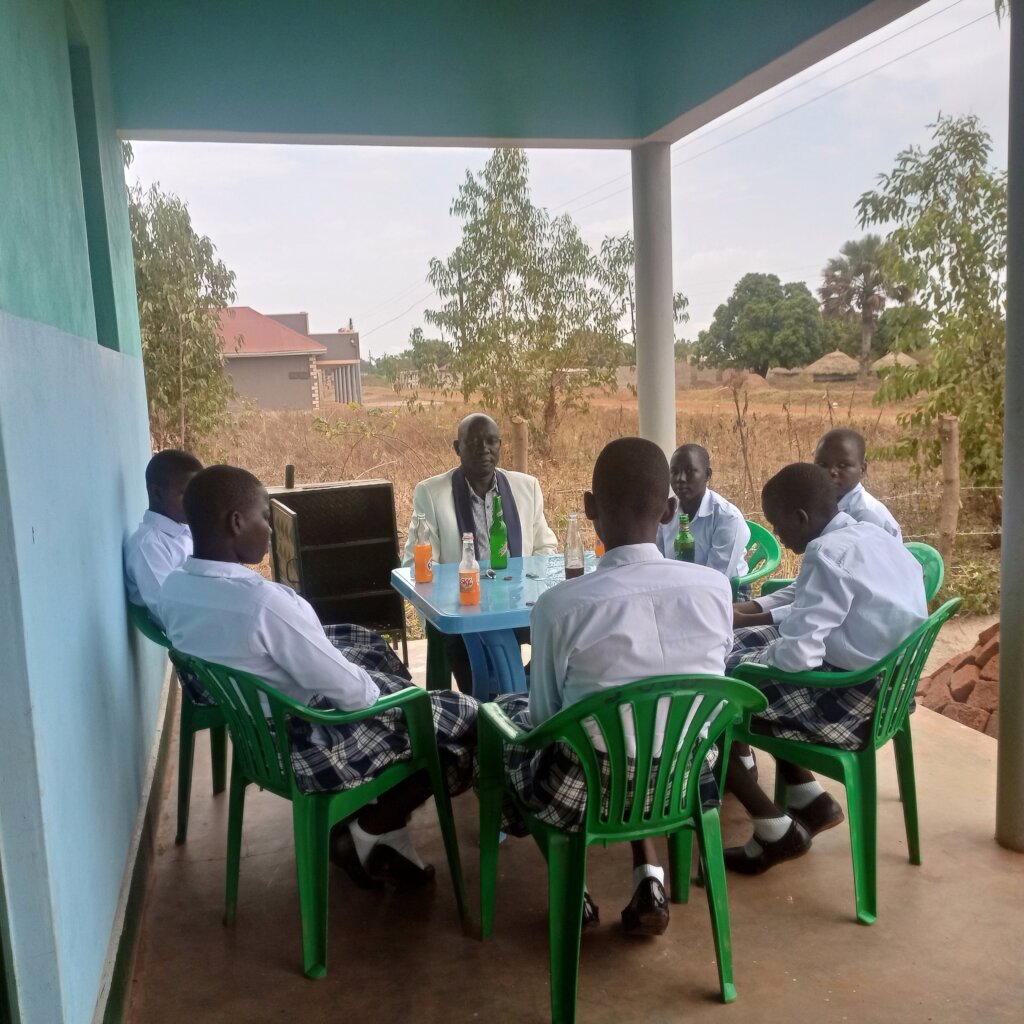
- Mentorship Programs: Pairing students with industry professionals or recent alumni for guidance and support helps build a strong network and provides valuable insights into specific career paths.
- Networking Events: Organizing events that connect students with potential employers and professionals facilitates relationship building, a critical factor in securing employment.
By implementing these strategies by Kole Intellectual Forum, the strategies can help them bridge the gap between academic knowledge and the demands of the modern job market, empowering students to pursue their careers with greater opportunities.
![Share on Twitter]()
![Share on Facebook]()
Apr 12, 2026
Thriving for a better outcome: Action research
By George Obua | Project Leader
Kole Intellectual Forum is conducting Action Research for their projects to to thrive for the expected outcome
To thrived a desired outcome in a human ways of life; Kole Intellectual is conducting a Continuous action research in a cyclical or a iterative process , an action that their team of researchers conduct to identify a problem, plan and take action, observe the results, and then reflect and adjust their approach to improve their practice. This ongoing cycle has allowed them have a continuous improvement in real-time by solving problems as they are encountered. Indeed, this approach has often referred to a "cycle of action" or "cycle of inquiry" because it repeats the actions until the desired outcome is achieved.
The main characteristics and steps taken are to:
- Identify a problem: Begin by pinpointing a specific challenge or area for improvement within a real-world context, such as a classroom or school.
- Plan and act: Develop a research plan to address the problem and then implement it.
- Observe and evaluate: Collect data and observe the results of the implemented action.
- Reflect and adjust: Reflect on the observations and results, then make necessary adjustments to the plan for the next cycle.
- Repeat: Continue the cycle of planning, acting, observing, and reflecting until the problem is solved or the practice is sufficiently improved.
![Share on Twitter]()
![Share on Facebook]()
Apr 13, 2026
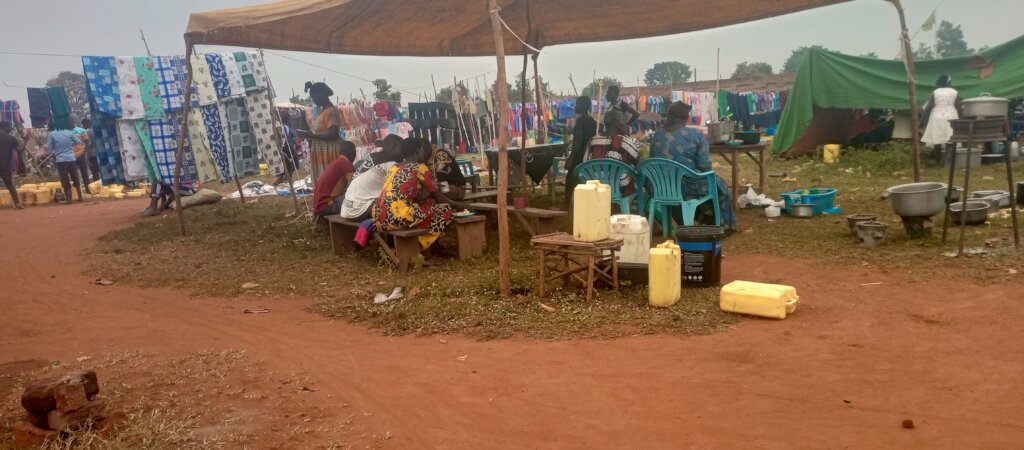
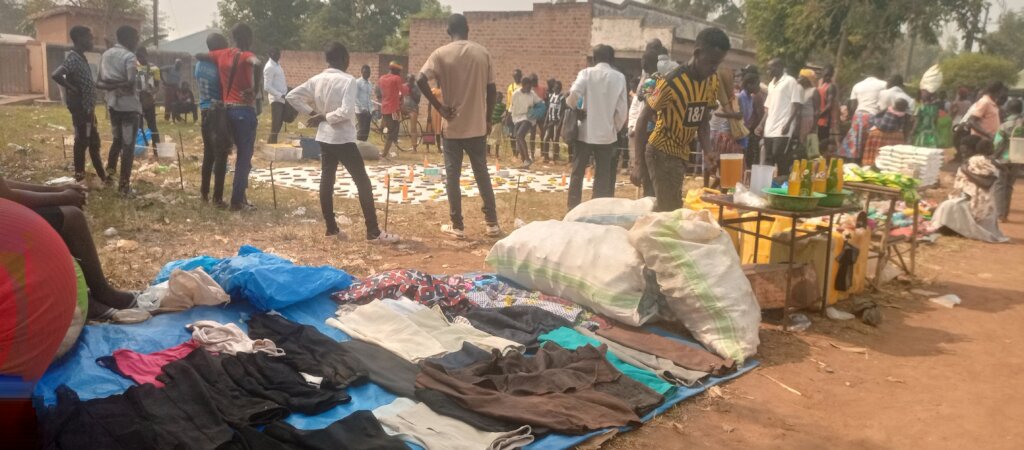
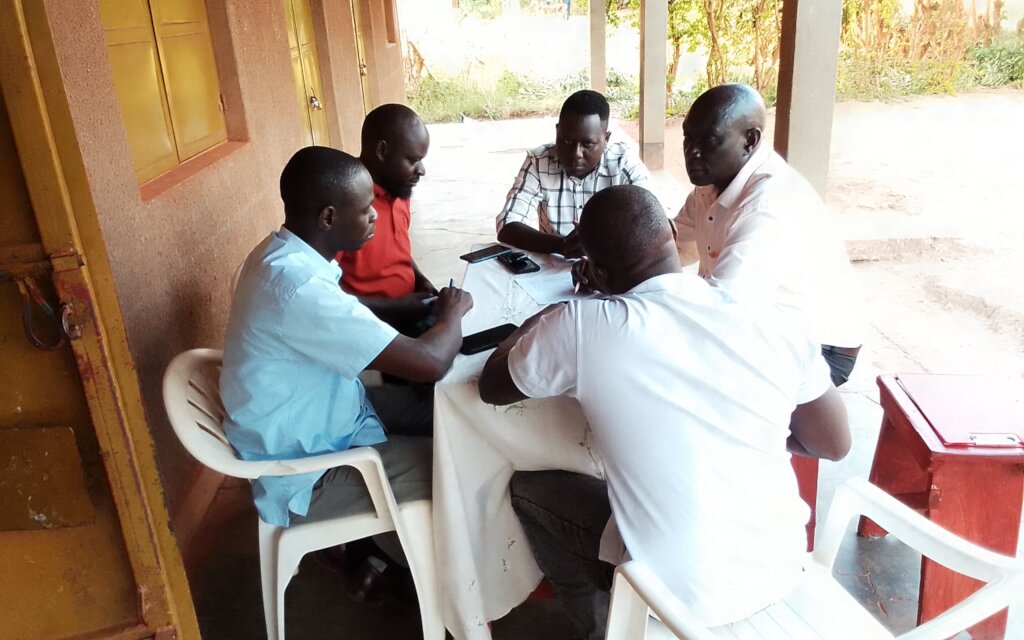
Community Ownership: Through Data Collection
By George Obua | Project Leader
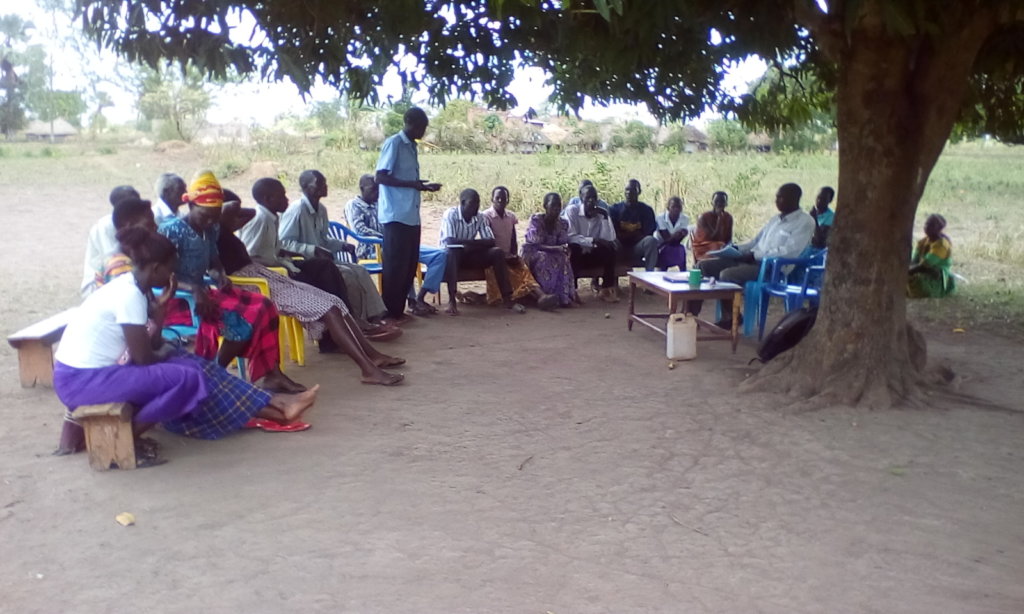
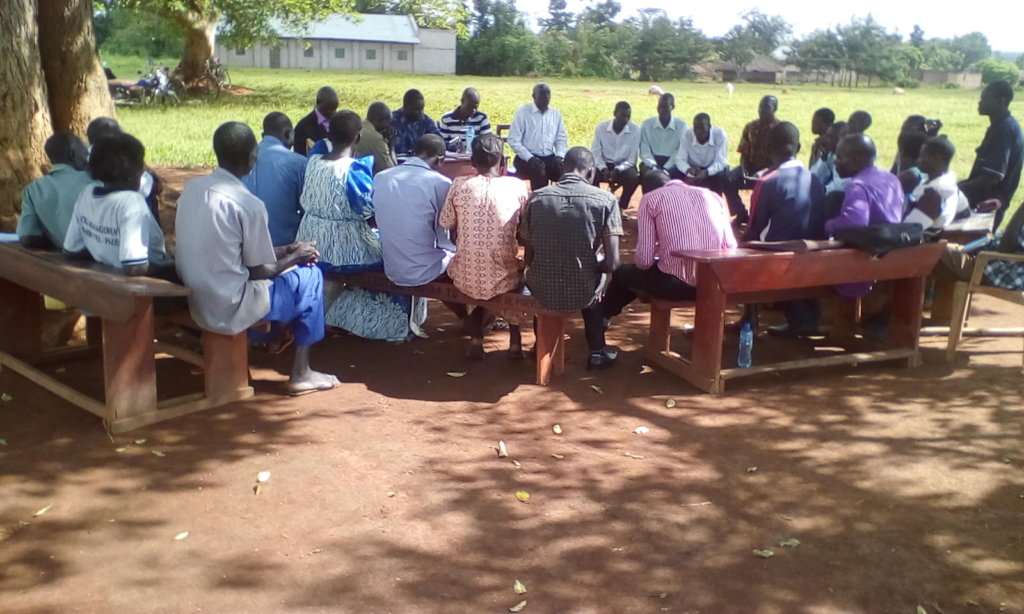
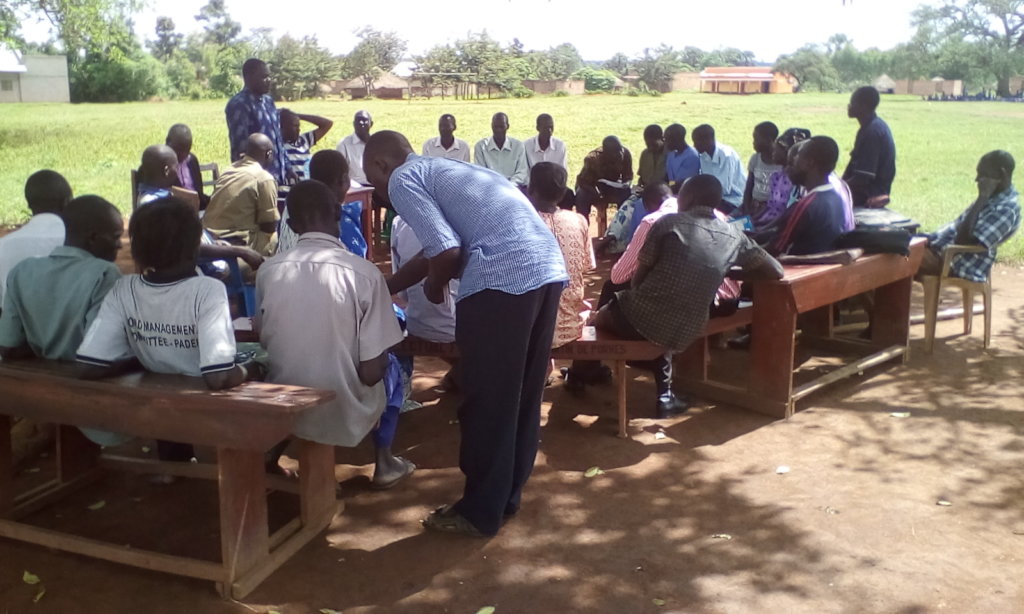
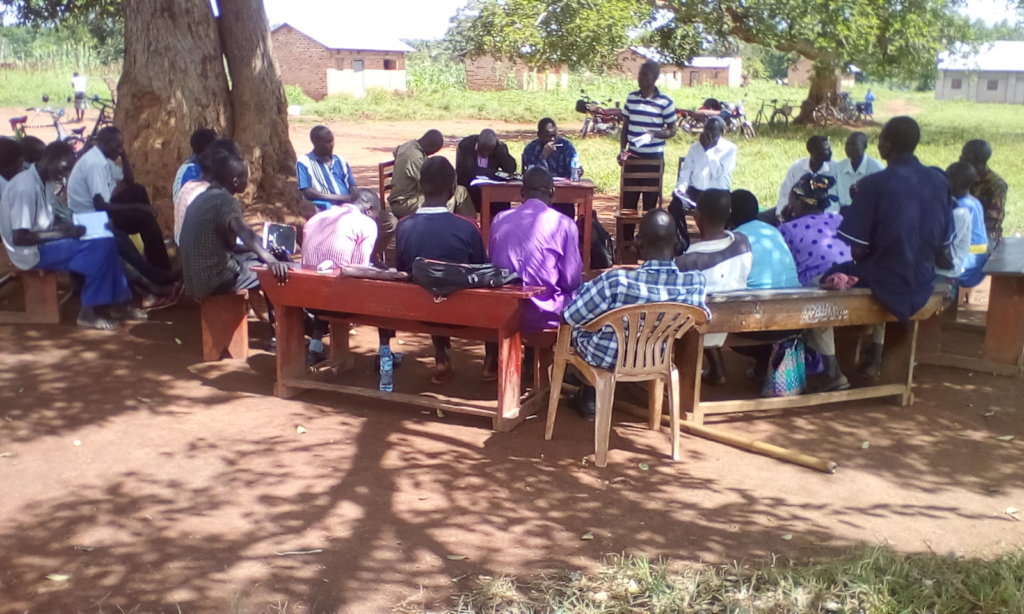
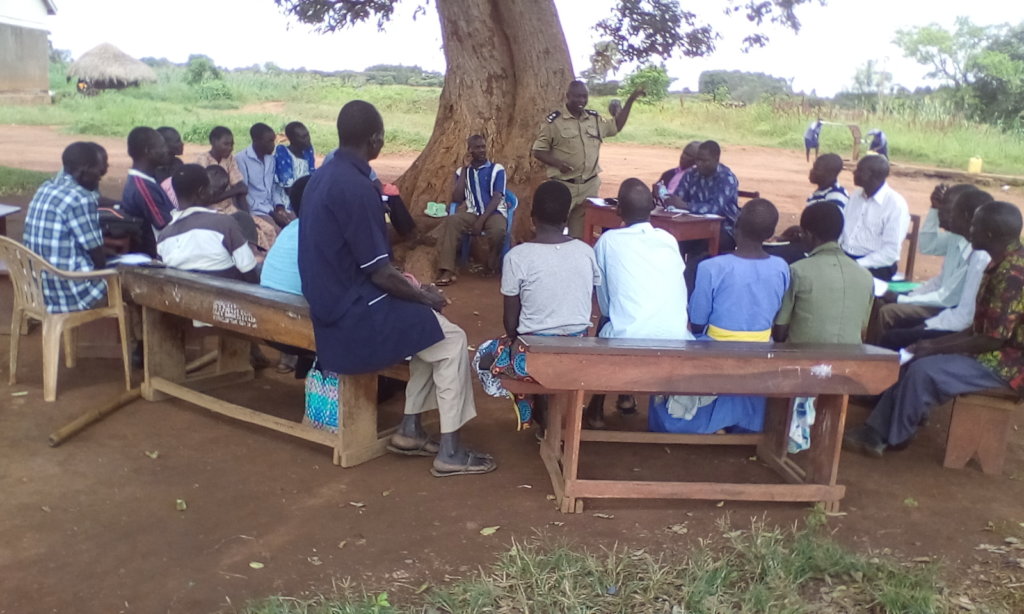
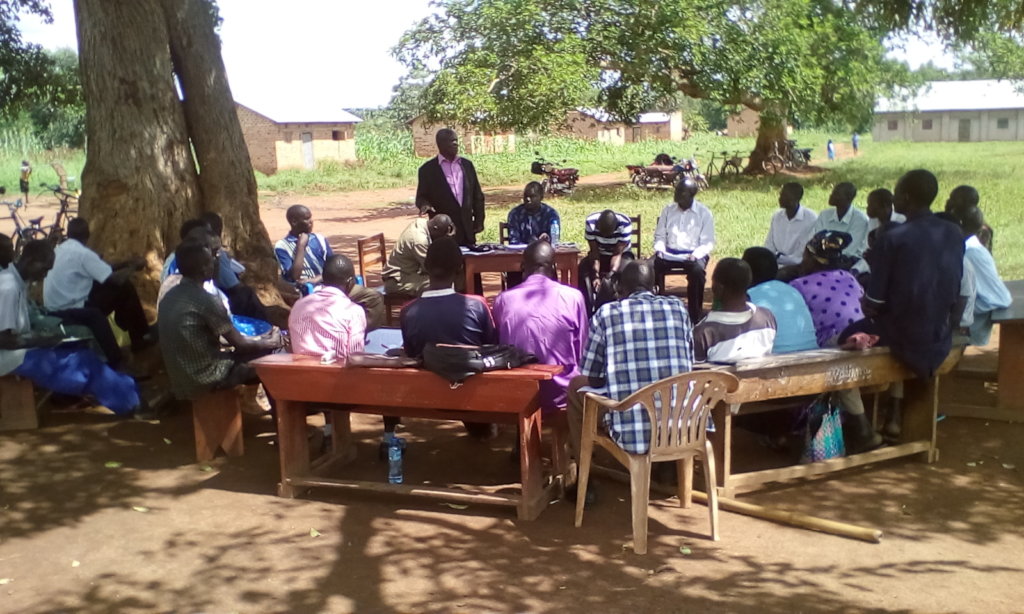
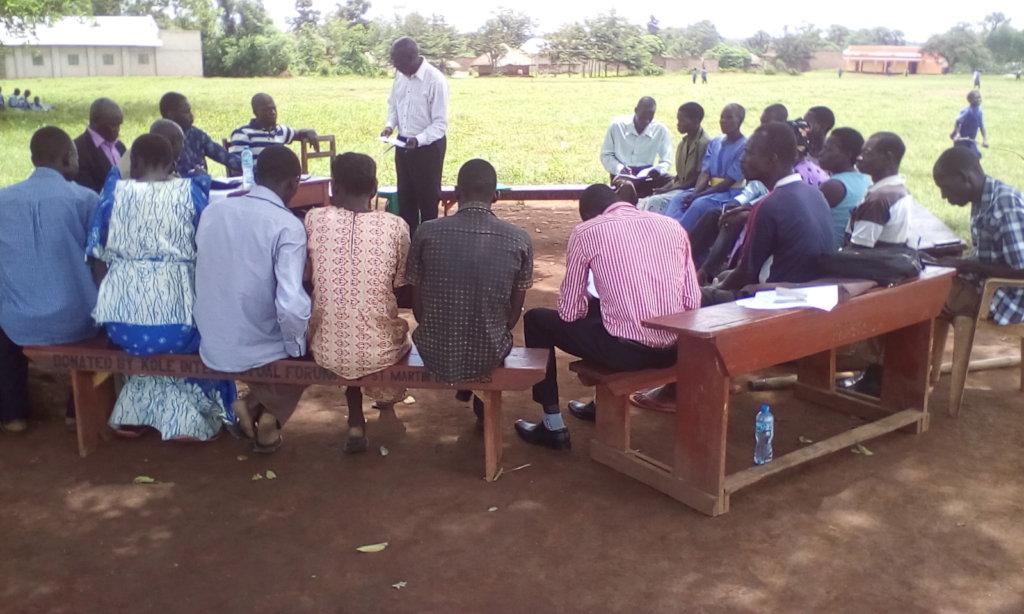
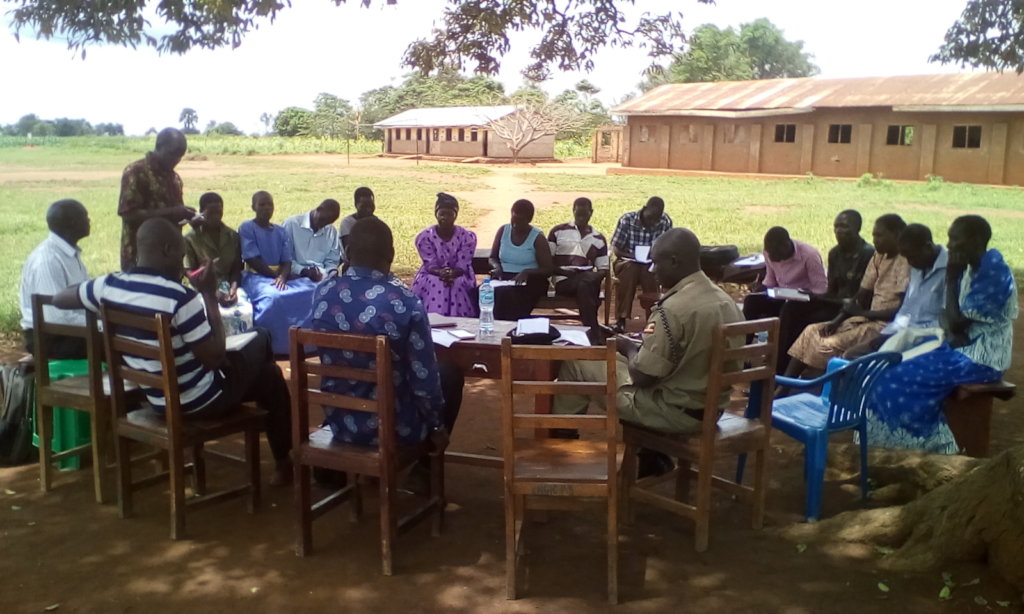
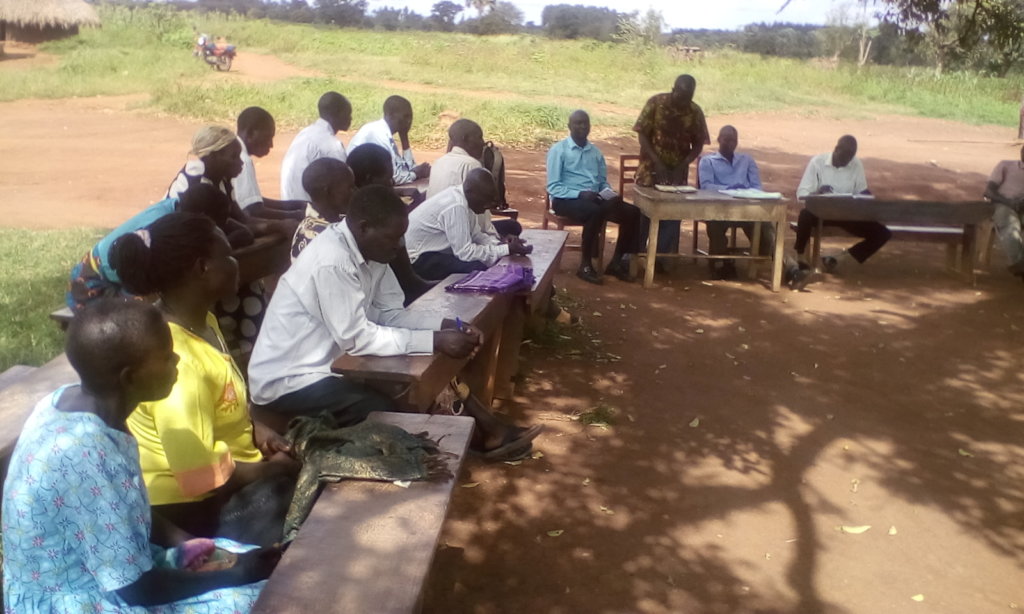
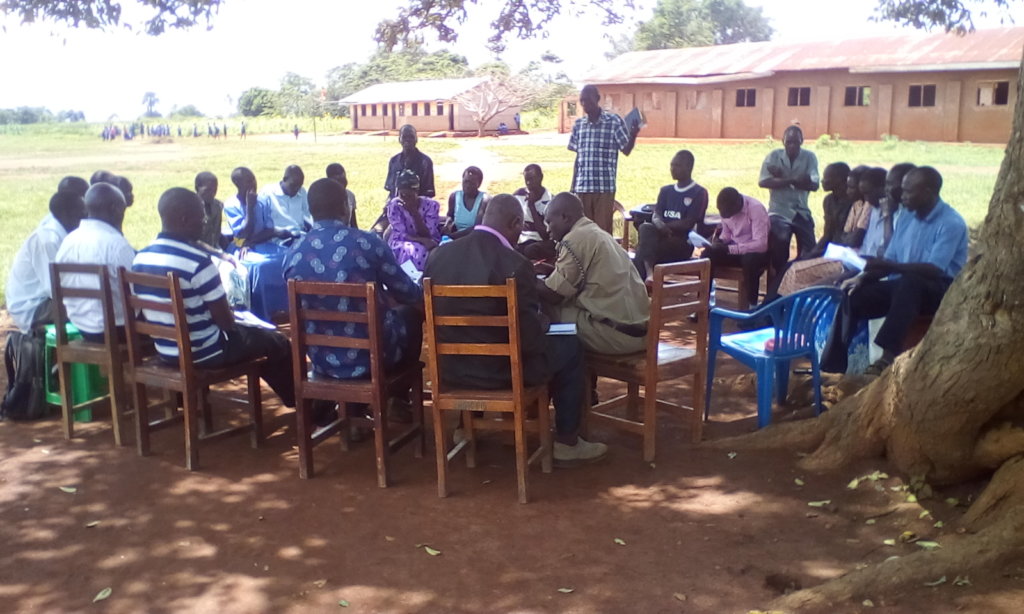
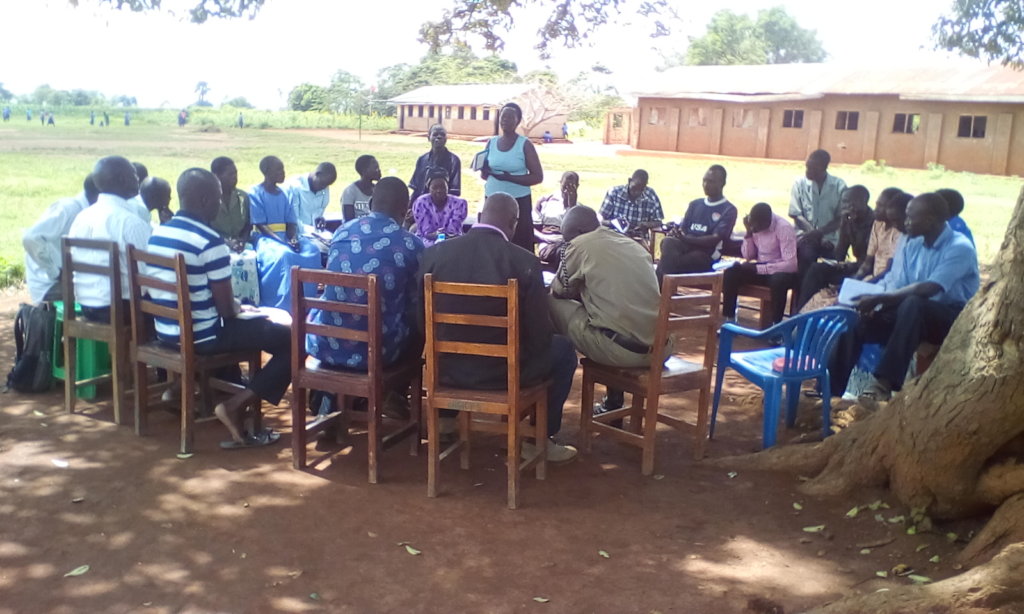
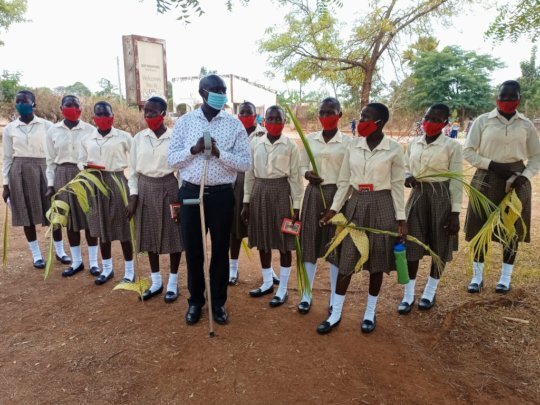
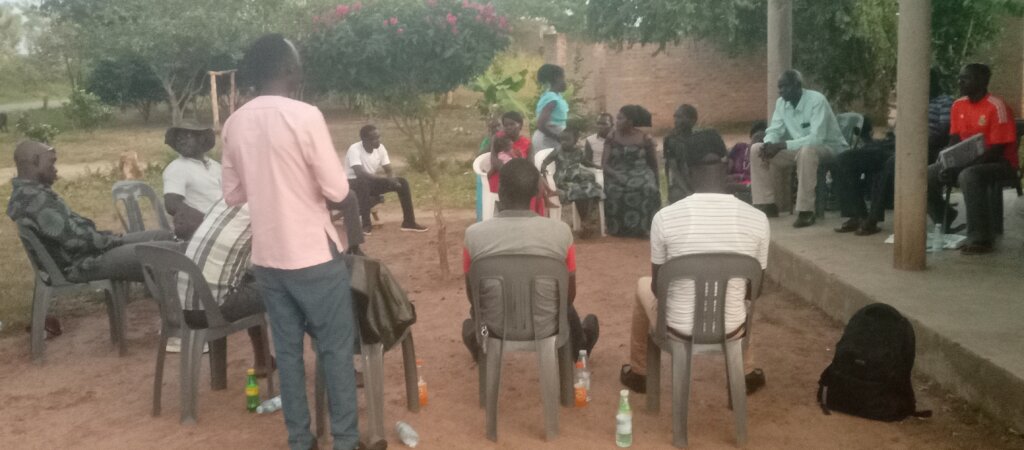
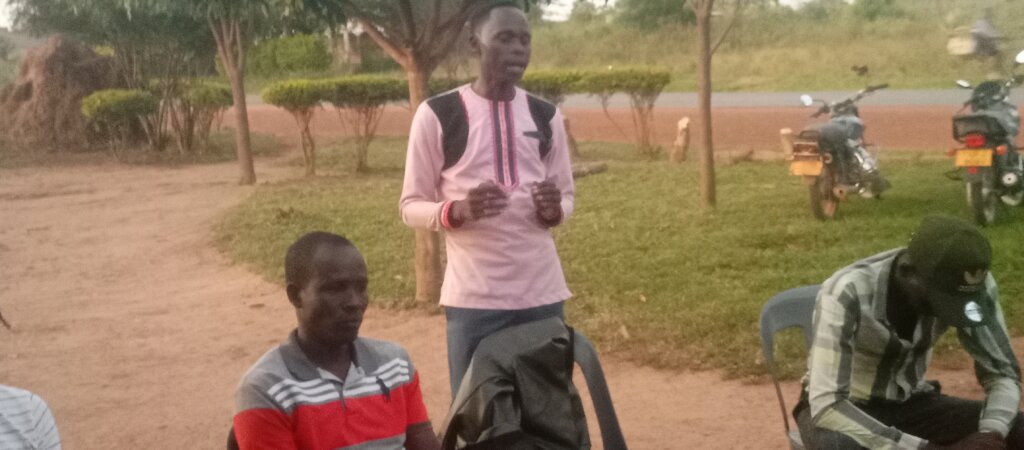
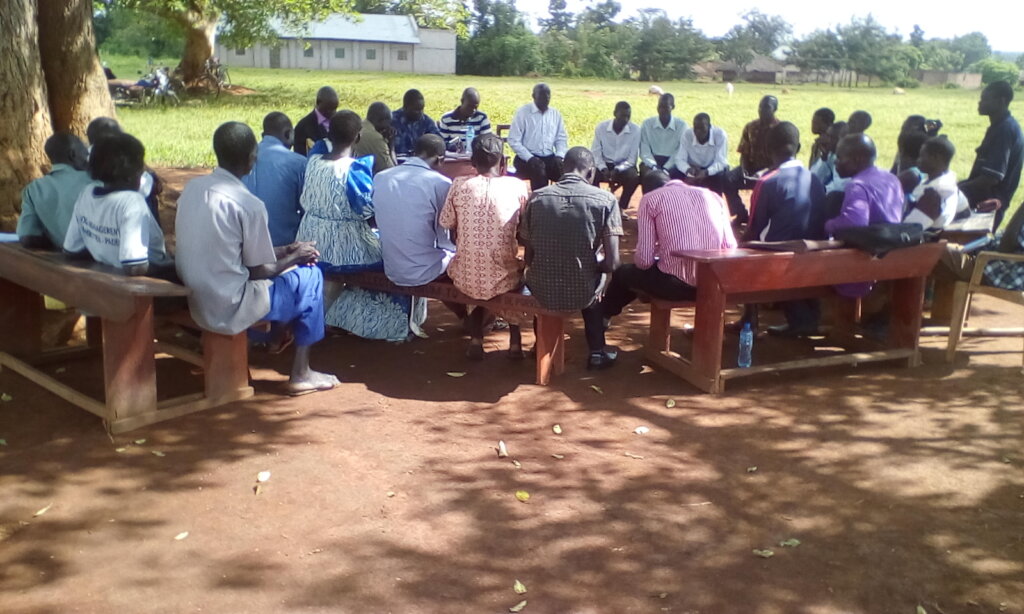
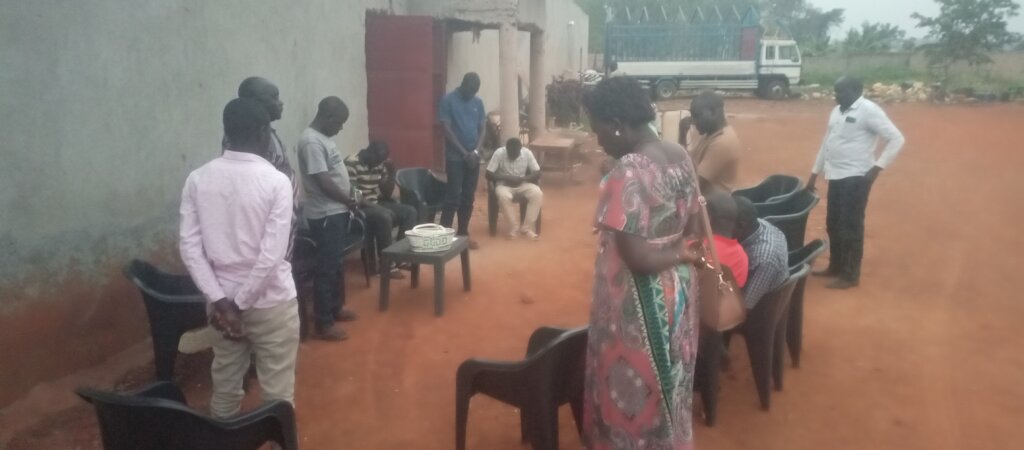
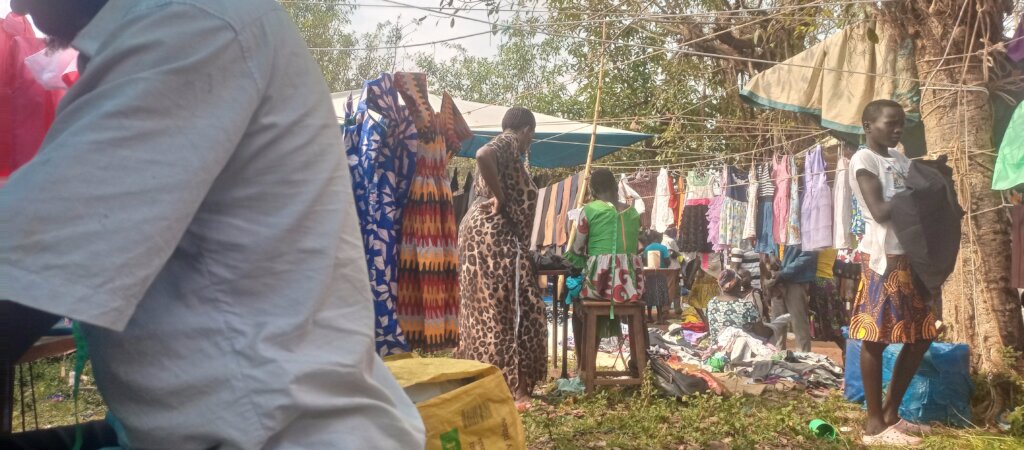
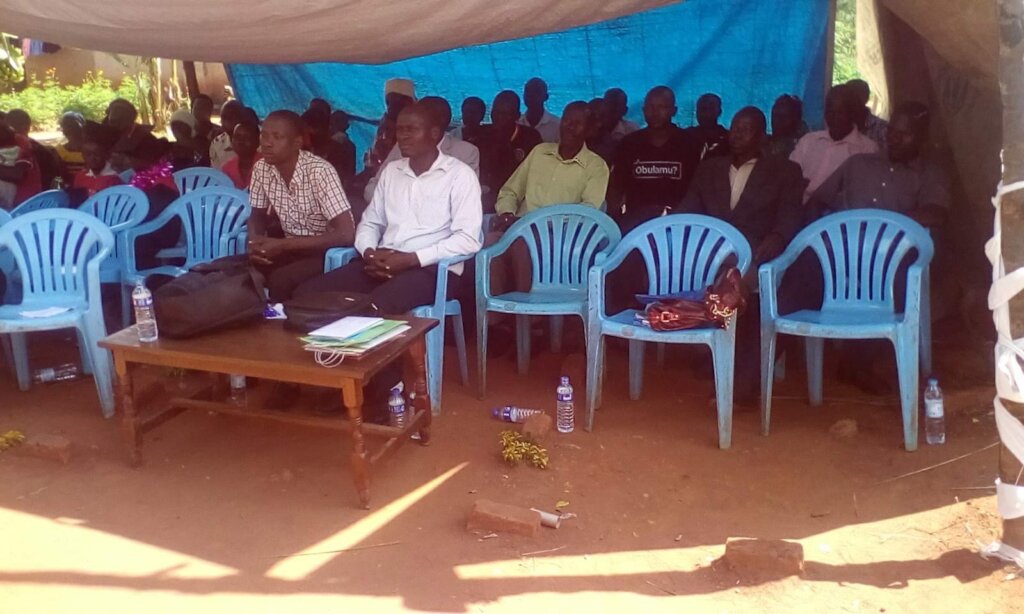
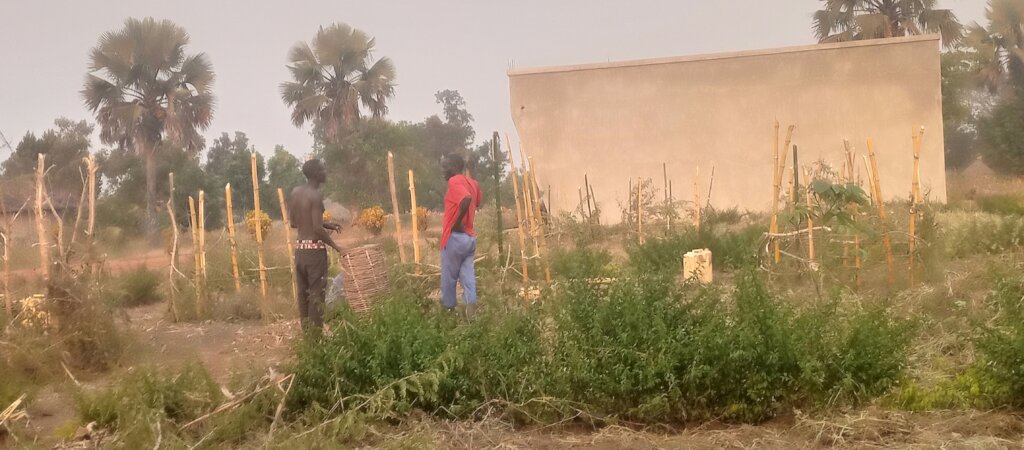
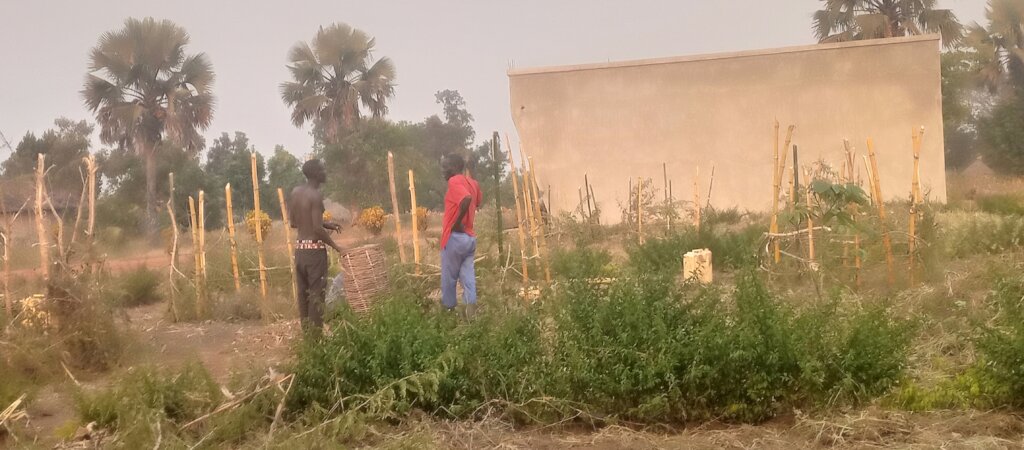
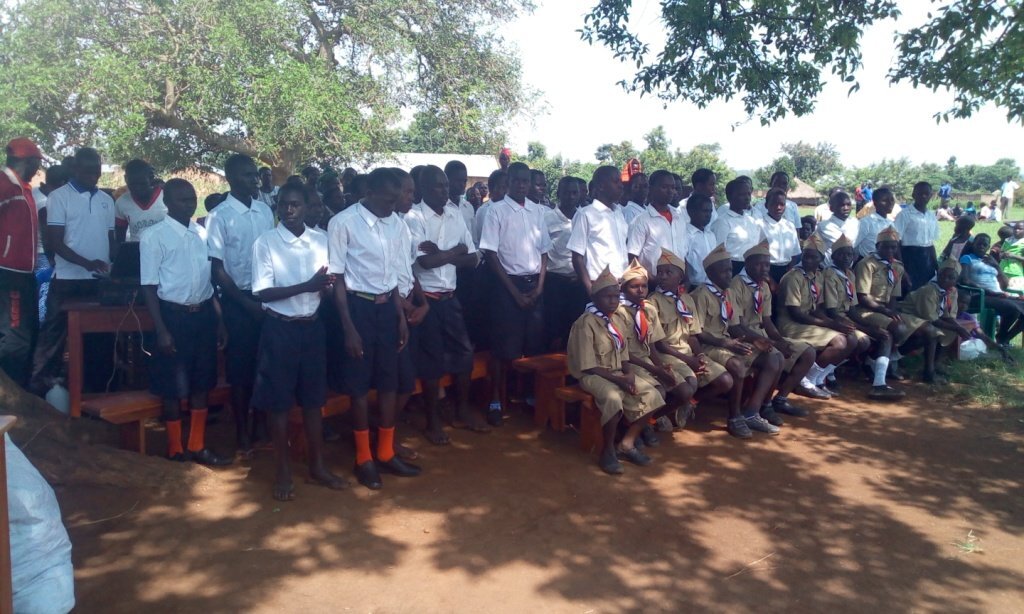
![Community engagement for a better data]()
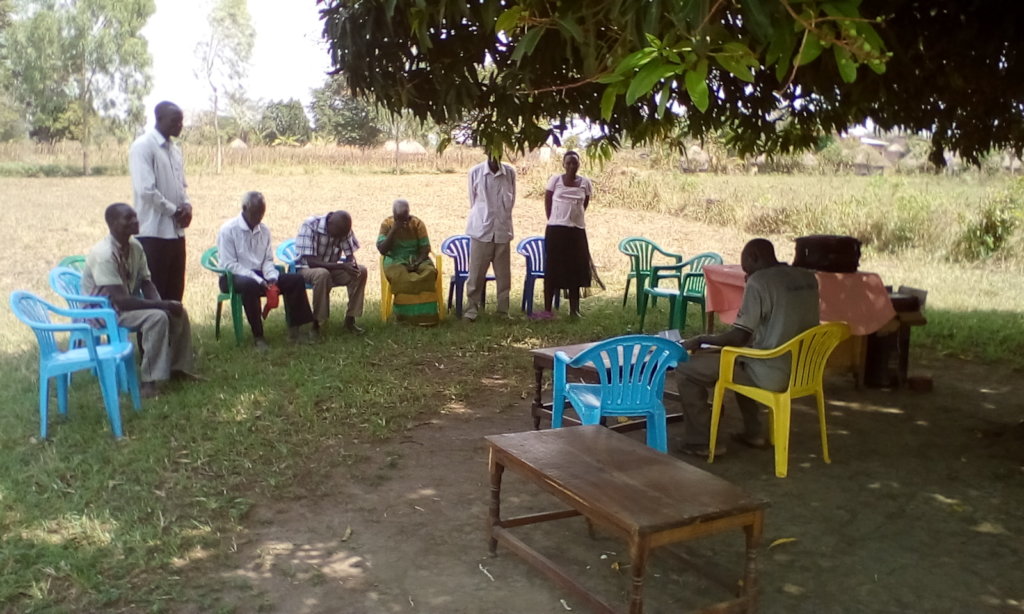
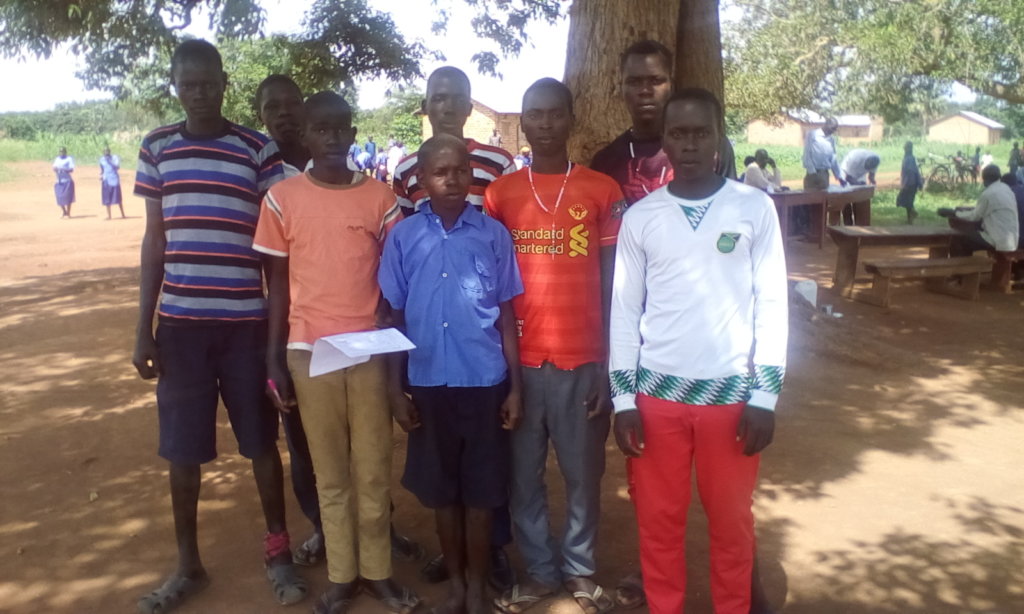
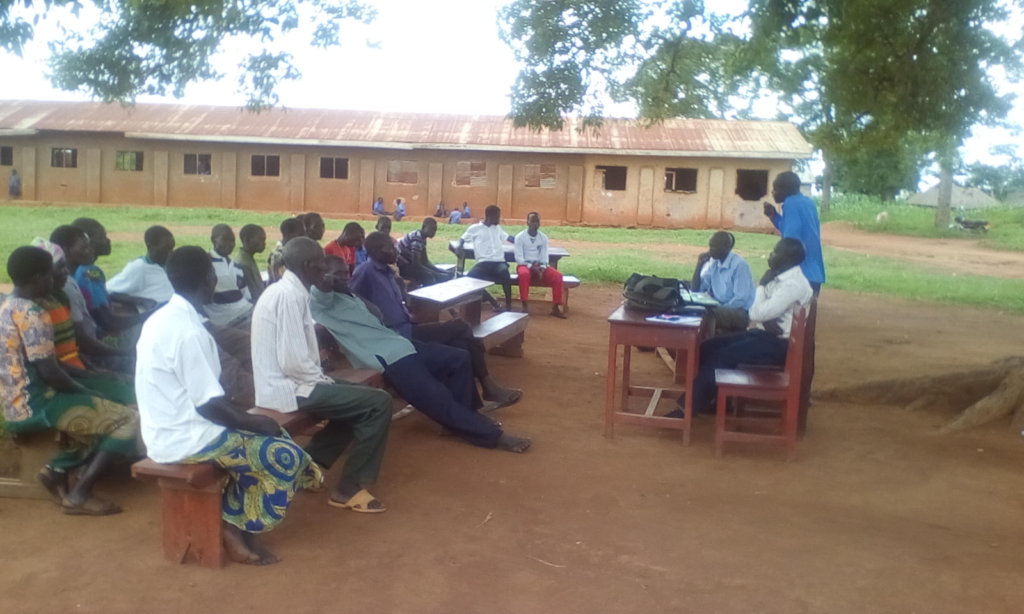
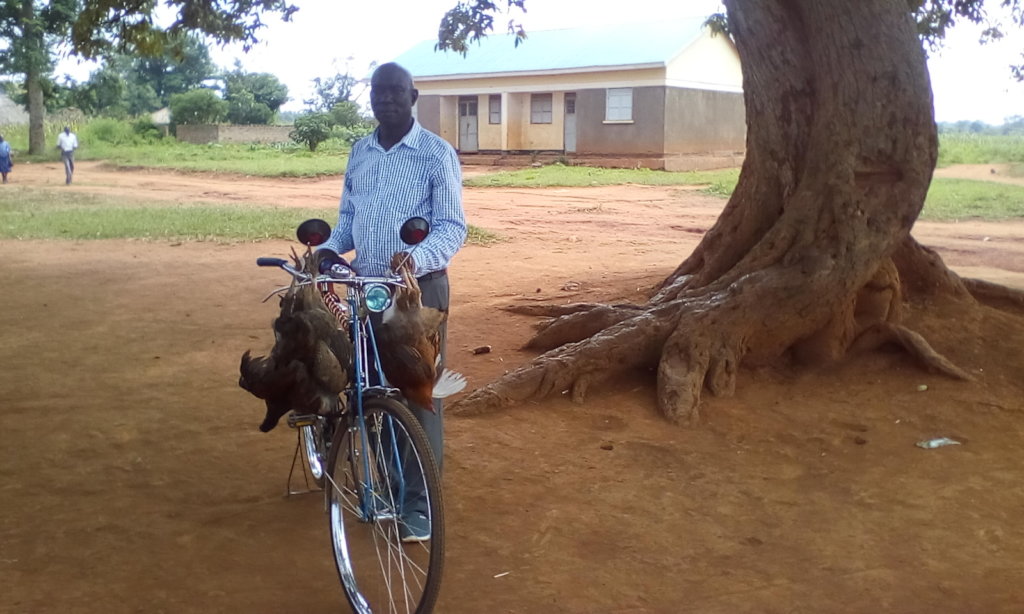
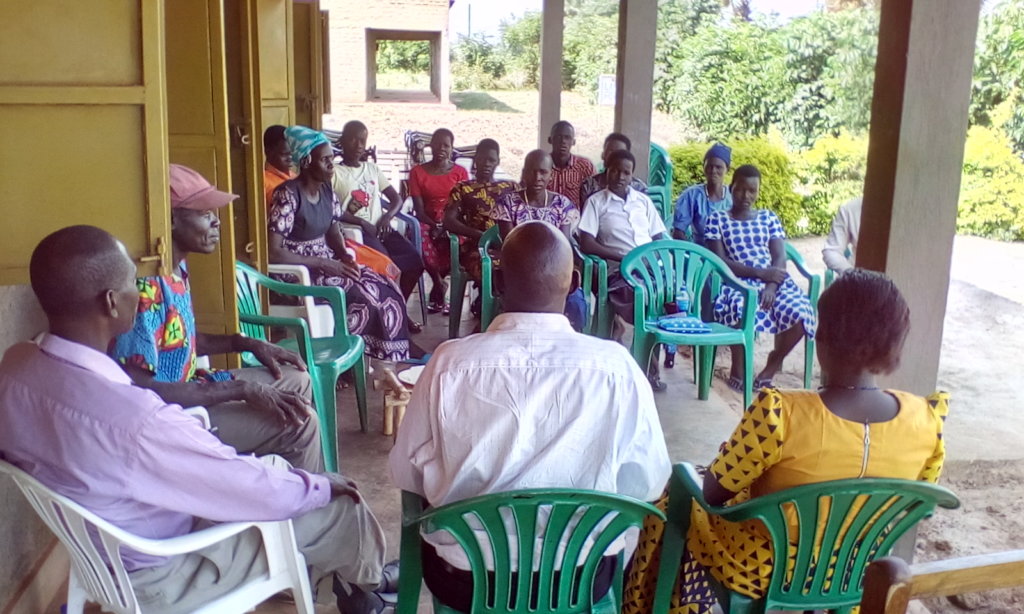
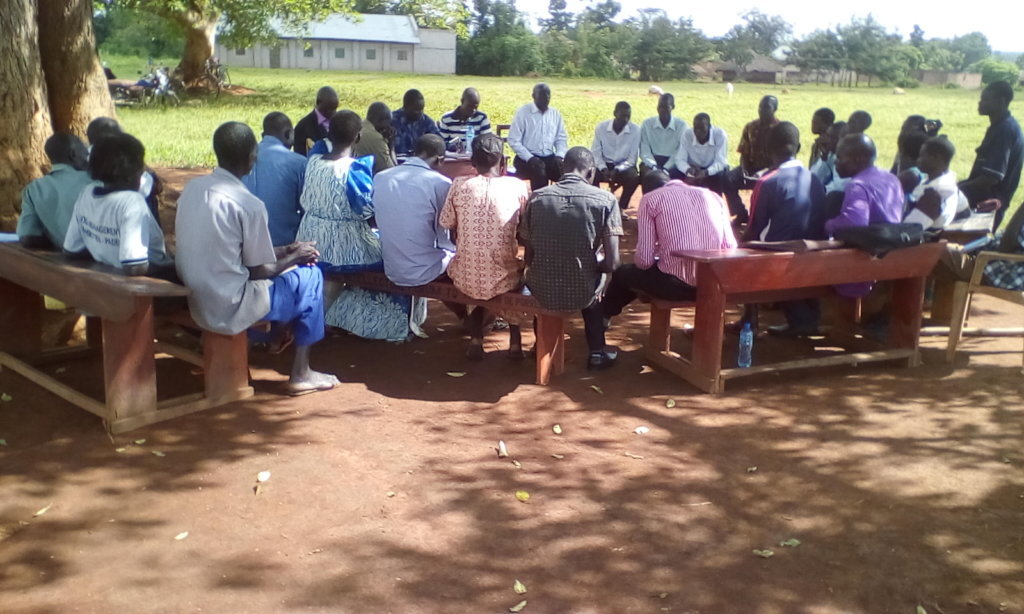
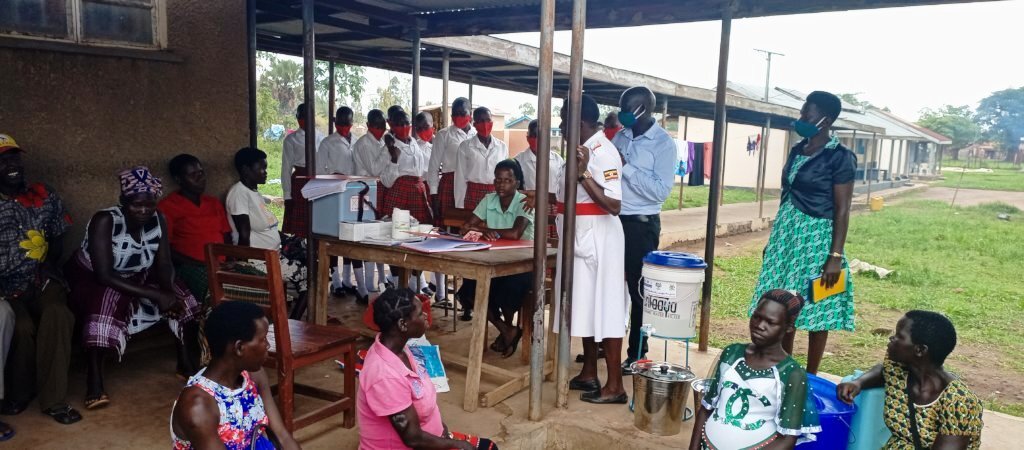
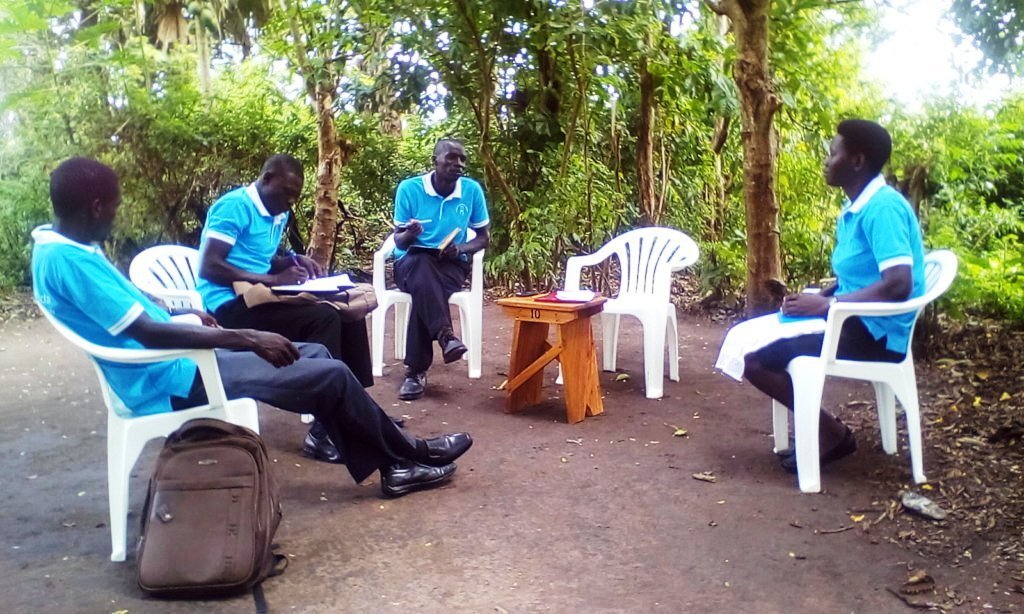
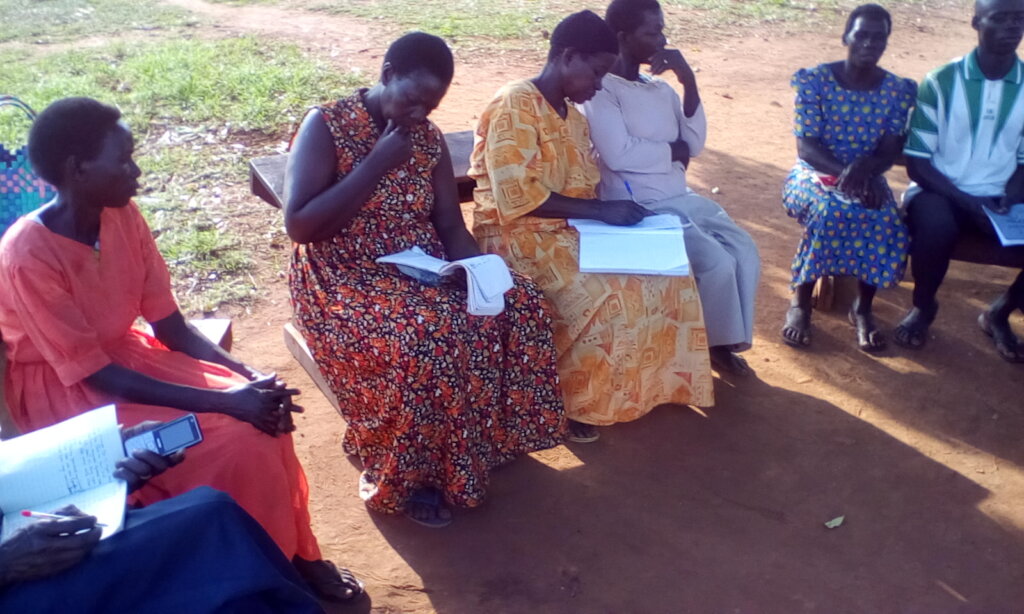
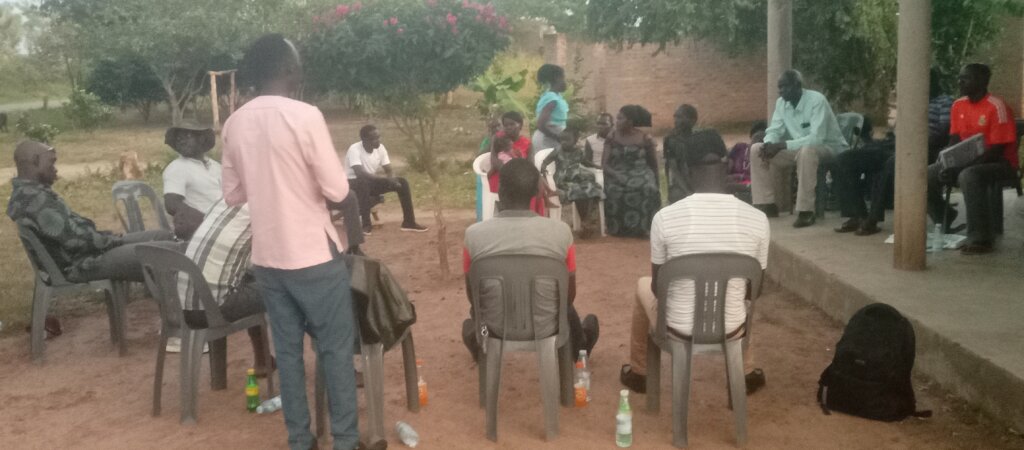
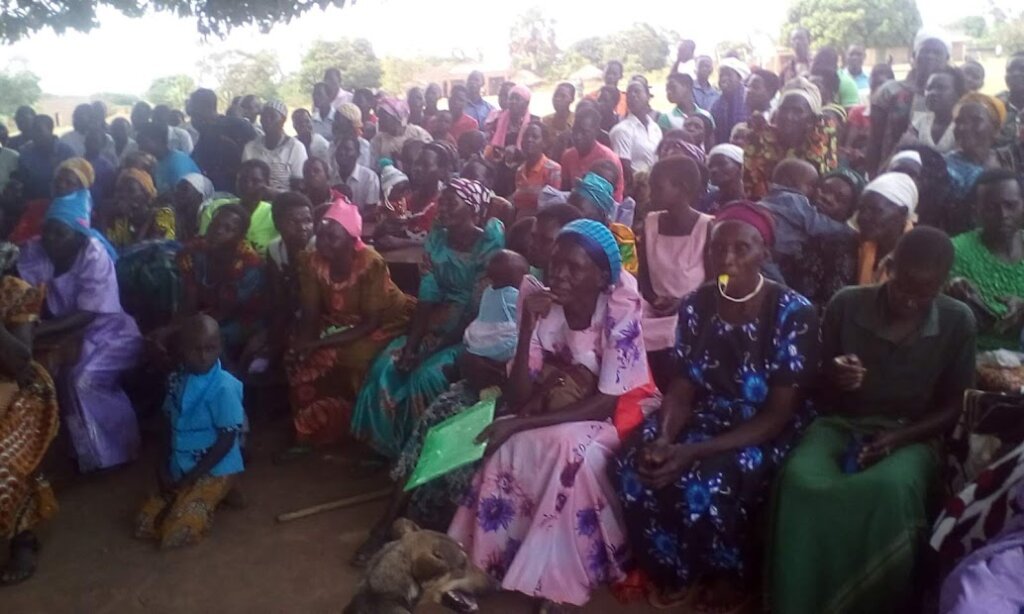
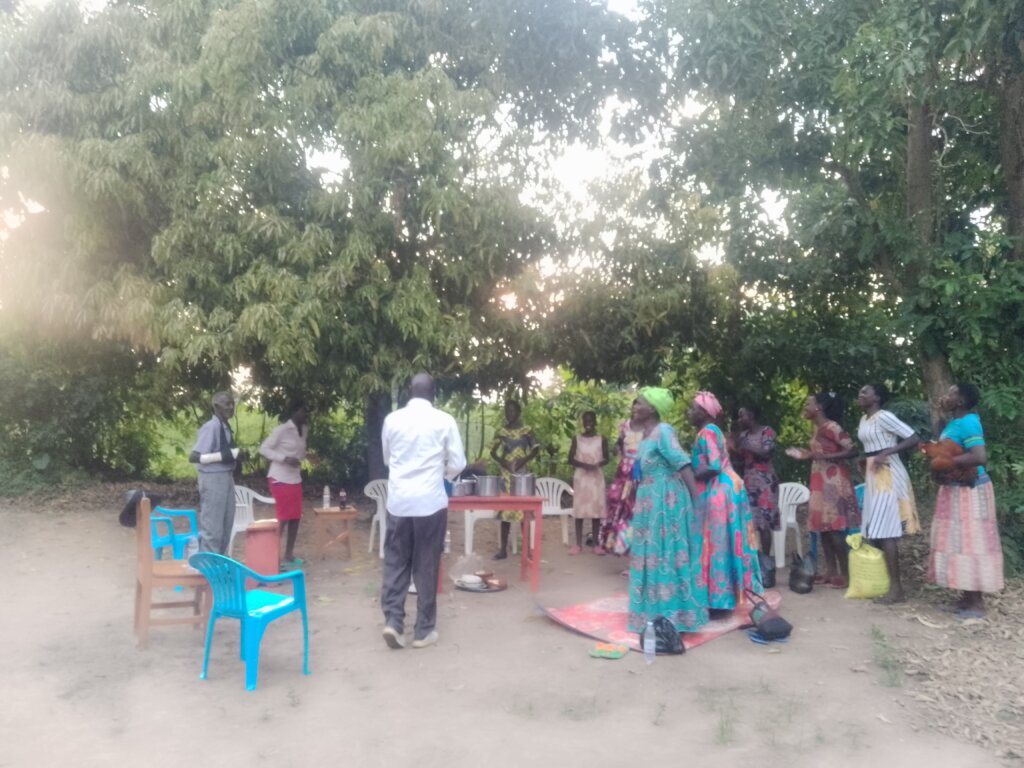
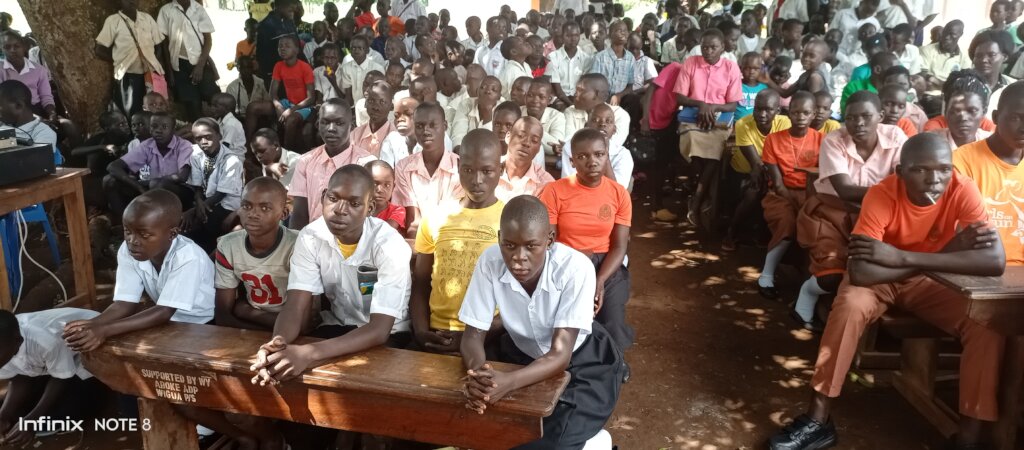
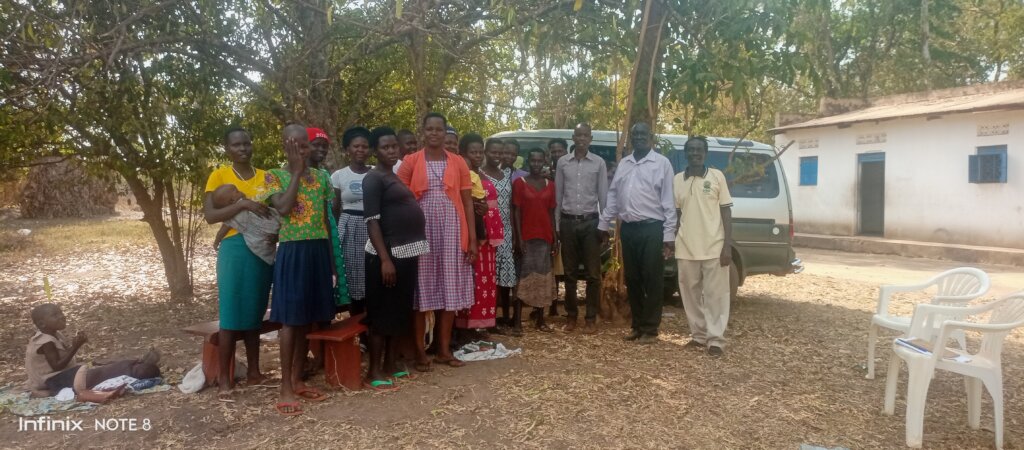
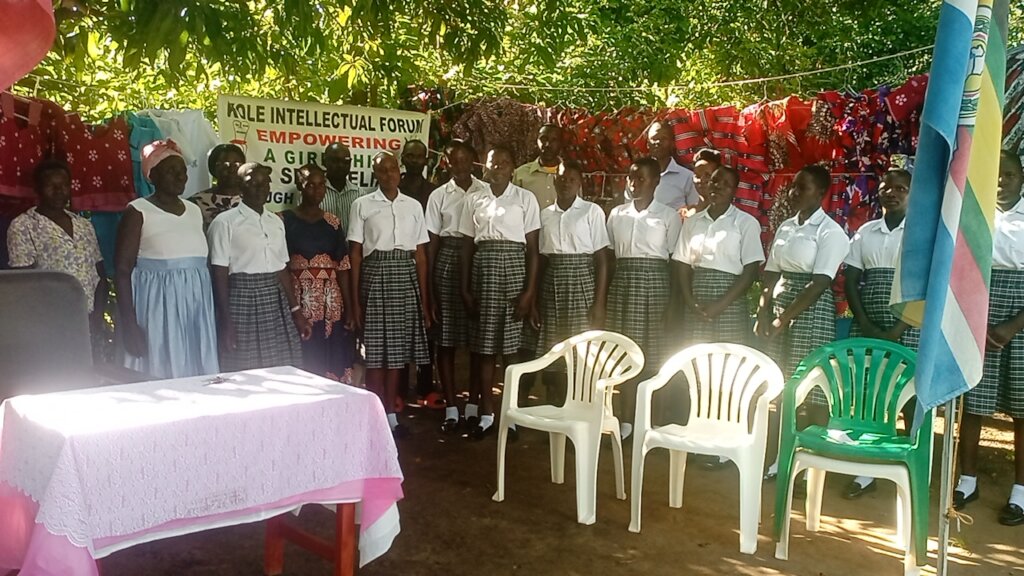
Community engagement for a better data
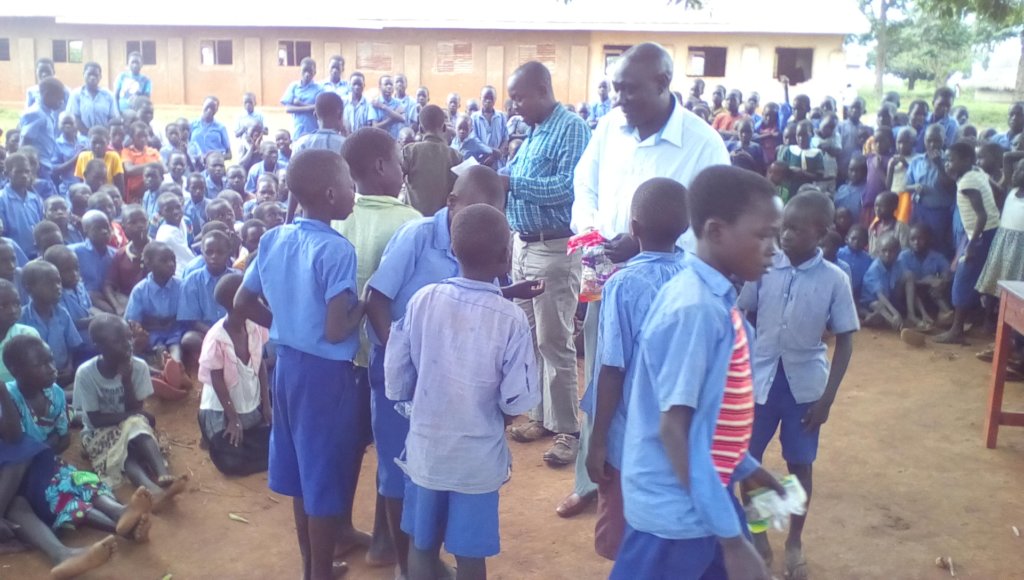
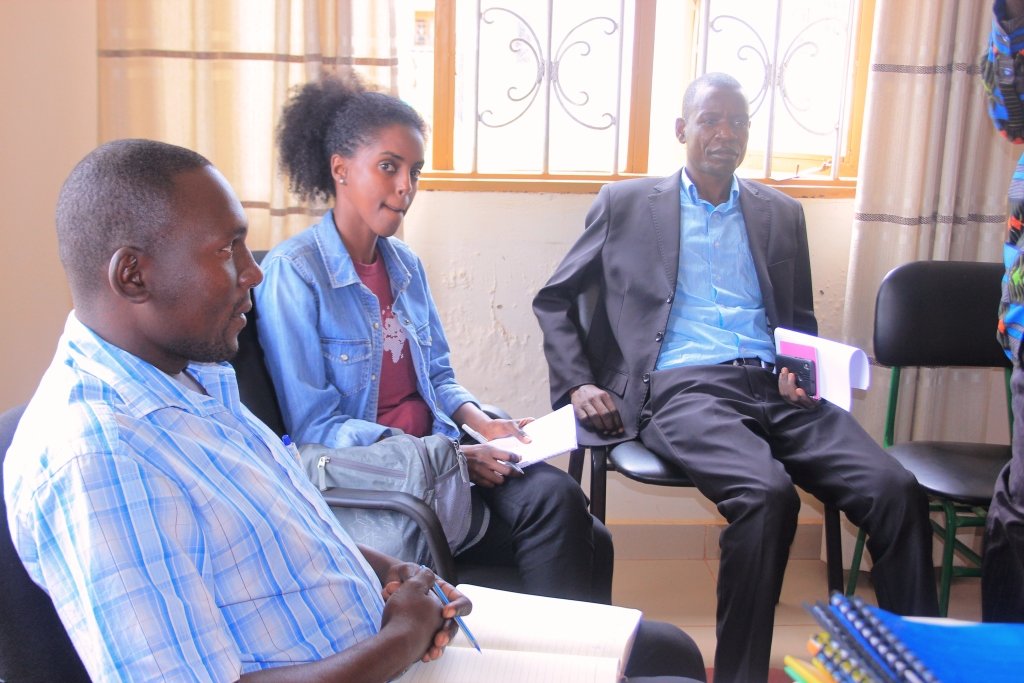
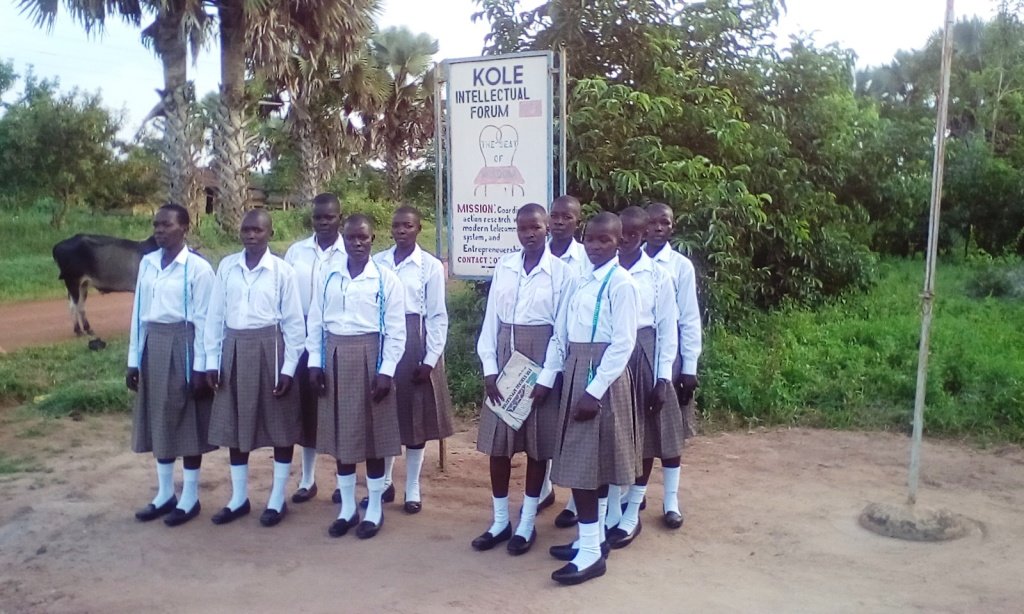
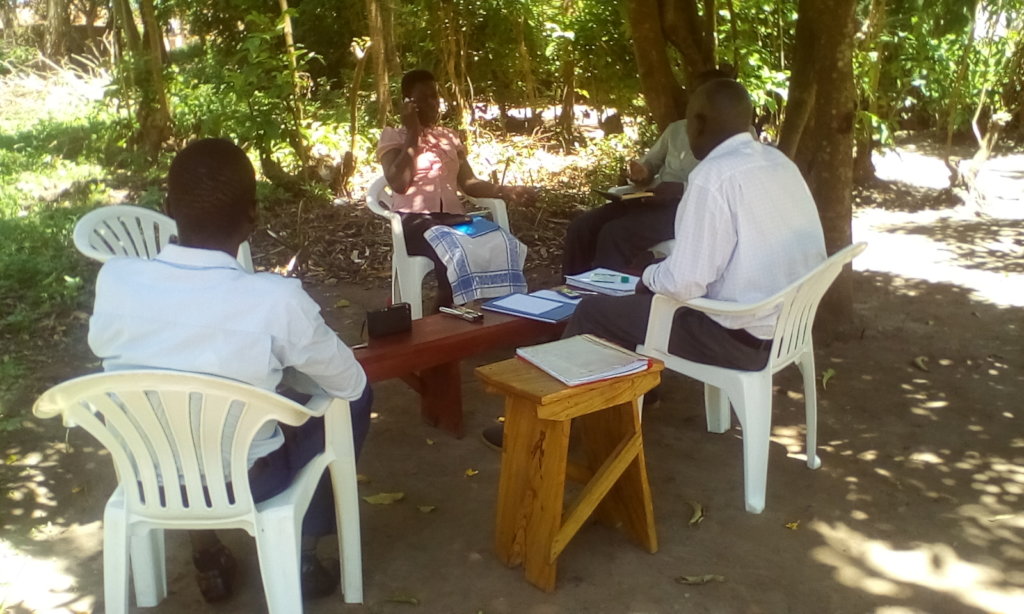
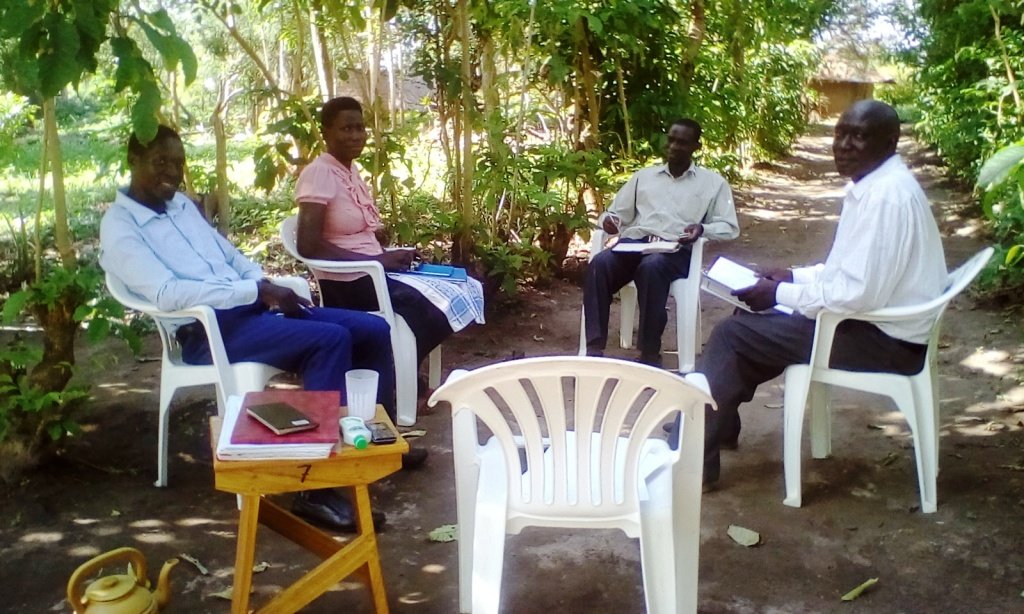
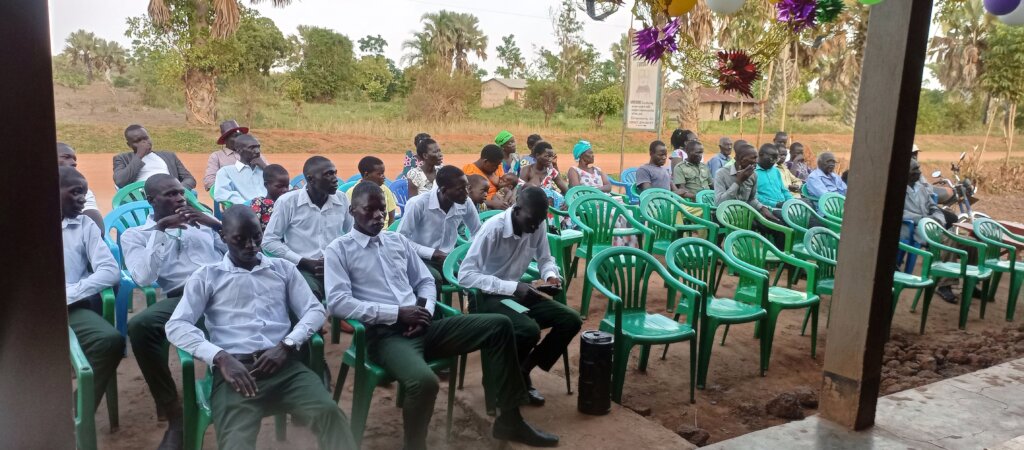
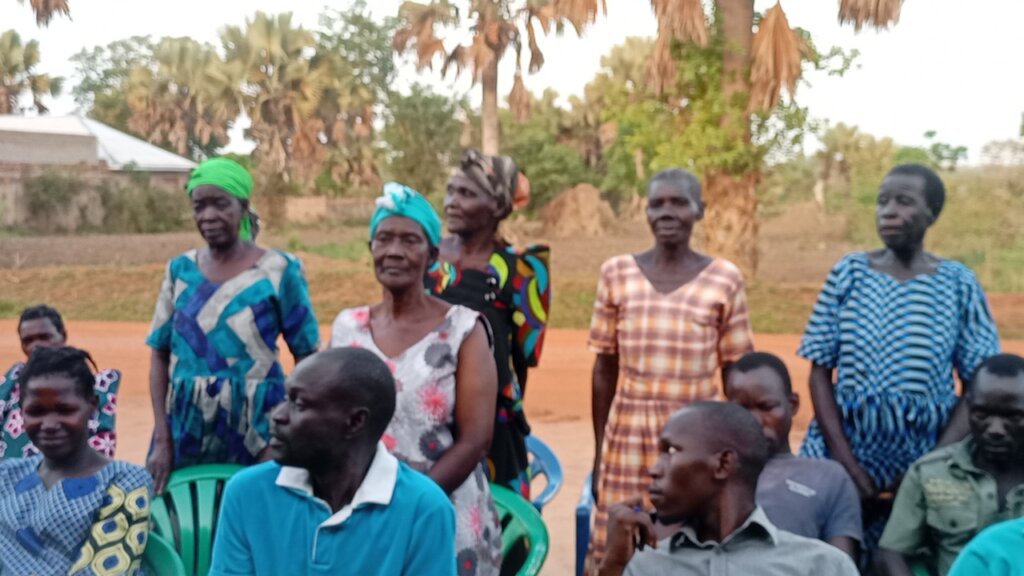
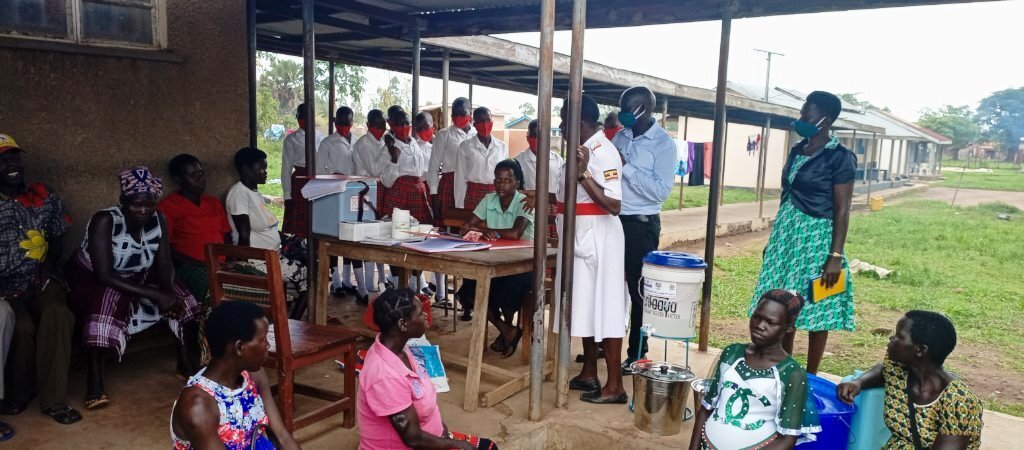
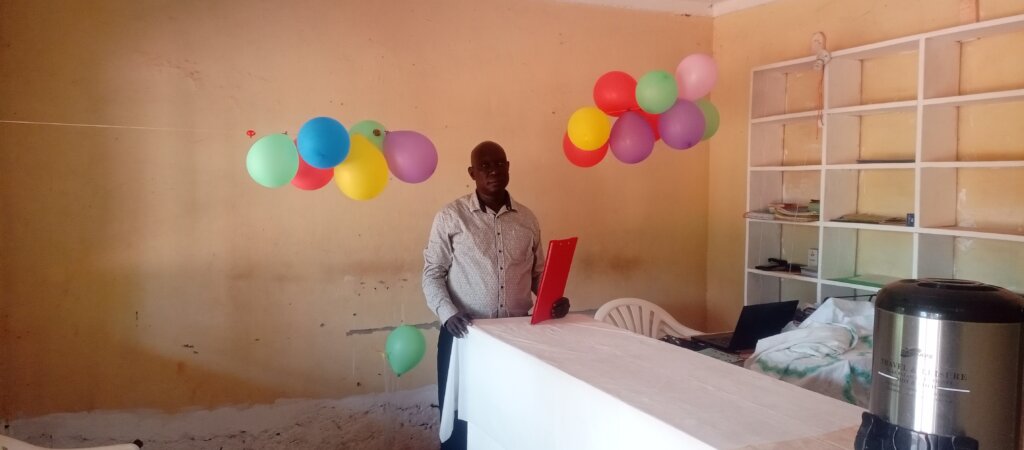
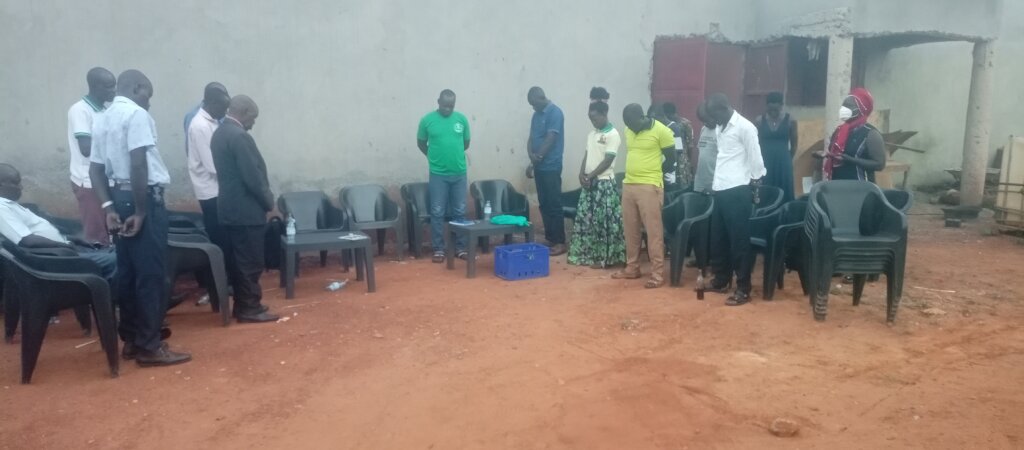
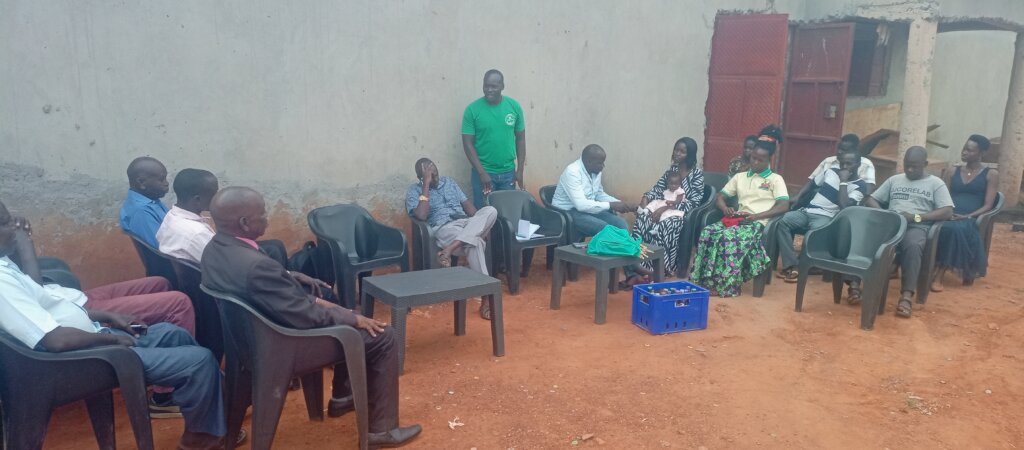
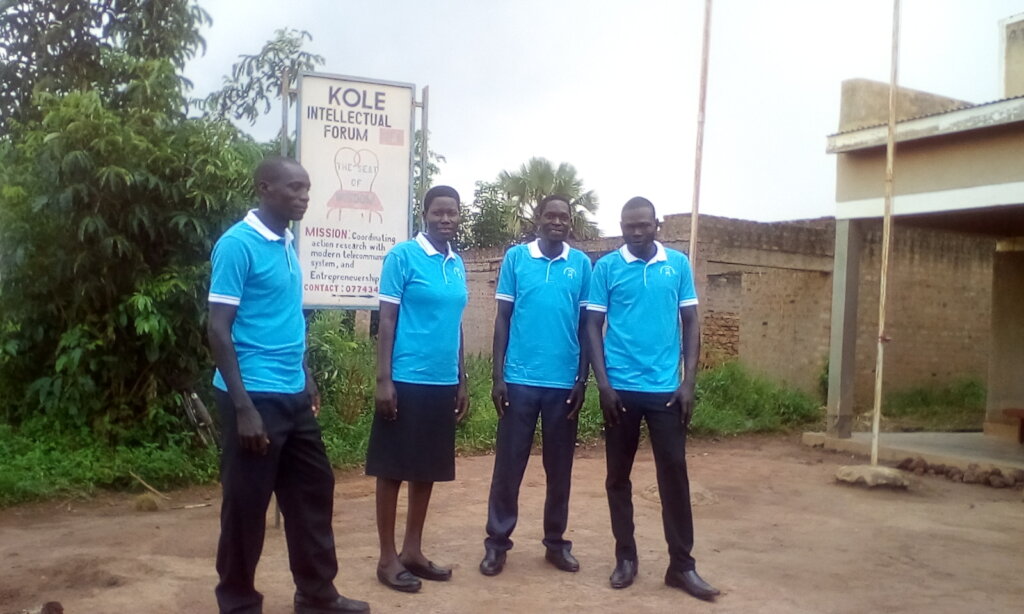
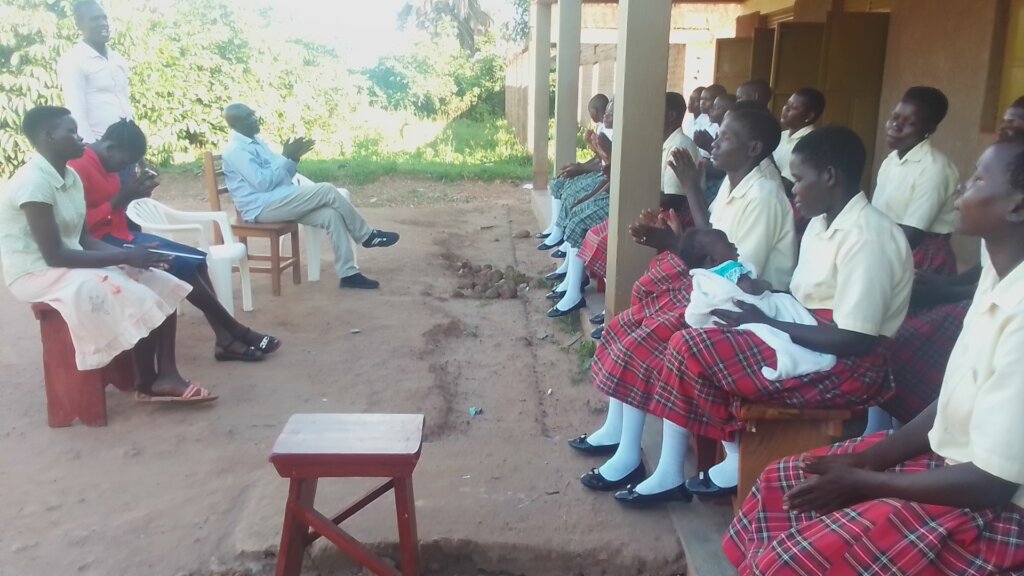
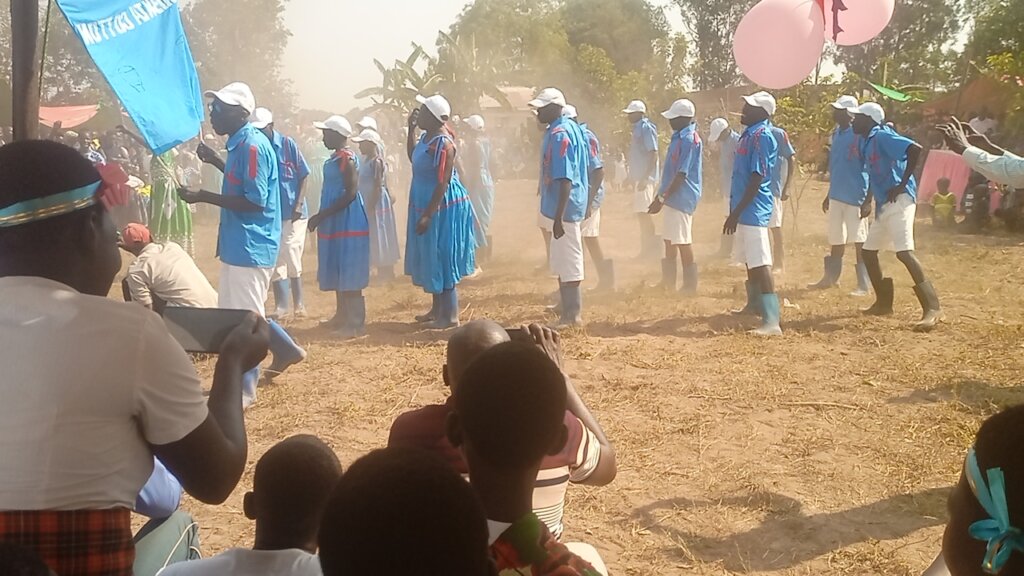
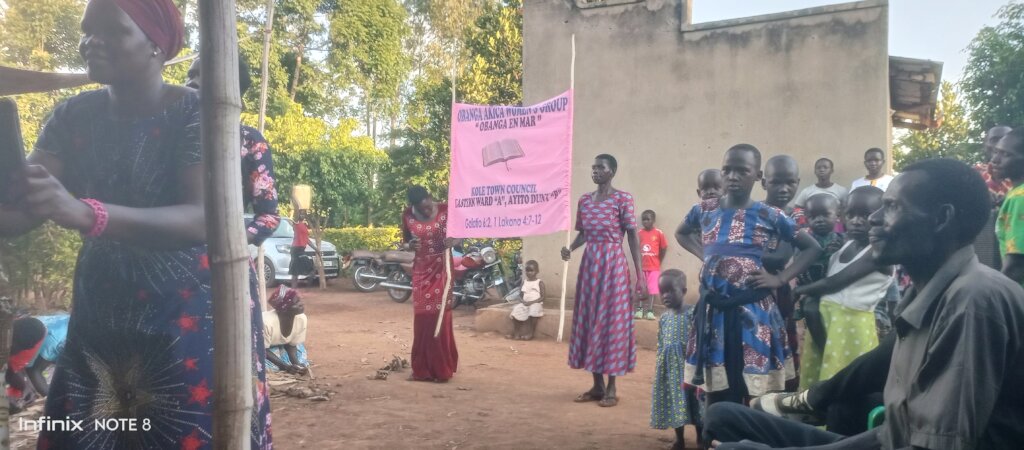
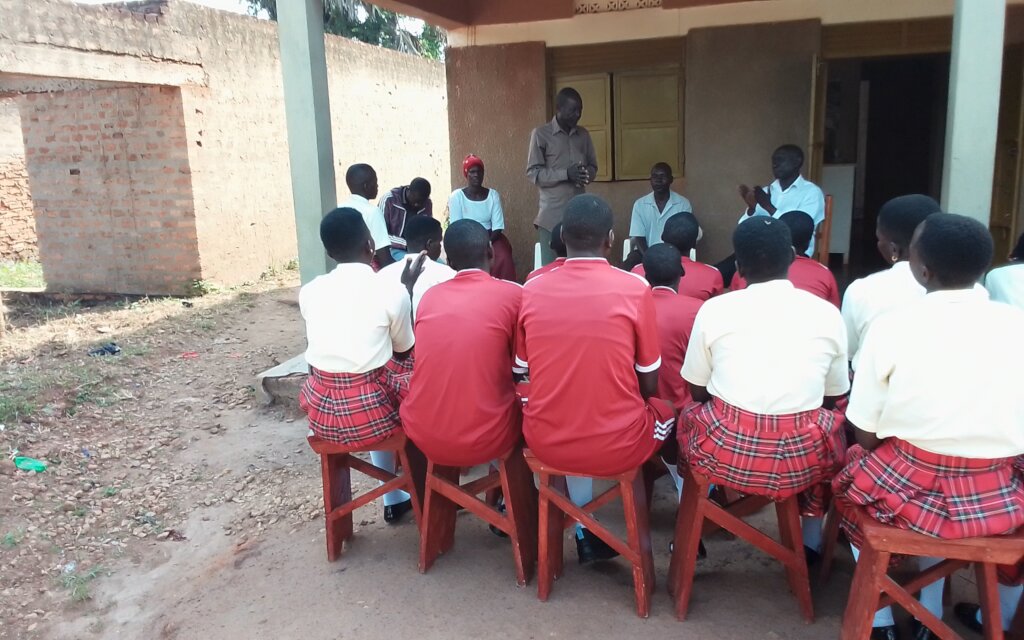
Kole Intellectual Forum has existed for about 10 years now and specifically for 8 years as a result of support from the platform of GlobalGiving.
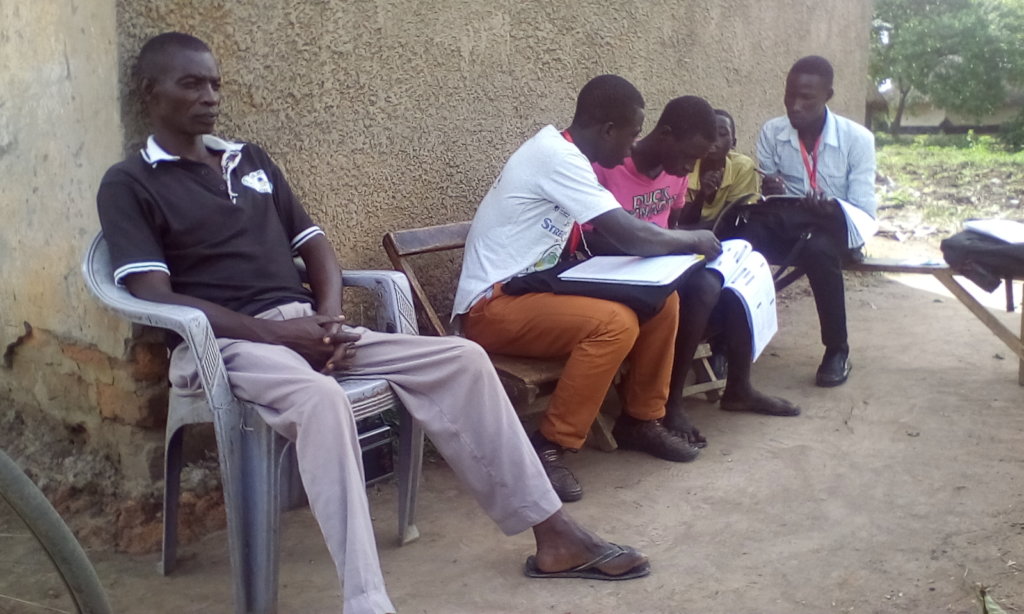
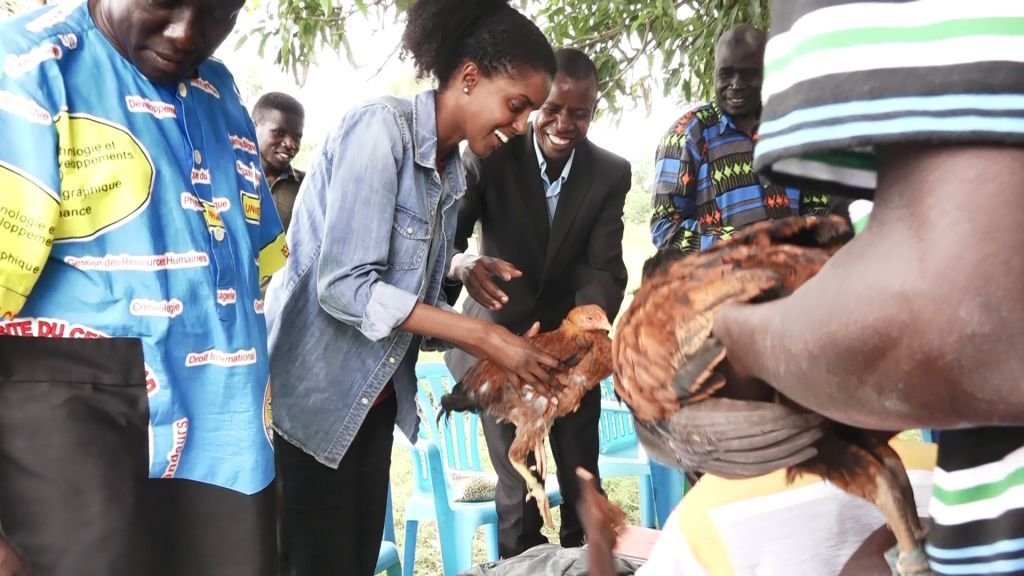
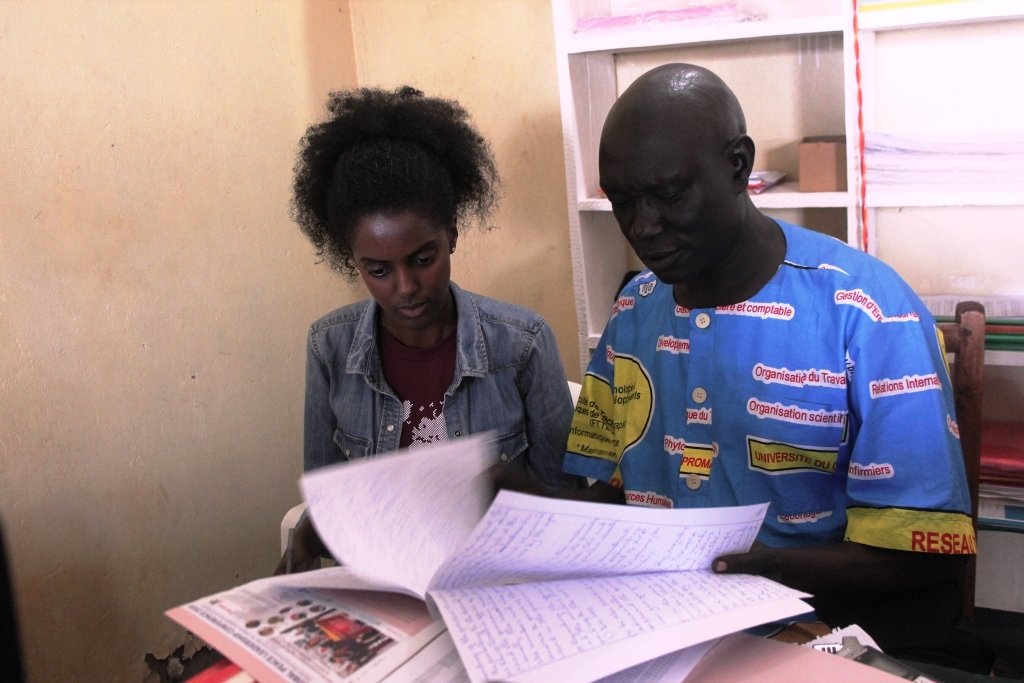
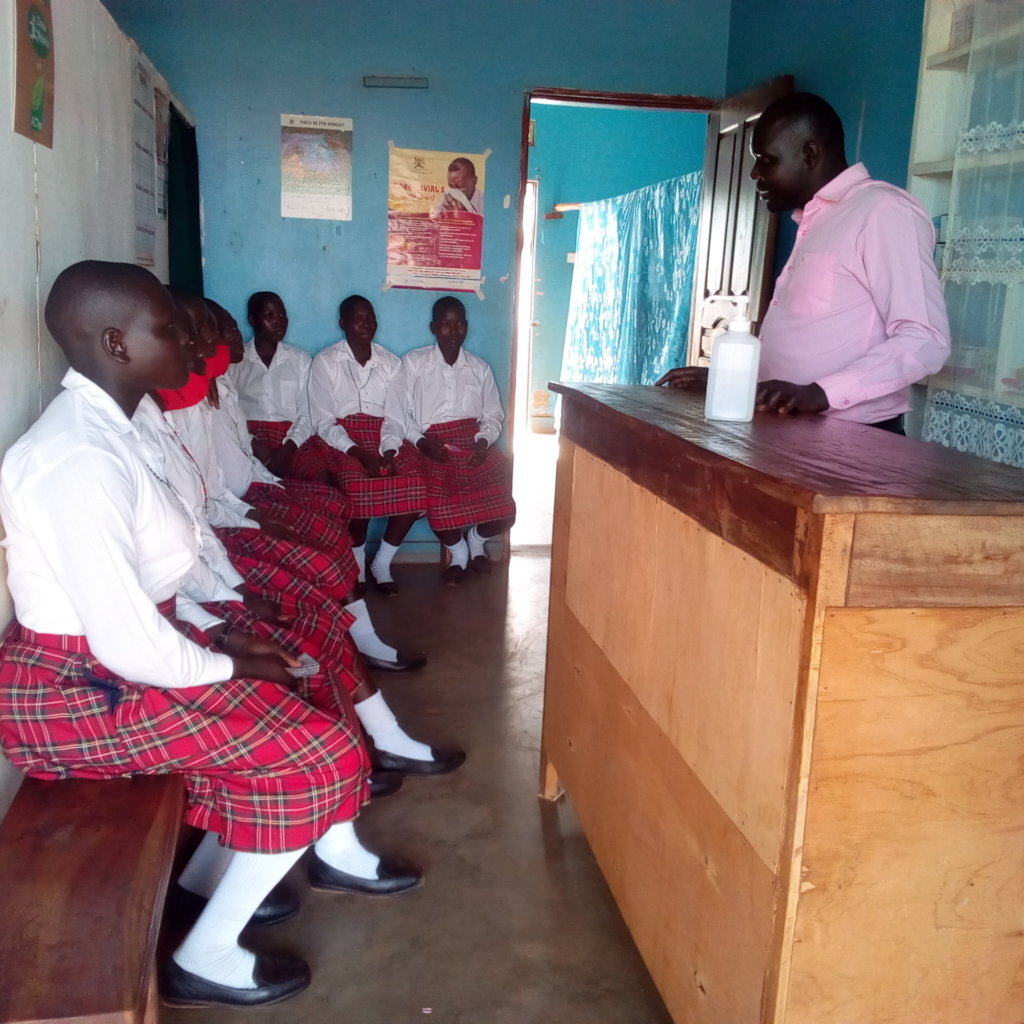
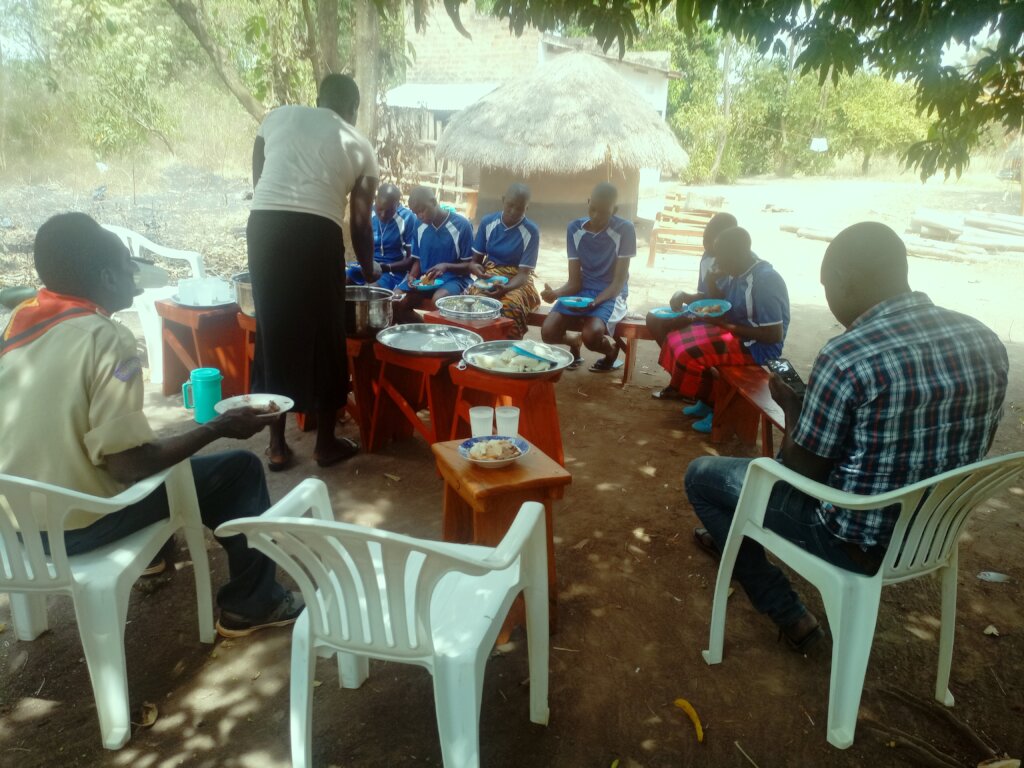
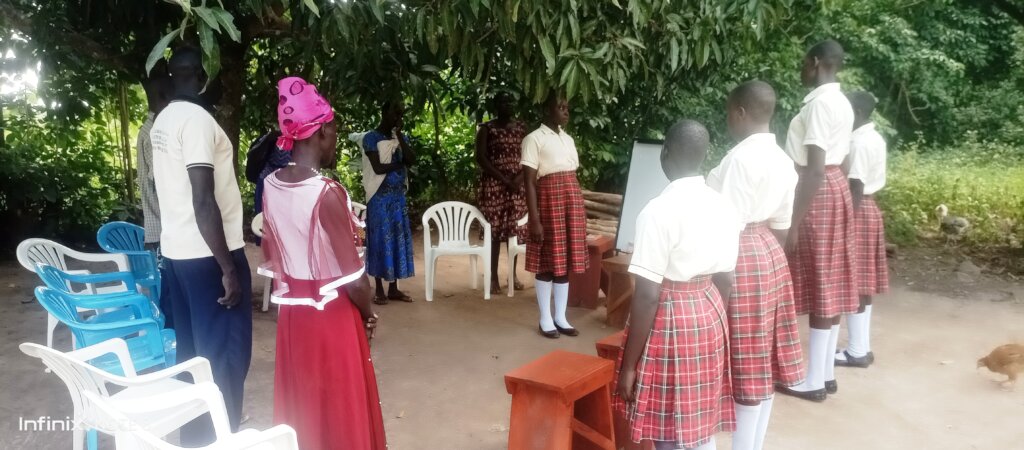
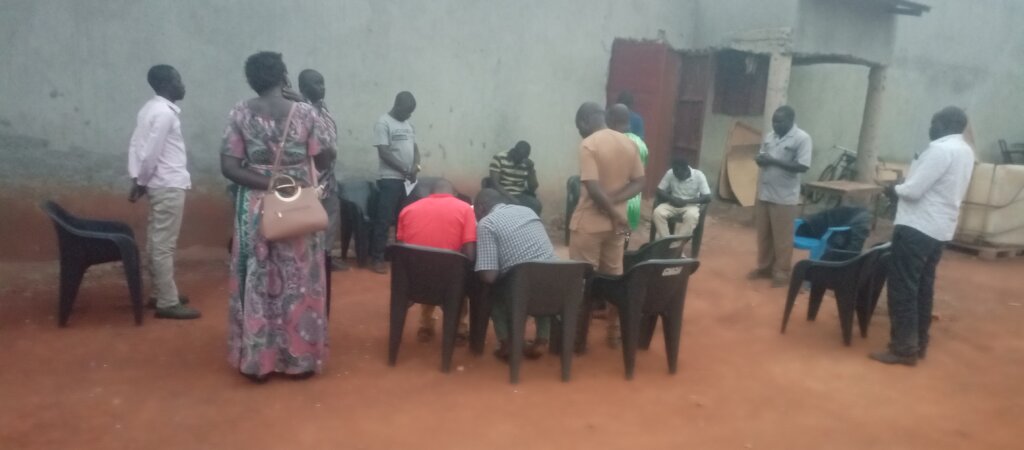
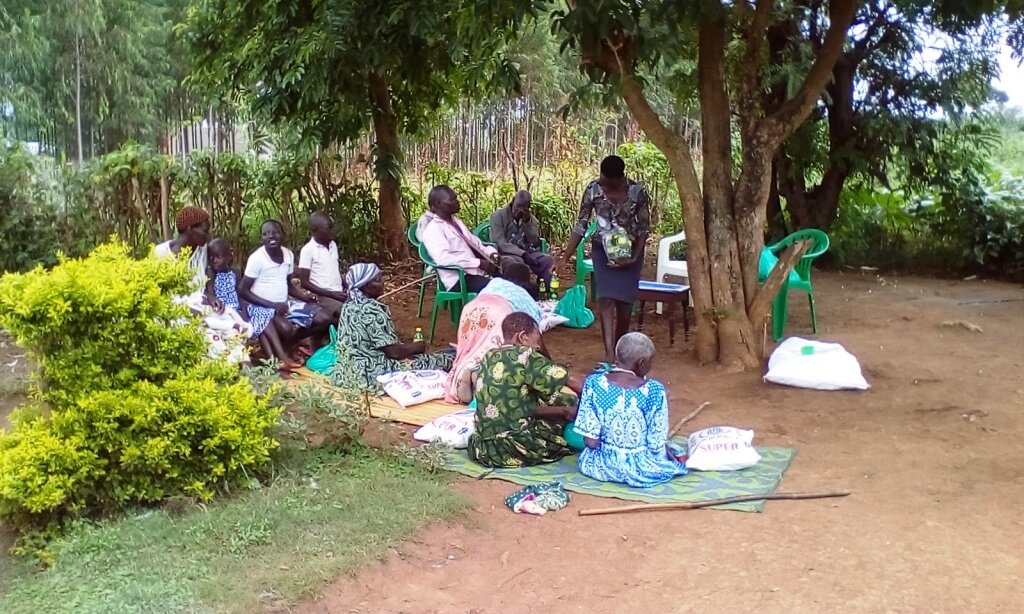
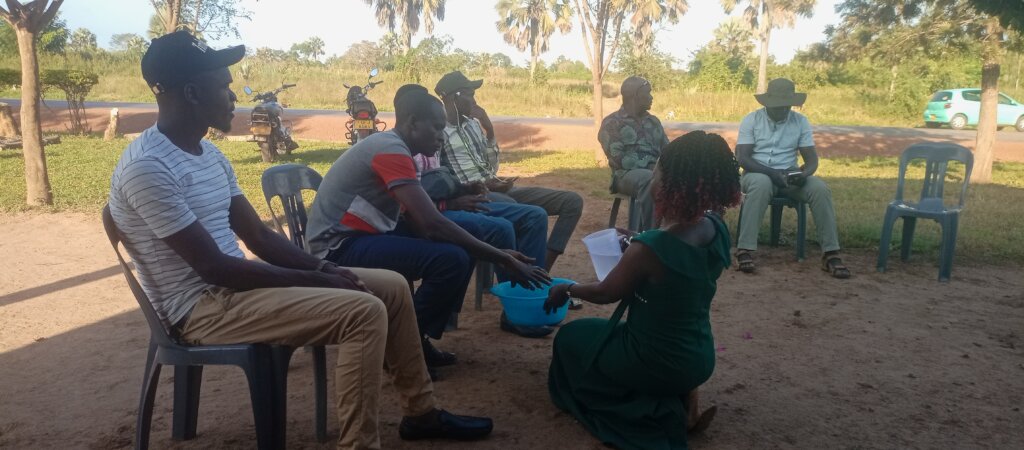
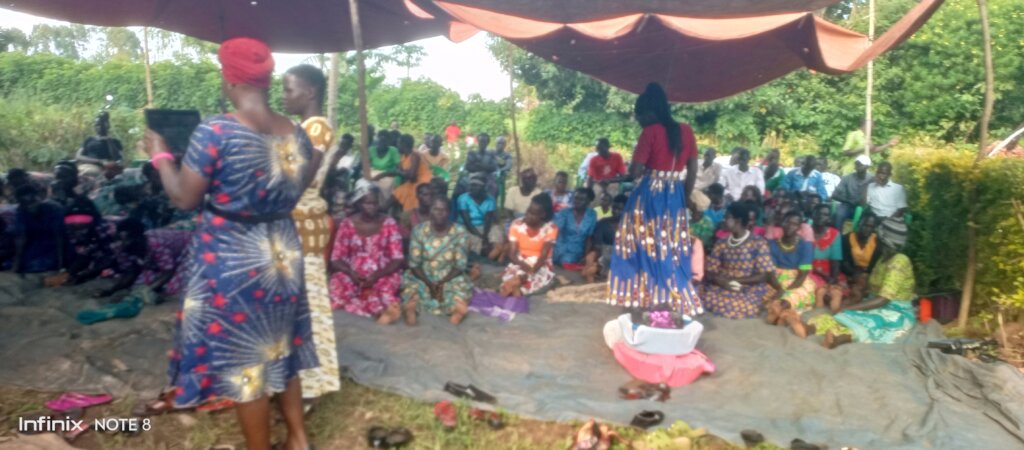
Community Ownership is the core tool the organization is using, making it to be the nonprofit organization that has lasted for all these years; simply, because its team or its promoters have got committed to ensure that, on several occasions, they deeper their understanding and knowledge by getting data from the community they serve; and these have made them to:
- Increase investment and commitment: because community members own a project and they contribute their time, resources, and energy to ensure the organizational success and long-term viability
- work towards sustainability of the organization: by creating a sense of shared responsibility, which has led to more responsible resource management and a commitment to the project's continued success, with the hope of to continue running the organization after external support.
- Enhance accountability: by involving community in decision-making, community members are holding each other accountable for project outcomes, fostering a culture of trust and collaboration.
![Share on Twitter]()
![Share on Facebook]()