Project Report
| Oct 31, 2025
Encouraging roundtable learning: KIFA
By George Obua | Project Leader

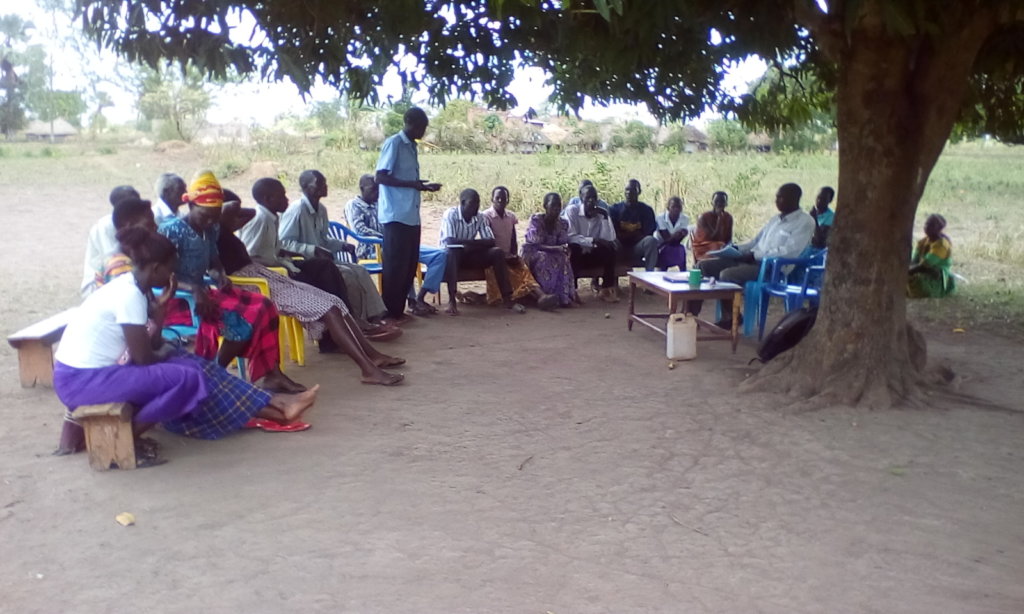
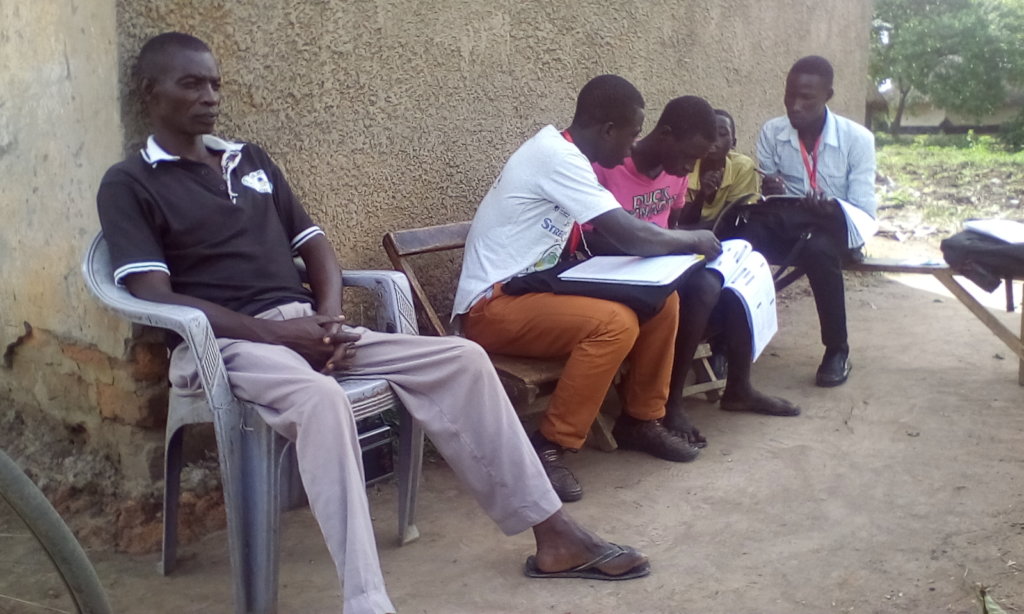
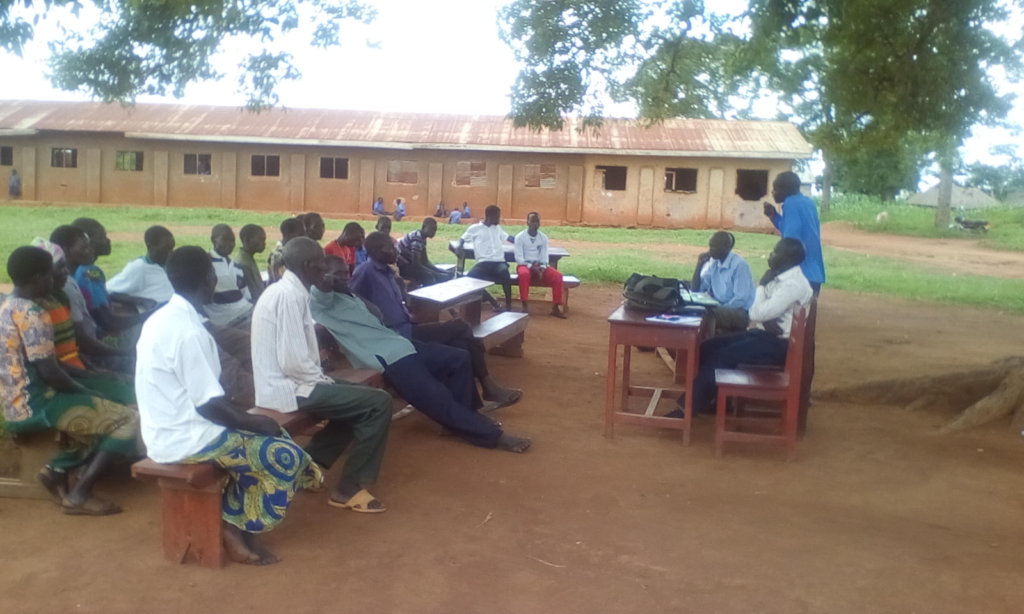
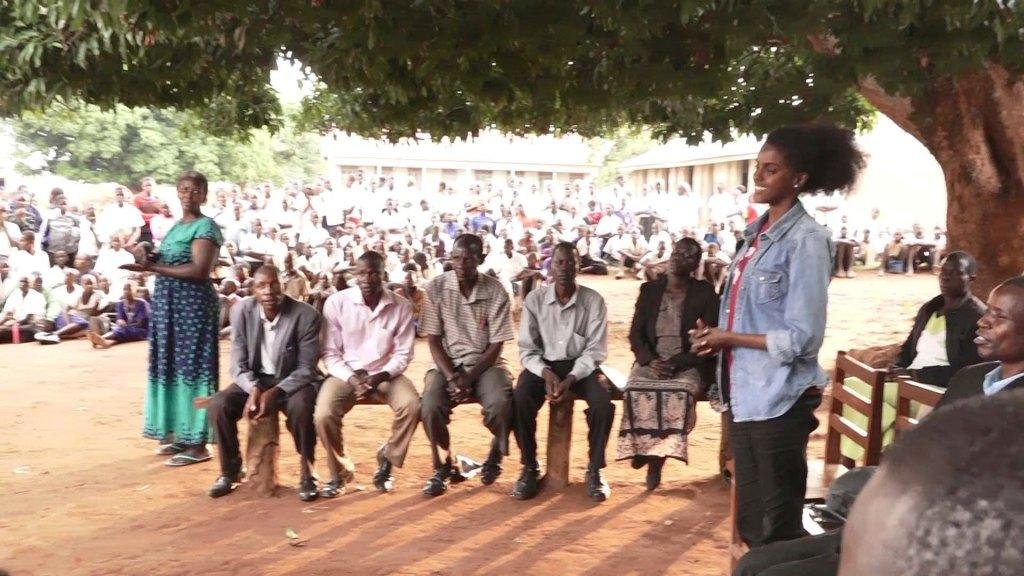
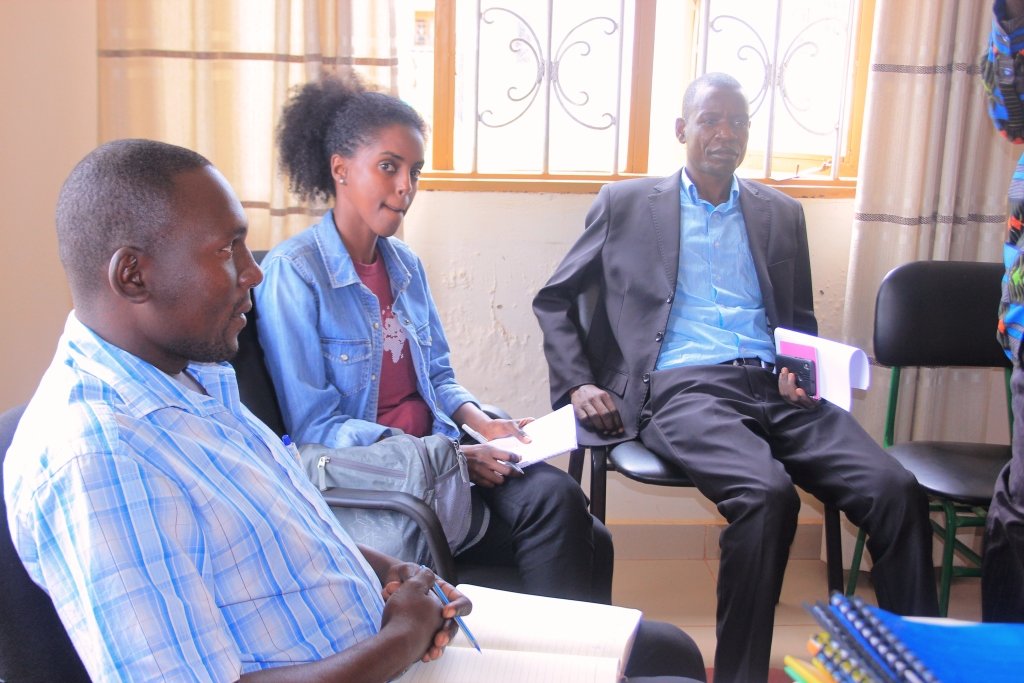
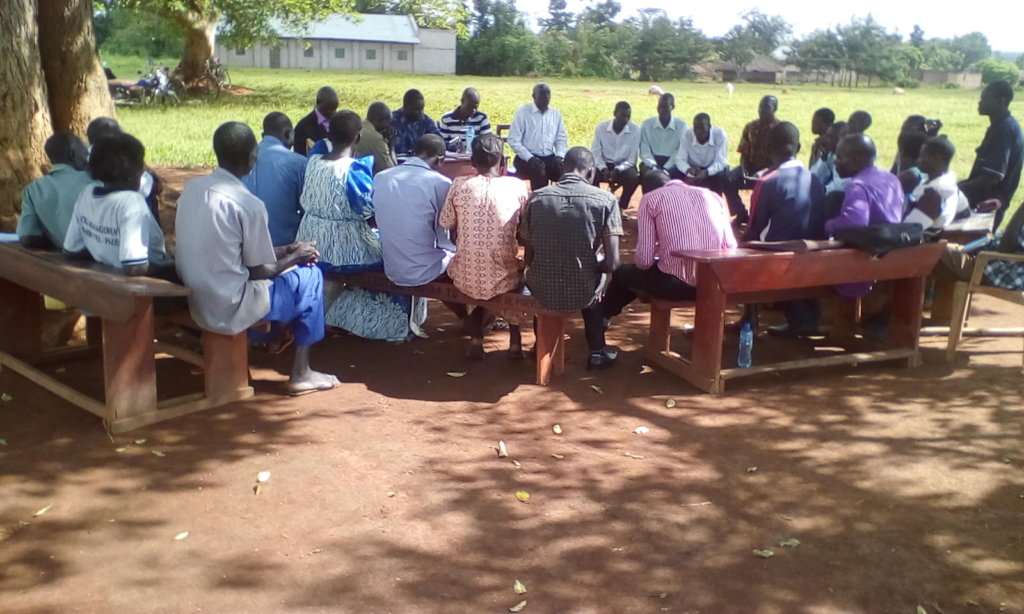
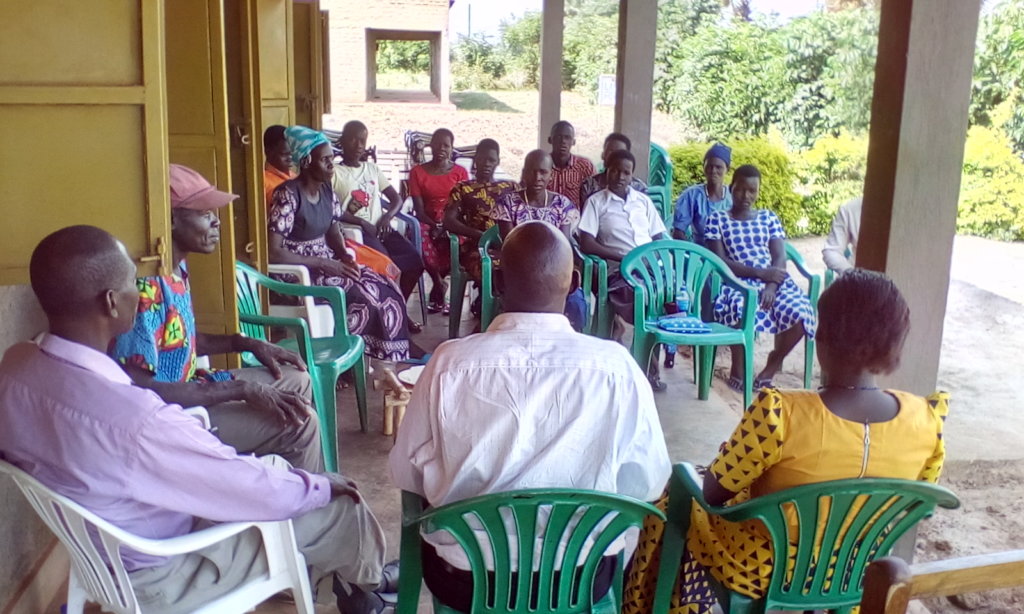
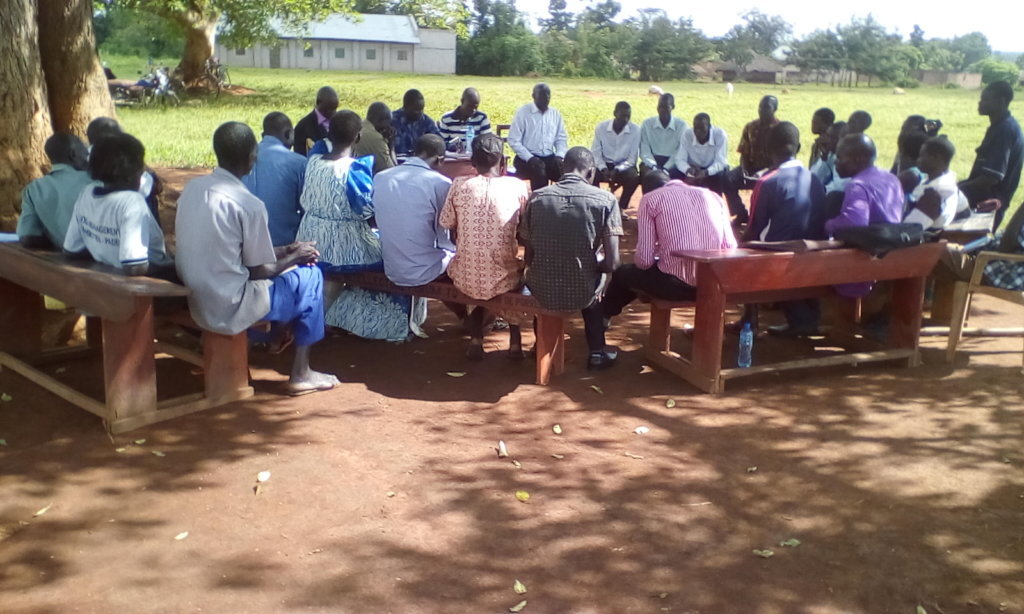
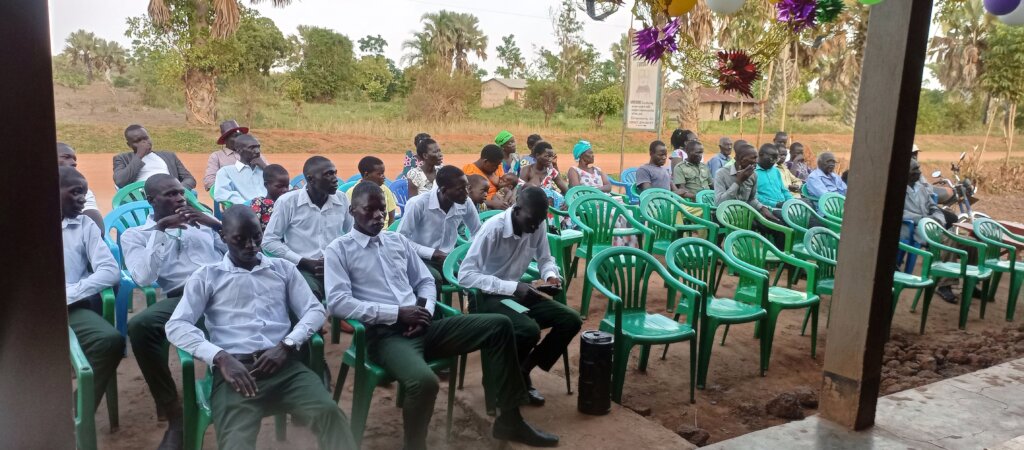
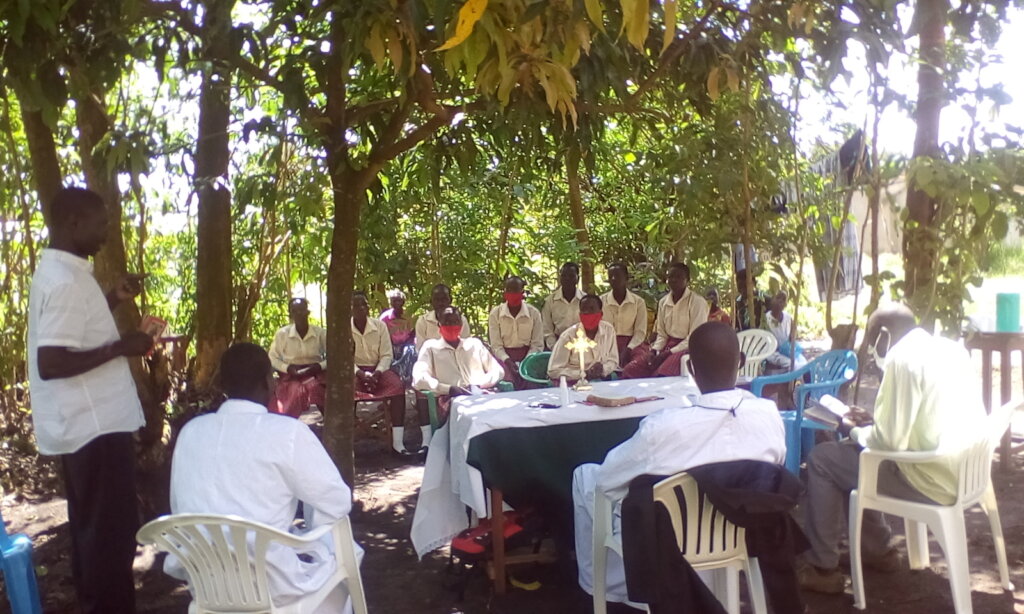
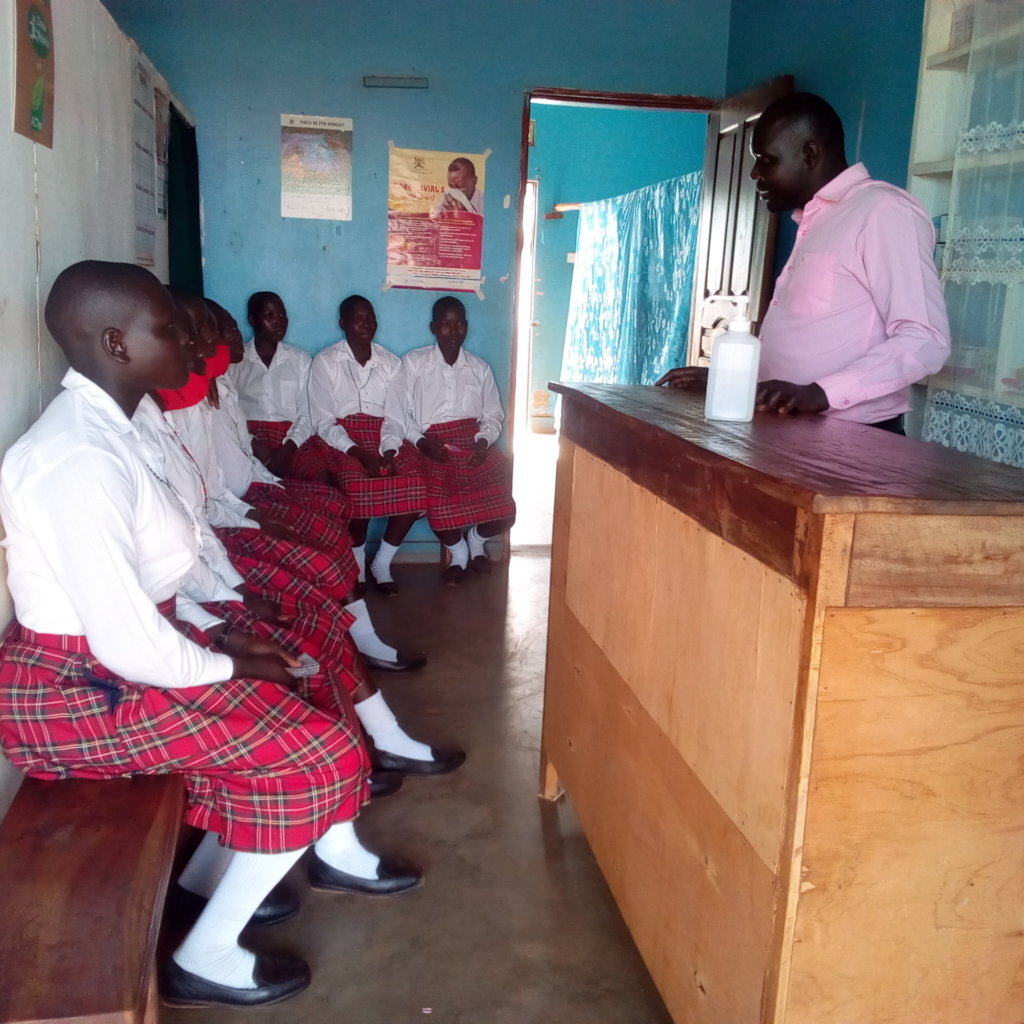
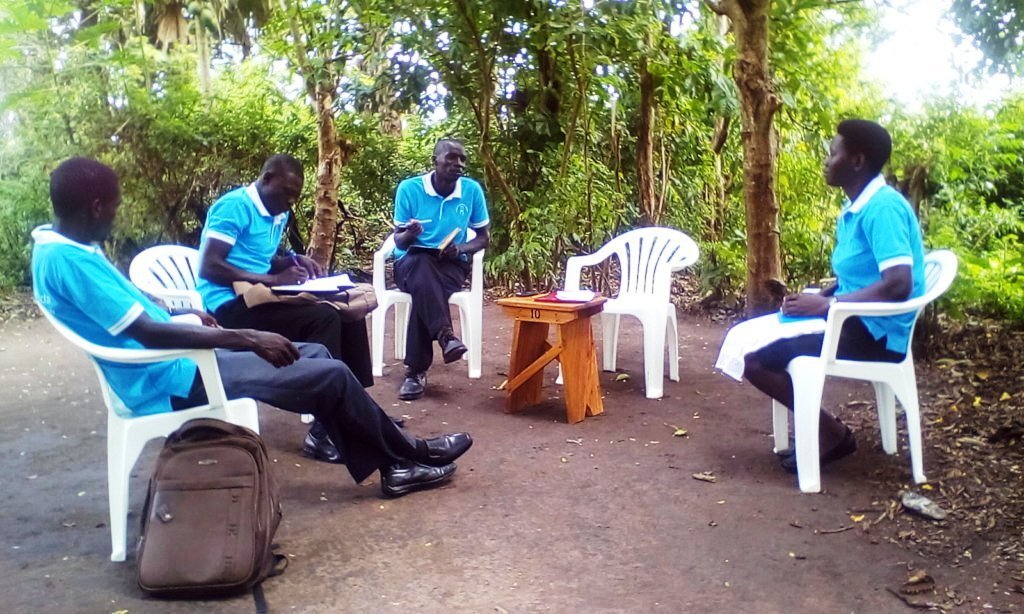
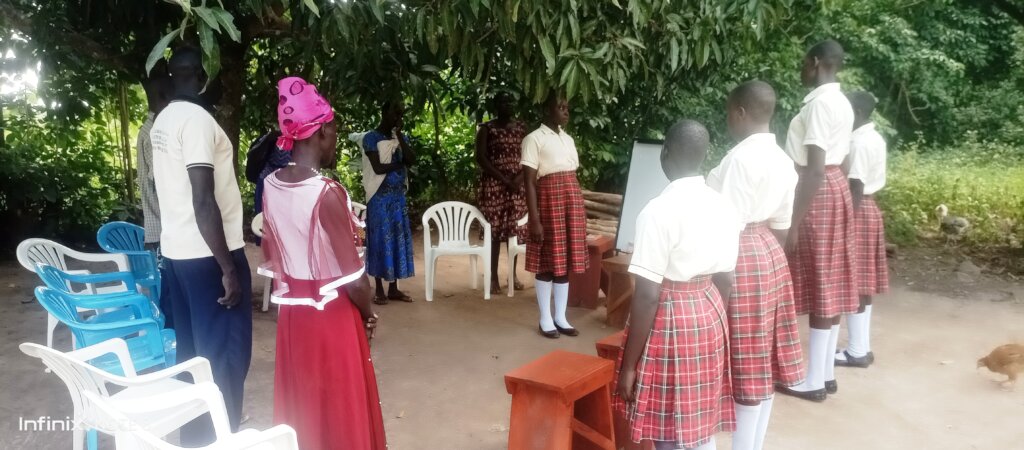
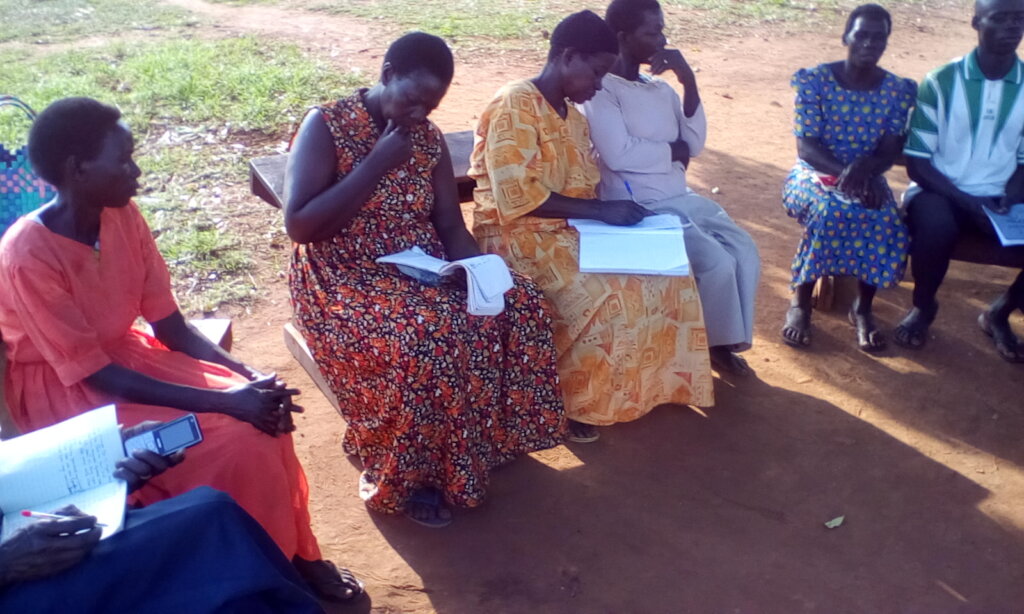
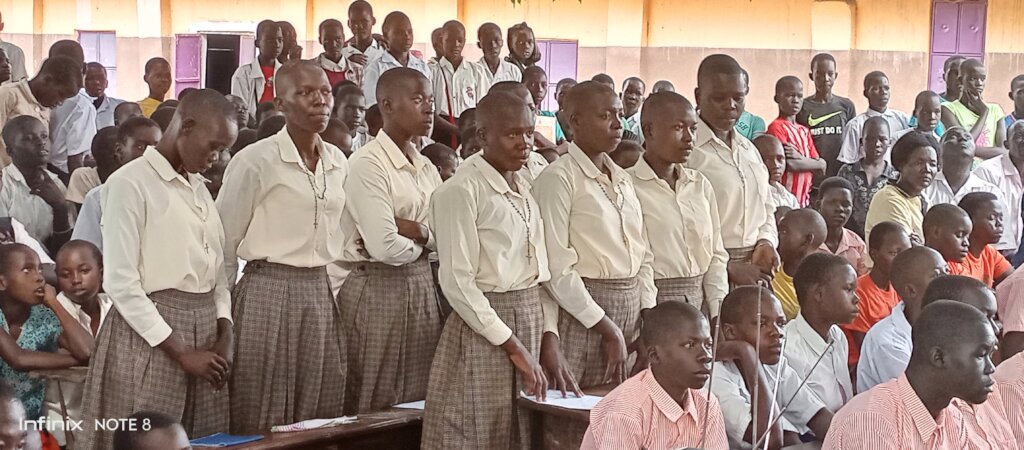
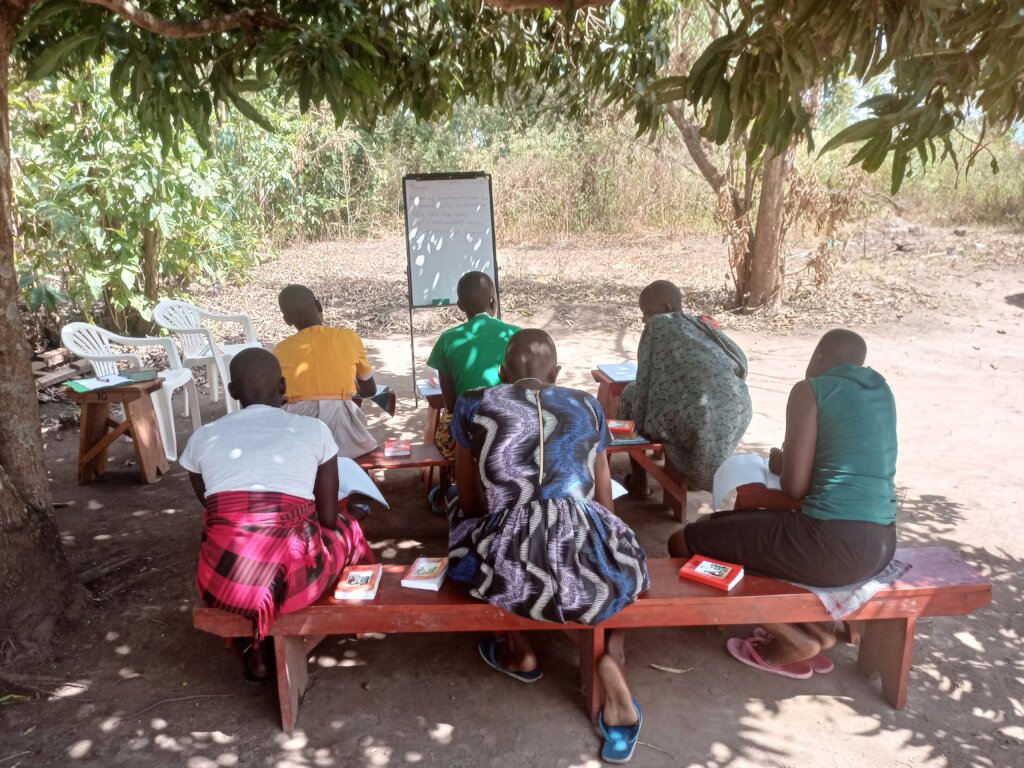
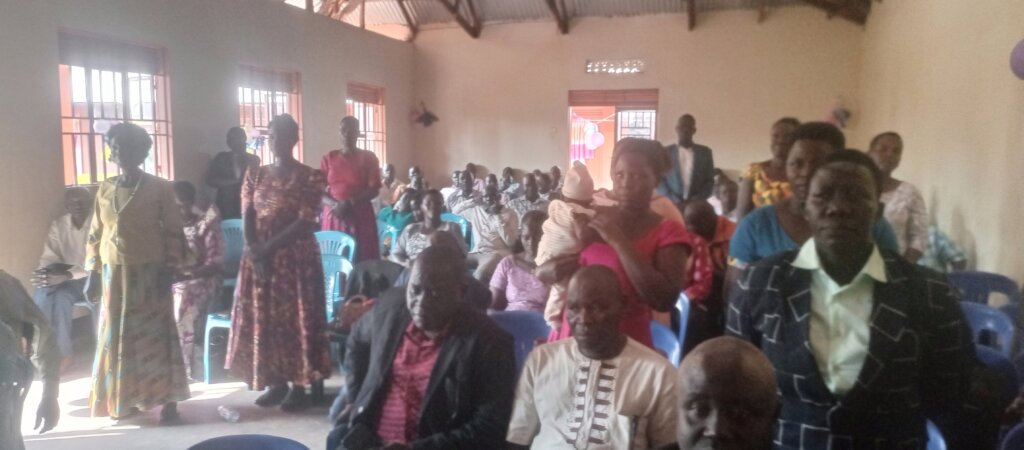
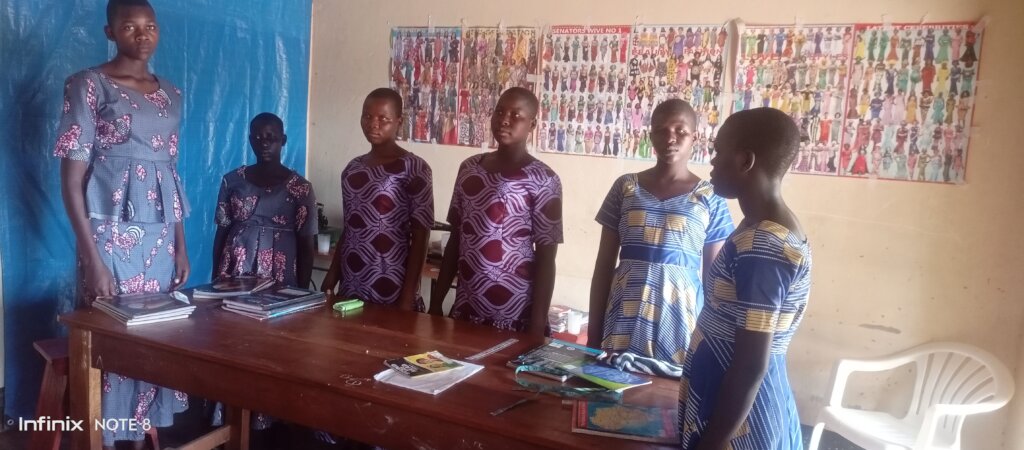
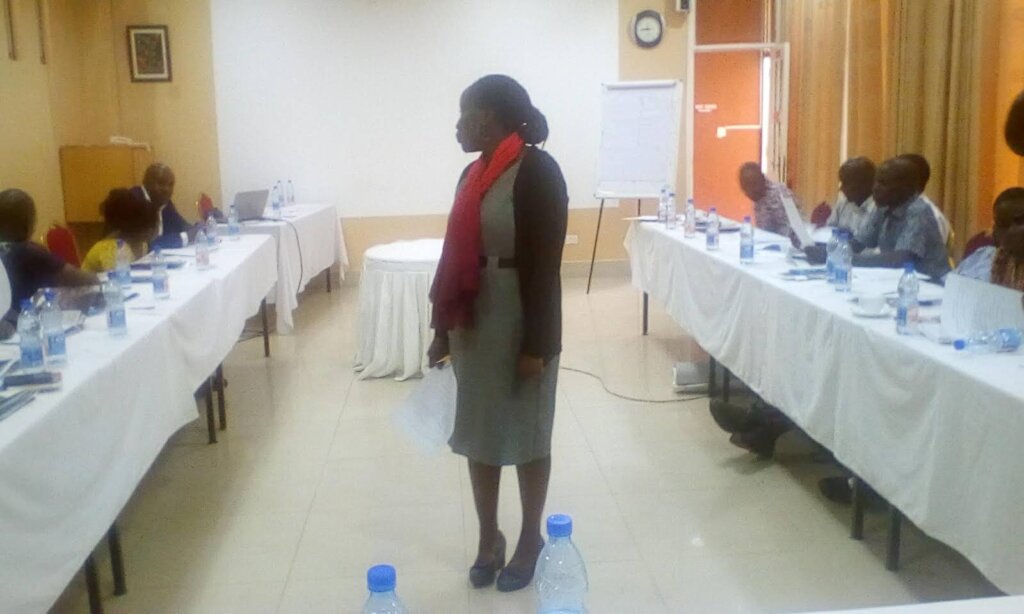
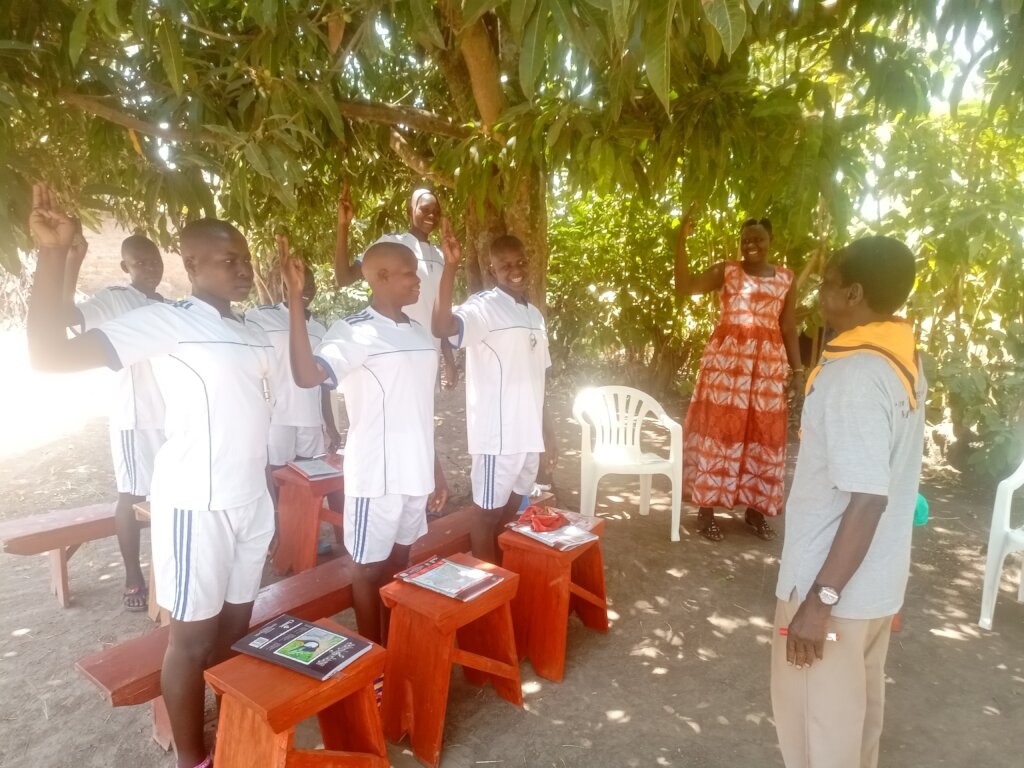
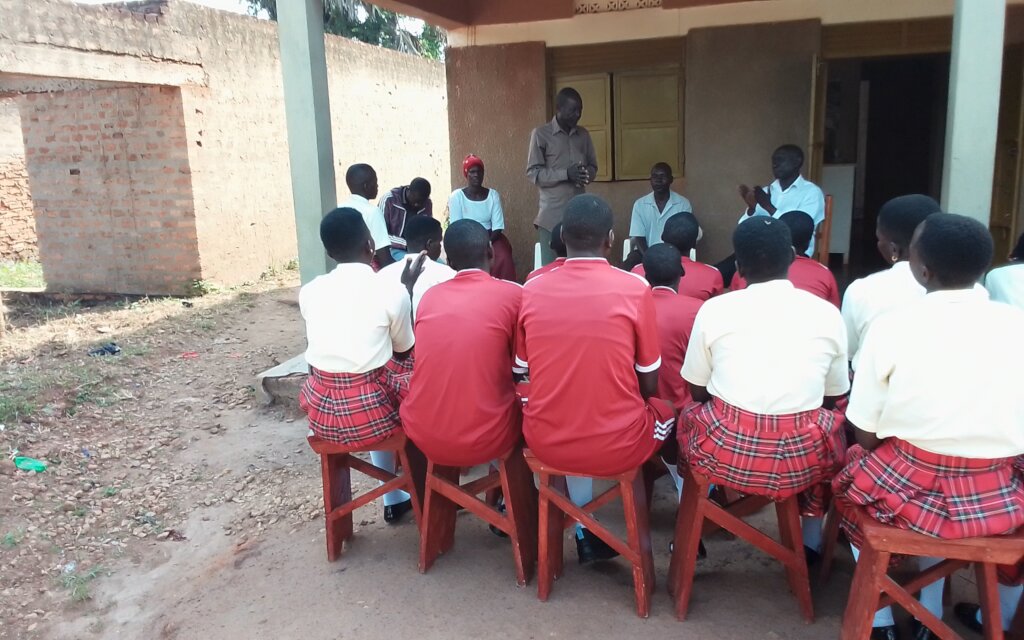
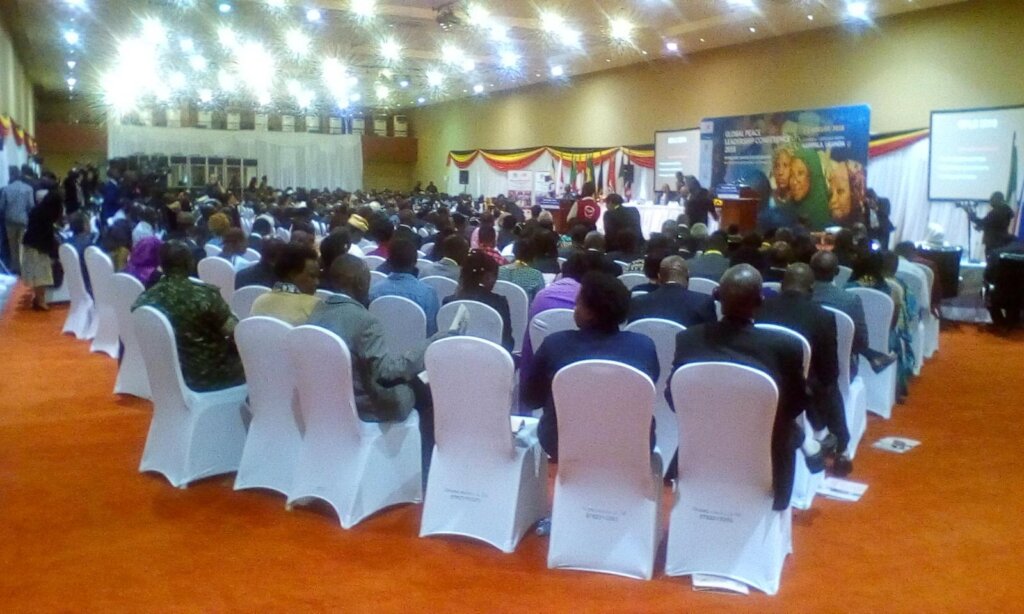
![Roundtable system of learning]()
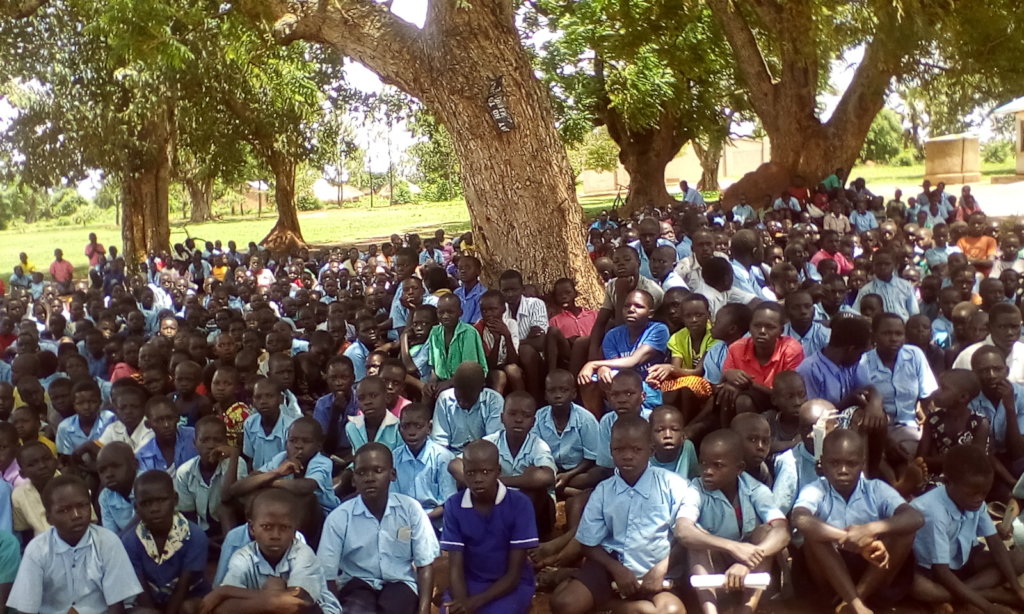
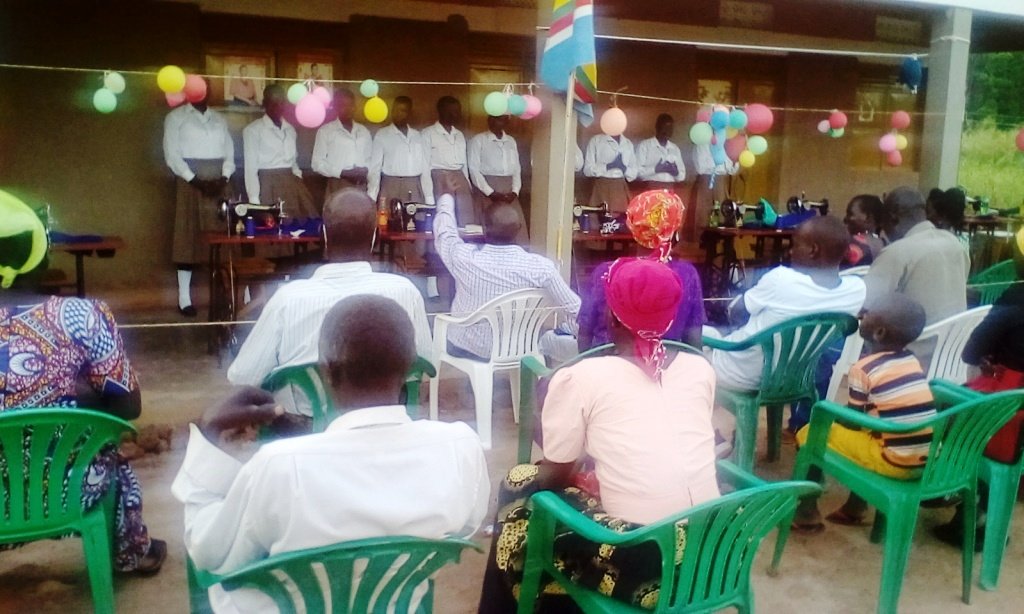
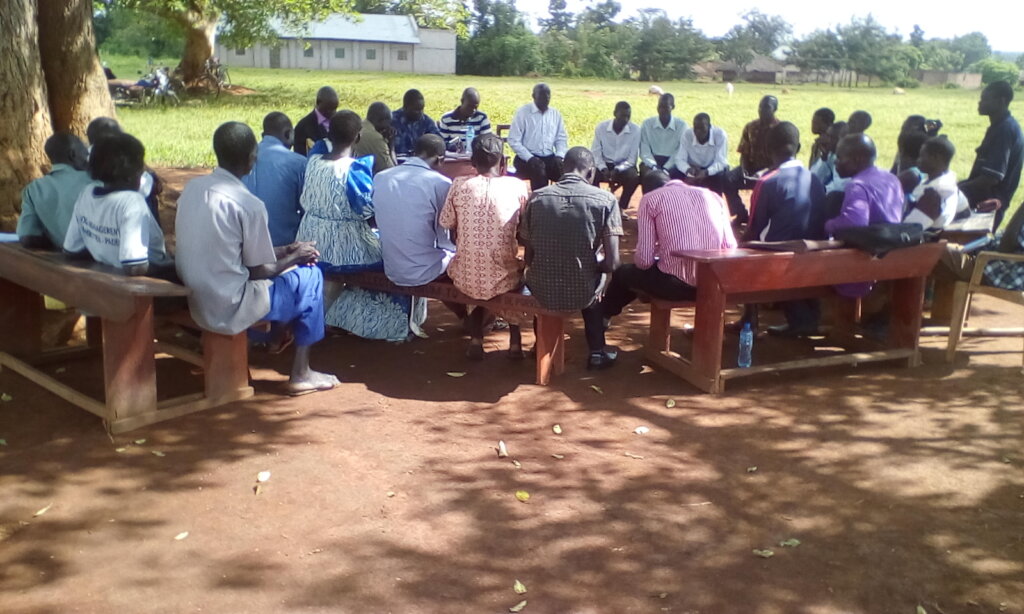
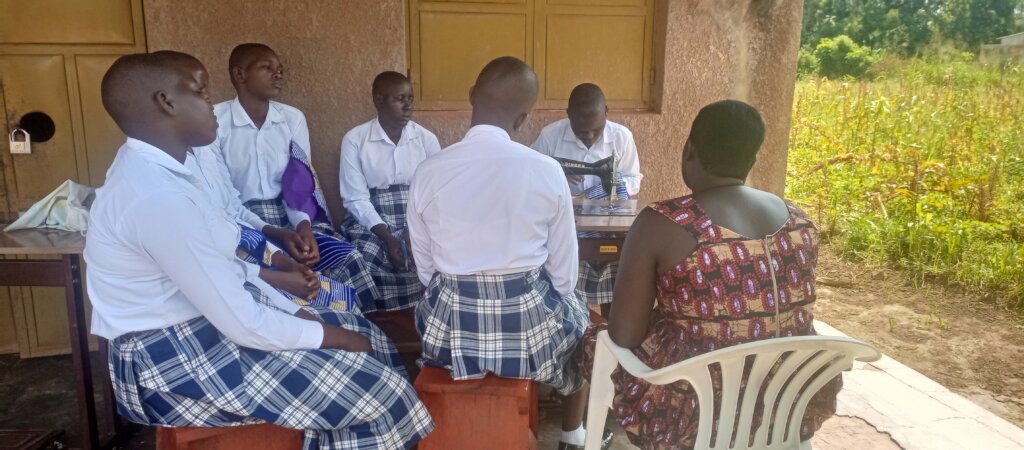
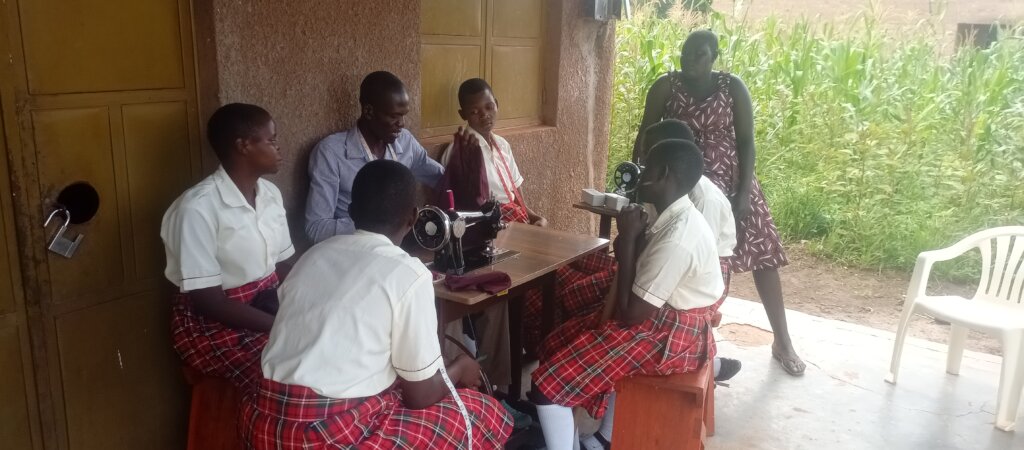
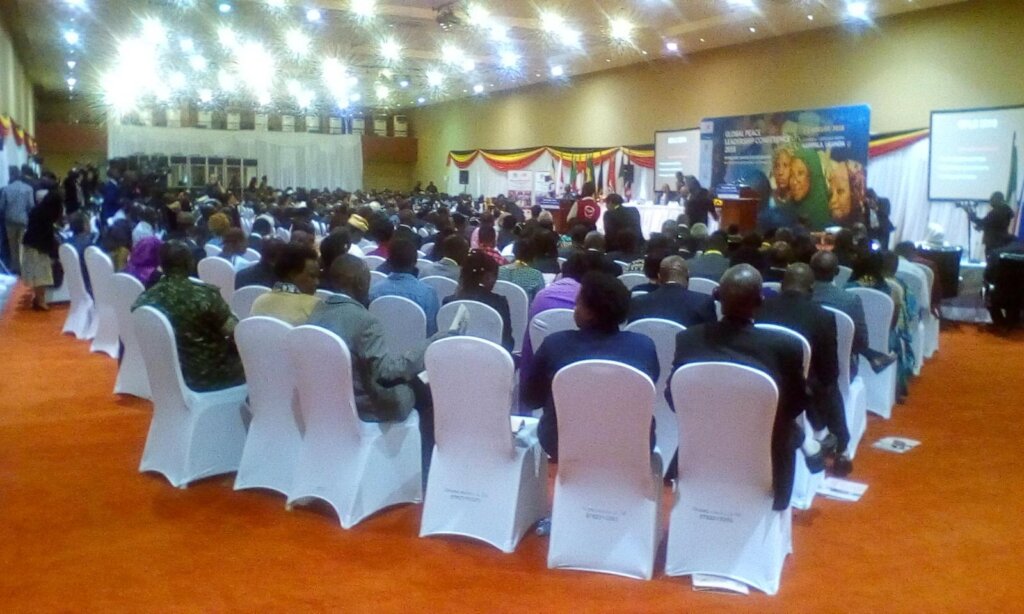
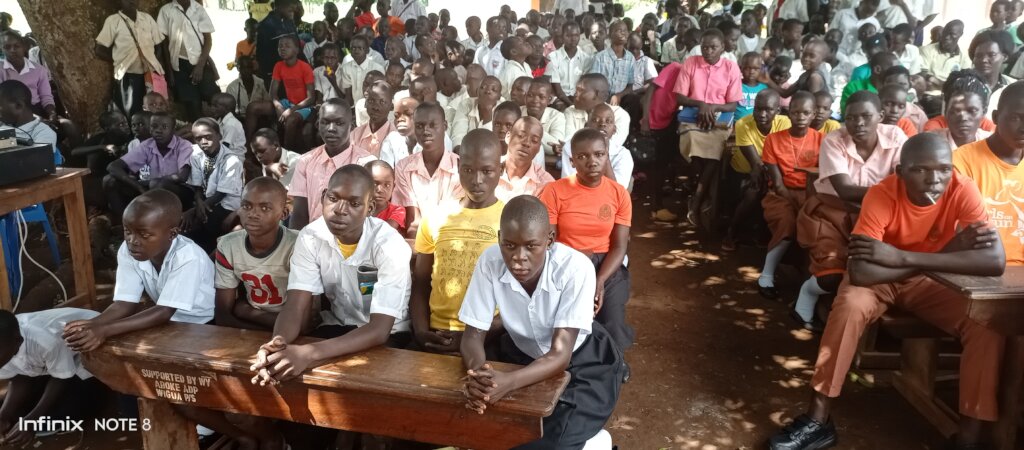
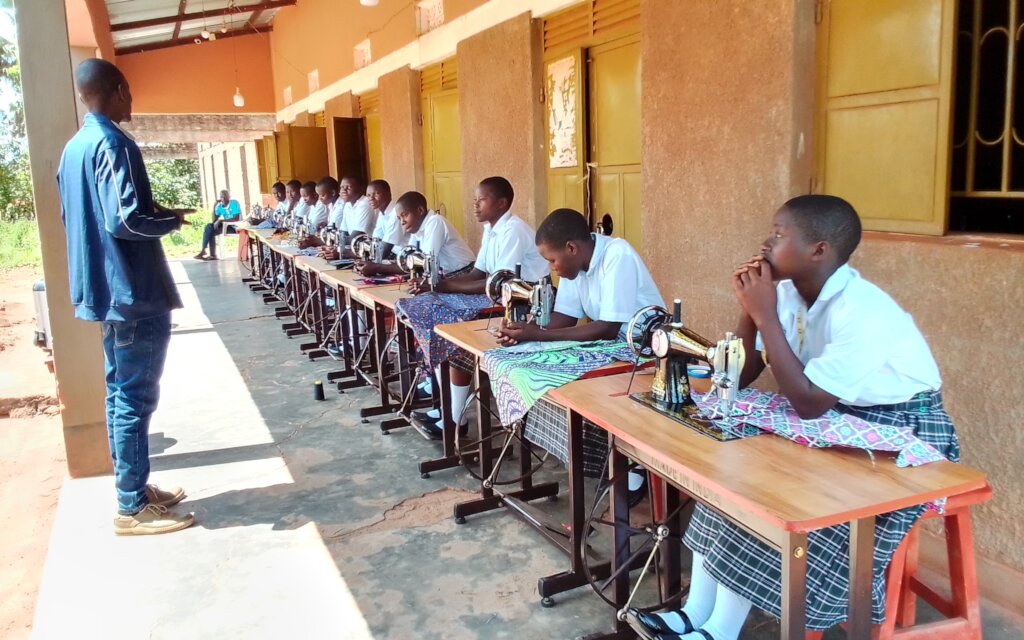
Roundtable system of learning
Encouraging roundtable learning: KIFA
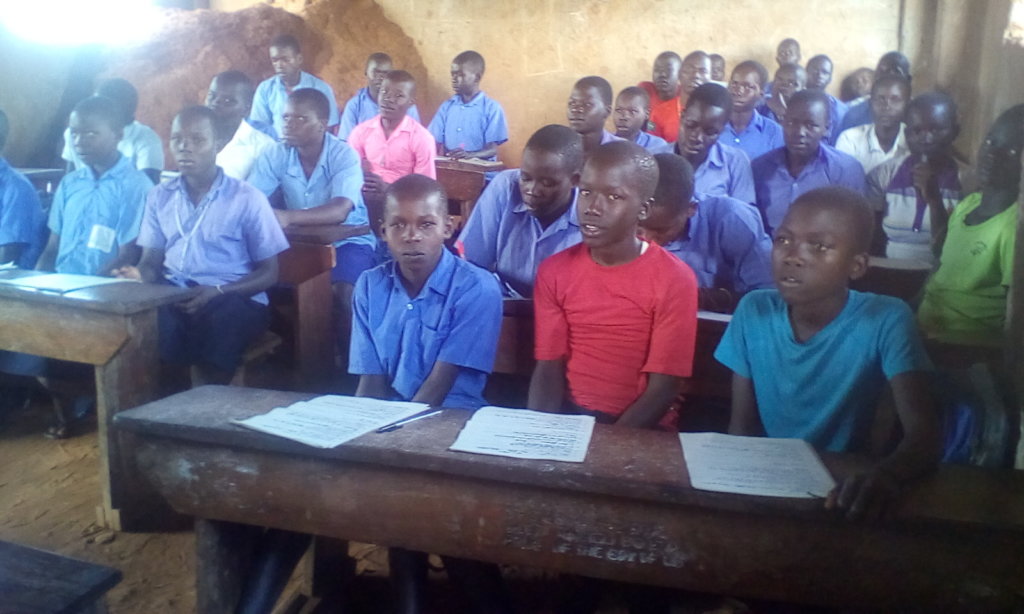
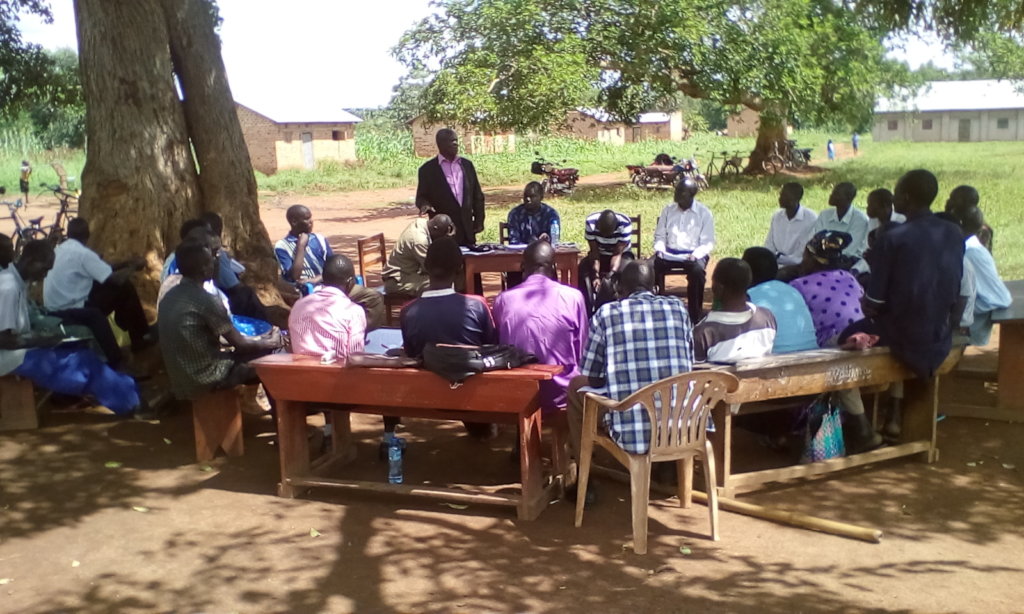
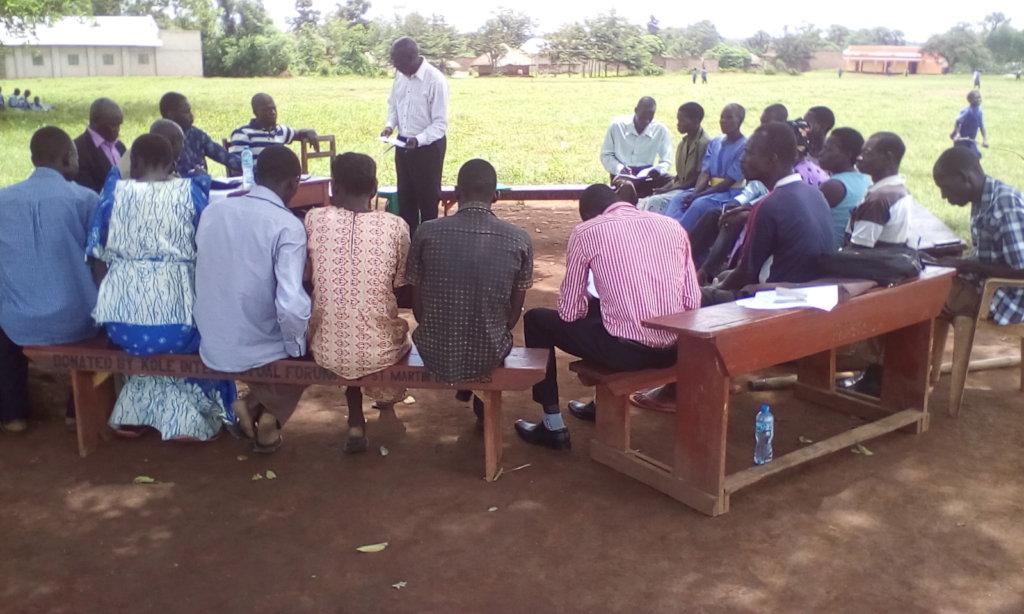
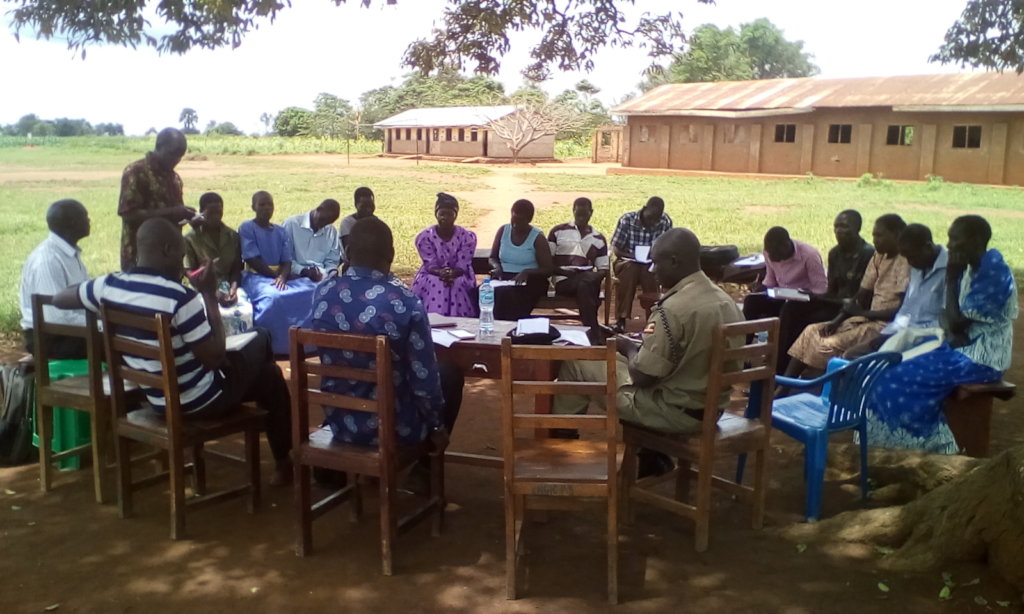
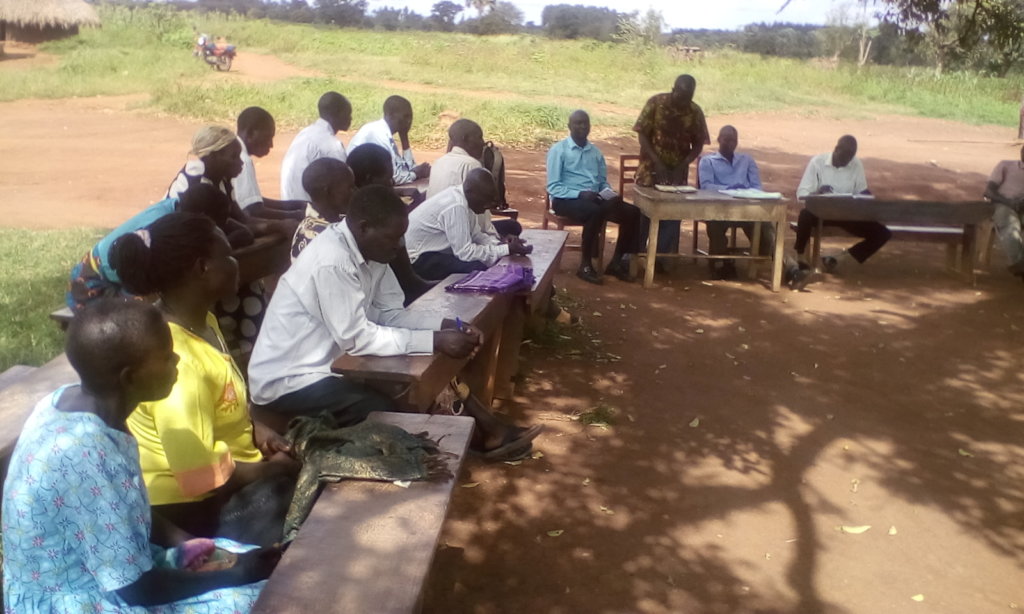
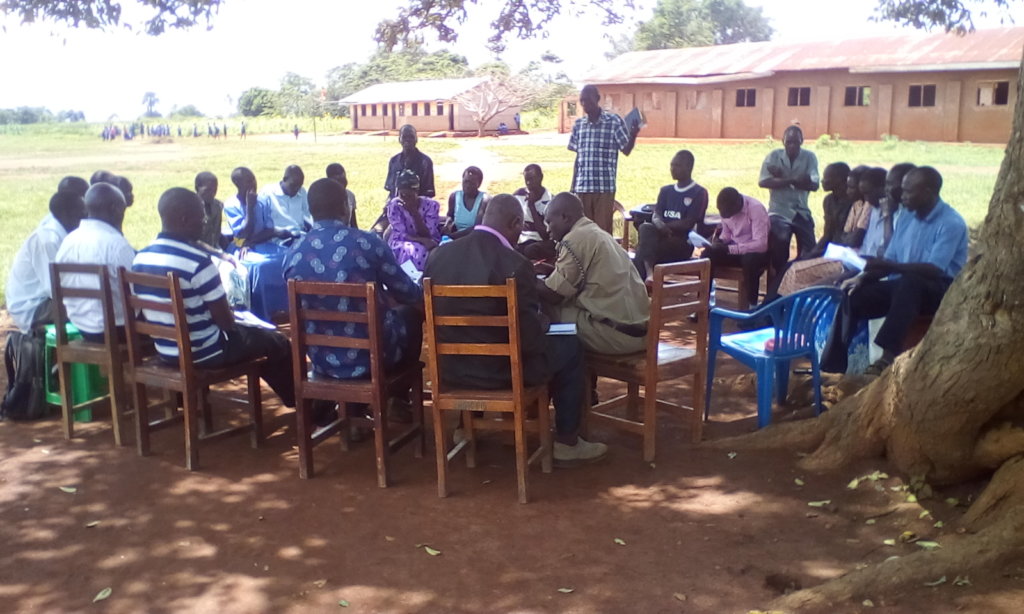
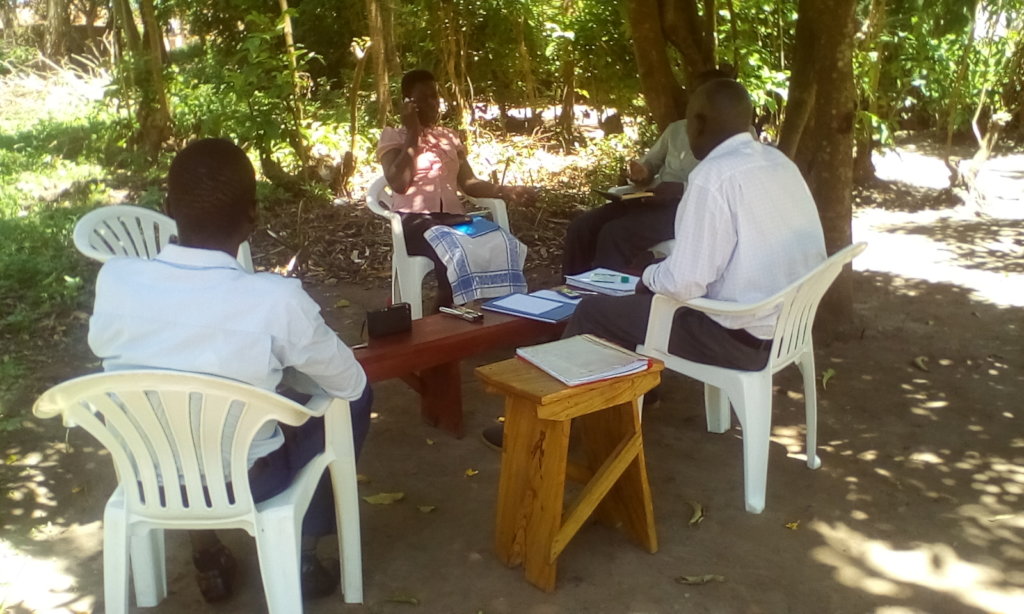
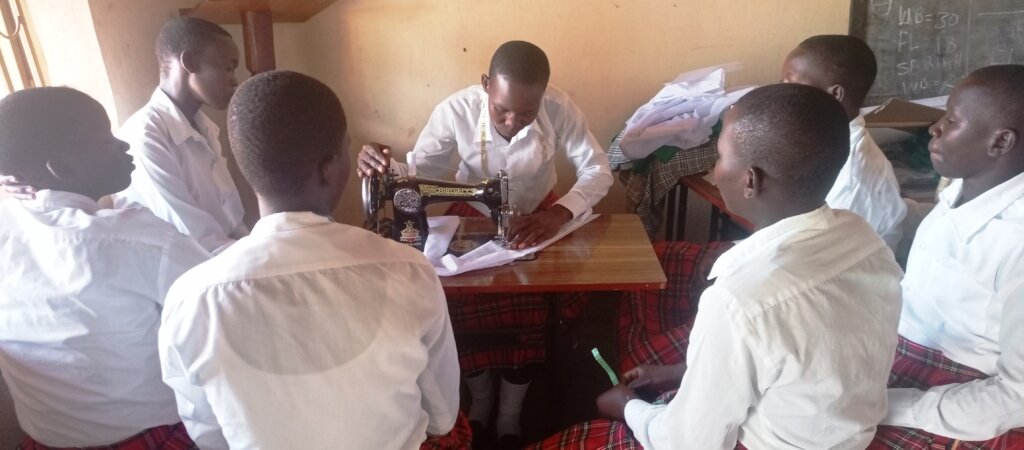
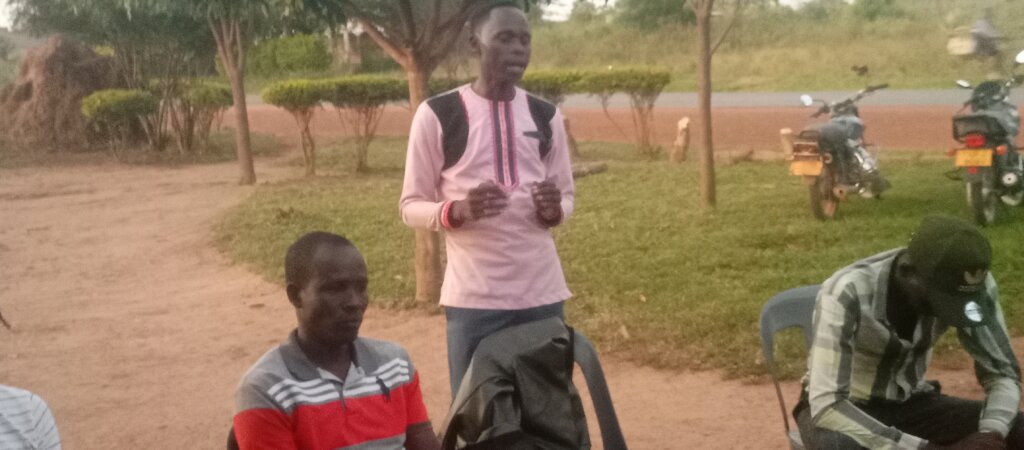
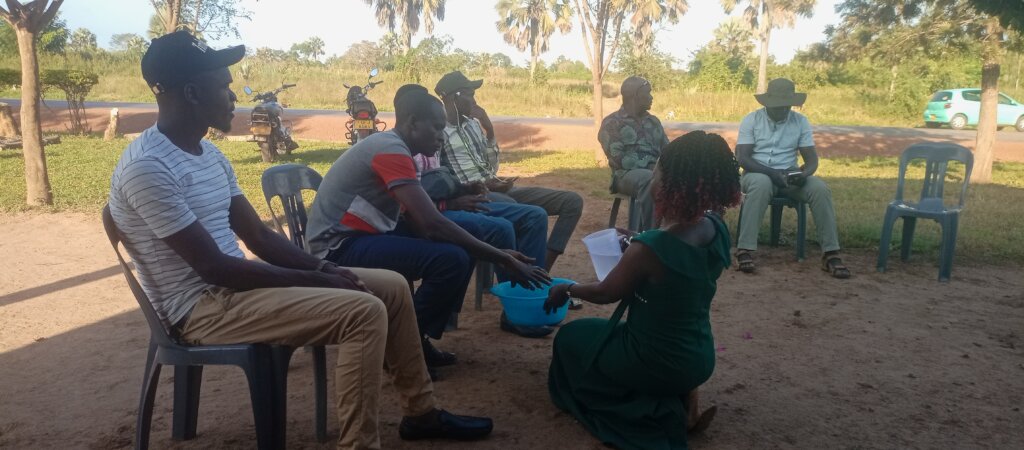
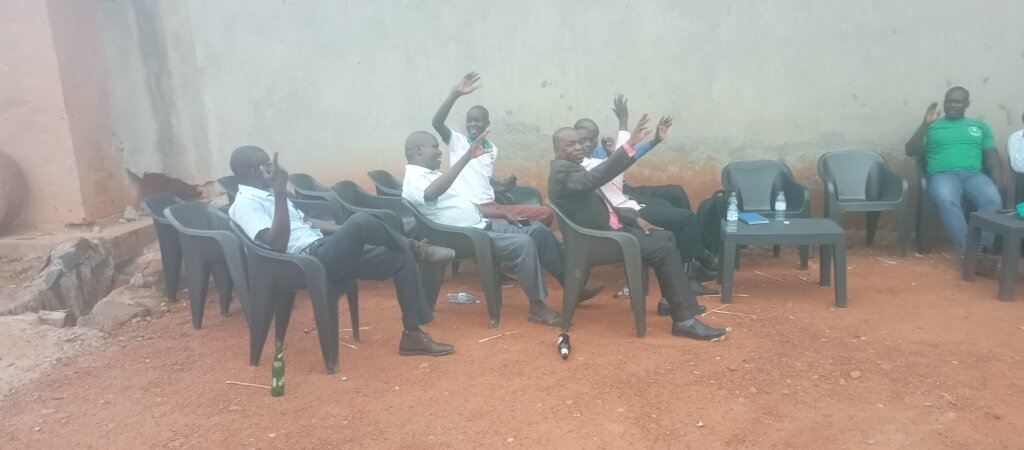
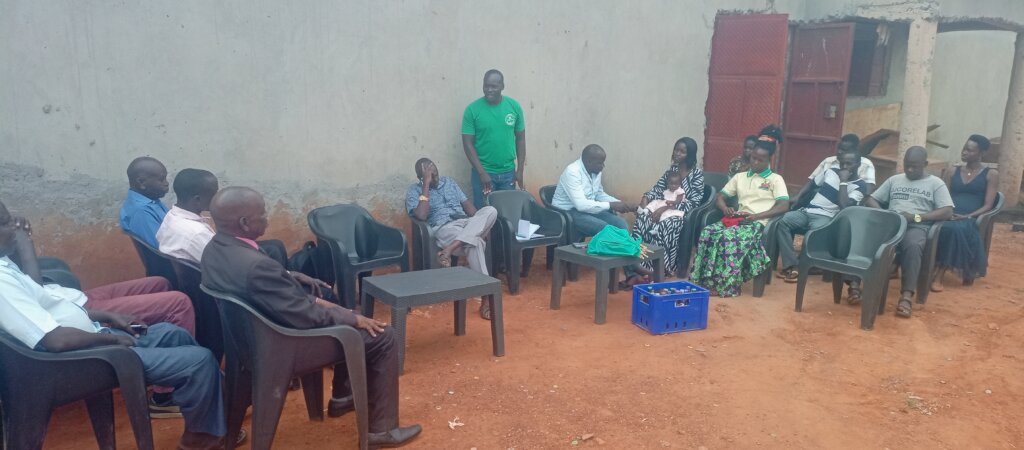
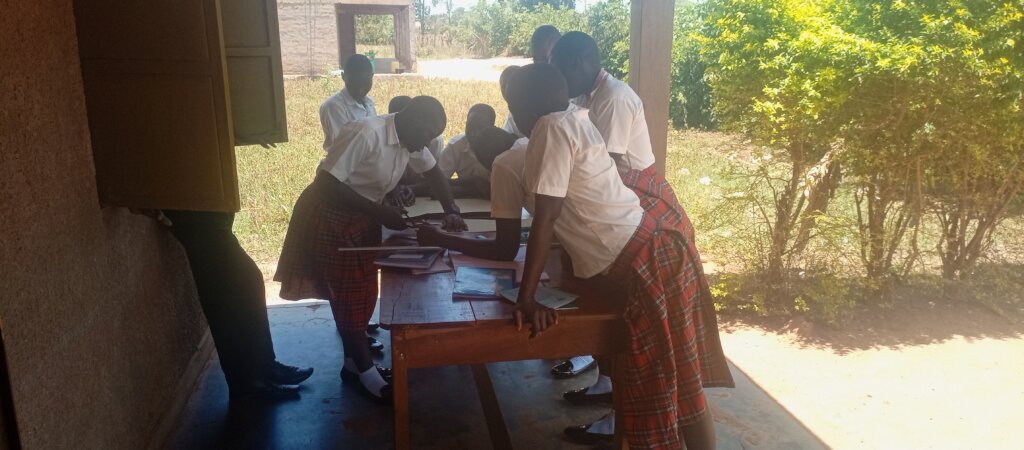
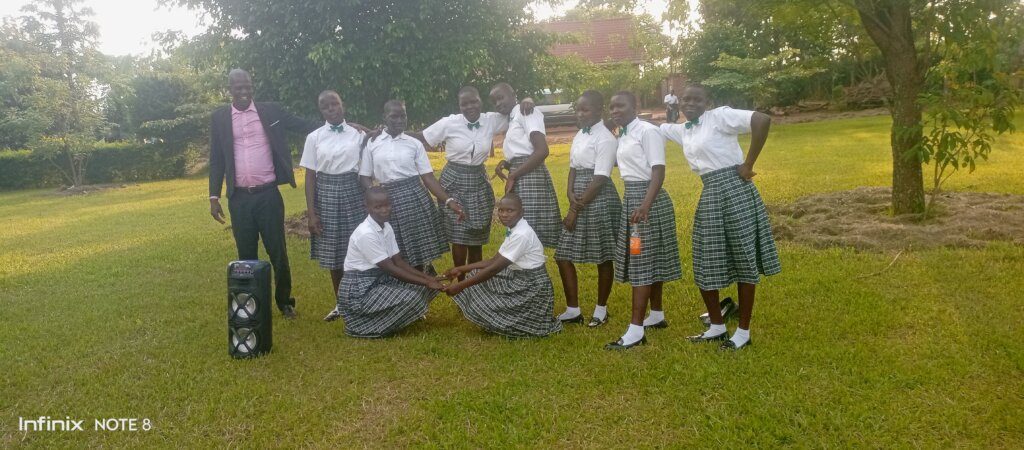
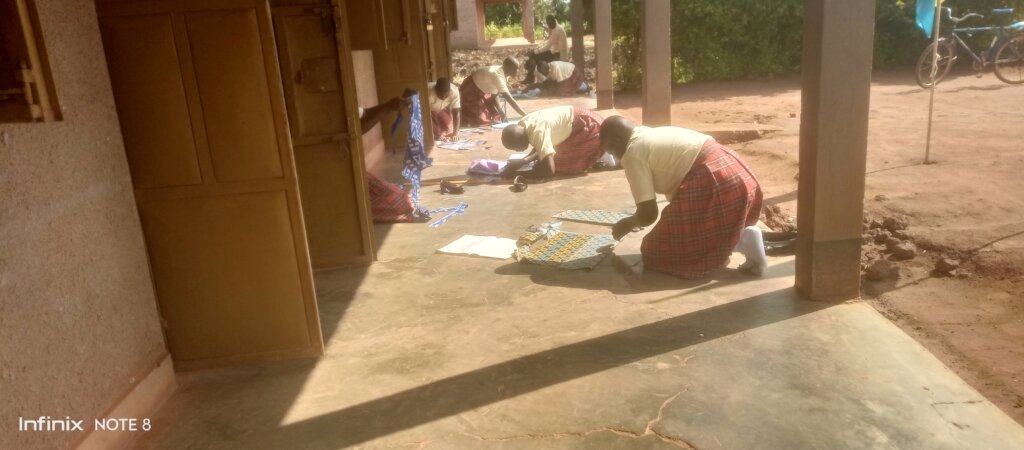
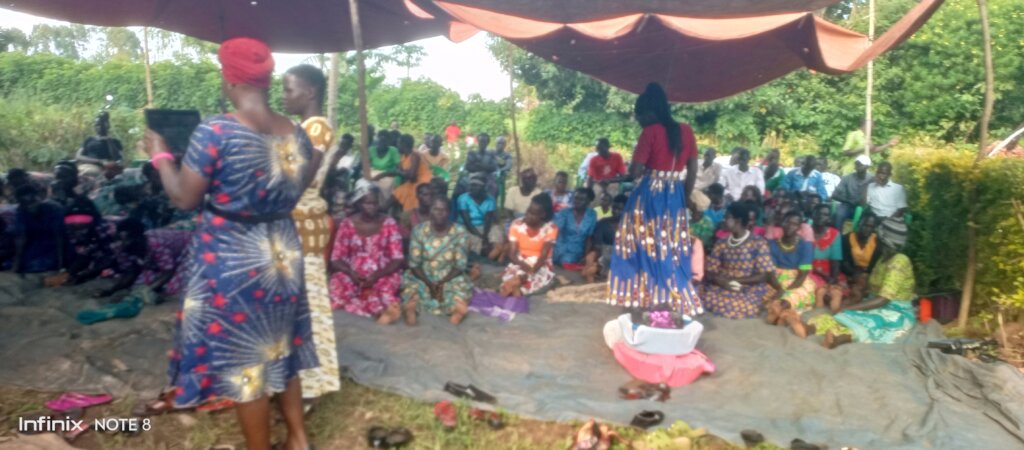
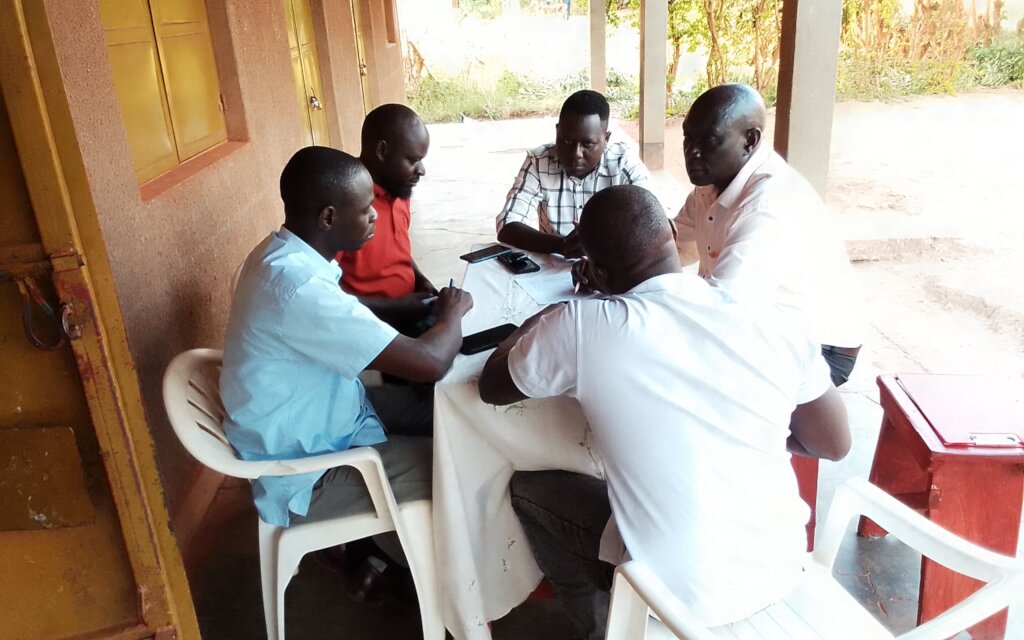
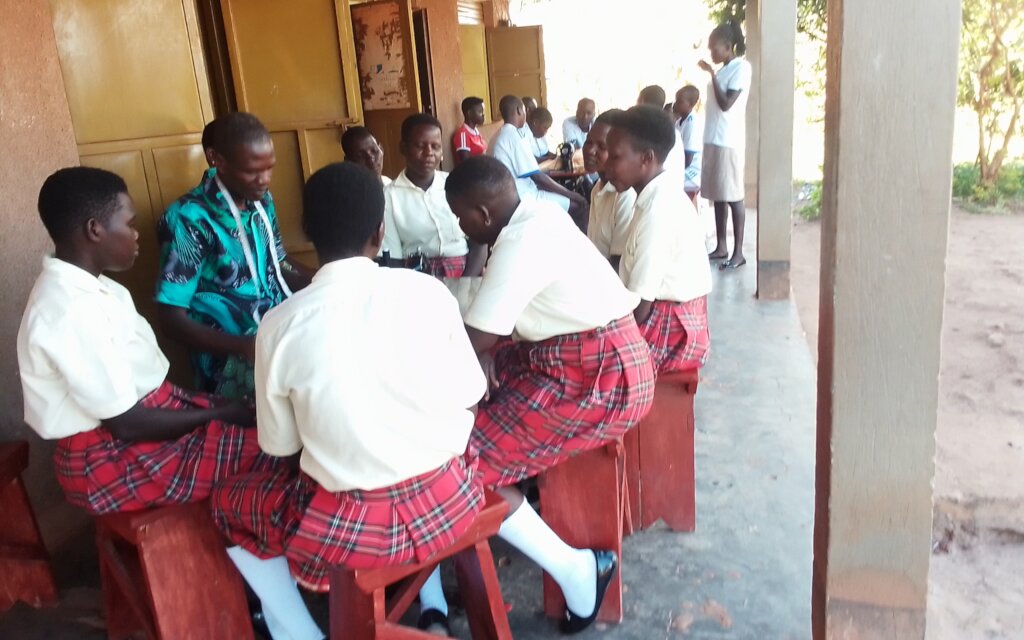
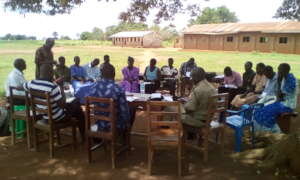
The purpose of roundtable learning advocated for by Kole Intellectual Forum is meant to promote active participation among students, critical thinking, and collaboration by having students engage in an open, circular discussion where everyone has an equal opportunity to share ideas and perspectives. This method helps students connect new information with prior knowledge, develop confidence, and improve communication and listening skills in a supportive environment.
Key purposes and benefits identified by the instructors of Kole Intellectual Forum, are those that approach provide:
- Equal participation: The circular setup gives each member an equal chance to speak, encouraging participation from quieter individuals and ensuring a wide range of perspectives are shared.

- Enhanced critical thinking: By discussing multiple viewpoints, participants learn to analyze, synthesize, and evaluate information, which leads to a deeper conceptual understanding.
- Improved communication: It provides a safe space to practice articulating thoughts clearly and to develop active listening skills by hearing and considering others' ideas.
- Increased collaboration: Participants learn to work together by building on each other's ideas and respecting diverse opinions.
- Boosted confidence: Regularly contributing to a discussion helps students feel more confident in expressing their opinions.
- Deeper learning: The method helps students integrate new content with prior knowledge and take ownership of the learning process.
Nov 1, 2025
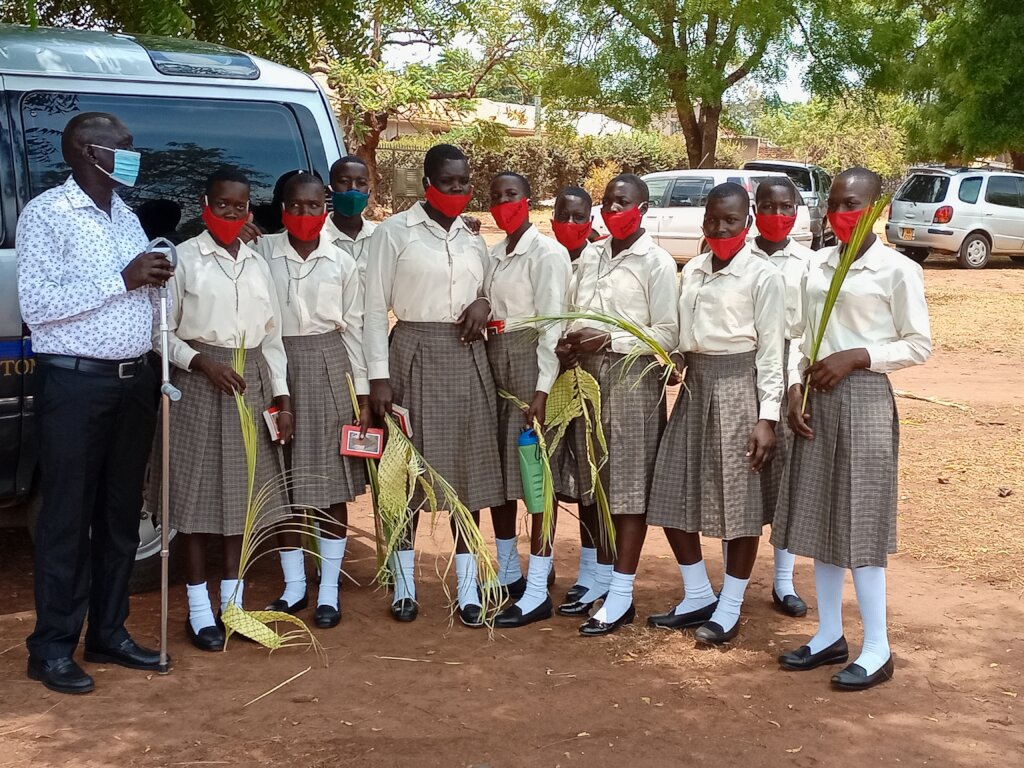
Official visit by DCDO Kole: KIFA
By George Obua | Project Leader
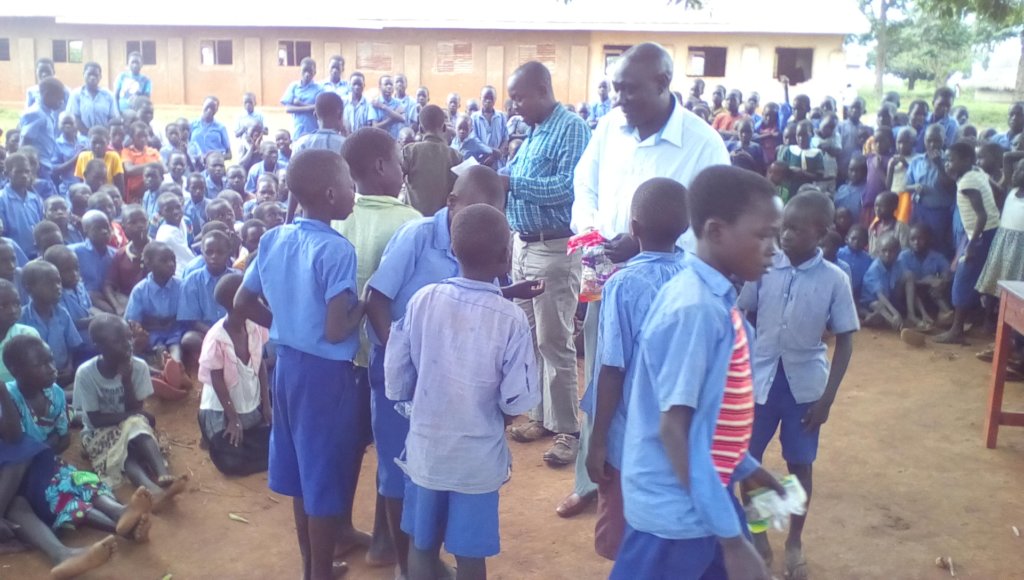
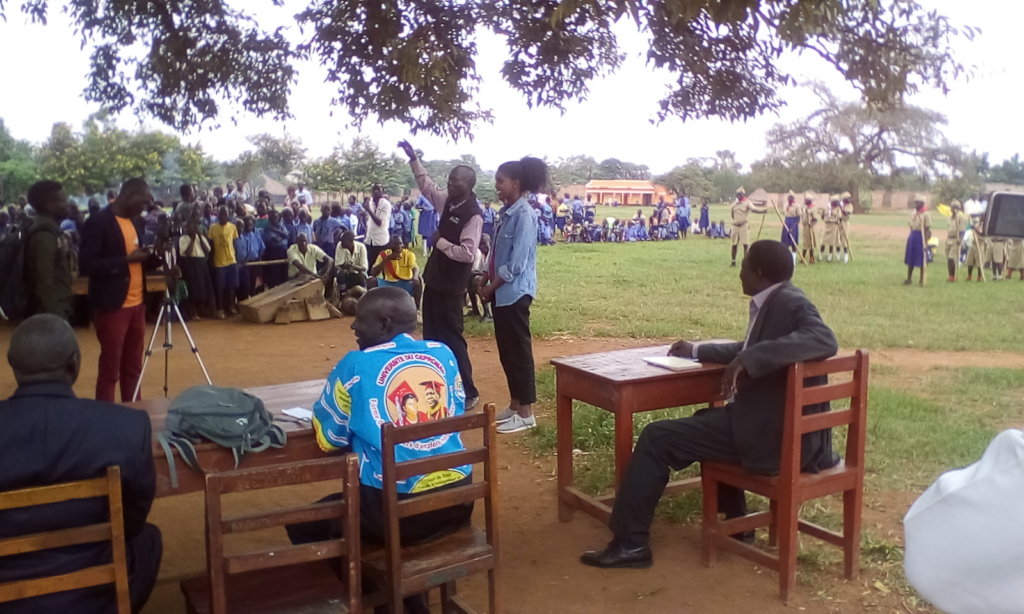
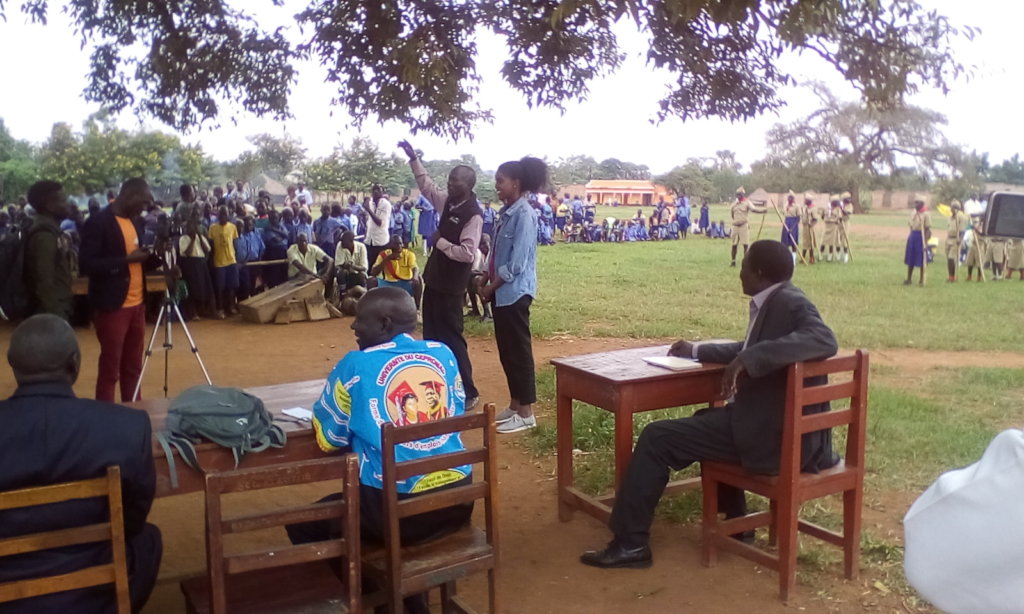
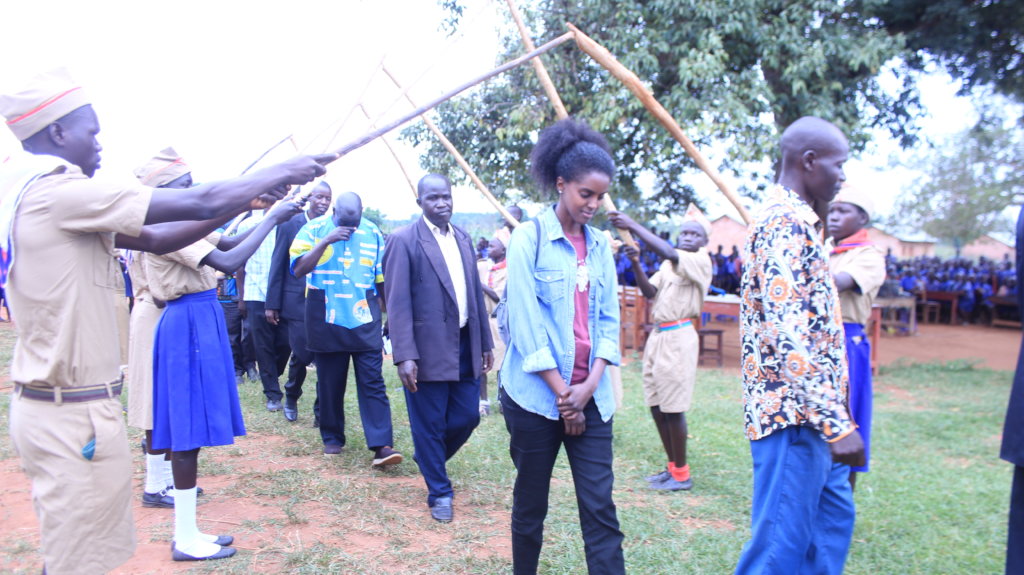
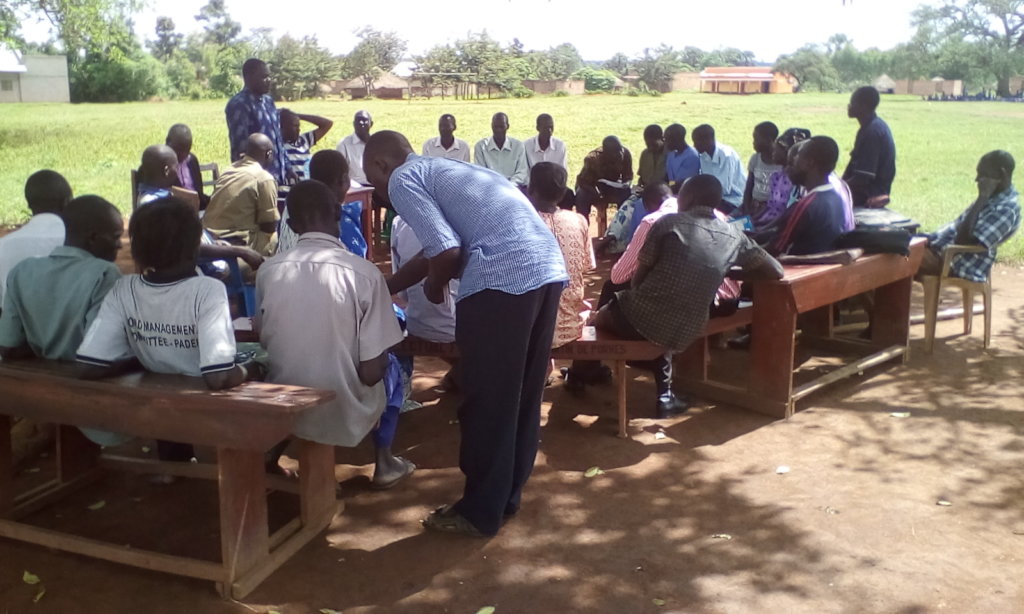
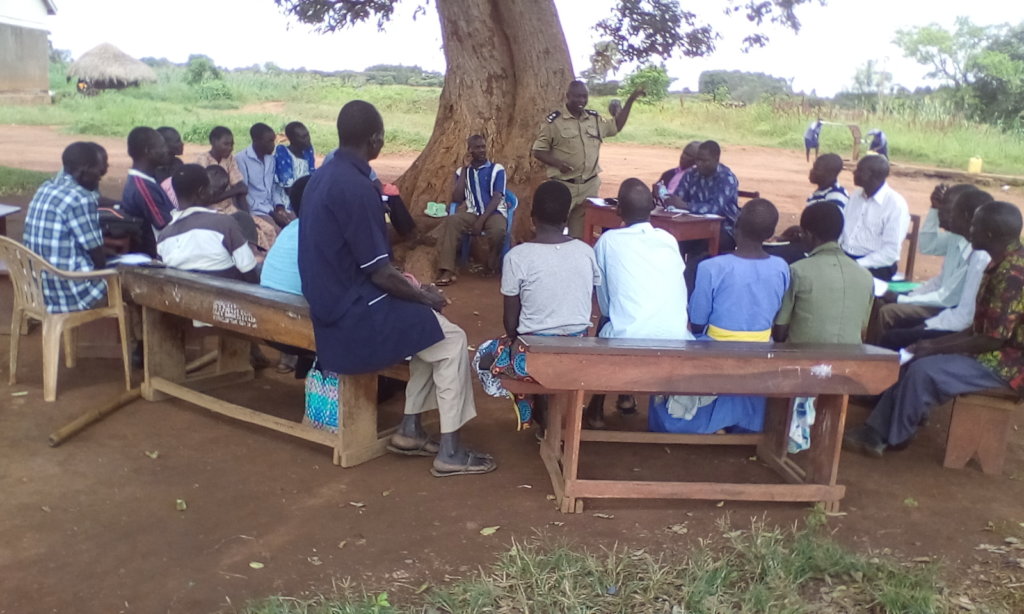
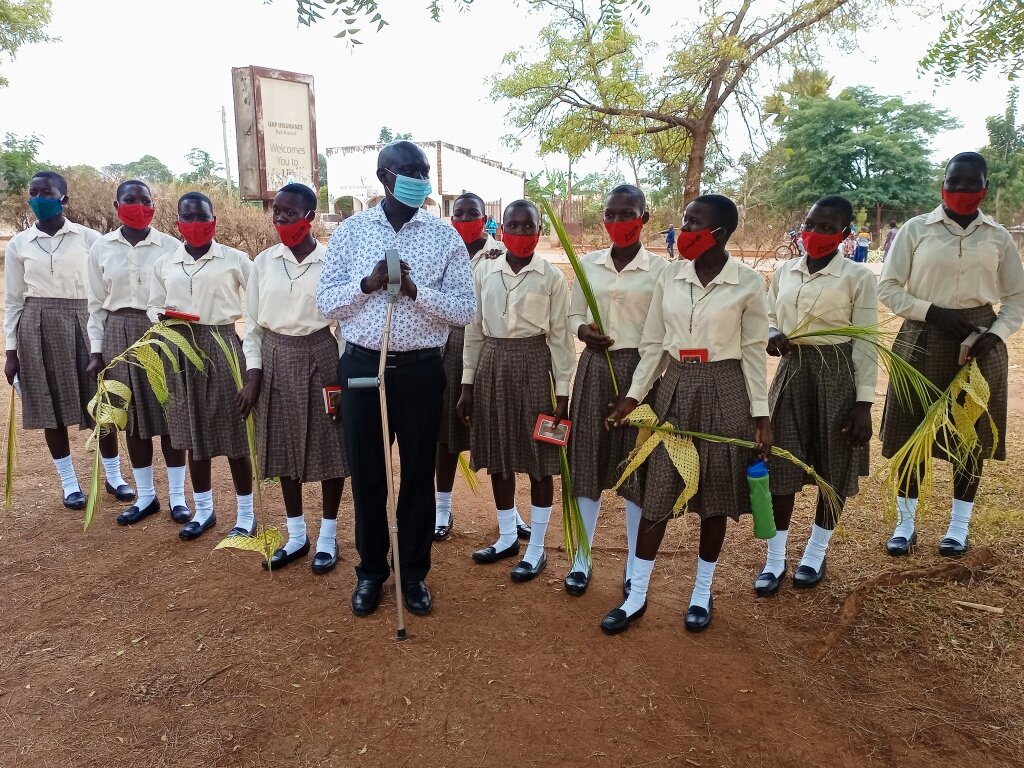
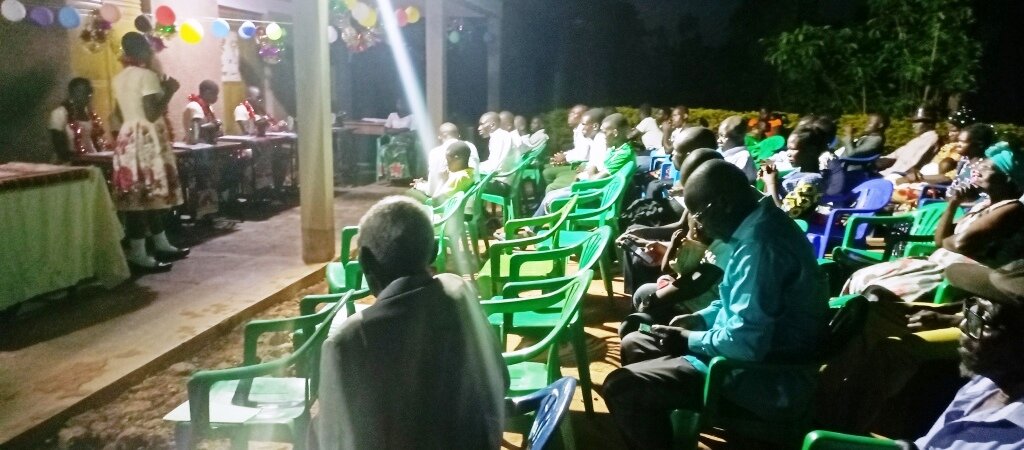
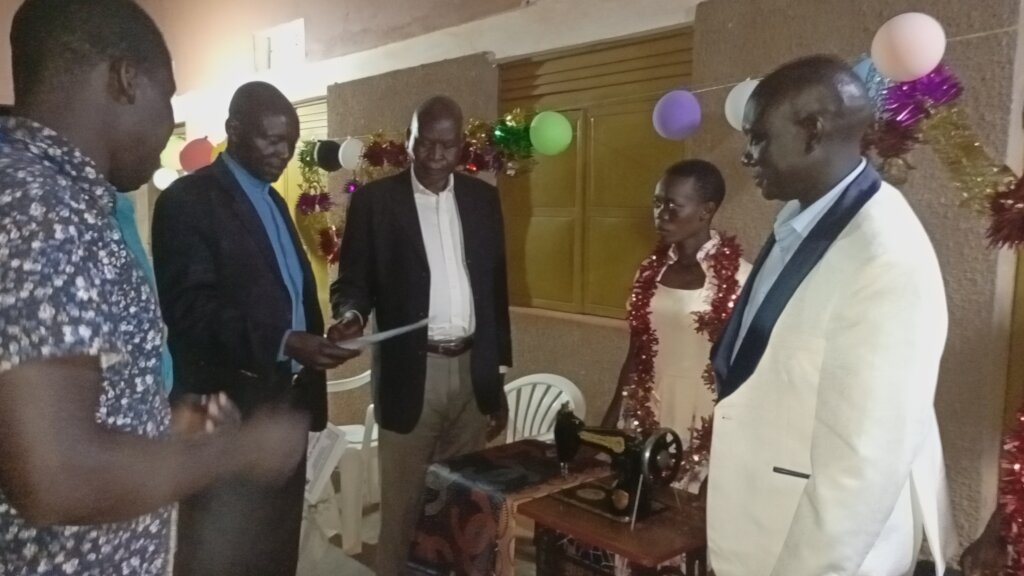
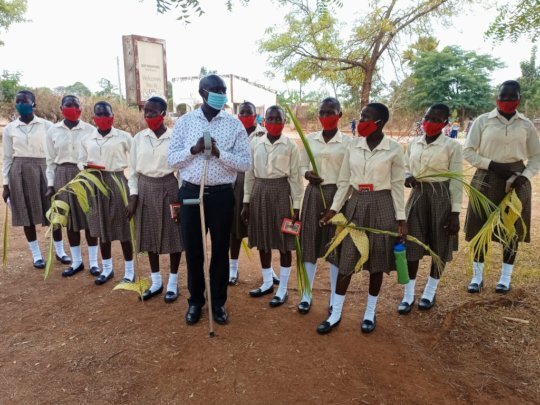
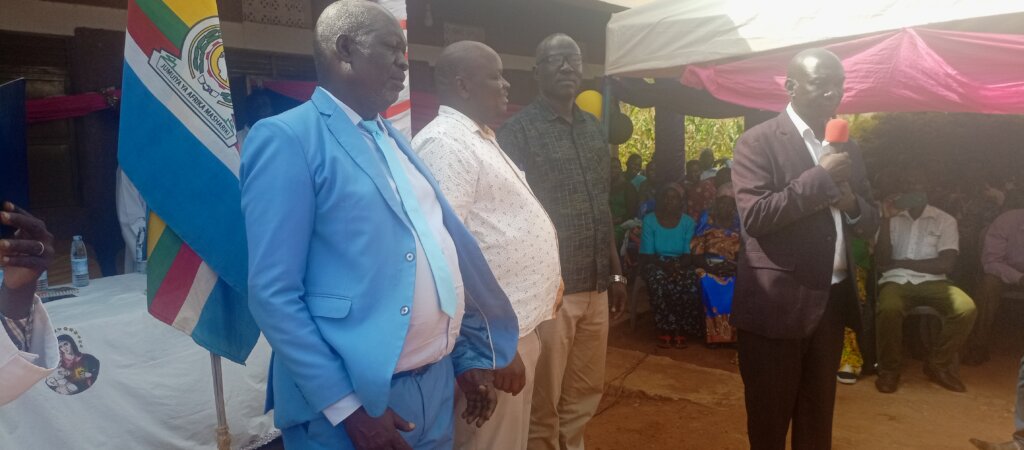
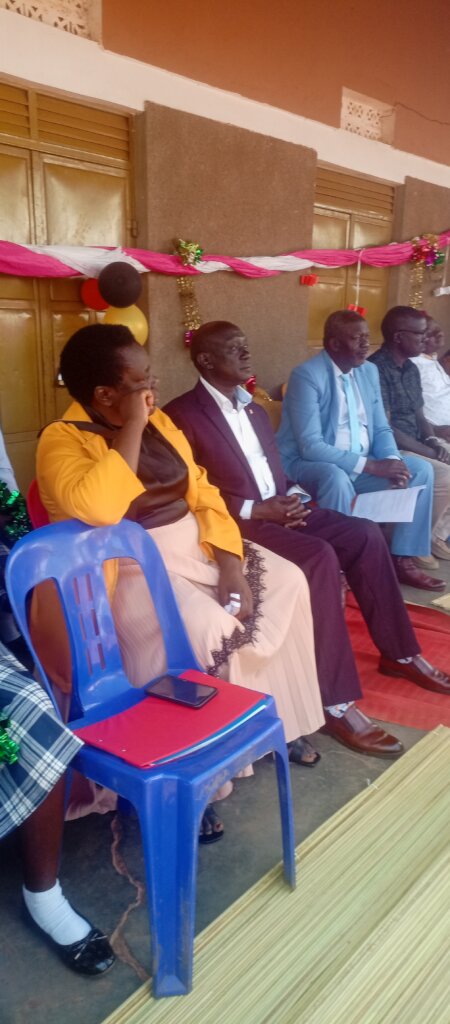
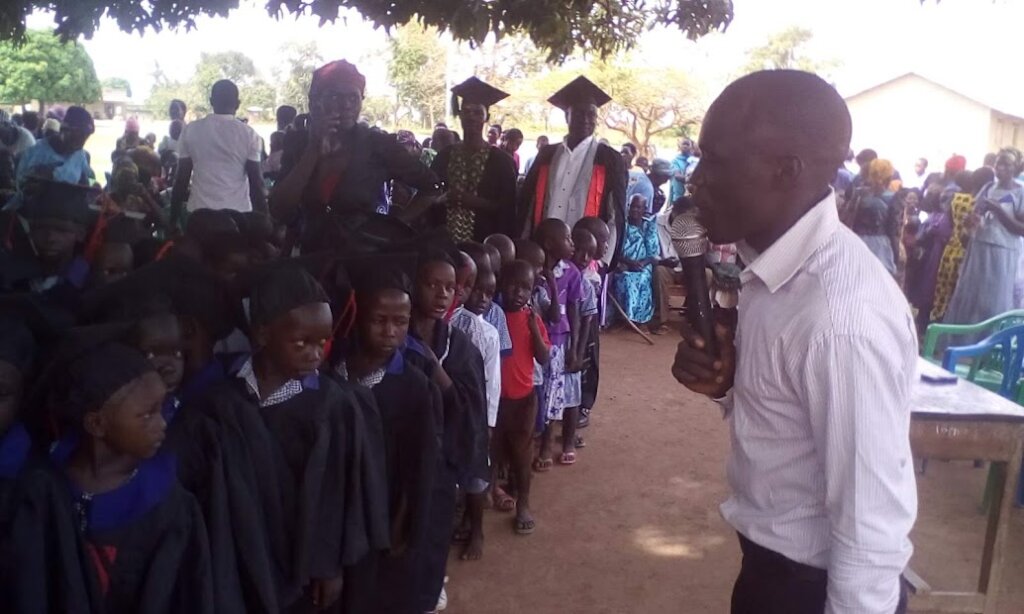
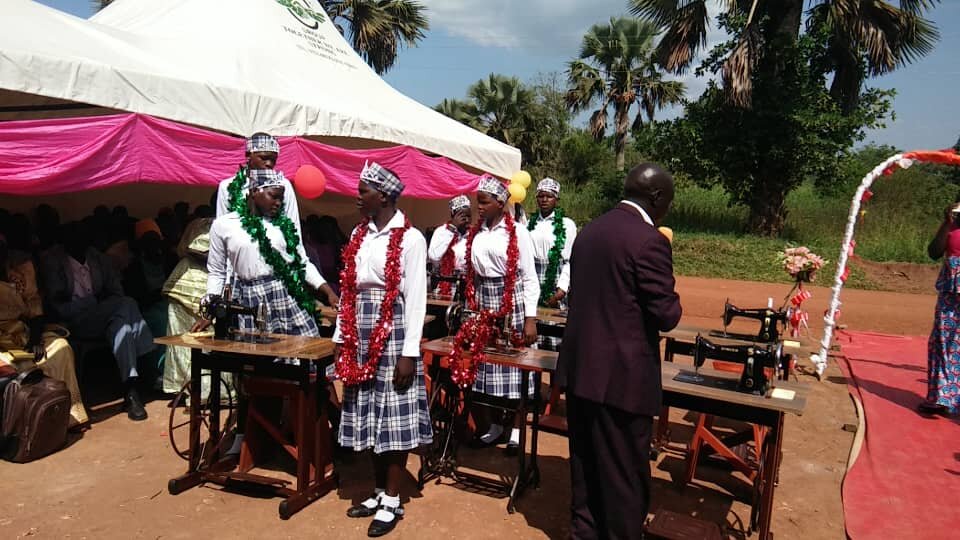
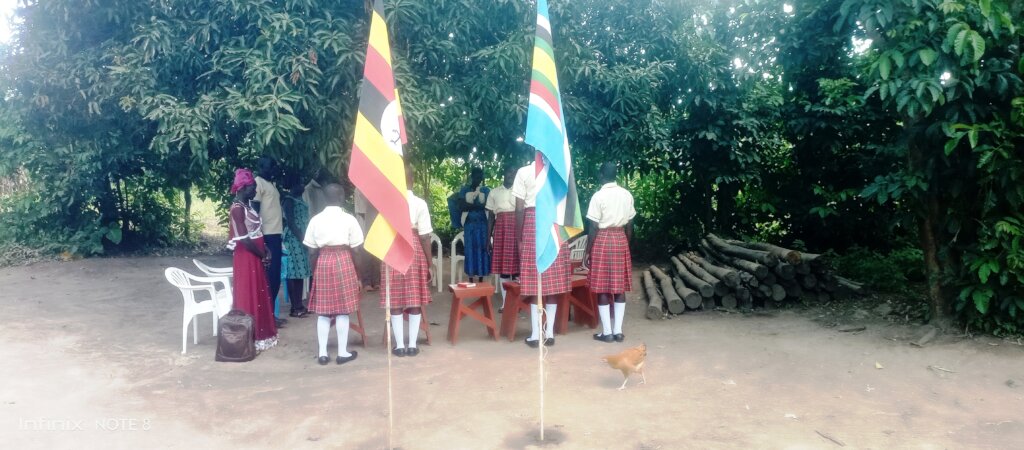
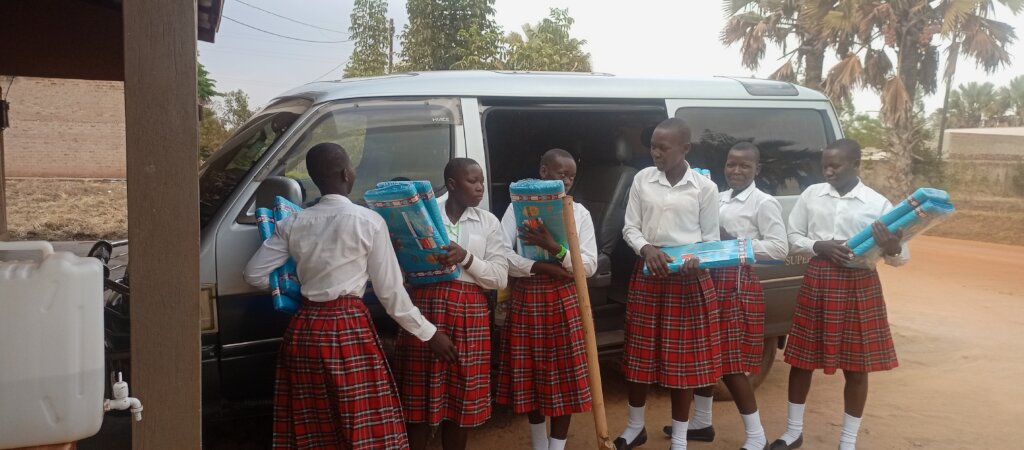
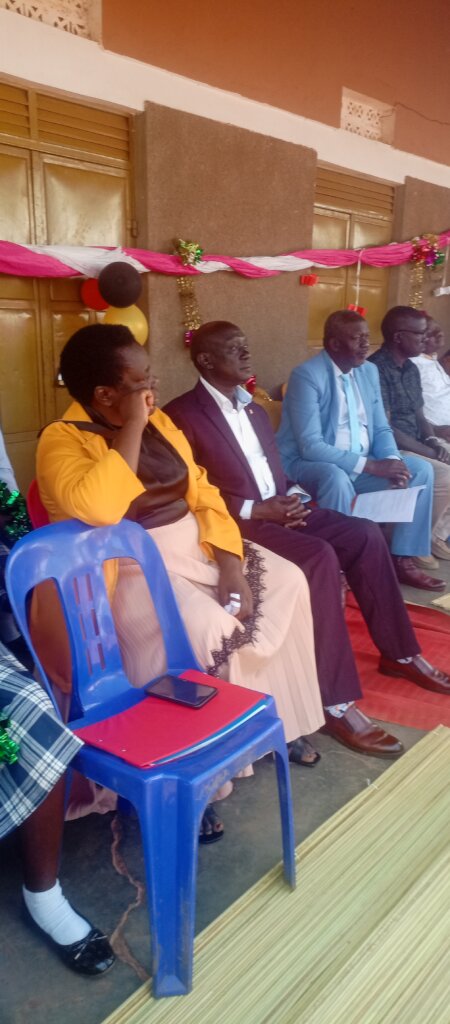
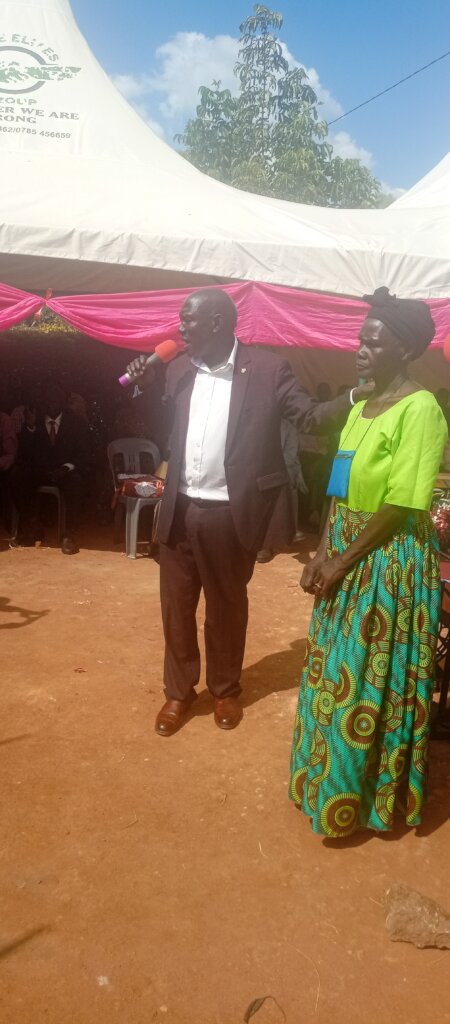
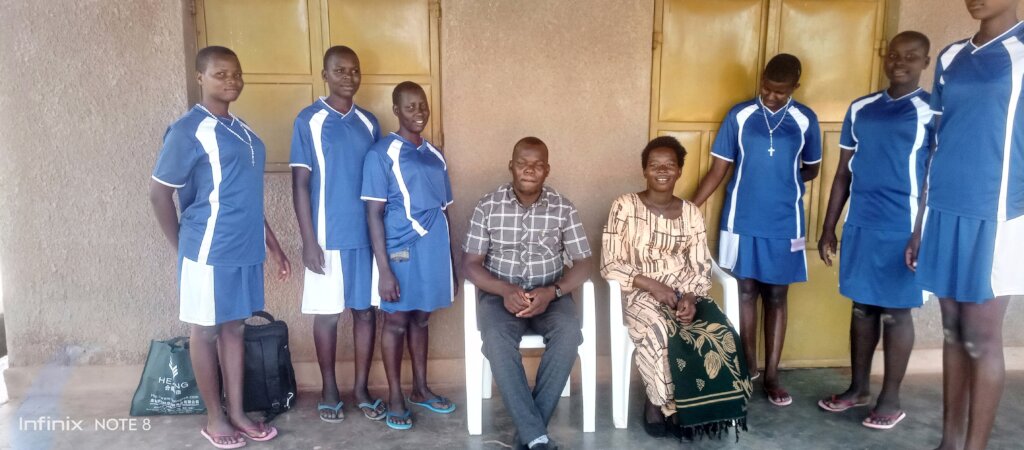
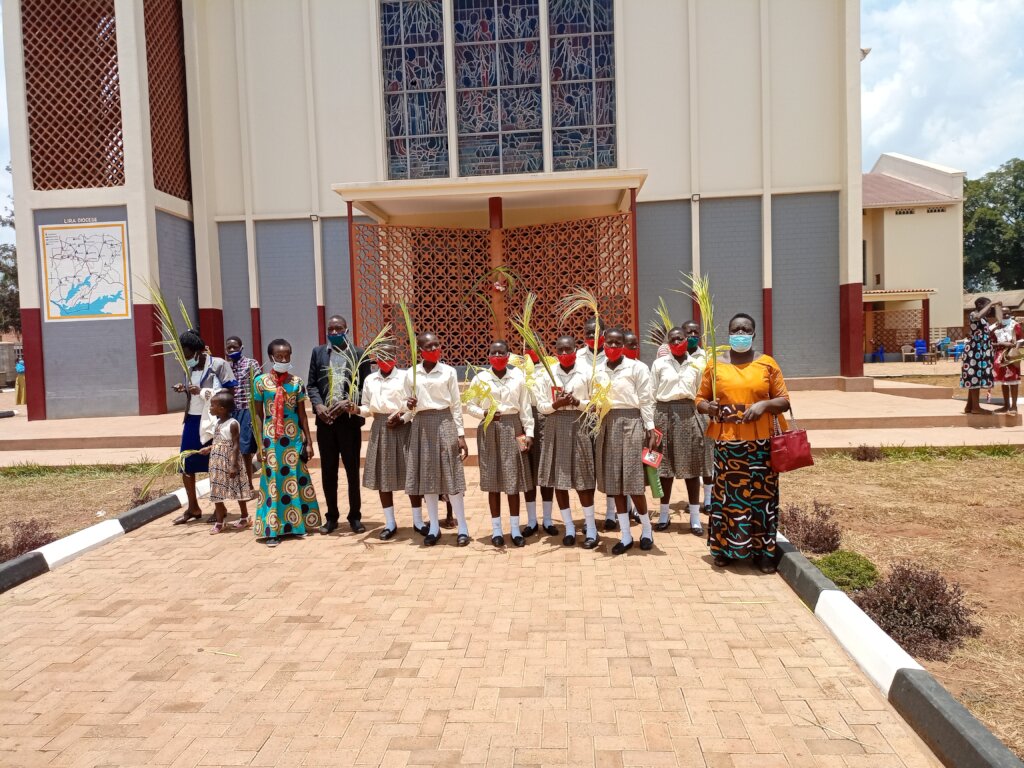
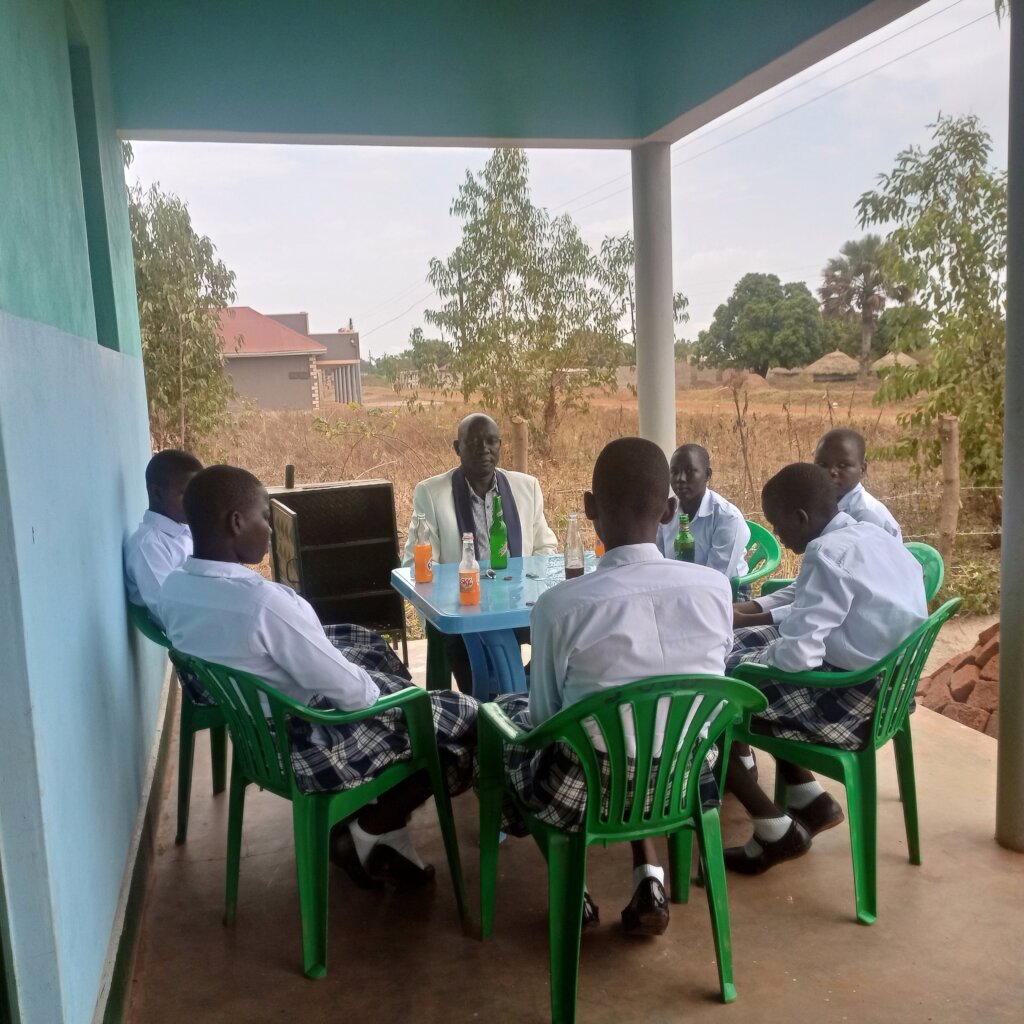
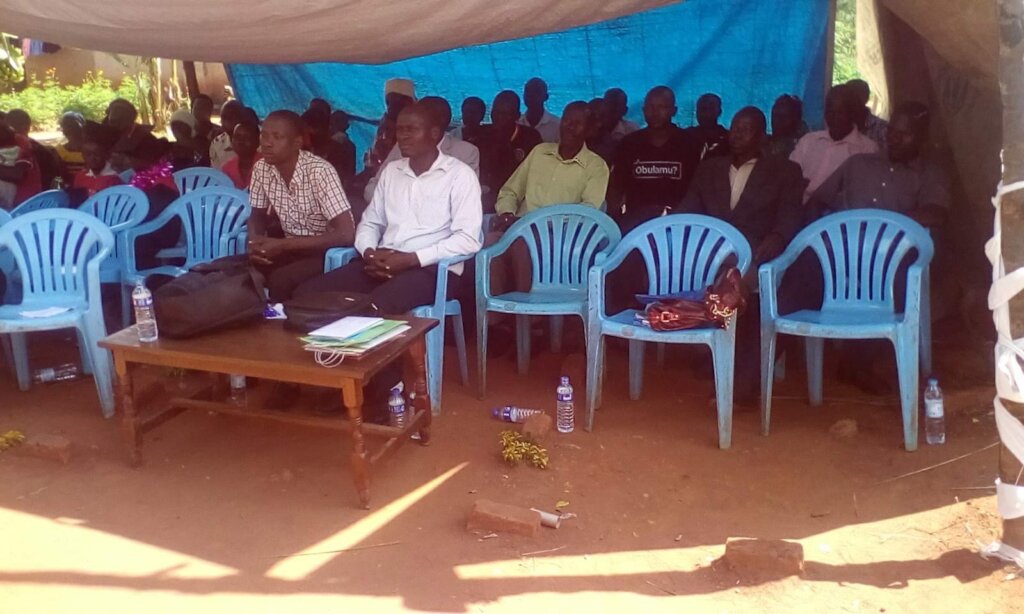
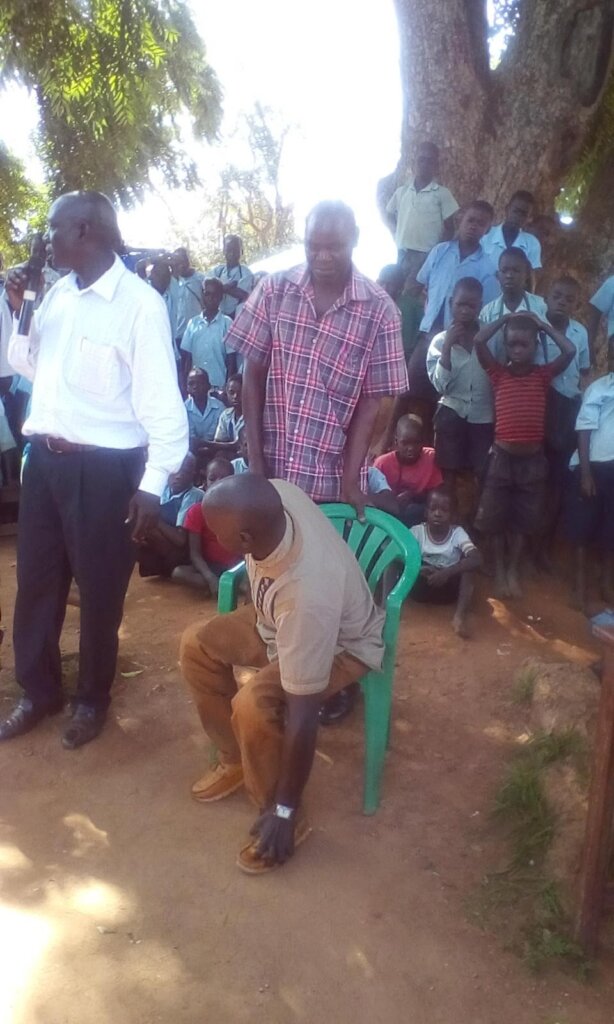
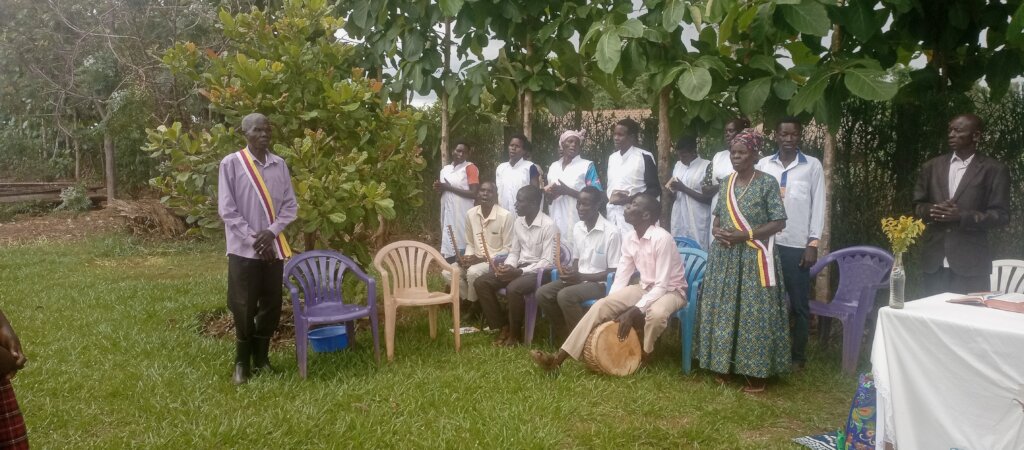
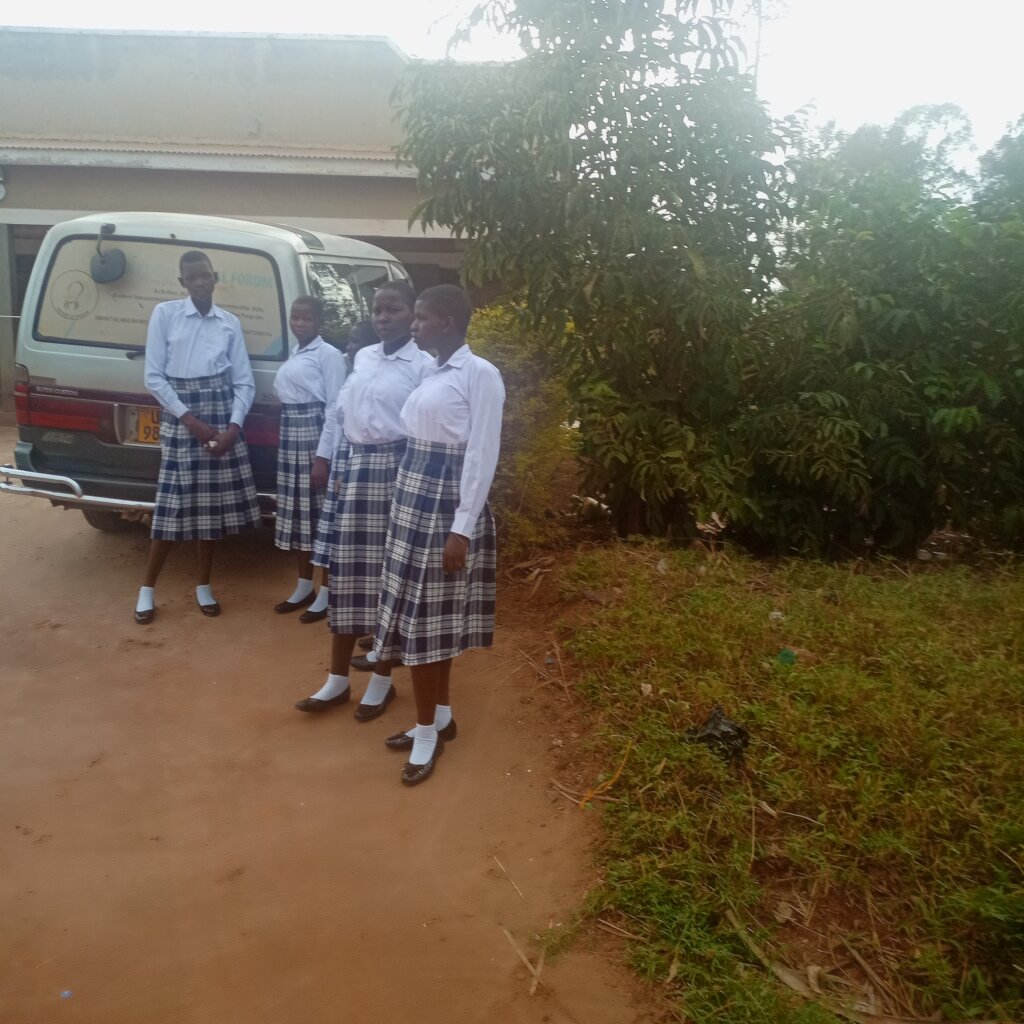
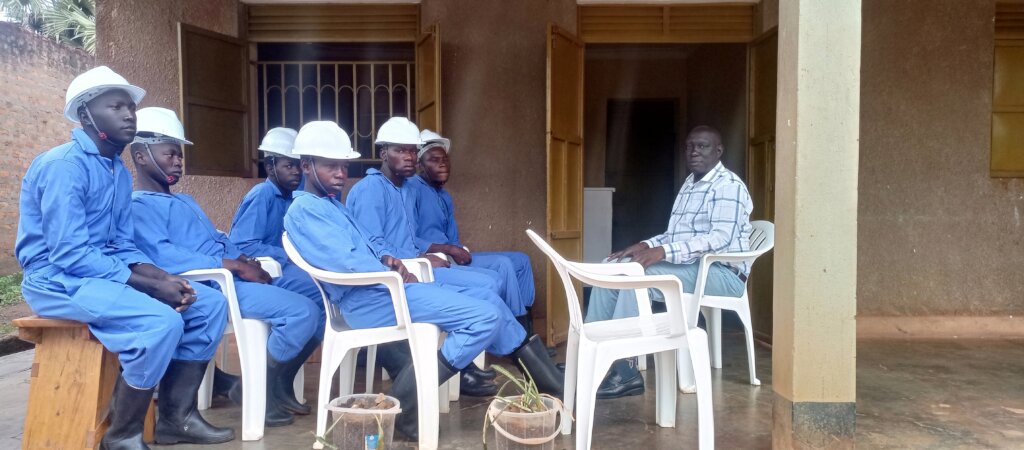
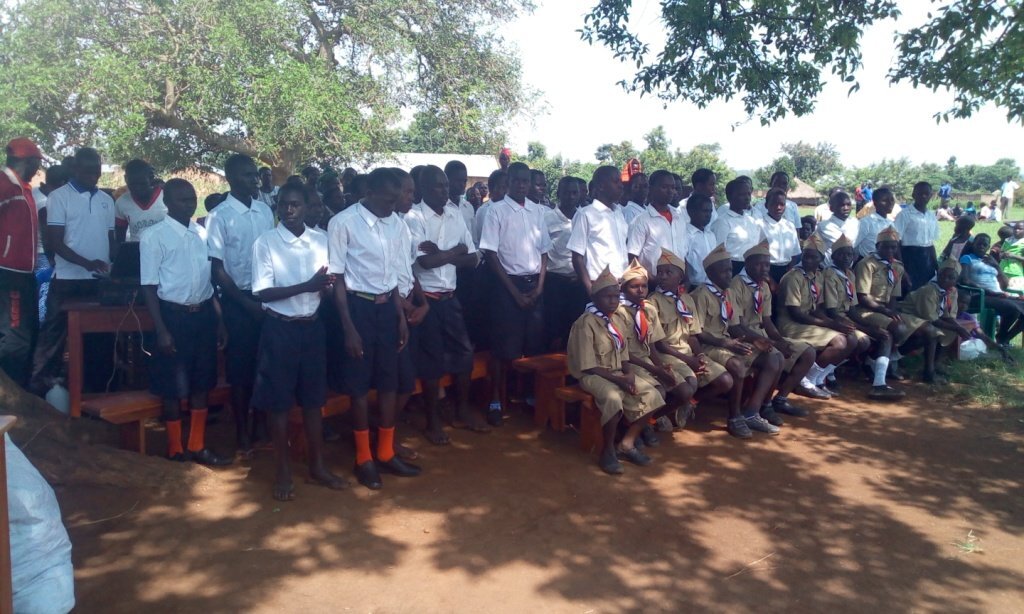
![Students and staff welcome the DCDO at KIFA]()
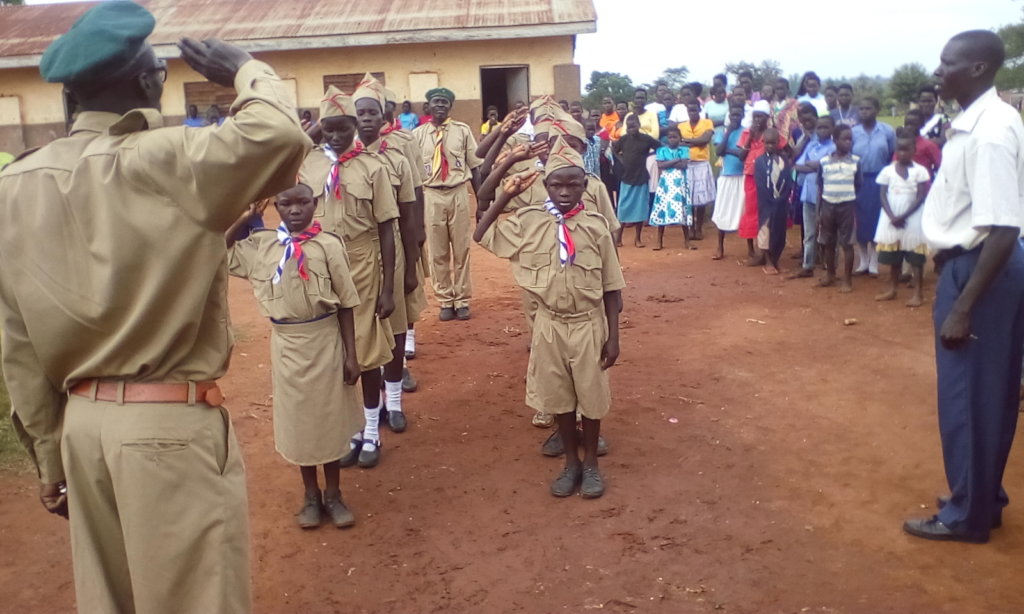
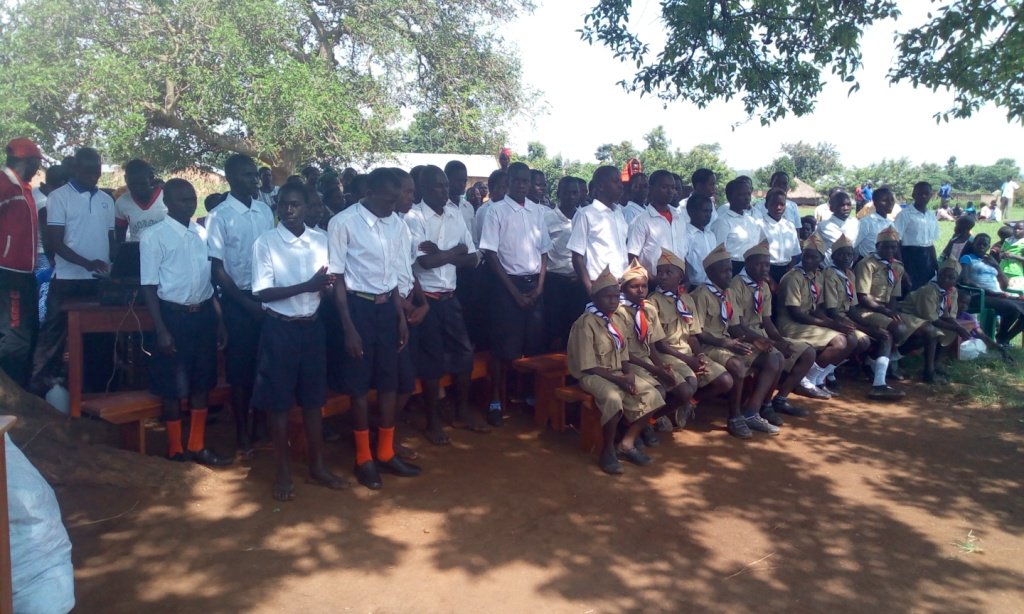
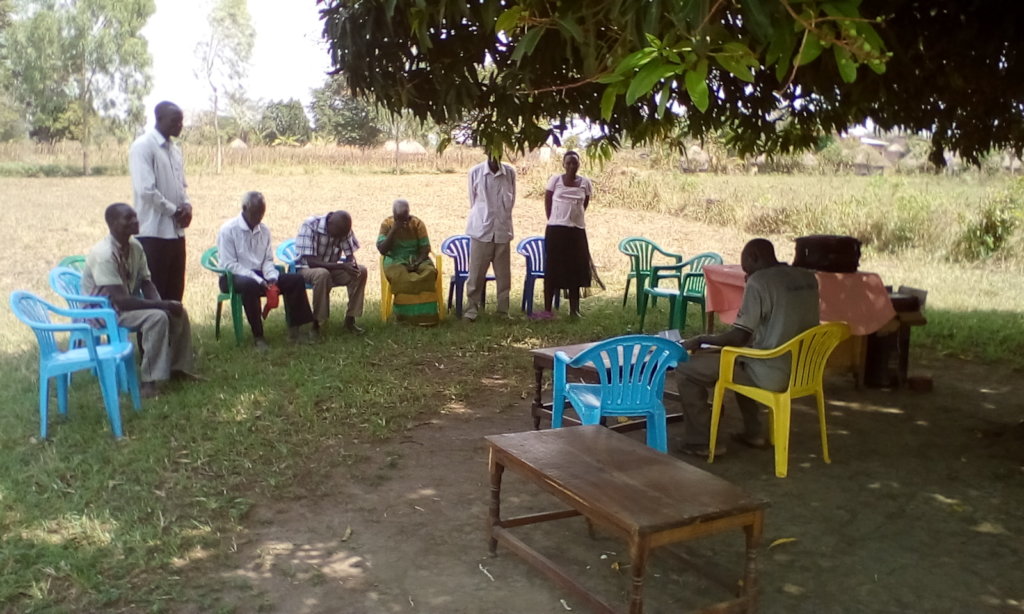
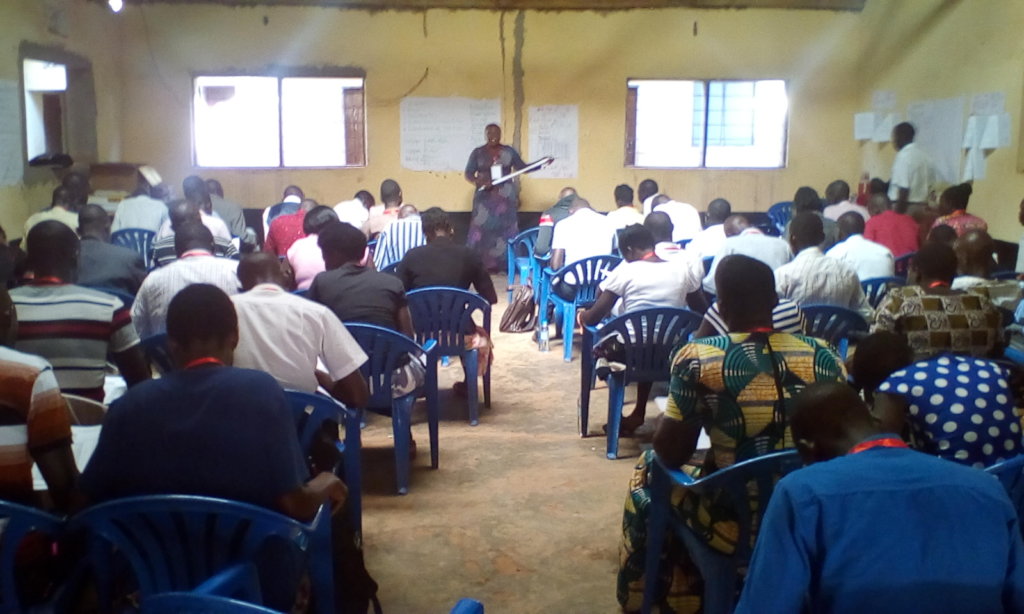
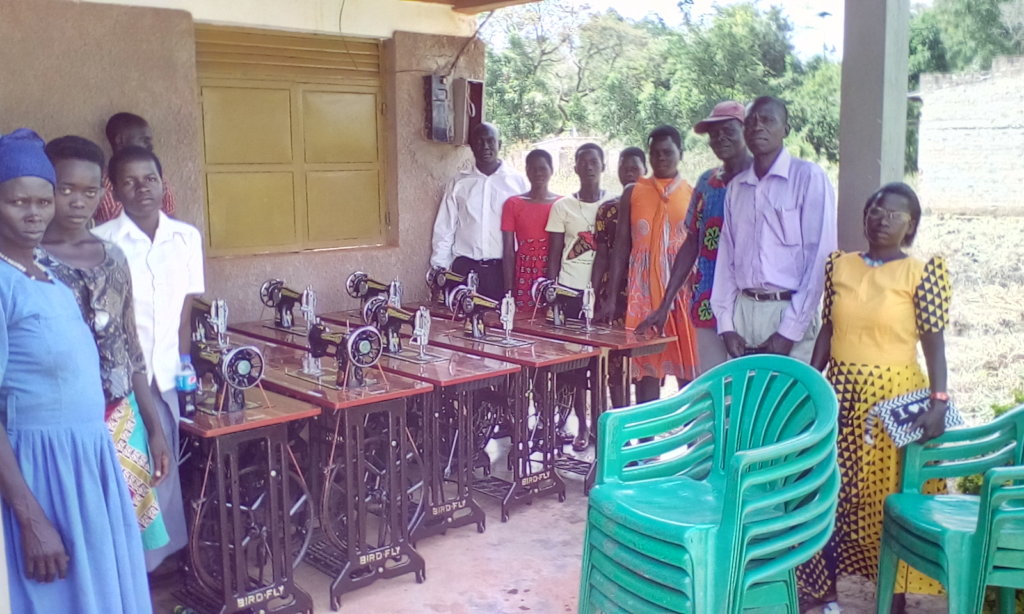
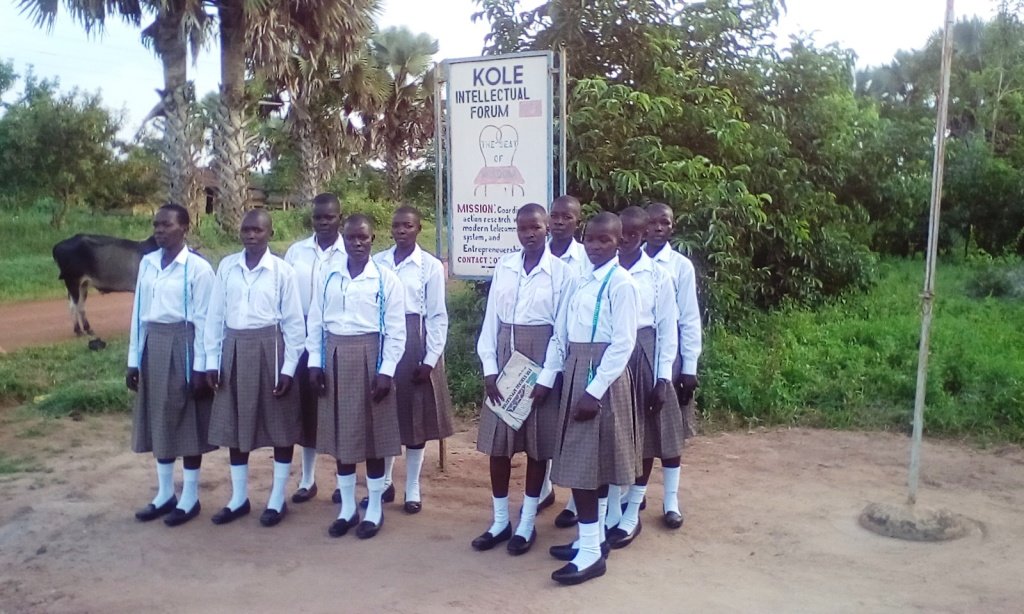
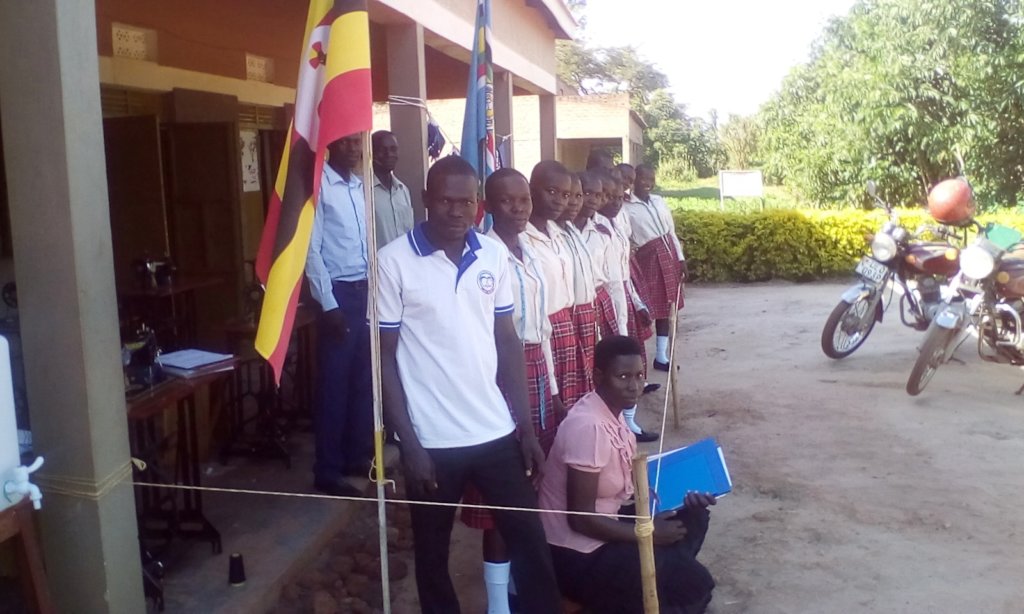
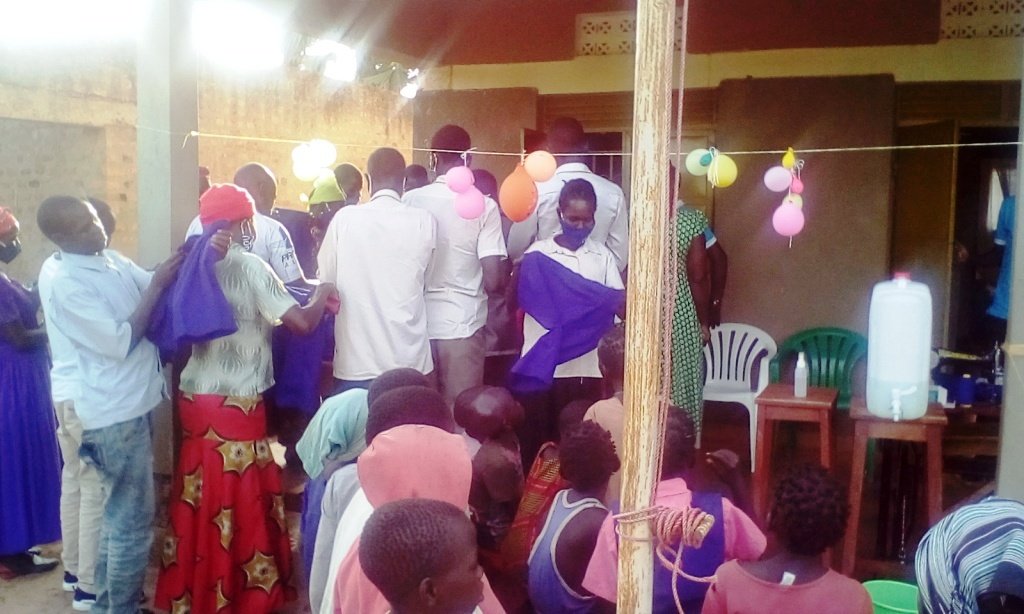
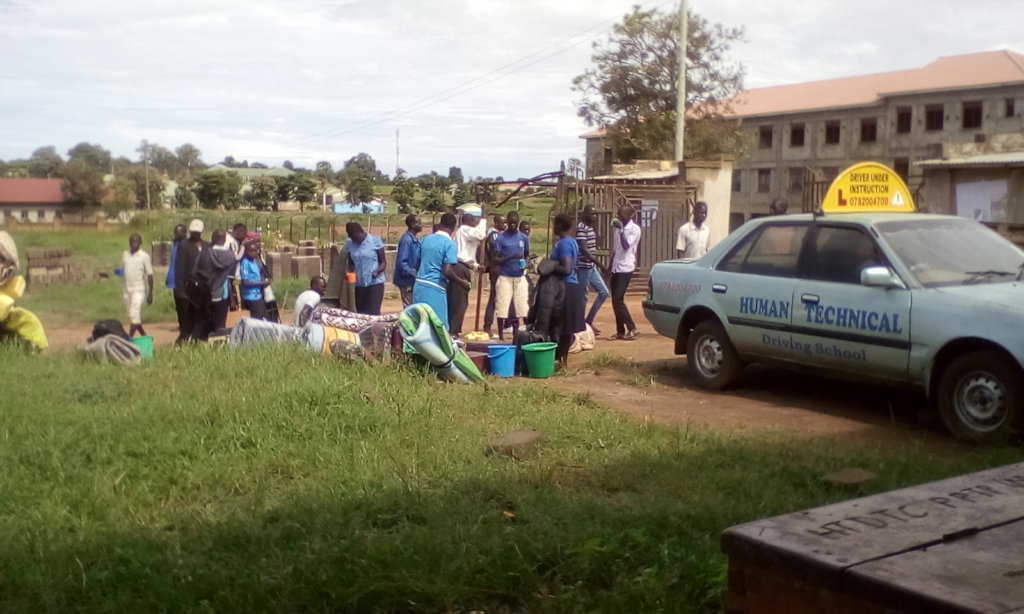
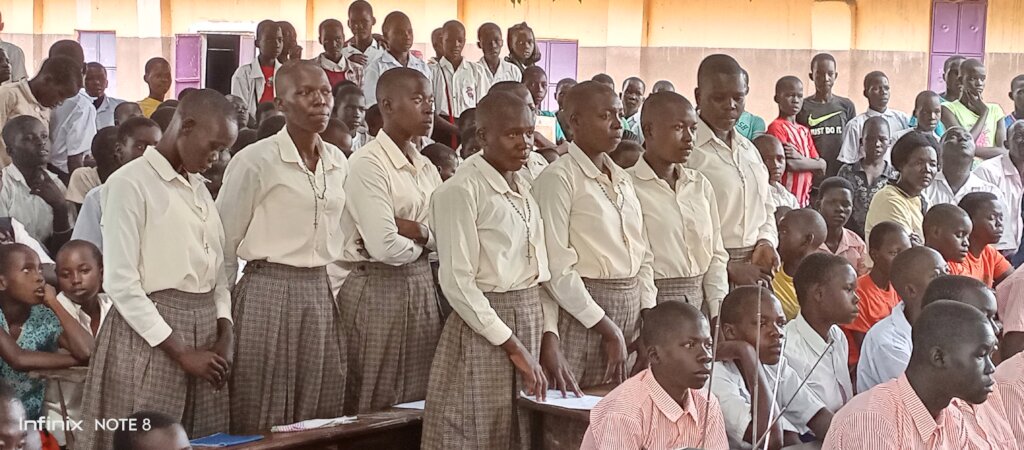
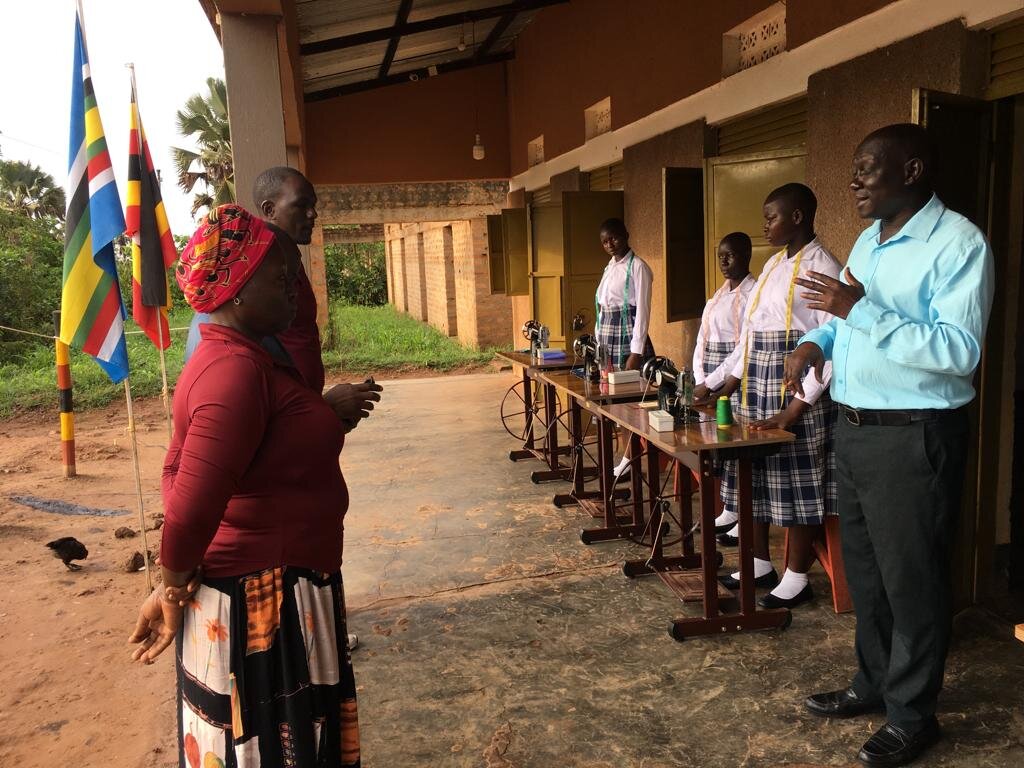
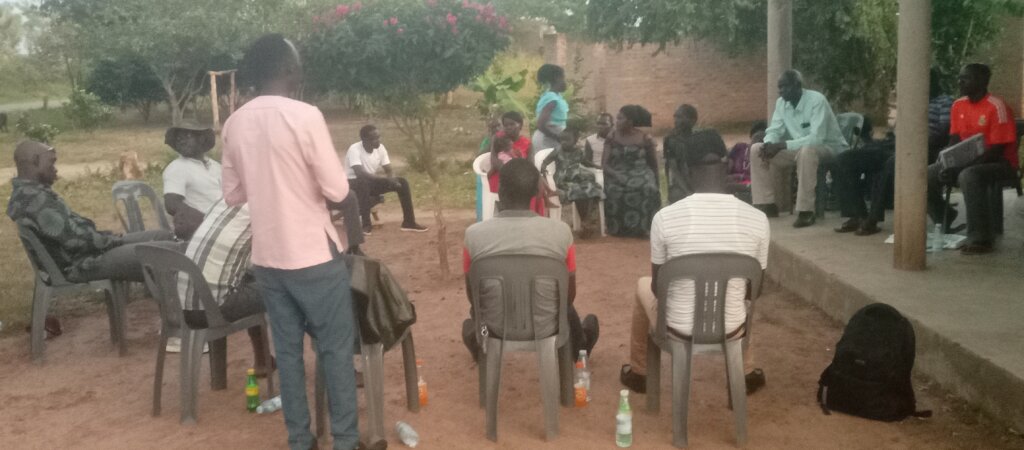
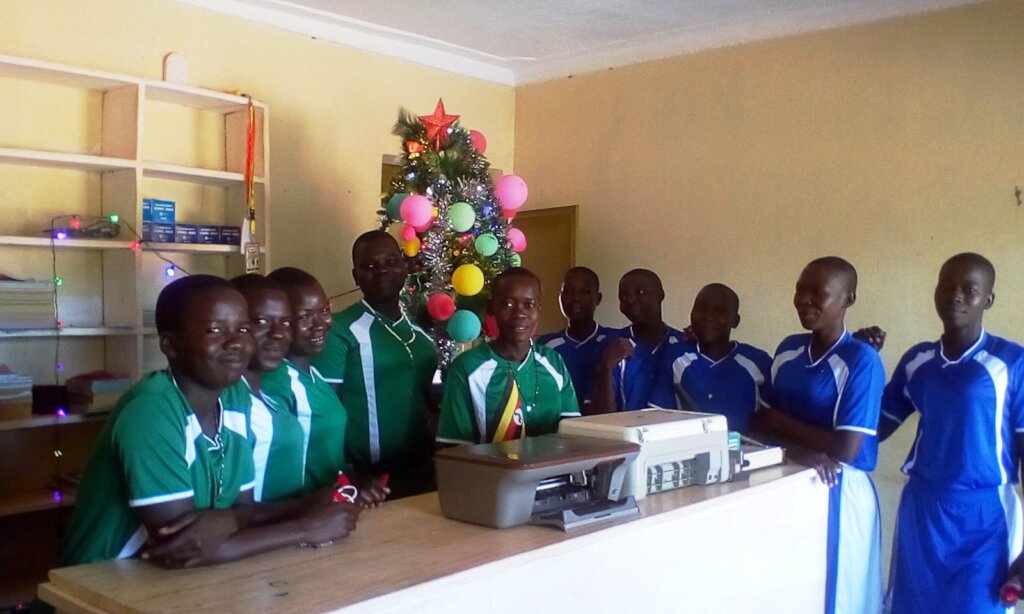
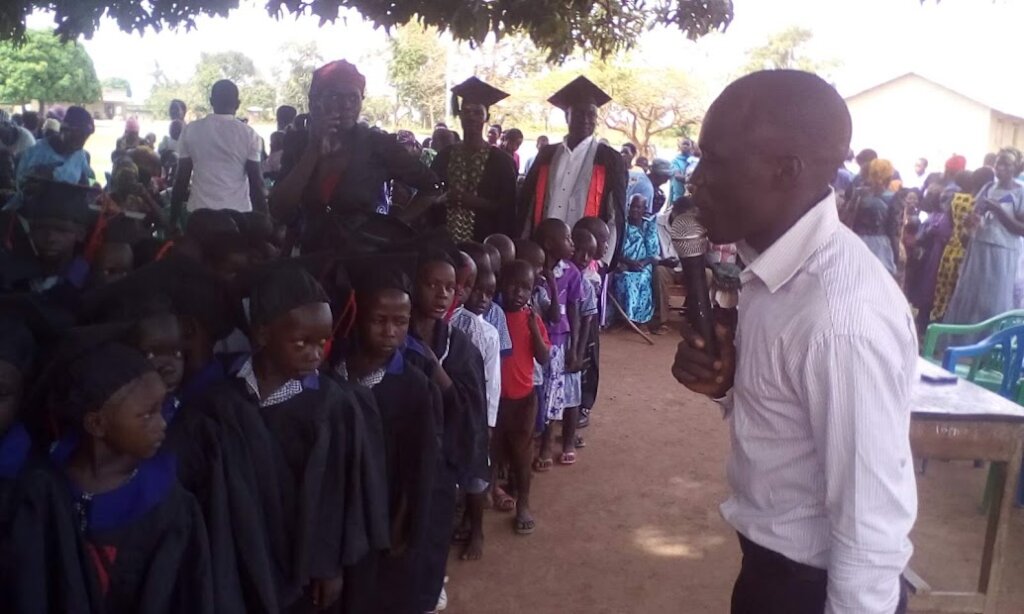
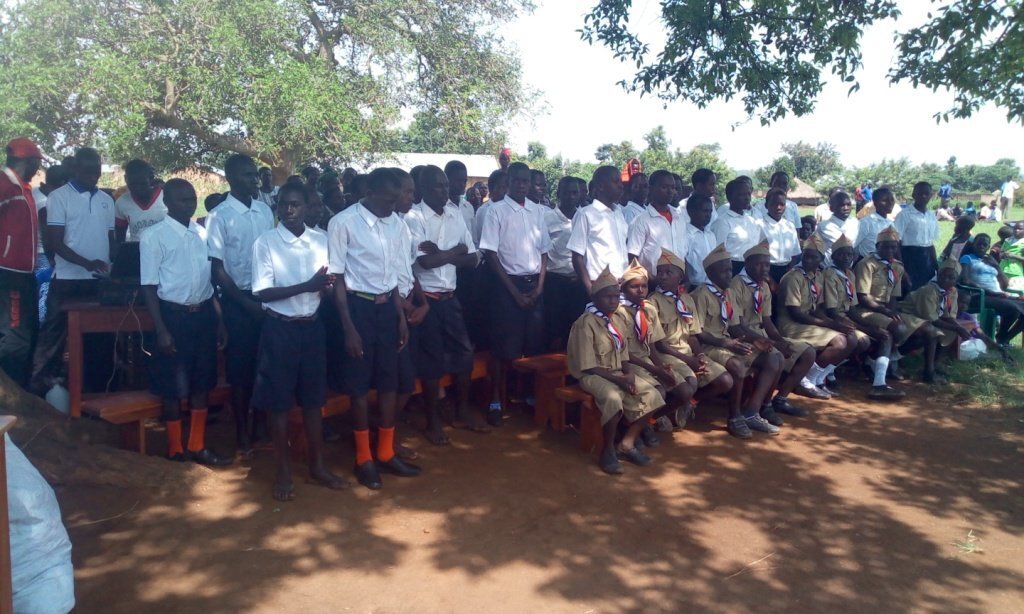
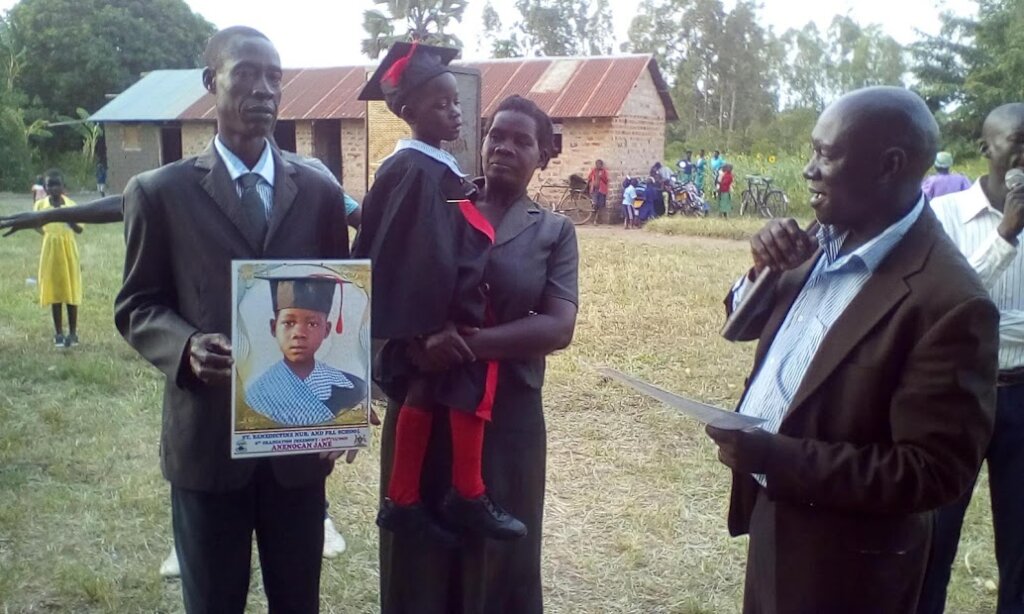
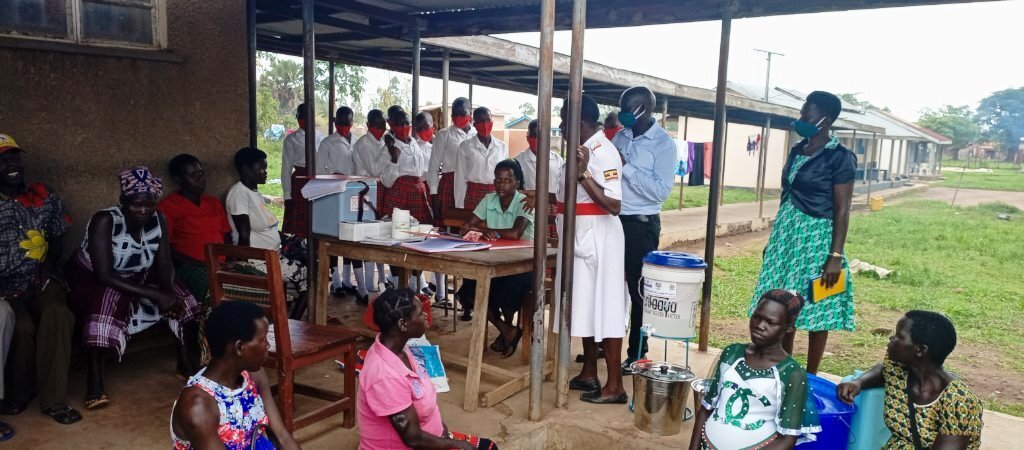
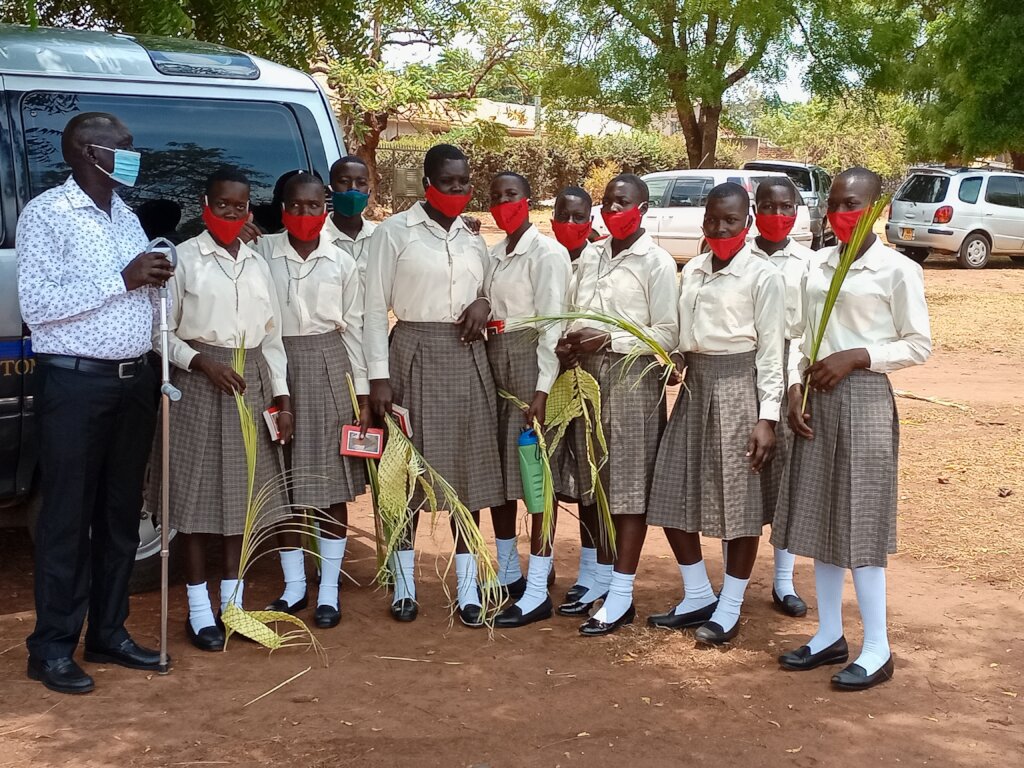
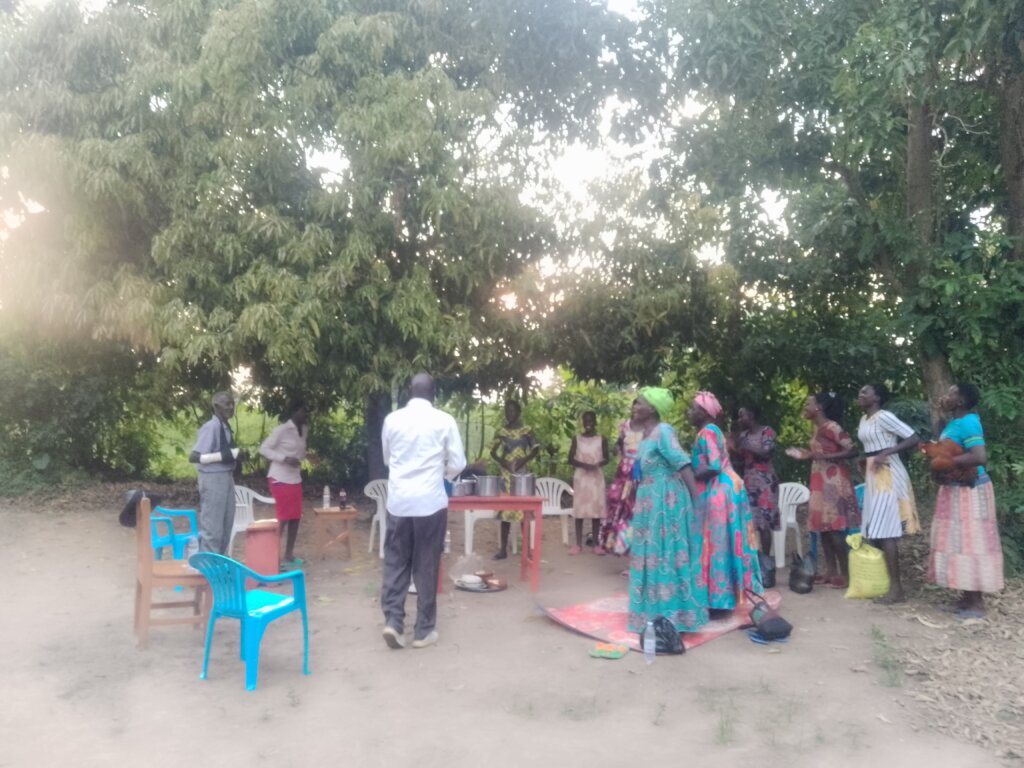
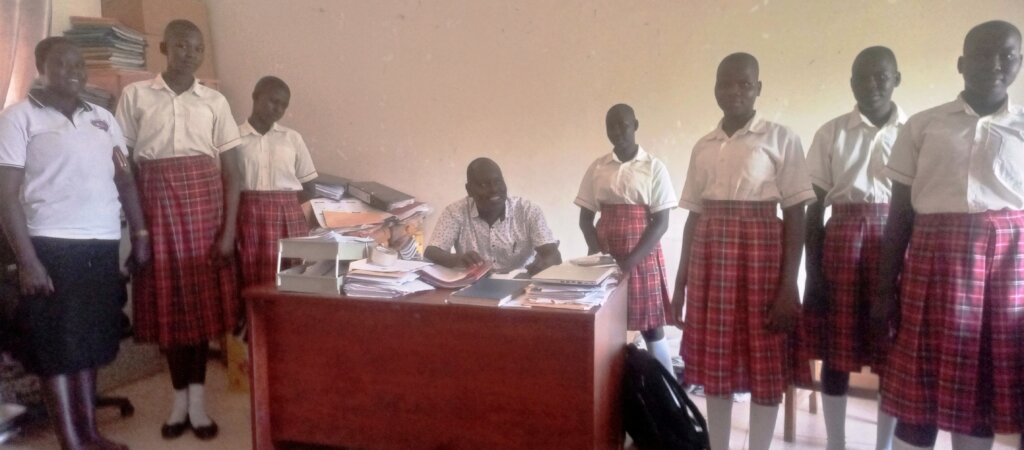
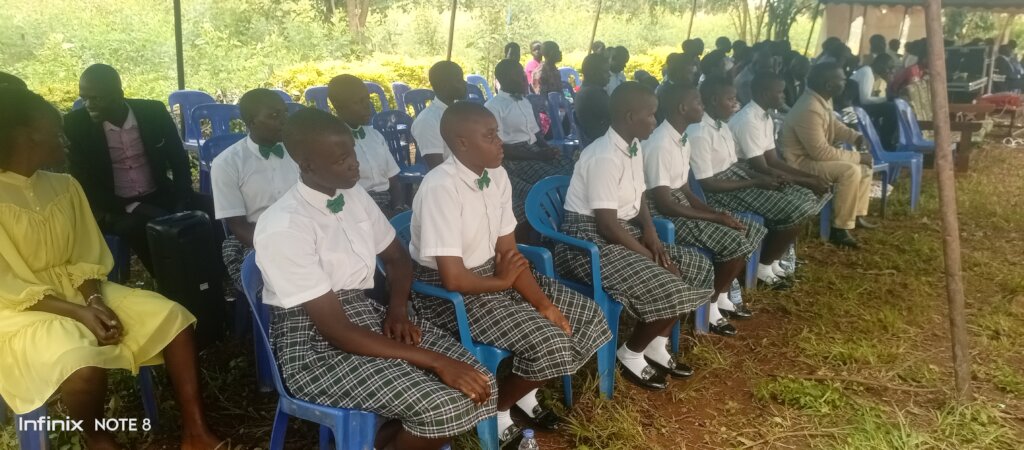
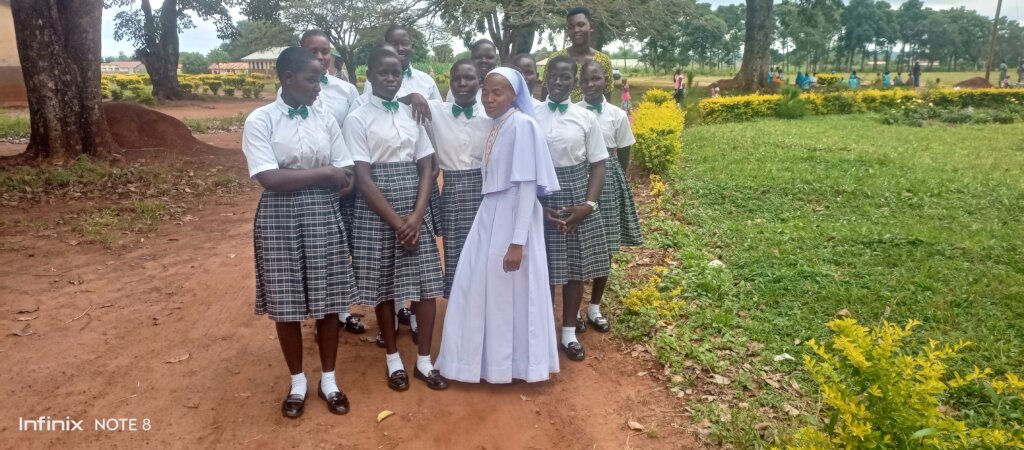
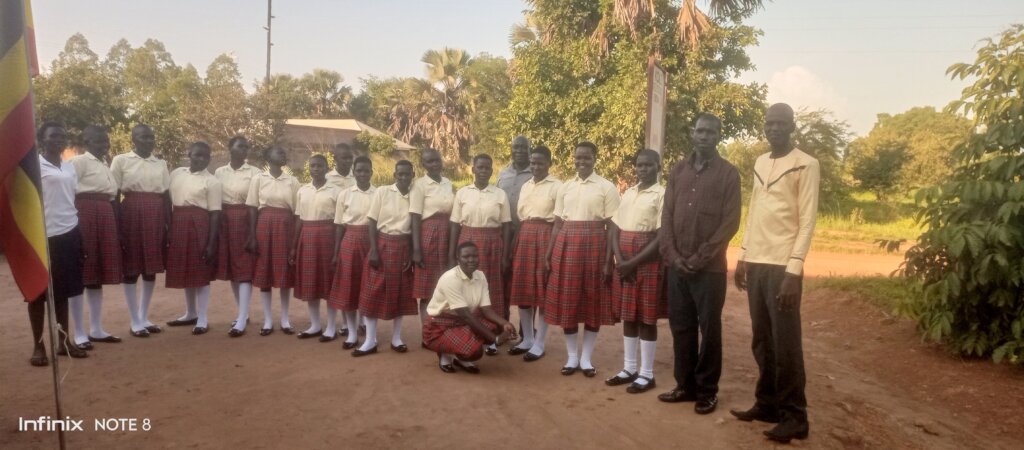
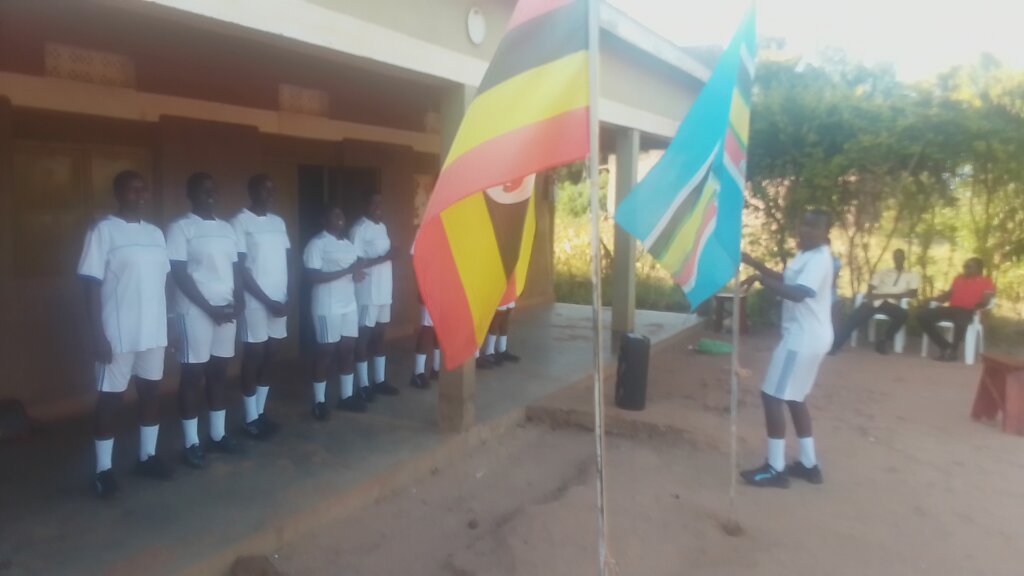
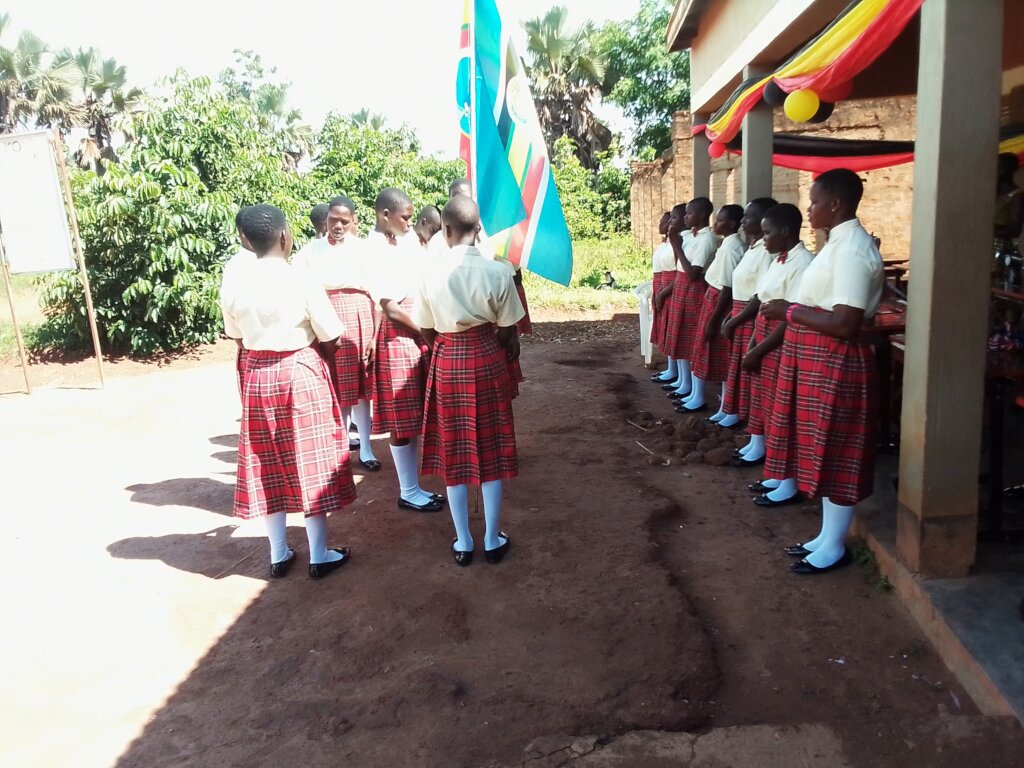
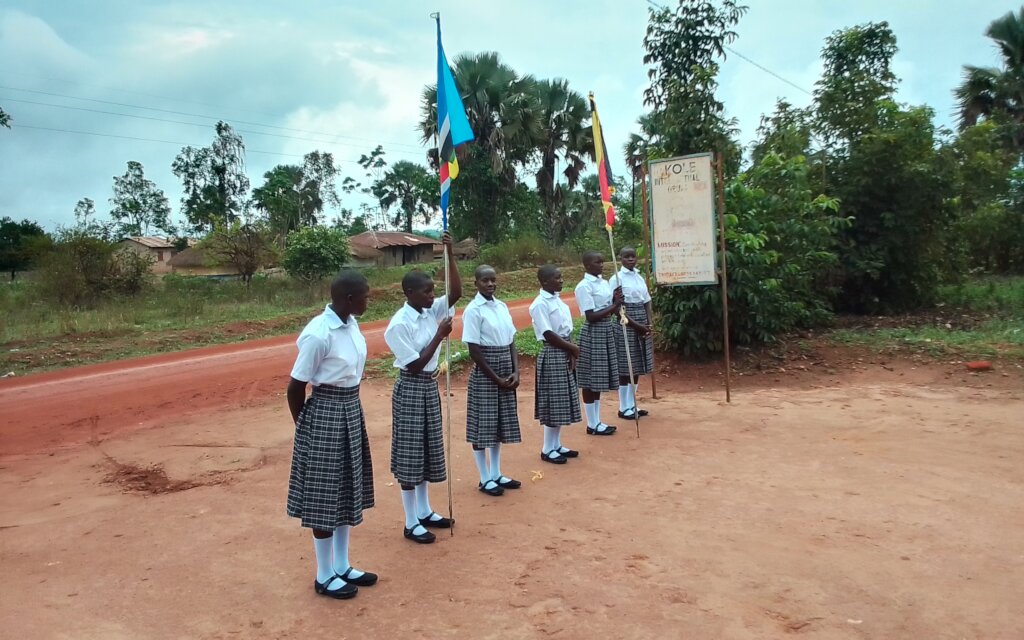
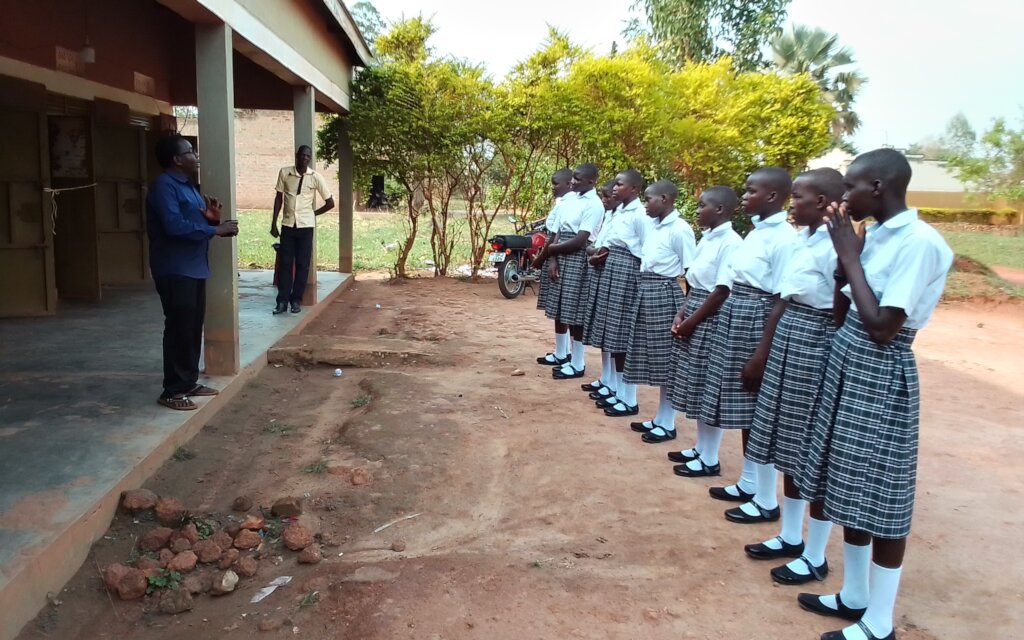
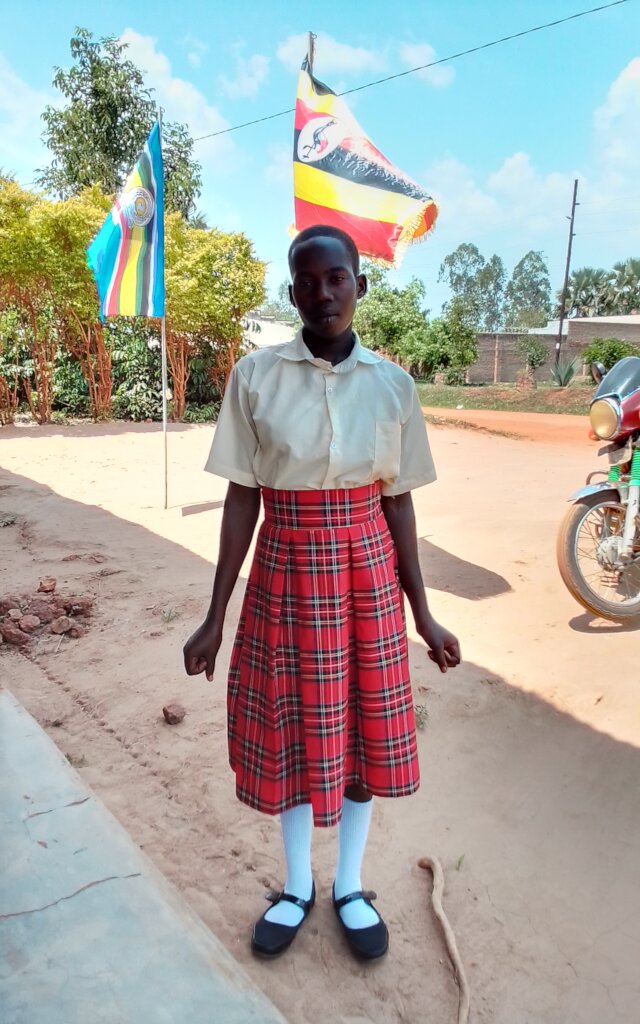
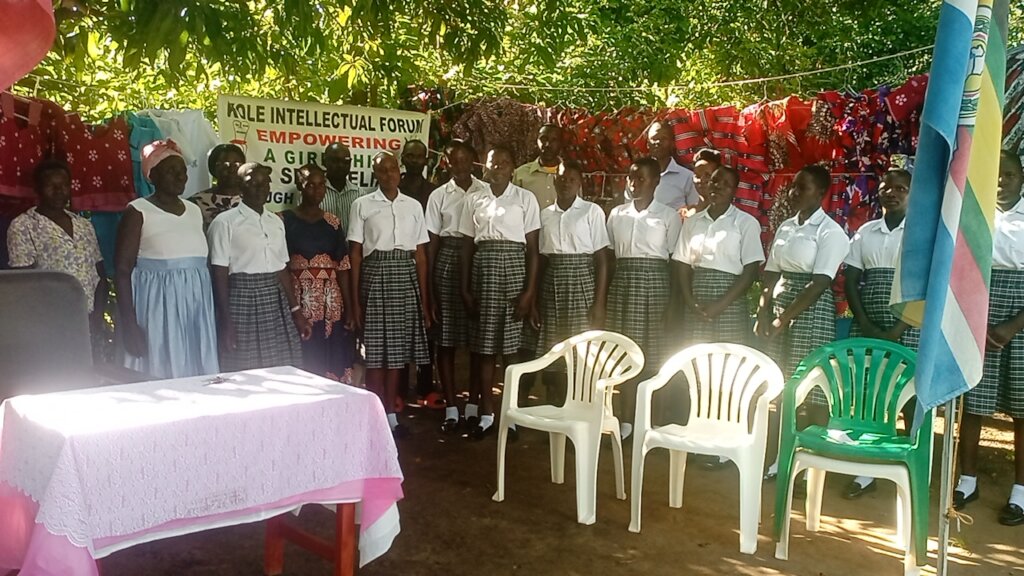
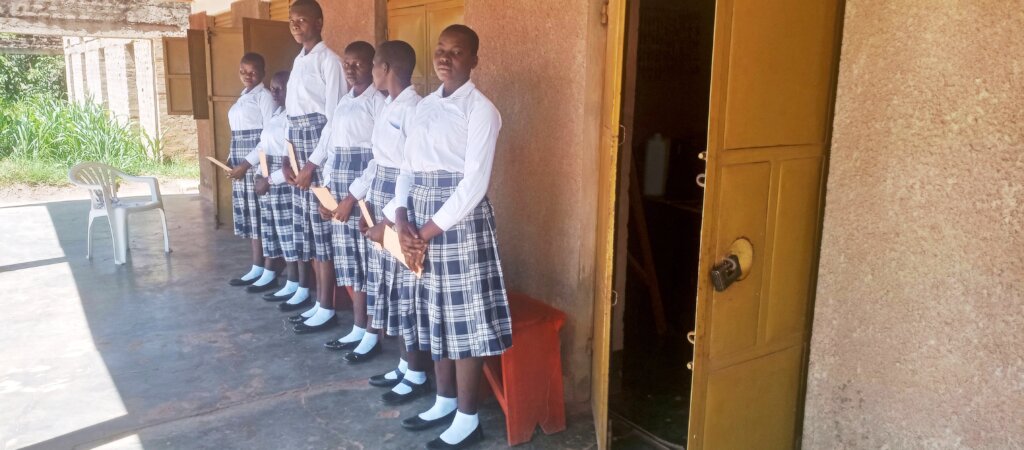
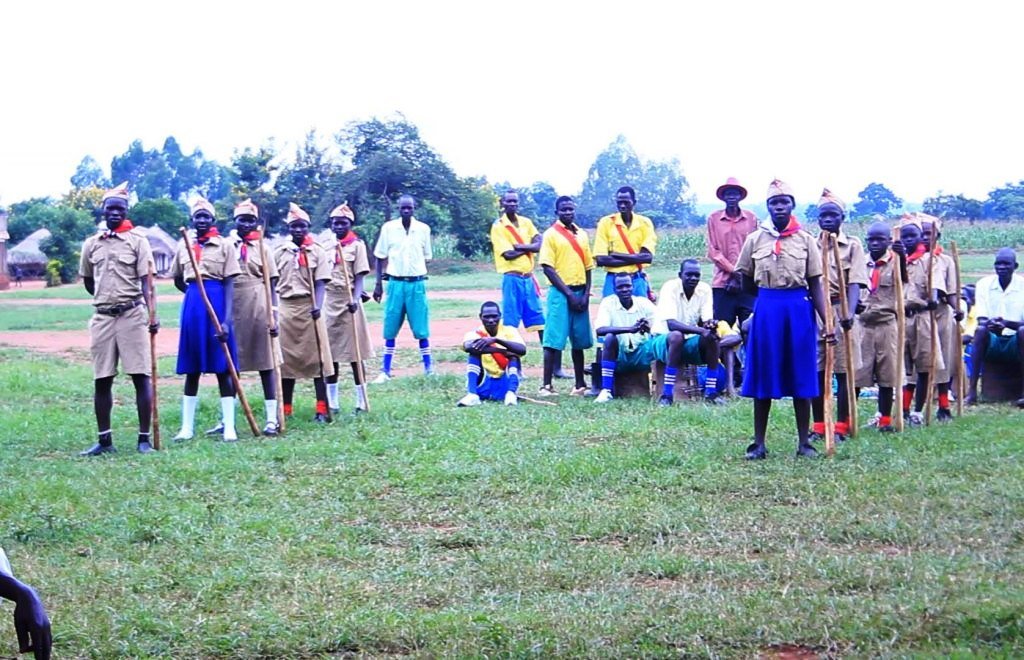
Students and staff welcome the DCDO at KIFA
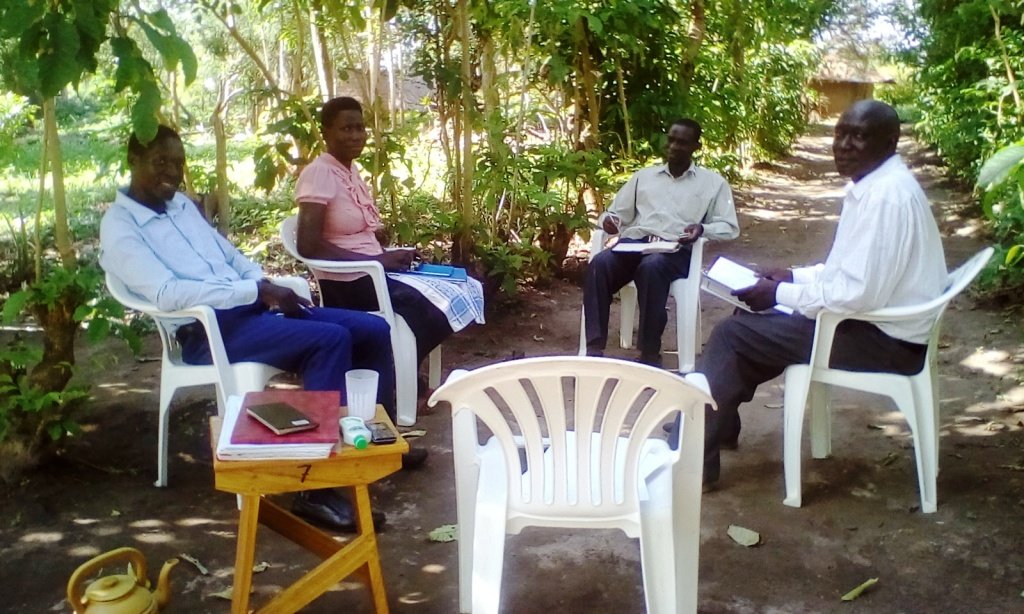
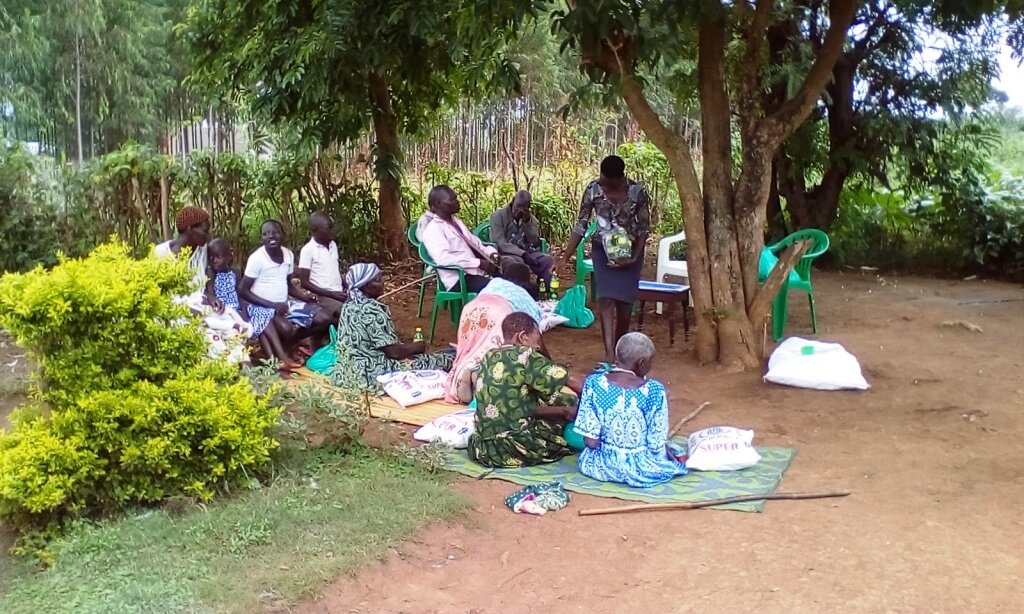
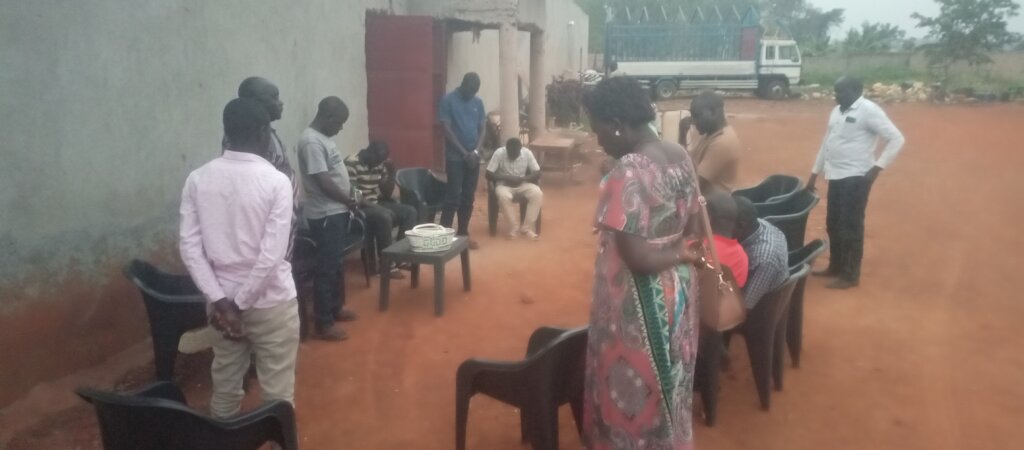
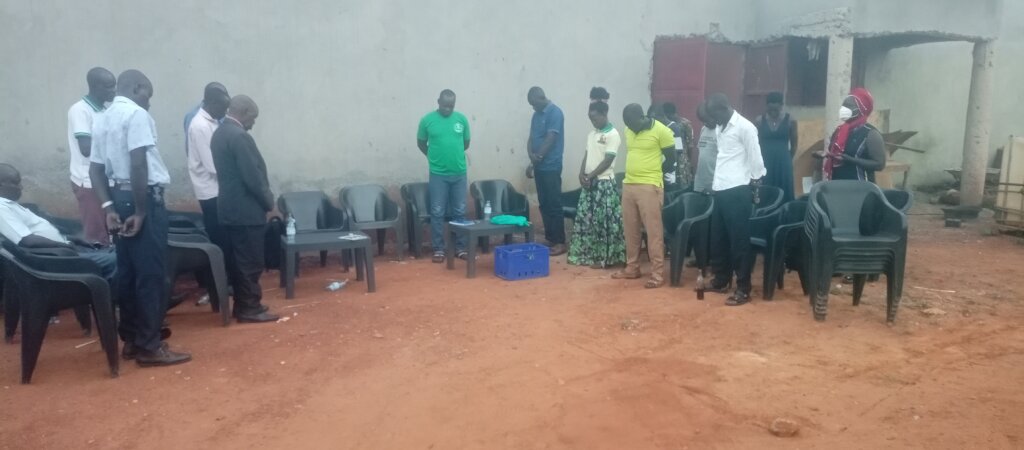
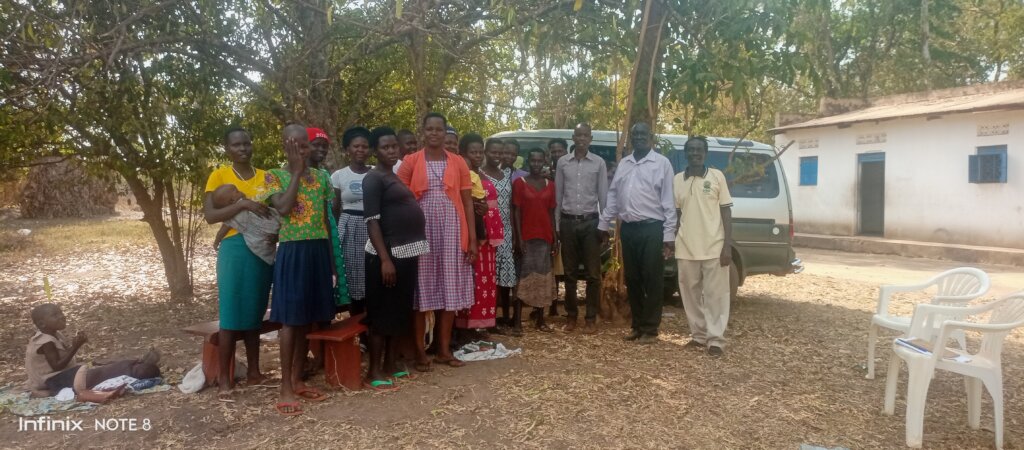
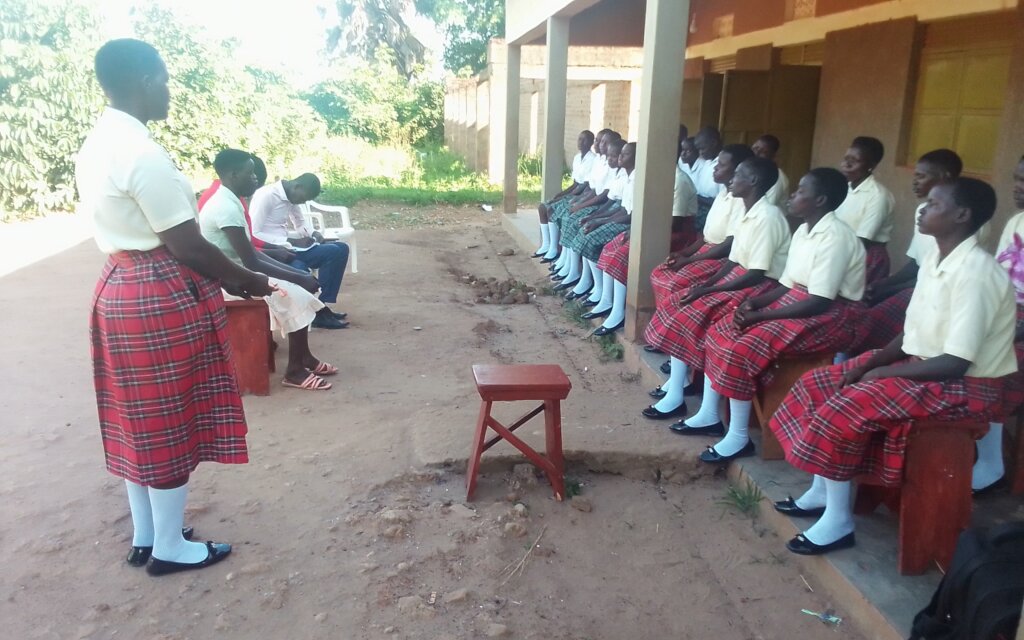
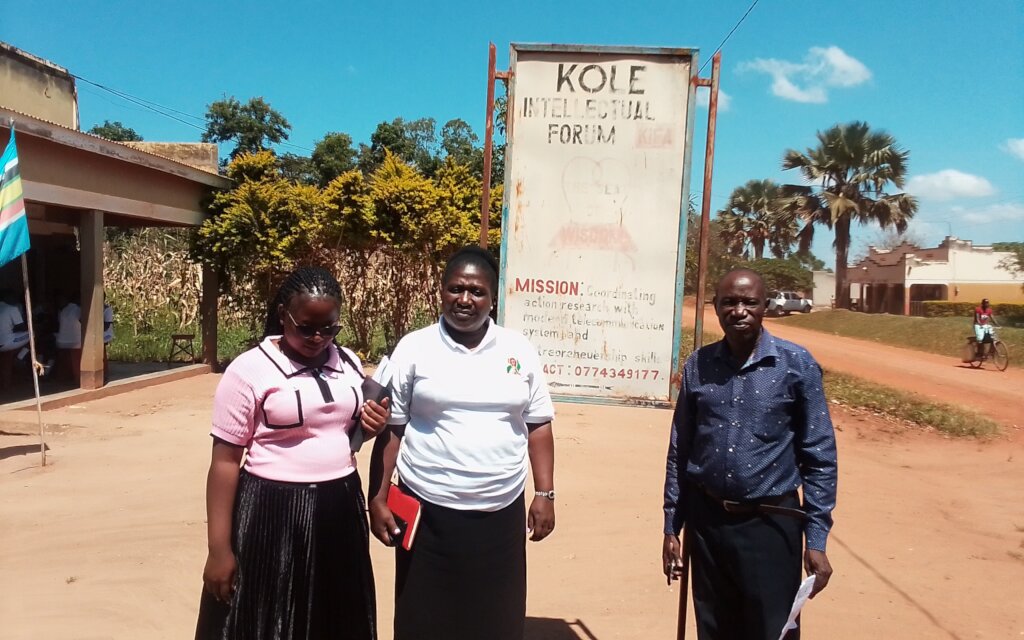
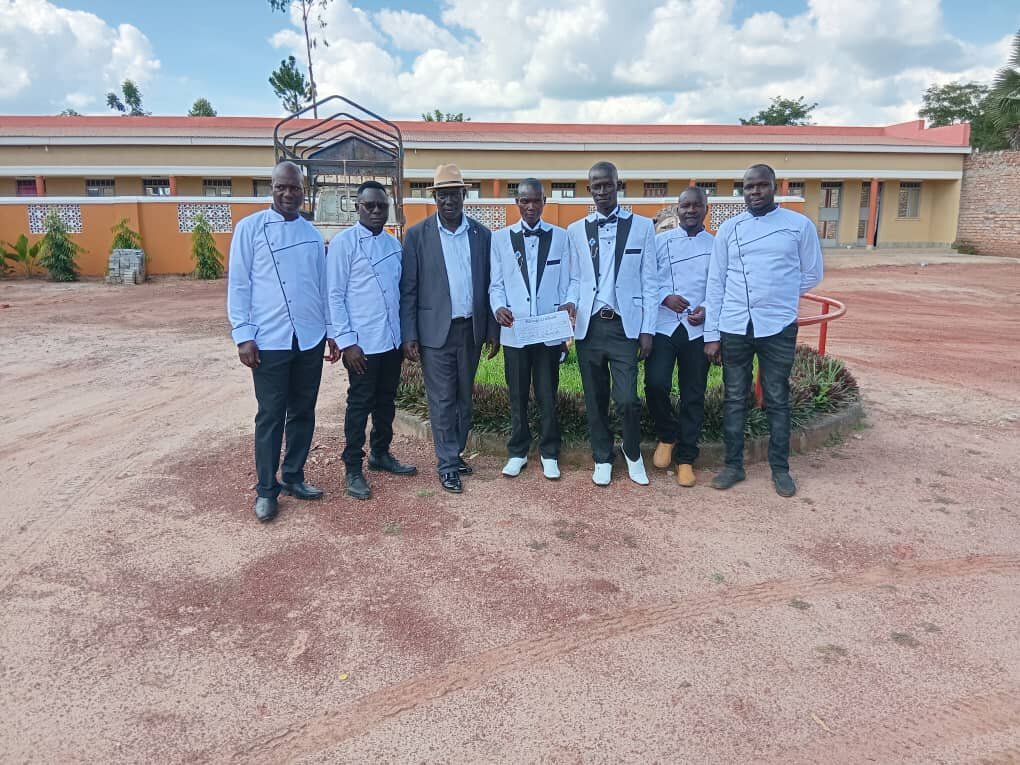
Official visit by DCDO (District Community Development Officer) Kole: KIFA (Kole Intellectual Forum)
For the purposes to monitor the compliance of Kole Intellectual Forum as a nonprofit organization operating in Kole District in Northern Uganda and ensure they are operating according to the law of the country (Uganda); the District Community Development Officer had to pay a countesy visit to the organization to verify its due diligence in this month of October, 2025.
The purposes of the visit was to confirm the:
- Compliance and regulation: To ensure the Kole Intellectual Forum is registered and operating according to the NGO Act 2016 (Uganda) and to monitor compliance with its provisions.
- Operational approval: To review the organization's annual work plan and approve its operations for the year.
- Mandatory MOUs: To facilitate the signing of a Mandatory Memorandum of Understanding (MOU) between the NGO and the local government, which outlines the terms of the partnership.
- Performance monitoring: To monitor the NGO's performance, impact, and adherence to the agreed-upon activities and goals in the MOU.
- Partnership and collaboration: To strengthen the partnership between the local government of Kole and that of Kole Intellectual Forum, ensuring they work together in a coordinated manner to address community needs.
- Problem-solving: To address any challenges or issues that arise from the Kole Intellectual Forum's operations and to provide guidance; and the
- Capacity building: To help strengthen the capacity of the Kole Intellectual Forum to work effectively in their communities
Oct 30, 2025
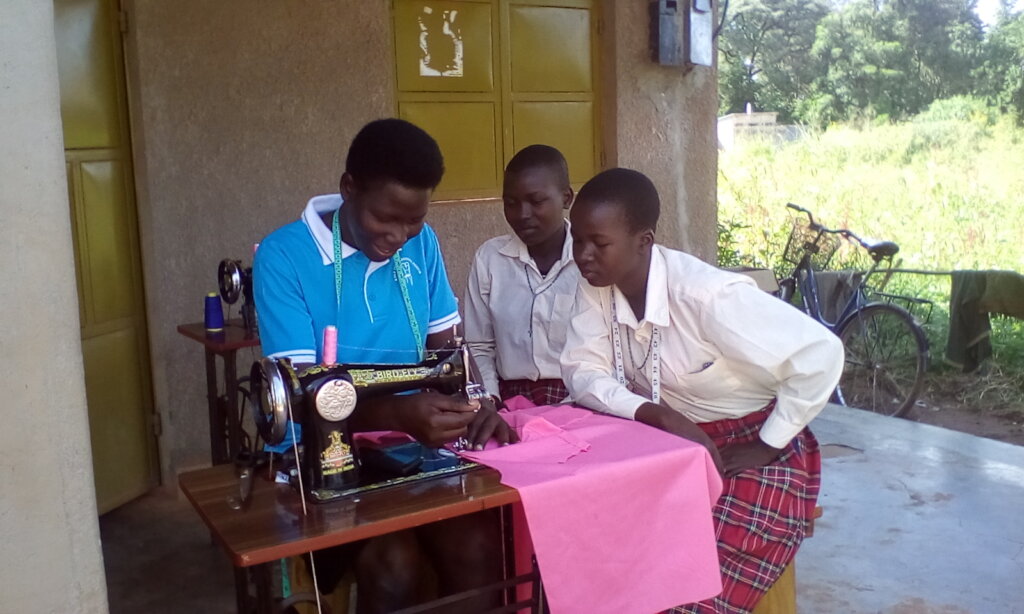
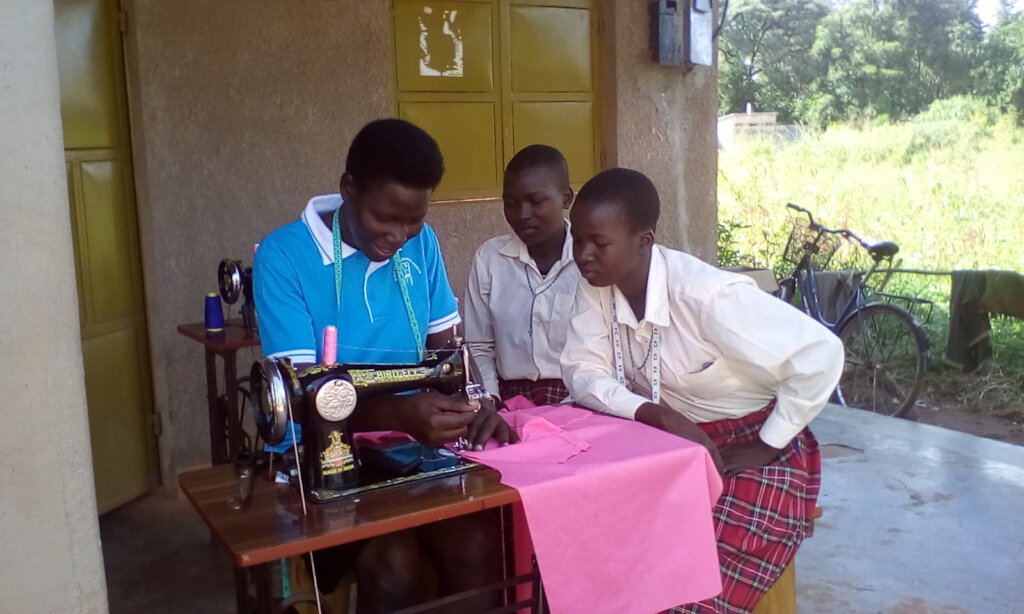
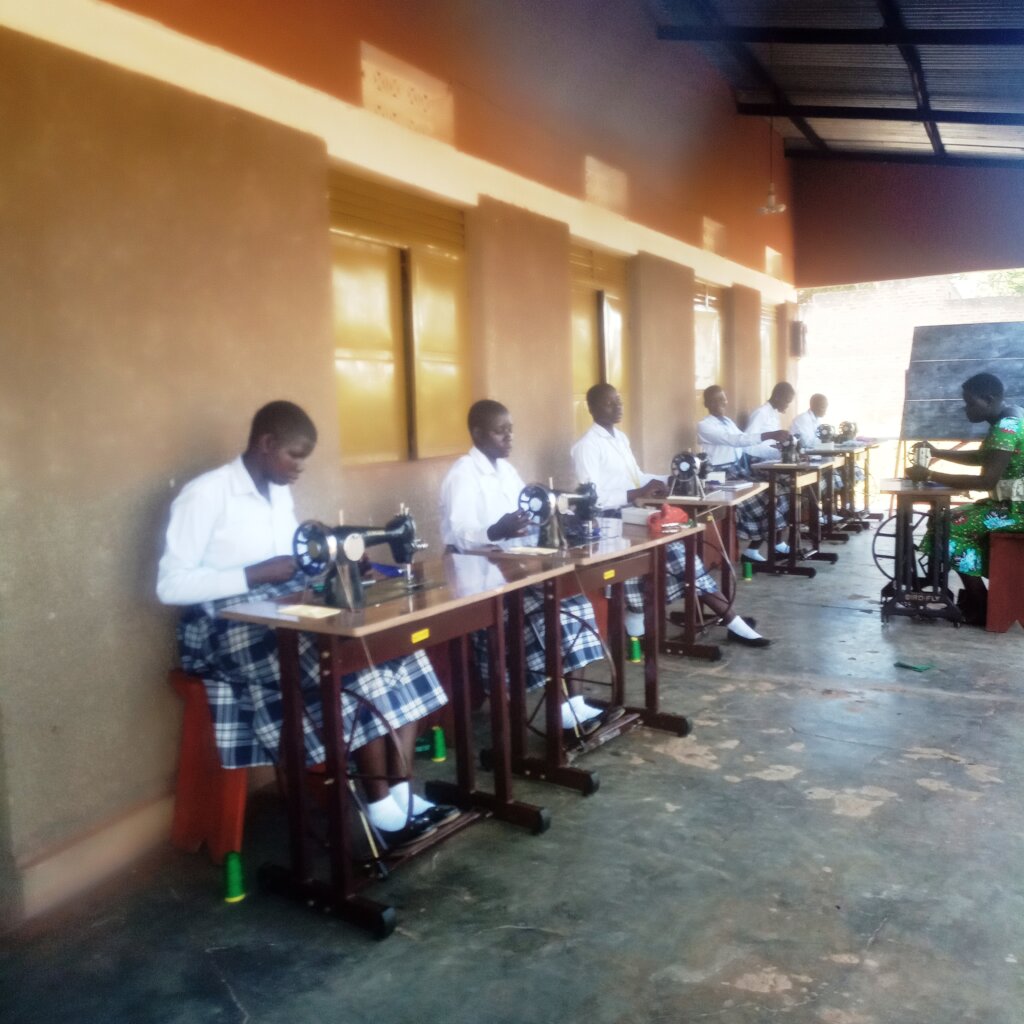
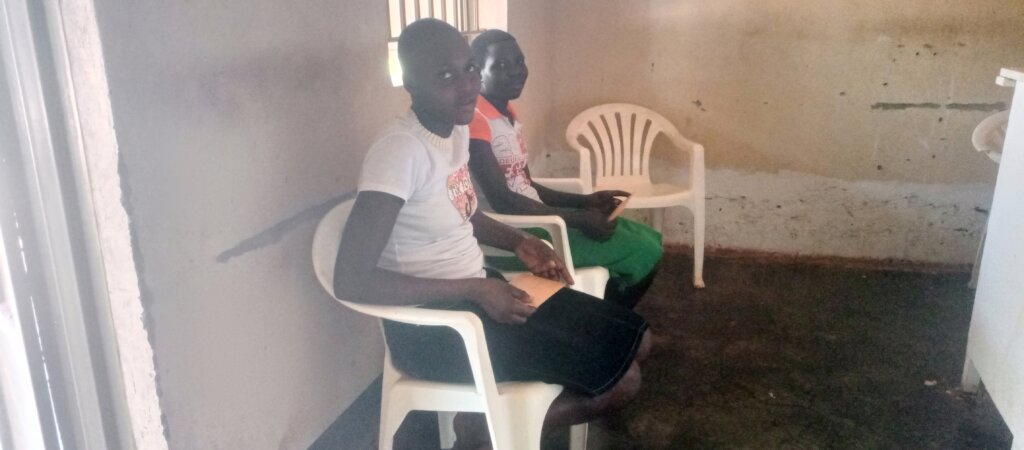
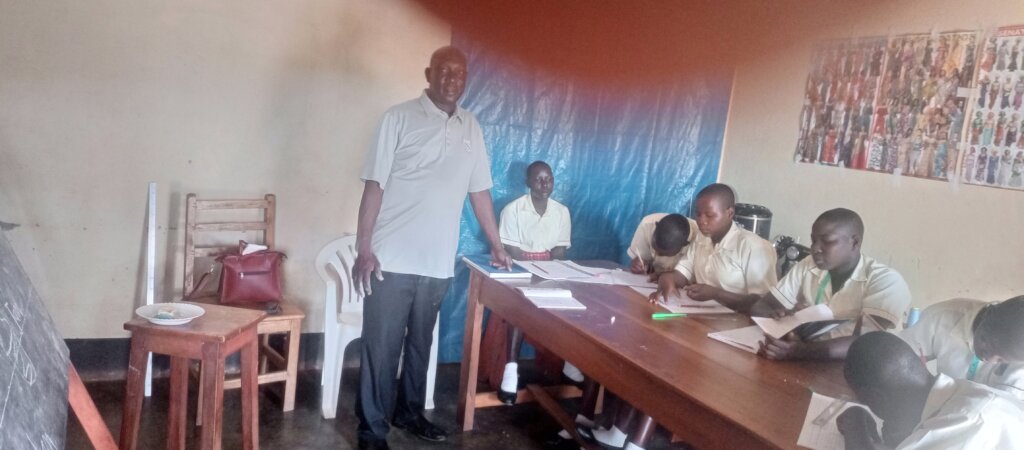
Student-centered learning (SCL): Encourage
By George Obua | Project Leader
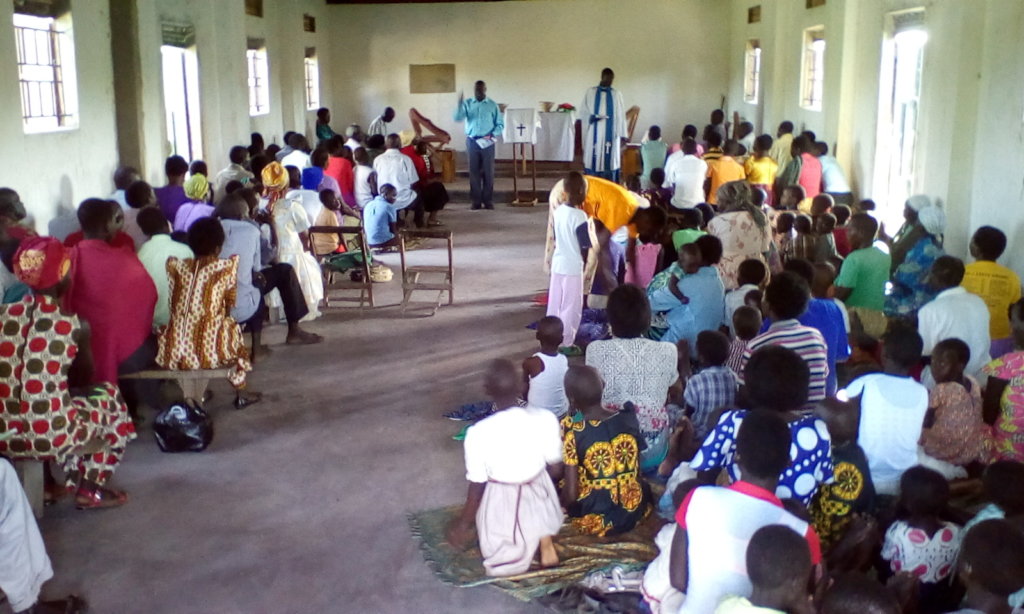
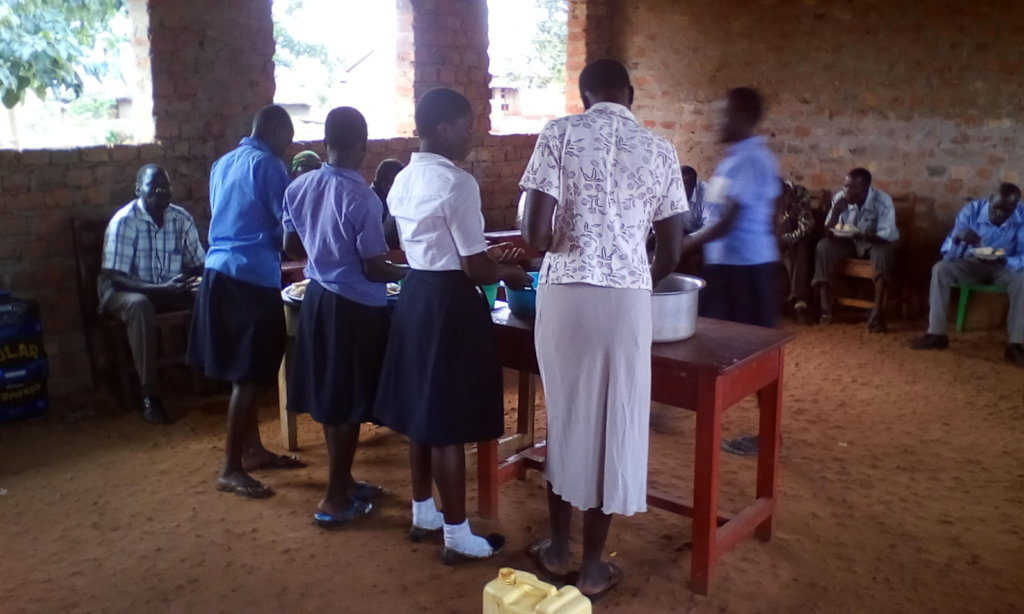
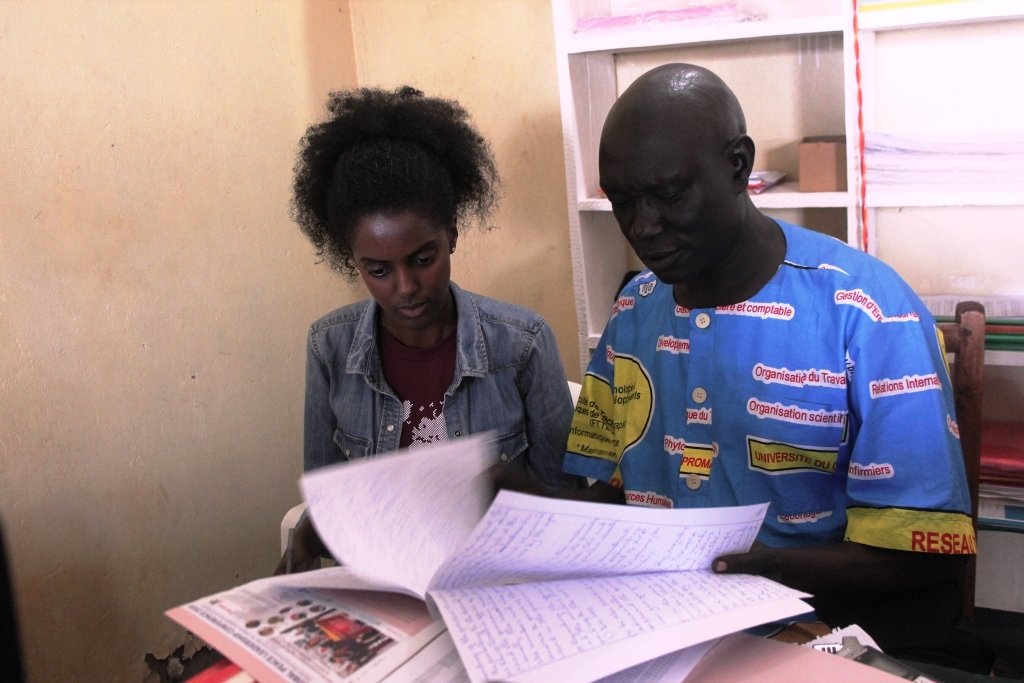
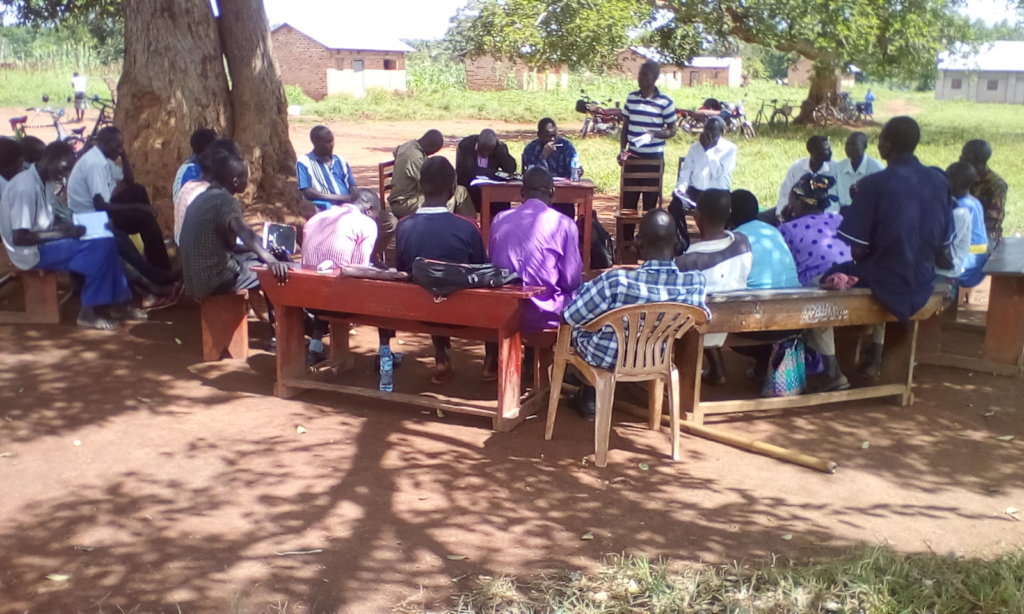
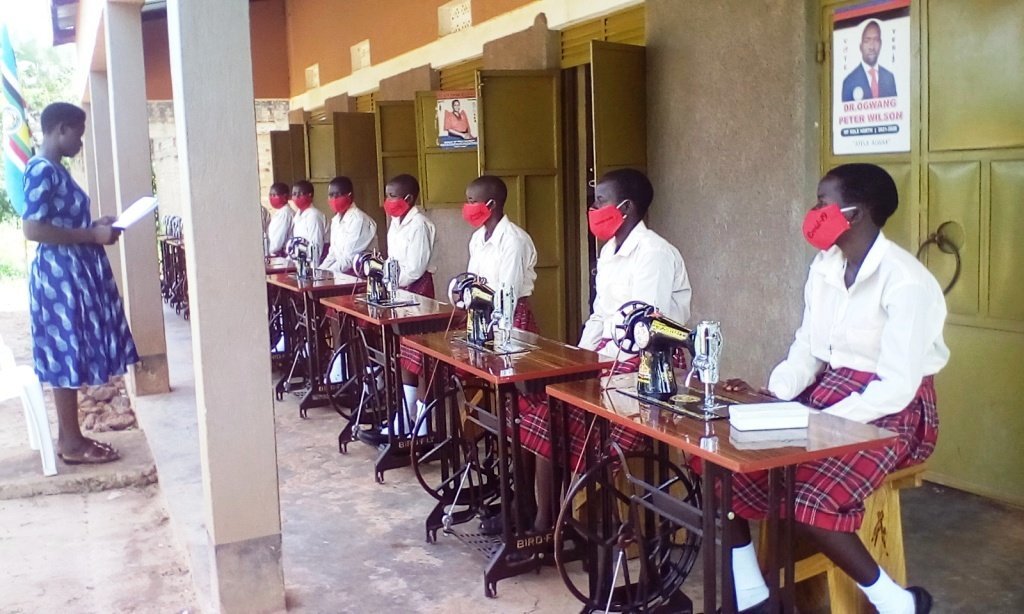
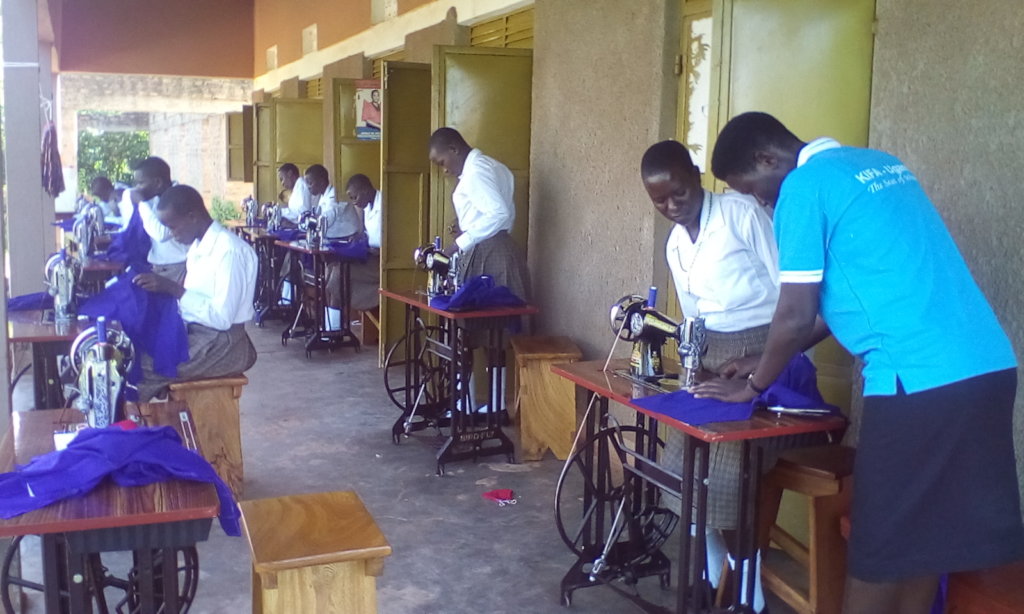
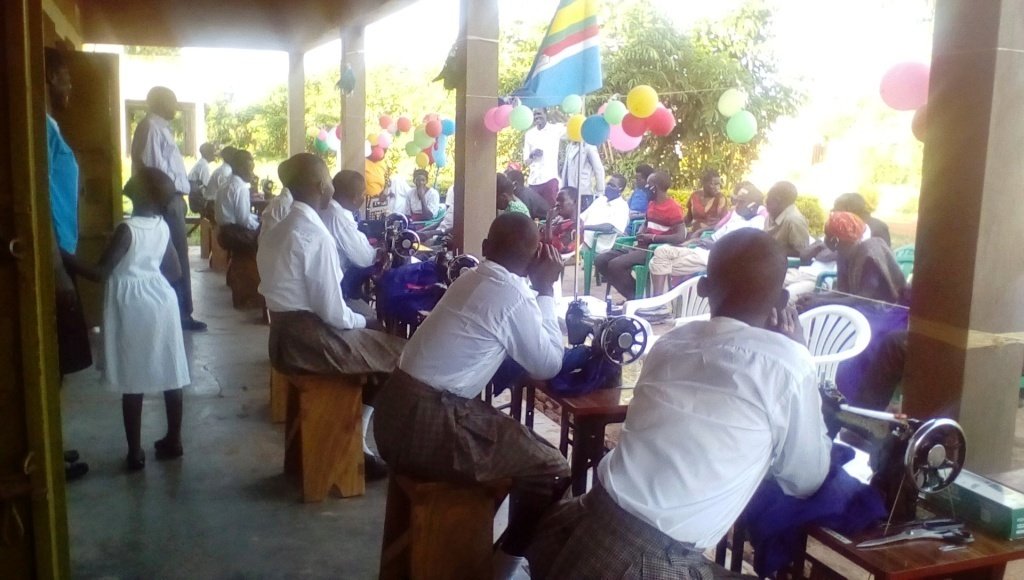
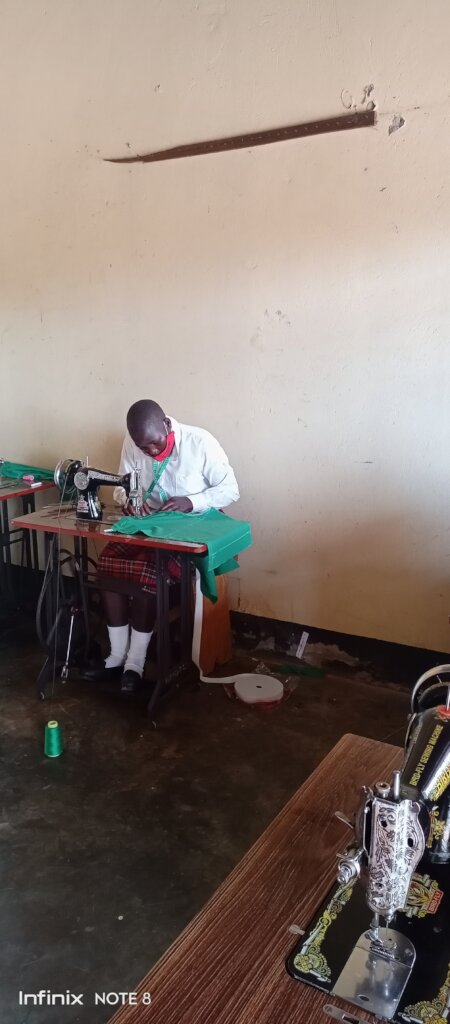
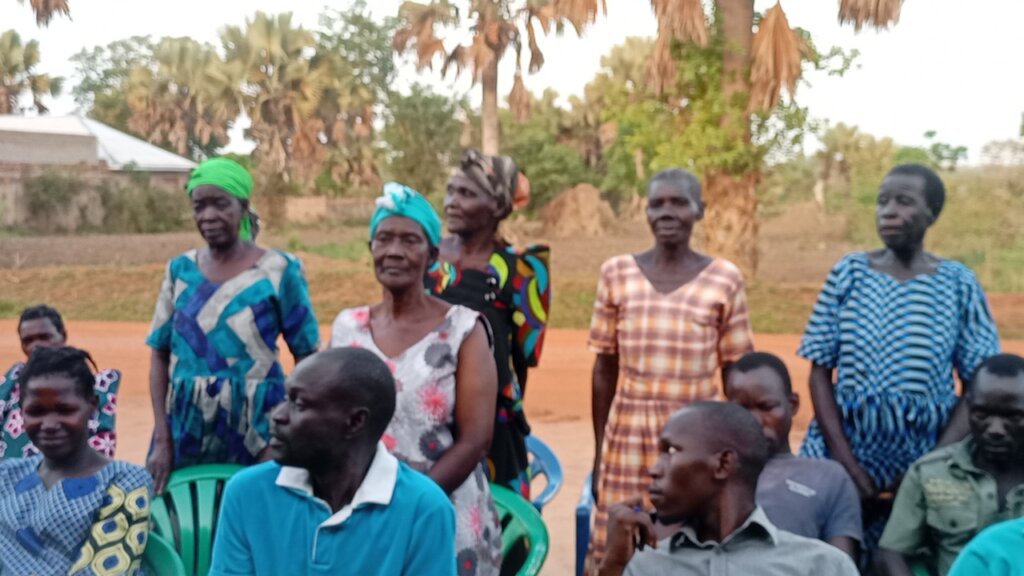
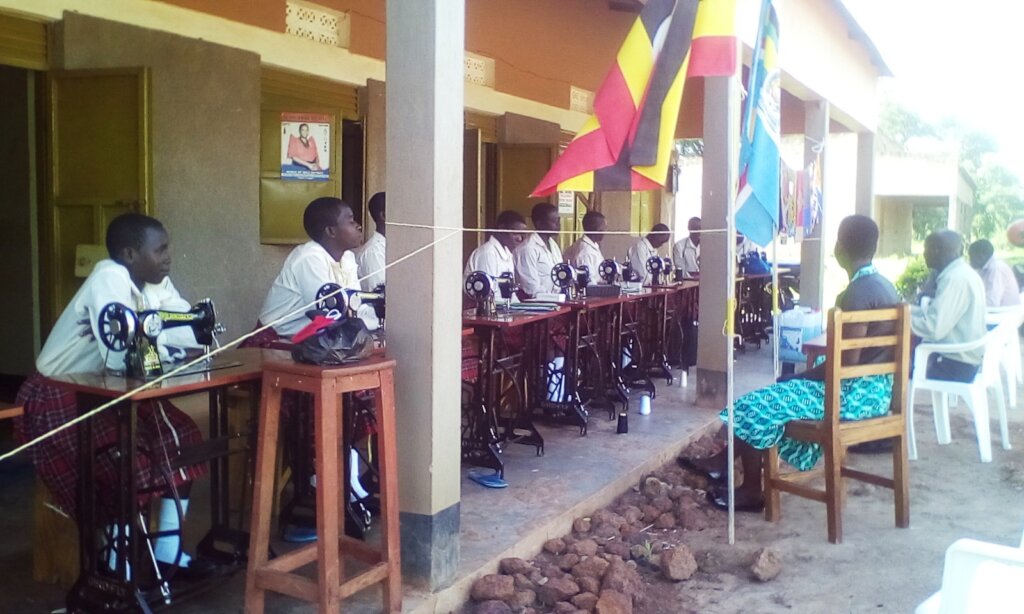
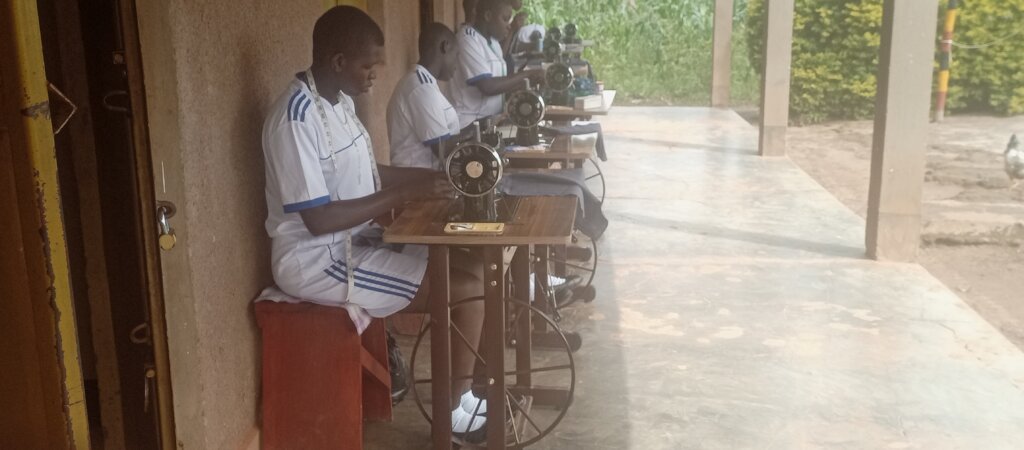
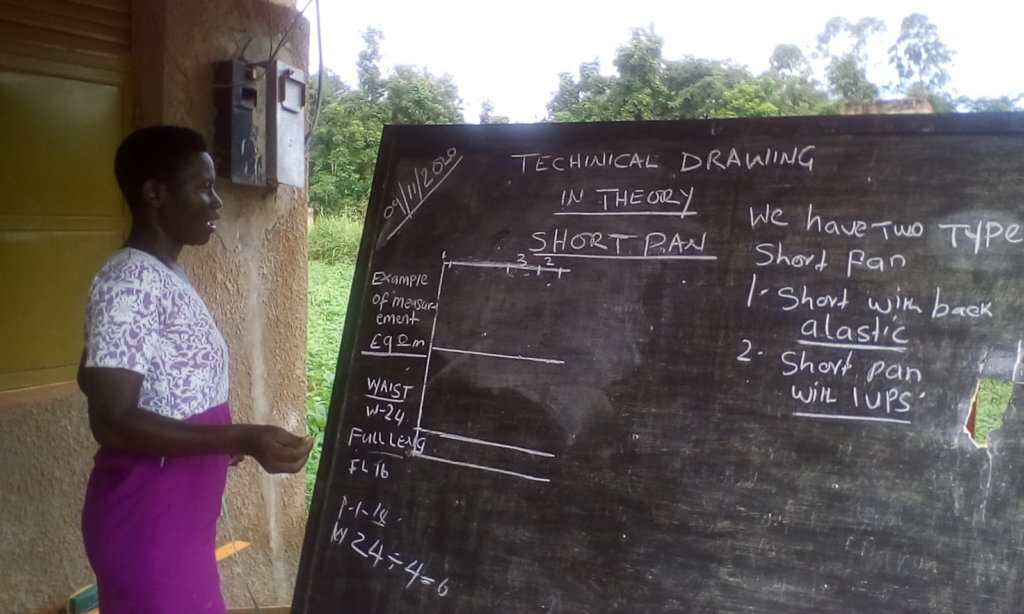
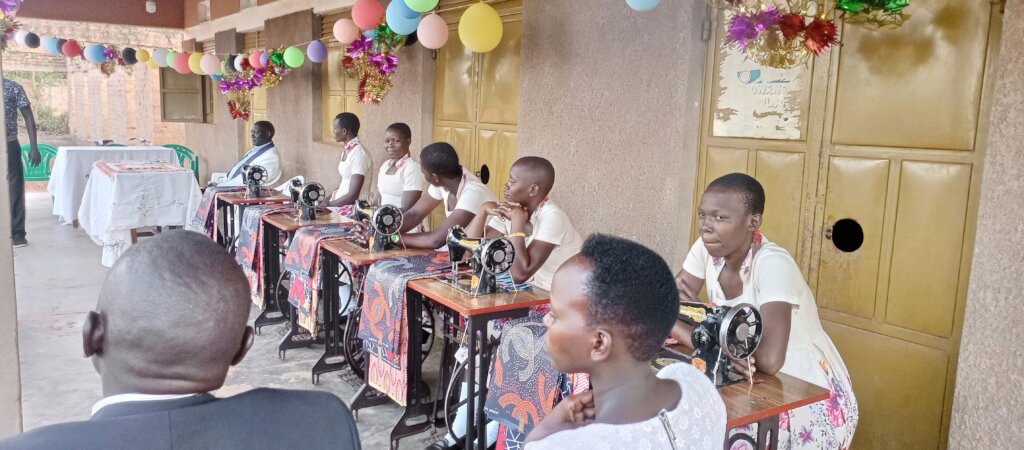
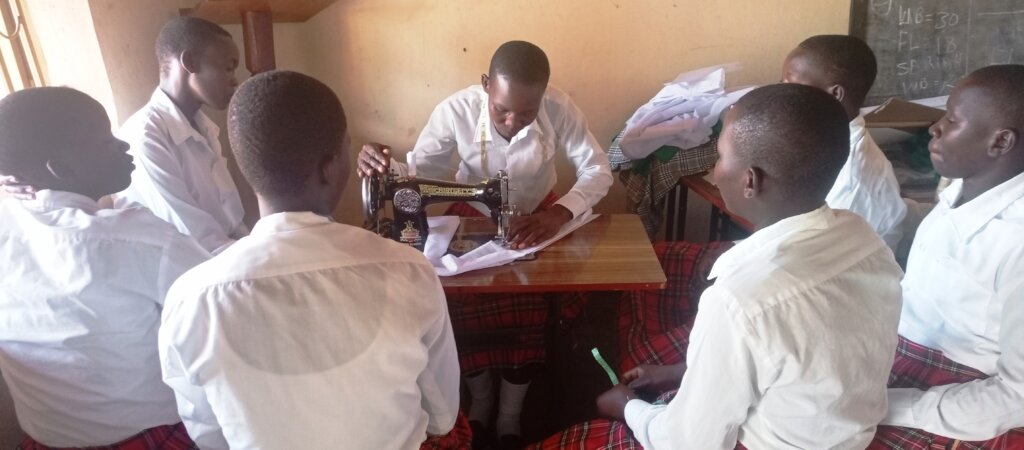
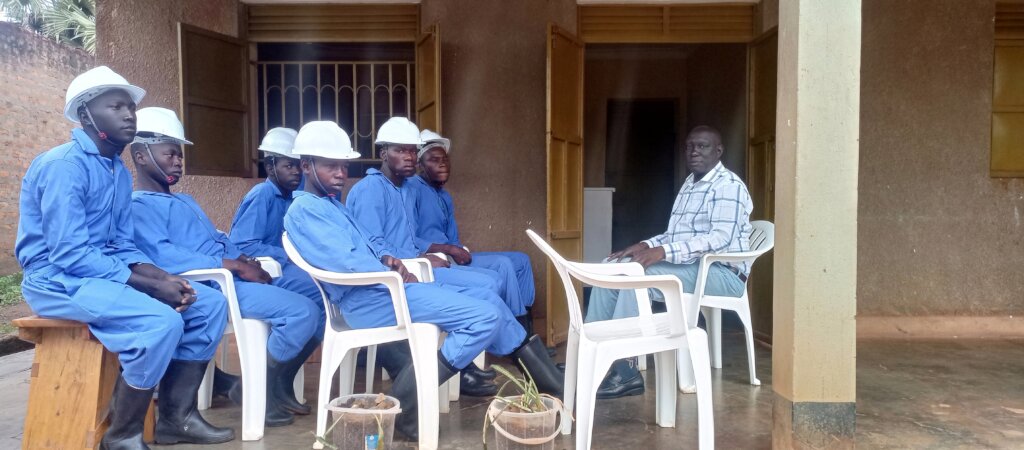
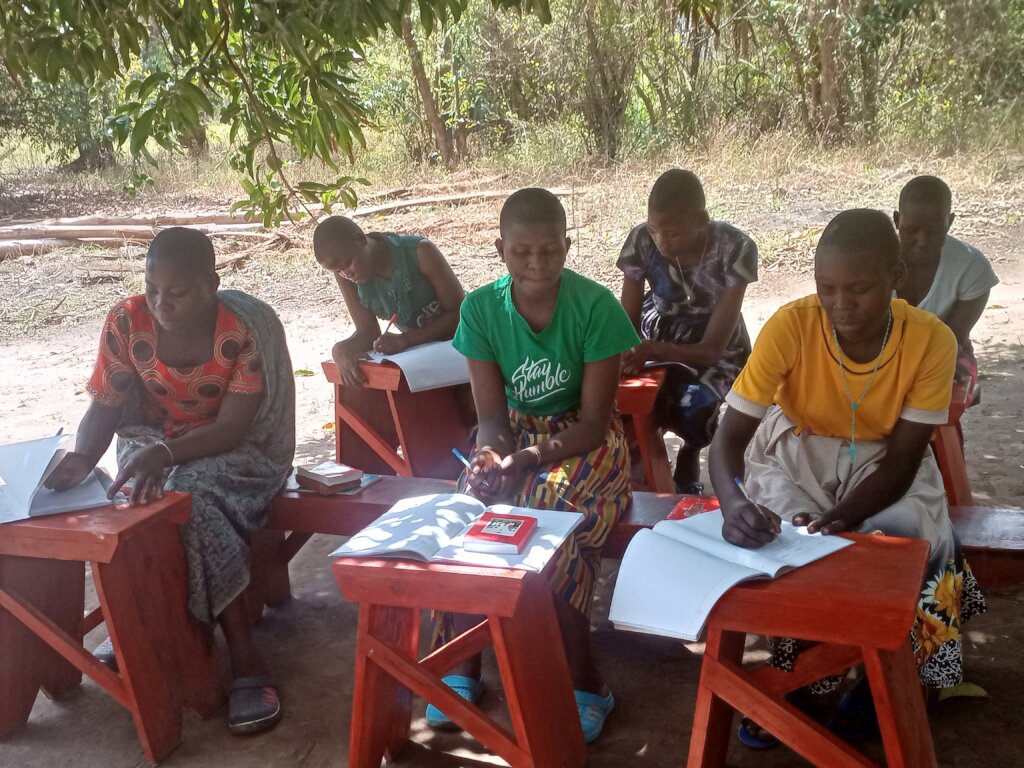
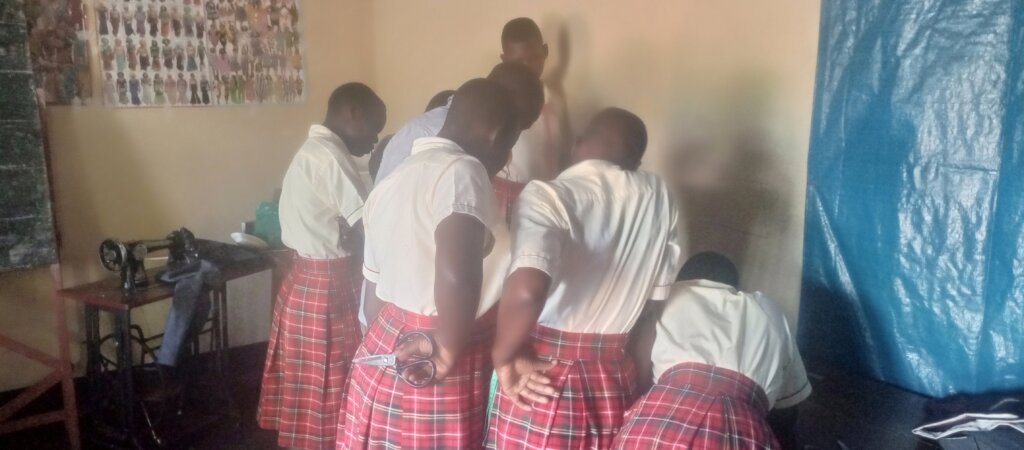
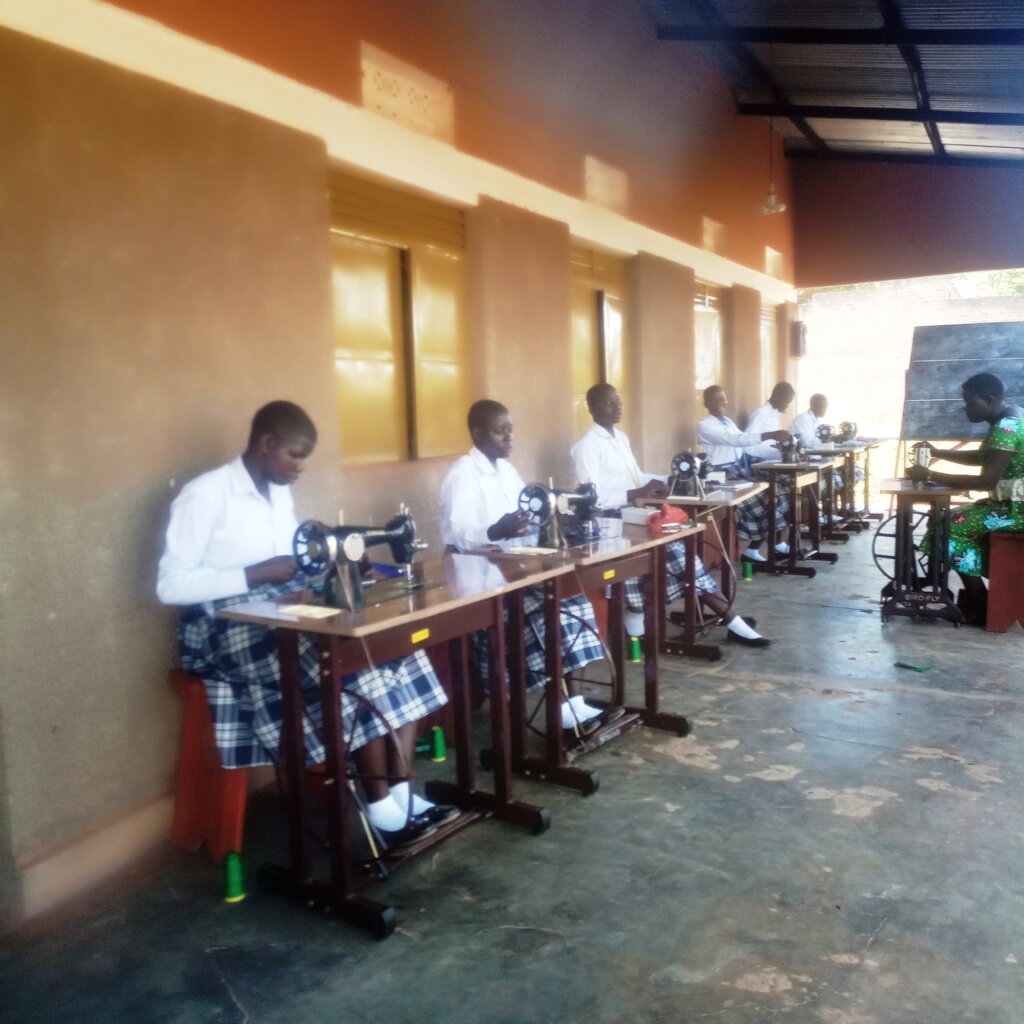
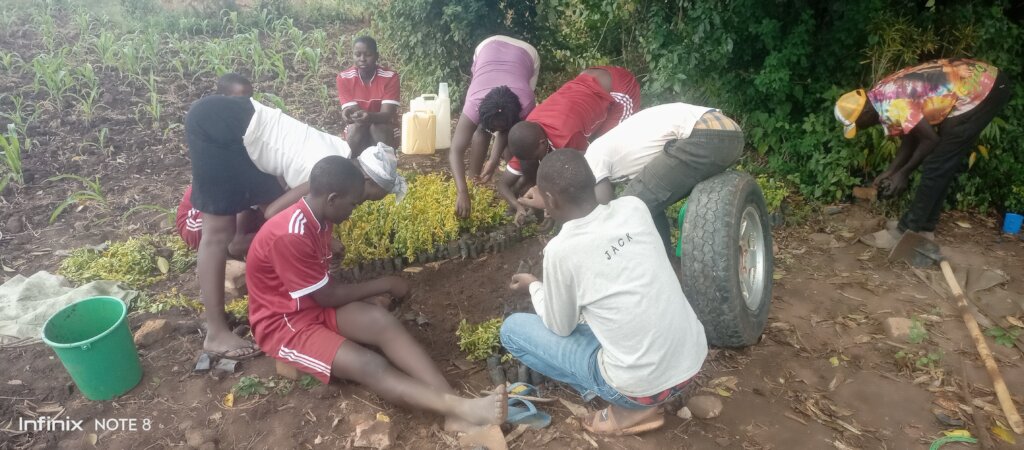
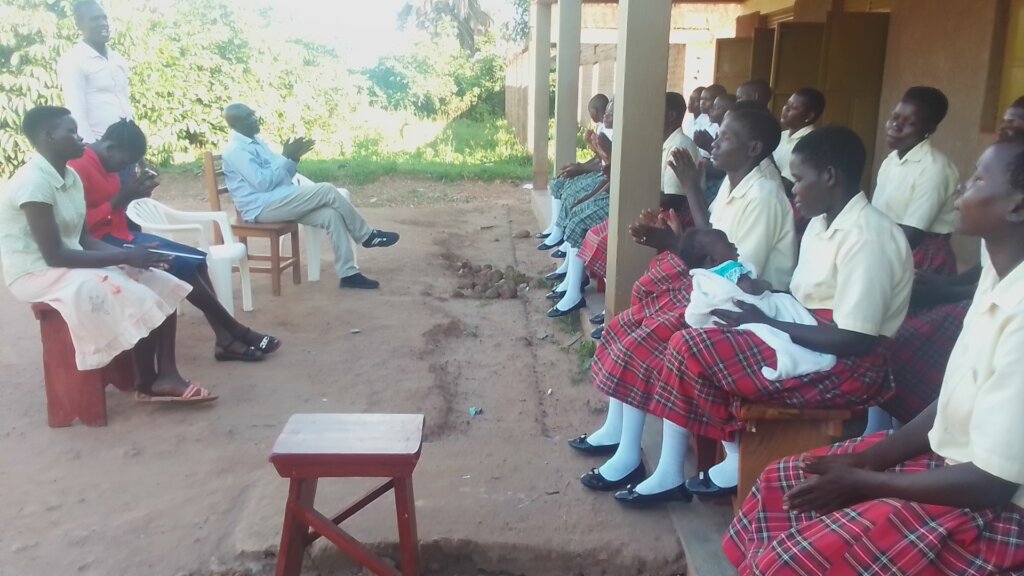
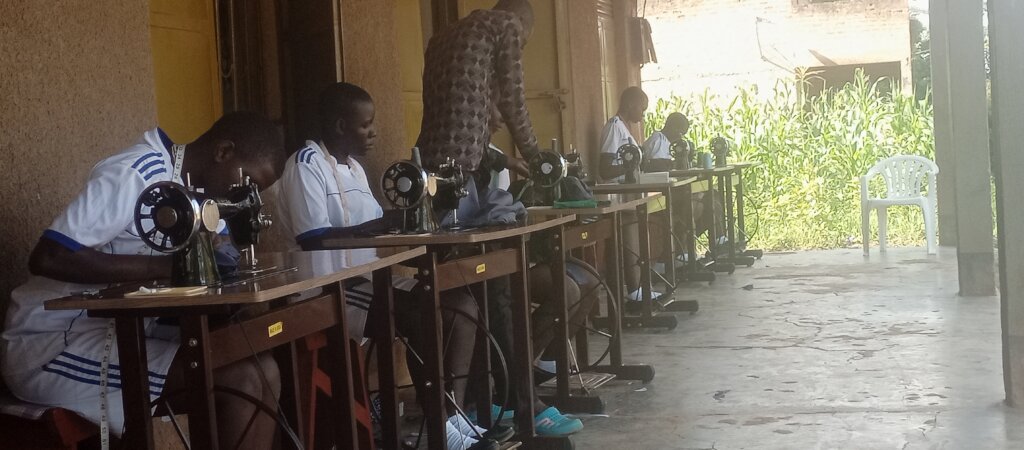
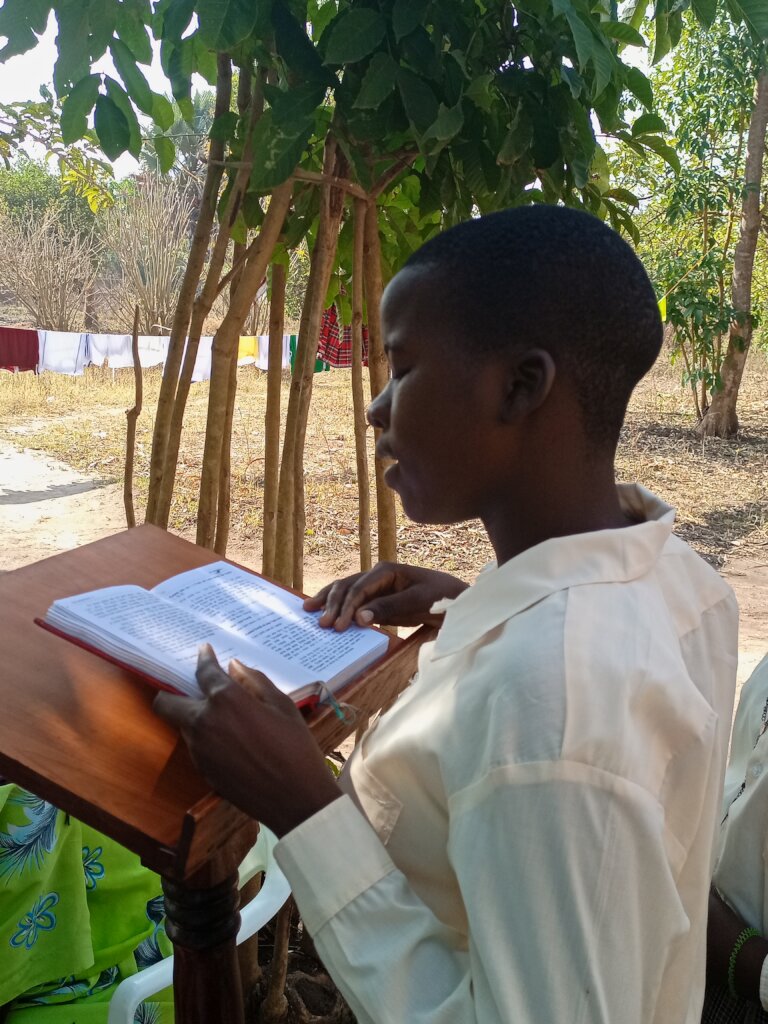
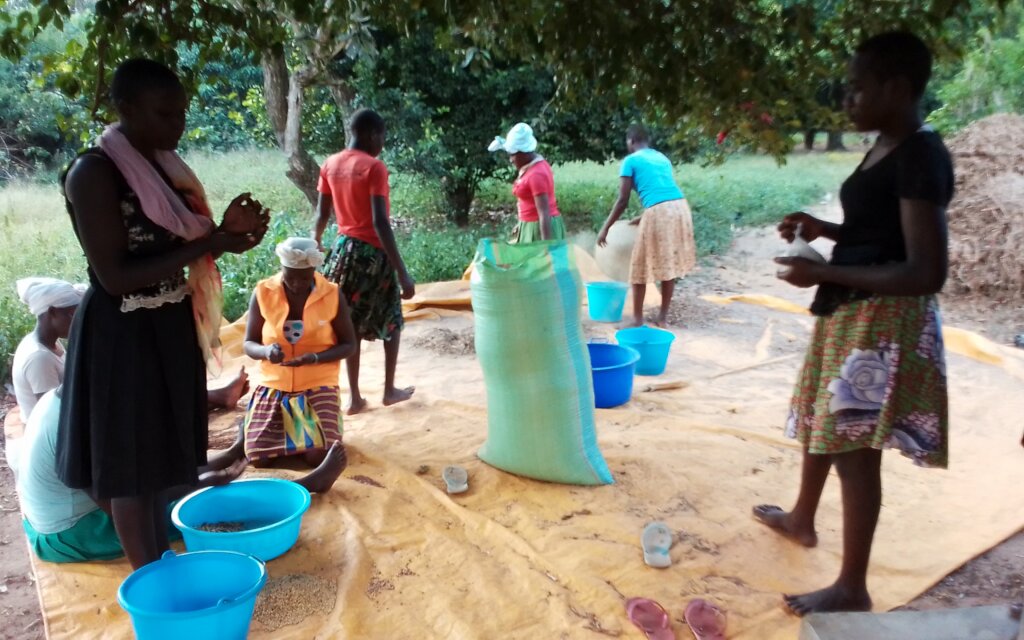
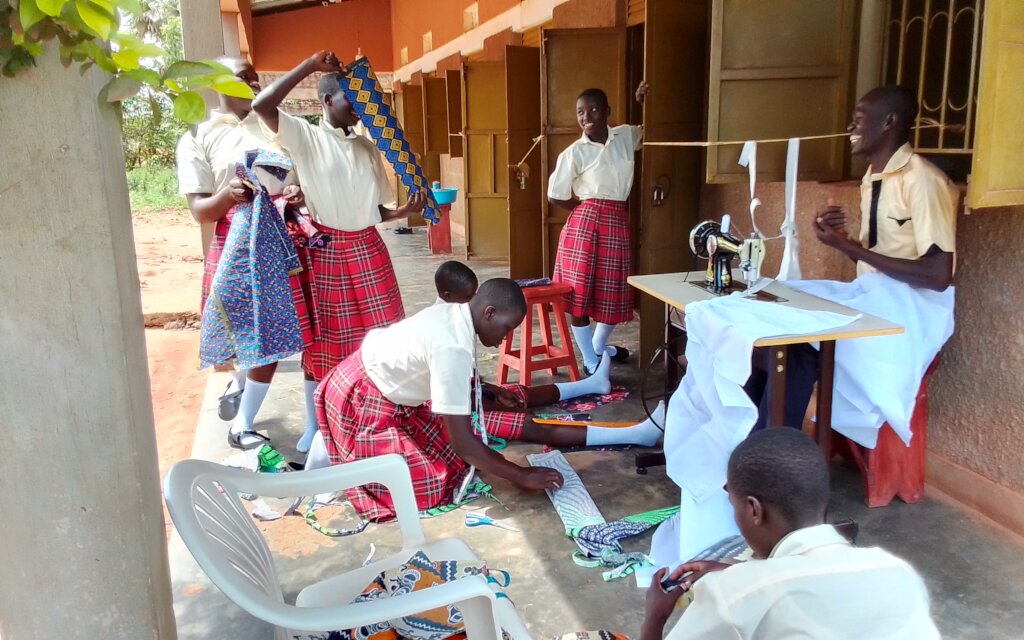
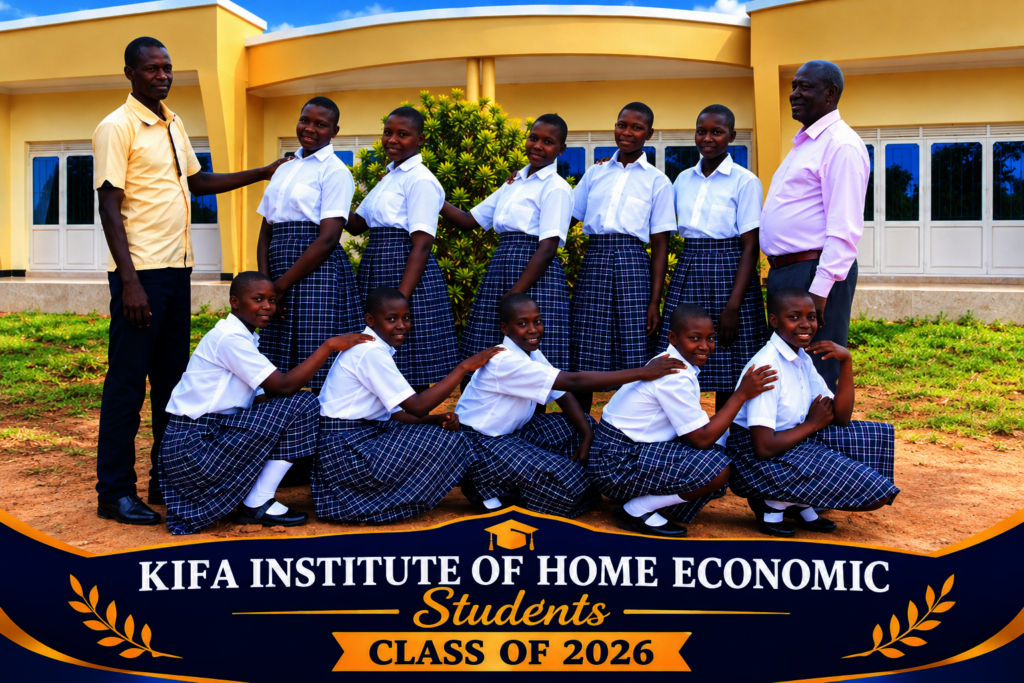
![Student-centre learning on going]()
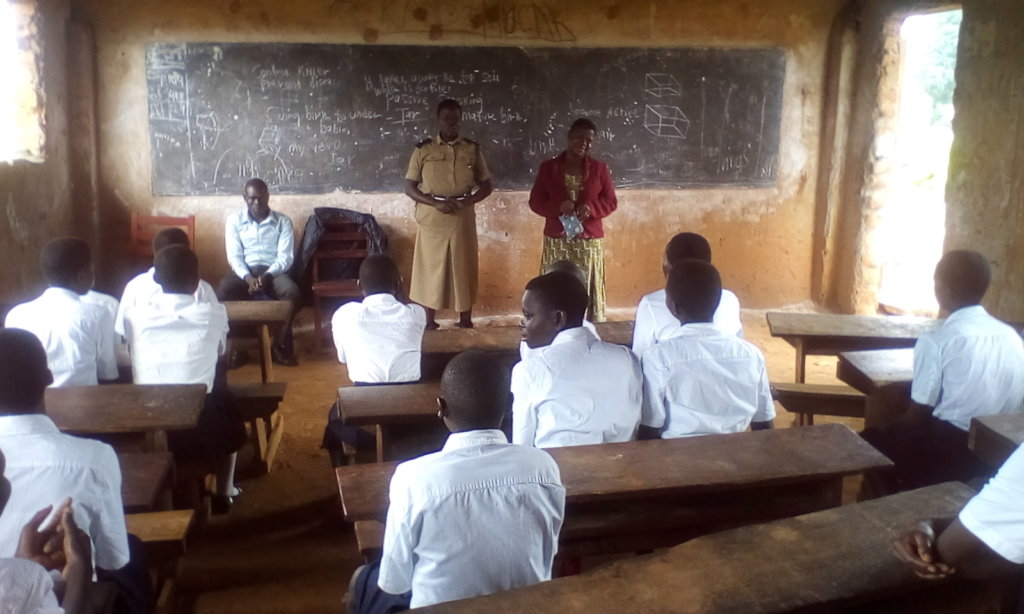
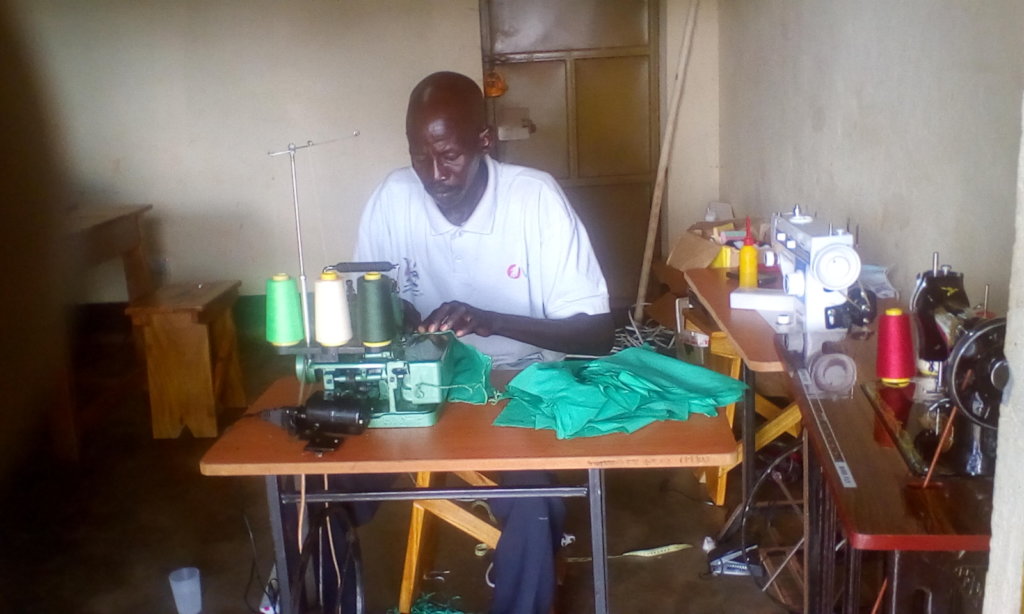
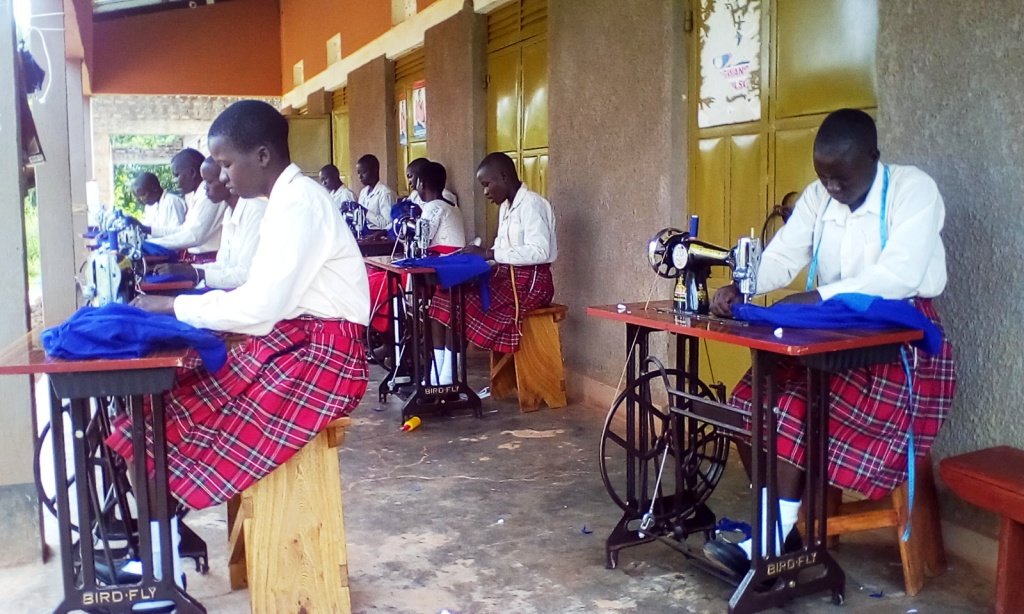
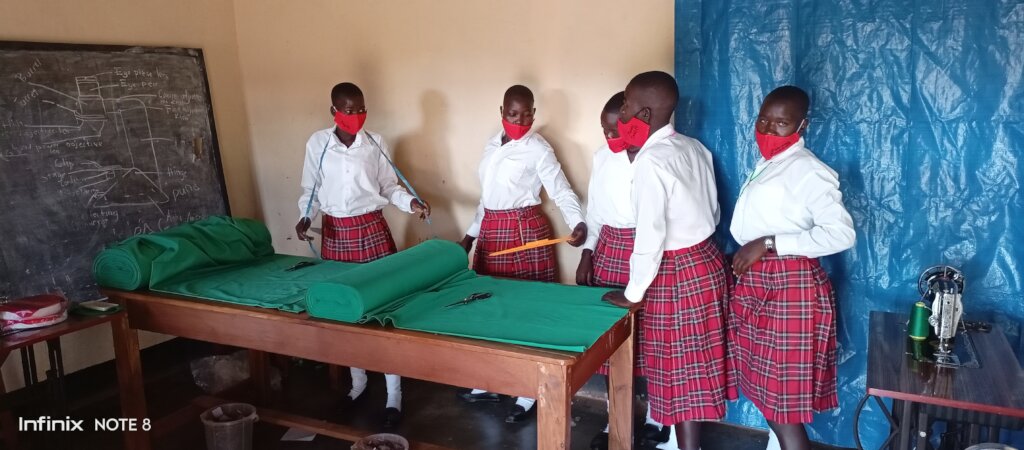
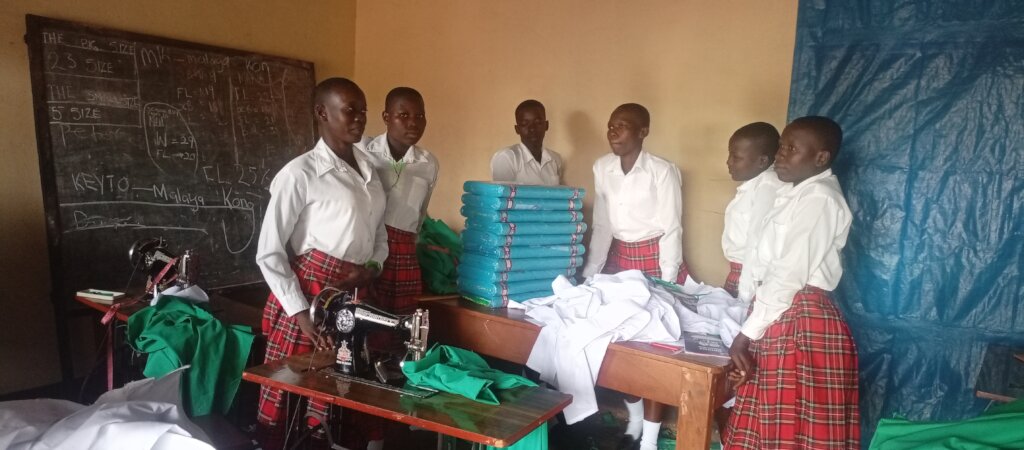
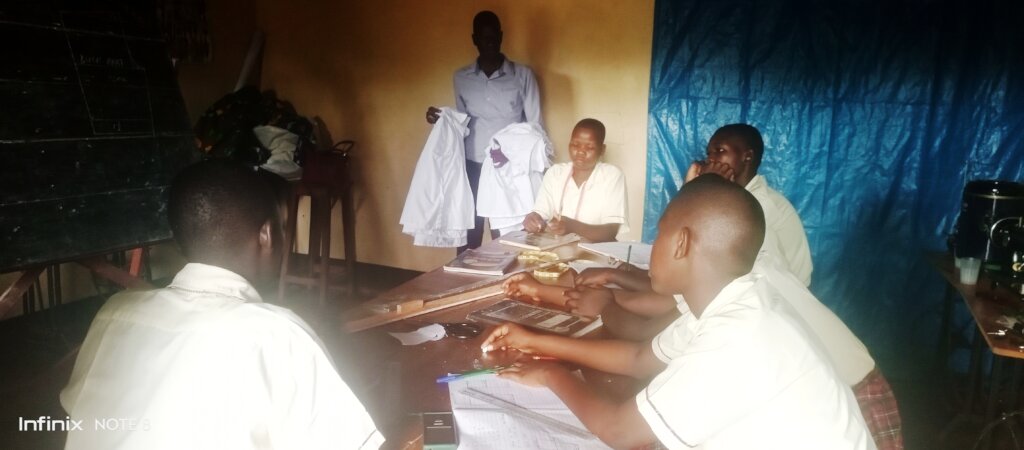
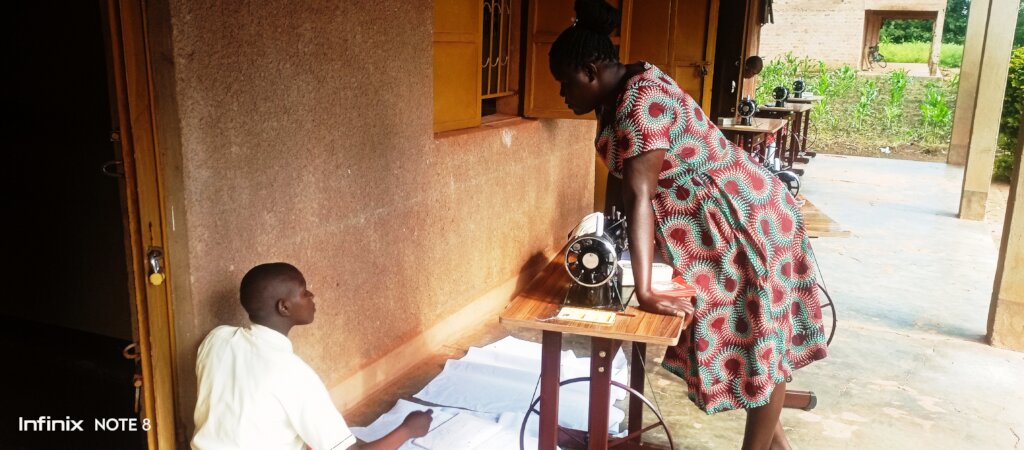
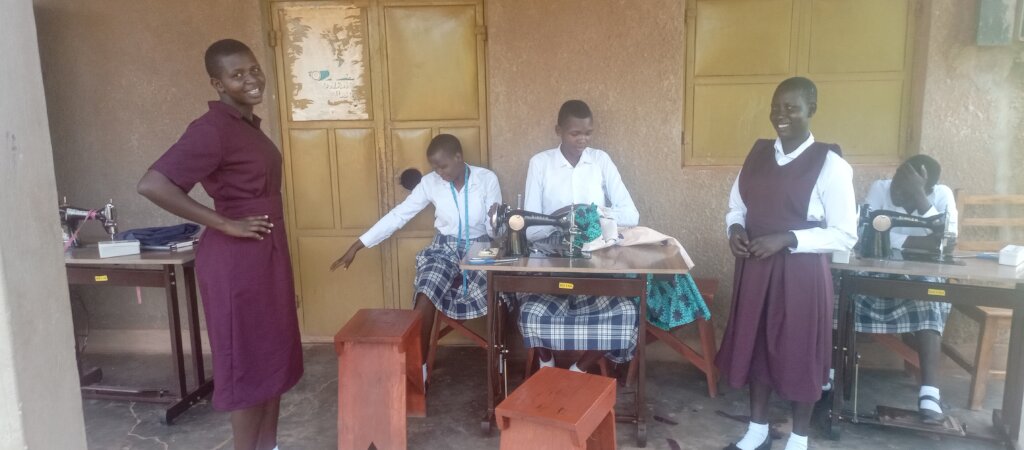
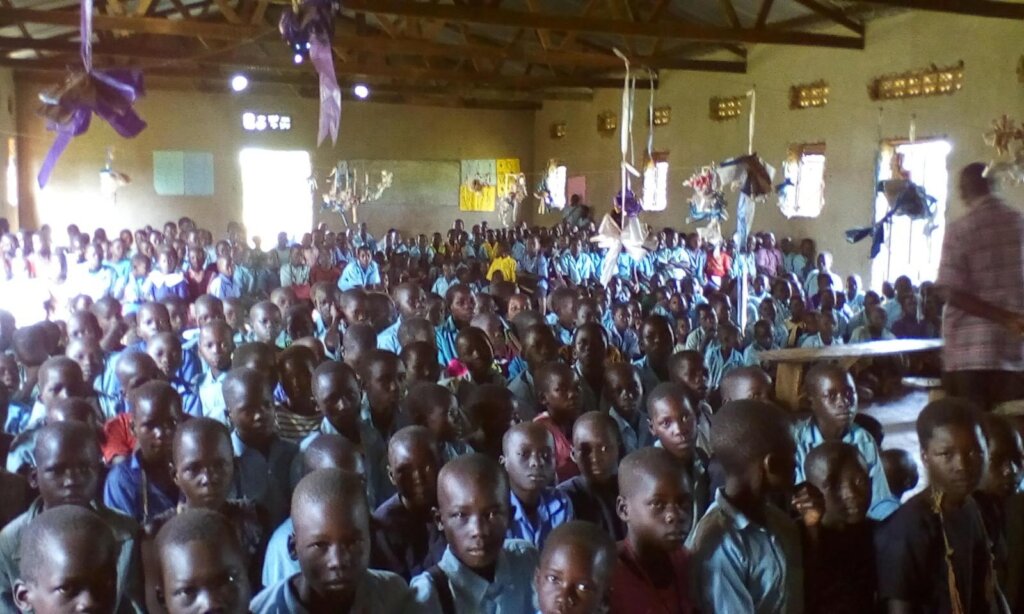
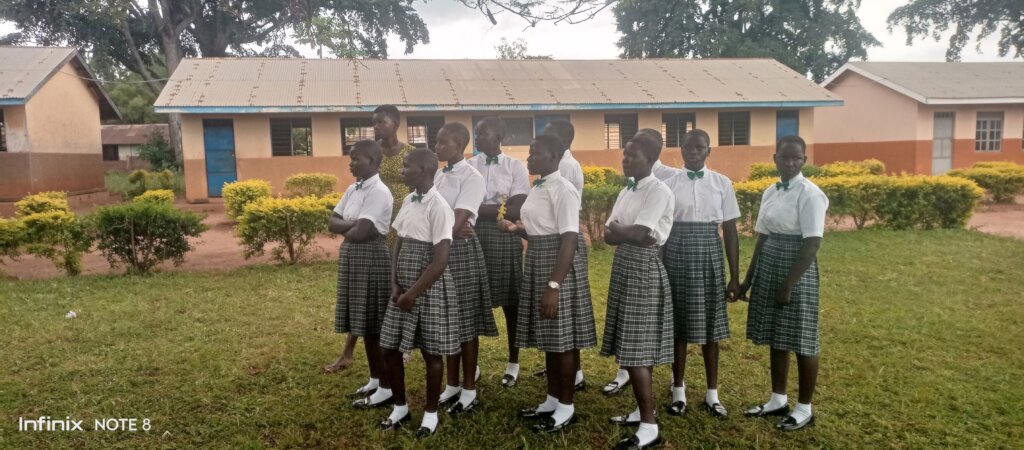
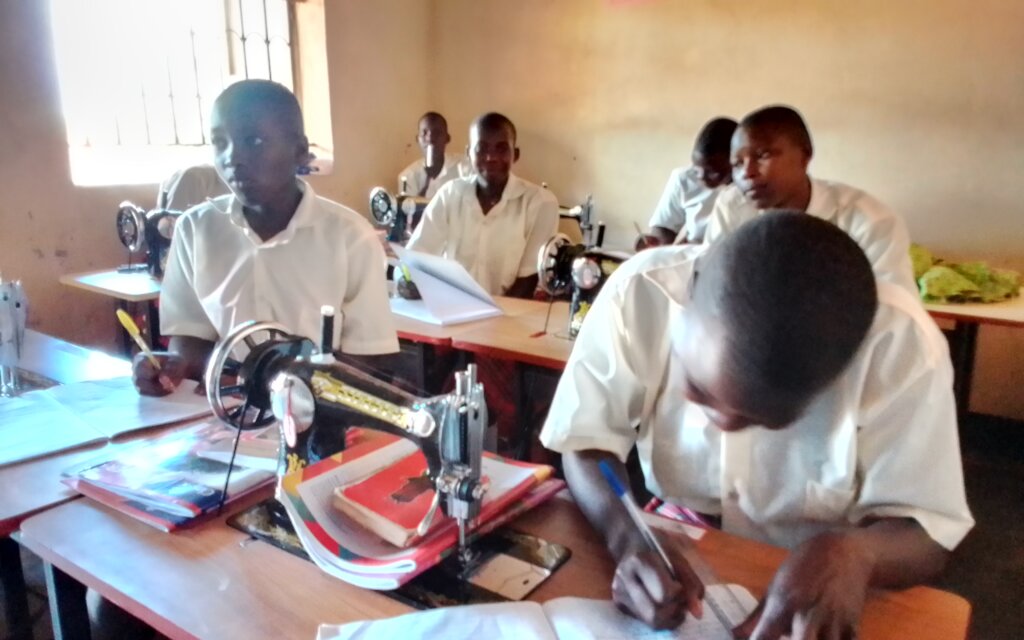
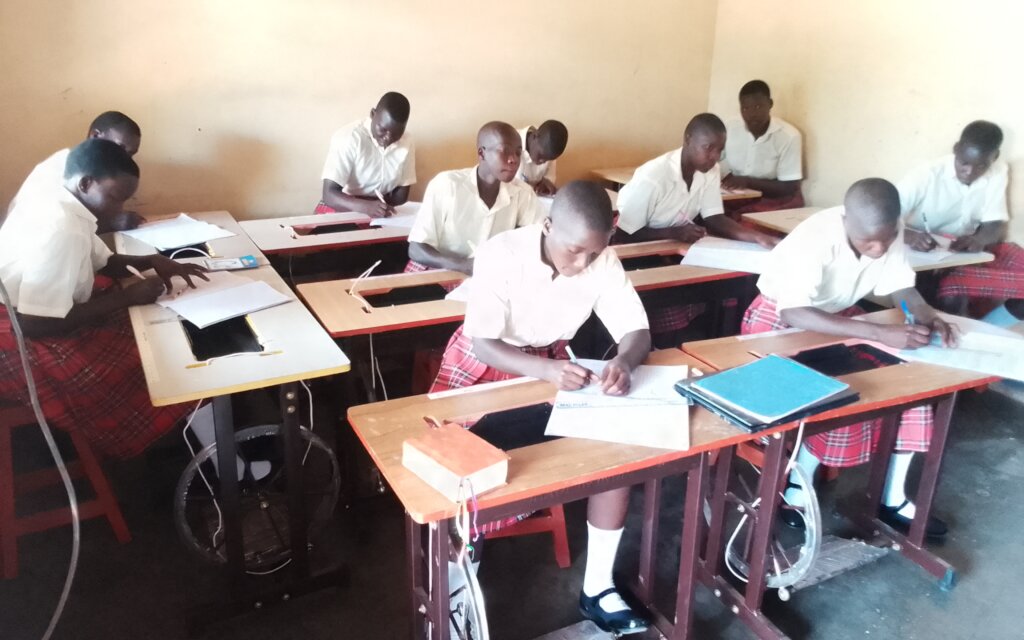
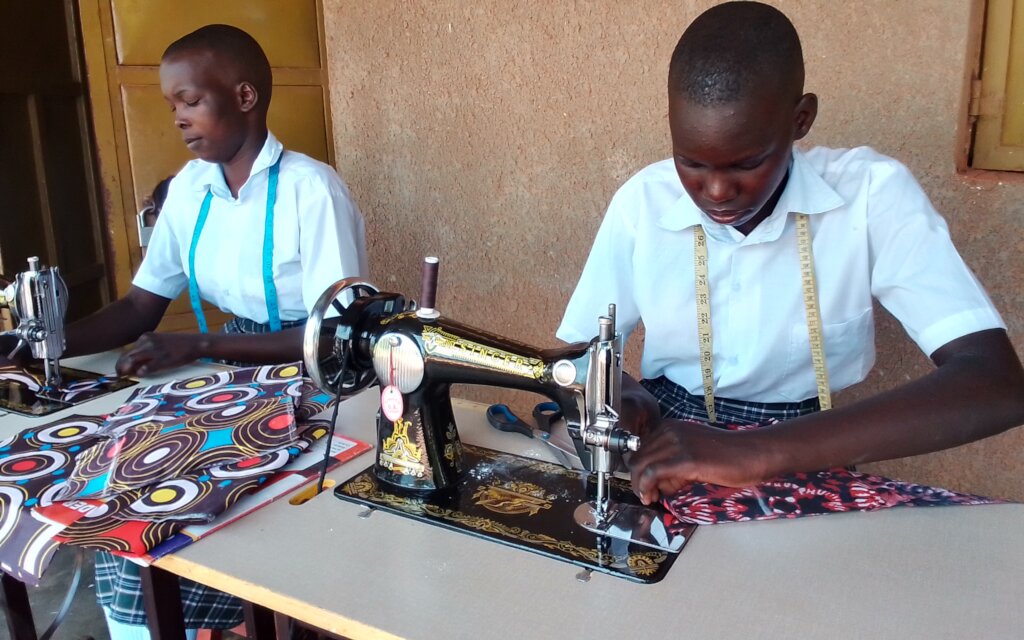
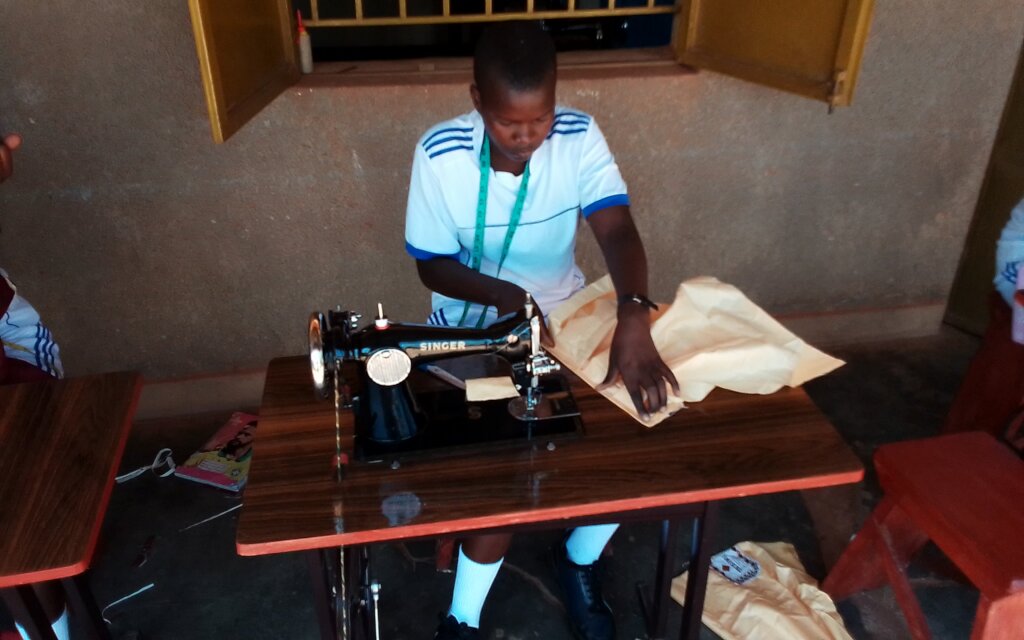
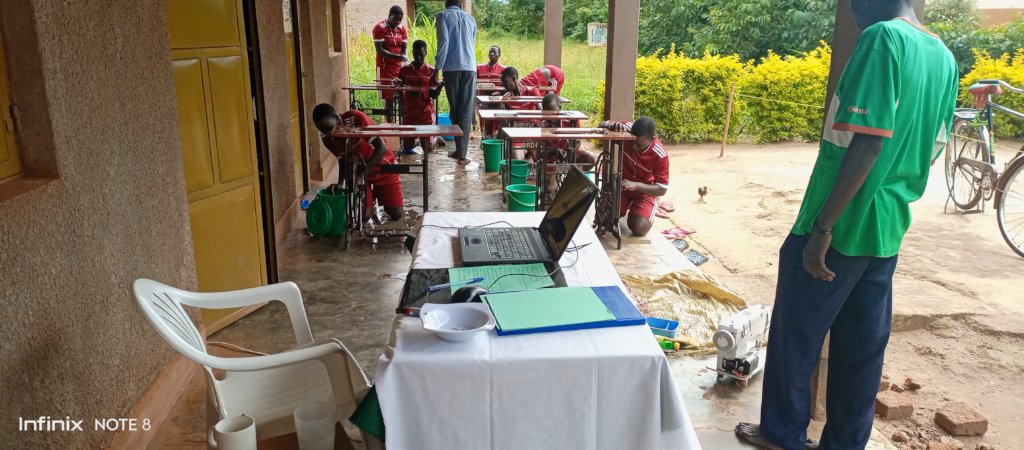
Student-centre learning on going
Student-centered learning (SCL): Encourage
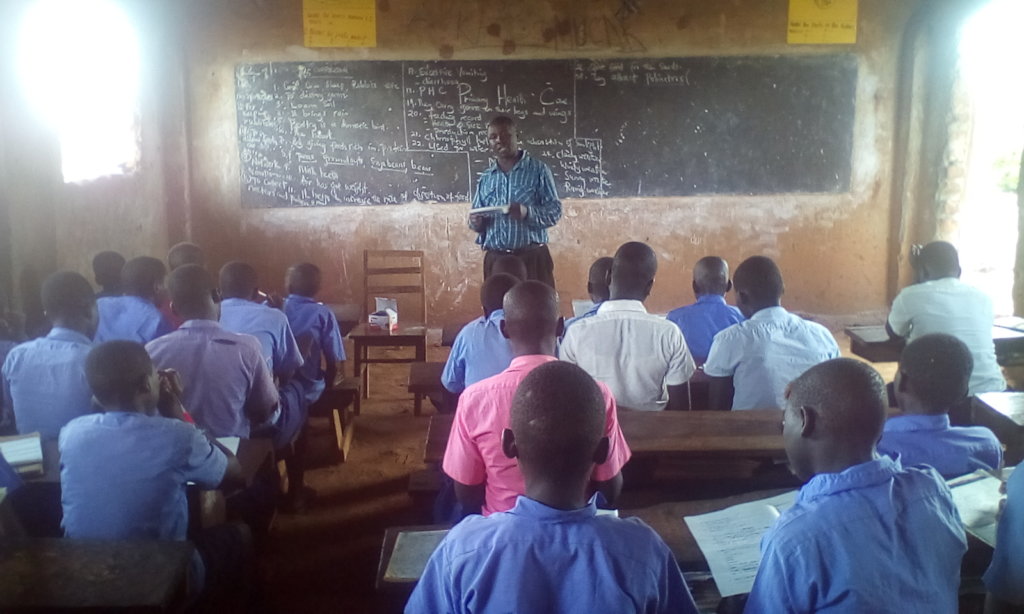
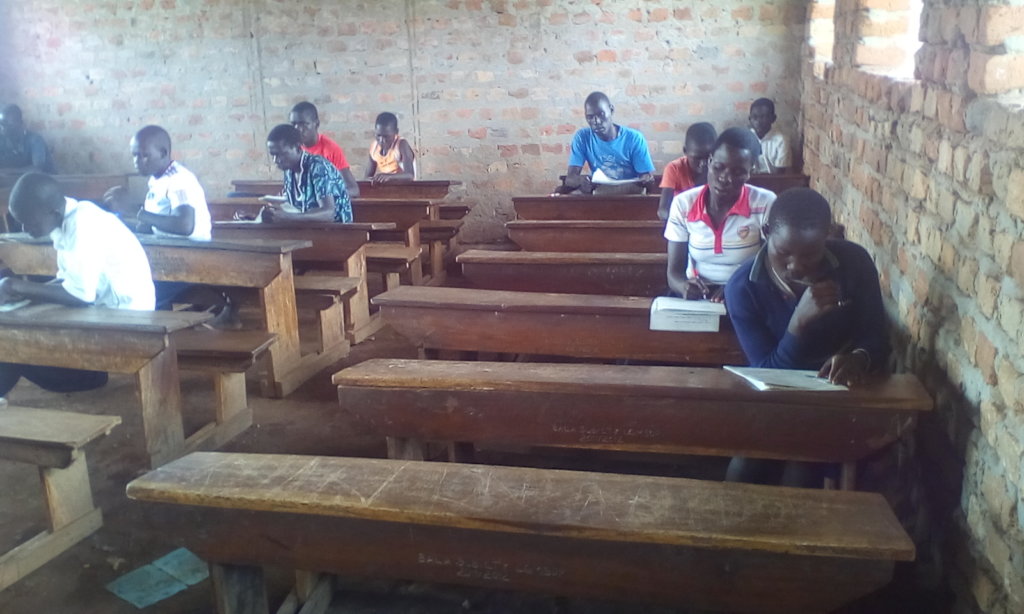
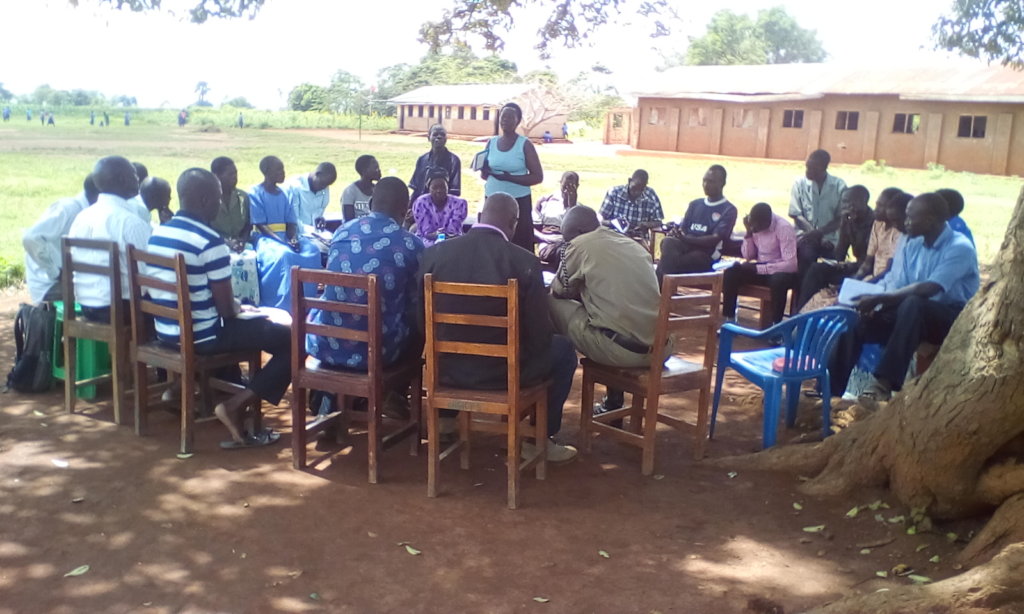
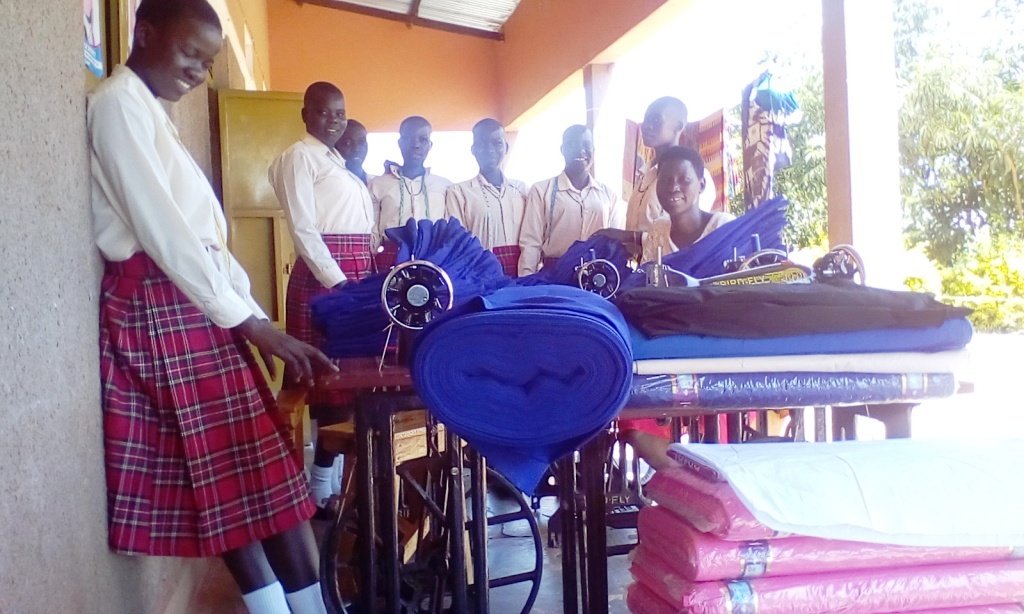
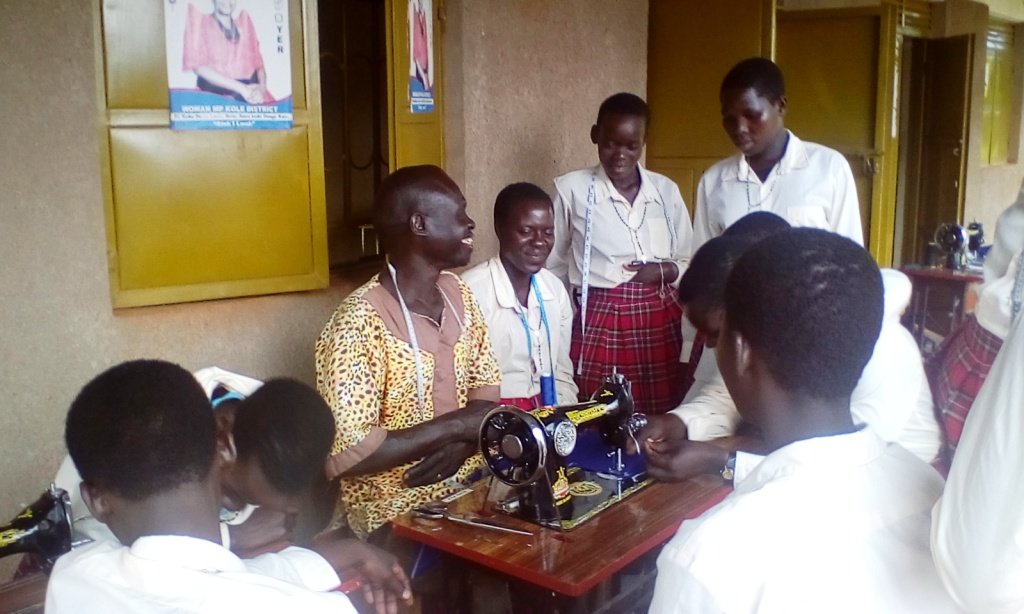
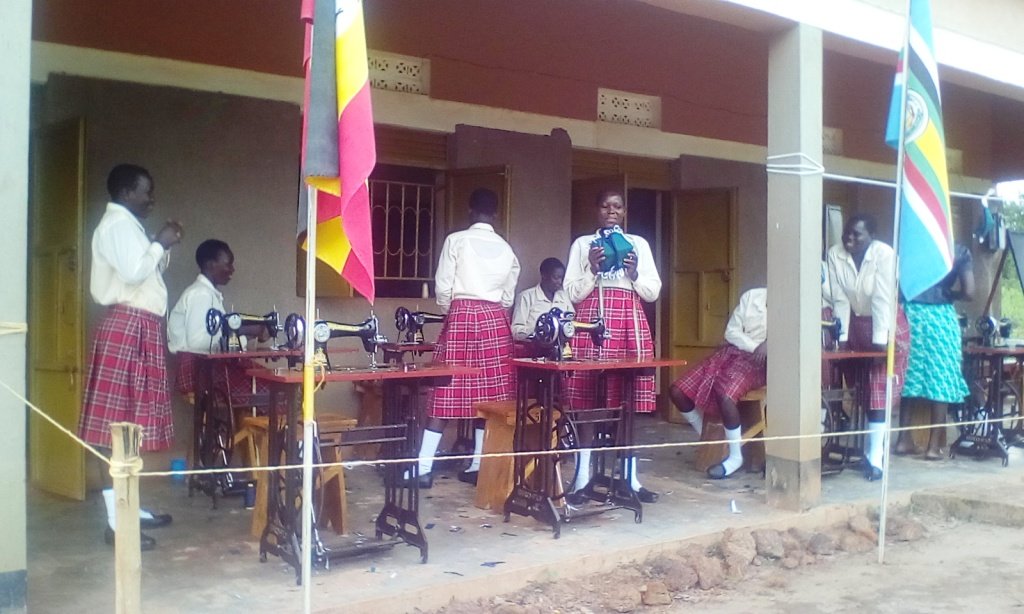
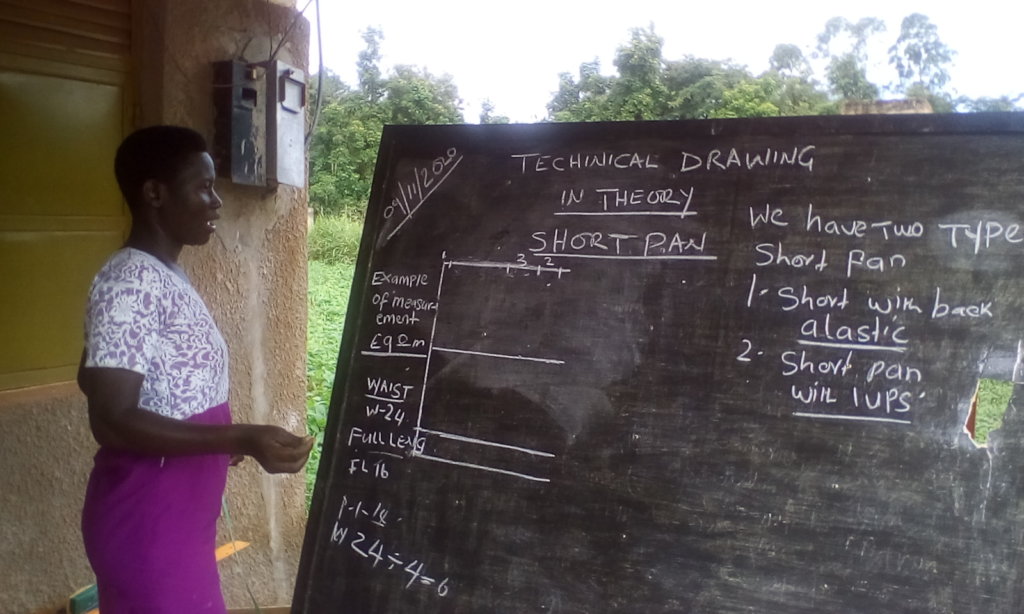
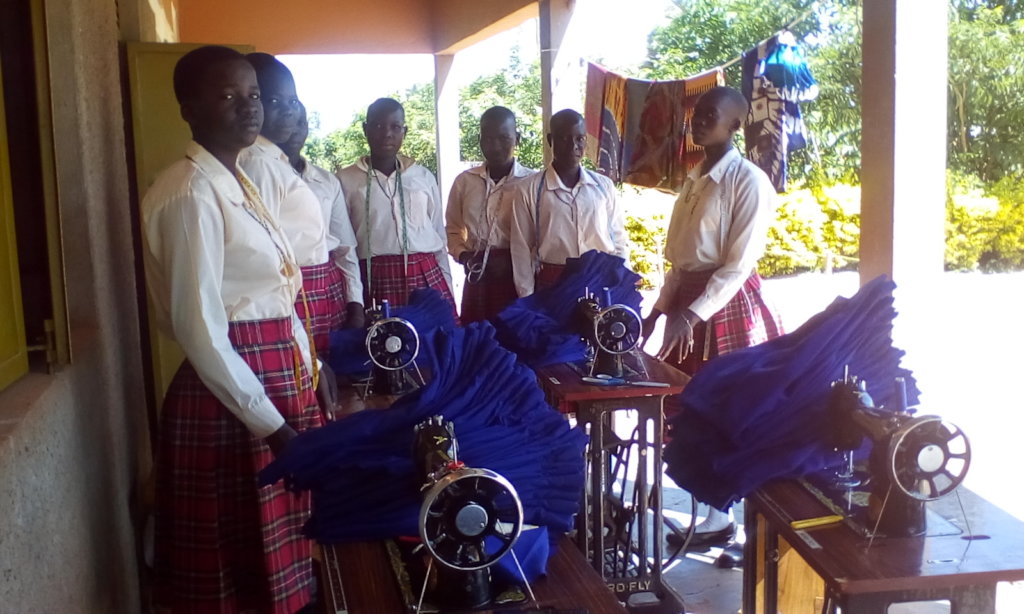
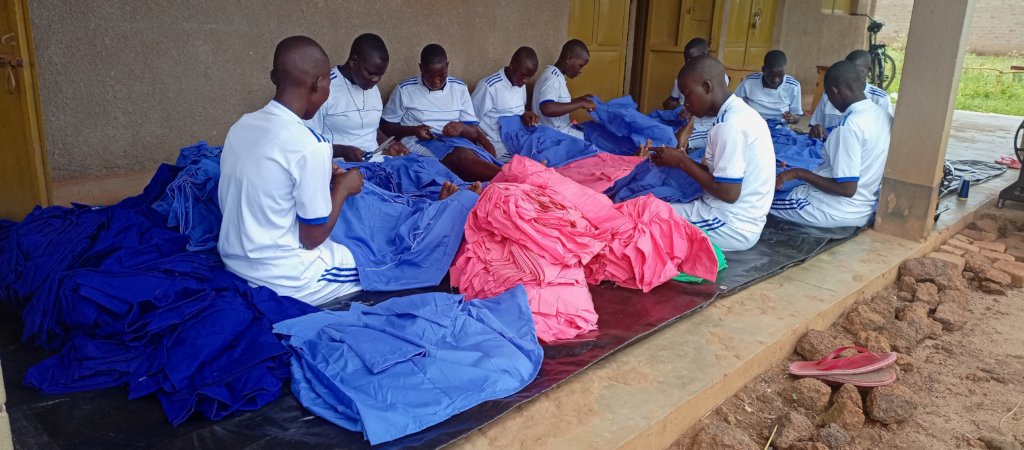
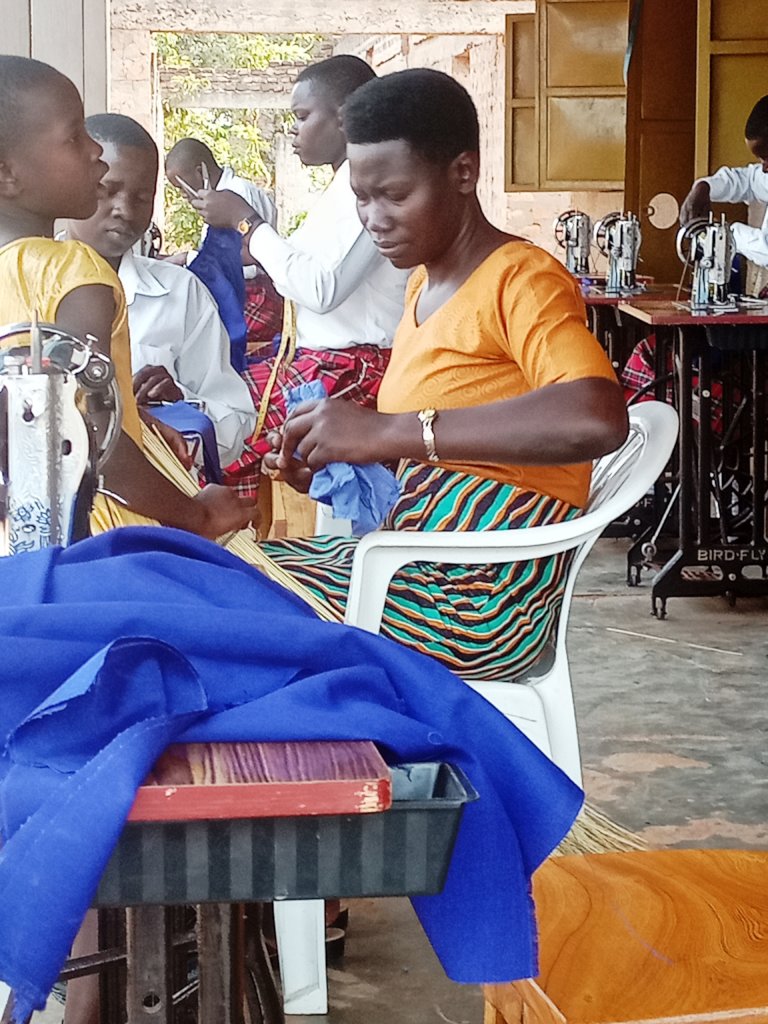
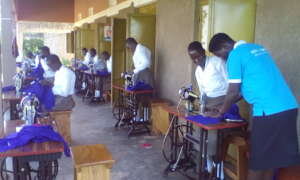
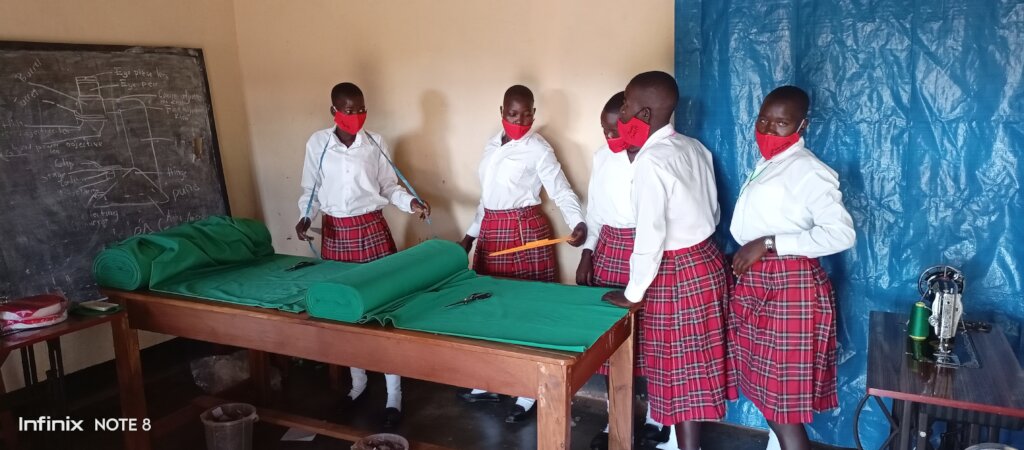
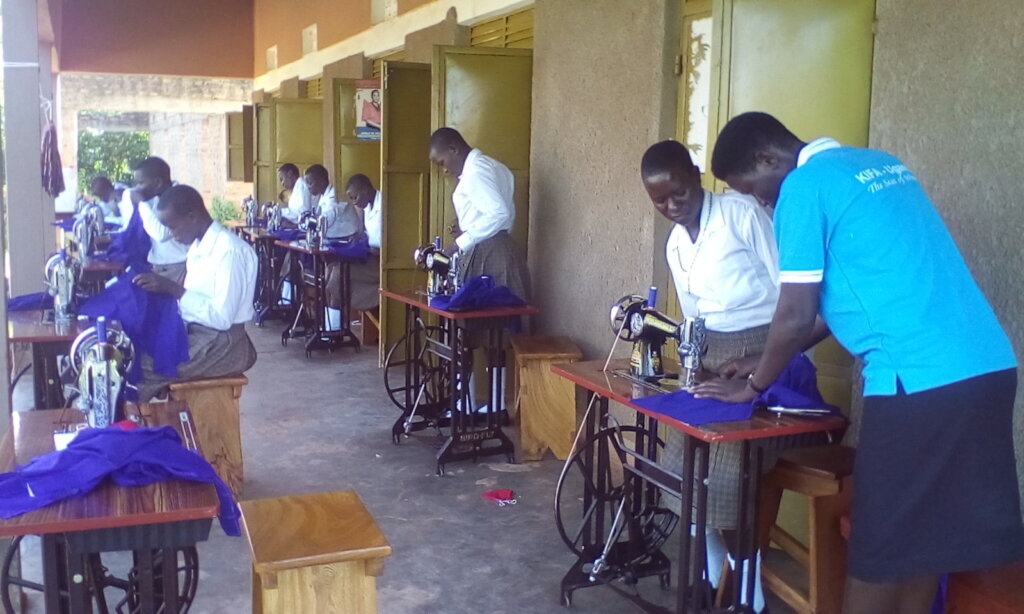
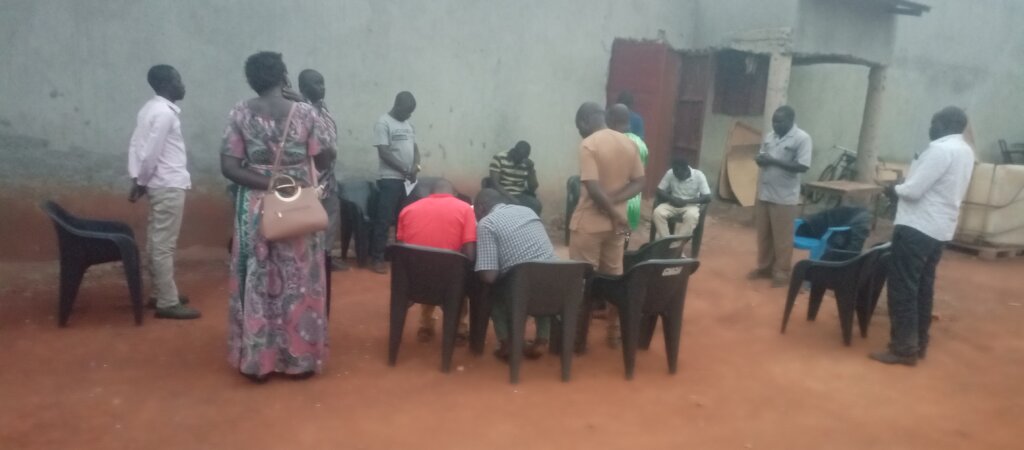
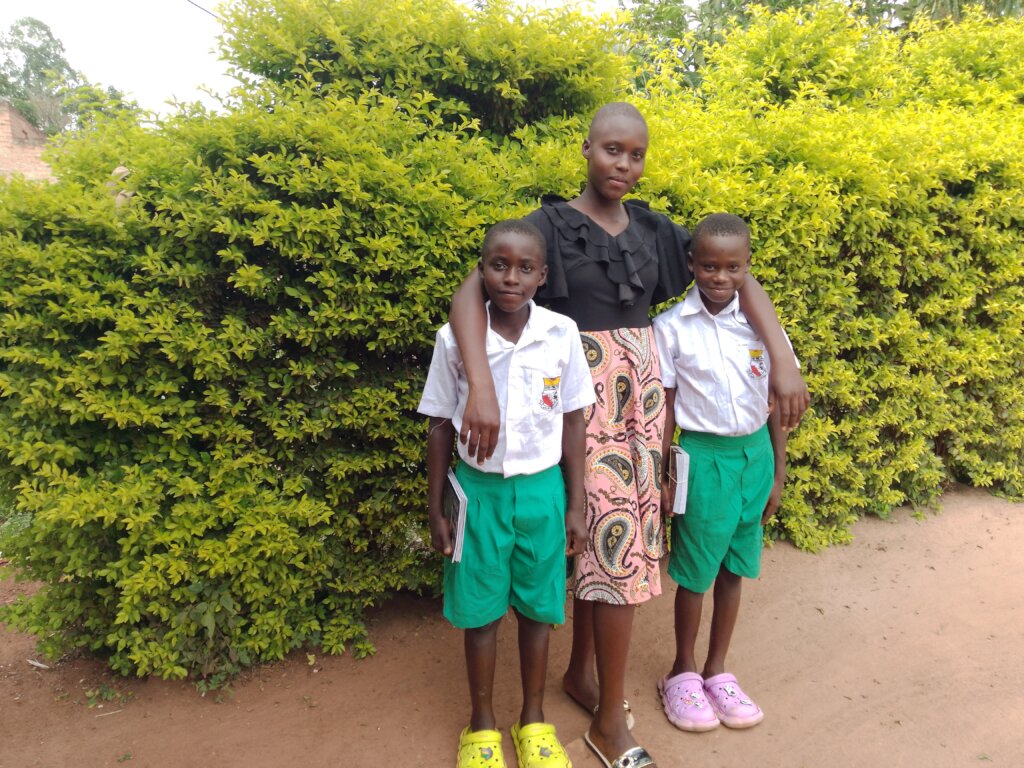
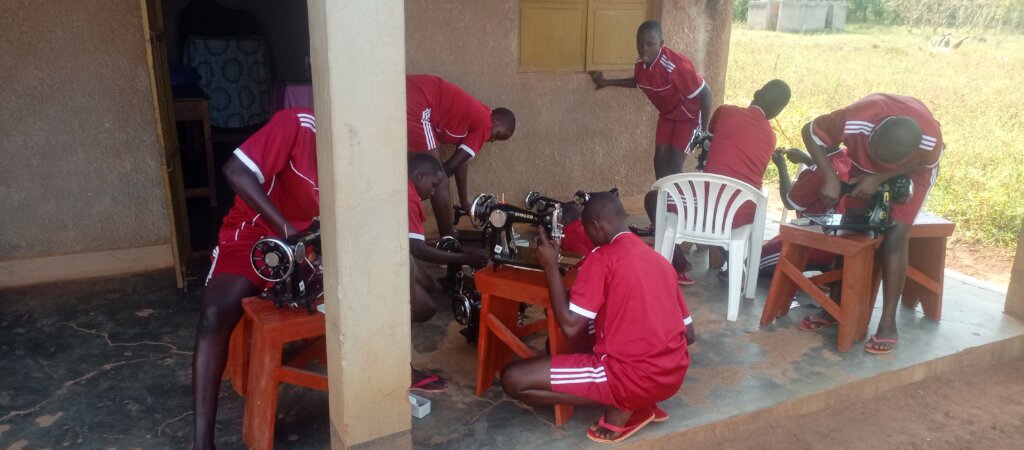
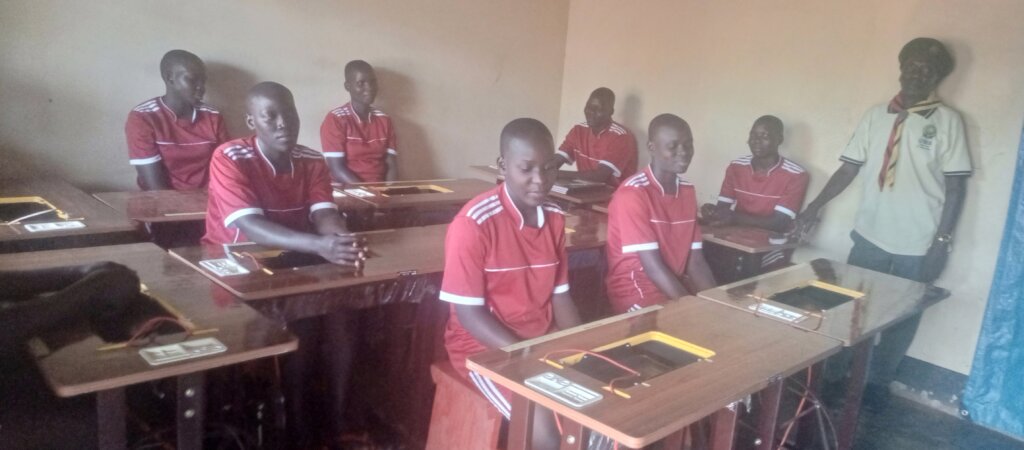
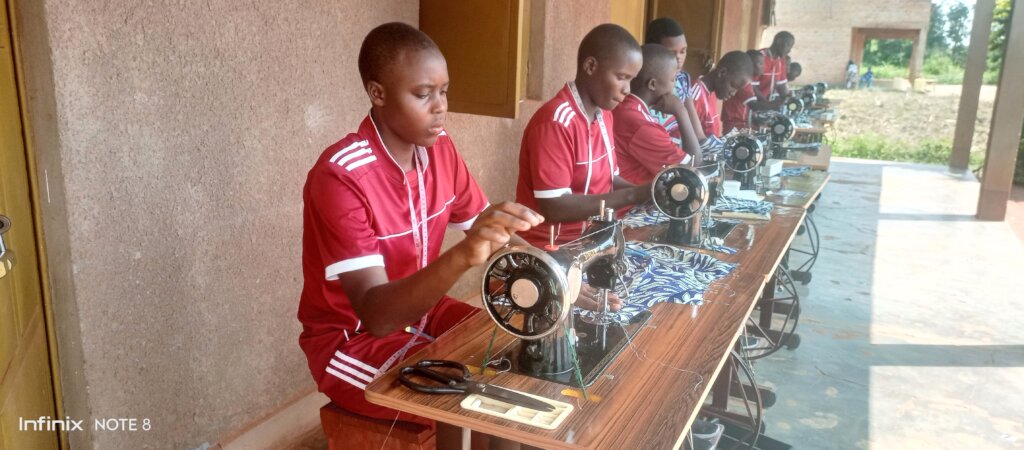
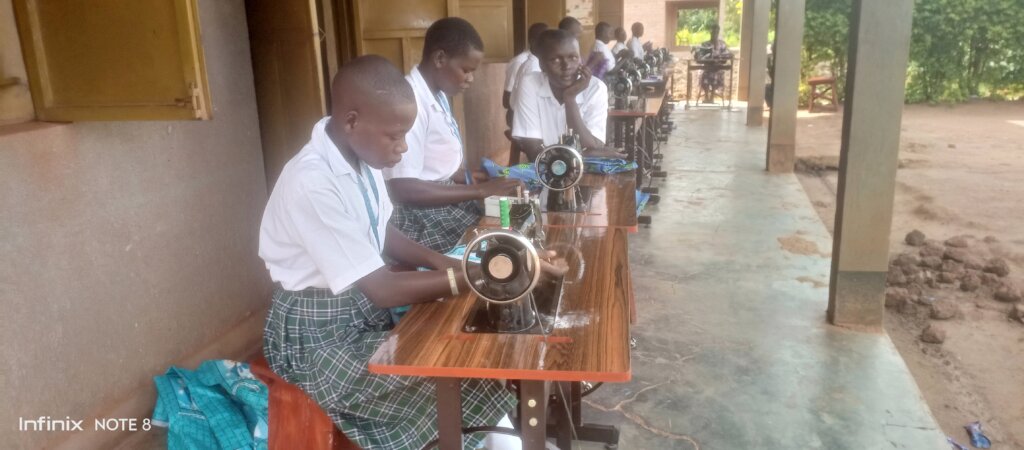
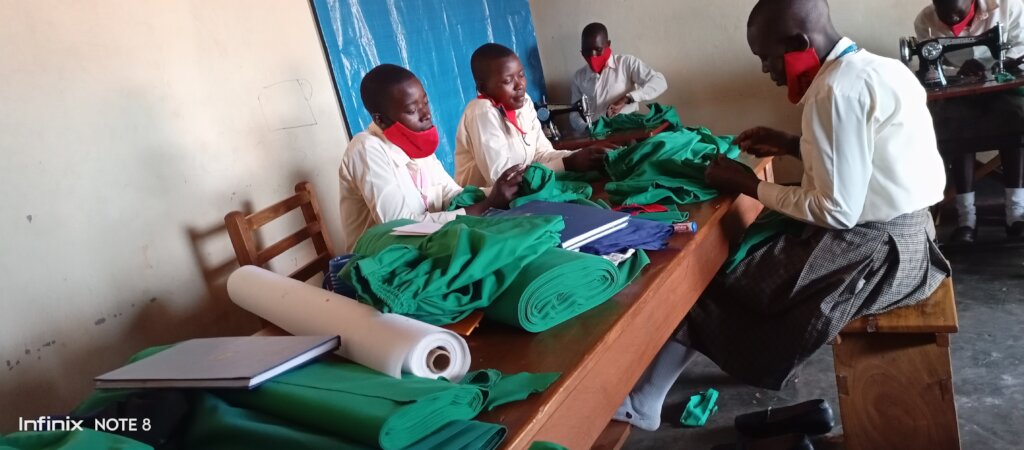
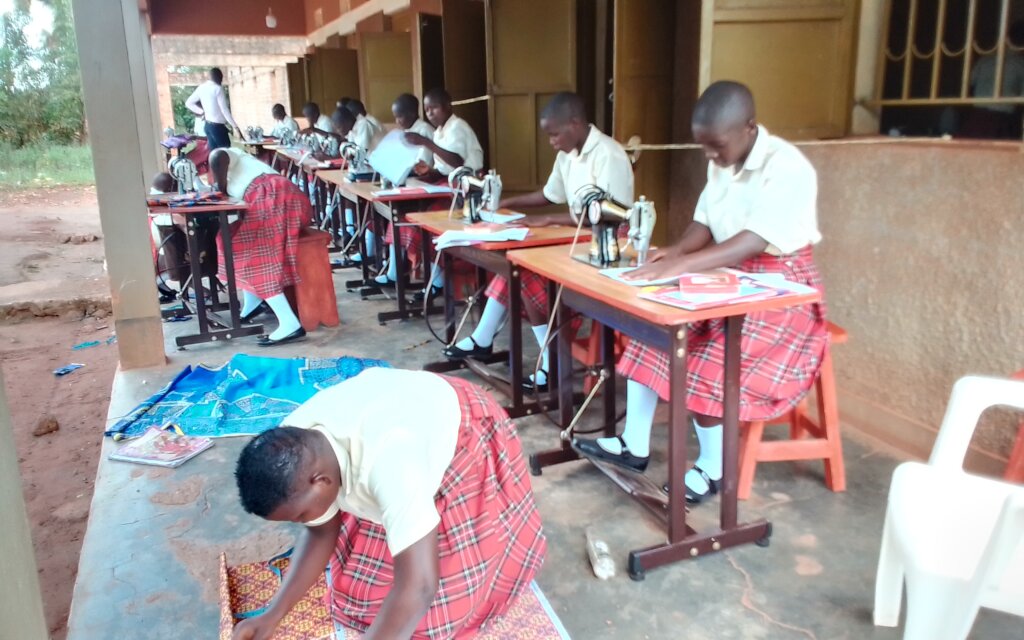
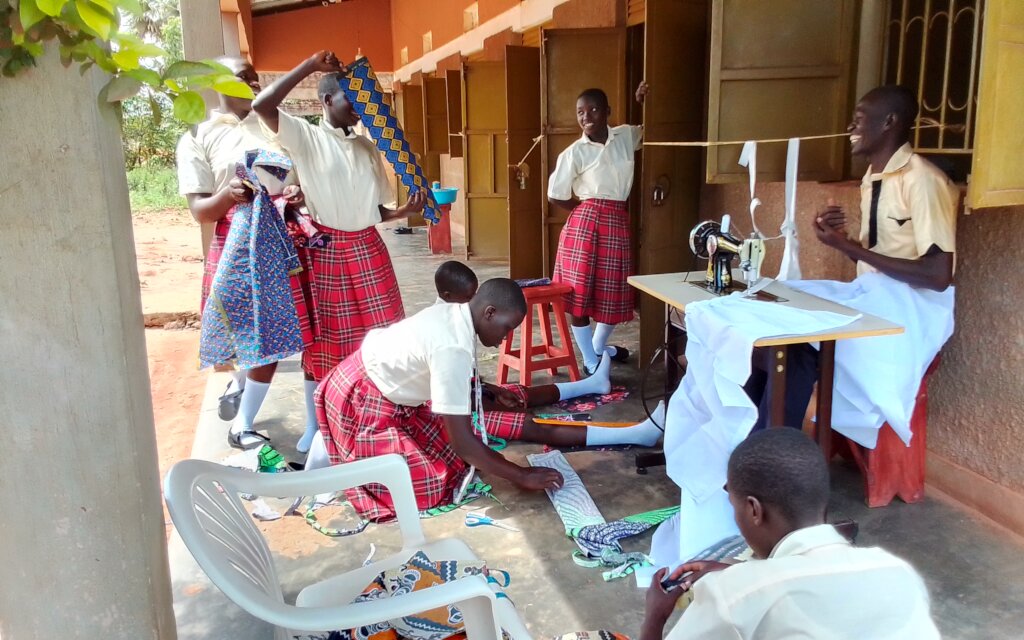
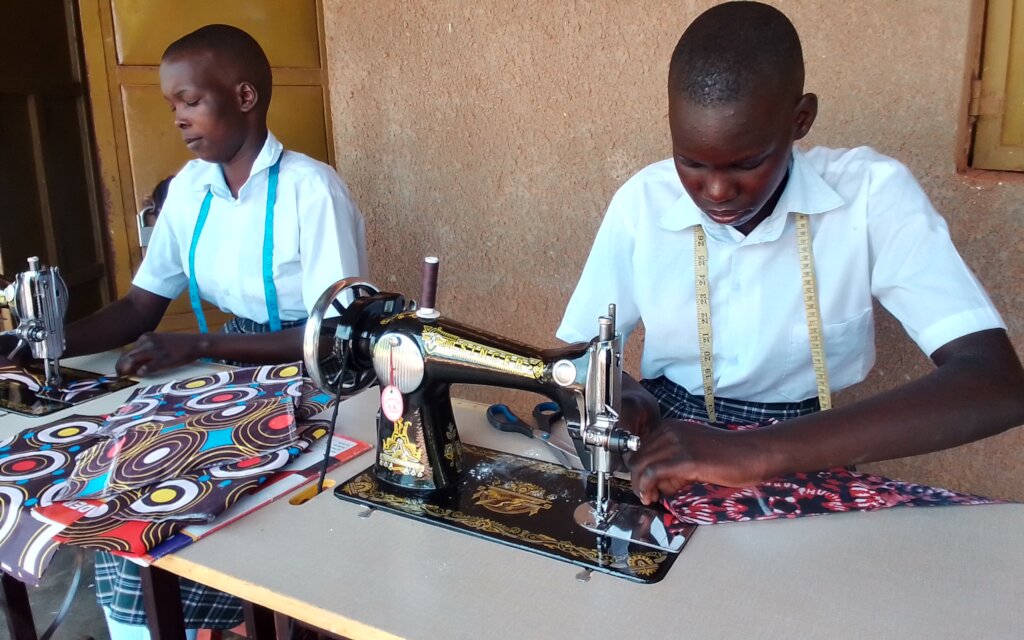
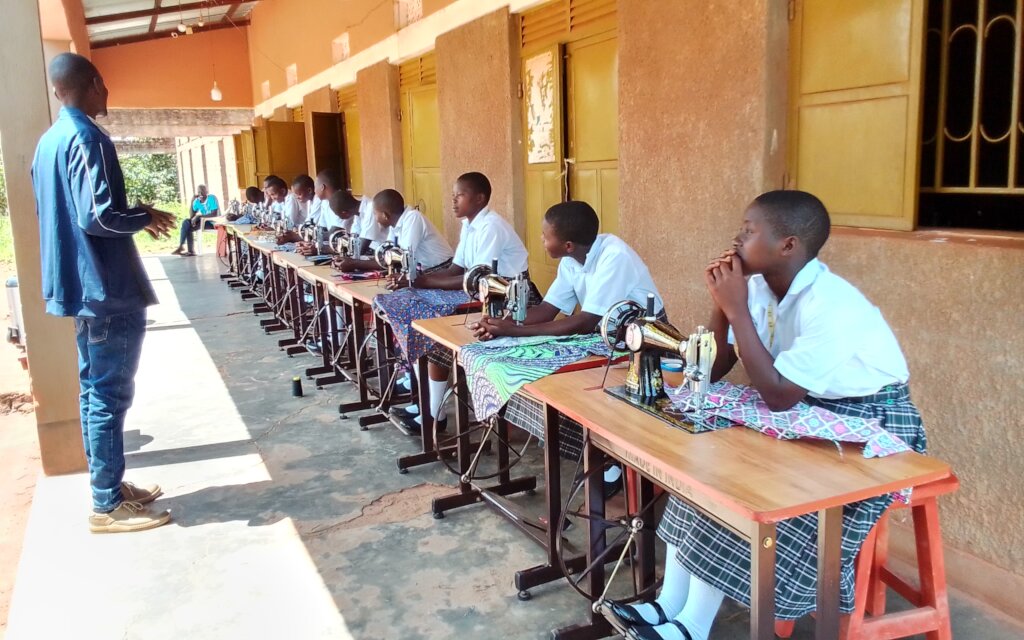
One of the many approaches that Kole Intellectual Forum Institute of Home Economics is encouraging is Student-centered learning (SCL) techniques that holds significant value and it has it shifted the educational focus of this Institute to the individual needs, interests, and abilities of each learner, fostering deeper understanding, increased motivation, and the development of essential life skills.
Key Benefits of Student-Centered Learning that the learning environment is getting are that, they have:
- Increased Motivation and Engagement: By giving students a voice and choice in what and how they learn (e.g., topic selection, project formats), SCL increases their intrinsic motivation and active participation in the learning process.
- Development of Essential Skills: SCL environments prioritize skills crucial for the 21st century over rote memorization, including critical thinking, problem-solving, creativity, collaboration, communication, and time management.
- Deeper Understanding and Knowledge Retention: When students are actively involved in exploring topics and applying knowledge to real-world scenarios (e.g., through project-based learning), they gain a more meaningful and lasting understanding of the subject matter.
- Personalized Learning: This approach recognizes that every student is unique and learns differently. Teachers act as facilitators, adapting instruction and resources to individual learning styles and paces, ensuring all students have the opportunity to thrive.
- Fosters Autonomy and Responsibility: Students take ownership of their educational journey by setting goals, tracking progress, and reflecting on their learning. This builds independence, self-discipline, and self-esteem, preparing them for lifelong learning.
- Stronger Relationships: The mentor-mentee dynamic between teachers and students, coupled with opportunities for peer collaboration, helps build stronger, more supportive relationships within the classroom community.
- Higher Academic Achievement: Research indicates that SCL models are associated with improved academic outcomes, including higher test scores, increased graduation rates, and better college preparedness.
In actual essence, student-centered learning has been found out by the Institute of Kole Intellectual Forum that: it prepares individuals to be adaptable, self-directed, and critical thinkers who are well-equipped to navigate a fast-changing world.