By Imari Whalen | Sr Marketing Coordinator
The Healthy School Food Pathway Pre-Apprenticeship supports individuals like Tiffany Timares and Victor Lopez Jr., who are ready to explore a career in school food, by providing hands-on training and opening doors for those without culinary experience. Here are their stories.
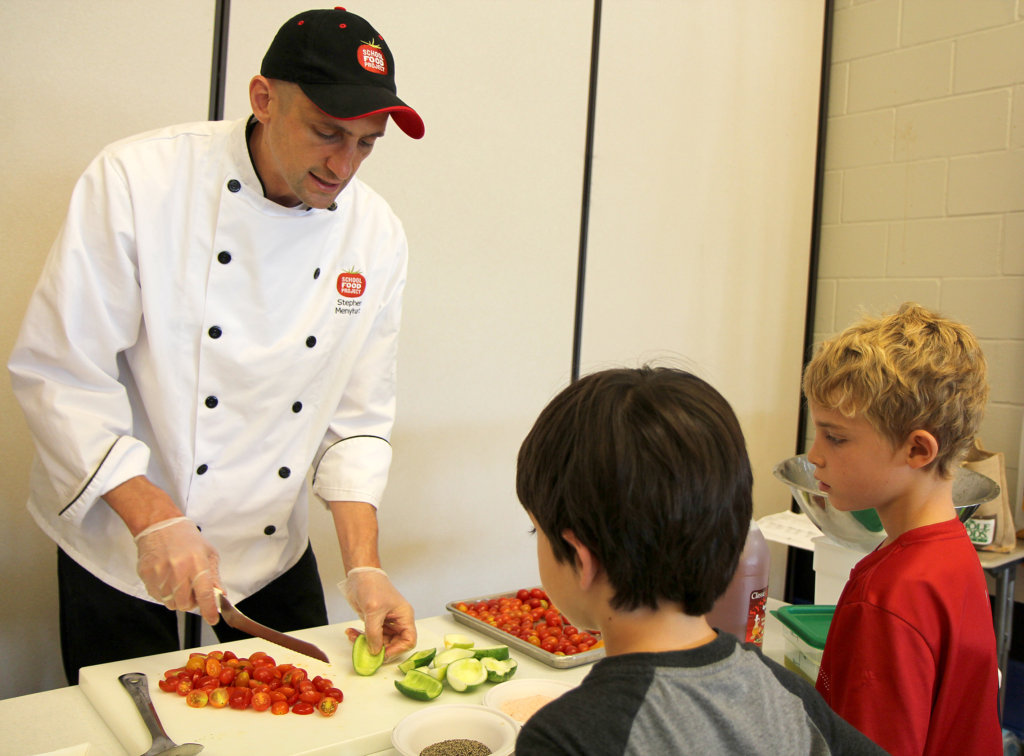
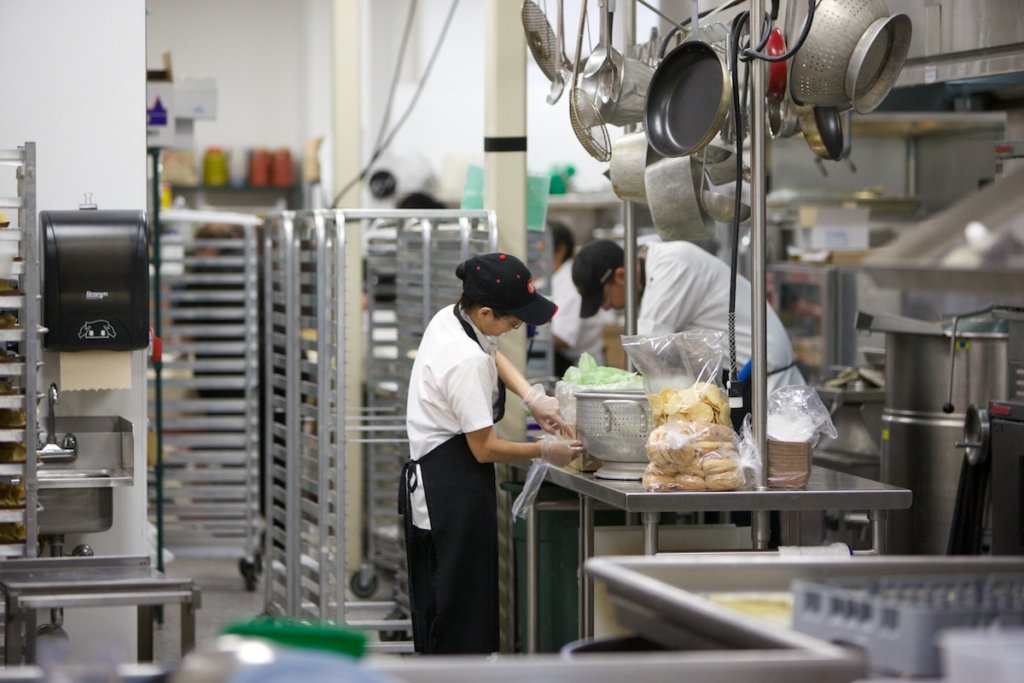
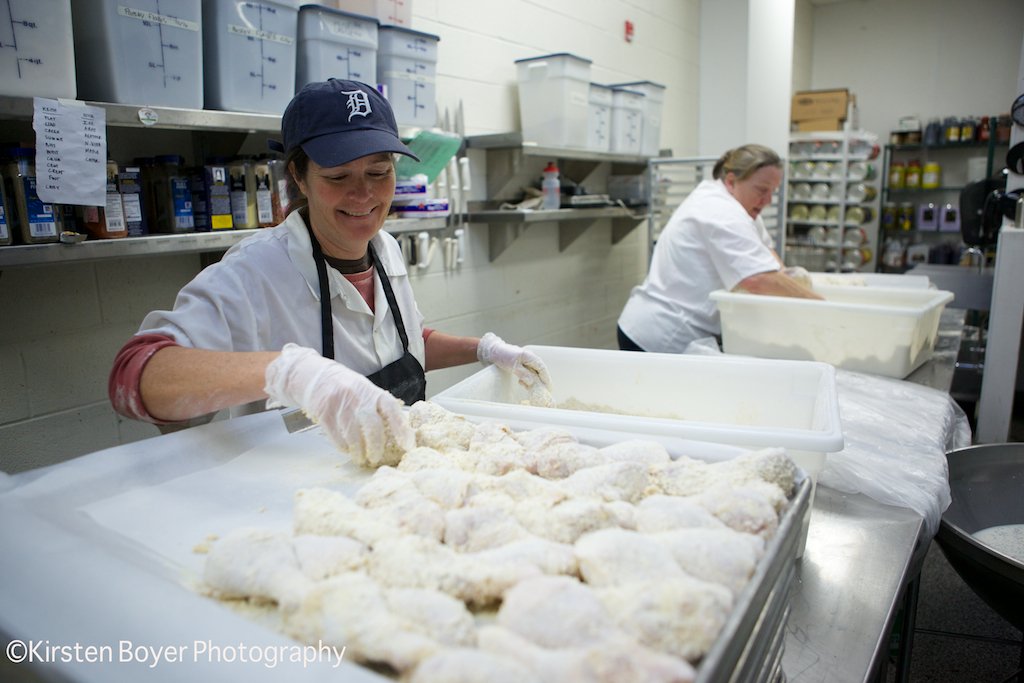
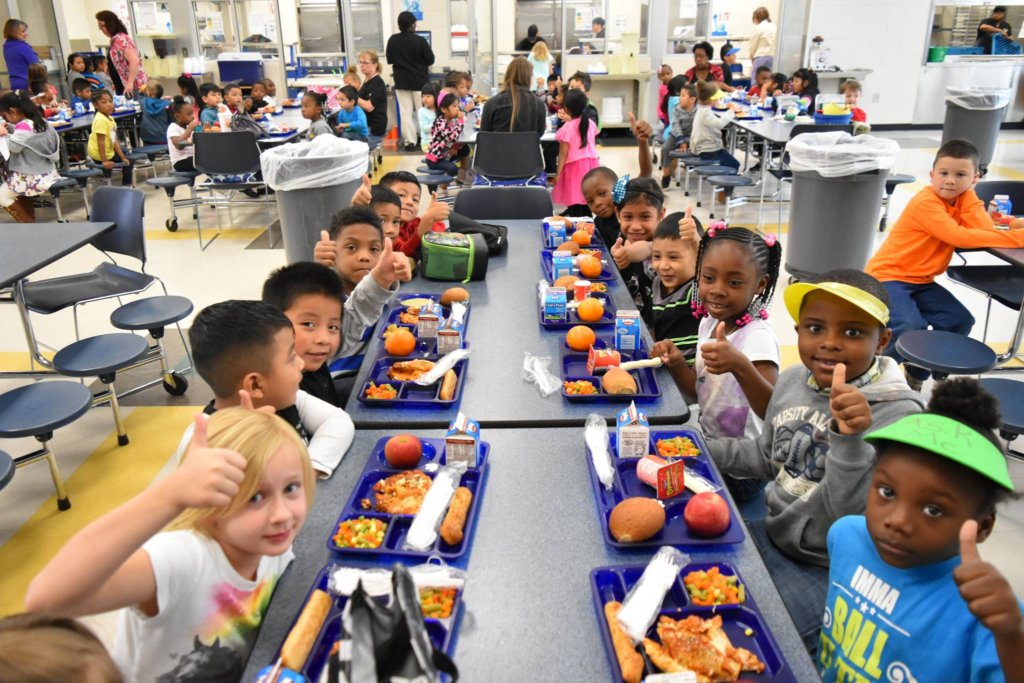
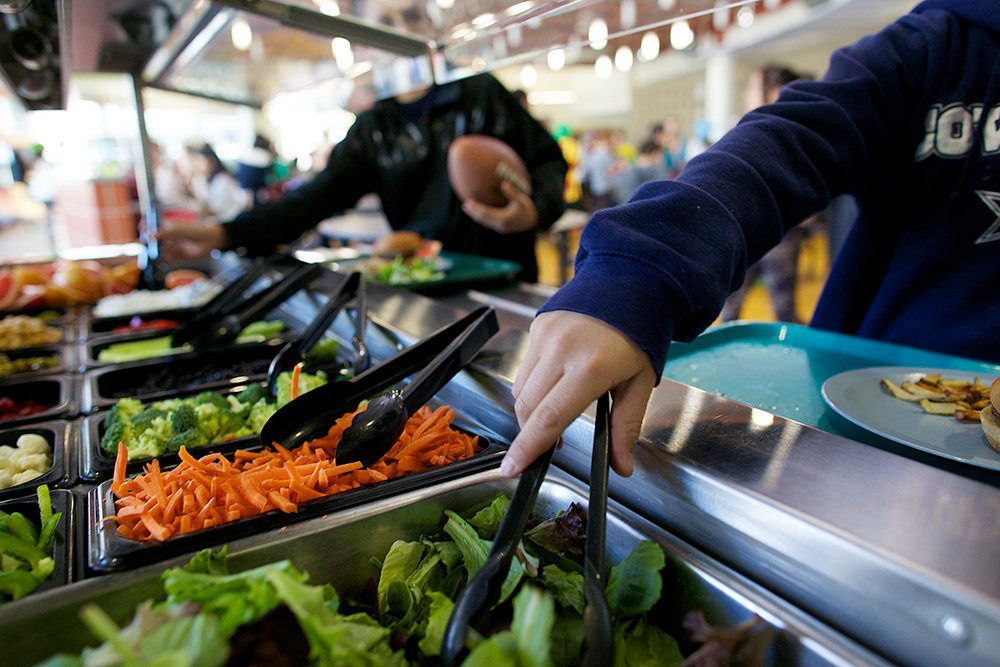
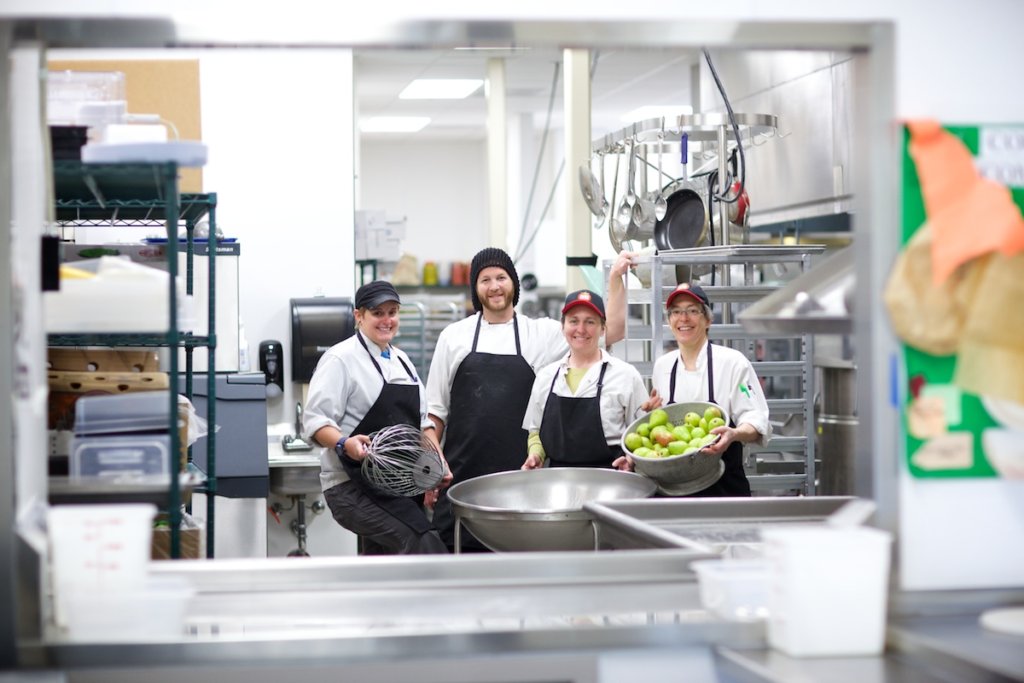
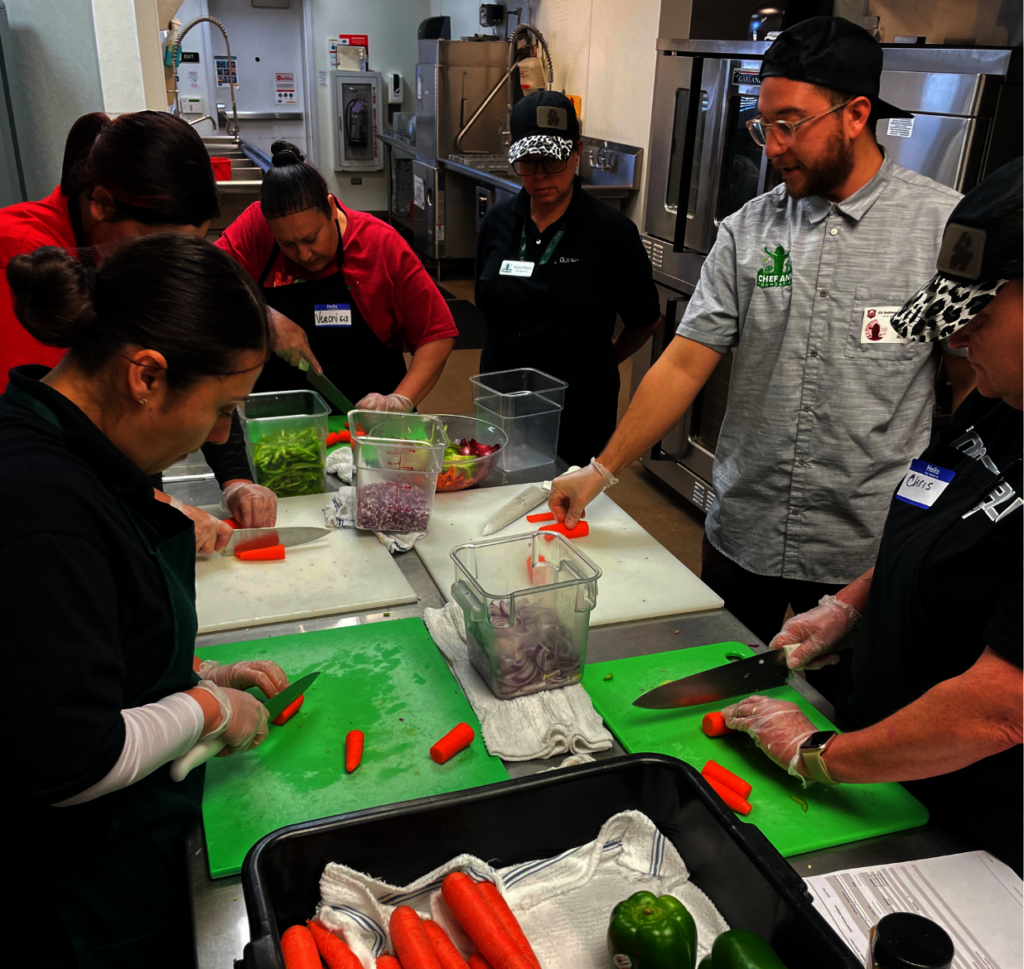
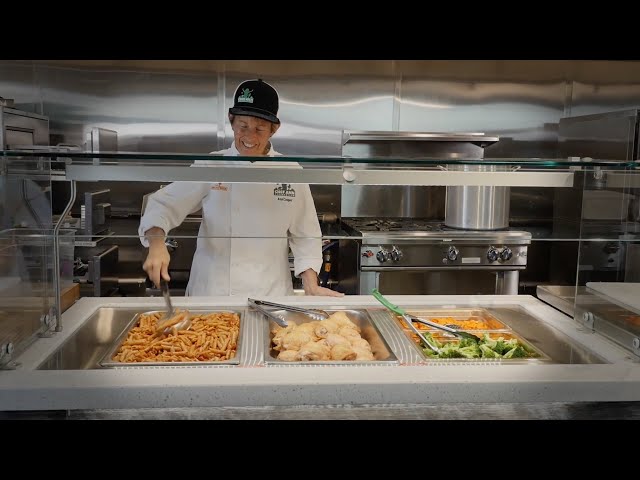
As students shuffle off school buses, still wrapped in the early morning chill, school kitchens across California buzz with energy. School food professionals, wearing crisp aprons and hairnets, review menus and roll out boxes of vibrant produce ready to be rinsed, peeled, and portioned. The clang of dried dishes being put away, the steady rhythm of knives against chopping boards, and the scent of freshly-baked goods filling the kitchen space. With practiced ease and coordination, the professionals gear up to serve breakfast to lines of hungry students before the first bell.
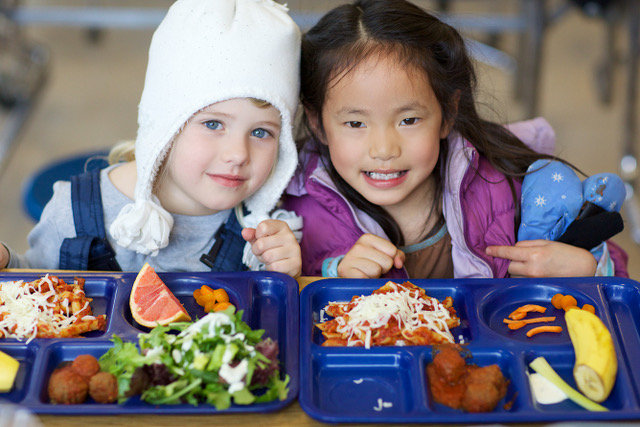
If you ask any of these school food professionals why they show up to work each day, chances are you’ll hear about a passion for student health, sustainability, and community.
Why School Food?
That’s certainly the case for Tiffany Timares and Victor Lopez Jr., two graduates of our Healthy School Food Pathway Pre-Apprenticeship, and now, proud school food professionals.
The Pre-Apprenticeship is a workforce development program that the Chef Ann Foundation offers in California and Colorado, with plans to expand to other states. It provides a paid, hands-on scratch cooking experience in districts—our California program has over 75 K-12 school districts where pre-apprentices can participate.
Before joining the program, neither Tiffany nor Victor worked in school food operations or the culinary world.
For Victor, the program’s focus on improving school lunch through the lens of scratch cooking and sustainability immediately resonated with him.
“I was hoping to exceed [the program’s requirements] in ways best for the community and environment,” he shared. “I sent in my application with a little more experience than following some cookbooks.”
Tiffany, who’s always believed that food is medicine, was eager to turn that belief into a new career. “I knew absolutely nothing about working in a professional kitchen,” Tiffany admitted, “but I knew I was home on my first hour.”
Getting Started
During the seven-week program, each gained a wealth of knowledge and experience that opened their eyes to the complexity and potential of a career in school food.
In Los Gatos Union School District (Los Gatos, CA), Victor sharpened his knife skills and learned to operate professional kitchen equipment far more complex than a home oven or stove. He also deepened his understanding of proper food storage and even marketing basics to boost the program’s visibility on social media. “It’s a wide range of things that go into what seems like such a simple job,” he said. Victor shared that one of the most surprising takeaways from his program experience was learning about the behind-the-scenes logistics that impact menu planning and ingredient storage. Equipped with these skills, Victor supported the kitchen staff to serve 200-300 meals each day.
"It was comforting to know that I had a massive resource of reference material in case there was a process I was unsure of or a feeling that something could be improved, but couldn't visualize without an example." - Victor Lopez Jr., Log Gatos Union School District
Tiffany’s experience was equally transformative. Through our School Food Institute courses, she dove into the history and policies of school food and the importance of providing healthy meals to students.
Her hands-on culinary training included rotating through key roles at Live Oak School District (Santa Cruz, CA), from supporting the district’s central kitchen team to assisting with the district’s innovative Food Lab program. Although the daily production of large batches of food felt daunting at first, the host district’s staff made all the difference. “The staff in my district were all so patient, kind, and supportive of my new journey,” shared Tiffany.
You’re Hired
After completing their pre-apprenticeships, both Tiffany and Victor advanced into our Apprenticeship program and were hired by their respective host districts.
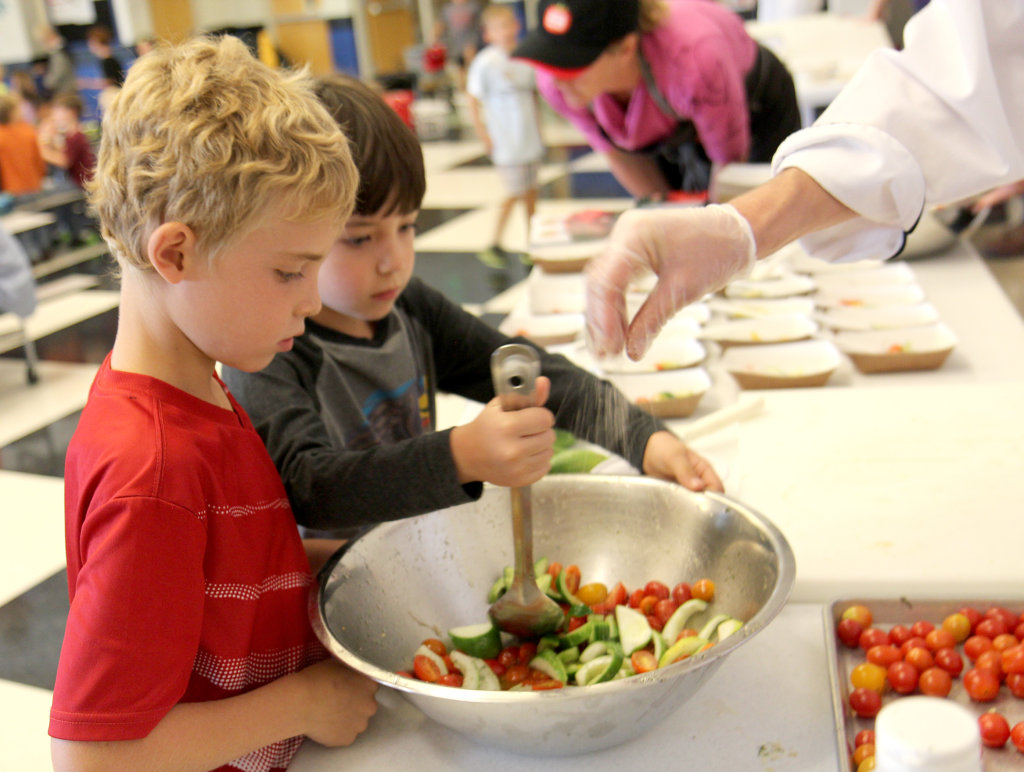
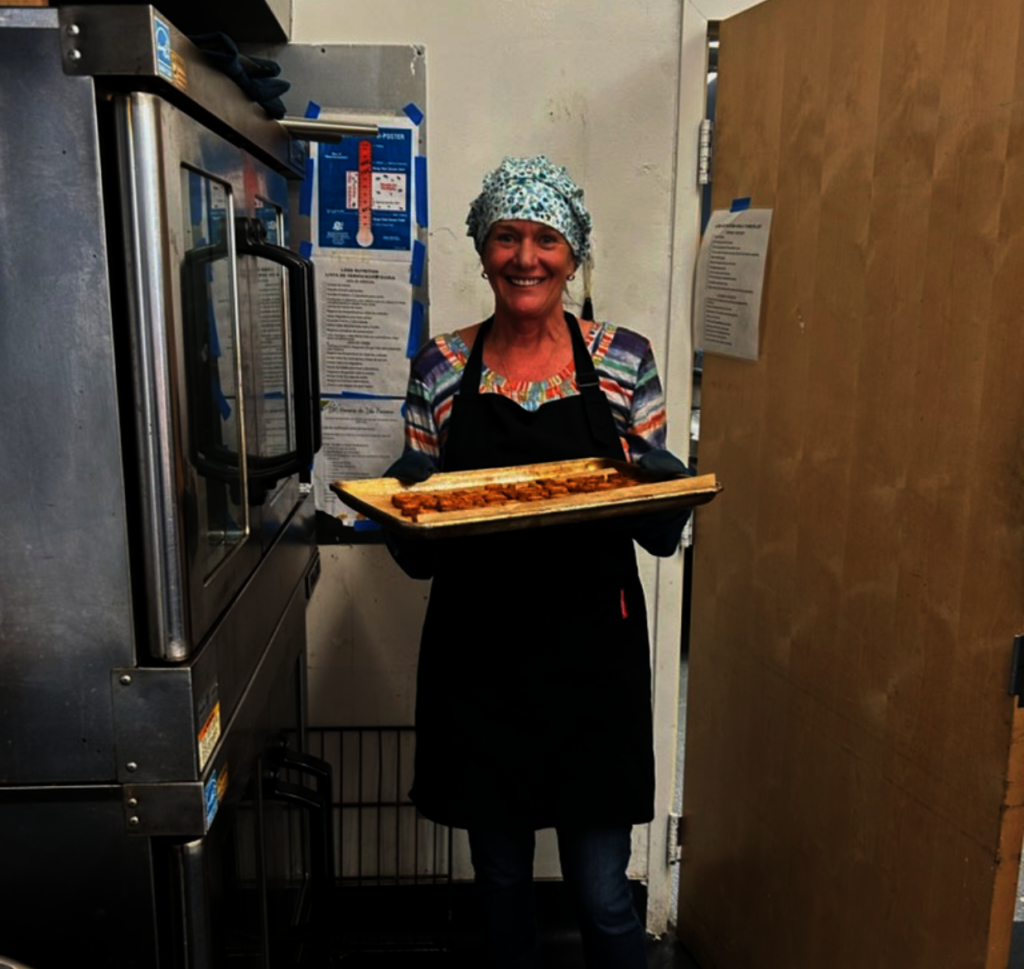
Tiffany works in Live Oak School District’s central kitchen as a Food Lab aide, a role she discovered during her role rotations. On days with Food Lab classes, she prepares necessary ingredients and sets up three student stations: baking, knife skills, and sauces. At the baking station, Tiffany teaches students how to measure, weigh, and mix large batches of muffin batter, including her favorite Chocolate Beet Muffins, made with roasted, peeled, and pureed beets.
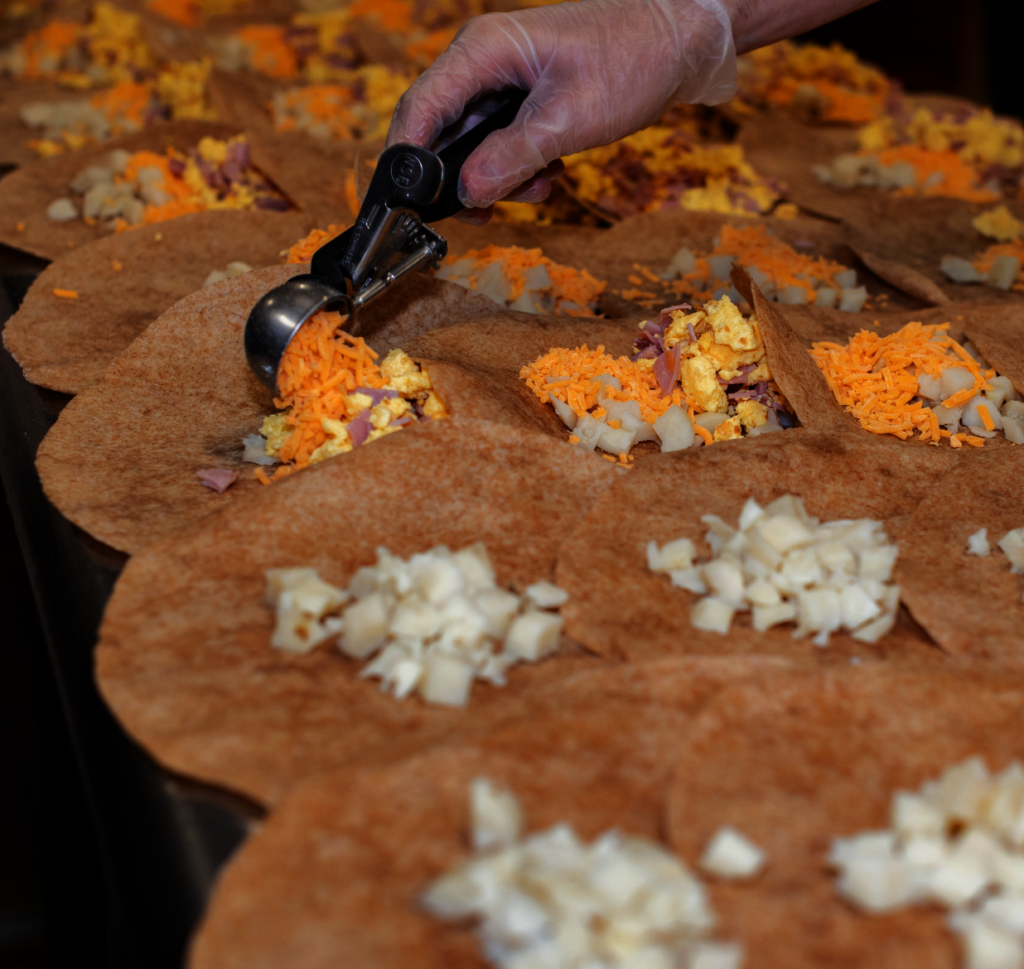
She helps prepare sauces, burritos, and salads alongside the central kitchen team on days without classes.
"I knew absolutely nothing about working in a professional kitchen, but I knew I was home on my first hour" -Tiffany Timares, Live Oak School District
Victor, now the sole on-site kitchen staff member at his Los Gatos school, has also embraced the responsibility and variety of his new role. A few of his duties include preparing fresh meals, keeping tabs on inventory, and supporting students with dietary needs.
Beyond preparing delicious meals, Victor uses his knowledge from the Pre-Apprenticeship to advocate for sustainability practices, like using the school’s composting equipment. “Sustainability is a keyword for me. Knowing what kinds of things to advocate for and having the language to express the ideas and their benefits has been invaluable,” said Victor.
Tiffany and Victor prove that you don’t need prior kitchen experience to thrive in school food and the Healthy School Food Pathway program.
“I love my job,” Tiffany added. “Sometimes I can’t believe I get paid to do this… but don’t tell my director that!”
Links:
By Cole Leslie | Sr. Marketing Coordinator
By Mara Fleishman | Chief Executive Officer
Project reports on GlobalGiving are posted directly to globalgiving.org by Project Leaders as they are completed, generally every 3-4 months. To protect the integrity of these documents, GlobalGiving does not alter them; therefore you may find some language or formatting issues.
If you donate to this project or have donated to this project, you can receive an email when this project posts a report. You can also subscribe for reports without donating.



Support this important cause by creating a personalized fundraising page.
Start a Fundraiser