By Marlene Keller | Deputy Programmes Manager
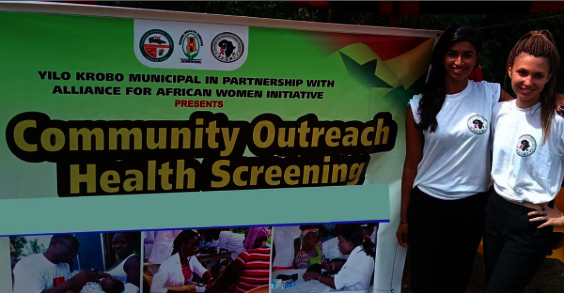
The Community Health Screening Project was designed to deliver essential, early-detection health services to underserved communities in Ghana. The project aimed to provide free screening for malaria, HIV, hepatitis B, hypertension, and diabetes—conditions that contribute significantly to preventable morbidity and mortality. Additional components included eye screening, provision of glasses where needed, and comprehensive health counselling to support long-term health practices.
Funding Status
Despite sustained efforts to secure funding, the project did not receive the financial support necessary to move into implementation. The remaining funding gap made it impossible to deploy medical teams, transport materials, or coordinate with local partners at the required scale.
Context and Challenge
The initiative was developed in response to significant health access barriers faced by many communities in Ghana, including:
Lack of basic healthcare facilities within or near communities.
Long distances to existing health centres, compounded by poor roads, limited electricity, and under-resourced facilities.
Limited financial capacity to afford basic first aid or essential medicines.
These systemic gaps frequently result in avoidable deaths from treatable conditions and prevent individuals from seeking preventive care.
Planned Intervention
AFAWI, in partnership with the Ghana Health Services, had prepared to:
Conduct free screening for non-communicable and infectious diseases, including eye examinations.
Provide on-site health counselling to encourage preventive practices and awareness of available health services.
Support participants identified with health concerns by connecting them to appropriate public health facilities.
Expected Long-Term Impact (Had Implementation Been Possible)
The project was projected to screen approximately 800 individuals in the first three months alone. Anticipated outcomes included:
Reduced morbidity and mortality from malaria and other common illnesses through early detection.
Increased awareness of health risks and available healthcare services.
Higher rates of healthcare facility utilization.
Improved quality of life for individuals receiving free corrective eyewear.
Reason for Closure
Due to insufficient funding—despite the clear need and strong operational partnerships—the project could not be launched. The financial shortfall prevented deployment, procurement of medical supplies, and delivery of screenings at the planned scope and quality. With no viable pathway to securing the remaining resources, we regretfully close the project.
Closing Statement
We extend our sincere gratitude to the donors who contributed to this initiative and to the partners who committed their expertise and support. Although the project could not be executed, the need it sought to address remains urgent. We hope future opportunities will allow us to pursue similar health initiatives to support vulnerable communities in Ghana.
For any further questions or interest in supporting future health projects, we remain available to assist.
Links:
By Marlene Keller | Deputy Programmes Manager
By Marlene Keller | Deputy Programmes Manager
Project reports on GlobalGiving are posted directly to globalgiving.org by Project Leaders as they are completed, generally every 3-4 months. To protect the integrity of these documents, GlobalGiving does not alter them; therefore you may find some language or formatting issues.
If you donate to this project or have donated to this project, you can receive an email when this project posts a report. You can also subscribe for reports without donating.