Project Report
| May 16, 2025
Primary purpose of a community liaison meeting
By George Obua | Project Leader

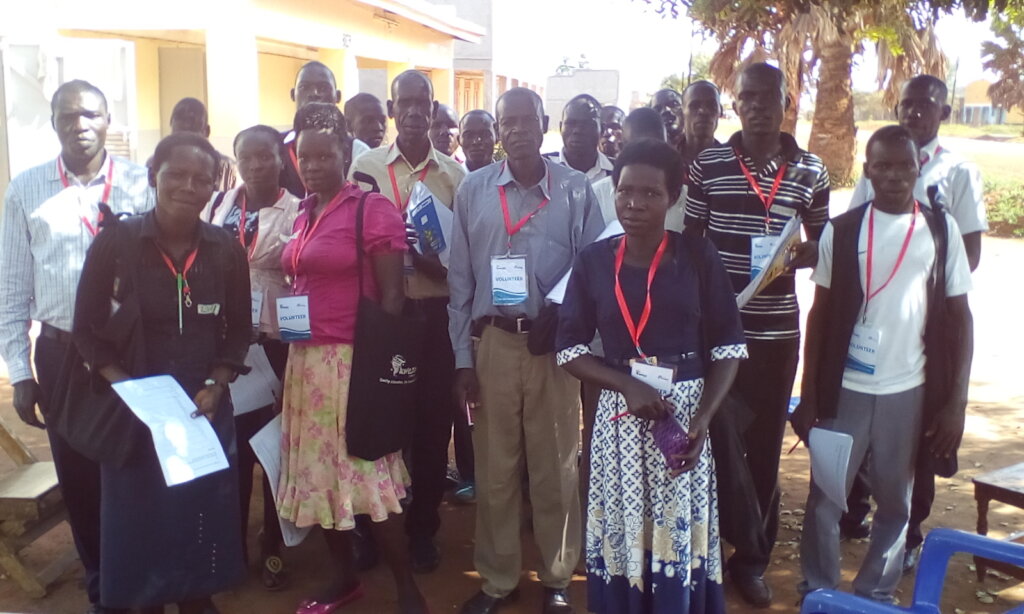
![Community Liaison meeting in progress]()
Community Liaison meeting in progress
Primary purpose of a community liaison meeting
In order strengthen communication and collaboration between Kole Intellectual Forum and the community it serves; the organization has organized a platform for the community to voice their concerns, share their feedback, and also is the same platform that the organization receive information about their initiatives, projects, and policies. It is also a place where the organization is building trust and understanding about the organization, strengthen their relationships with the organization, and ensure that their work is aligned with the community needs and values.

Elaboration:
At the meetings, the organization keeps the community informed about their activities, projects, and policies, ensuring transparency and keeping residents up-to-date; gives the structures of the community to offer feedback, shares insights, and suggests improvements; and also, identify and address community issues, concerns, and challenges, fostering a collaborative approach to problem-solving.
May 16, 2025
Searching for the ways of opportunities
By George Obua | Project Leader
![Searching for the arena of opportunities]()
Searching for the arena of opportunities
Searching for the ways of opportunities
The ability to identify new opportunities is a crucial aspect of innovation that Kole Intellectual Forum is advocating for. It is what separates successful businesses and entrepreneurs from those who fail to make an impact. One of the course unit of Kole Intellectual Forum is meant to give the students to be identifying new opportunities by ways of being able to anticipate and looking for market needs, spot gaps in the market, and making them to create solutions that address these needs. The students are being trained to develop hearts of being open minded, with willingness to take risks, and the ability to think outside the box. To move to the field to explore into new opportunities and understand how successes of their businesses and entrepreneurs be located.
By ensuring that: in the process, they tend to stay ahead of the competition; creating new products or services; attract old and new customers who are looking for innovative solutions; creating a culture of innovation; and made them to be those are built with a concept of being open-minded, ready to take risks, and be thinking outside the box.
May 15, 2025
Delegate Conference: Represented by KIFA member
By George Obua | Project Leader
![At the center is a representative of KIFA at work]()
At the center is a representative of KIFA at work
Delegate Conference: Represented by KIFA member
In the delegate conference attended by one of the representative of Kole Intellectual Forum in the above photos, the executives mainly focus on their most important tasks that can help them to build bench strength for their organizations and also help the create more broader approaches to avoid risks.
Hence, five practices were adopted
1. Choose tasks wisely
Always try to devote your time to the projects that are the most valuable to your organization and can best benefit from your talents. On the other hand, delegate tasks that frequently reoccur, such as sending membership renewal notices, or tasks that require a specific skill in which you have minimal or no expertise, such as reconciling bank accounts.
2. Pick the right person
Before you delegate a task, consider the person’s main job responsibilities and experience and how those correlate with the project. However, keep in mind that employees may welcome opportunities to test their wings in a new area or take on greater responsibility. Be sure to consider staffers’ schedules and whether they actually have time to do the job well.
3. Perfect the handoff
When handing off a task, be clear about the goals, expectations, deadlines and details. Explain why you chose the individual and what the project means to the organization as a whole. Also let the employee know if he or she has any latitude to bring his or her own methods and processes to the task. A fresh pair of eyes might see a new and better way of accomplishing it.
4. Keep in touch — to an extent
Delegation doesn’t mean dumping a project on someone else and then washing your hands of it. Ultimately, you’re responsible for the task’s completion, even if you assign it to someone else. So stay involved by monitoring the employee’s progress and providing coaching and feedback as necessary. Remember, however, there’s a fine line between remaining available for questions and micromanaging.
5. Acknowledge the help
A good delegator never takes credit for someone else’s work. Be sure you generously — and publicly — give credit where credit is due. This could mean verbal praise in a meeting, a note of thanks in a newsletter or a letter to the person’s manager. If the project’s size and scope warrant it, consider offering extra time off or a special gift.