By Sarah | Project Leader
One spring day in 1996, a young man was at his job helping displaced people in the Kurdistan Region of northern Iraq. There was a moment of calm amid the ongoing civil war, and a gentle wind left him with a feeling of renewal, hope, and peace.
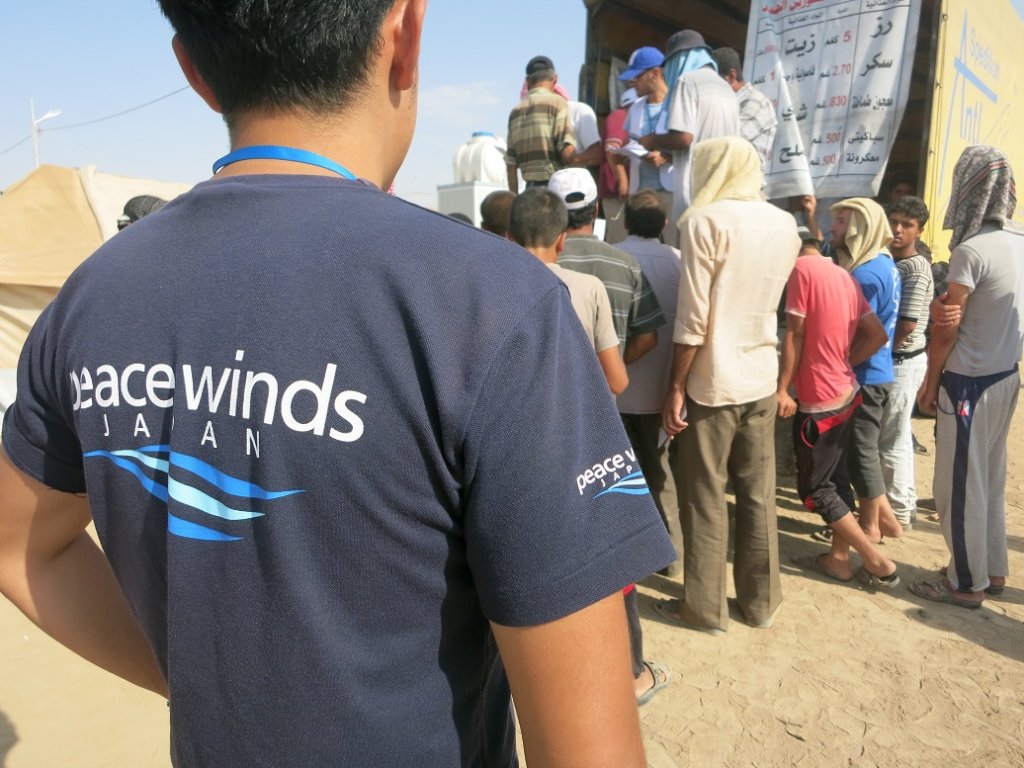
The young Kensuke Onishi soon founded his own nonprofit organization dedicated to helping people rebuild after conflict and disasters. Inspired by that moment, he called it Peace Winds. Iraq has remained at the heart of our story for the last 30 years. It is the country where Peace Winds has worked the longest, and we are the international non-governmental organization with the longest history of continuously serving communities there.
We are looking back on that journey as we let you know that on July 31, 2026, we will be closing our GlobalGiving fundraiser through which you have supported Syrian refugees in Iraq for so many years. Before then, we want to thank you. Every donation, whether it was $10 or $1,000, has been part of a much bigger story.
Your chapter began in 2018 when we asked for your help with what would become our flagship program supporting Syrian refugees in the Kurdistan region. Since the Syrian civil war began in 2011, the Syrian refugee crisis had become one of the largest in the world.
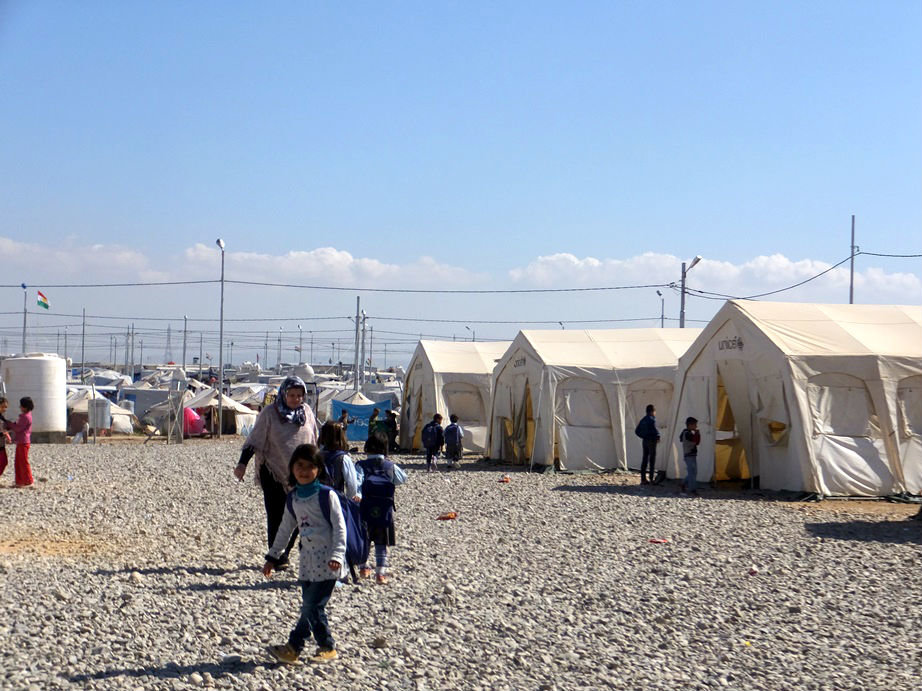
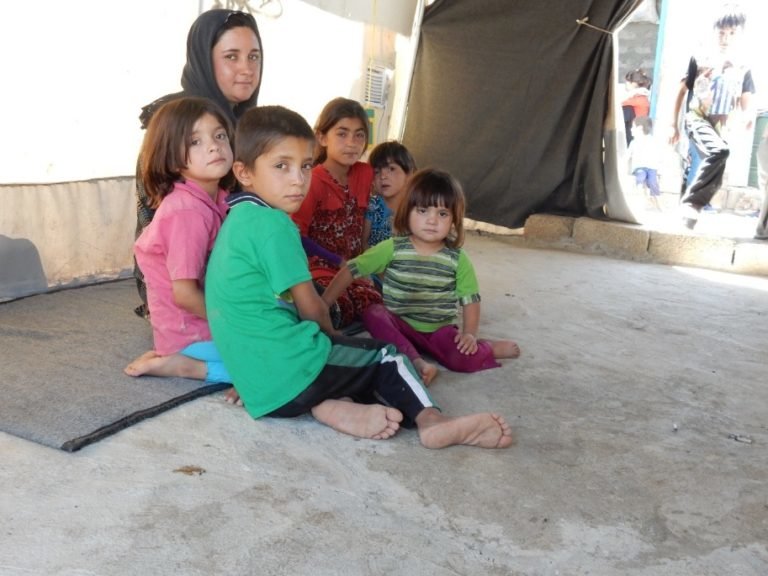
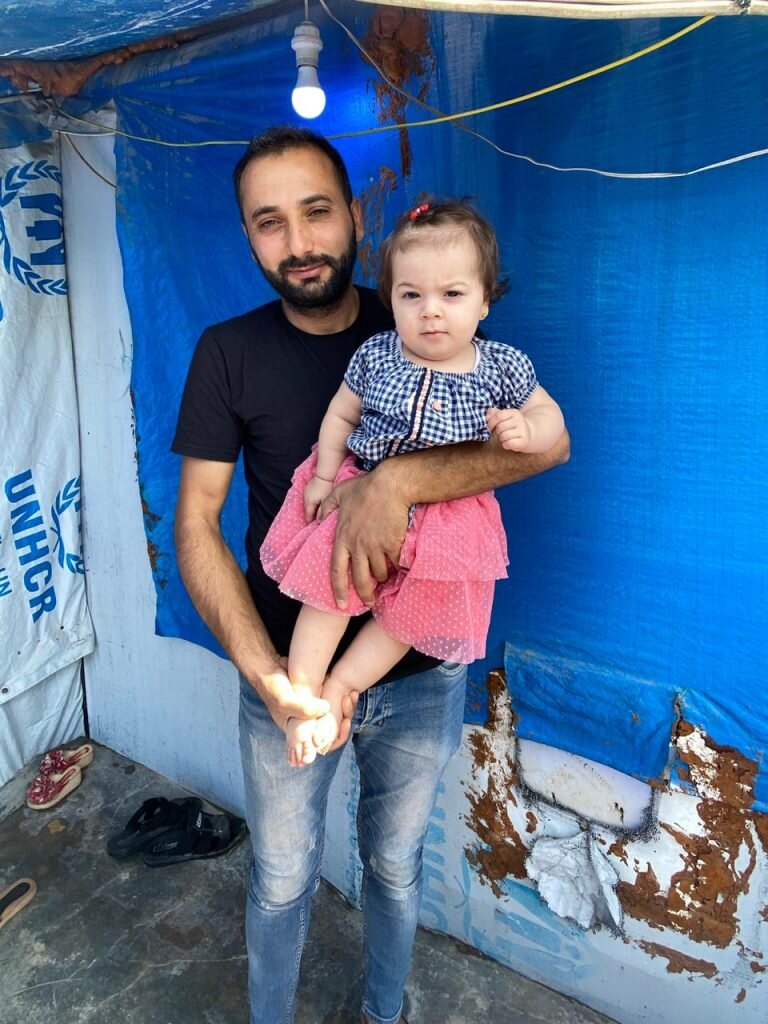
Many who lost their homes or were escaping violence fled to refugee camps in neighboring Iraq. About 1,500 families in camps in Erbil were still living in tents in 2018. Without electricity, plumbing, or even solid walls, they endured extreme summer heat, winter flooding, and months or years without the stability of a permanent home.
So Peace Winds stepped in to help change that. Instead of simply hiring contractors, we wanted to know what might be possible if we helped refugees build homes themselves.
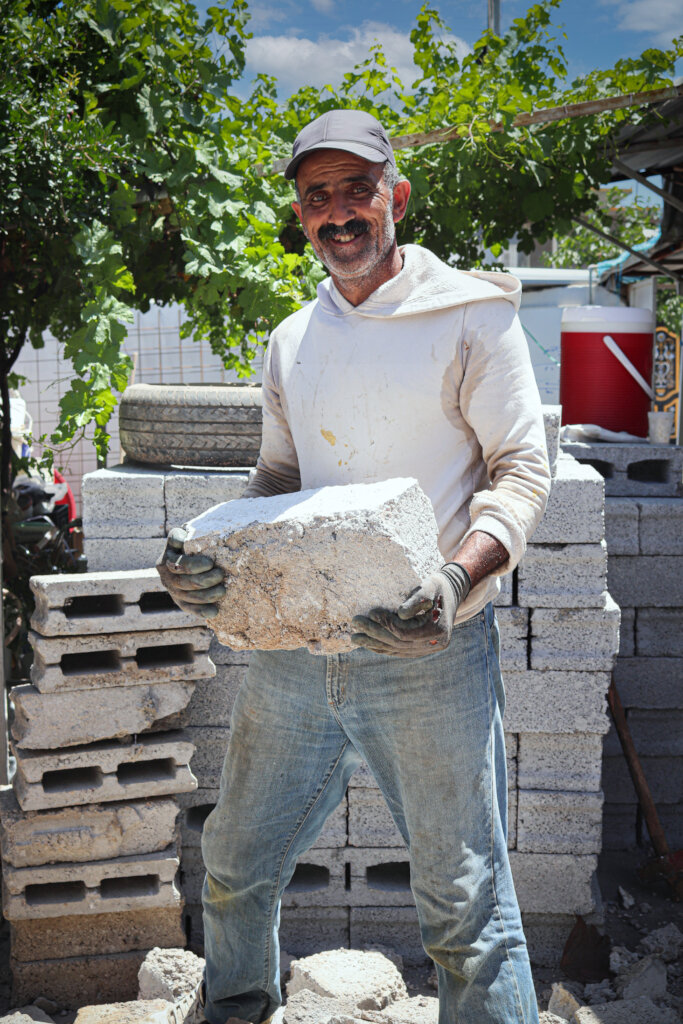
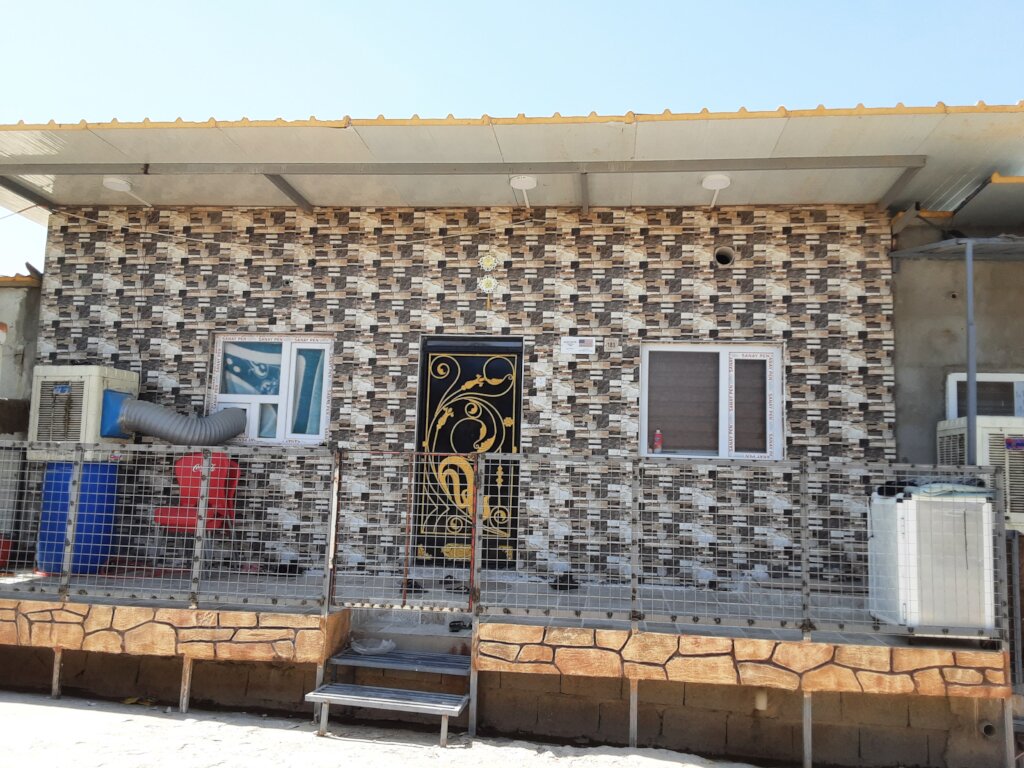
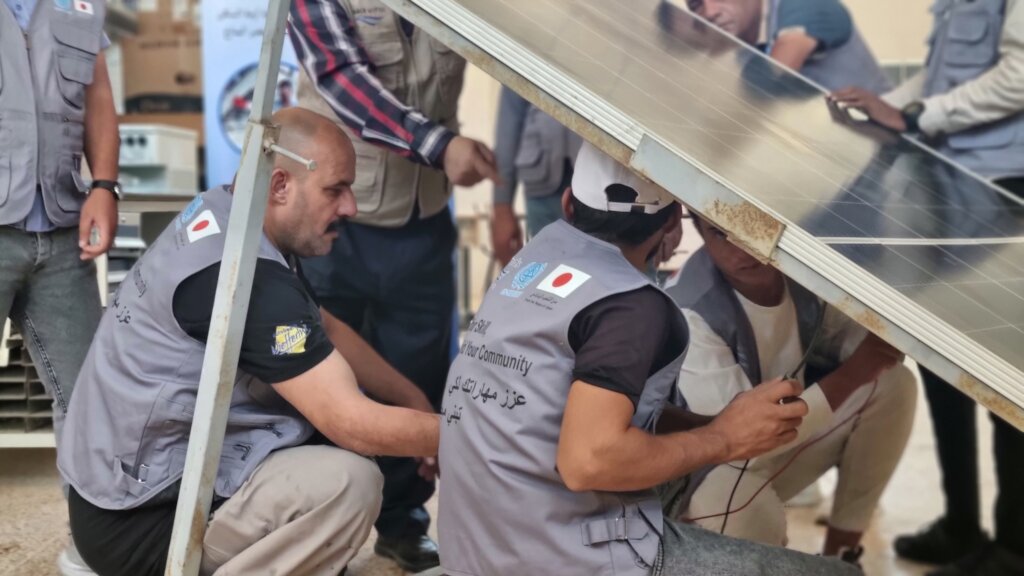
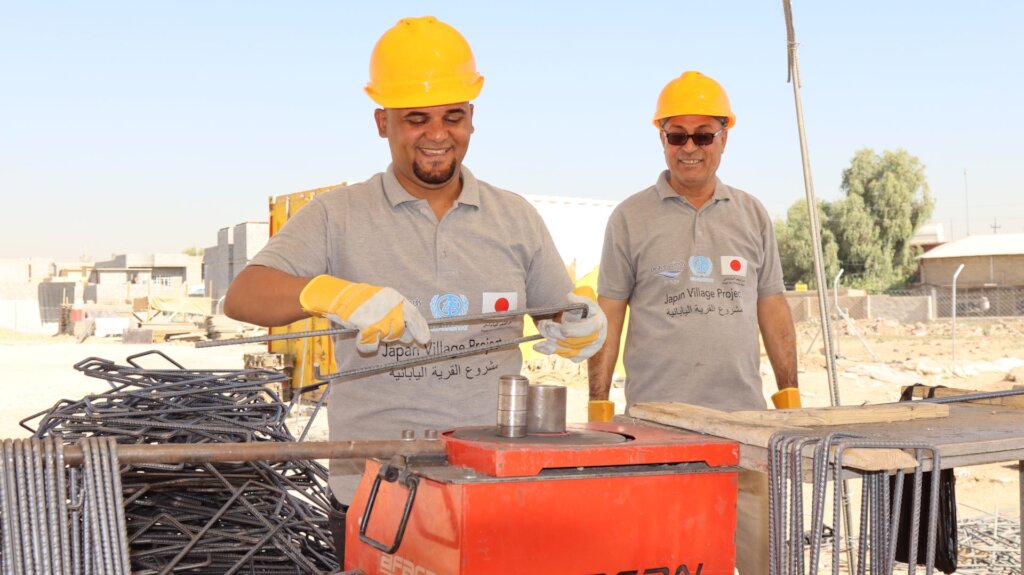
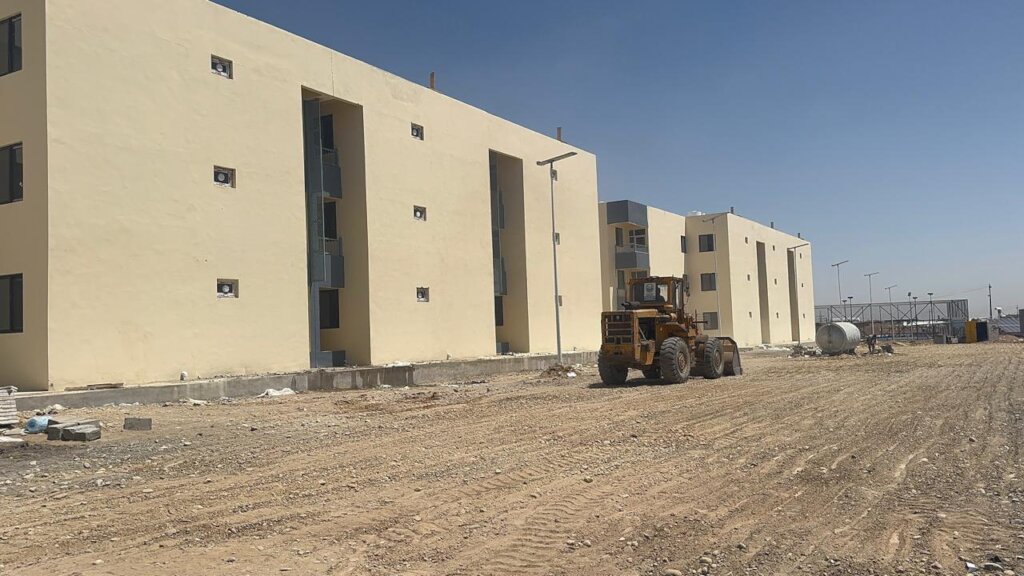
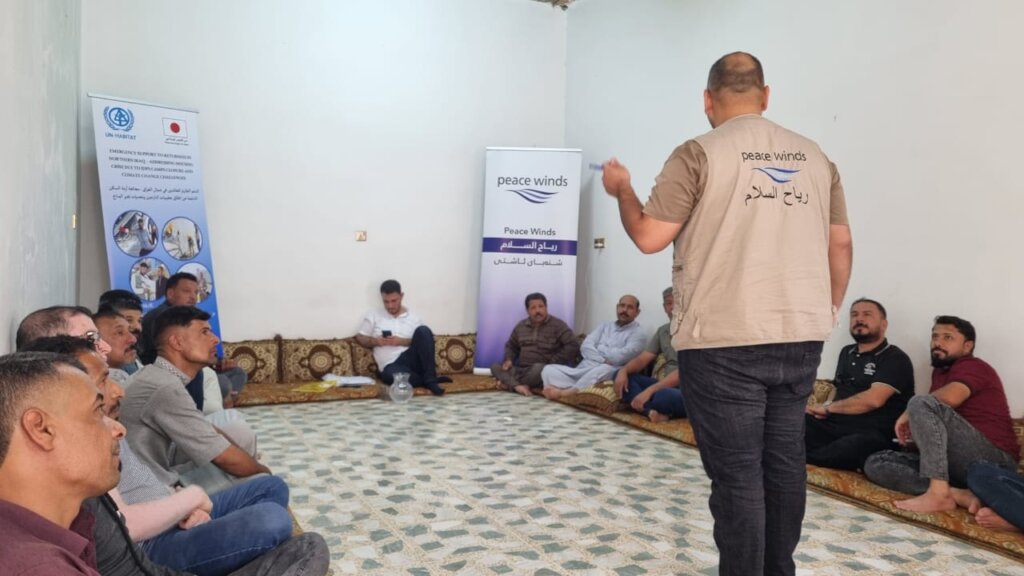
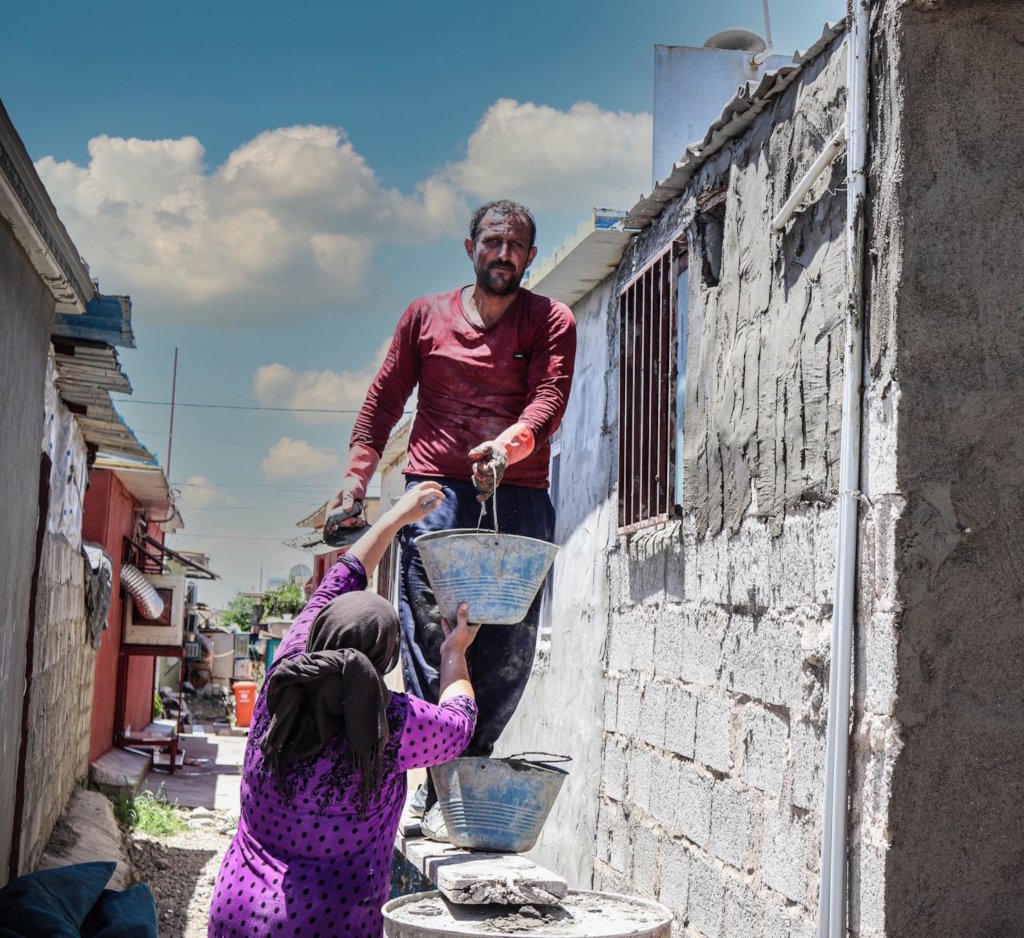
As part of our innovative cash-for-work model, refugees could choose to participate in construction training and get paid to build permanent homes, under the guidance of Peace Winds engineers, for their own families and neighbors. This brought a sense of ownership and freedom to make the buildings and spaces their own. Many added extra rooms, chose decorative tile, painted murals, added ironwork, and included other personal touches that made the camps feel like neighborhoods with personality.
This is one of the things that struck our colleague, Patrick Hurley, the most. The first time he visited the camps, he found himself taking photos of every unique detail that families had chosen to express themselves.
Years later, Peace Winds America CEO Jim Gannon visited the Domiz-1 camp in Duhok. He shares a similar memory:
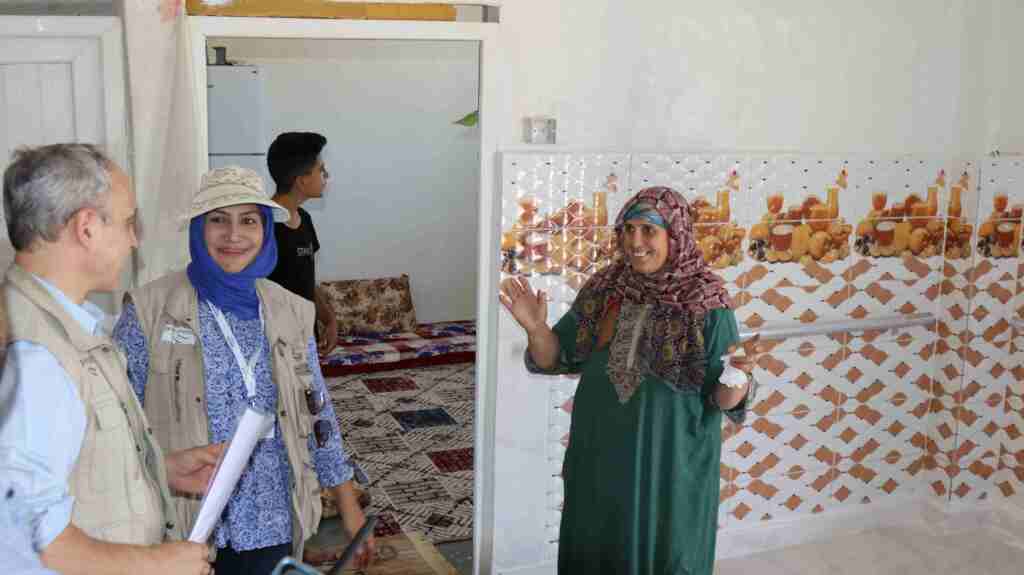
“I recall visiting one Syrian family’s home, where an outgoing and charismatic mother lived with her five children. Her husband had difficulty walking after having a stroke, and Peace Winds provided her support to have a wheelchair ramp, handicapped accessible toilet, and grab bars installed throughout the house. She was able to use our cash-for-work program to hire fellow refugees working as contractors to do the work, and while everything was being torn up, she used her own savings to have her living room walls tiled, which is relatively common in the camp.
“What was extraordinary, though, is that she chose tiles with giant photos of fruits and fruit juices, and she was very proud of the end result. Apparently, she was known for having an entrepreneurial streak, and she explained that she was thinking of starting up a side business of selling fruit juice out of the home. Even though she was far from home in a refugee camp, she was always thinking about how she could take one more step to improve her family’s life.”
By the end of our first two years, every refugee family that had still been living in a tent had moved into a permanent home.
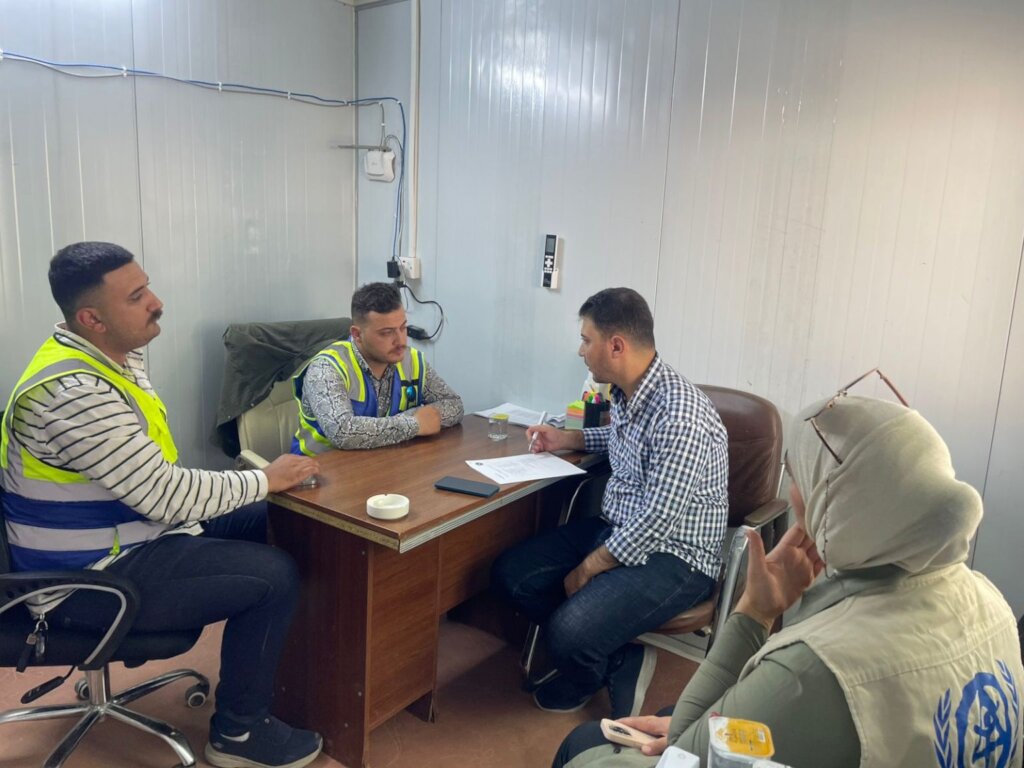
But Peace Winds continued to grow our impact on the community. In addition to Erbil, we expanded our work into camps in neighboring Duhok, and we began to focus on supporting the many refugees with disabilities. We used our cash-for-work model to help refugees make their homes more accessible. Engineers and cash-for-work laborers made community walkways, camp offices, schools, and mosques safer for their children, parents, and neighbors with disabilities.
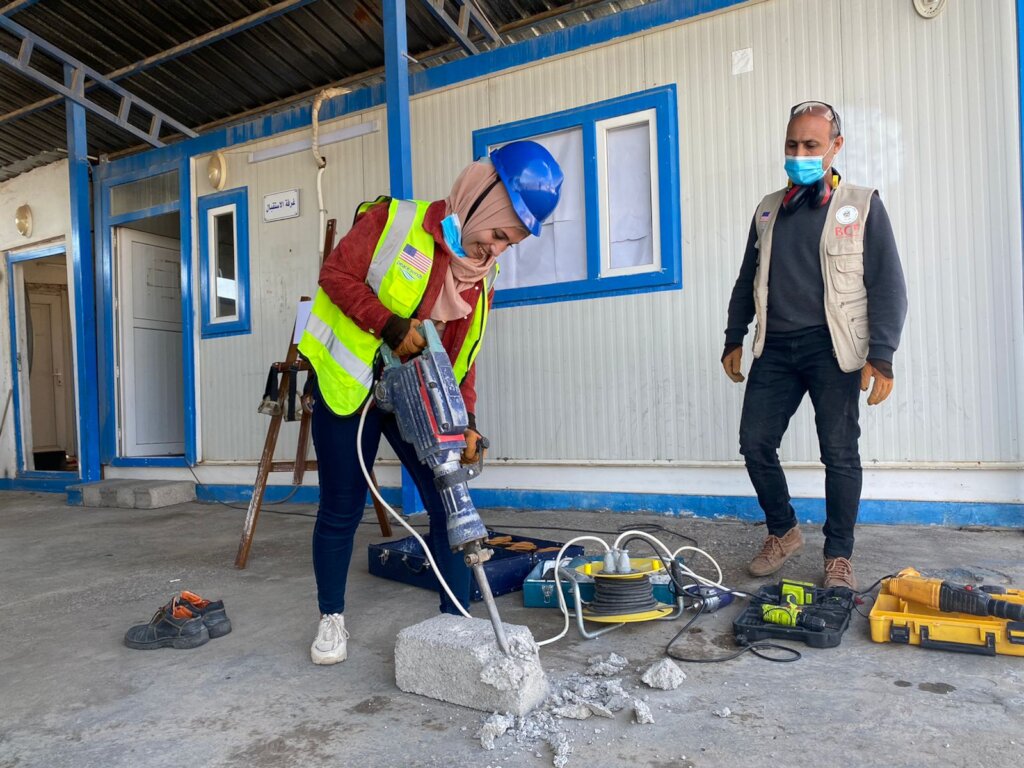
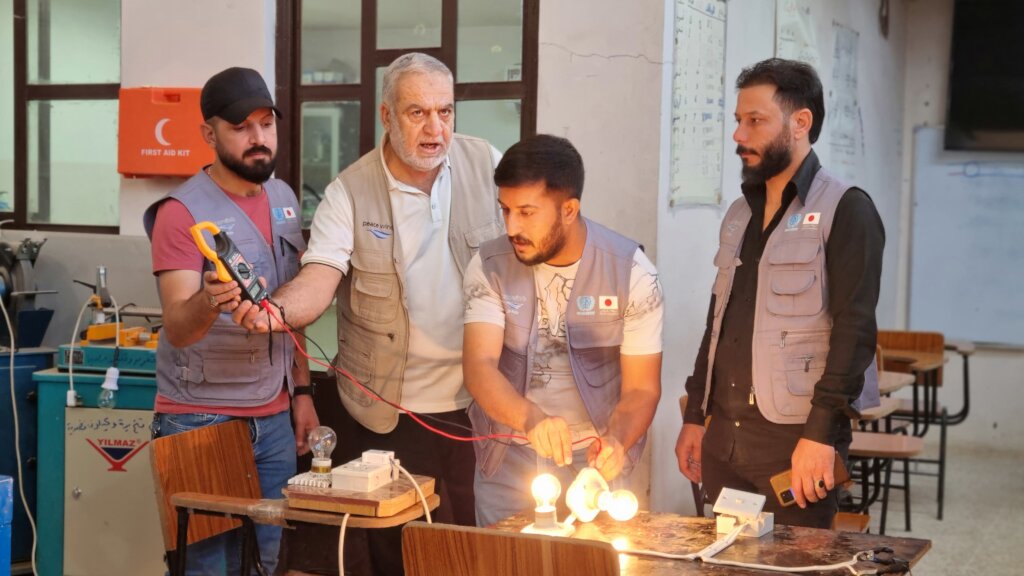
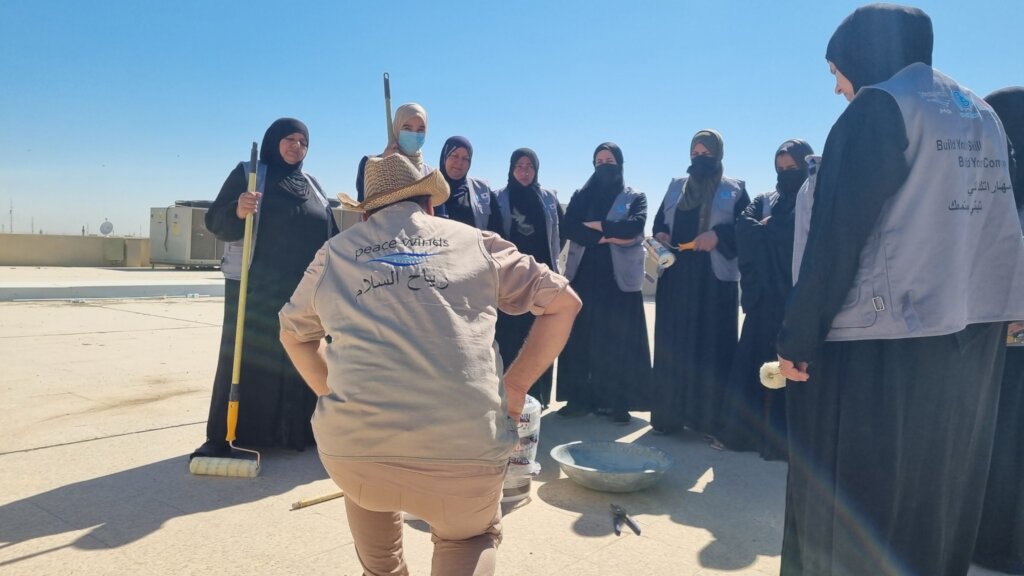
Over the years, Peace Winds expanded the training program by opening and running a total of seven vocational centers–one in each camp where we worked in Erbil and Duhok. We encouraged women to participate, and more than 2,300 boldly took on projects that are too-often dominated by men. We also held nearly 160 courses adapted for trainees with disabilities.
Today, as some refugees choose to return to Syria after the war, the skills they learned may become one of the most lasting parts of Peace Winds’ legacy.
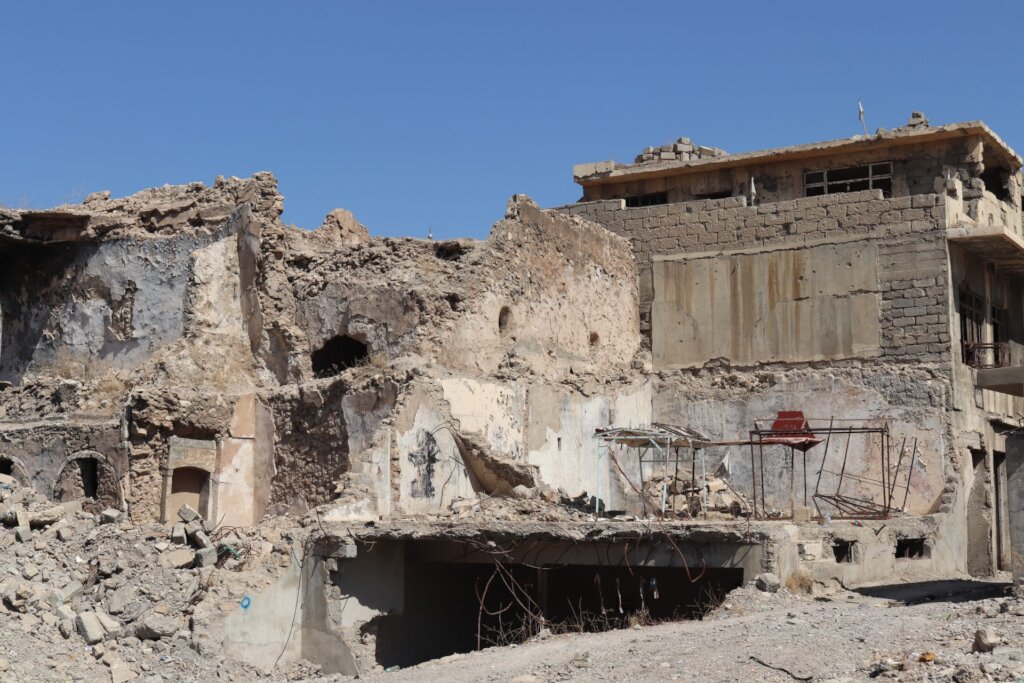
Belma Sisic is a former Peace Winds staff member who is now working to support displaced Syrians inside Syria. Looking back on her time with us as our Iraq country representative, she recalls a conversation she had with a refugee whose home had undergone accessibility modifications through Peace Winds’ program. He told her how much it meant to him to have a wheelchair ramp. Belma says that she sees so many homes and other buildings in Syria that have been reduced to rubble, and she realizes how important things like a wheelchair and ramp can be.
She understands the long road that Syrians have ahead of them as they hope to rebuild. But she also sees opportunities: refugees who have learned skills like construction can build new paths both for themselves and for those who remained in Syria.
“I think [these skills] will be very significant for people who are going back,” she says. “So many returnees are women with children without a breadwinner. It’s very important that they remind themselves that they have these skills and why it’s important to give back to the community.”
In addition to supporting this work, your donations made so many other things possible.
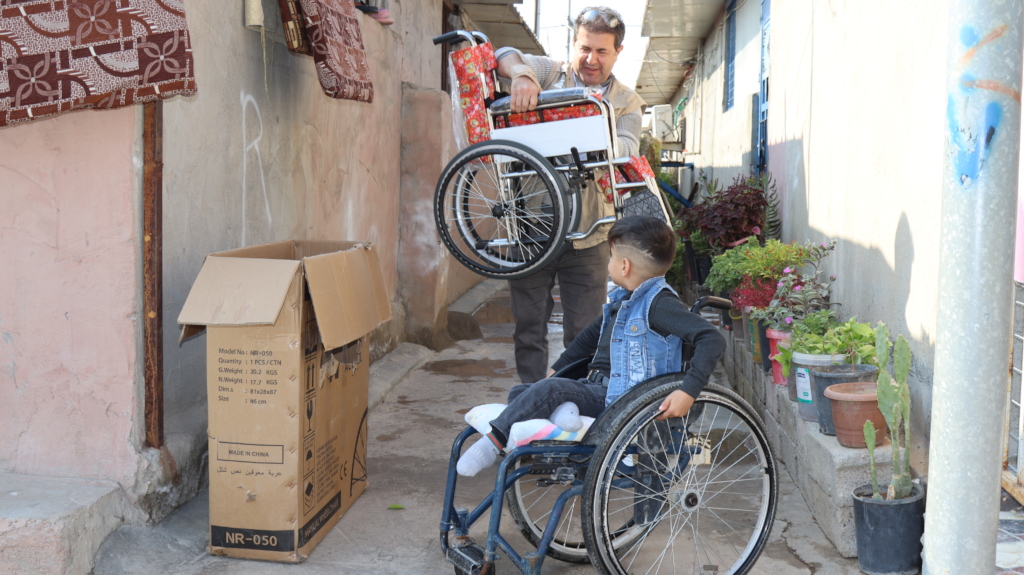
Peace Winds was able to replace kitchen appliances for seven families when an electrical fire destroyed their homes in the Baharka camp for internally displaced people. Back in the Syrian refugee camps, you helped us restore a volleyball court and provide new equipment so a group of young people could get back to playing a sport they love. When cuts to US foreign aid began to dismantle our work last year, you helped keep staff in the field employed so they could land on their feet. And you provided wheelchairs for six refugees who really needed them, including two children.
As our GlobalGiving project comes to an end, we have been reflecting on the impact of our work for the communities we served as well as for those of us fortunate enough to work alongside them.
Patrick shares the following thoughts:
“I am deeply grateful for the opportunity to have worked alongside the Kurdish people over the past several years. More than any project or milestone, I will remember the spirit and strength of the communities in and outside of the refugee camps.
“I value the times we were welcomed to join them for tea, the joy of children who found happiness in small things, and the remarkable strength of communities that continued to care for one another through years of displacement and uncertainty.
“I hope our efforts made some small difference in their future journeys. I know they have made a lasting difference in mine.”
Though our project is ending, the impact of your generosity will continue–in the homes families built with their own hands, in the skills they carry with them wherever life leads, and in communities that are stronger because compassionate strangers halfway across the world chose to help.
Thank you for being part of Peace Winds’ story in Iraq.
By Sarah | Project Leader
By Sarah | Project Leader
Project reports on GlobalGiving are posted directly to globalgiving.org by Project Leaders as they are completed, generally every 3-4 months. To protect the integrity of these documents, GlobalGiving does not alter them; therefore you may find some language or formatting issues.
If you donate to this project or have donated to this project, you can receive an email when this project posts a report. You can also subscribe for reports without donating.