By Linda van Oudheusden | Marketing Manager
Dear friends,
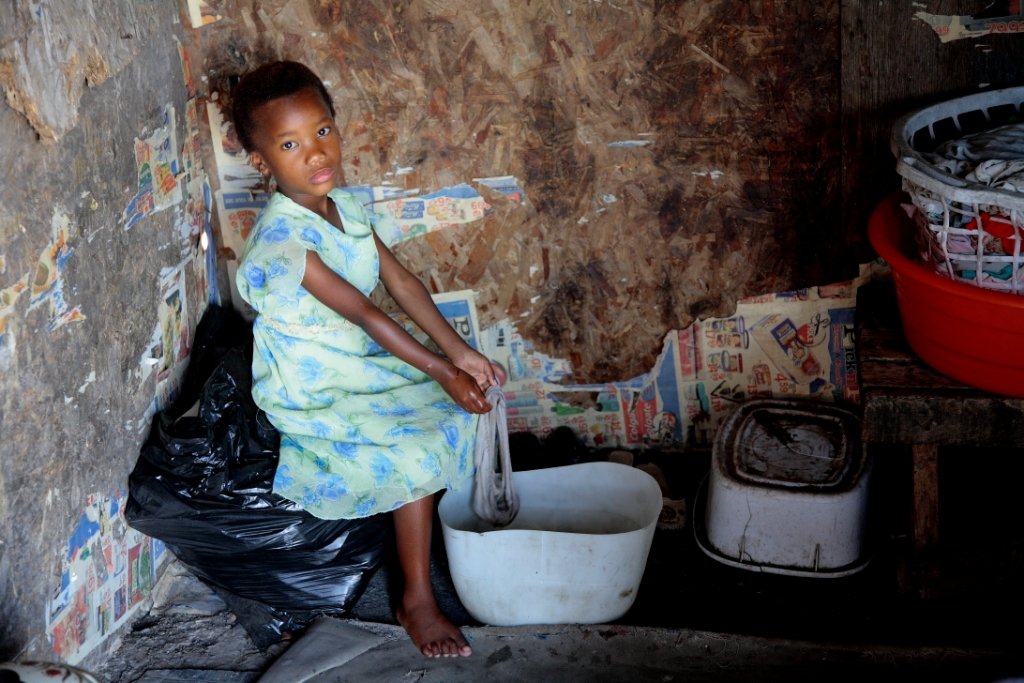
A recent article in the Daily Maverick highlighted the devastating reality of child starvation in our city — and the heartbreaking truth that things are getting worse. It was a sobering read, and a stark reminder of why our work matters so deeply. Where would we be if it were not for you, our faithful supporters actively working to assist us in alleviating this?
This week, we were reminded that this specific project, is about much, much more than food.
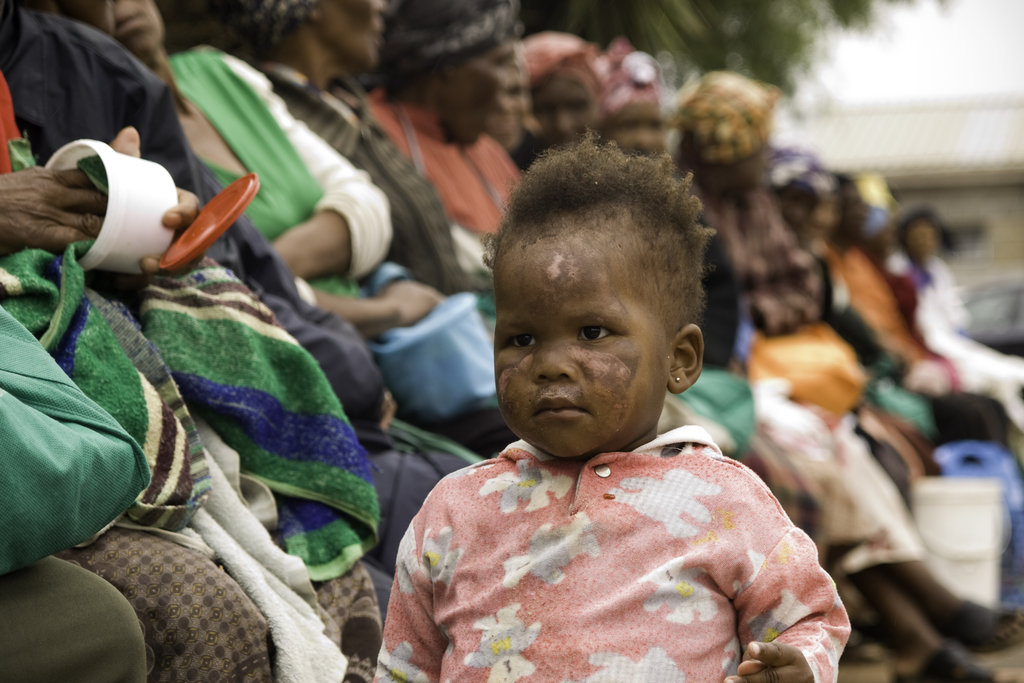
A young girl arrived two days ago, looking a little lost in the crowd waiting outside our nutrition unit. Every day our staff meet hundreds of people desperate for something to eat. Through a large serving hatch in our kitchen, people are welcomed by our incredible staff — their kindness and cheerful presence received just as thankfully as the nourishing meals they offer.
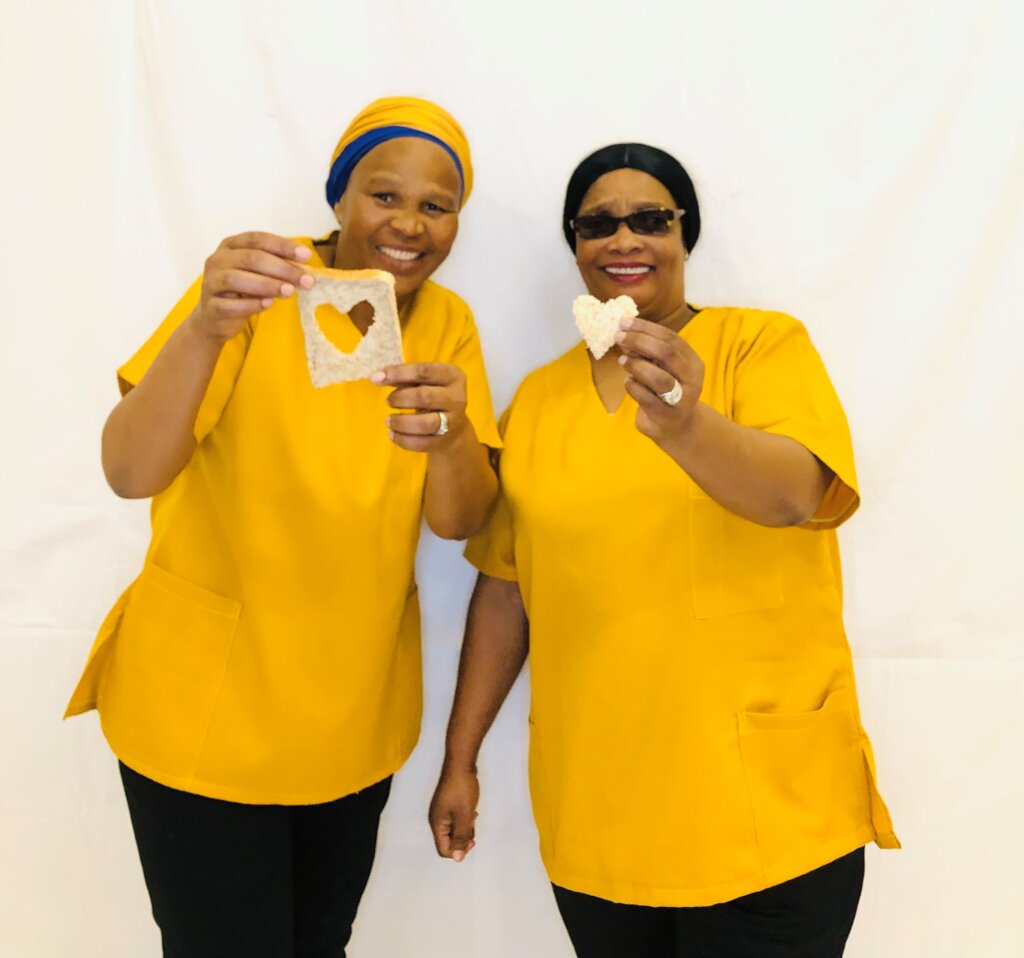
The two ladies serving our people are Jossita and Mama Buru, two extraordinary women who serve with boundless care and compassion.
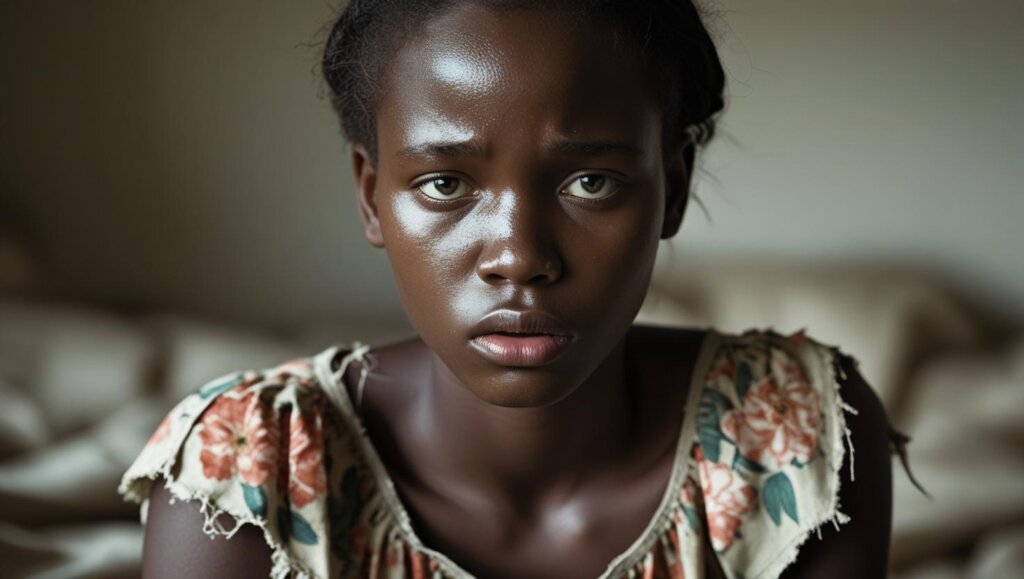
From the kitchen, Jossita noticed this young girl turning to leave. Something about her caught her attention - the torn dress, the absence of underwear, the vacant look in her eyes. Without hesitation, Jossita ran out and gently coaxed her back.
She asked simple questions: What’s your name? Where do you live? But the girl couldn’t remember. She didn’t know her surname. She couldn’t say where she came from.
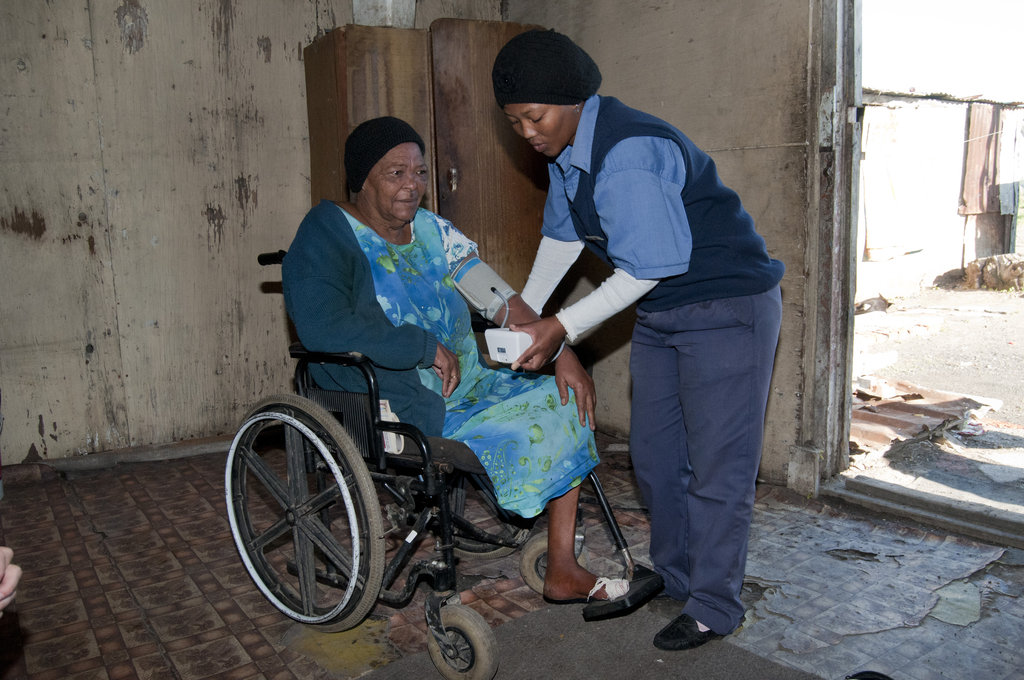
From our warehouse, Jossita was able to get some warm clothing for her, and Mama Buru stayed with her and gave her some food. It was painfully easy to see how hungry she was. Our social worker and admin staff were called in. We tried to converse with her, but all she could say was her name was Sibongile. She referred to several of our staff as her sister, and even called a few “mama”. She had a rash on her hands and what appeared to be bruising on her face, so we called our nurse to assess and treat her.
I think what struck me most is how at home she felt with everyone at the Centre. We all were just so grateful that she was in a safe place, at least for the moment.
We did not know what to do next, so we called the local police and our friends at the Gender Based Violence Centre. Two officers came, and thankfully one remembered a very similar girl arriving at their station in New Brighton a week ago. New Brighton is a township more than an hour’s walk away from us, and as it turns out, where she stays.
We learnt that she has a developmental disability which explains why she could not give us information about herself. The police officers waited until our nurse was satisfied, and took her home safely. Social workers have been appointed to look into her home circumstances, as it’s clear there aren’t sufficient safeguards in place to protect her.
Your contributions did not just provide a meal for a young girl.
It rescued her.
Thank you, from all of us at the Missionvale Care Centre — and from Sibongile, who may not have the words, but whose smile said it all.
Links:
By Linda van Oudheusden | Marketing Manager
By Linda van Oudheusden | Marketing Manager
Project reports on GlobalGiving are posted directly to globalgiving.org by Project Leaders as they are completed, generally every 3-4 months. To protect the integrity of these documents, GlobalGiving does not alter them; therefore you may find some language or formatting issues.
If you donate to this project or have donated to this project, you can receive an email when this project posts a report. You can also subscribe for reports without donating.



Support this important cause by creating a personalized fundraising page.
Start a Fundraiser