By Misbachul Munir | Project Staff
The Condition of Indonesia’s Forests
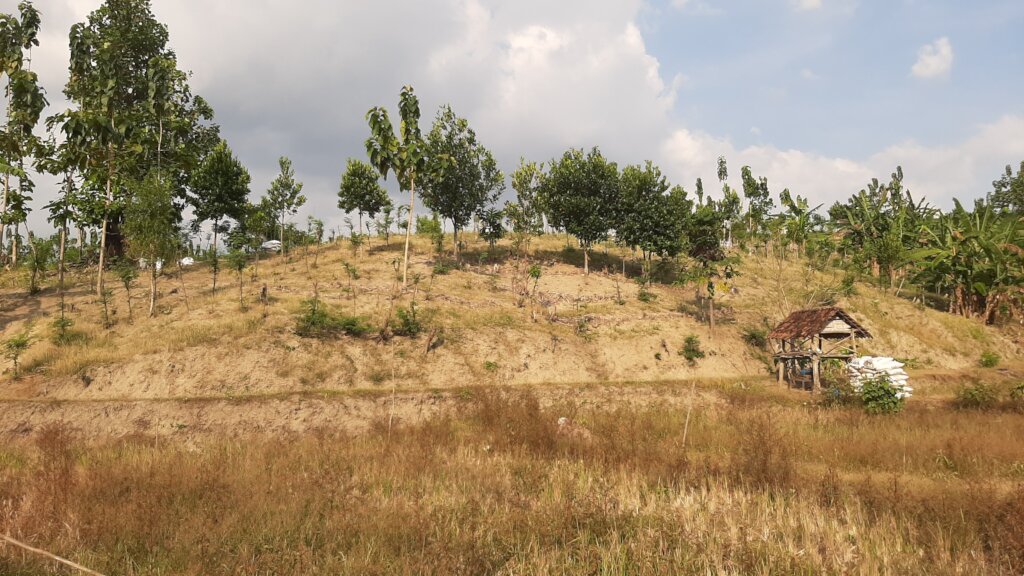
Indonesia’s forests are among the most biodiverse on Earth, yet they face severe degradation. In 2024 alone, Indonesia lost an estimated 175,000–260,000 hectares of forest cover—a significant area roughly equivalent to hundreds of thousands of football fields.
Over the past two decades, the country has lost millions of hectares of primary forest, reflecting long-term pressure from land-use change, agricultural expansion, and other drivers.
This ongoing deforestation not only diminishes Indonesia’s rich ecosystems but also undermines critical ecological functions like carbon storage, watershed protection, and biodiversity conservation.
Ecological Crisis and Its Role in Natural Disasters
Across Indonesia, weakened forests have exacerbated the impact of extreme weather events.
In late 2025, severe floods and landslides struck Sumatra—including provinces like Aceh, North Sumatra, and West Sumatra—resulting in catastrophic loss of life, displacement of communities, and widespread damage to homes and infrastructure.
Experts have highlighted that while extreme rainfall triggered these disasters, forest degradation significantly amplified their severity. Areas that once functioned as natural water catchments and buffers were no longer able to absorb or slow down runoff, increasing flood peaks and landslide risks.
Similarly, events like the 2026 flash floods in Pemalang Regency highlighted the fragility of ecosystems on slopes and uplands. Officials have called for better protection and strengthening of hutan lindung (protected forests) around catchment areas such as Gunung Slamet to reduce future disaster risk and improve resilience.
Why Forest Restoration Is Critical 1. Restore Ecological Functionality
Healthy forests play a vital role in regulating the water cycle. They absorb rainwater, reduce surface runoff, and help maintain soil stability. When forests are lost, watersheds lose their capacity to buffer heavy rainfall, directly contributing to floods and landslides.
2. Climate Change Mitigation
Deforestation releases large amounts of carbon dioxide into the atmosphere. Restoring forests helps sequester carbon and mitigate the pace of climate change—an urgent priority globally.
3. Protect Biodiversity
Indonesia’s forests shelter countless species, from endemic birds to iconic mammals. Protecting and restoring habitats helps sustain biodiversity and maintain ecosystem balance.
4. Support Sustainable Livelihoods
Restoration that incorporates community-based management and sustainable practices (like agroforestry) can provide economic opportunities while protecting the environment. This dual benefit makes restoration socially and ecologically viable.
5. Disaster Risk Reduction
Forest restoration in upstream and hulu (headwater) areas strengthens natural defenses against hydrometeorological hazards. By rebuilding forest cover in strategic locations, communities reduce flood and landslide vulnerability.
Conclusion: A Call for Action
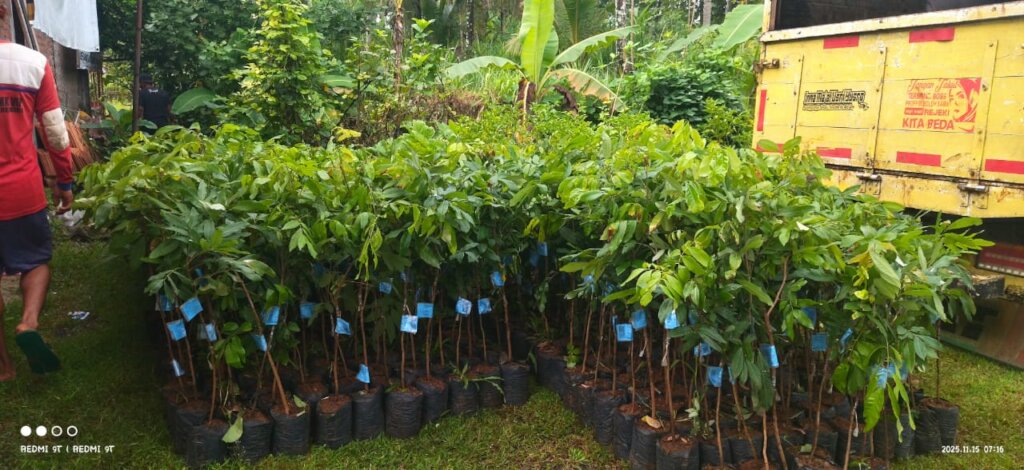
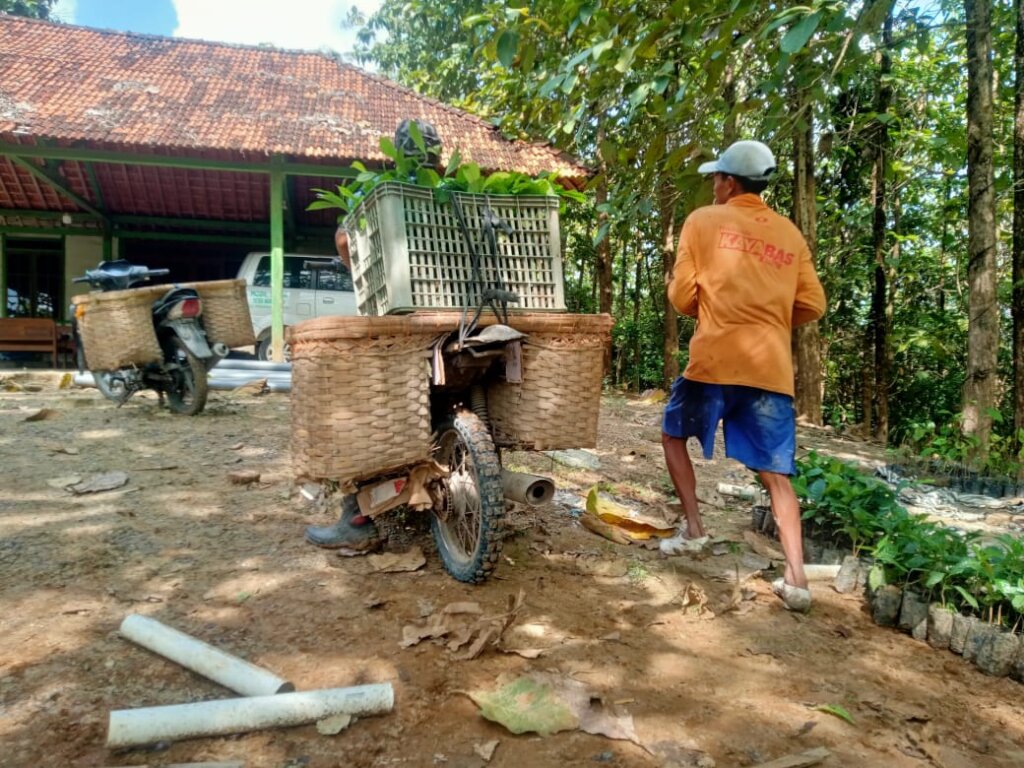
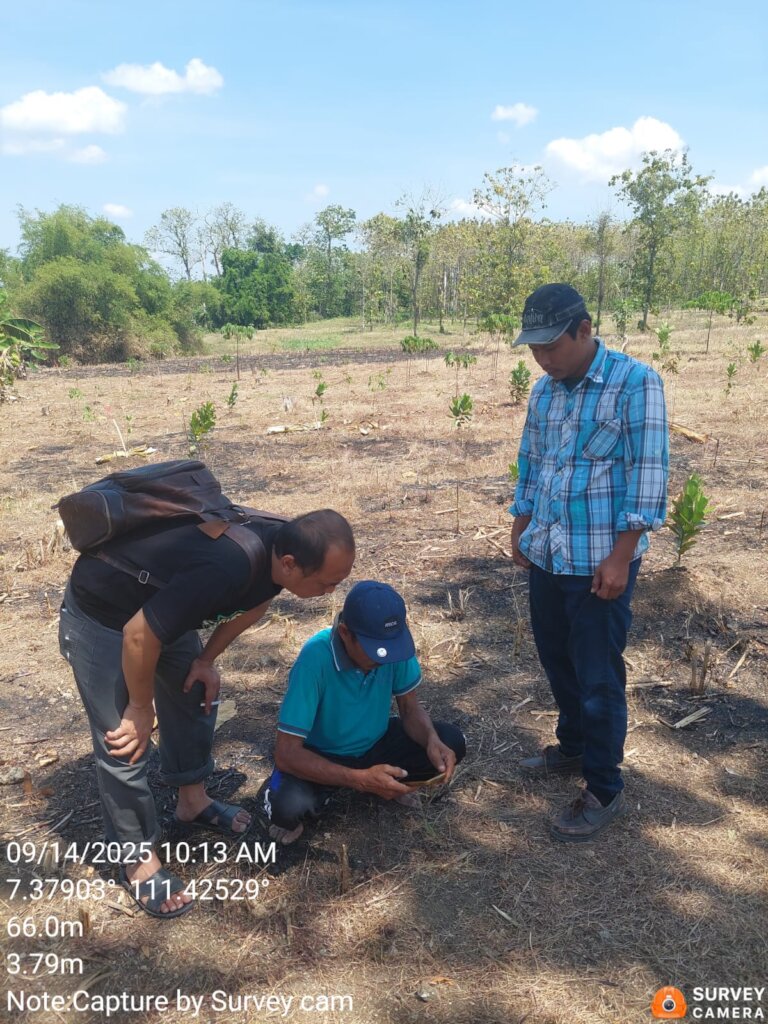
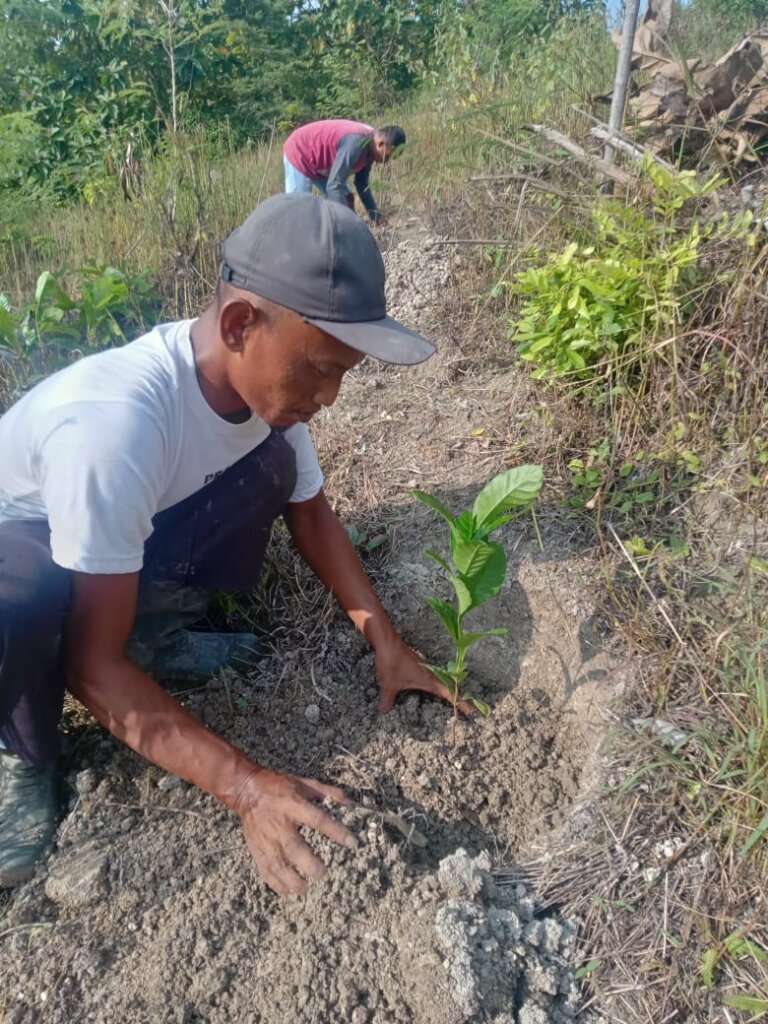
The ecological crisis facing Indonesia’s forests is not just an environmental issue—it is a compound threat that affects communities, economies, and climate resilience. Programs like Plant 100,000 Trees in Indonesia Forest are essential contributions to reversing trends of degradation, restoring both ecological function and hope for future generations.
With continued support and strategic restoration efforts, Indonesia can rebuild its forests not only as green landscapes but as critical infrastructure for sustainable development, disaster resilience, and community well-being.
By Misbachul Munir | Project Staff
Project reports on GlobalGiving are posted directly to globalgiving.org by Project Leaders as they are completed, generally every 3-4 months. To protect the integrity of these documents, GlobalGiving does not alter them; therefore you may find some language or formatting issues.
If you donate to this project or have donated to this project, you can receive an email when this project posts a report. You can also subscribe for reports without donating.
Support this important cause by creating a personalized fundraising page.
Start a Fundraiser