By Misbachul Munir | Project Staff
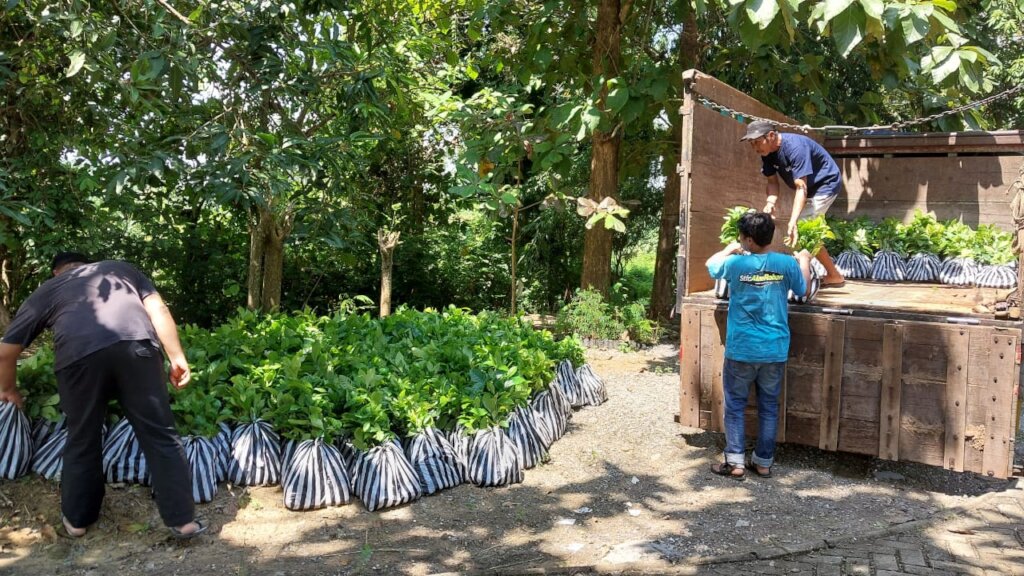
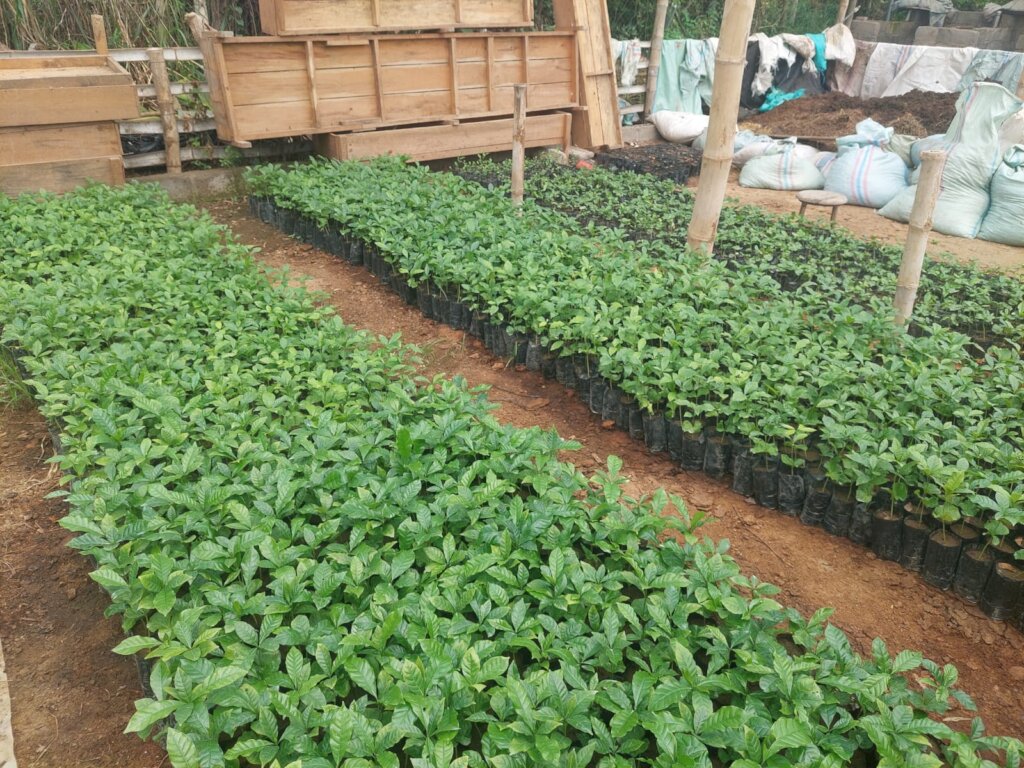
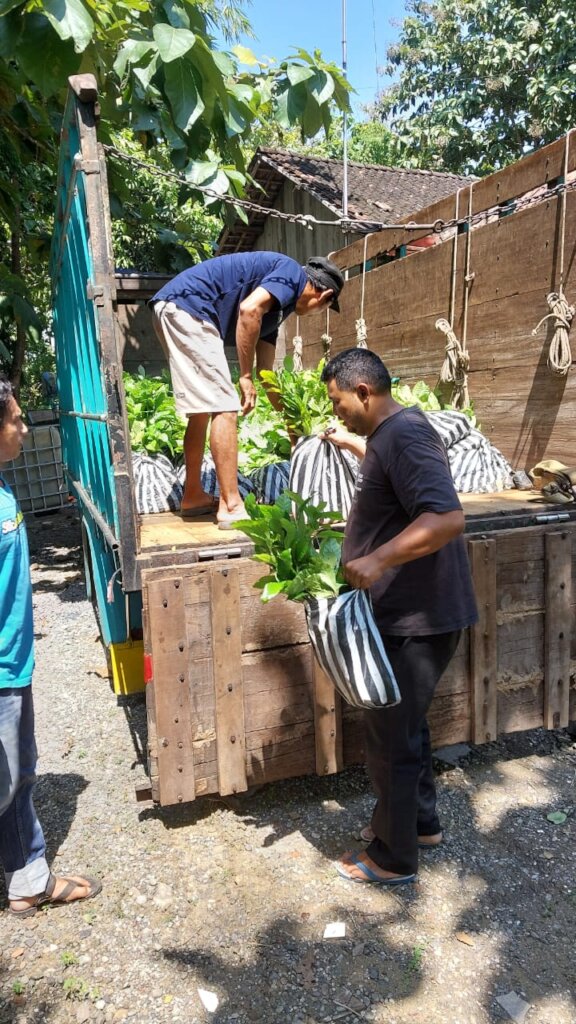
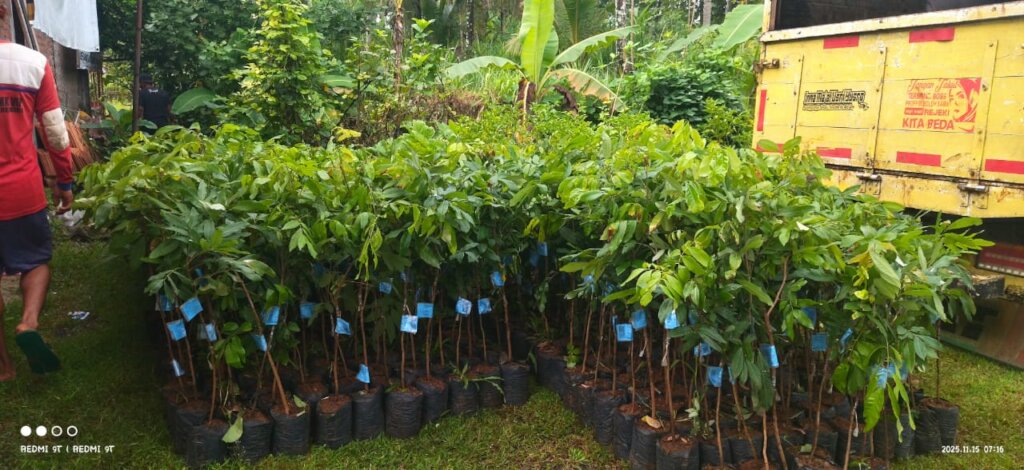
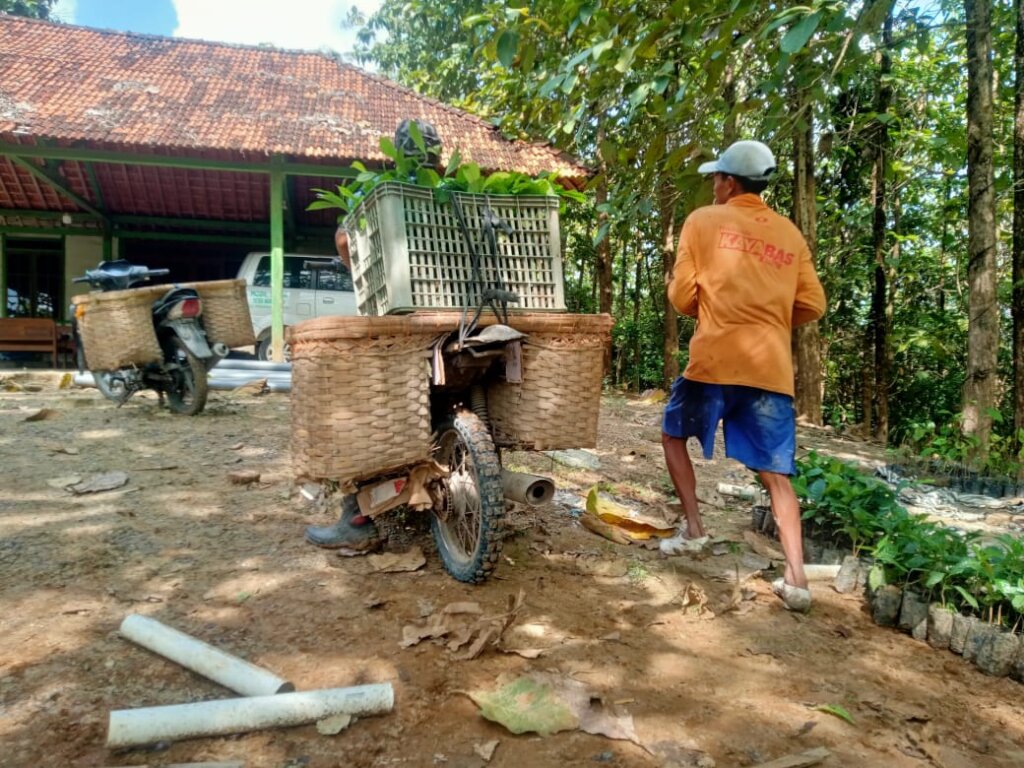
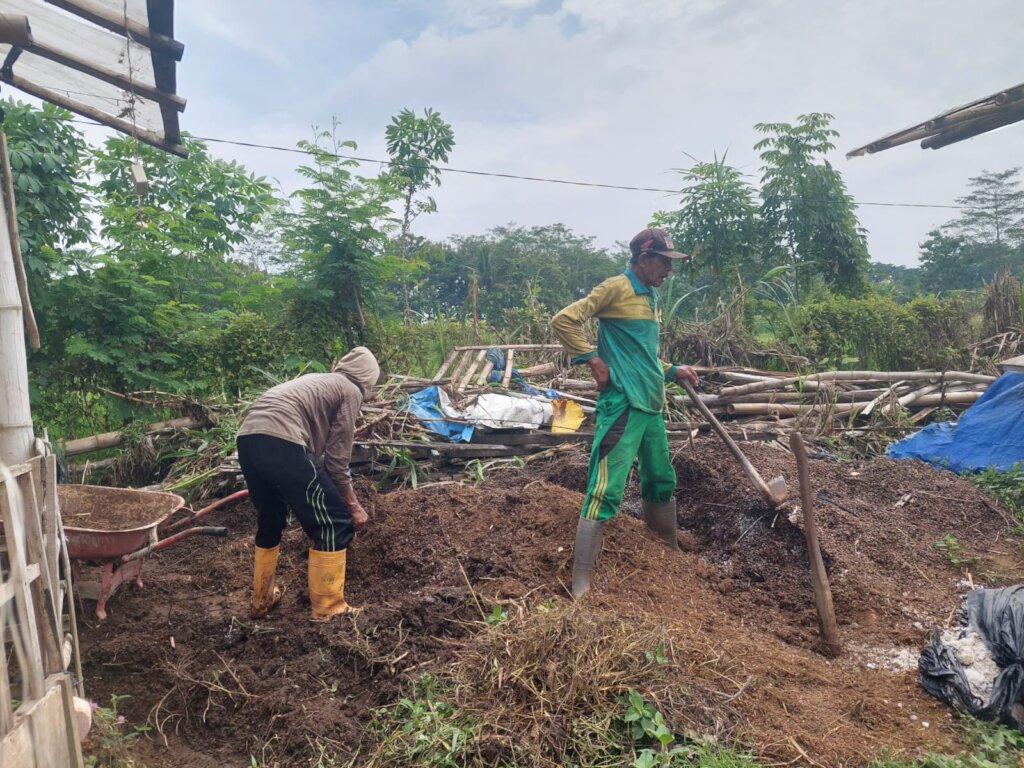
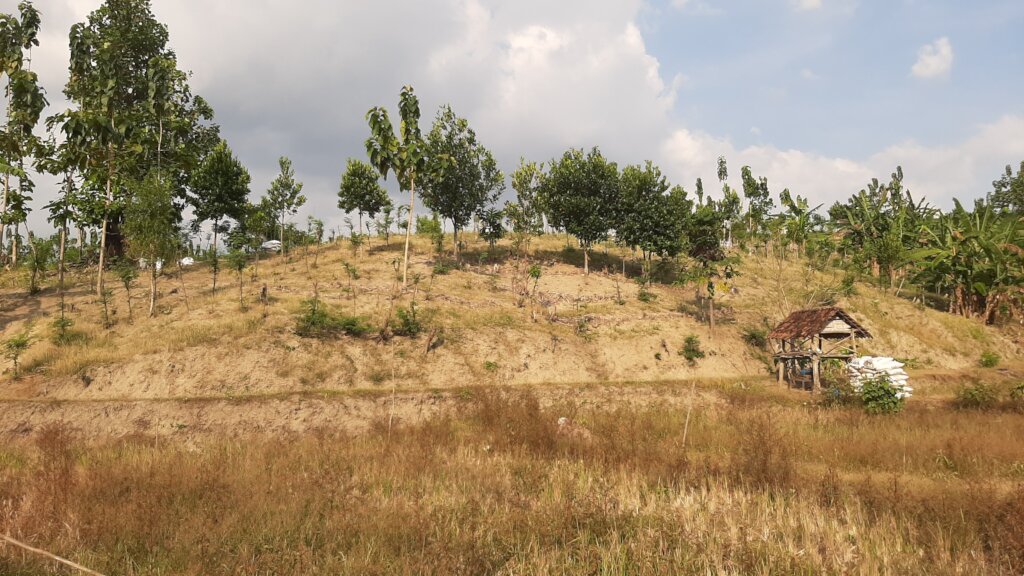
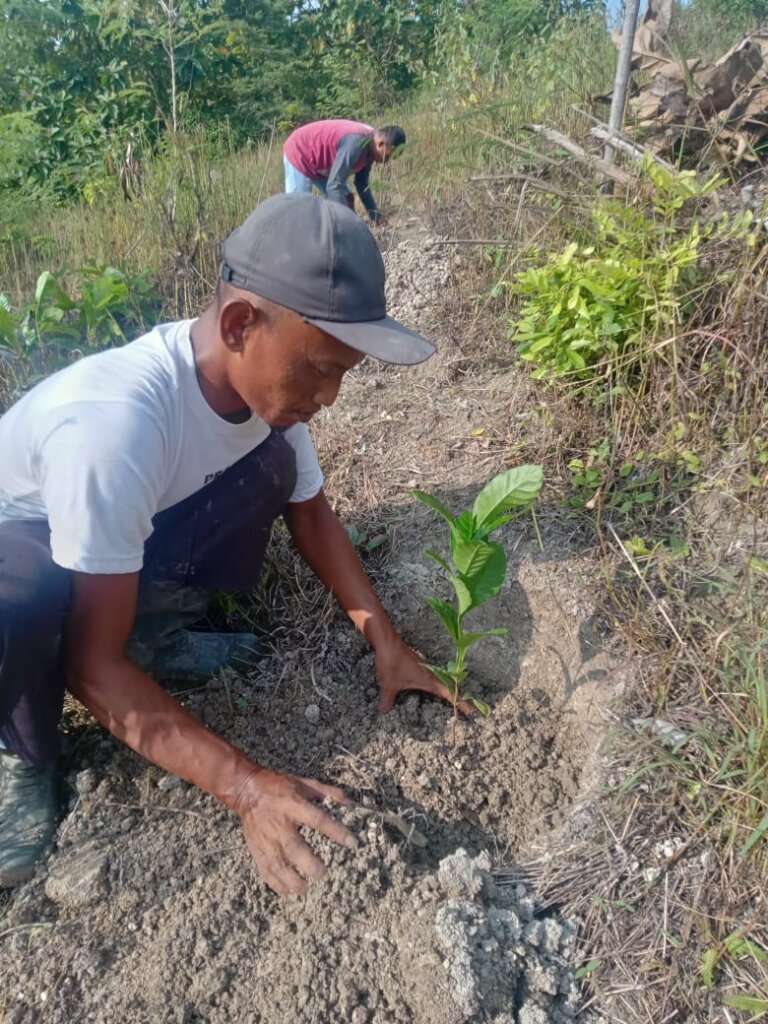
Community organizing is a central pillar in forest restoration and landscape recovery processes. Local communities are not merely beneficiaries of conservation programs, but key actors who ultimately determine whether forest restoration efforts succeed or fail. The sustainability of forest recovery depends heavily on community capacity, collective ownership, and the availability of social and economic incentives that encourage long-term stewardship of forest areas.
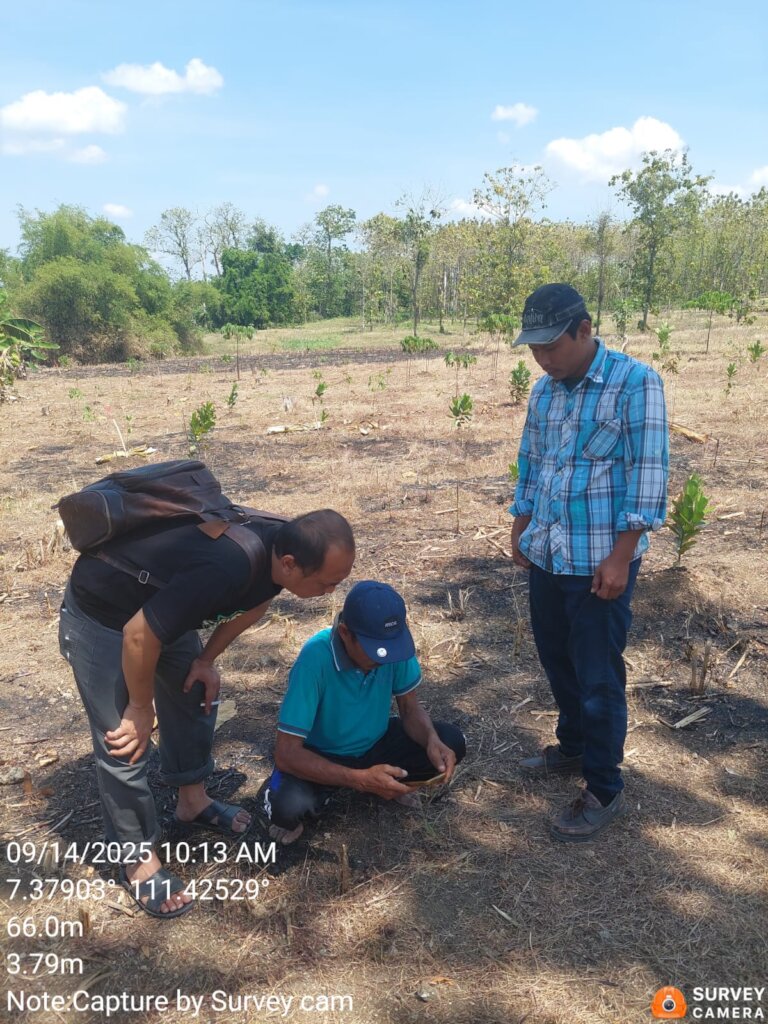
Recognizing this, INFEST Foundation conducts regular accompaniment and coordination with partner communities to ensure continuous capacity strengthening. These regular discussions are designed to enhance community knowledge and skills related to forest area management, sustainable agriculture, agroforestry practices, and the development of community-based economic activities that align with conservation goals.
Beyond INFEST-facilitated accompaniment, communities have also established their own internal governance mechanisms. One example is a regular monthly meeting held on the 11th of each month. These meetings serve as a collective space to evaluate ongoing progress, identify challenges, and formulate monthly action plans at the community level. This internal mechanism strengthens accountability, reinforces collective discipline, and ensures continuity in learning and action.
Benefits of This Approach
This community-based organizing and accompaniment approach generates several strategic benefits:
Strengthened community capacity to collectively manage forest landscapes in a sustainable manner.
Increased sense of ownership over restored forest areas, reducing the risk of renewed forest degradation.
Integration of conservation and livelihoods, particularly through agroforestry and environmentally aligned economic activities.
Improved community governance, supported by regular forums, shared evaluation processes, and participatory planning.
Enhanced social and economic resilience, as restoration efforts are linked directly to community welfare and income security.
Opportunities for Further Development
Moving forward, this approach offers significant opportunities for scaling and deepening impact, including:
Formalizing community institutions, including internal regulations and recognition within village-level or local policies.
Developing structured forest-based and agroforestry enterprises, with improved market access and value-added processing.
Advanced technical capacity building, such as ecosystem monitoring, restoration impact measurement, and climate adaptation strategies.
Stronger integration with village and district policies, ensuring long-term regulatory and budgetary support for restoration efforts.
Greater inclusion of youth and women, strengthening intergenerational sustainability and gender equity in forest governance and green livelihoods.
Through consistent community organizing and long-term accompaniment, forest restoration becomes not only an ecological intervention, but also a process of social and economic transformation that is inclusive, resilient, and sustainable.
By Miscbachul Munir | Project Staff
By Misbachul Munir | Project Staff
Project reports on GlobalGiving are posted directly to globalgiving.org by Project Leaders as they are completed, generally every 3-4 months. To protect the integrity of these documents, GlobalGiving does not alter them; therefore you may find some language or formatting issues.
If you donate to this project or have donated to this project, you can receive an email when this project posts a report. You can also subscribe for reports without donating.
Support this important cause by creating a personalized fundraising page.
Start a Fundraiser