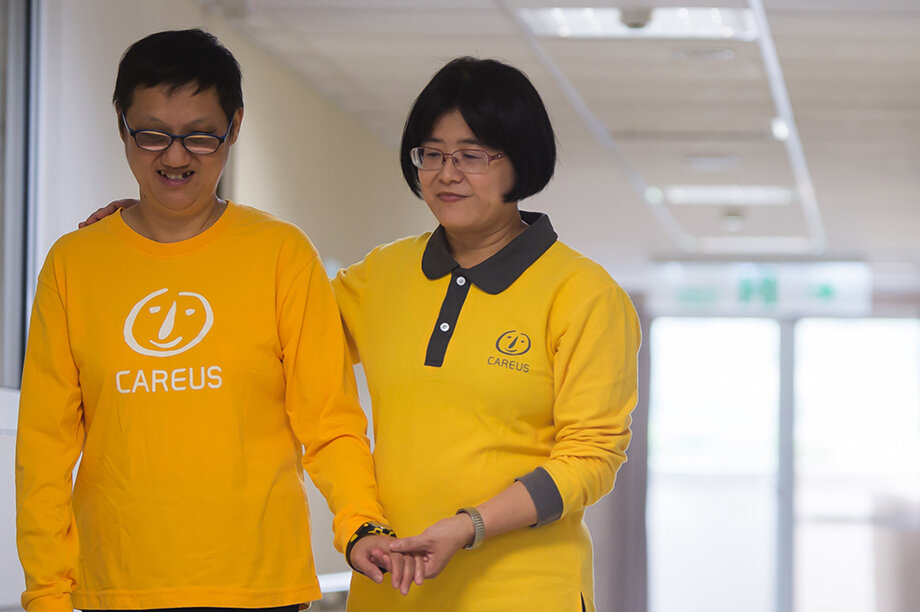
Have you ever wondered at what age you would like to retire, or what life after retirement might look like? For most people, retirement marks the beginning of a new chapter. Yet for adults with intellectual disabilities, retirement can mean stepping away from society—losing work, friends, and purpose, as if life suddenly comes to a halt.
According to 2025 statistics from Taiwan’s Ministry of Health and Welfare, more than 100,000 people aged 45 and above live with intellectual disabilities, autism, or multiple disabilities. A 2025 survey conducted by CAREUS Foundation further revealed that 90.9% of families are unaware of post-retirement welfare policies, and only 19.7% have discussed retirement with their family member, showing the limited preparation most families are able to make for their loved one’s later years.
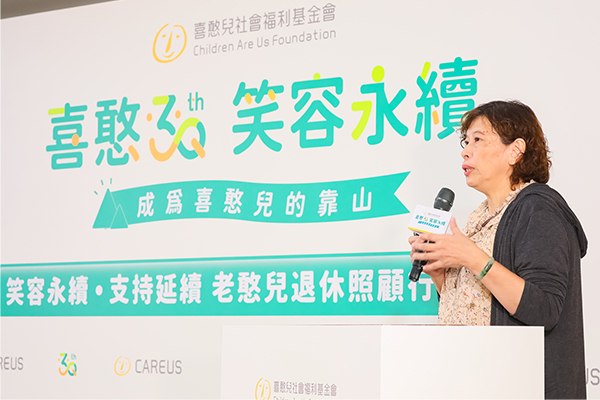
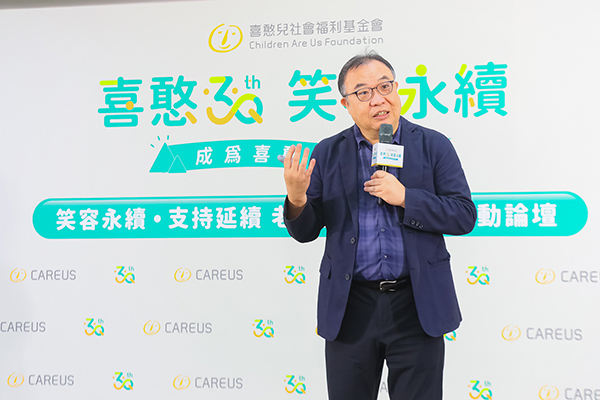
To foster dialogue between academics and society on this growing concern, CAREUS Foundation hosted the “Sustainable Smiles, Sustained Support—Retirement Care Action Forum for Aging Adults with Disabilities” on the 26th. Experts including Dr. Hao Wang, Dean of Feng Chia University’s College of Social Innovation, and Dr. Man-Yen Chiu, retired Associate Professor at NTNU’s Graduate Institute of Rehabilitation Counseling, were invited to explore issues such as job redesign and building future support systems. Nearly 100 attendees—from government agencies, families, sheltered workshops, and social welfare groups—joined the discussion, hoping to shape a sustainable next chapter for adults with intellectual disabilities.
Early Aging Begins at 35; 70% of Families Unaware of Support Resources
Research shows that individuals with intellectual disabilities often face earlier aging due to congenital conditions and comorbidities such as epilepsy or cerebral palsy. Many experience cognitive and physical decline as early as age 35. The availability of supportive services, social acceptance, and family knowledge of welfare resources all affect whether these individuals receive adequate support during the most vulnerable stages of life.
In a 2025 CAREUS survey of 208 families, over 90% were unclear about retirement-related welfare policies, and 70% did not know which agencies to approach for assistance or resources. In-depth interviews further revealed that years of caregiving strain often leave families “taking one day at a time,” with little energy left to plan for the future. Many simply hope their family member can continue working for as long as possible.
One parent, the mother of “Hsiu-Chih” (pseudonym), noted that due to her son’s multiple physical and mental challenges, finding a high-quality care facility tailored to his needs has been difficult. She urged other families to begin preparing earlier.

A Cross-Sector Dialogue: CAREUS’ 30th Anniversary Forum on Retirement and Aging
As the first social welfare organization in Taiwan to systematically promote supported and sheltered employment, CAREUS Foundation has spent 30 years empowering thousands of individuals with intellectual disabilities and reshaping public perceptions. Marking its 30th anniversary, CAREUS brought together academia and the community to discuss how to support aging workers and plan for long-term care.
Dr. Chiu highlighted that many older workers experience vision decline and musculoskeletal issues. She shared a case from a bakery workshop where a simple adjustment—raising the height of a mixing machine—significantly reduced back strain and allowed an aging worker to continue the job he loved. She emphasized that job redesign should be a lifelong practice, helping individuals achieve meaningful and sustained participation.
Dean Wang introduced the concept of “co-living communities” as an alternative to traditional institutional care. Such communities encourage individuals to remain in familiar neighborhoods, engage in community centers, workshops, or volunteer activities, and maintain both independence and social interaction. International studies show that community-based care improves physical and mental well-being while reducing family burden—offering a promising vision that balances care quality and individual rights.
**CAREUS Launches Two Key Initiatives for Aging Care:
Toward Sustainable Smiles and Sustained Support**
In response to these urgent needs, CAREUS Foundation launched its 30th Anniversary Public Welfare Campaign, focusing on two major goals: “Second Career Pathways” and the “Sustainable Smiles Center.”
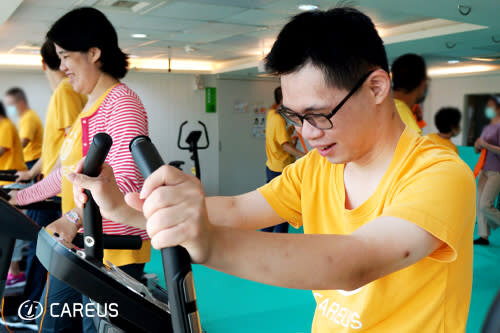
The foundation will adopt a case management system and smart health platform to continuously monitor work performance and health indicators, providing early detection of aging-related decline and timely care interventions. The Sustainable Smiles Center will offer rehabilitation equipment, fitness programs, volunteer companionship, and second-skill training—helping retirees maintain independence, social engagement, and a sense of purpose.
For three decades, CAREUS has created thousands of job opportunities, enabling individuals with intellectual disabilities to shine in their careers. Now, at their career turning point, the foundation calls on society to join in building a stronger support network—ensuring that these individuals continue to live with dignity, joy, and sustainability in the years ahead.
![Share on Twitter]()
![Share on Facebook]()