By Zachery Onyango | Project Leader
Dear Donor,
Thanks to your generous support, we continue investing in community-led health education as a foundation for Ebola preparedness.
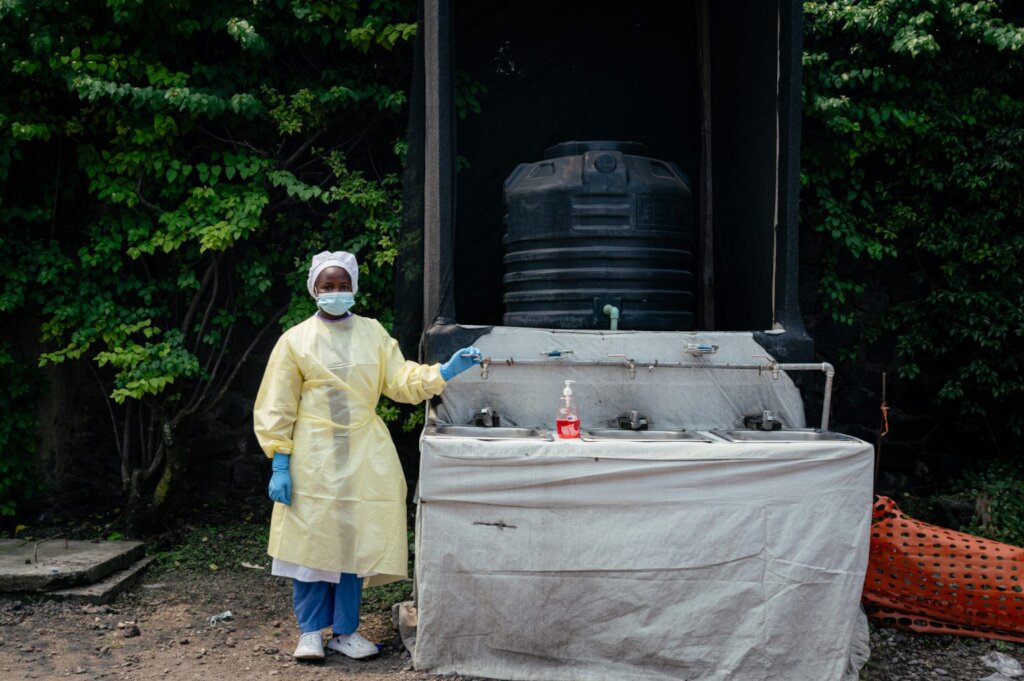
Information is most useful when communities can understand it, discuss it, and apply it to their own circumstances. We therefore promote practical conversations around hygiene, early reporting, contact monitoring, healthcare seeking, and stigma reduction.
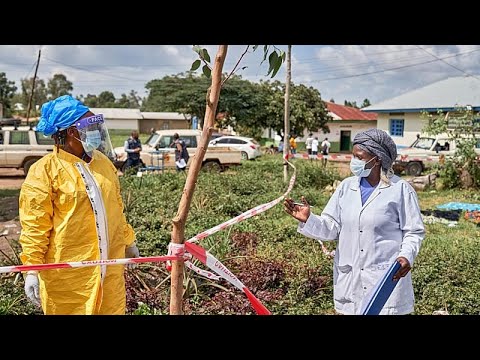
Community members are encouraged to ask questions and share concerns with trusted health workers rather than relying on rumors.
This approach helps make public-health guidance more relevant to everyday life and strengthens trust between communities and response teams.
Your support is helping people become informed participants in Ebola prevention rather than passive recipients of emergency messages
By Zachery Onyango | Project Leader
By Zachery Onyango | Project Leader
Project reports on GlobalGiving are posted directly to globalgiving.org by Project Leaders as they are completed, generally every 3-4 months. To protect the integrity of these documents, GlobalGiving does not alter them; therefore you may find some language or formatting issues.
If you donate to this project or have donated to this project, you can receive an email when this project posts a report. You can also subscribe for reports without donating.



Support this important cause by creating a personalized fundraising page.
Start a Fundraiser