Project Report
| Aug 21, 2026
Children Are Paying a Heavy Price
By JACKSON AMEH | Project Leader
![]()
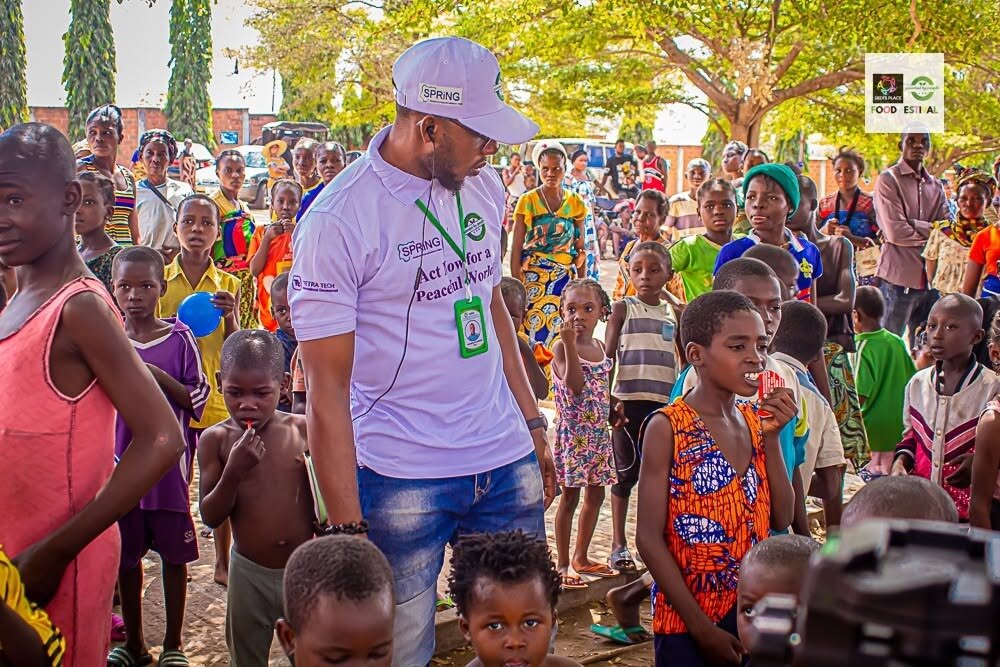
Children are never responsible for conflict, yet they frequently bear its most severe and lasting consequences.
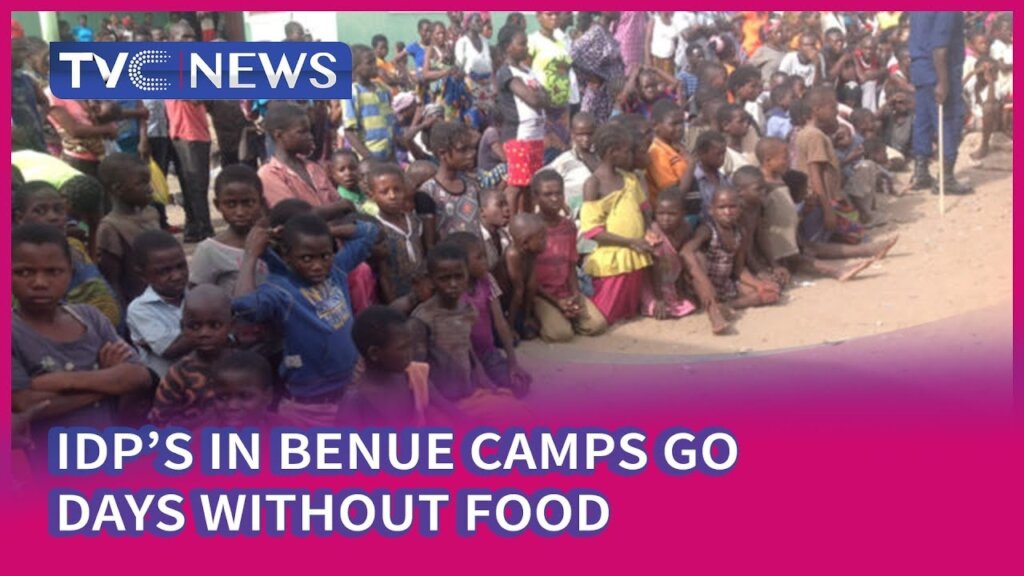
In the aftermath of June 2025 violence in Yelewata and surrounding communities, UNICEF documented the displacement of over 3,000 people in Benue State and issued urgent warnings regarding heightened protection risks for women and children. Rapid assessments revealed high levels of psychosocial distress among displaced populations, highlighting the profound emotional and physical toll on the youngest victims.
For a child, displacement is not simply a change of address—it is the abrupt loss of everything familiar and comforting:
- Home
- School
- Friends
- Regular meals
- A safe place to sleep
- Sometimes even parents or relatives
The dangers intensify when displacement is compounded by hunger, inadequate sanitation, and limited access to healthcare. The effects can be immediate and long-lasting, impacting children’s growth, education, and well-being.
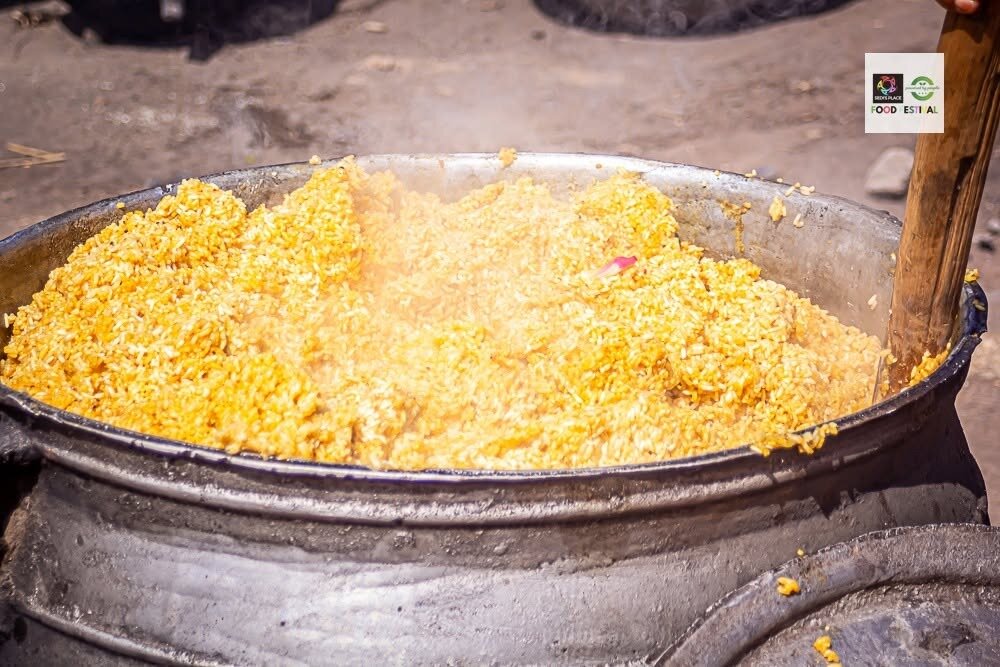
Recognizing these urgent needs, the Feed Displaced Families in Benue, Nigeria project places a special focus on supporting children and vulnerable households. Our priority is to ensure that displaced children have consistent access to nutritious food, clean water, basic hygiene supplies, and essential support to safeguard their health and dignity.
No child should survive violence only to face hunger and deprivation. No mother should have to make impossible choices due to scarcity.
Your donation can transform this reality. It can put food into the hands of a displaced child, provide relief to a struggling mother, and offer hope to a family facing extraordinary hardship.
Please help us ensure that hunger is not the next adversity these children must endure. Together, we can make a difference.
![Share on Twitter]()
![Share on Facebook]()
Aug 21, 2026
The Camps Are Already Struggling
By JACKSON AMEH | Project Leader
![]()
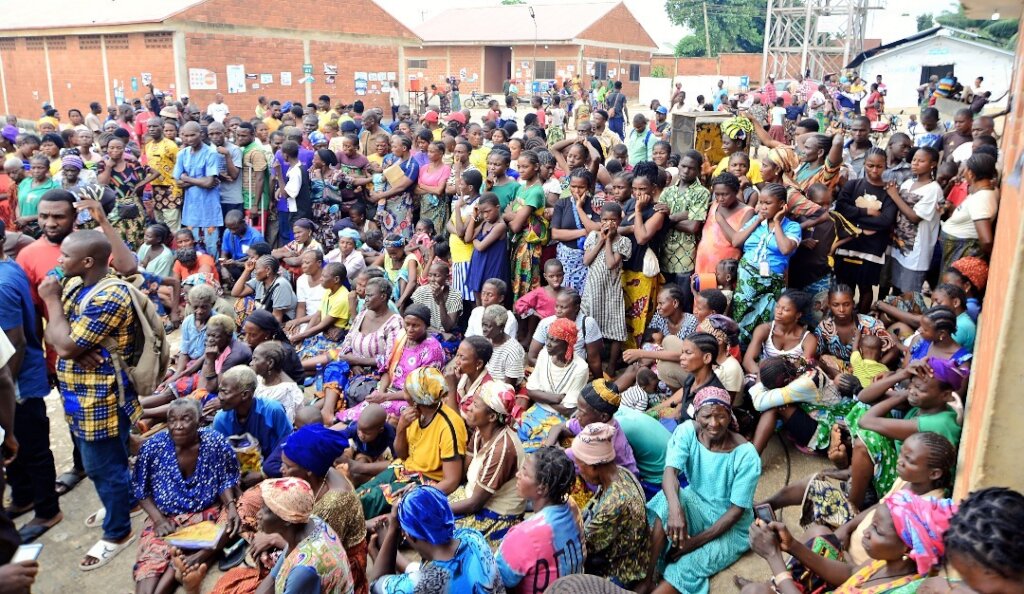
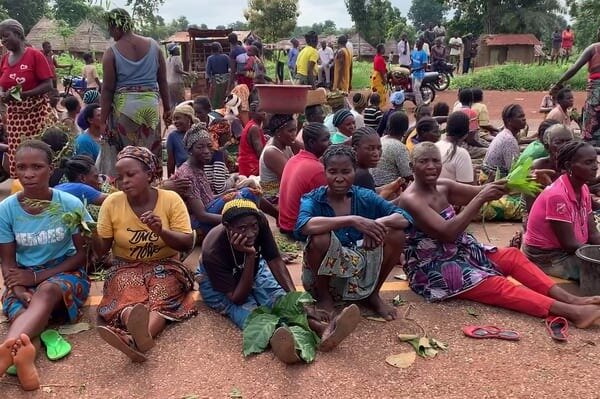
Displacement does not end when a family arrives at an Internally Displaced Persons (IDP) camp. In many respects, it marks the beginning of a new and often more complex struggle for survival.
According to UNICEF, a joint humanitarian assessment with the Benue State Emergency Management Agency identified critical gaps in essential services across 15 displacement camps. These camps currently shelter approximately 97,000 individuals from 28,400 households, all of whom are in urgent need of basic assistance.
The reality on the ground is sobering. Imagine tens of thousands of families requiring food, clean water, sanitation, healthcare, shelter, and basic household supplies—all at once. Now, consider the challenge as new families, fleeing recent attacks, continue to arrive with little more than the clothes on their backs. Each new wave of displacement puts greater strain on already overstretched resources and infrastructure.
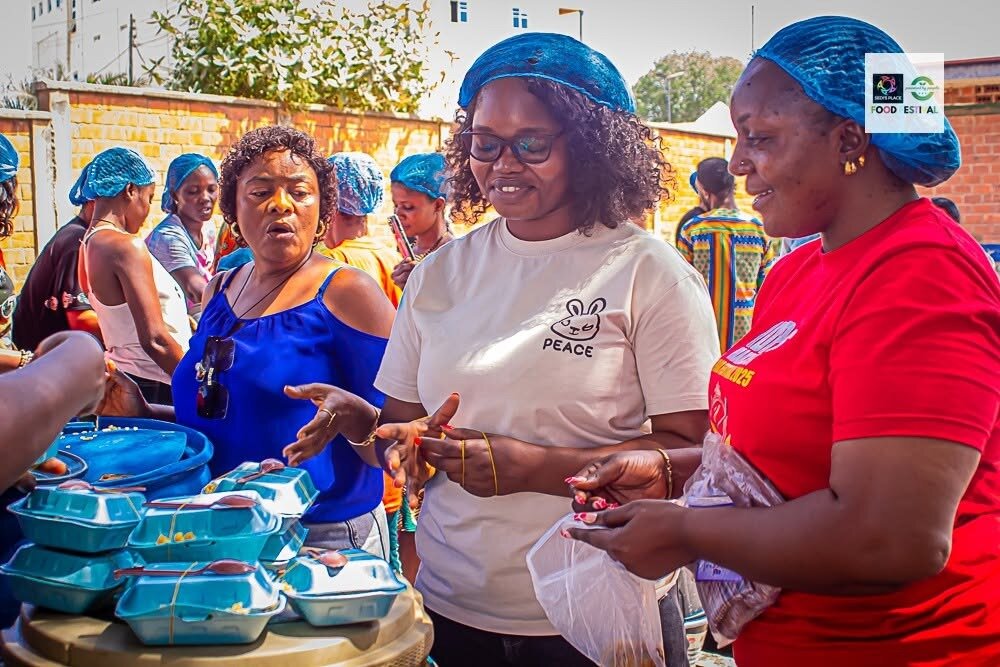
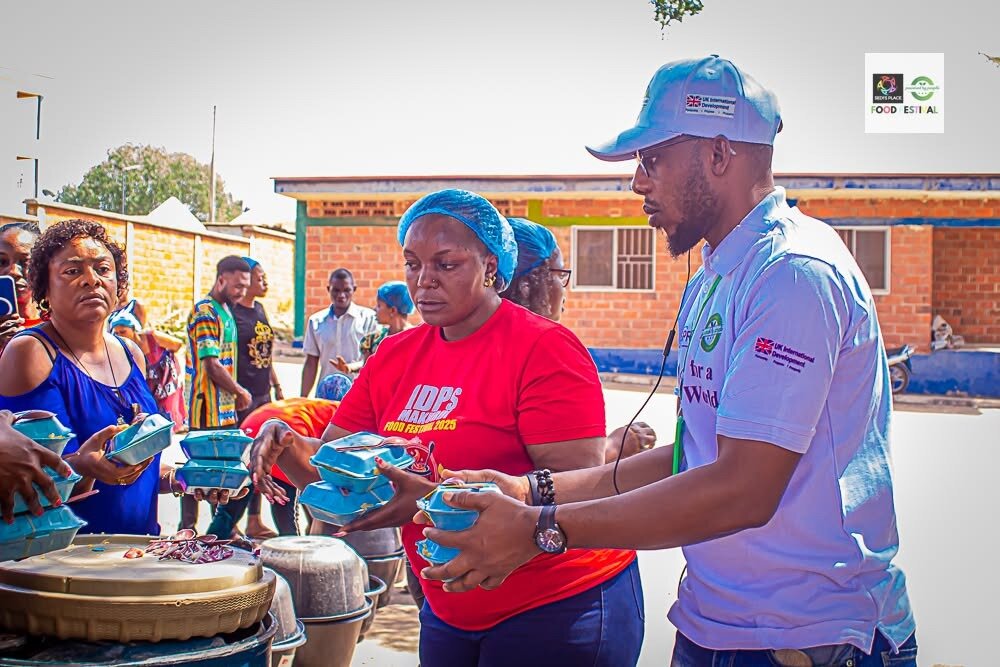
Through the Feed Displaced Families in Benue, Nigeria project, GoGreen is working diligently to provide targeted, practical assistance to those most affected. Our support includes:
- Food supplies
- Hygiene materials
- Water containers
- Sleeping mats and blankets
- Dignity materials for women and girls
Despite these efforts, the demand for aid consistently exceeds the available resources. Every additional donation allows us to reach further and help more families in crisis. Each contribution can mean the difference between hunger and hope for a displaced household. Sharing our campaign can also connect us with others willing to join this cause.
While we cannot resolve Benue’s displacement crisis alone, collective action can ensure that fewer families go to bed hungry tonight.
Your support is urgently needed. Please help us reach another family in need.
![Share on Twitter]()
![Share on Facebook]()
Aug 21, 2026
Nearly Half a Million People Displaced in Benue
By JACKSON AMEH | Project Leader
![]()
The magnitude of the displacement crisis in Benue State is challenging to fully grasp without considering the data. According to UNICEF, as of mid-2025, an estimated 480,000 individuals had been internally displaced within Benue due to ongoing violence and insecurity. This figure represents nearly half a million lives profoundly affected by conflict—families uprooted, livelihoods disrupted, and communities fractured.
These numbers, while striking, do not simply represent statistics. Each figure reflects a personal story:
- Children abruptly separated from their schools and friends, their education interrupted.
- Farmers severed from the land and resources that once sustained their households.
- Women struggling to care for their families amid shortages of food, water, and sanitary supplies.
- Elderly individuals forced from the only homes and communities they have known for decades.
The crisis shows no signs of abating. Recent violent attacks in communities such as Otukpo-Nobi and Mbalom underscore that the risk of further displacement remains high, and that new needs are constantly emerging.
In response, the Feed Displaced Families in Benue, Nigeria project seeks to address a critical portion of this overwhelming humanitarian challenge. Our efforts focus on delivering nutritious food, hygiene materials, safe water, and other essential relief supplies to displaced and vulnerable households. However, the scope of the crisis far exceeds the resources currently available.
We are actively seeking support to bridge this gap. Every contribution has the potential to provide tangible relief—a meal for a hungry family, hygiene products for a displaced mother, safe water for children, or sleeping materials for those who fled with nothing.
Your support can help us reach another family in urgent need.
![Share on Twitter]()
![Share on Facebook]()