By JACKSON AMEH | Project Leader
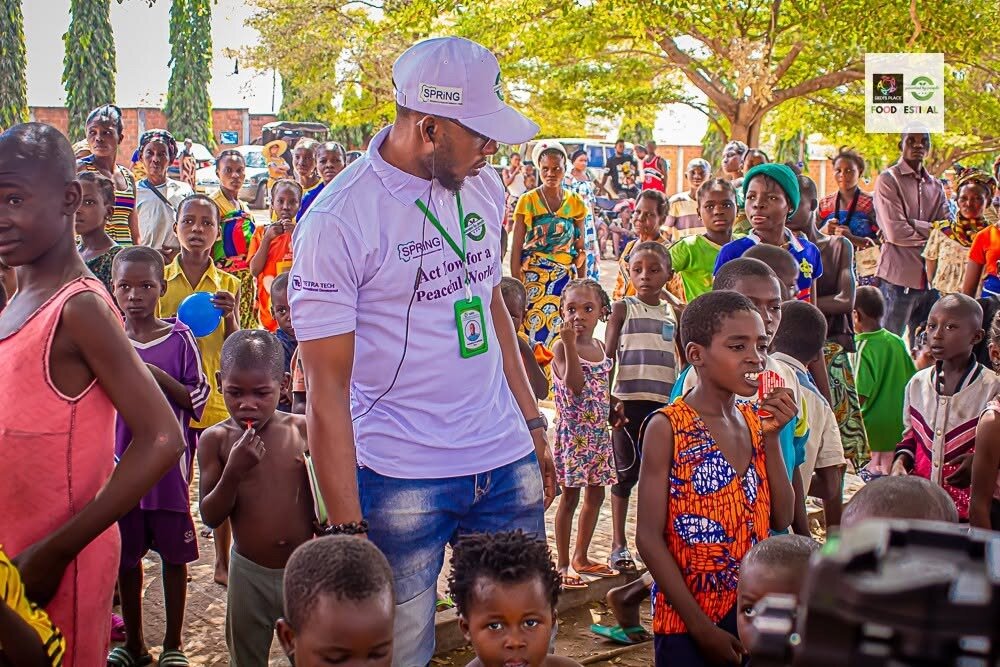
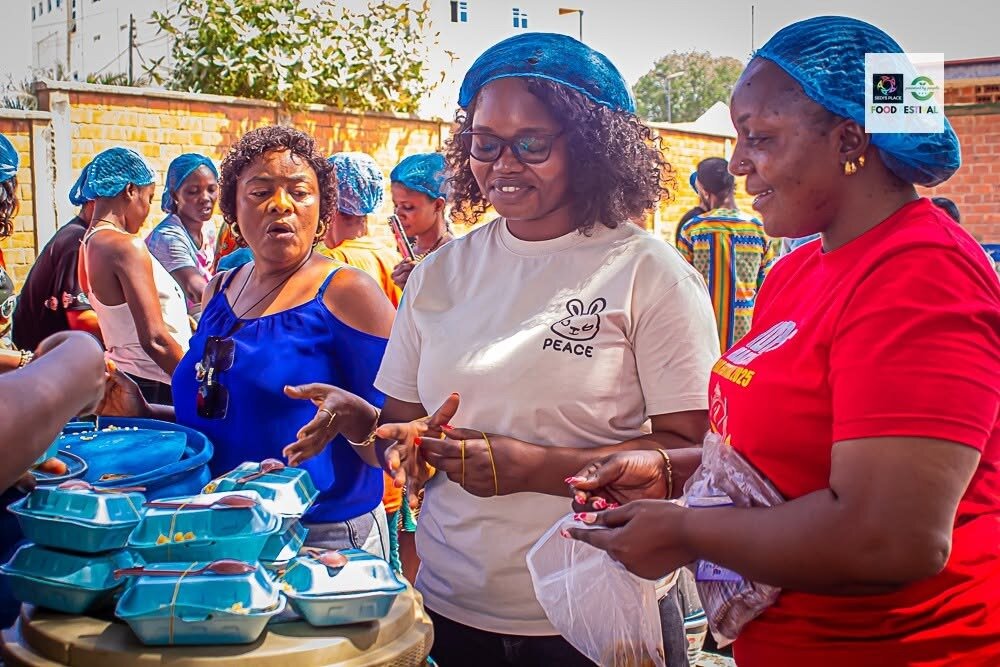
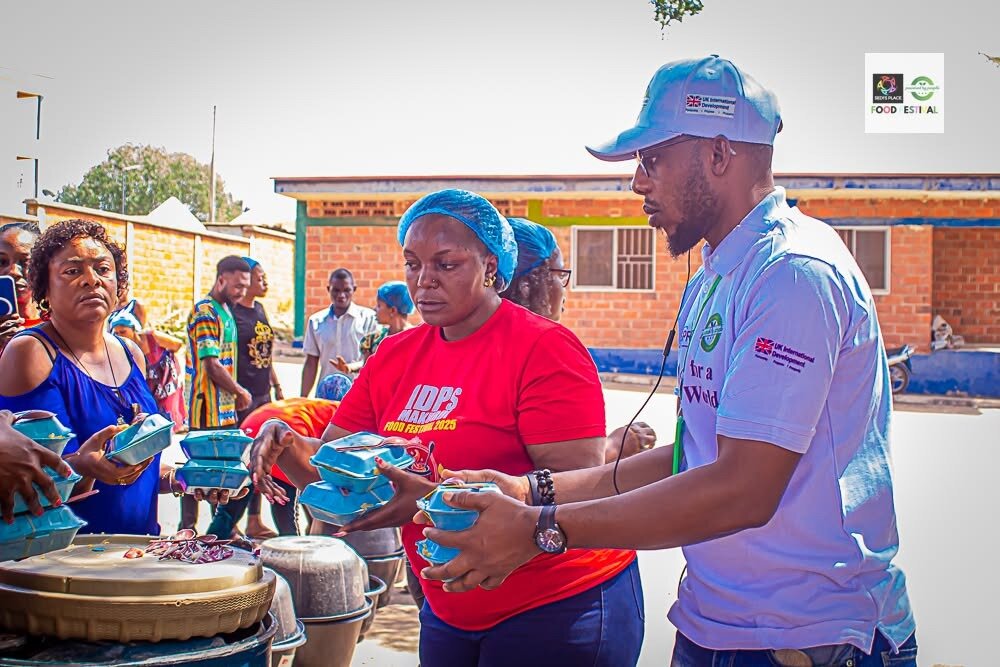
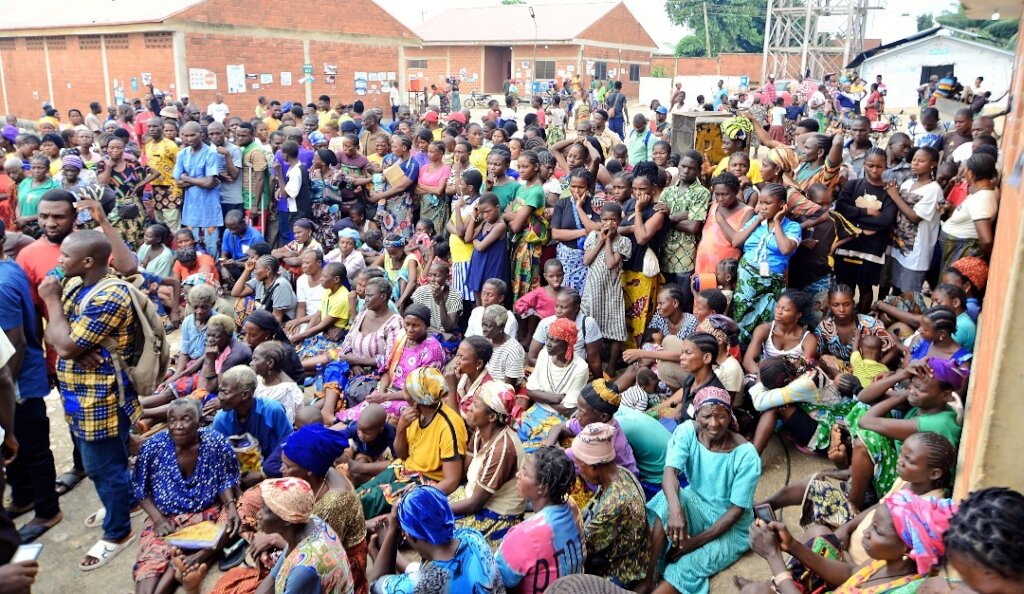
For families forced to flee violent conflict in Benue State, the struggle for survival continues long after they escape immediate danger. While finding safety brings a measure of relief, many arrive in new communities with nothing but the clothes on their backs, having lost their homes, farms, businesses, and primary sources of income. Even after receiving initial humanitarian food assistance, families are confronted with another harsh reality: the ongoing challenge of meeting their day-to-day needs.
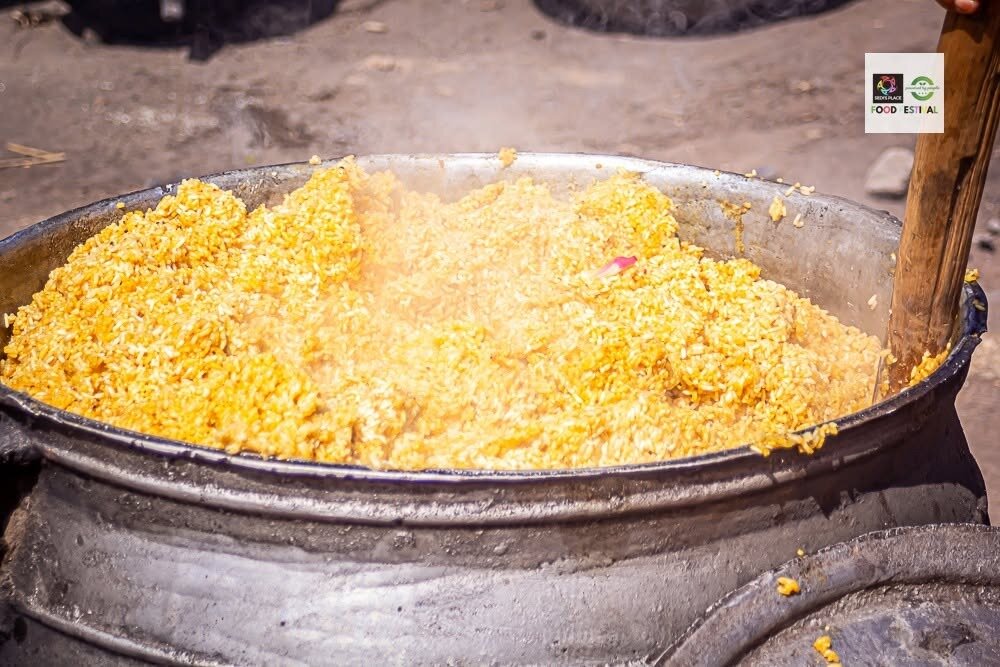
One pressing question often arises—how do we afford the fuel needed to cook our next meal? For families barely managing to secure enough food, the added expense of buying firewood, charcoal, or cooking gas can be overwhelming. Many households are pushed to the brink as they juggle rising costs, limited resources, and competing priorities for survival.
At GoGreen Environmental Health Sustainability Initiatives, we believe that the scope of humanitarian assistance must move beyond simply alleviating short-term hunger. Instead, it should help families rebuild their livelihoods, develop practical coping strategies, and restore their sense of agency and independence. The goal is to support not only survival, but also long-term resilience—reducing dependence on external aid and helping families regain control over their futures.
This belief shaped our outreach in October 2026, when GoGreen conducted a community livelihood and capacity-strengthening engagement in Ortese Community, Guma Local Government Area of Benue State as part of our Feed Displaced Families in Benue, Nigeria project.
During this engagement, we worked with displaced families to:
Our approach emphasizes that true humanitarian assistance is holistic. It must integrate food security, income generation, skills-building, and protection for the most vulnerable—particularly women, girls, and individuals with disabilities whose needs are often overlooked. By investing in practical, community-driven solutions, we aim to empower families to become active participants in their own recovery.
With ongoing support and collaboration, GoGreen hopes to replicate and scale up these efforts for displaced families across Benue State. Together, we can help households transition from mere survival to restoring dignity, livelihoods, and hope for the future.
By JACKSON AMEH | Project Leader
By JACKSON AMEH | Project Leader
Project reports on GlobalGiving are posted directly to globalgiving.org by Project Leaders as they are completed, generally every 3-4 months. To protect the integrity of these documents, GlobalGiving does not alter them; therefore you may find some language or formatting issues.
If you donate to this project or have donated to this project, you can receive an email when this project posts a report. You can also subscribe for reports without donating.


Support this important cause by creating a personalized fundraising page.
Start a Fundraiser