Project Report
| Feb 4, 2021
Local People are Committed to Conserve and Protect the Mangrove Ecosystem
By Md. Maksudur Rahman | Project Leader
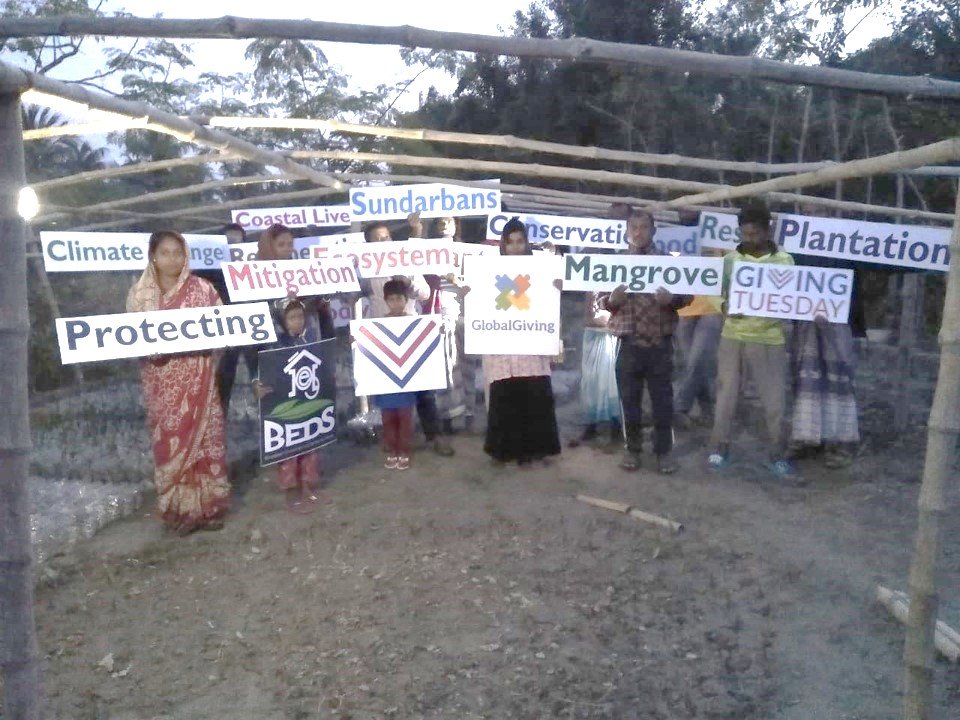
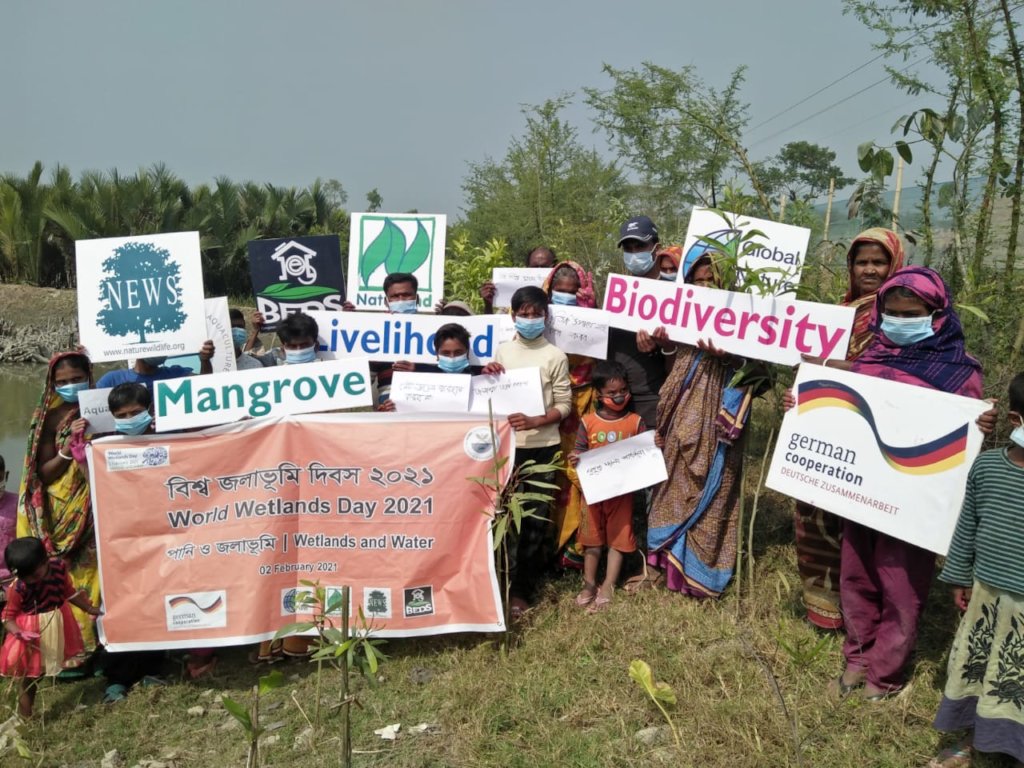
![BEDS_World Wetland Day-2021]()
BEDS_World Wetland Day-2021
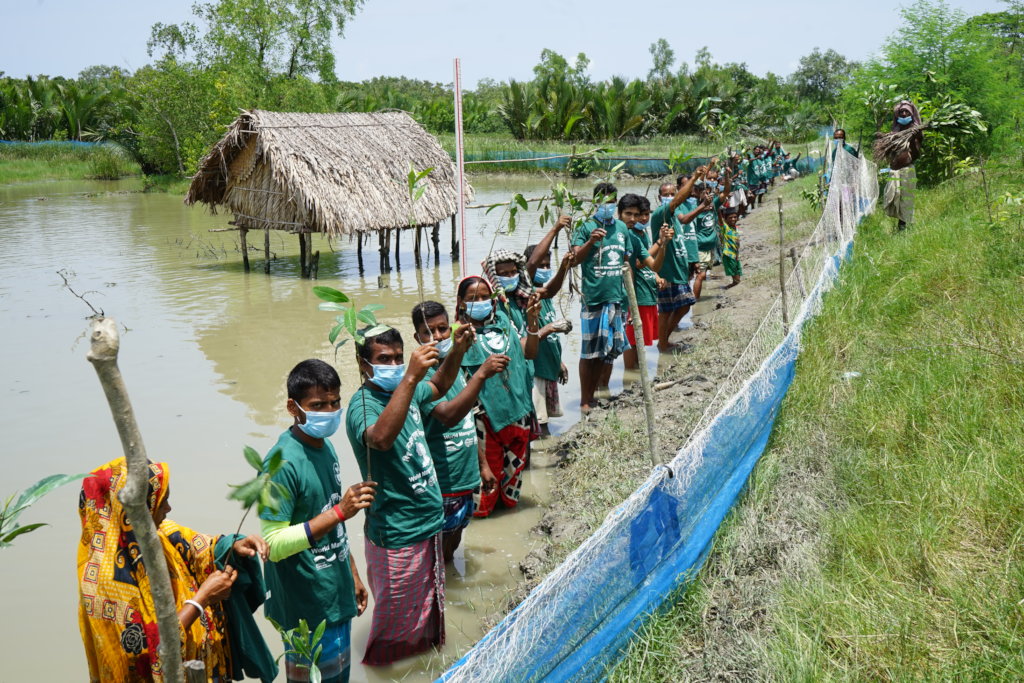
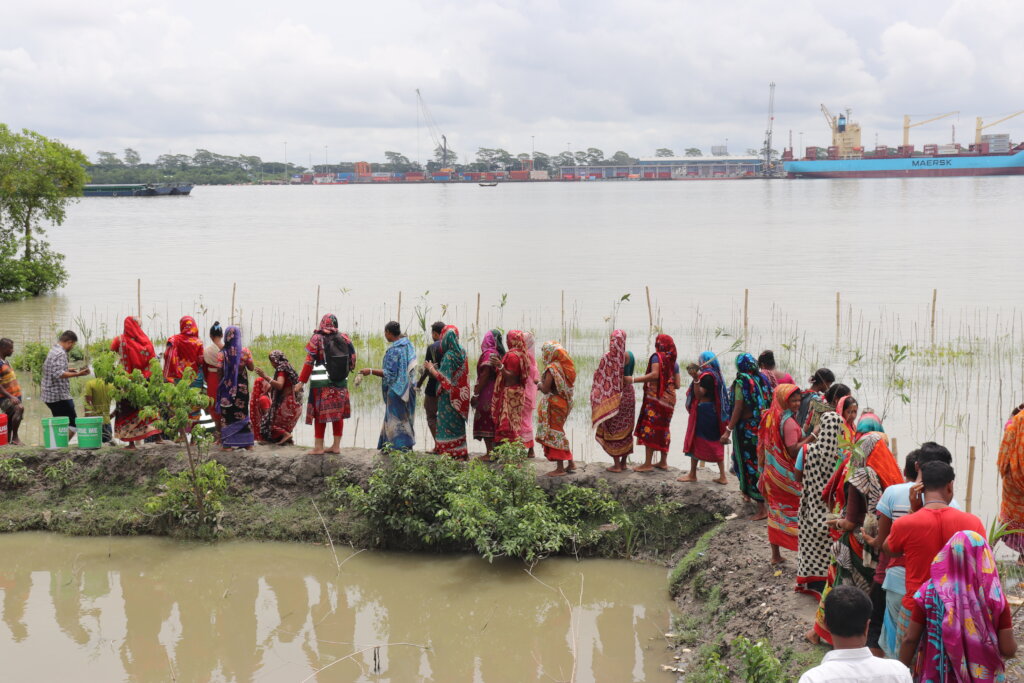
Conservation interventions are usually successful and sustainable when local communities are on board, fully understand the value of their participation and long term benefits. So, BEDS (Bangladesh Environment and Development Society) has been trying to involve the local people for ensuring the sustainable livelihoods and ecosystem. As a result this year local people celebrated the World Wetlands Day 2021 together with BEDS. During the program, the Sundarbans mangrove forest users are committed that they will always work for the mangrove ecosystem conservation and they will not to do any work which is harmful for the forest.
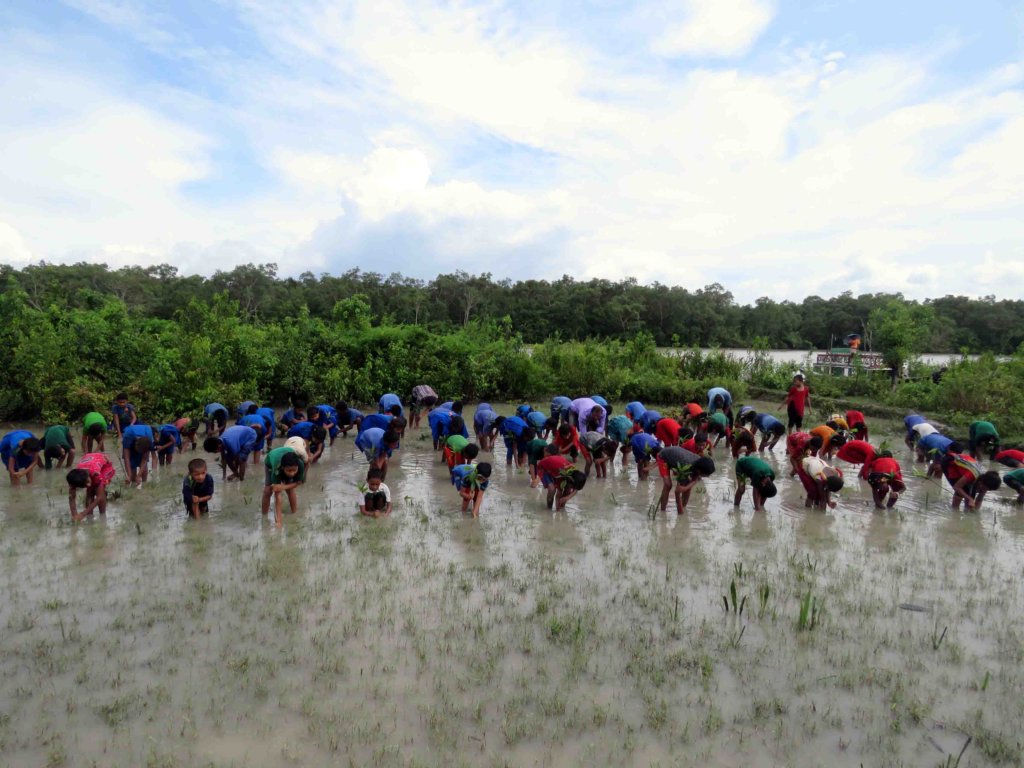
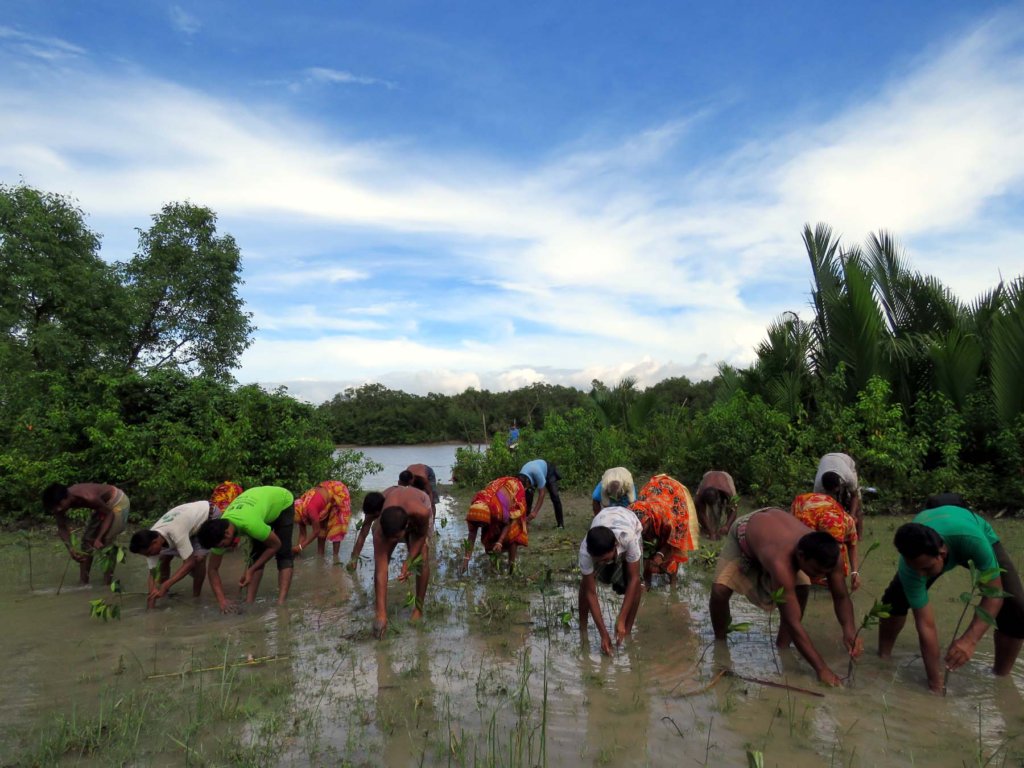
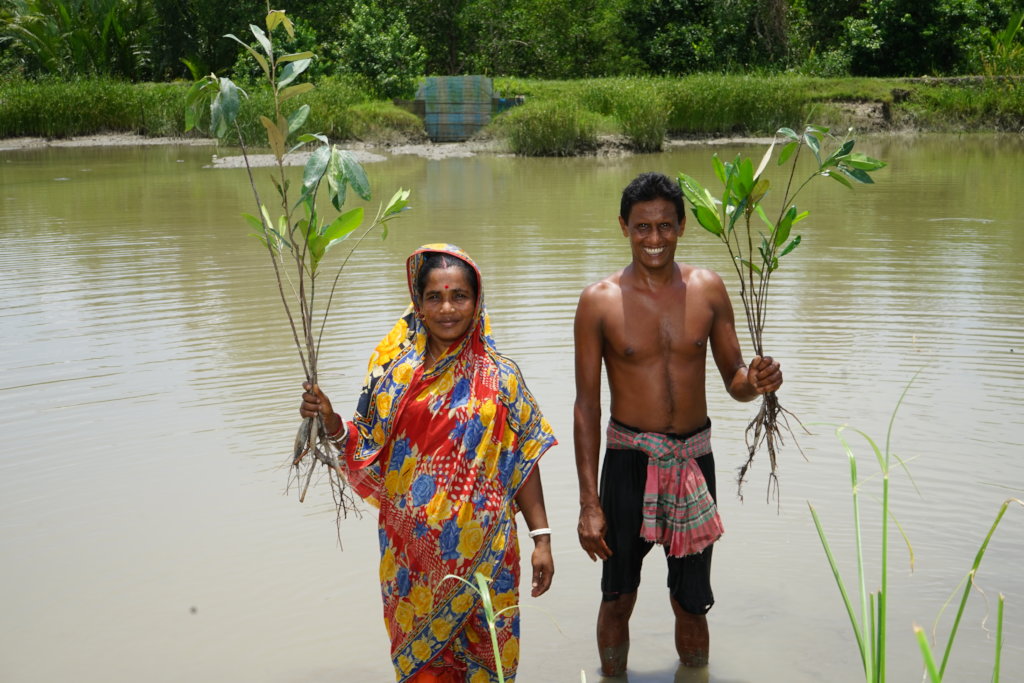
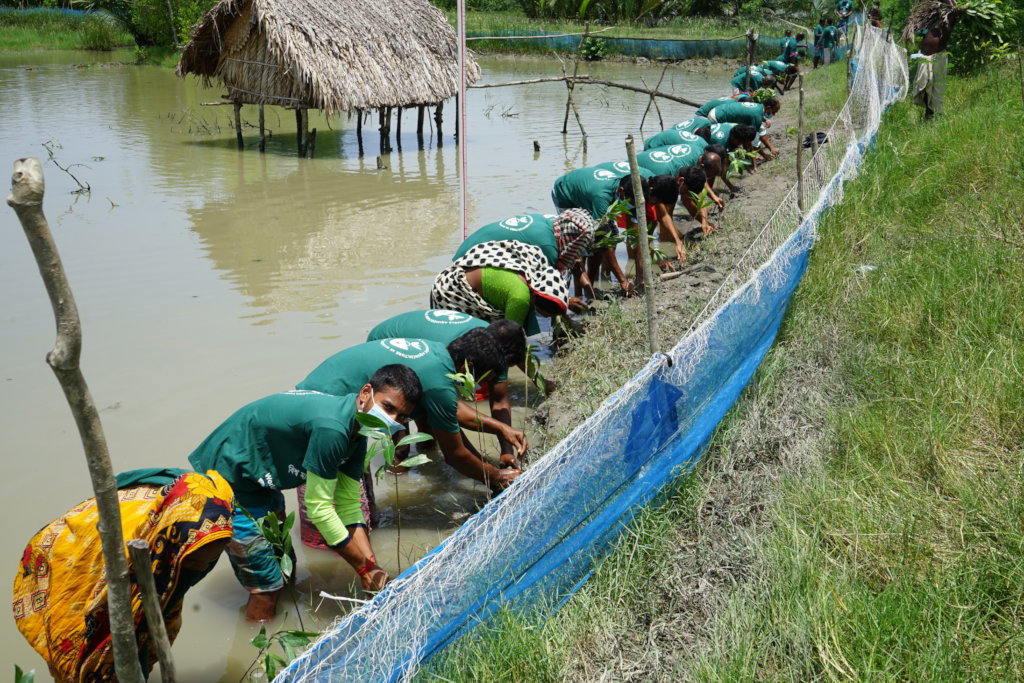
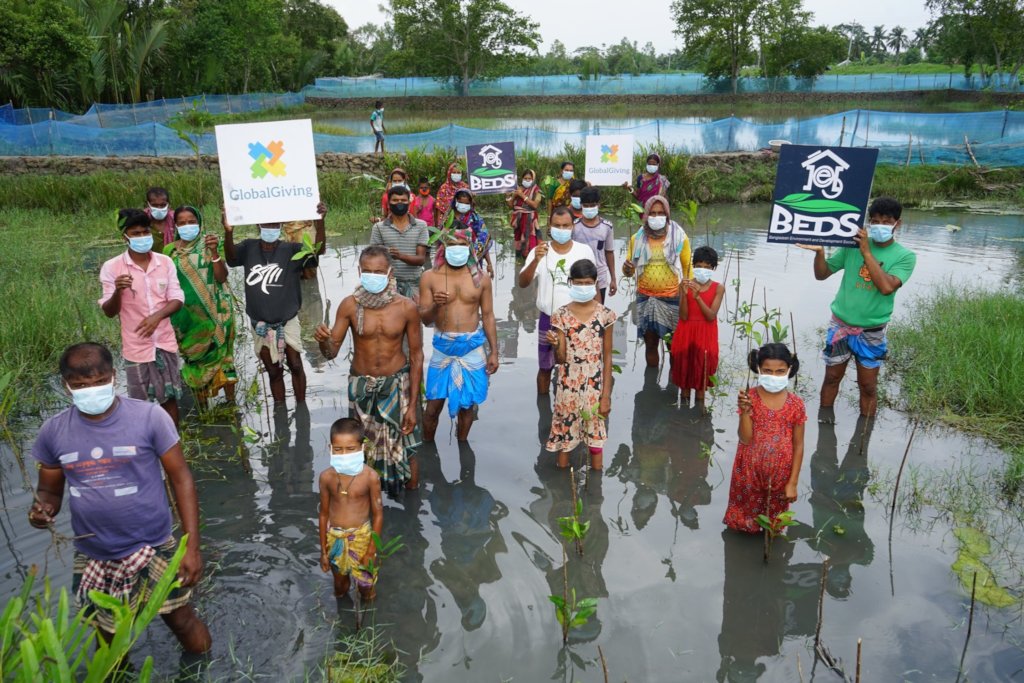
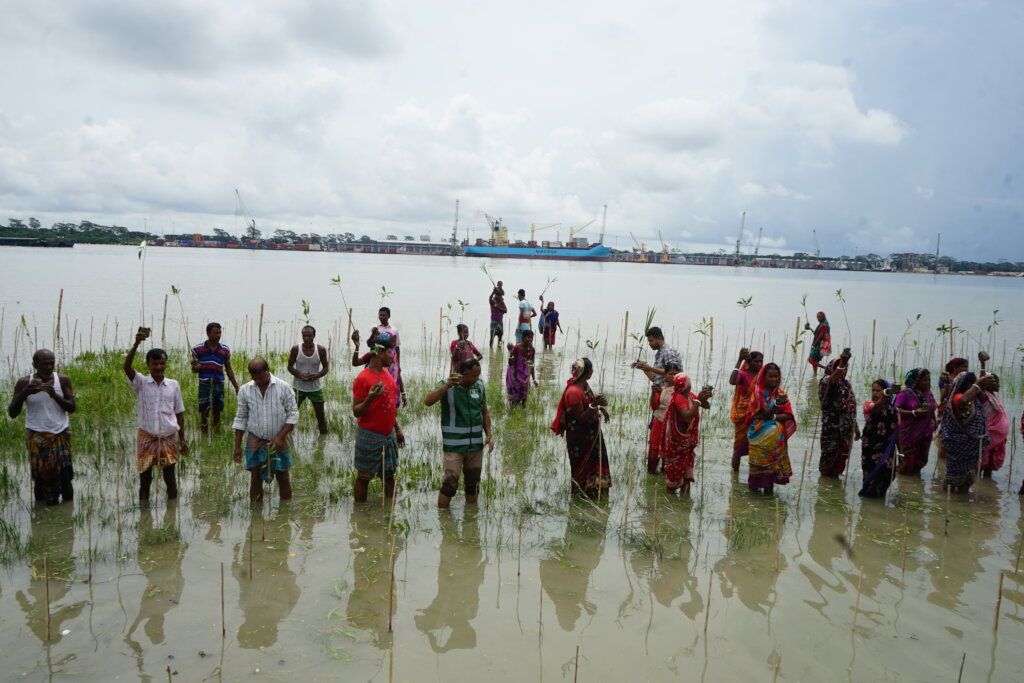
Upcoming 10th February 2021, local people will plant 20,000 mangrove together with BEDS for the coastal protection which will also play a key role for climate change adaptation and mitigation.
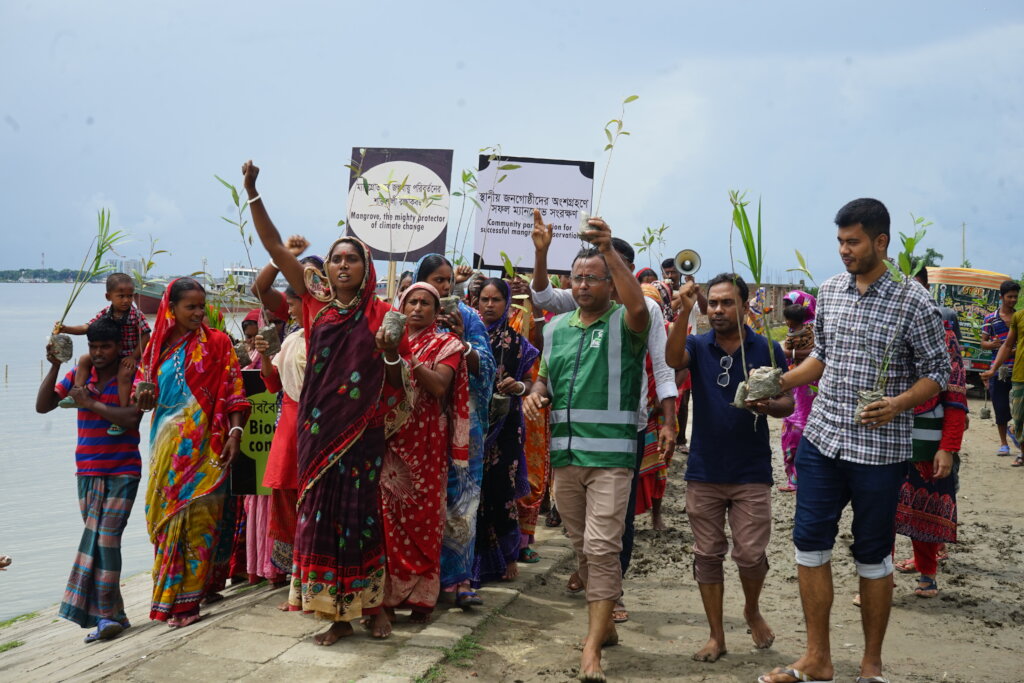
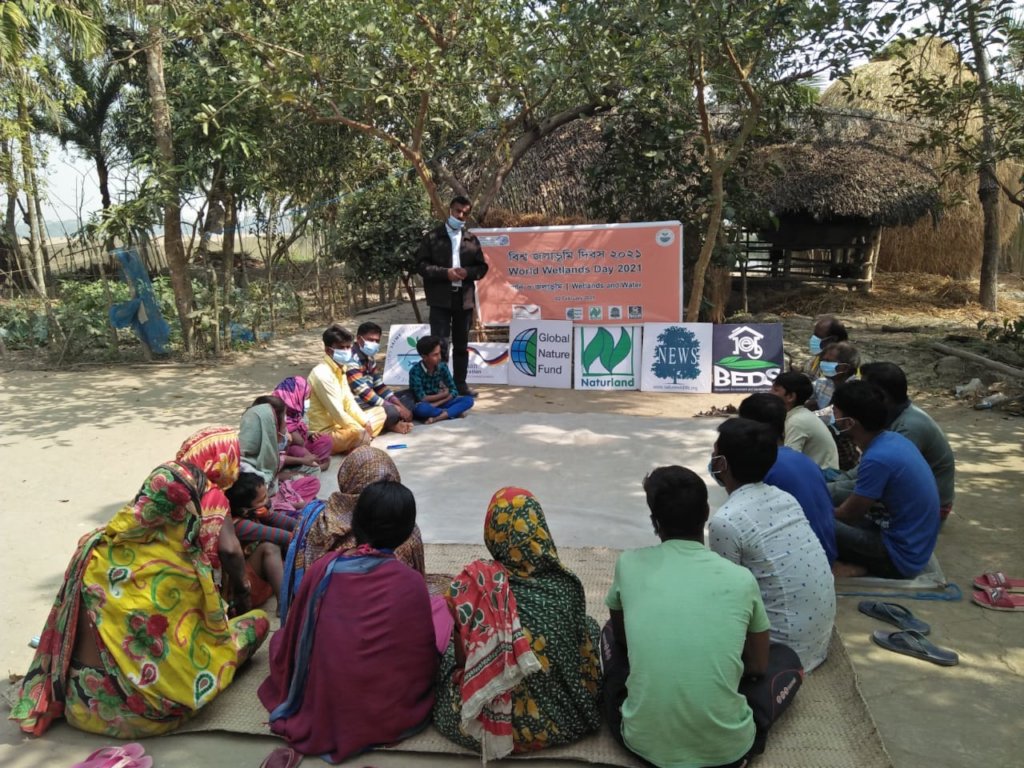
![Discussion during World Wetland Day 2021]()
Discussion during World Wetland Day 2021
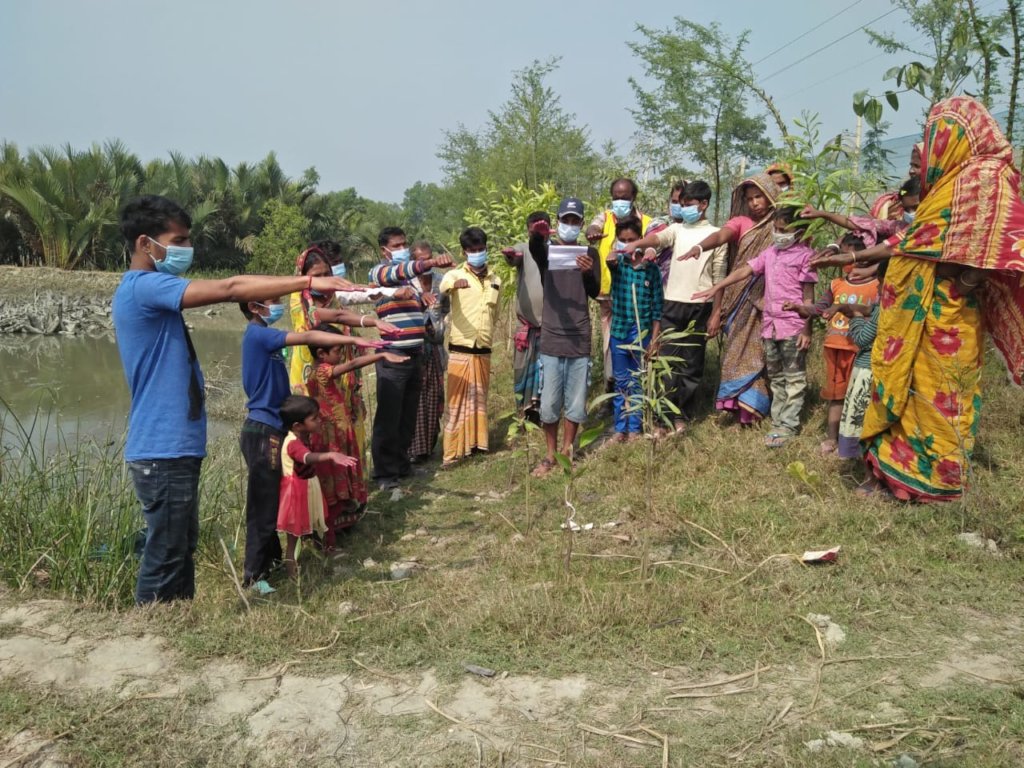
![Taking oath for conserving mangrove ecosystem]()
Taking oath for conserving mangrove ecosystem
![Share on Twitter]()
![Share on Facebook]()
Jan 28, 2021
Sites have been selected for mangrove plantation
By Saumitro Chakrabarti | Project Contributor
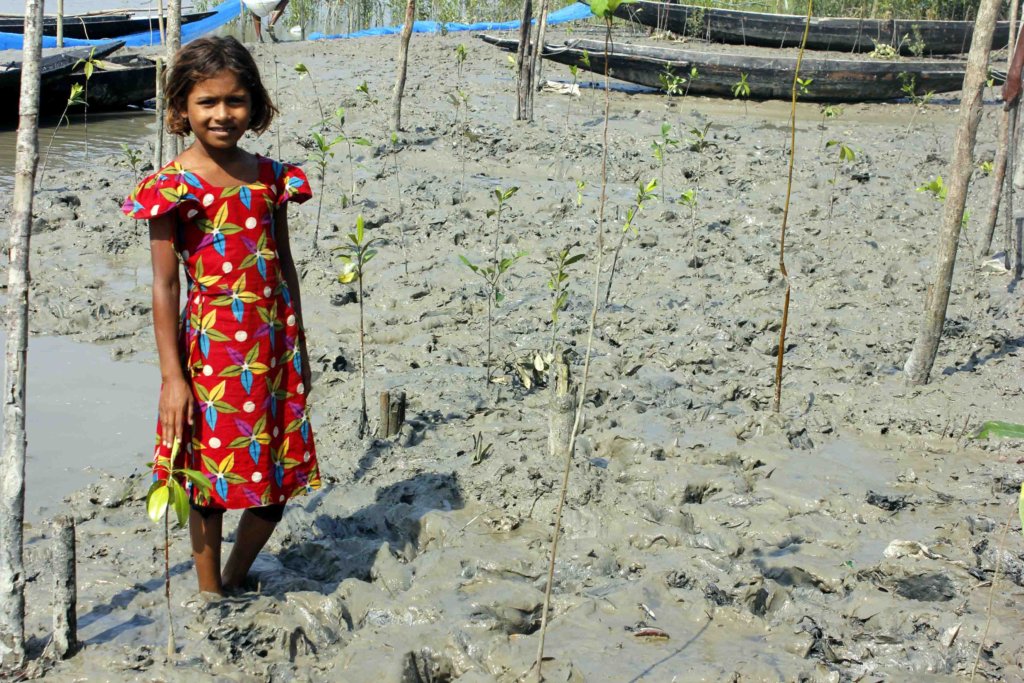
![Selected single plot for plantation]()
Selected single plot for plantation
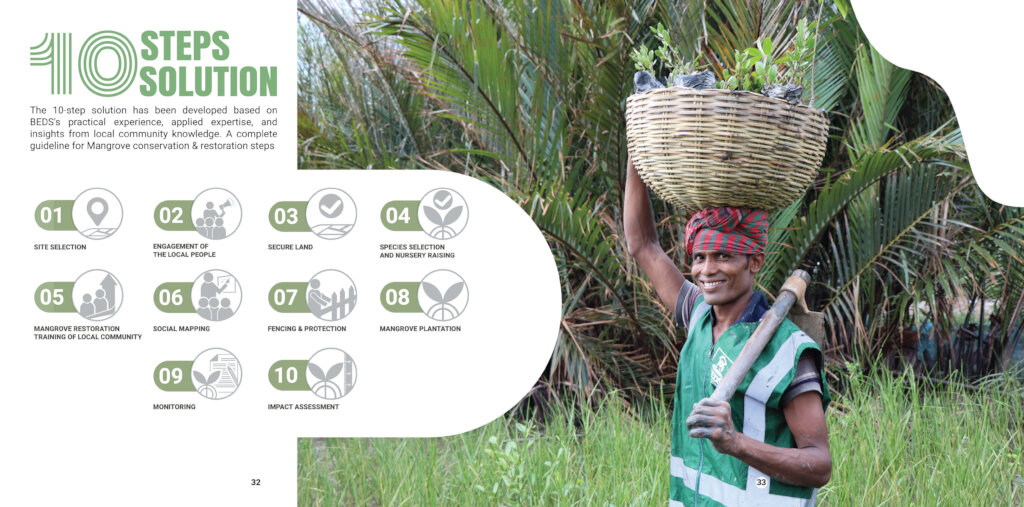
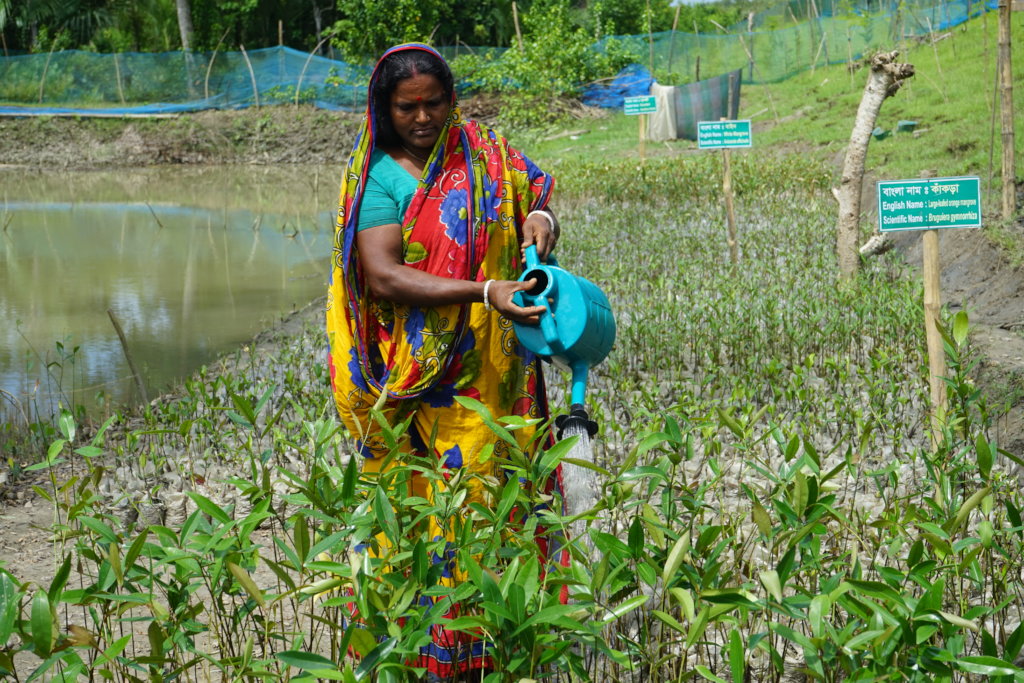
Mangroves are of tremendous importance in respect of protecting the environment protection and providing livelihood support to the coastal people. Bangladesh Environment and Development Society (BEDS) has been conducting community based mangrove plantation and restoration activities in the Sundarbans coastal region of Bangladesh since 2013.
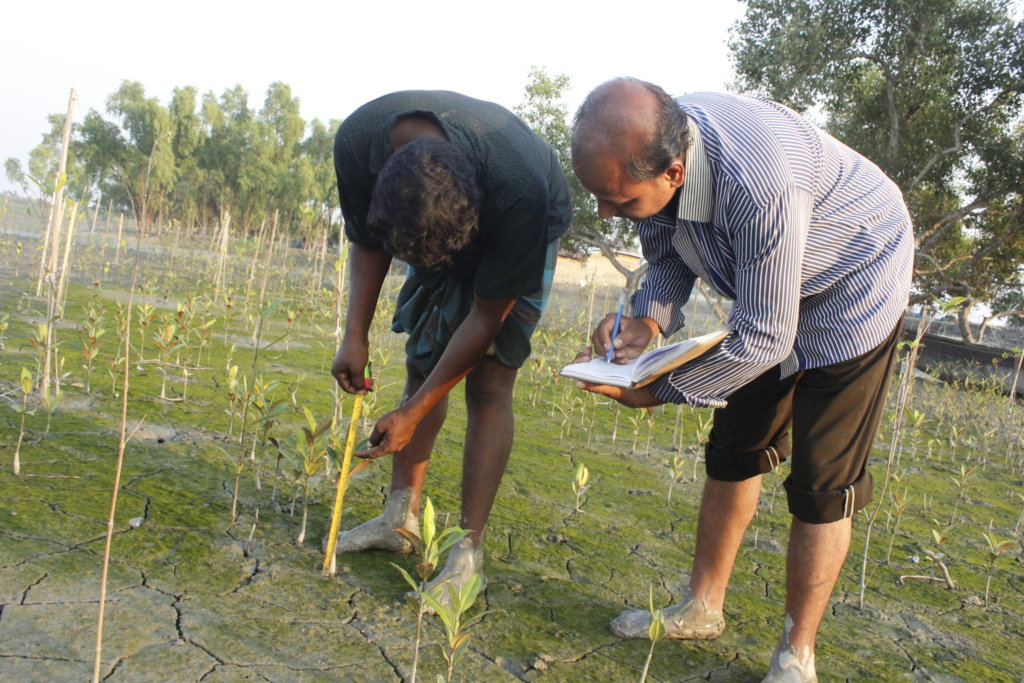
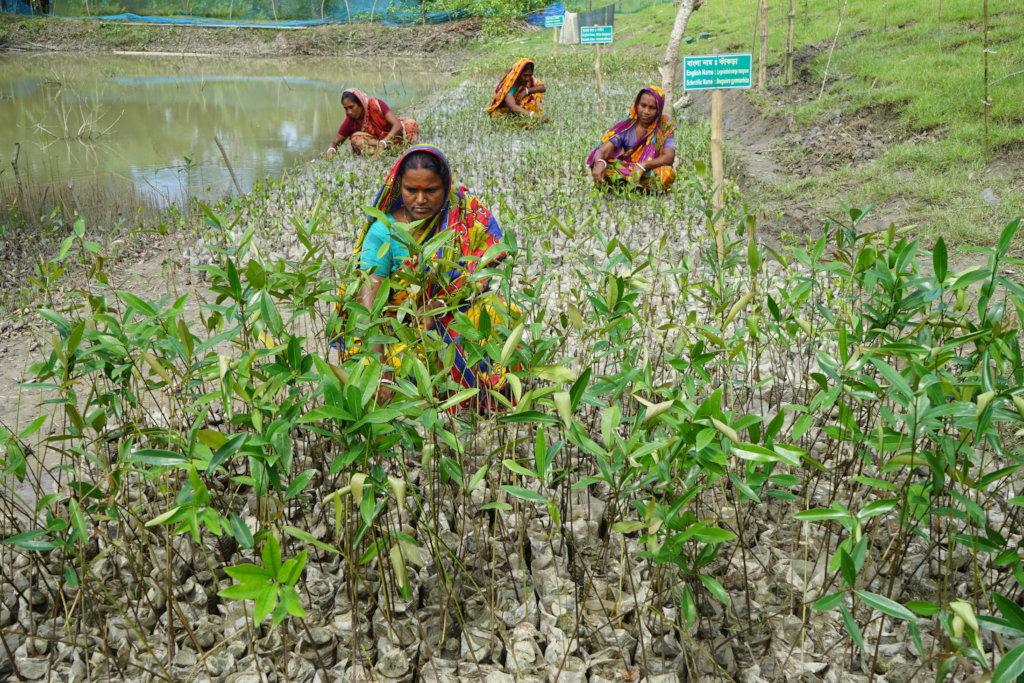
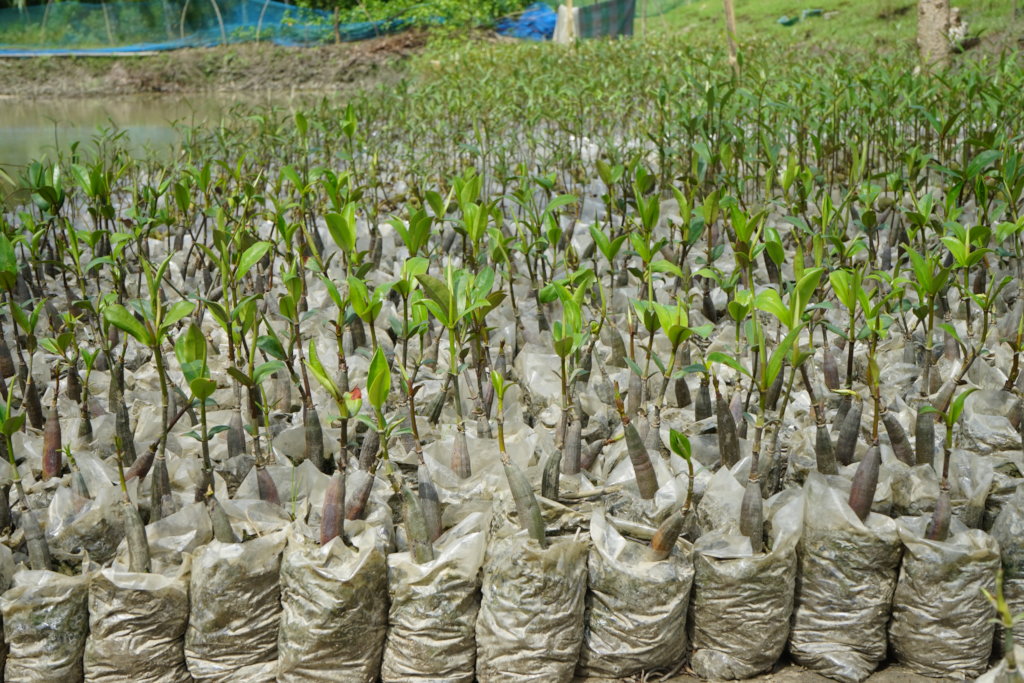
BEDS is now in preparatory stage of planting 20,000 mangroves in Banishanta union. We have a plan to plant that mangrove inside 20 shrimp farms and one single plot. We have already received approval from all the 20 pond owners and the single plot. So, we are now planning to make fence to protect the mangroves that we are going to plant. Yesterday, we have discussed with few villagers and they praised our initiative and assured to assist in mangrove plantation and protection activity. Local government representatives have also been negotiated and positive concern was been given by them. In the beginning of this week, we negotiated with the nursery owners to figure out the strong saplings for our plantation. So, the nursery owners are now separating the good quality saplings. May be we will be able to start our plantation activity by the end of 1st week February 2021 or in the beginning of the second week. We believe that we will be able to create a mangrove buffer zone in the Sundarbans coastal area of Bangladesh.
We would like to request all our donors to start monthly recurring donations for the betterment environment. We are extremely grateful to our donors for their support so far.
Attachments:
![Share on Twitter]()
![Share on Facebook]()
Jan 25, 2021
Natural, social and economic regeneration in the Sundarbans of Bangladesh
By Md. Maksudur Rahman | Project Leader
![Local people are standing for mangrove]()
Local people are standing for mangrove
The Bangladesh Environment and Development Society (BEDS) is a community-based—non-profit and non-governmental—development organisation founded in Bangladesh in 2010, with a commitment to maintain ecological balance and create harmony between humans and nature. Maksudur Rahman, Chief Executive of BEDS, takes us on a unique journey to discover some of the most complex environmental, social and economic problems affecting Bangladesh and the initiatives BEDS has been working on to provide systemic solutions for the local population and natural ecosystem. This story of transformation is—ultimately—about a new development model able to bring together economic and social progress with natural regeneration in one of the most precious natural ecosystems of the world: the Sundarbans Mangrove Forest. A story of empowerment, collaboration, trust and social entrepreneurship to shape a resilient future in the face of climate change, poverty and natural degradation. A community-based approach to pave the way for a new relation between humans and nature.https://www.circularconversations.com/earth-heroes/bangladesh-environment-and-development-society?fbclid=IwAR2WFtwwlJSzAZxFY3soGtSEac6lkrNchkUPz0fhRCAN_0FhVHwHpGbVfLA
Links:
![Share on Twitter]()
![Share on Facebook]()