Project Report
| Aug 28, 2026
Call for: District Educational Conference
By George Obua | Project Leader
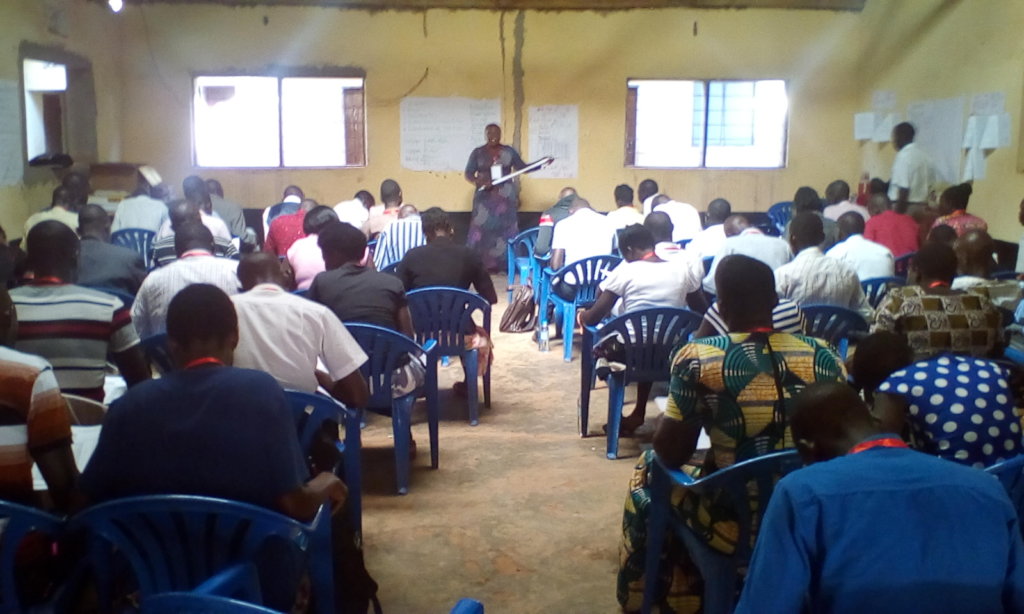
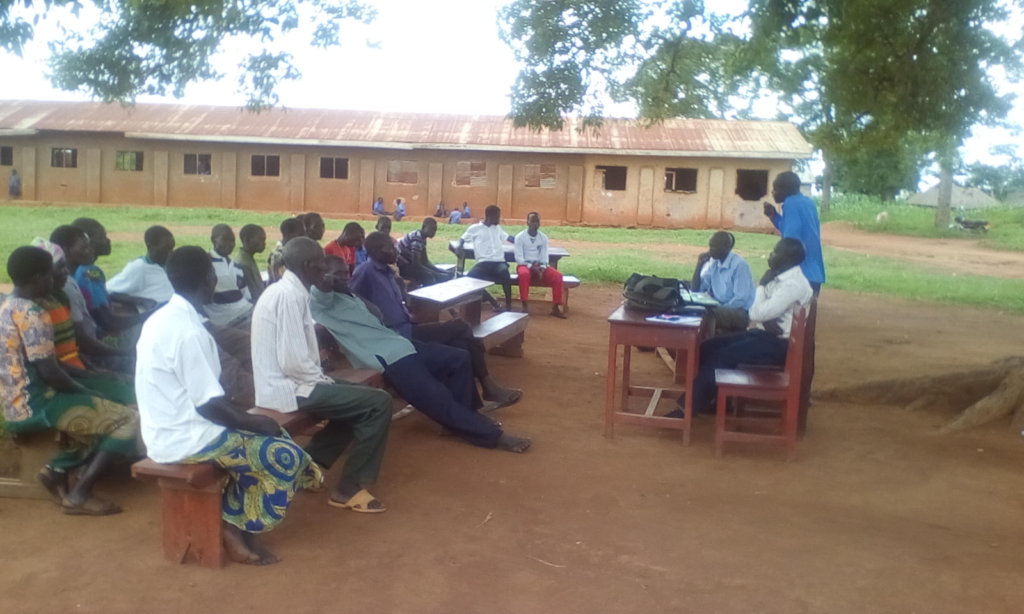
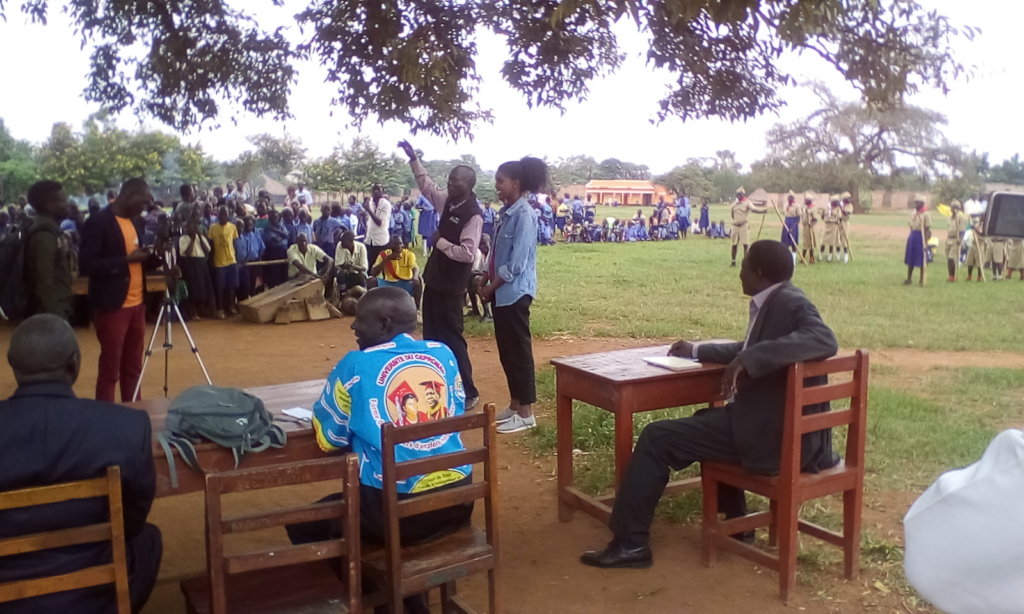
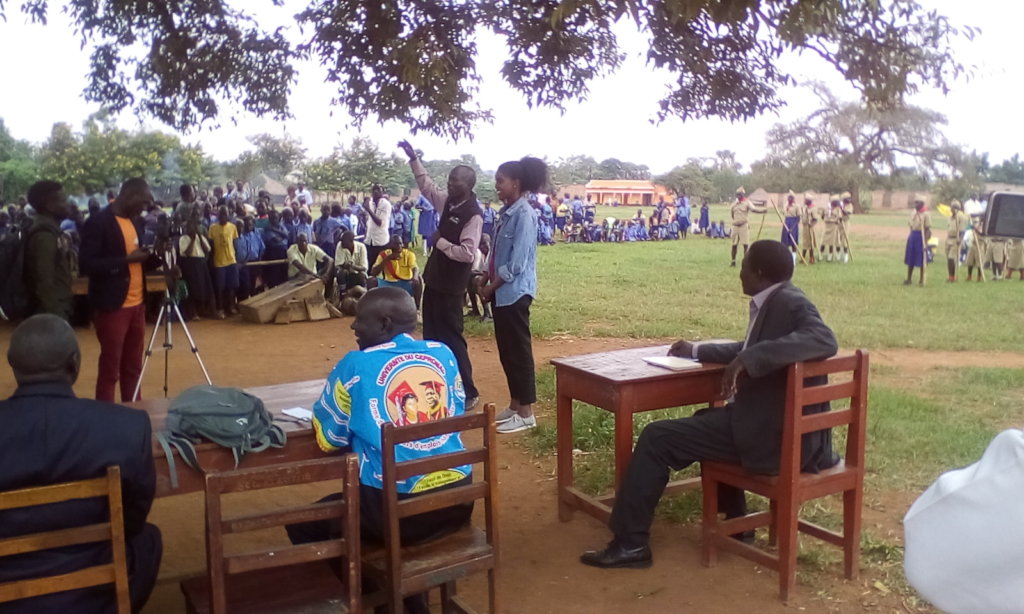
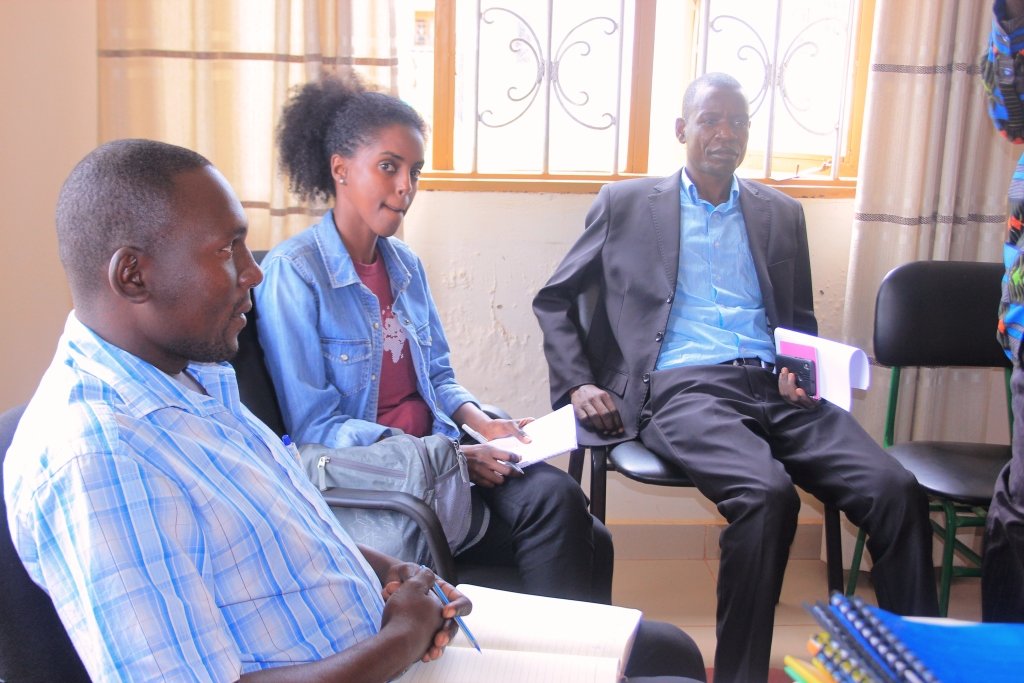
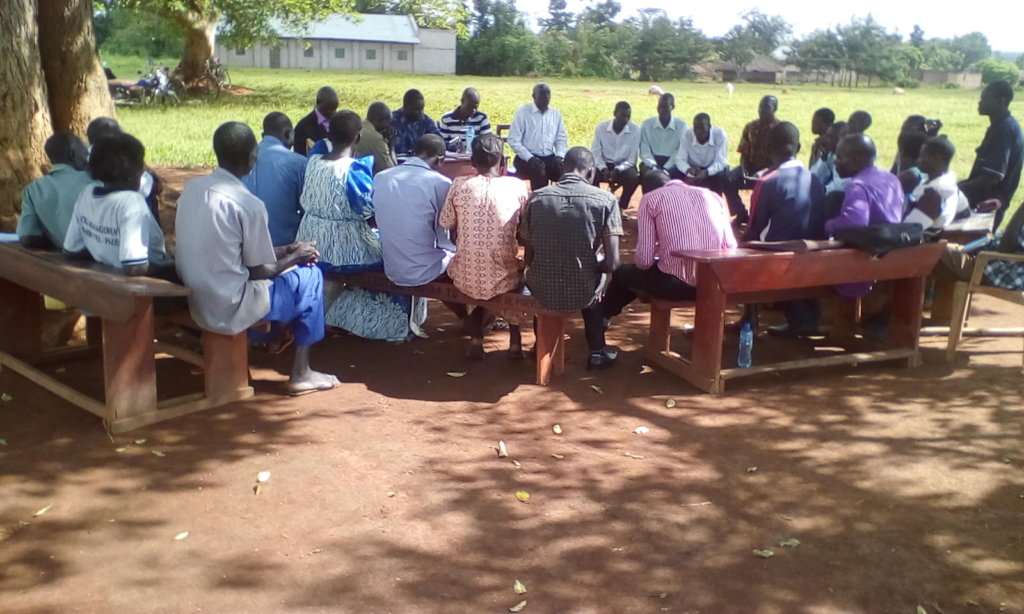
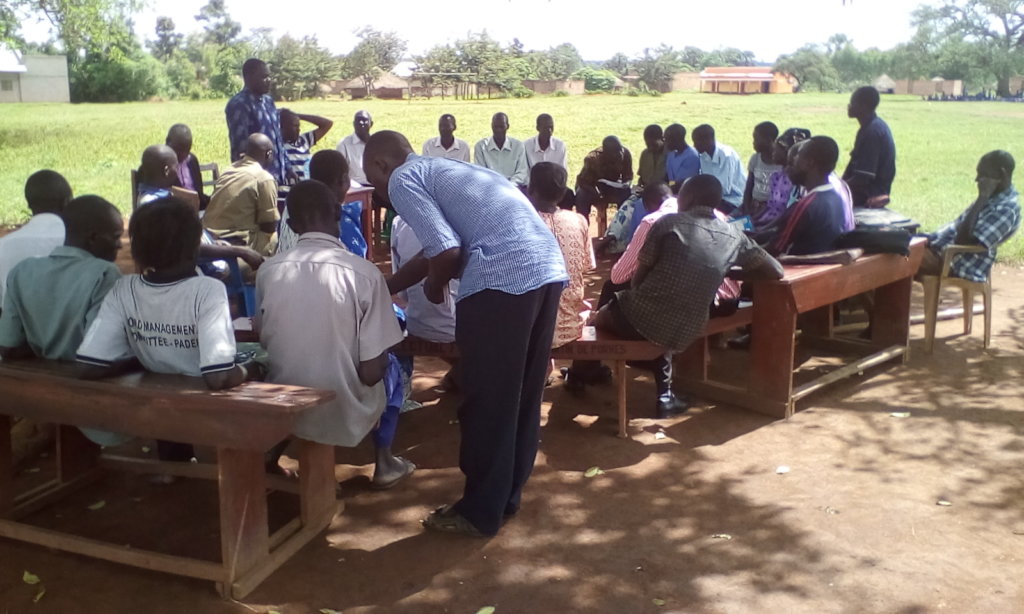
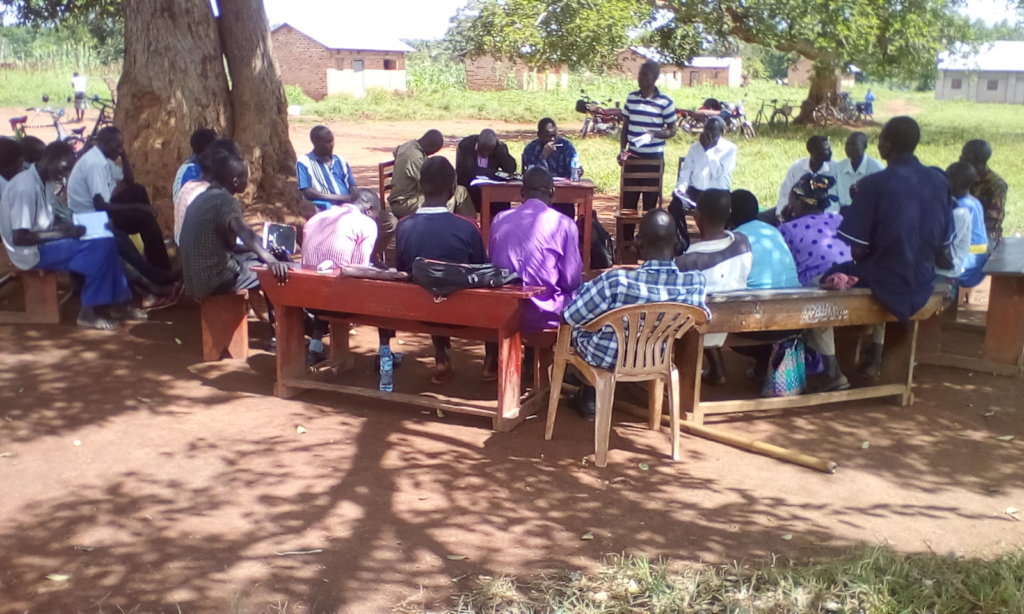
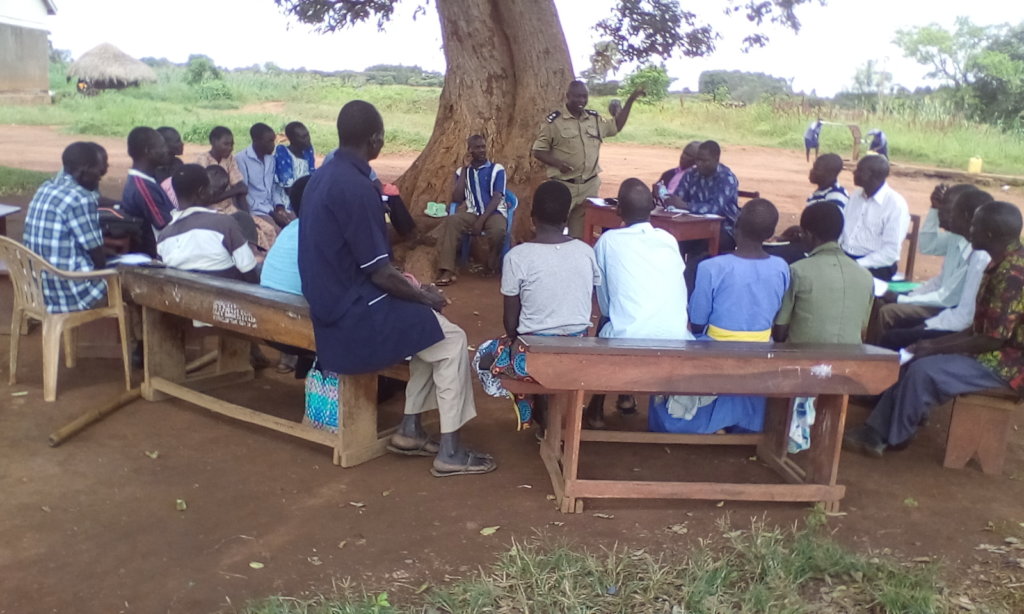
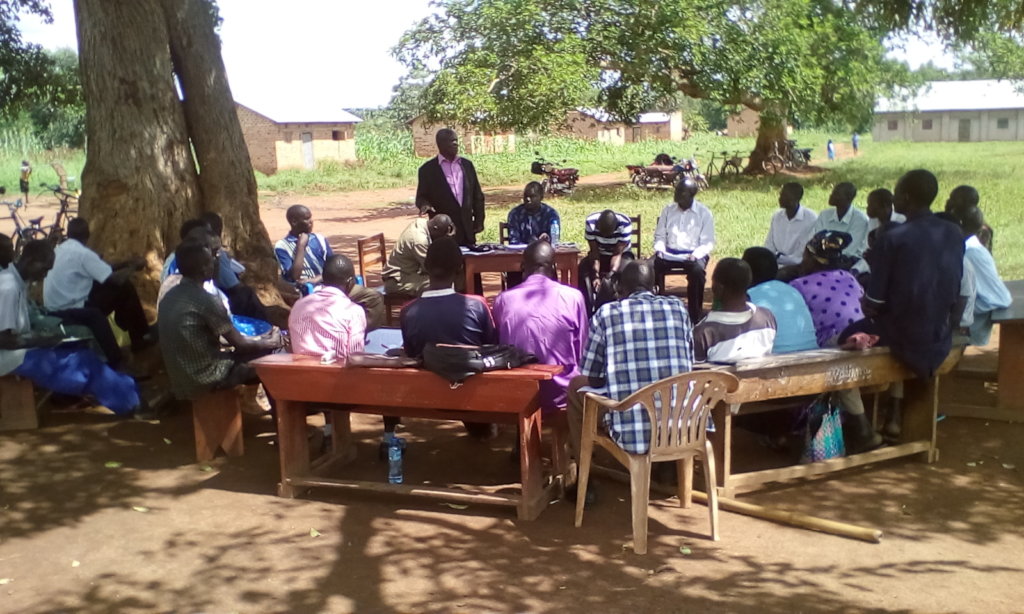
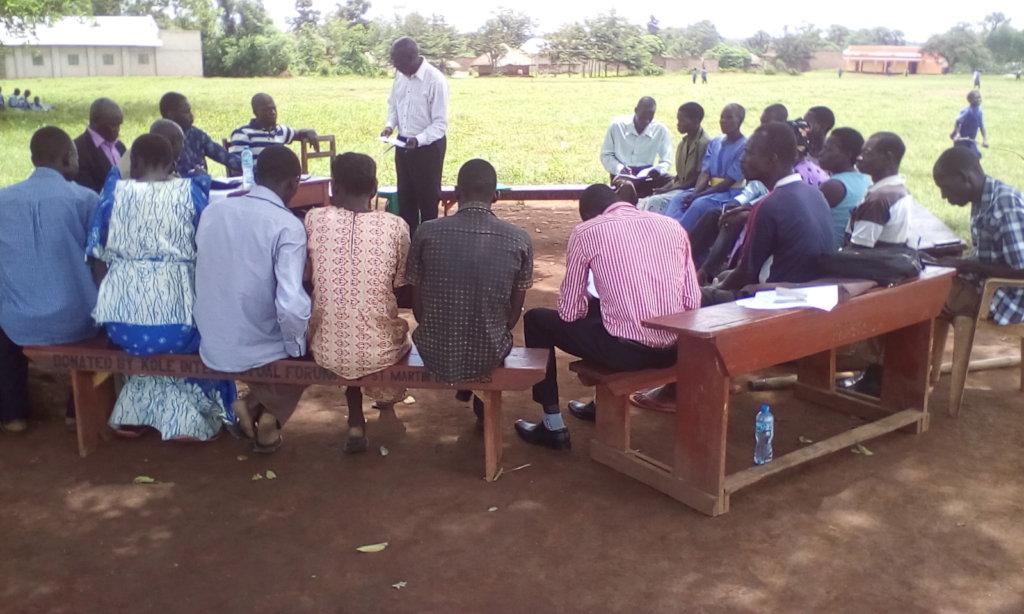
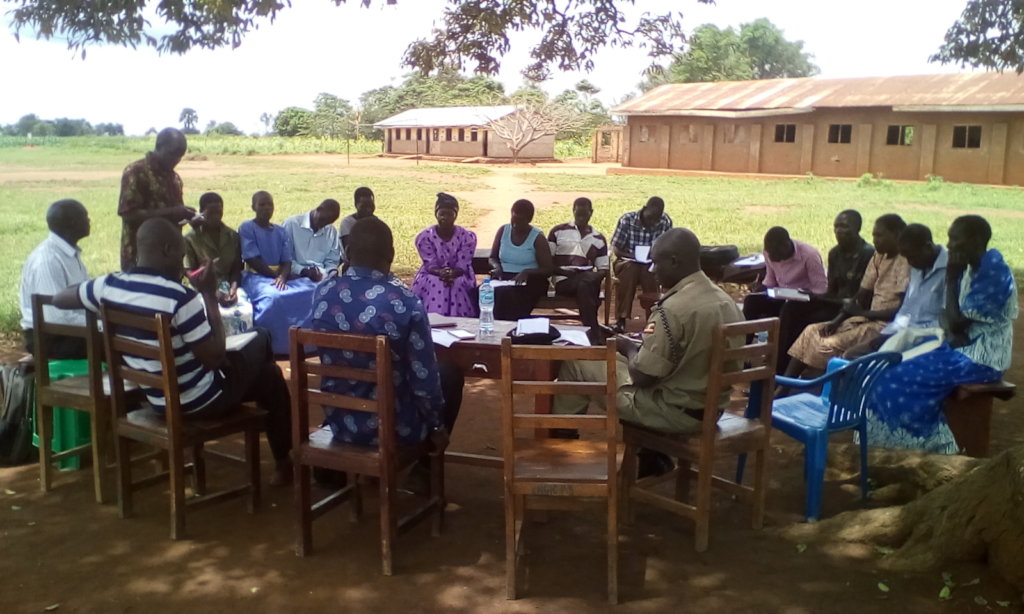
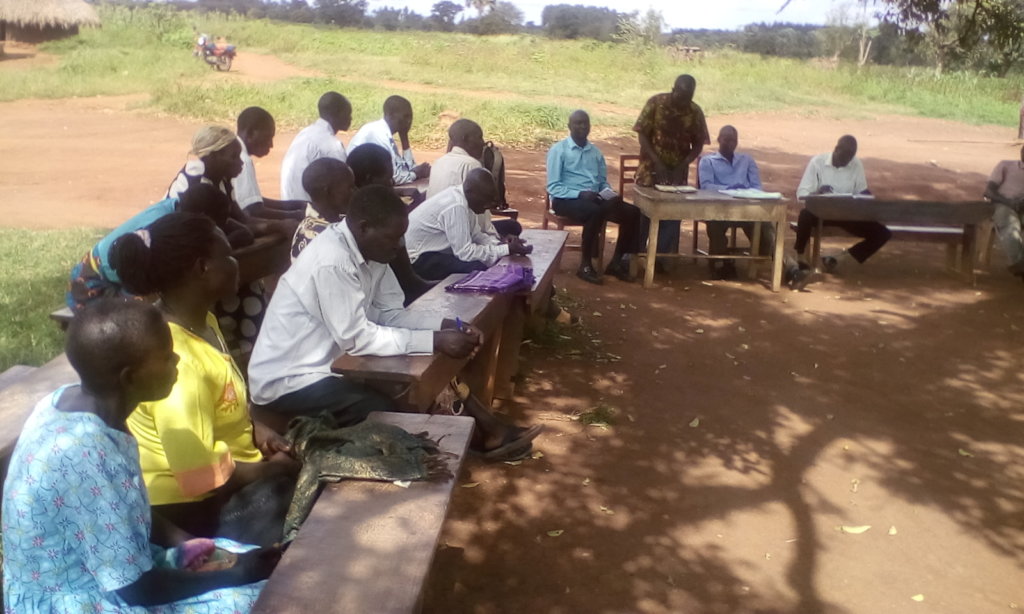
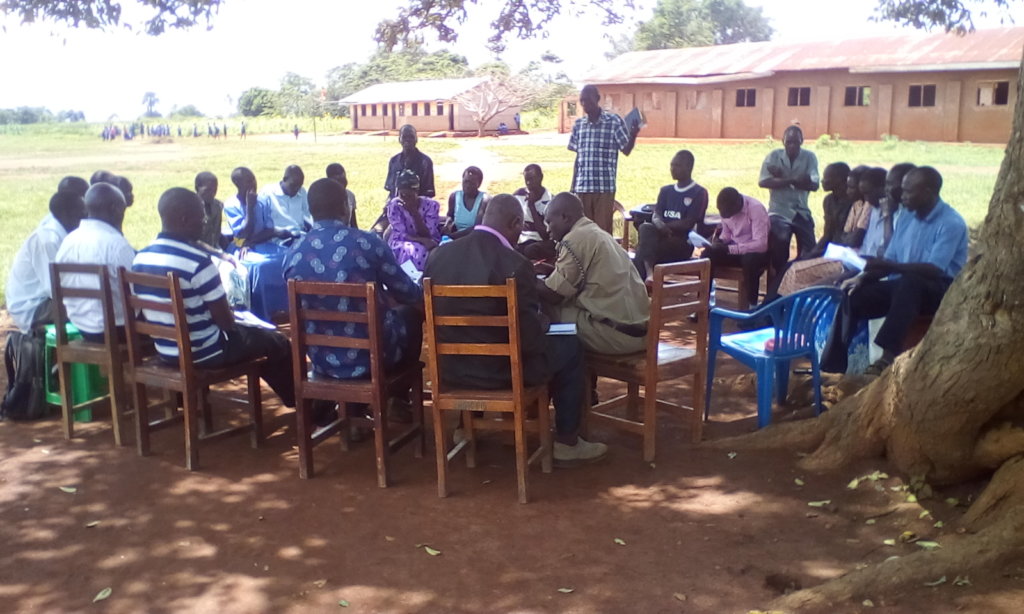
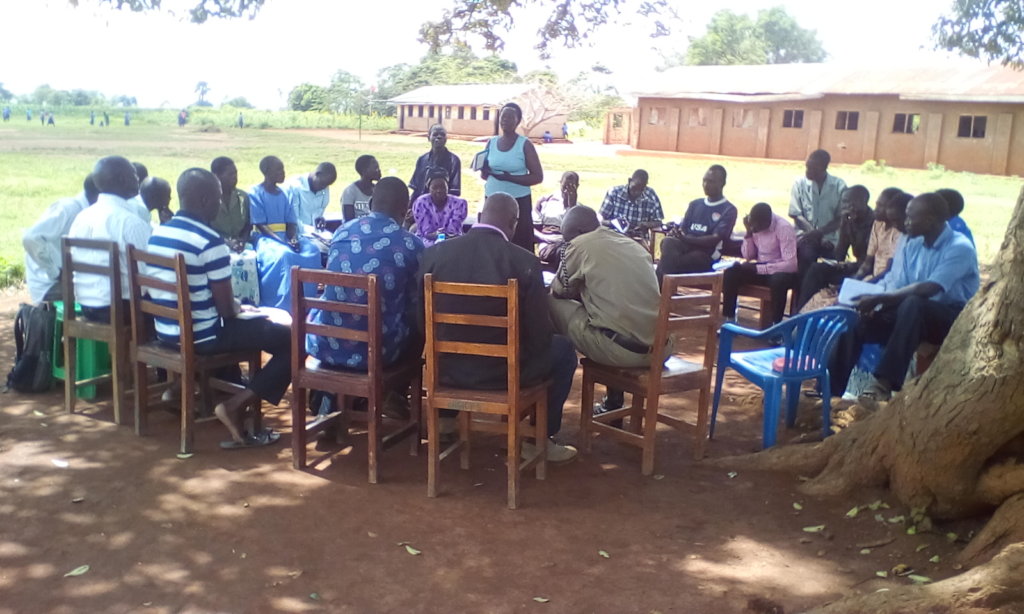
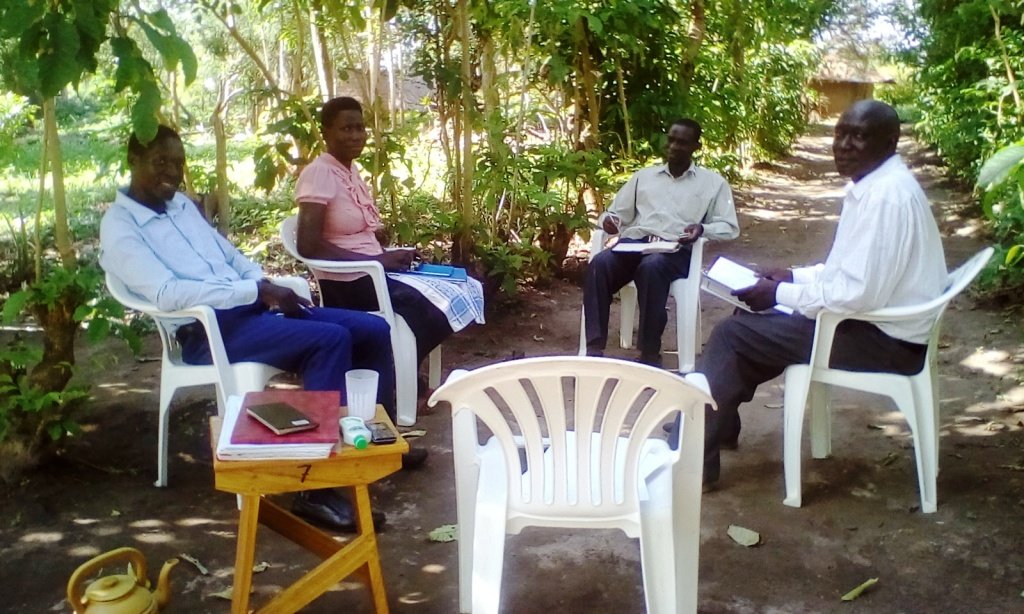
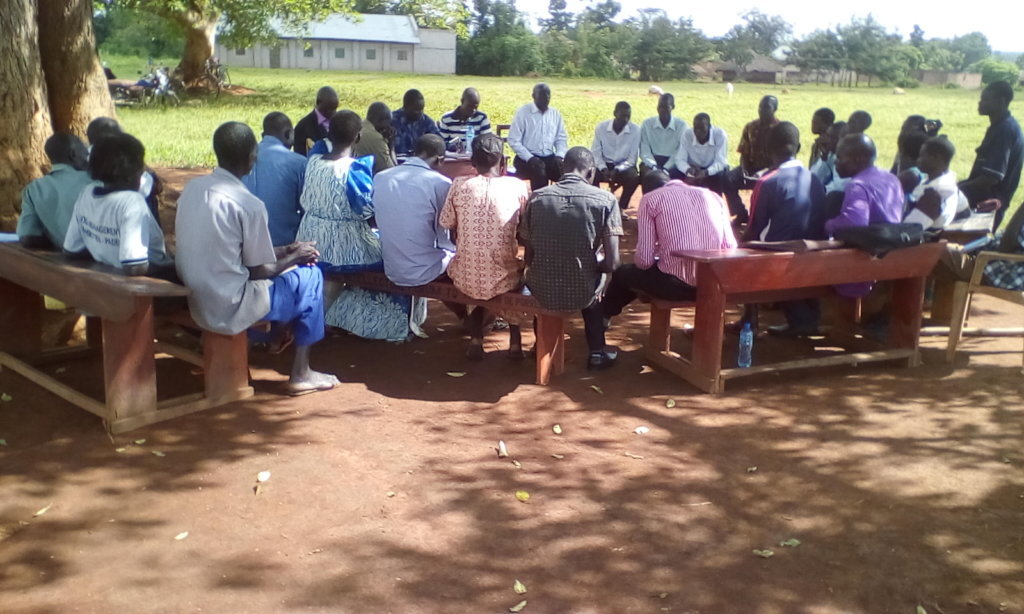
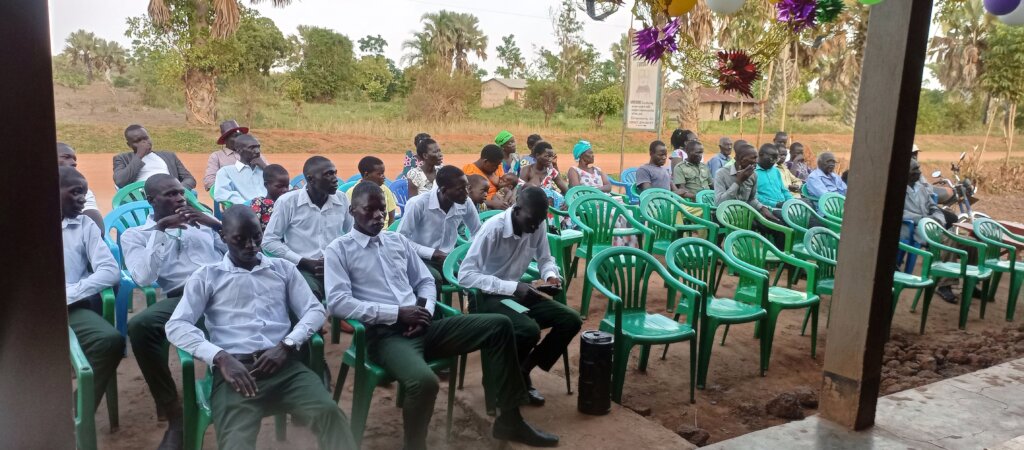
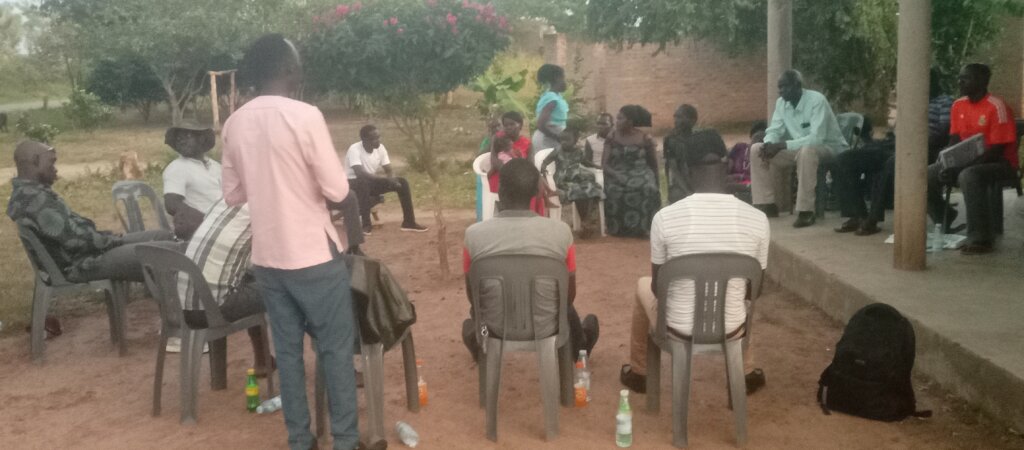
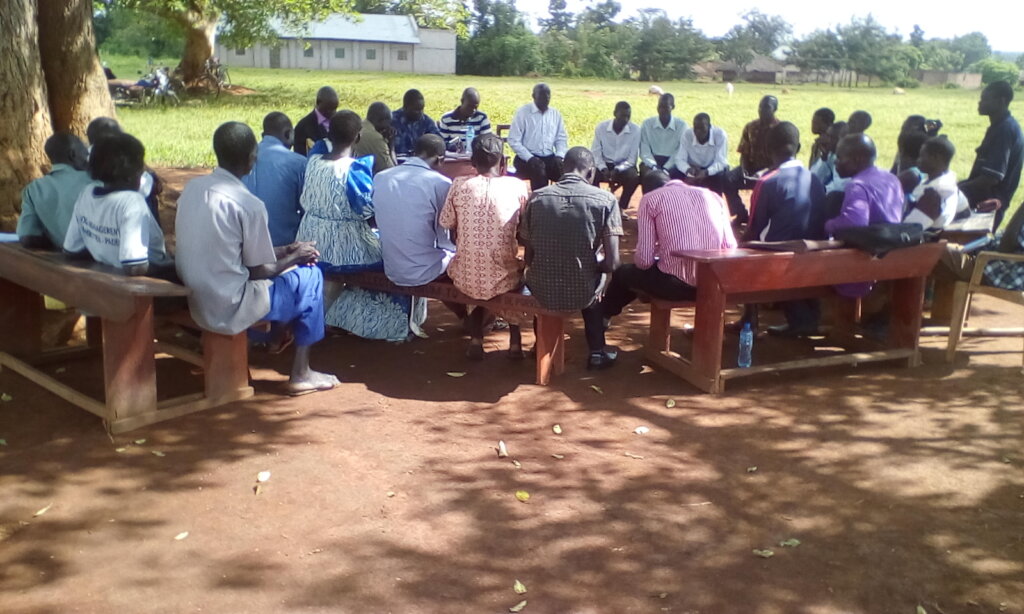
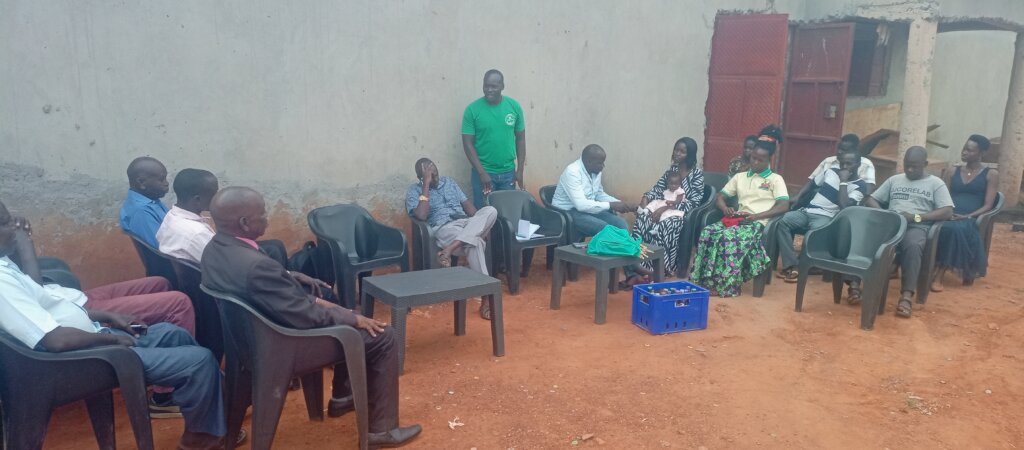
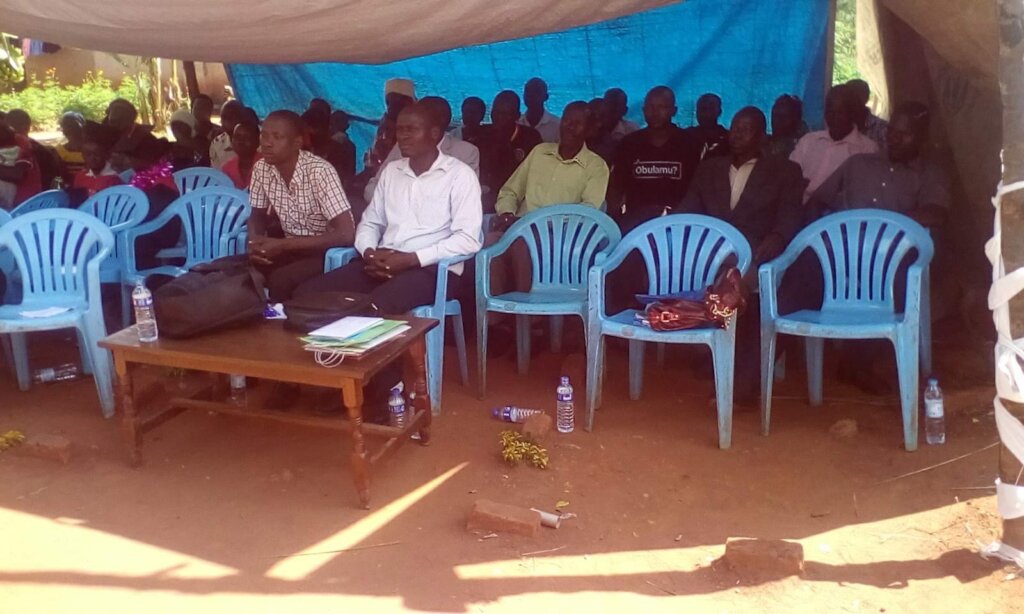
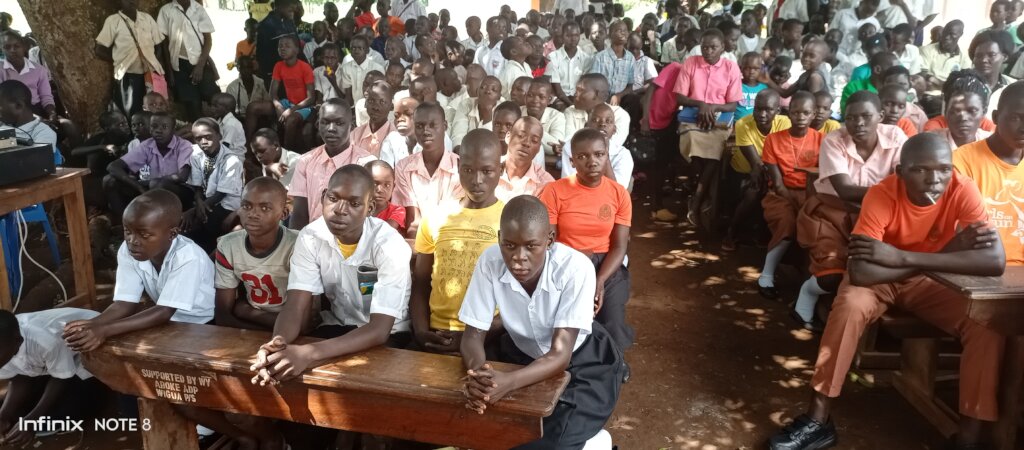
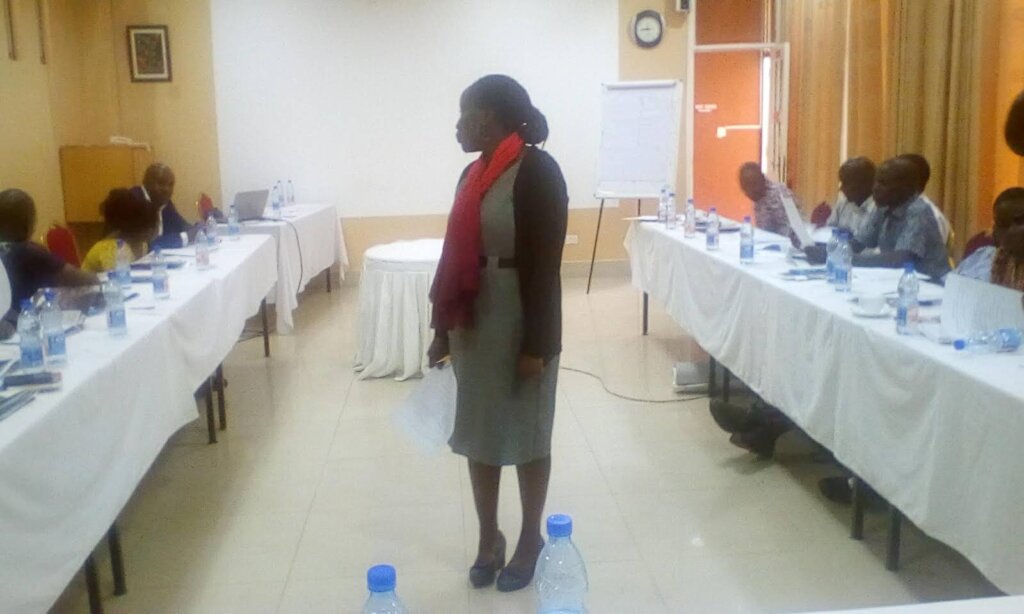
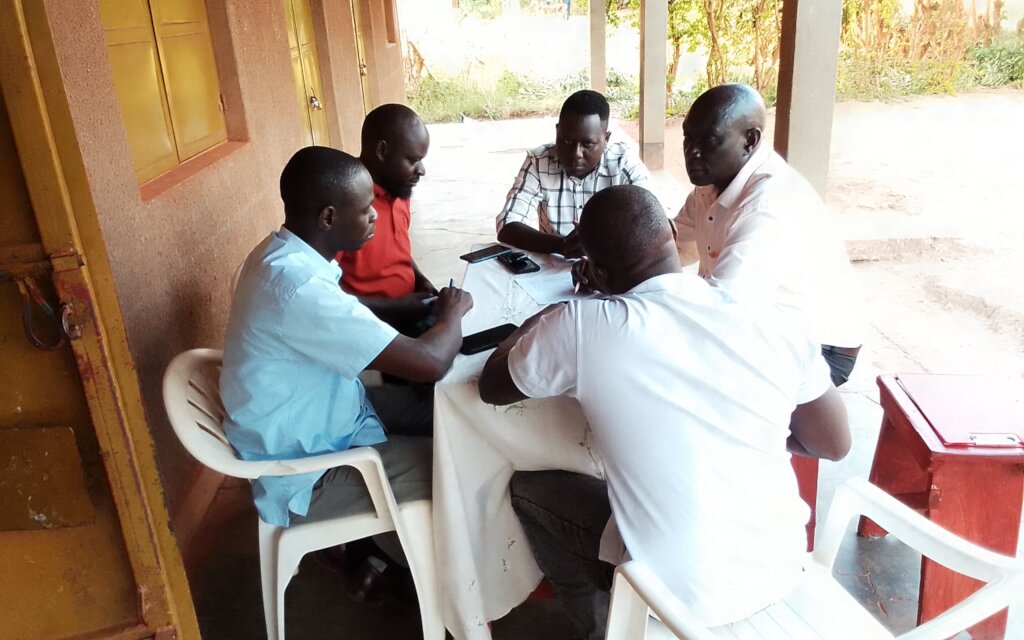
When, Kole Intellectual Forum, presented their research findings on the problems link to poor performance in education system in Kole District to the ditrict officials; these officials, mandated the organization to start organizating what they referred to as Kole District educational review conferences with the intention to drive policy influence, foster collaboration and networking, showcase innovative practices and program impacts; as well as providing a essential capacity building and professional development opportunities.
Elaborately, the reasons for facilitating the educational review conferences is expected to be based on:
- Policy Influence and Advocacy: Conferences provide a crucial platform for NGOs to influence educational policy by bringing their grassroots experiences and data-driven research to the attention of policymakers, government representatives, and international bodies. This ensures that policies are grounded in real-world needs, especially for marginalized populations, and helps hold governments accountable for their commitments (e.g., Education for All goals).
- Networking and Partnerships: These events are key for cultivating relationships with a diverse range of stakeholders, including potential donors, corporate sponsors, academic institutions, and other non-profits. These connections often lead to invaluable collaborations, joint initiatives, and resource sharing that amplify an NGO's impact and reach.
- Showcasing Impact and Innovation: Conferences offer a venue for NGOs to present their work, share success stories, and highlight innovative teaching methods or program designs that can address specific educational challenges. This visibility not only raises awareness of their mission but also helps position them as thought leaders in their field, attracting further support and partnerships.
- Capacity Building and Professional Development: NGOs can organize and host workshops or seminars within the conference structure to enhance the skills and knowledge of their staff, teachers, and partners. These sessions cover essential topics like grant writing, program evaluation, or new pedagogical techniques, which directly improve program delivery and organizational effectiveness.
- Learning and Knowledge Exchange: Facilitating these gatherings allows for the exchange of ideas and best practices among peers. This inter-organizational learning helps NGOs stay updated on the latest trends and research in the education sector, adapt their strategies to evolving needs, and avoid duplicating efforts.
- Resource Mobilization: By offering visibility and networking opportunities with funding organizations, conferences can significantly enhance an NGO's fundraising efforts, helping them secure the necessary financial resources to drive their initiatives forward and achieve financial sustainability
![Share on Twitter]()
![Share on Facebook]()
Aug 26, 2026
Effectiveness & Efficiency : Community Engagement
By George Obua | Project Leader
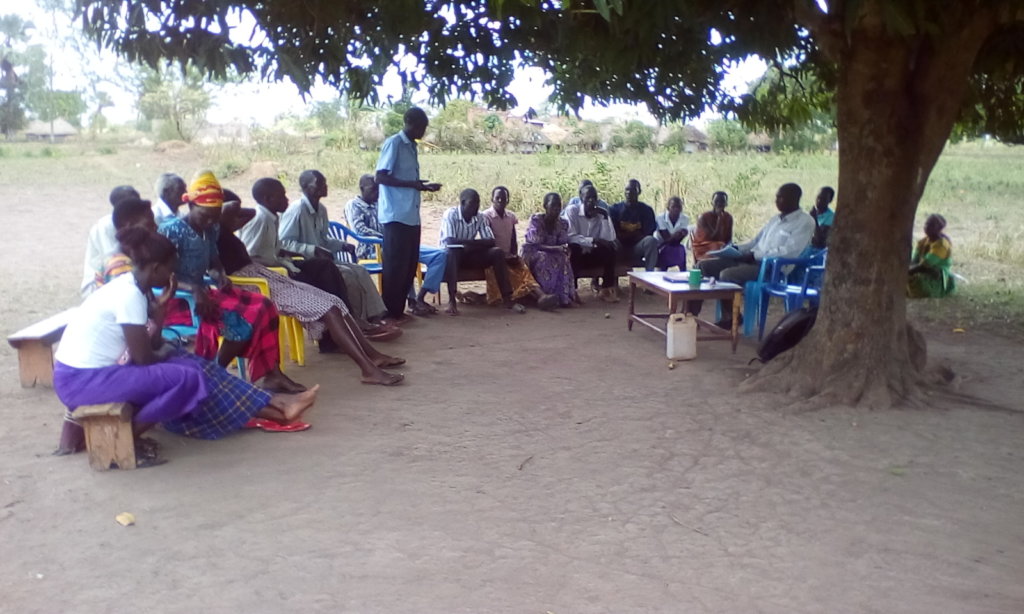
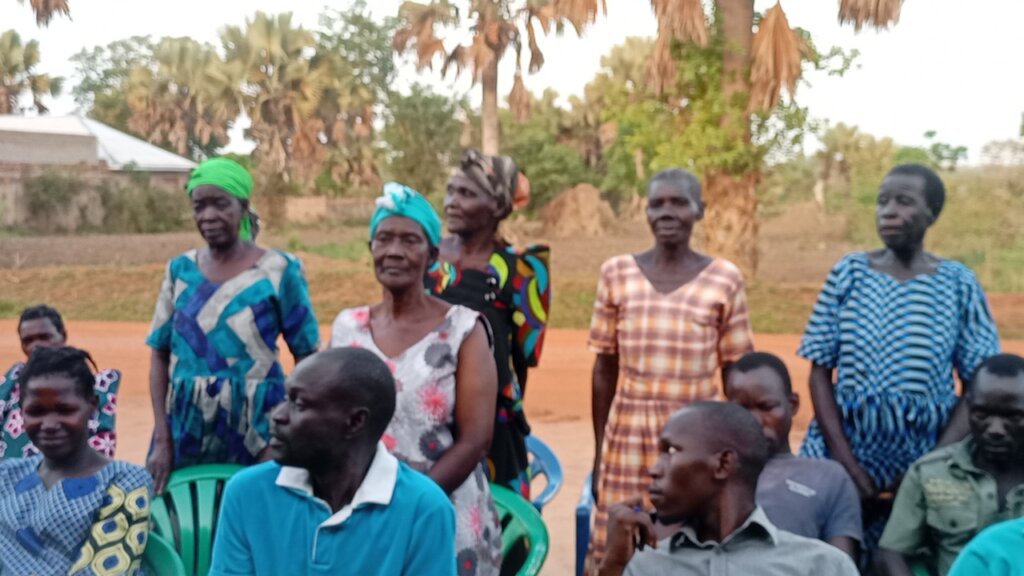
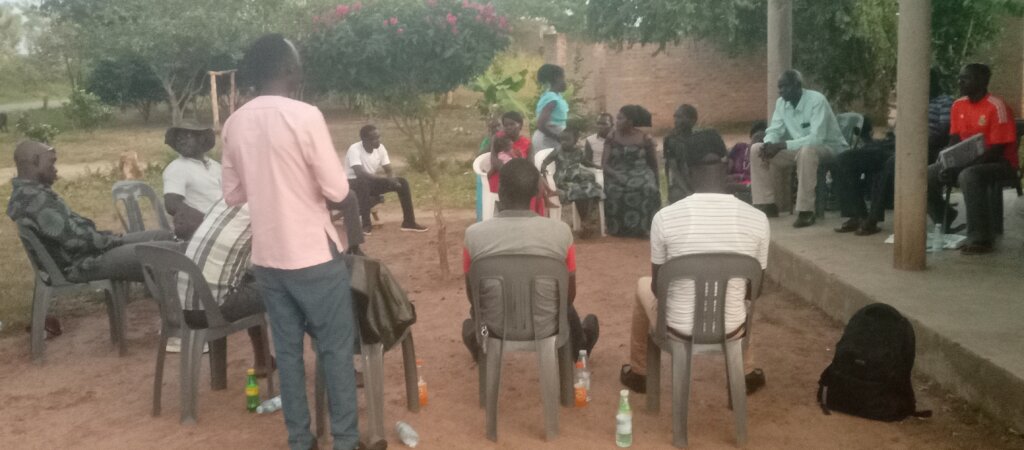
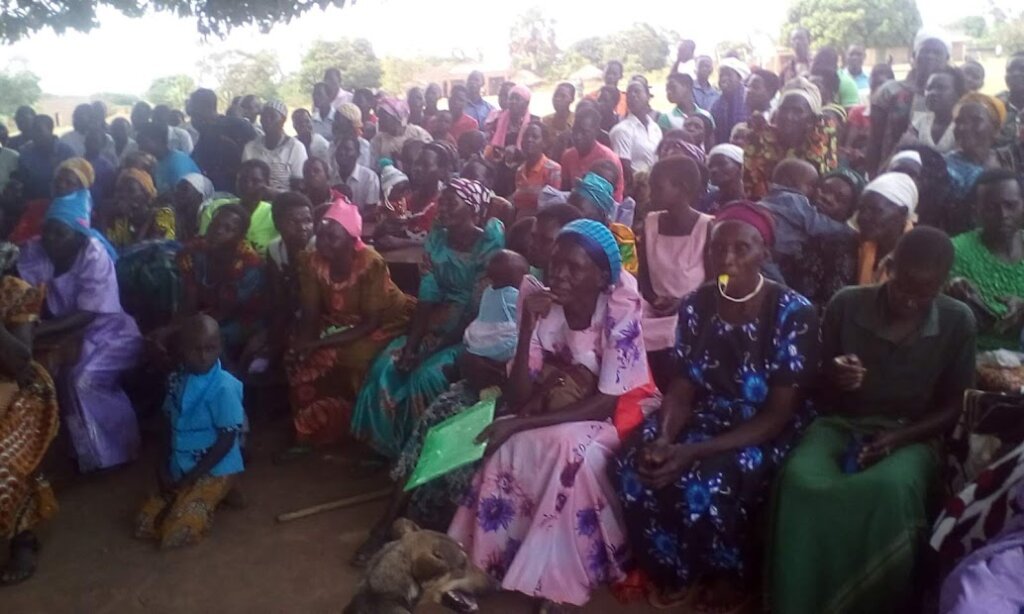
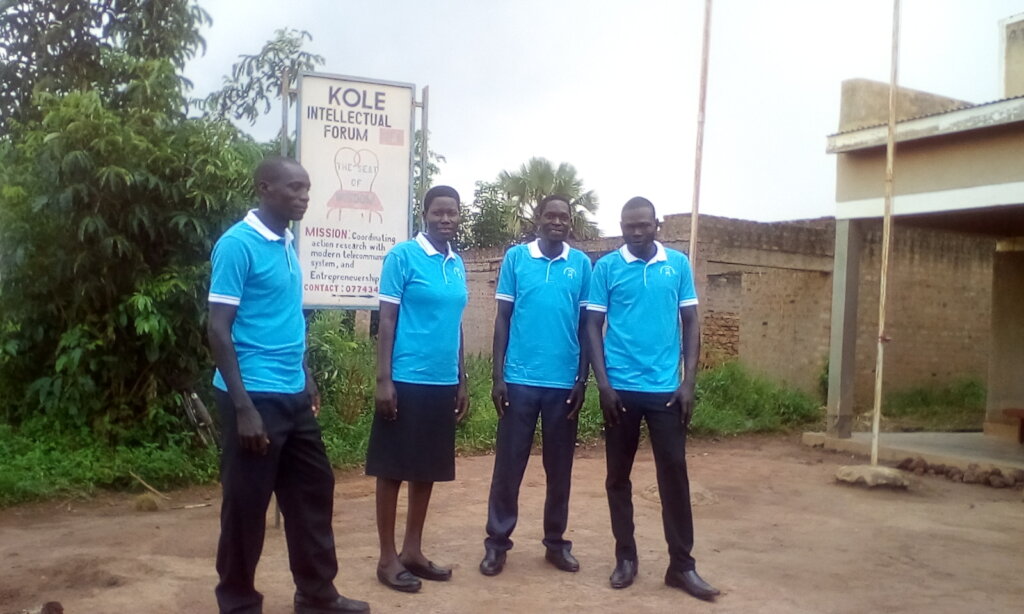
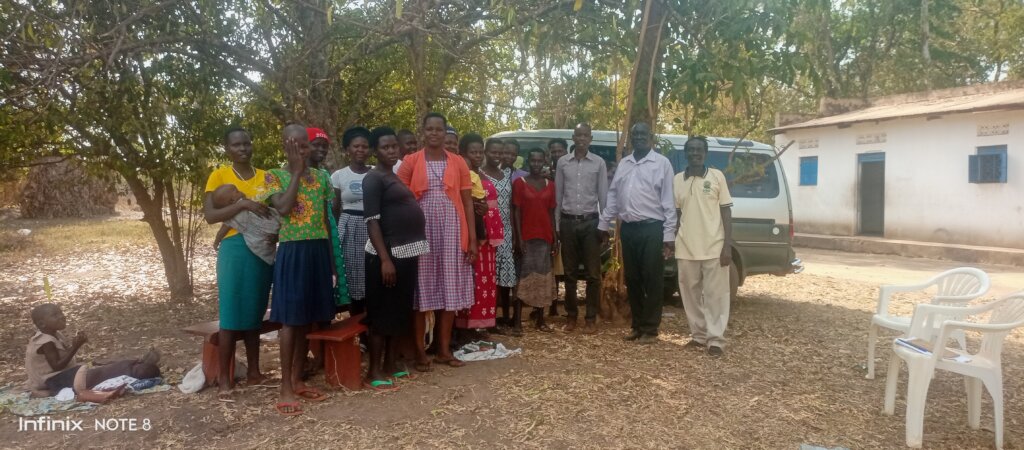
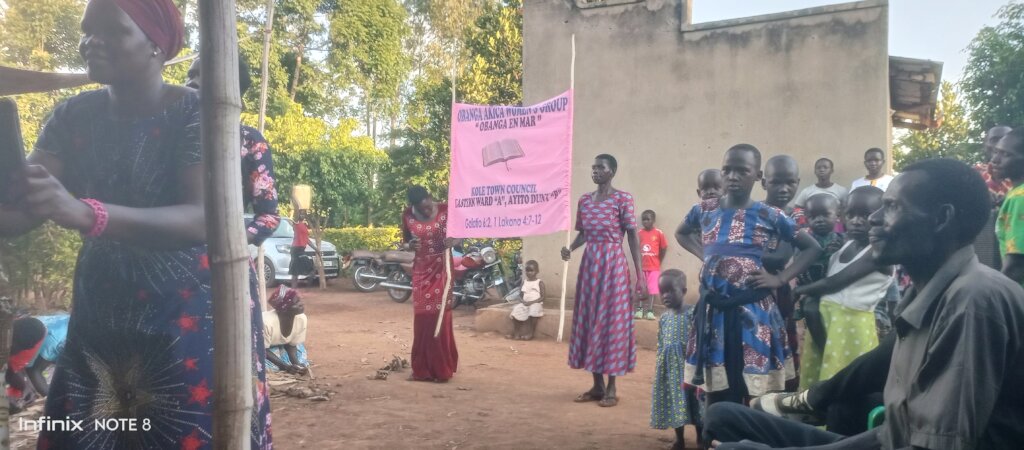
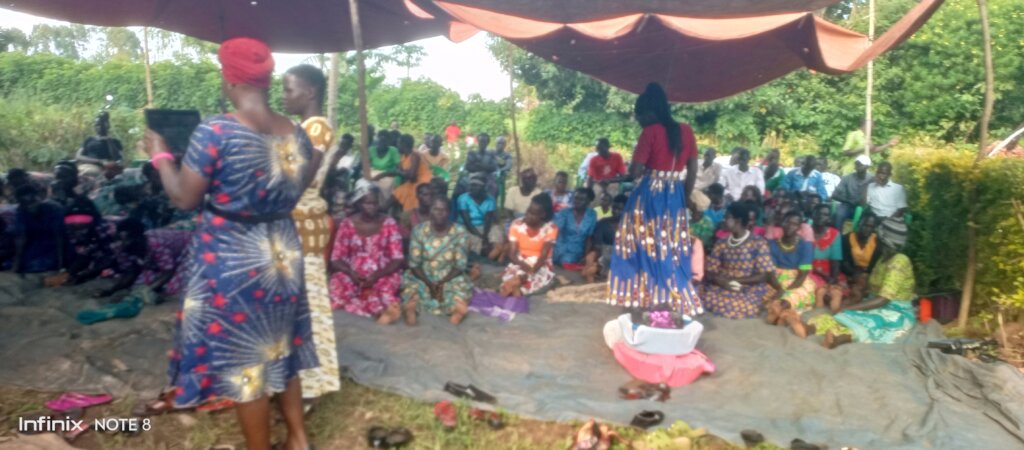
Since the establishment of Kole Intellectual Forum in 2016; the organization has realized that: community engagement is such an important tool and device that can keep them moving on and on.
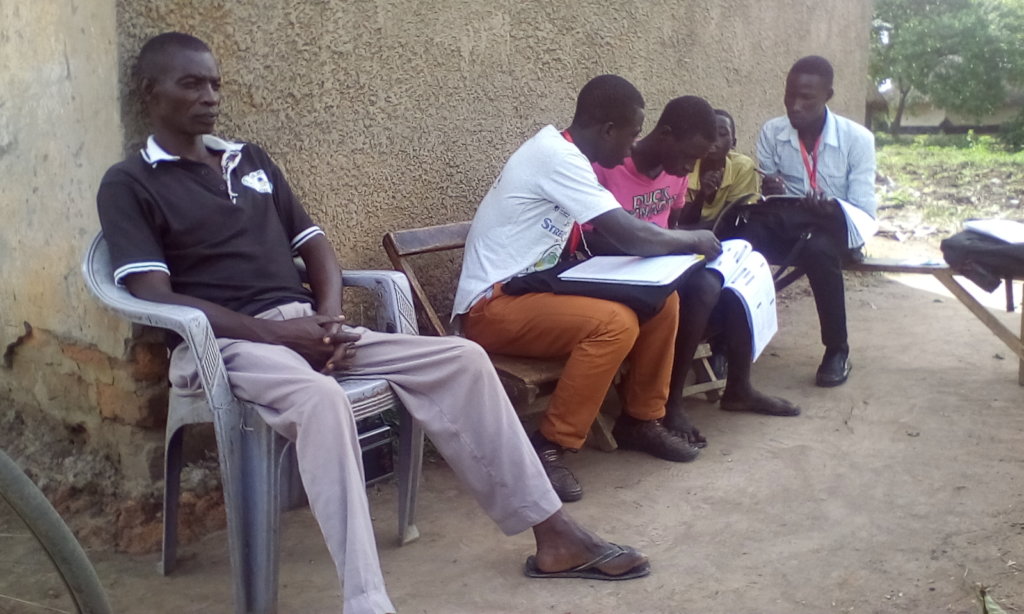
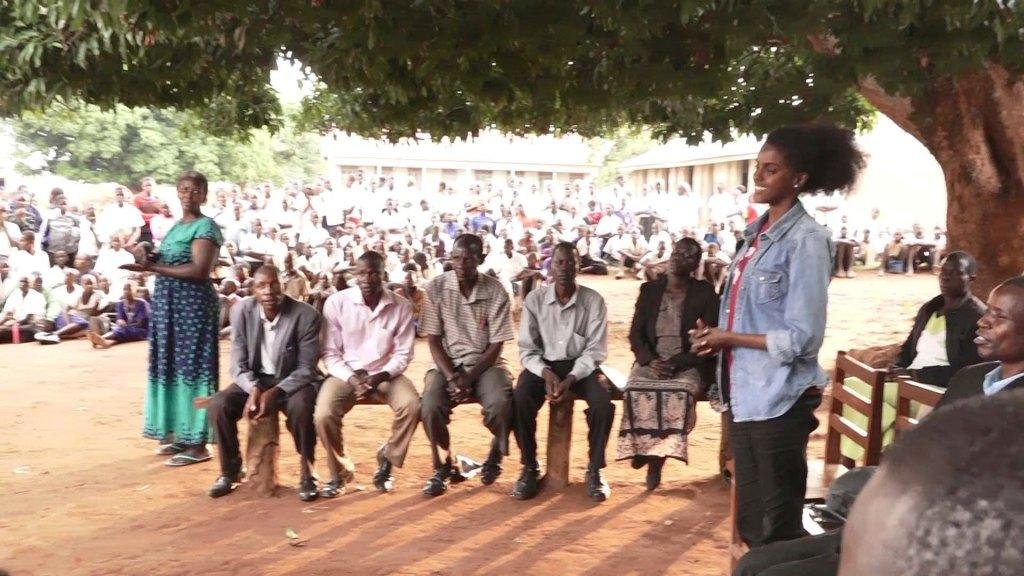
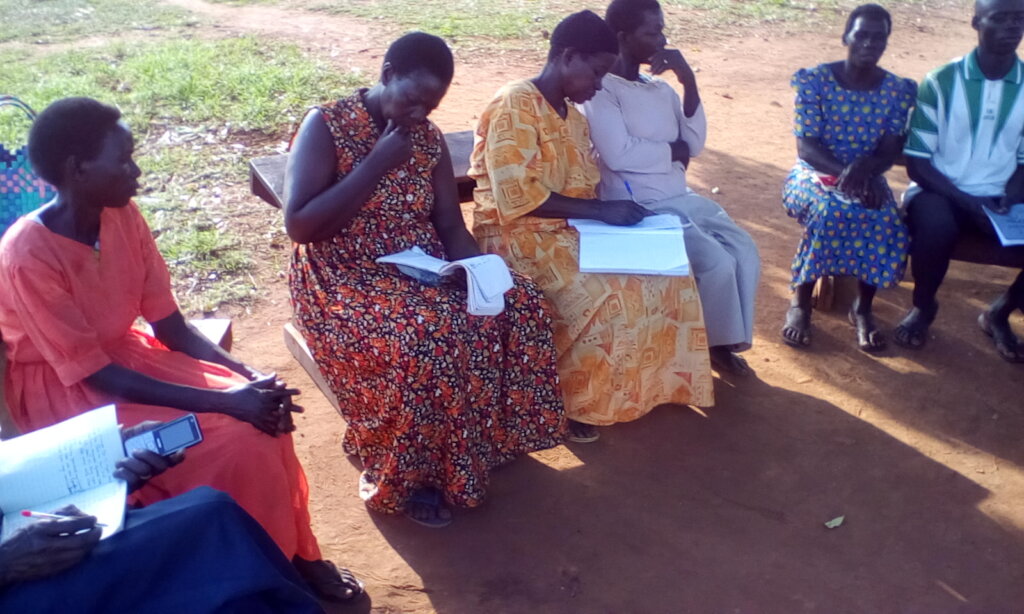
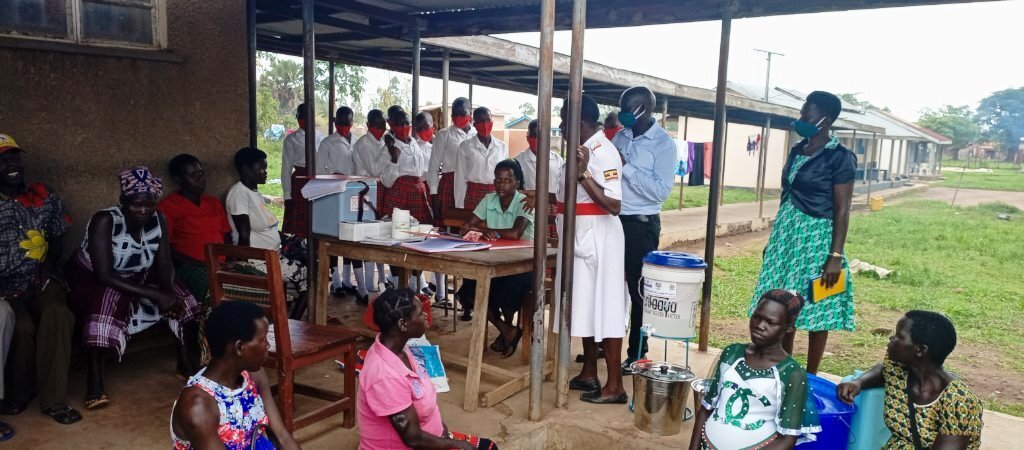
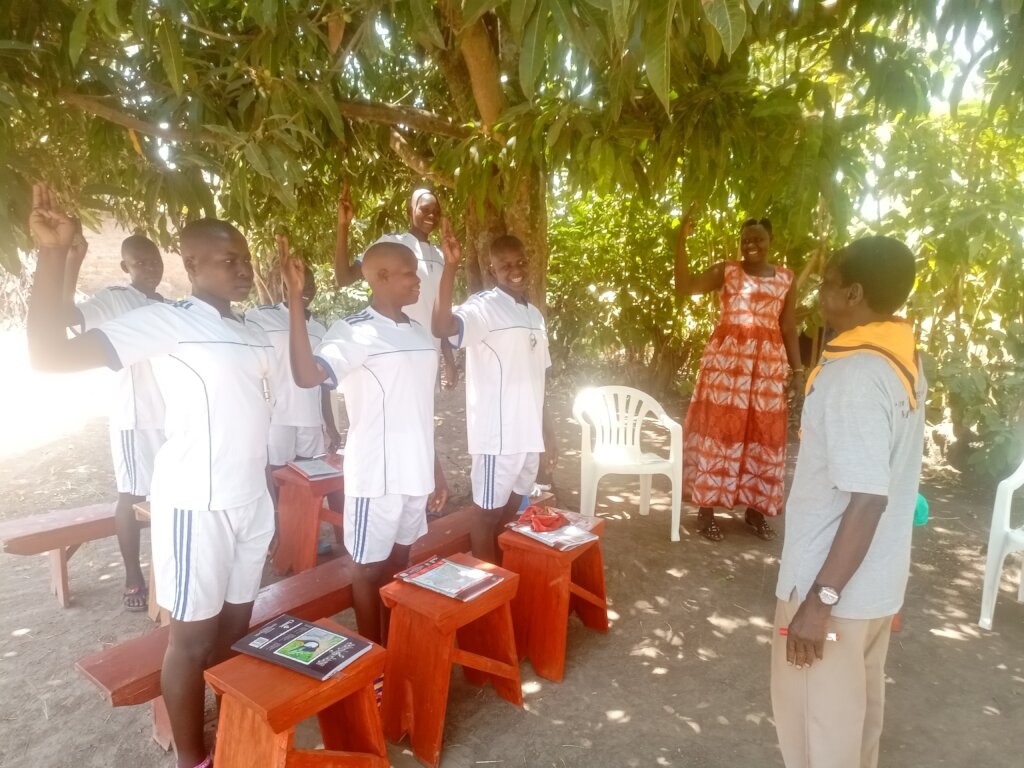
Kole Intellectual Forum, has found out that: for the purposes of making their projects to be a relevant, effective, and sustainable to their society; they have called on to the community engagement within their project design; and draw the programs that shoots on their real demands or needs.
ese community involvement are drawn for the purposes of the following reasons:
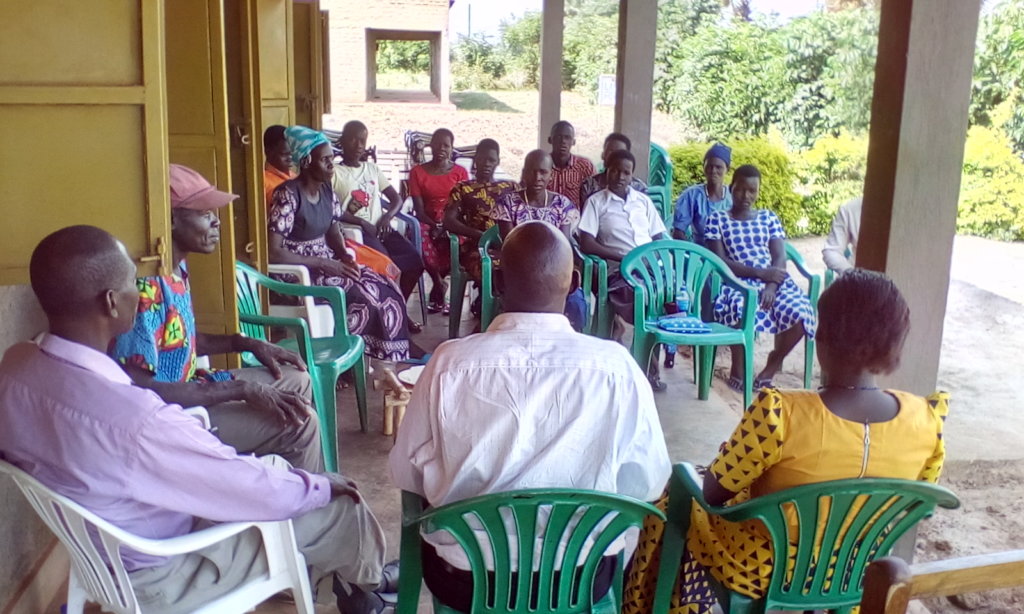
- Increased Relevance and Appropriateness: Local communities possess intimate knowledge of their own needs, priorities, resources, and cultural nuances. By engaging them, KIFA ensures that, the projects address real issues and are designed in culturally appropriate ways.
- Sustainability and Ownership: KIFA believes that, when community members are involved in planning and implementation, they develop a sense of ownership over the project outcomes. This increases the likelihood that activities and benefits will continue long after the NGO's direct involvement ends.
- Improved Effectiveness and Efficiency: Local input as per se, can lead to more practical solutions and better resource allocation, leveraging existing community networks and assets. This collaborative approach are seen too, as the often results in better overall project success rates.
![Share on Twitter]()
![Share on Facebook]()
Aug 26, 2026
A second Chance of going back to school: KIFA
By George Obua | Project Leader
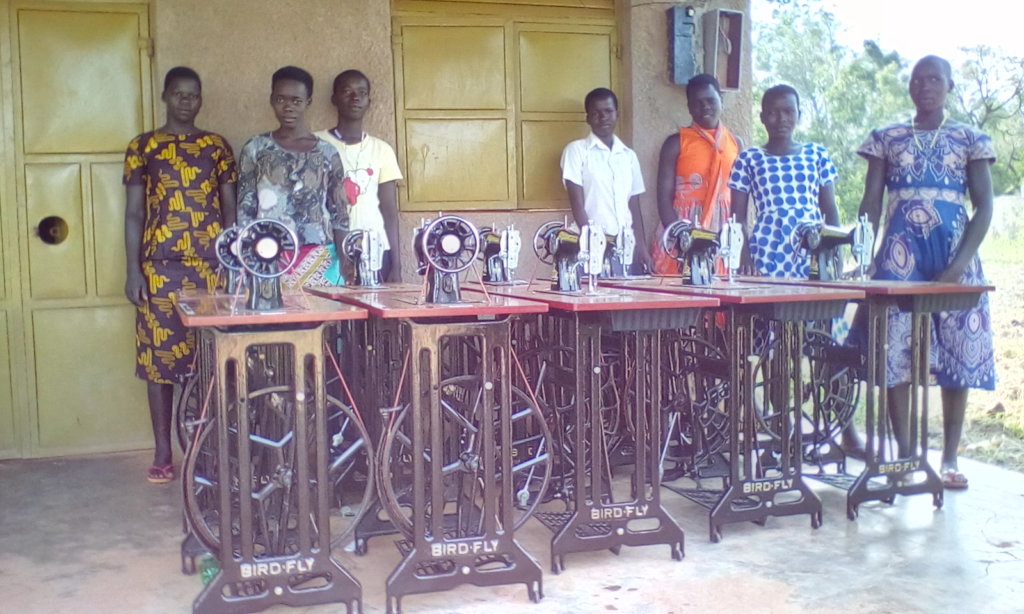
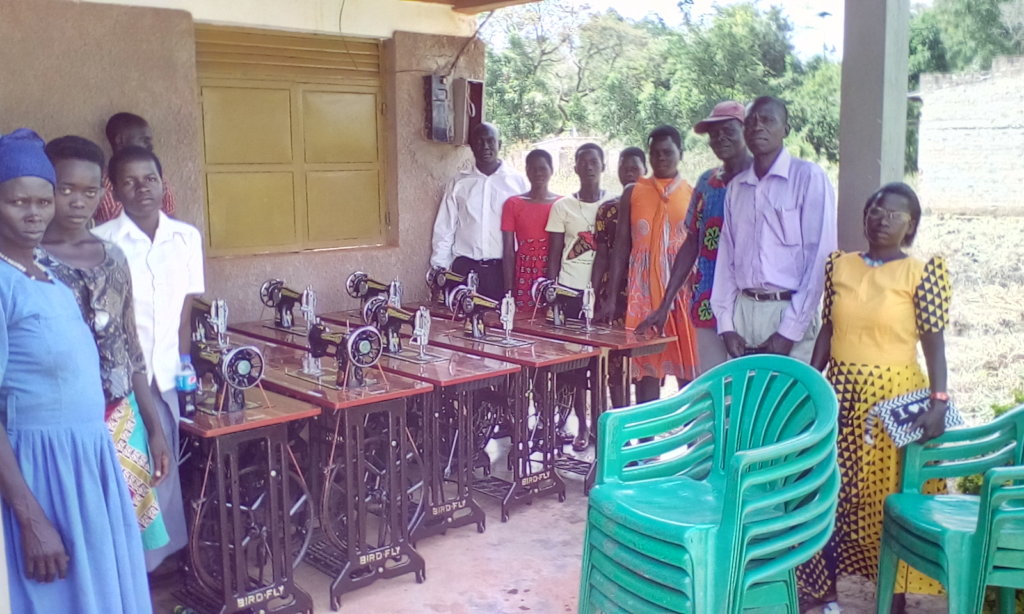
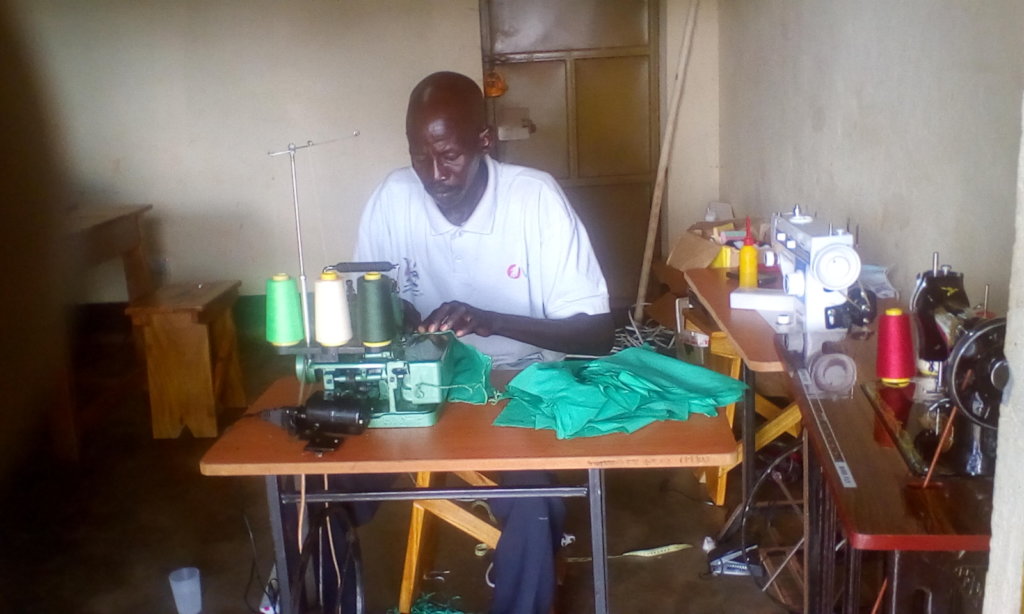
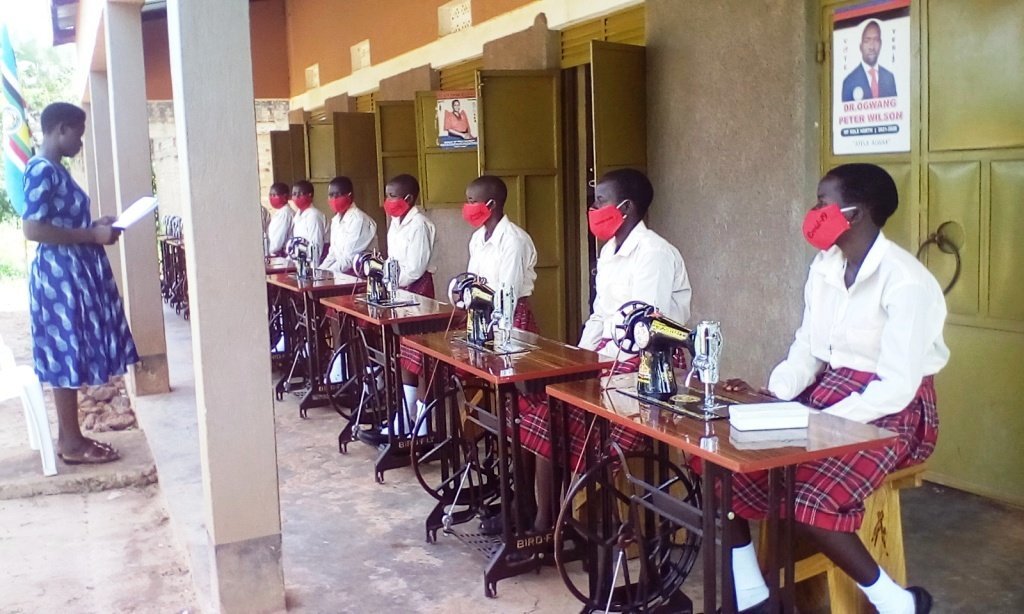
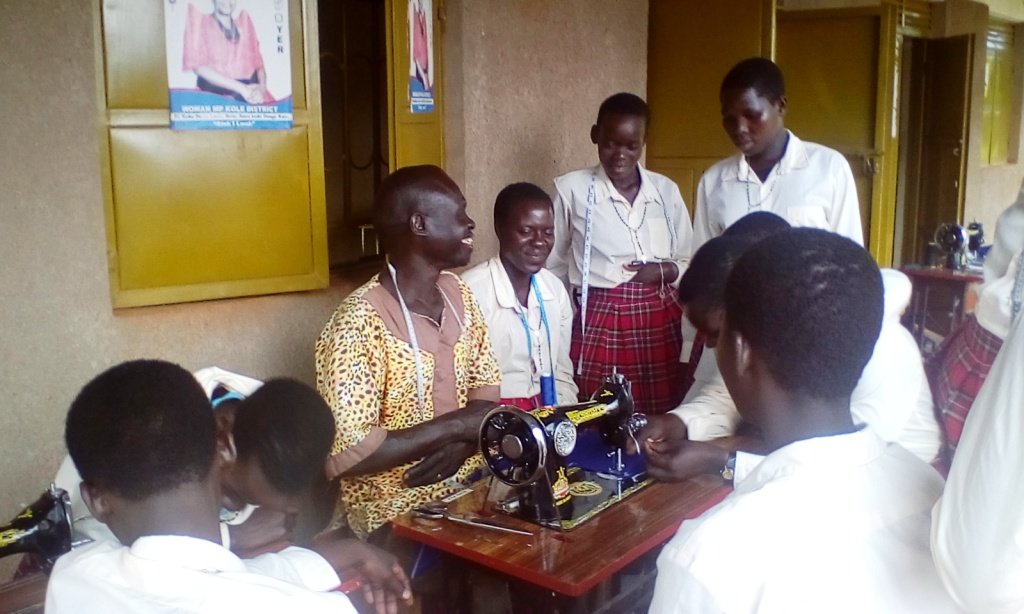
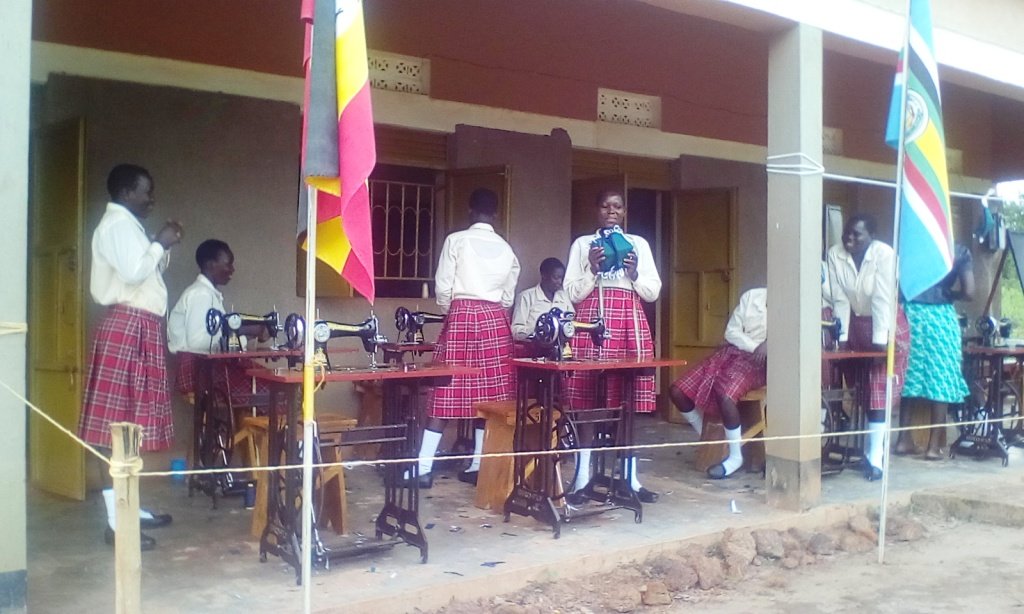
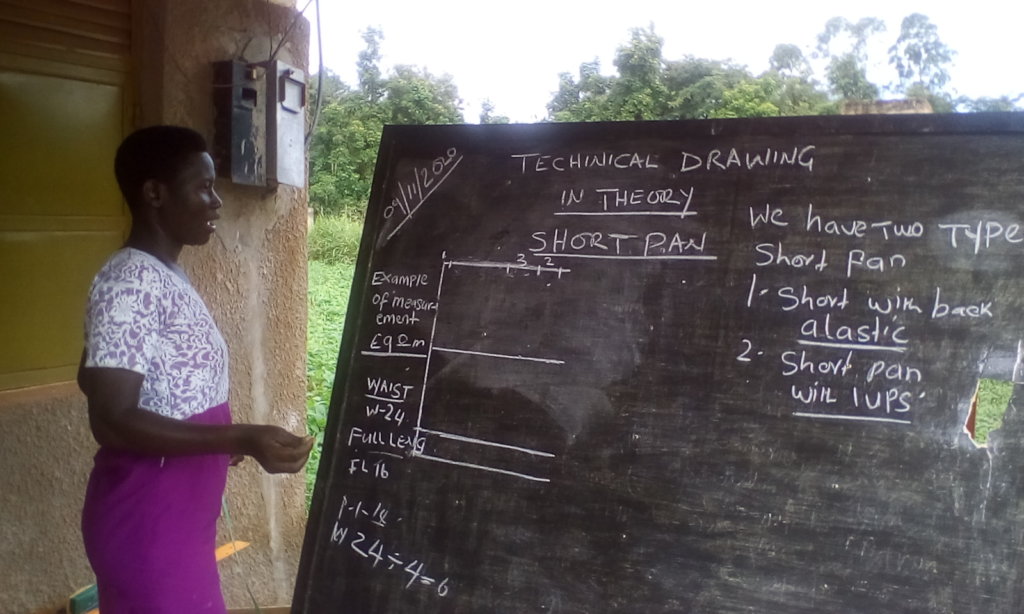
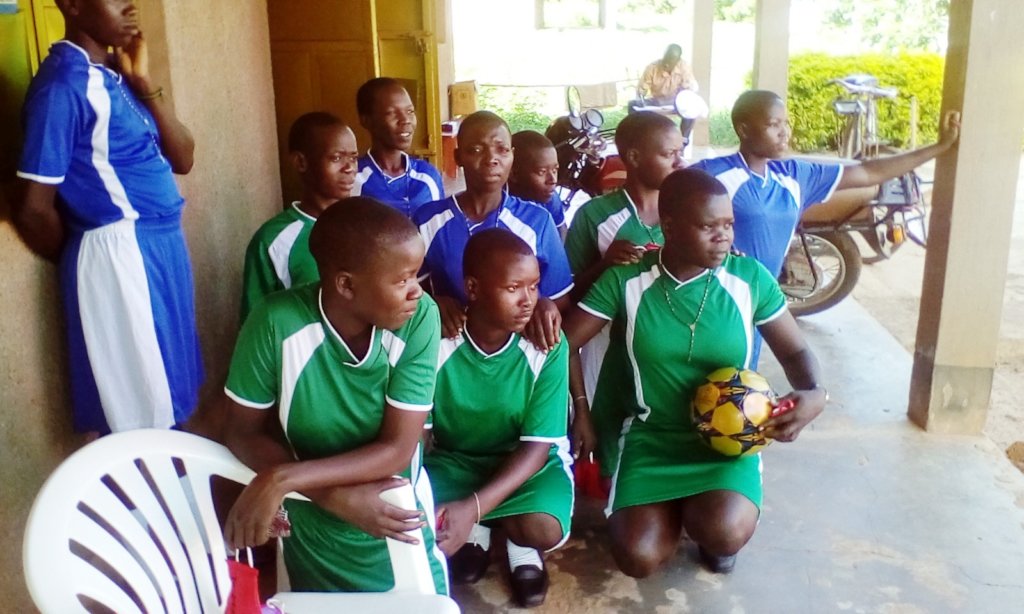
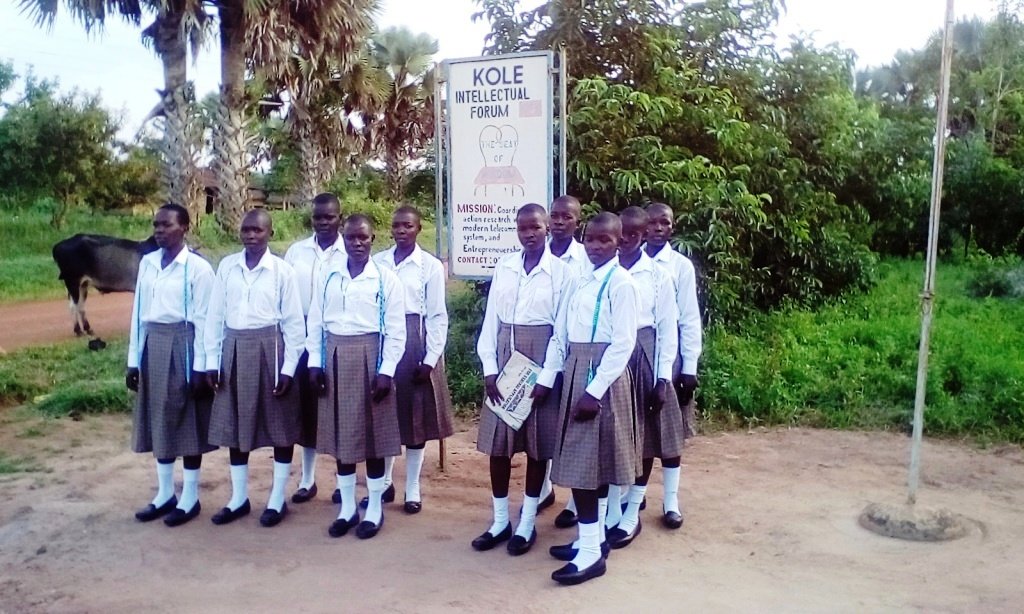
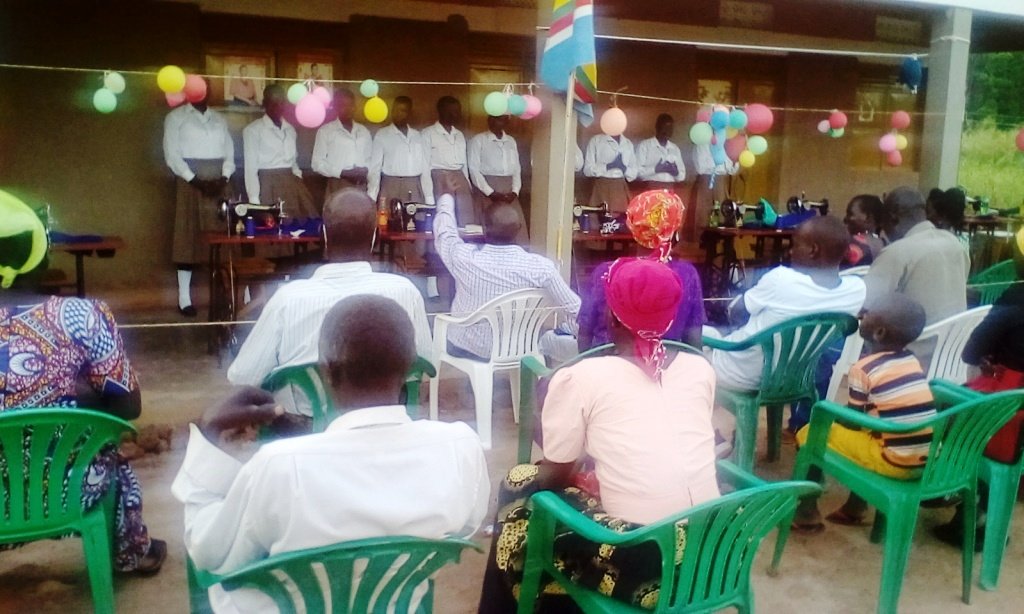
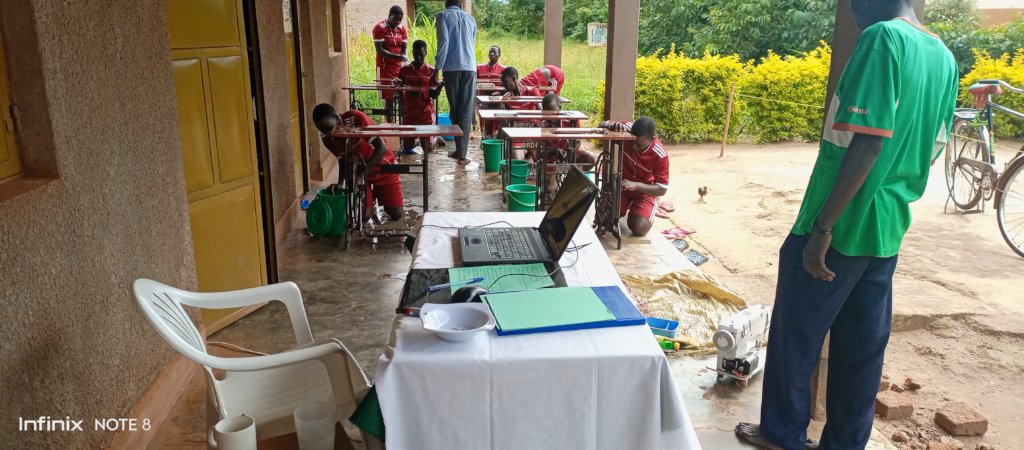
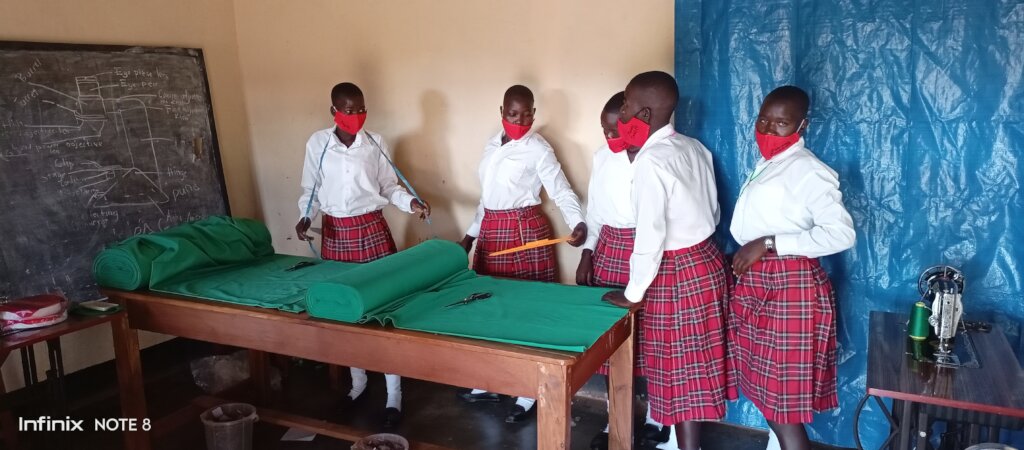
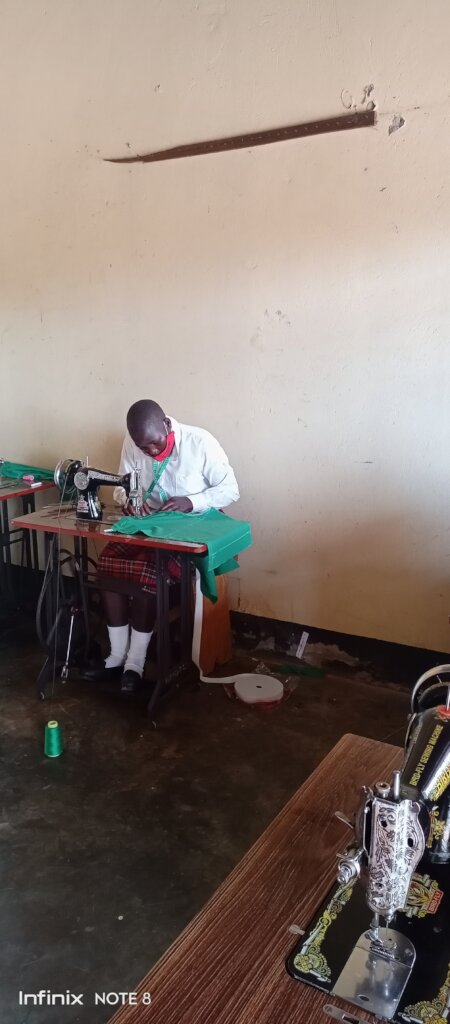
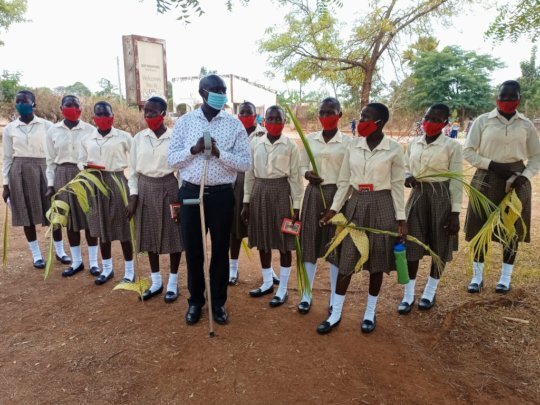
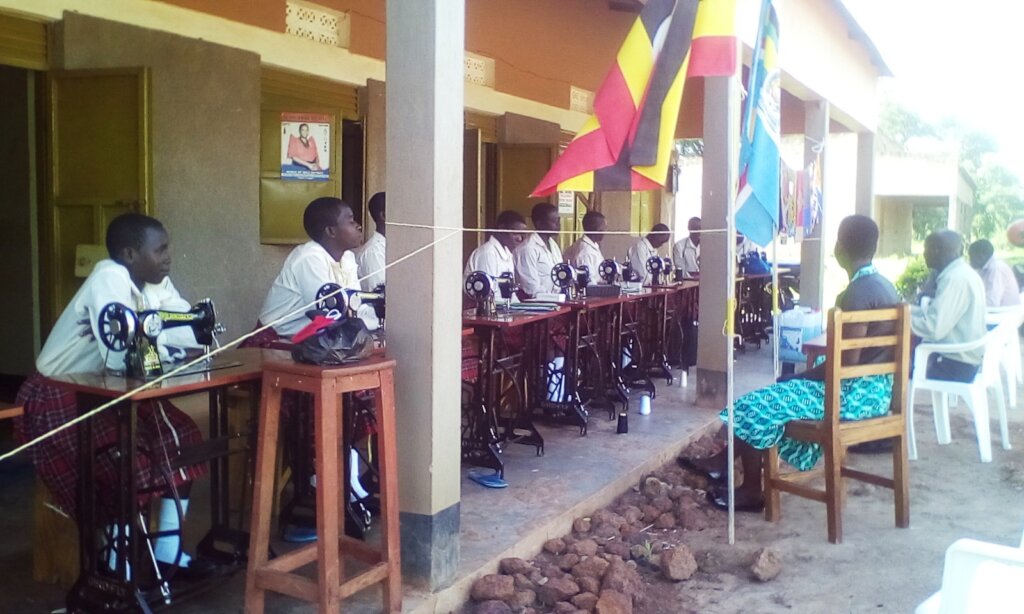
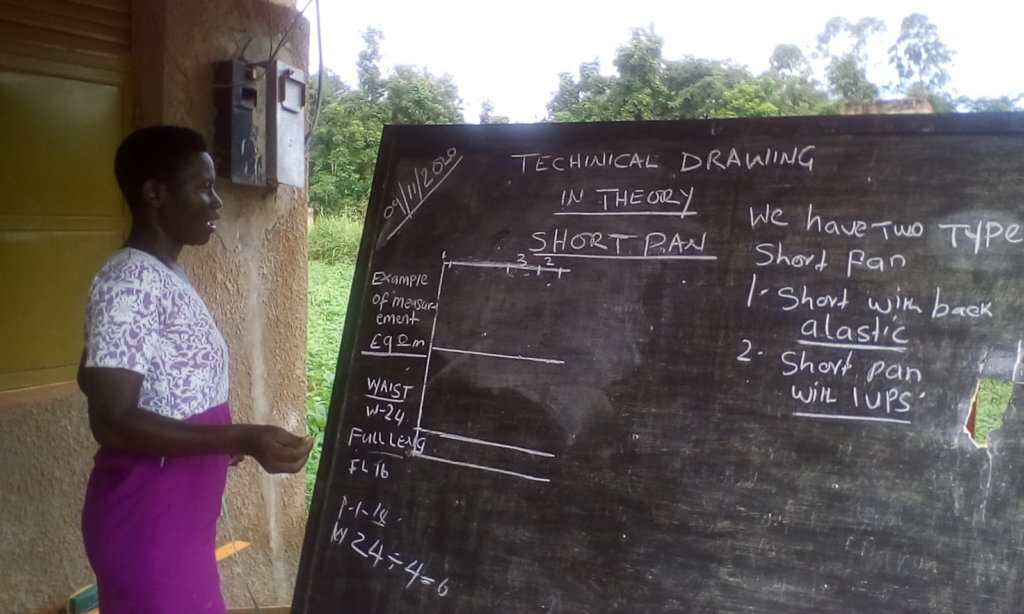
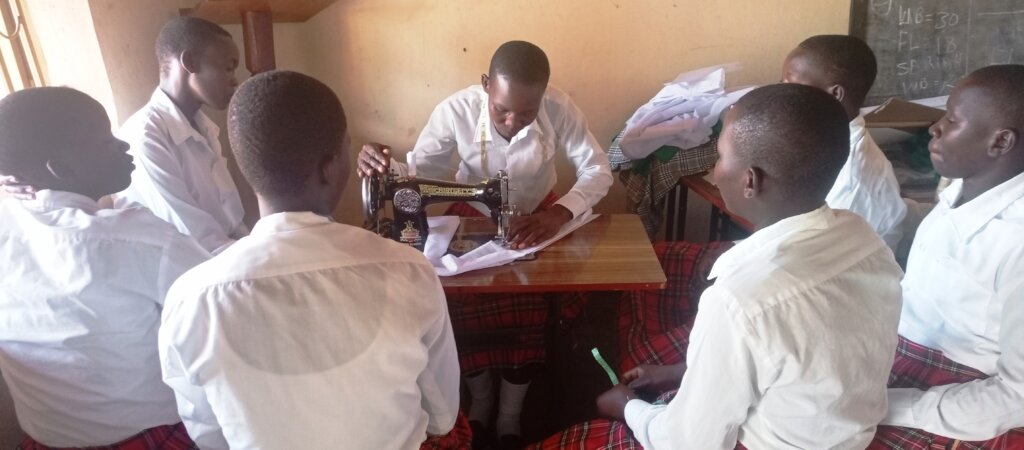
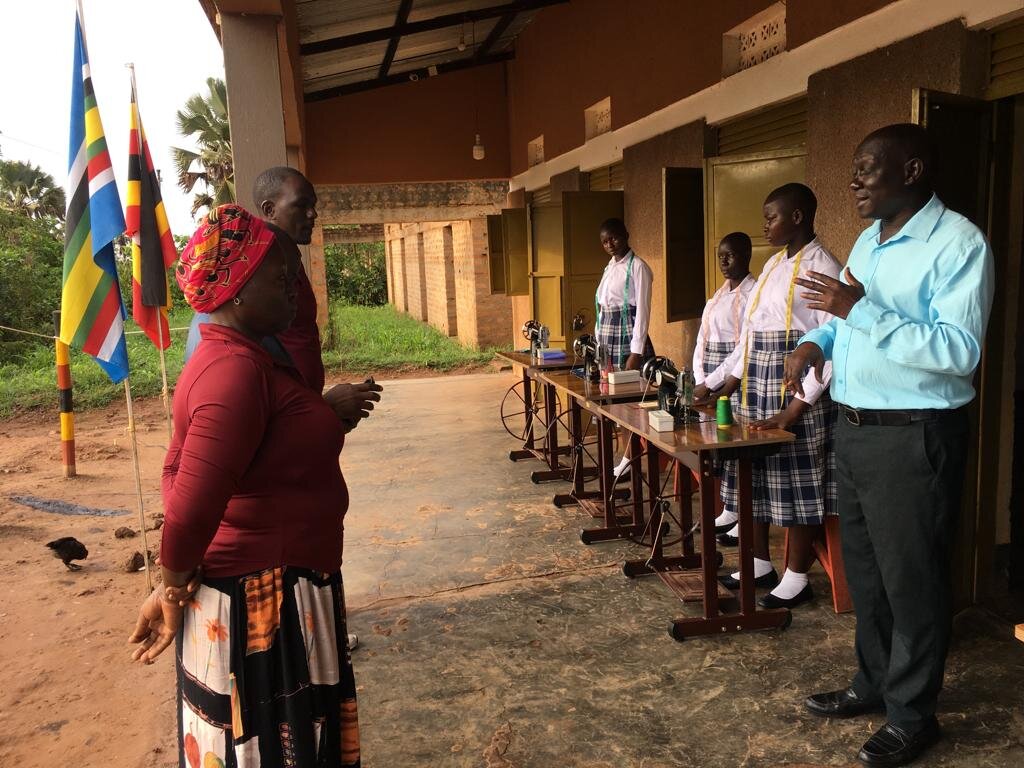
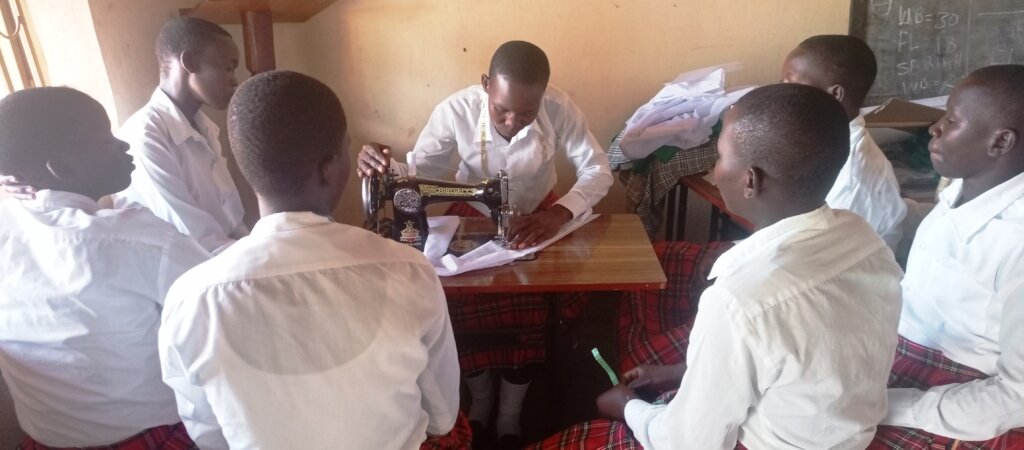
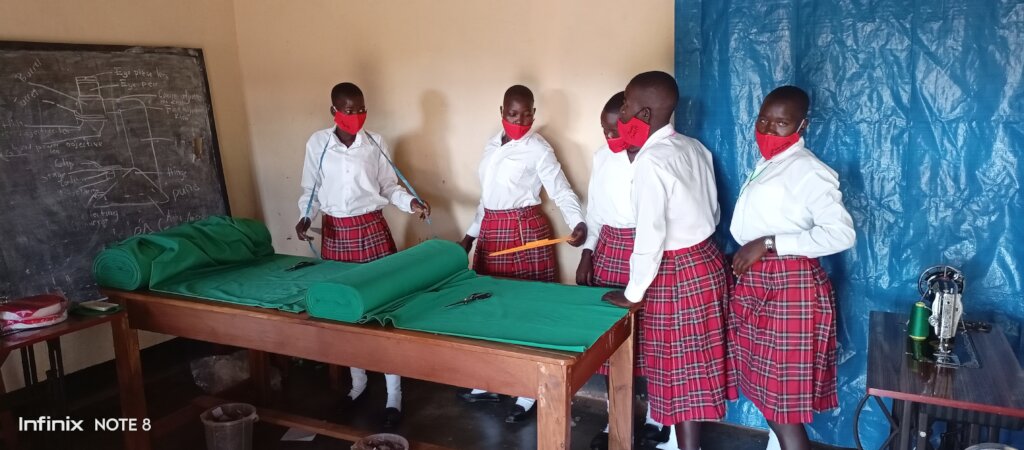
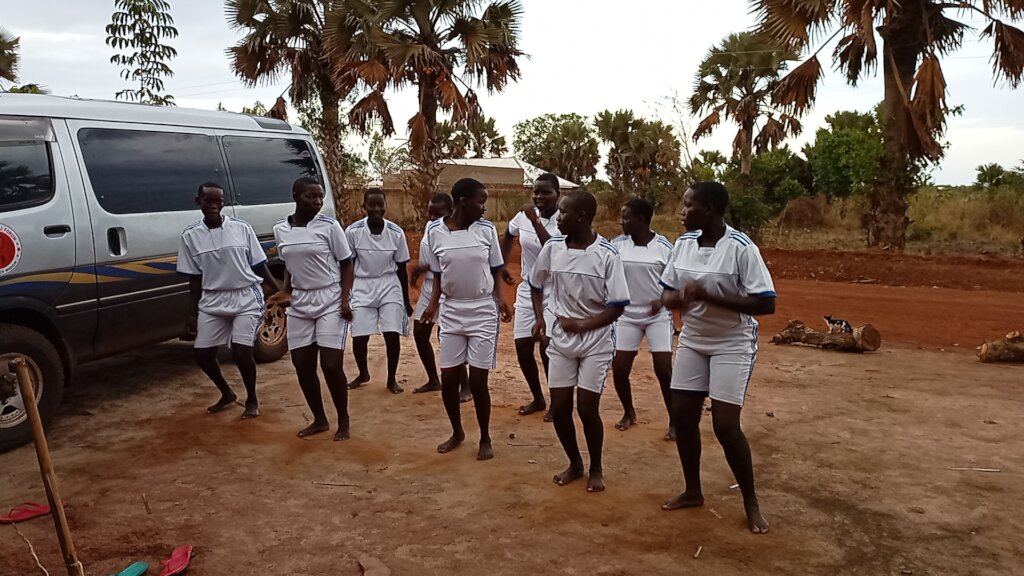
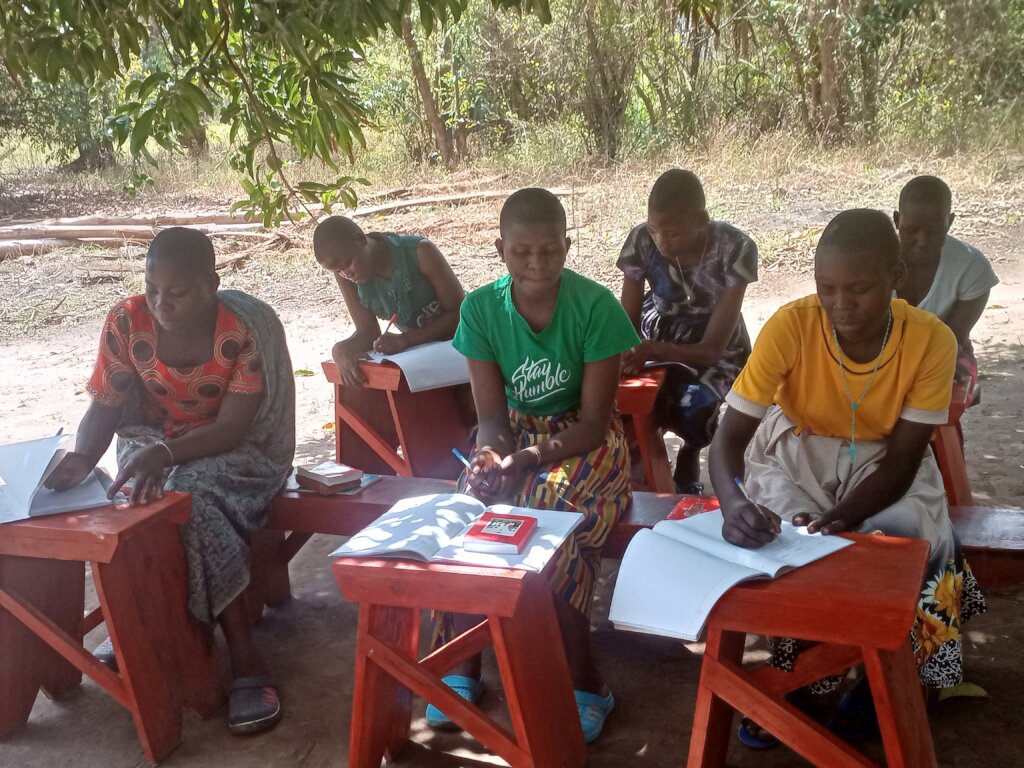
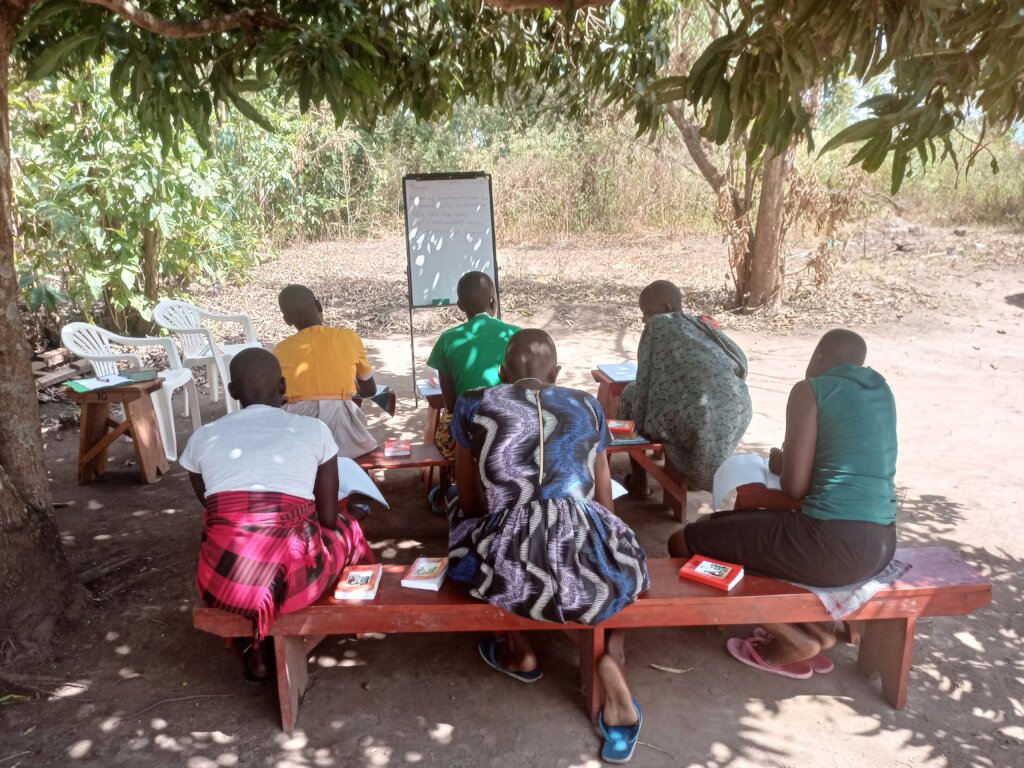
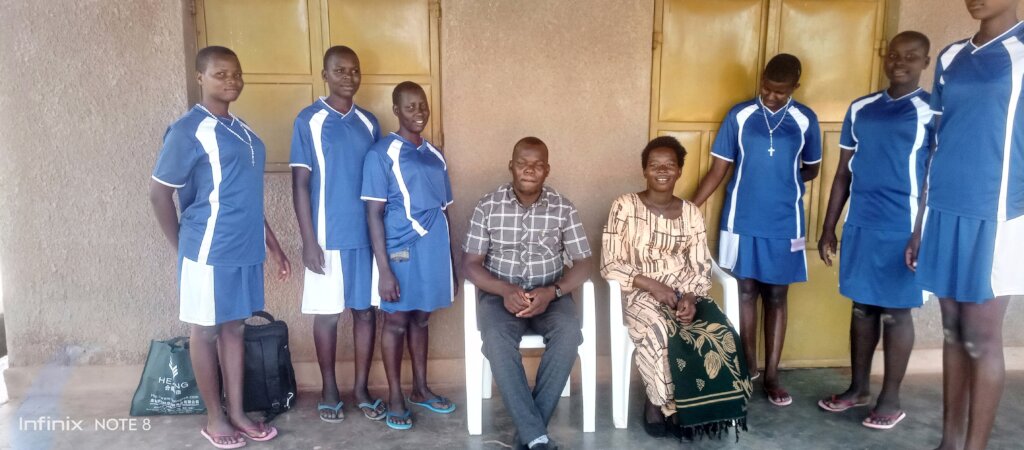
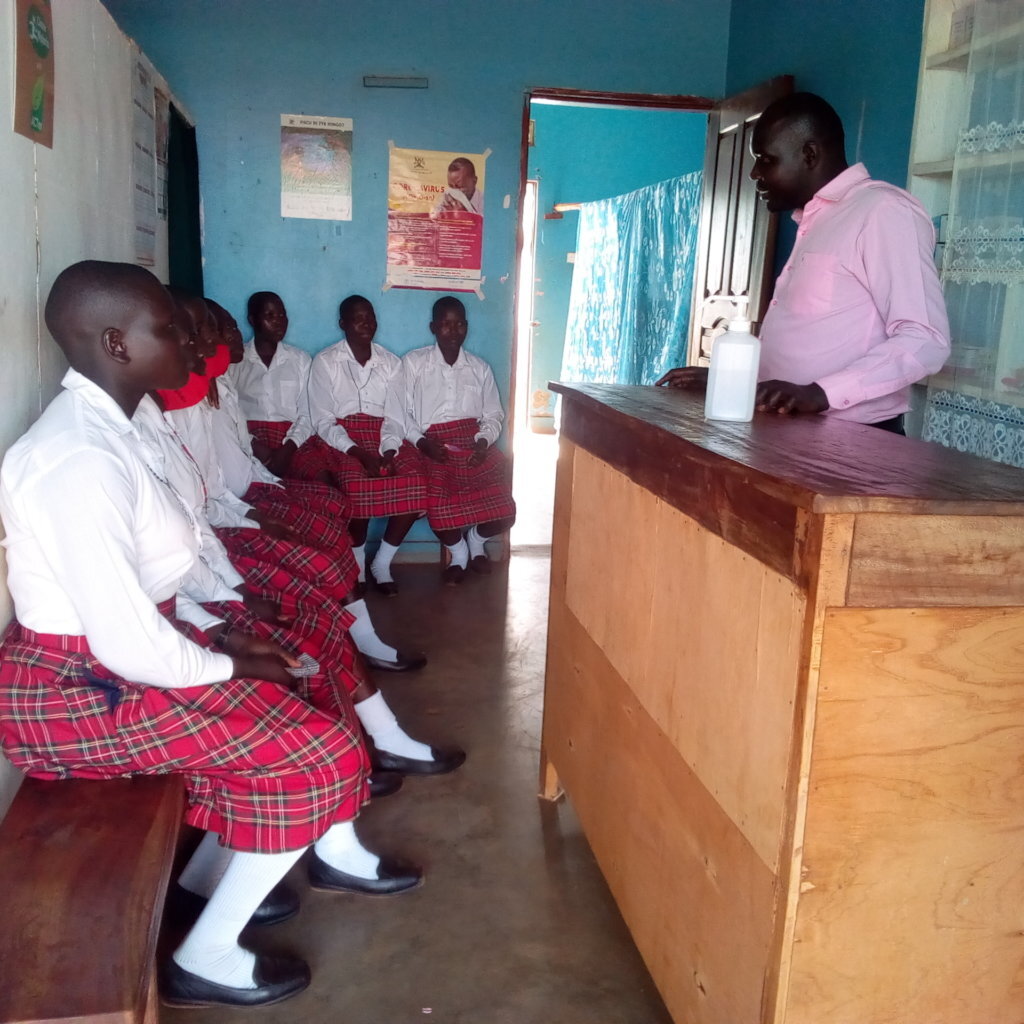
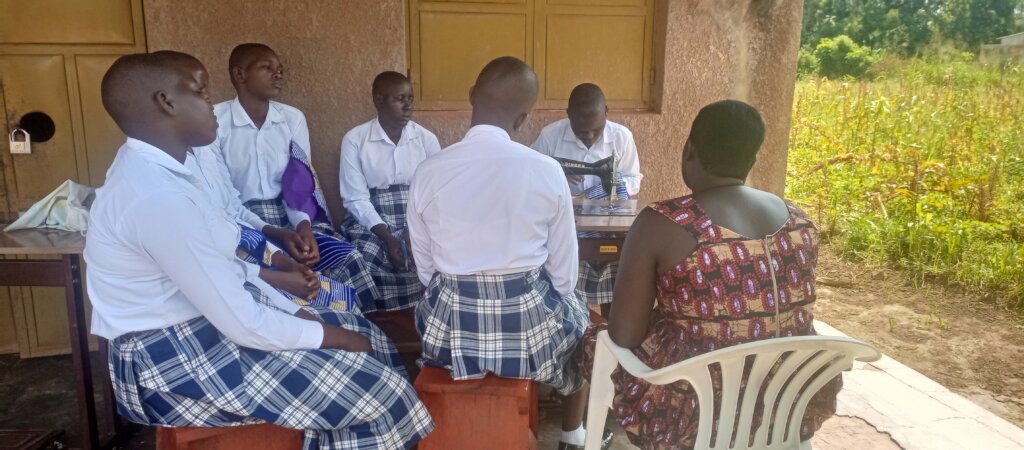
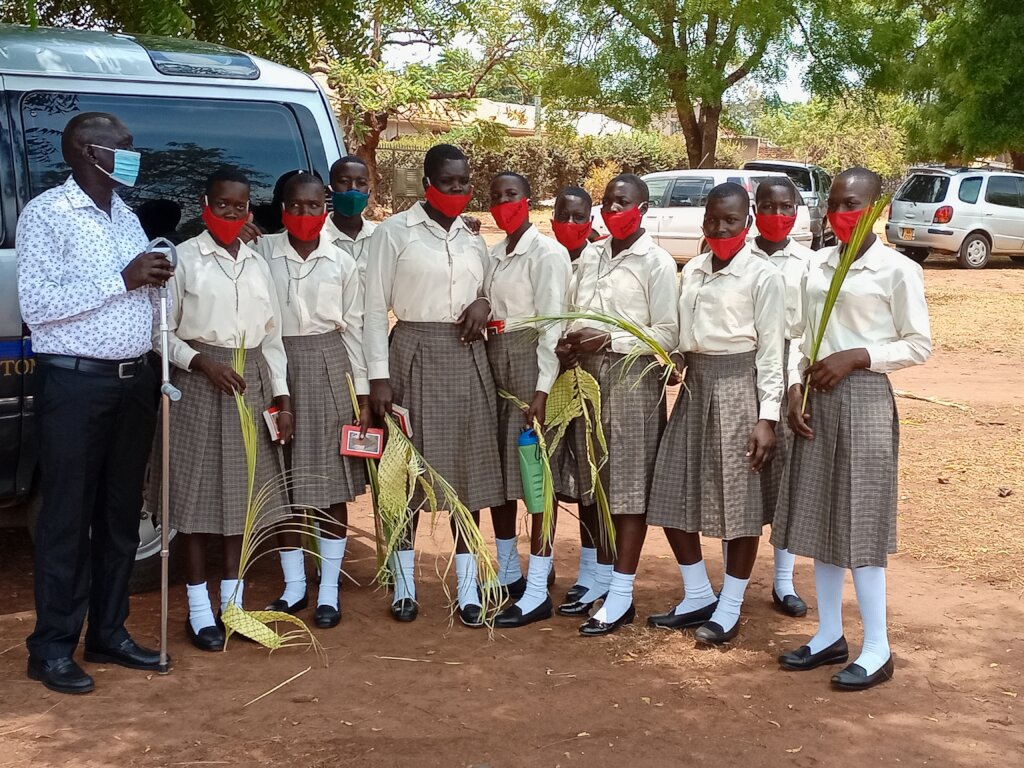
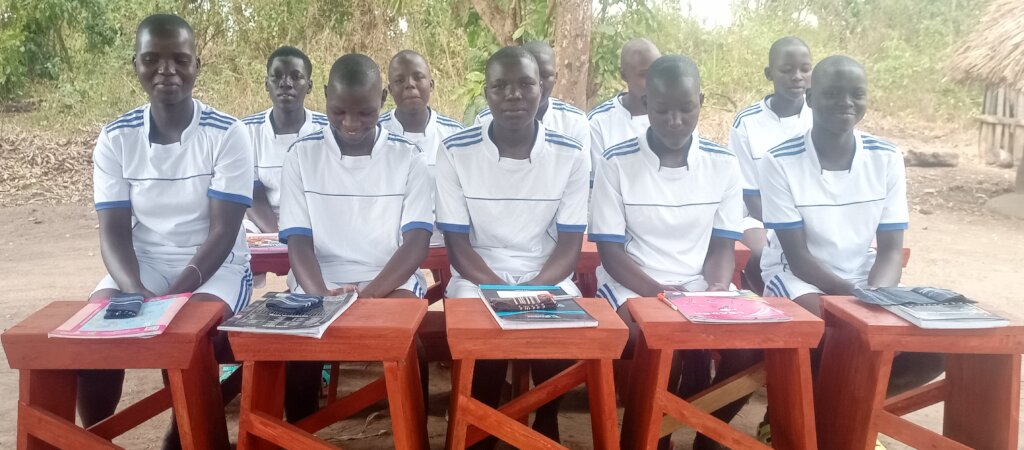
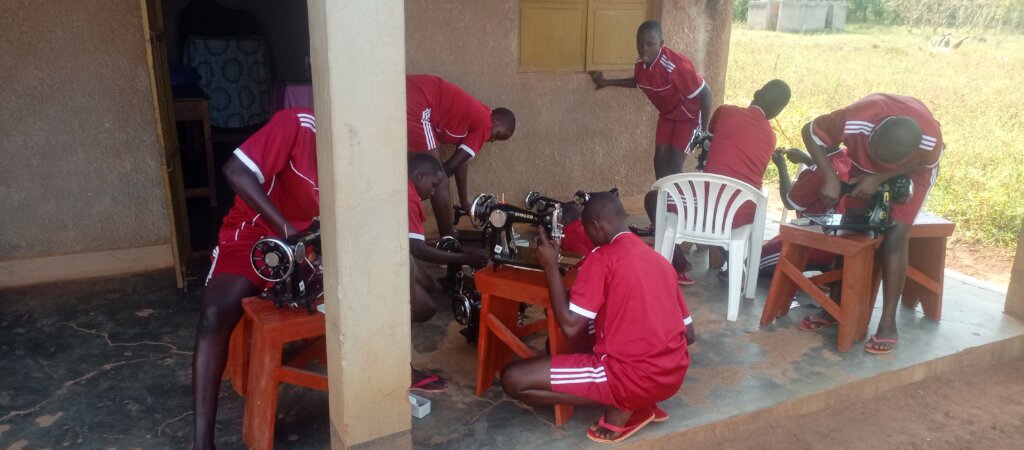
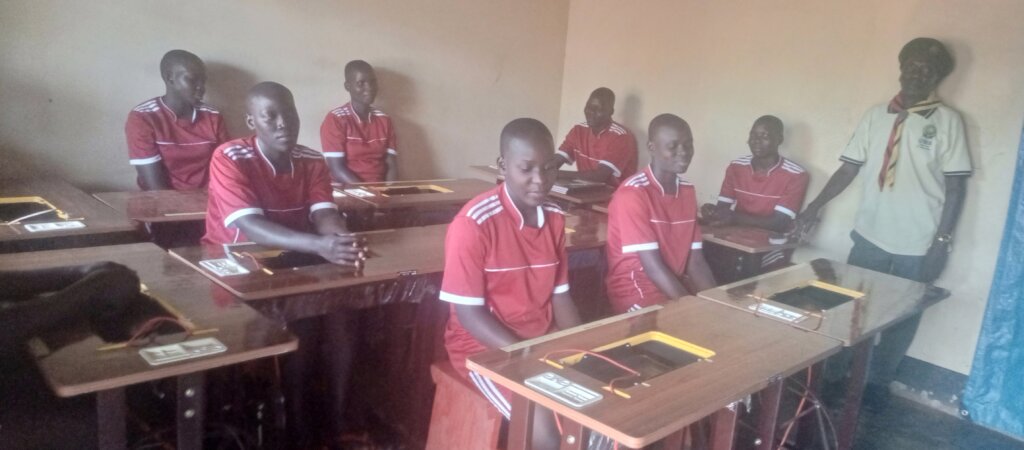
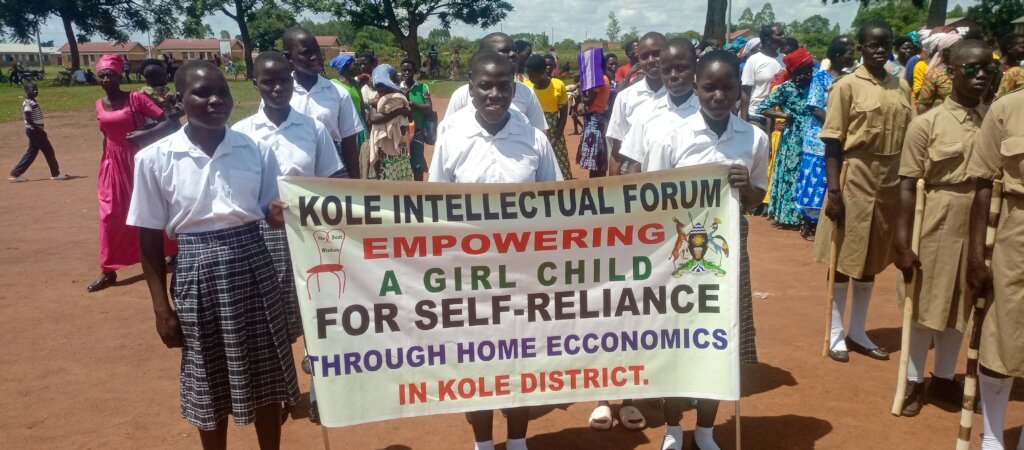
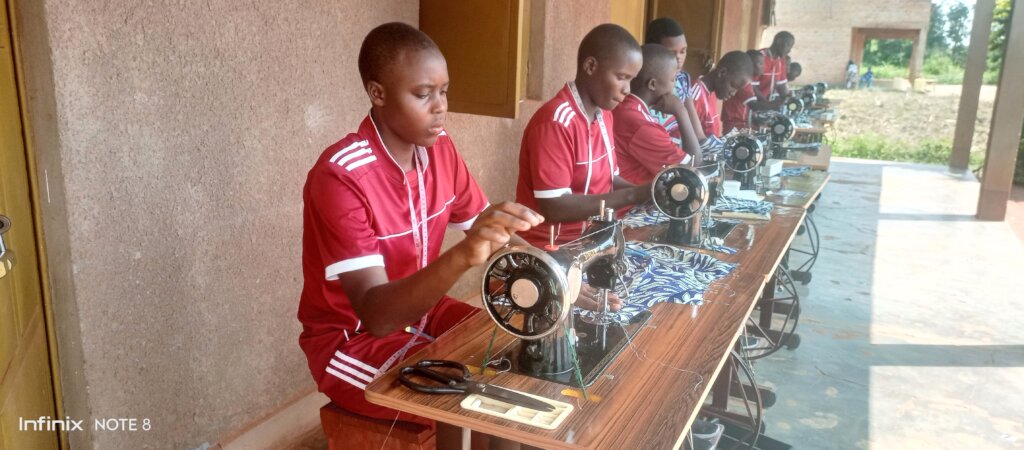
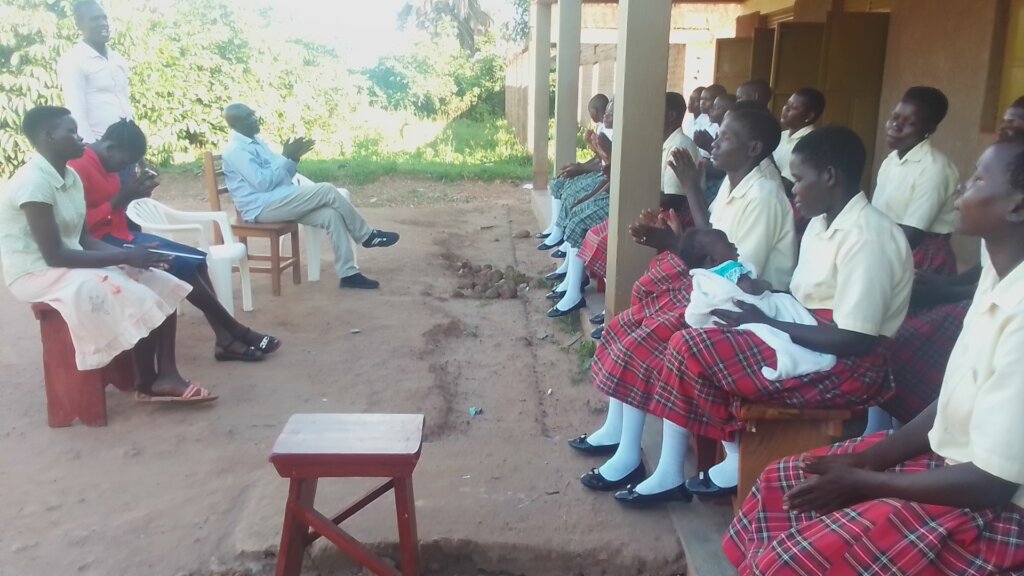
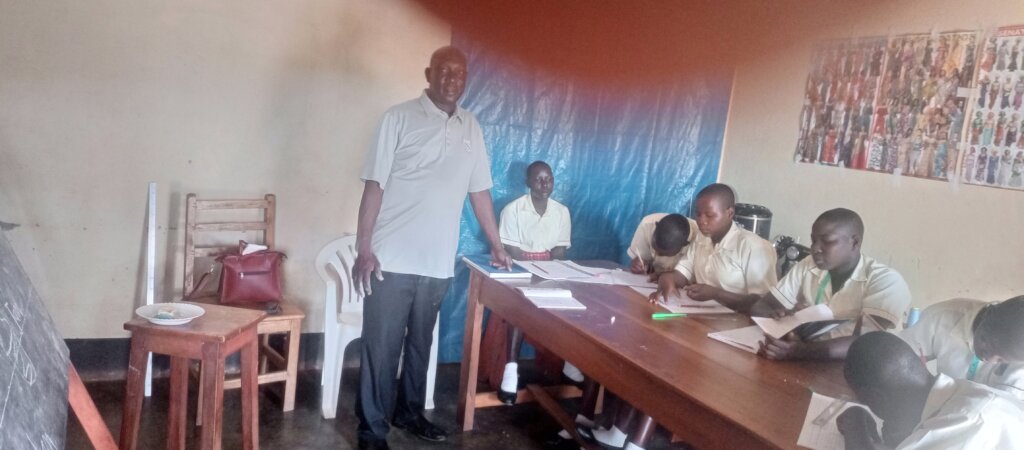
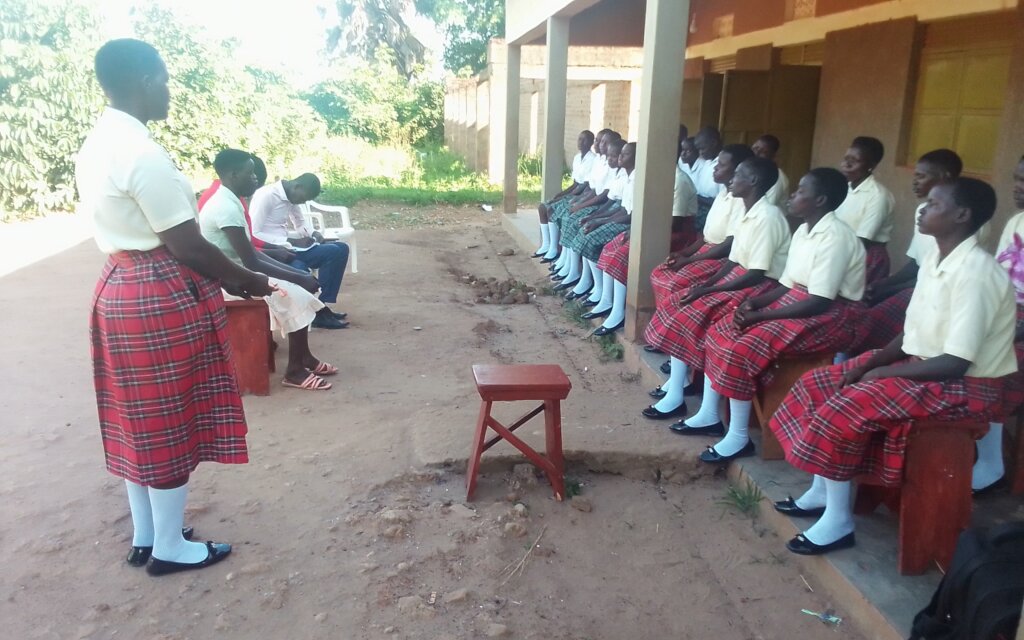
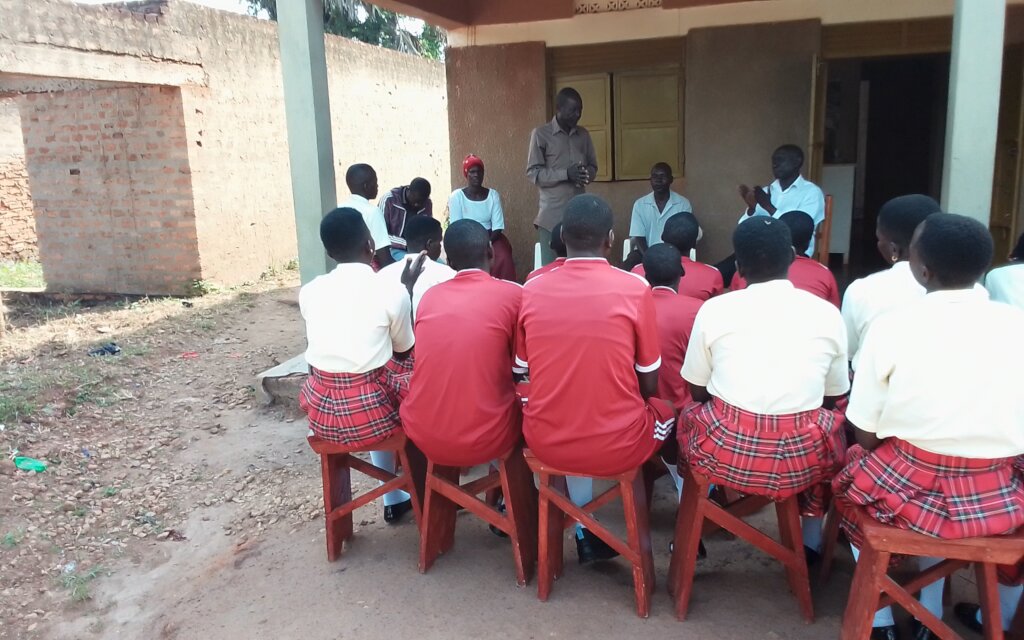
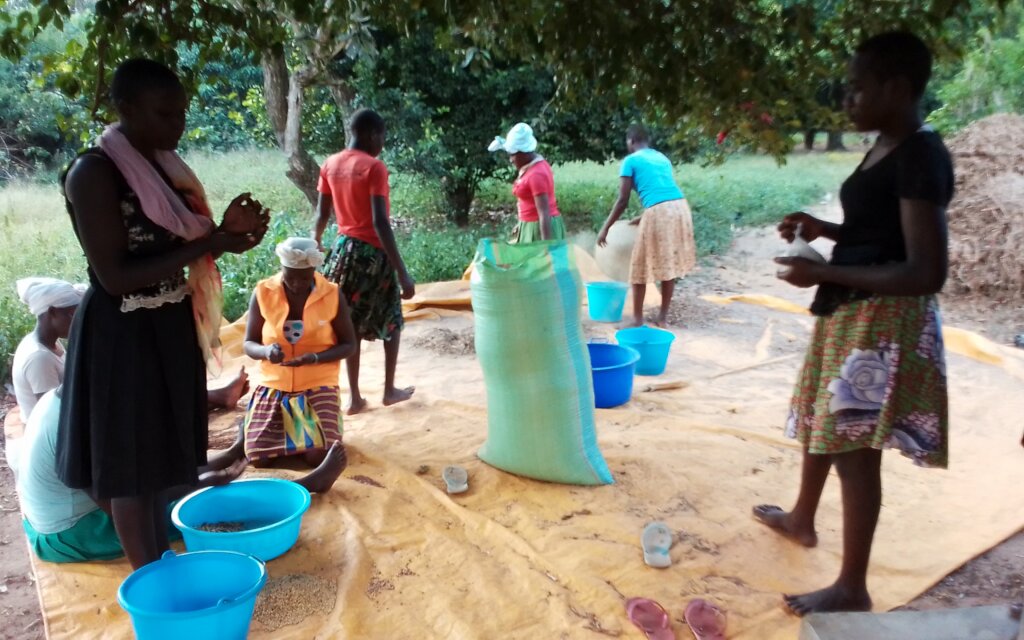
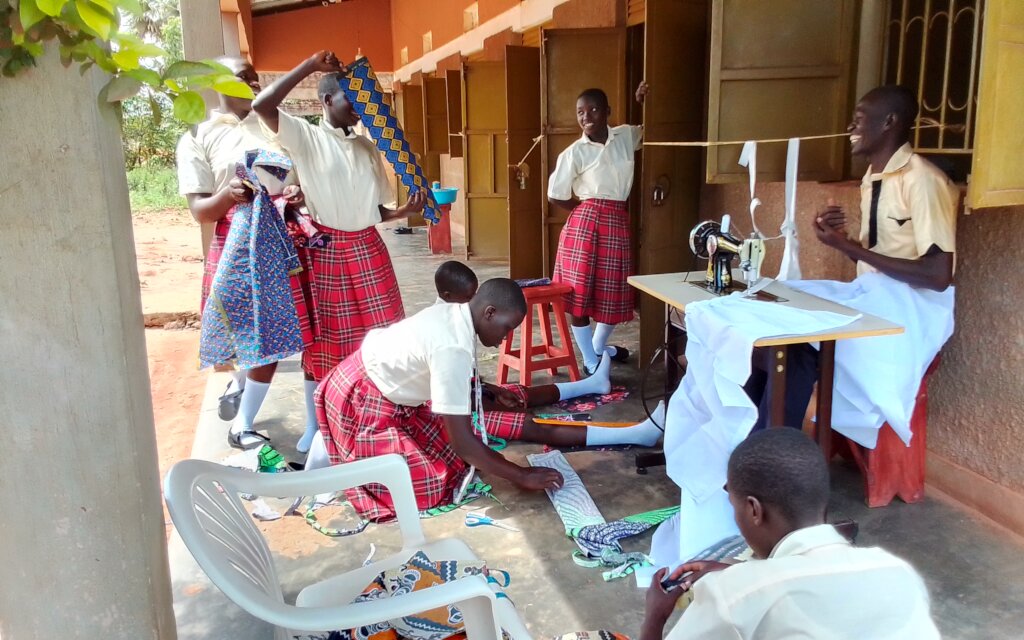
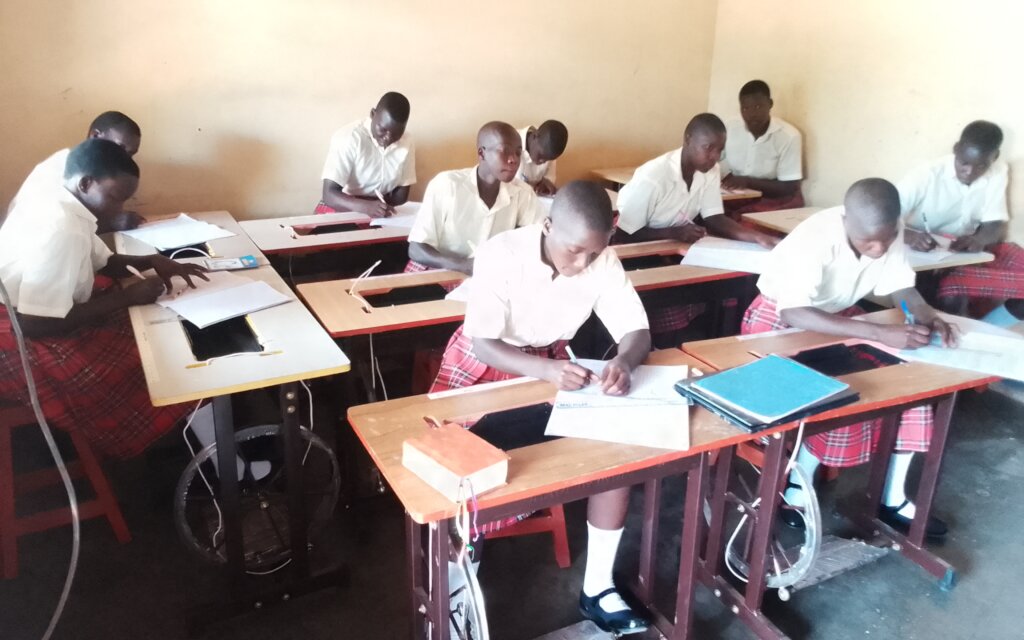
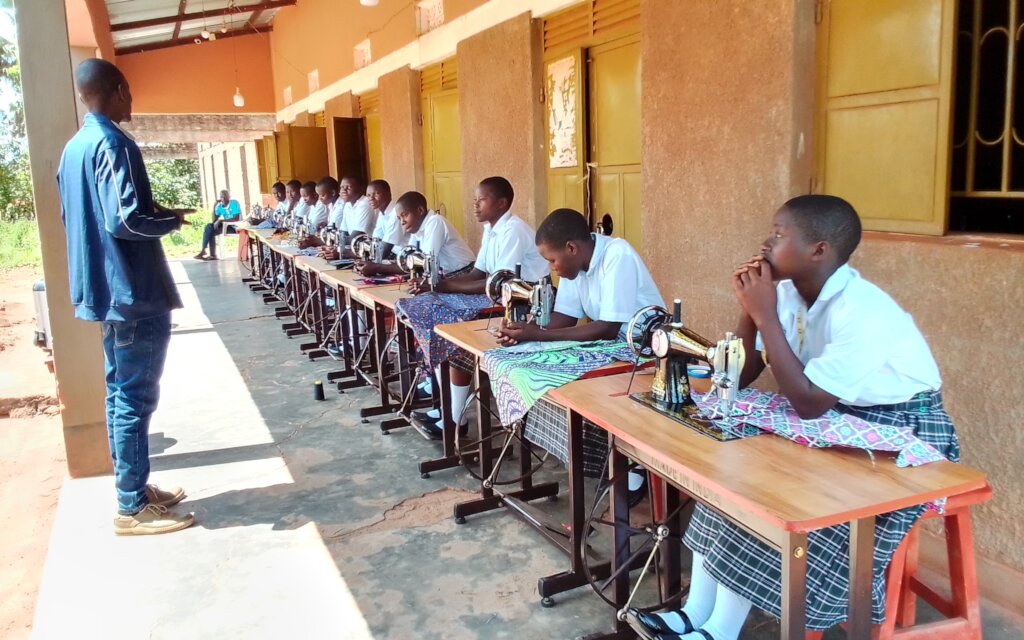
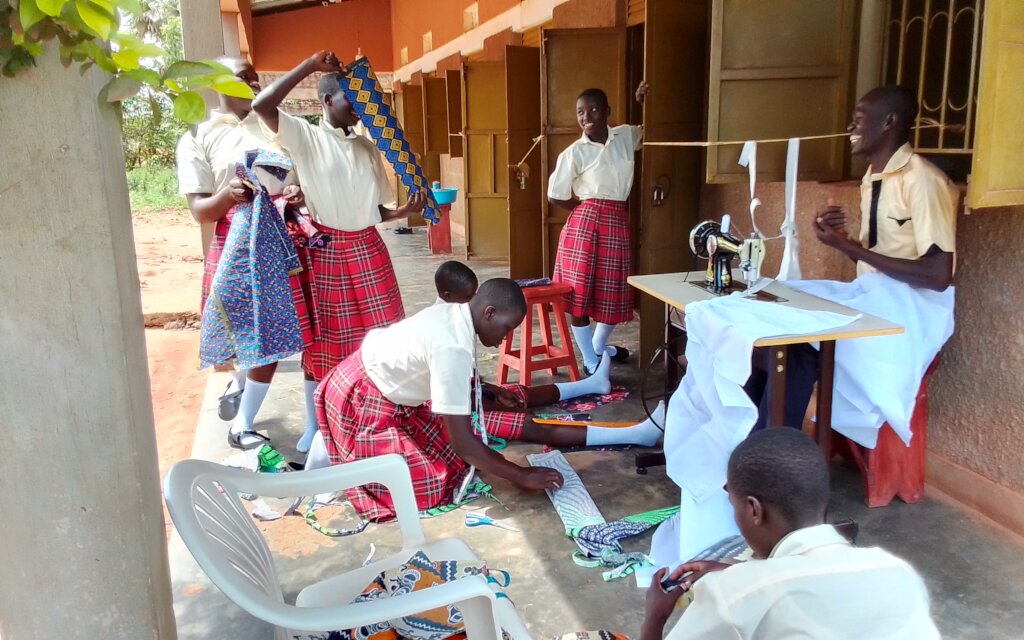
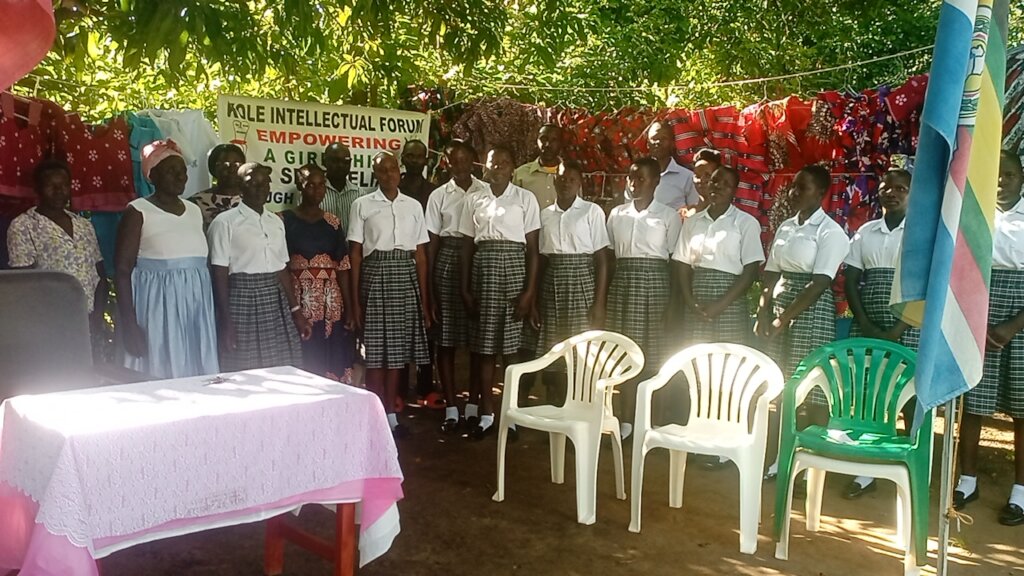
Kole Intellectual Forum together with the support from the donors on the platform of GlobalGiving, are so excited to express their joy in this report that: the programs they have developed, are giving a second chance to the young girls and married mothers around the the organization time to go back to school. The approach involves training of young mothers and young girls out of school to improve on their standard of living with the knowledge of Home Economics.
In this report, we would like to bring to your knowledge that: there is possibility of improving on the life of those that are married vis vis the out of school girls around the world through Hybrid type of schooling- where there is a flexible, unique, and innovative mode of education format that can shape the future of many.
![Share on Twitter]()
![Share on Facebook]()