Project Report
| Aug 21, 2026
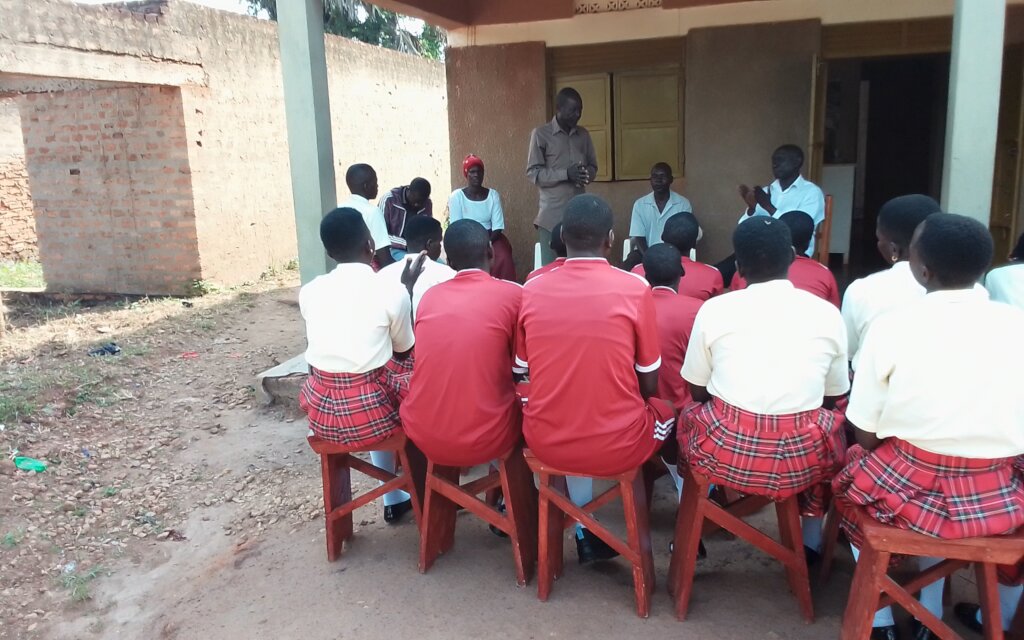
2025/2026 Annual General Meeting: KIFA
By George Obua | Project Leader
2025/2026 Annual General Meeting: KIFA
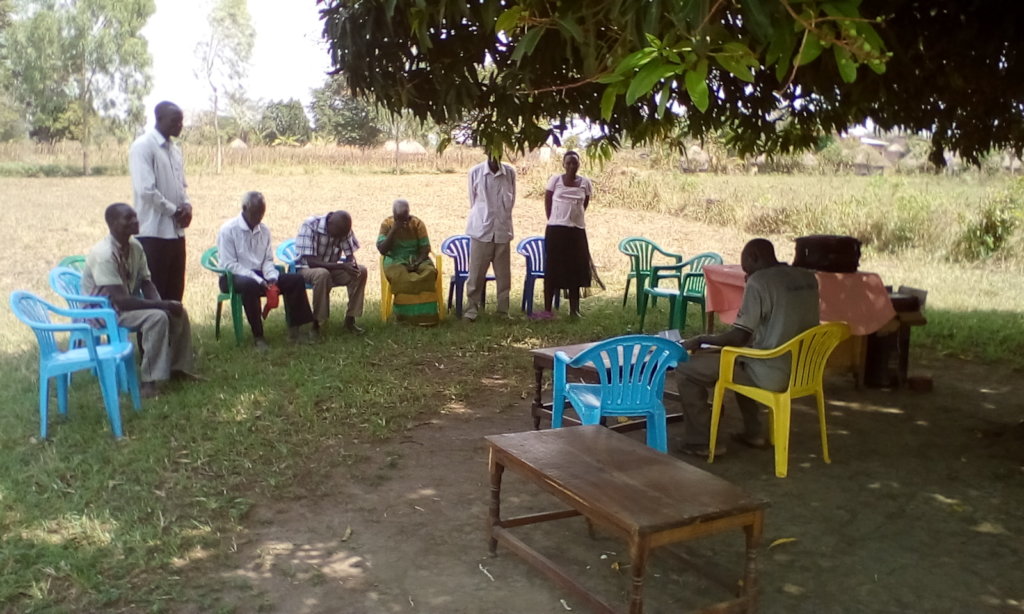
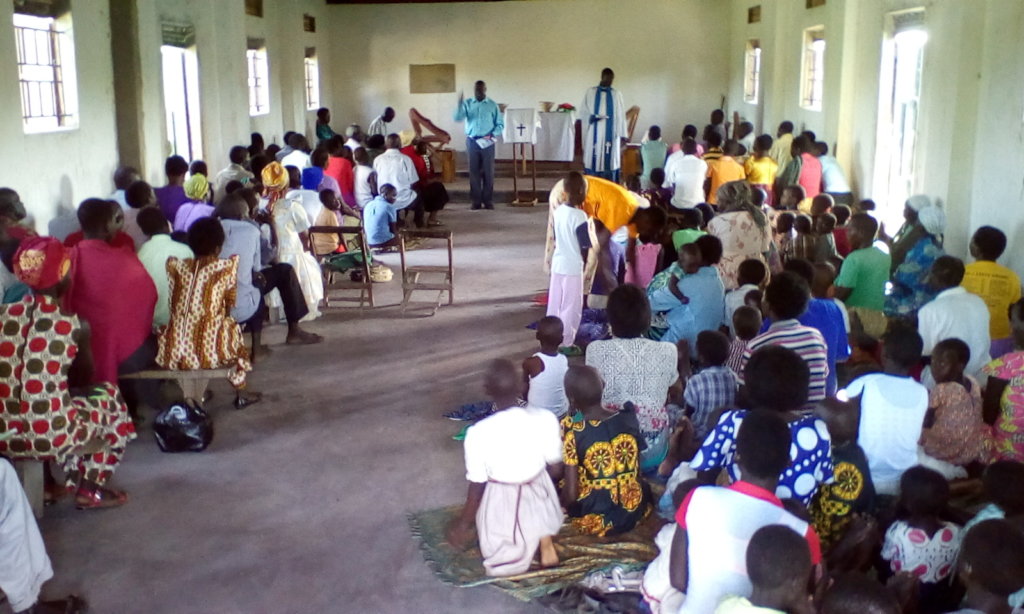
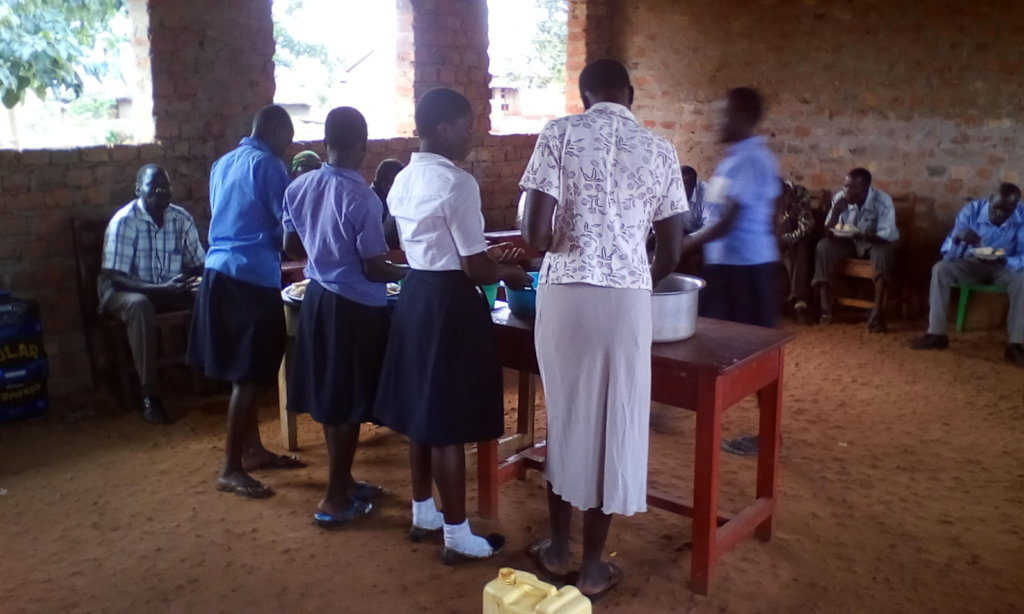
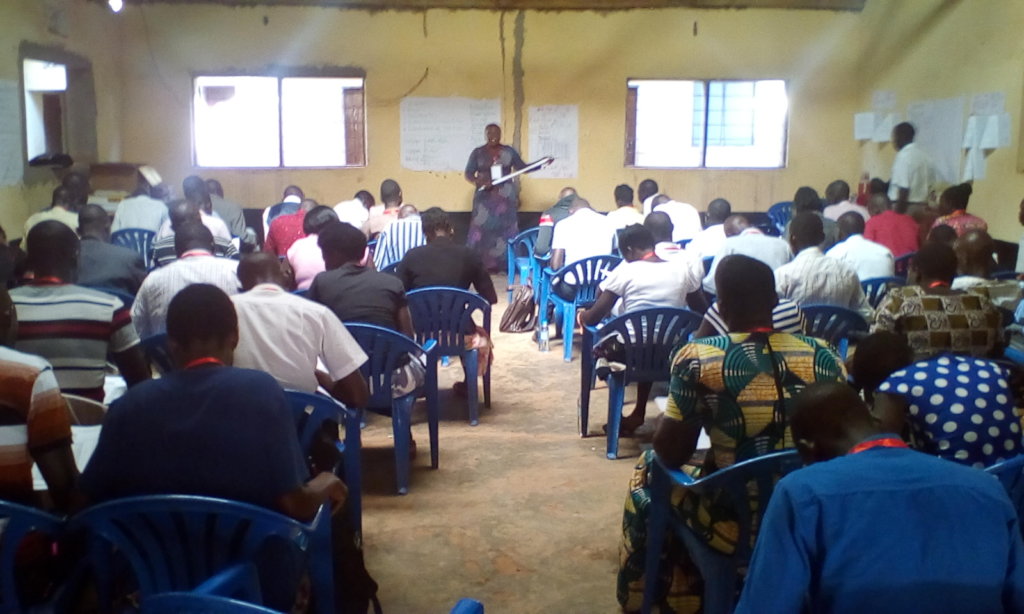
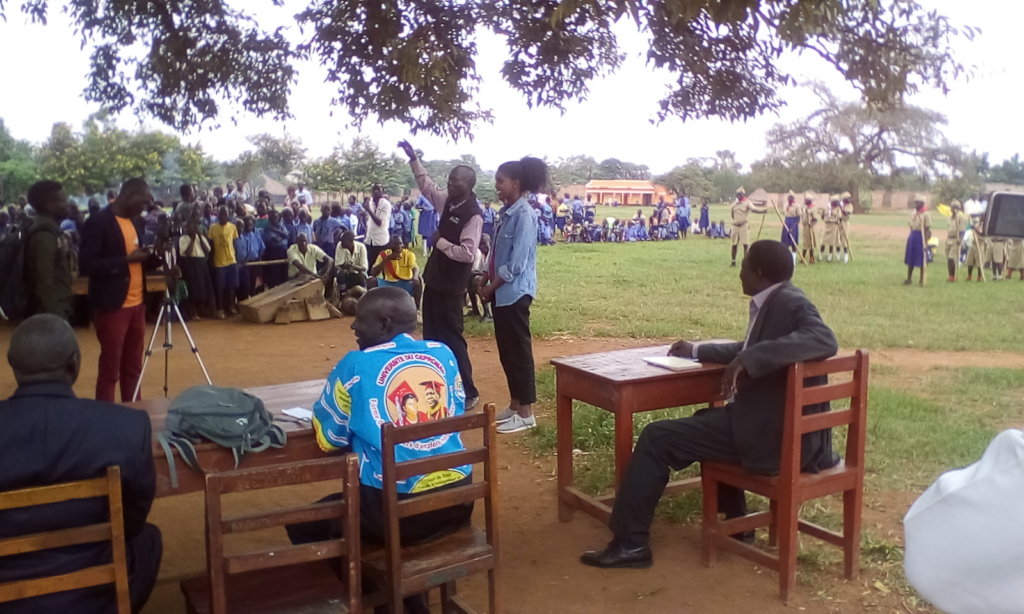
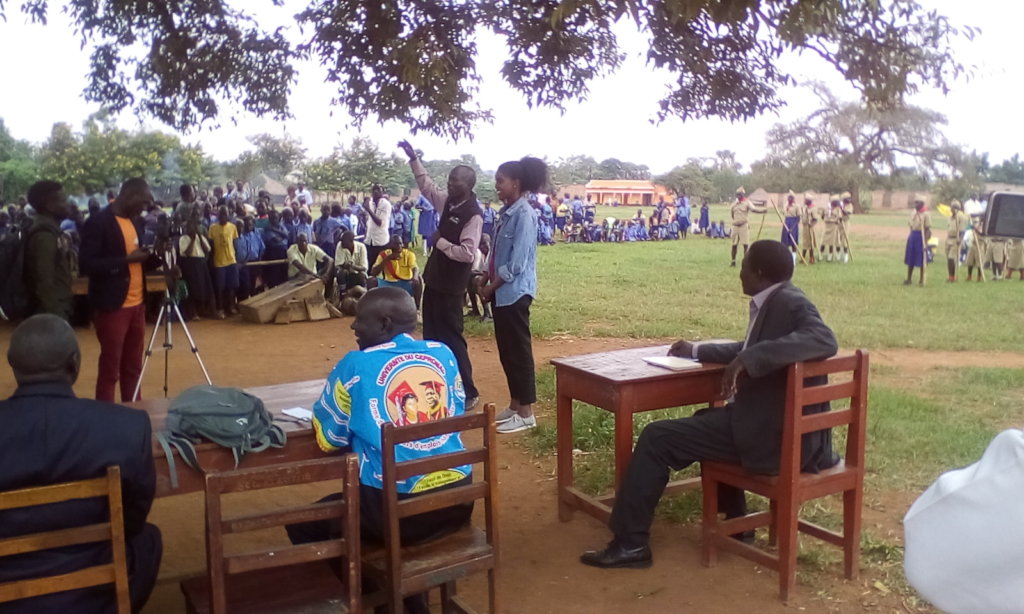
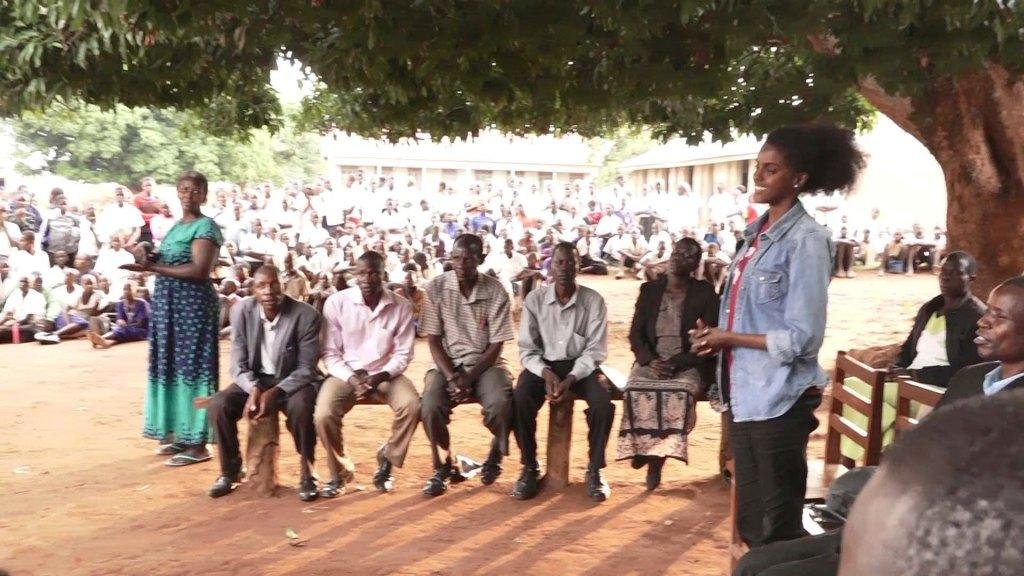
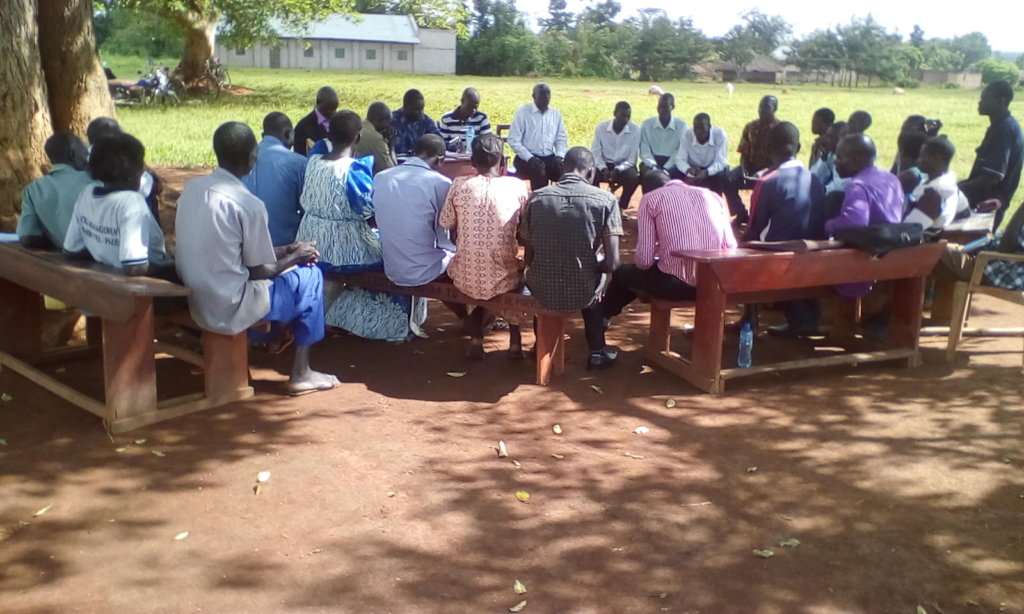
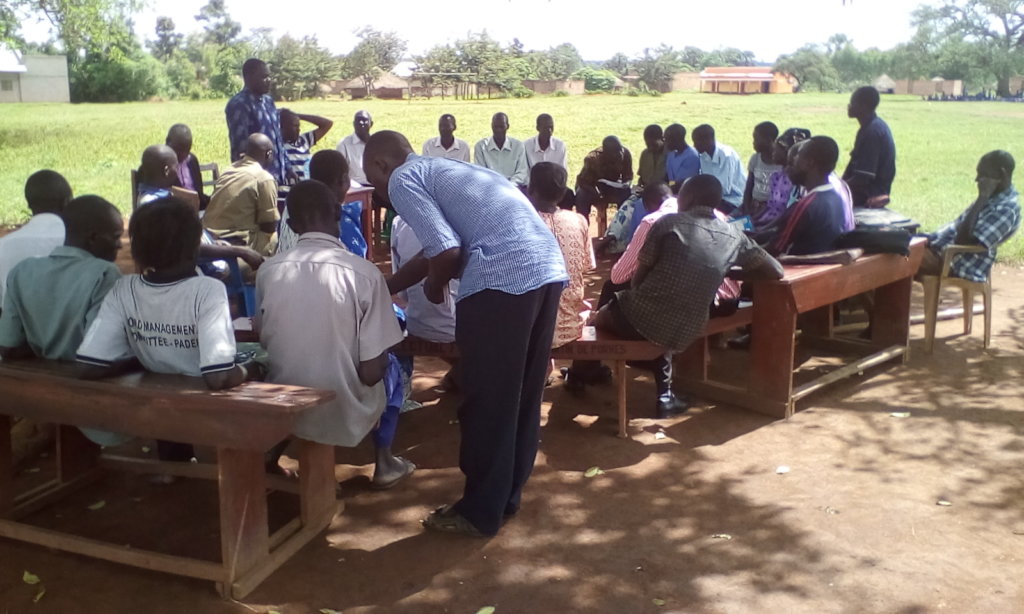
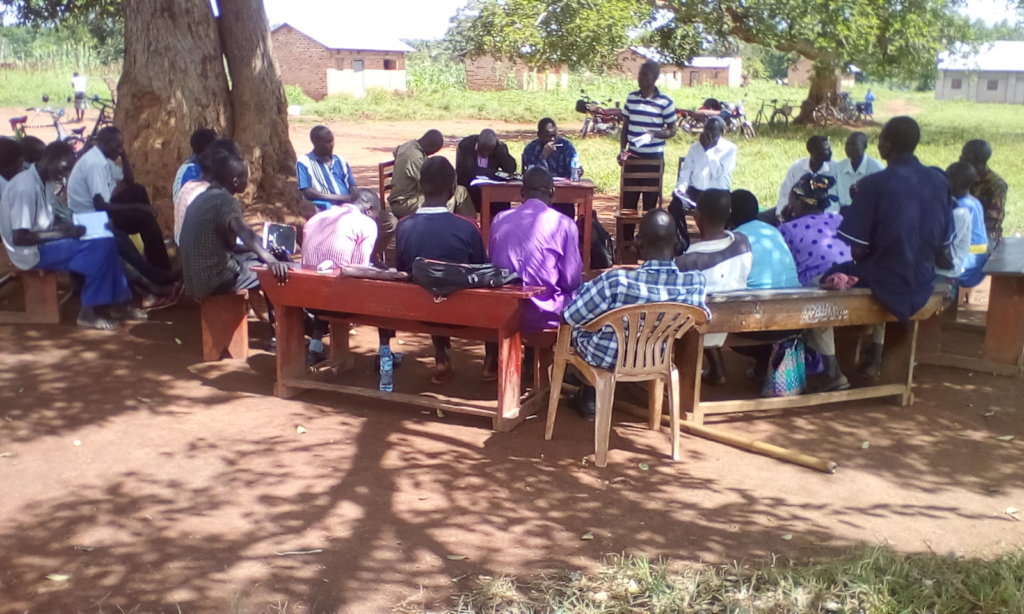
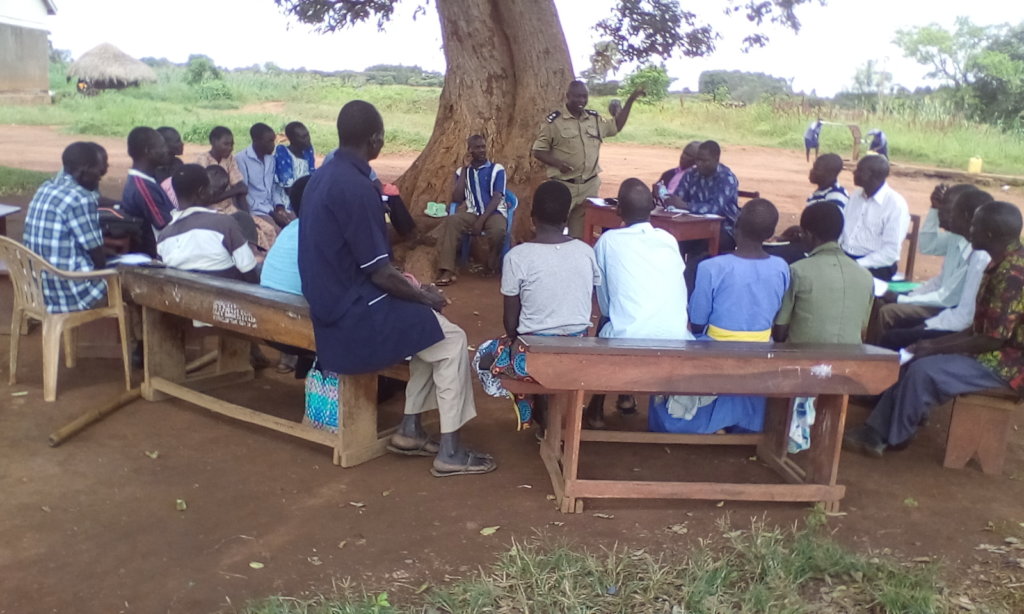
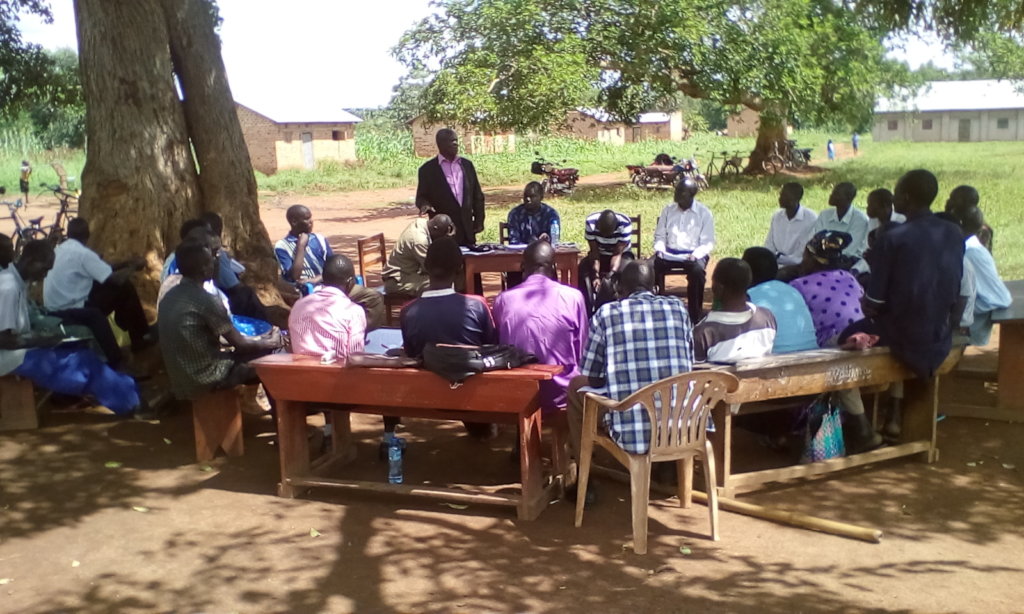
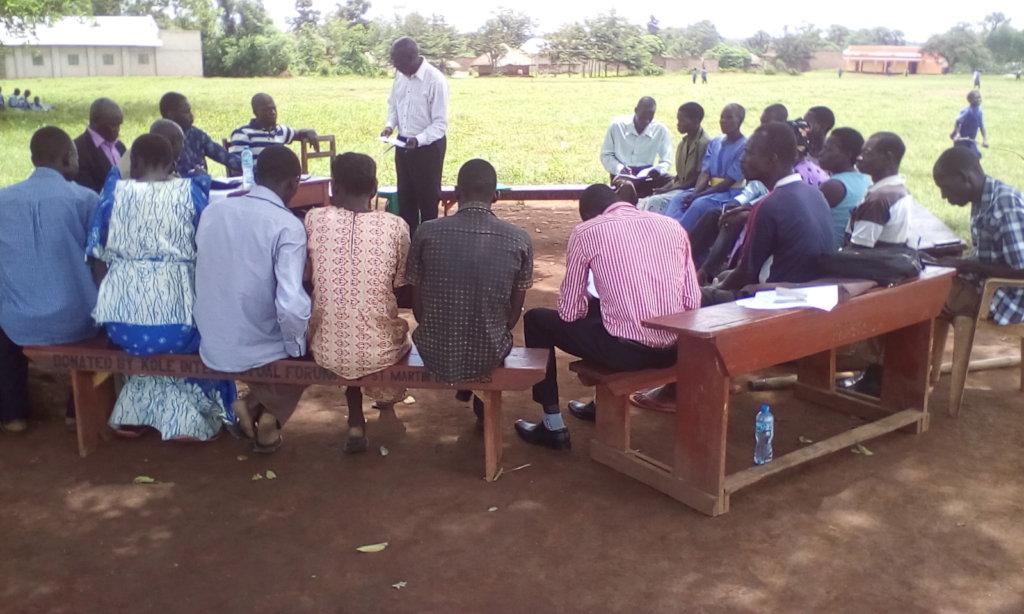
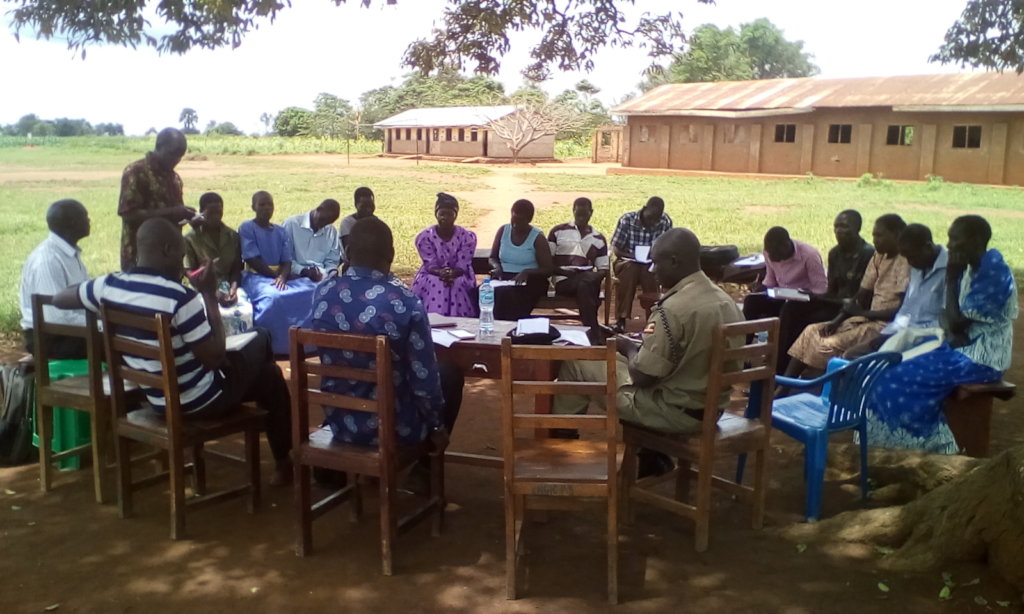
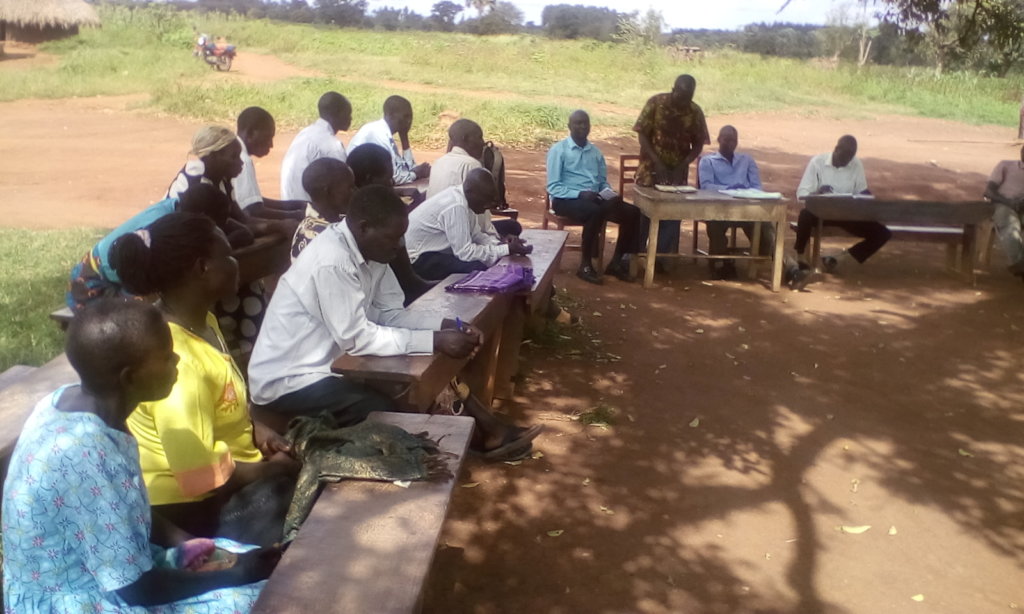
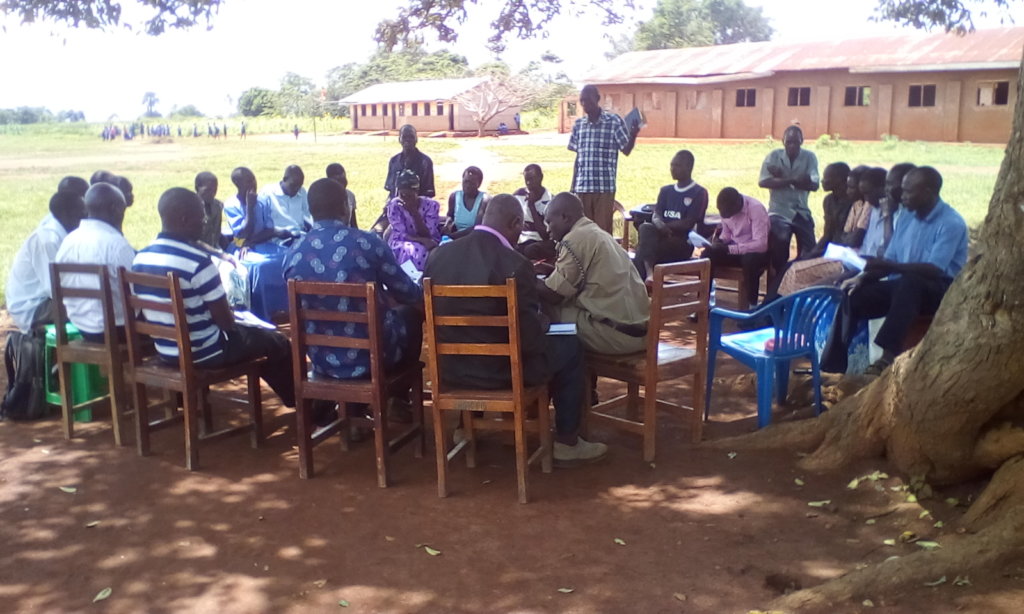
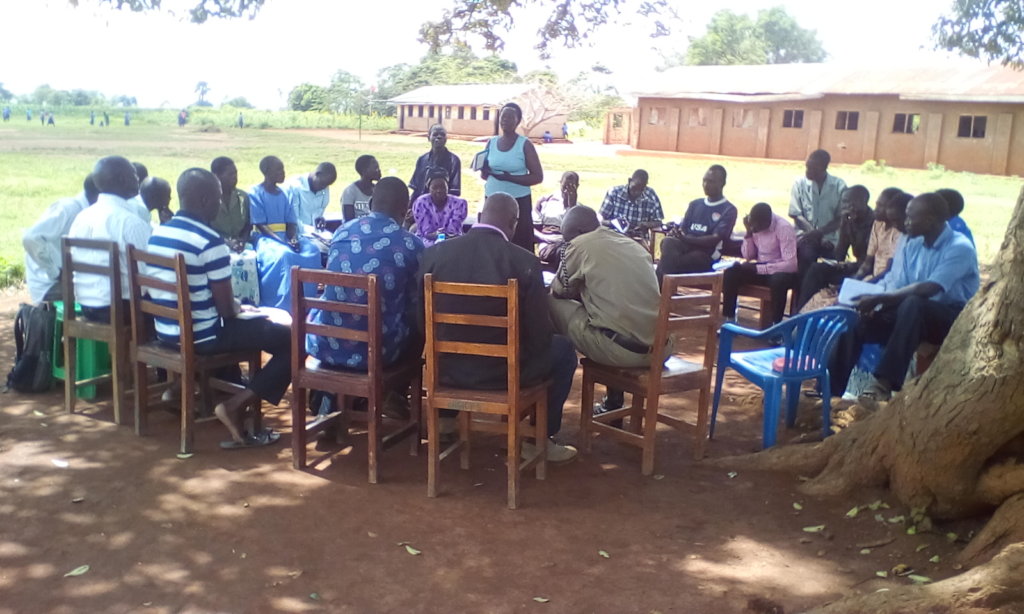
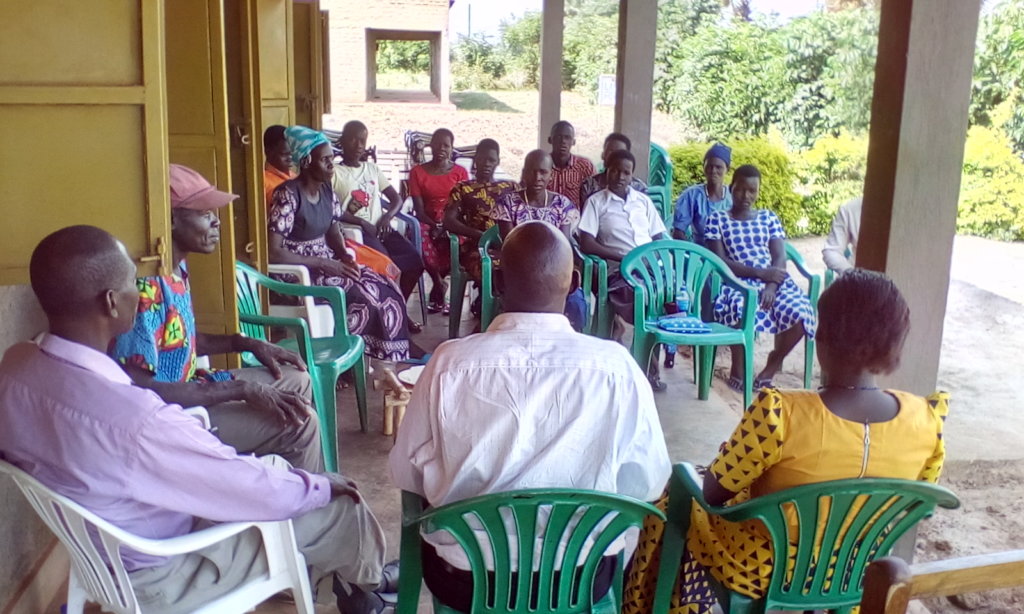
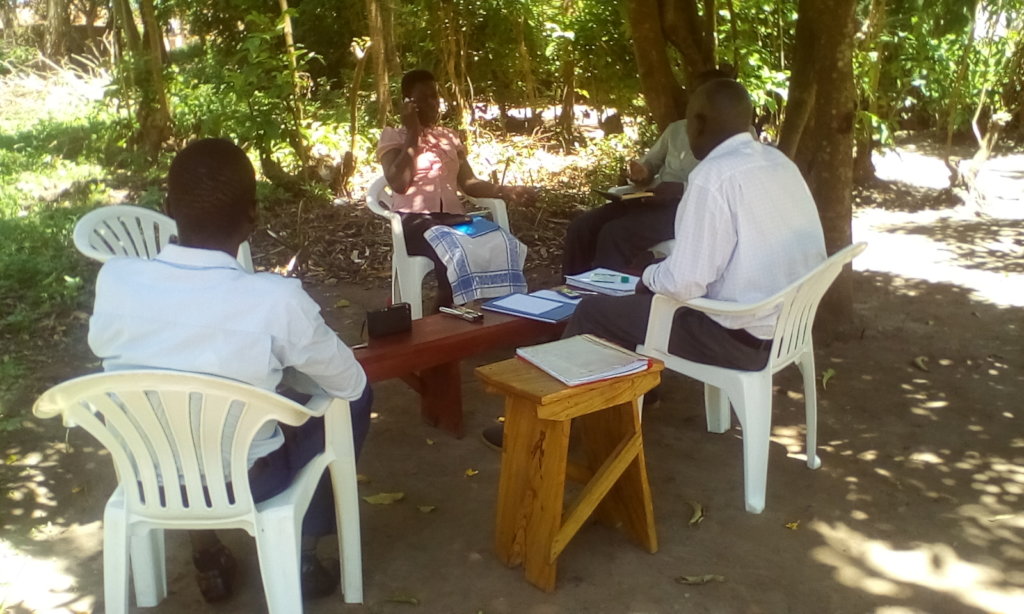
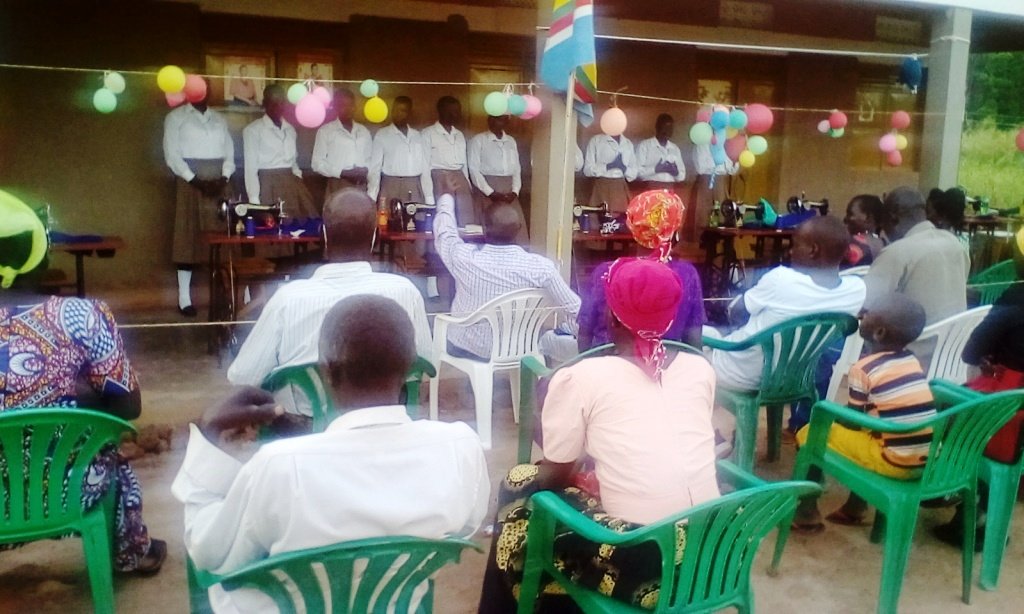
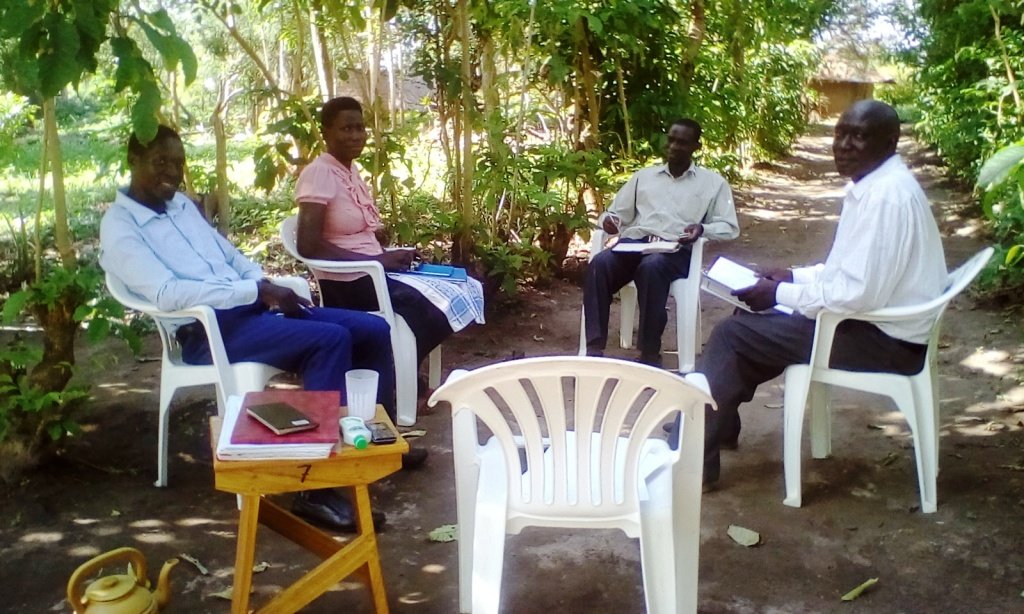
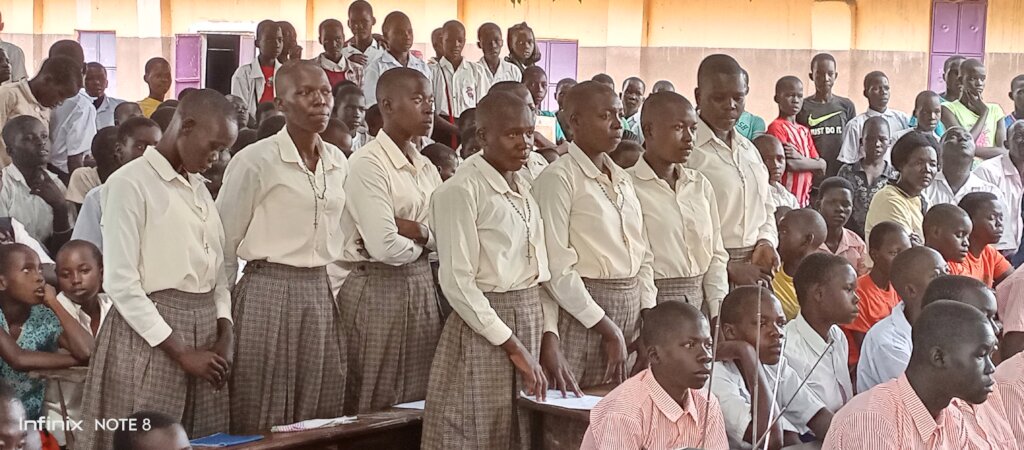
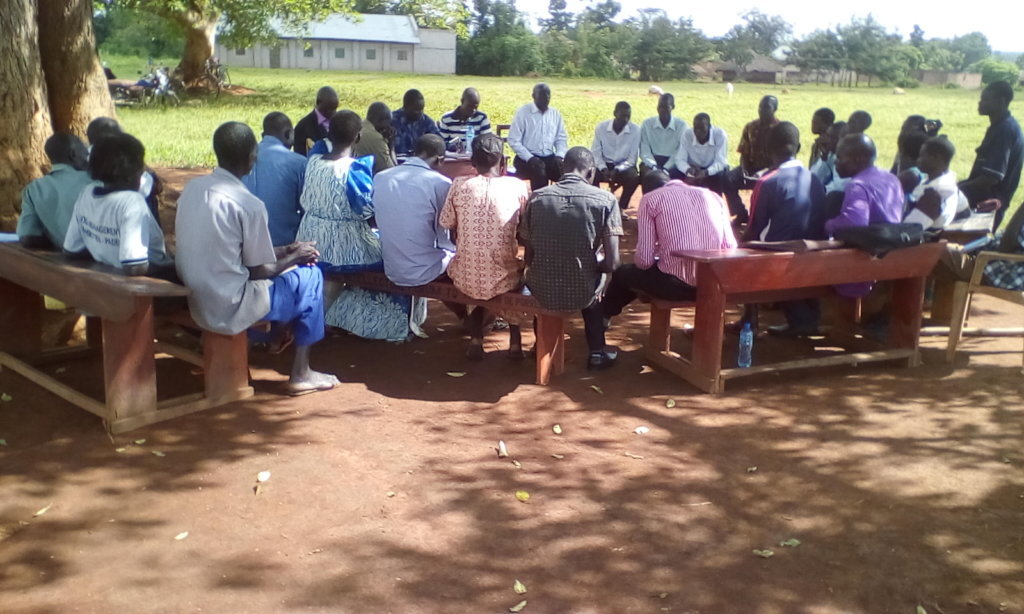
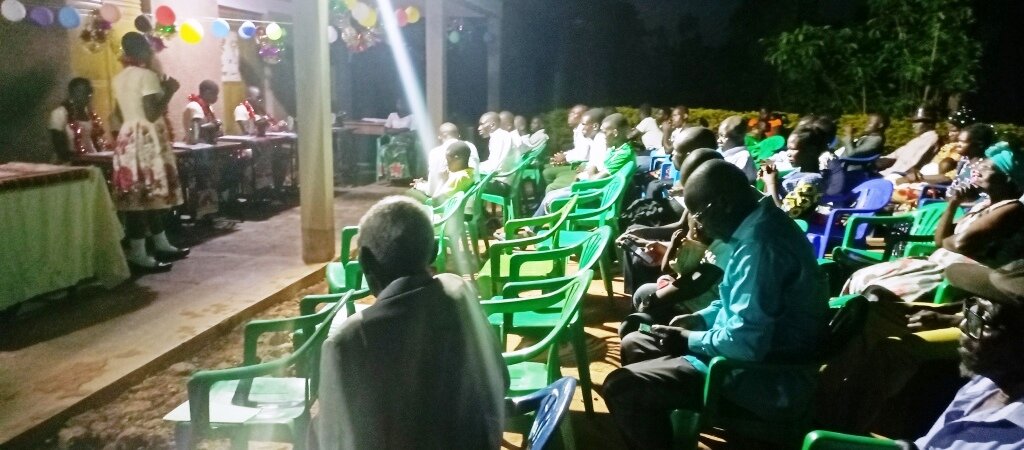
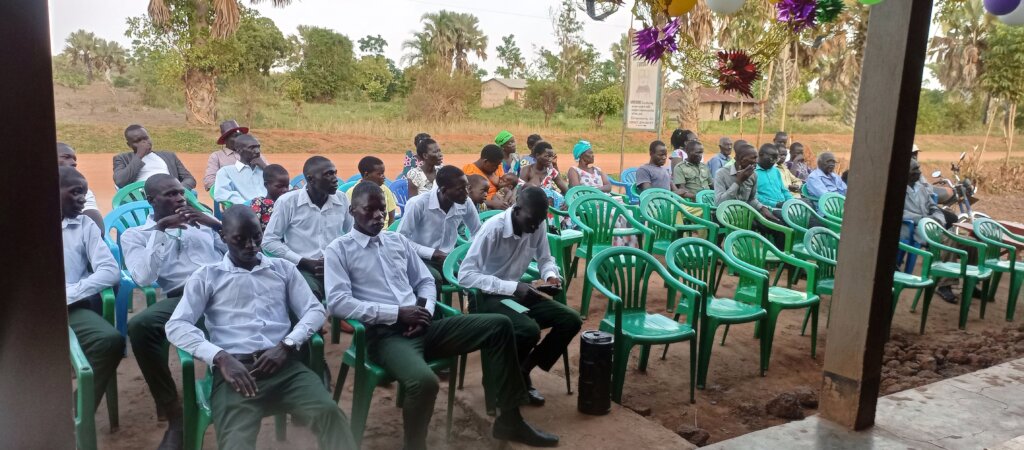
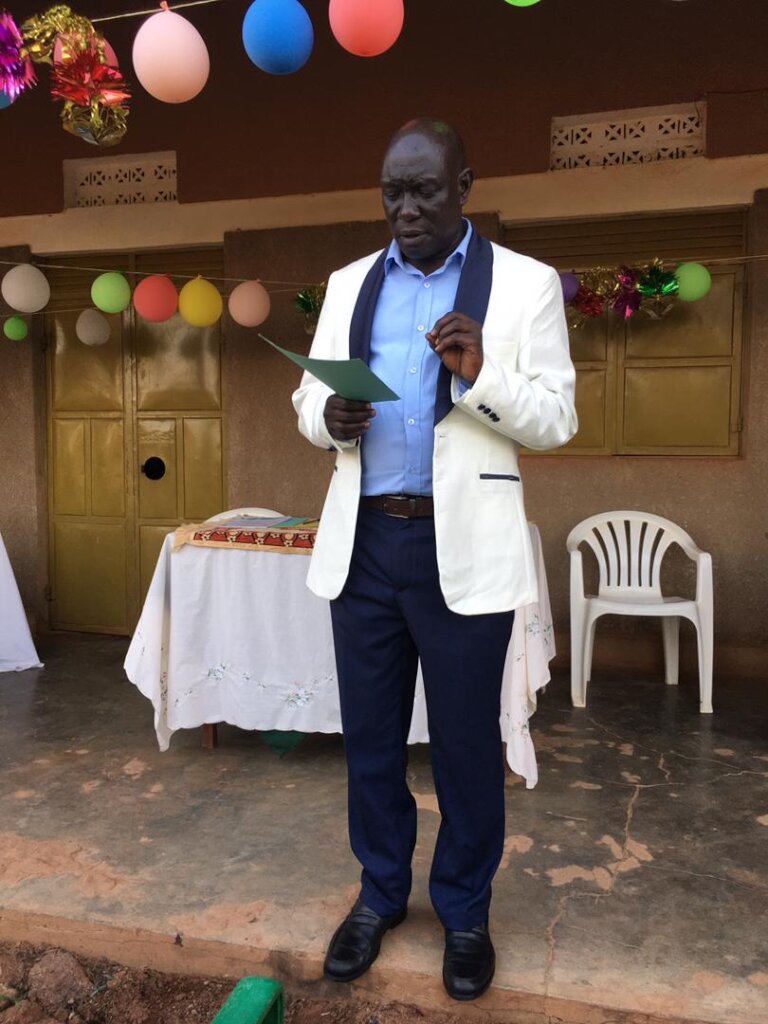
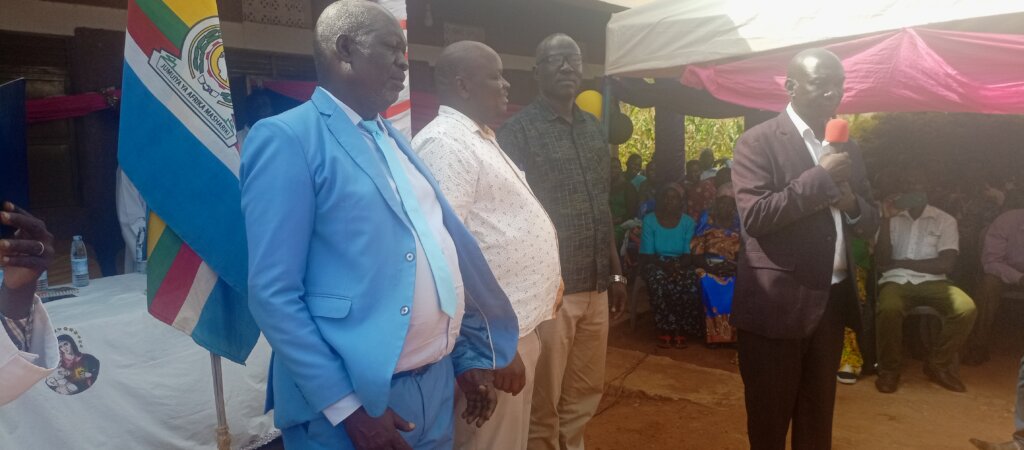
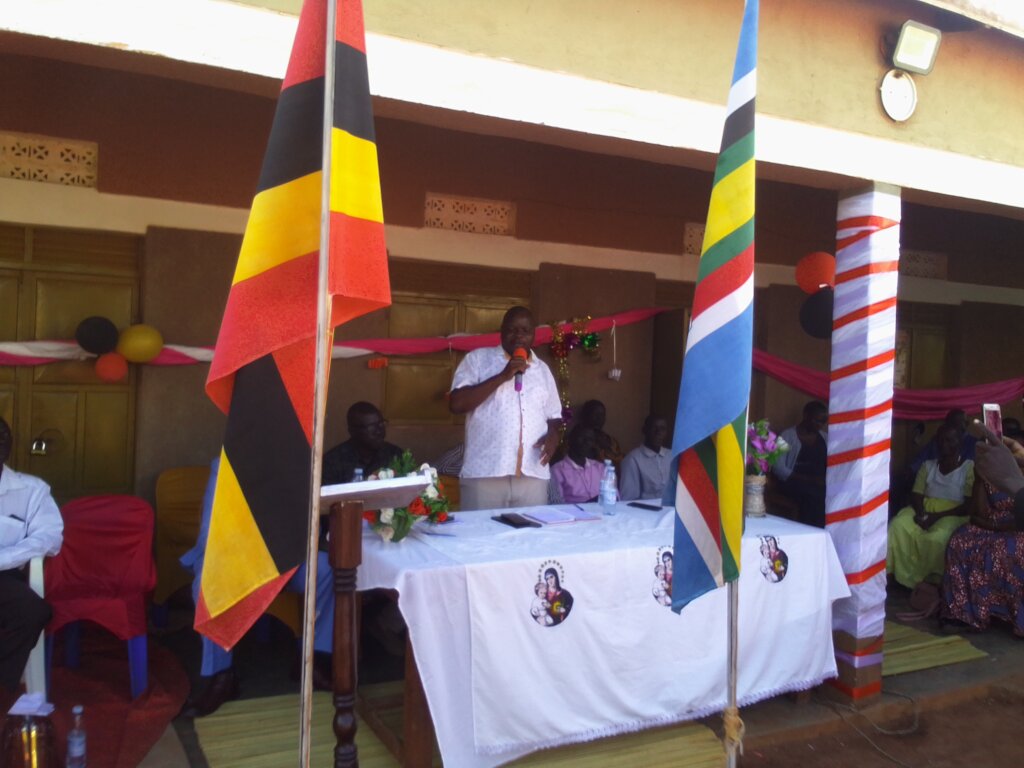
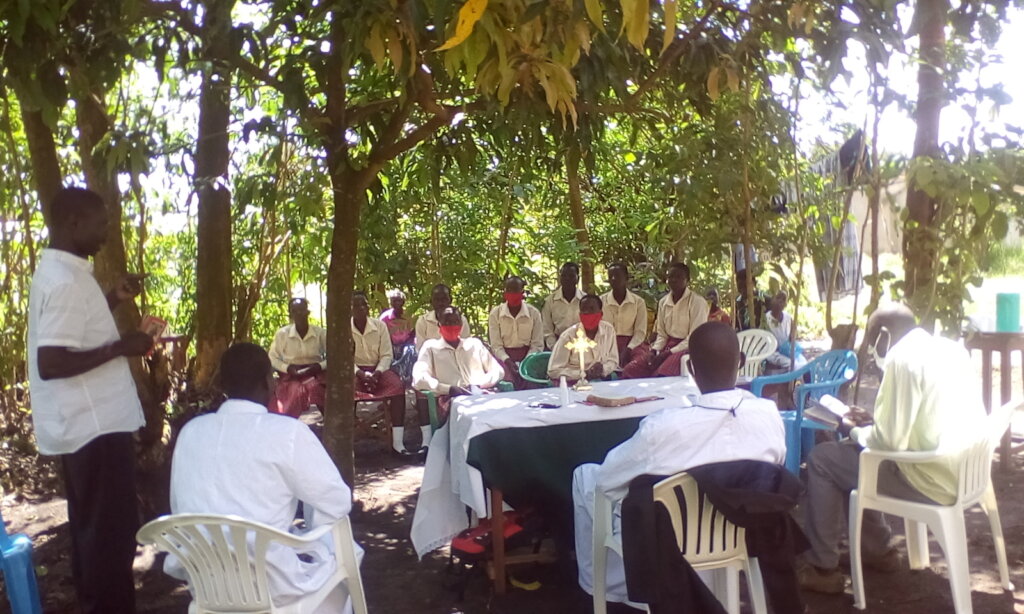
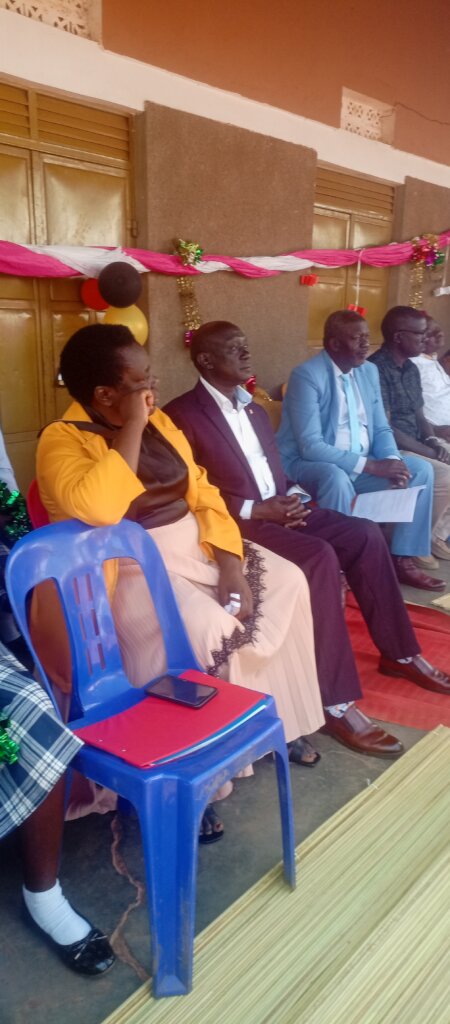
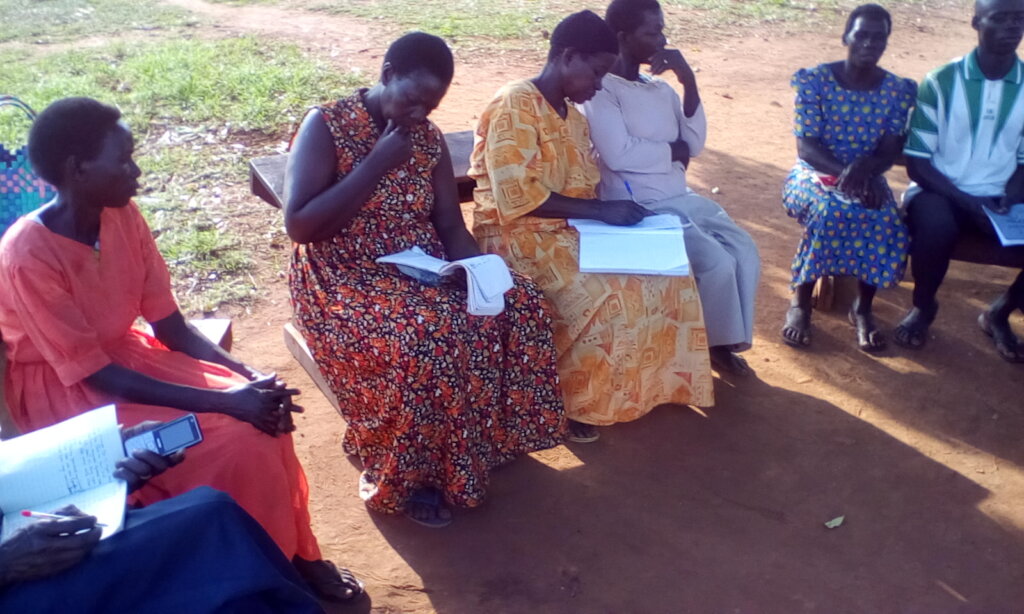
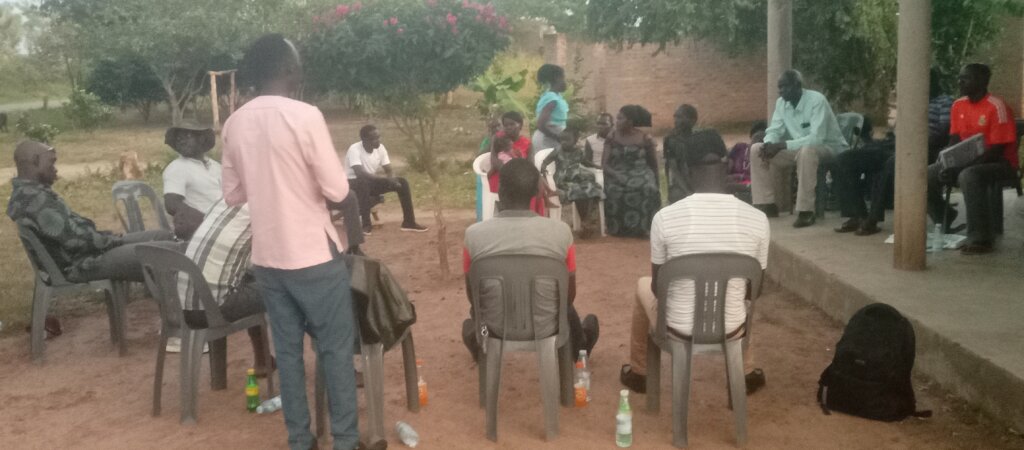
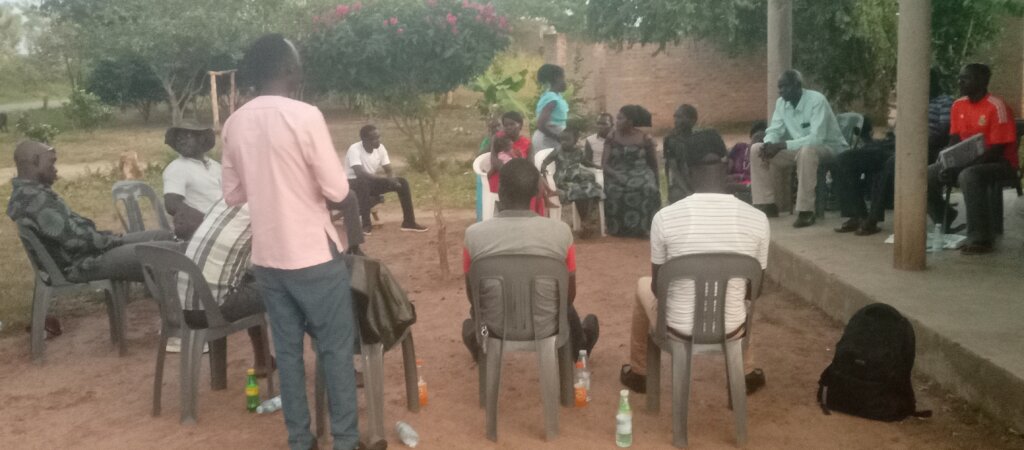
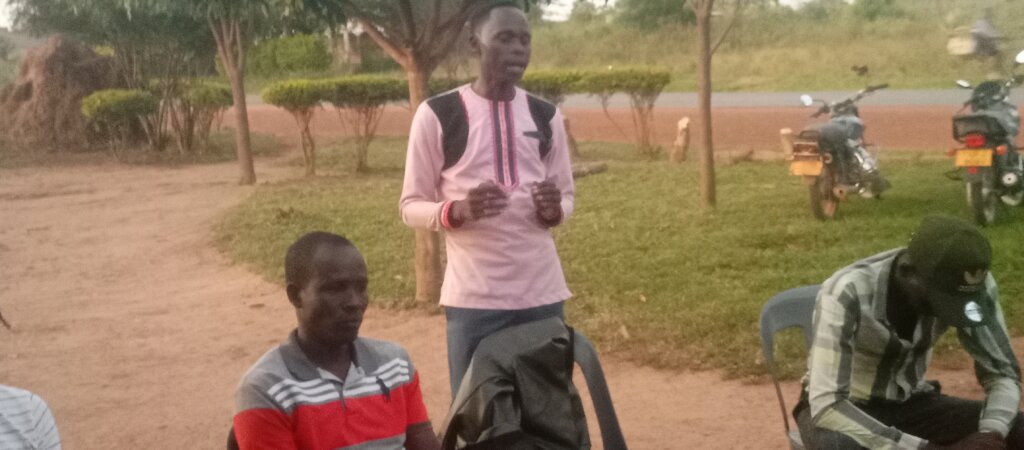
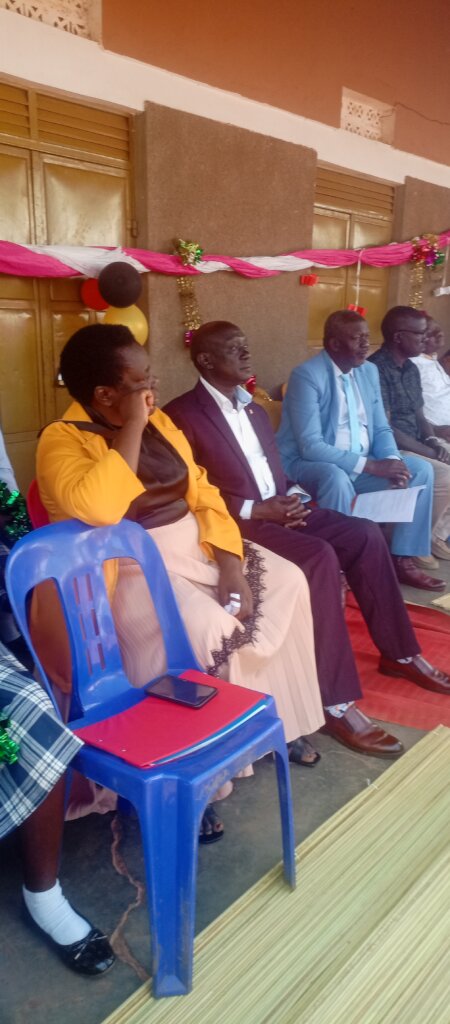
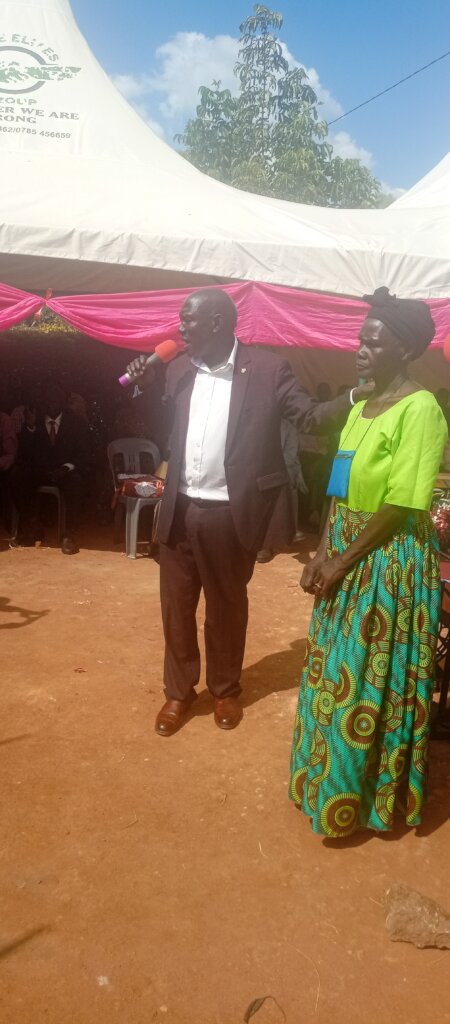
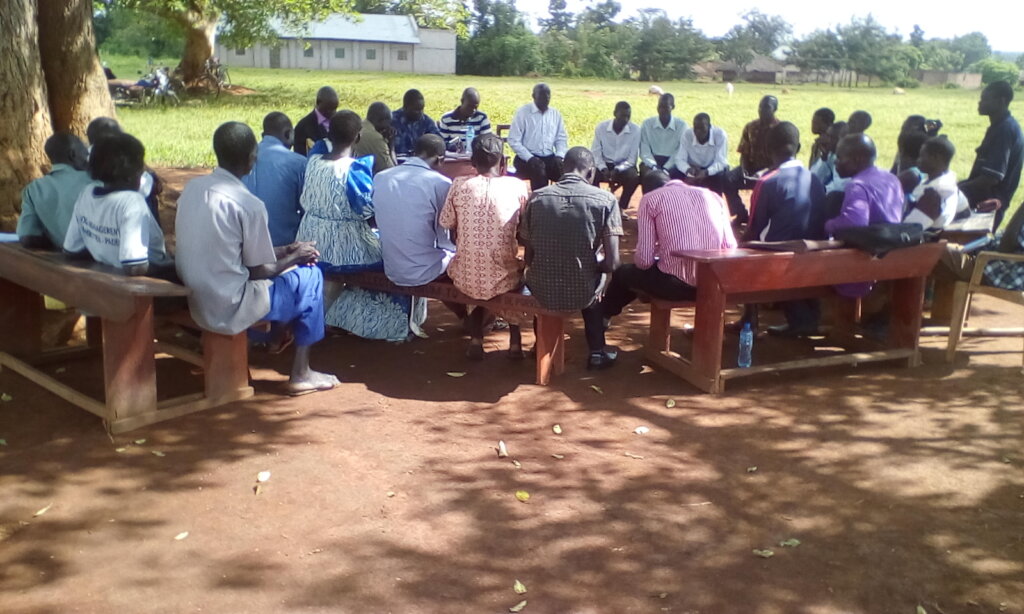
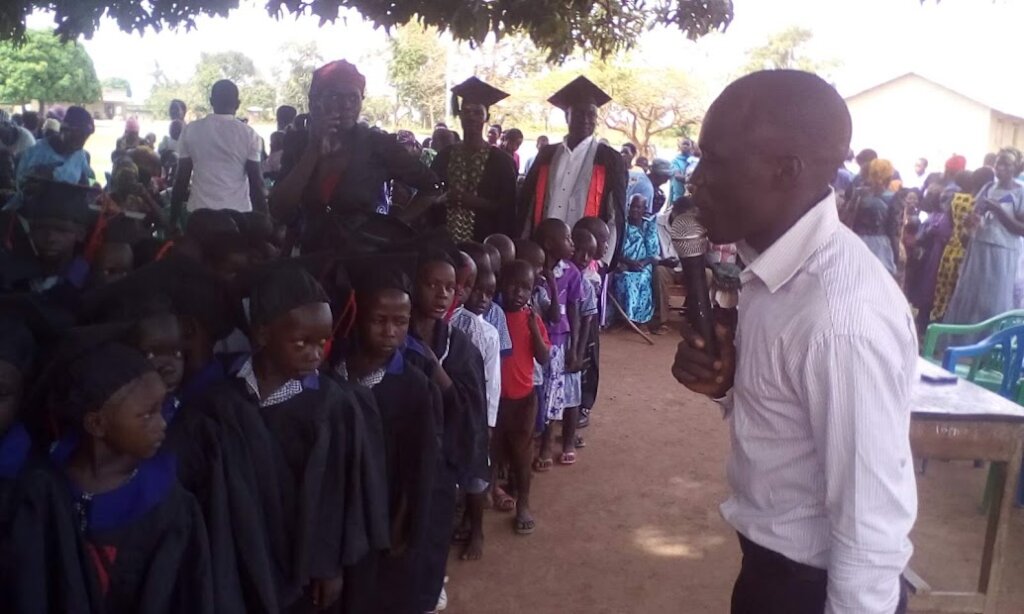
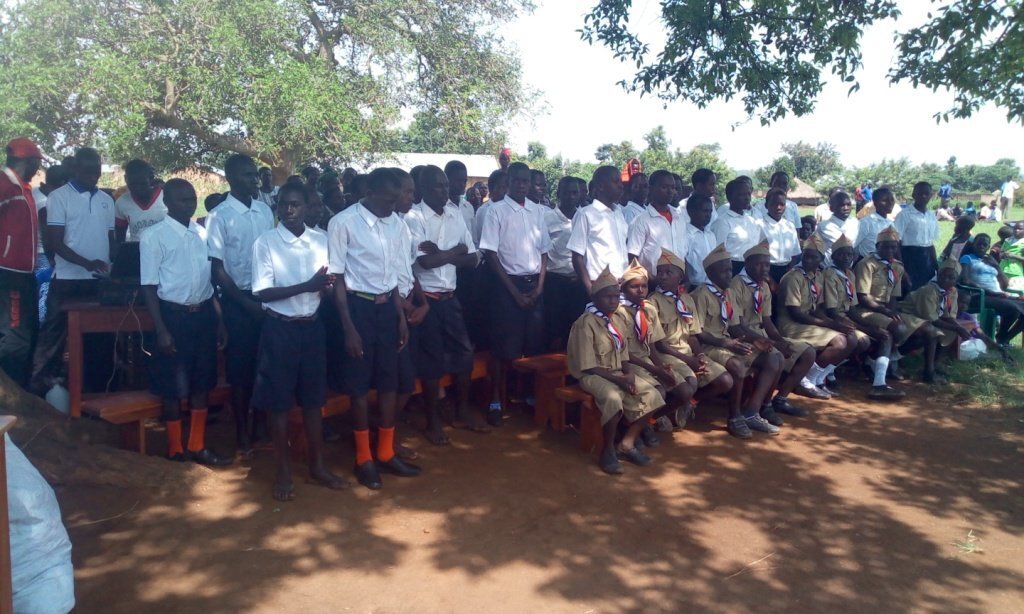
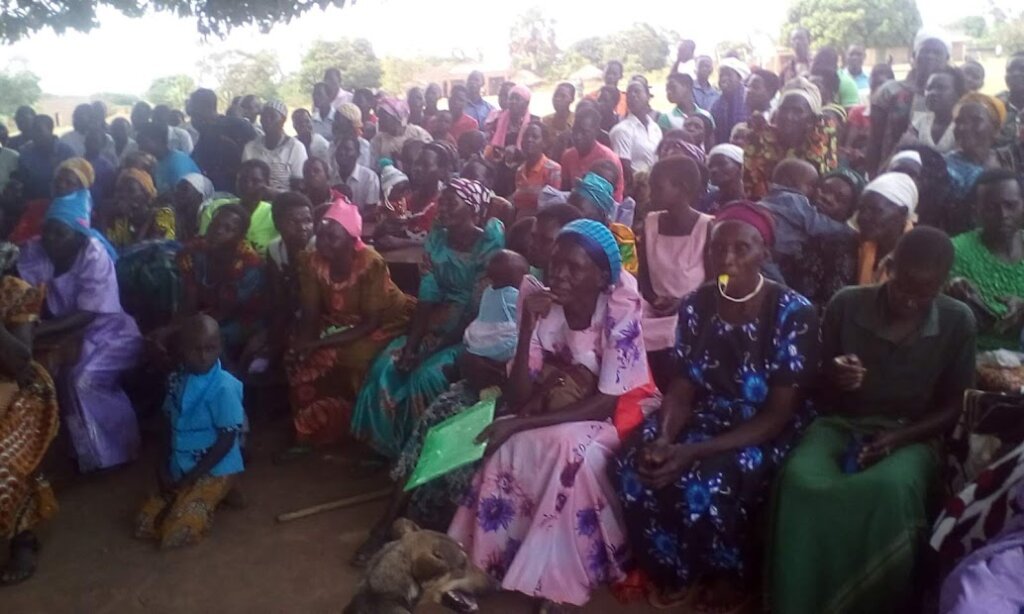
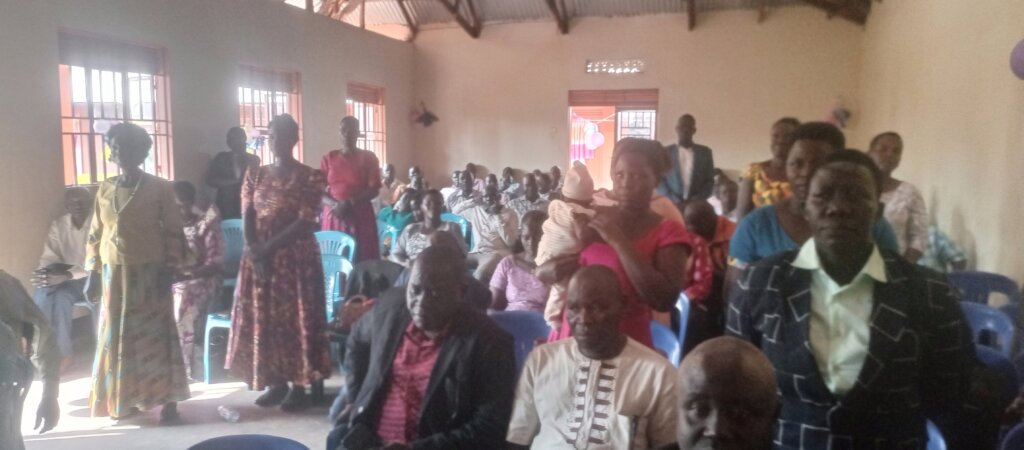
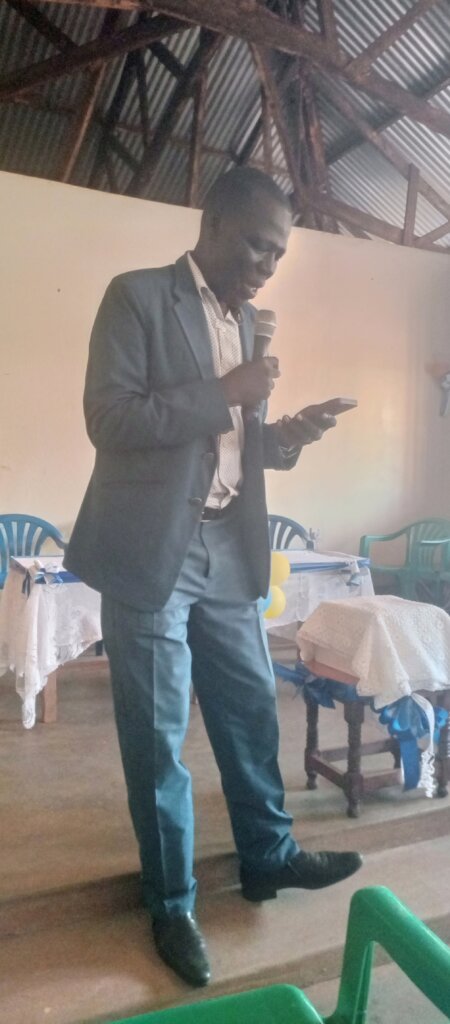
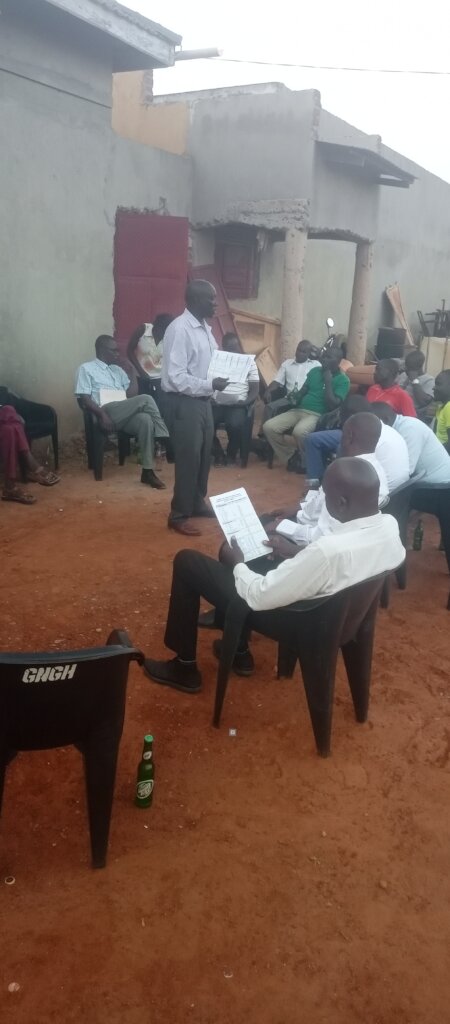
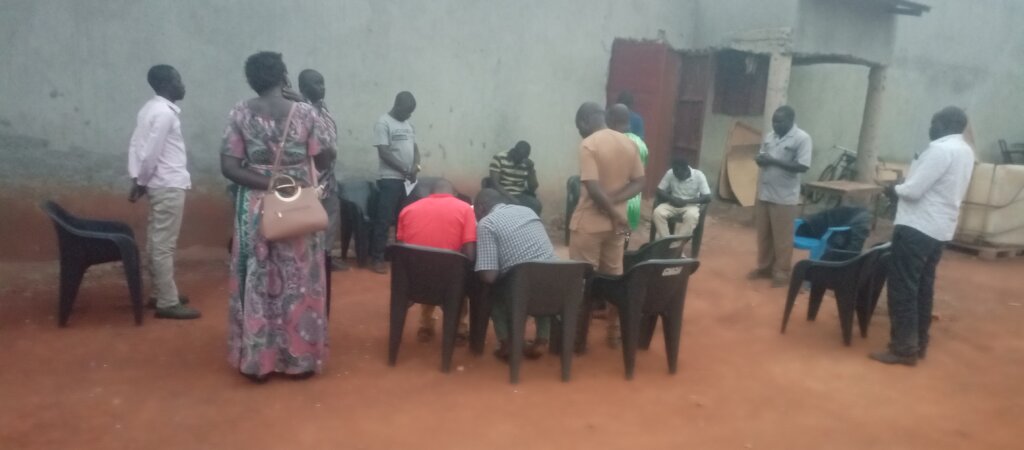
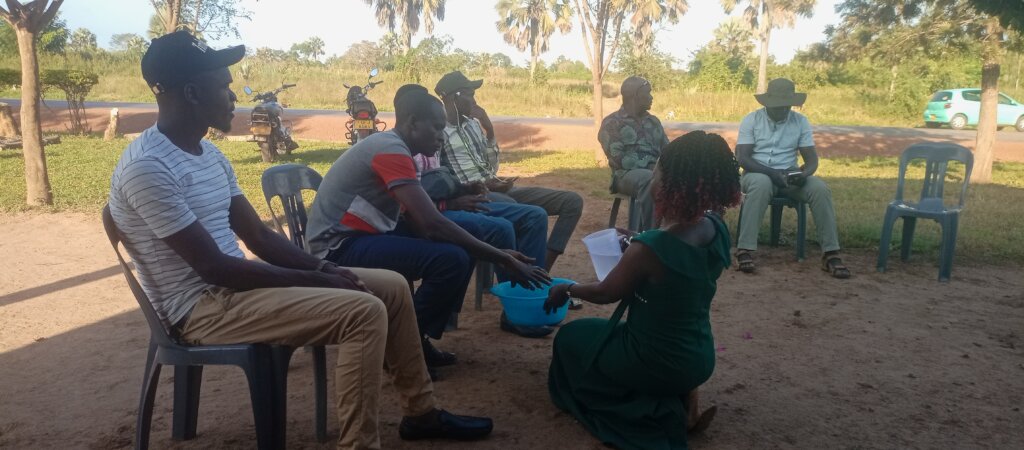
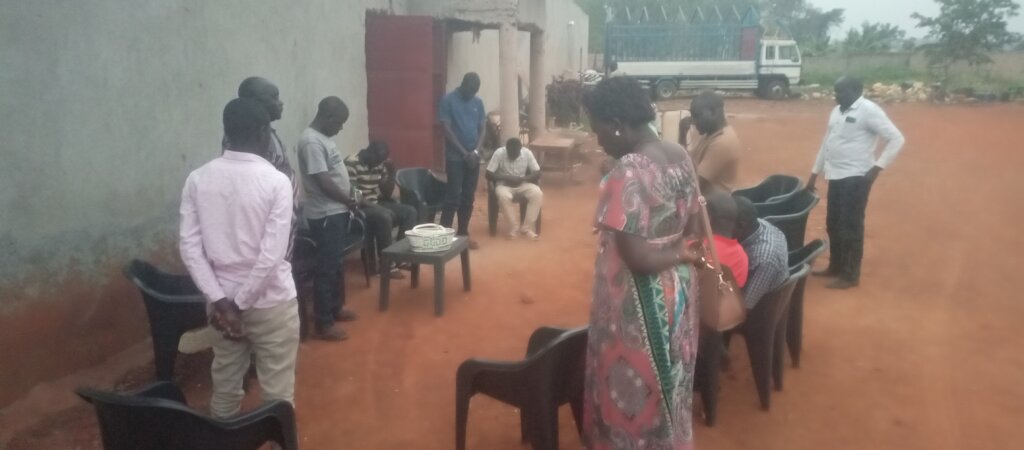
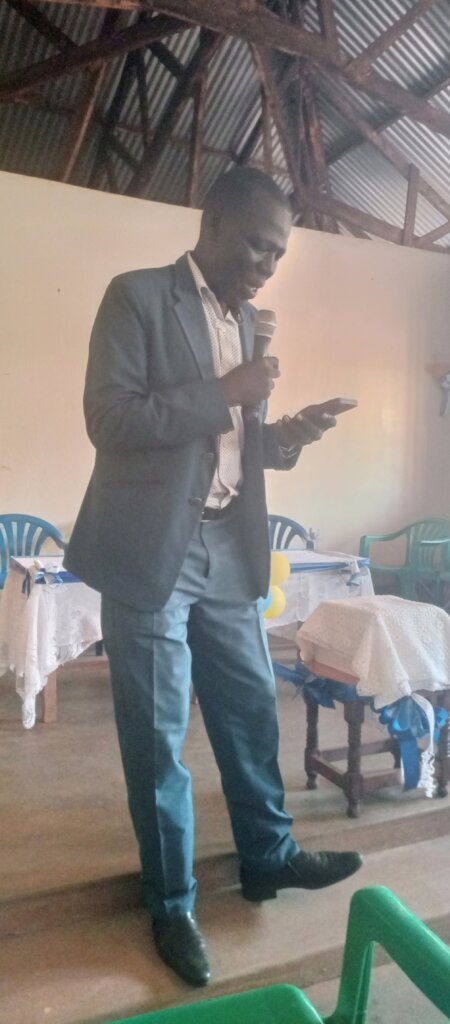
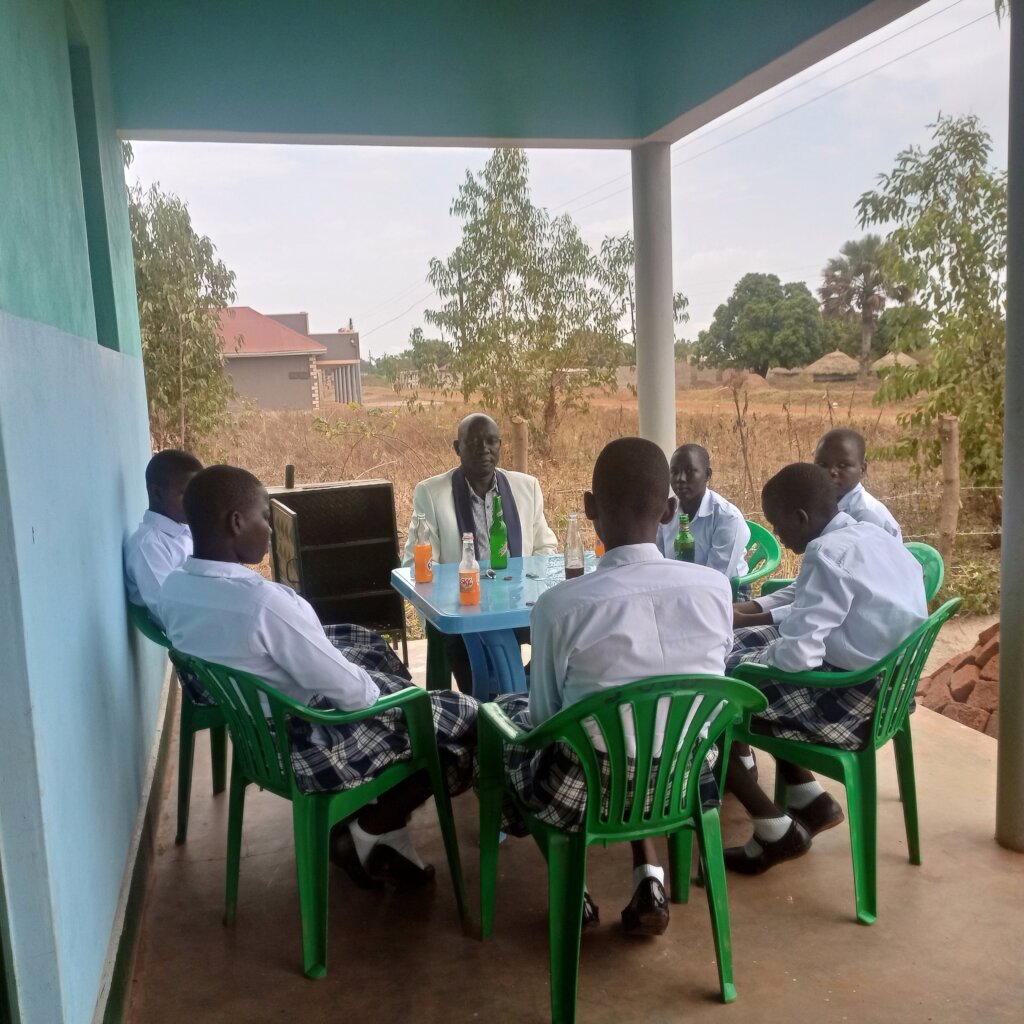
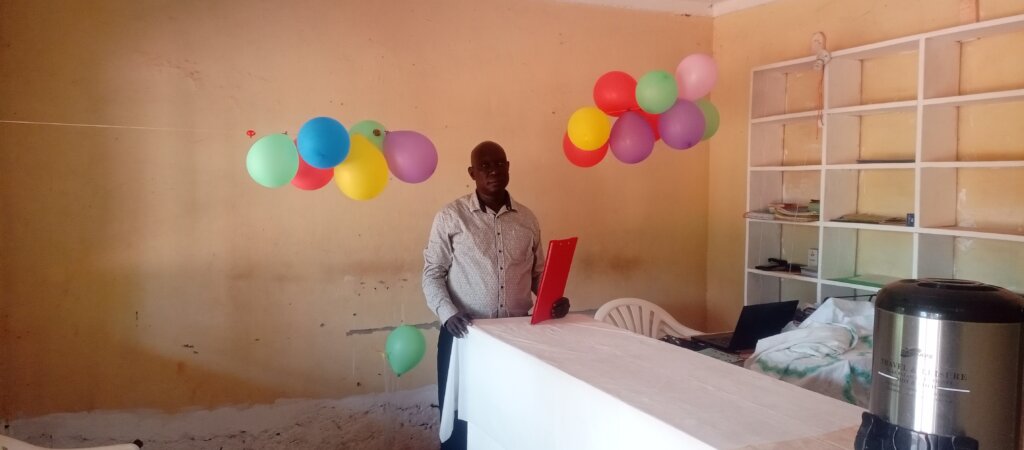
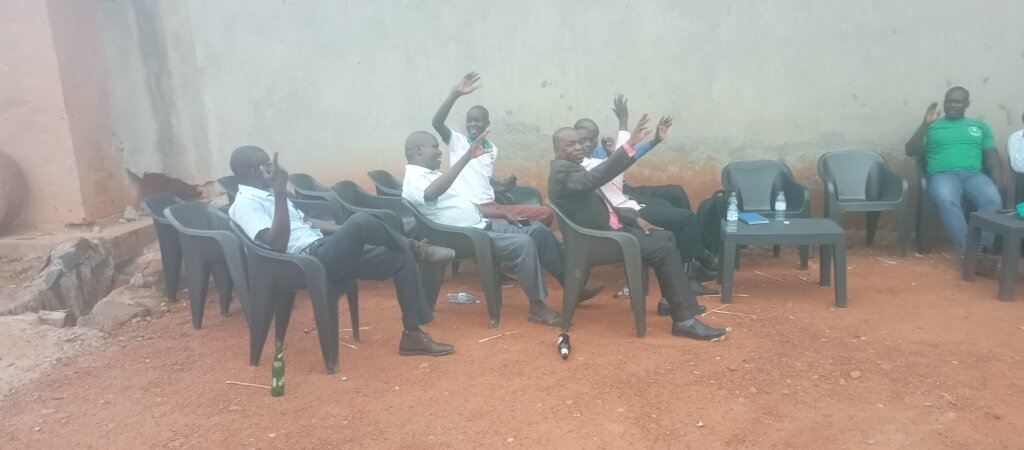
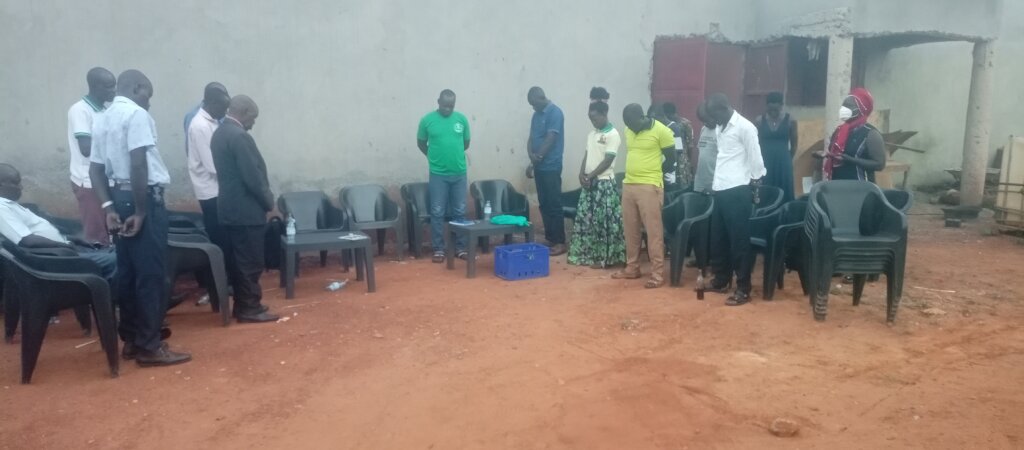
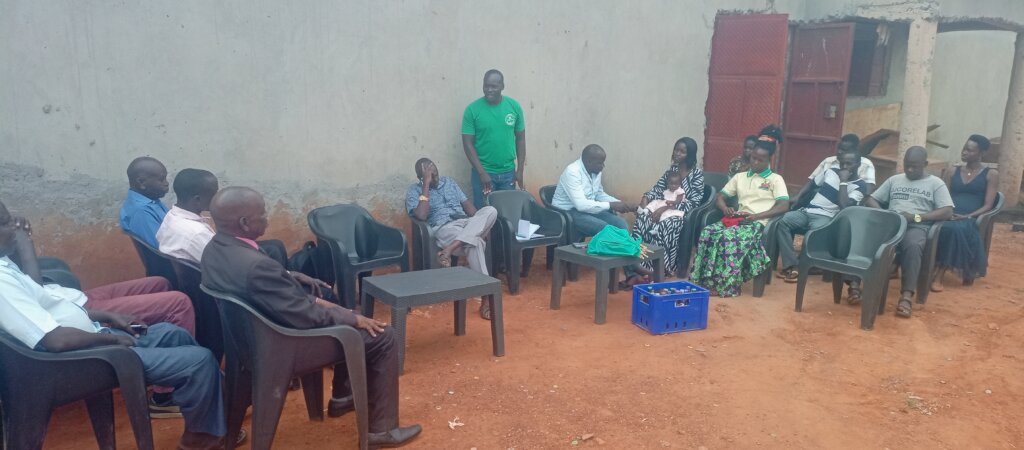
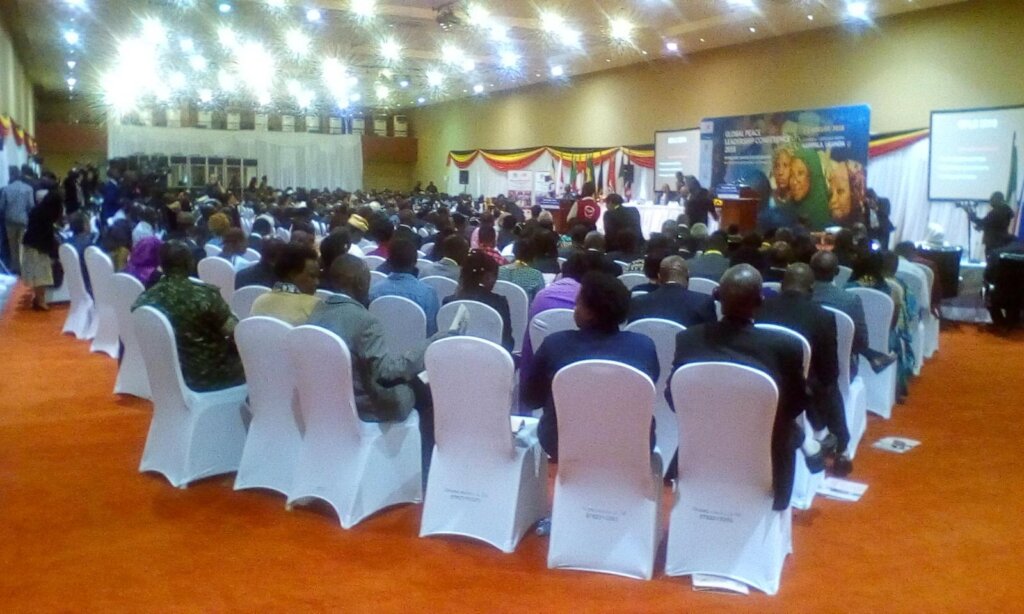
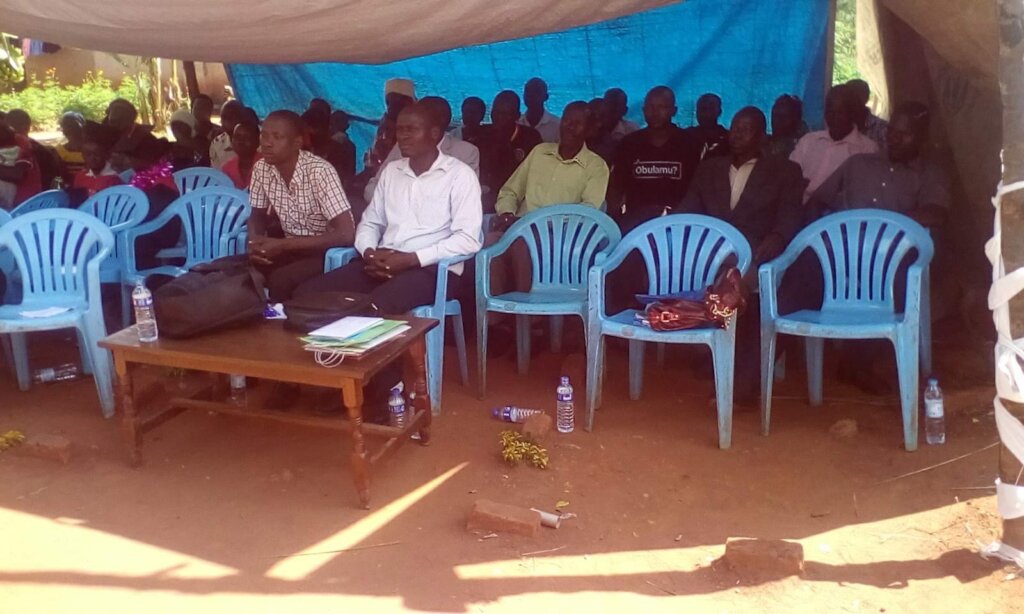
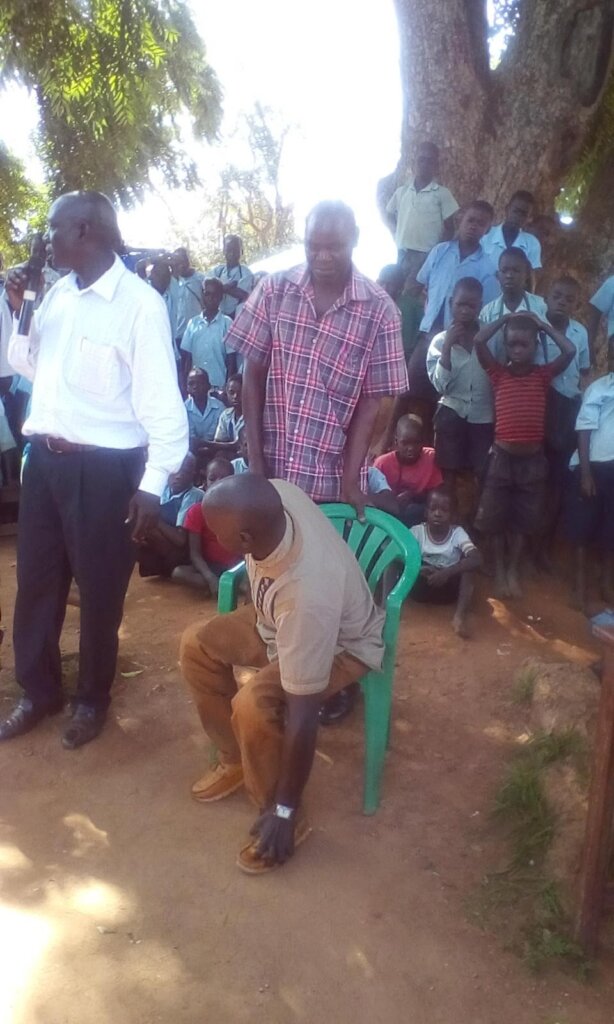
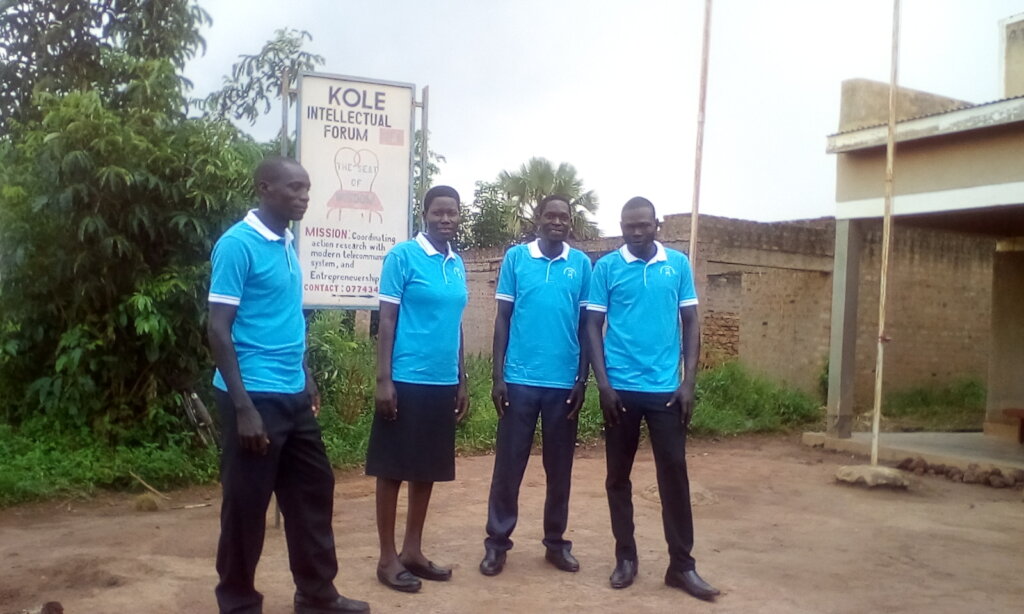
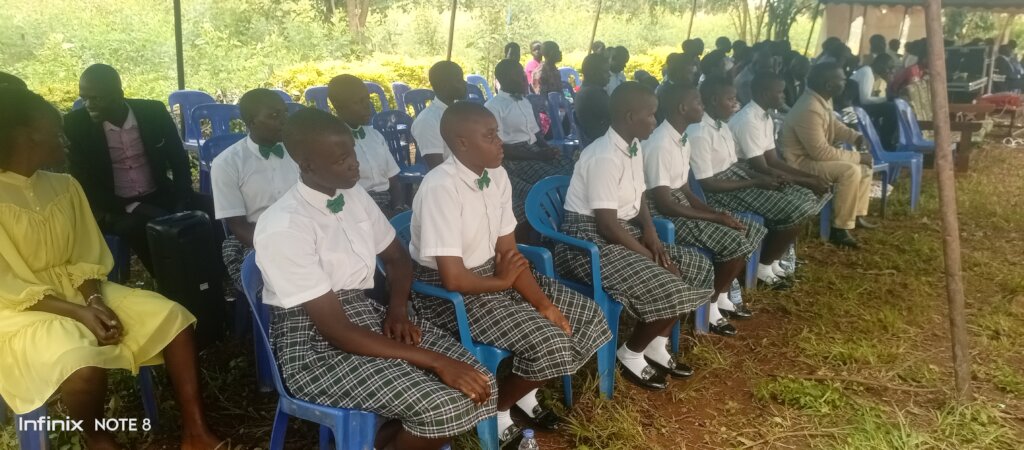
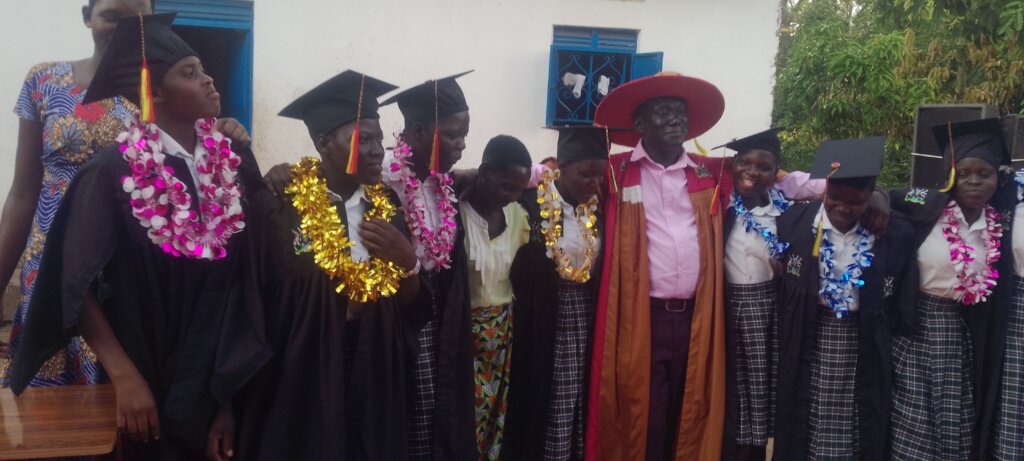
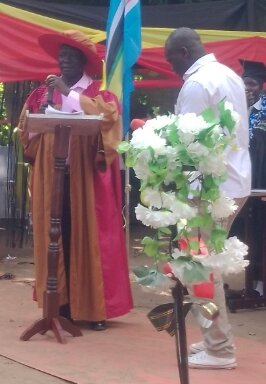
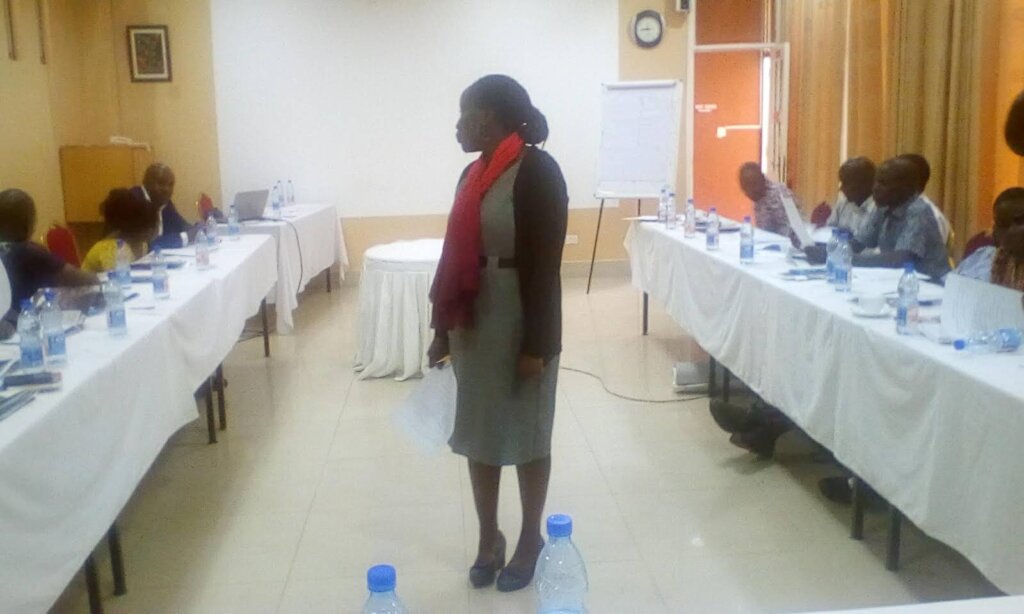
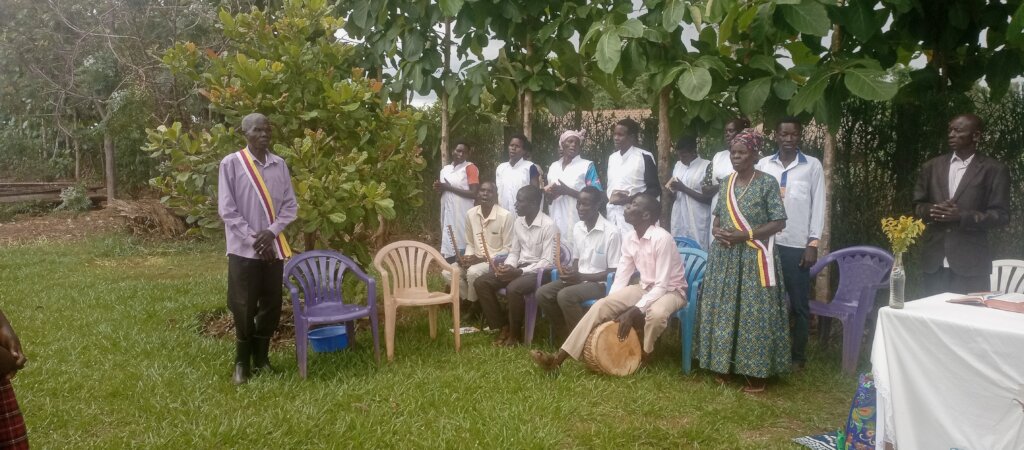
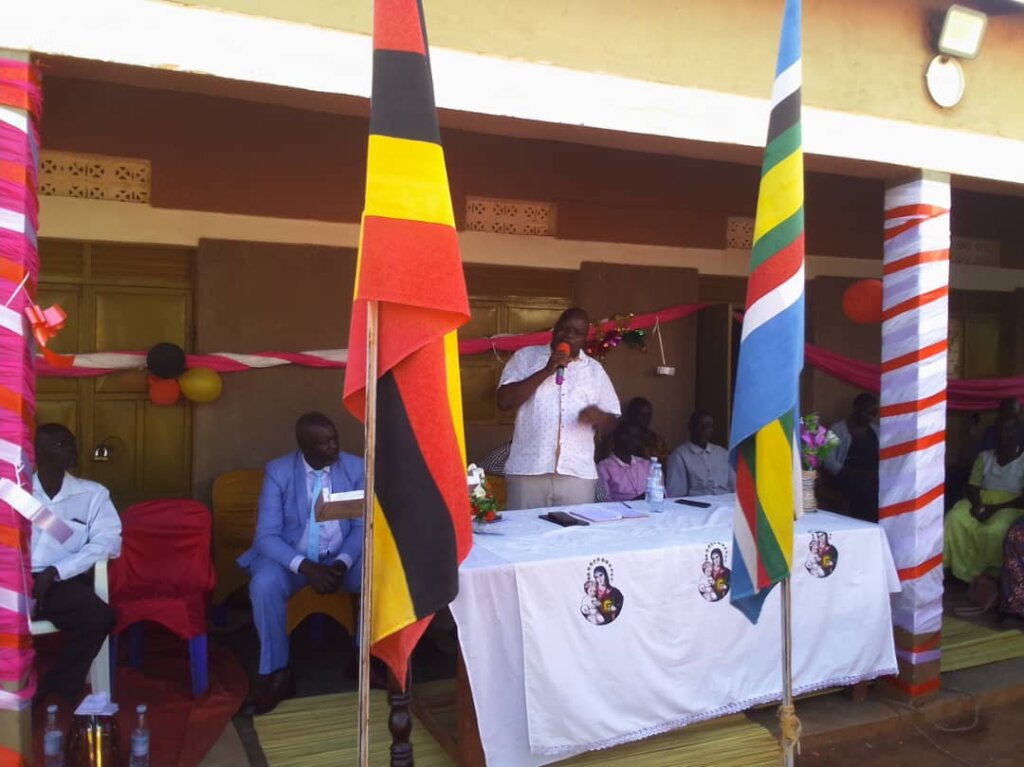
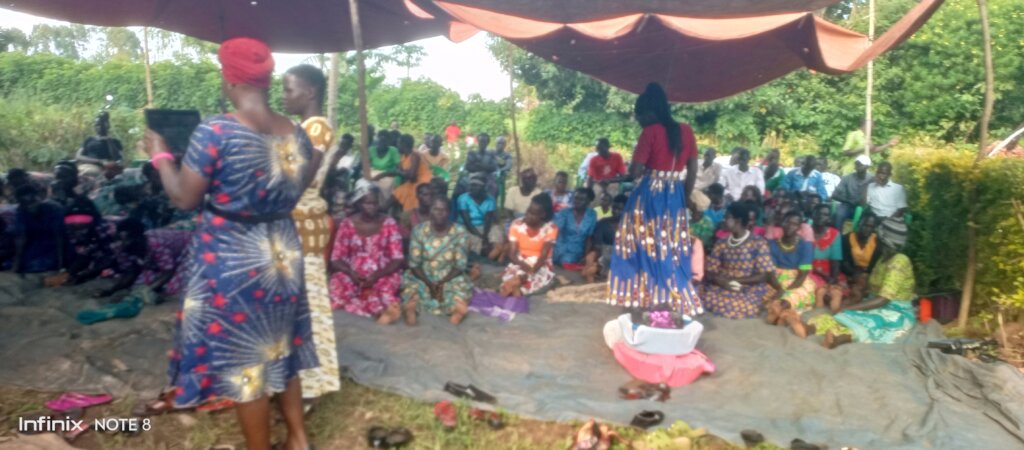
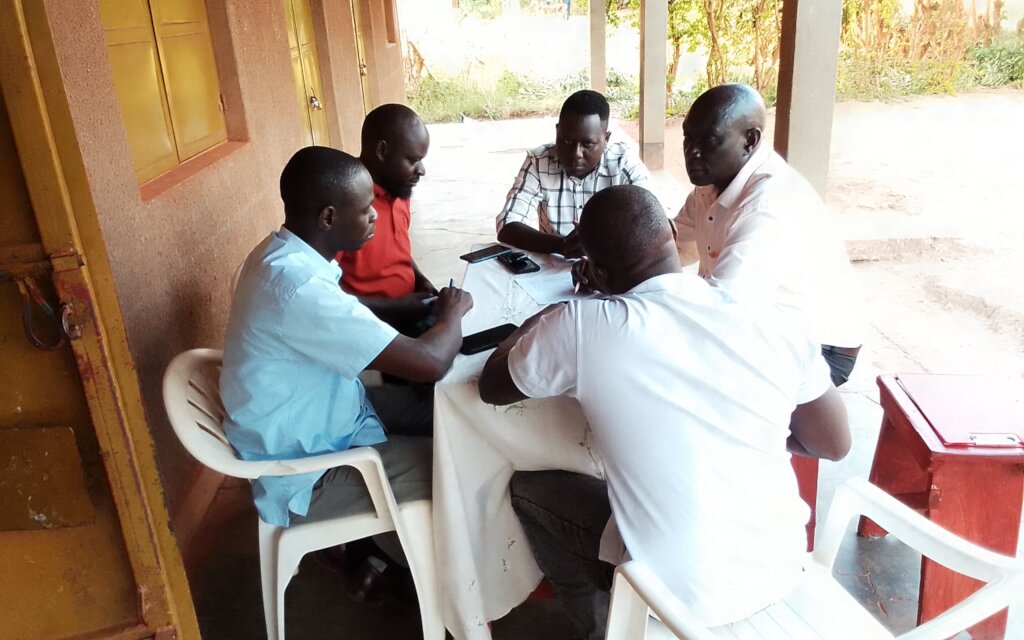
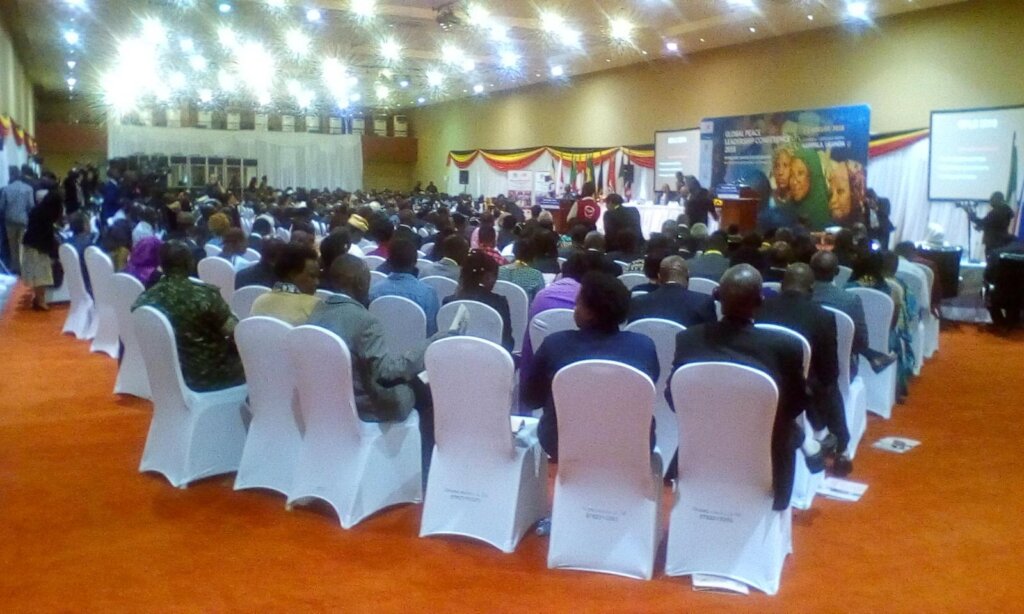
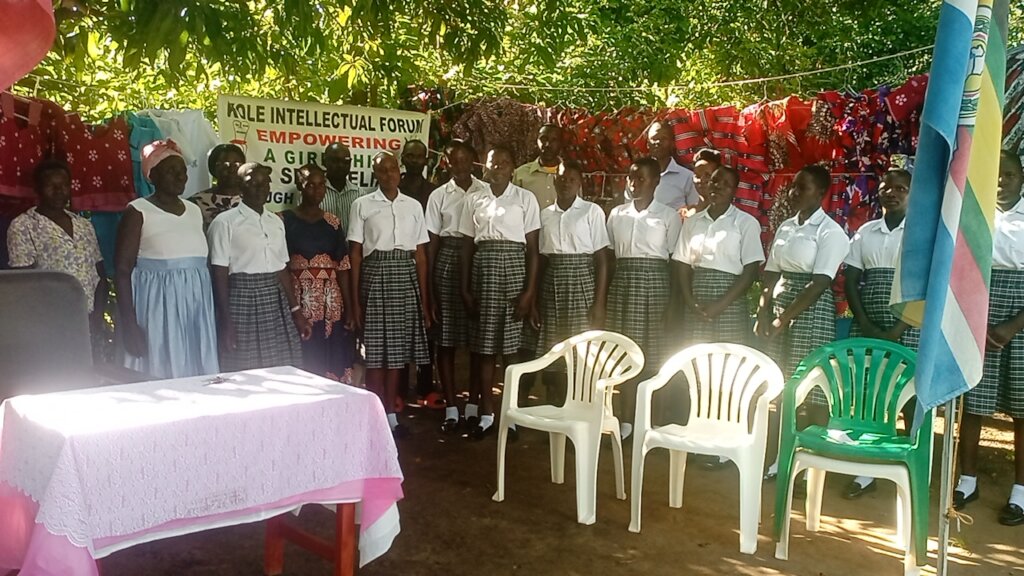
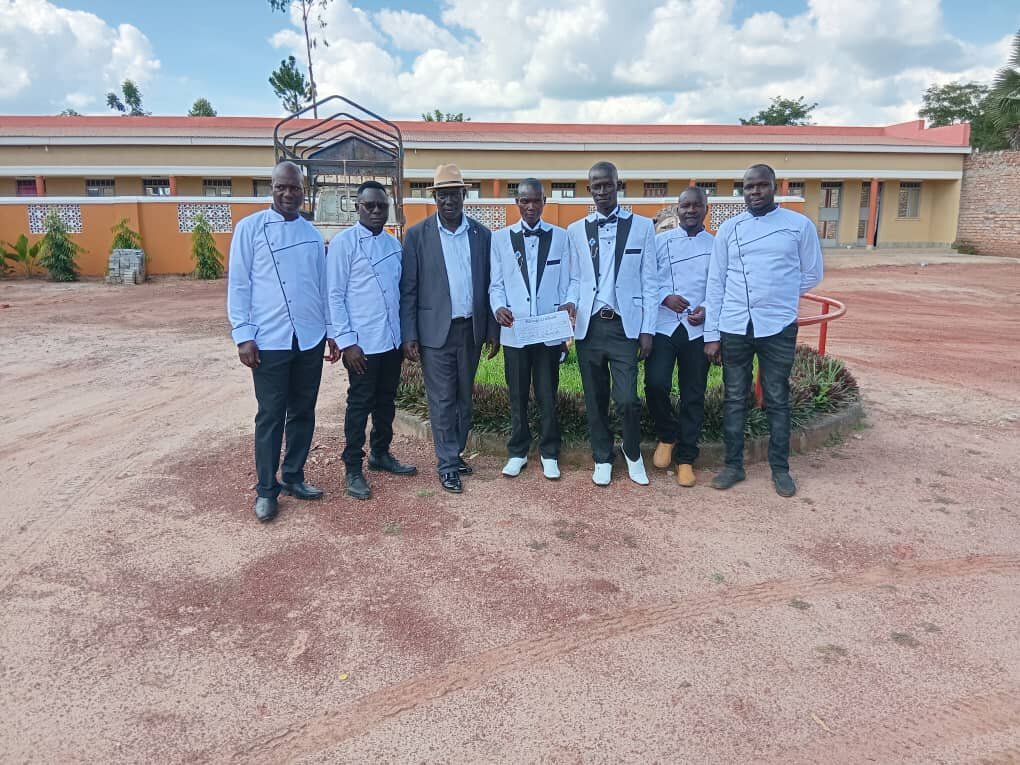
It was in July7, 2026, that: Kole Intellectual Forum held its Annual General Meeting (AGM) for the year ending June 30, 2026; purposely to formally review the past year's performance, approve financial statements, and elect or re-elect board members.
In that meeting, they discussed strategies for next financial year and other years to come; among other things, those were discussed and asked questions about them included the followings:
- Financial Review: Present and review the organization's financial statements and performance from the previous year.
- Shareholder/Member Engagement: Provide a forum for members to ask questions and engage with the company's management about its activities and plans.
- Elections: Elect or re-elect members of the governing body, such as the board of directors, committee members, or trustees.
- Decision-Making: Vote on important corporate decisions, which can include changes to the organization's governing documents or other "special business".
- Future Planning: Discuss and set the future direction and strategies for the upcoming year.
- Transparency and Accountability: Foster transparency and accountability by providing stakeholders with an official overview of the company's performance and future commitments.
![Share on Twitter]()
![Share on Facebook]()
Aug 14, 2026
The value for money: KIFA
By George Obua | Project Leader
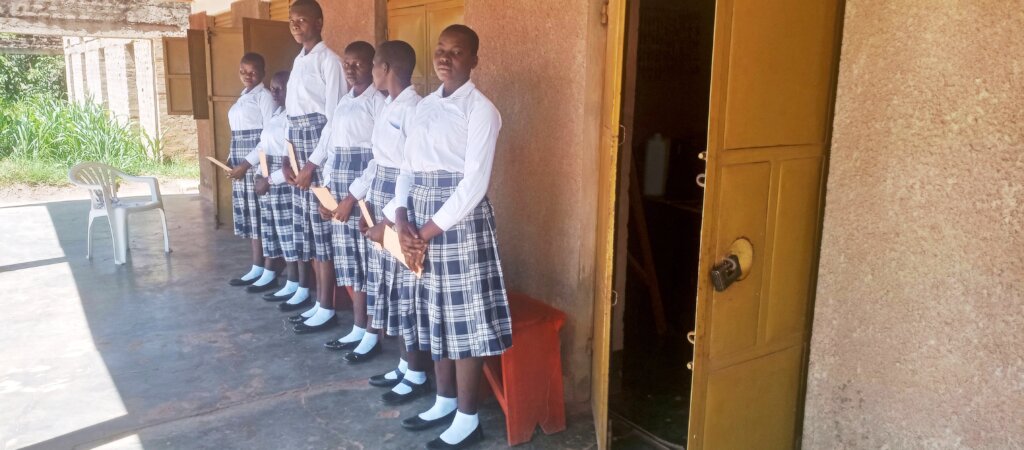
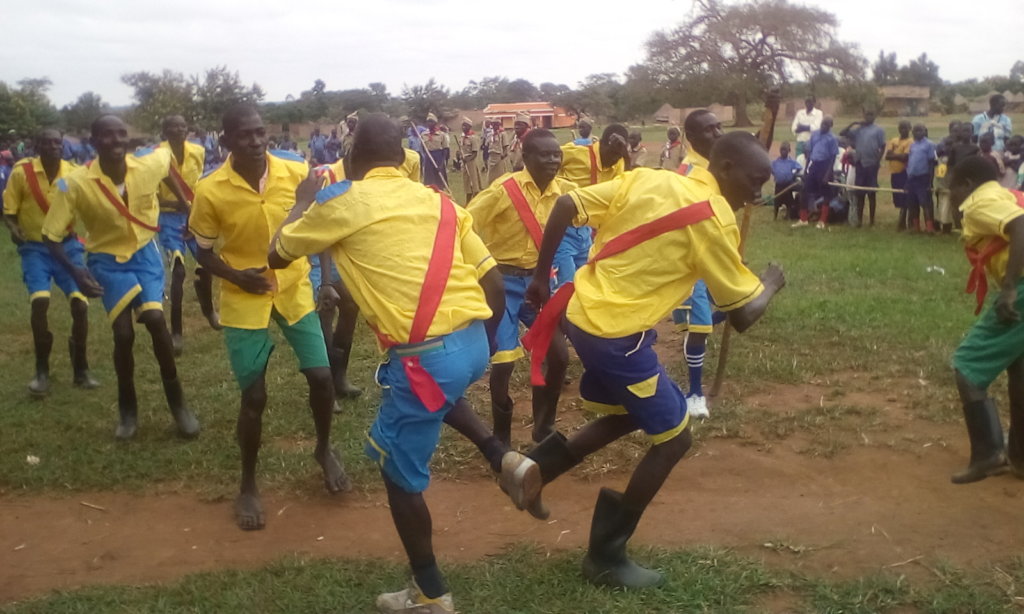
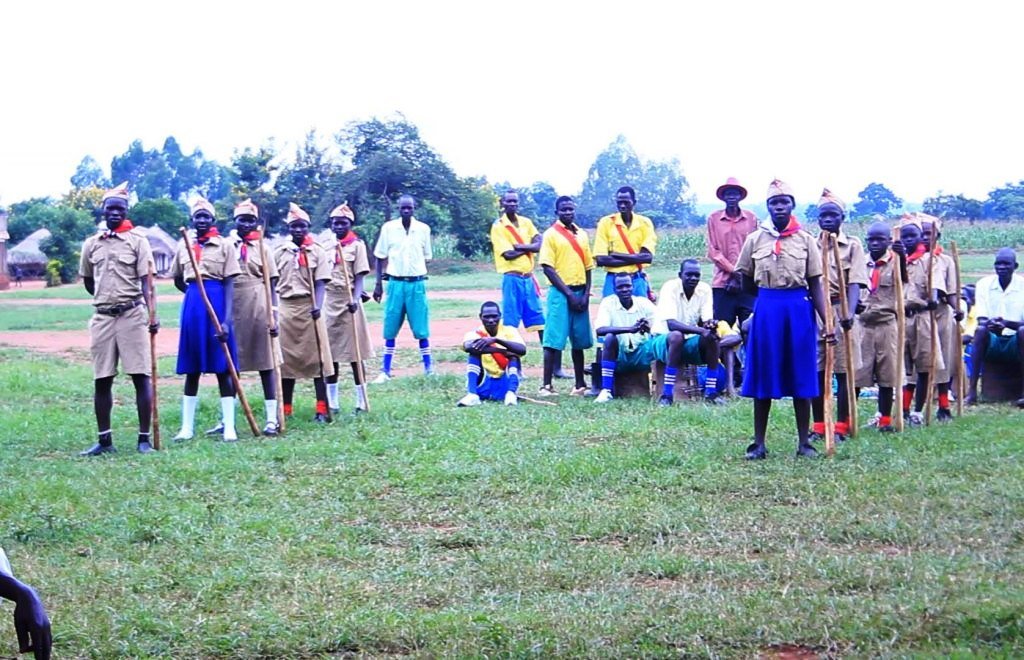
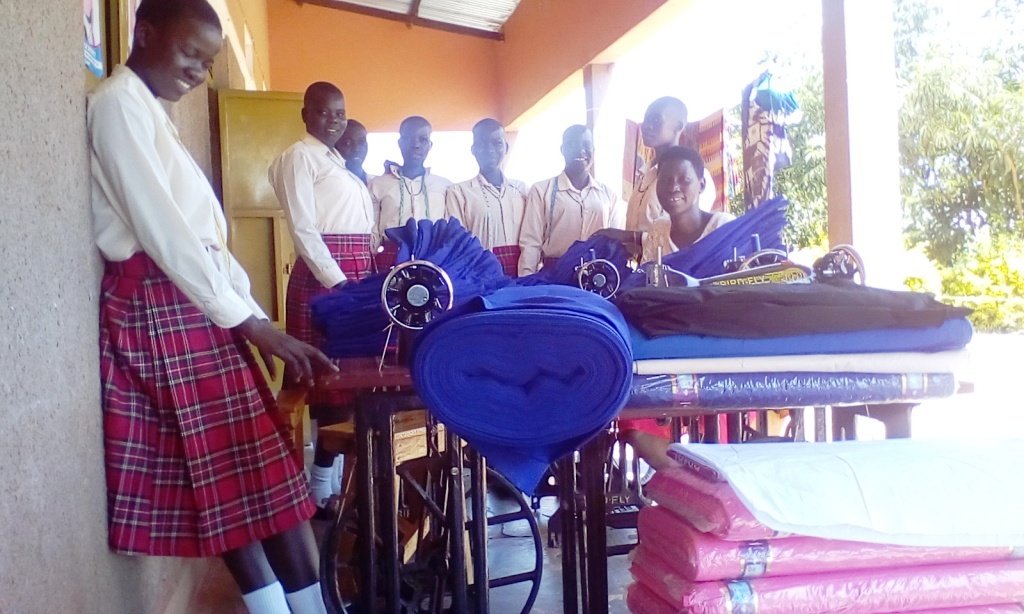
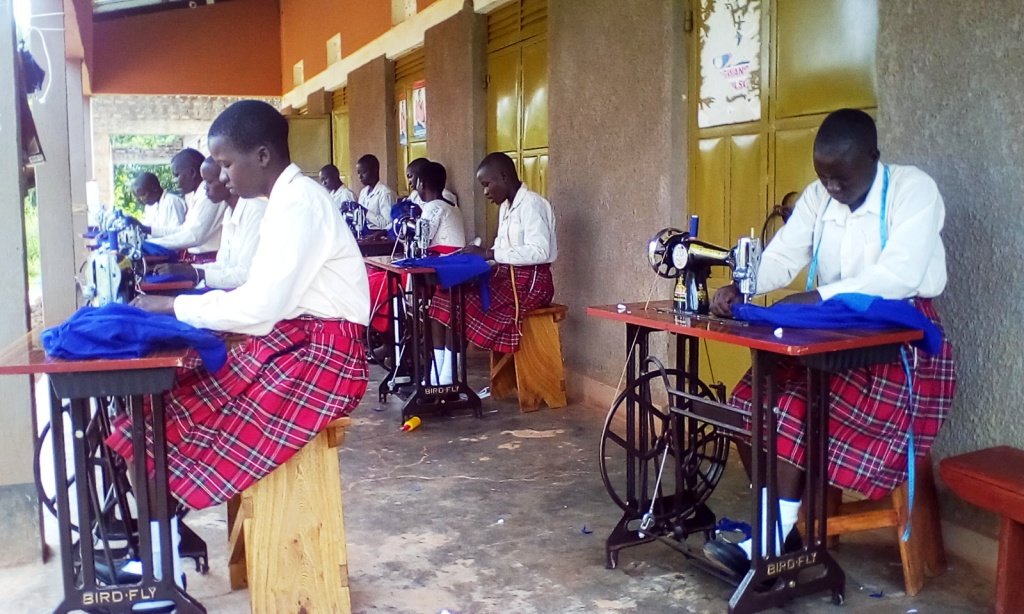
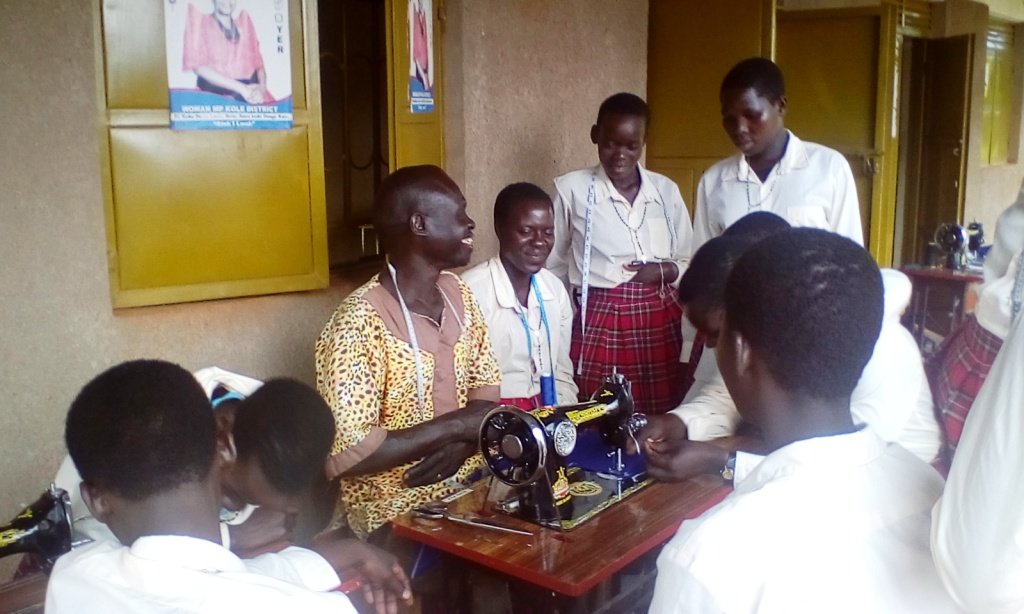
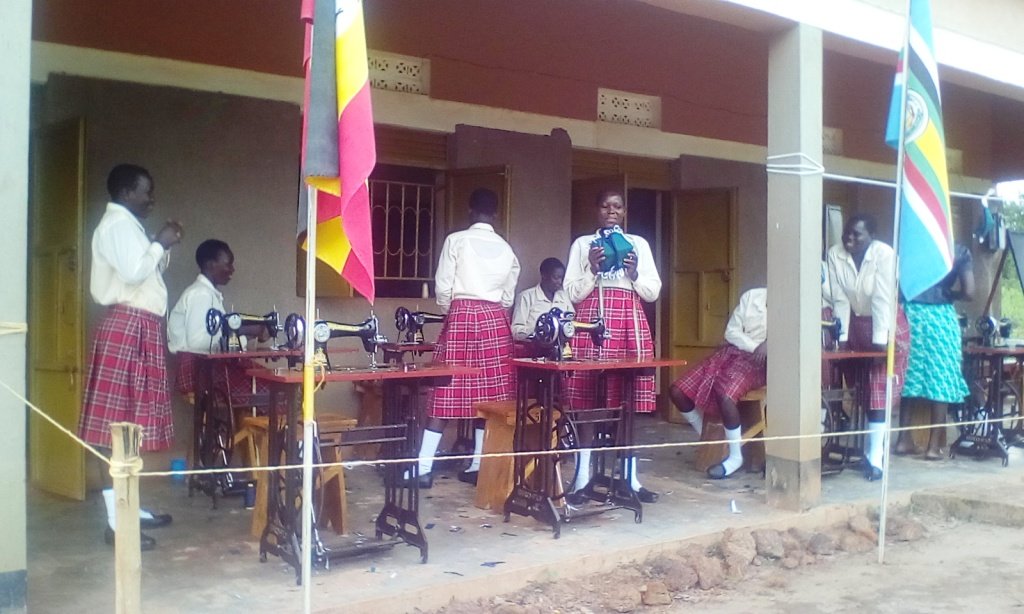
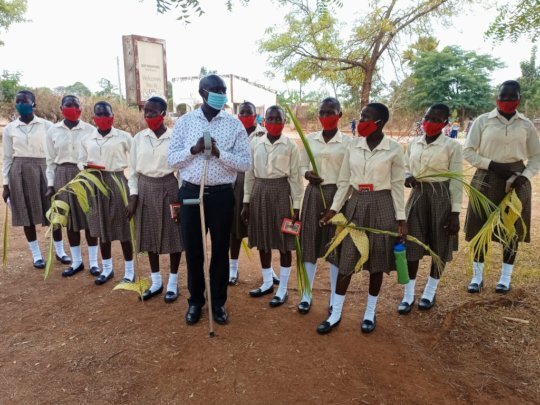
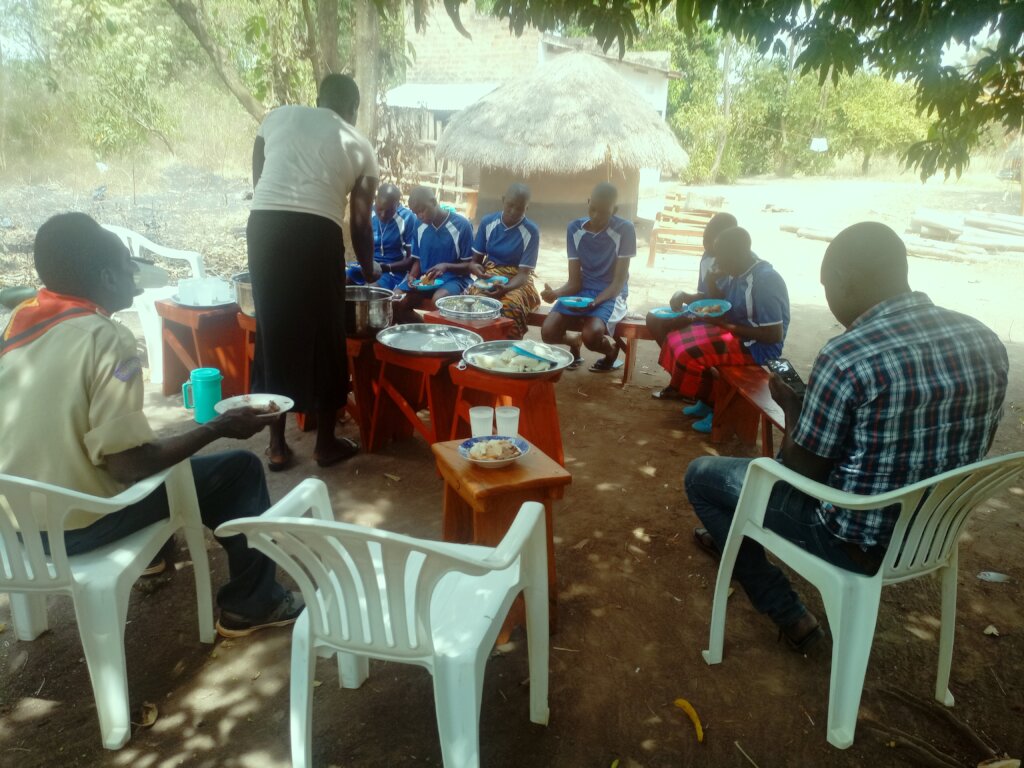
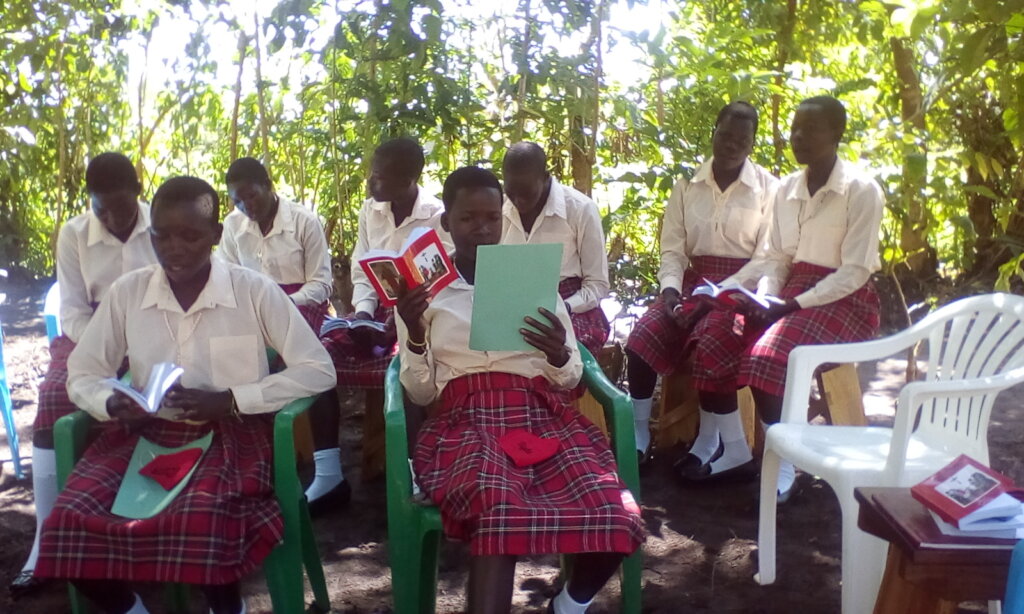
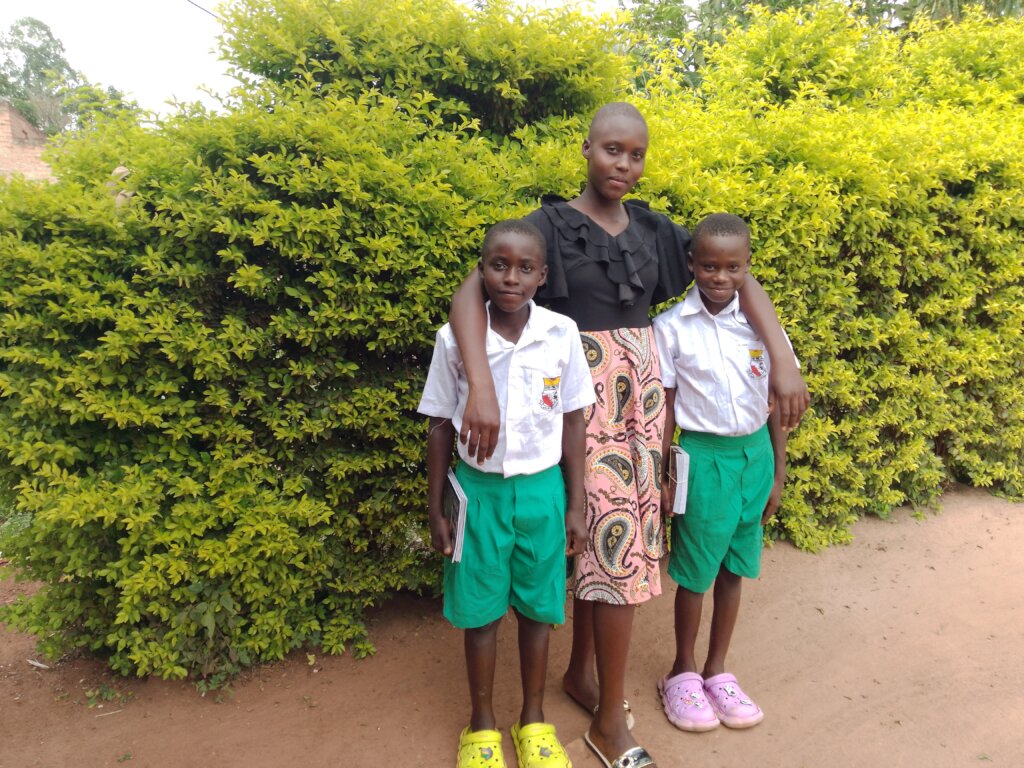
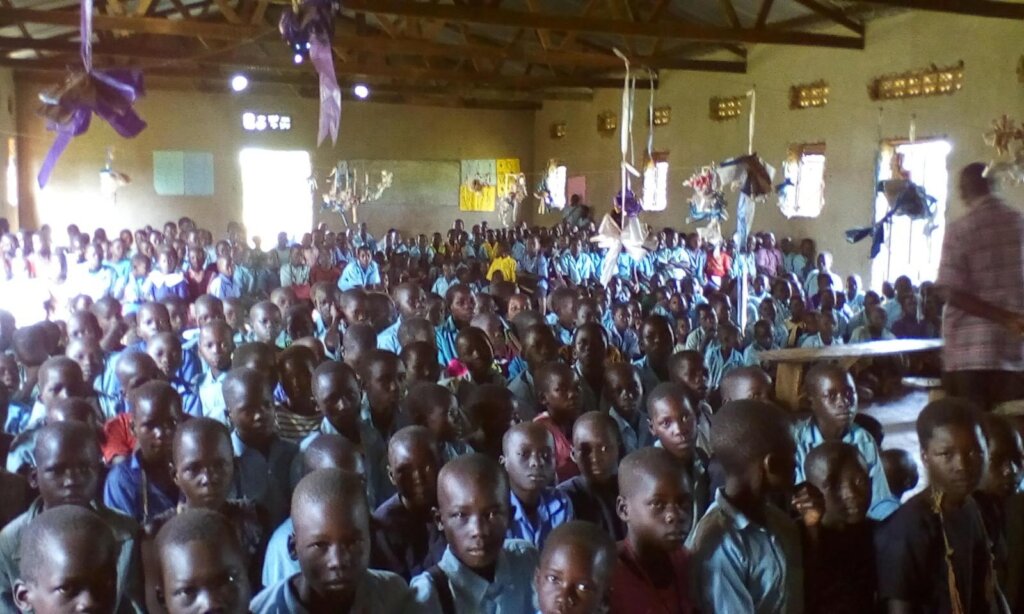
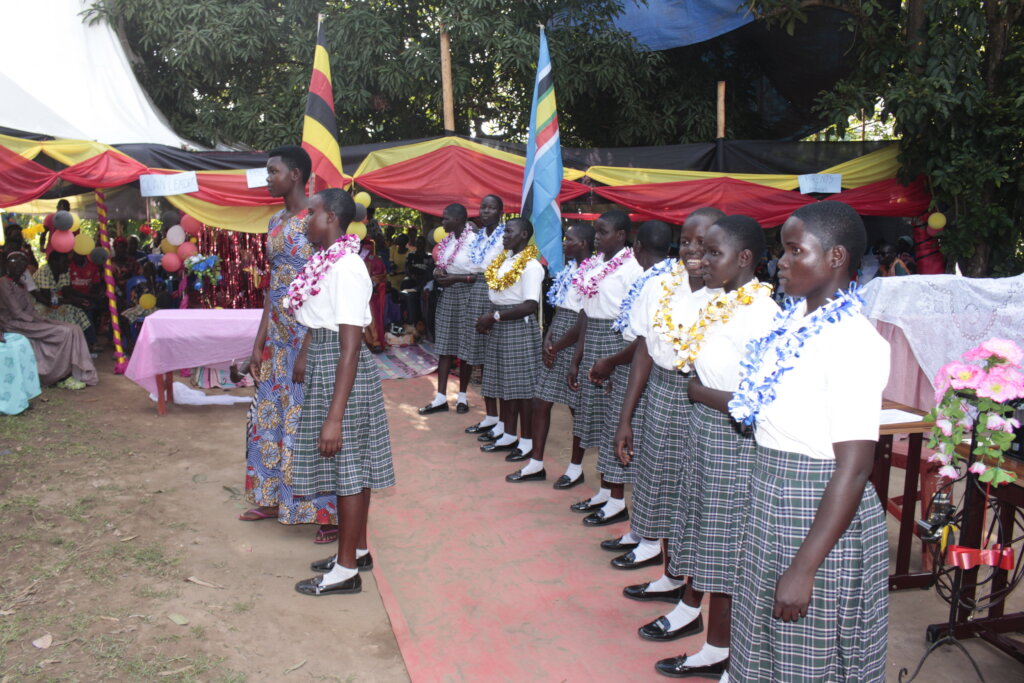
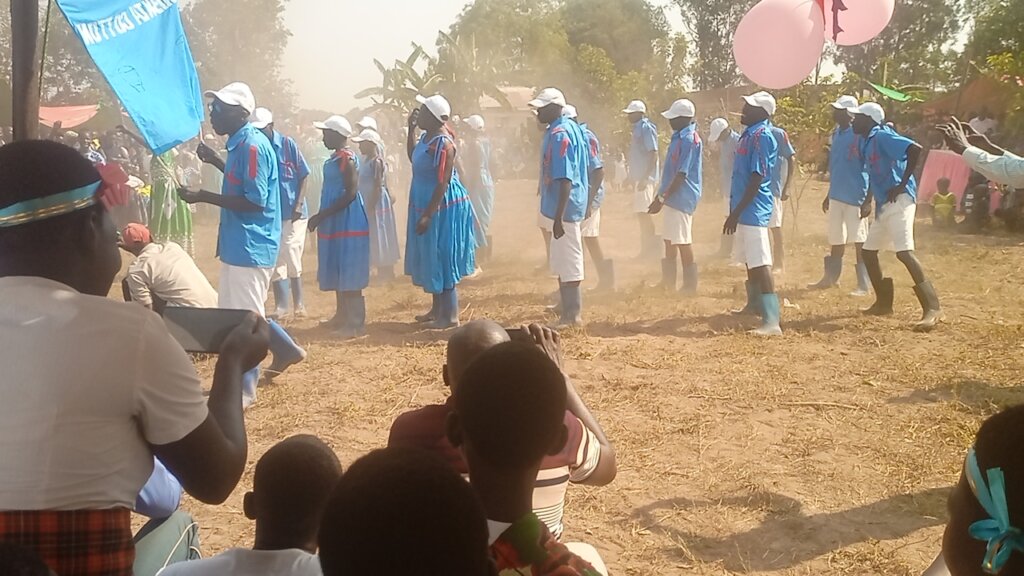
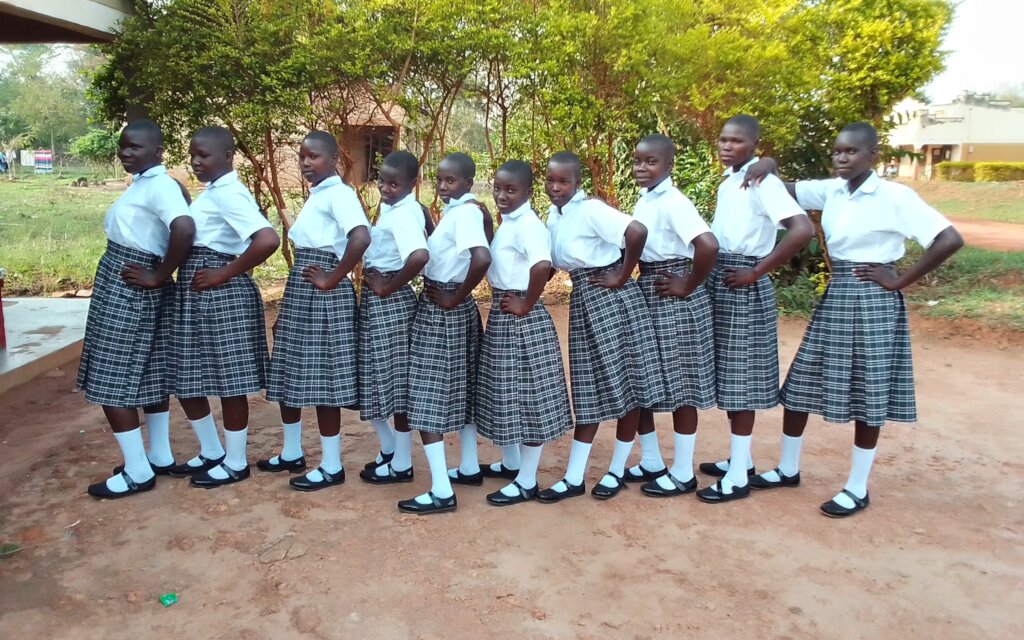
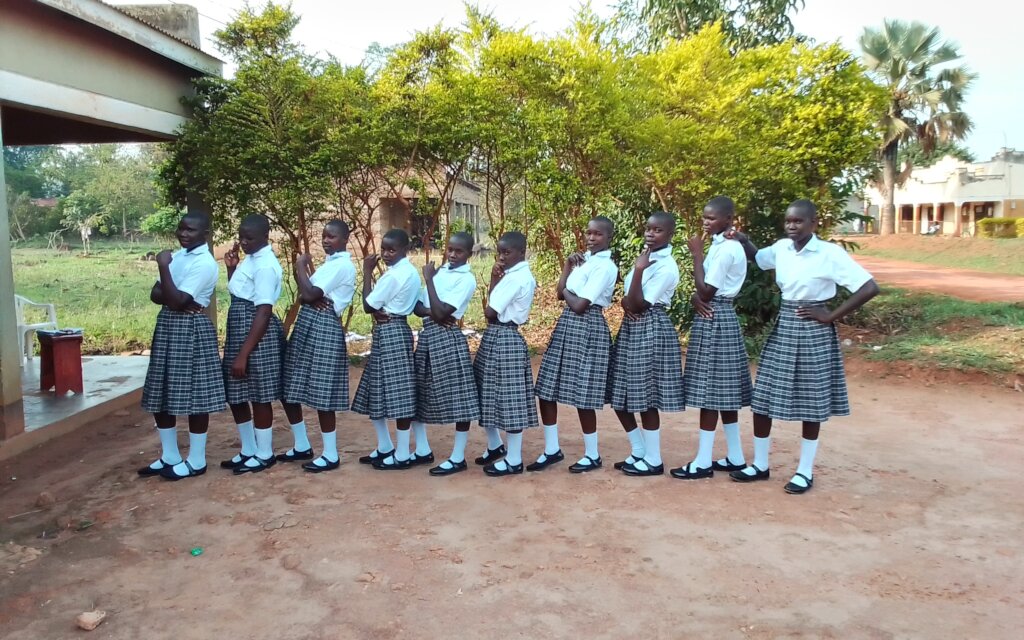
![The beneficiaries enjoy the program developed]()
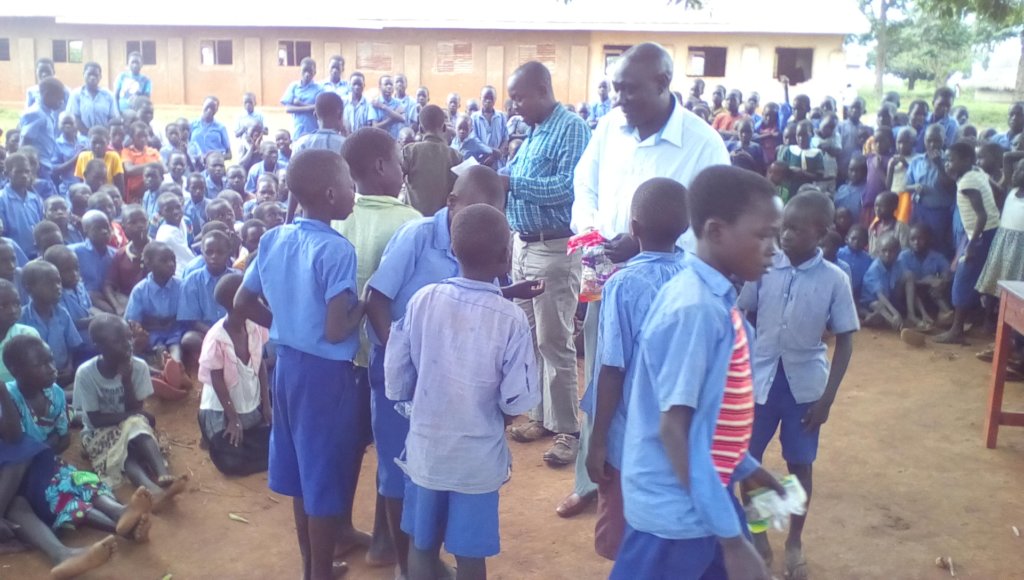
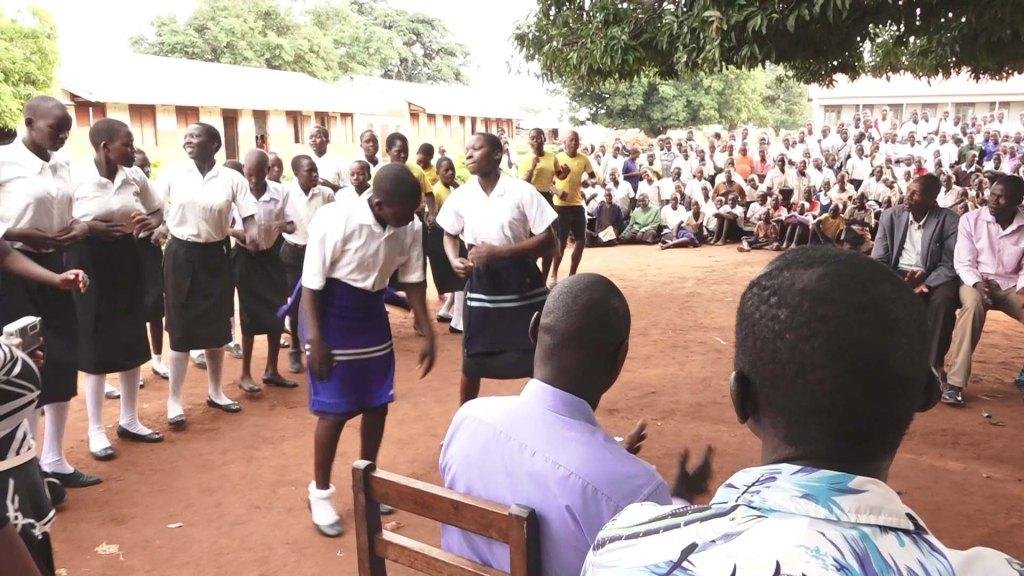
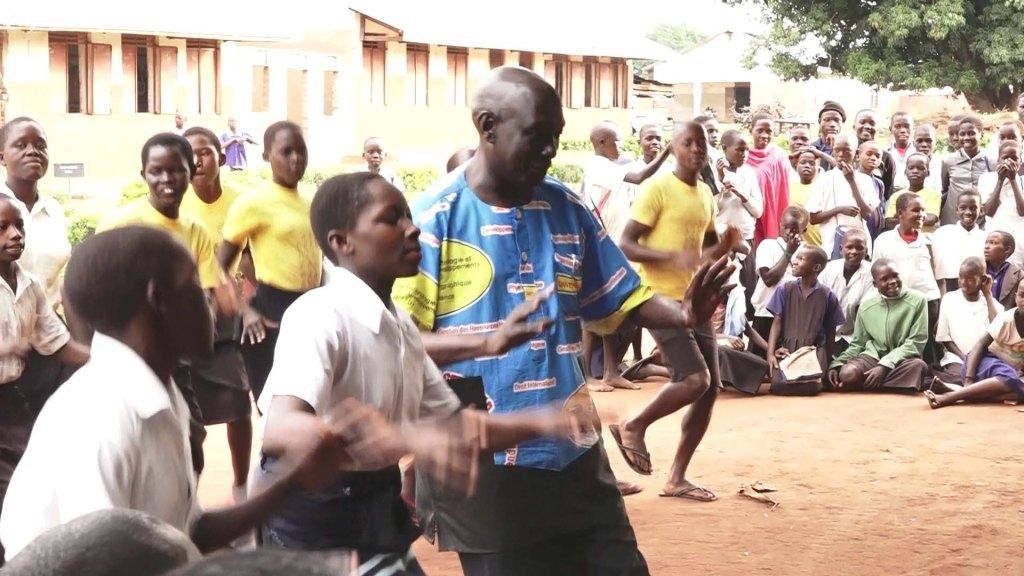
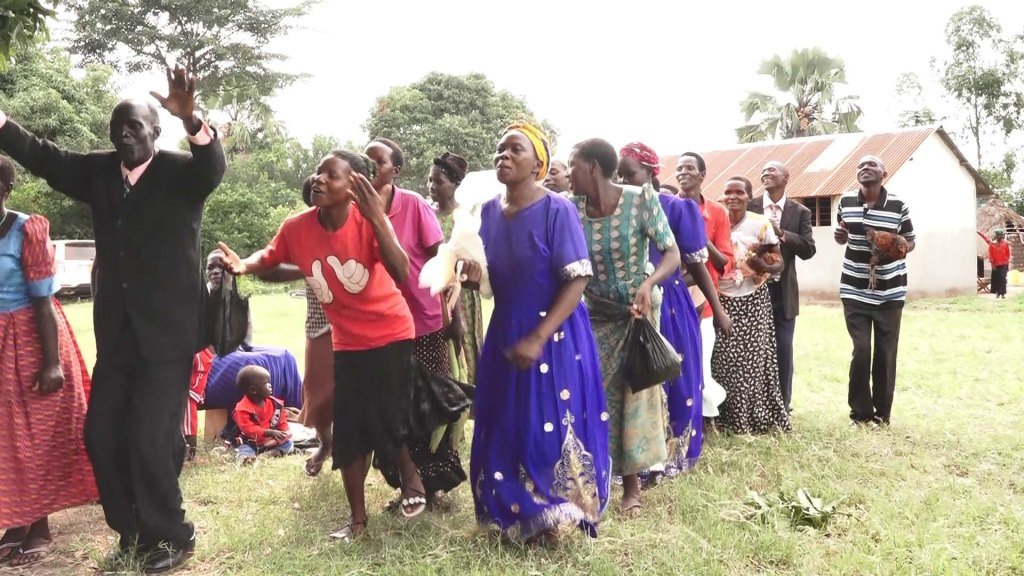
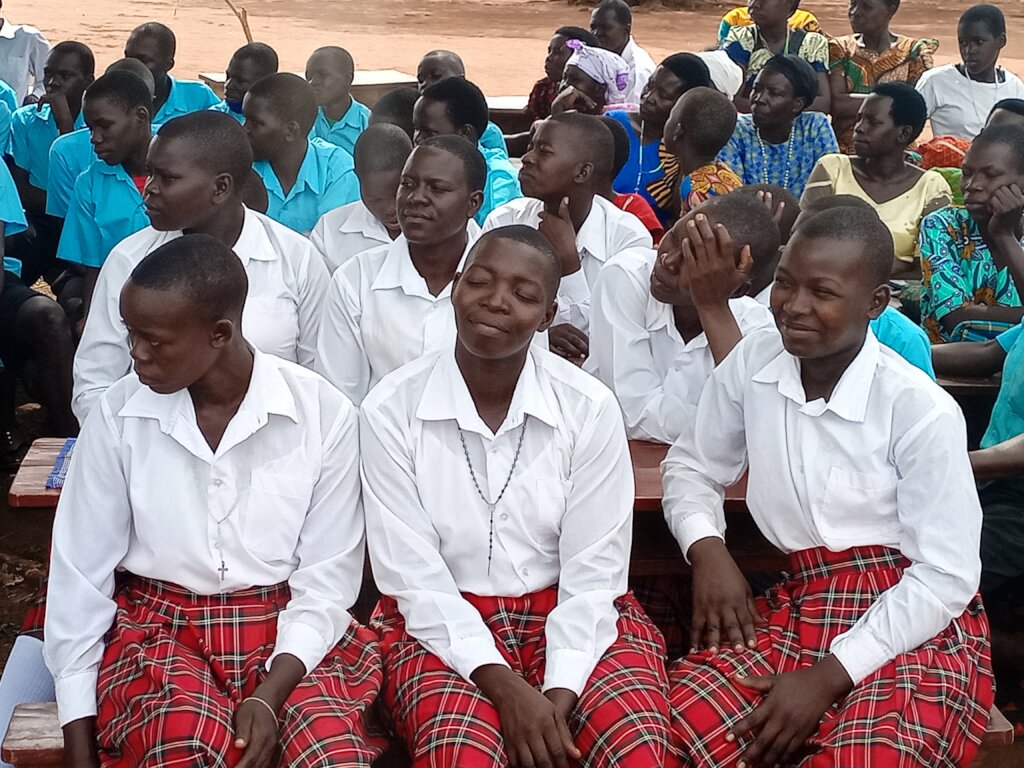
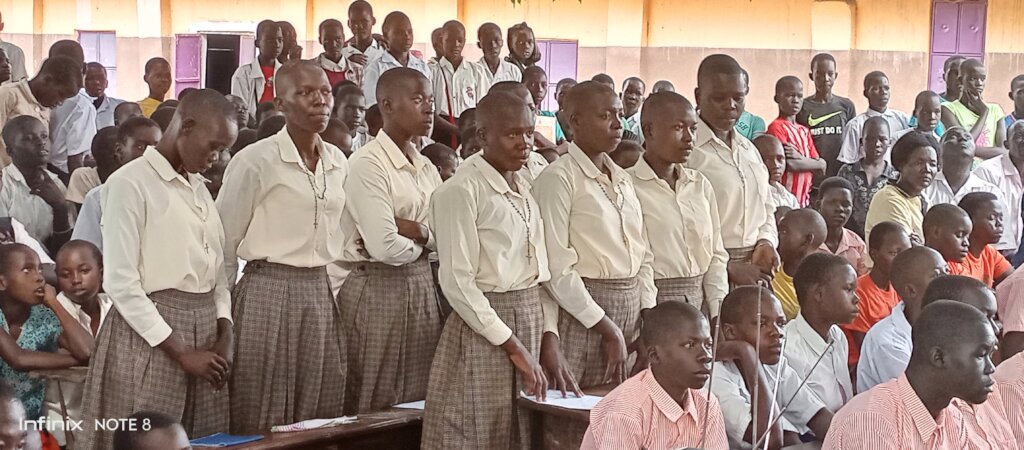
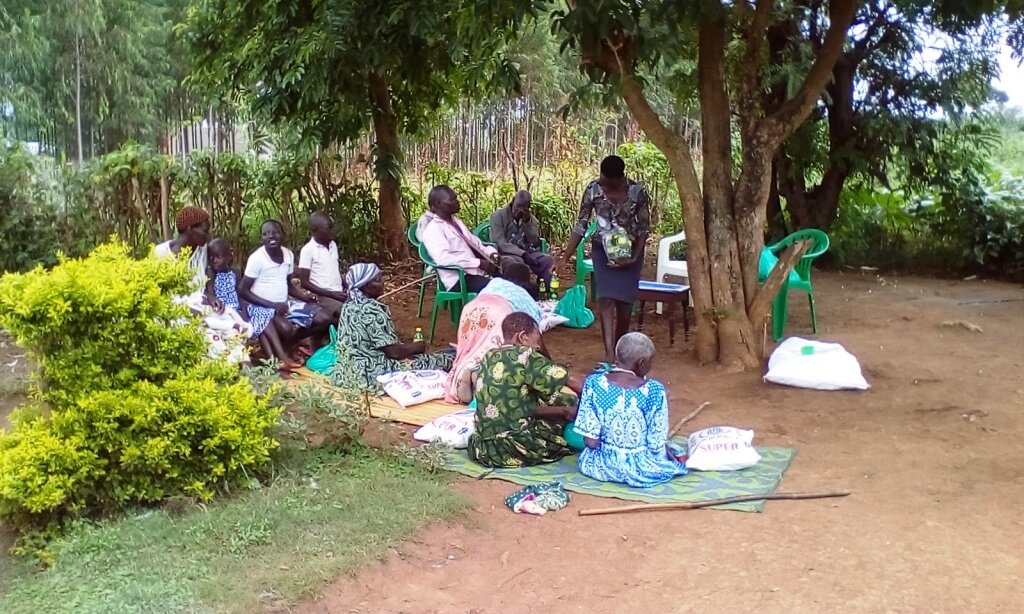
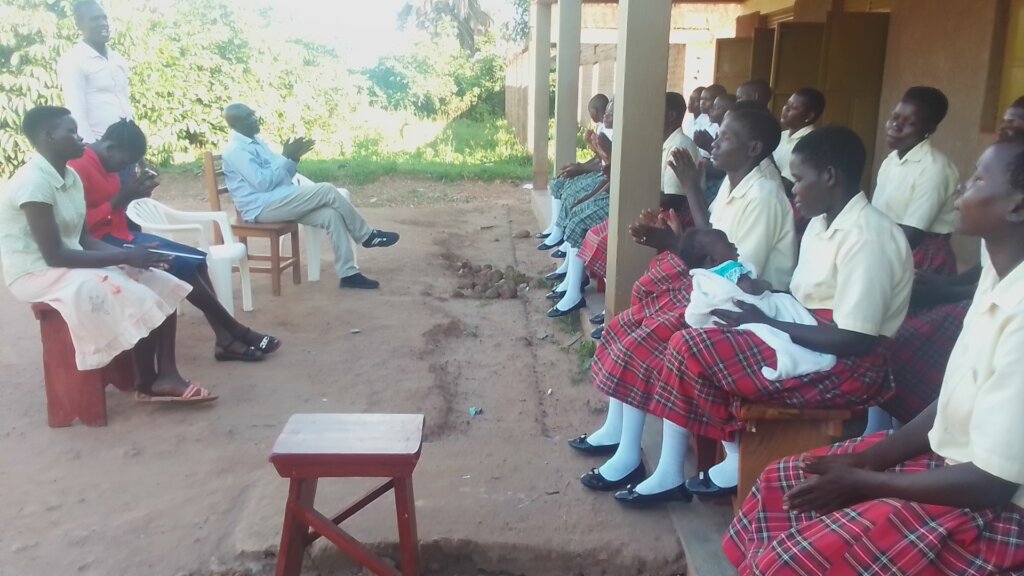
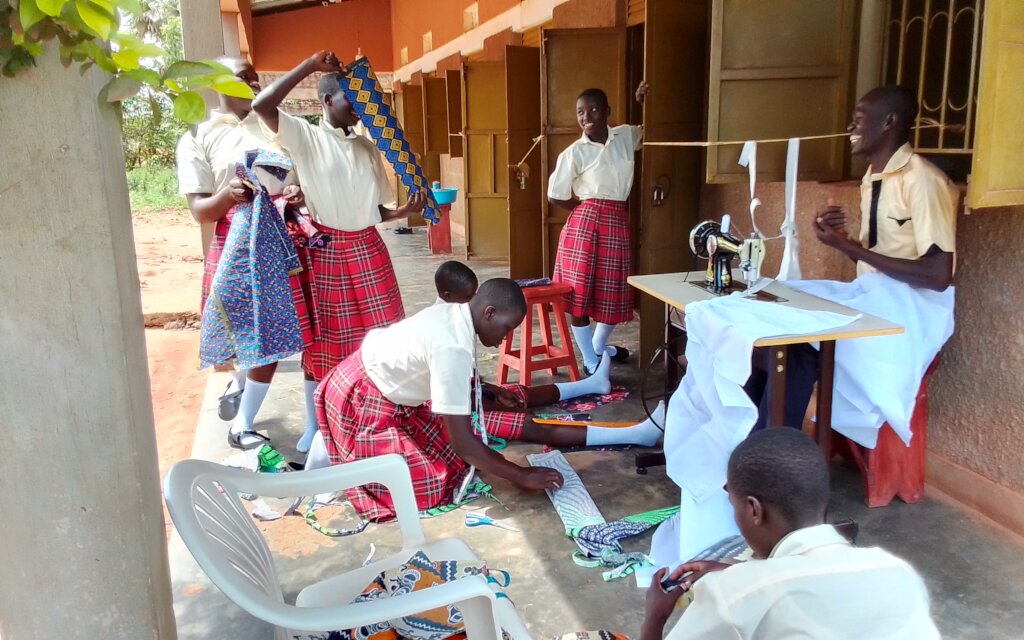
The beneficiaries enjoy the program developed
The value for money: KIFA
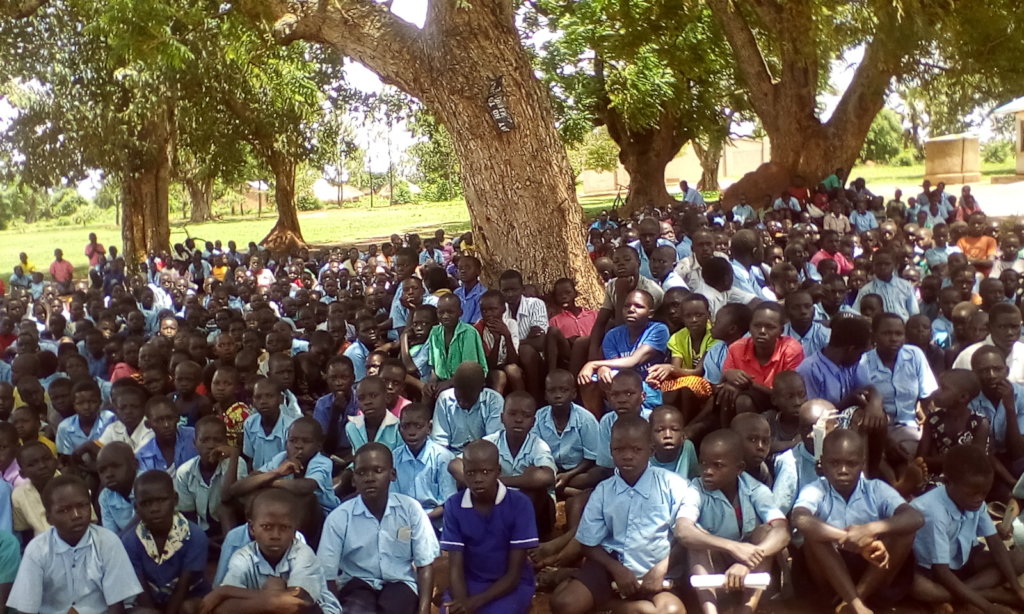
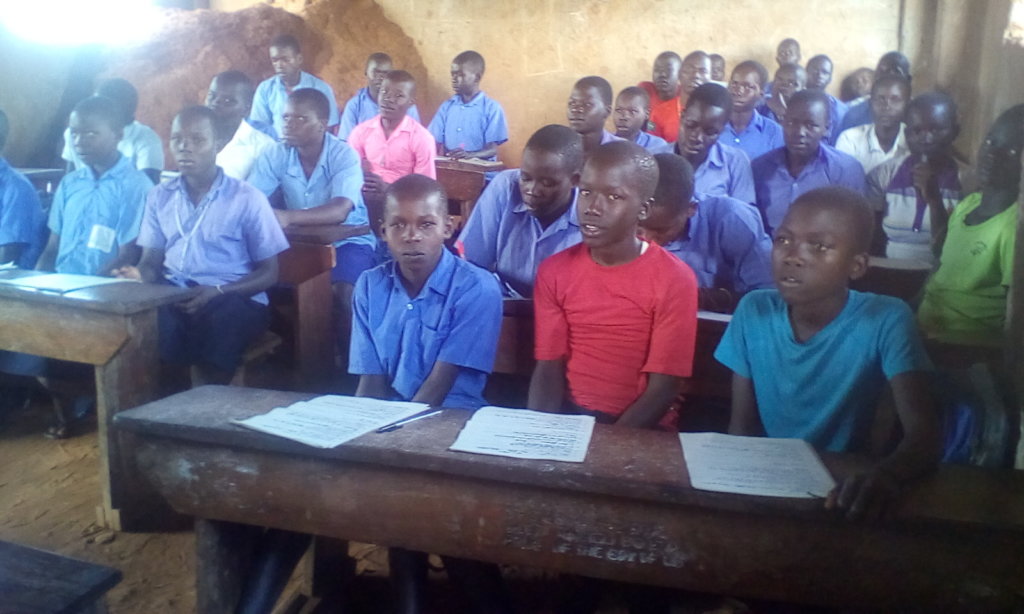
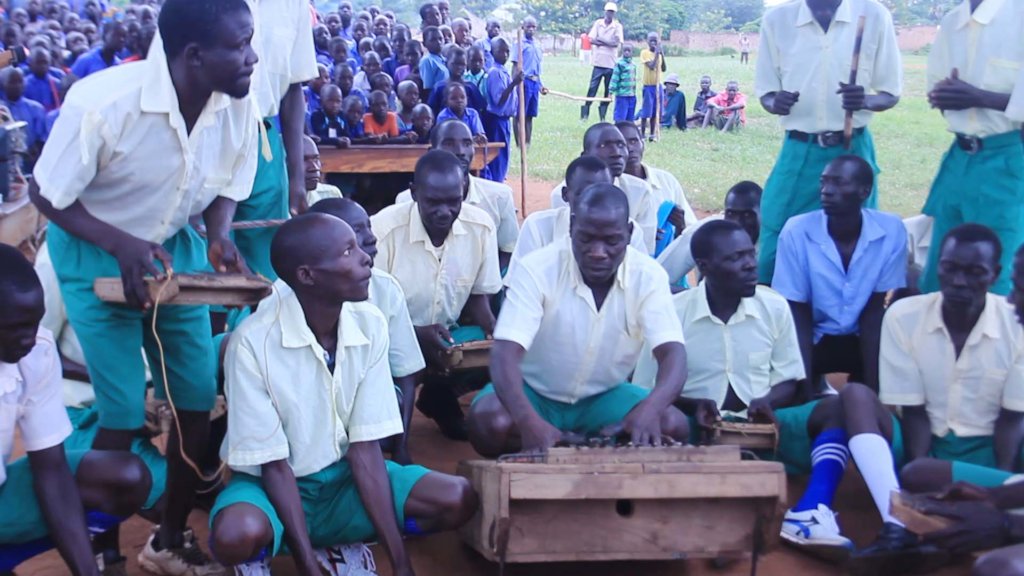
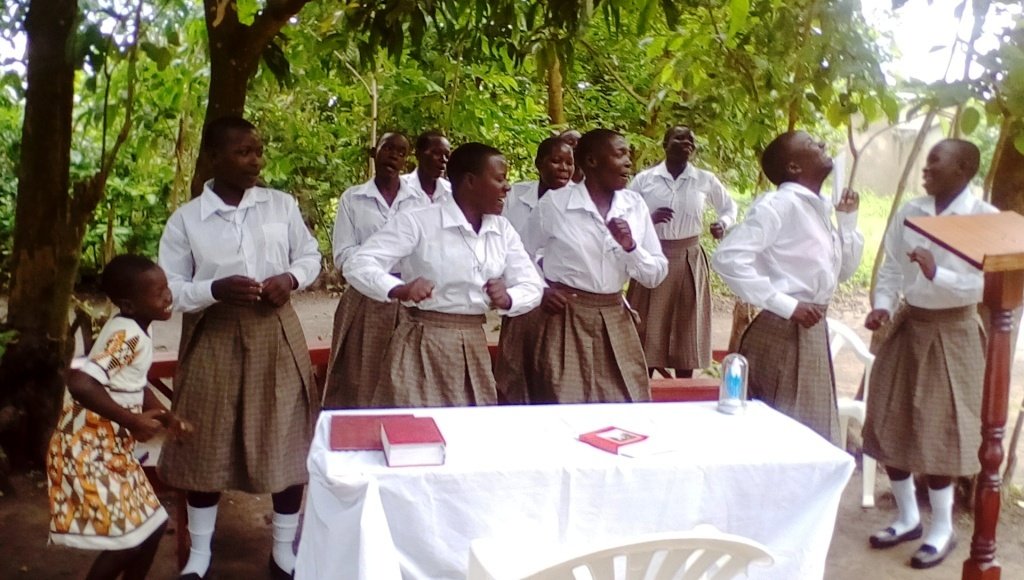
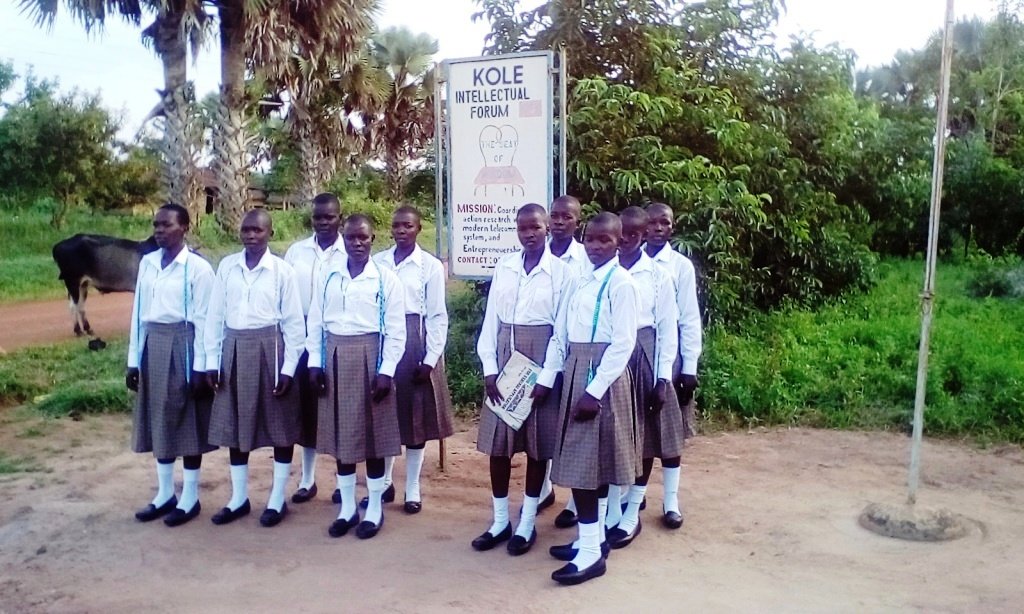
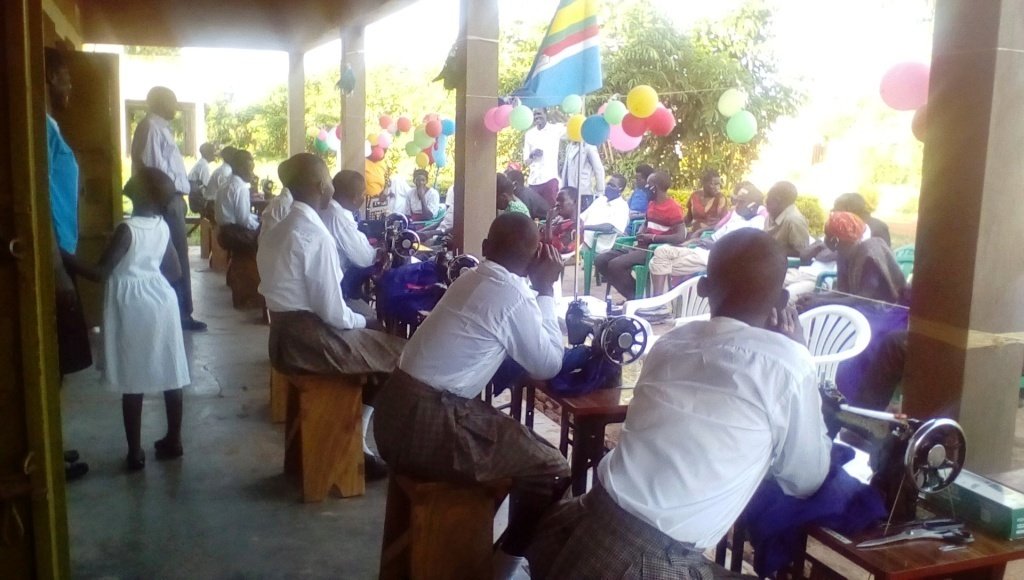
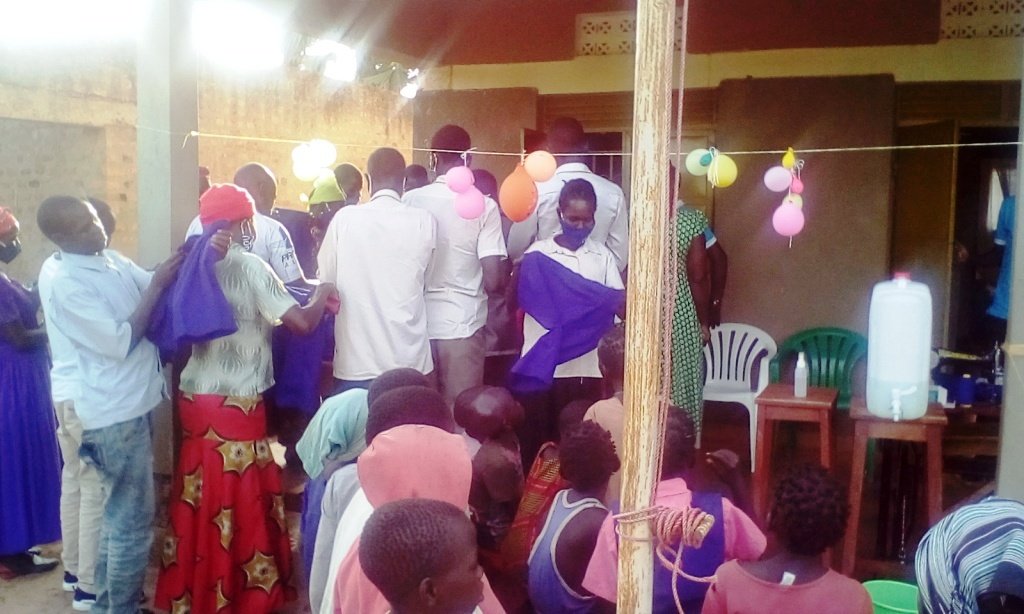
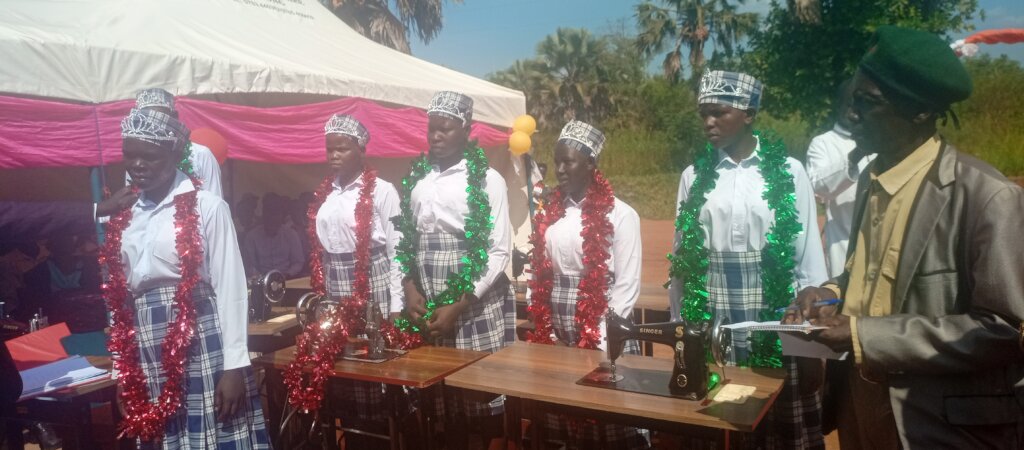
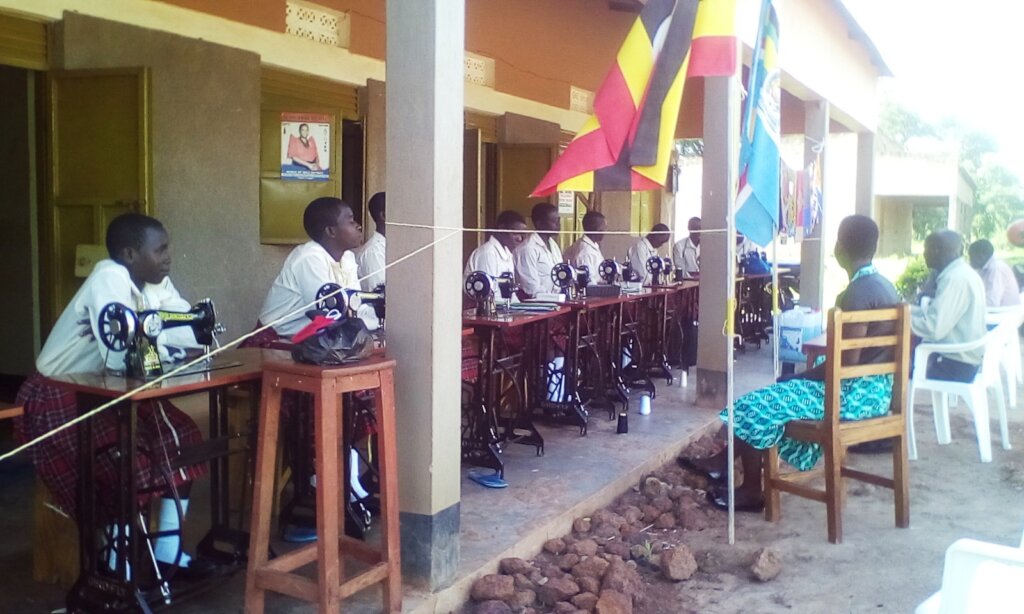
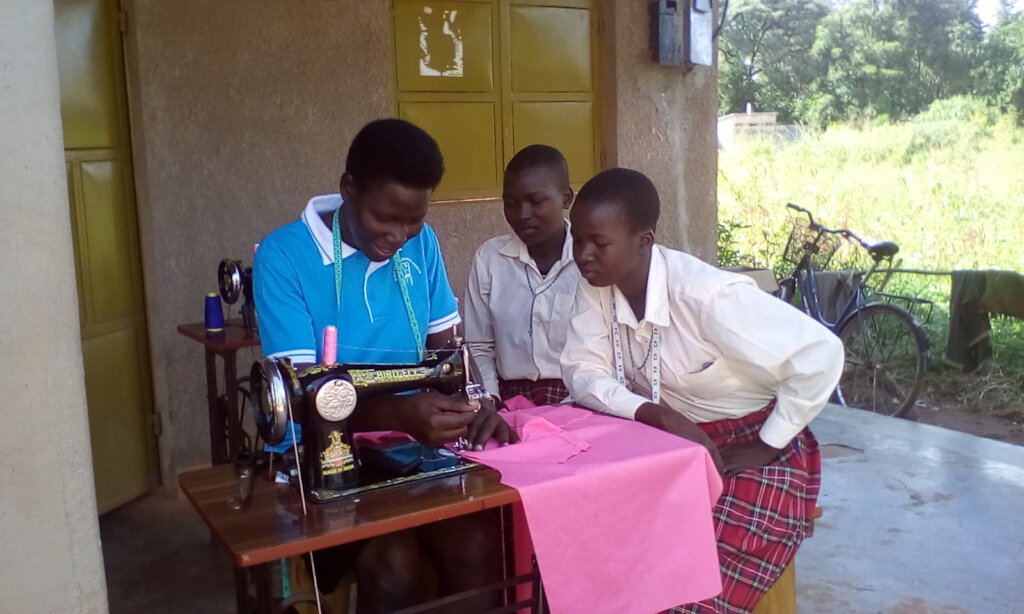
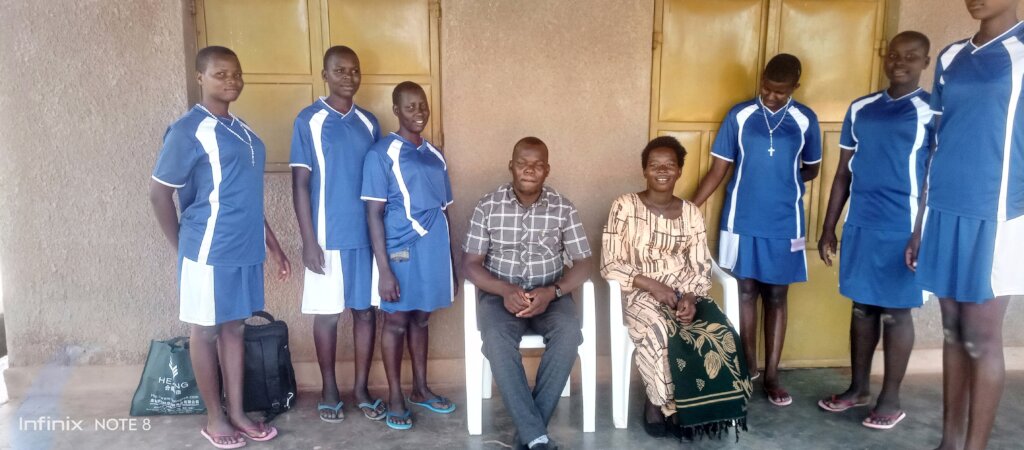
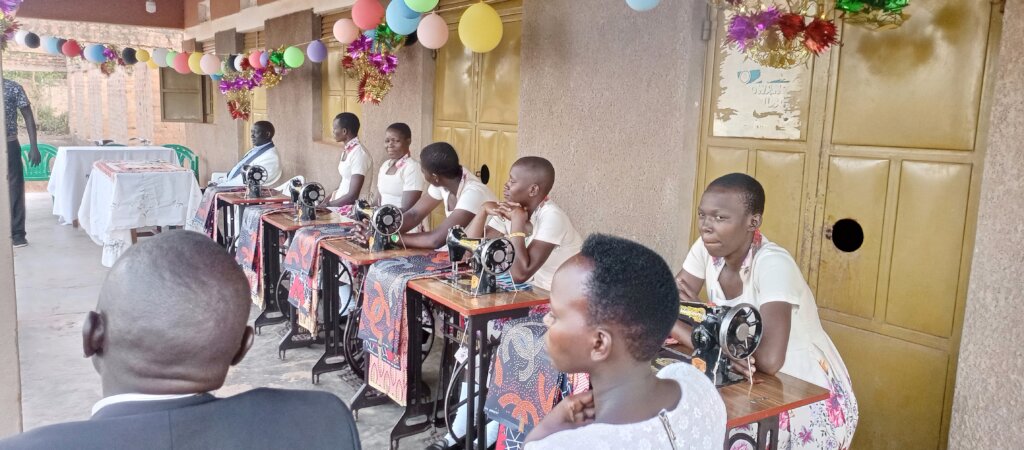
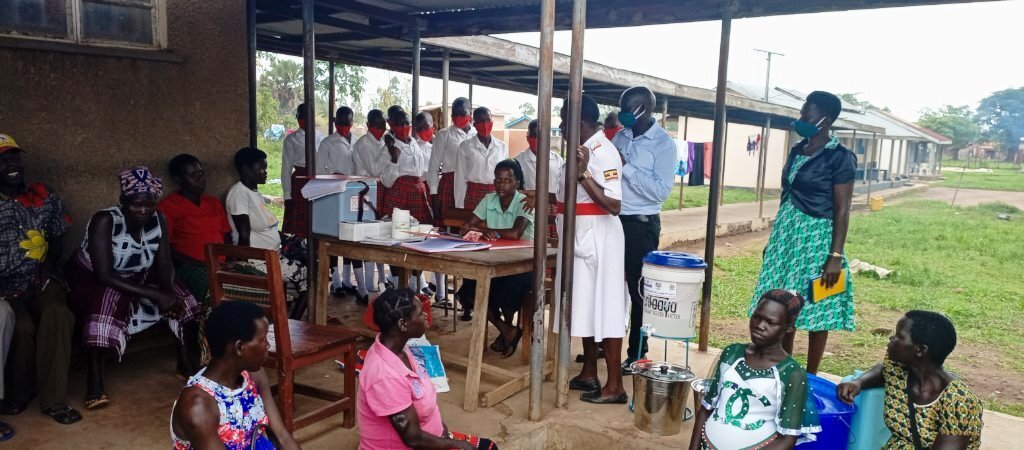
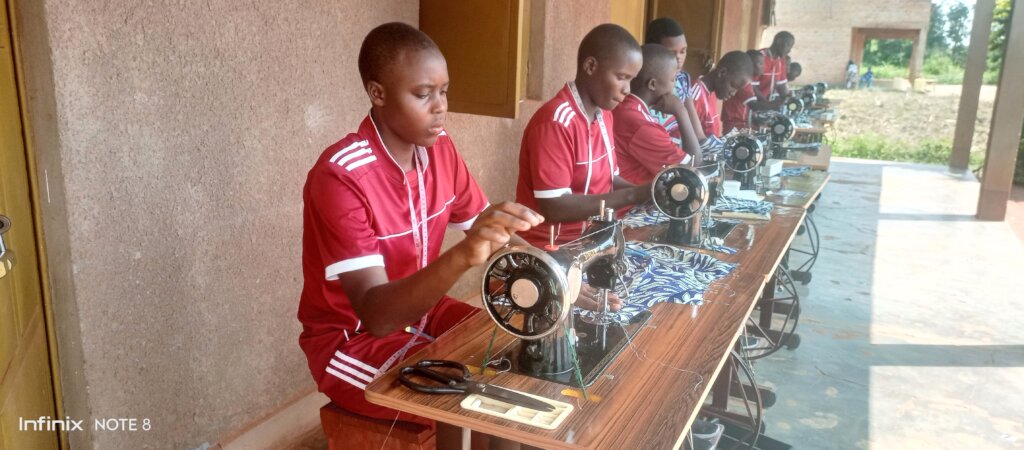
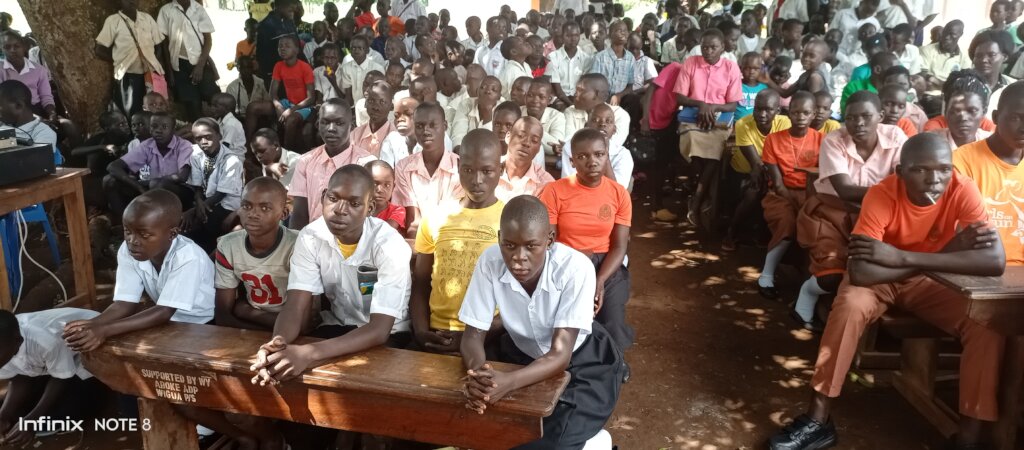
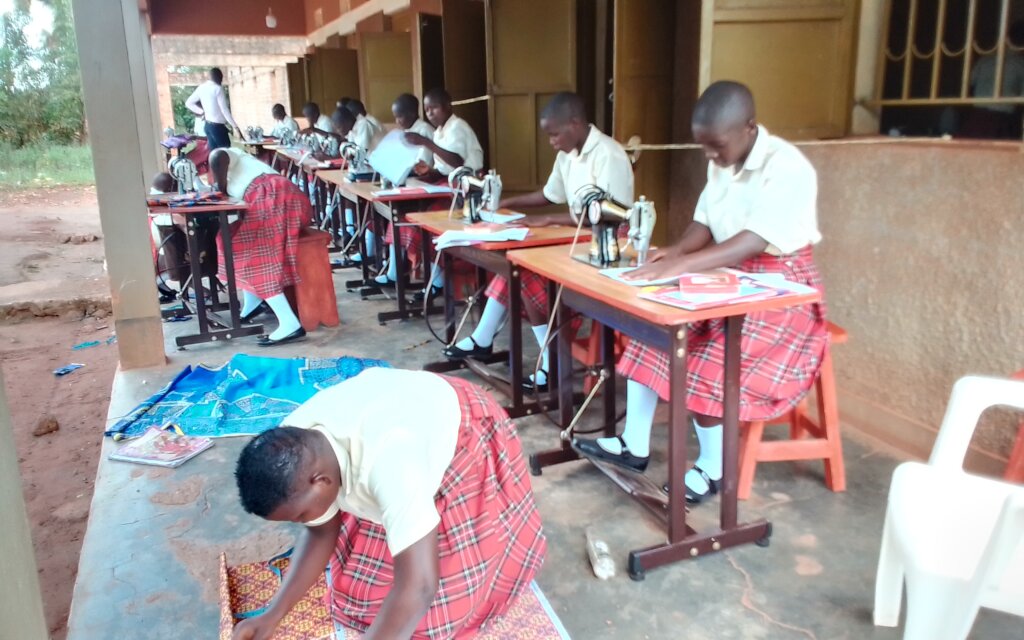
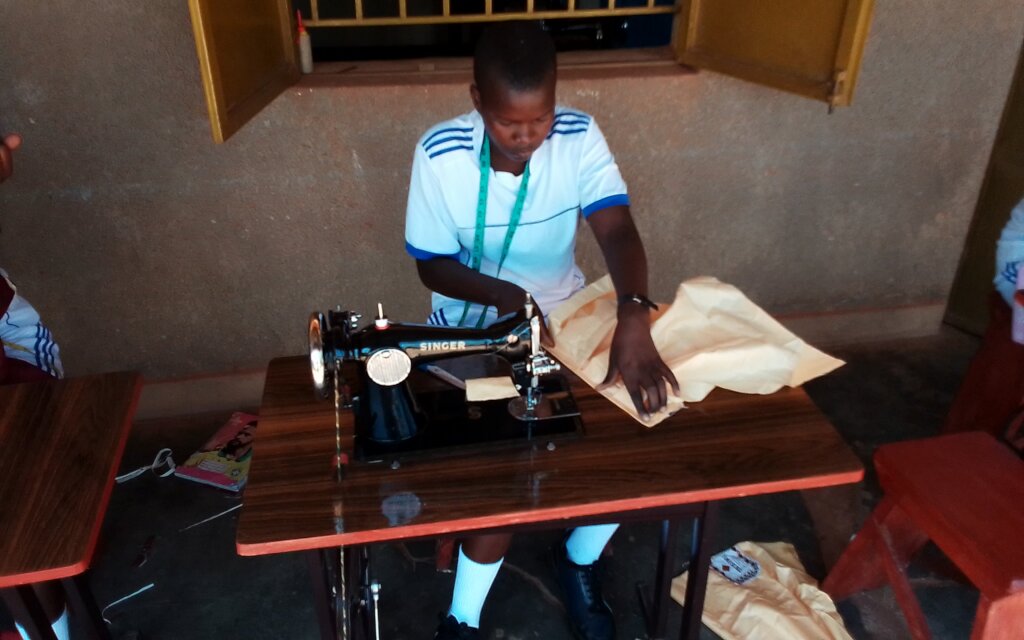
Since the very beginning of partnership with GlobalGiving in 2018: Kole Intellectual Forum purportedly in this report, has endeavored to torch the hearts of their donors and beneficiaries in a profound and more often in a transformative manner, a shift, from the consciousness of these two diverse personalities that tend to recognize that: their waking up in life for the needy can fluid, subjective, and shape their own mind, most likely in a dream, yet with experience supported with the vividness and agency of reality
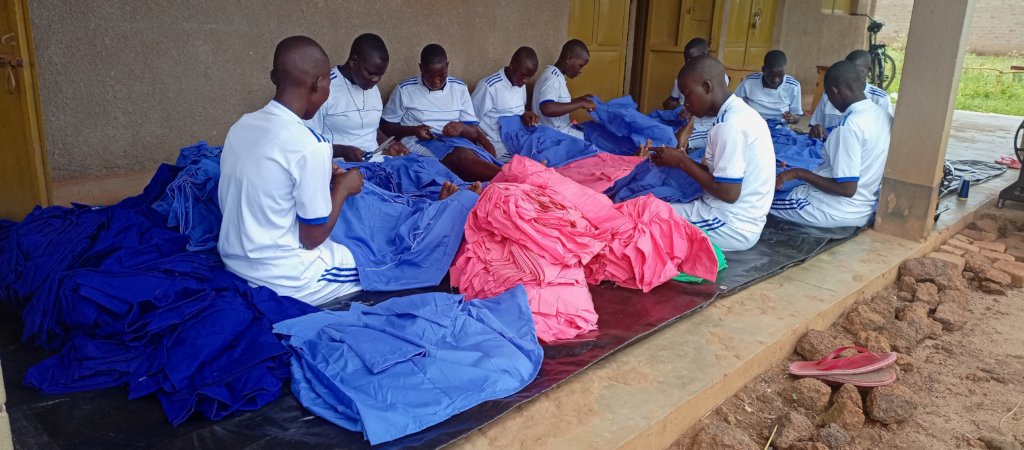
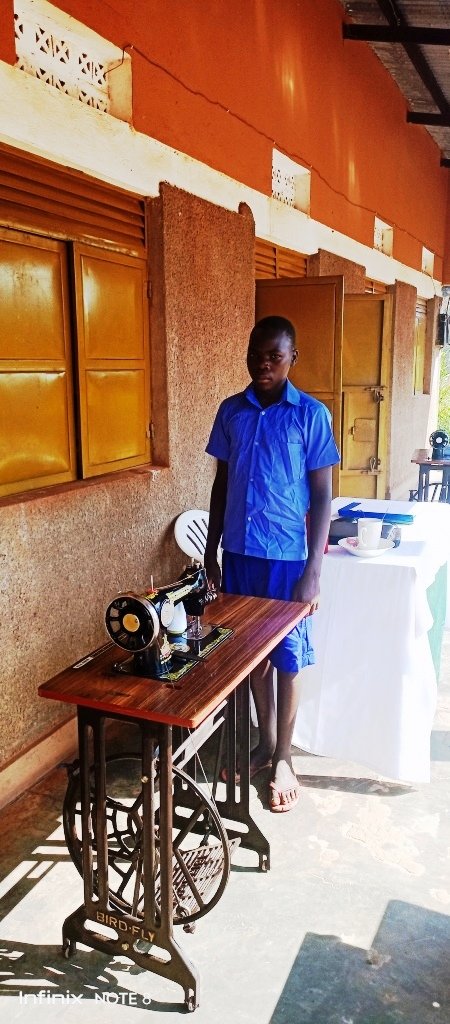
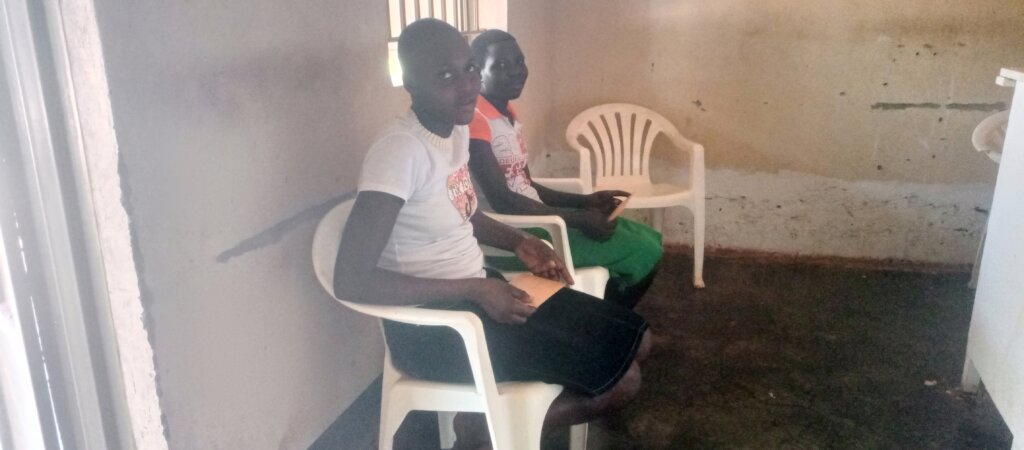
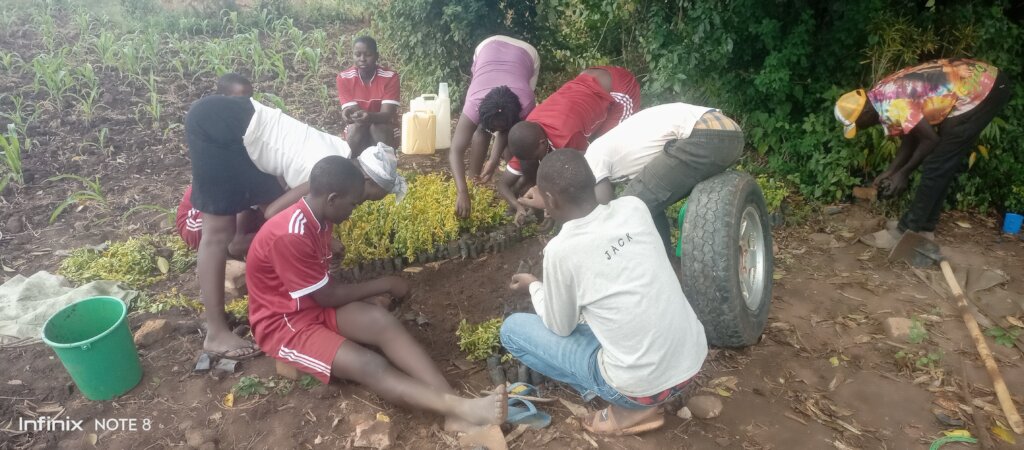
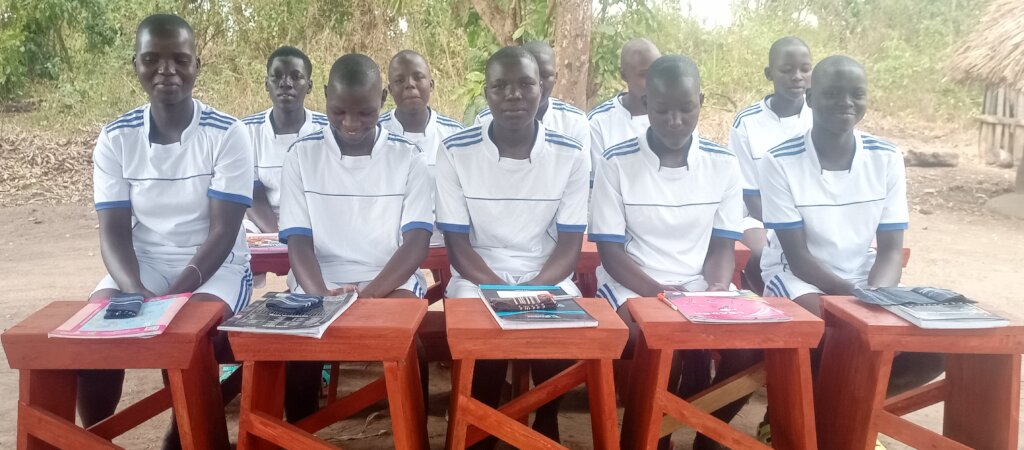
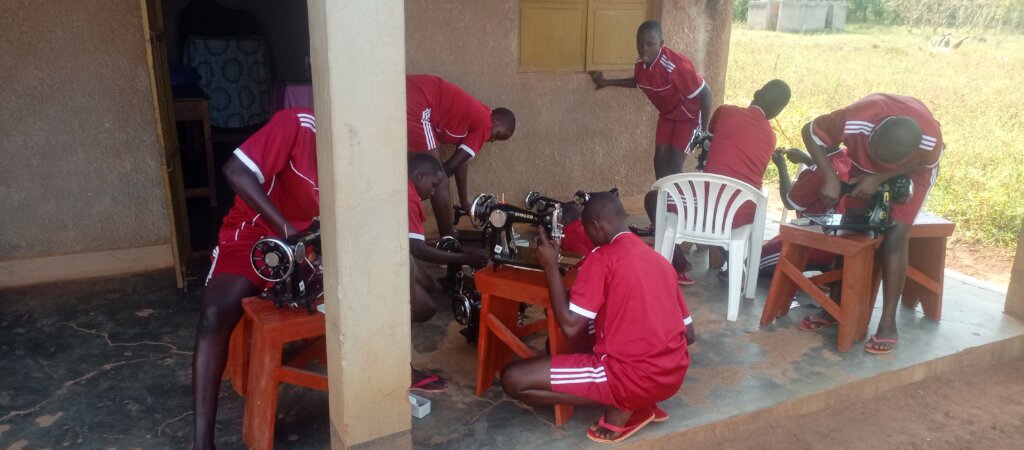
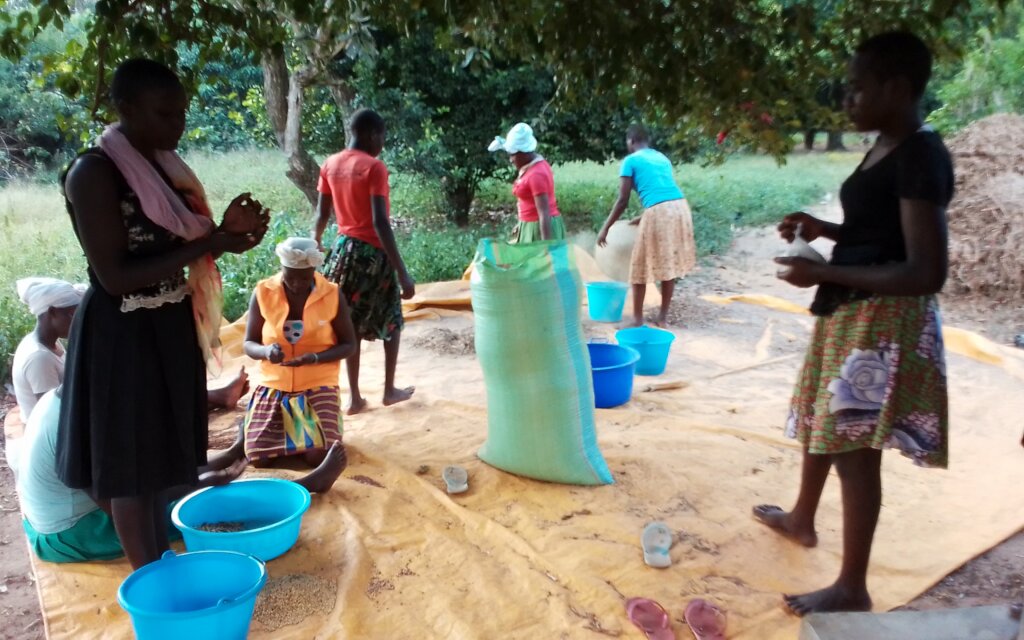
Kole Intellectual Forum is certain to announce in this report that: in their objectives, they proclaimed that: one time one day, they will be able to make meaning of value for money to the rightful people with the rightful resource across globe; and this has turned up to be the true facts of reality; making them to pronounce that "a sense of value for money is now in existence in Kole Intellectual Forum” and this has been because of the support the organization is getting from the donors as well as the willingness of the beneficiaries to adare to the organizational programs.
![Share on Twitter]()
![Share on Facebook]()
Jul 24, 2026
Action Research: Directing the KIFA's Activities
By George Obua | Project Leader
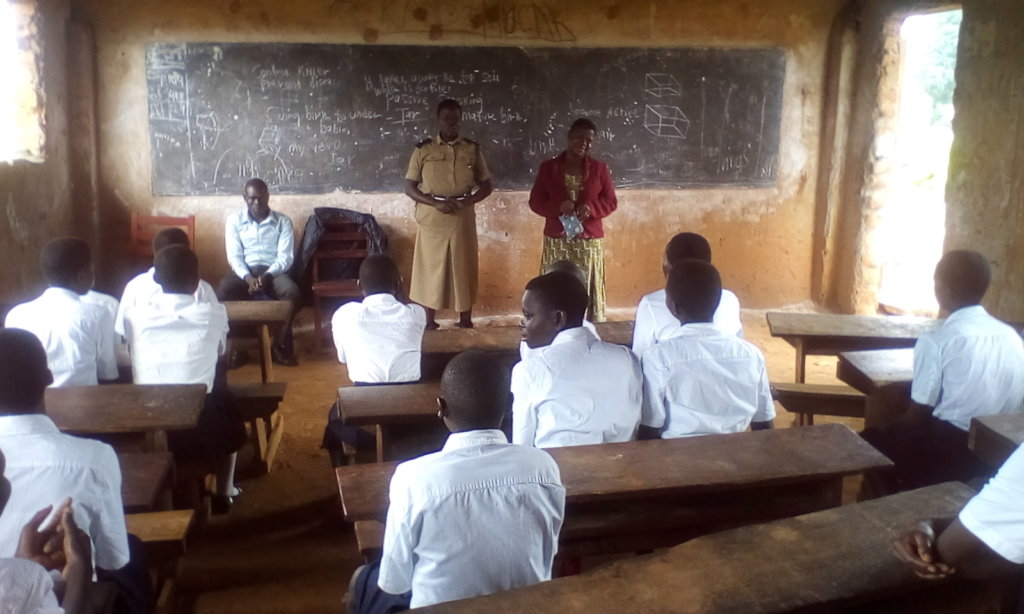
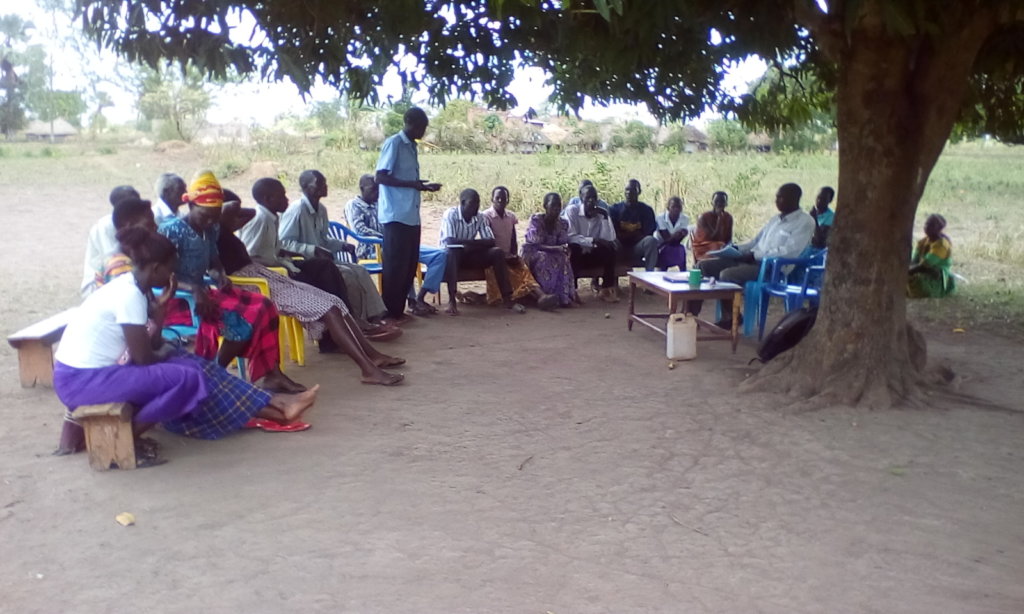
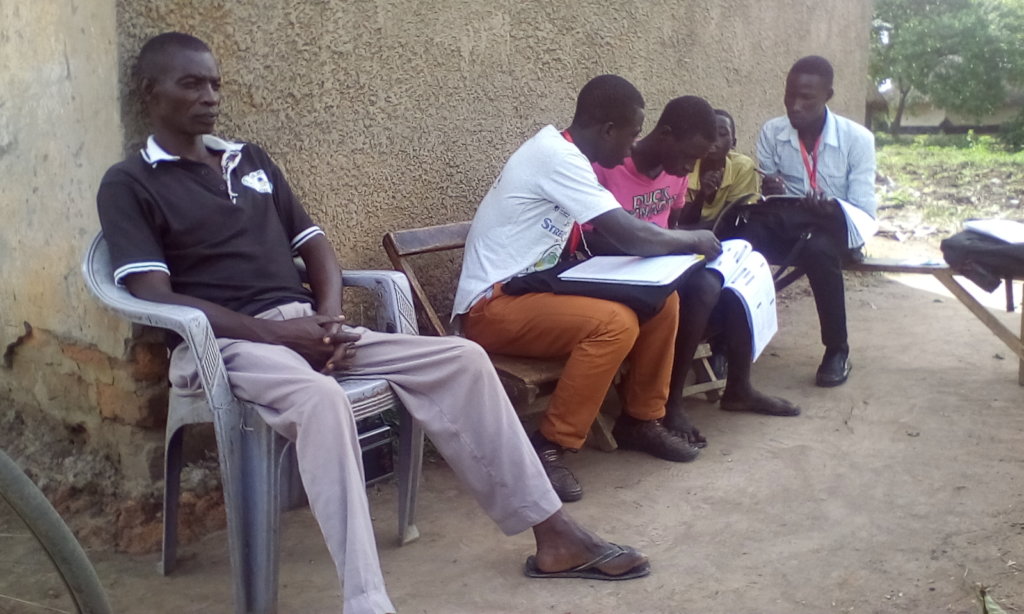
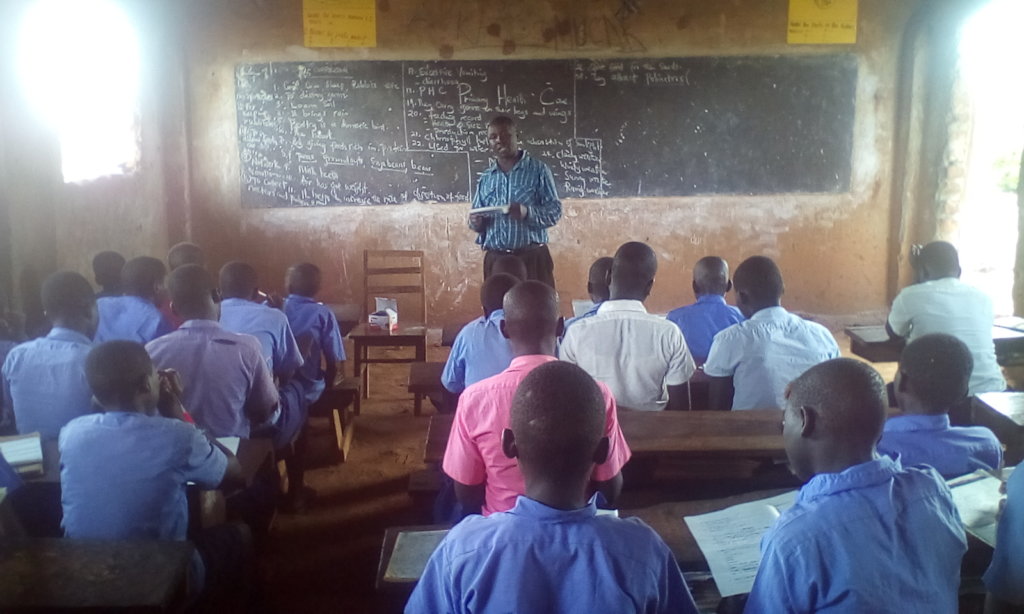
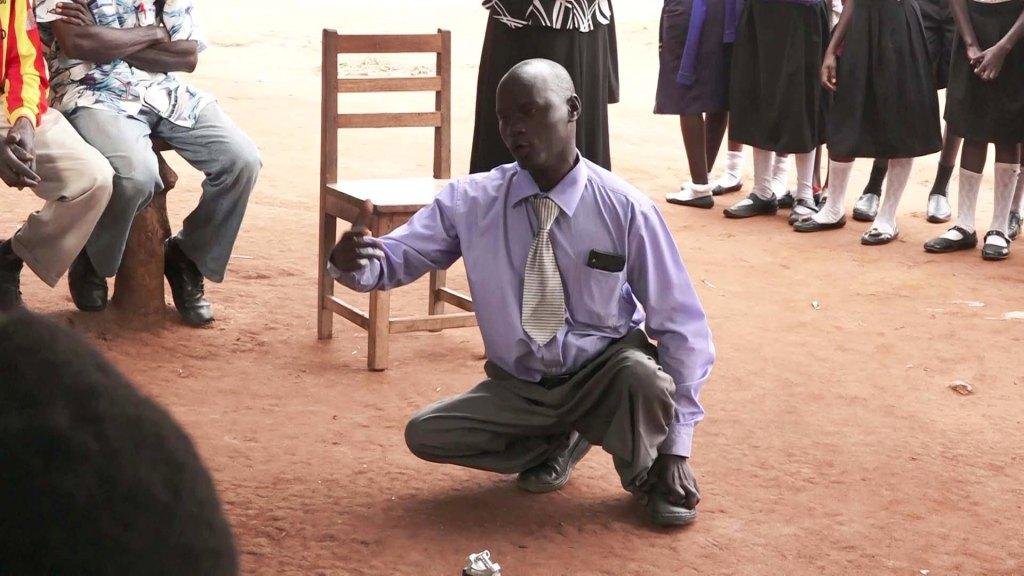
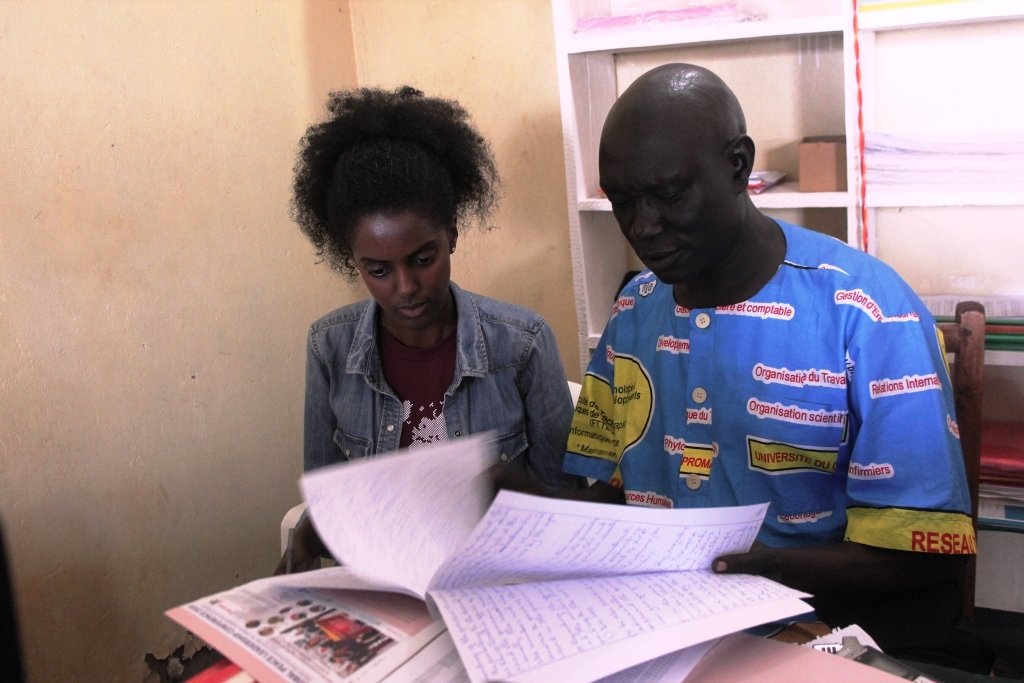
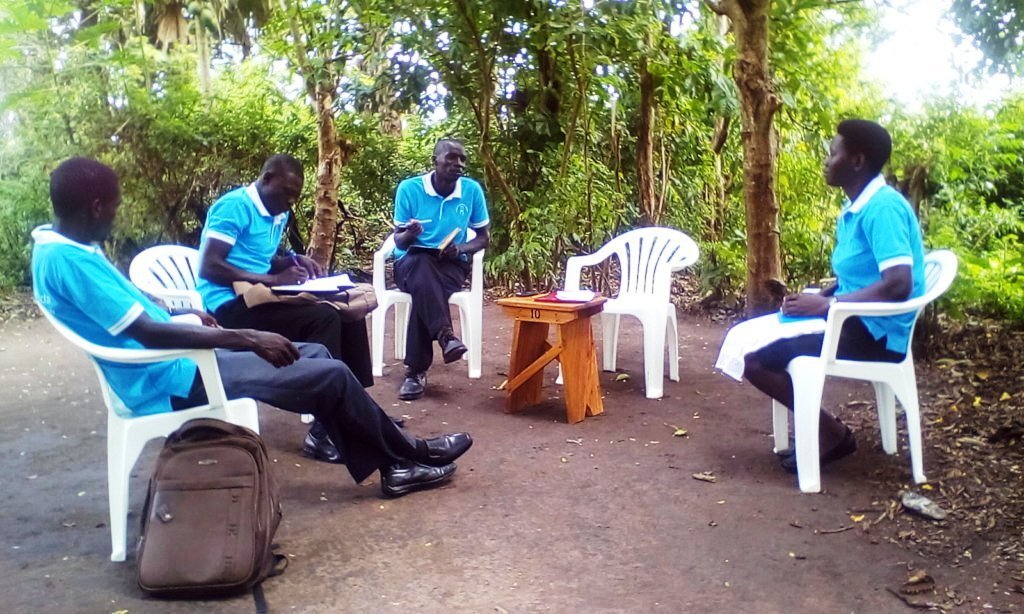
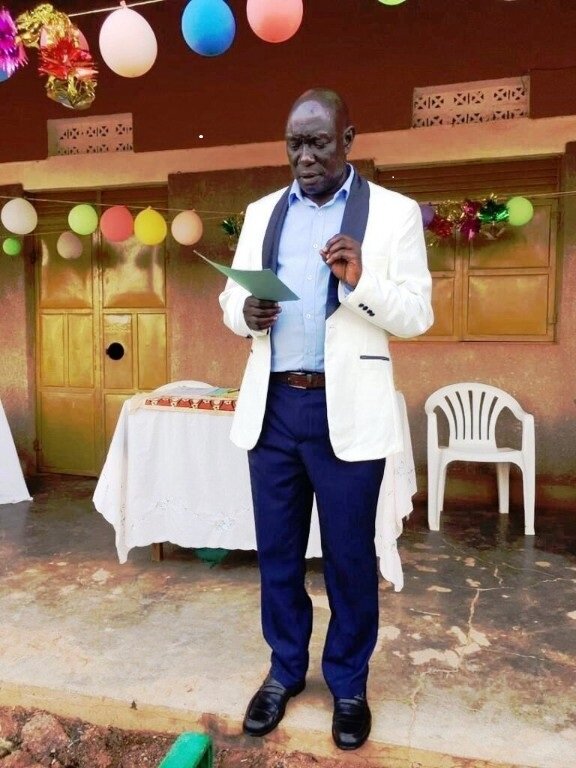
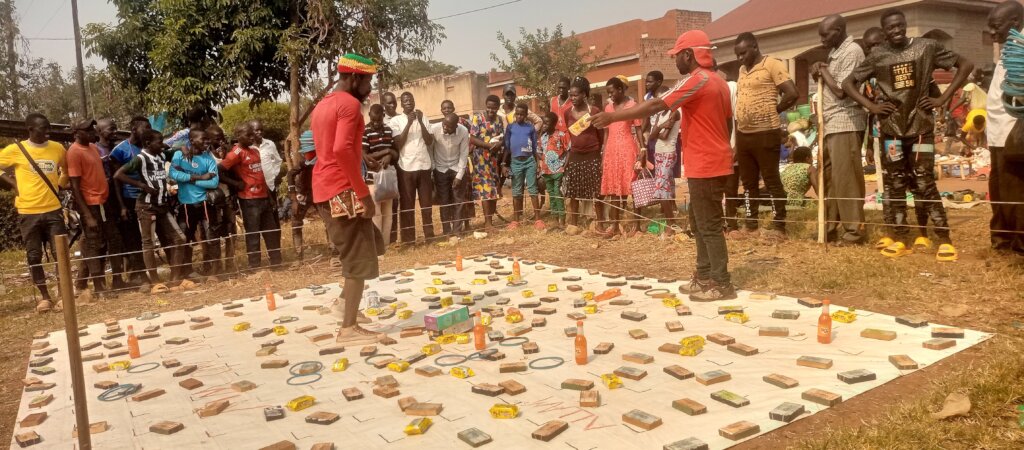
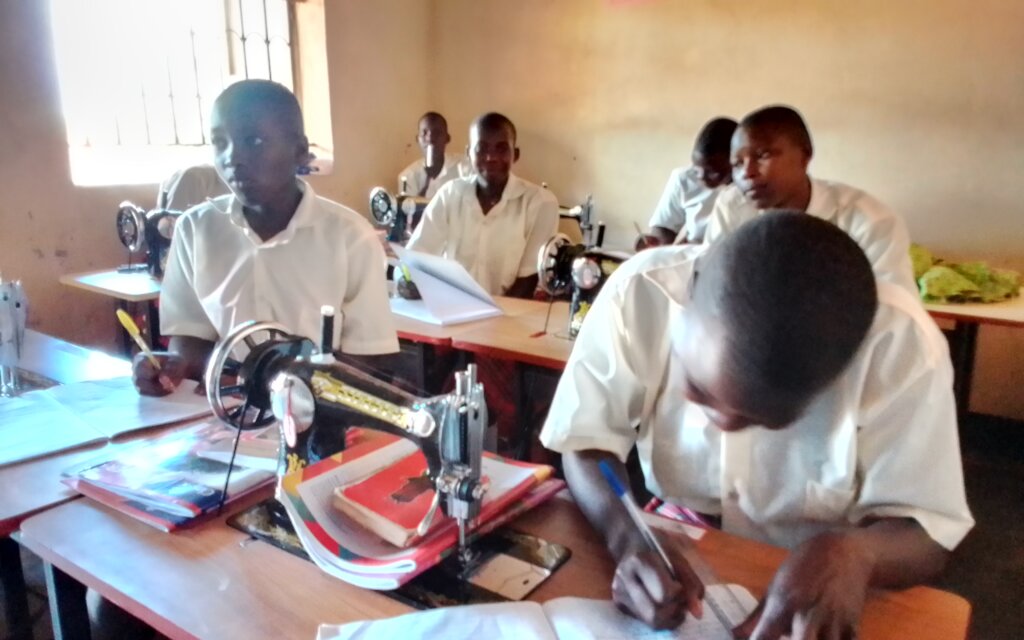
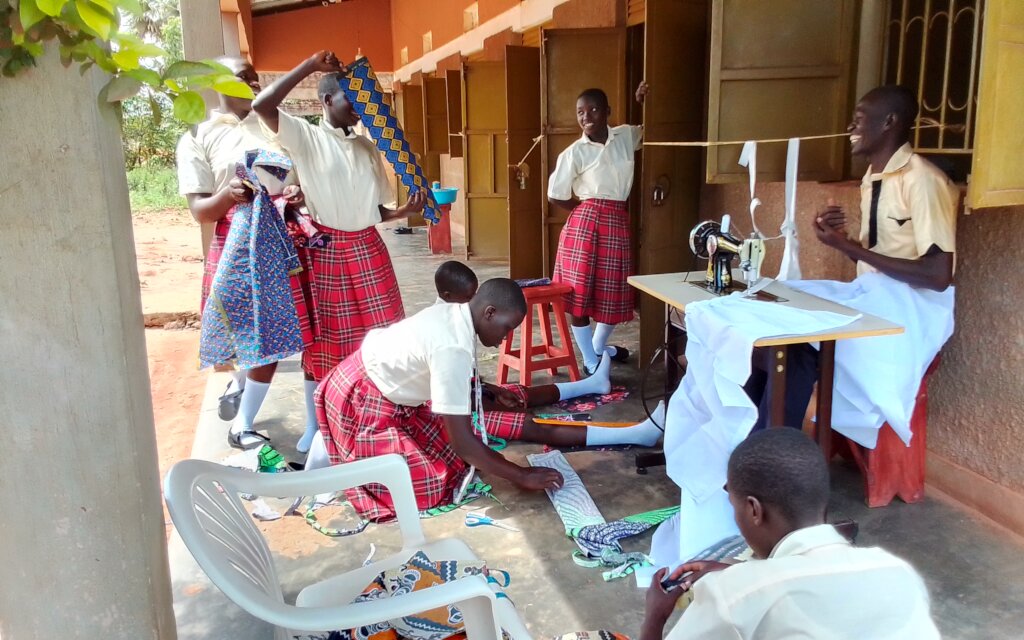
Kole Intellectual Forum is conducting Action Research for their projects to thrive for the expected outcome
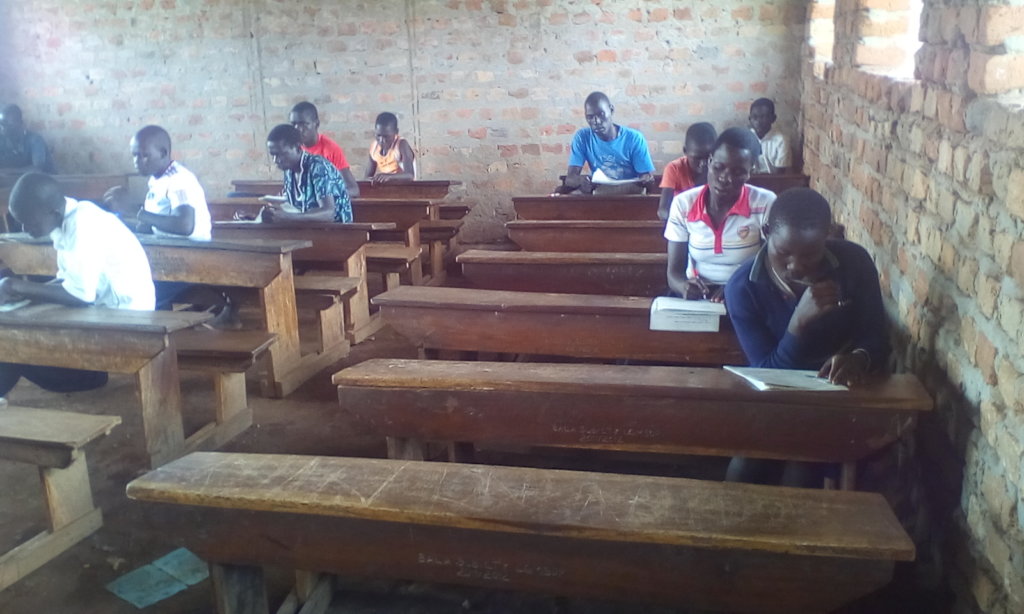
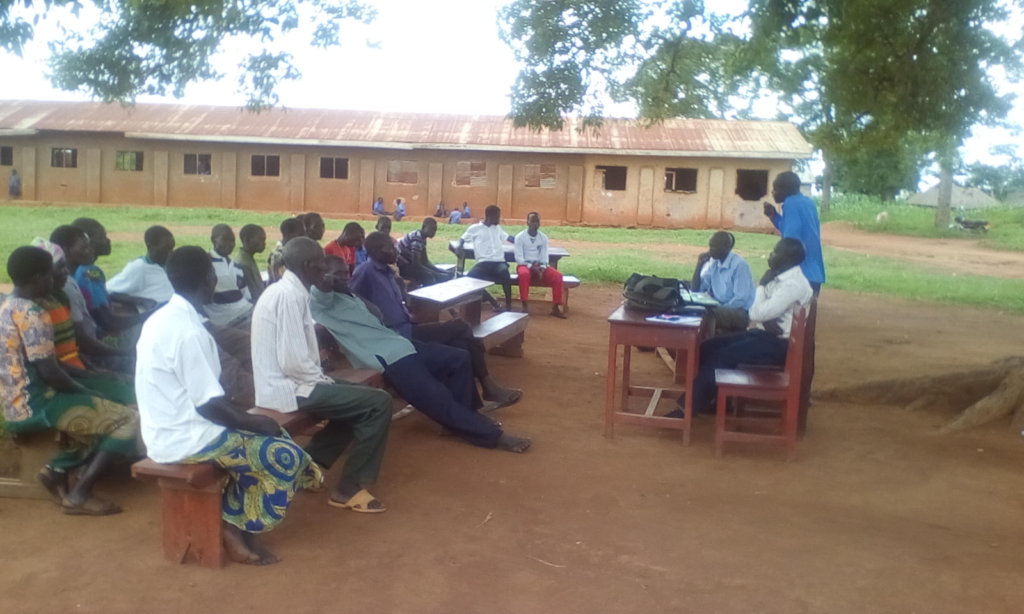
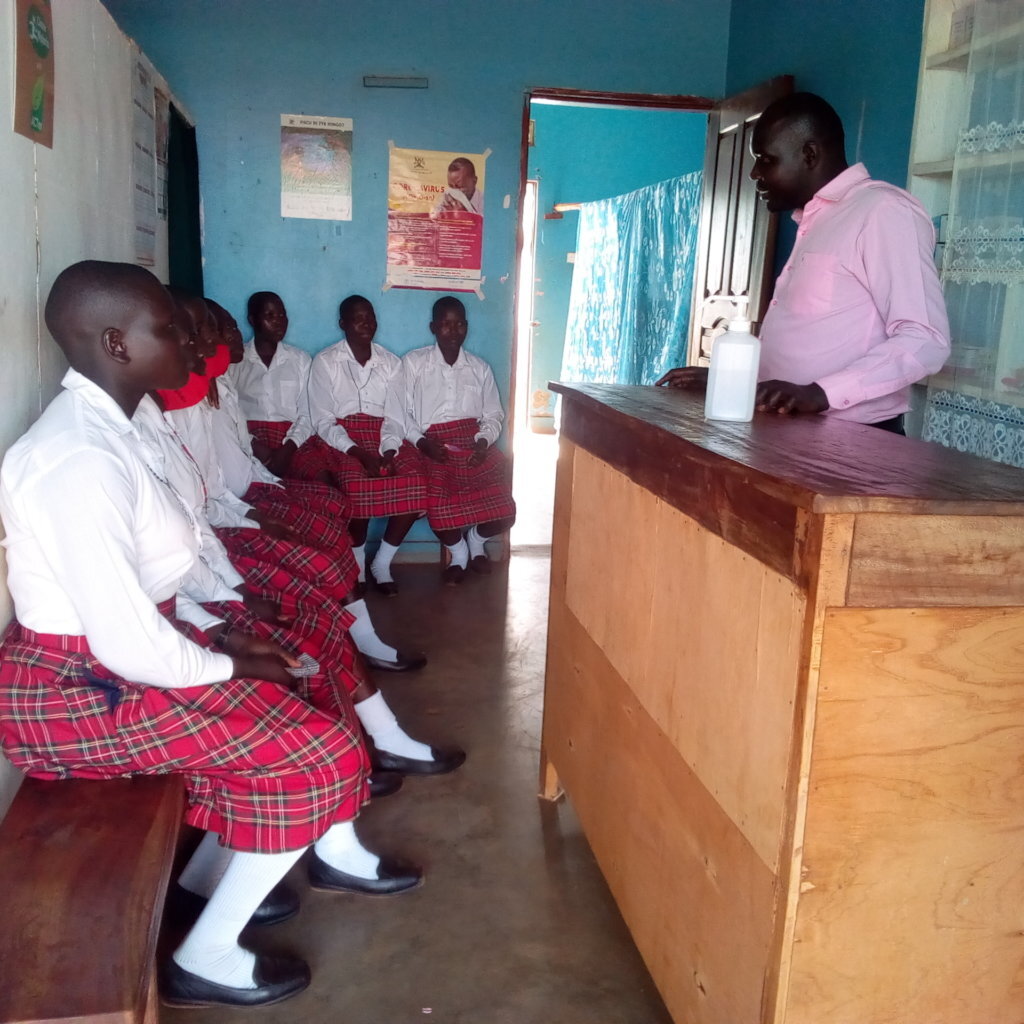
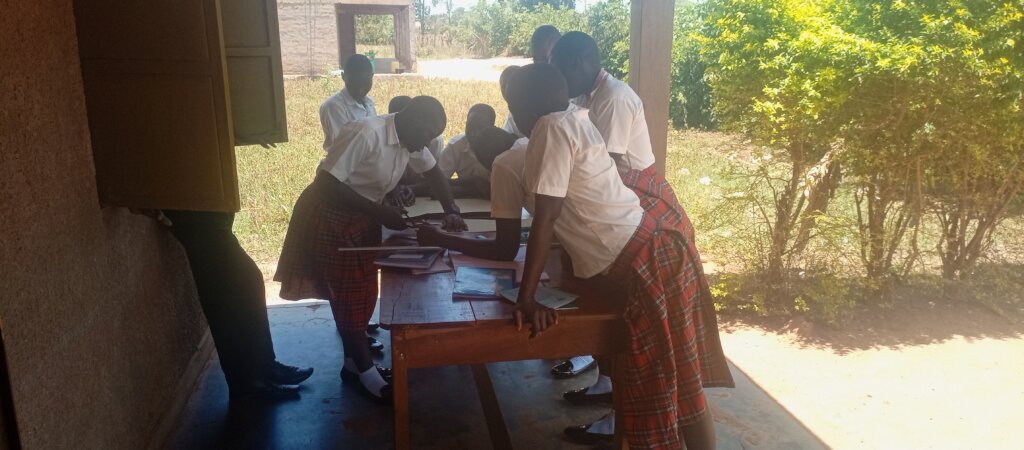
To thrived a desired outcome in a human ways of life; Kole Intellectual is conducting a Continuous action research in a cyclical or a iterative process, an action that their team of researchers conduct to identify a problem, plan and take action, observe the results, and then reflect and adjust their approach to improve their practice. This ongoing cycle has allowed them have a continuous improvement in real-time by solving problems as they are encountered. Indeed, this approach has often referred to a "cycle of action" or "cycle of inquiry" because it repeats the actions until the desired outcome is achieved.
The main characteristics and steps taken are to:
- Identify a problem: Begin by pinpointing a specific challenge or area for improvement within a real-world context, such as a classroom or school.
- Plan and act: Develop a research plan to address the problem and then implement it.
- Observe and evaluate: Collect data and observe the results of the implemented action.
- Reflect and adjust: Reflect on the observations and results, then make necessary adjustments to the plan for the next cycle.
- Repeat: Continue the cycle of planning, acting, observing, and reflecting until the problem is solved or the practice is sufficiently improved.
![Share on Twitter]()
![Share on Facebook]()