Project Report
| Jun 23, 2026
Training for a better outcome
By George Obua | Project Leader
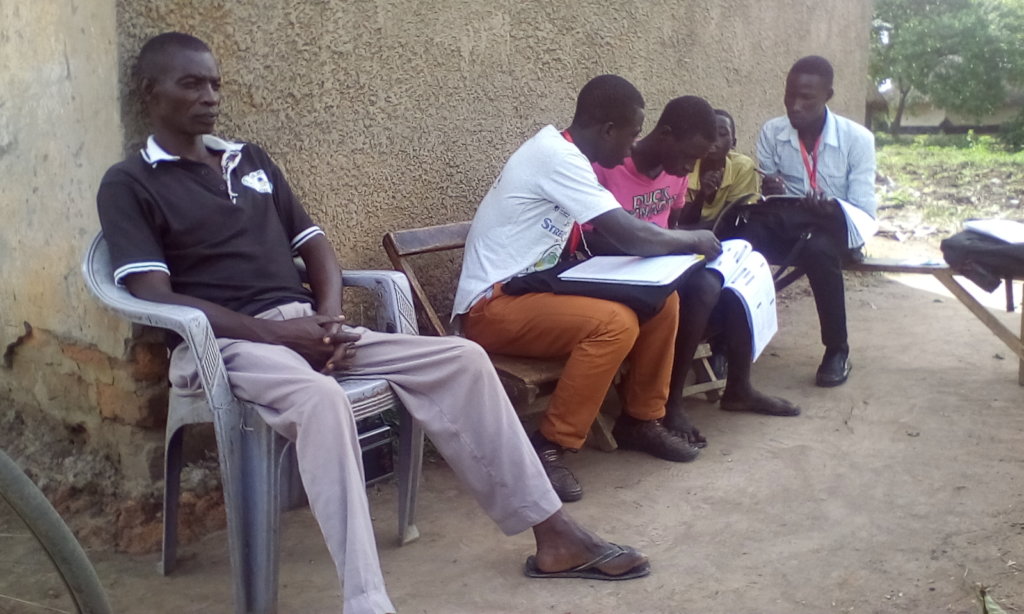
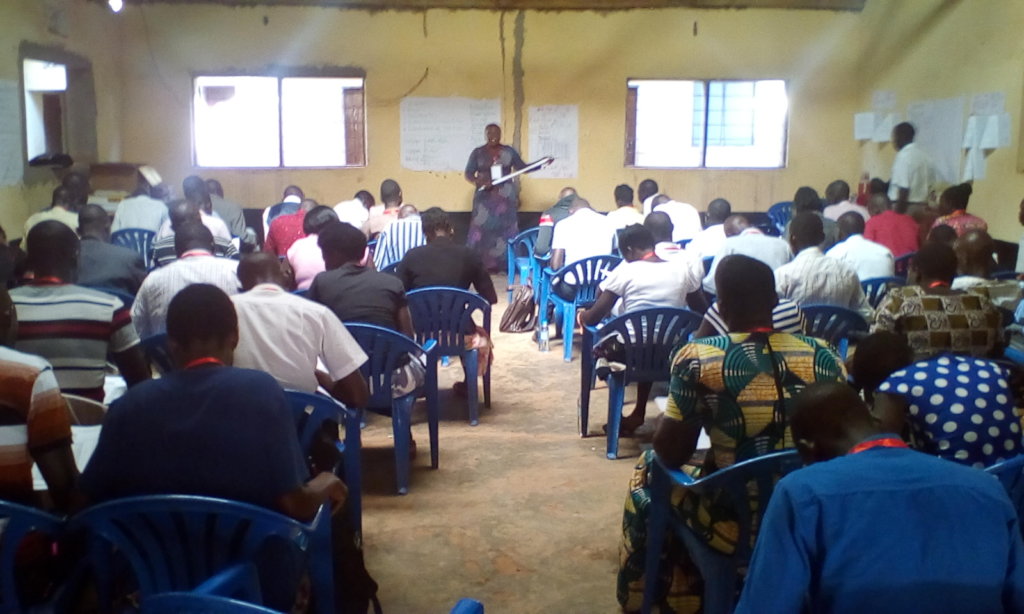
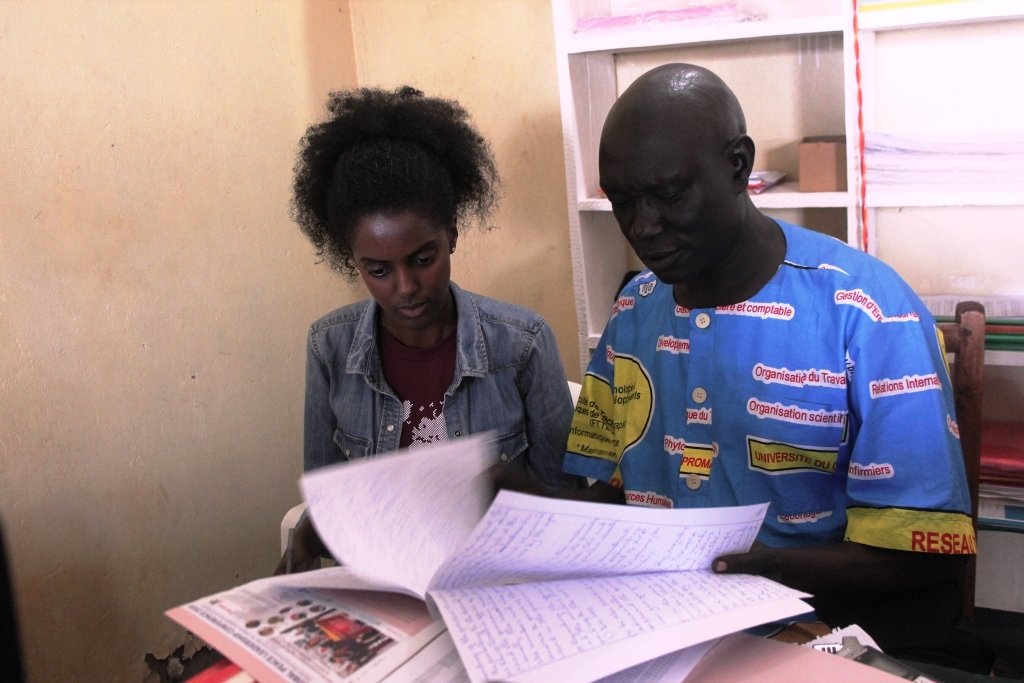
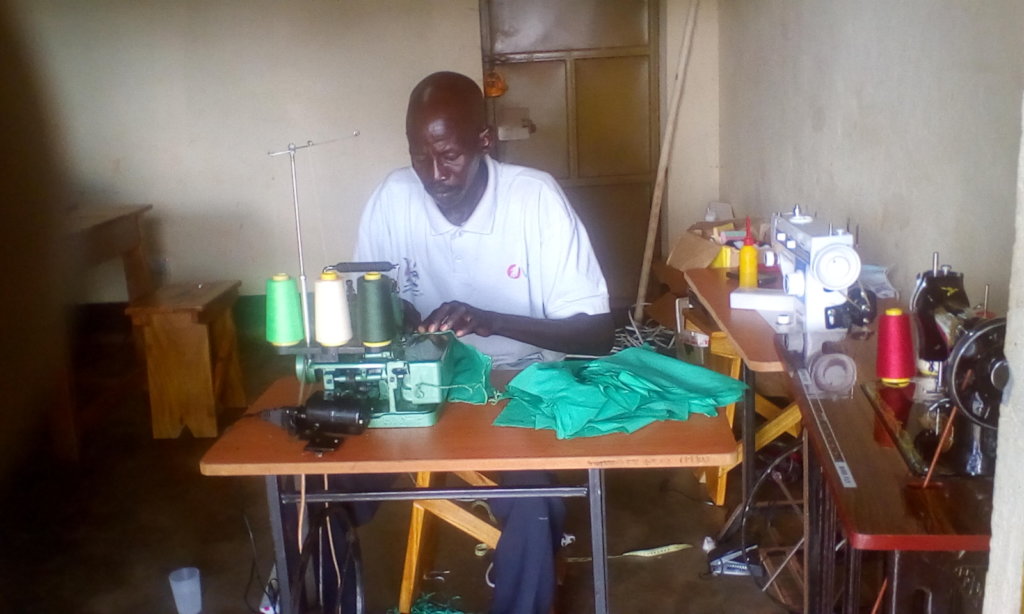
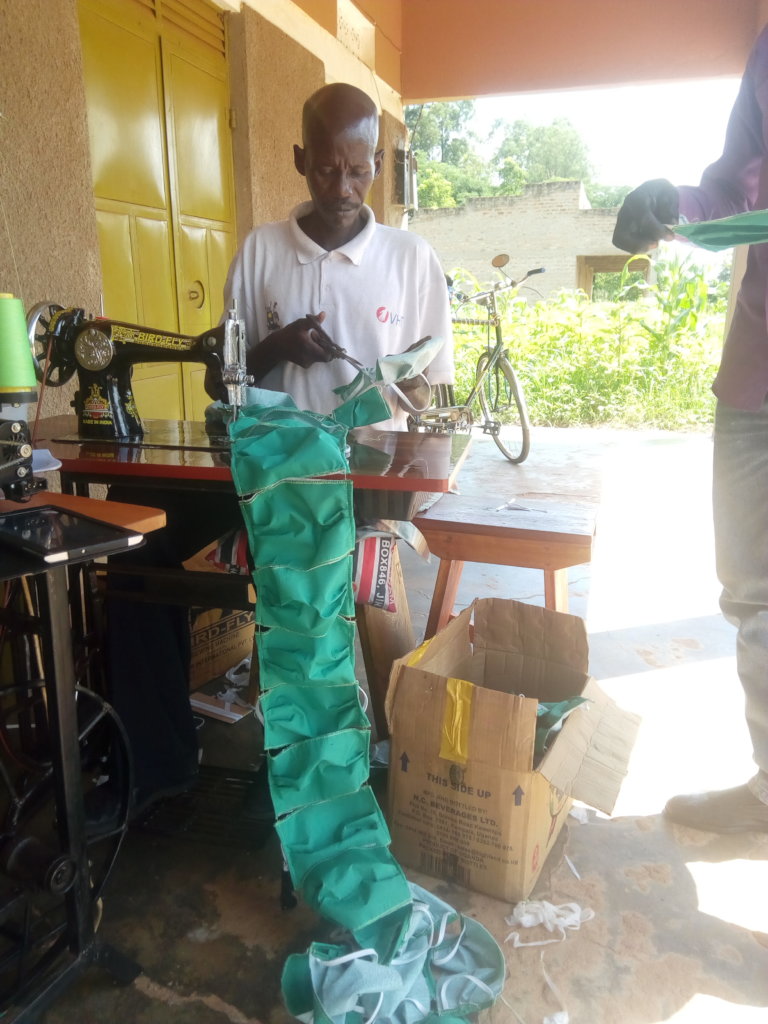
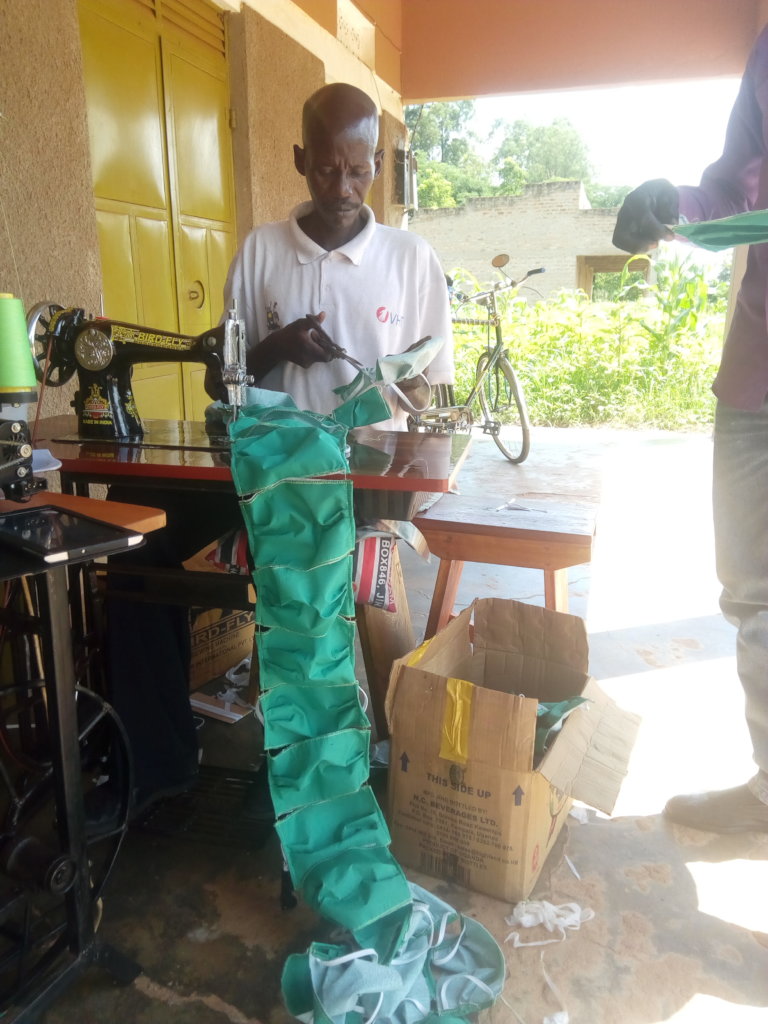
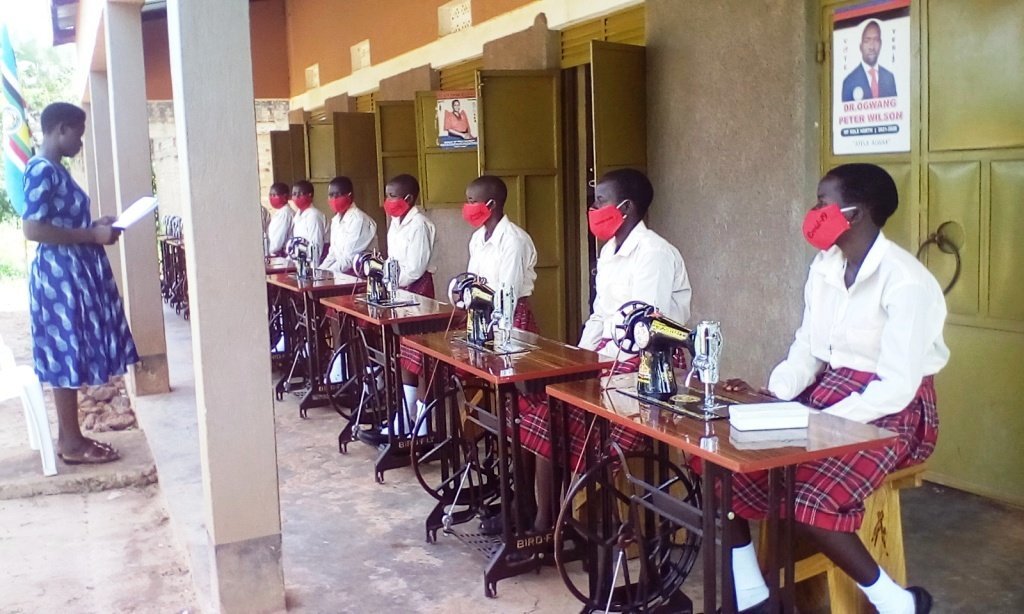
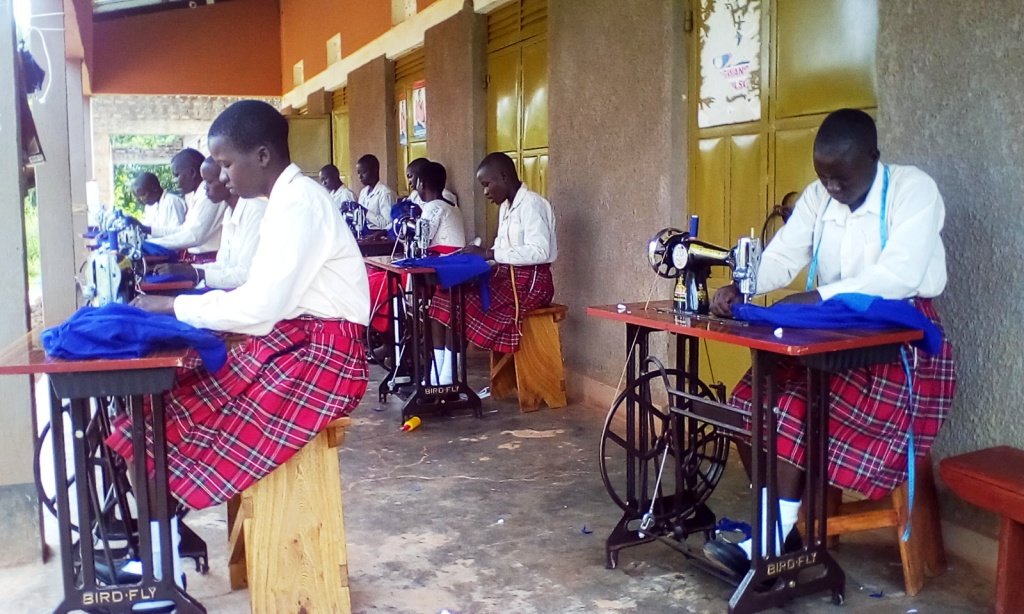
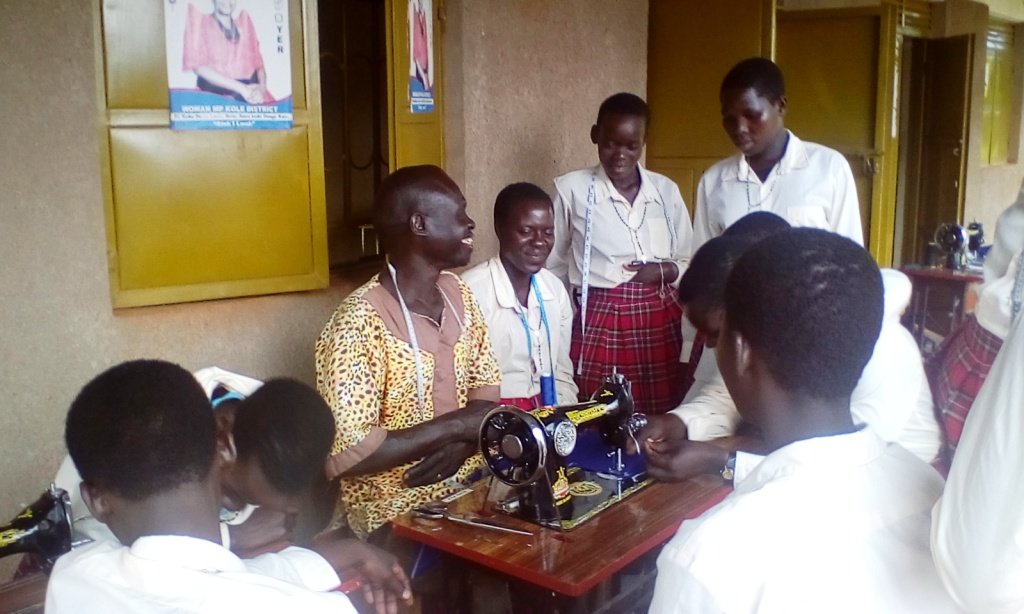
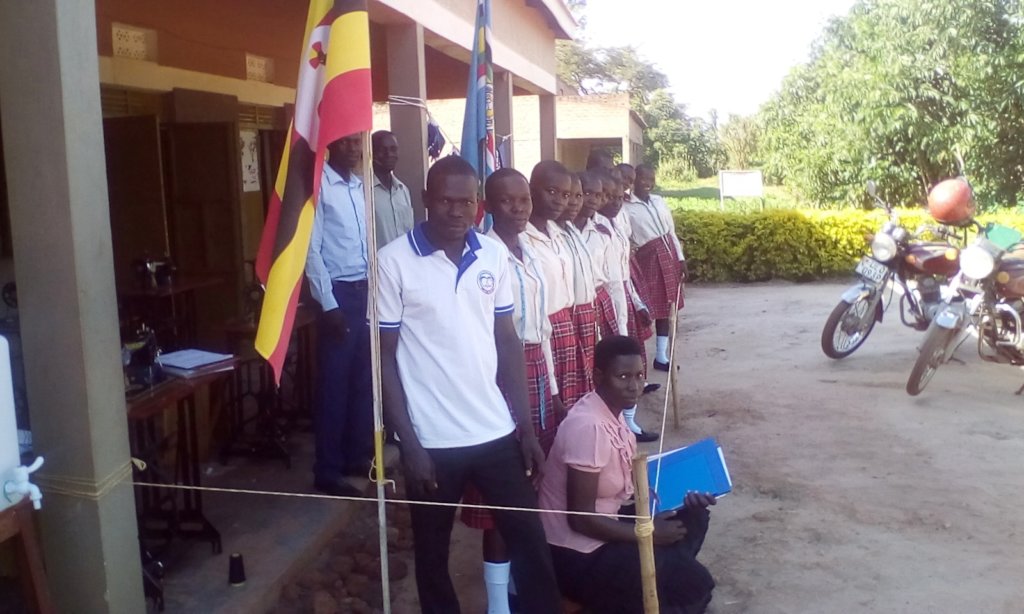
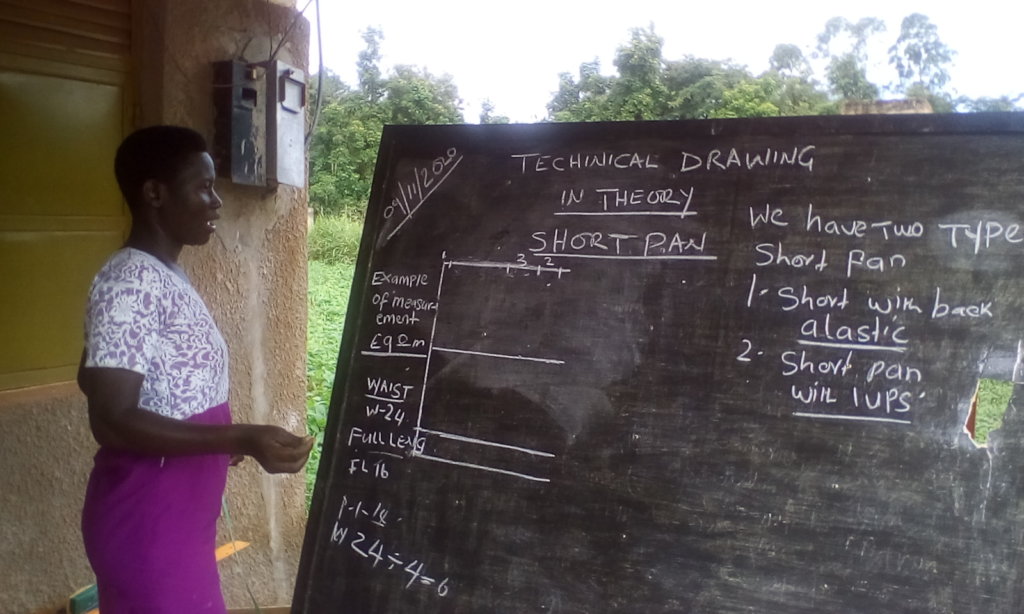
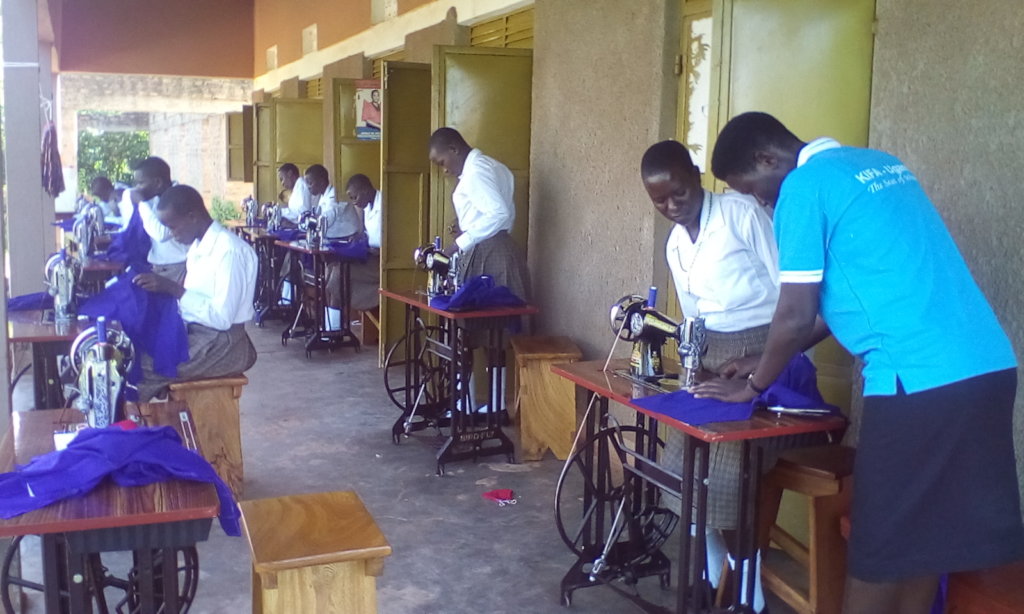
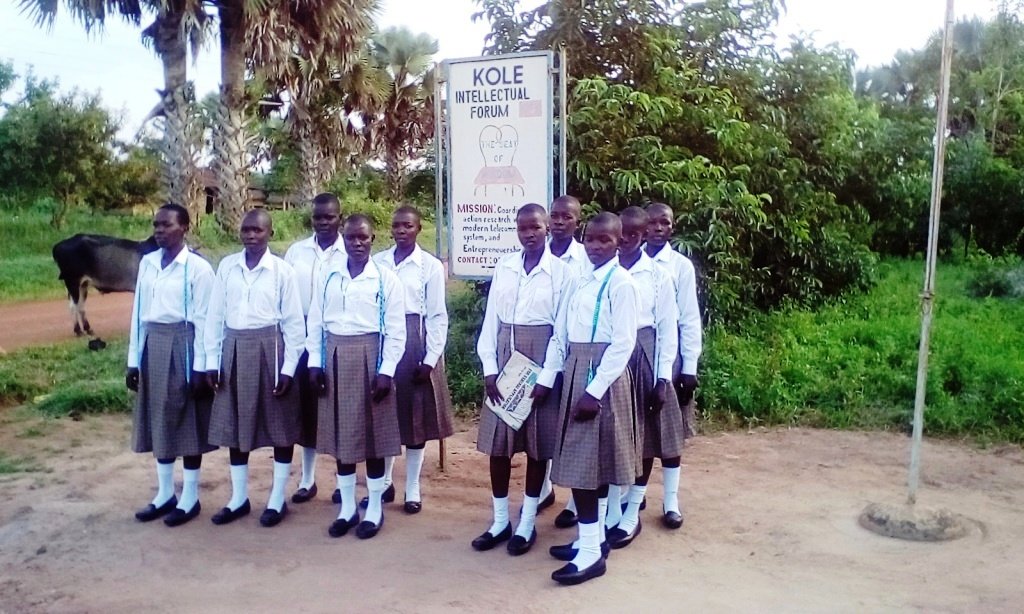
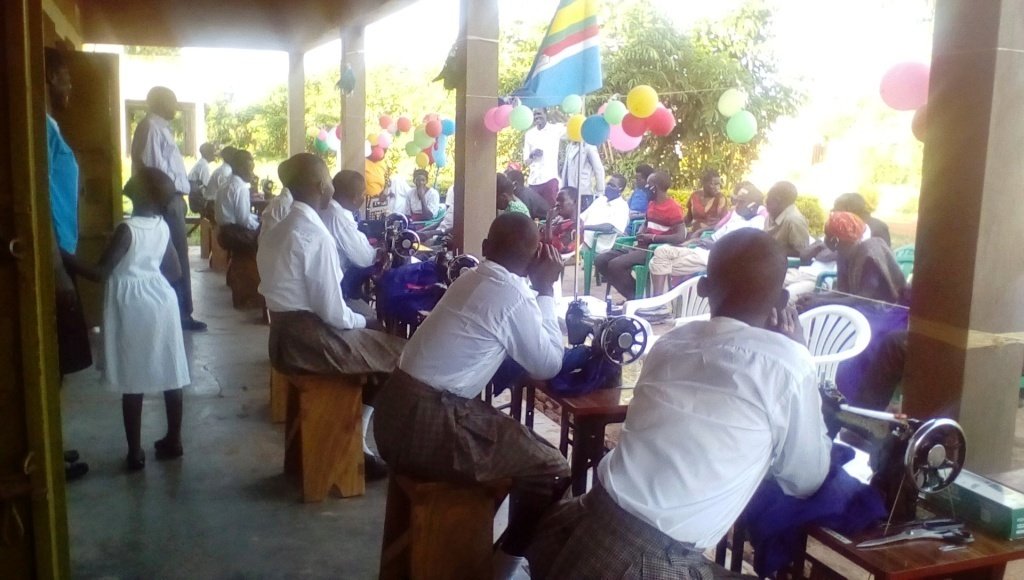
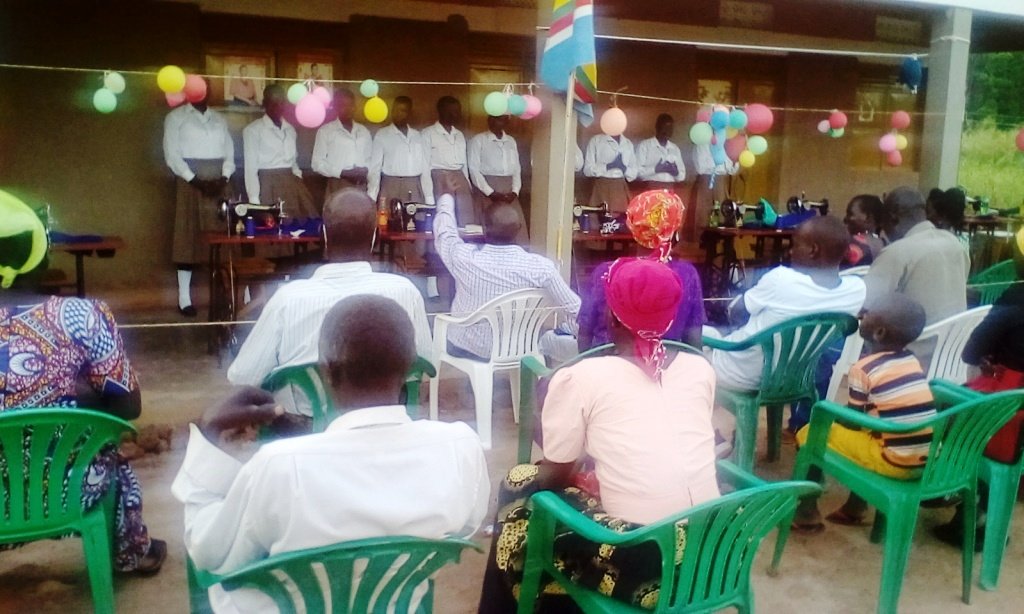
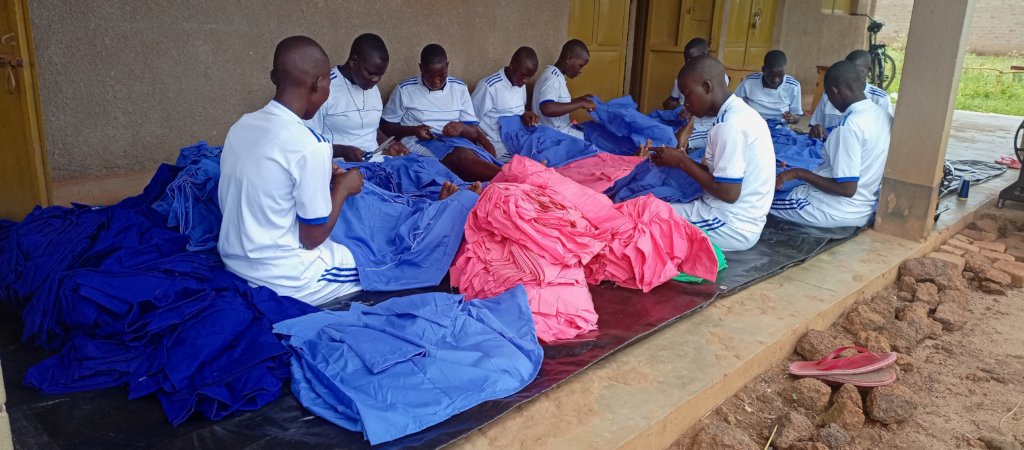
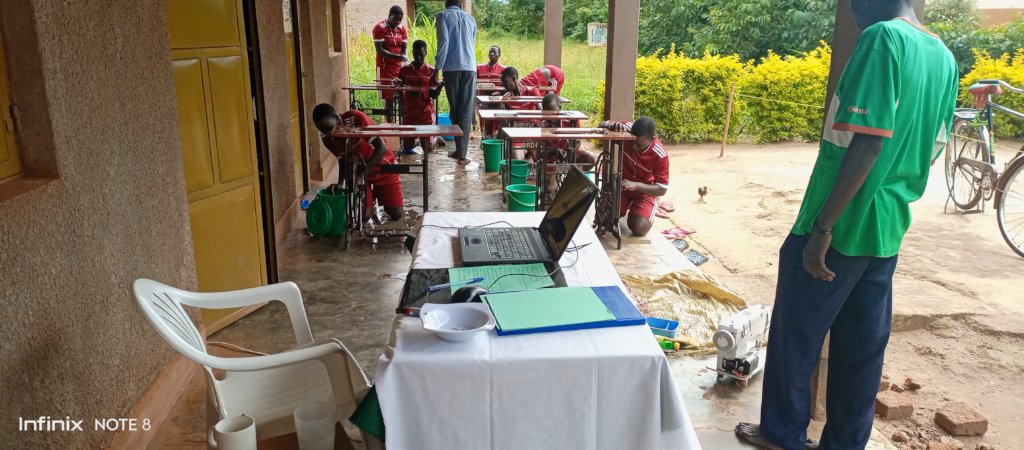
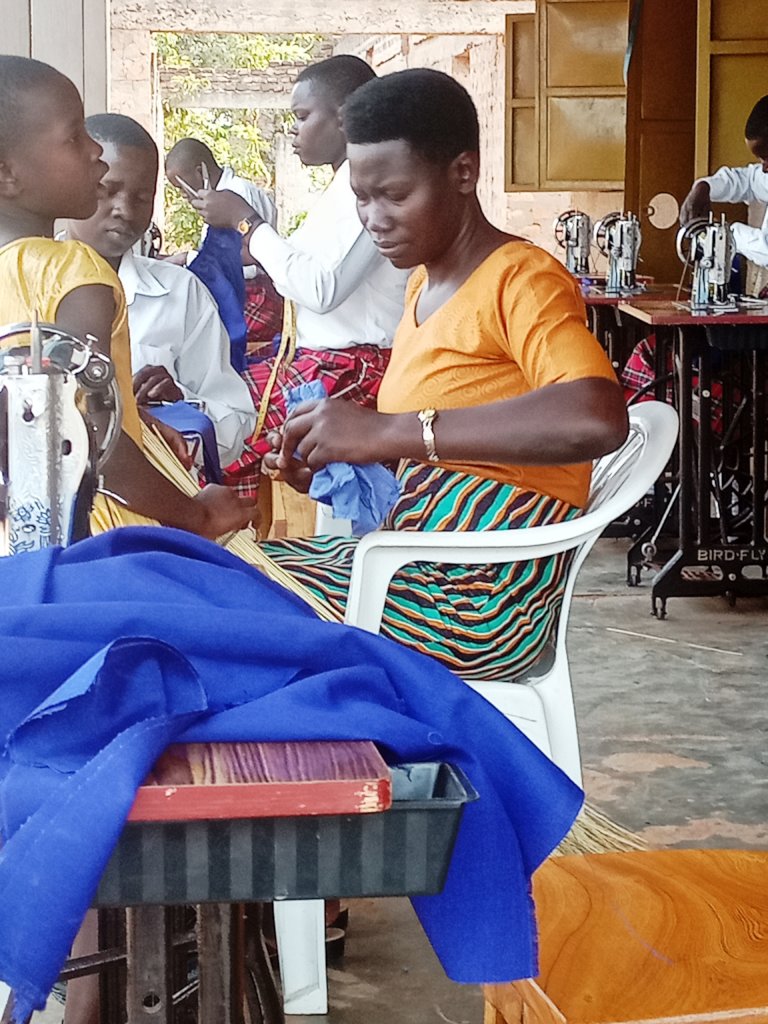
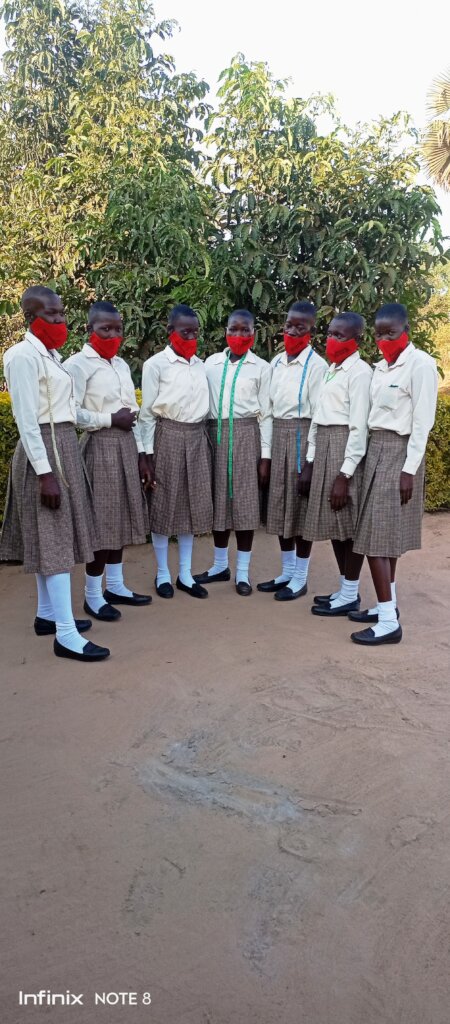
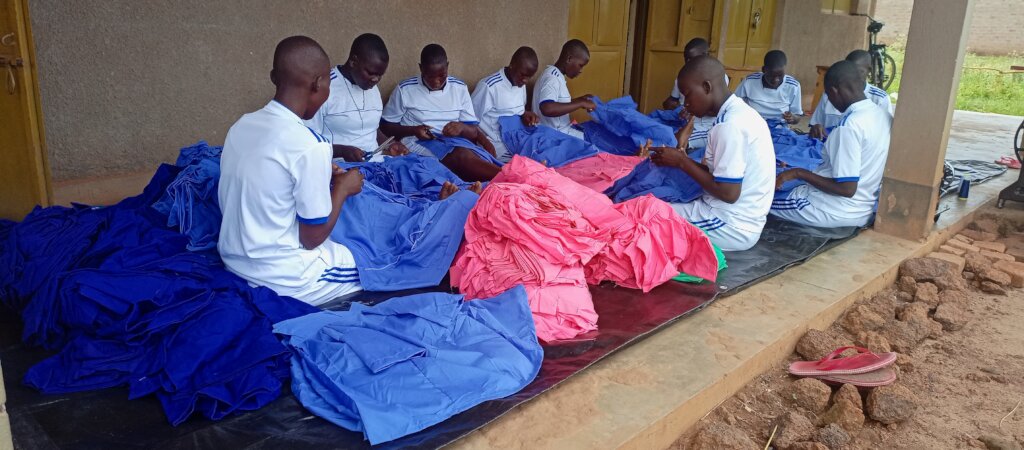
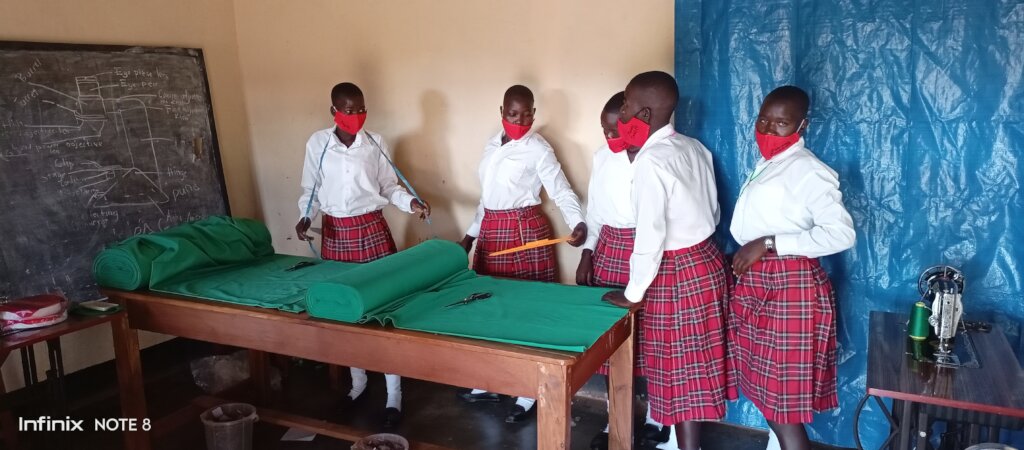
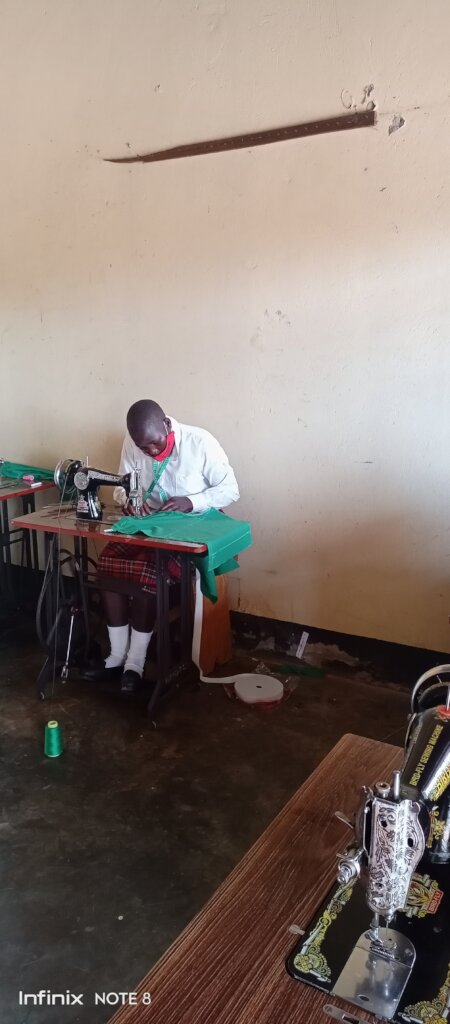
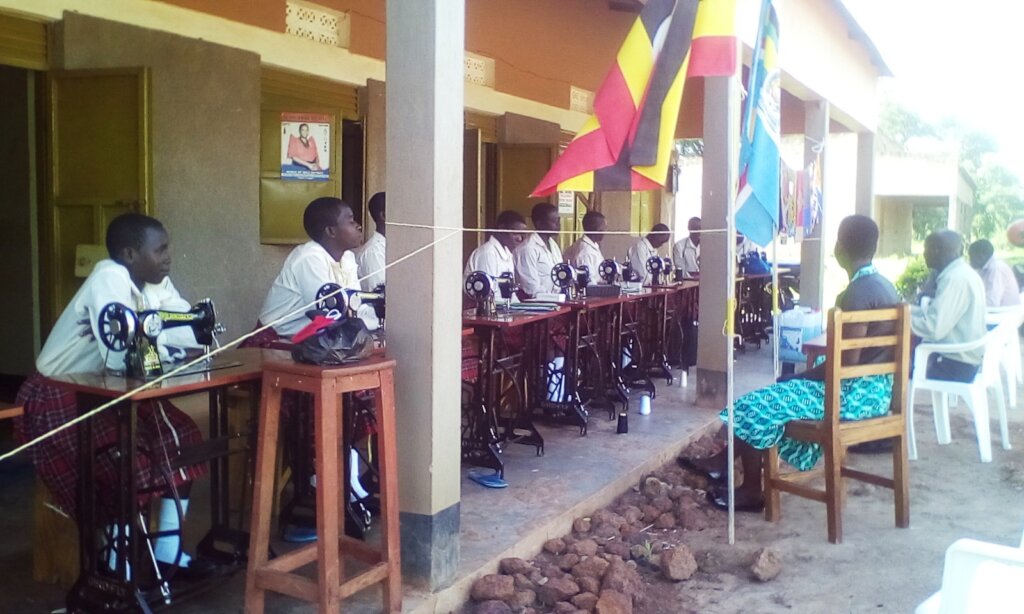
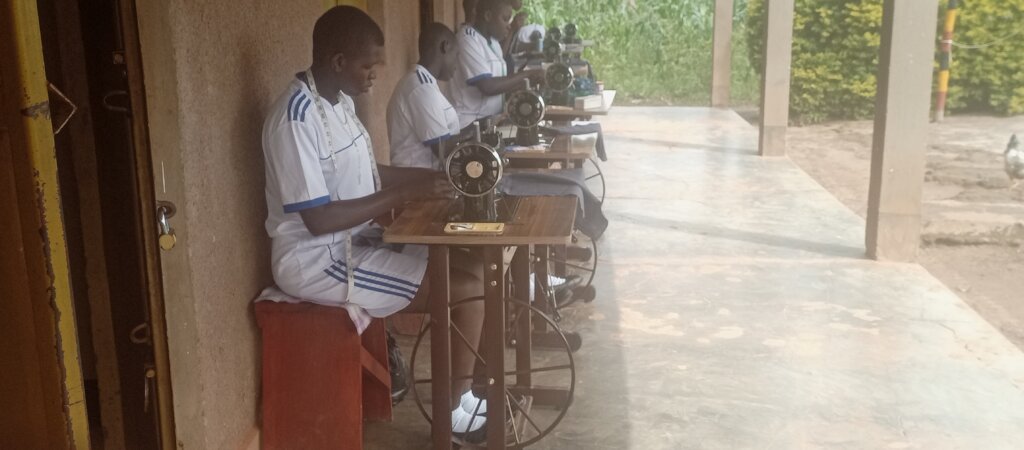
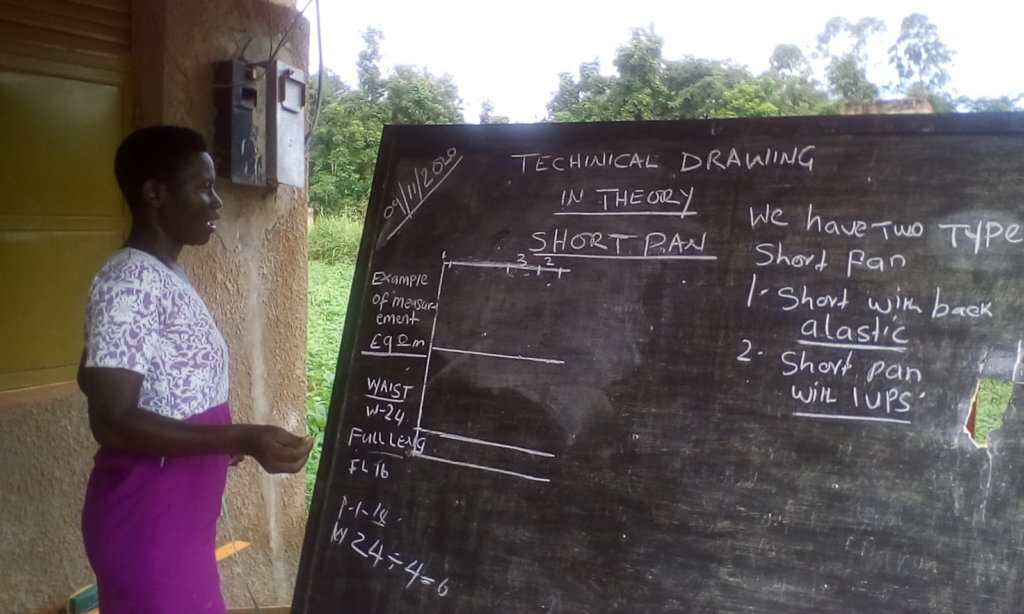
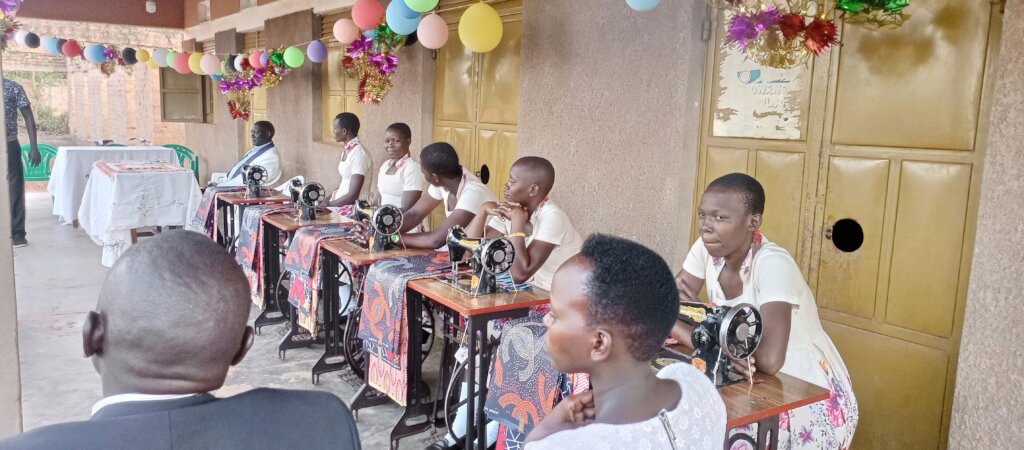
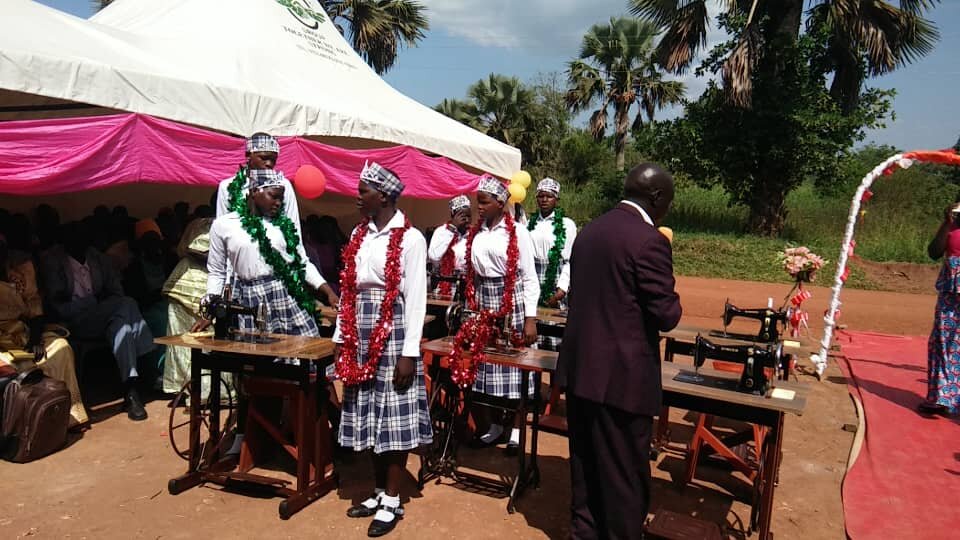
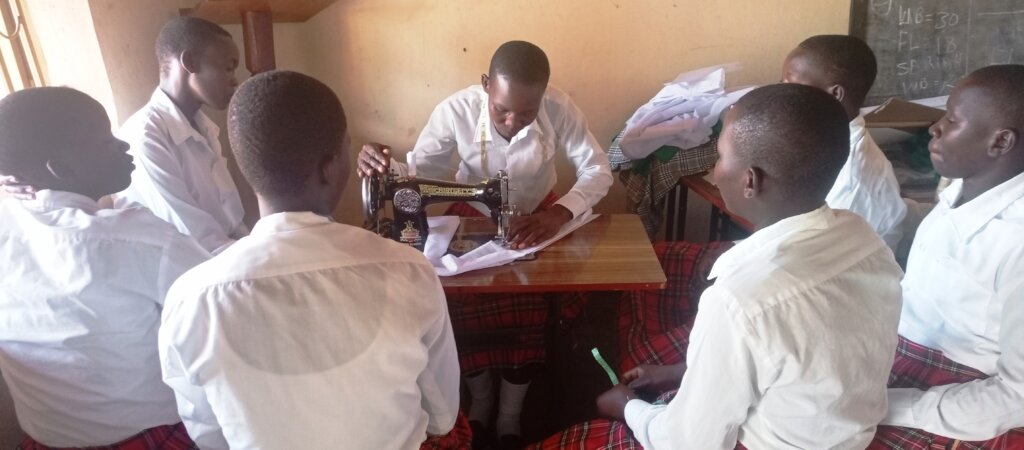
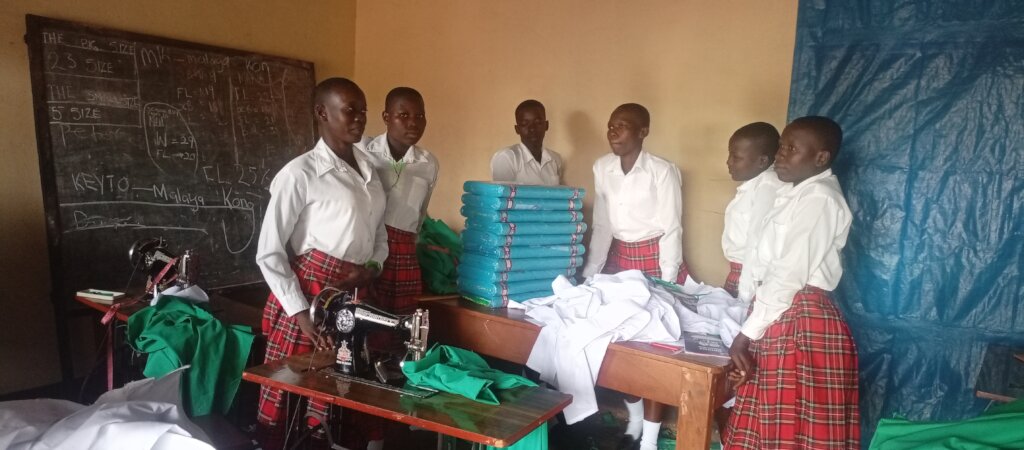
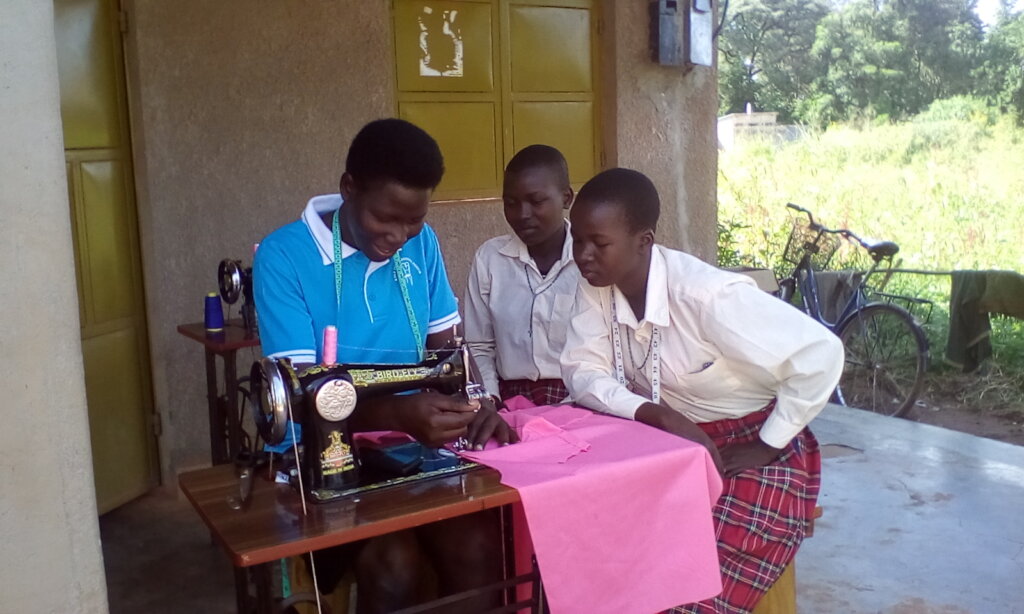
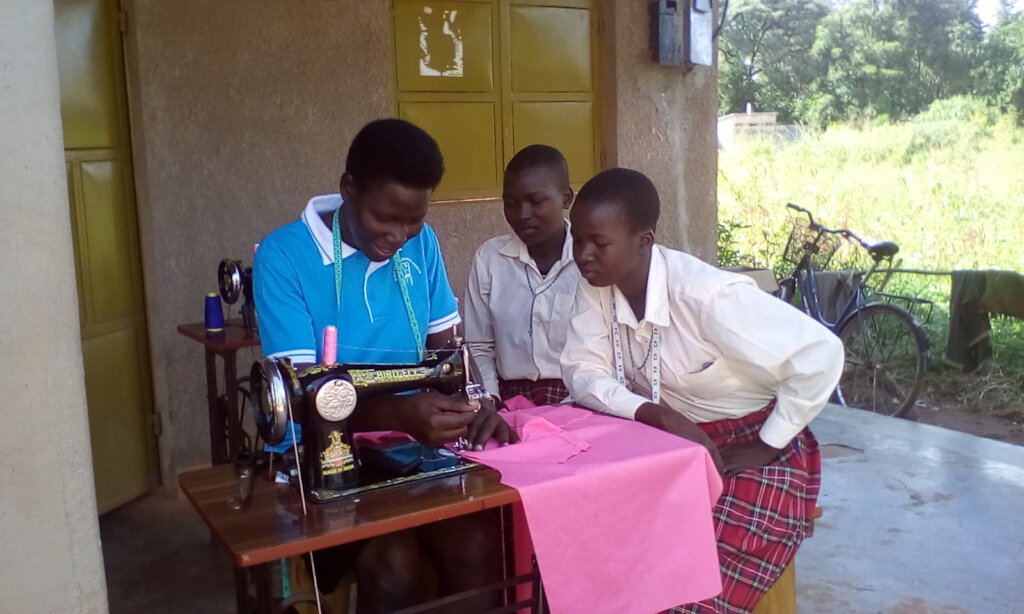
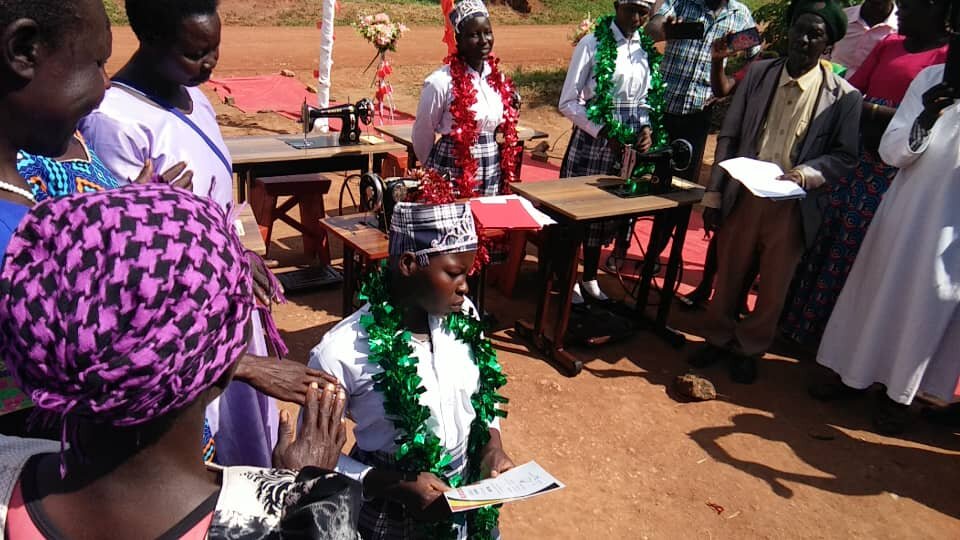
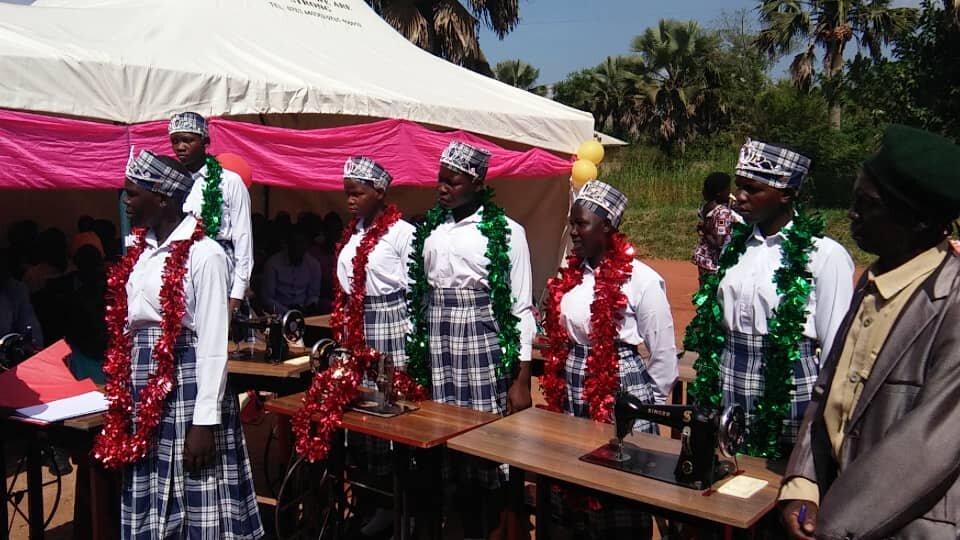
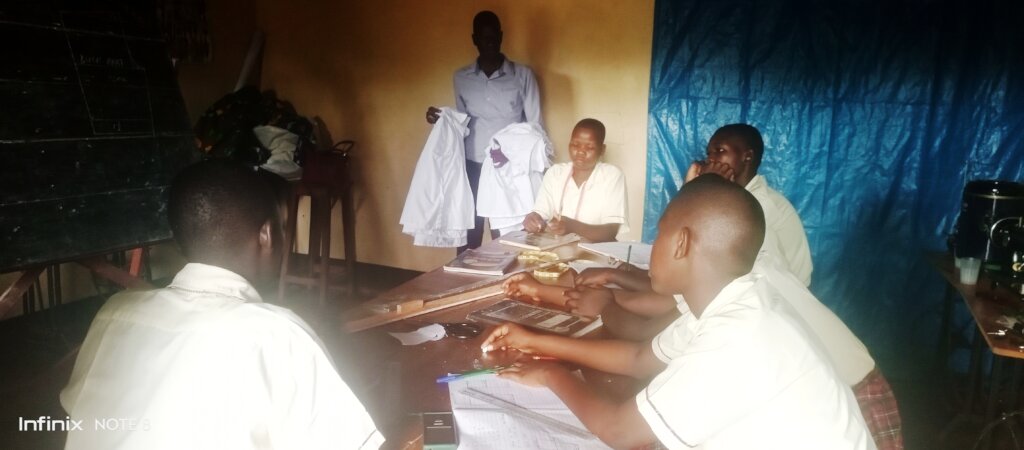
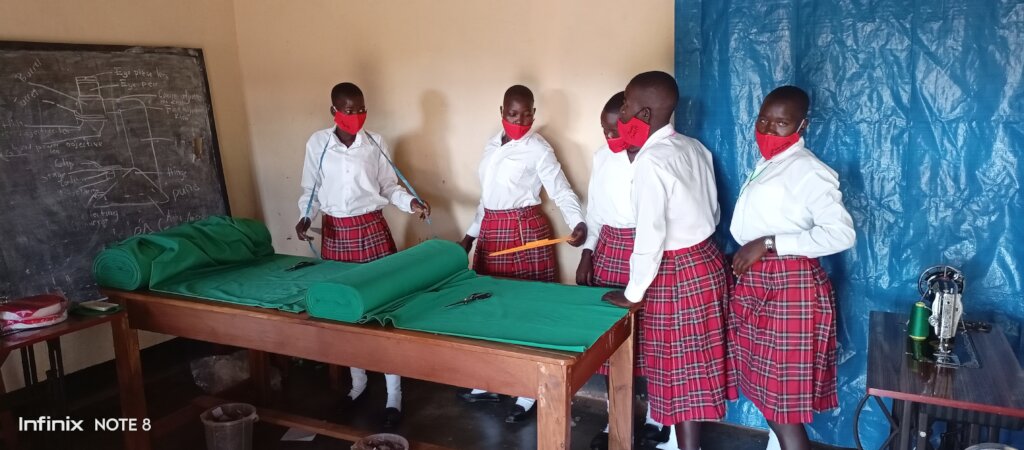
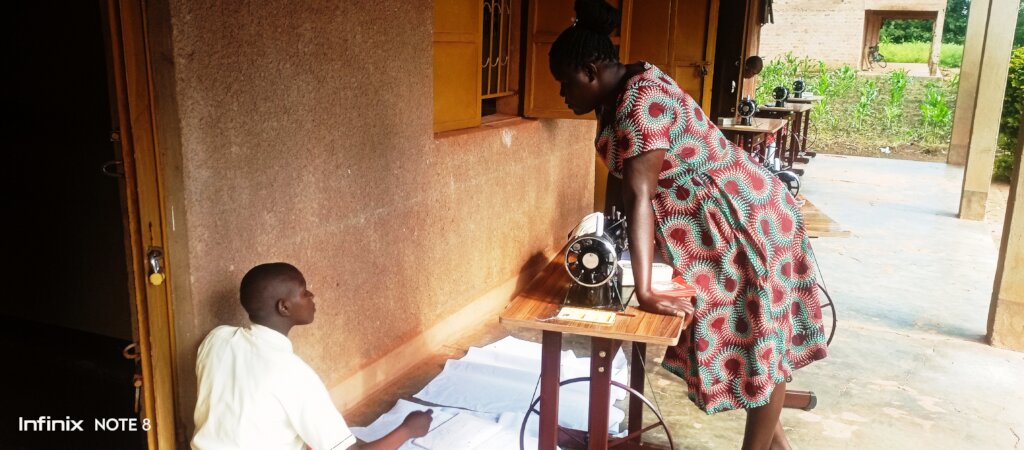
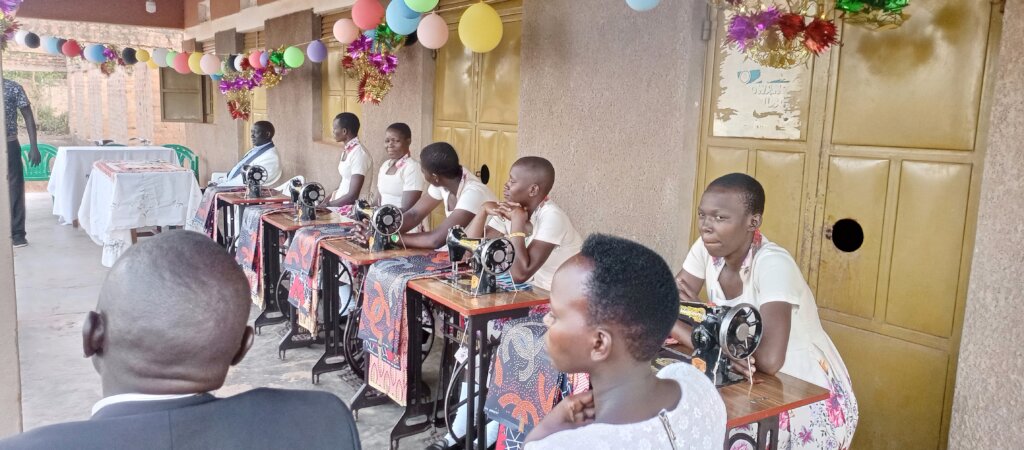
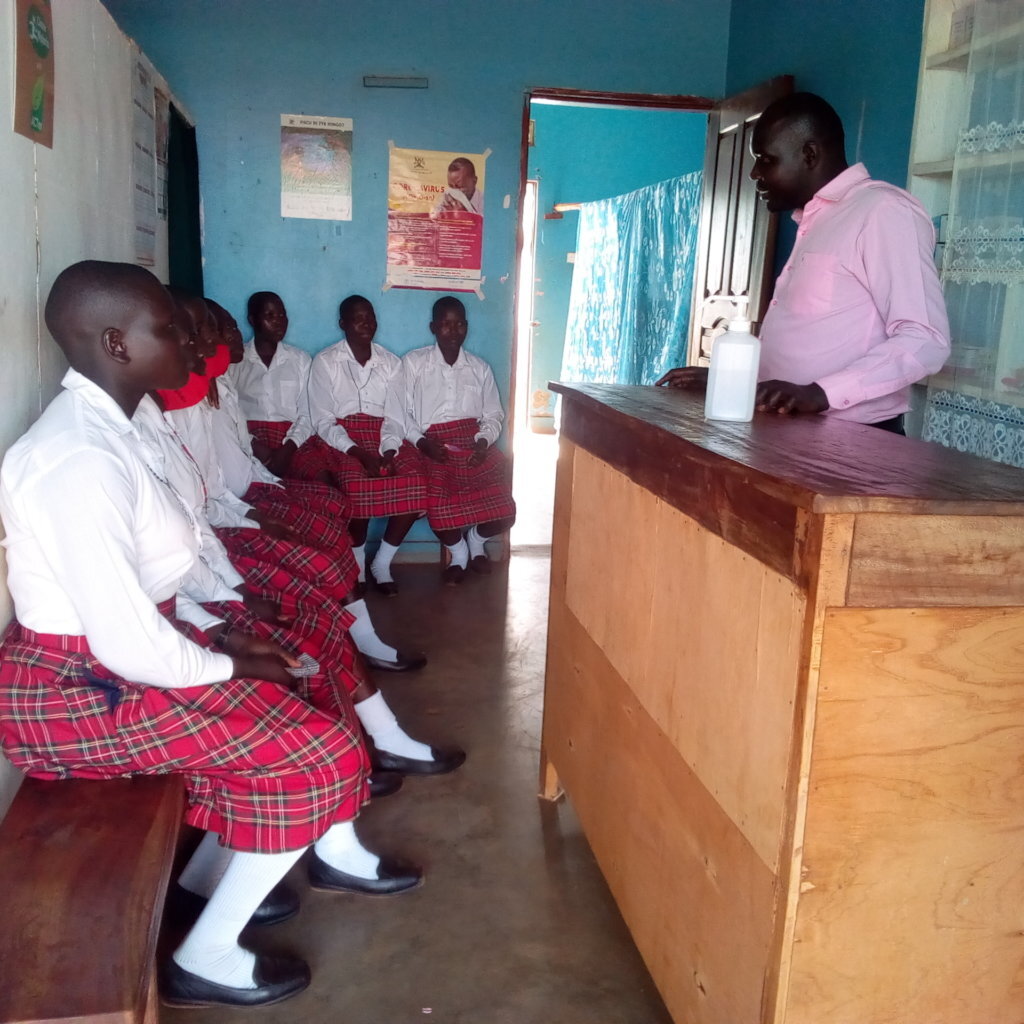
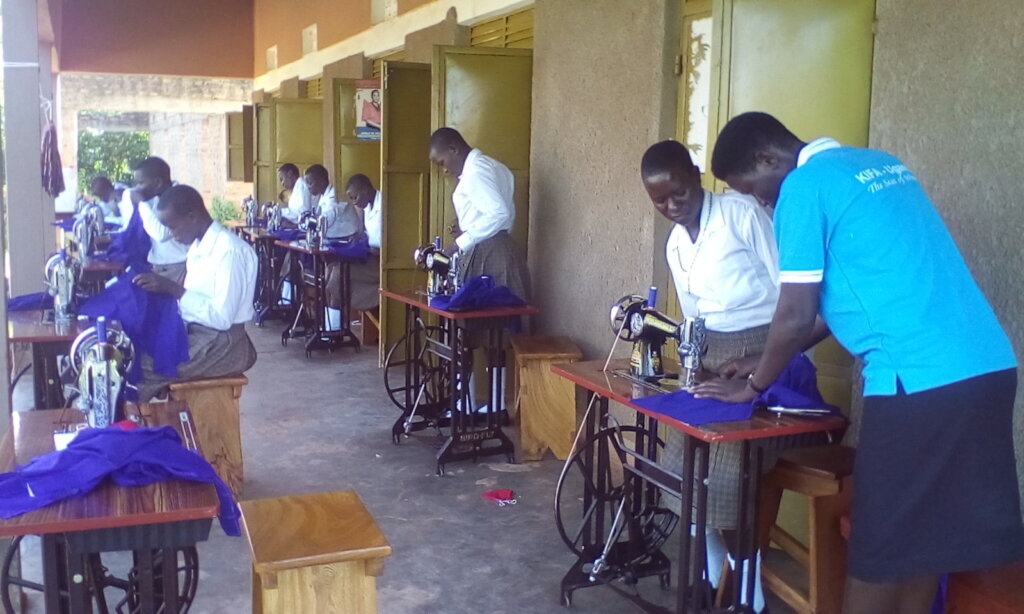
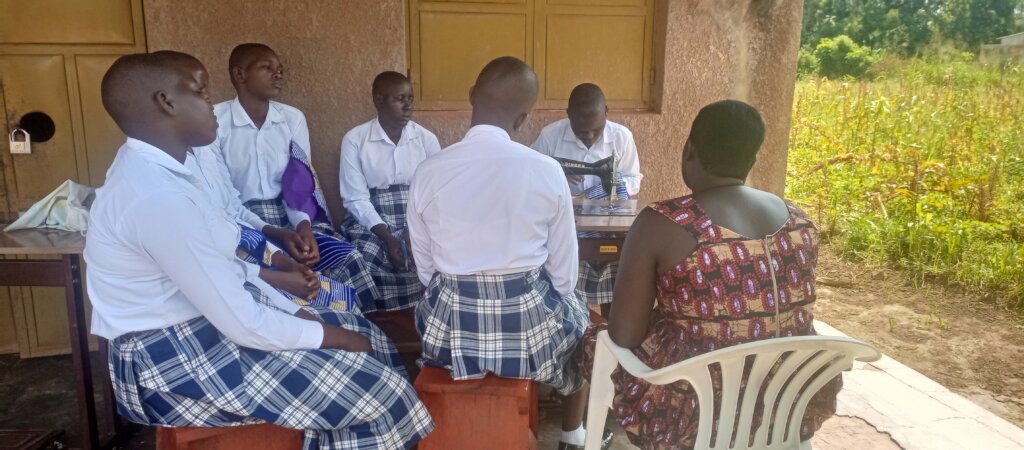
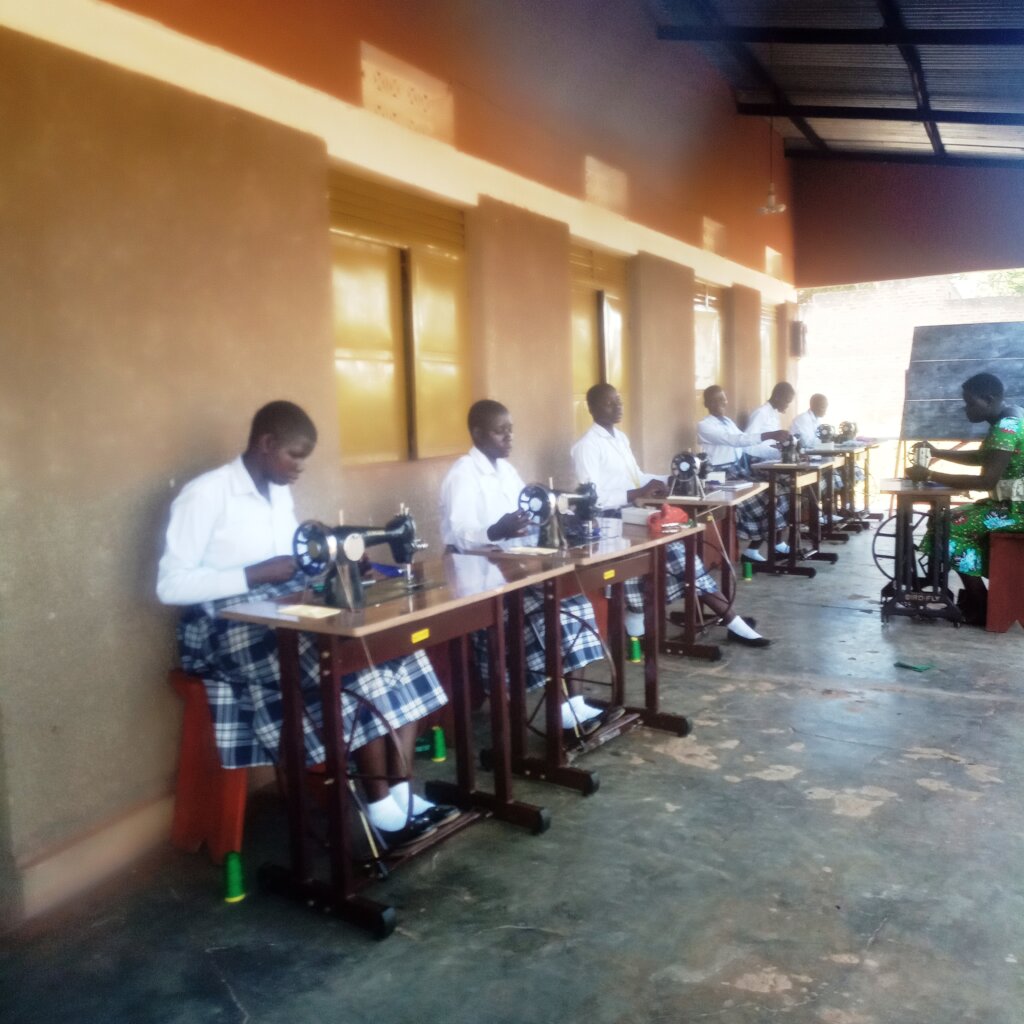
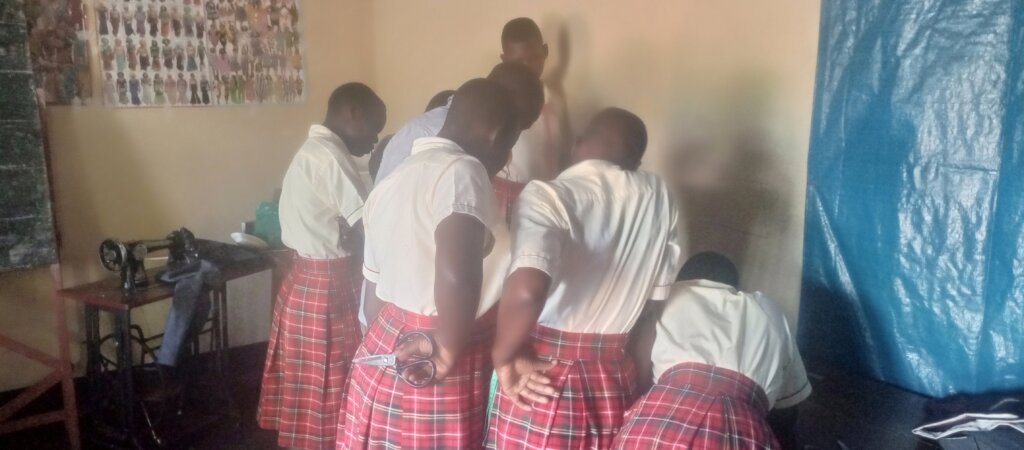
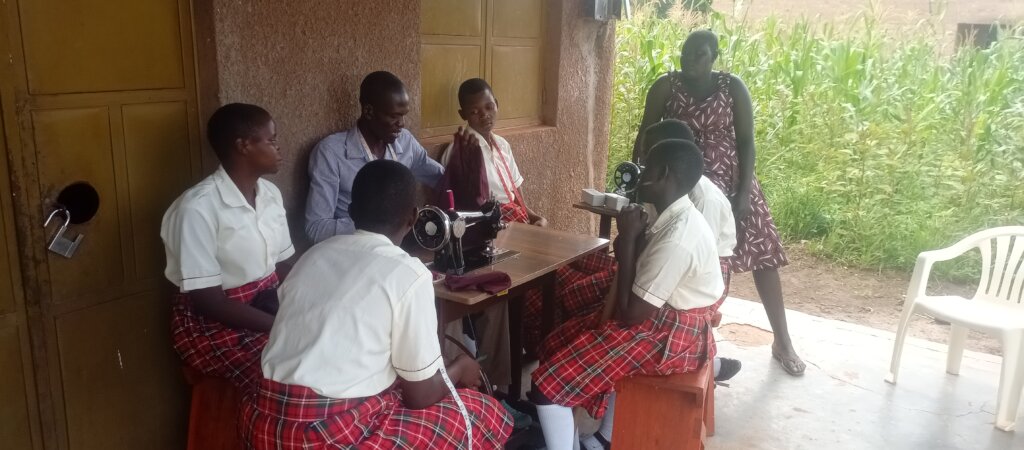
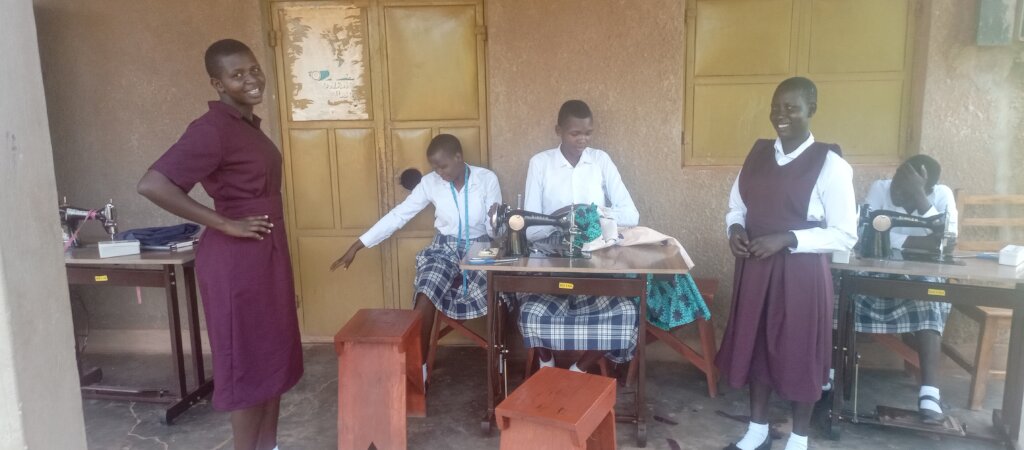
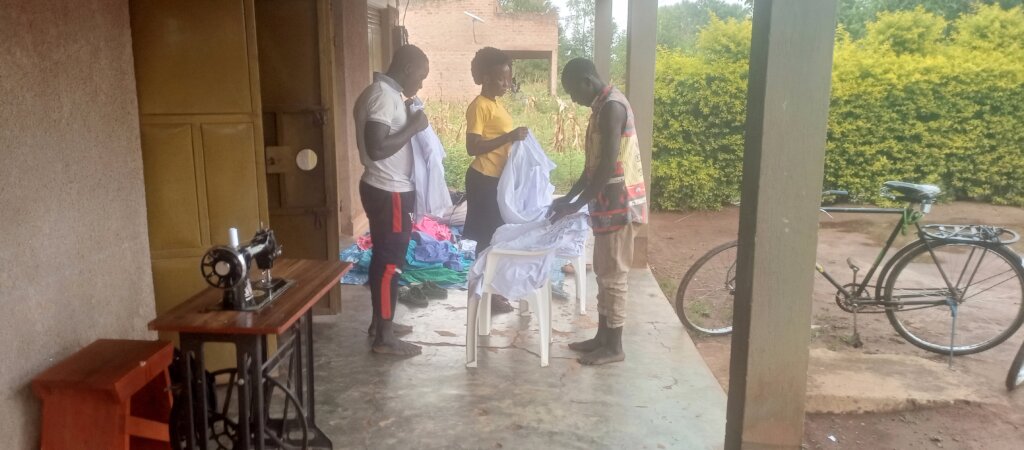
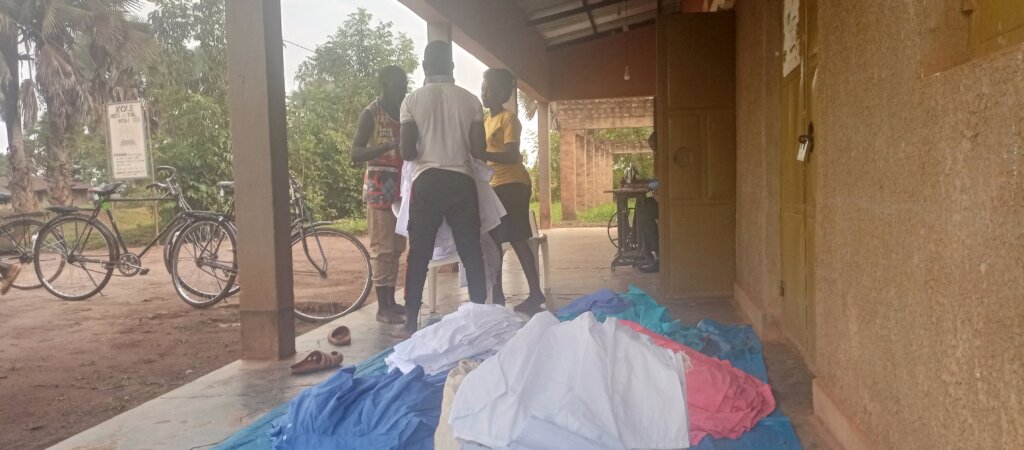
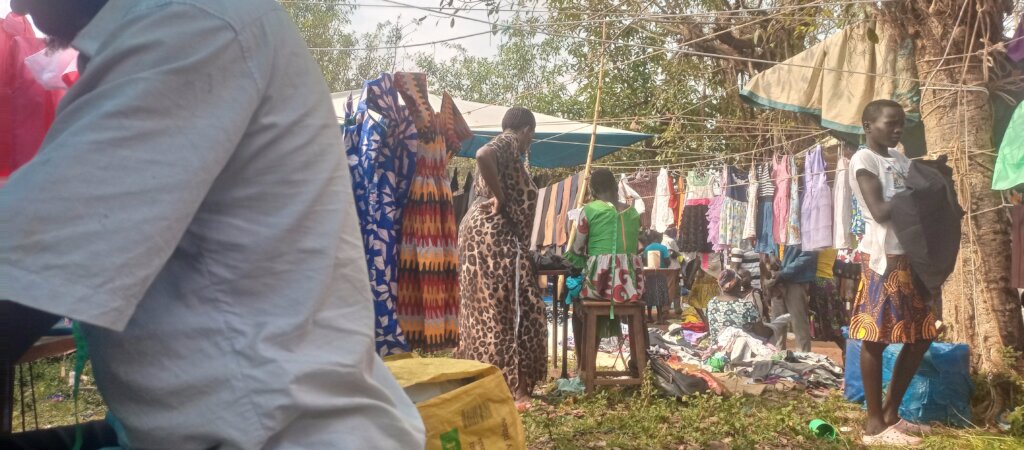
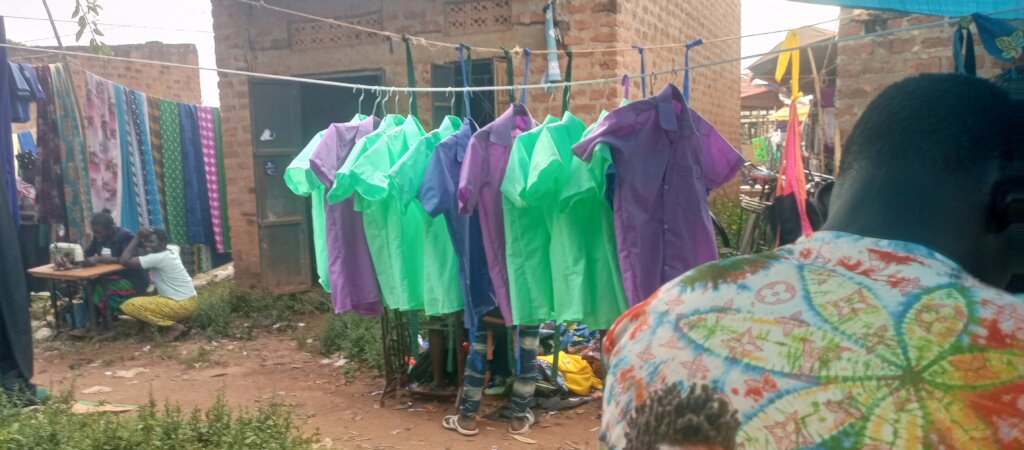
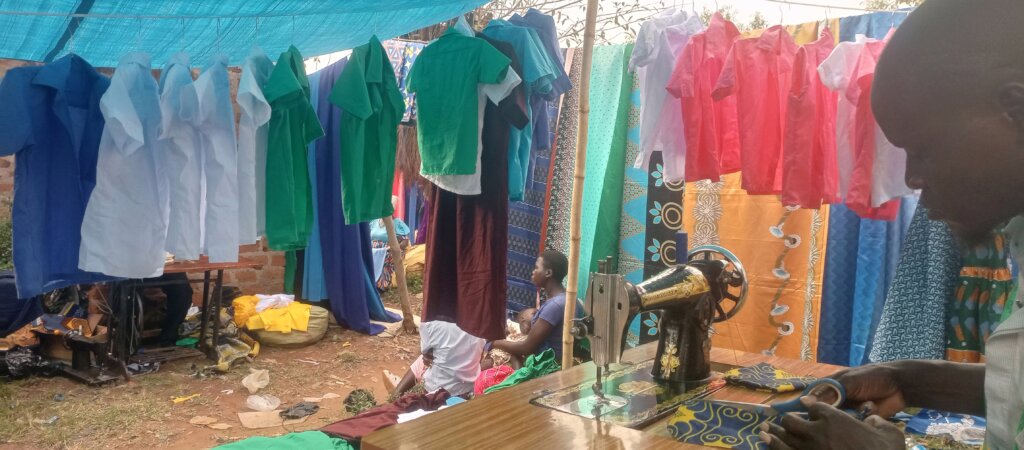
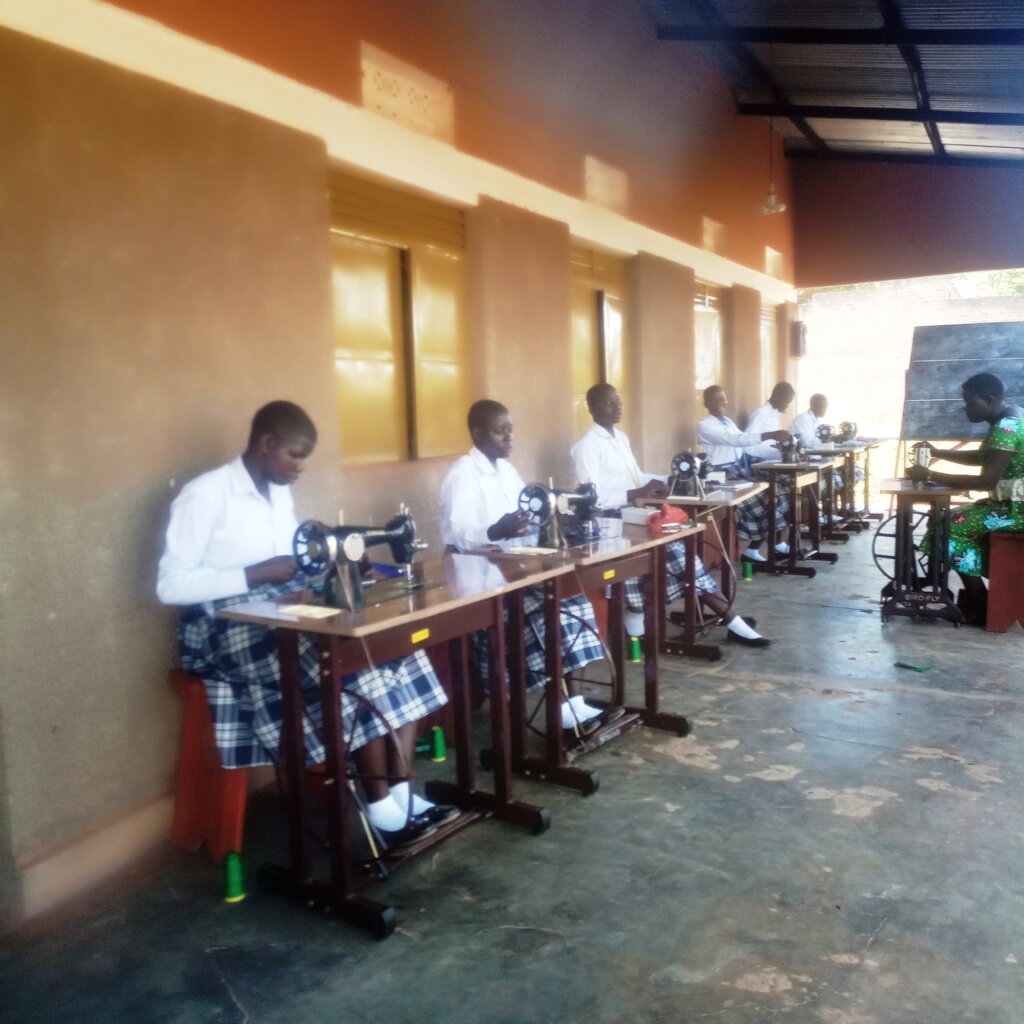
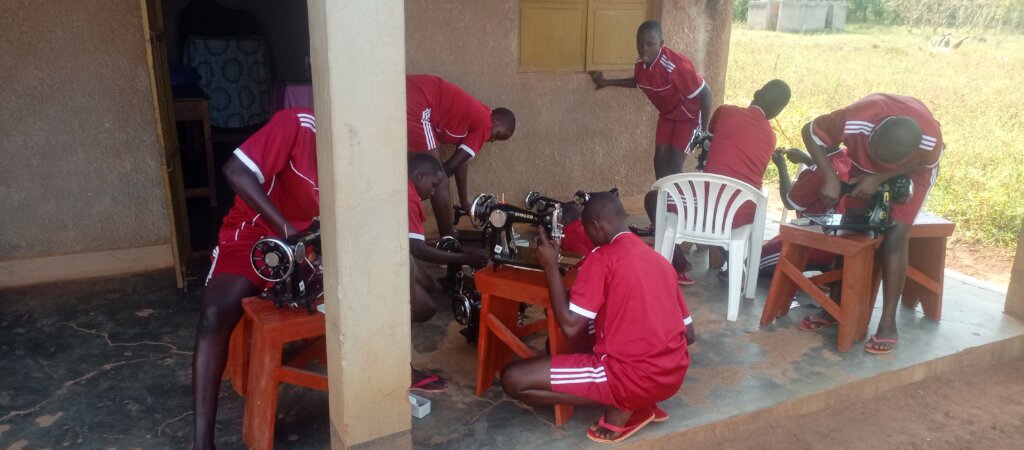
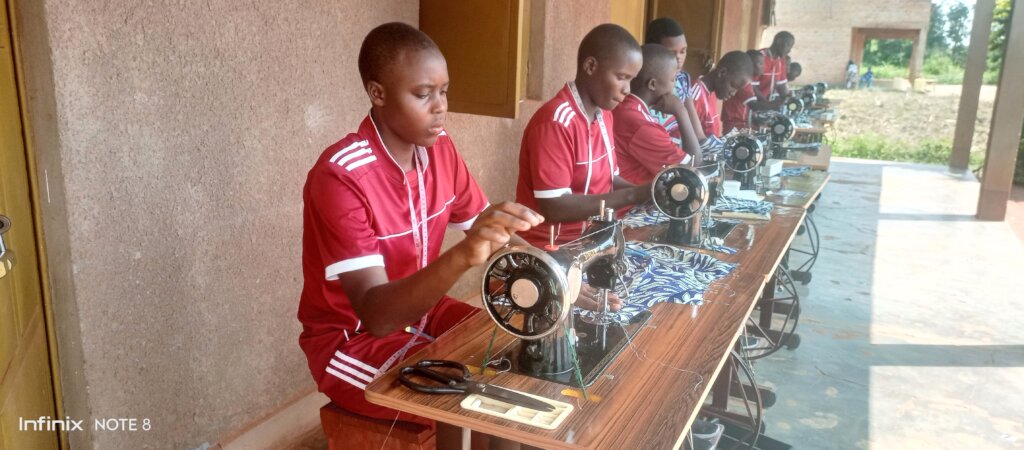
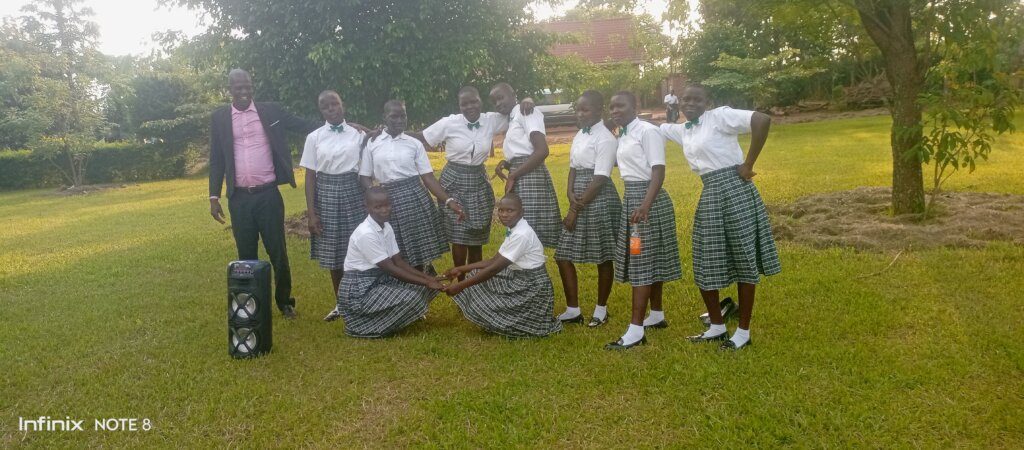
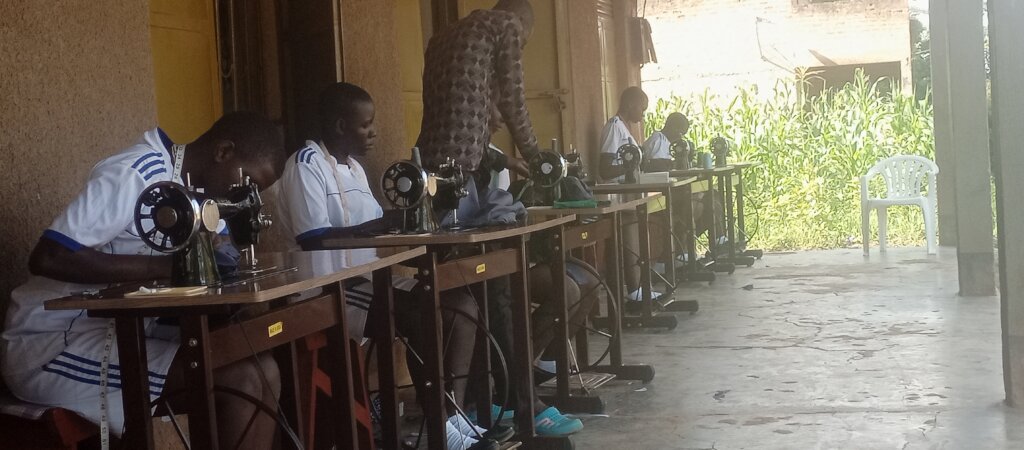
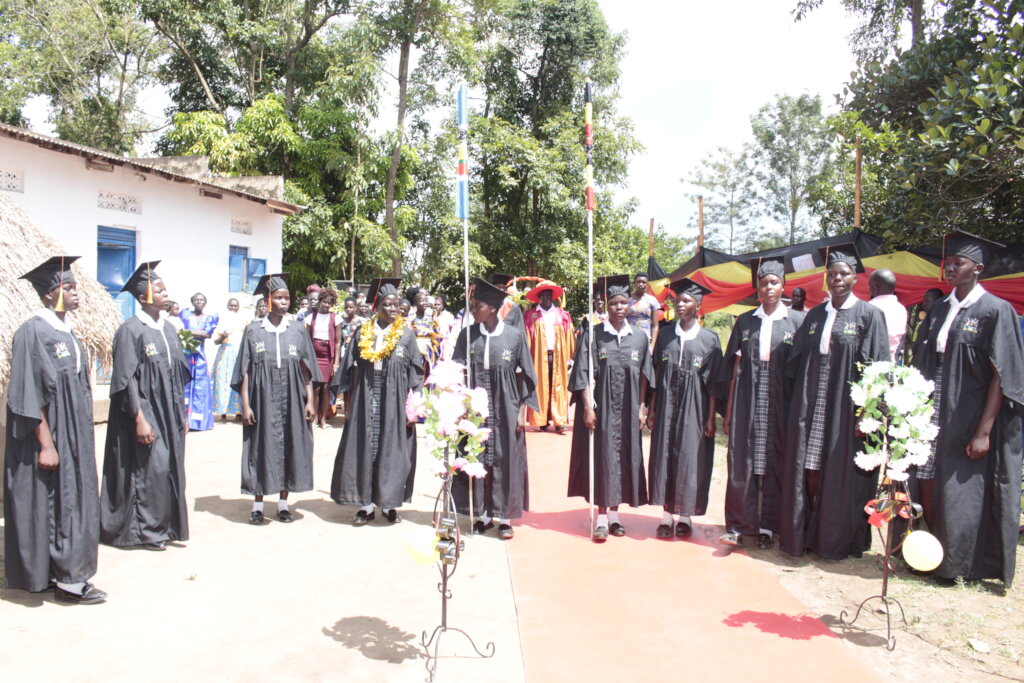
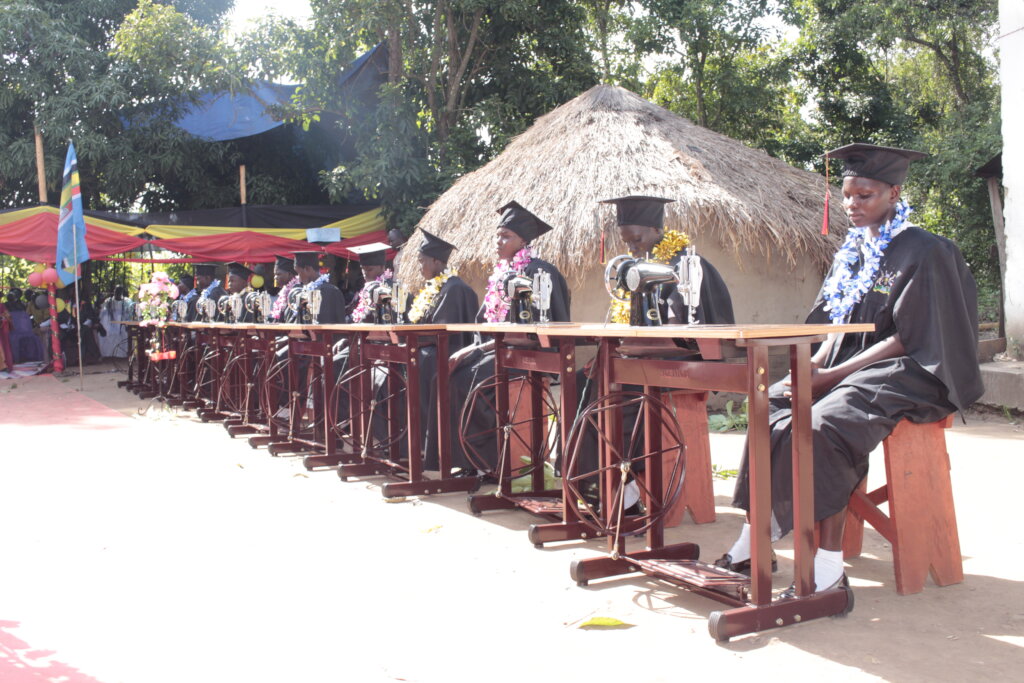
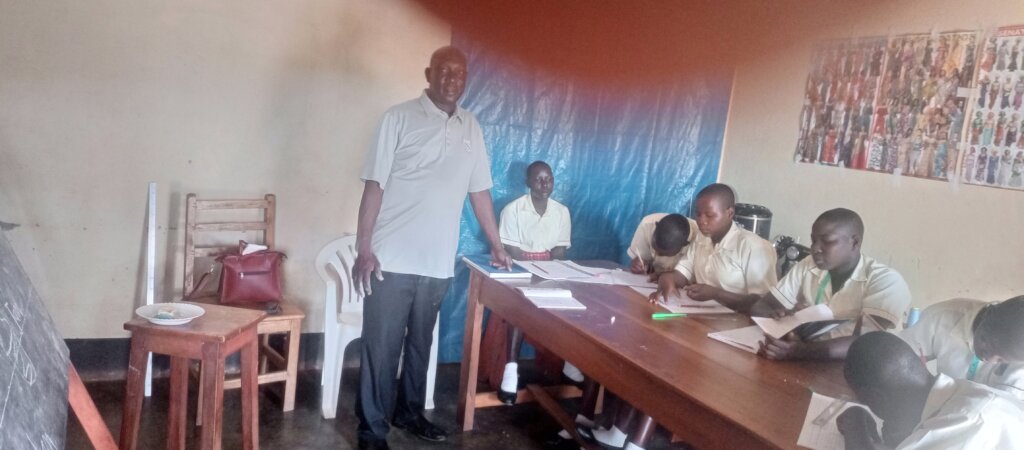
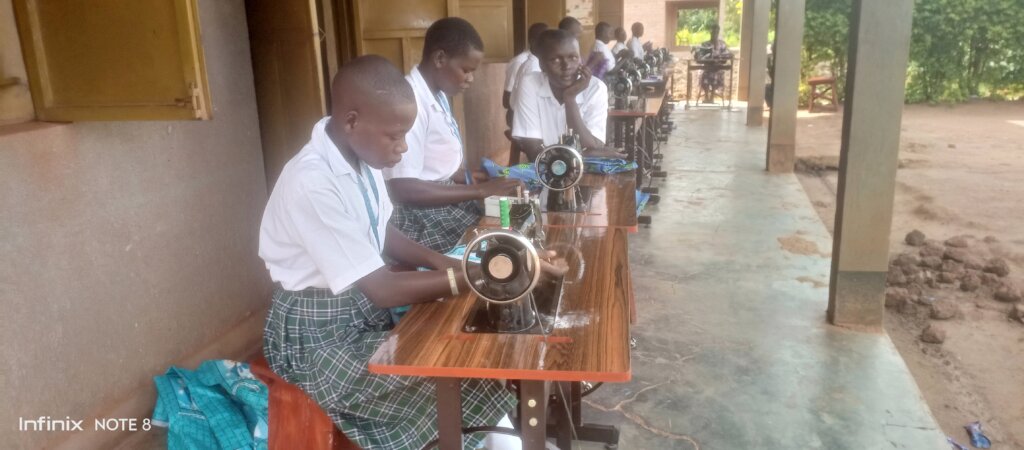
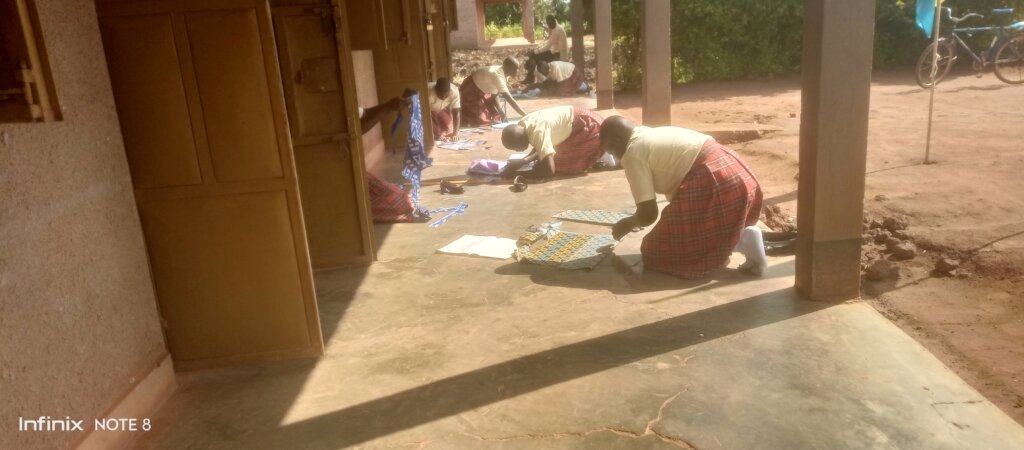
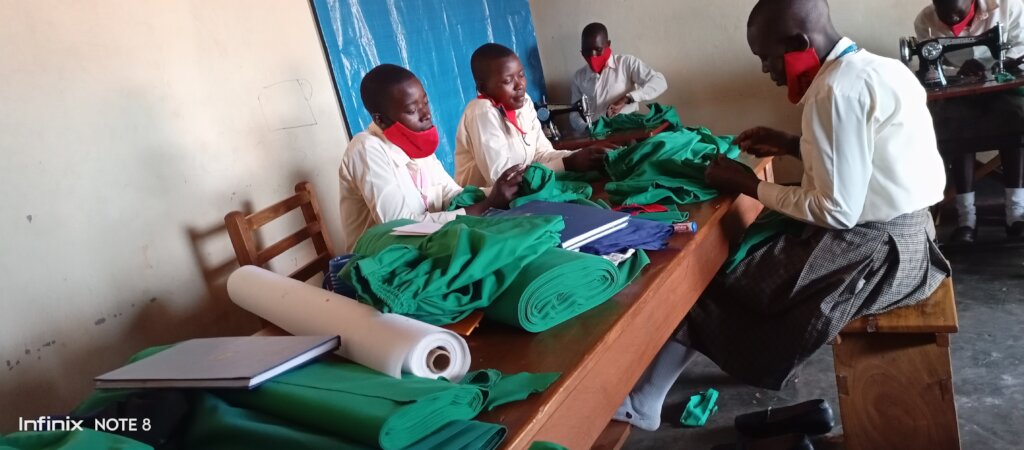
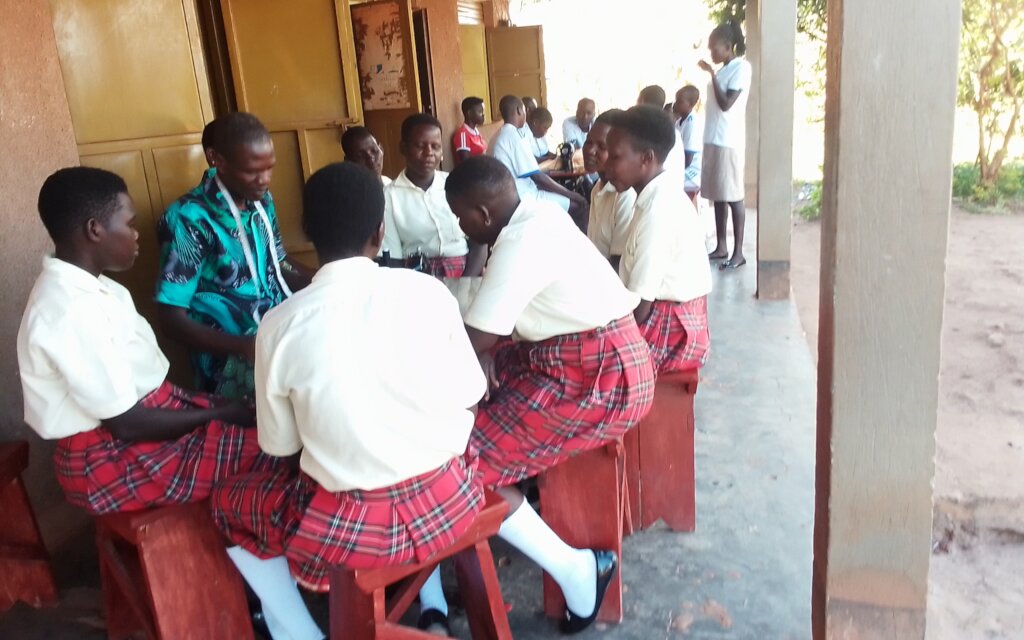
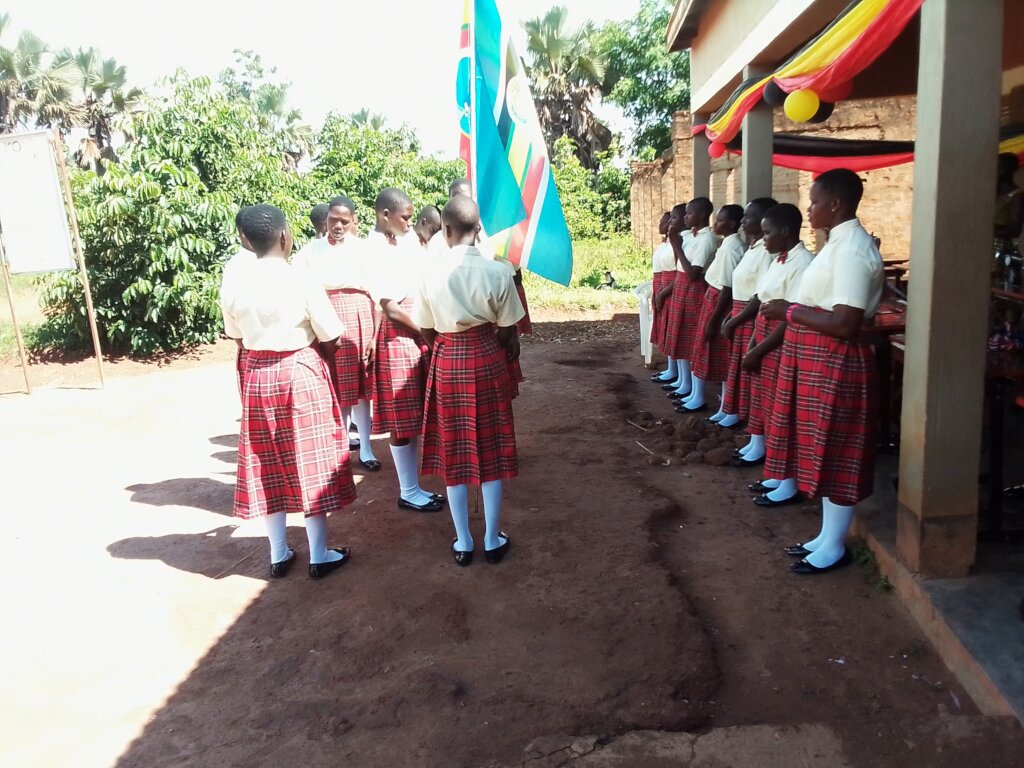
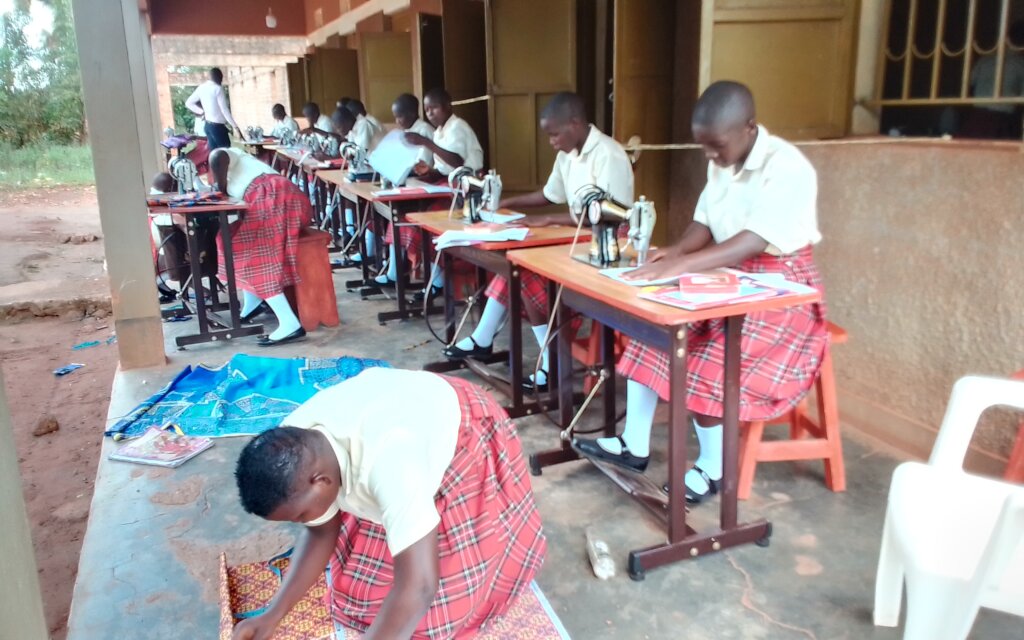
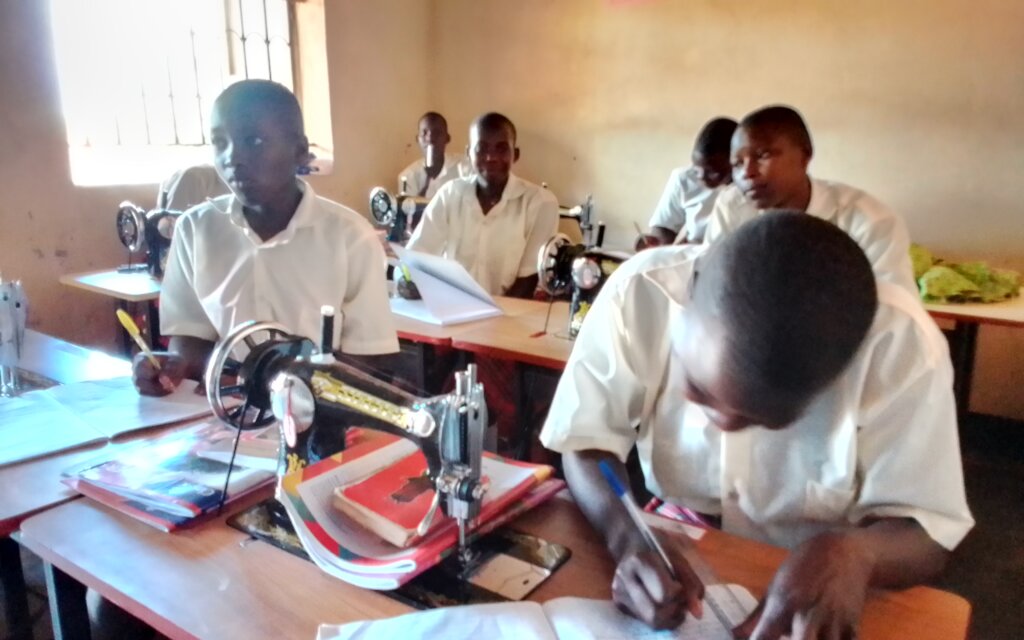
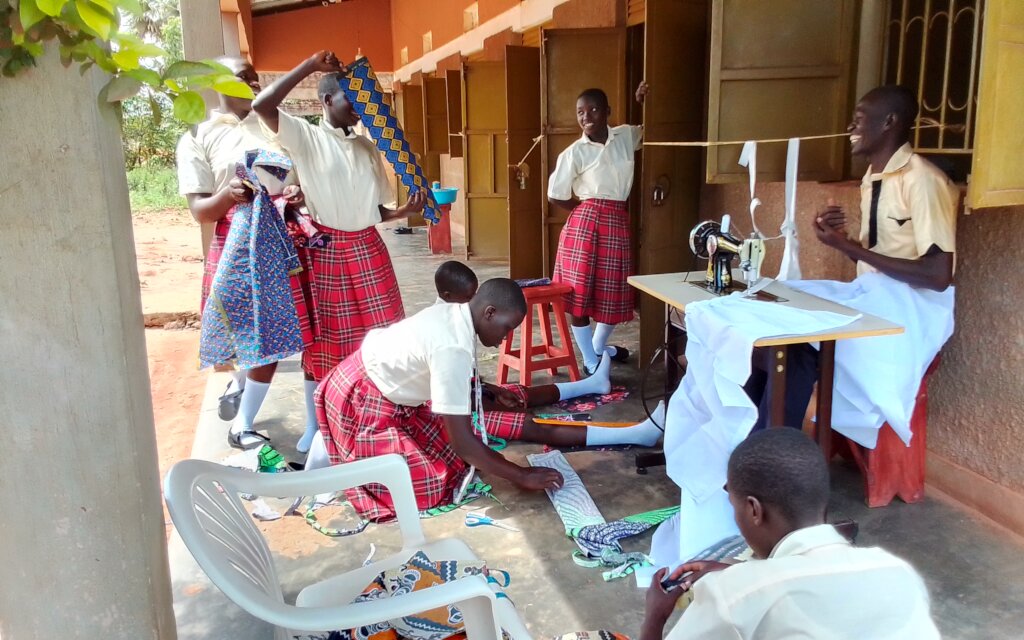
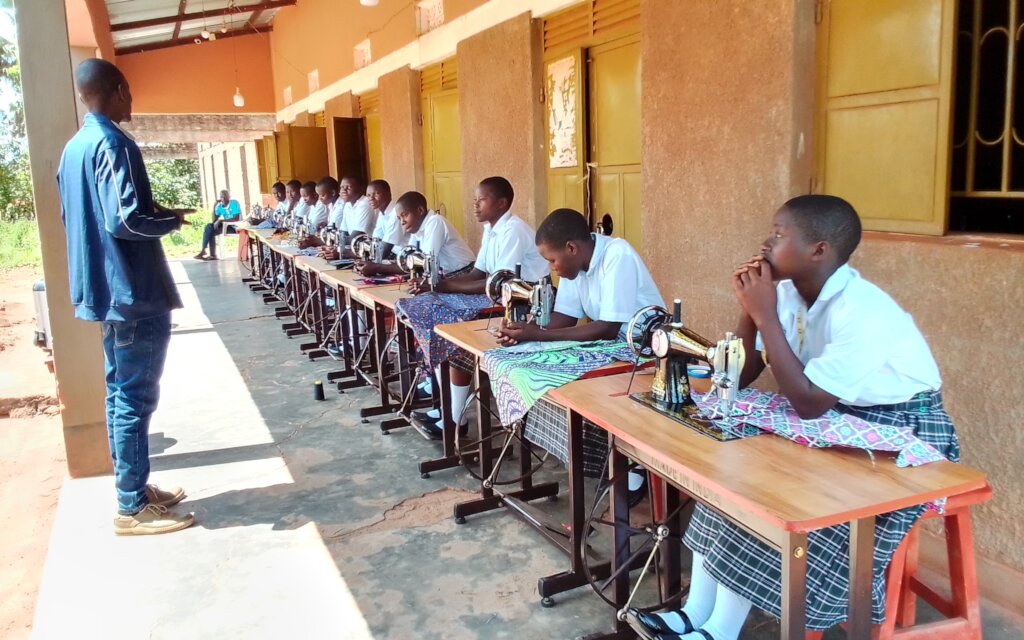
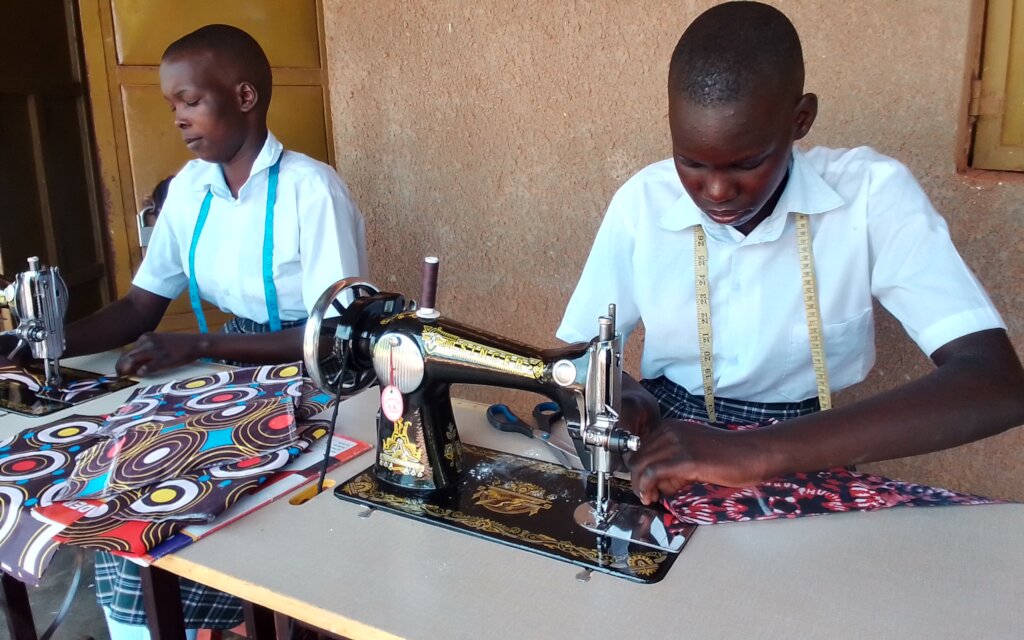
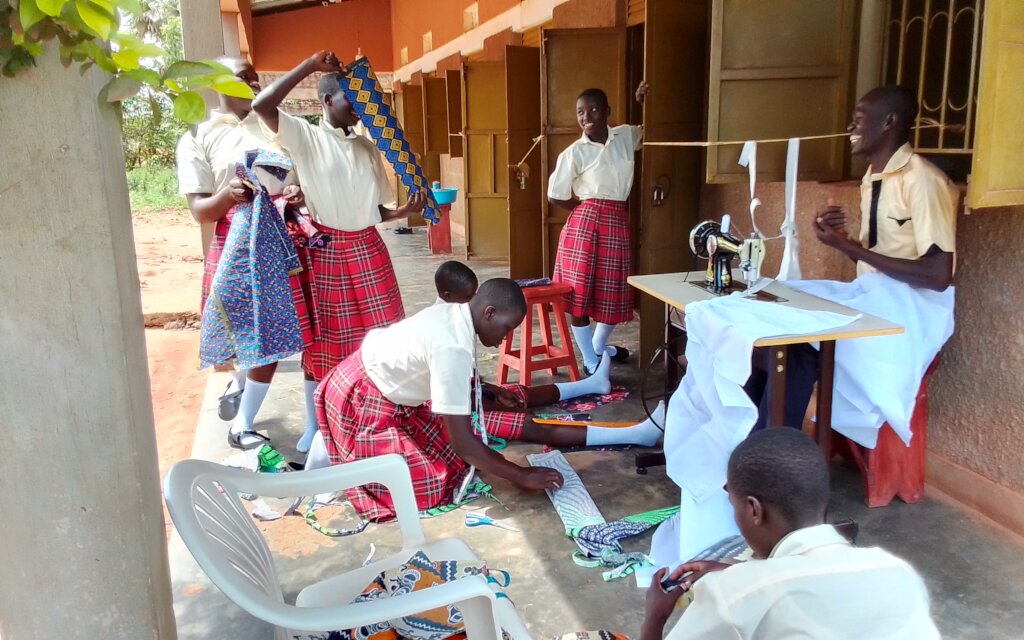
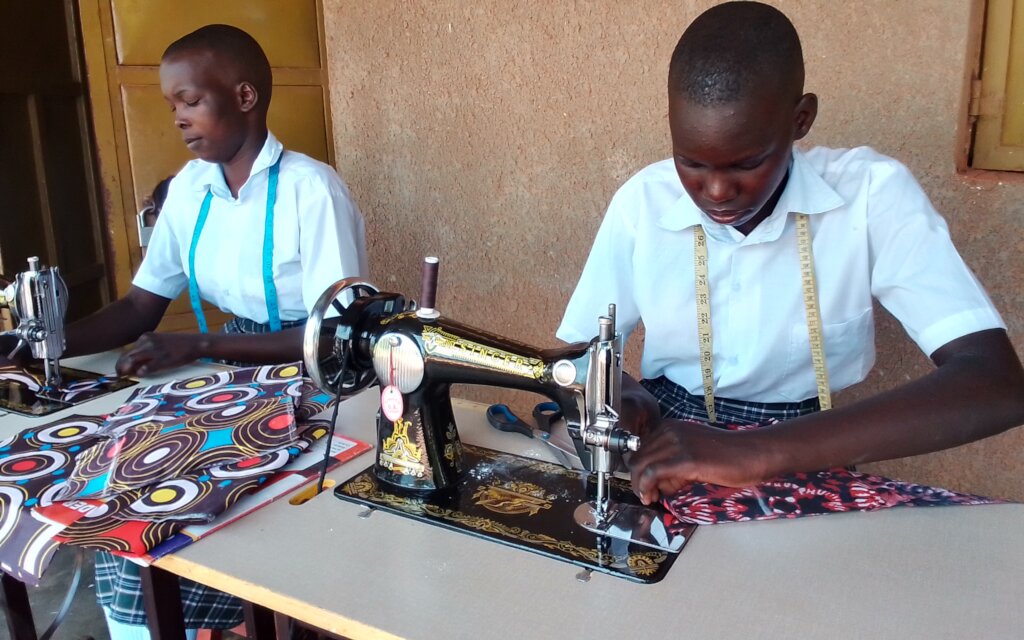
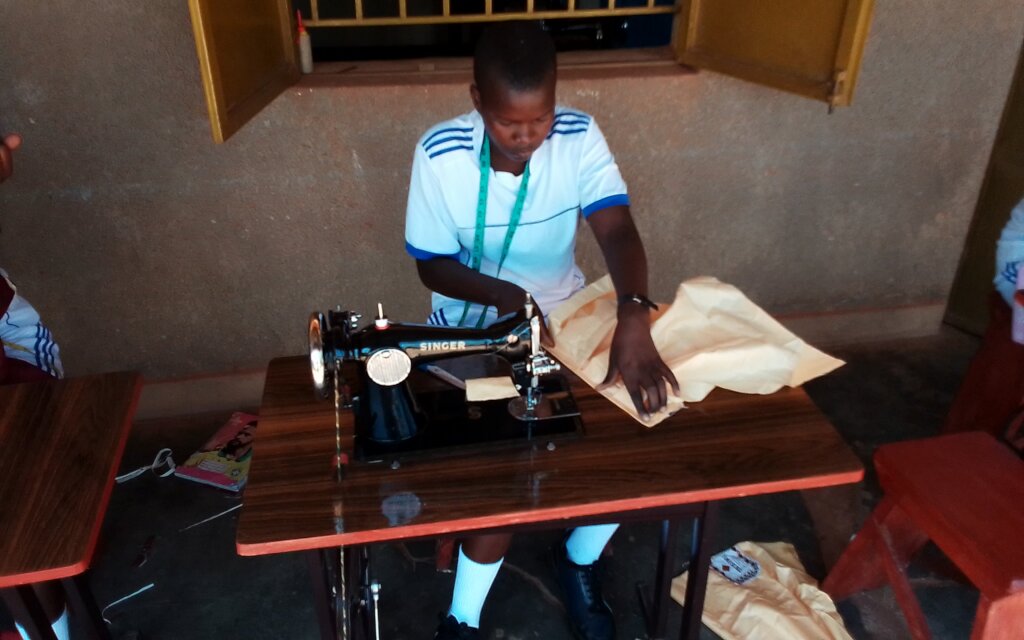
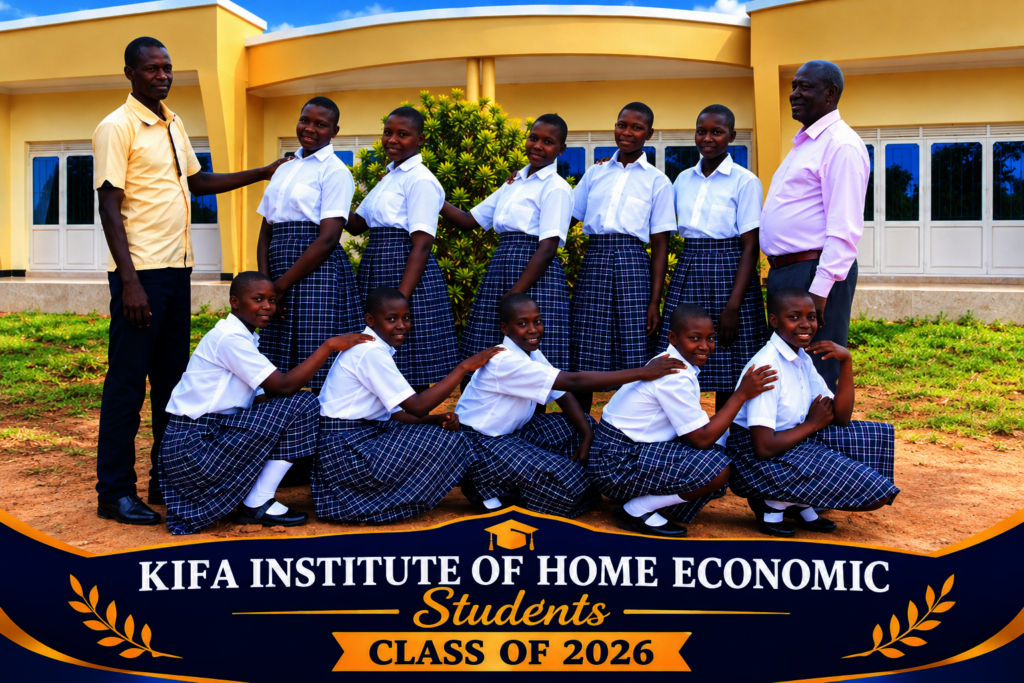
Other than learning how to cut clothes and sewing it: Kole Intellectual Forum - Inatitute of Home Ecoonomics - has the previledge to train their students to go further into details into verifying everything about it; by checking them one after the other.
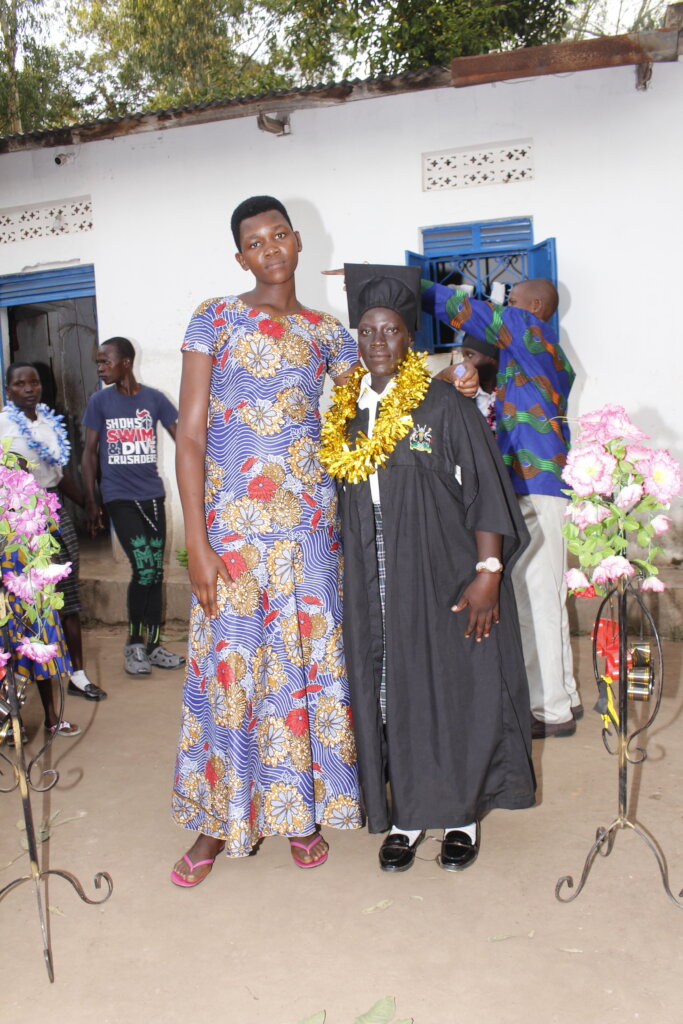
This is what the Institute refers to as a complete ways of learning or holistic approach or training and at the end of it all, a student would leave the institute with a complete knowledge, very skillful.
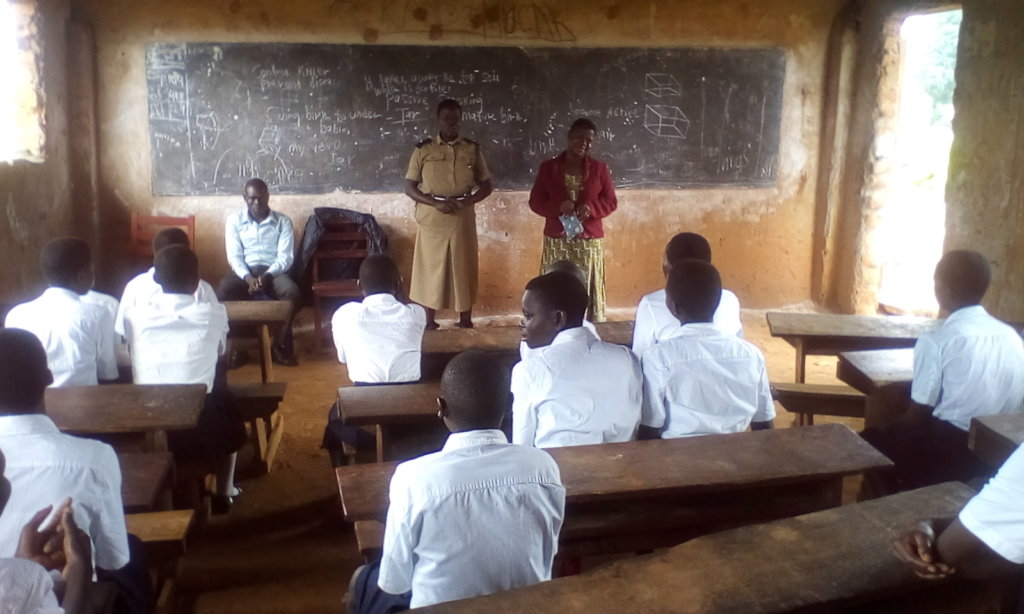
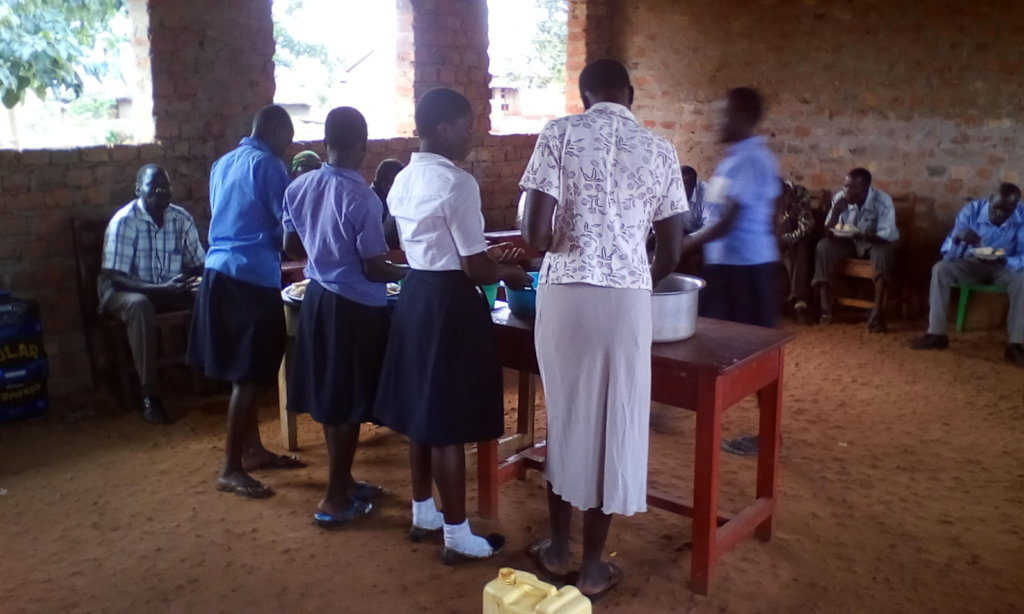
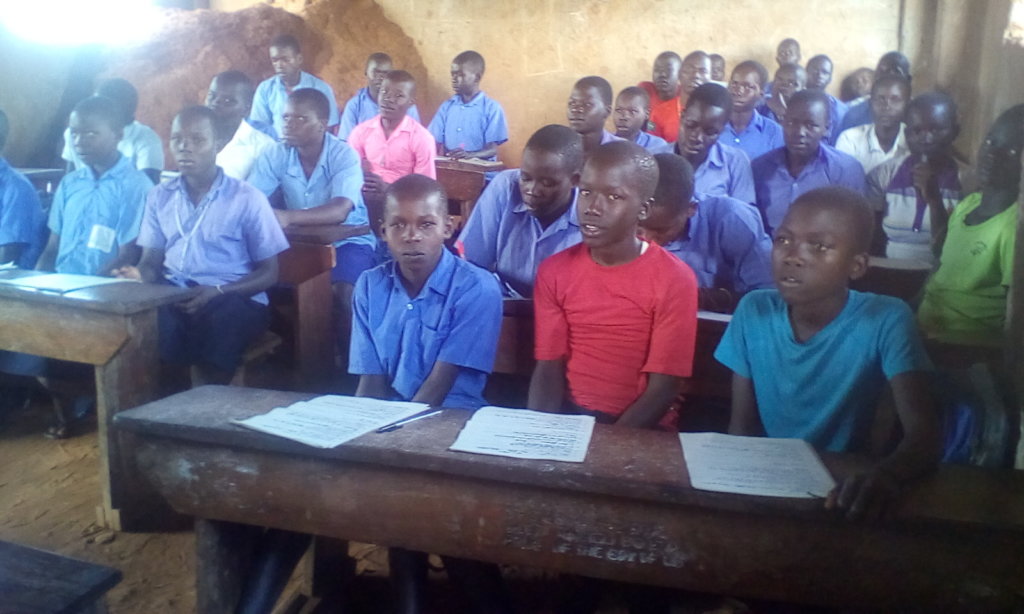
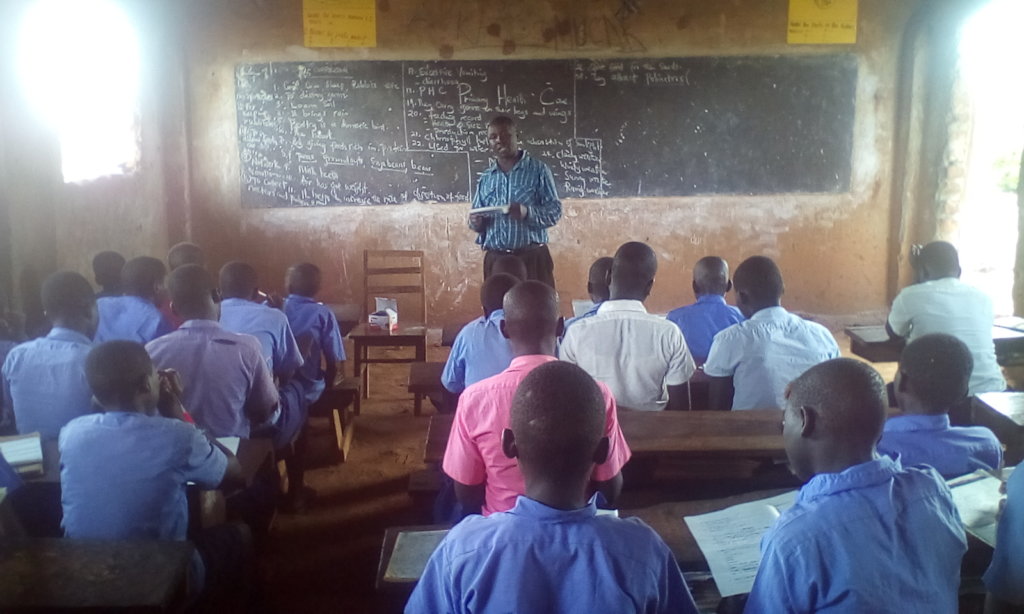
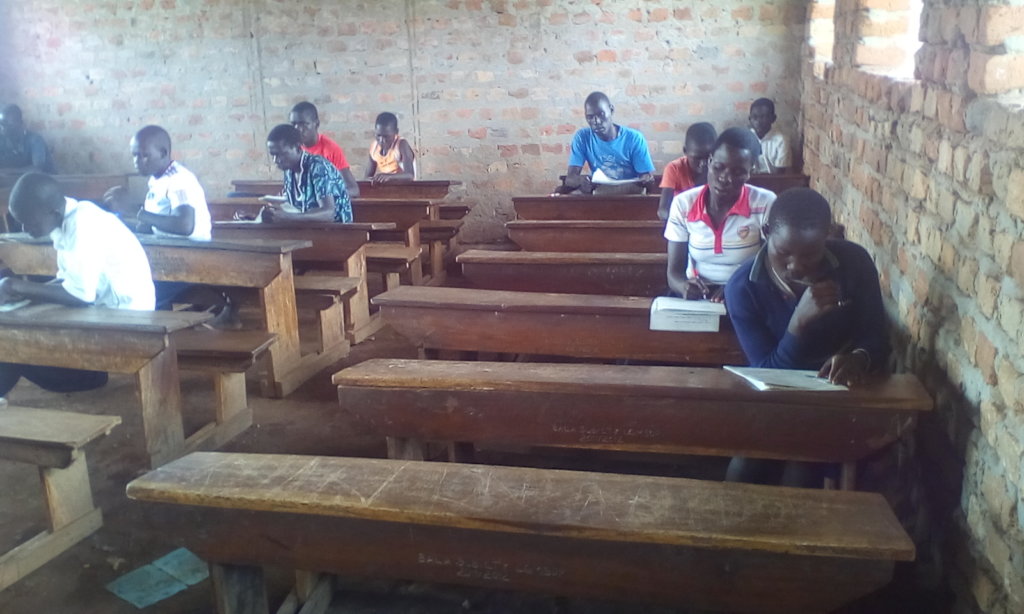
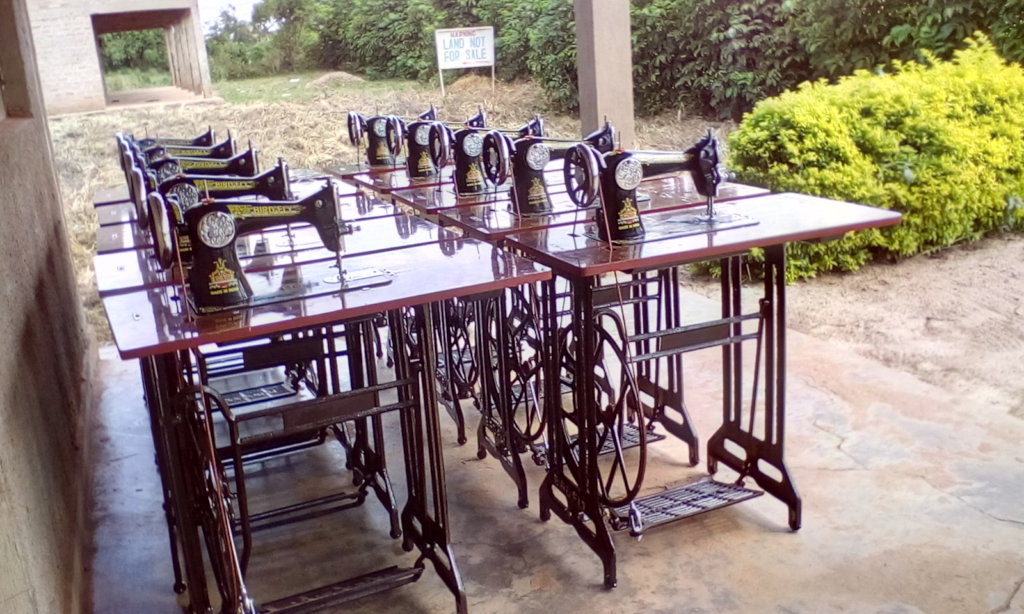
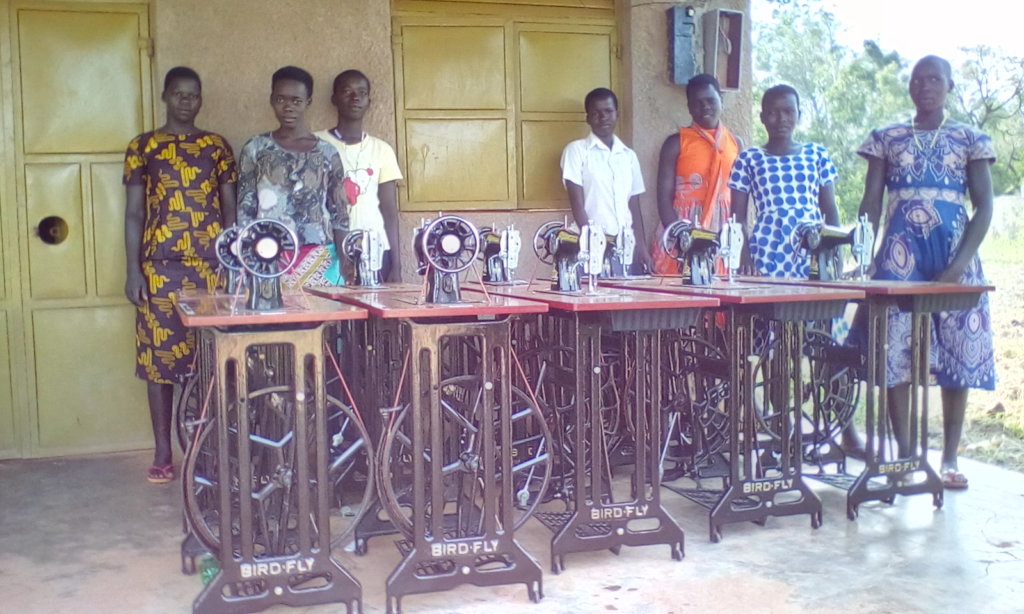
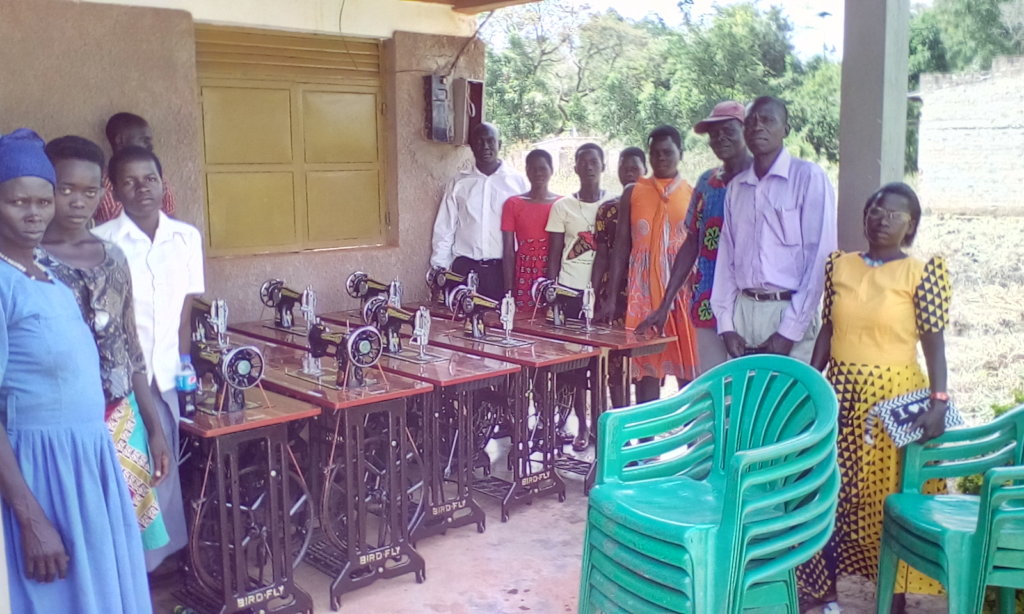
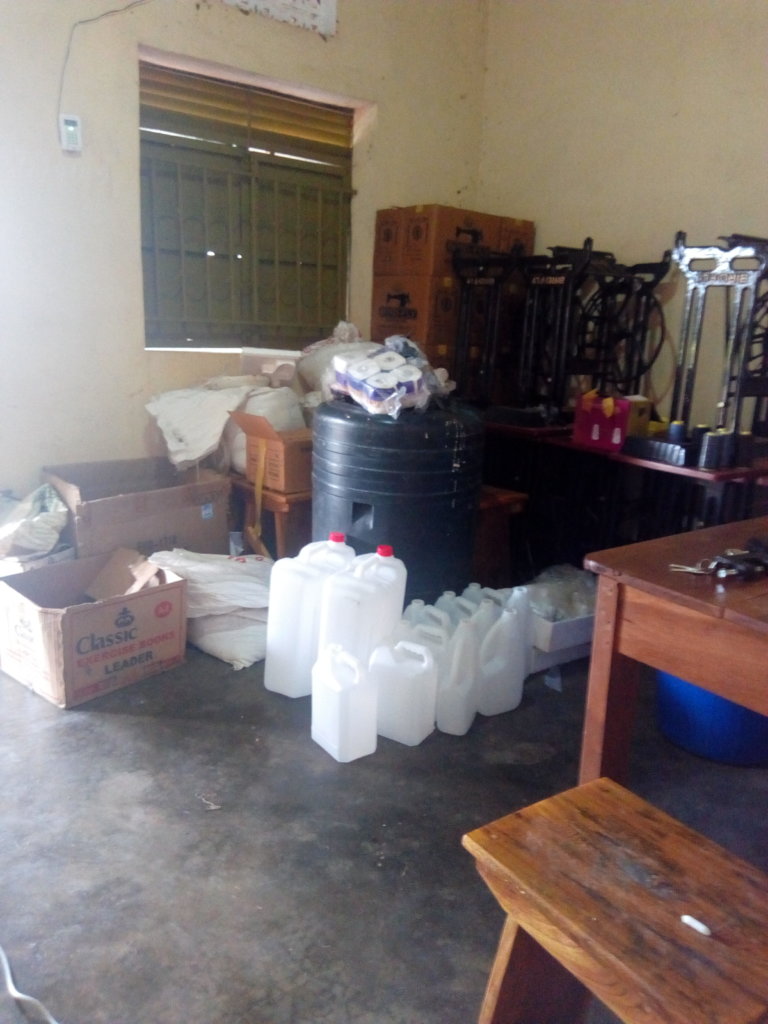
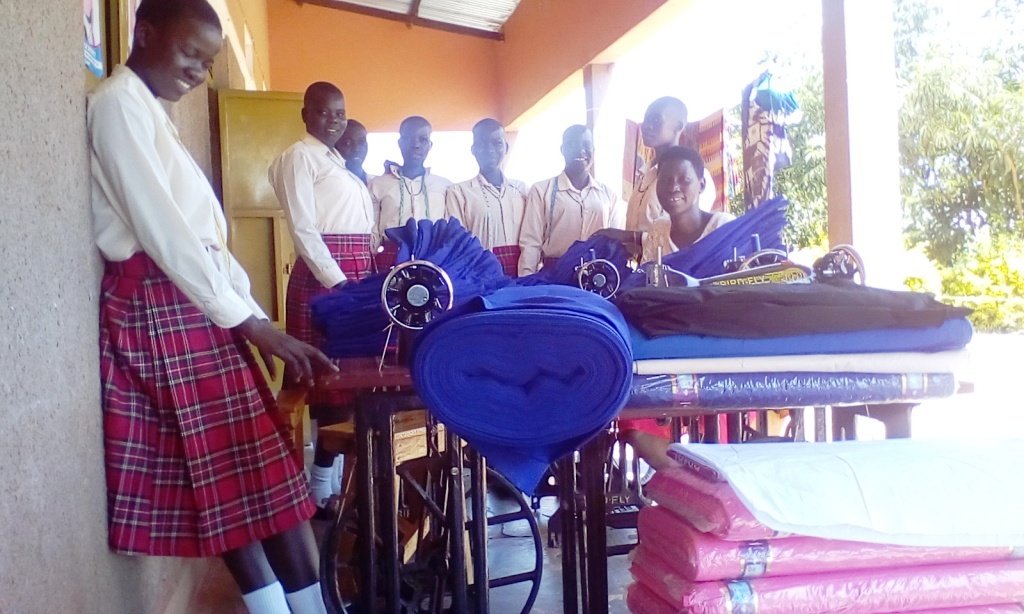
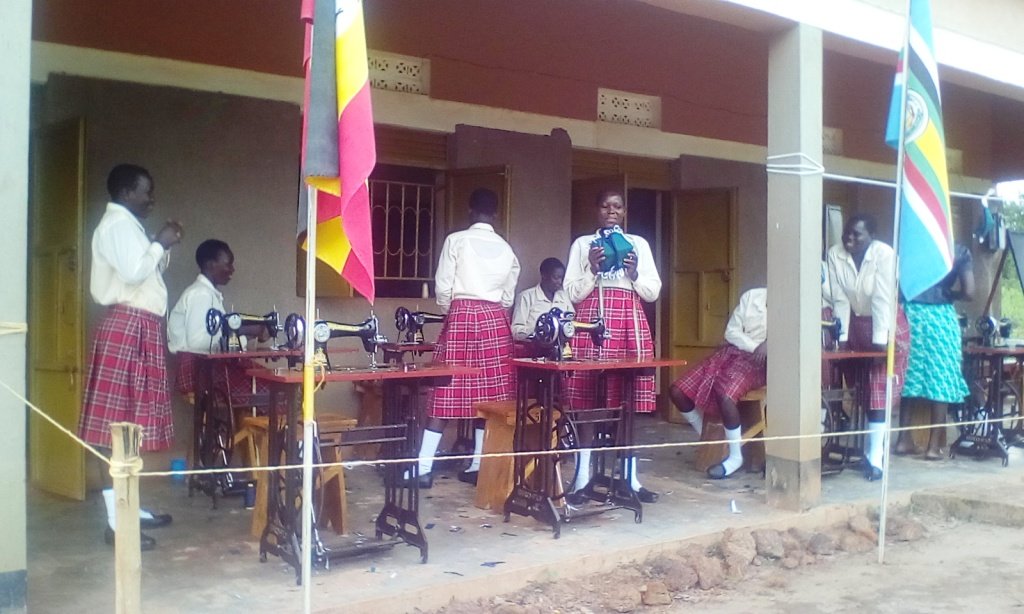
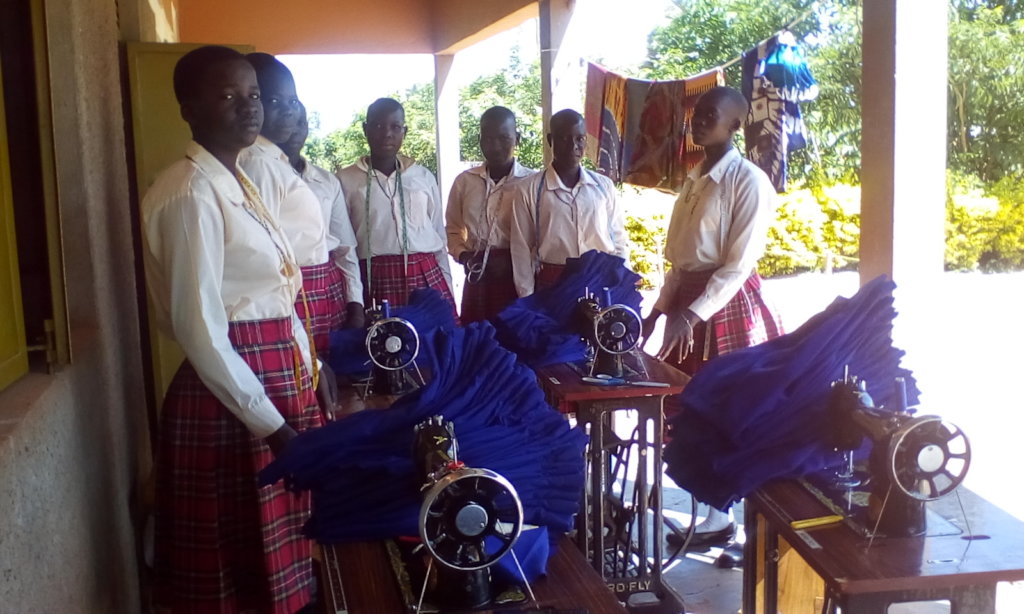
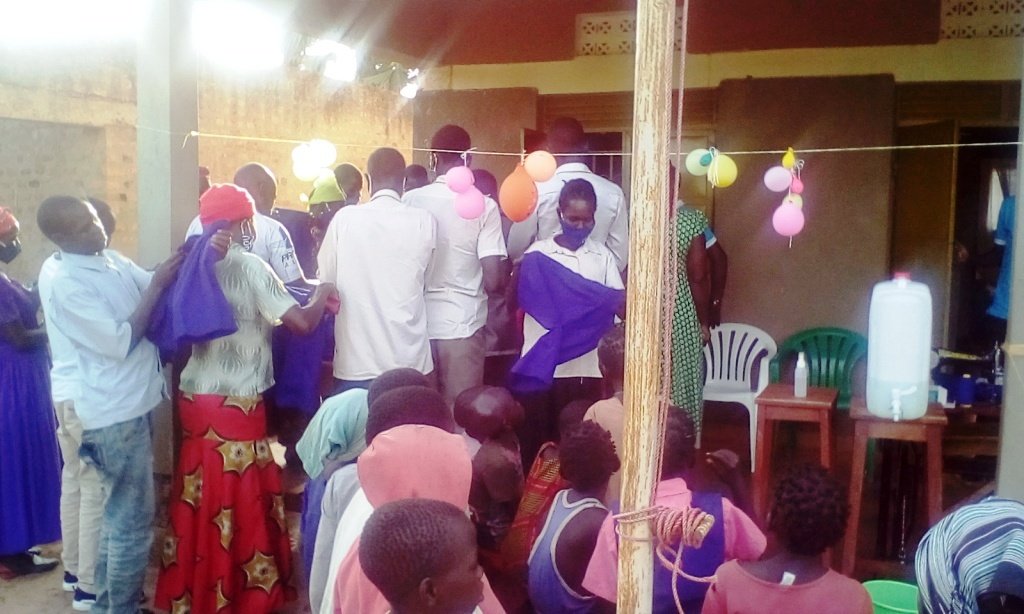
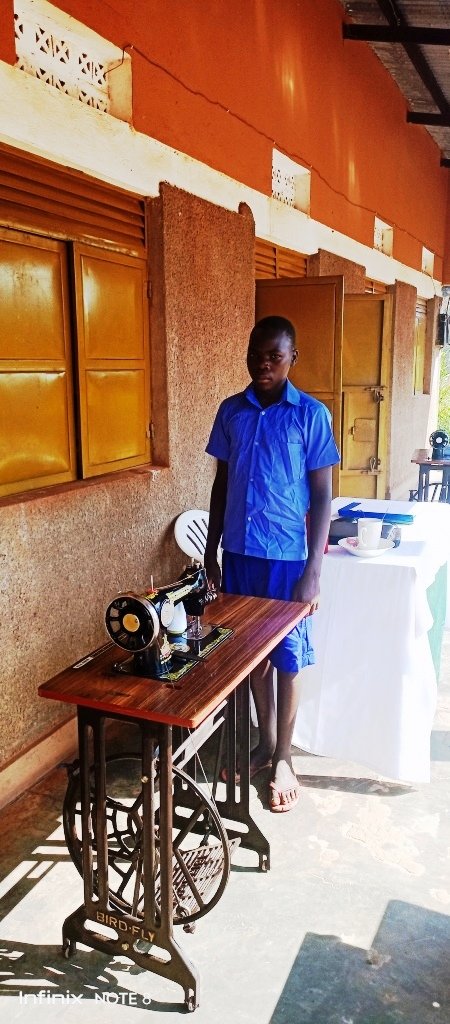
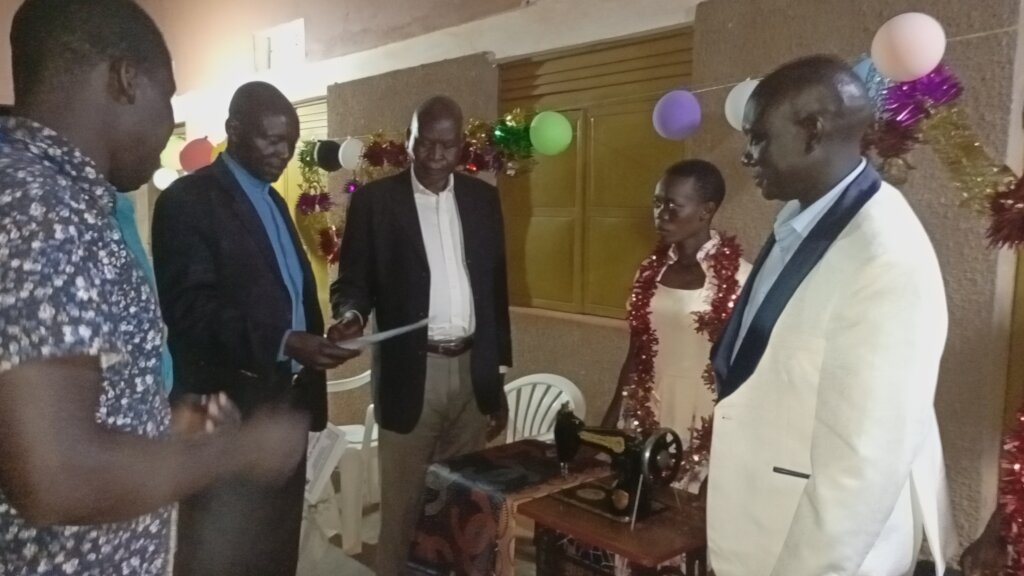
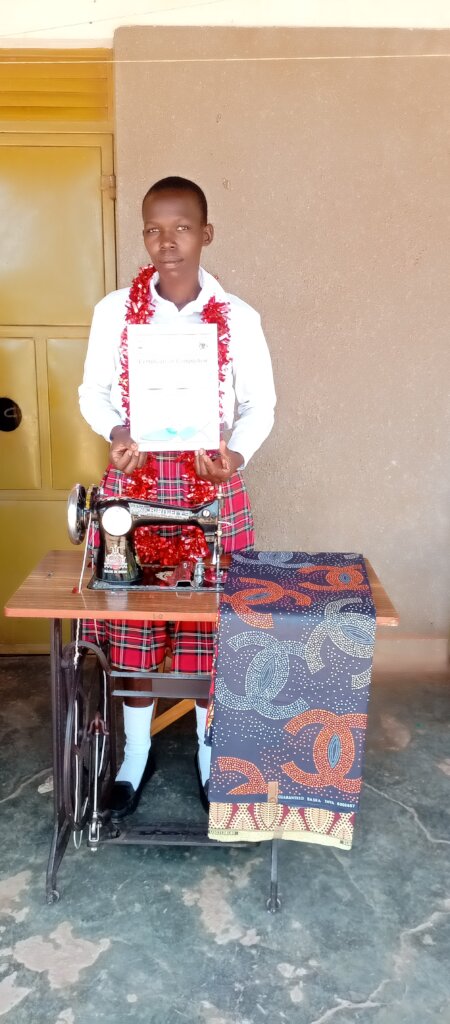
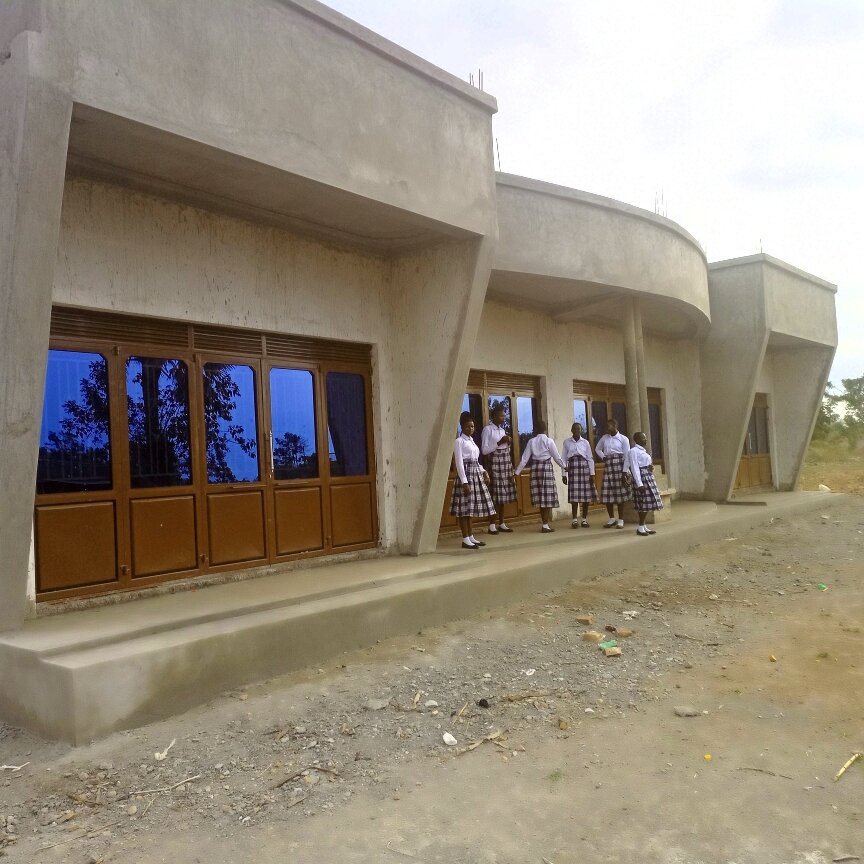
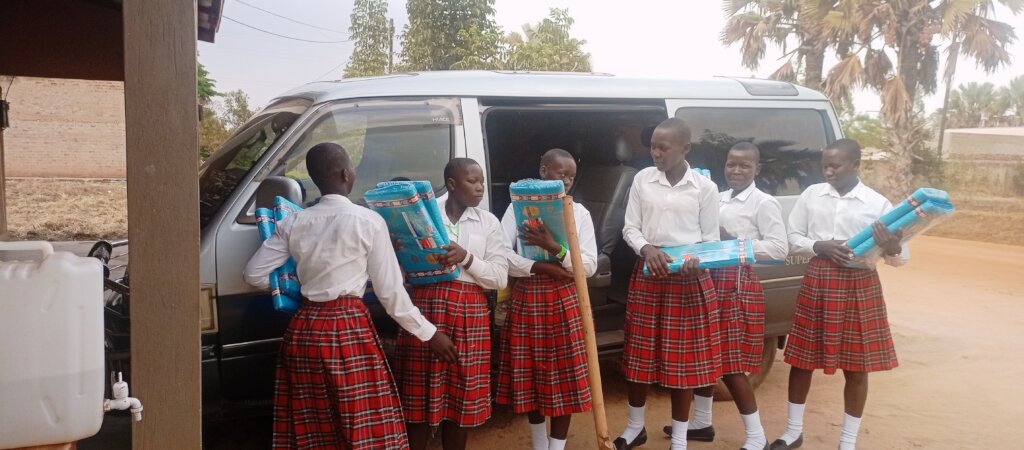
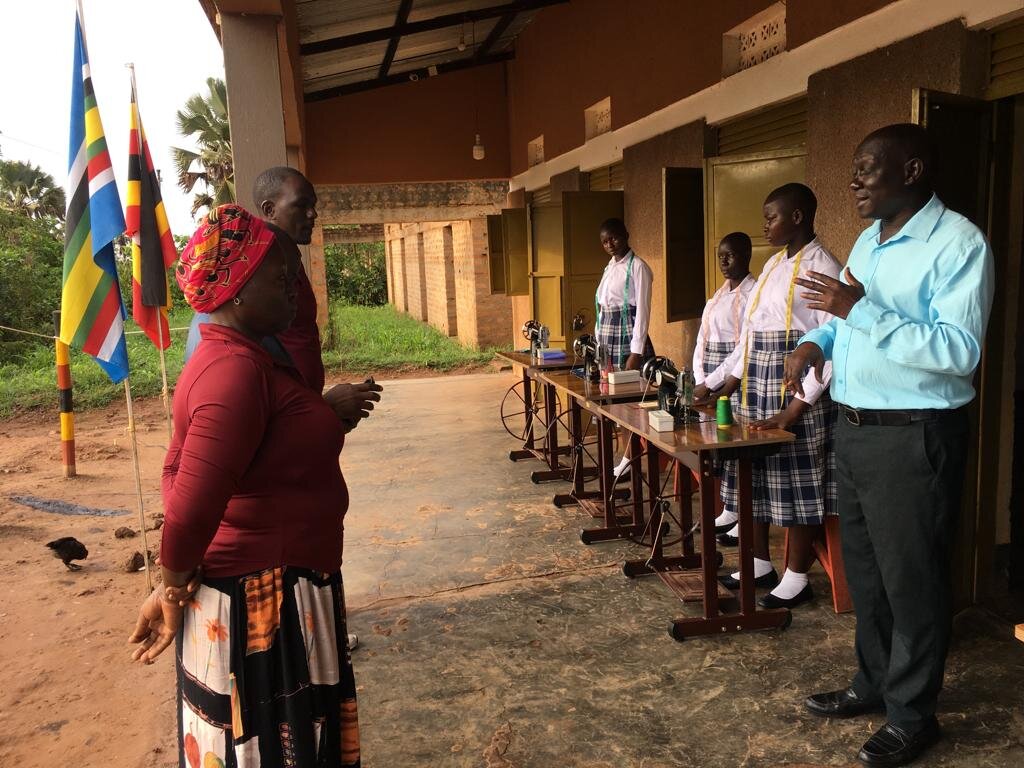
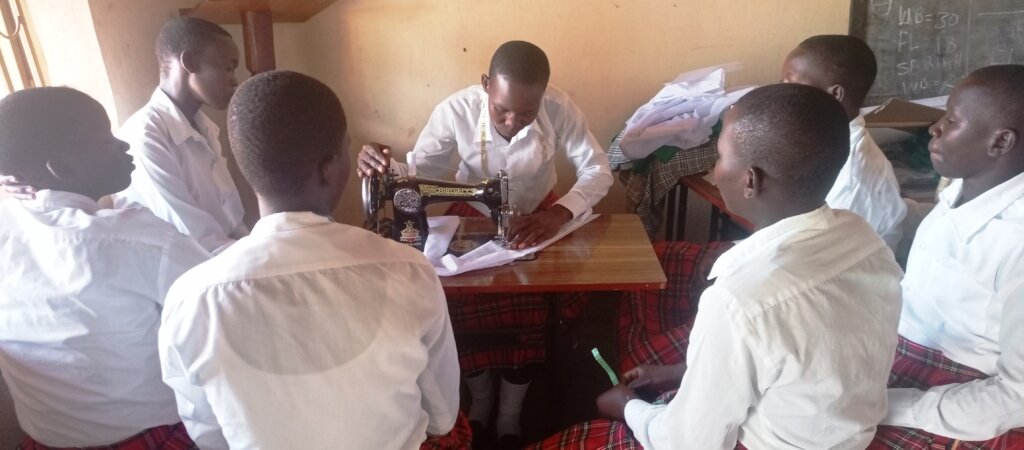
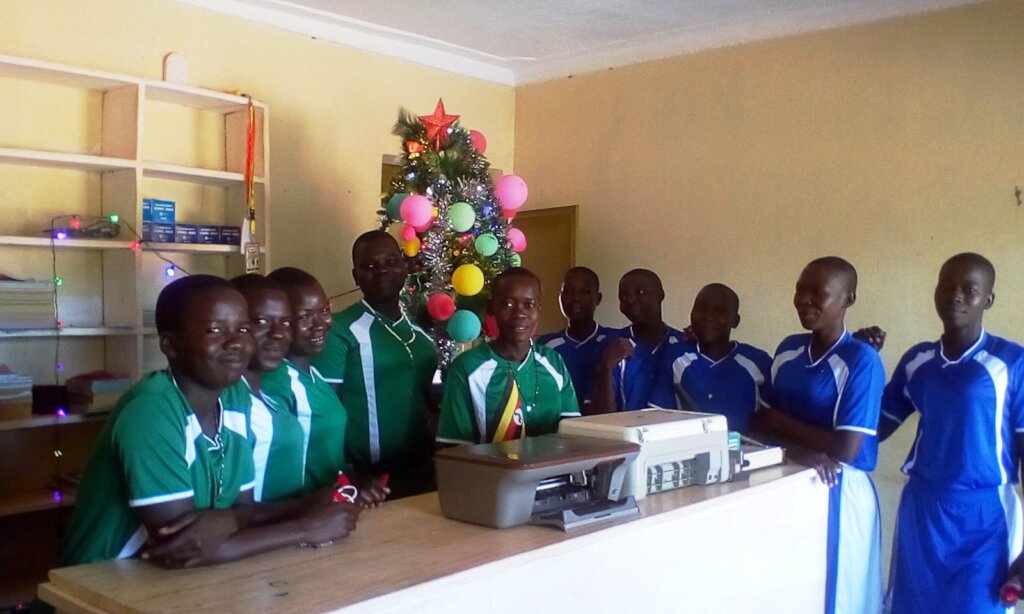
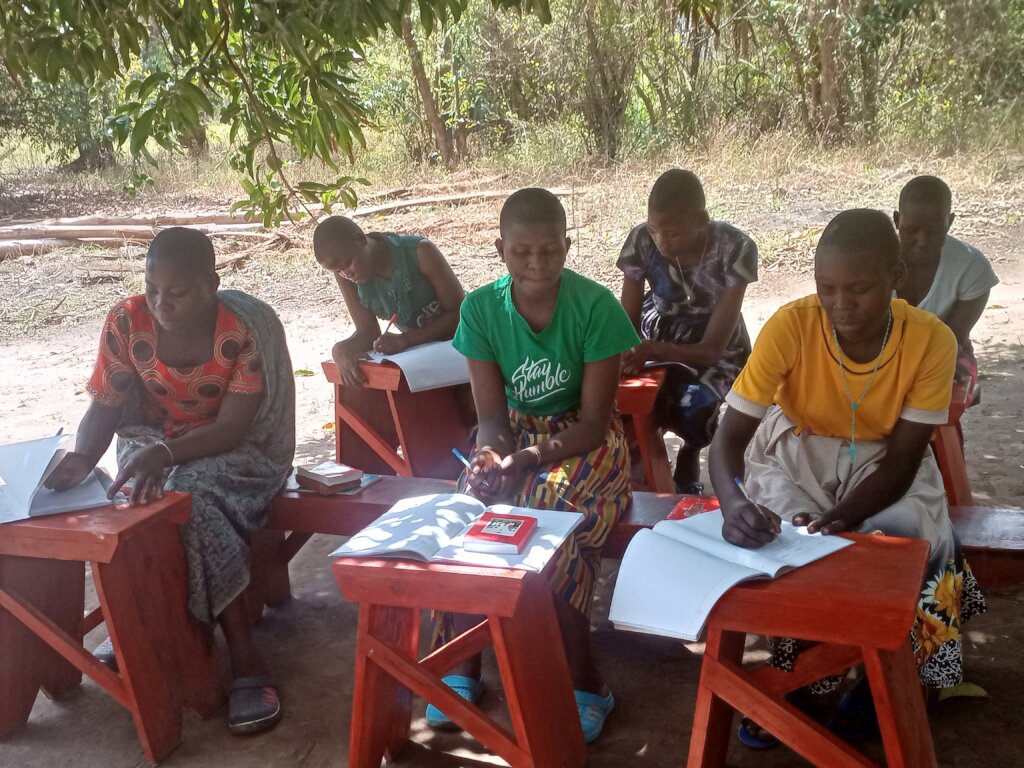
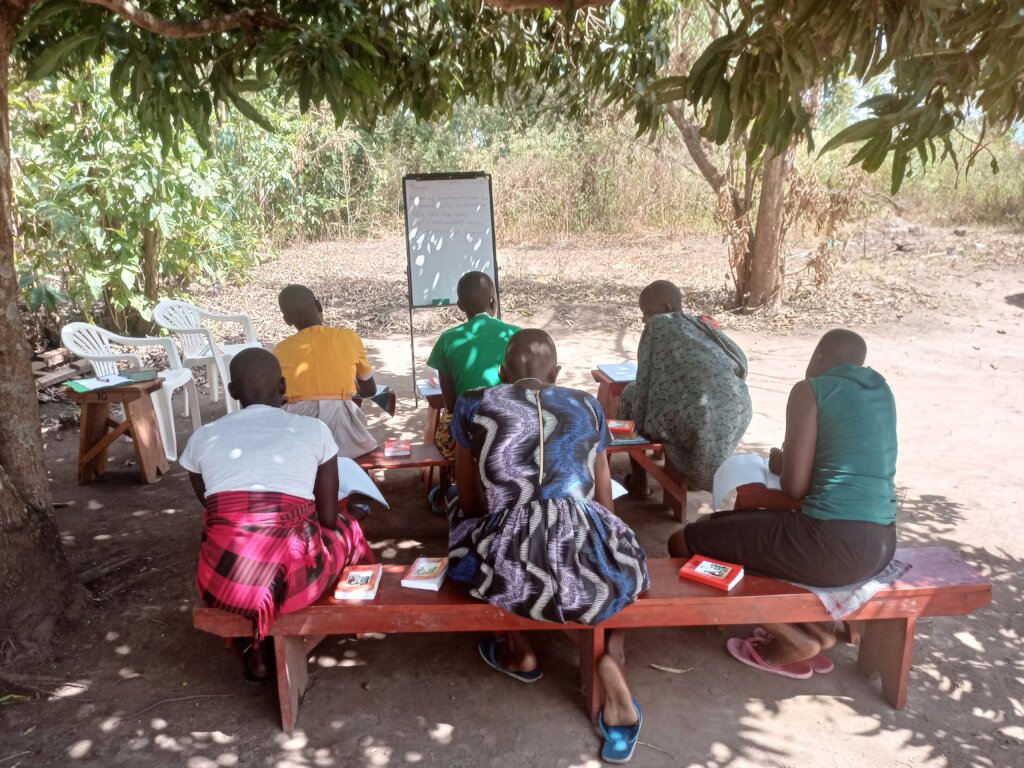
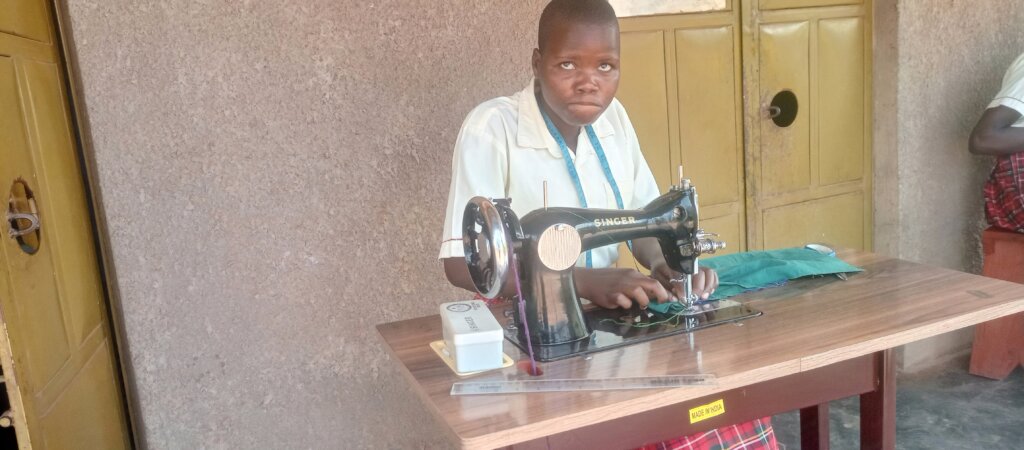
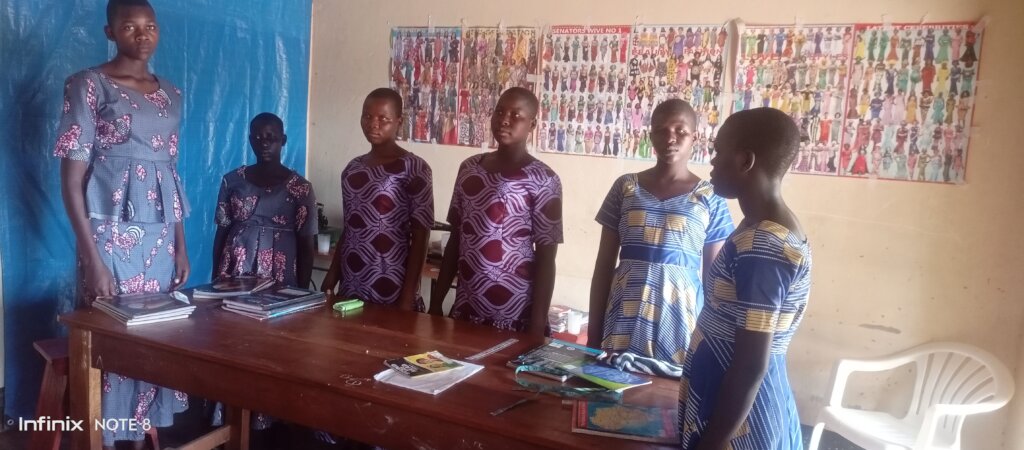
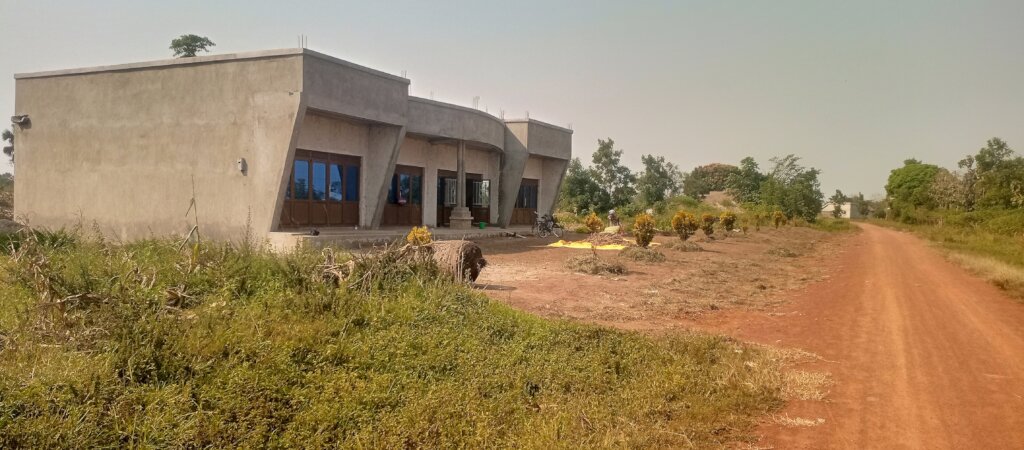
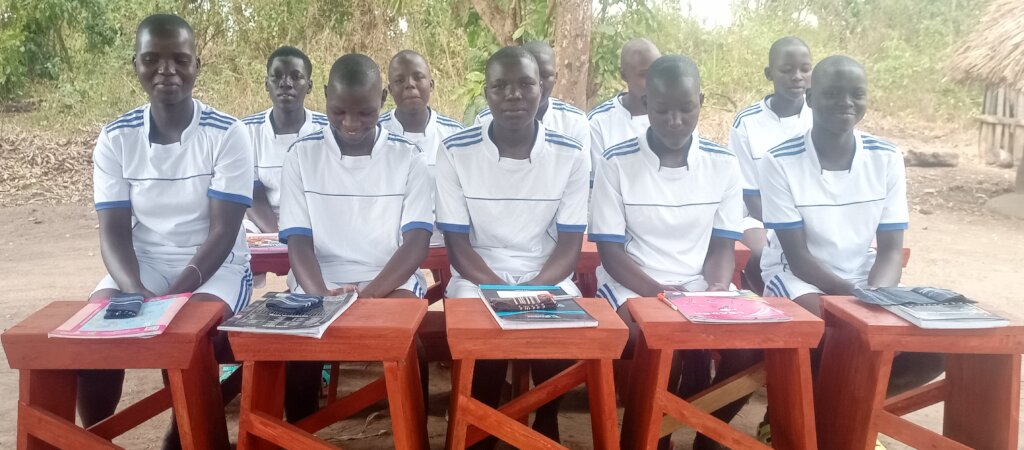
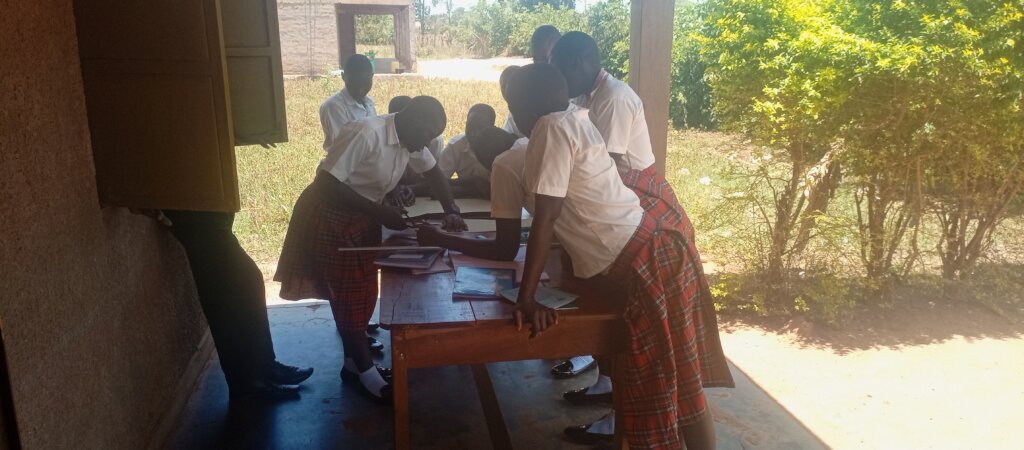
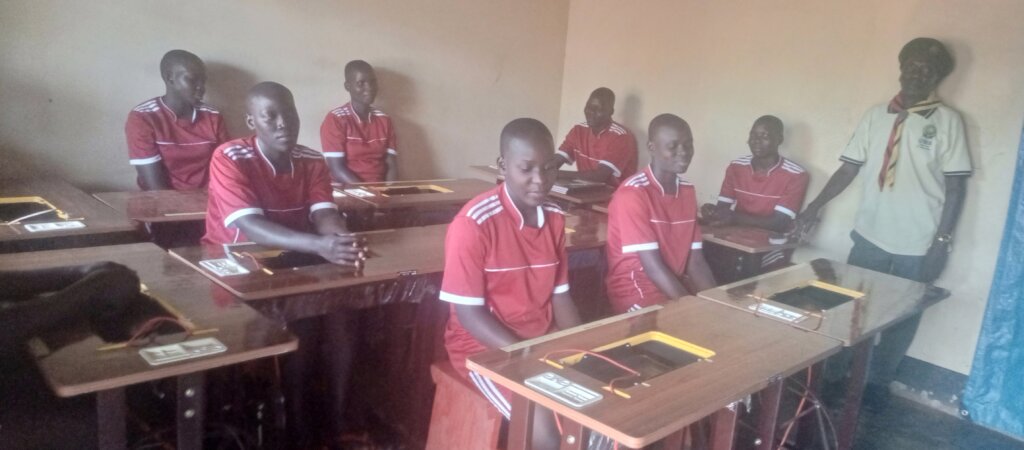
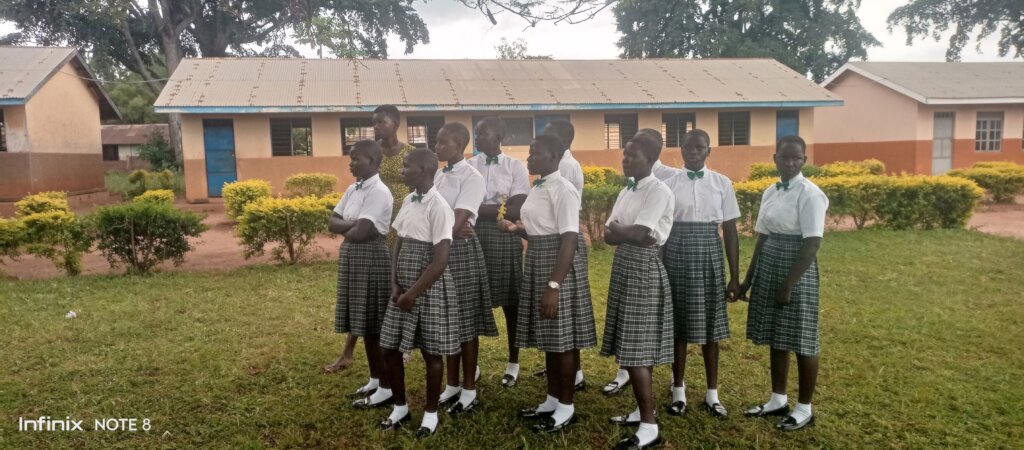
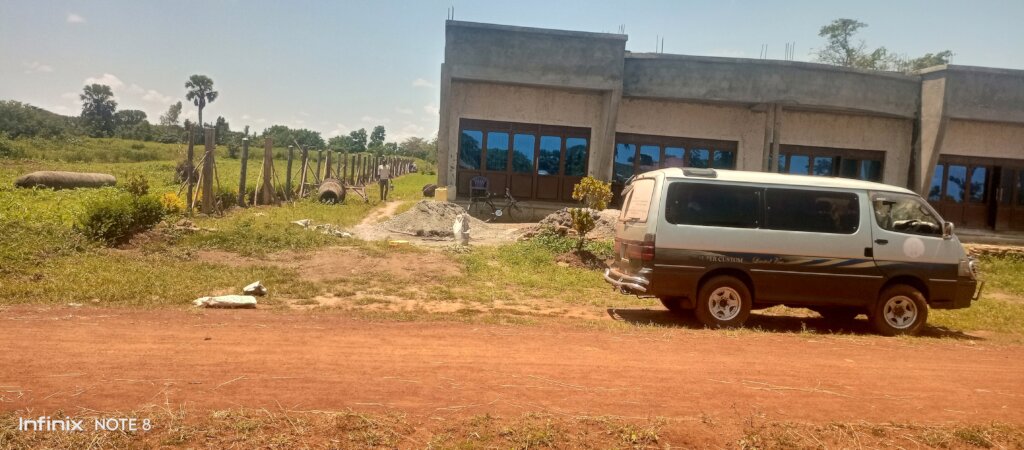
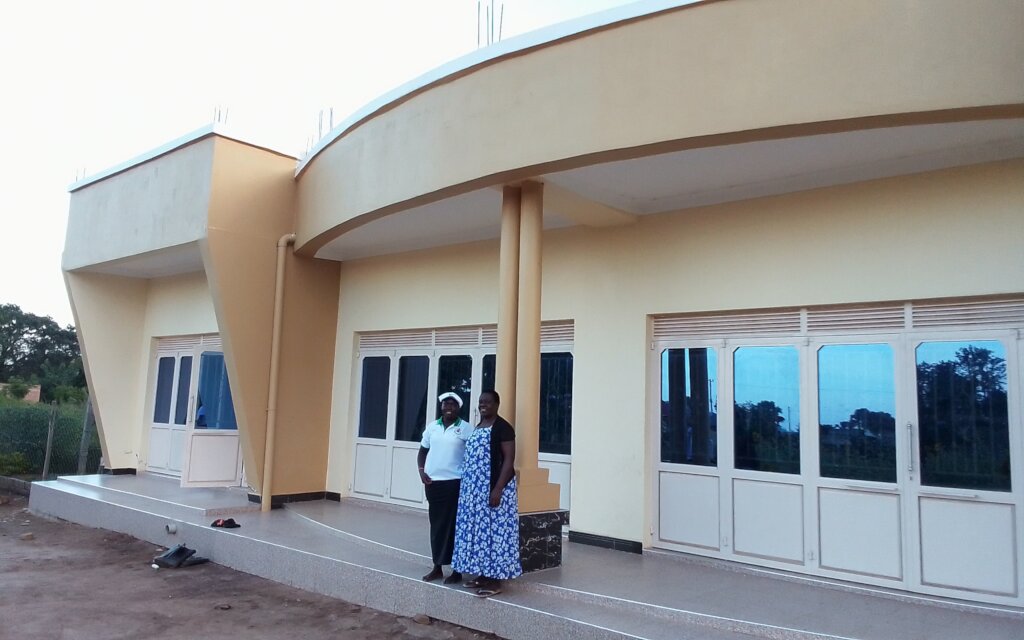
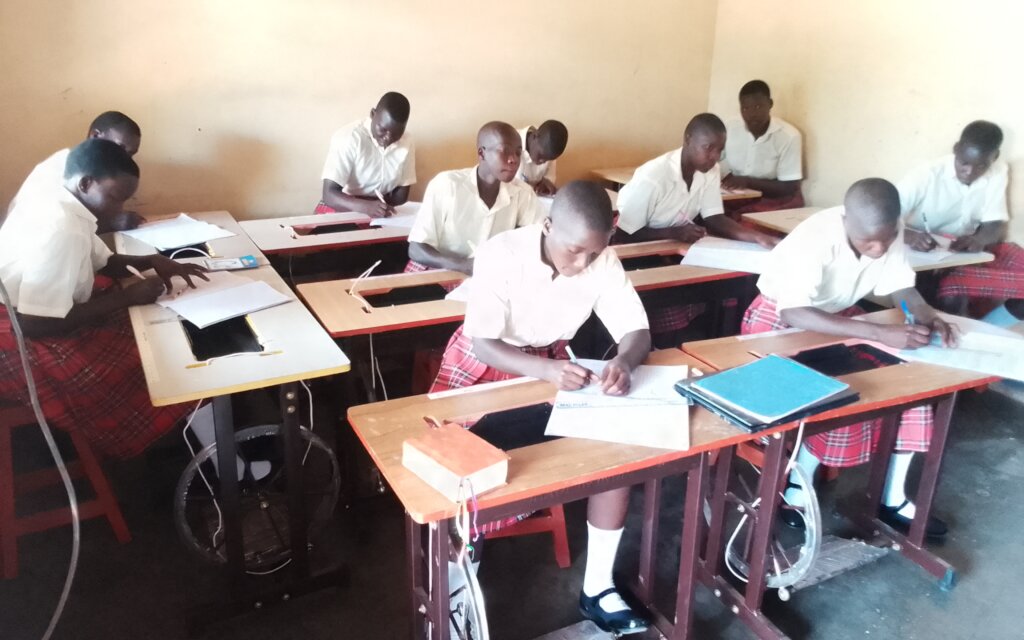
Just imagine what your donations are doing to Kole Intellectual Forum, to pay the Insttructors of the Institute, buying learning materials for the students leaning as you can see, renting classrooms, classes and ouses for the staff and at the same time procuring bright new sewing machines for the students. What this an amazing love is this?
Thank you so so much for your support to Kole Intellectual Forum.
![Share on Twitter]()
![Share on Facebook]()
Jun 22, 2026
Exposing equal access to learning opportunities
By George Obua | Project Leader
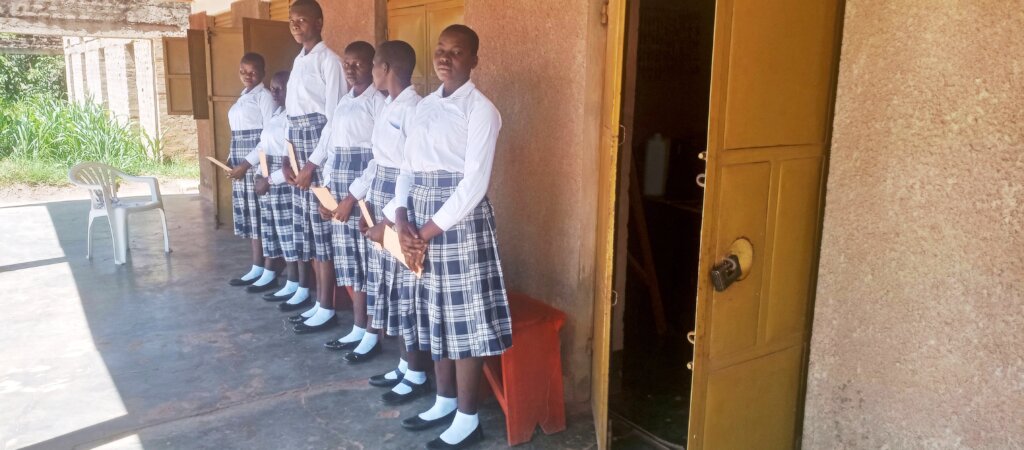
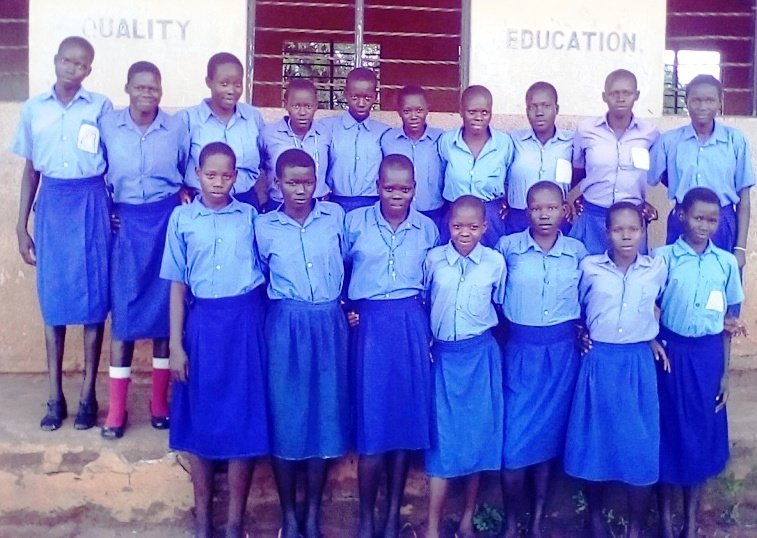
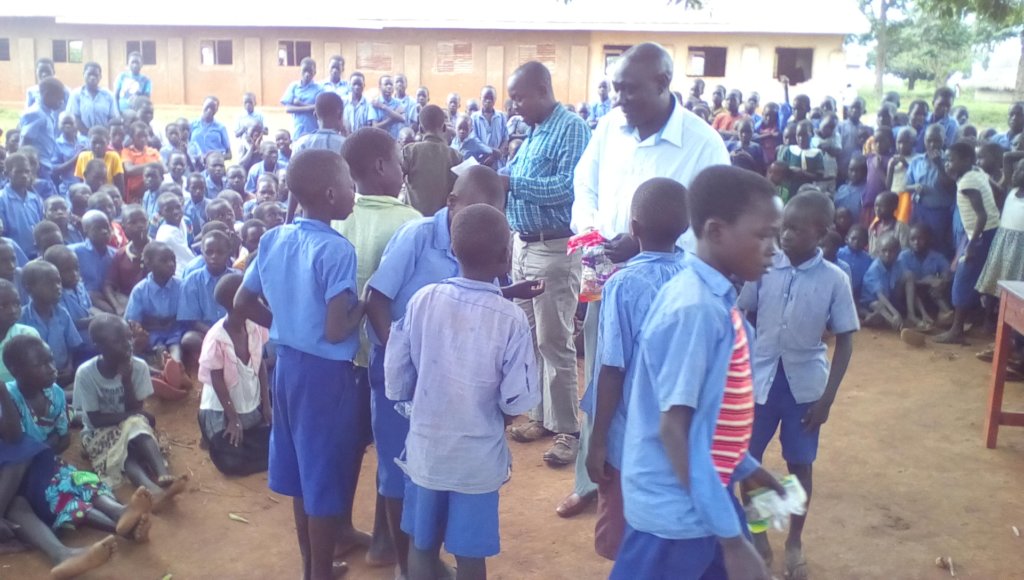
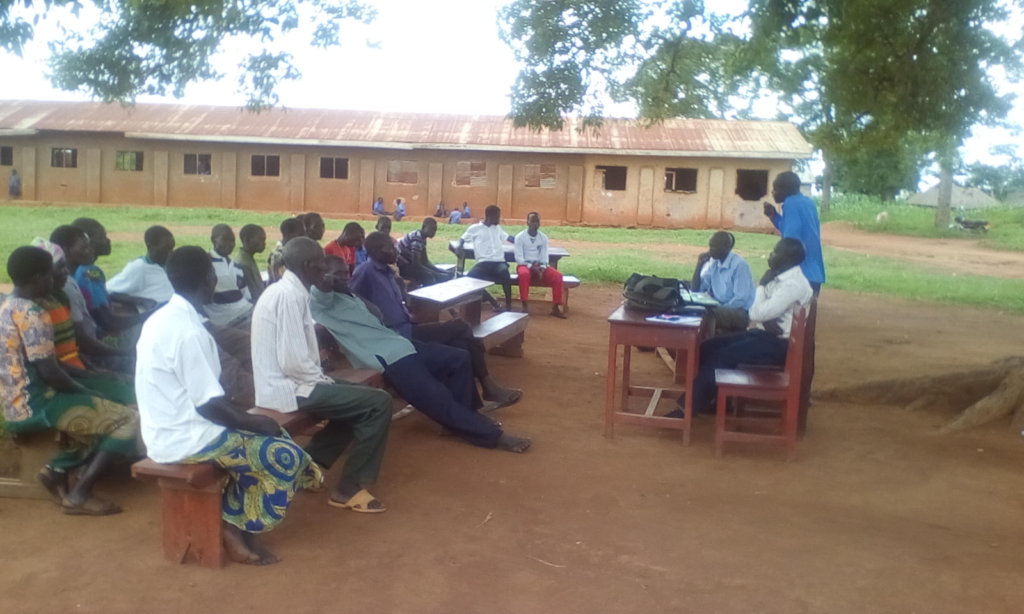
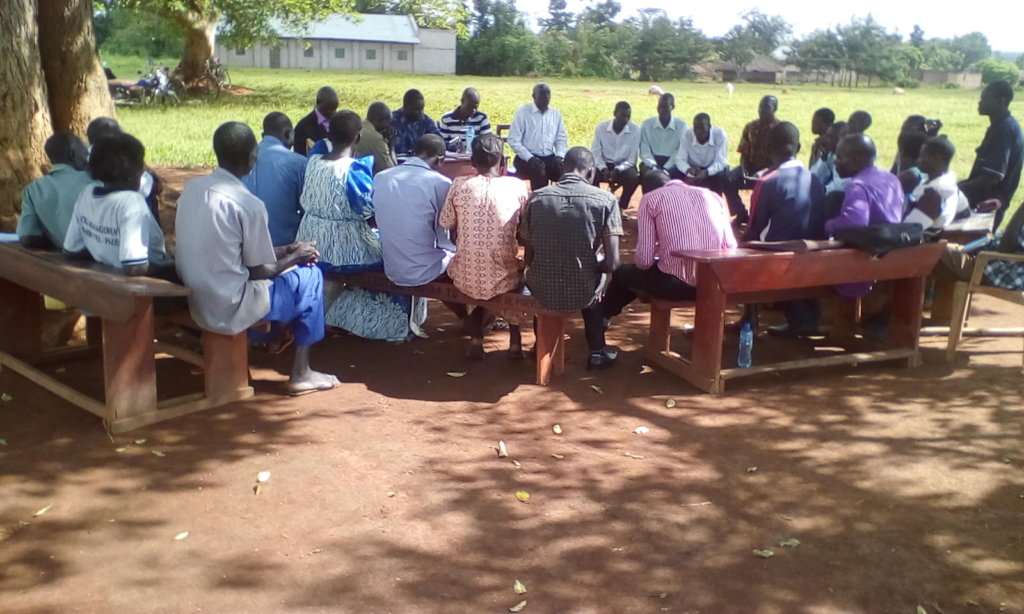
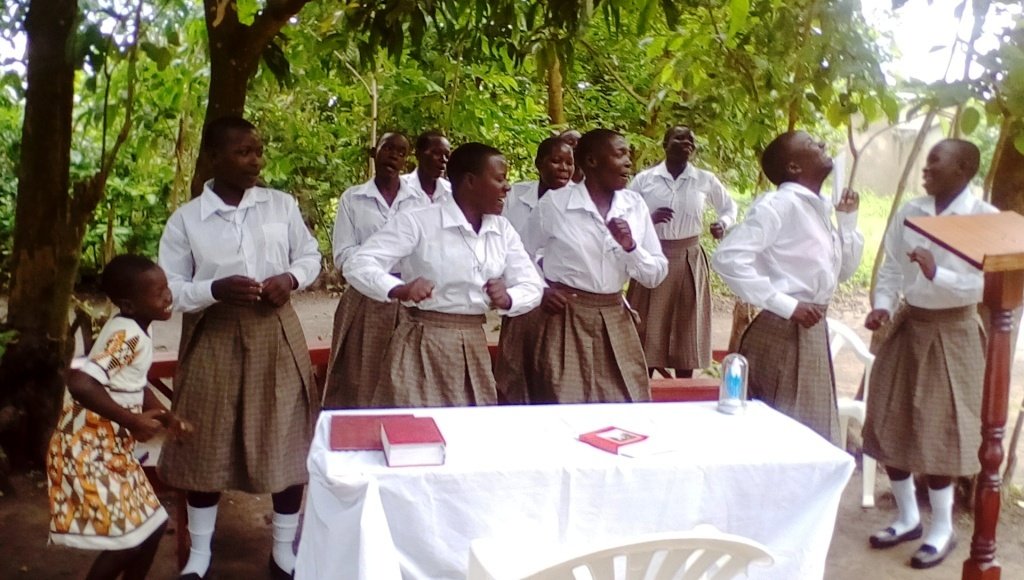
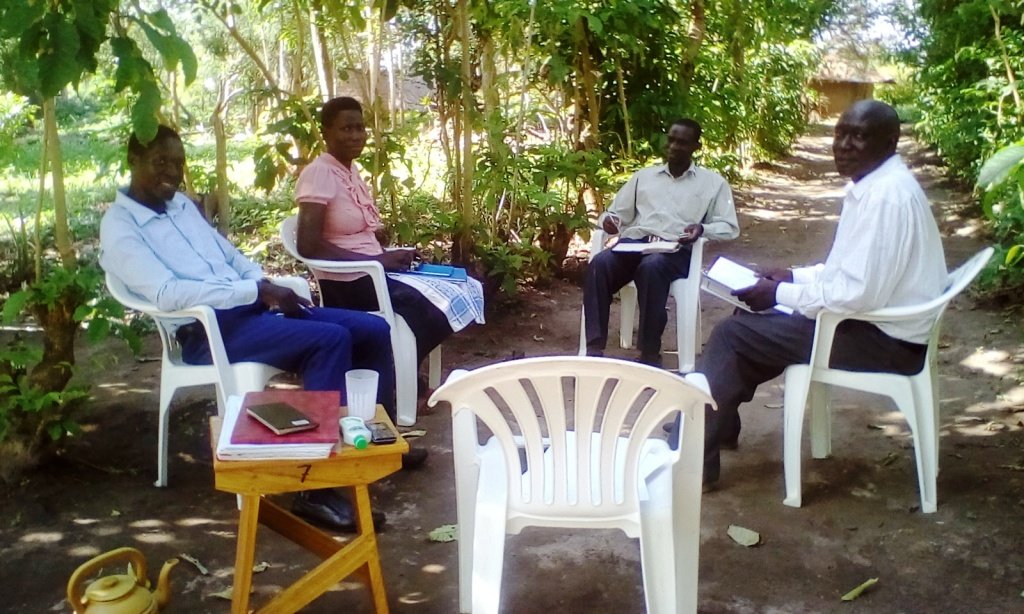
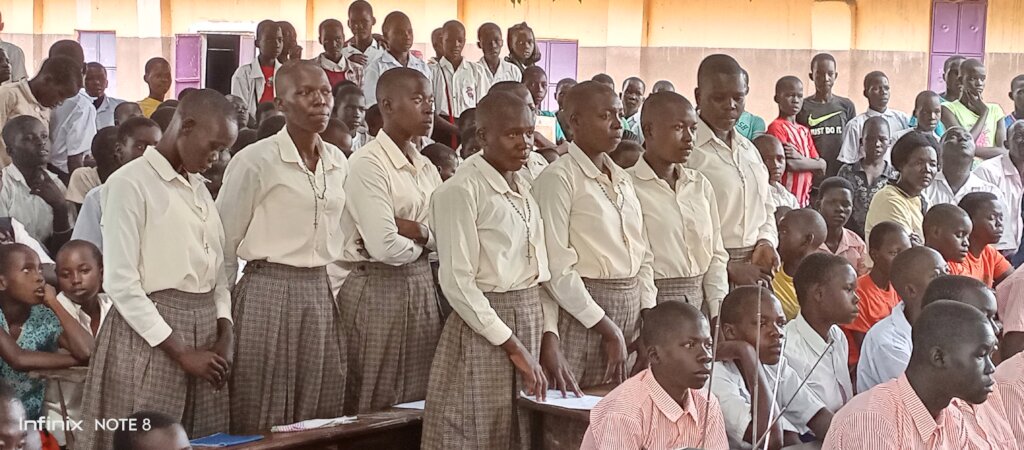
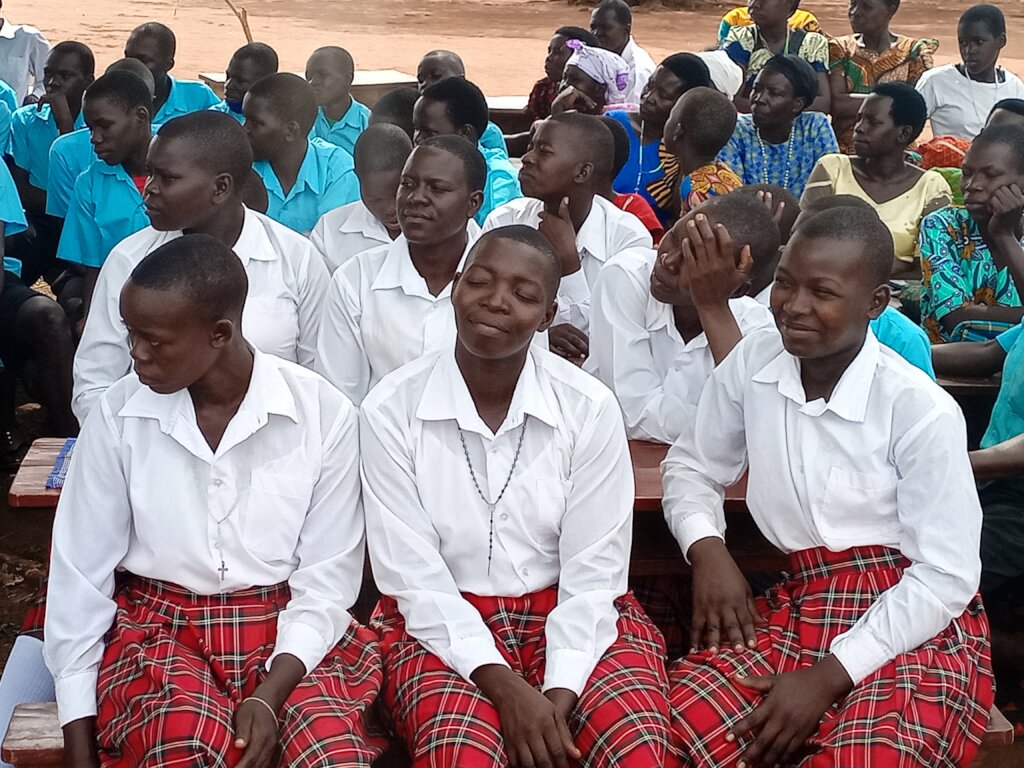
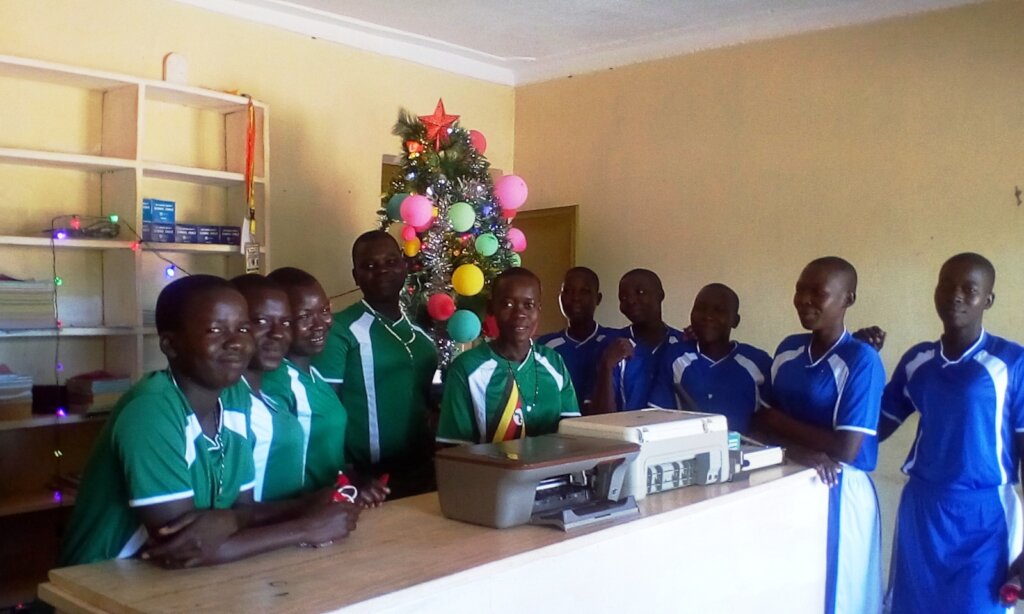
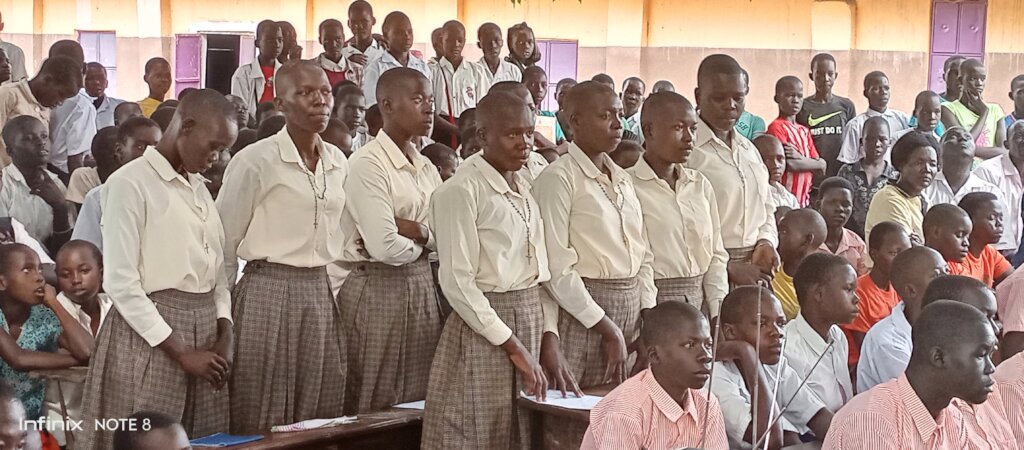
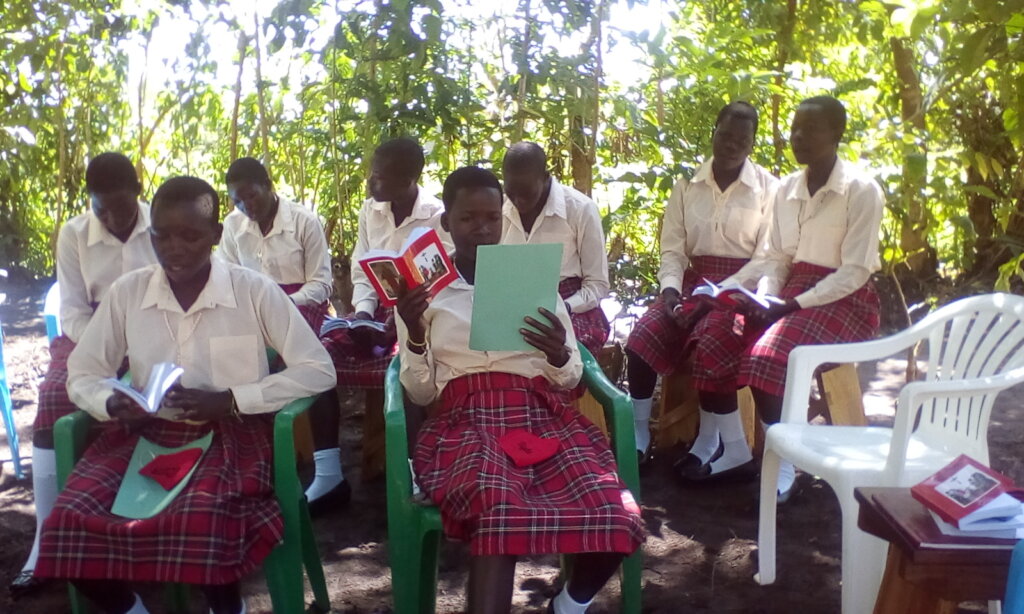
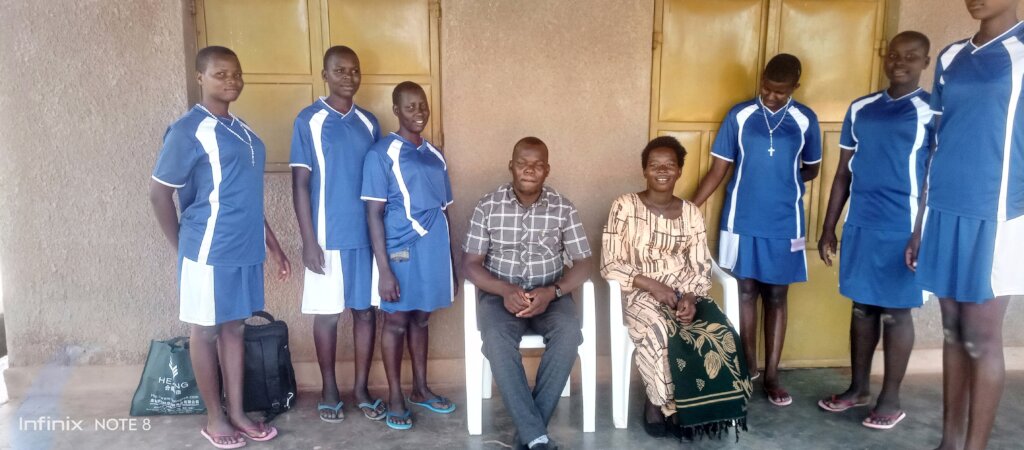
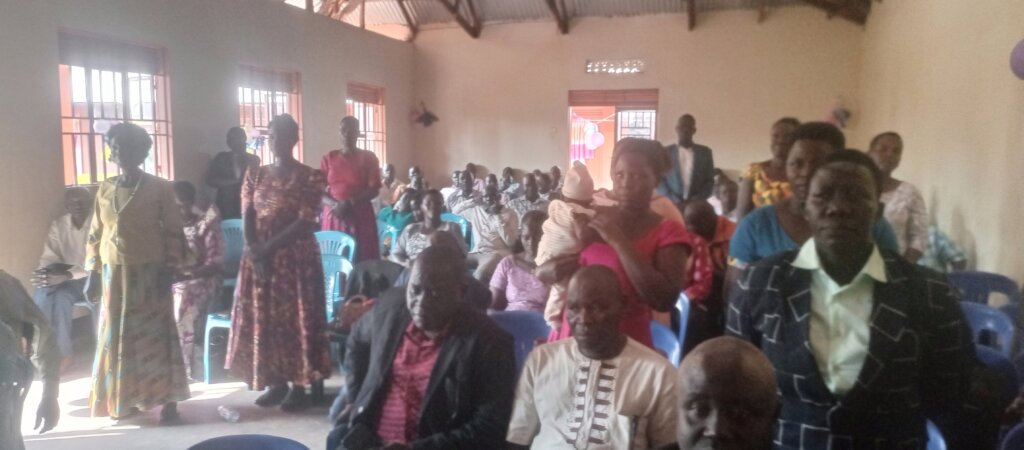
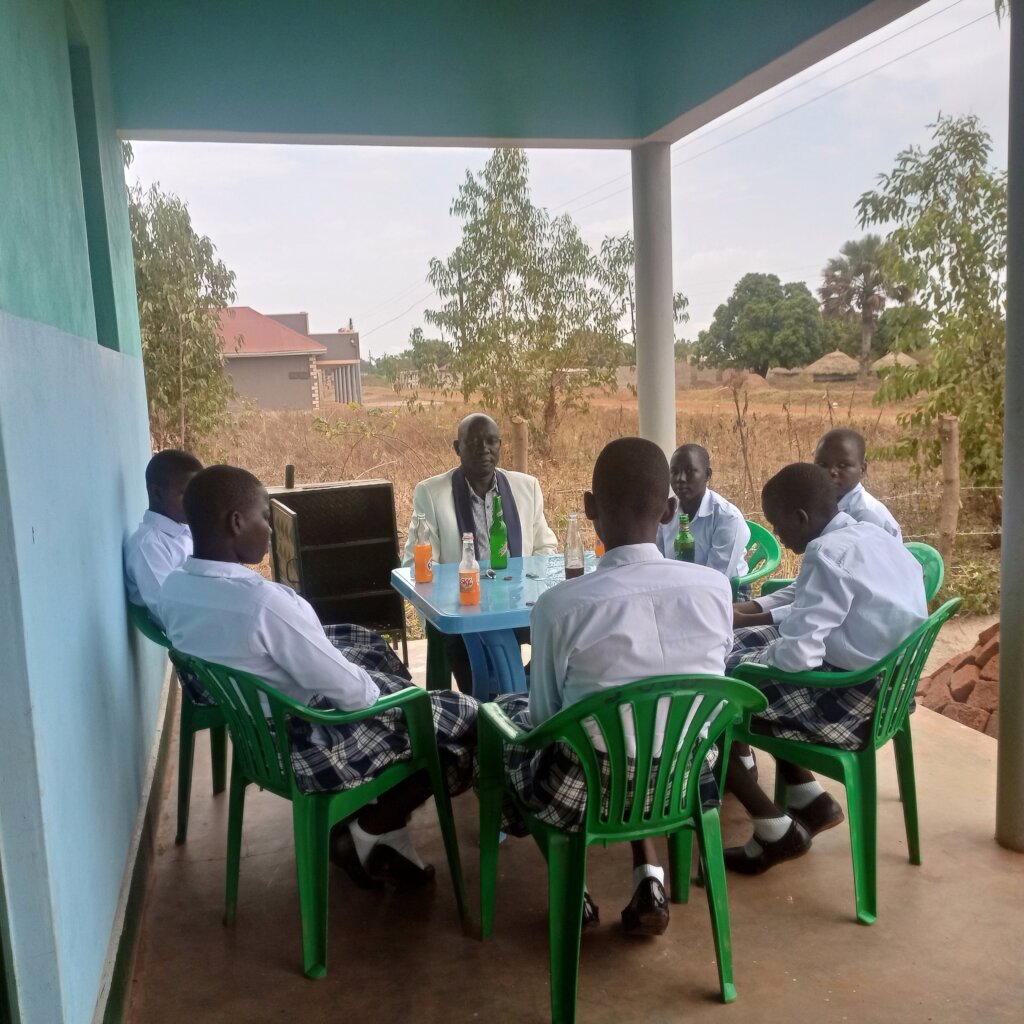
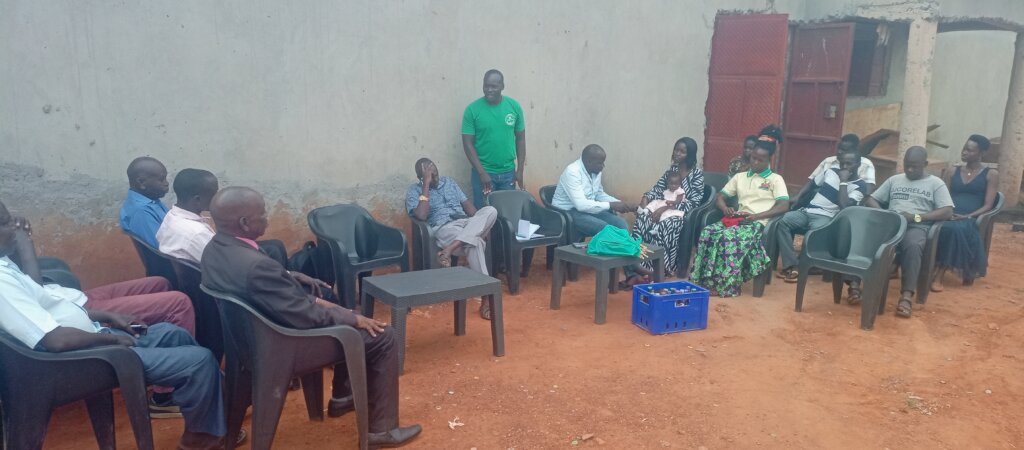
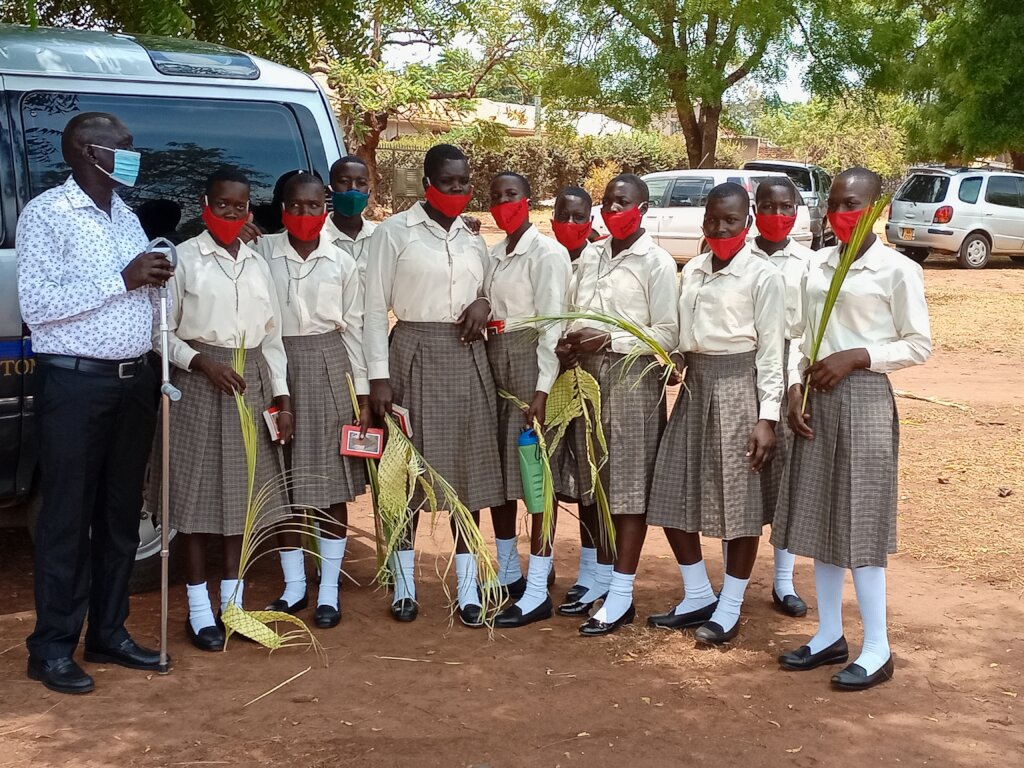
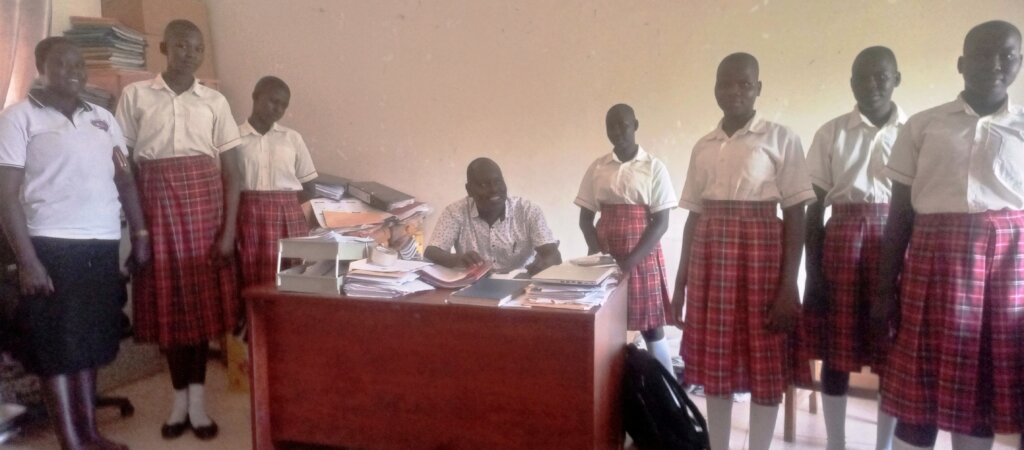
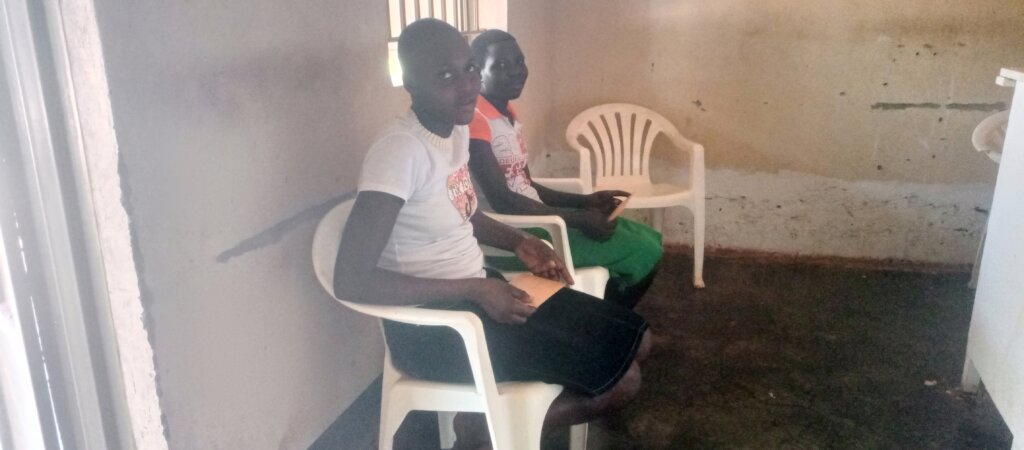
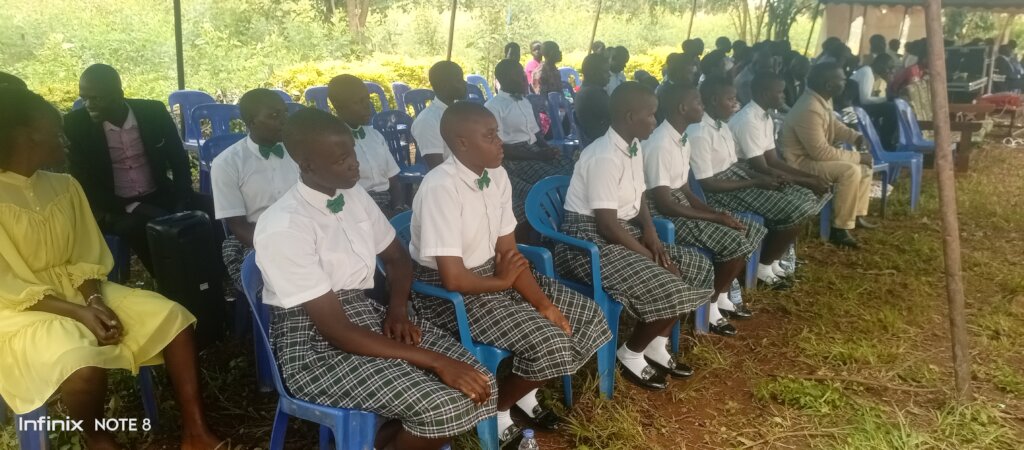
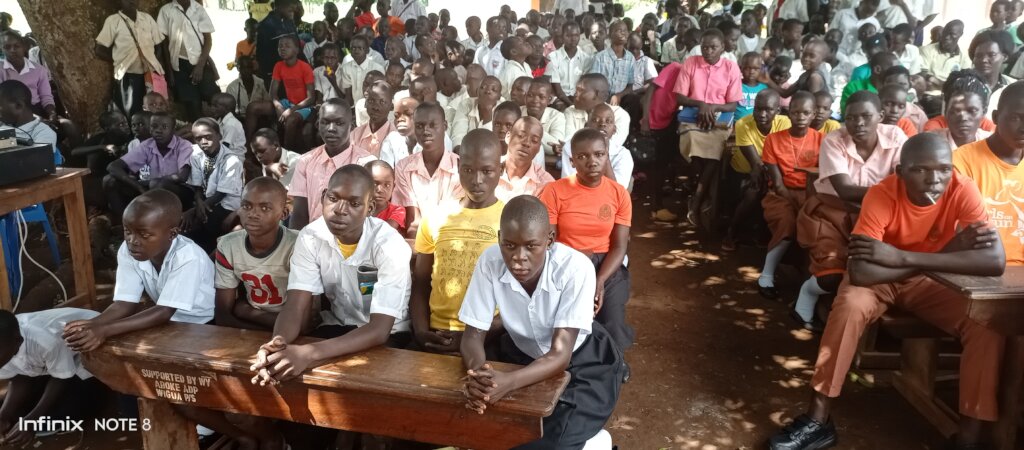
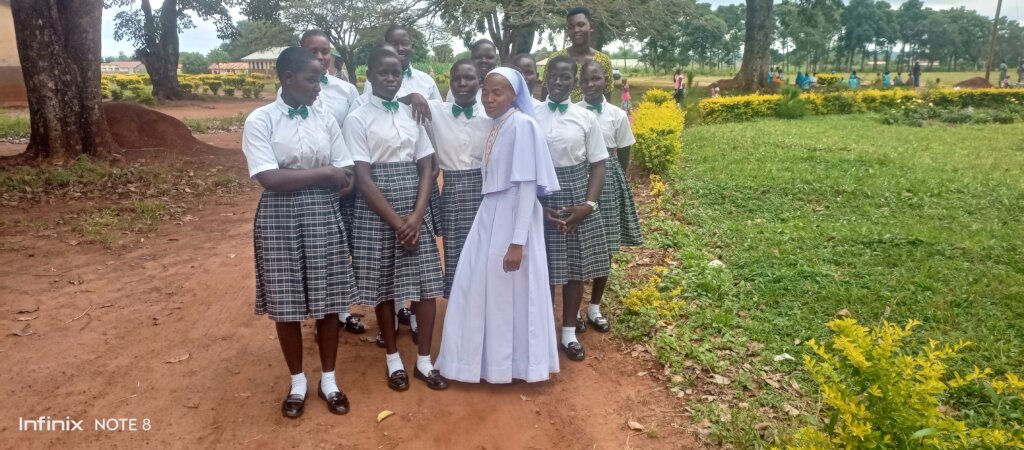
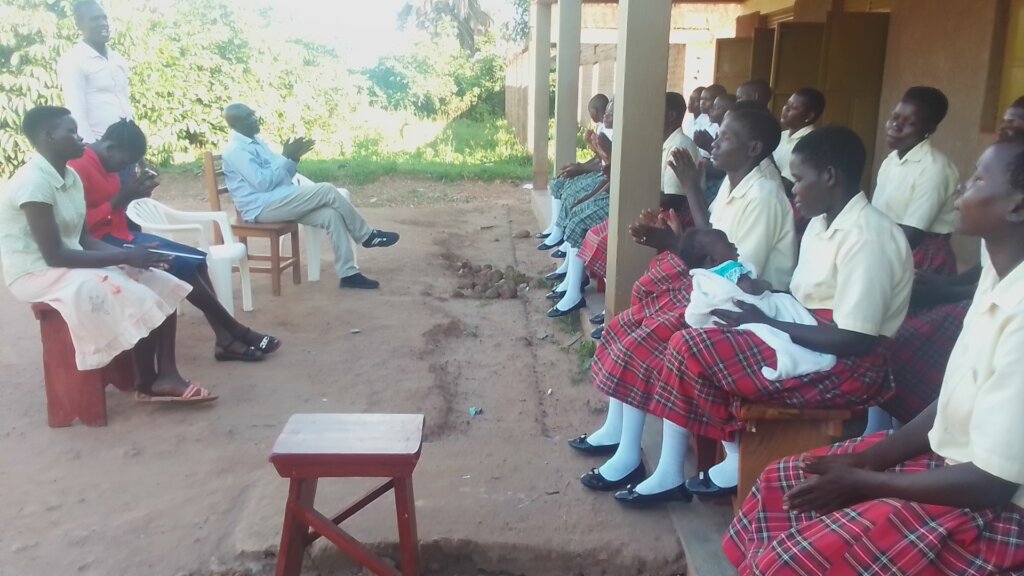
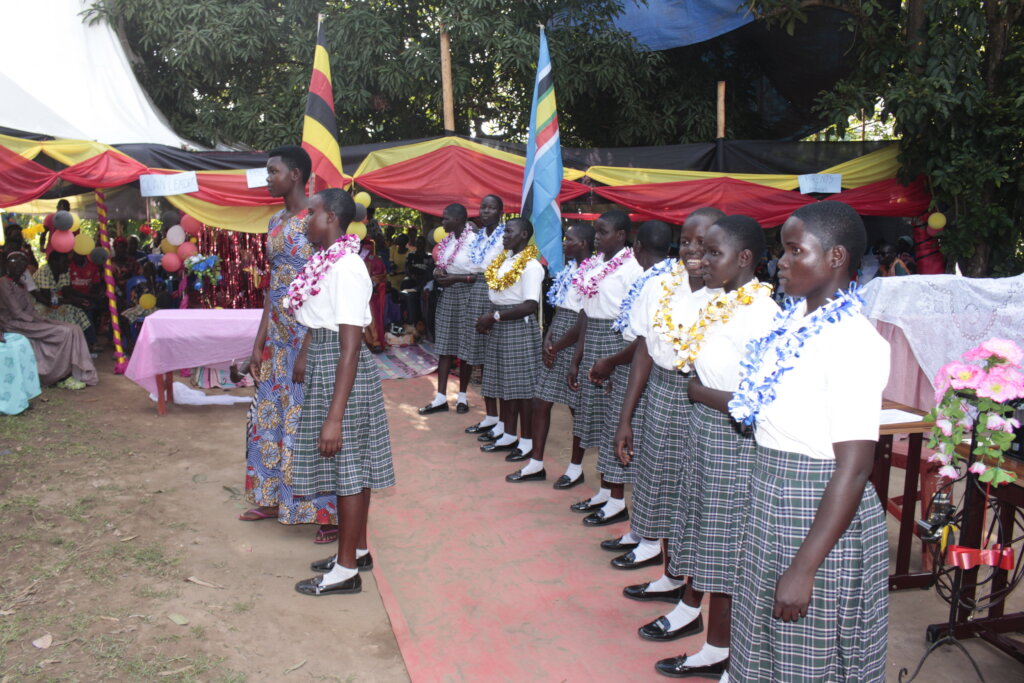
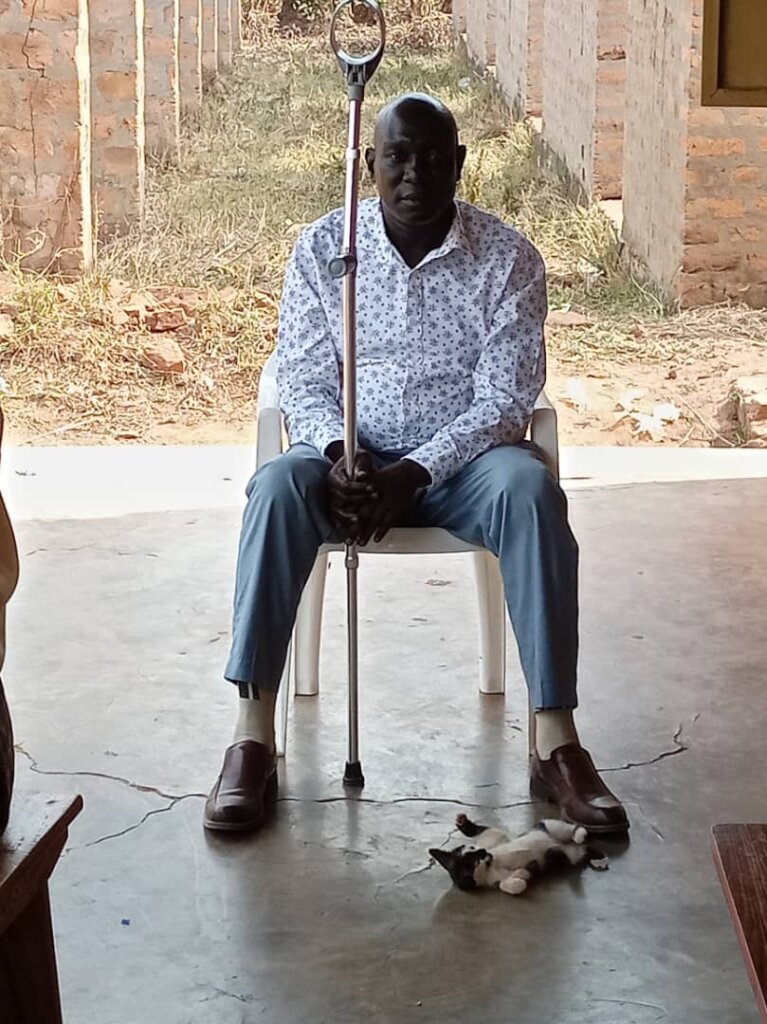
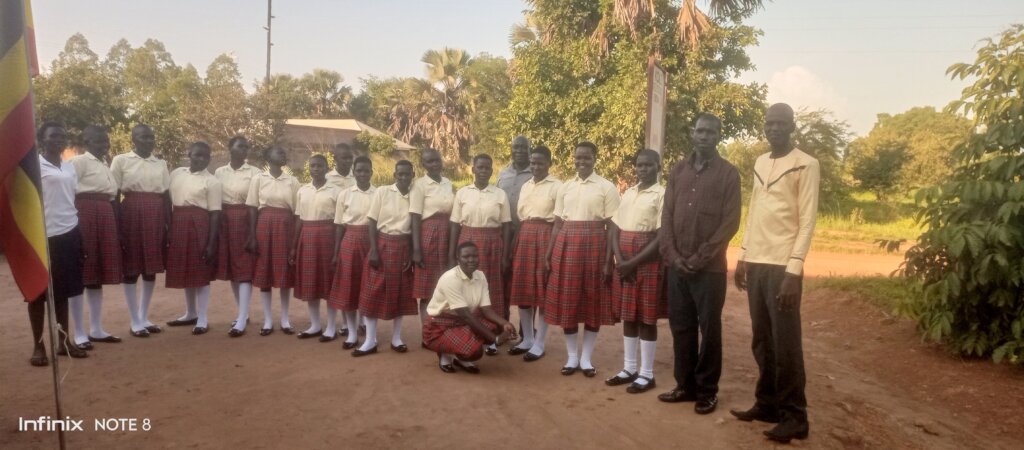
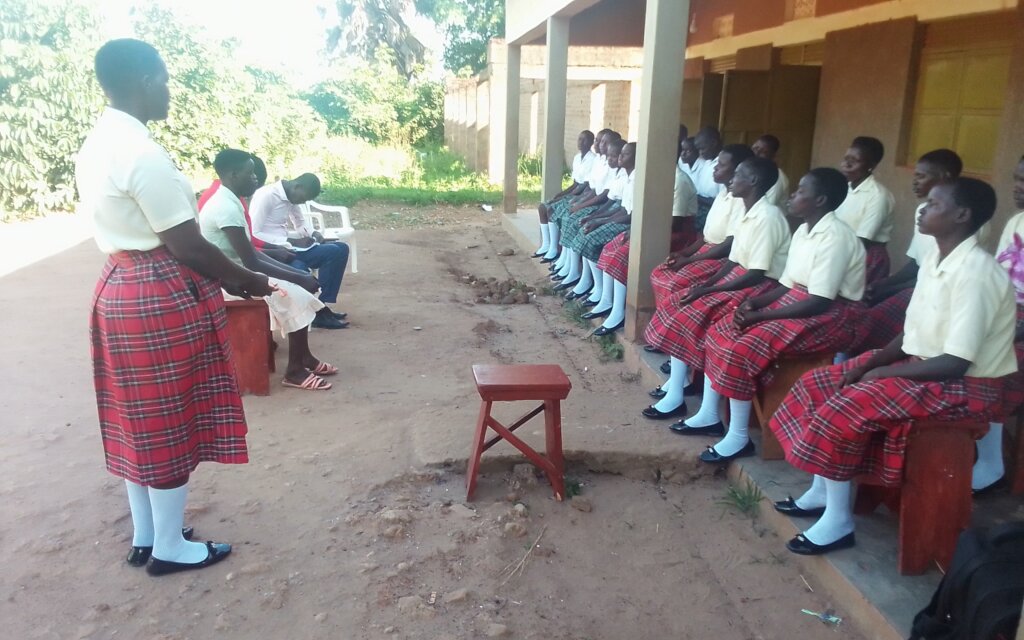
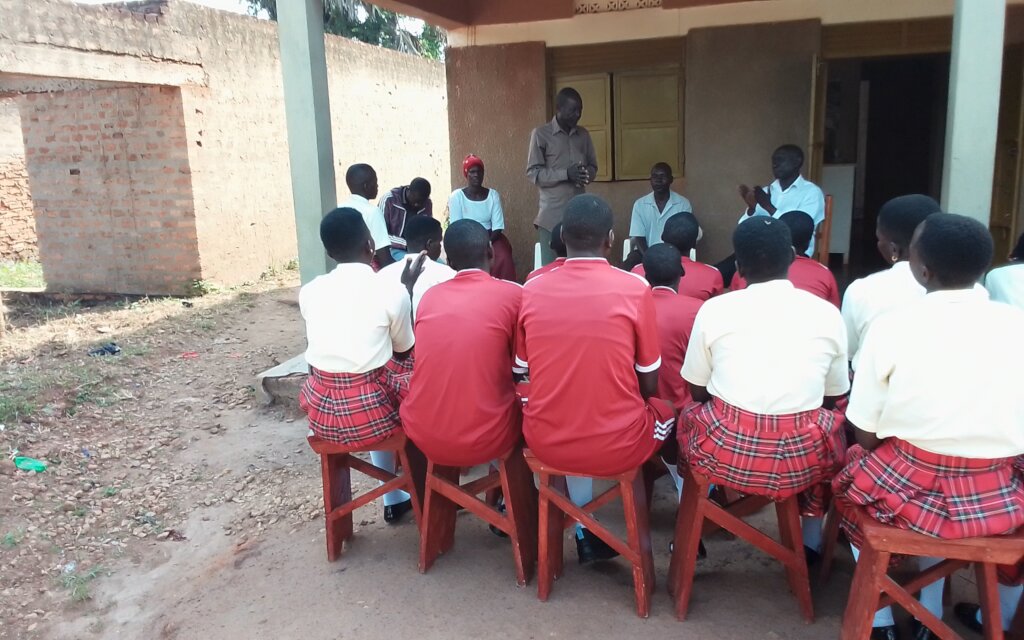
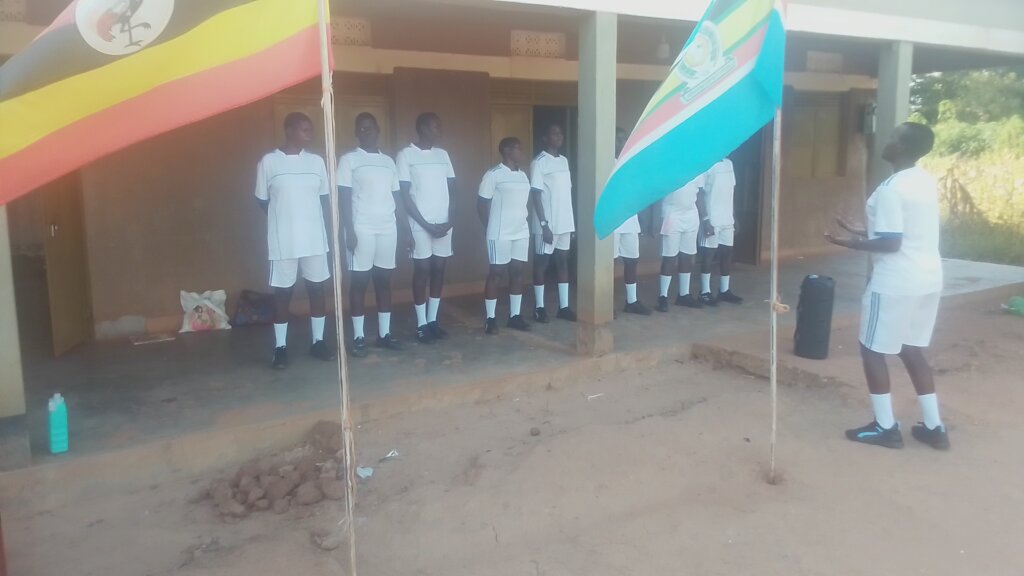
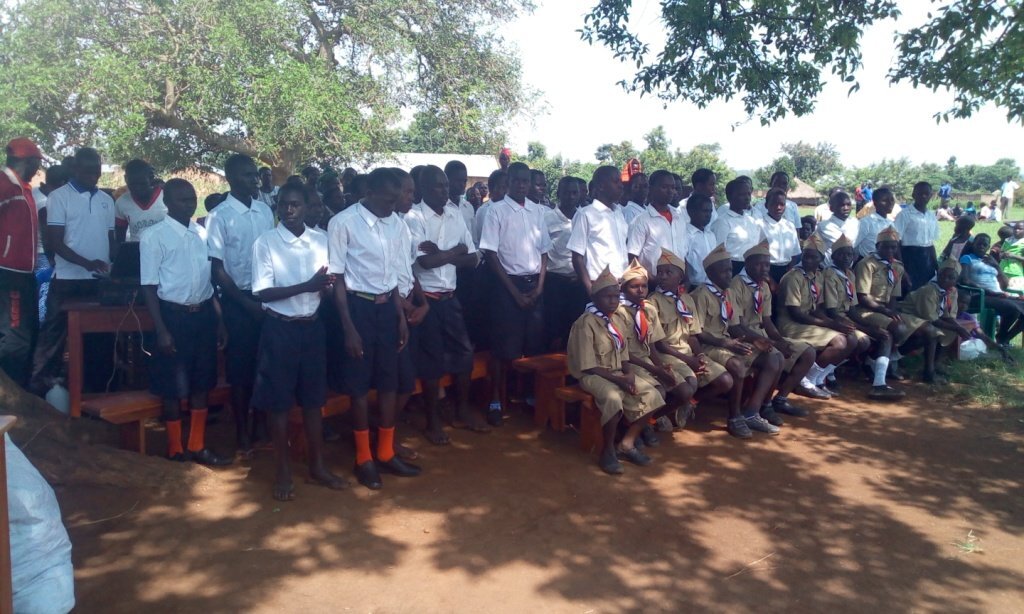
For over years, with the donations being received from GlobalGiving; Kole Intellectual Forum has always been promoting an inclusive learning system of education that ensures all students, regardless of their background, abilities, or disabilities, have equal access to learning opportunities and are supported to participate fully in the educational environment. The system that they are promoting at their Institute of Home Economics emphasizes creating a welcoming and supportive learning environment where diversity is celebrated and all students feel valued and respected.
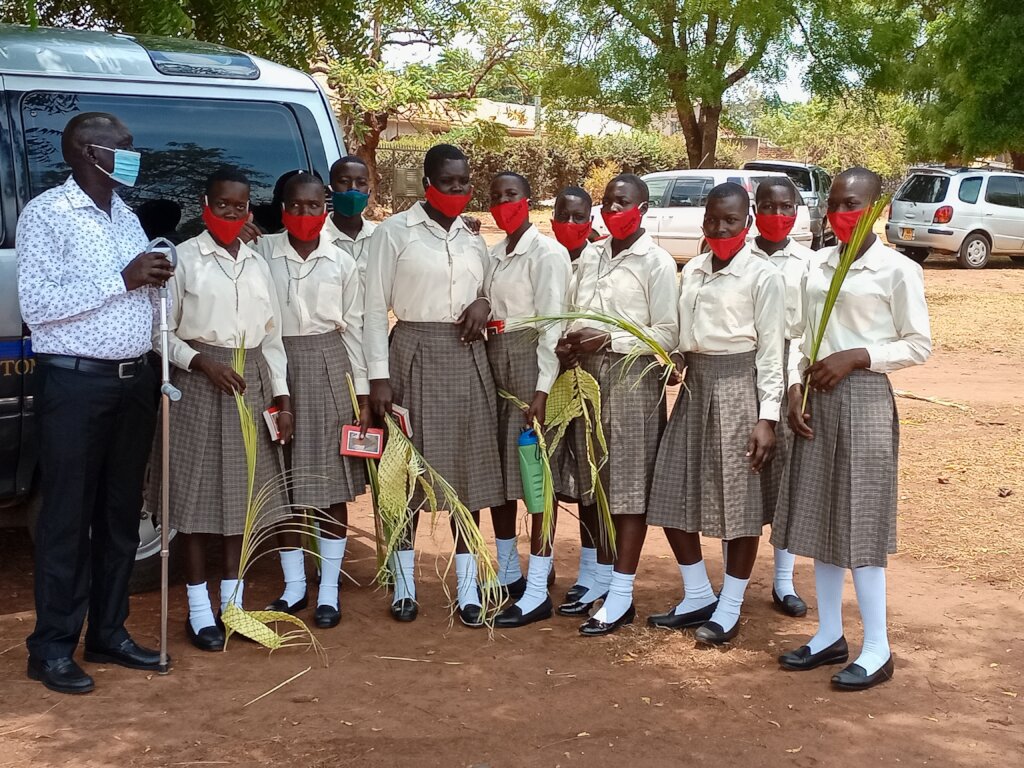
Of course, an inclusive learning that they promote aims at providing all the students with the same opportunities to learn, regardless of their individual needs or circumstances; while recognizing and valuing their unique strengths, challenges, and experiences at their learning centers and beyond.
![Share on Twitter]()
![Share on Facebook]()
Jun 23, 2026
Innovation, Knowledge and Sustainability
By George Obua | Project Leader
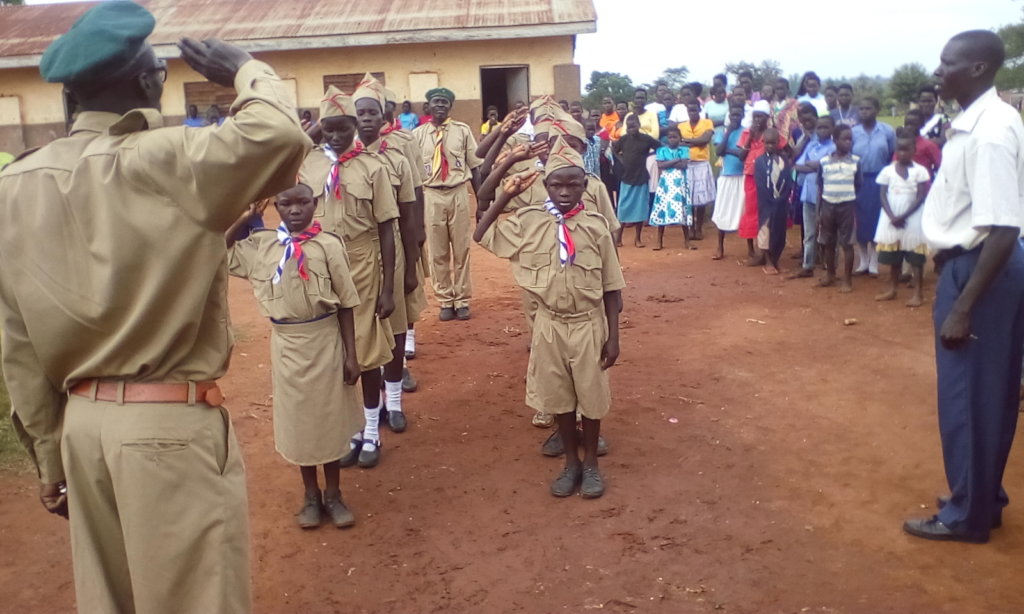
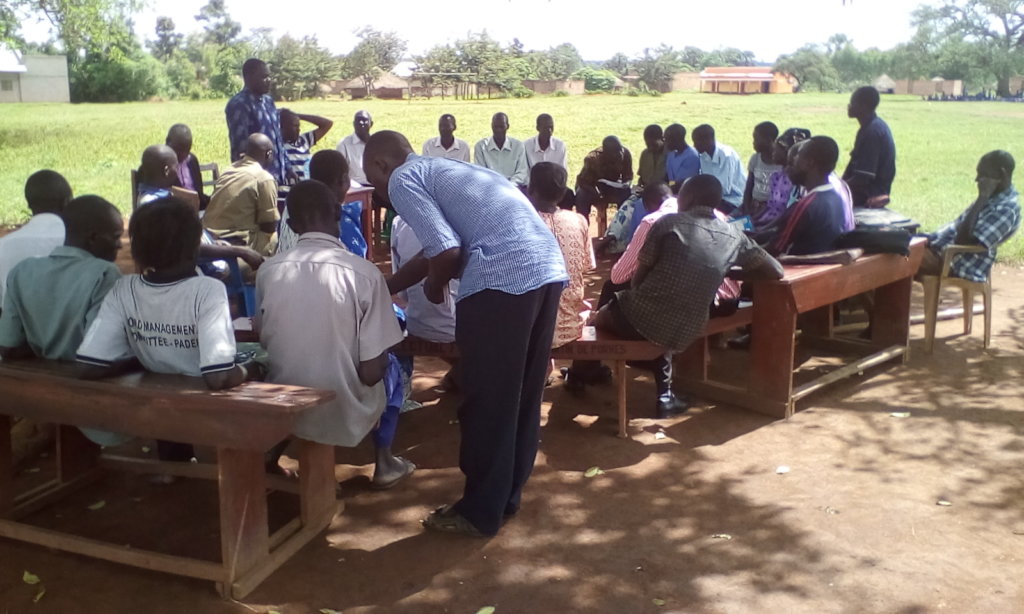
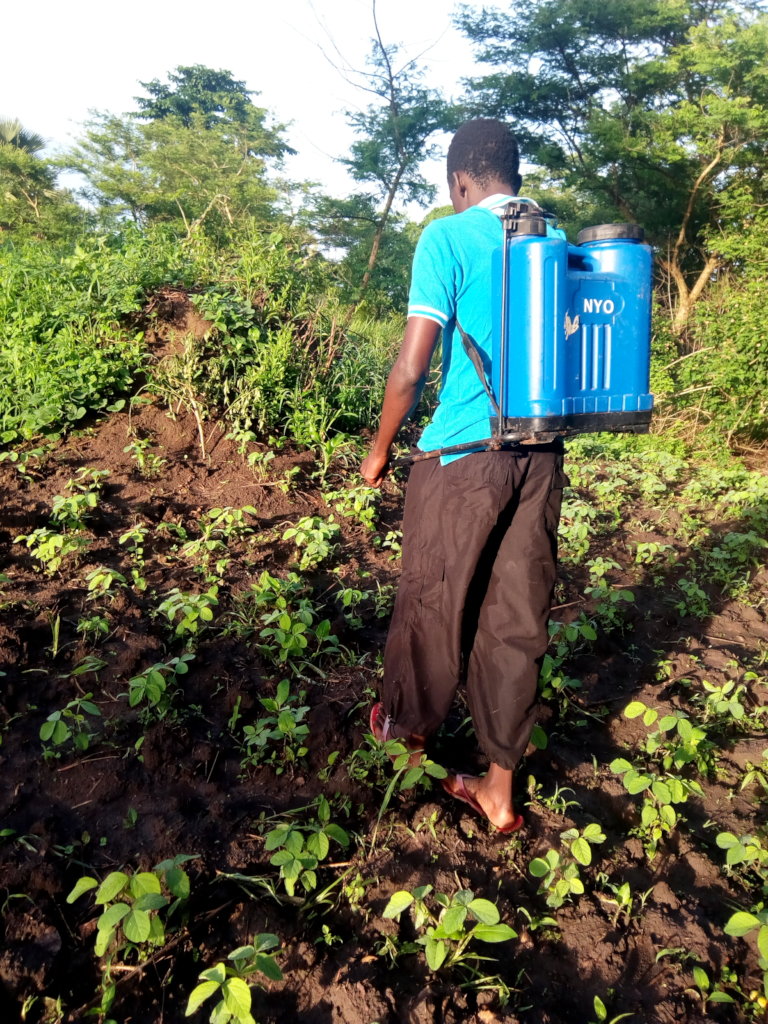
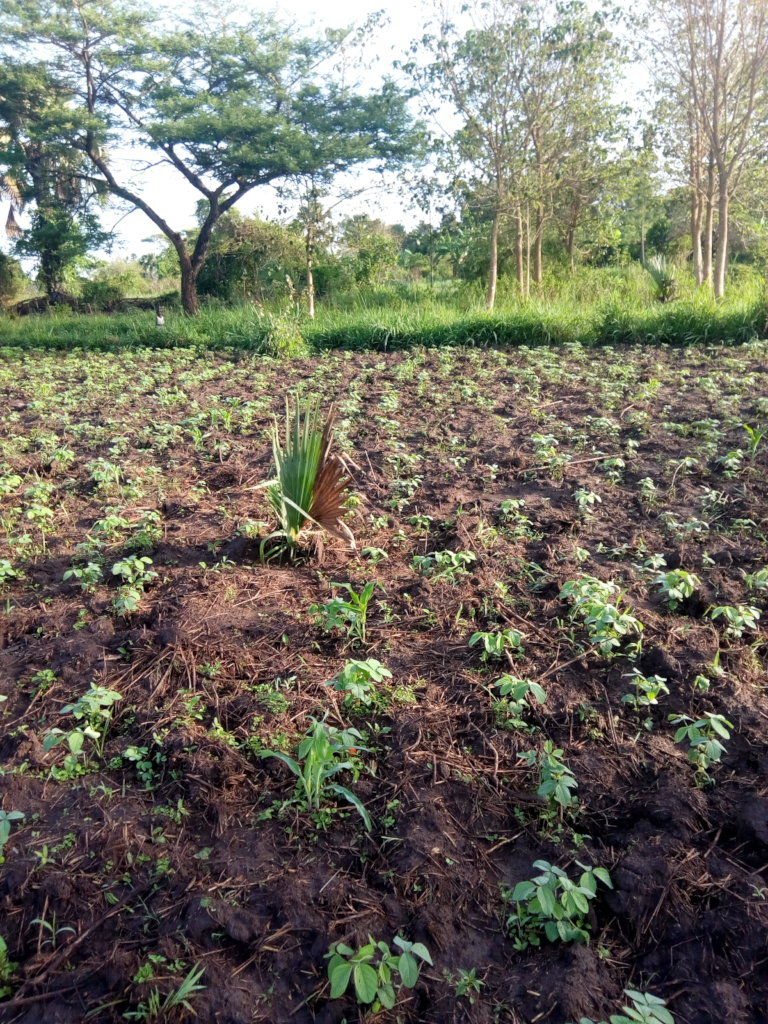
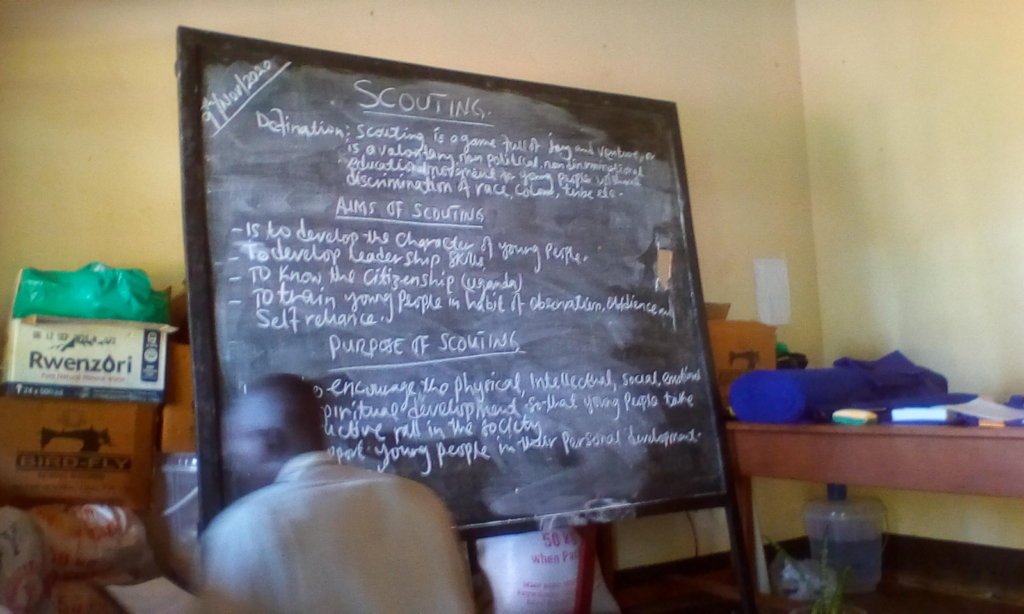
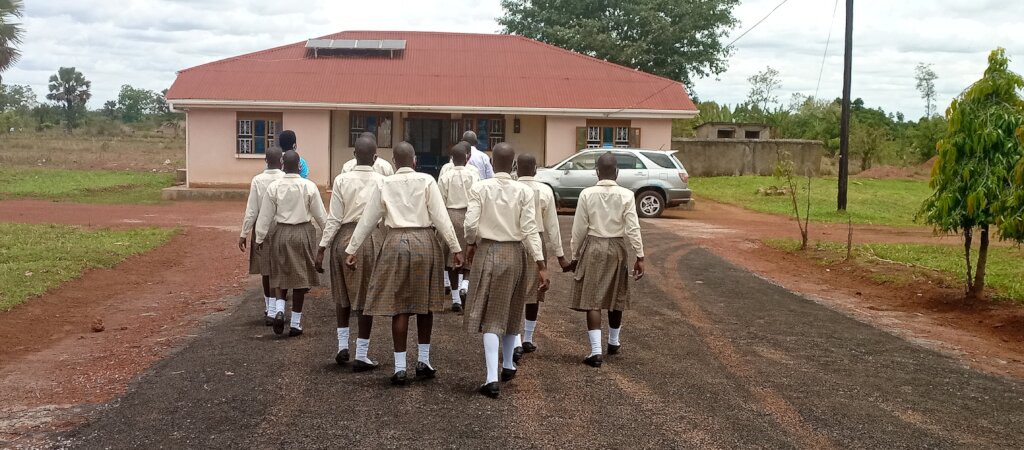
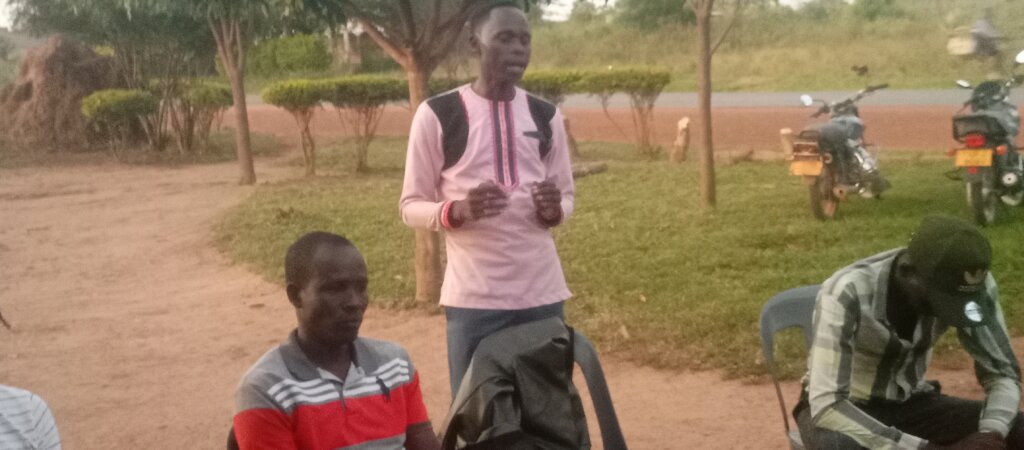
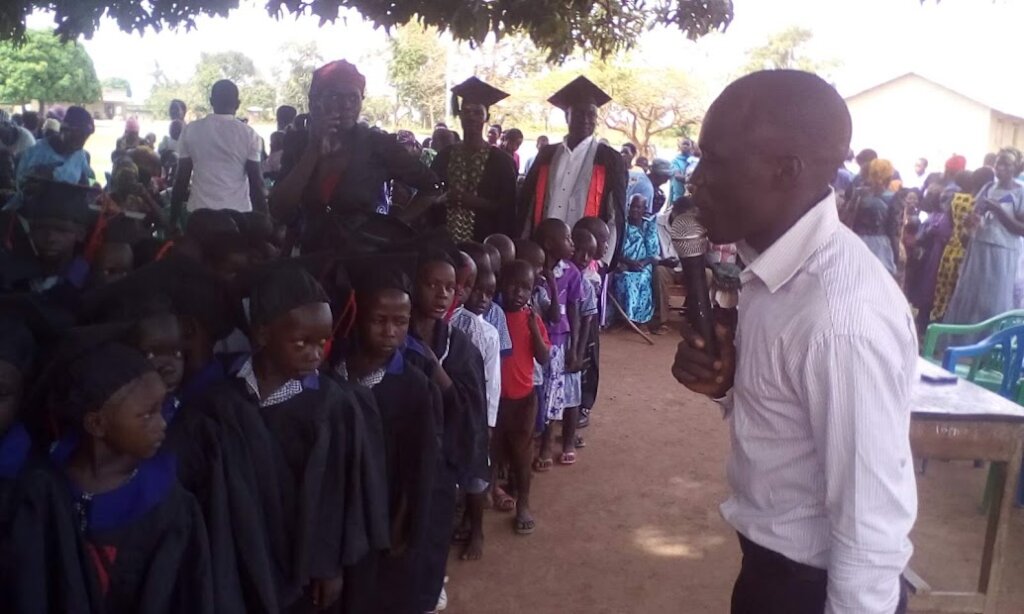
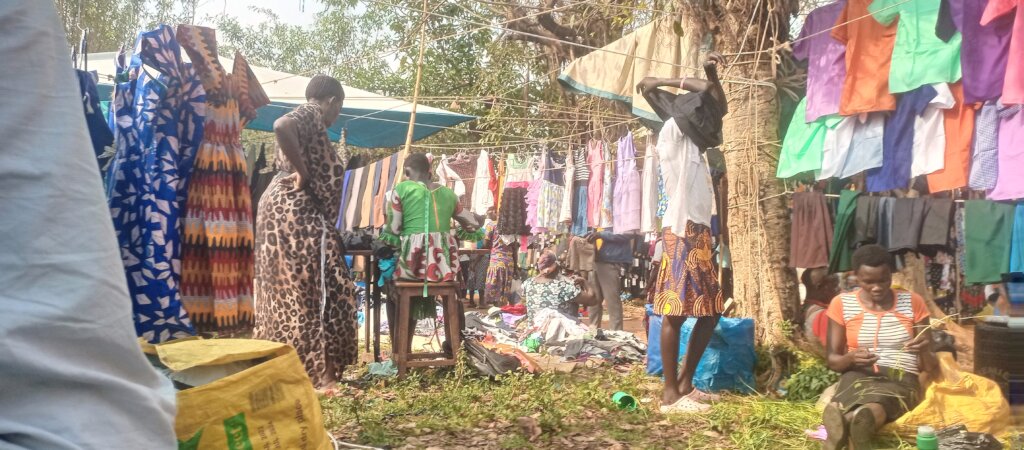
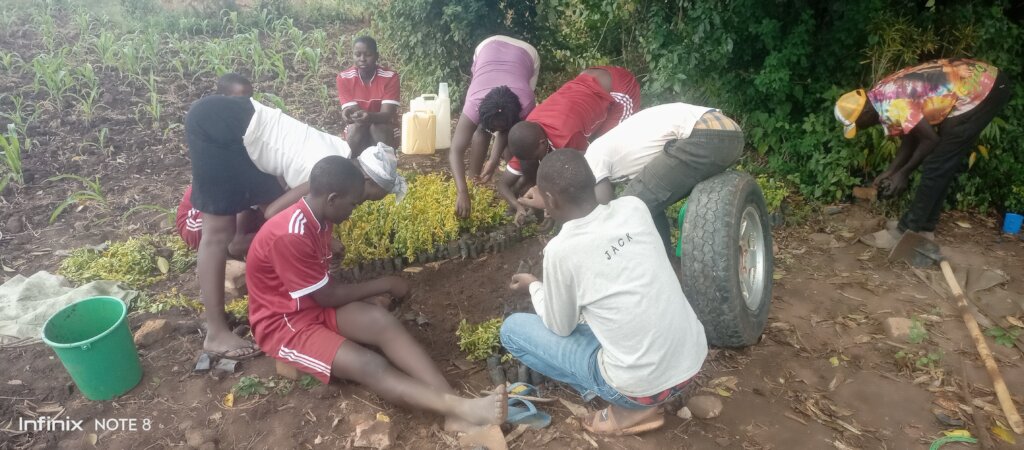
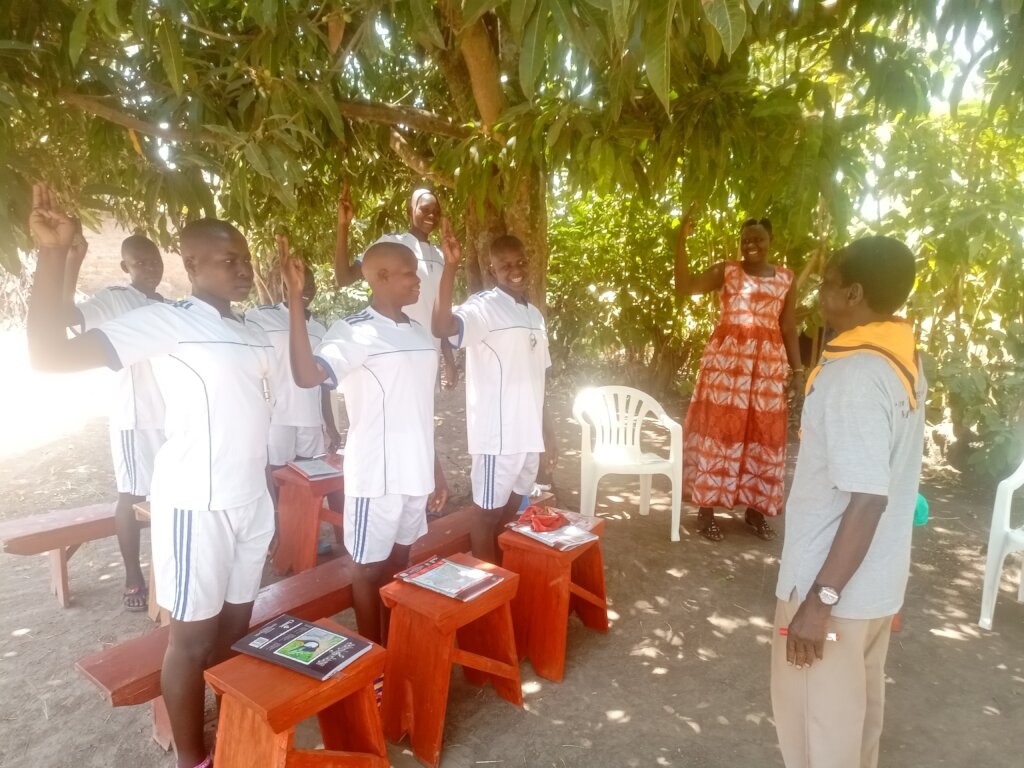
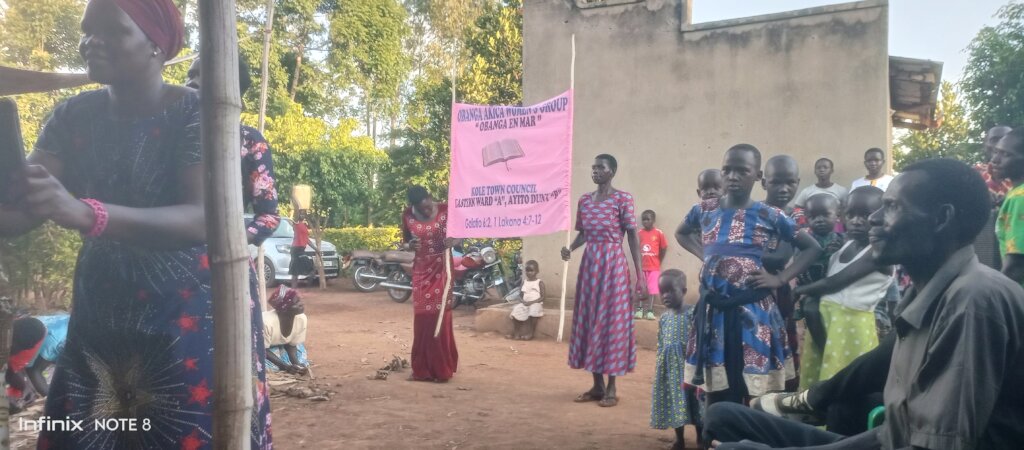
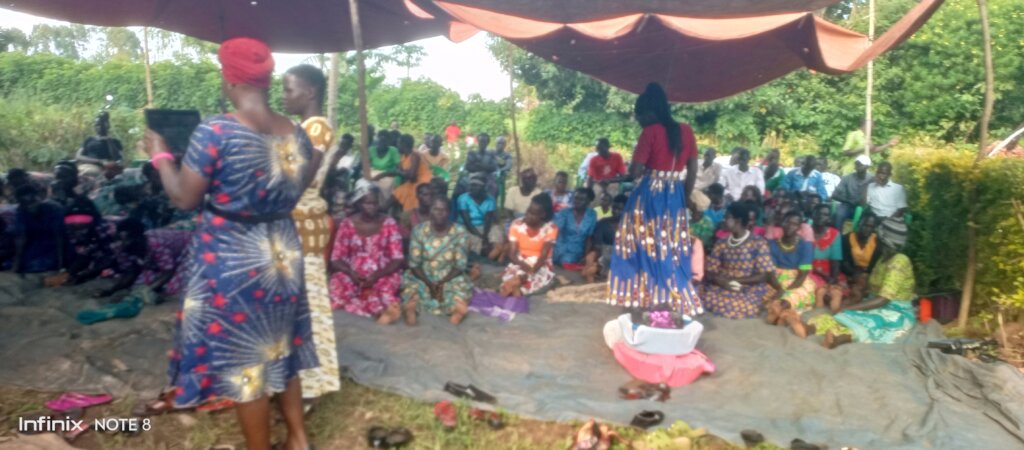
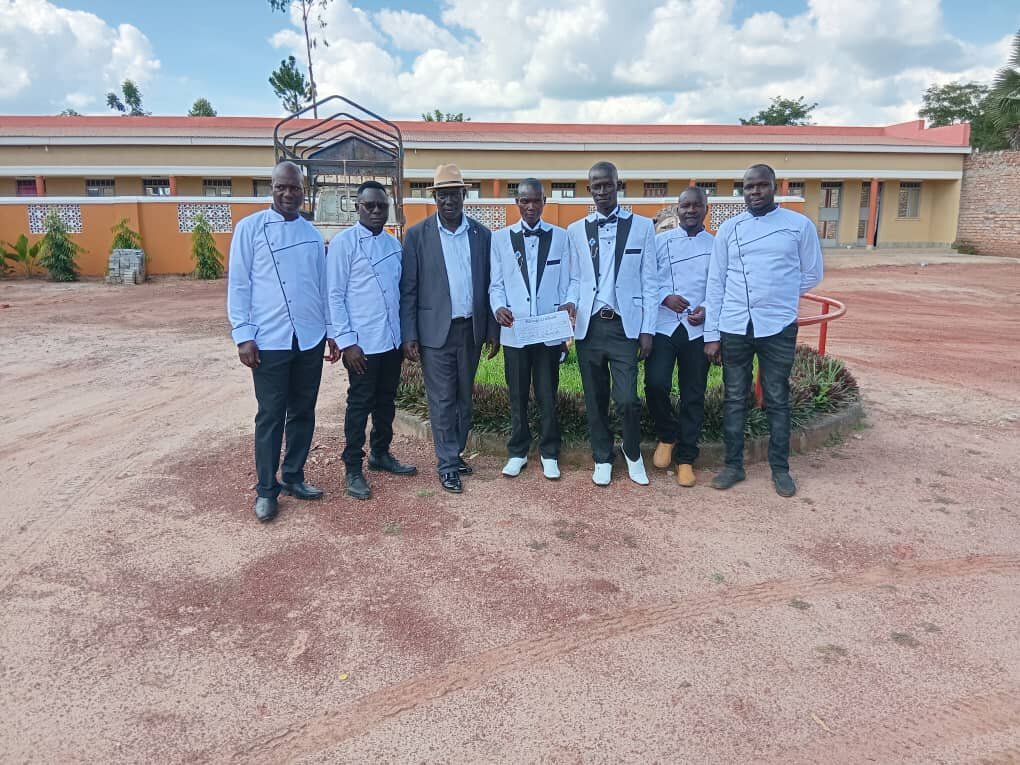
Innovatively to forster knowledge and sustainability, as the team of Kole Intellectual Forum (KIFA) assume, they are trying to engage their students, an organizational individuals and organizations as a whole to focus mainly either on education, promoting sustainable practices, and driving innovation. This particularly includes integrating sustainability into curricula, training employees, and encouraging individual action through daily choices and community engagement.
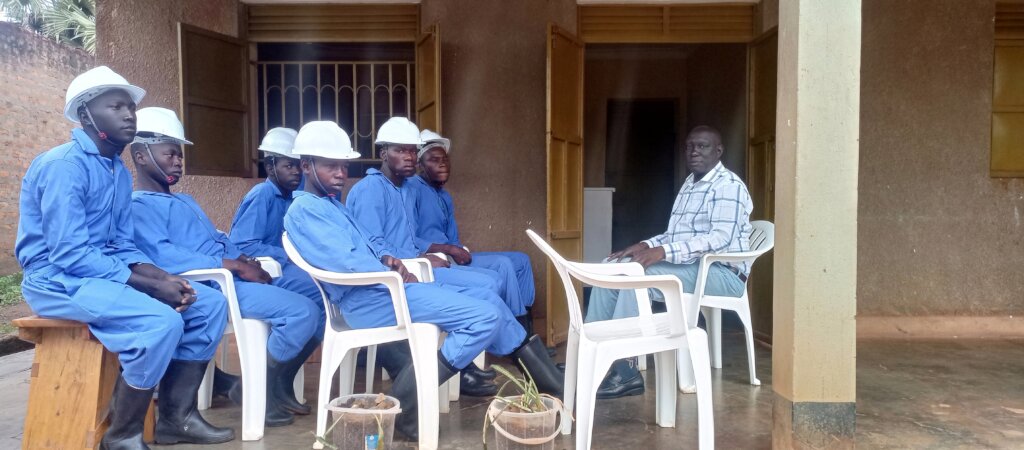
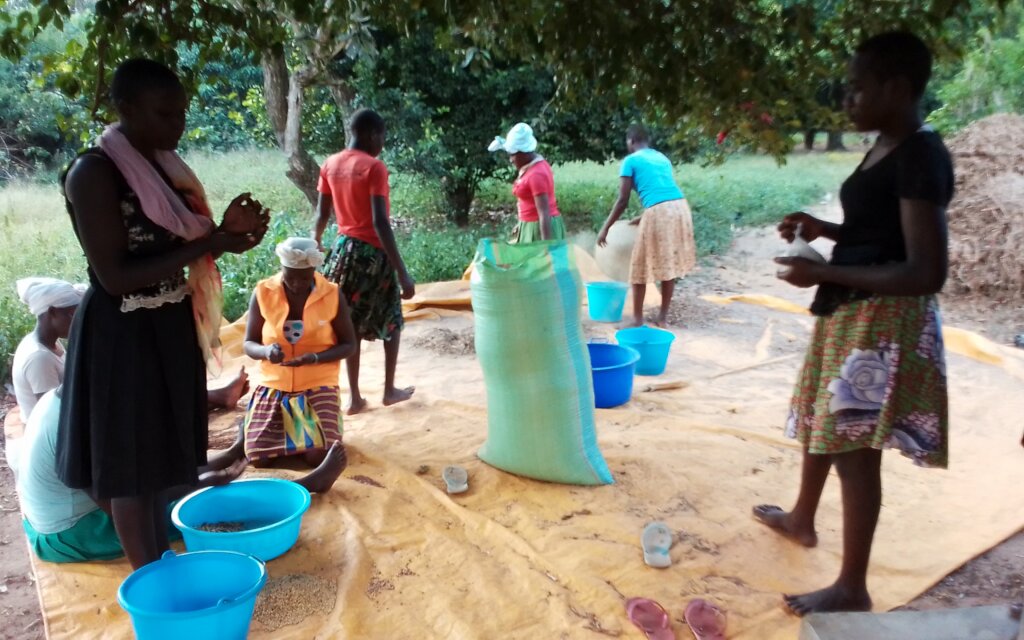
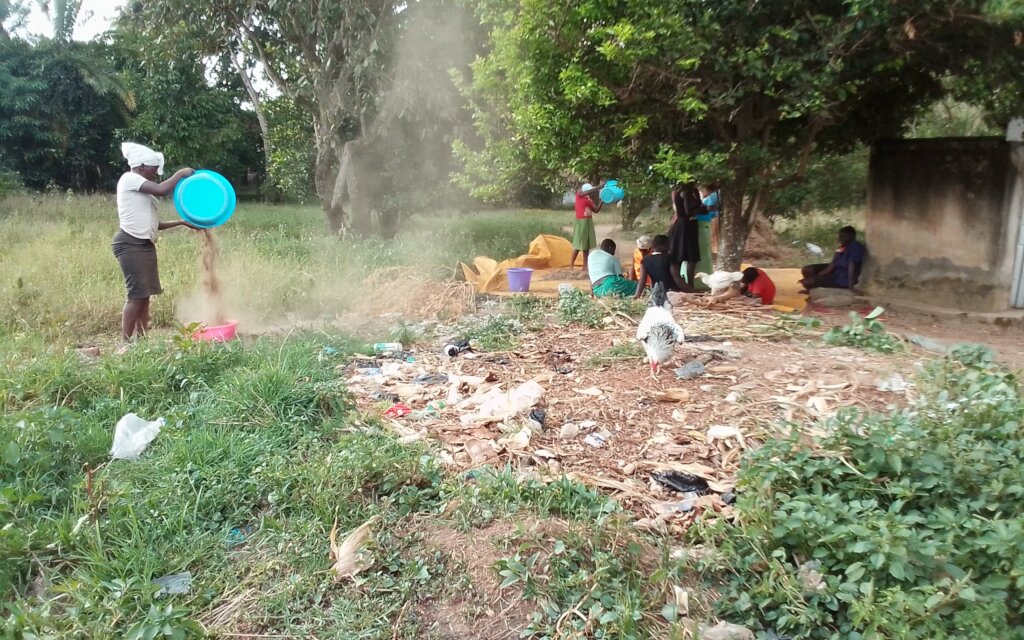
In the field of education, the team is trying to advocate for the integration in schools the teaching of sustainable projects through extra curriculum and by adopting green practices like waste reduction and energy efficiency; promoting organizational employee knowledge, by providing with training on sustainability and ESG (Environmental, Social, and Governance) principles to foster a culture of responsibility and equip employees with the skills to innovate, and by encouraging lifelong learning for individuals to pursue specific degrees in sustainability or simply staying informed about resource management through the principles of Home Economics
![Share on Twitter]()
![Share on Facebook]()