By George Obua | Project Leader
A solid Foundation: Withstands transformation
Transformation of a society can be possible if it is built on a solid foundation
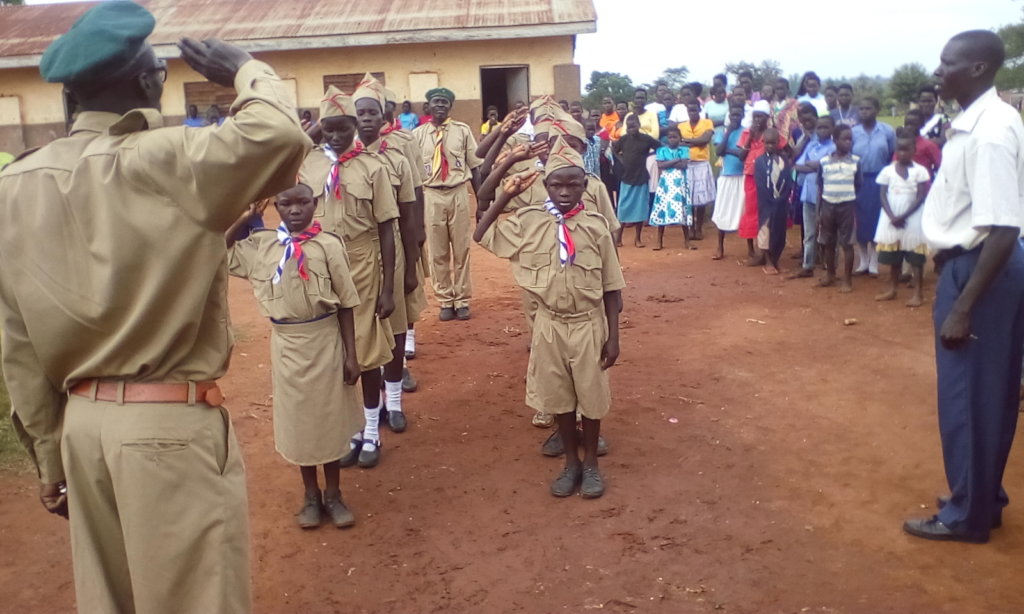
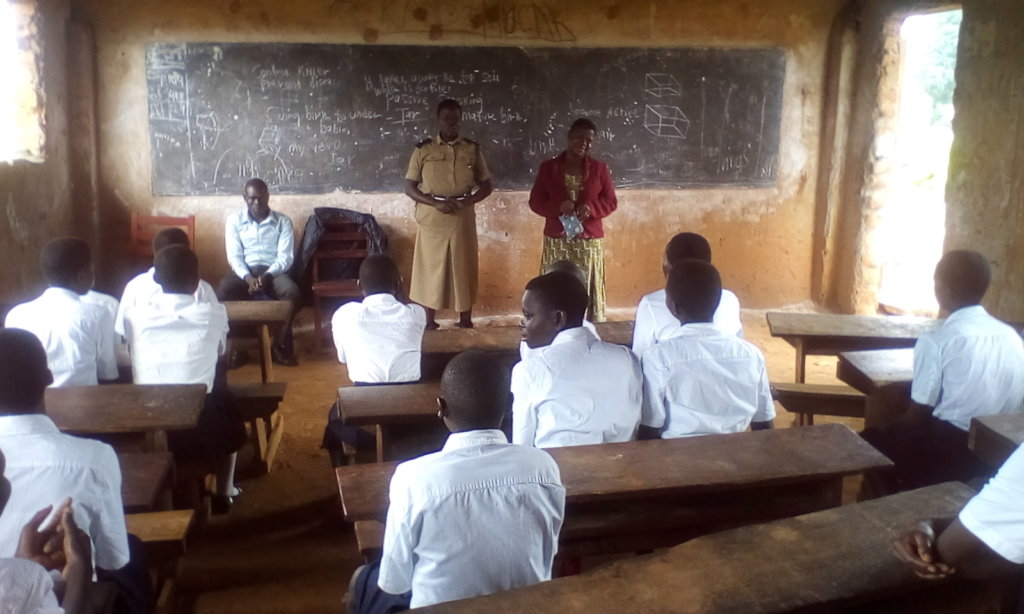
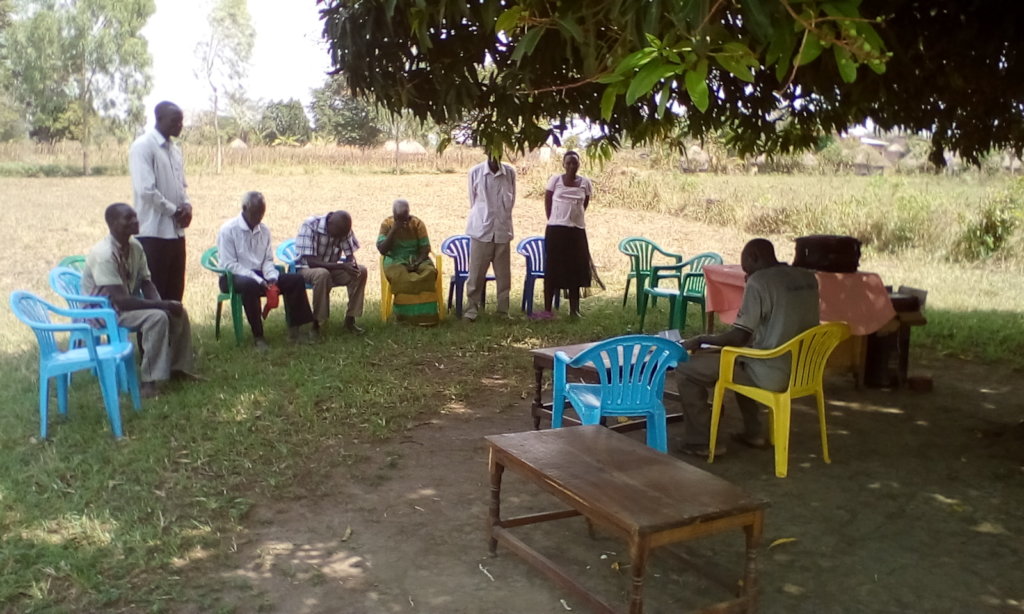
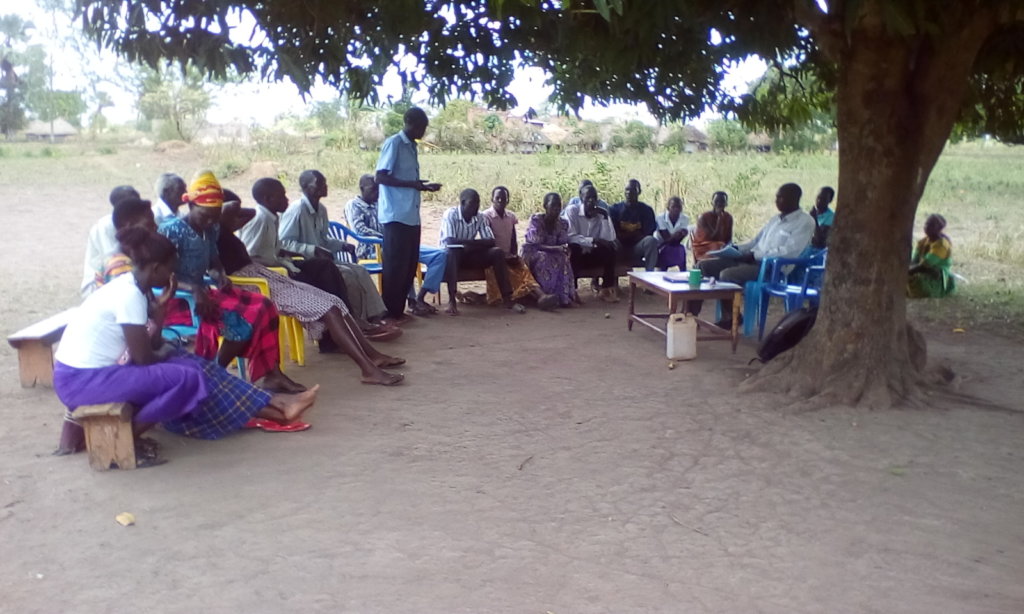
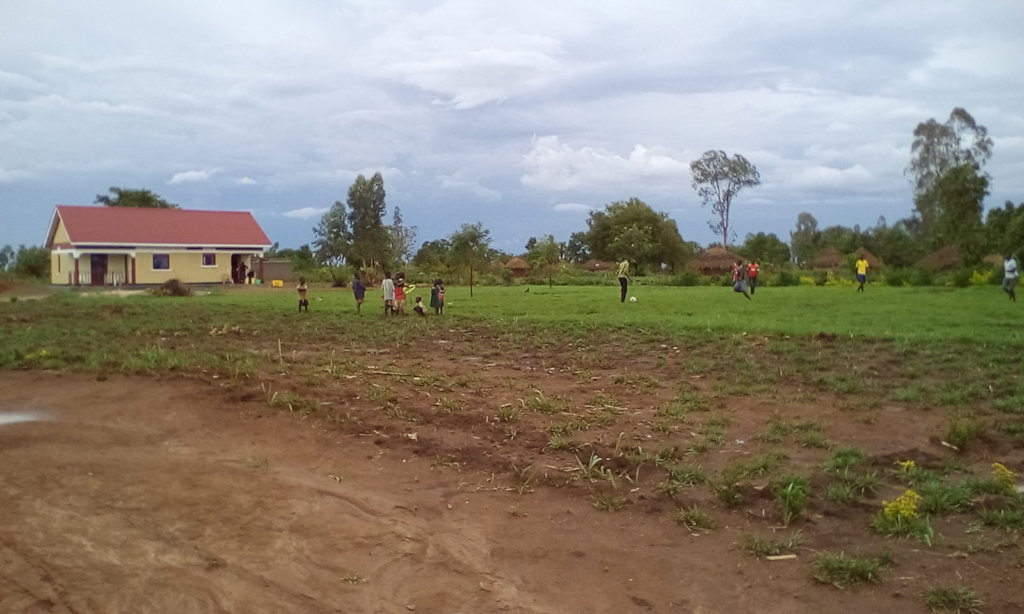
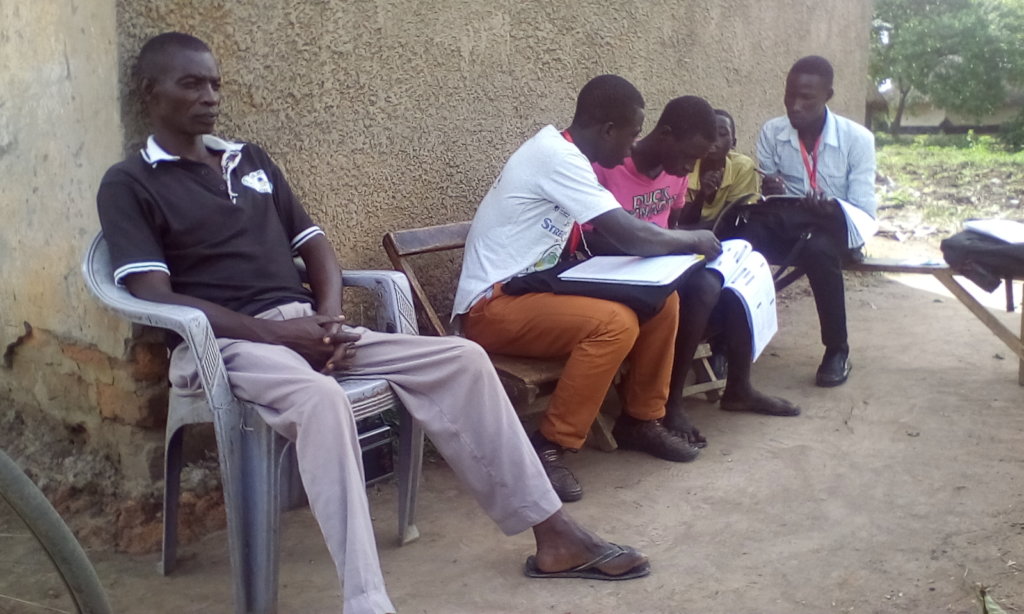
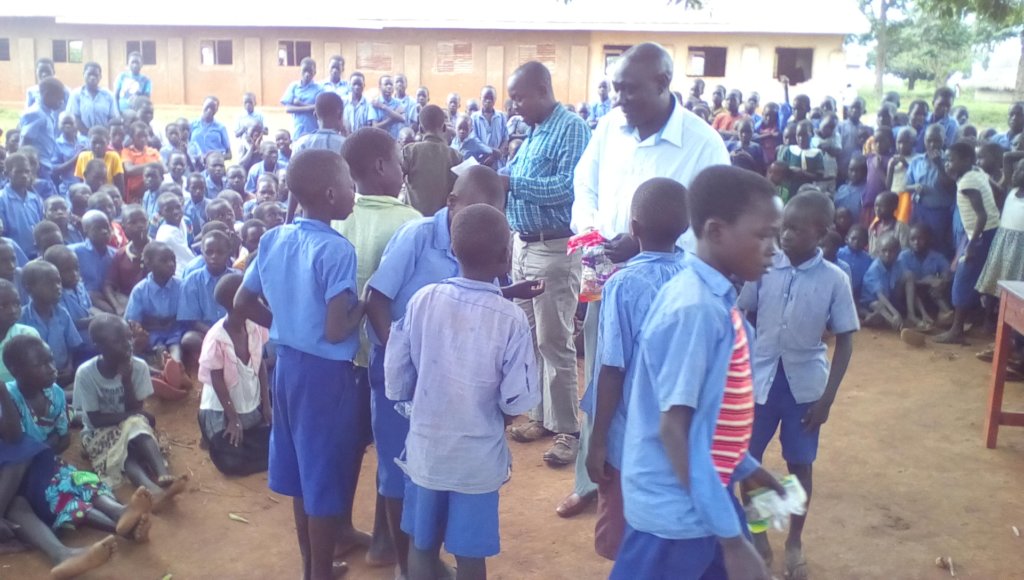
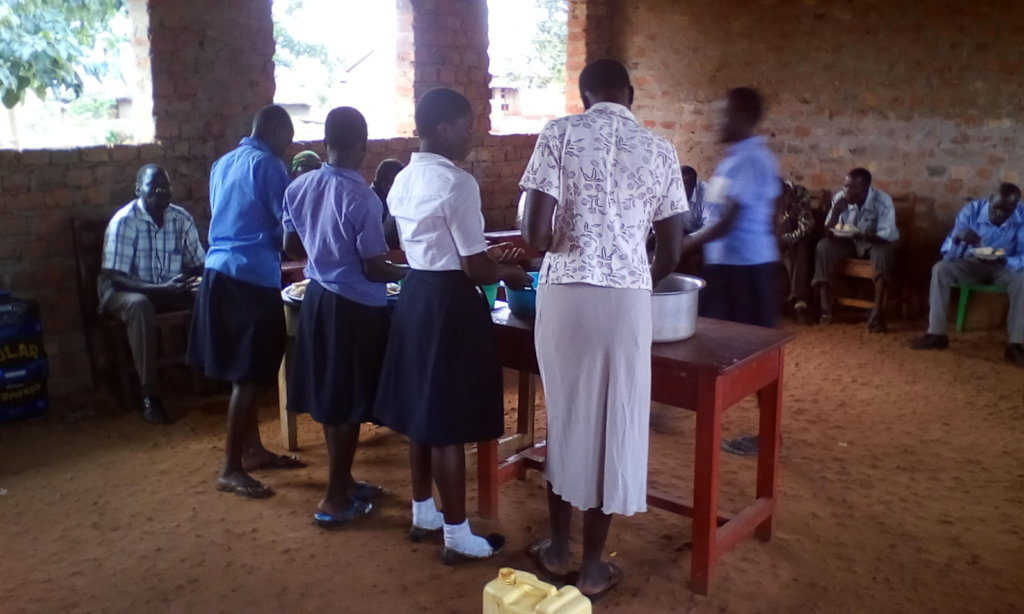
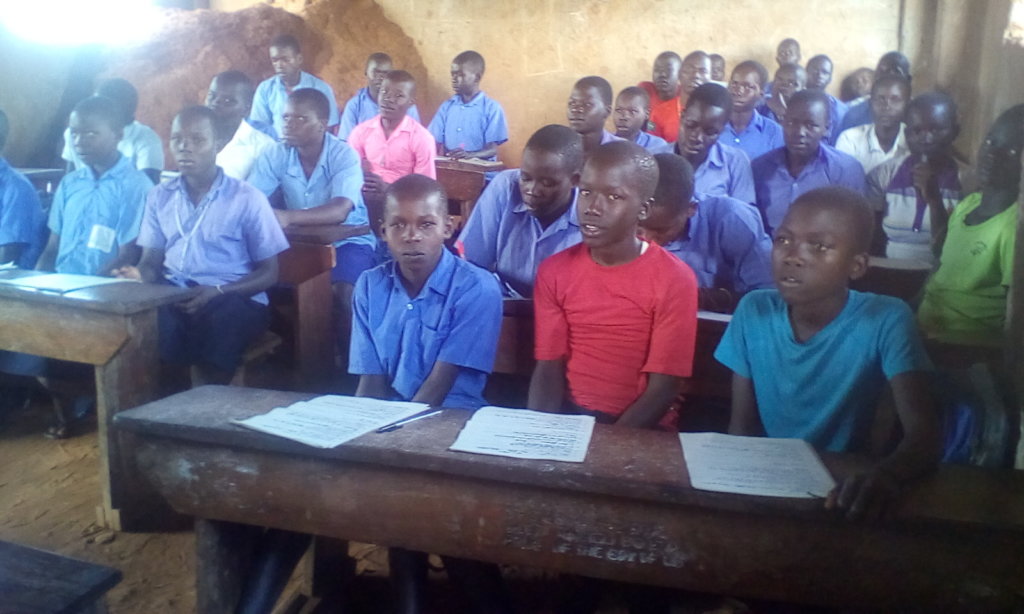
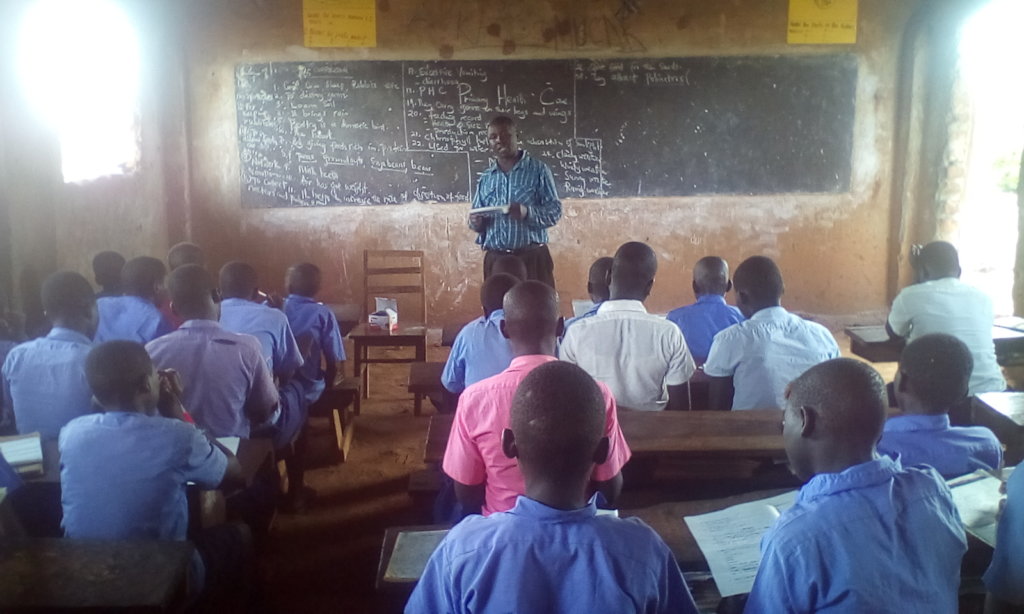
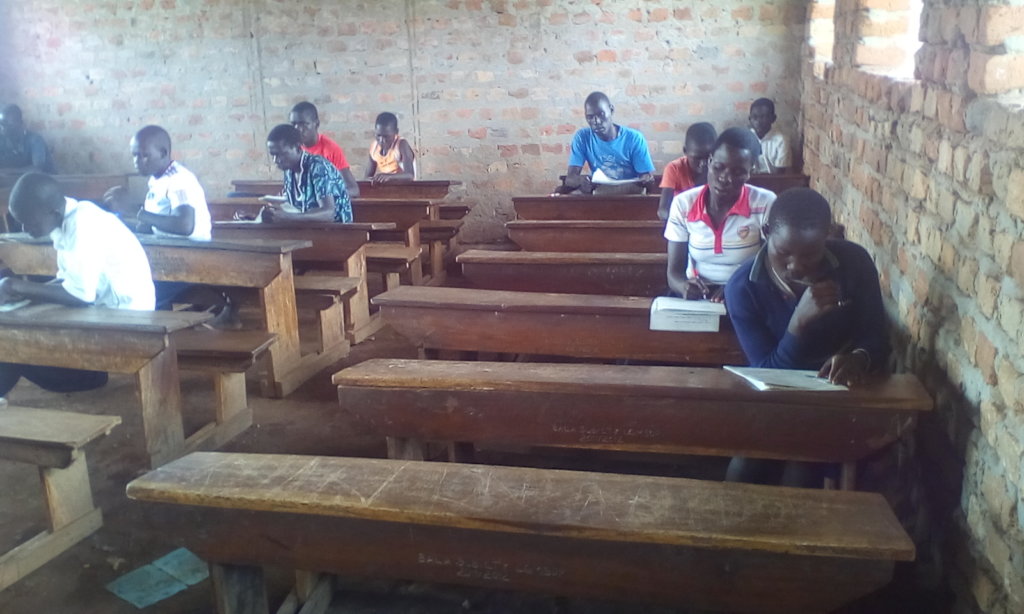
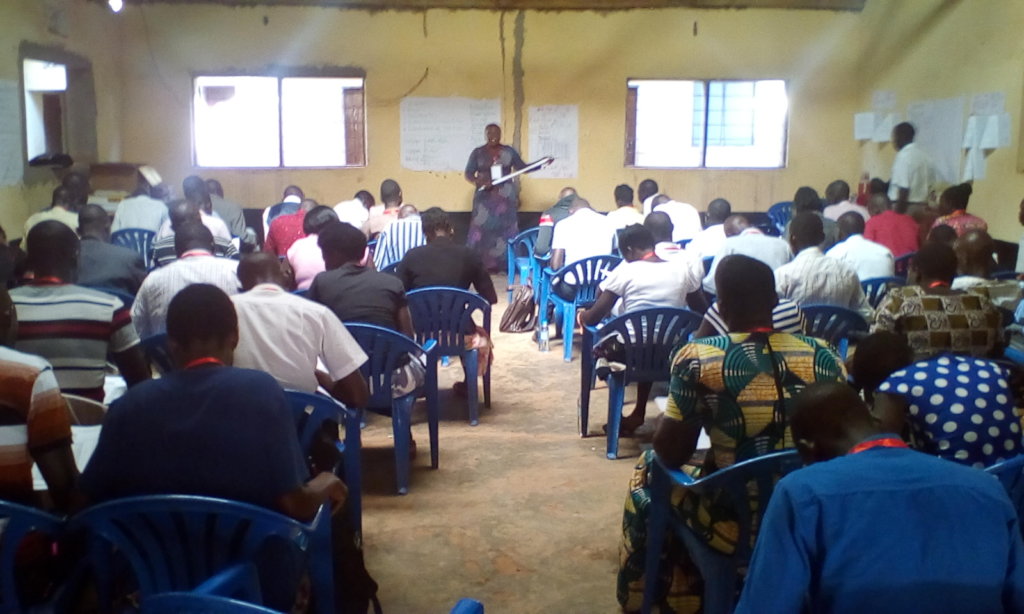
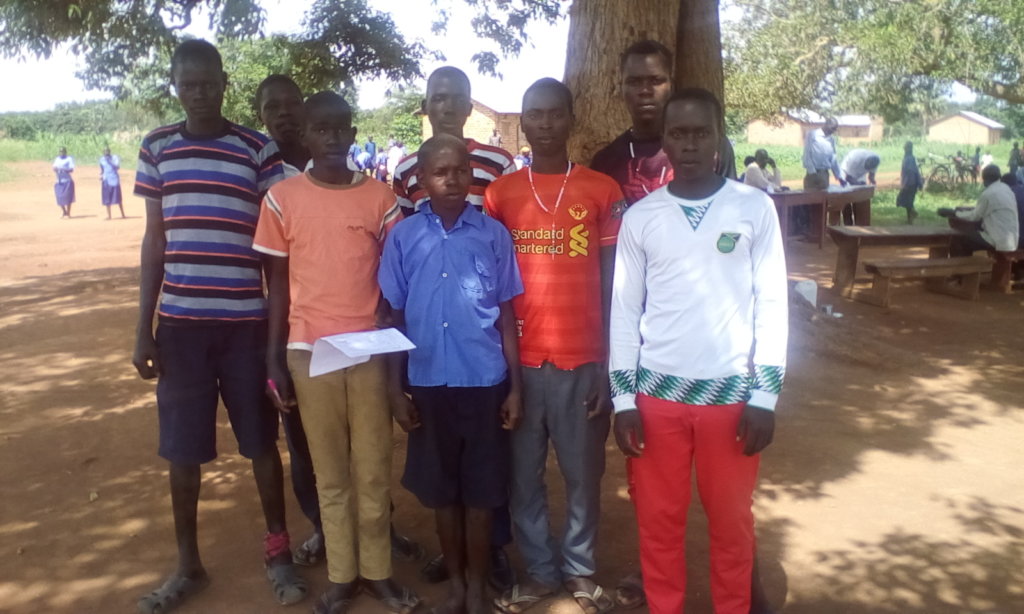
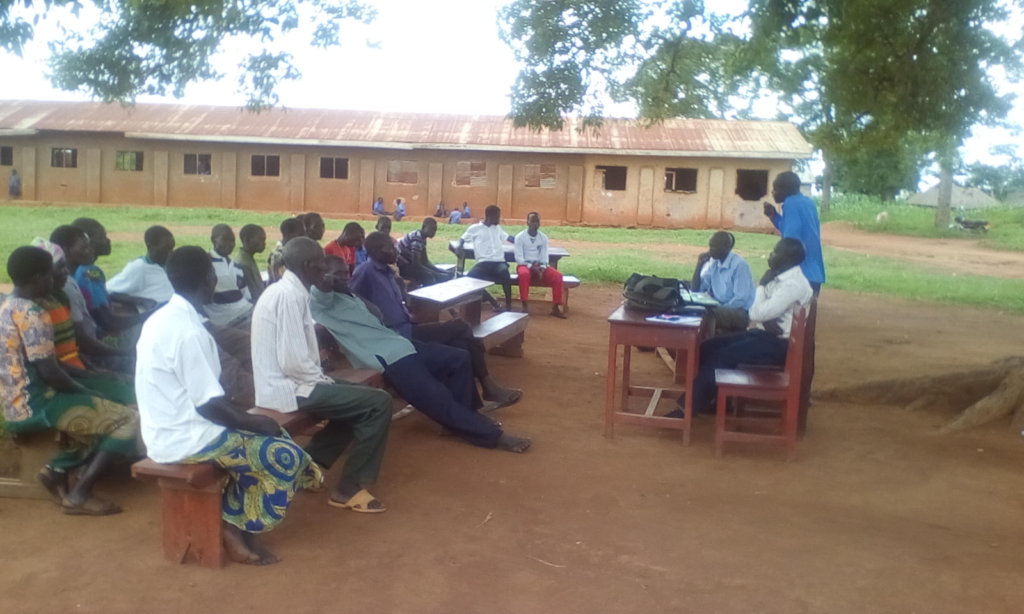
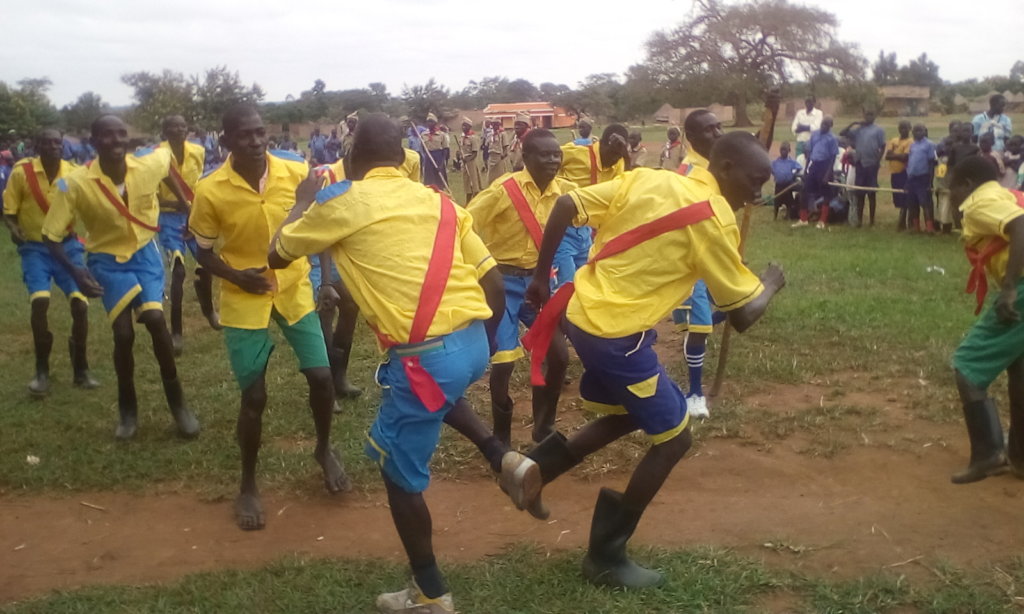
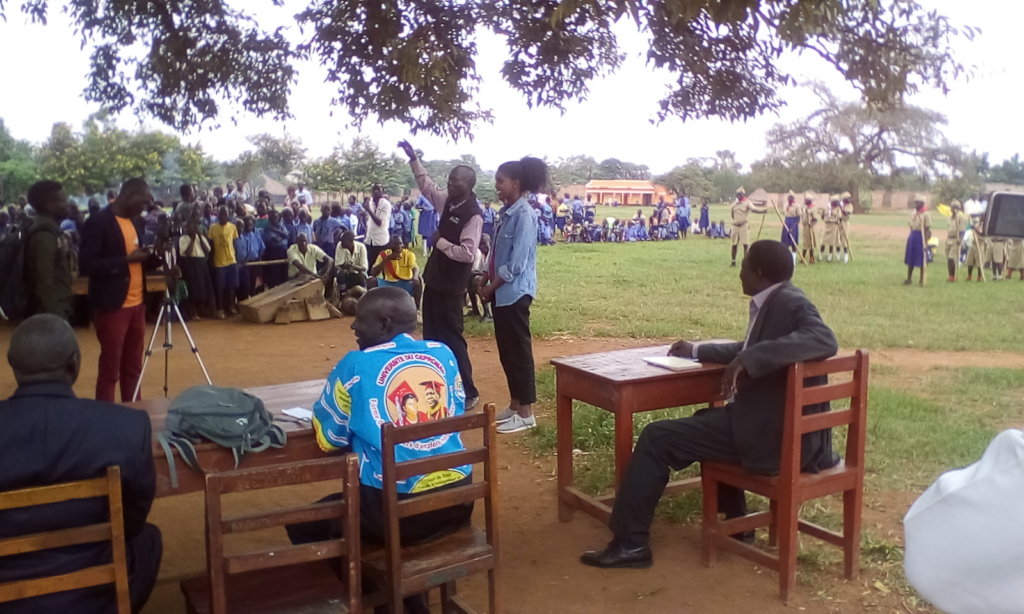
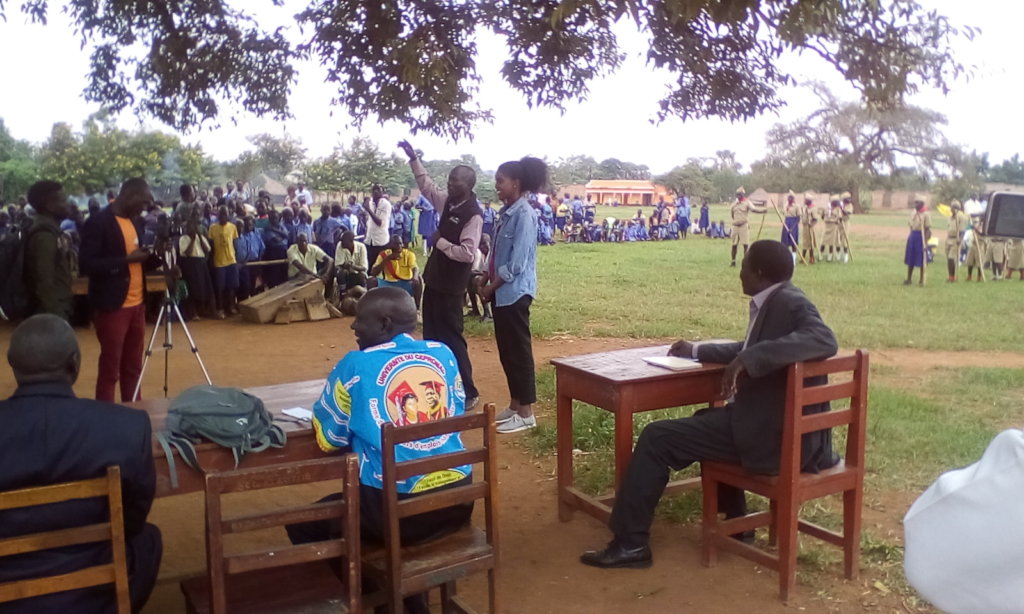
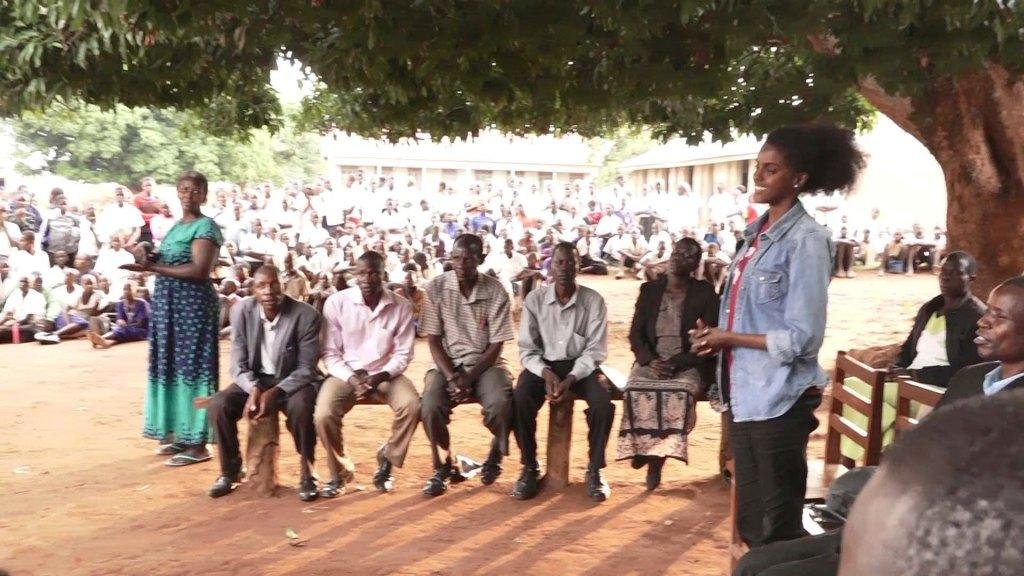
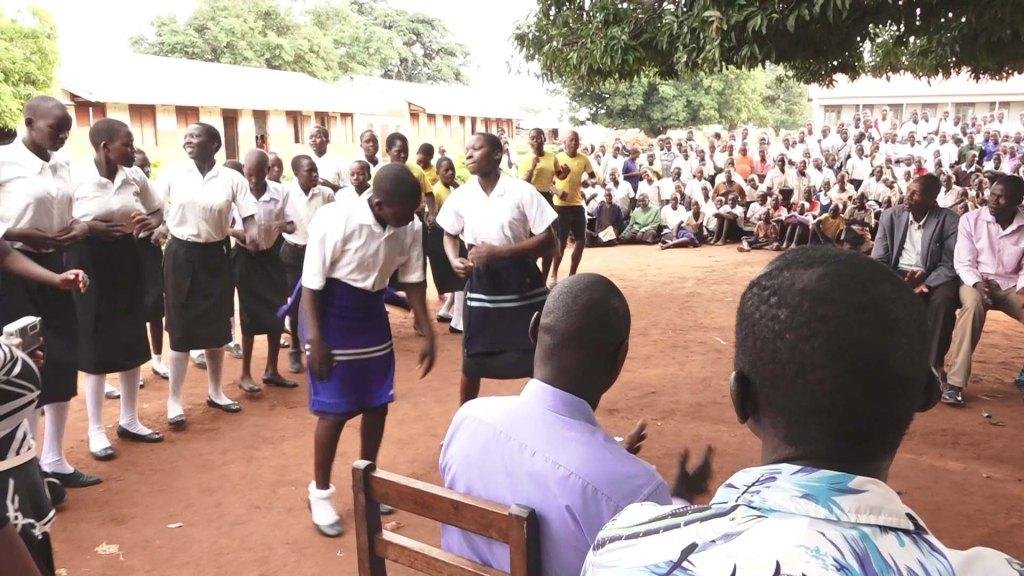
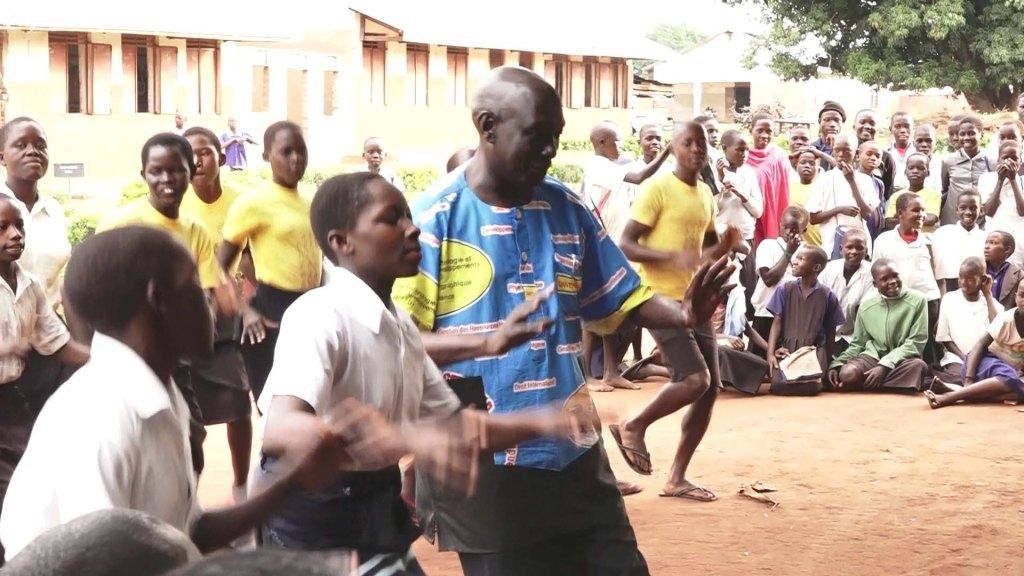
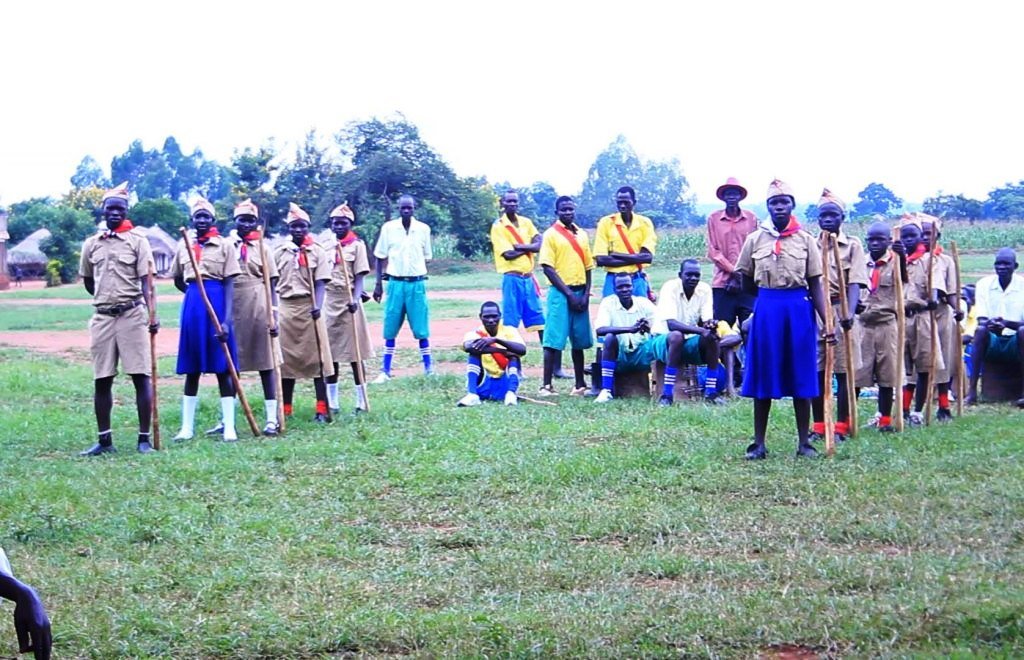
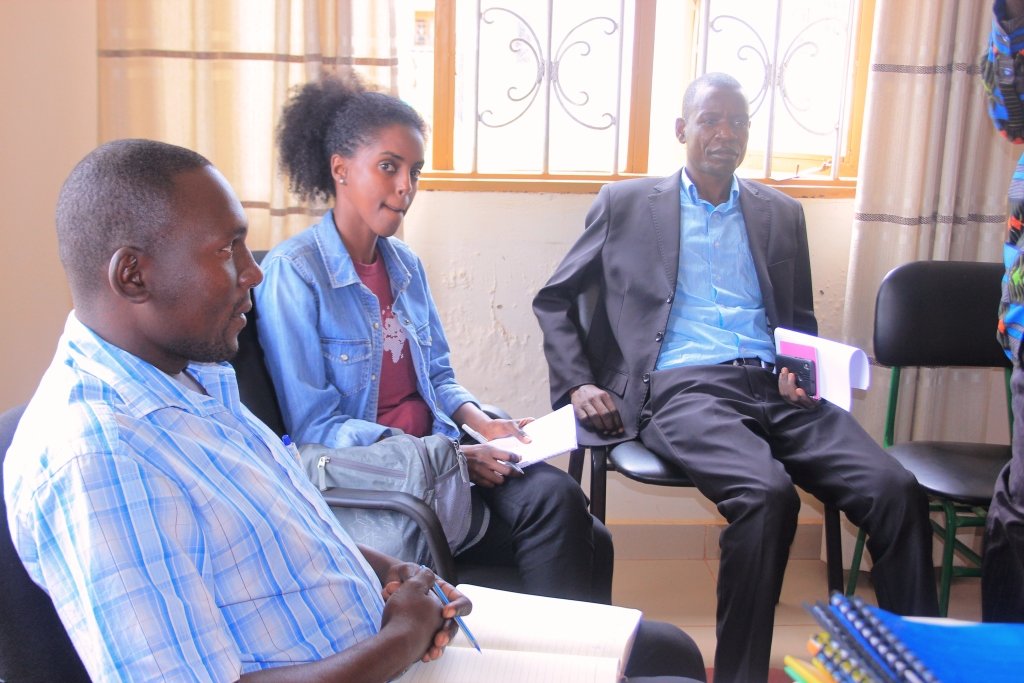
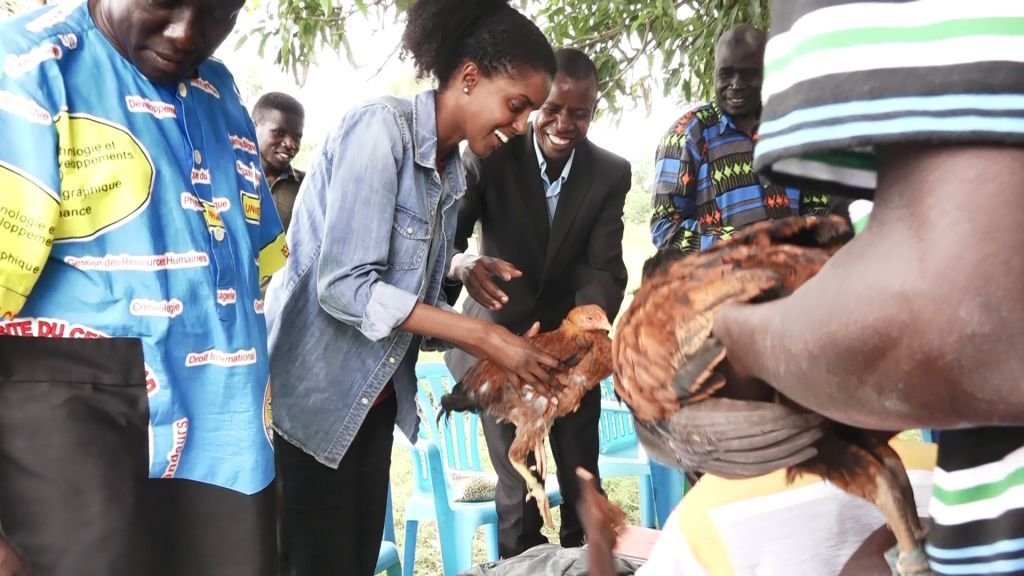
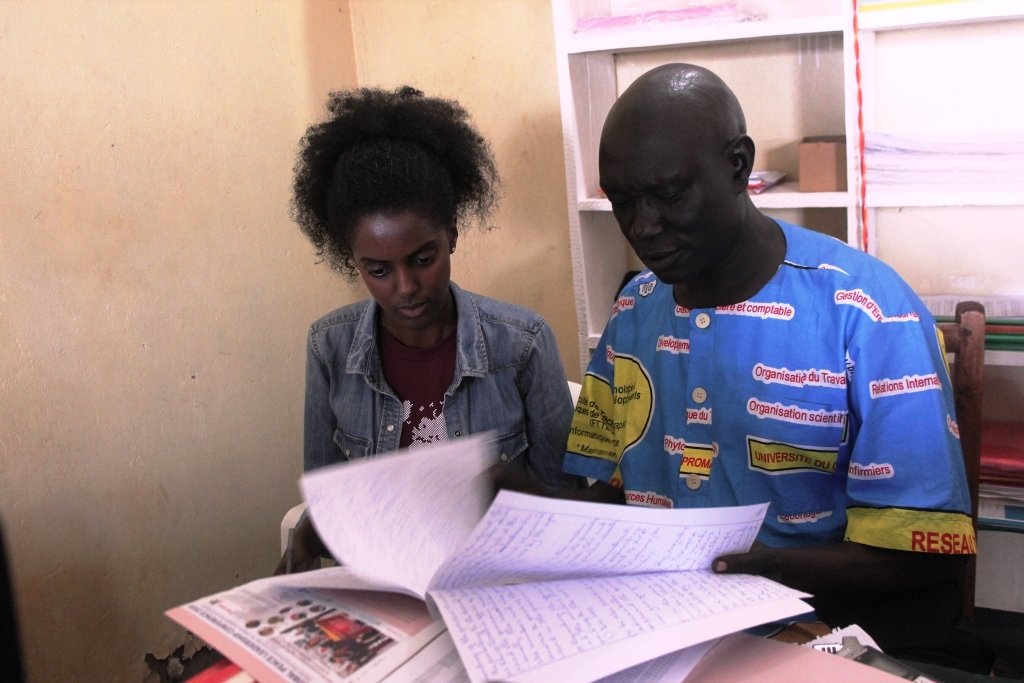
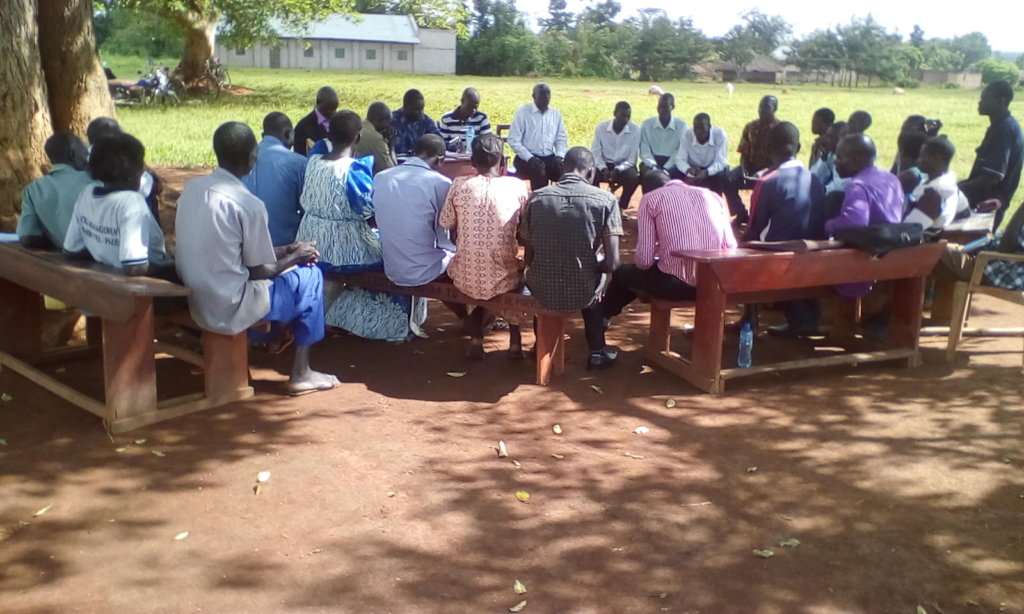
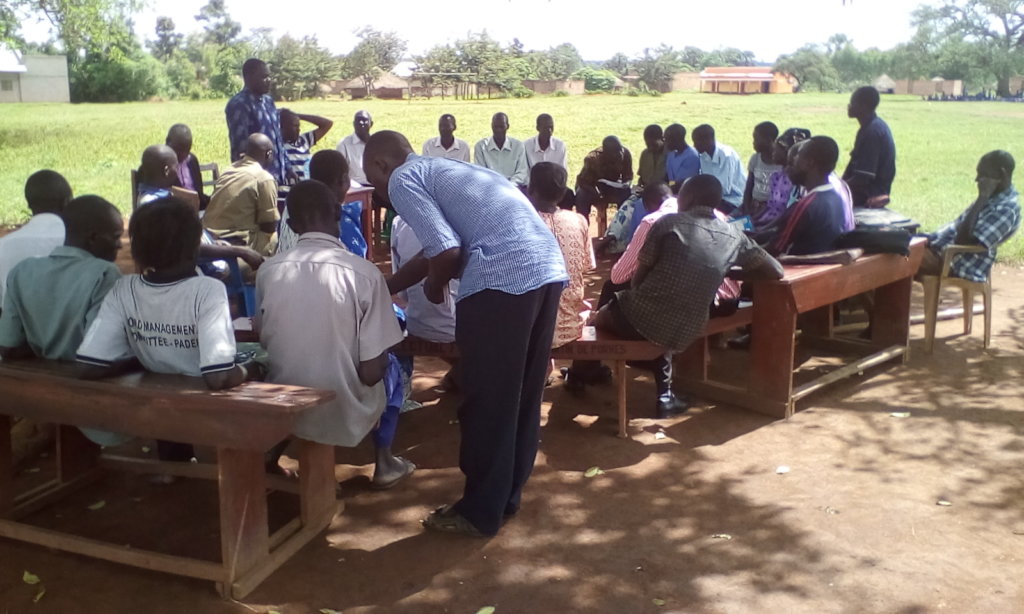
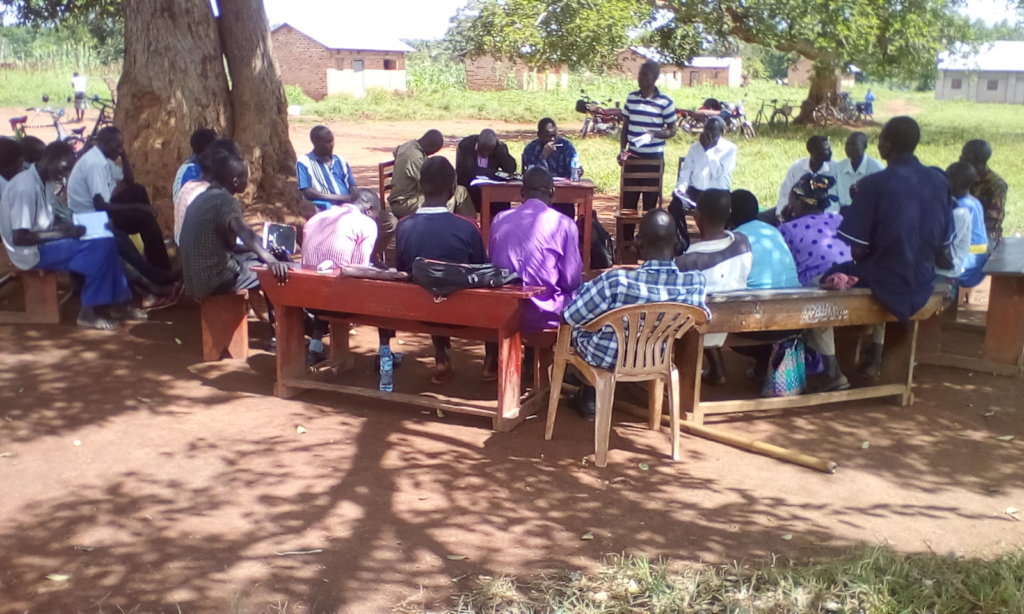
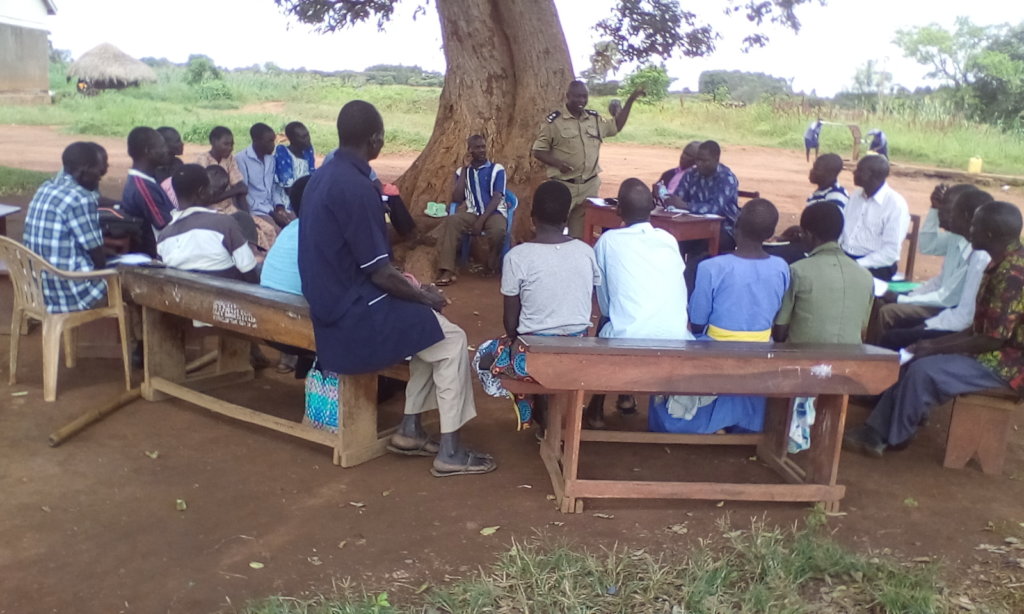
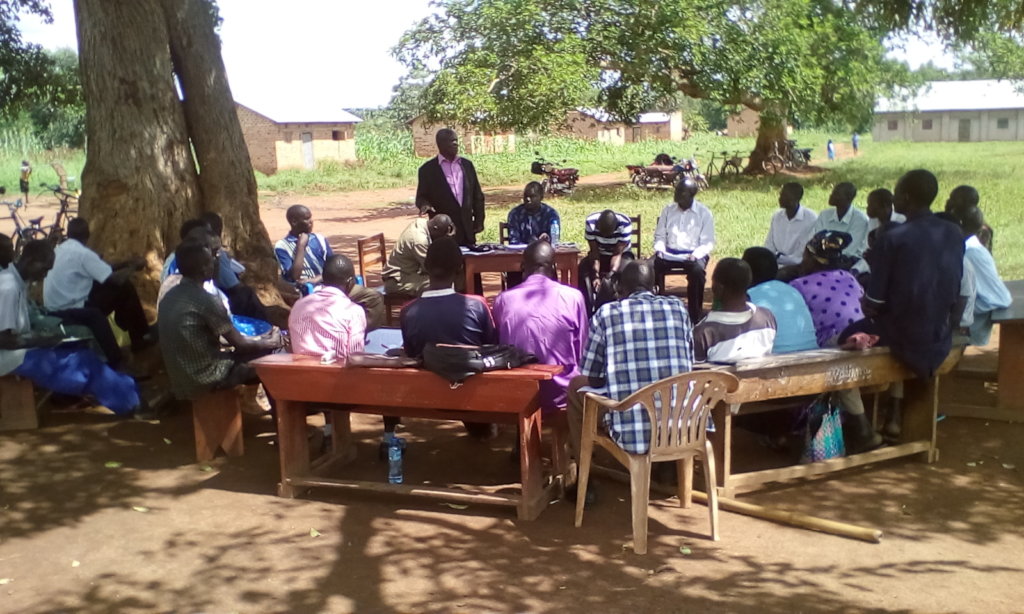
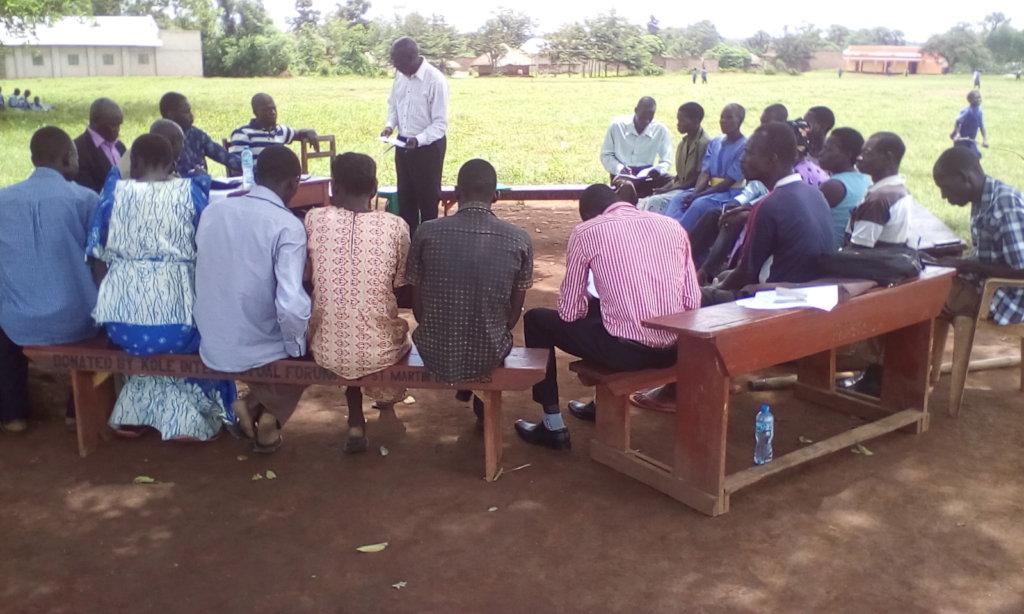
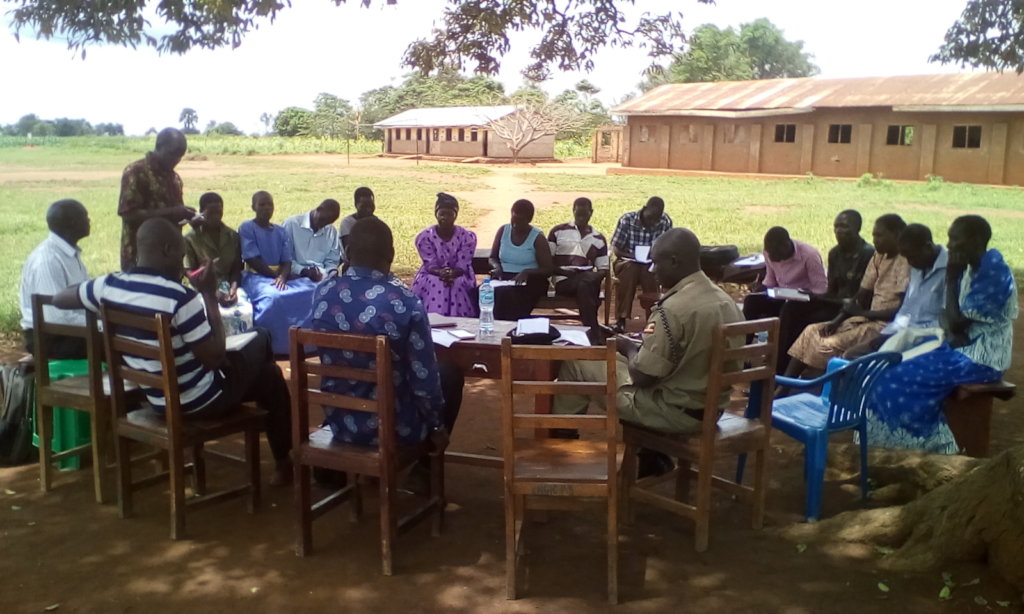
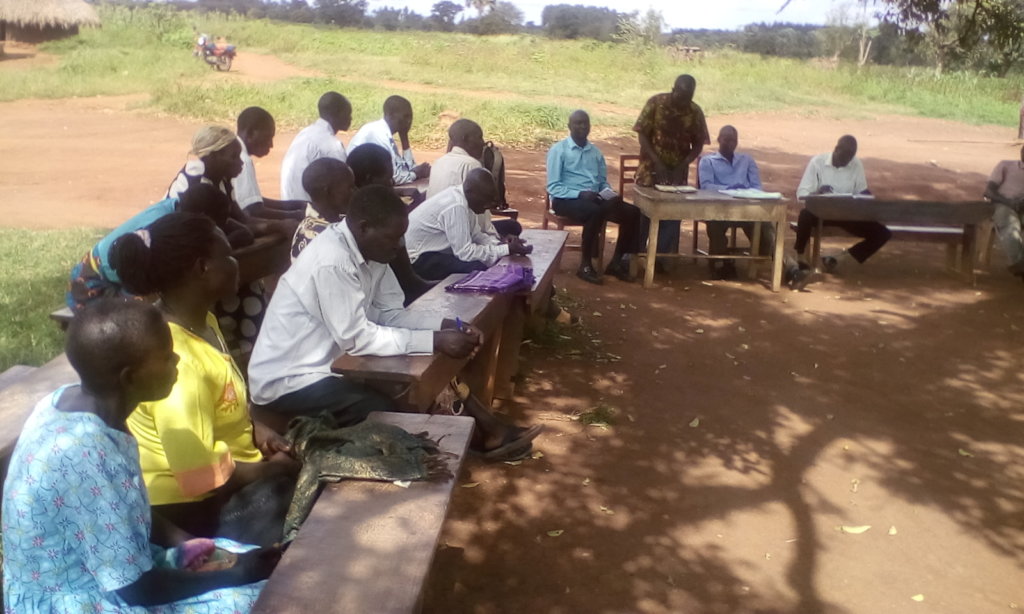
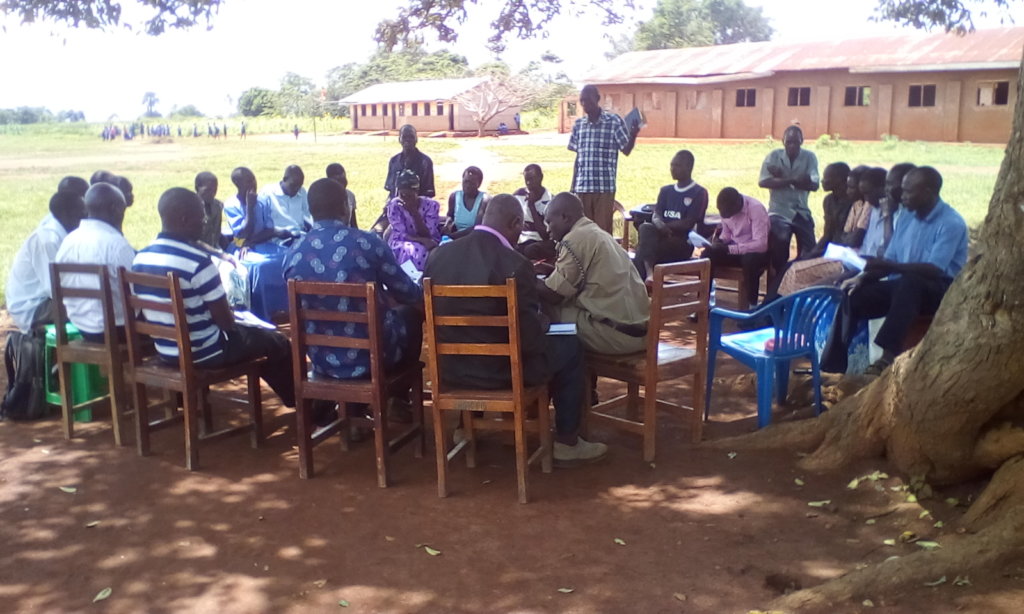
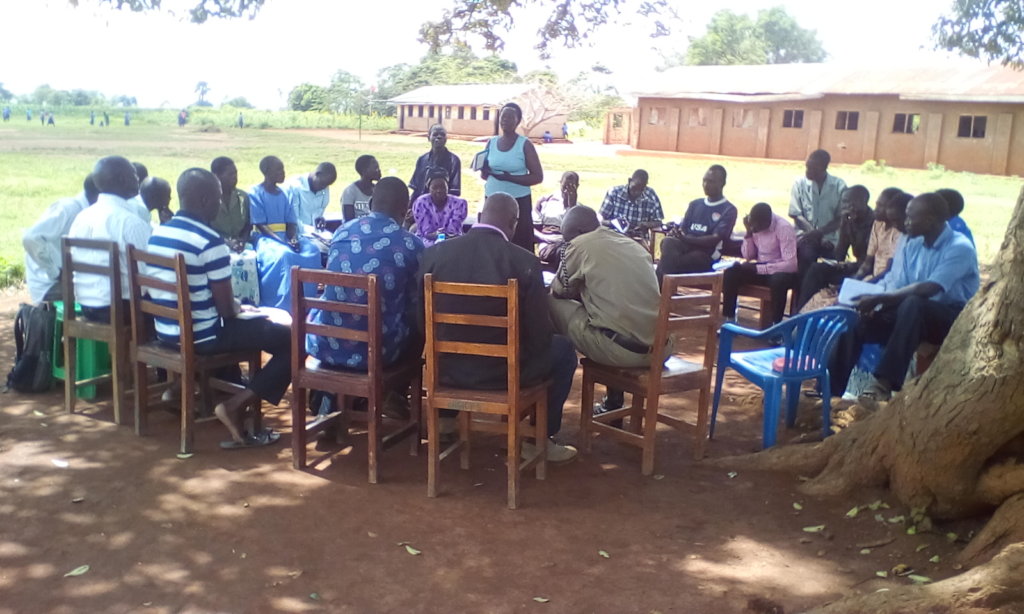
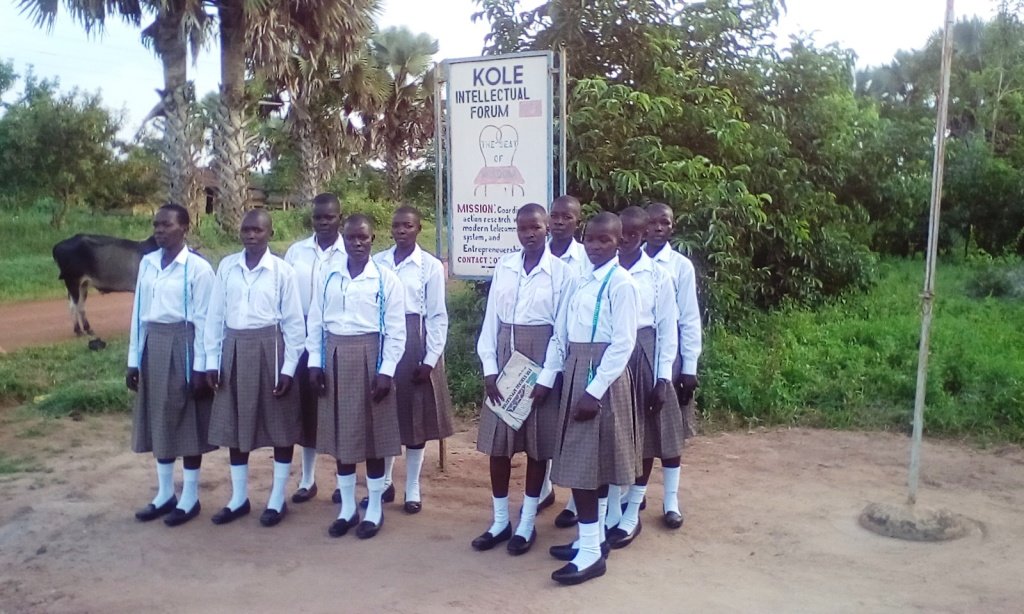
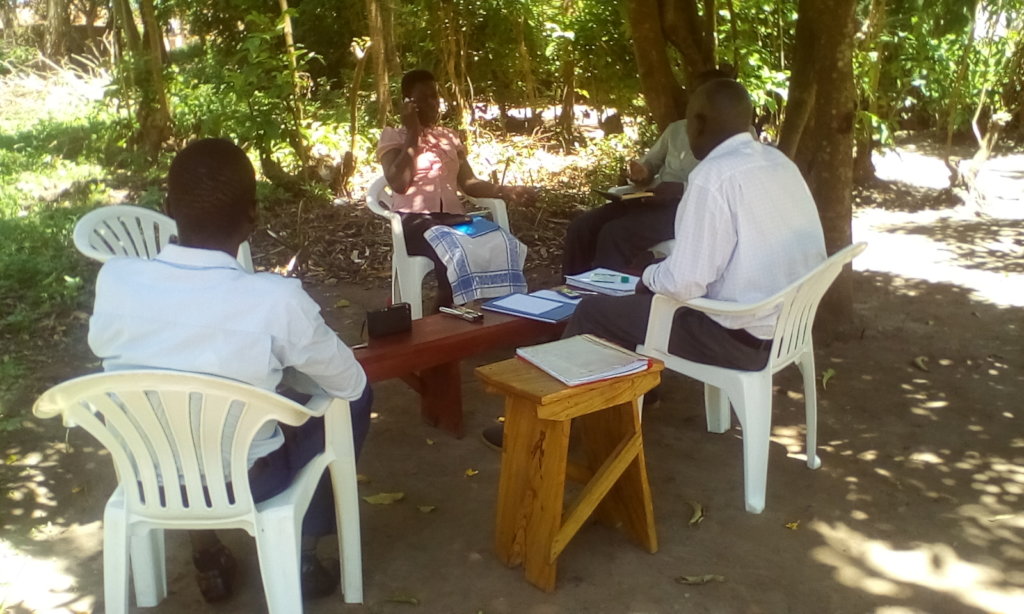
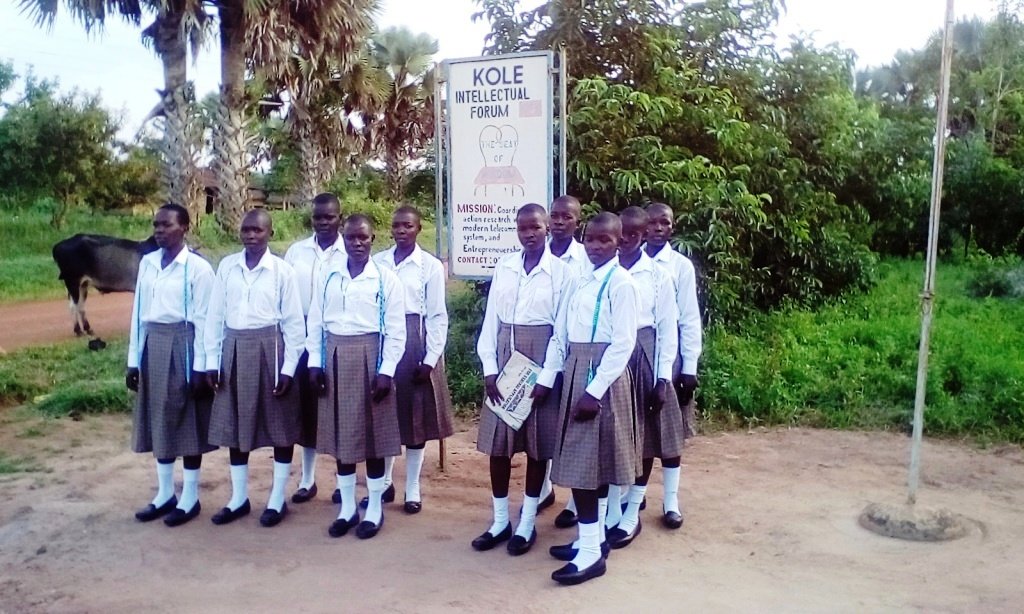
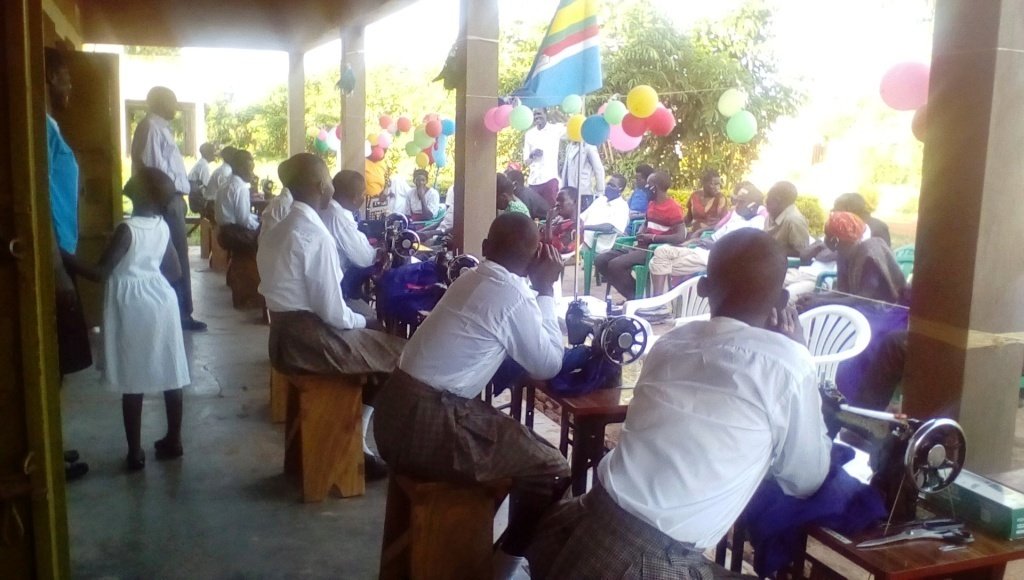
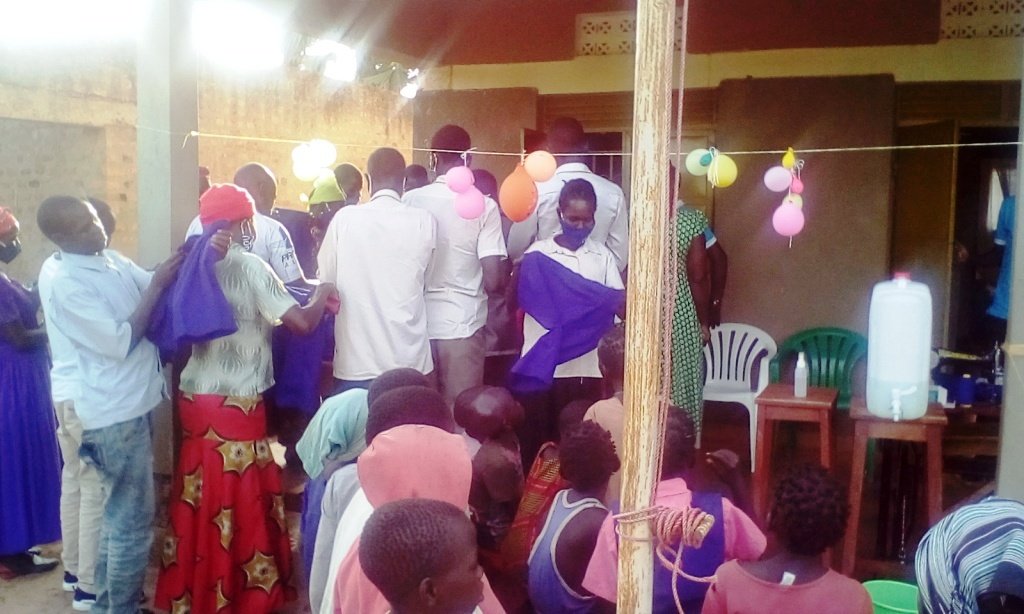
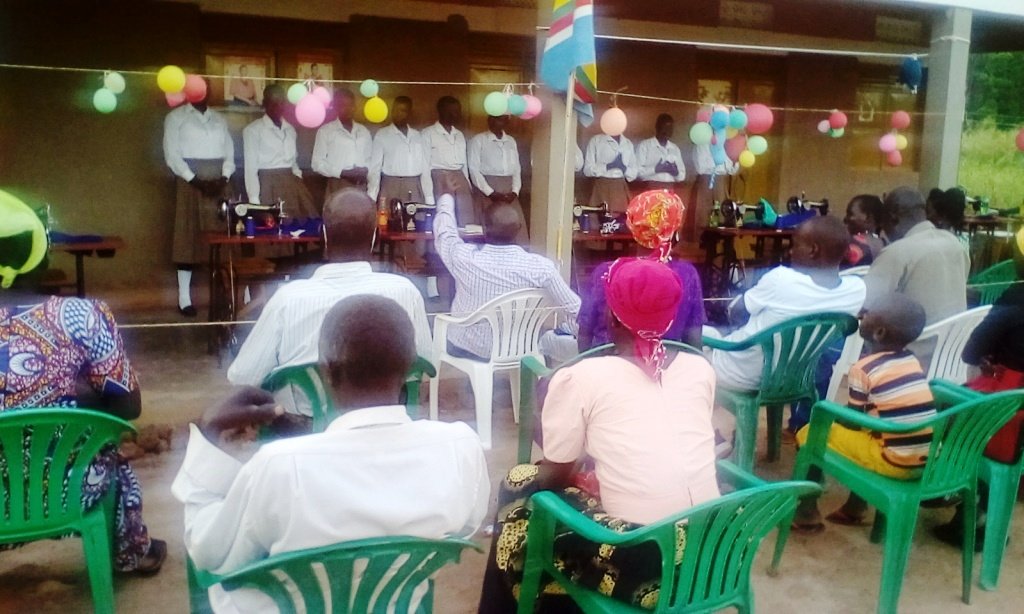
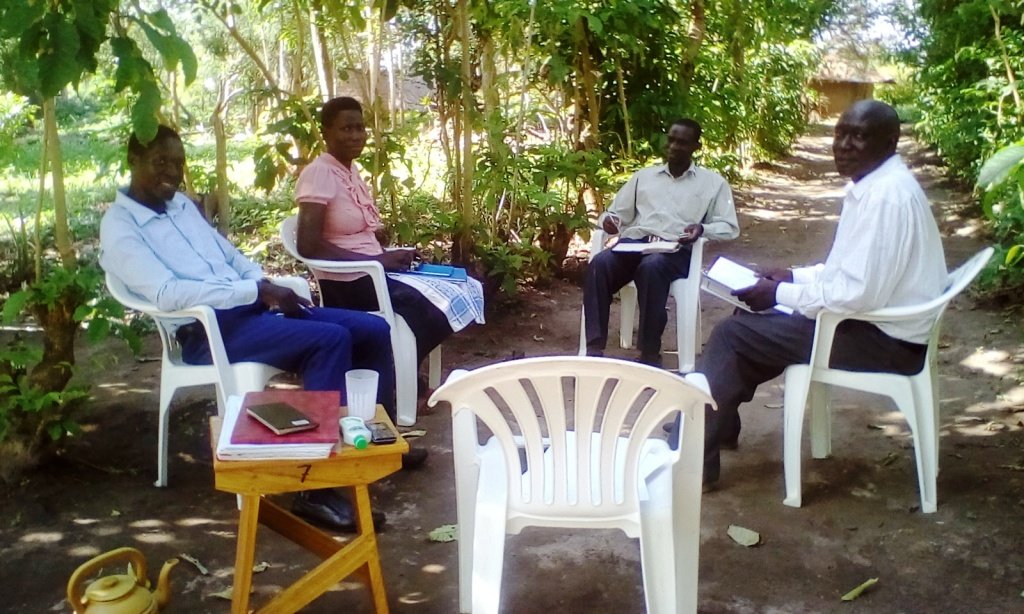
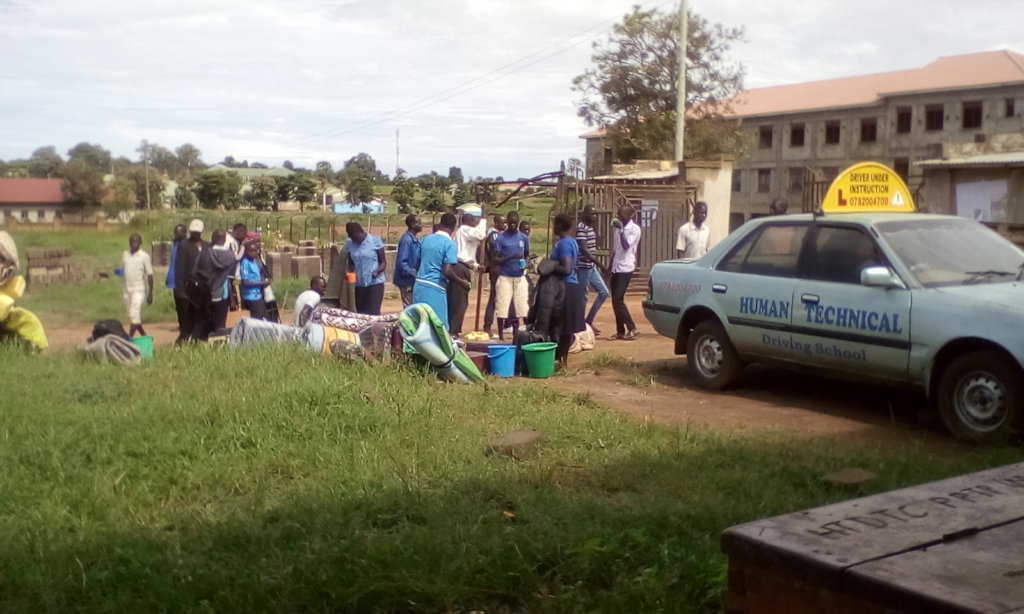
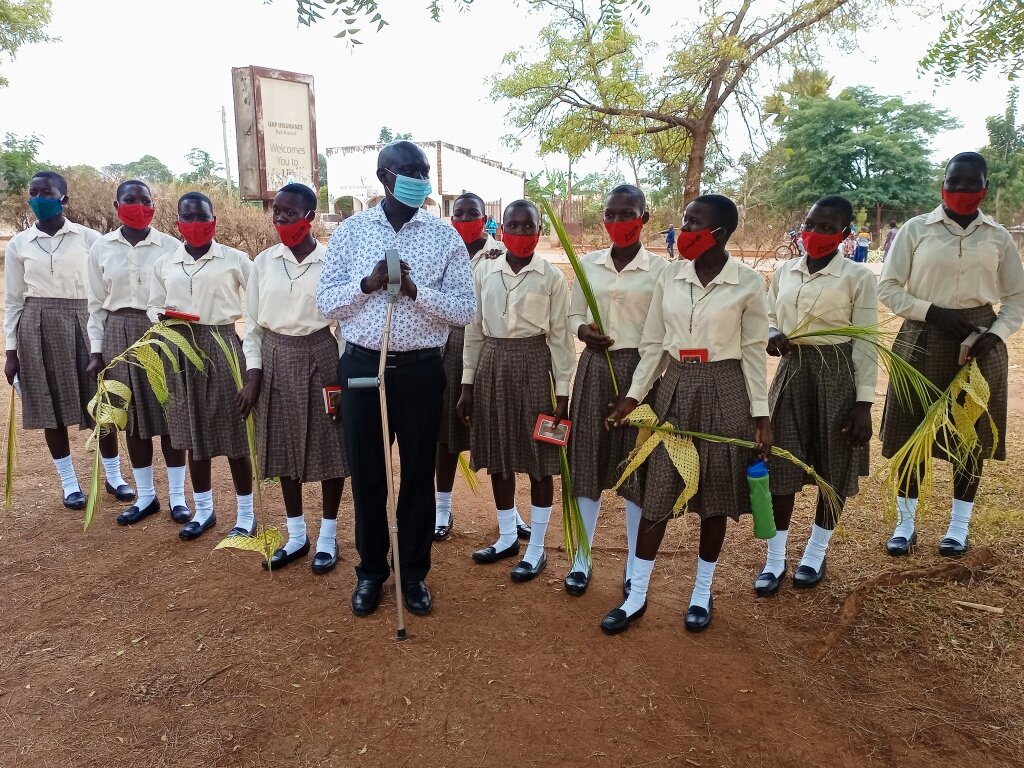
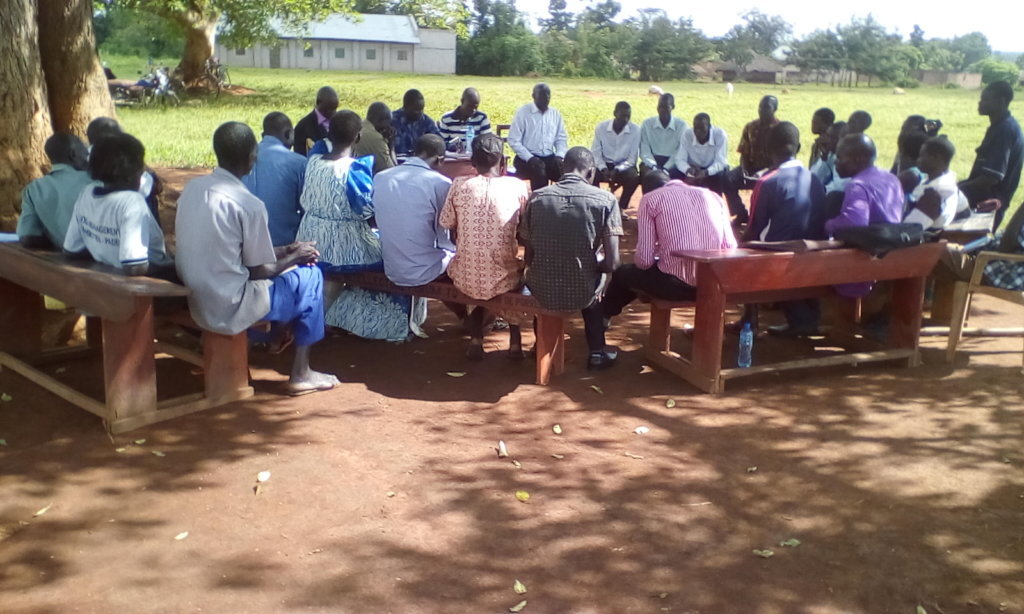
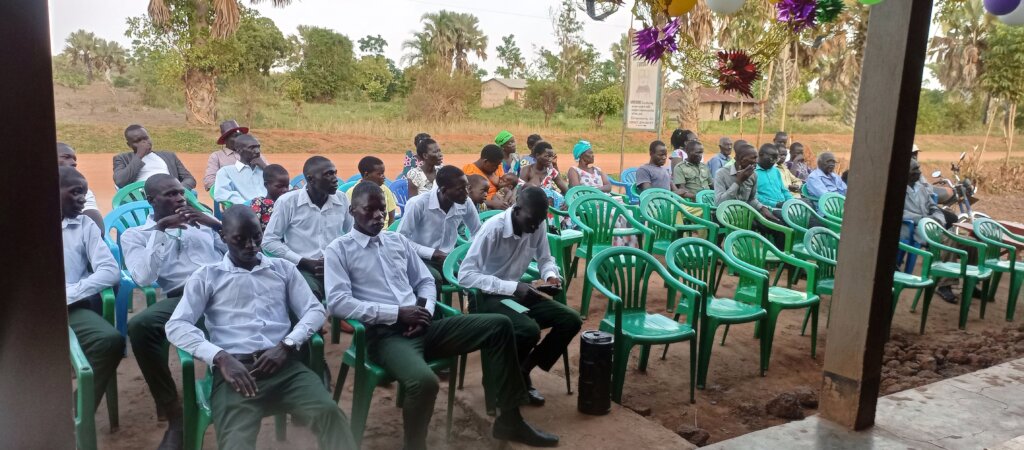
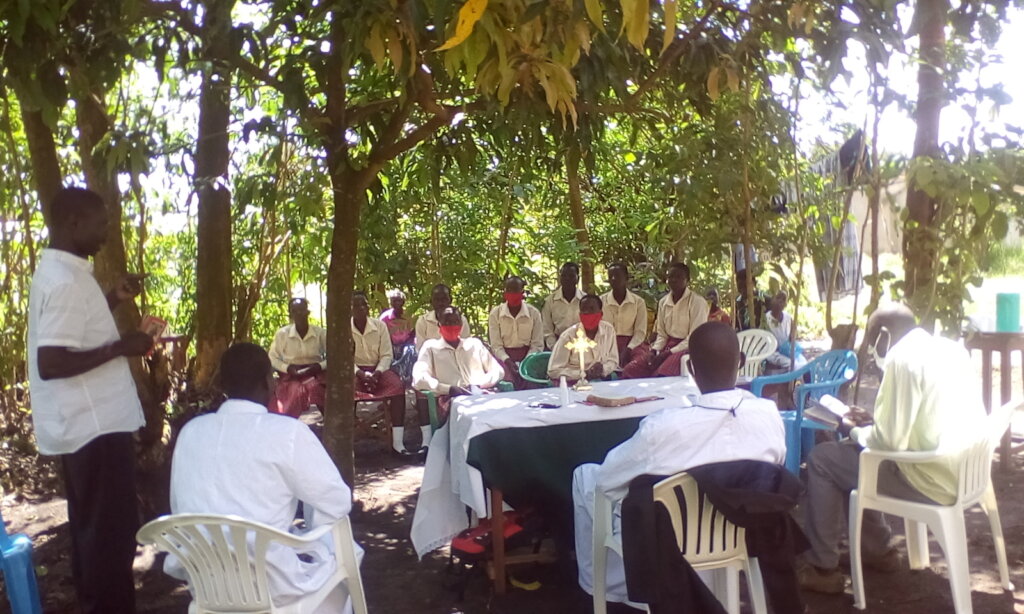
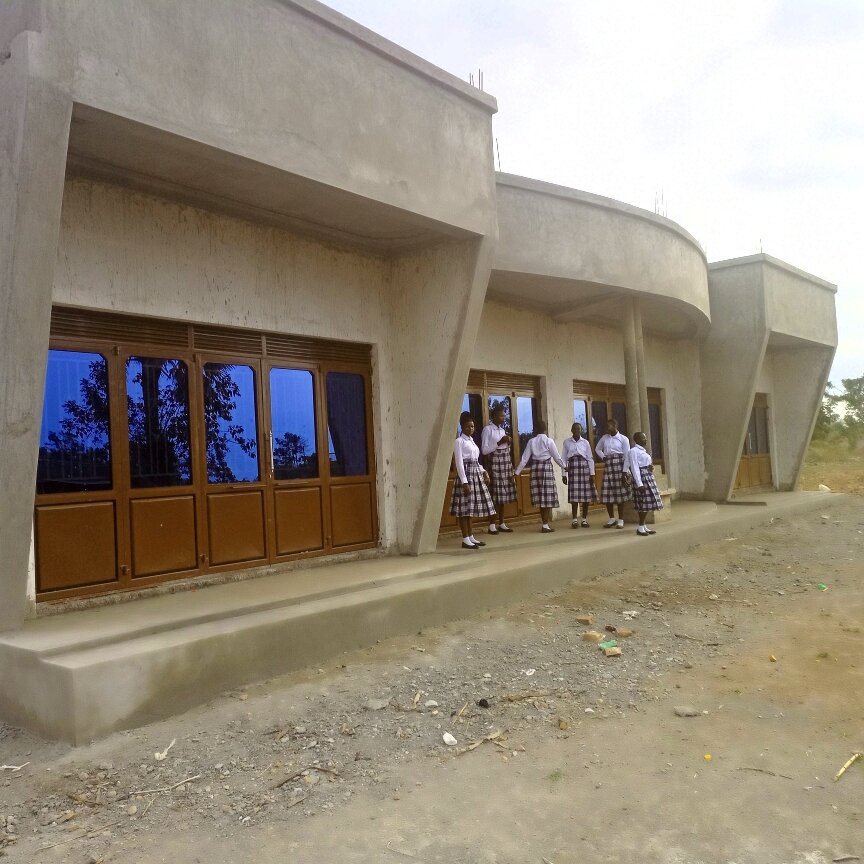
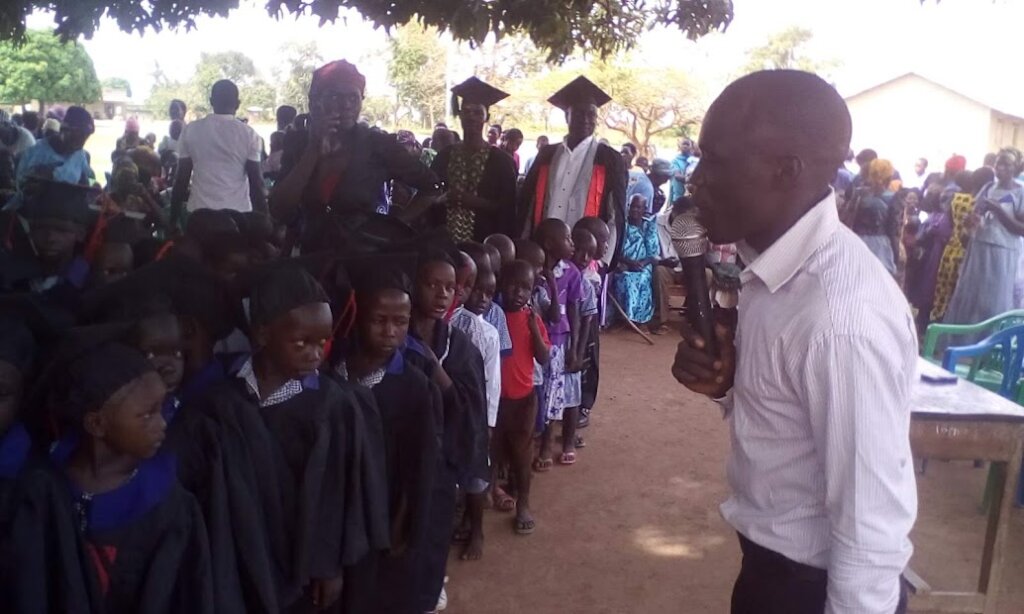
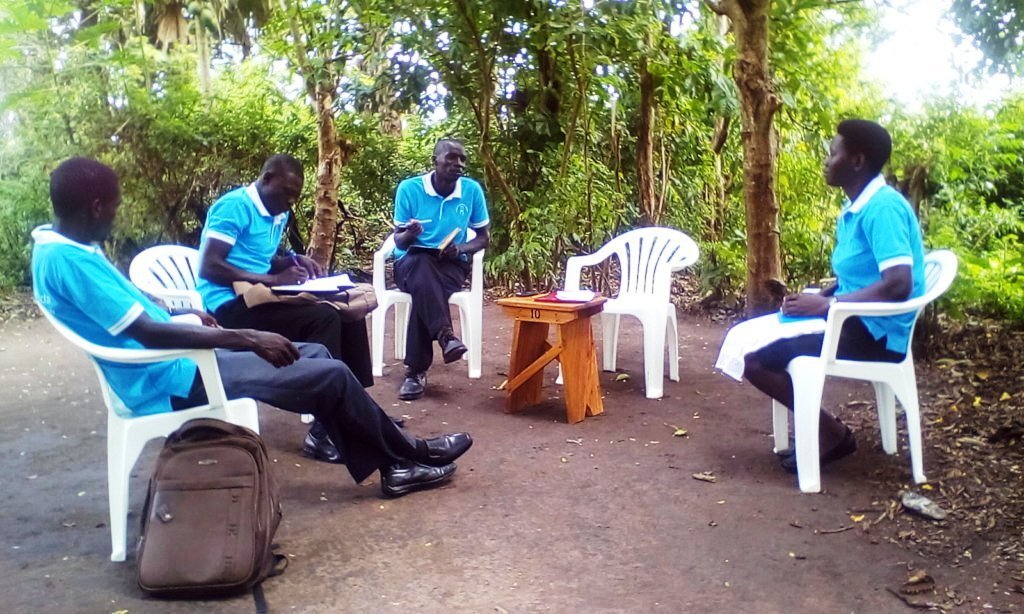
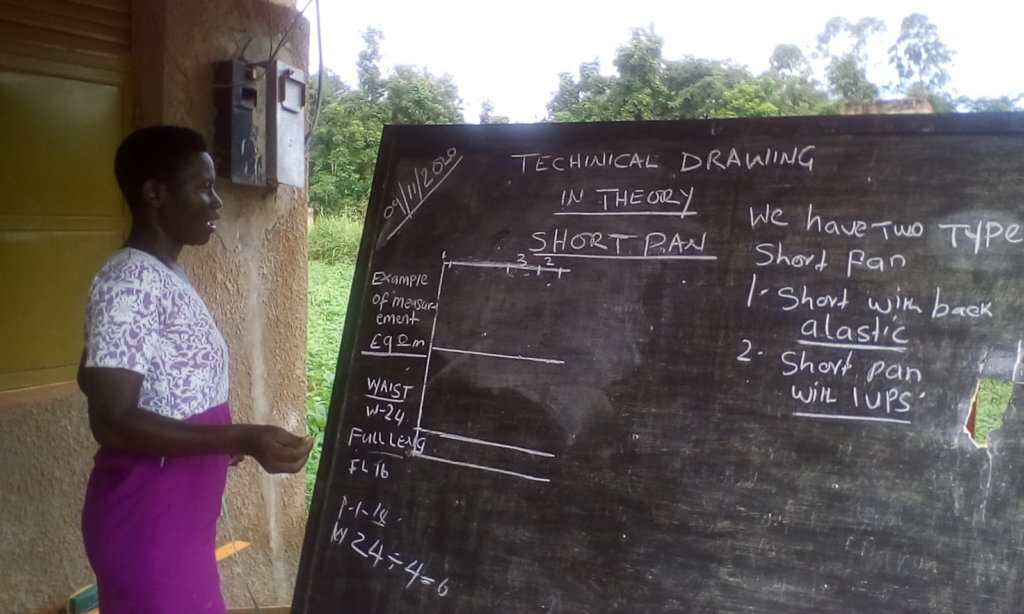
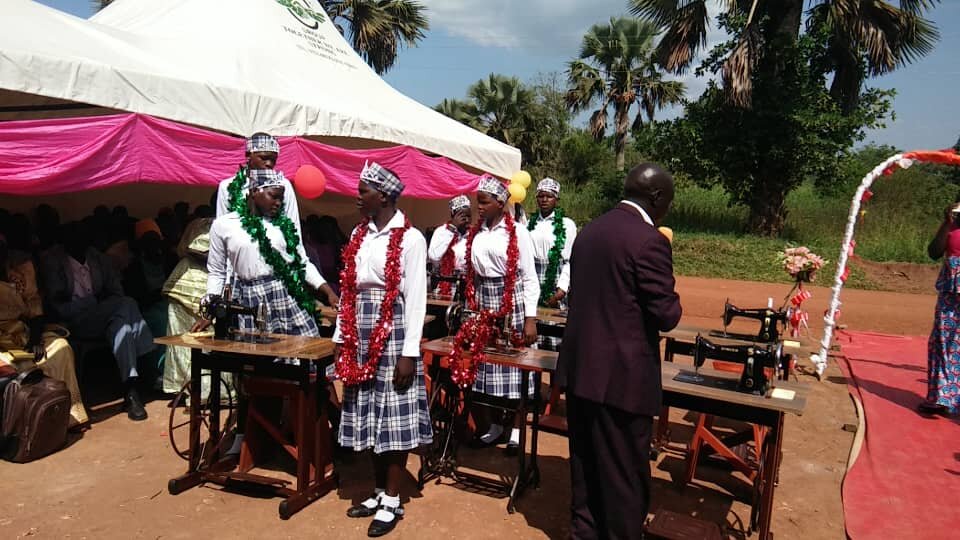
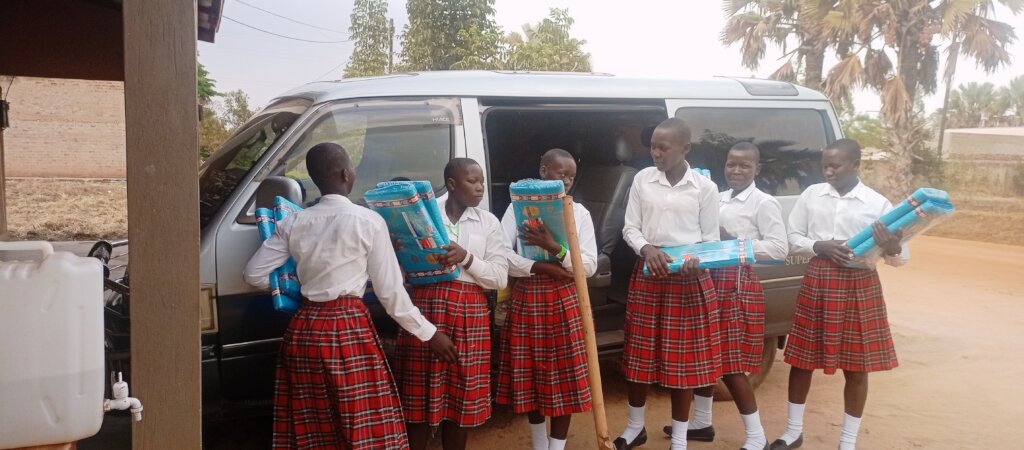
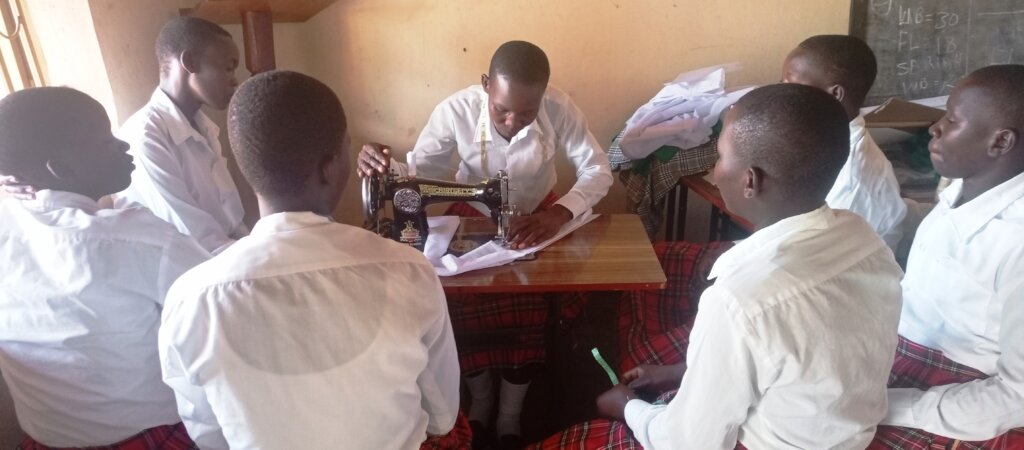
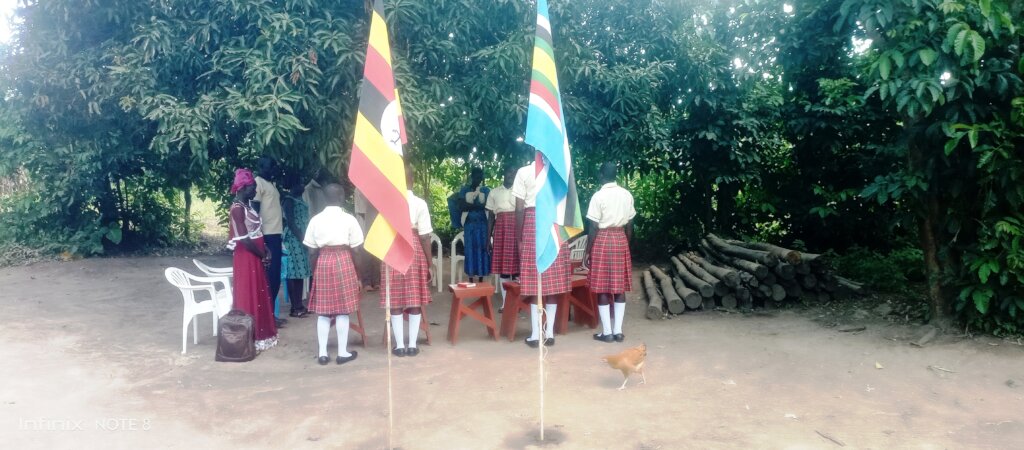
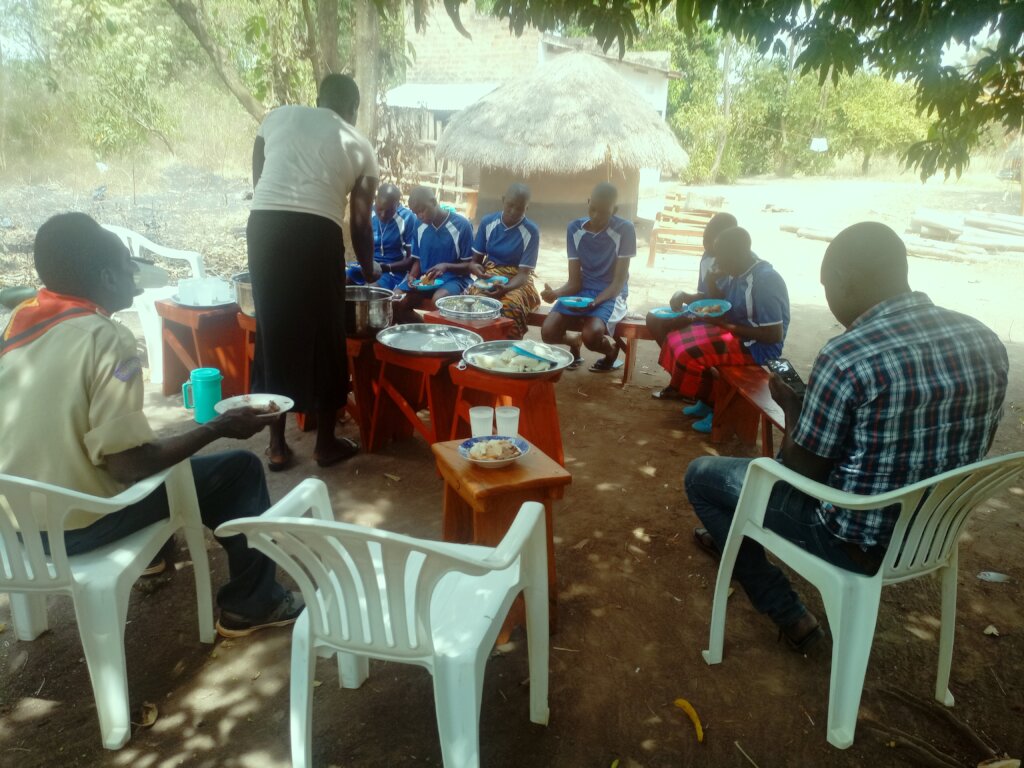
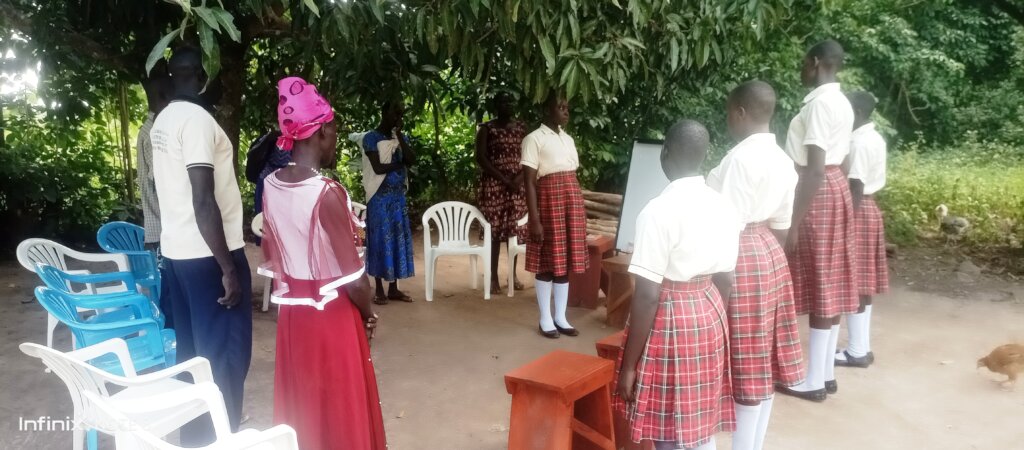
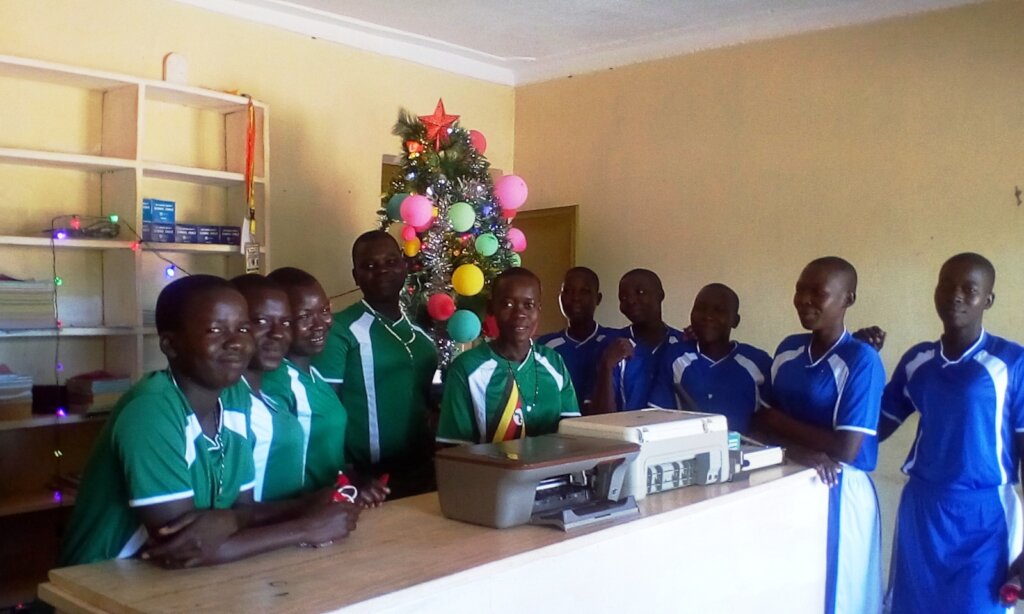
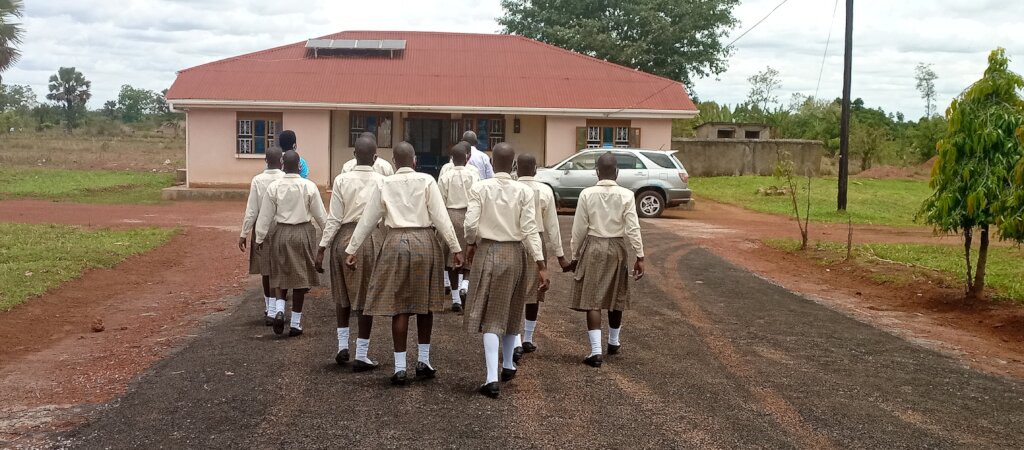
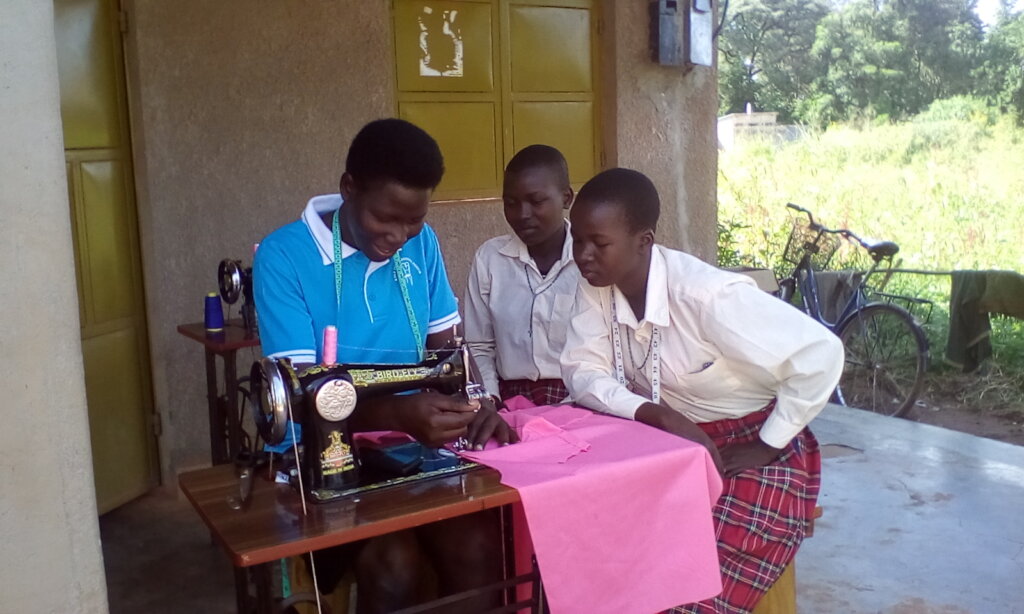
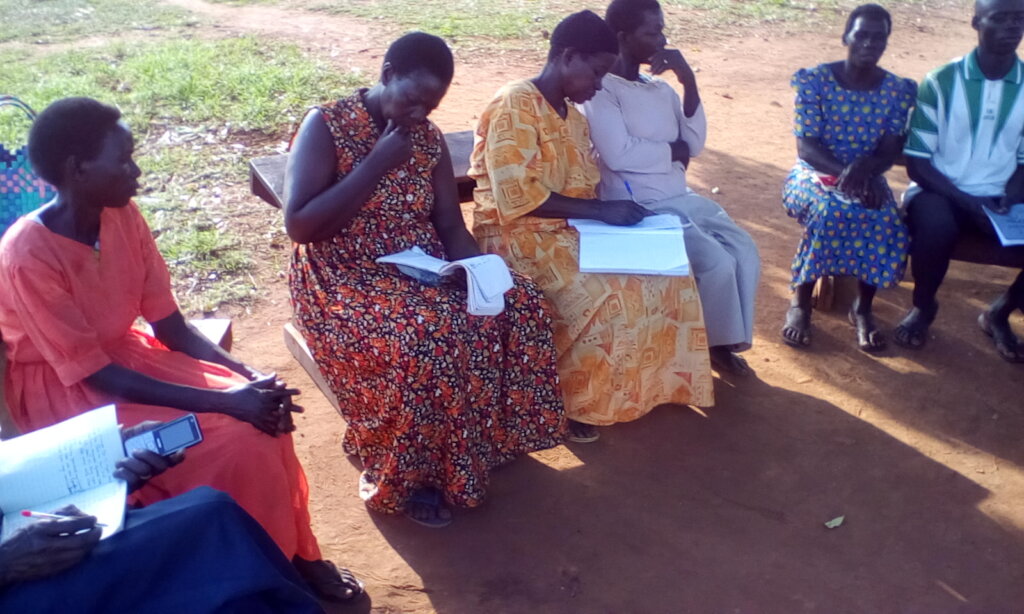
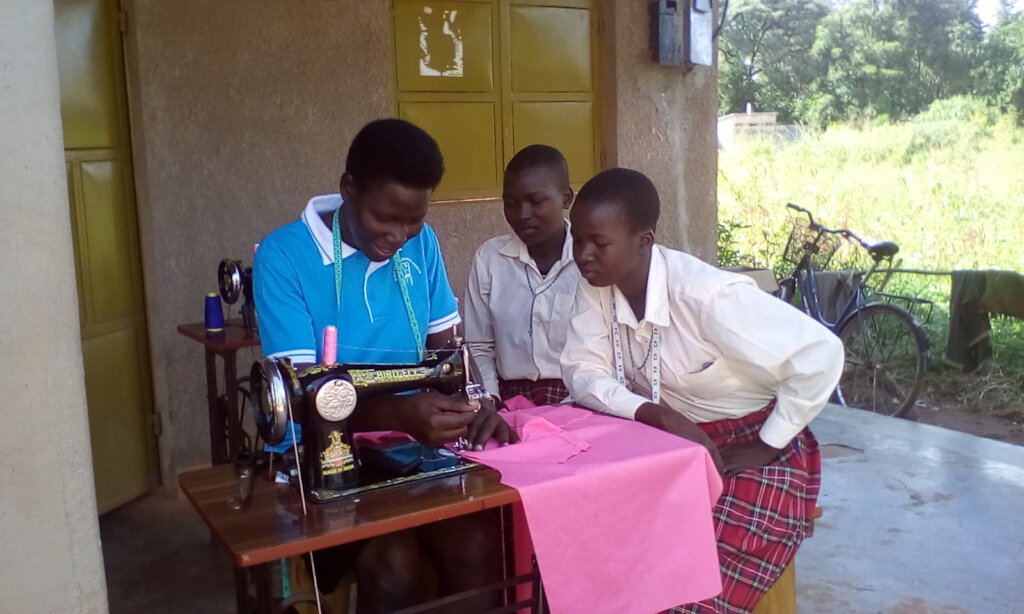
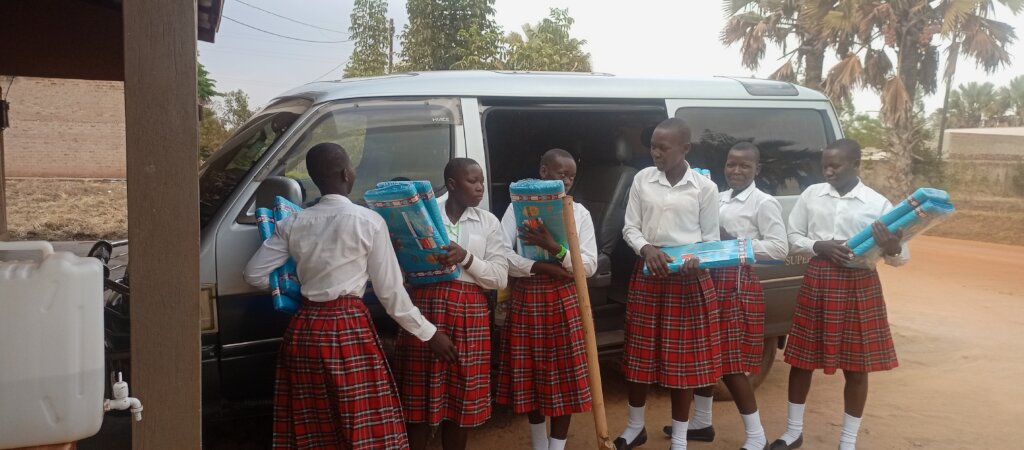
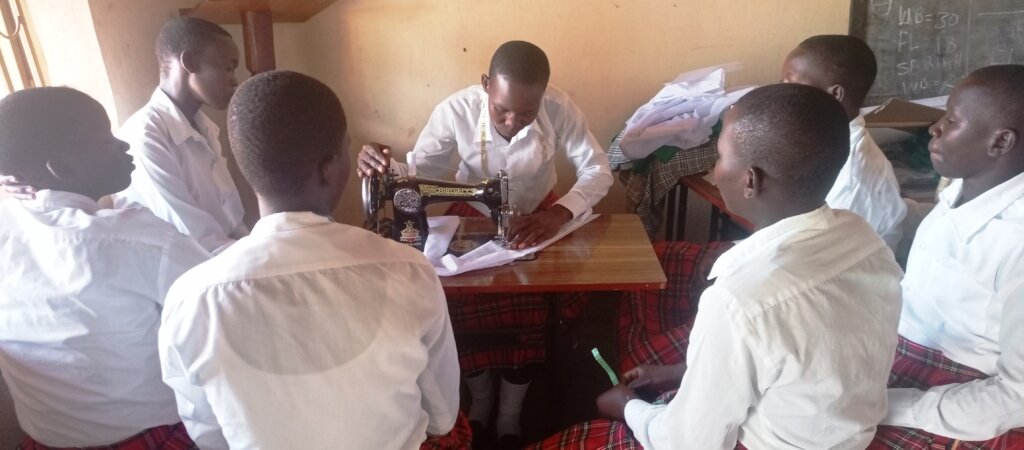
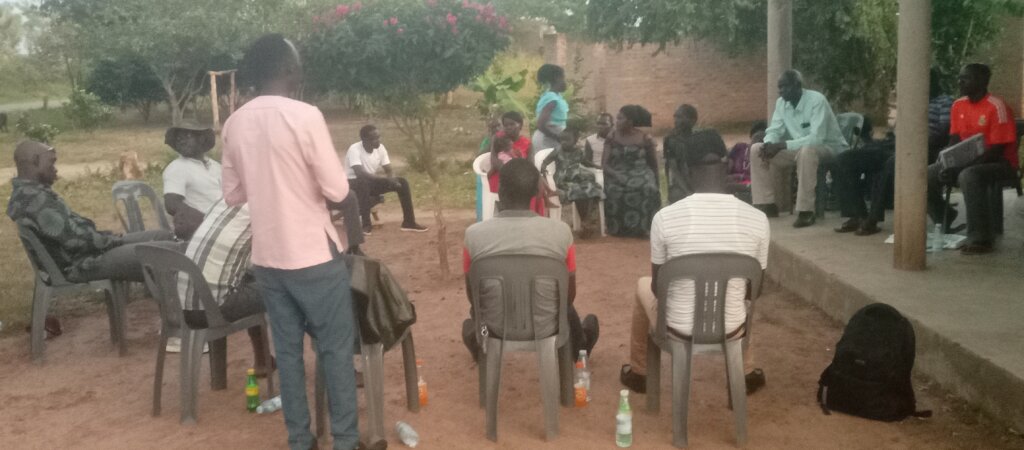
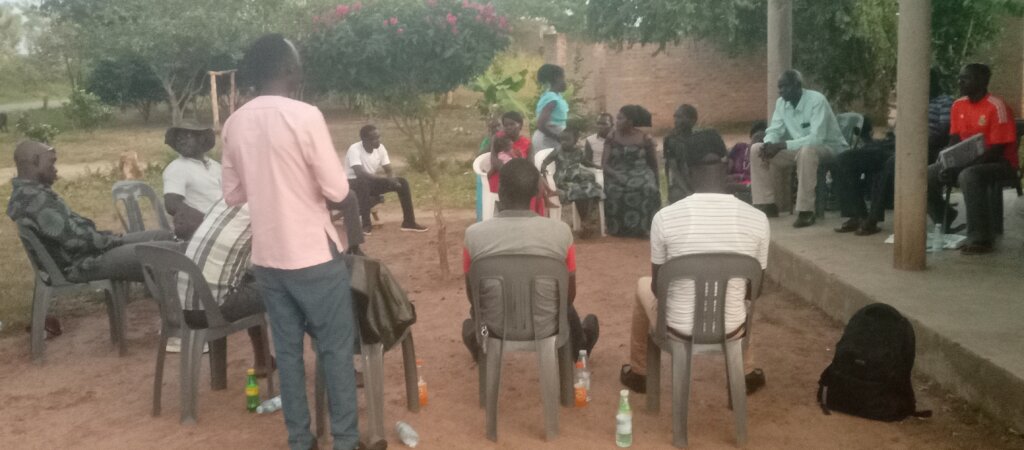
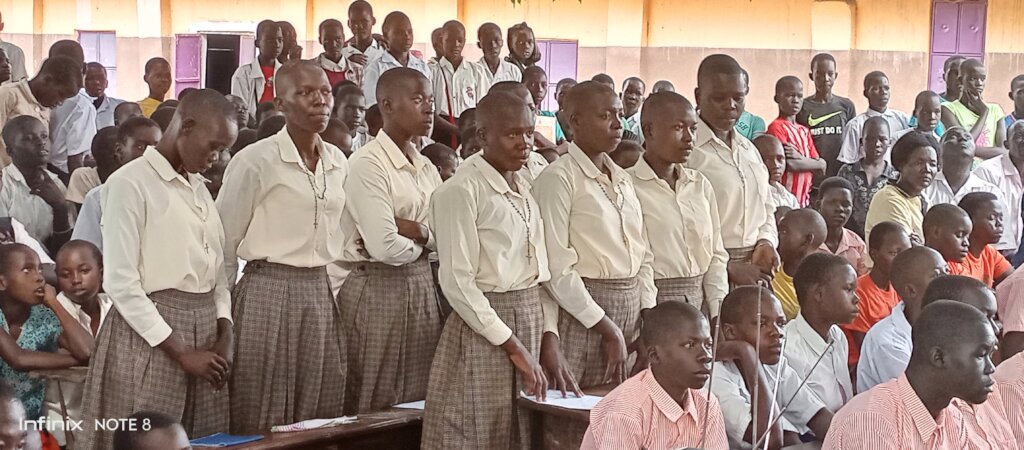
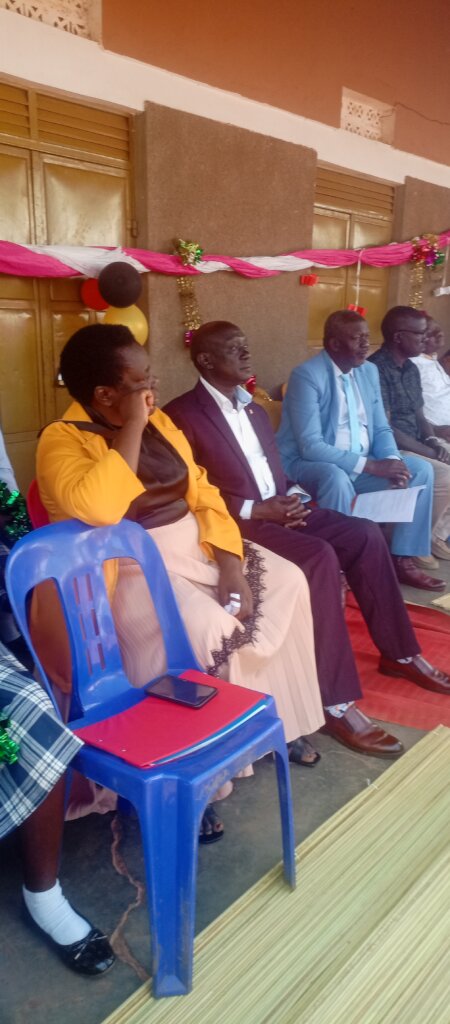
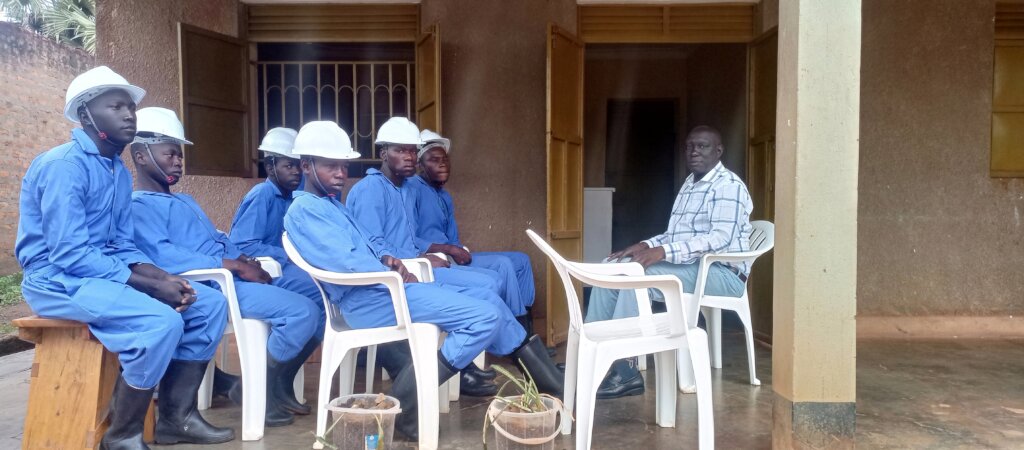
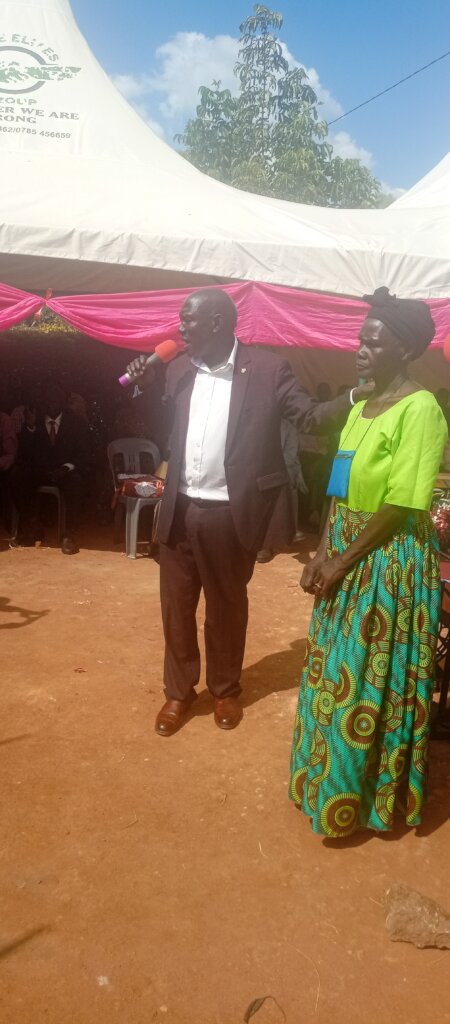
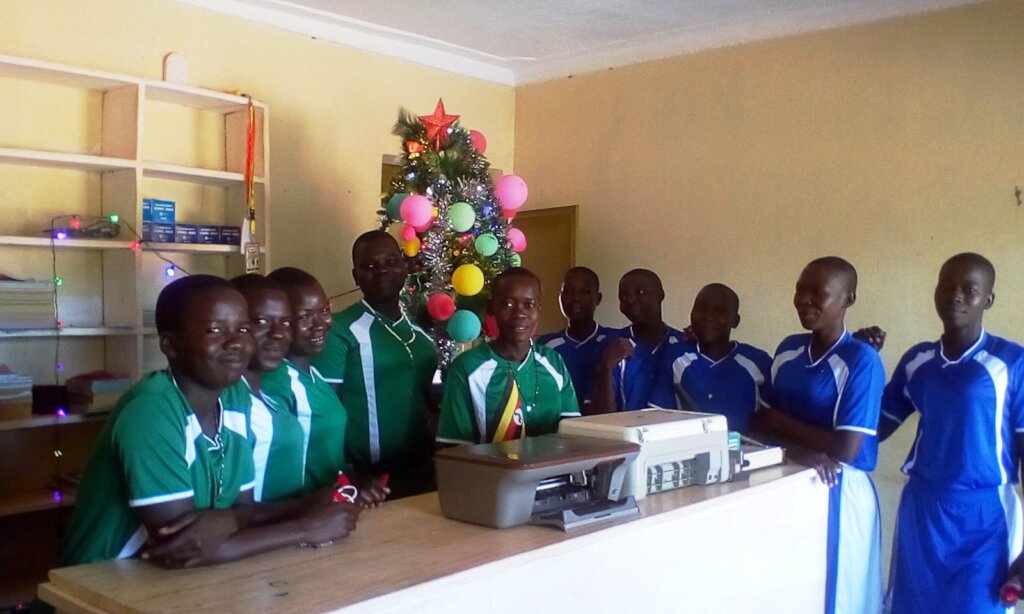
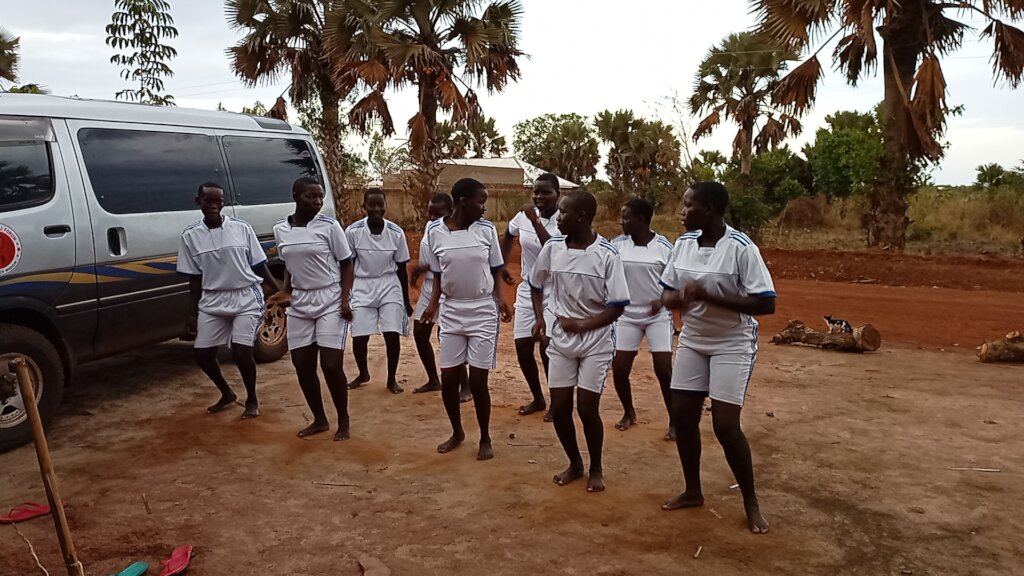
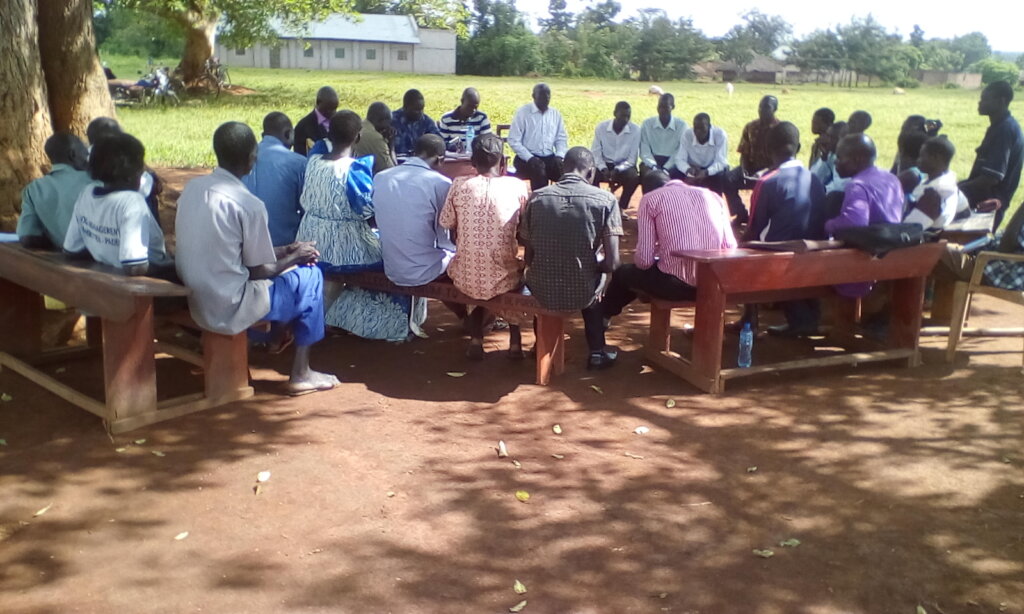
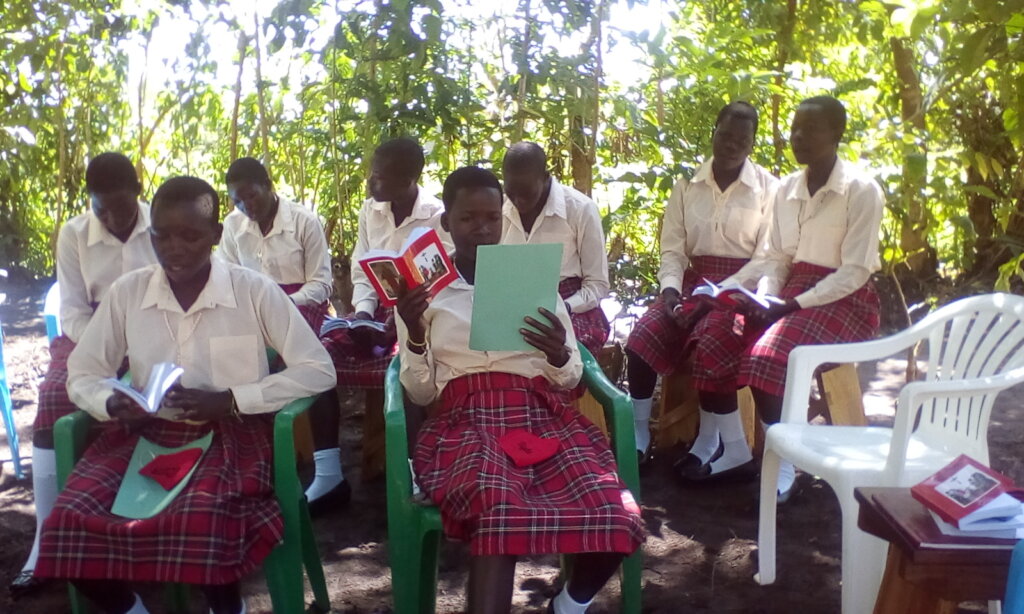
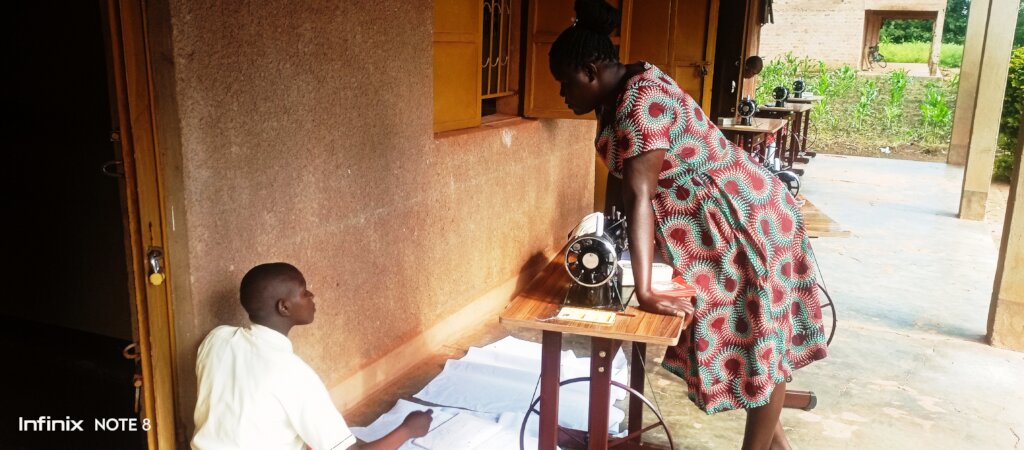
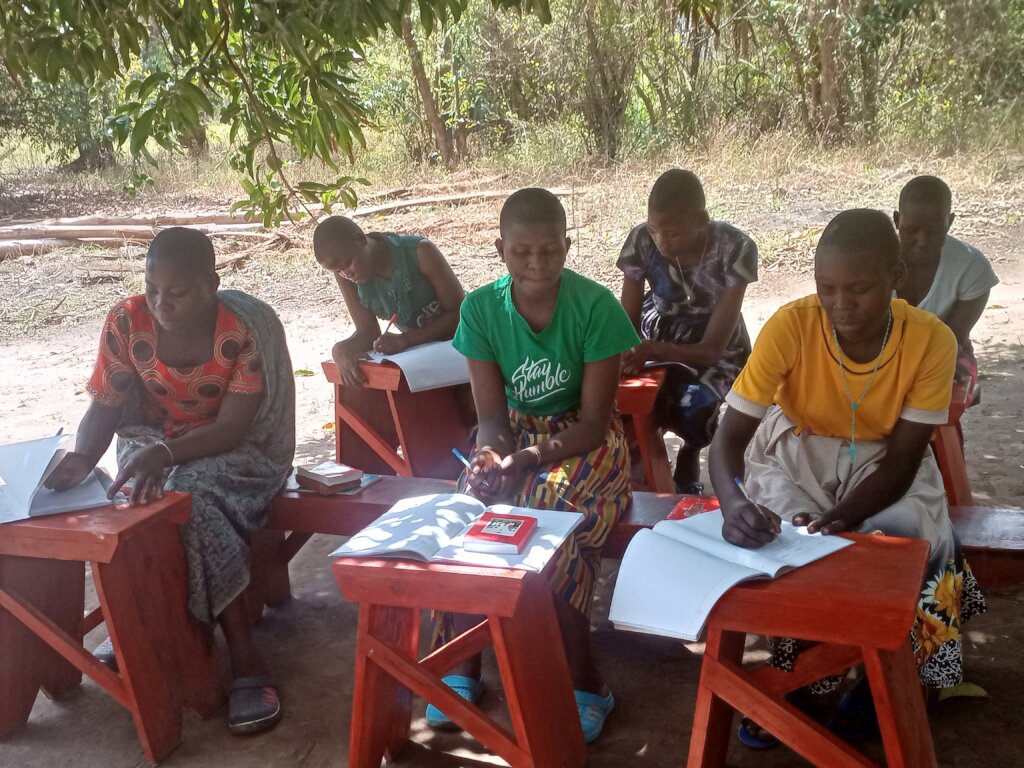
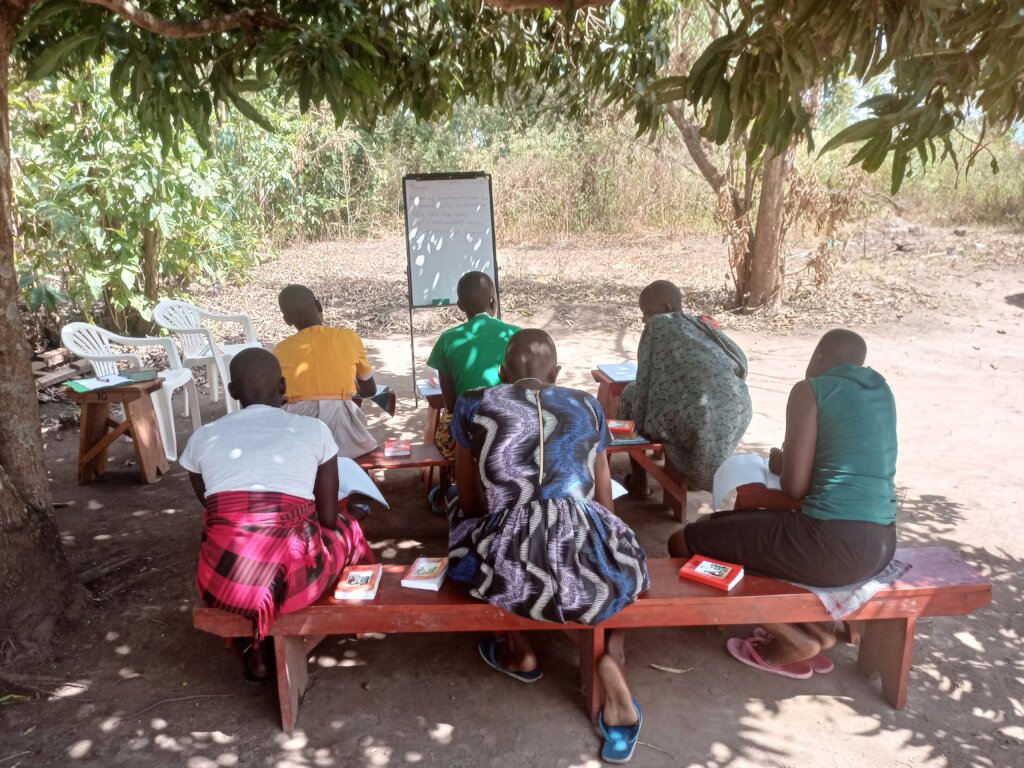
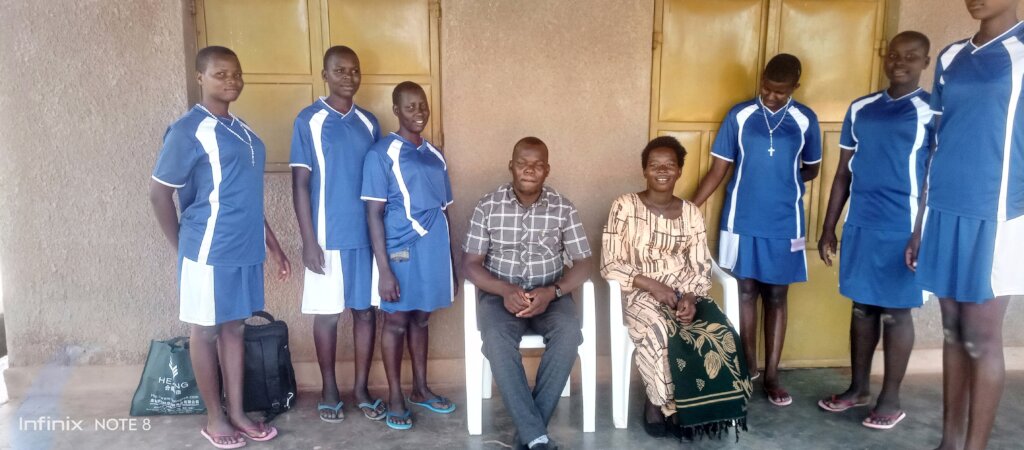
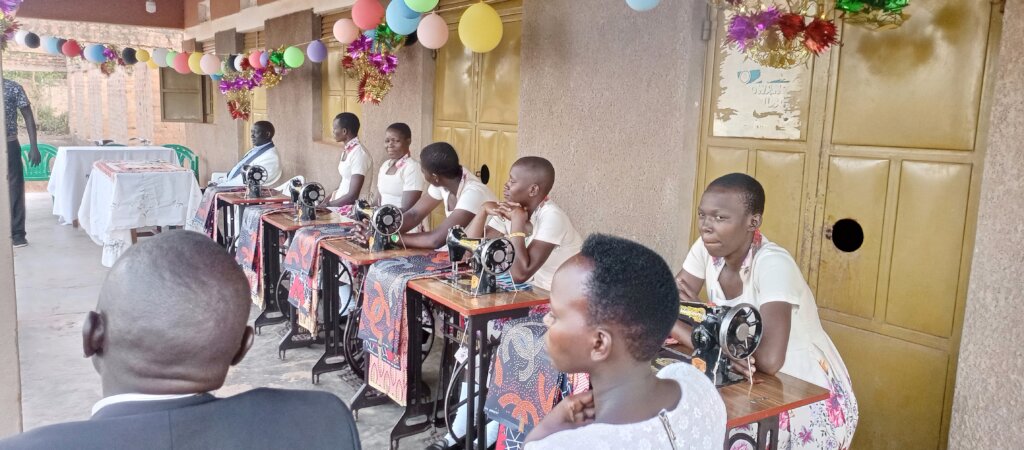
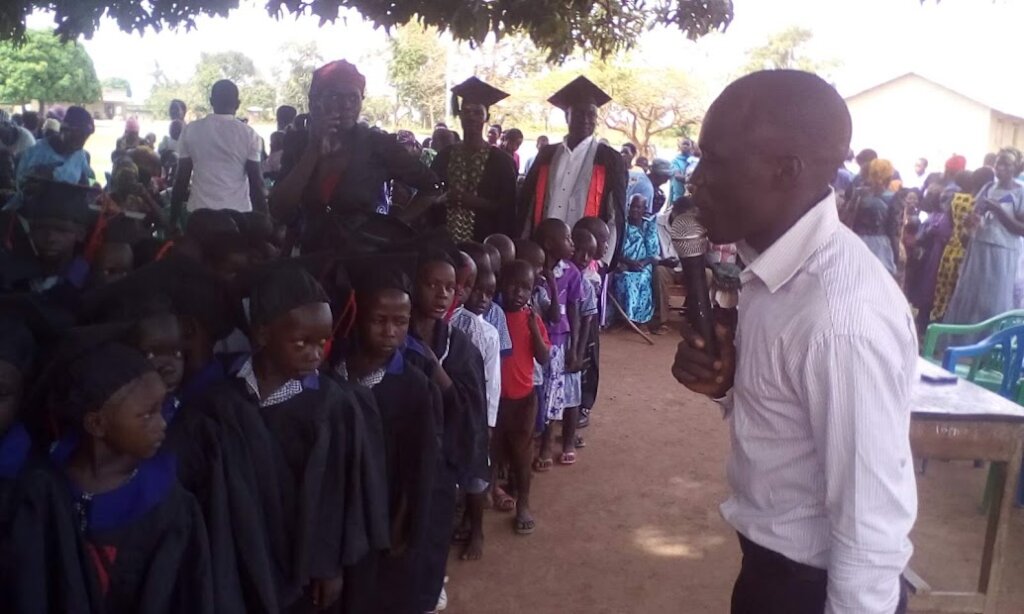
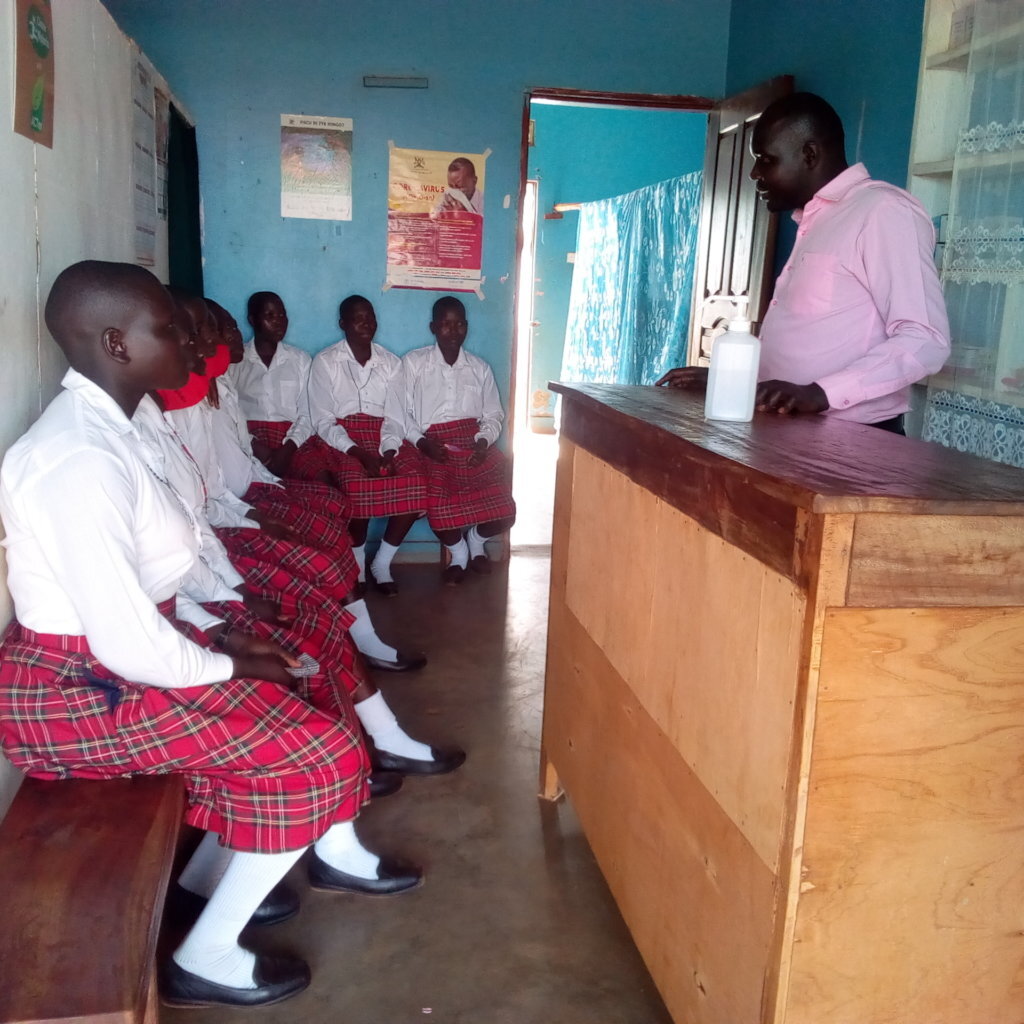
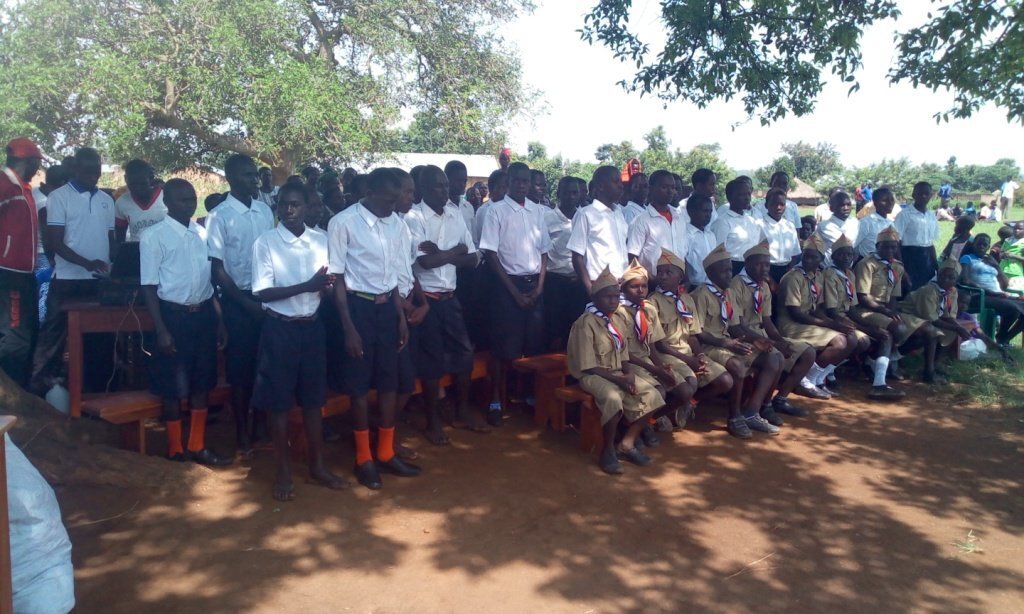
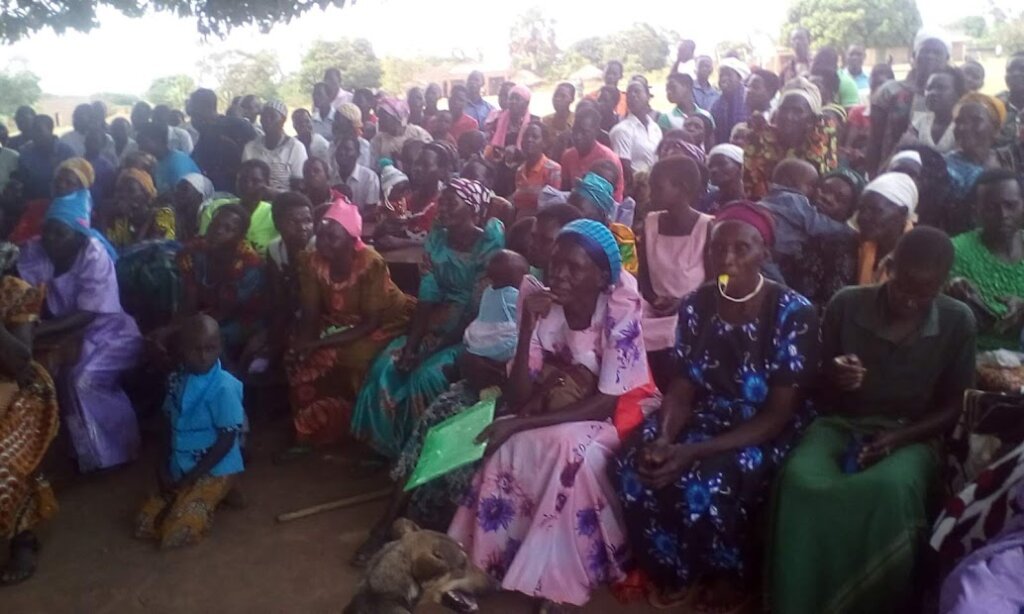
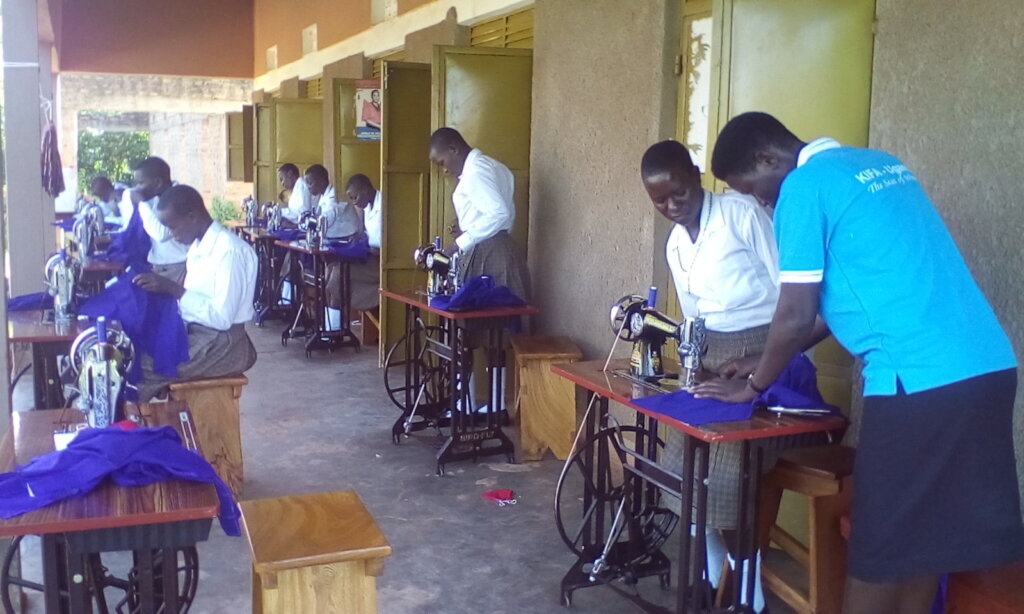
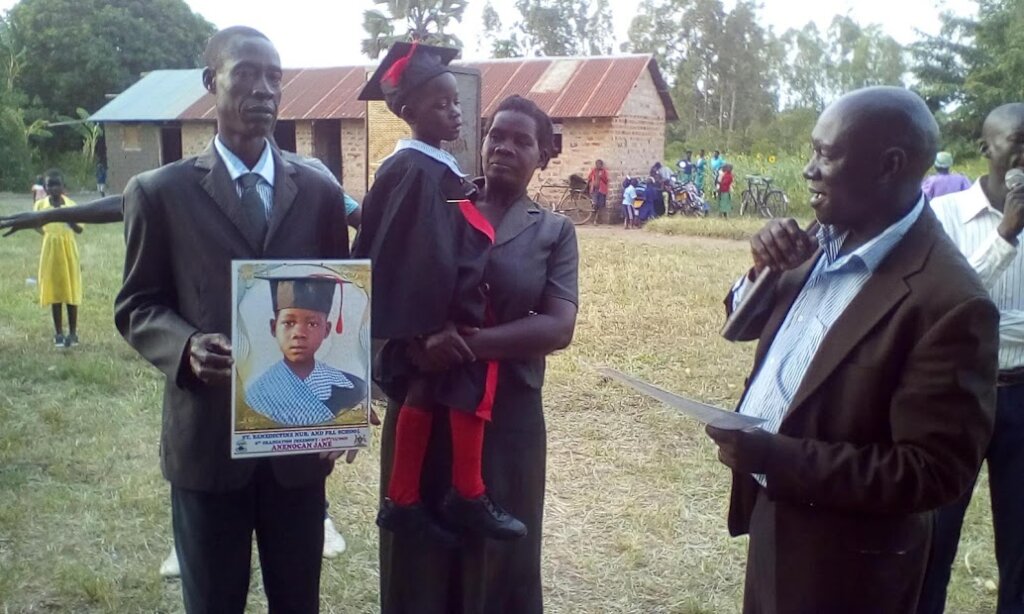
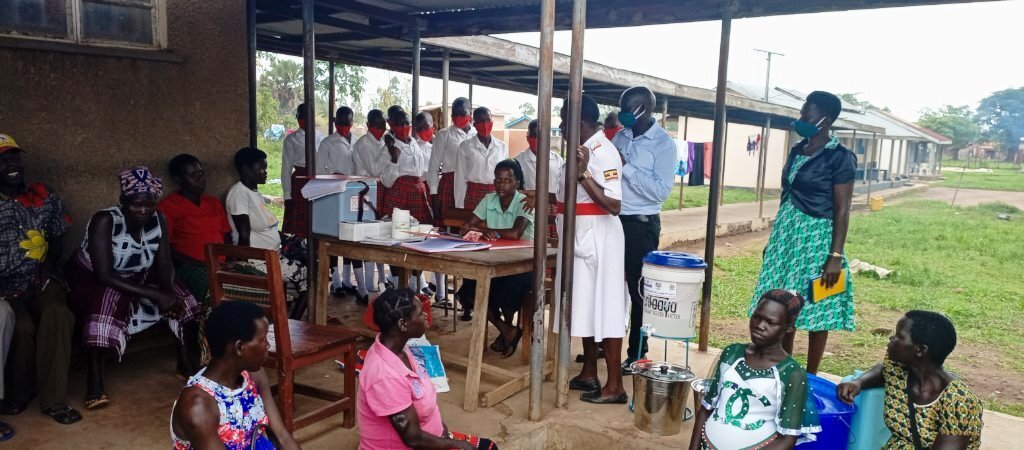
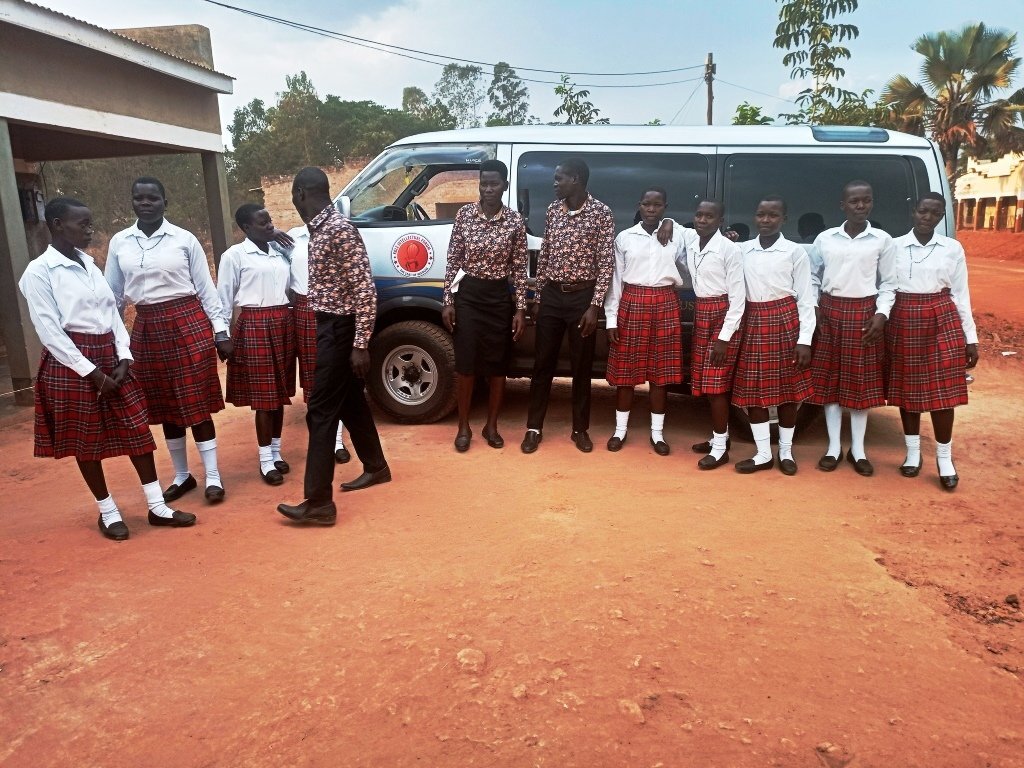
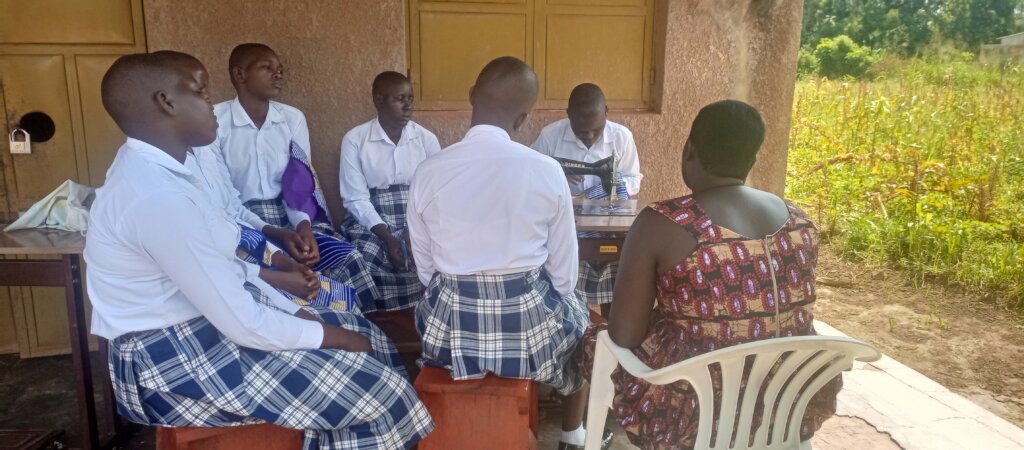
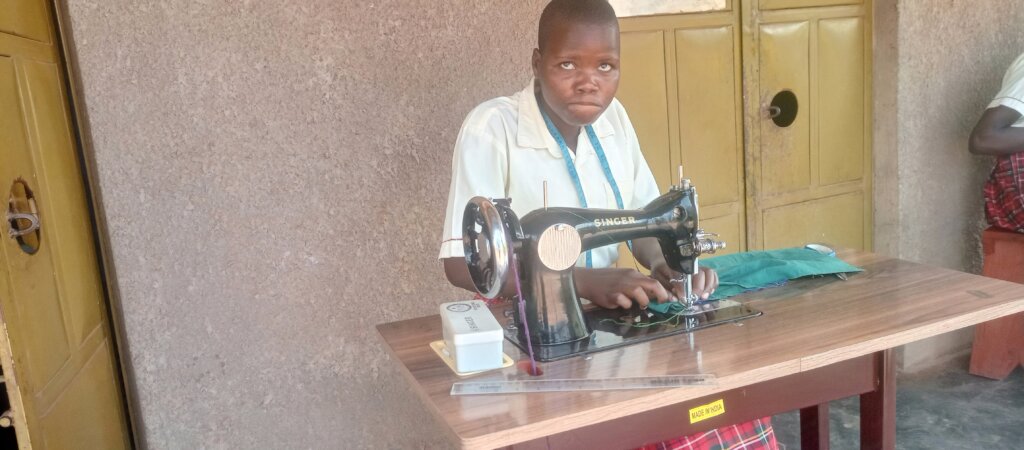
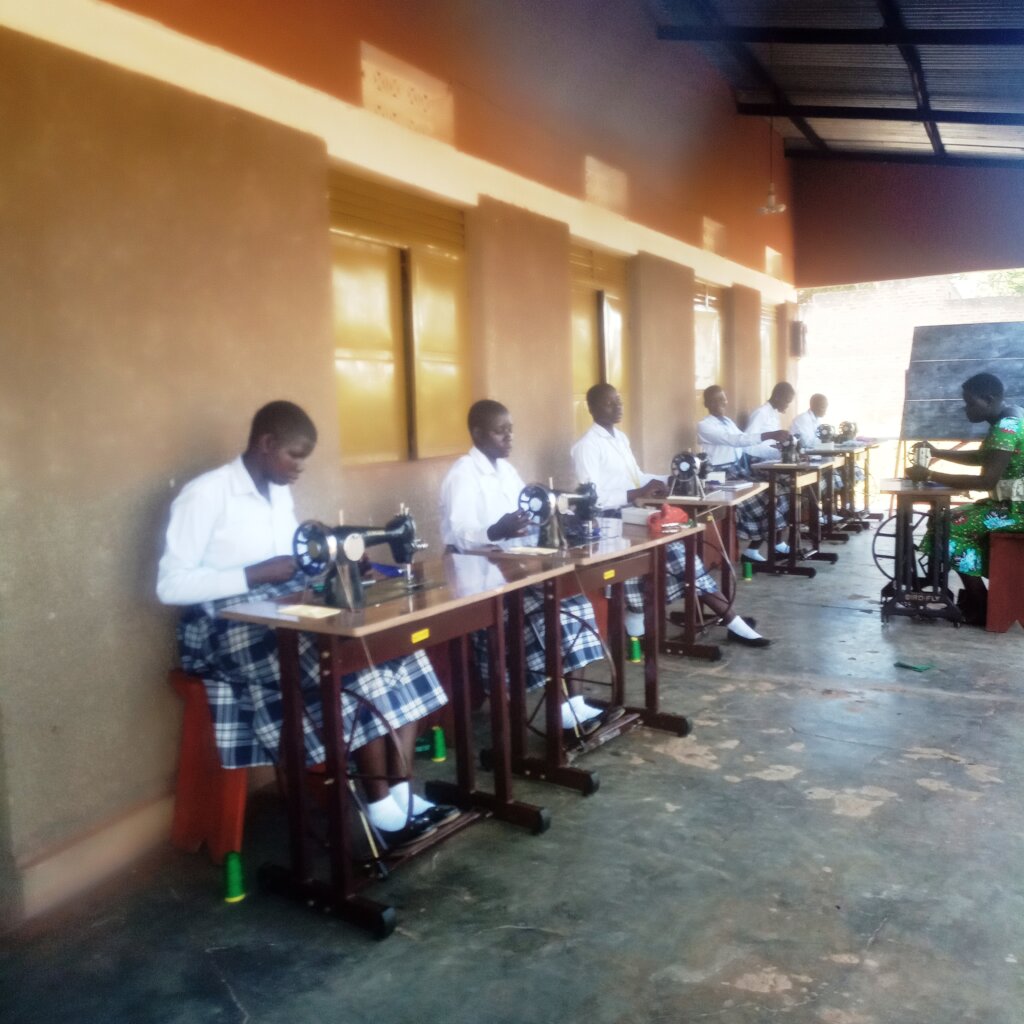
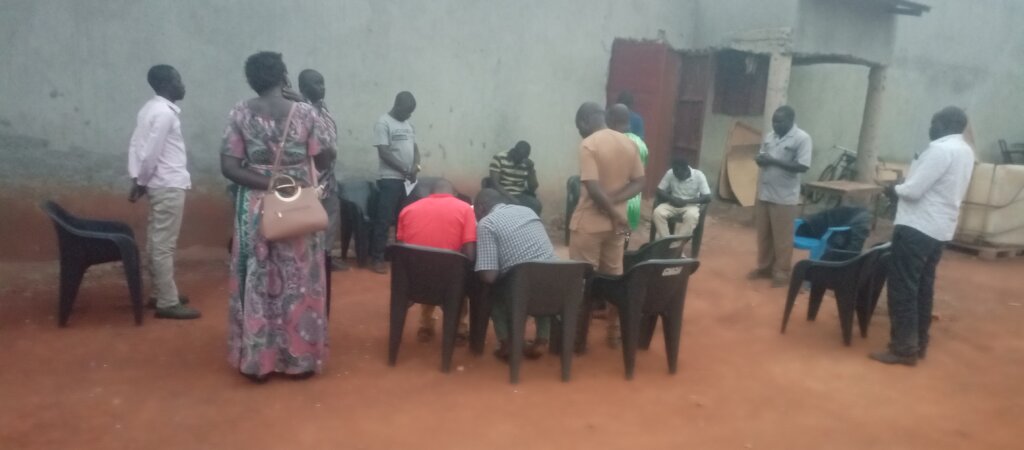
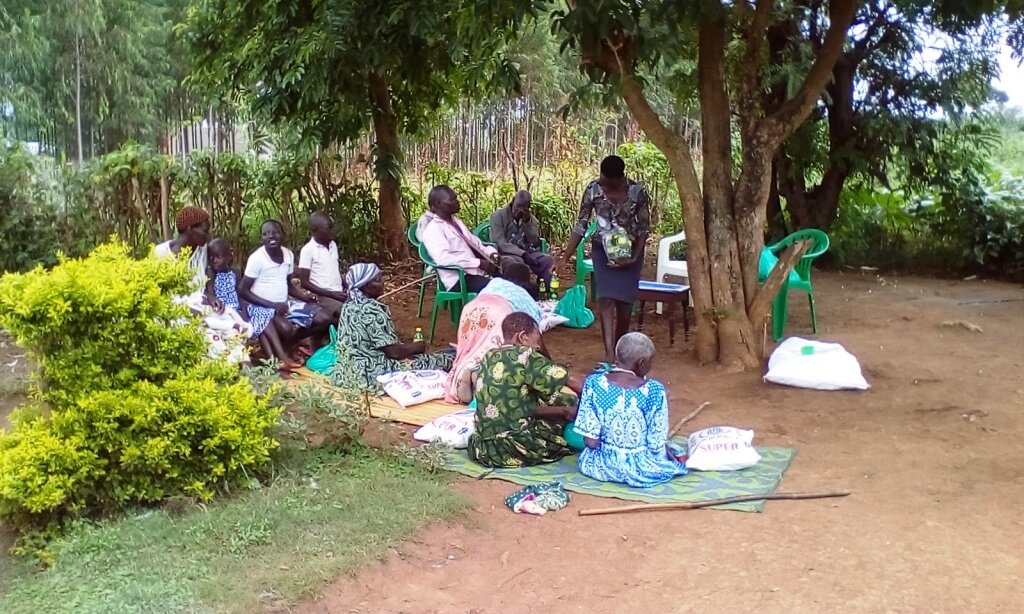
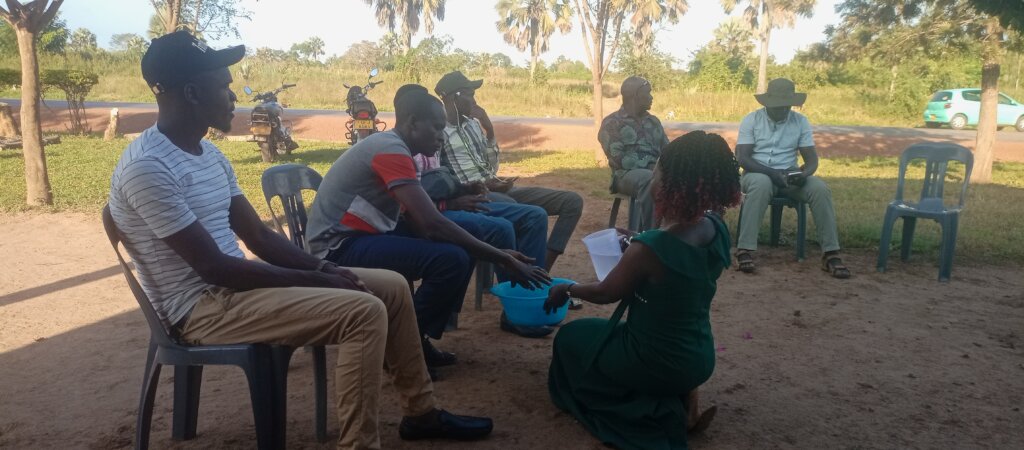
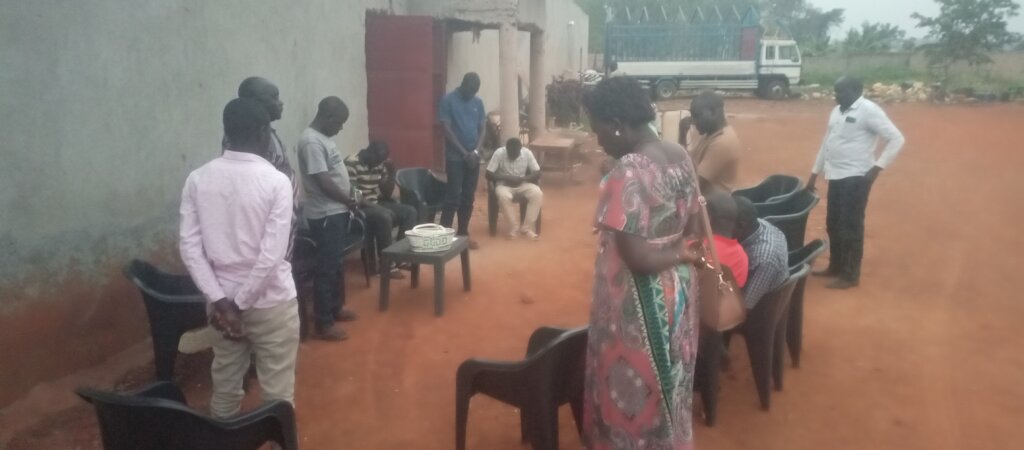
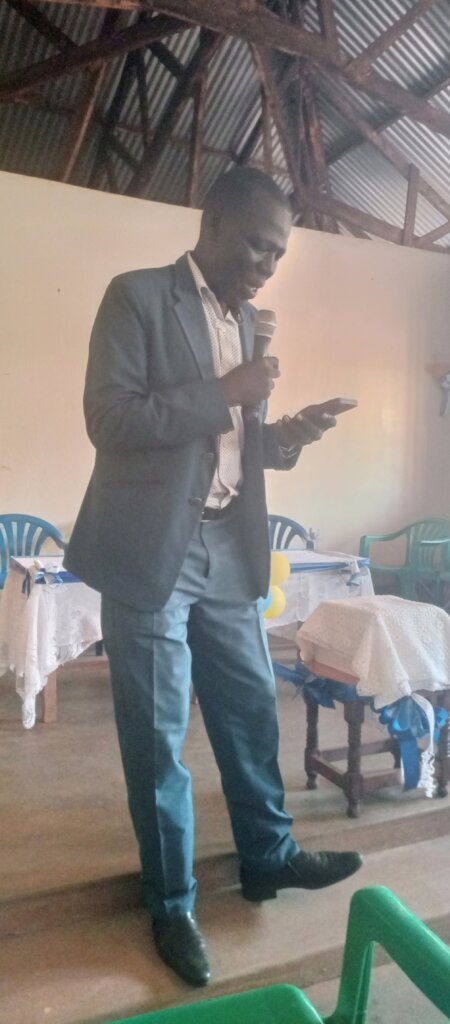
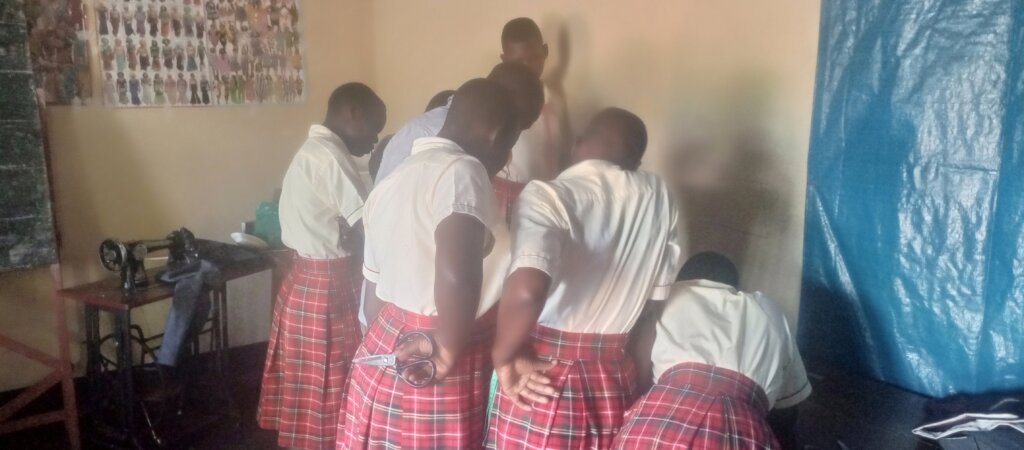
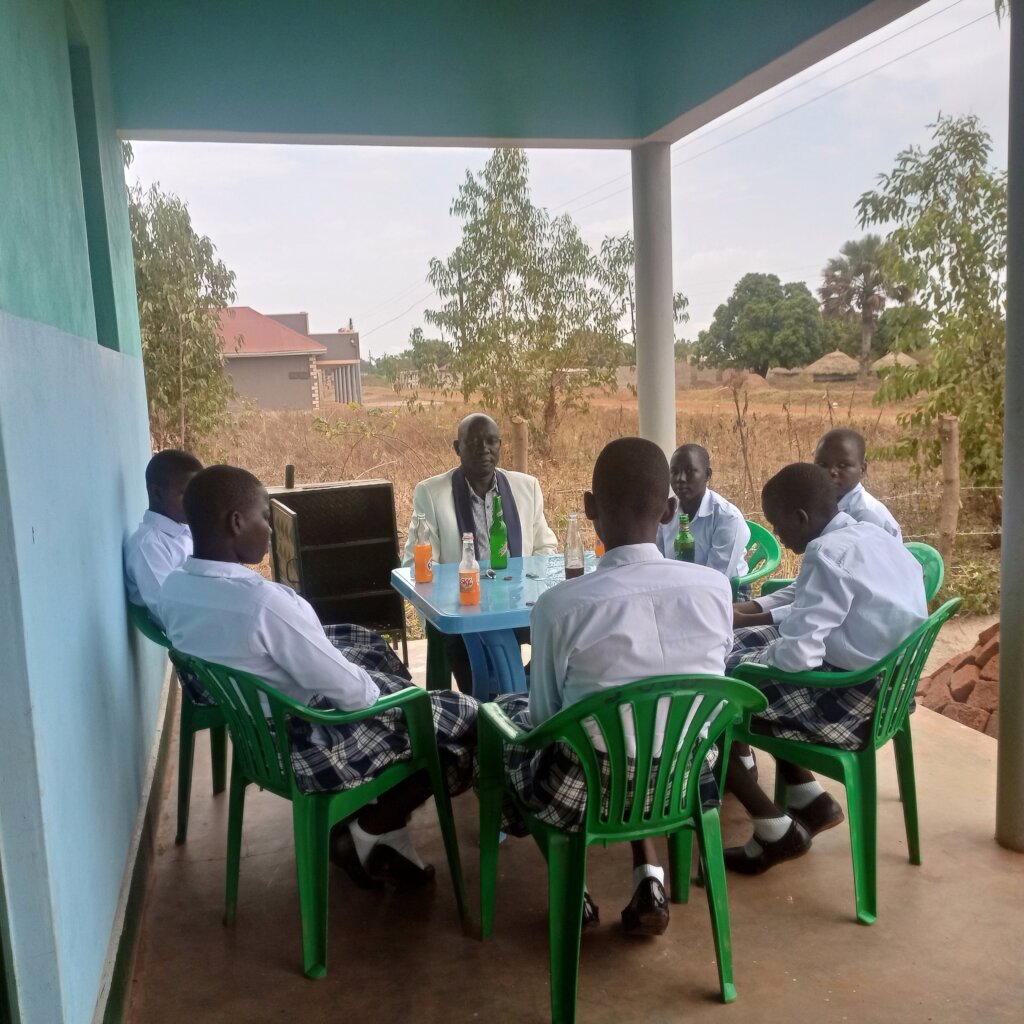
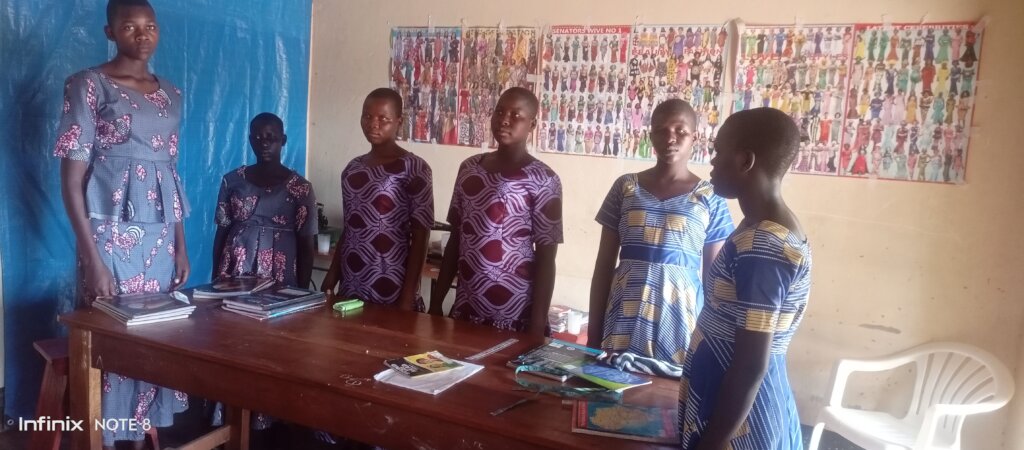
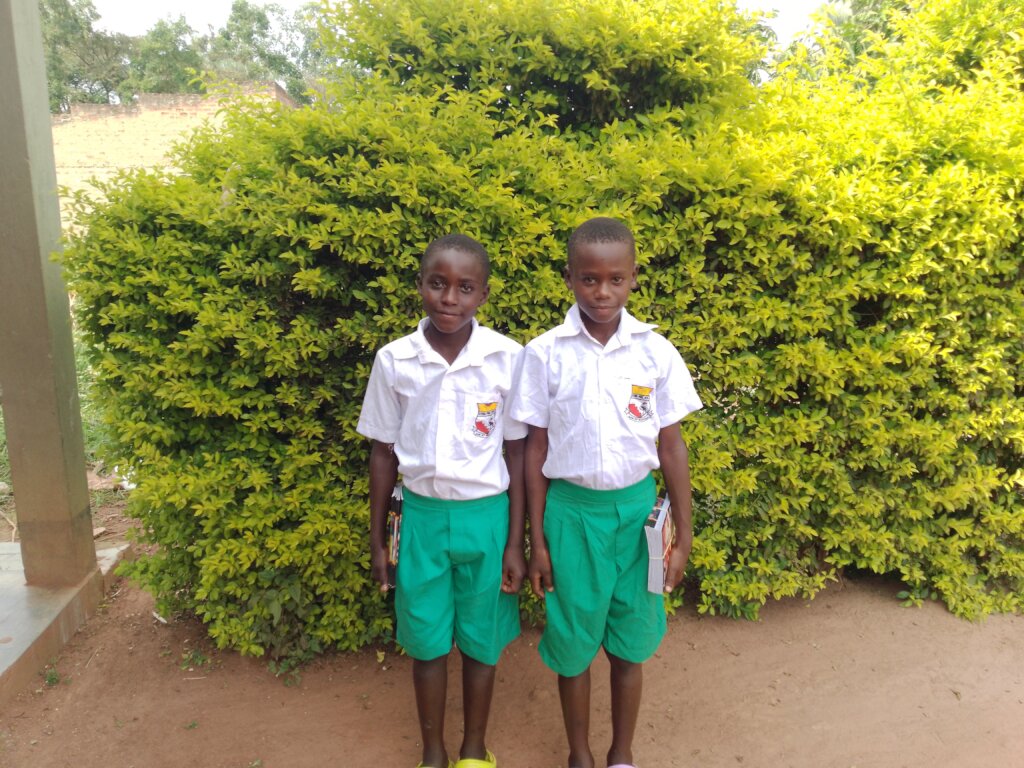
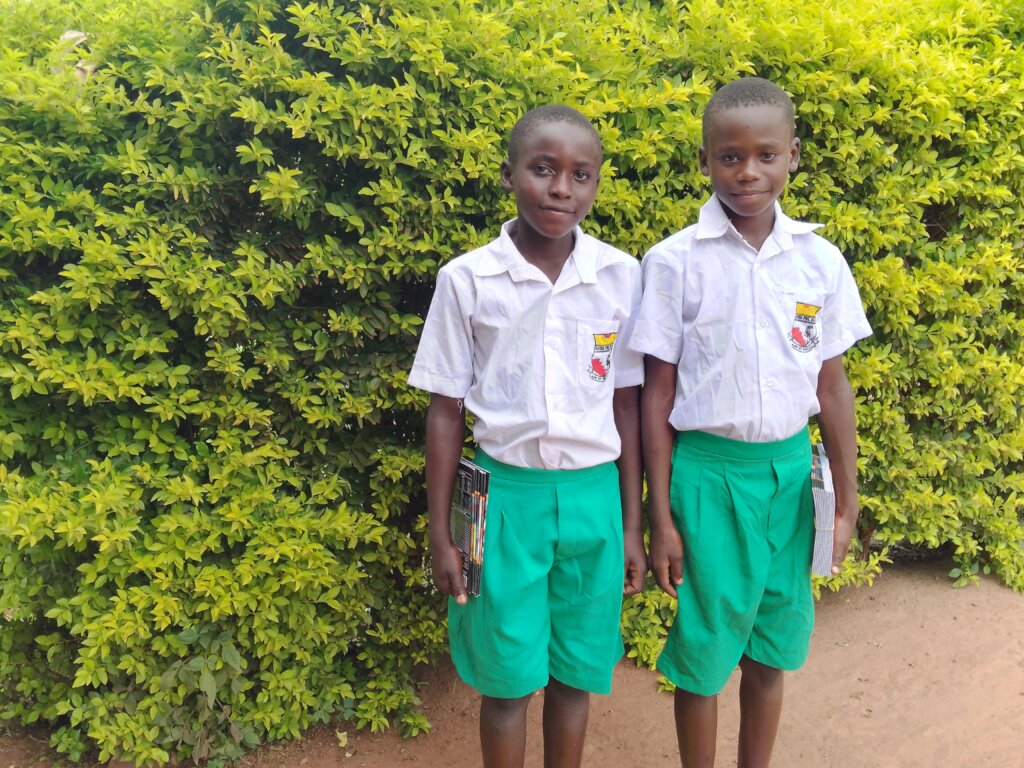
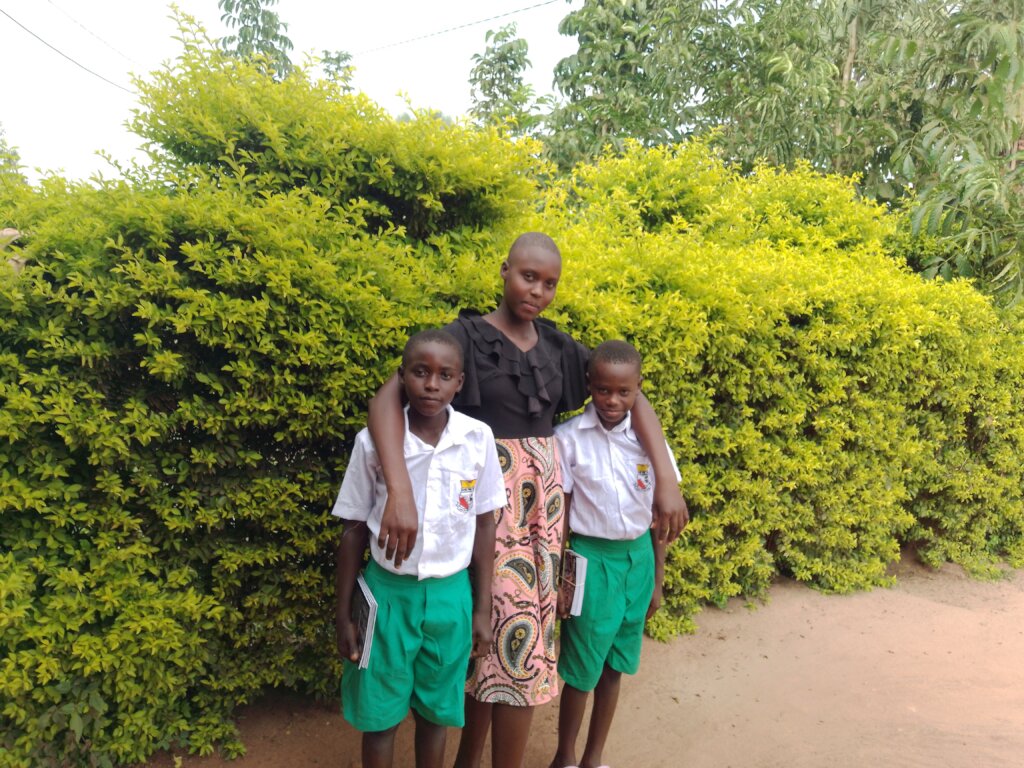
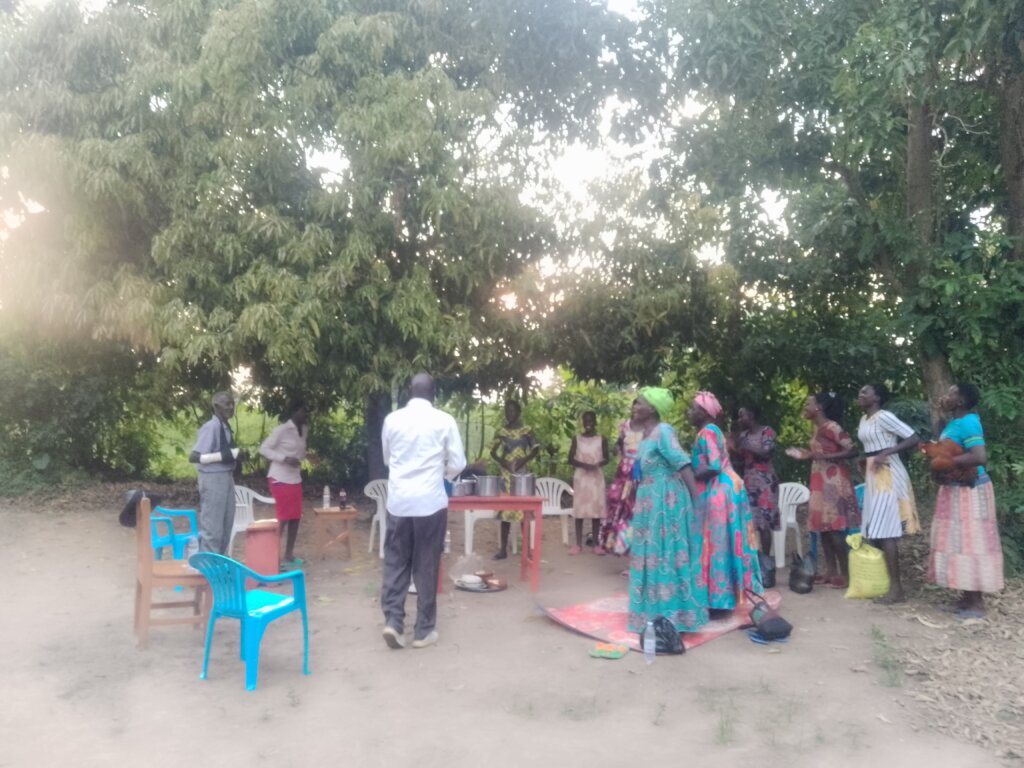
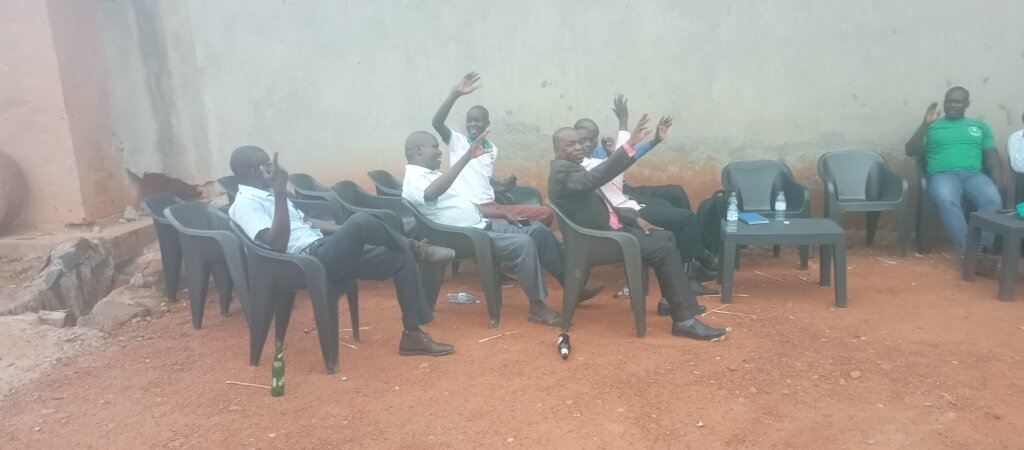
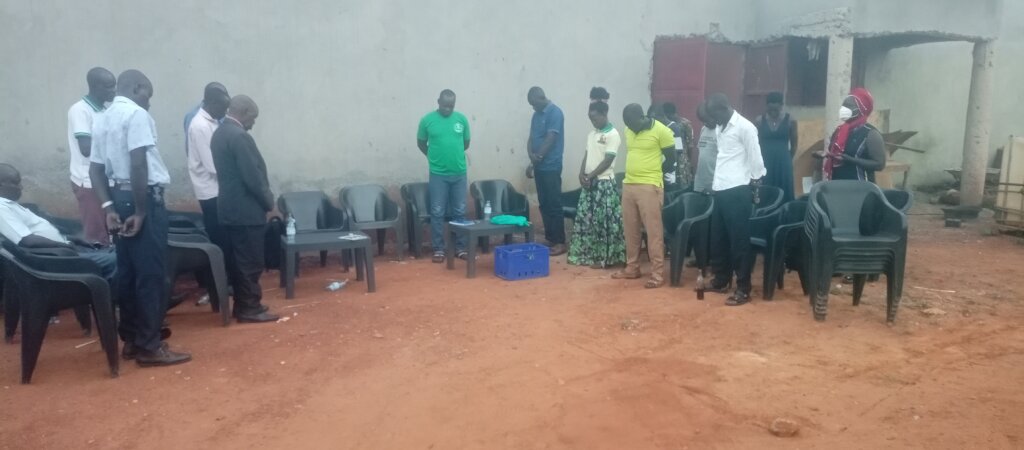
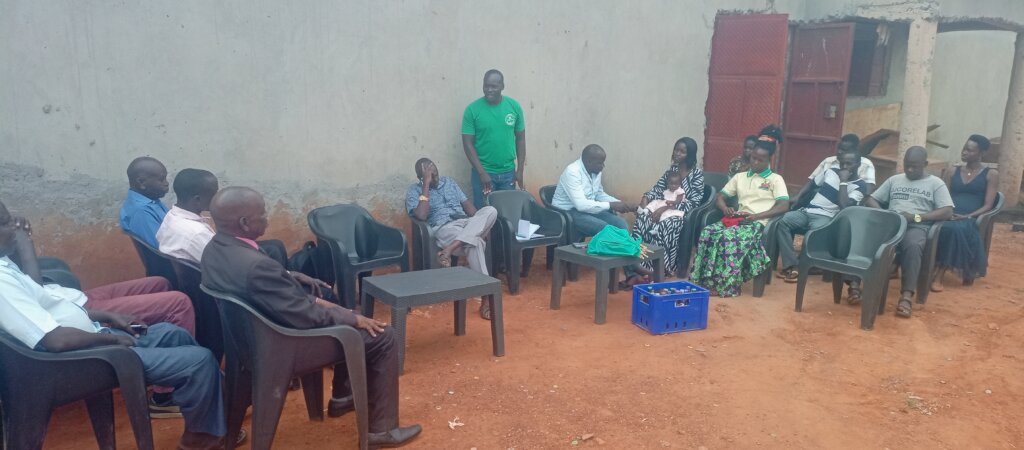
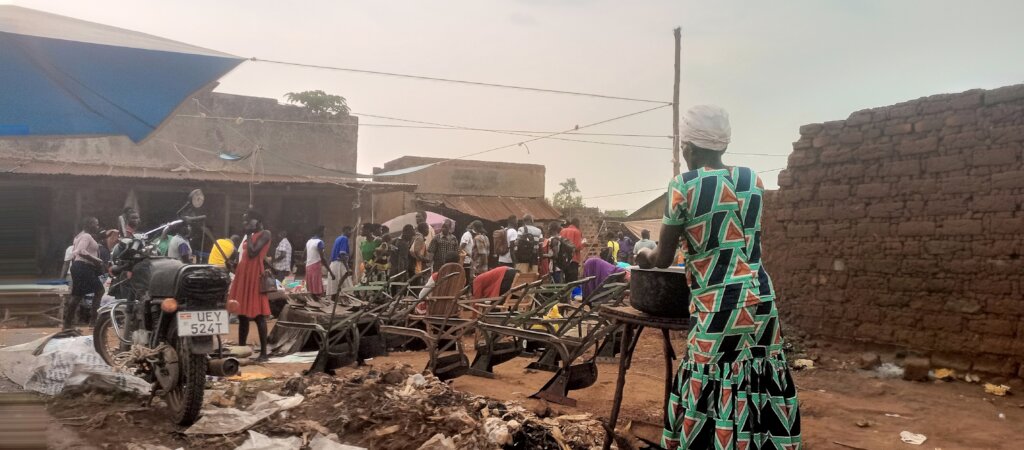
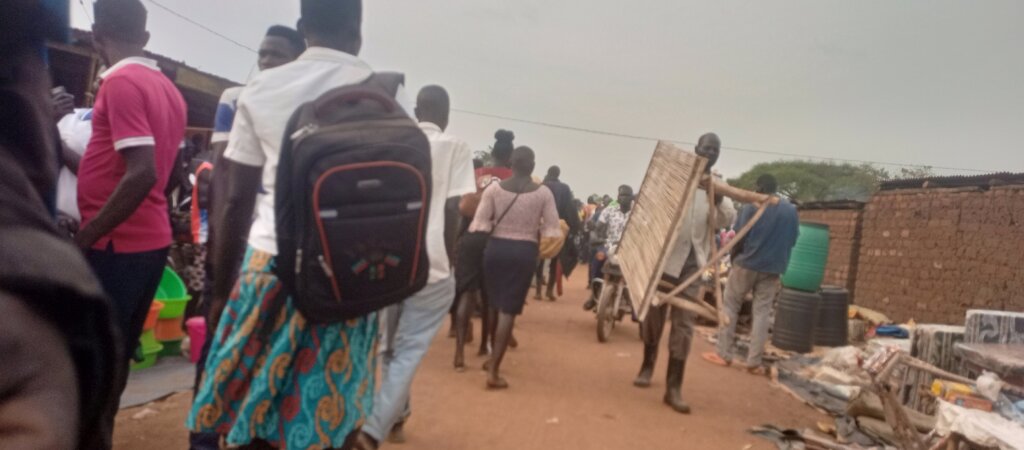
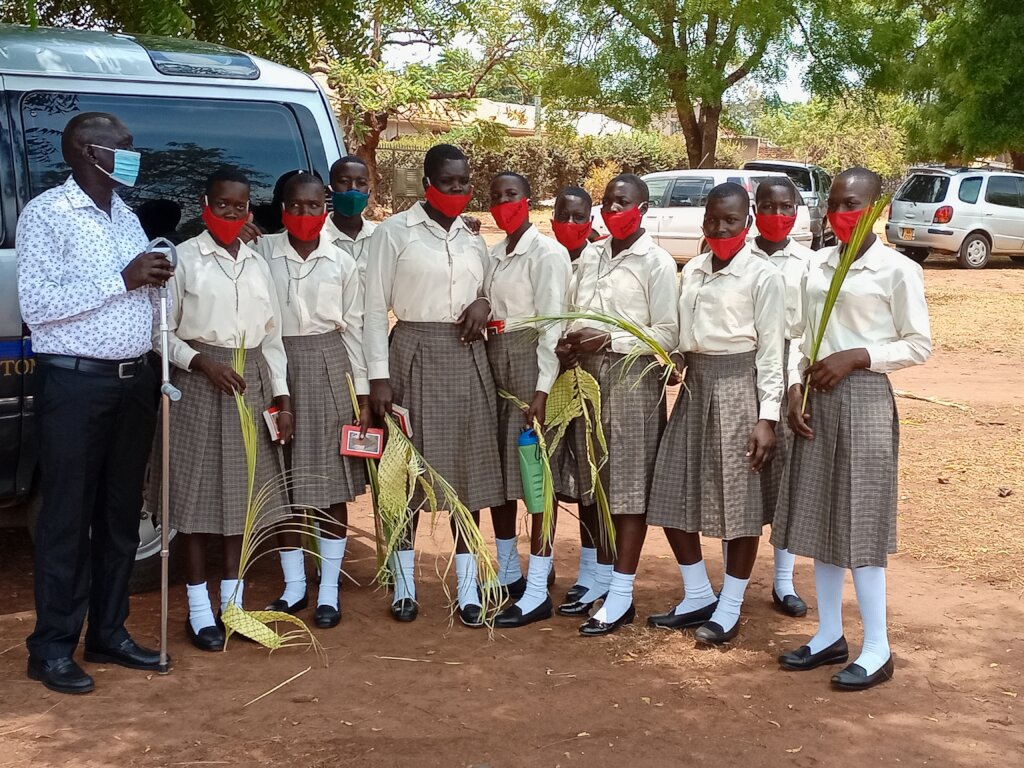
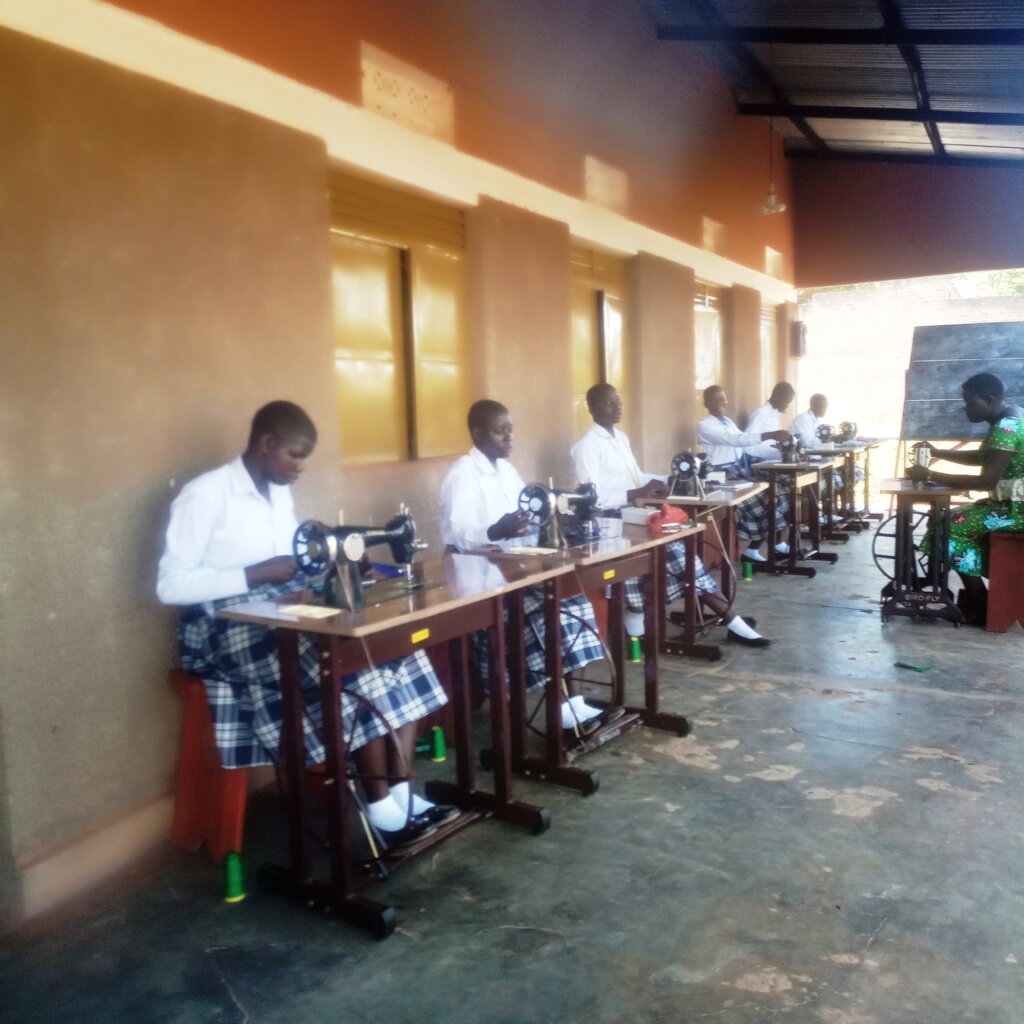
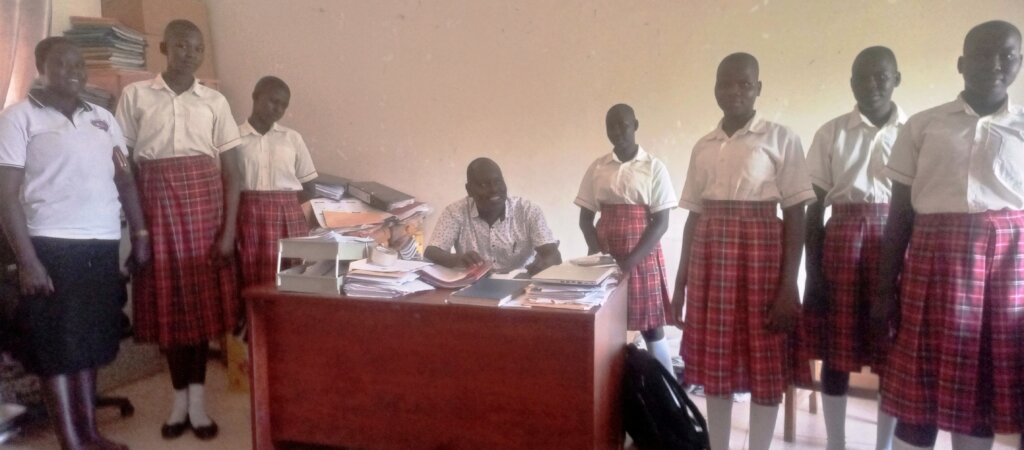
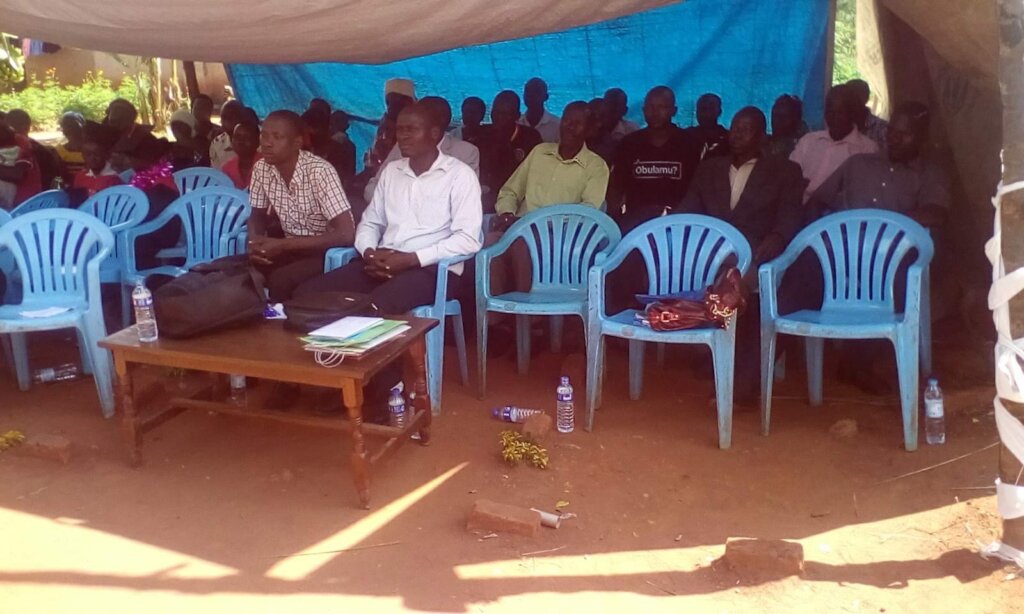
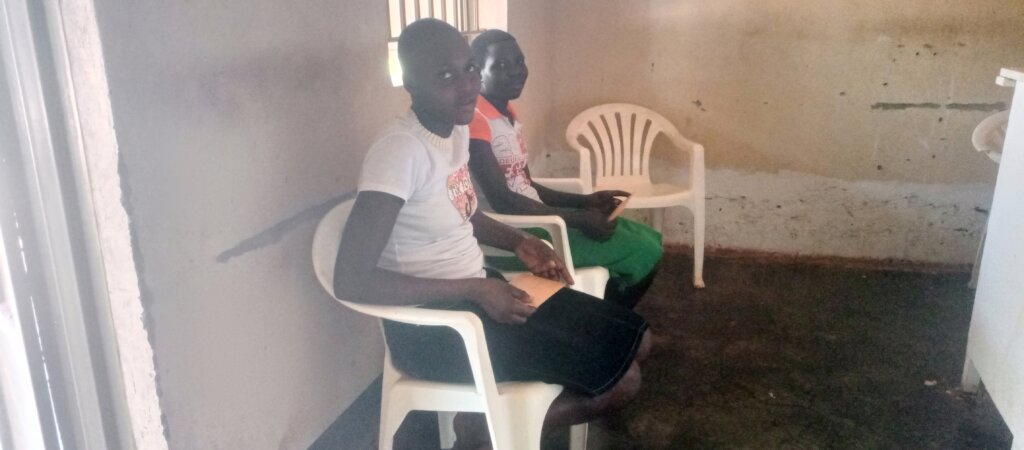
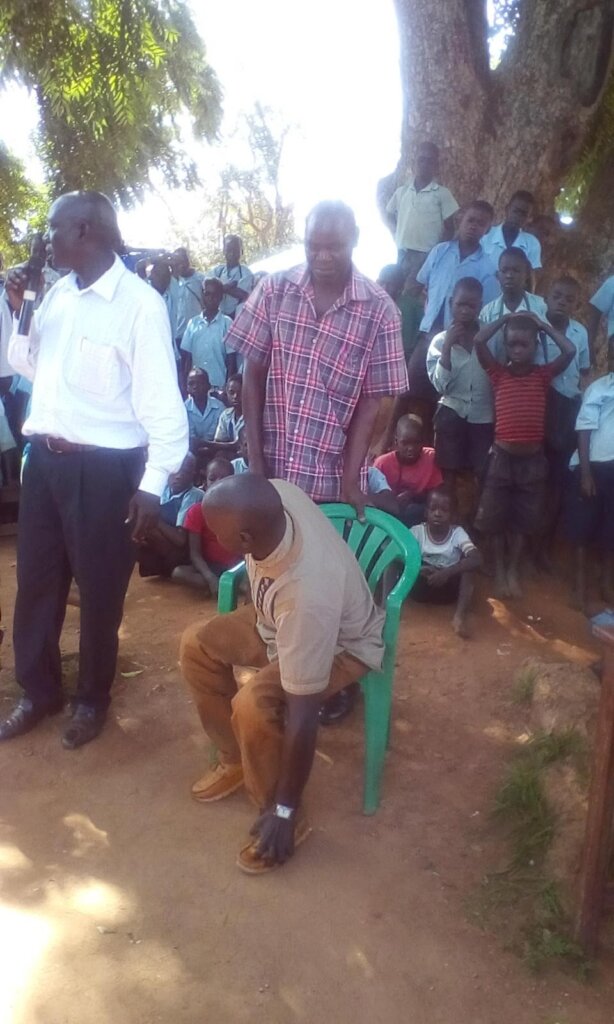
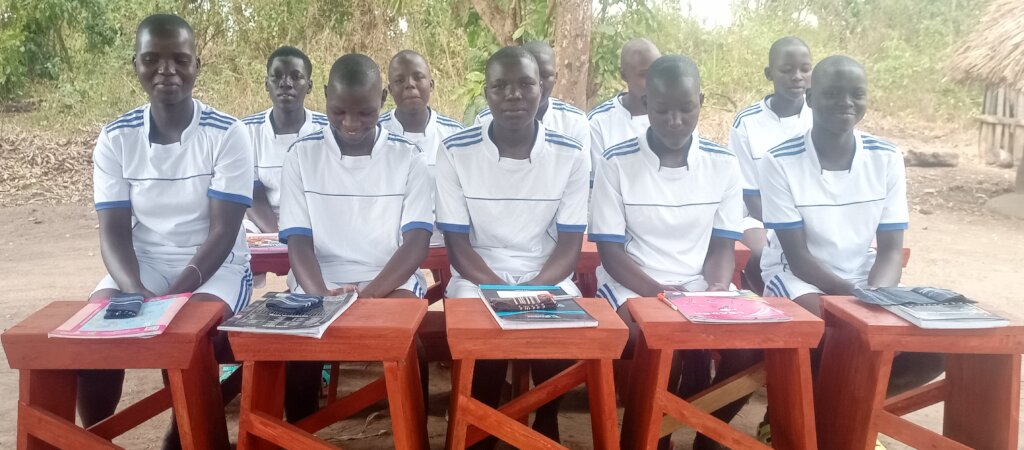
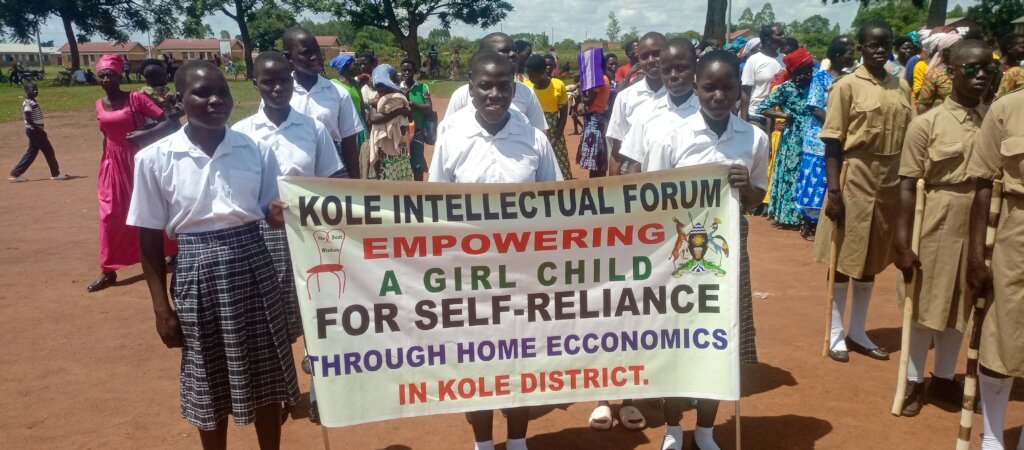
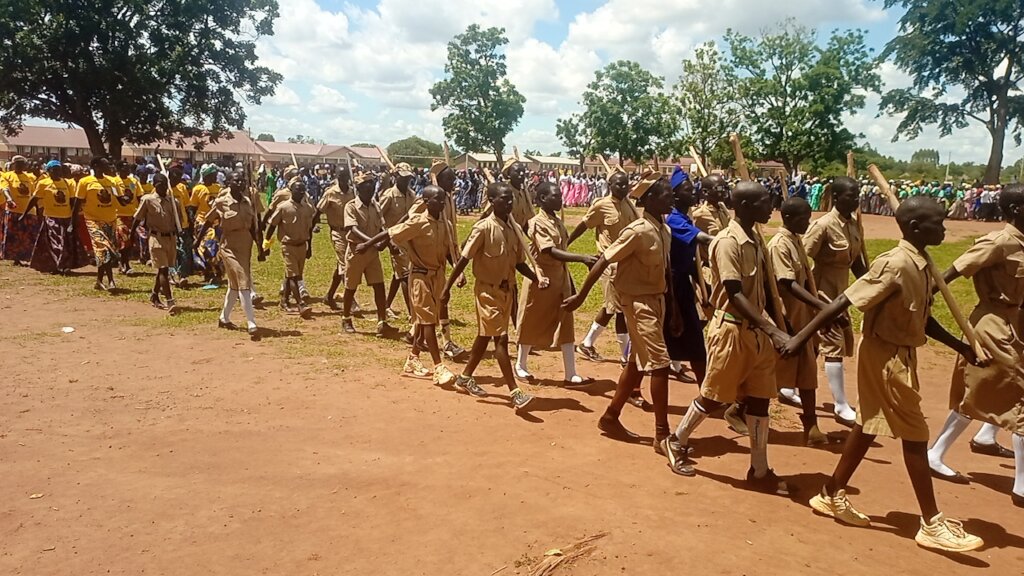
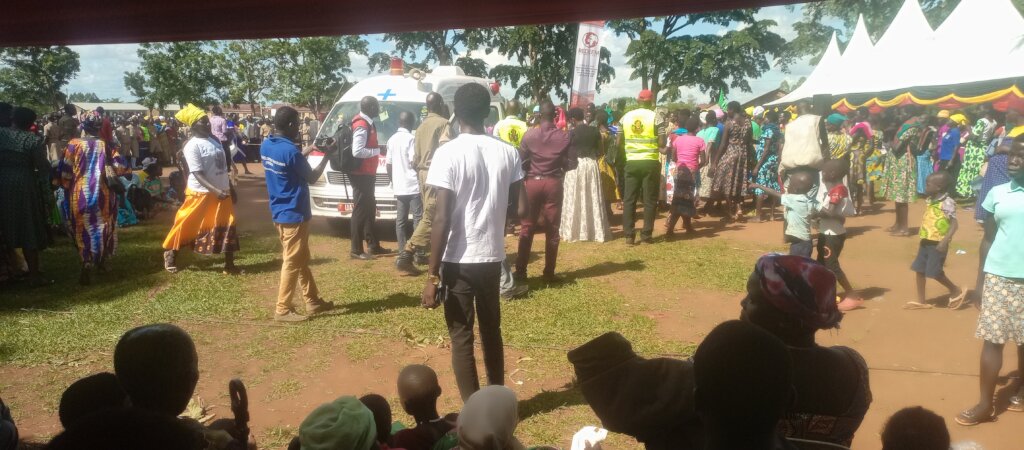
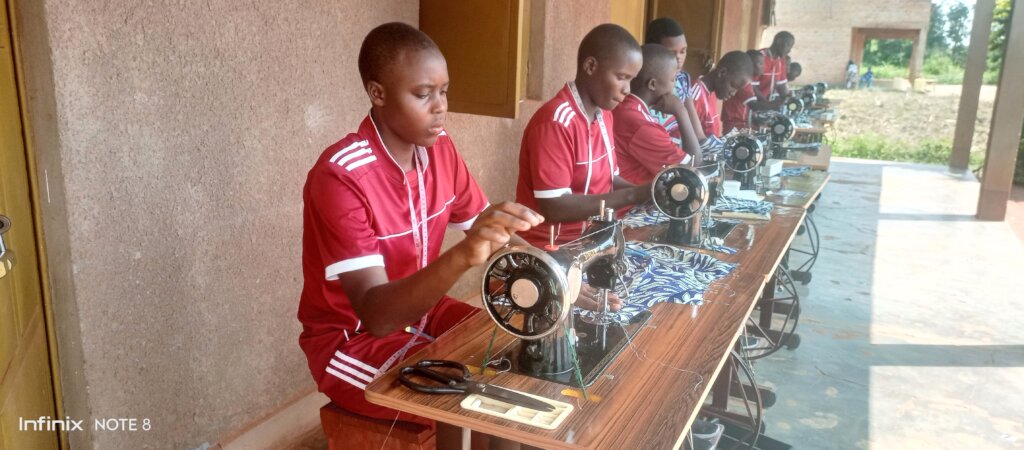
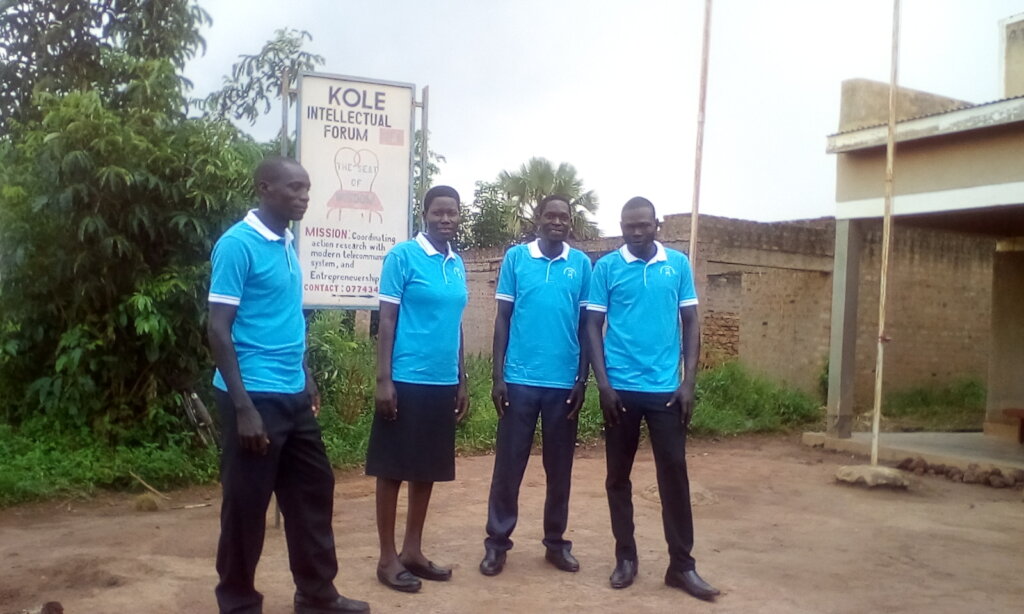
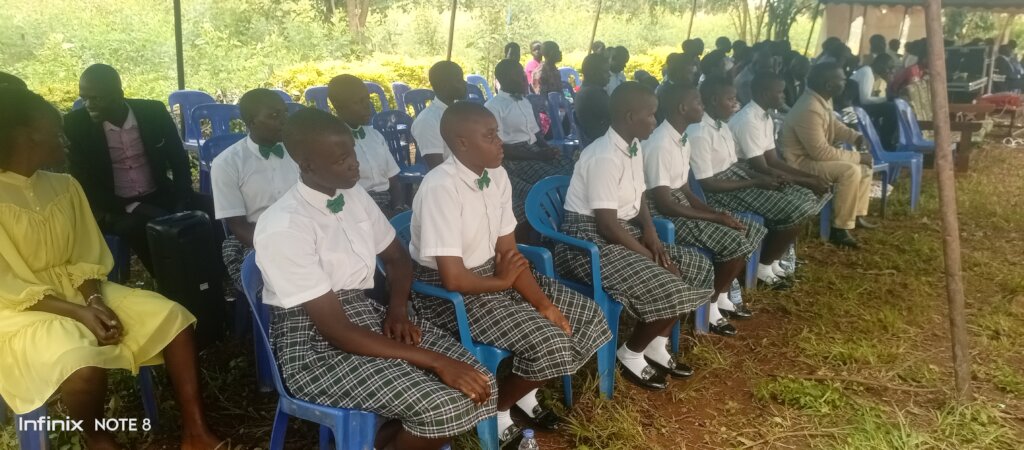
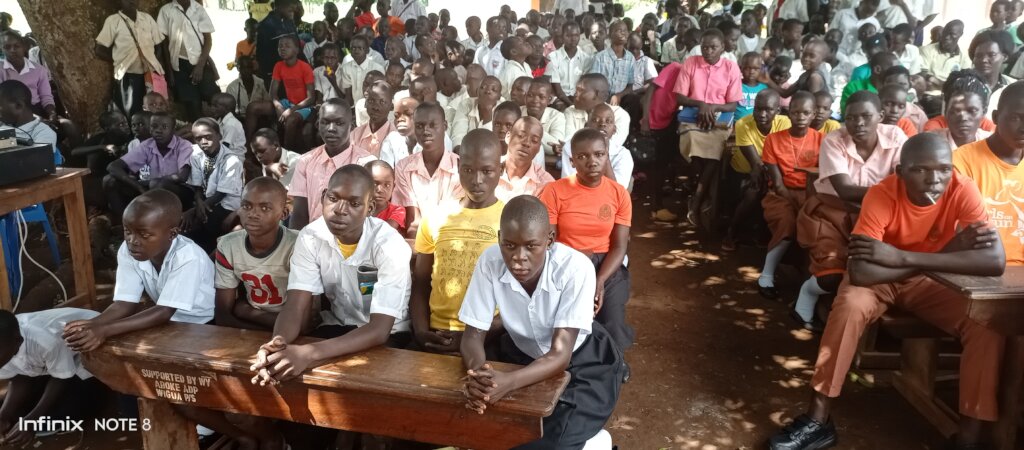
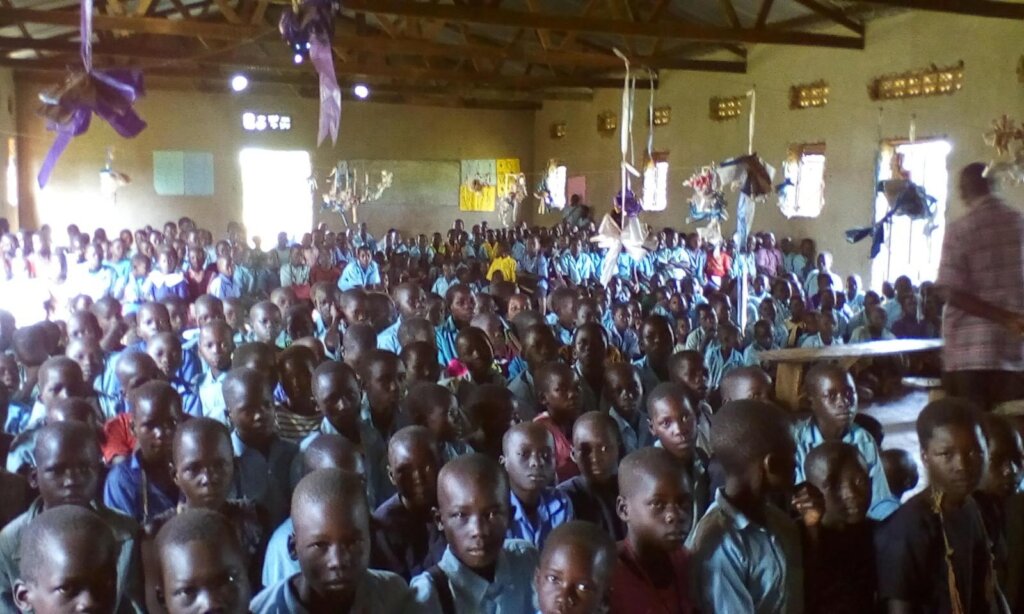
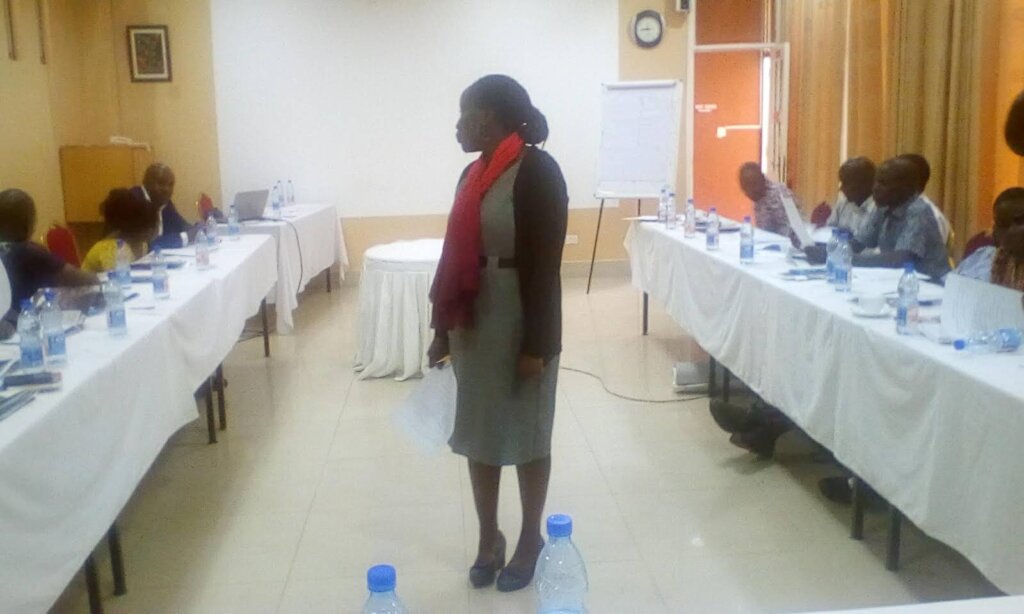
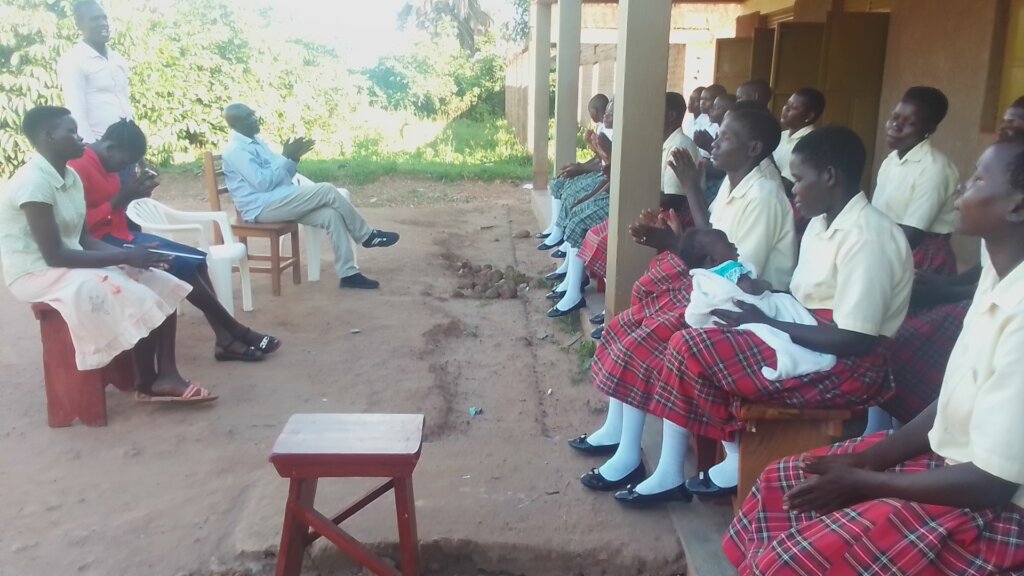
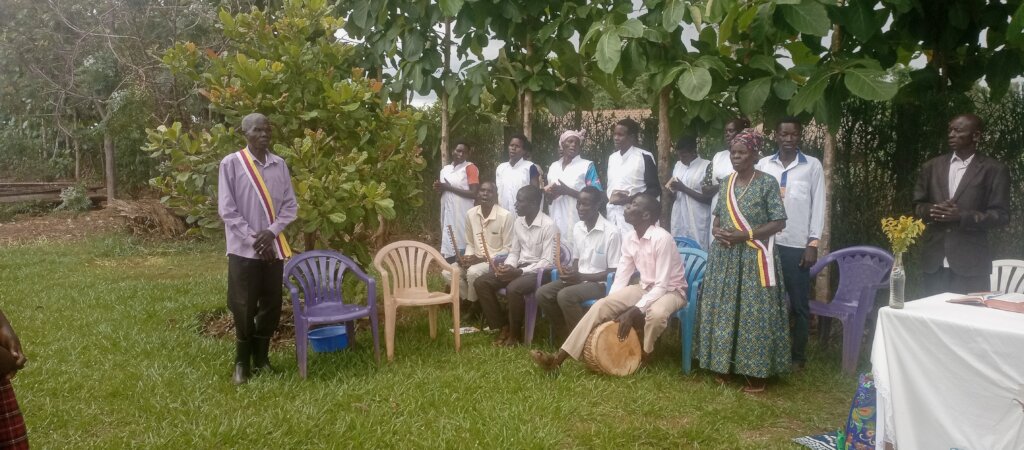
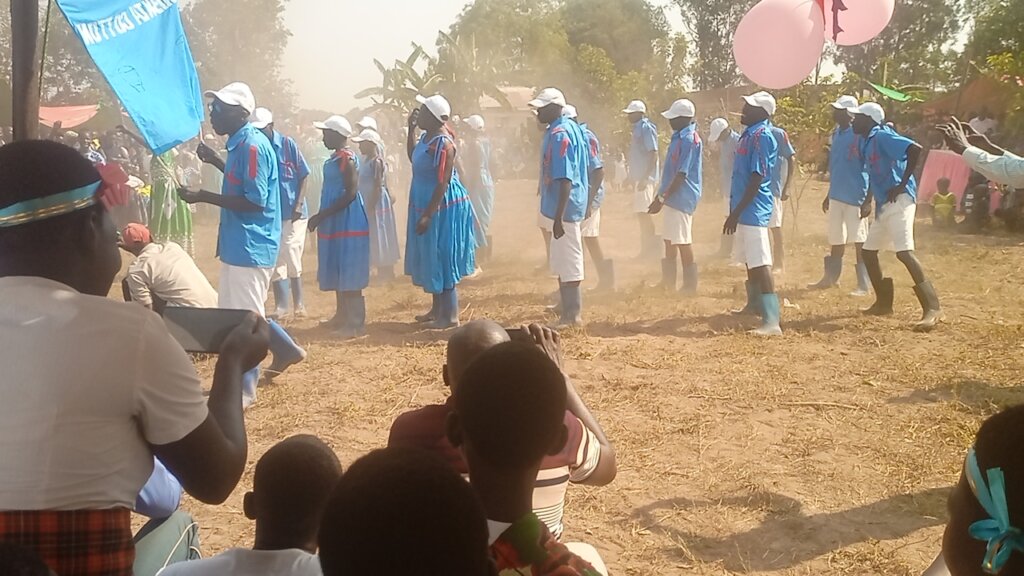
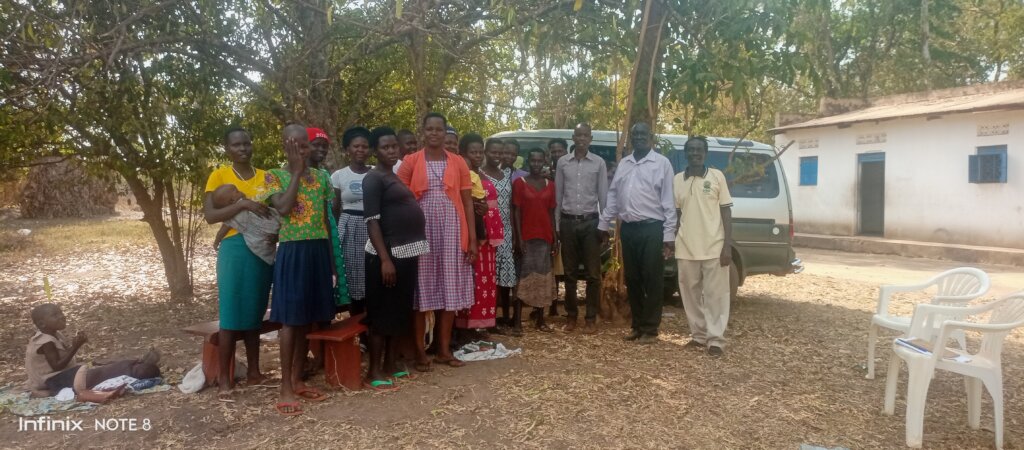
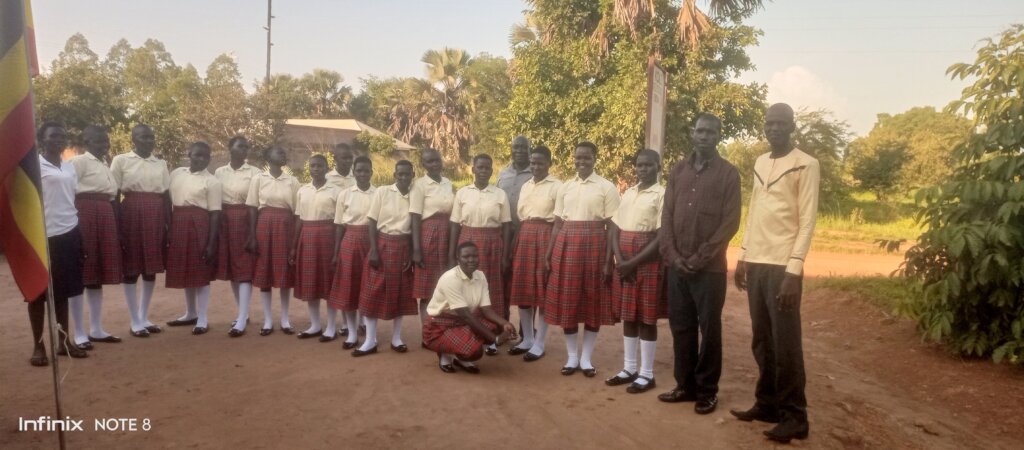
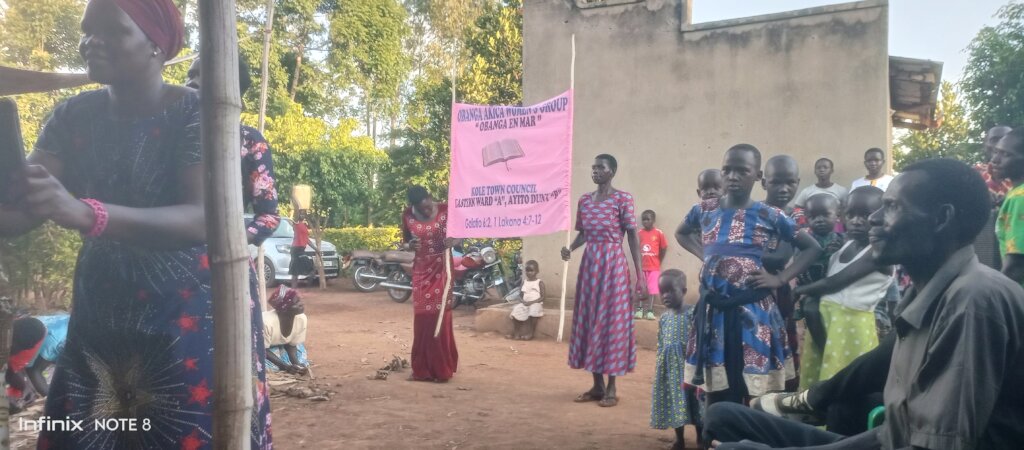
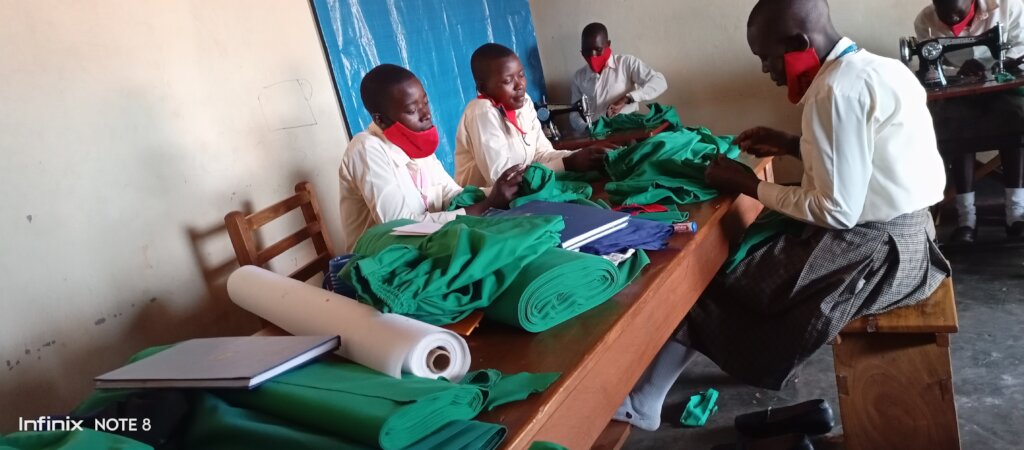
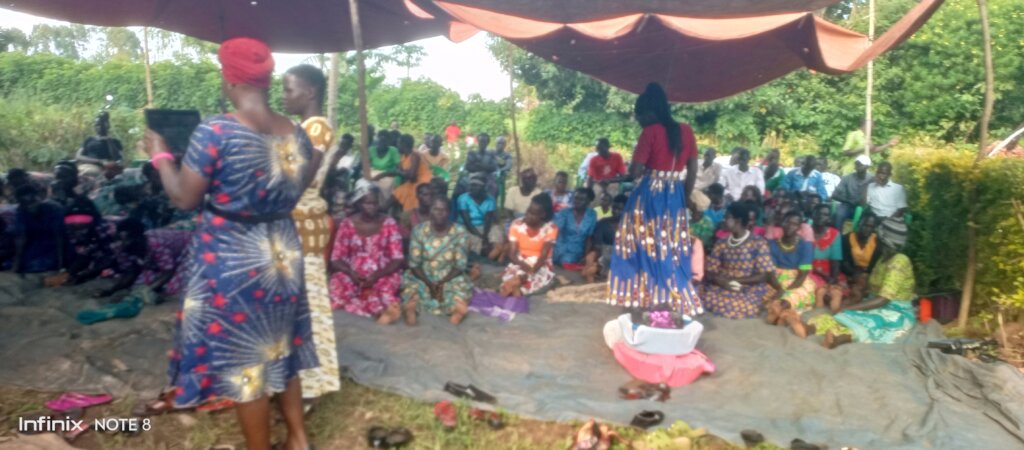
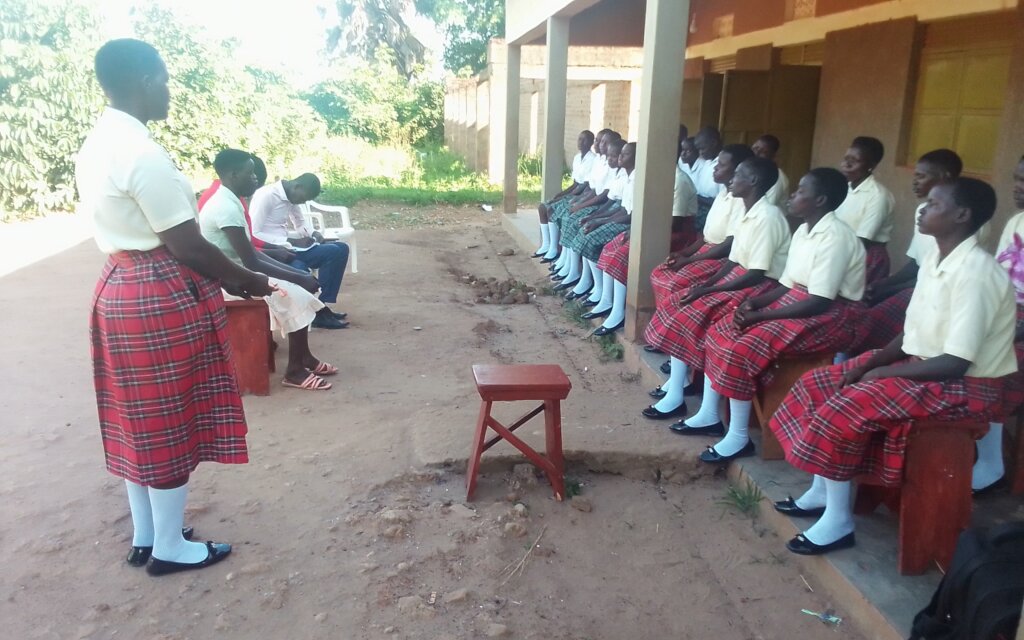
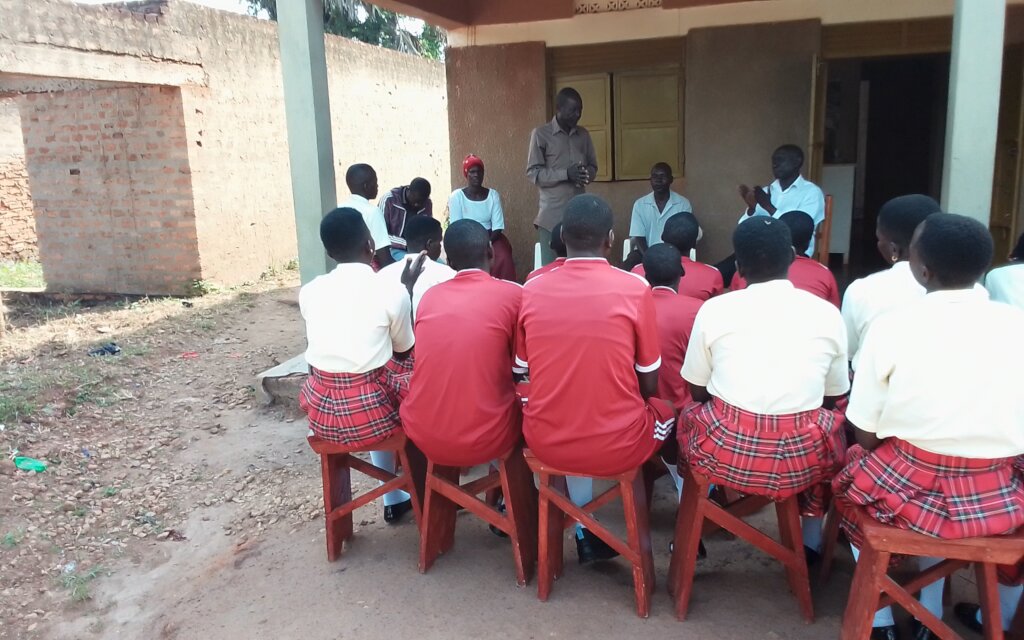
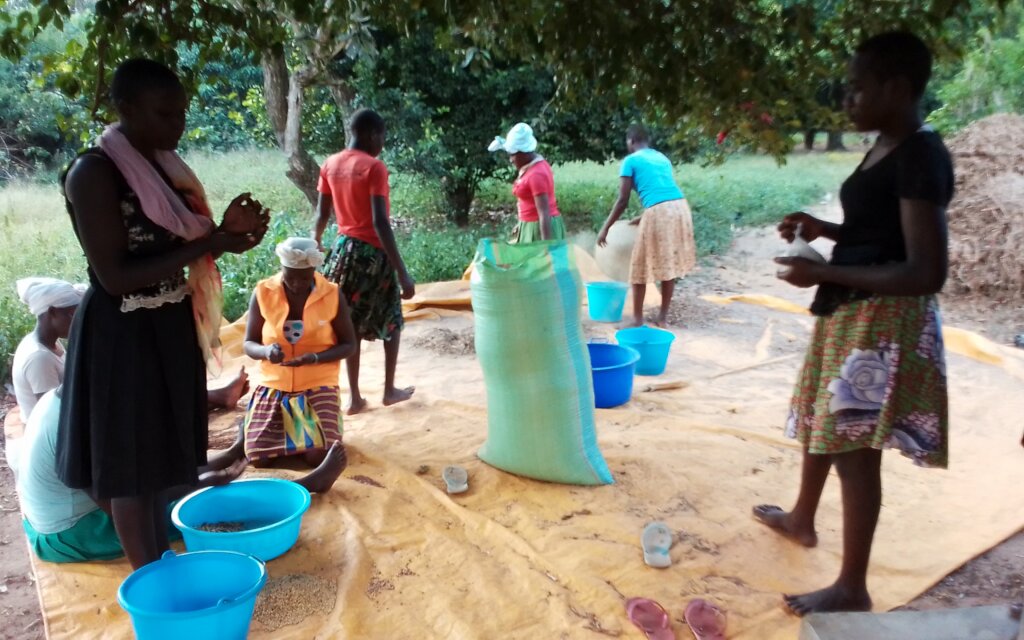
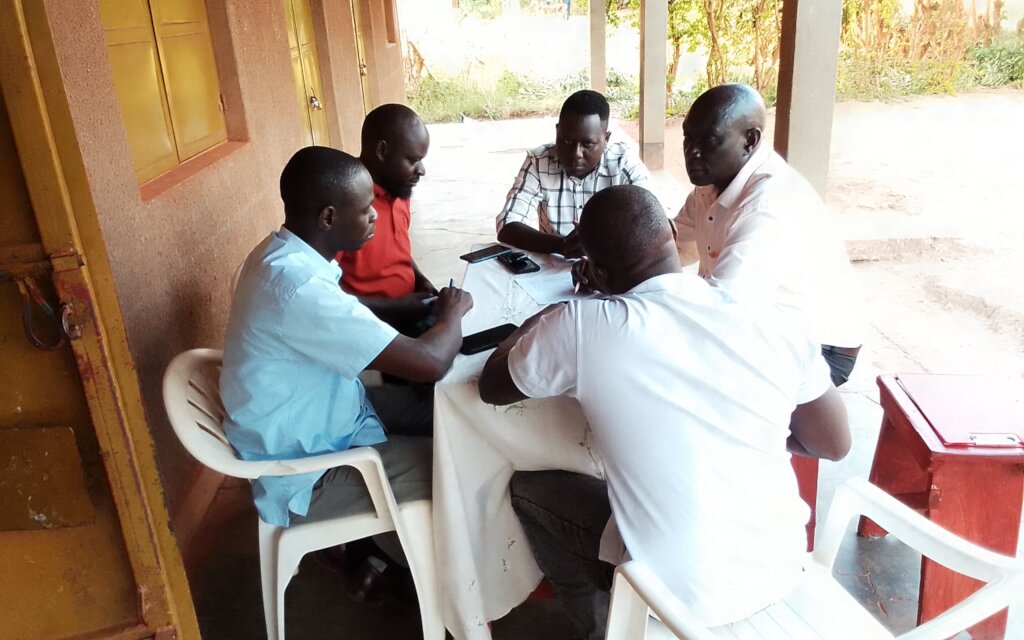
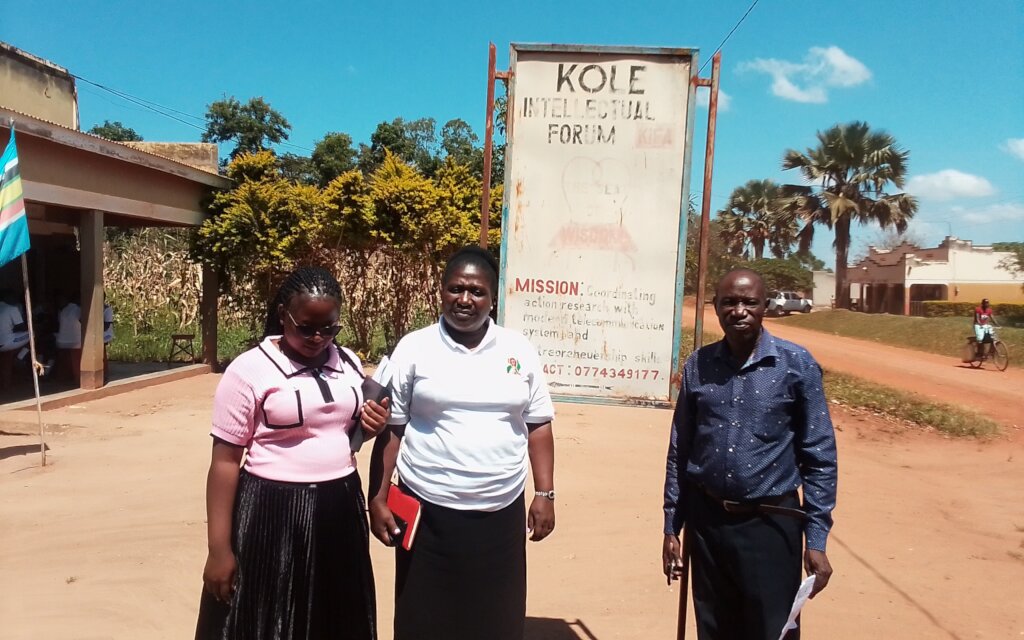
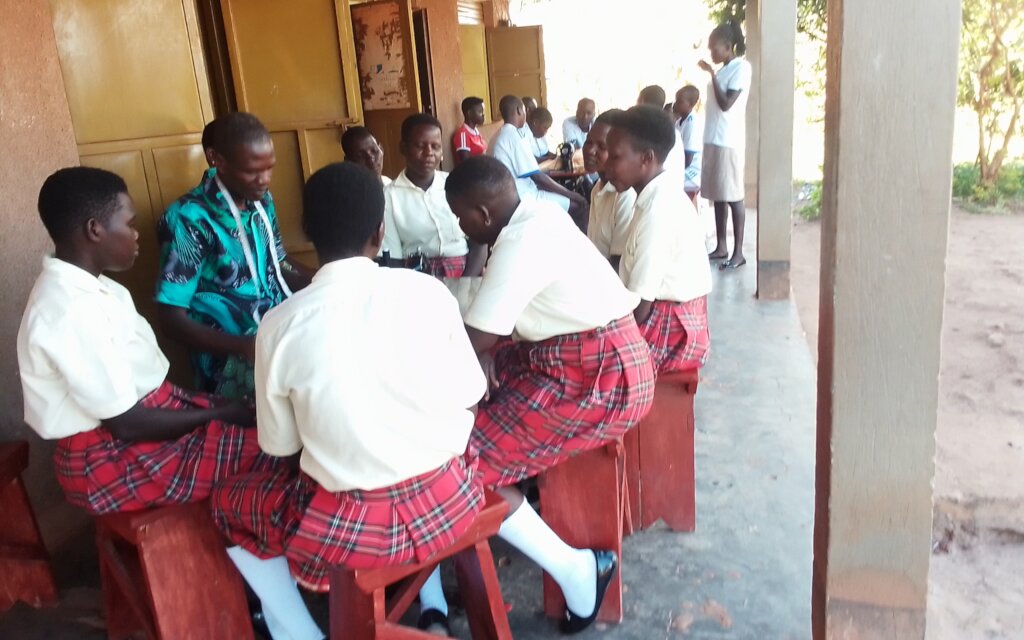
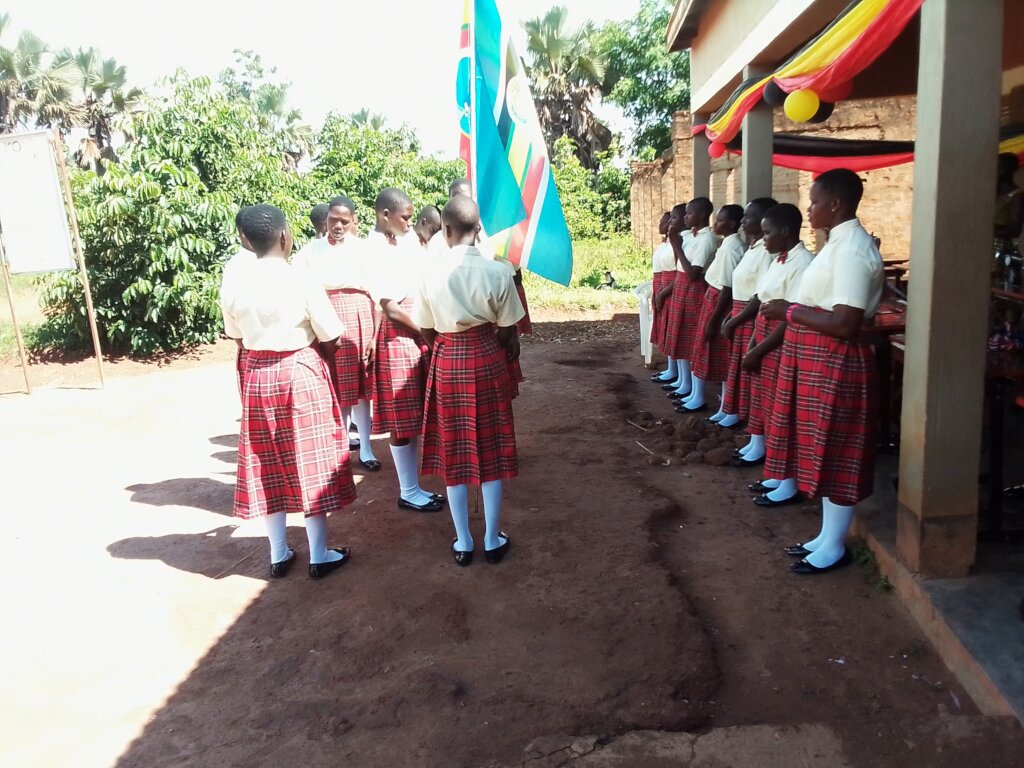
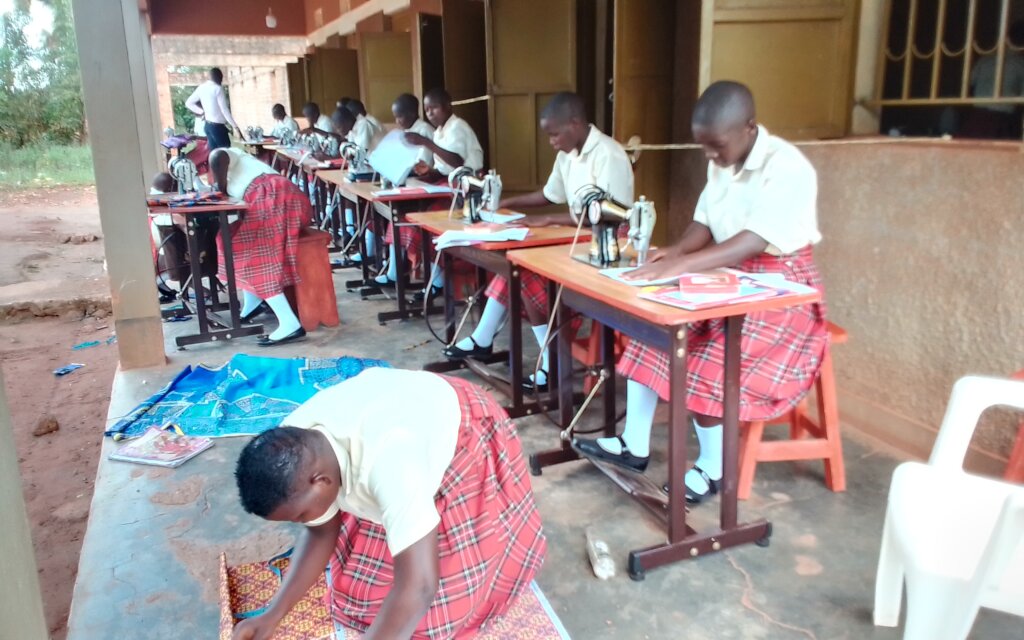
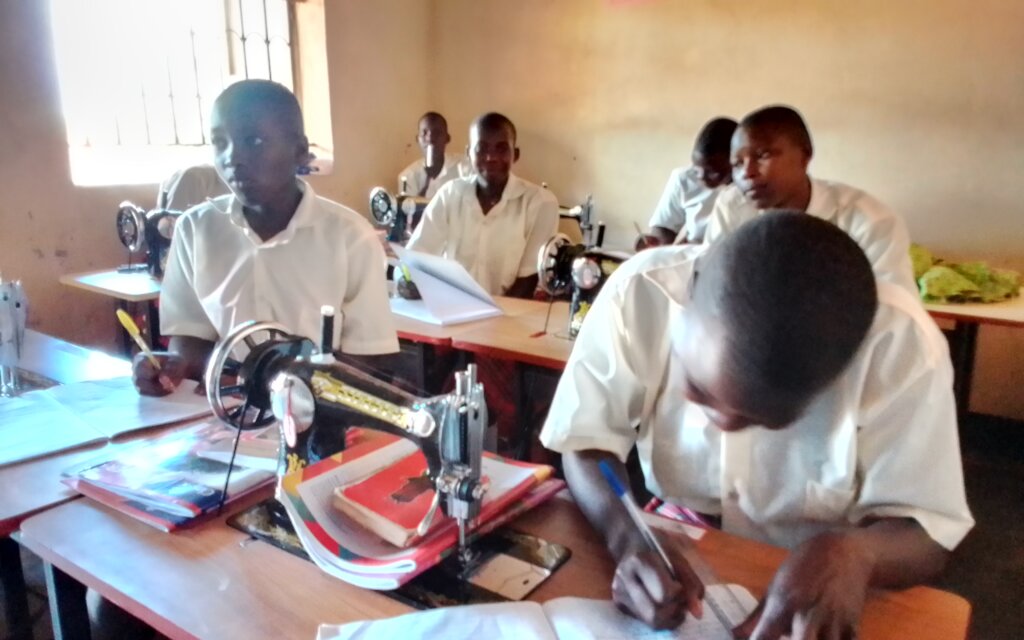
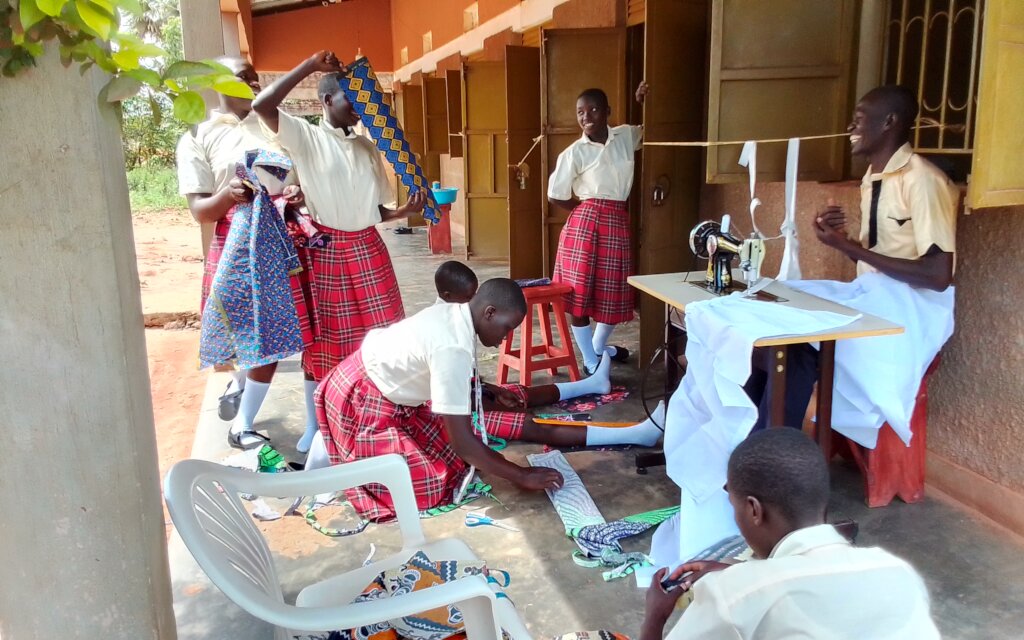
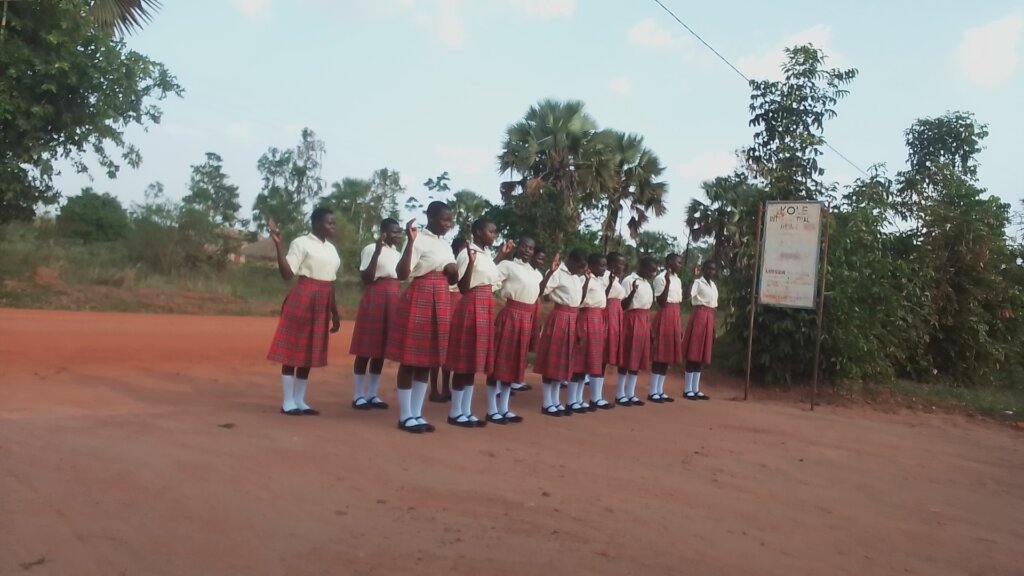
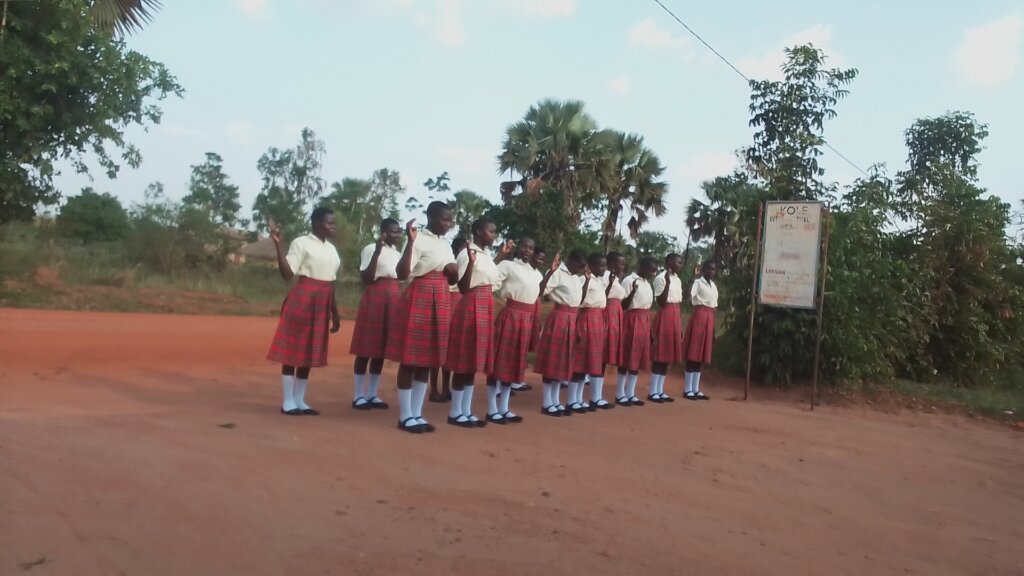
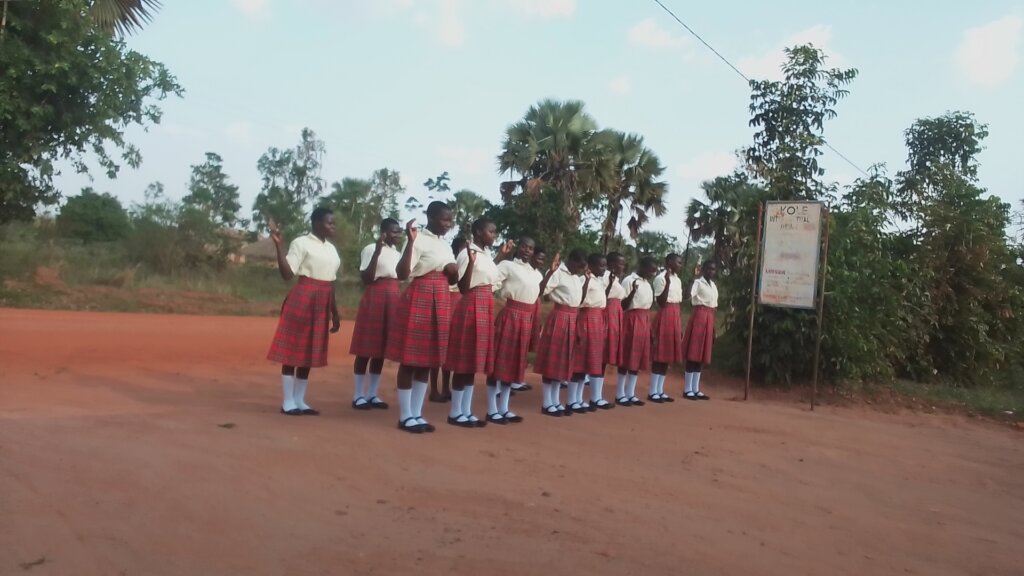
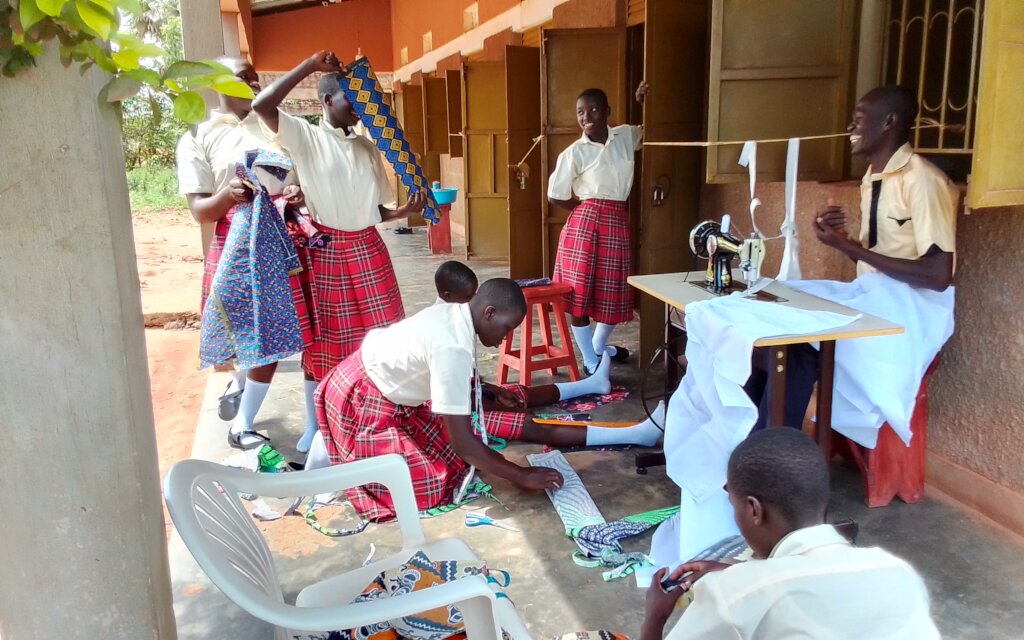
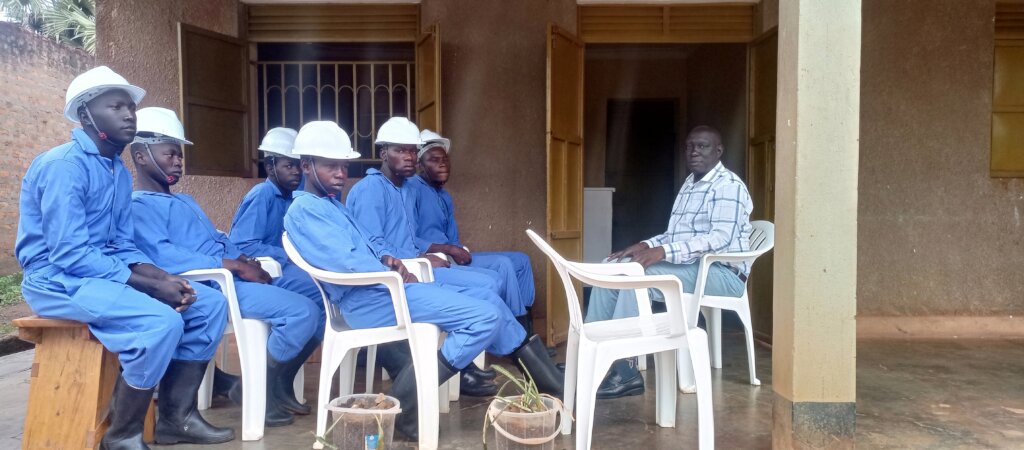
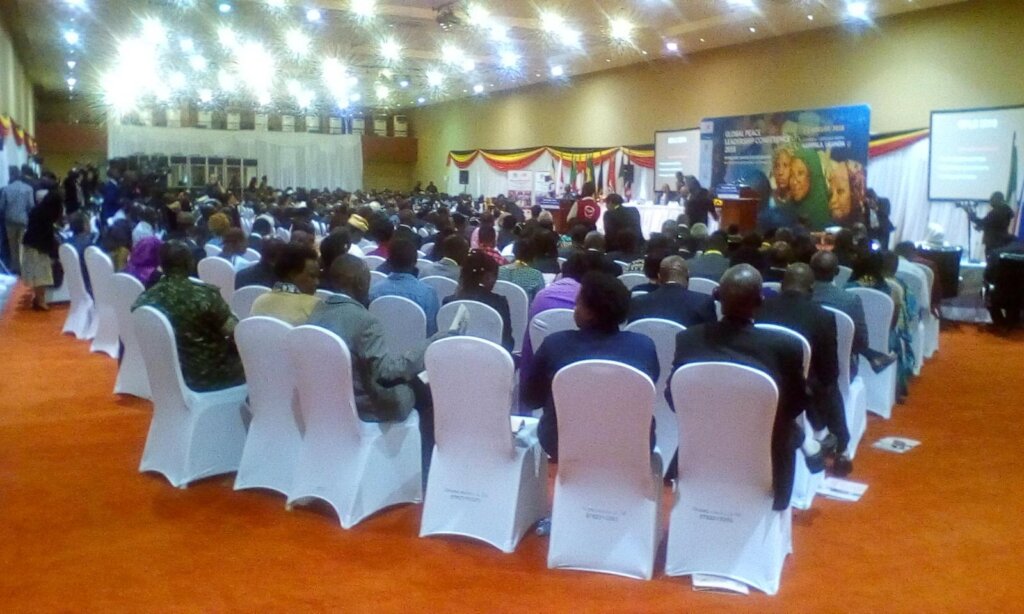
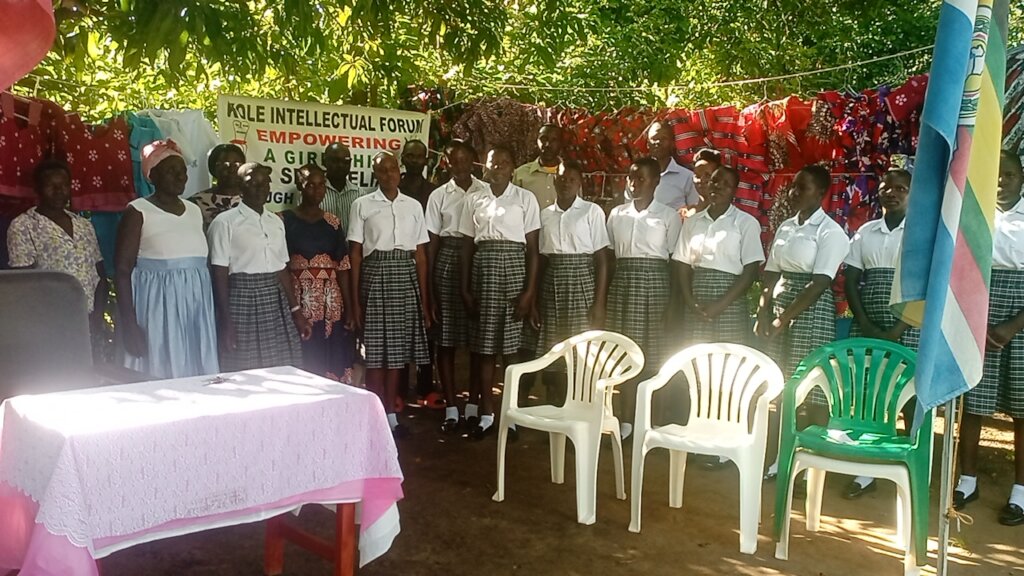
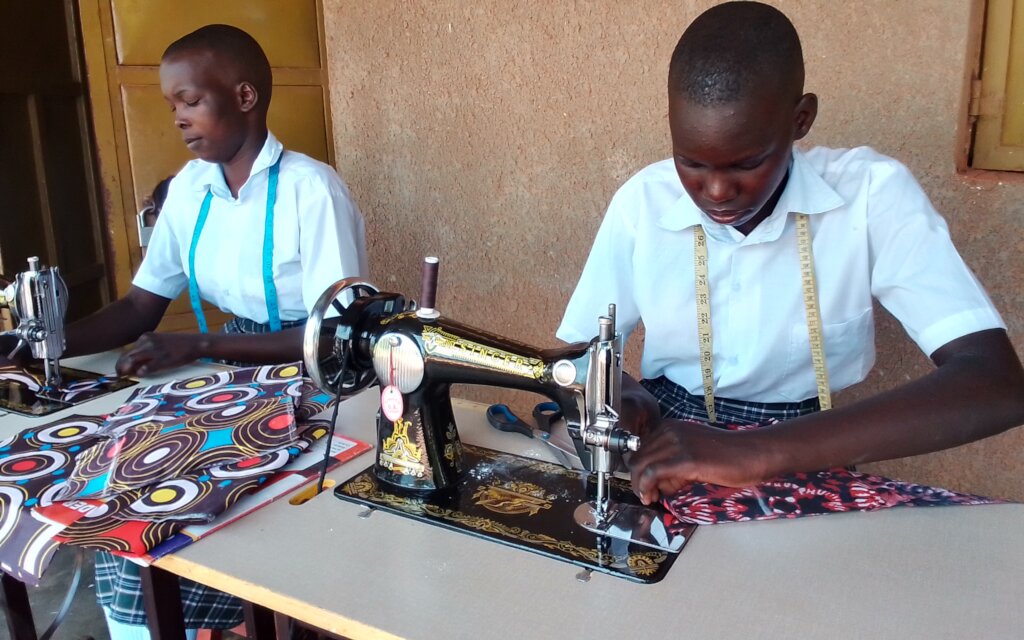
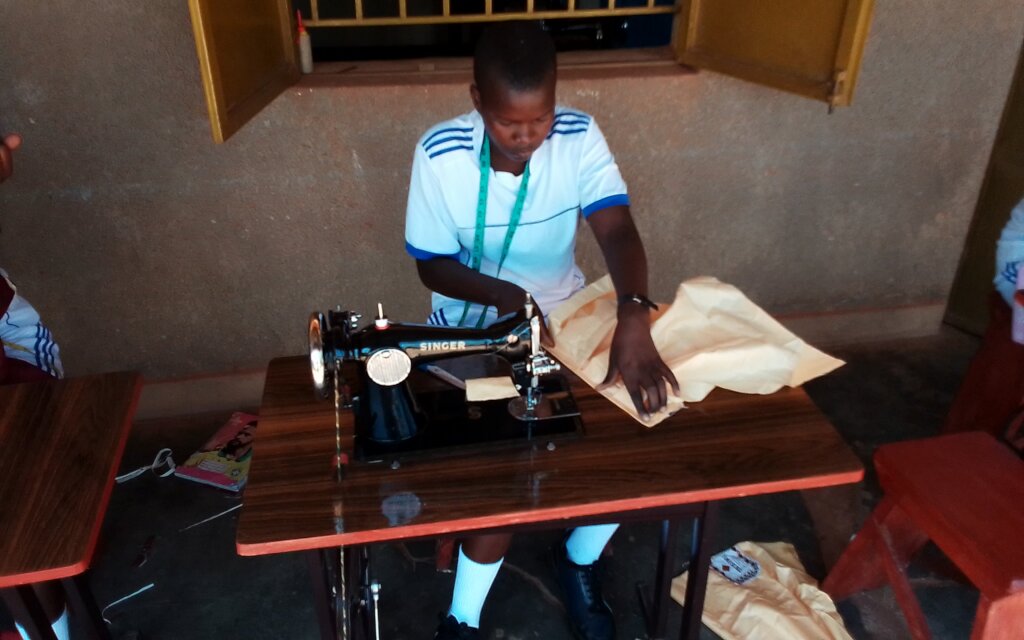
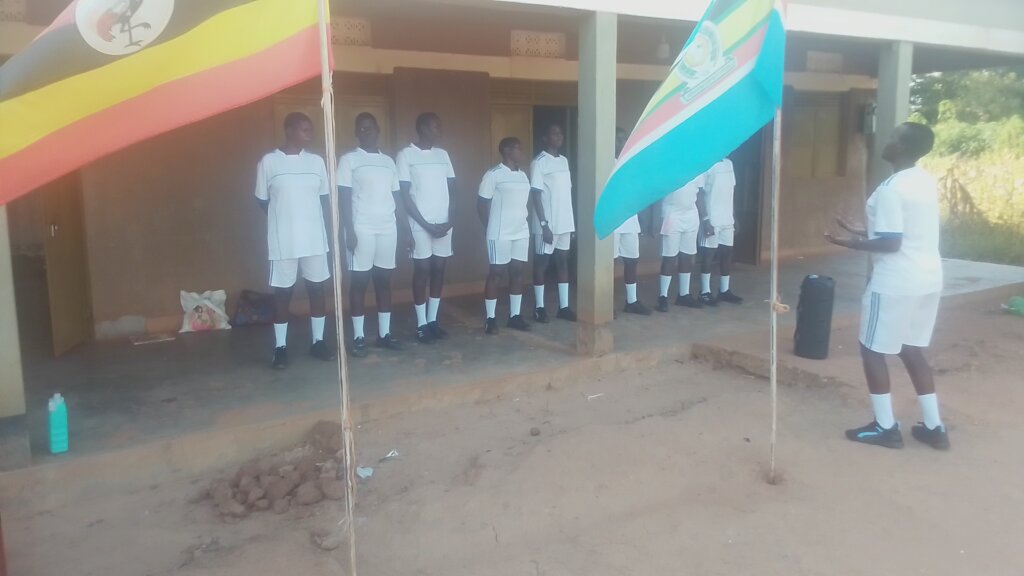
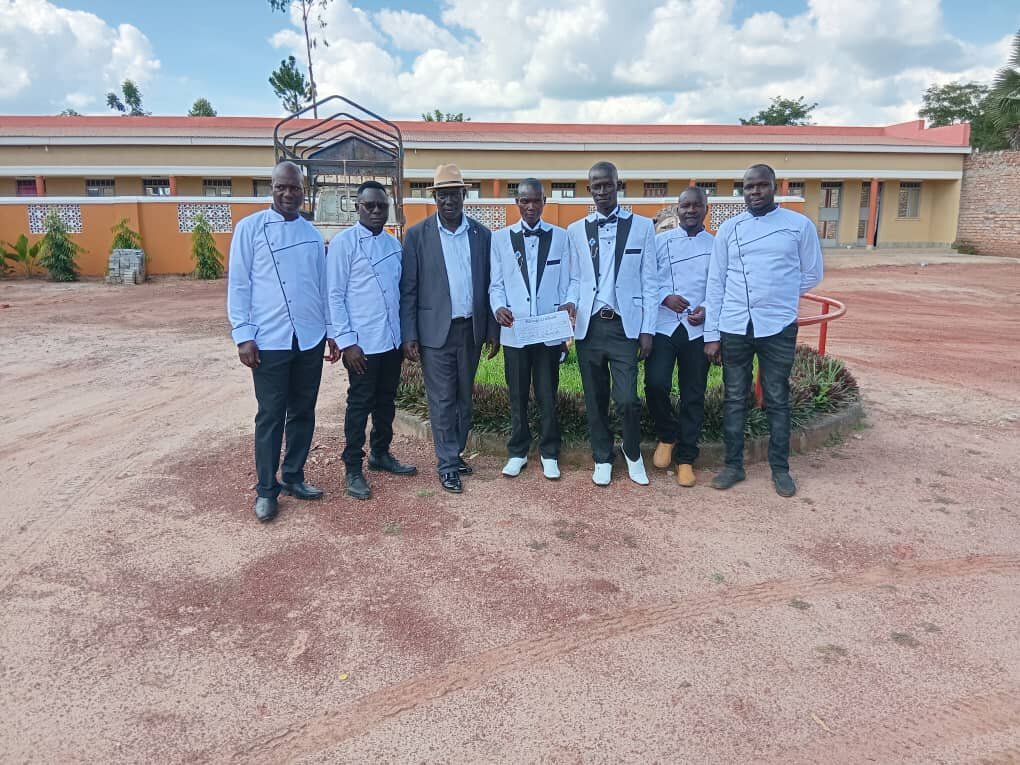
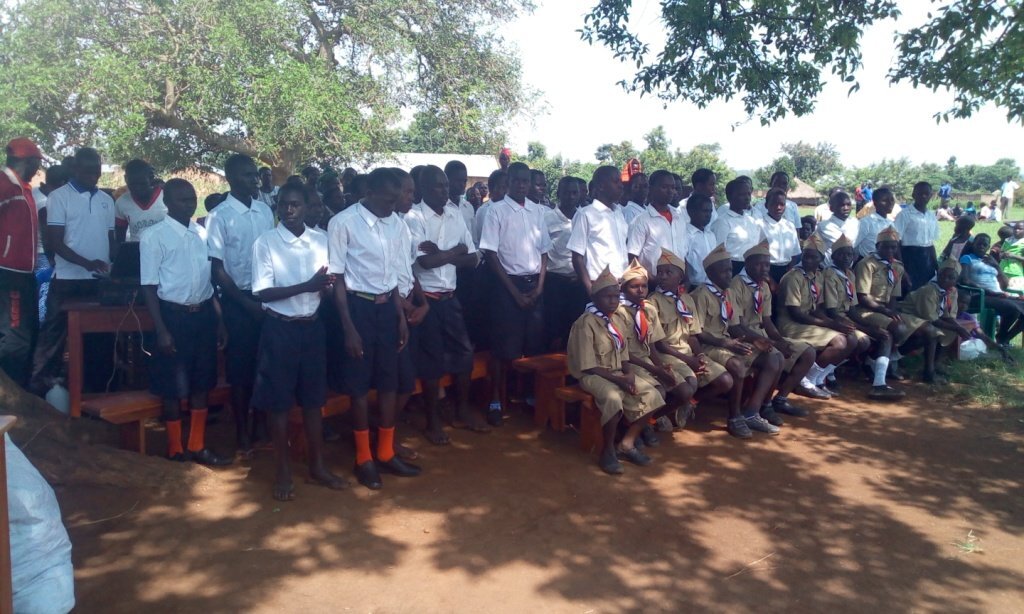
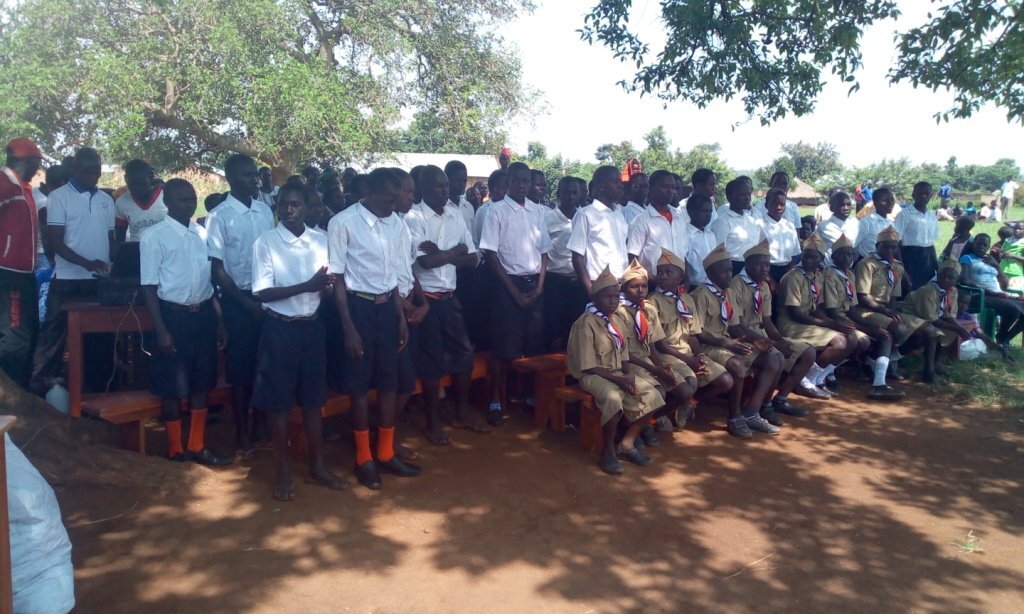
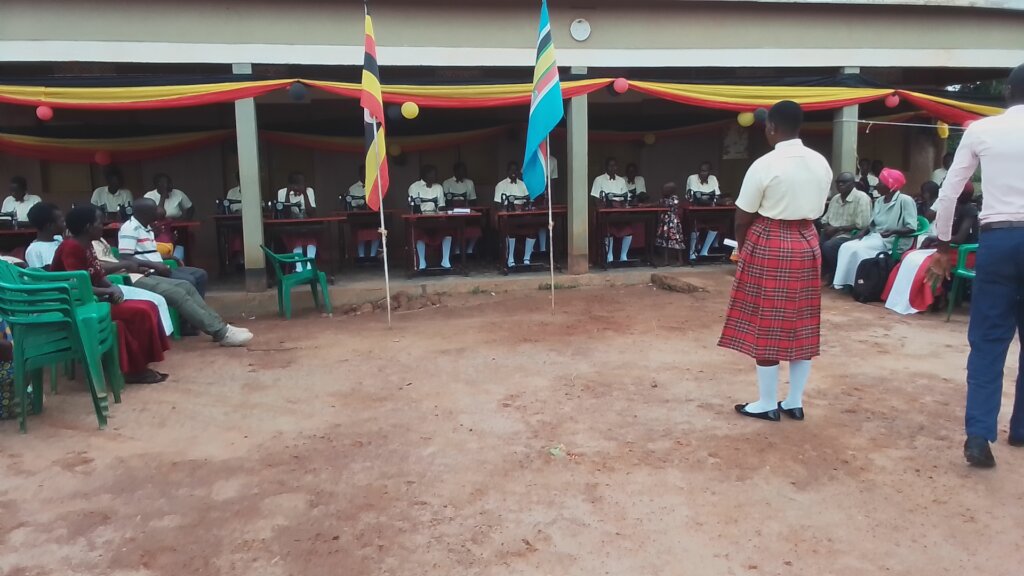
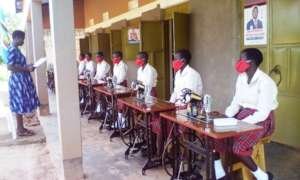
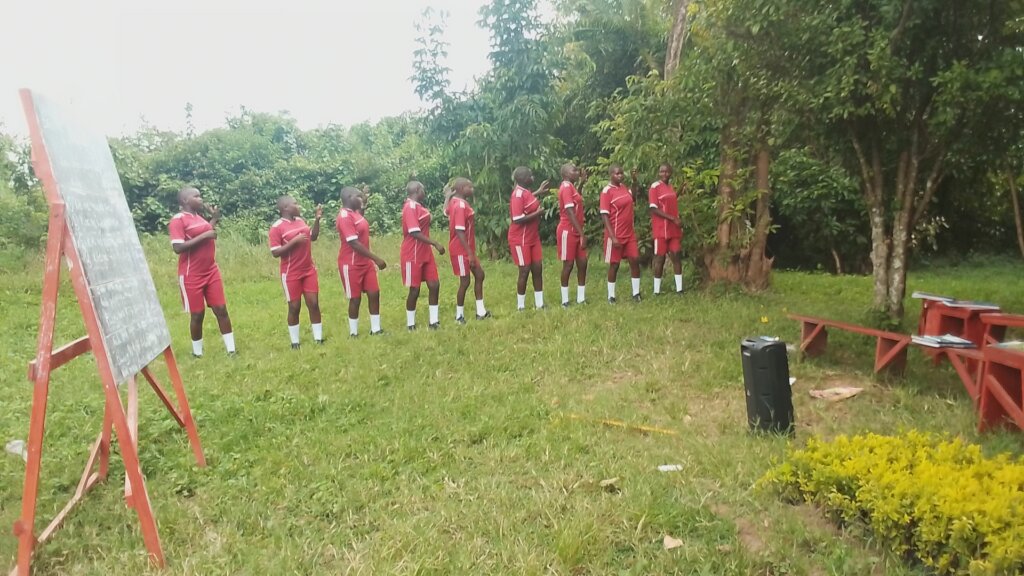
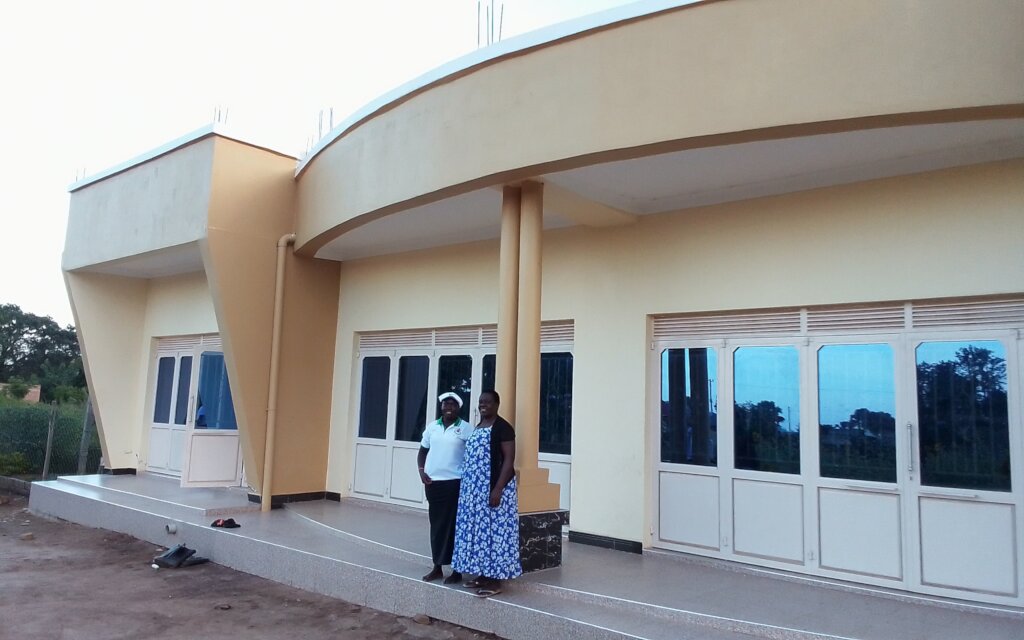
What does it mean to Kole Intellectual Forum to have said that: societal transformation can only be possible if it is built on a solid foundation? This question, takes this organization to its very early years of formation. Those were characterized by getting into locally related issues of their community; particularly on matters of education. They (the team of Kole Intellectual Forum), started by engaging with the local communities (Educational stakeholders) already working on particular field of interest, by attending several meetings, volunteering a lot material time, and together, starting to addressing problem of poor performance in public primary schools within that are of jurisdiction.
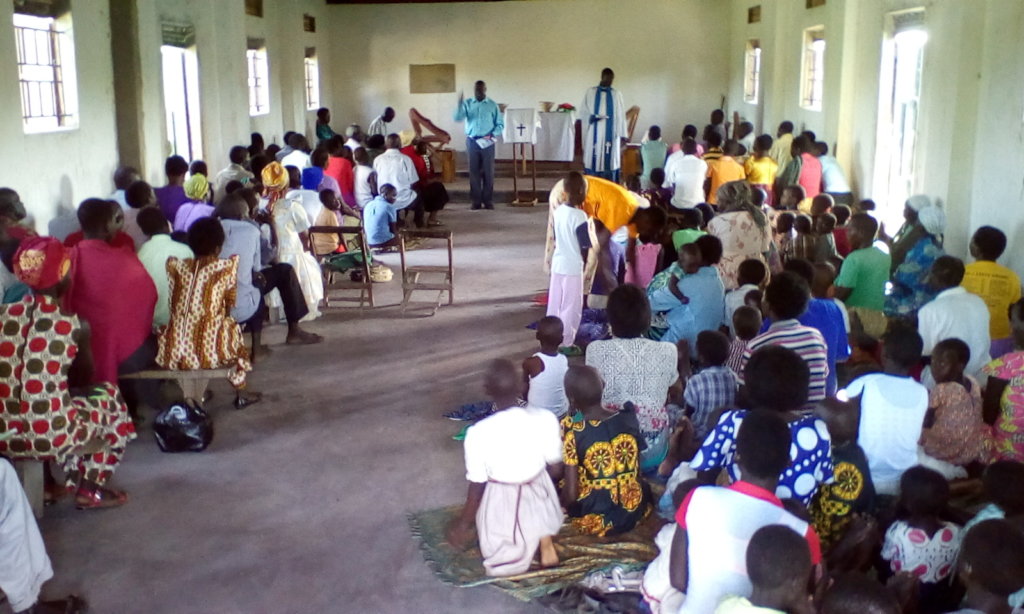
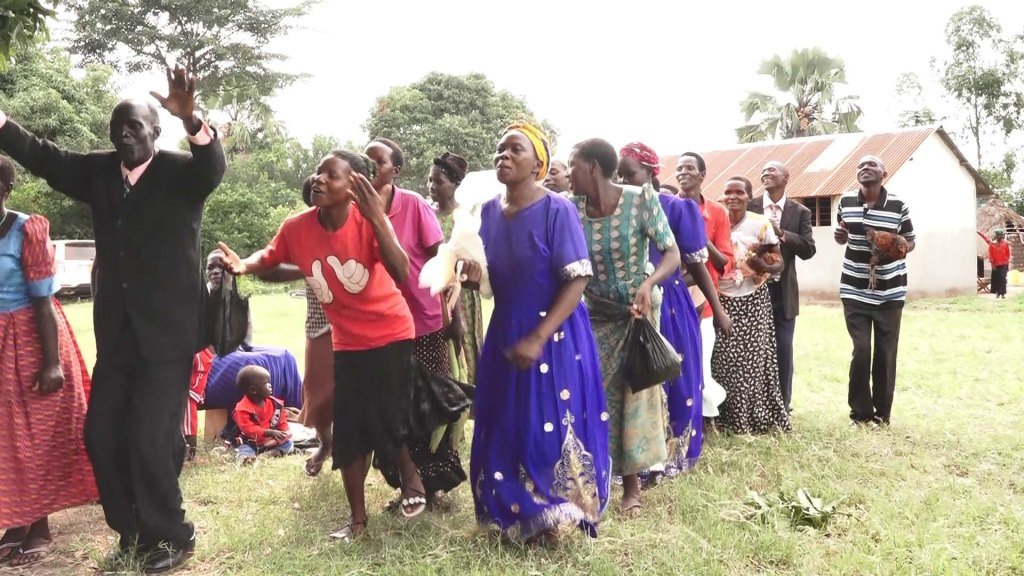
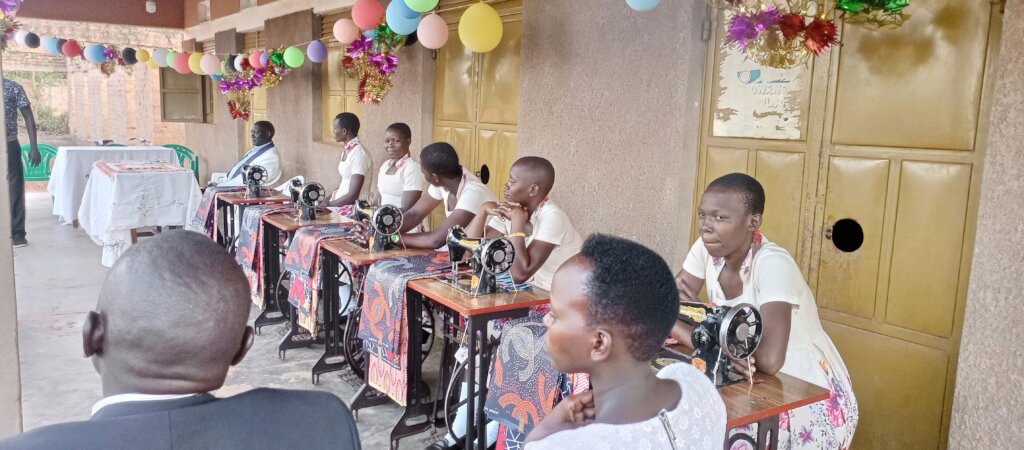
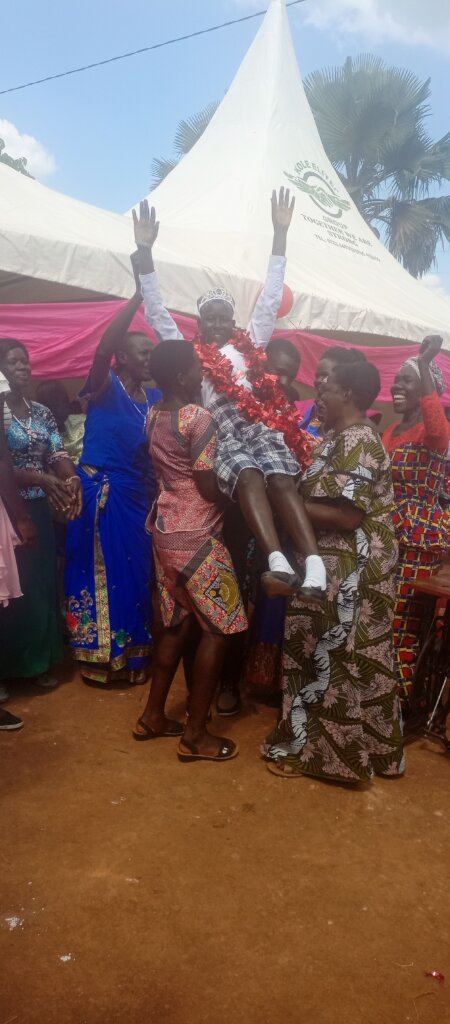
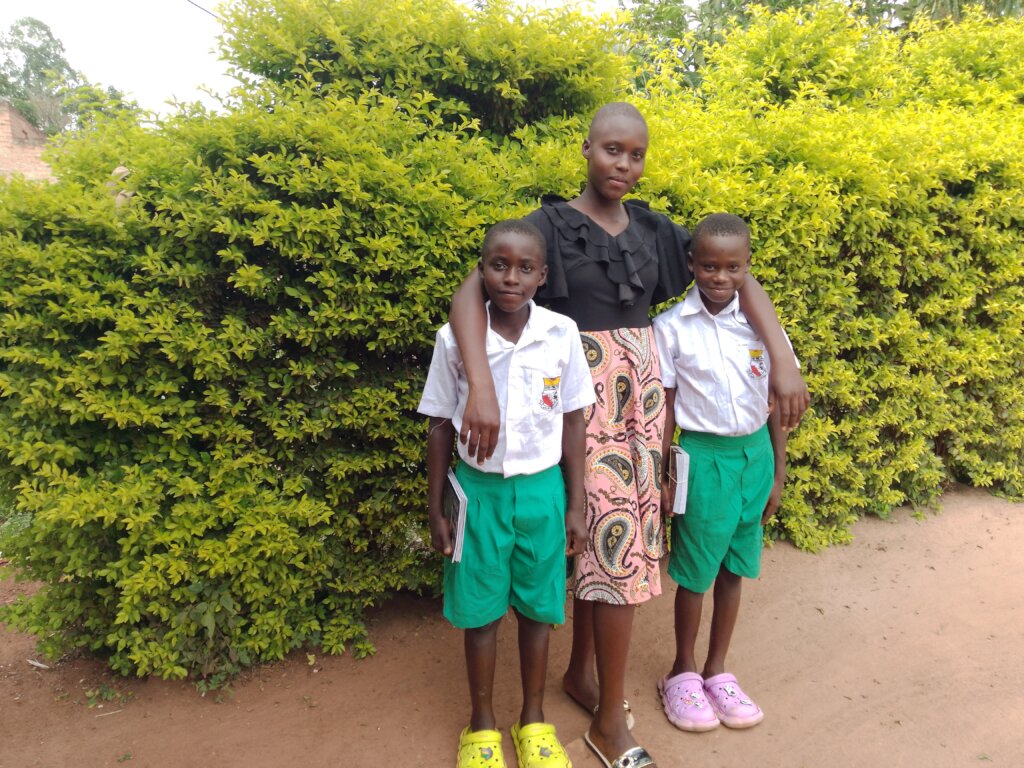
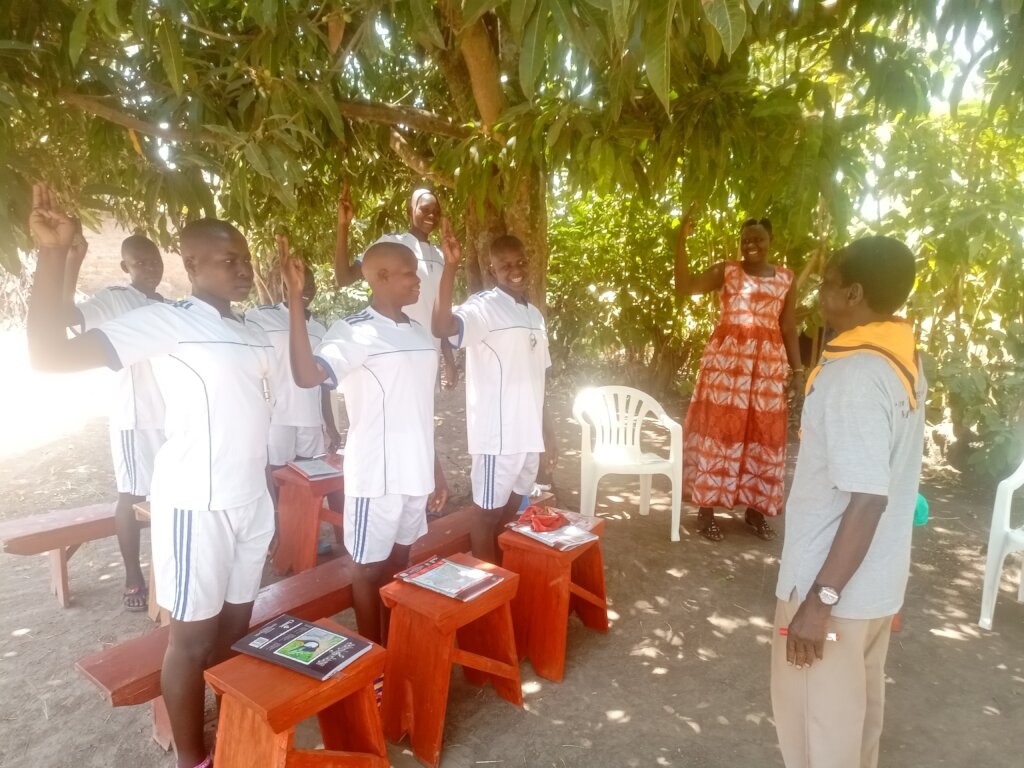
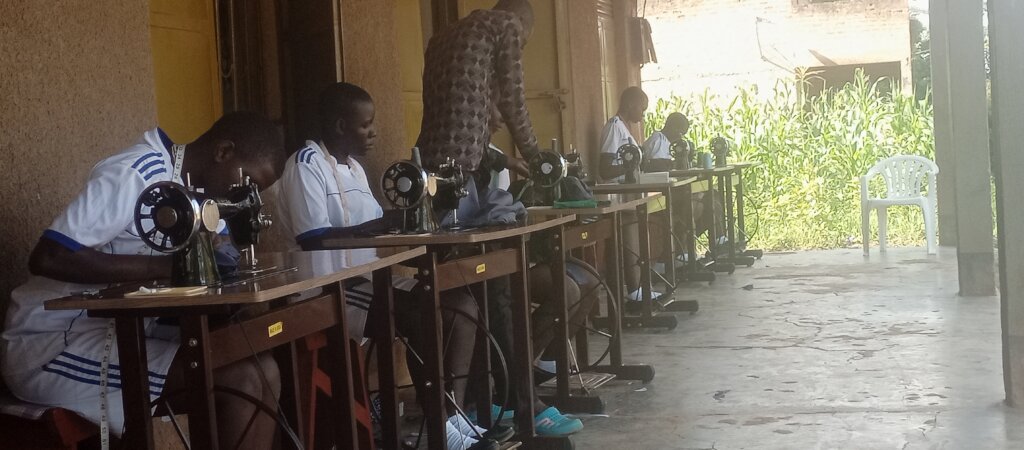
Indeed, one after the others, Kole Intellectual Forum, started to realize the restructuring of all aspects of the communities’ lives, from culture to social relations and from their ways of thinking to value the aspects of education. One of them was in 2019 quoted to have said that: “I wish I was young, I would have gone back to school”. This statement was generated as a result of Kole Intellectual Forum moving closer to its community and influenced the mindset in various educational aspects; hence, given an answer to the statement that, transformation of a society can be possible if it is built on a solid foundation
By George Obua | Project Leader
By George Obua | Project Leader
Project reports on GlobalGiving are posted directly to globalgiving.org by Project Leaders as they are completed, generally every 3-4 months. To protect the integrity of these documents, GlobalGiving does not alter them; therefore you may find some language or formatting issues.
If you donate to this project or have donated to this project, you can receive an email when this project posts a report. You can also subscribe for reports without donating.



Support this important cause by creating a personalized fundraising page.
Start a Fundraiser