By Nur Abdullah | Teacher at Punthuk Sewu
Dear Supporters and Visionaries,
At Punthuk Sewu Learning Center, we believe that being future-ready requires more than academic knowledge or technical skills. To truly thrive in life, children need a strong foundation of character, confidence, and interpersonal abilities. This month, we are proud to share one of our core initiatives: cultivating soft skills in early childhood.
Why Soft Skills Matter Now
While formal schools often focus on “hard skills” such as mathematics and science, the realities of today’s world demand much more. In rural communities—where opportunities can be limited—soft skills become the key to breaking barriers and building self-belief.
Through our daily mentoring activities, we focus on three essential pillars:
1. The Art of Communication
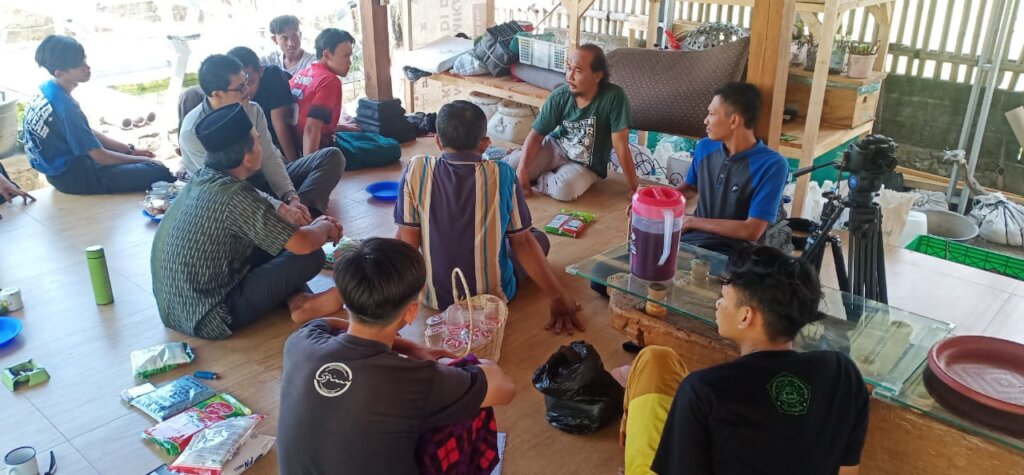
Many children struggle to express their thoughts, ideas, and emotions confidently. At Punthuk Sewu, we nurture communication skills through group discussions, storytelling, presentations, and collaborative play. Children are encouraged to speak up, listen actively, and respect different opinions. By practicing communication early, they overcome shyness and learn to articulate their dreams—an essential skill for future leadership and employment.
2. Etiquette and Social Grace
Beyond basic manners, we teach what we call the “Etiquette of Respect.” Children learn politeness in speech, respect for elders and peers, gratitude, and appropriate behavior in shared spaces. In an increasingly digital world—where social boundaries often blur—these values help children grow into respectful and socially responsible individuals.
3. Habit-Building (Pembiasaan)
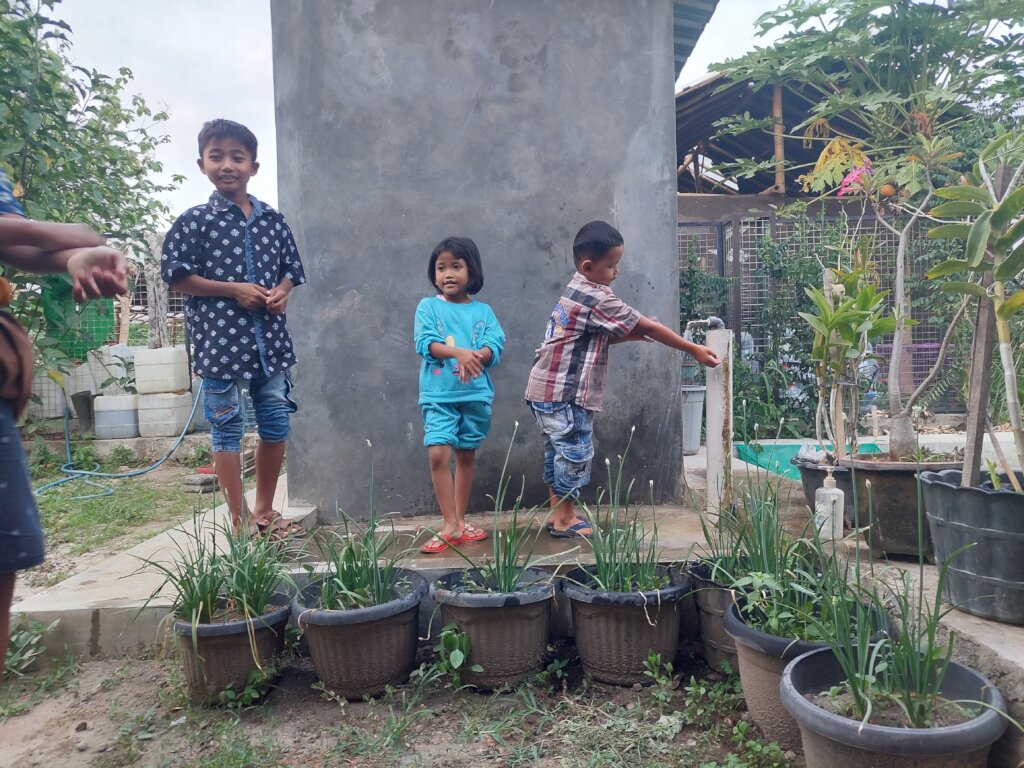
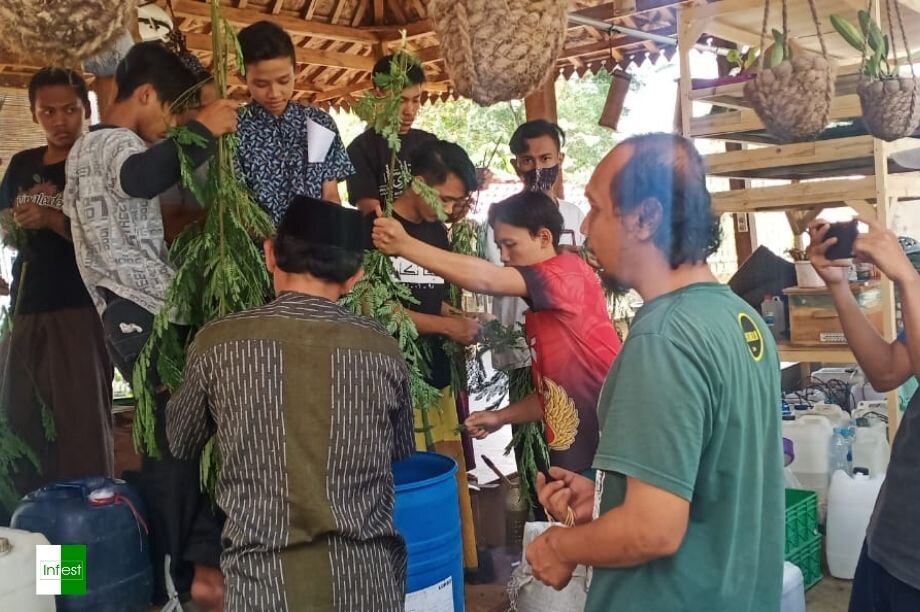
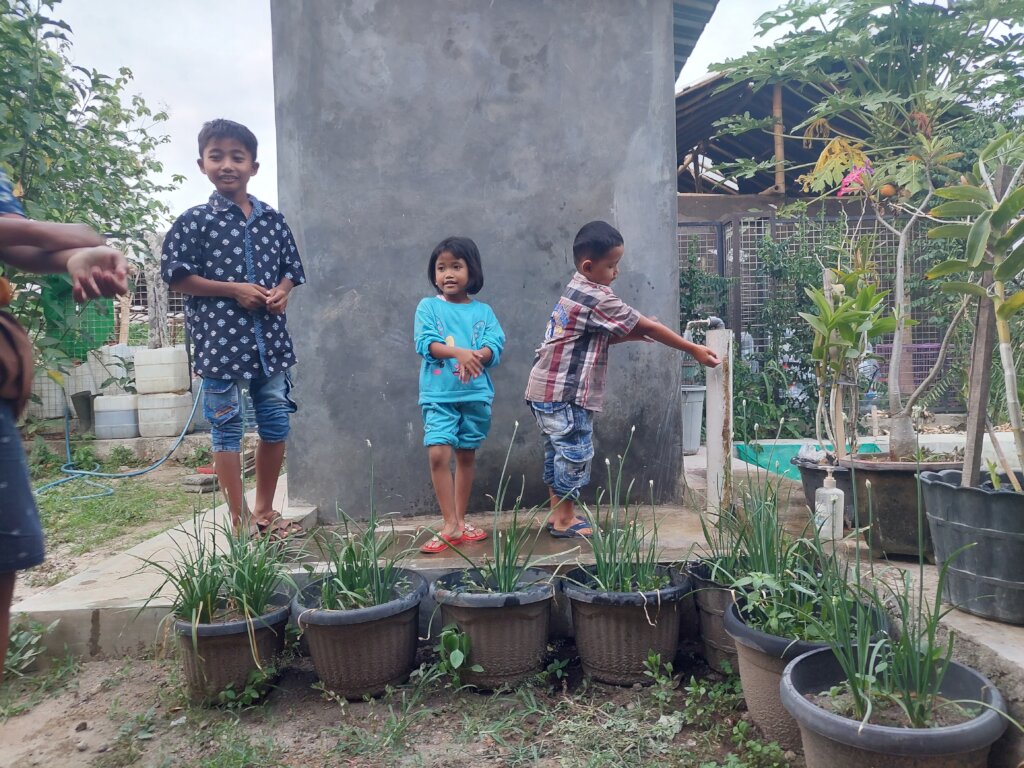
Character is not built overnight; it is shaped through daily habits. Our program emphasizes habit-building routines that foster discipline, punctuality, cooperation, and cleanliness. From organizing their own learning tools to managing study time, these small but consistent practices instill responsibility and self-management—skills that stay with children for a lifetime.
Integrating Character Education with Our Facilities
Our learning spaces act as a living laboratory for soft skills:
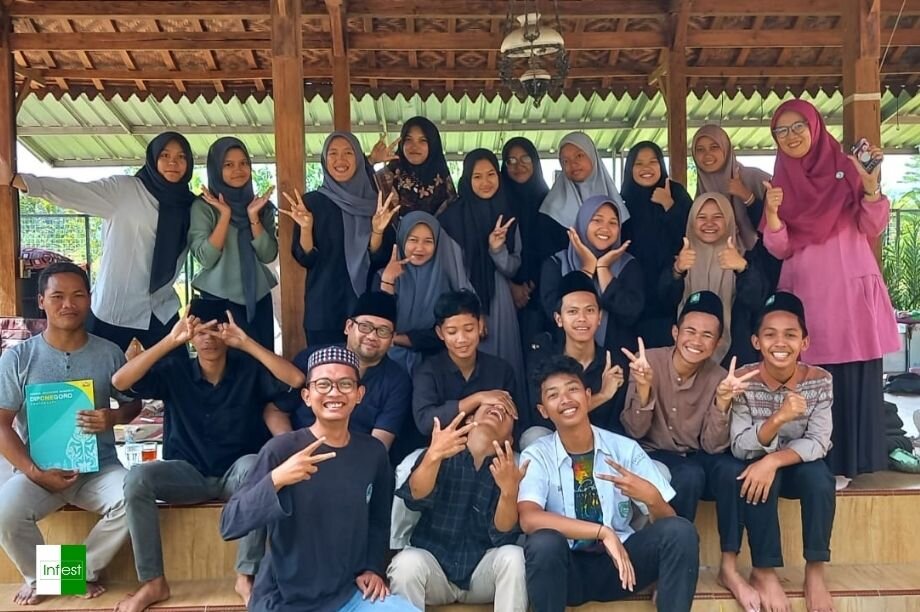
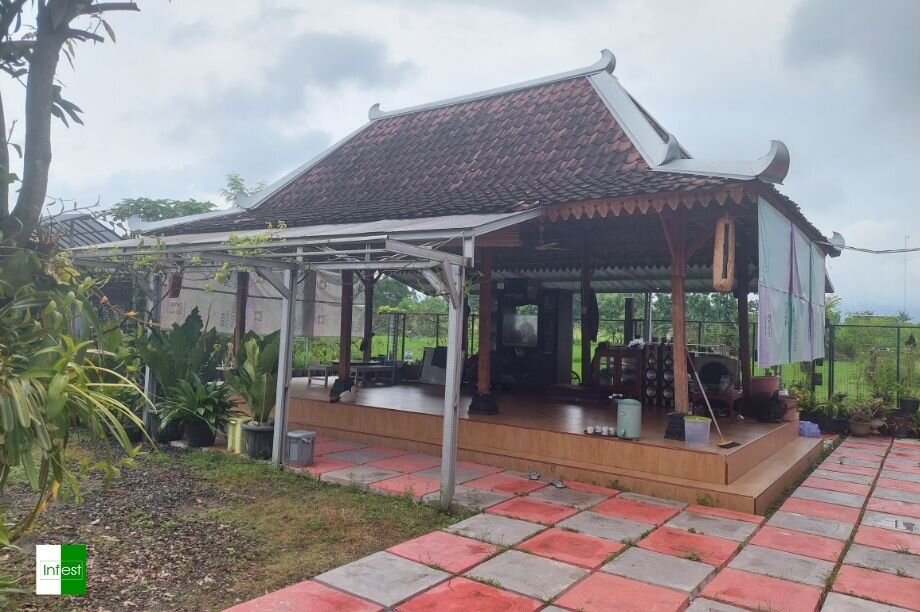
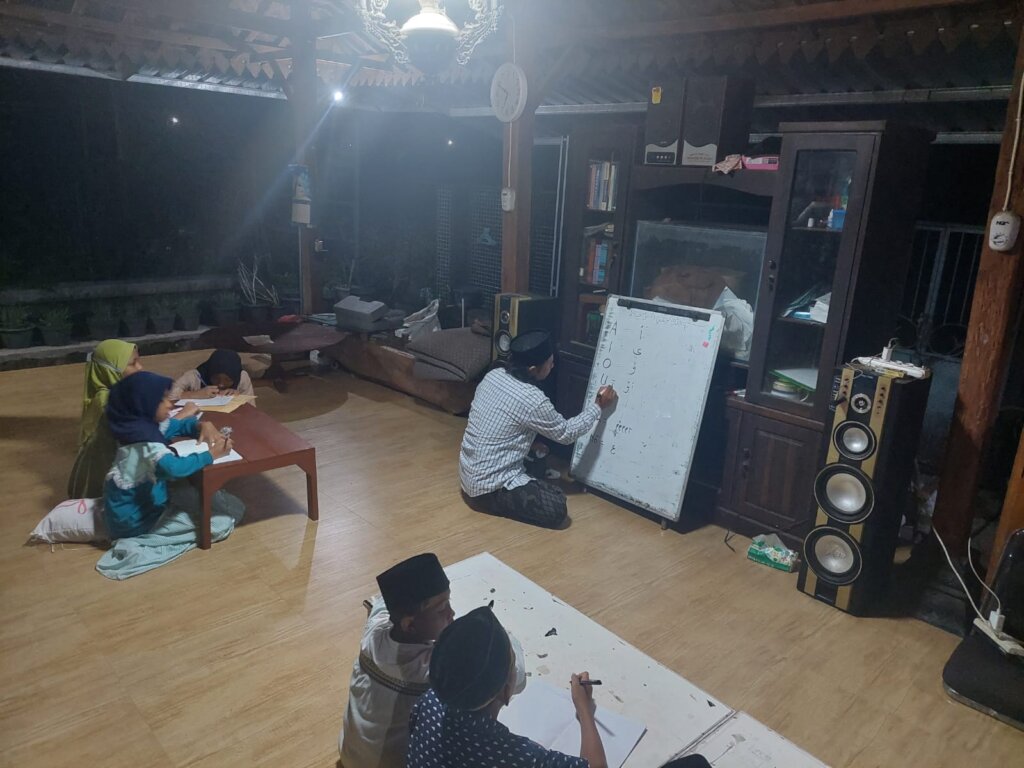
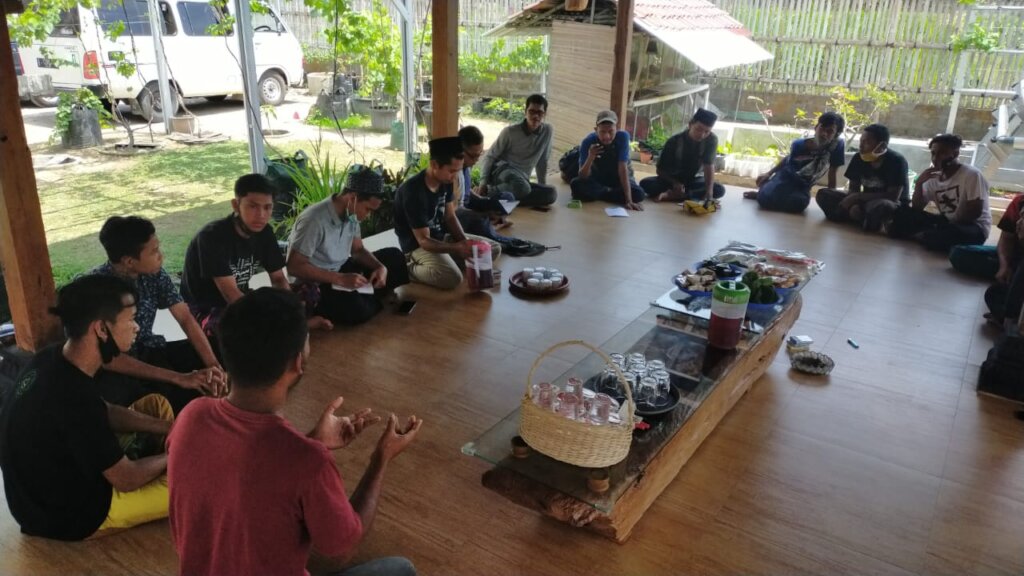
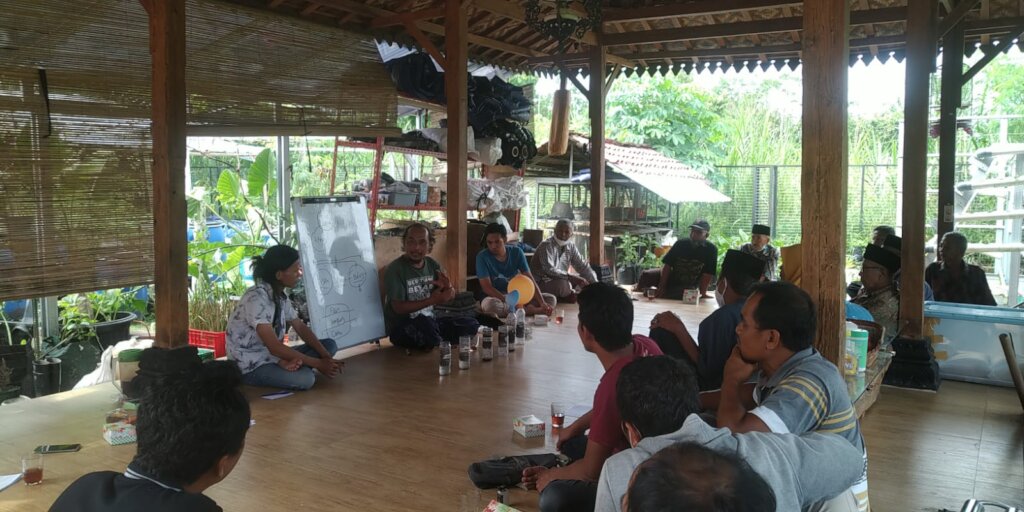
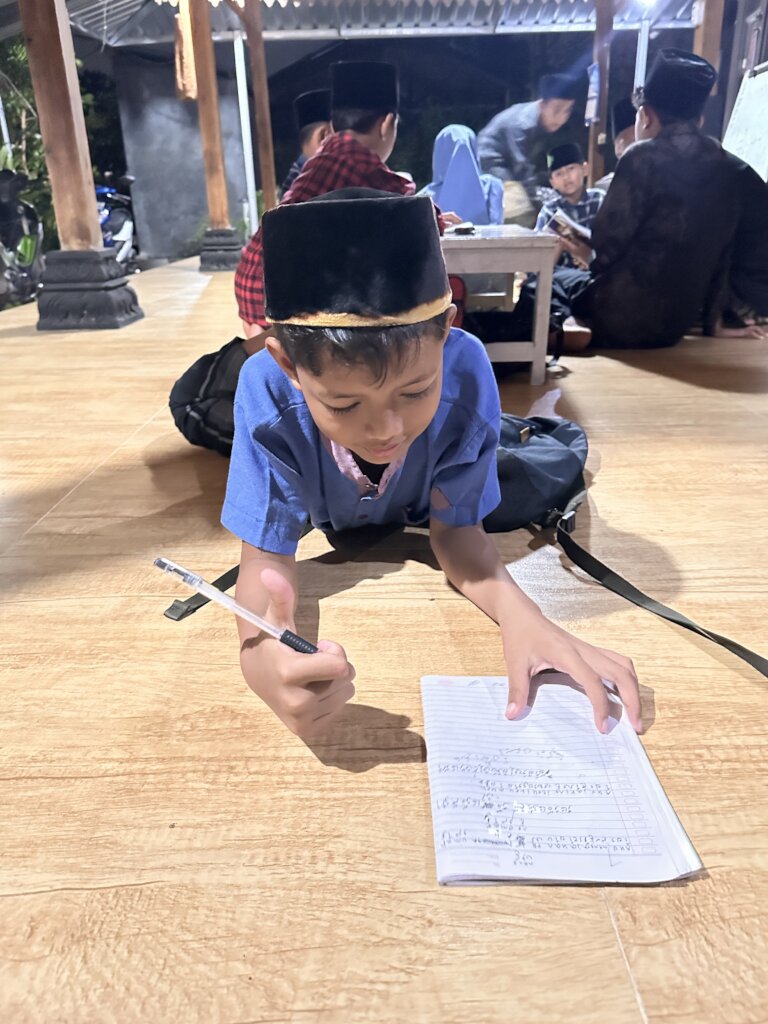
In the Multi-Purpose Open Hall, children practice communication, teamwork, and confidence through group activities and creative learning.
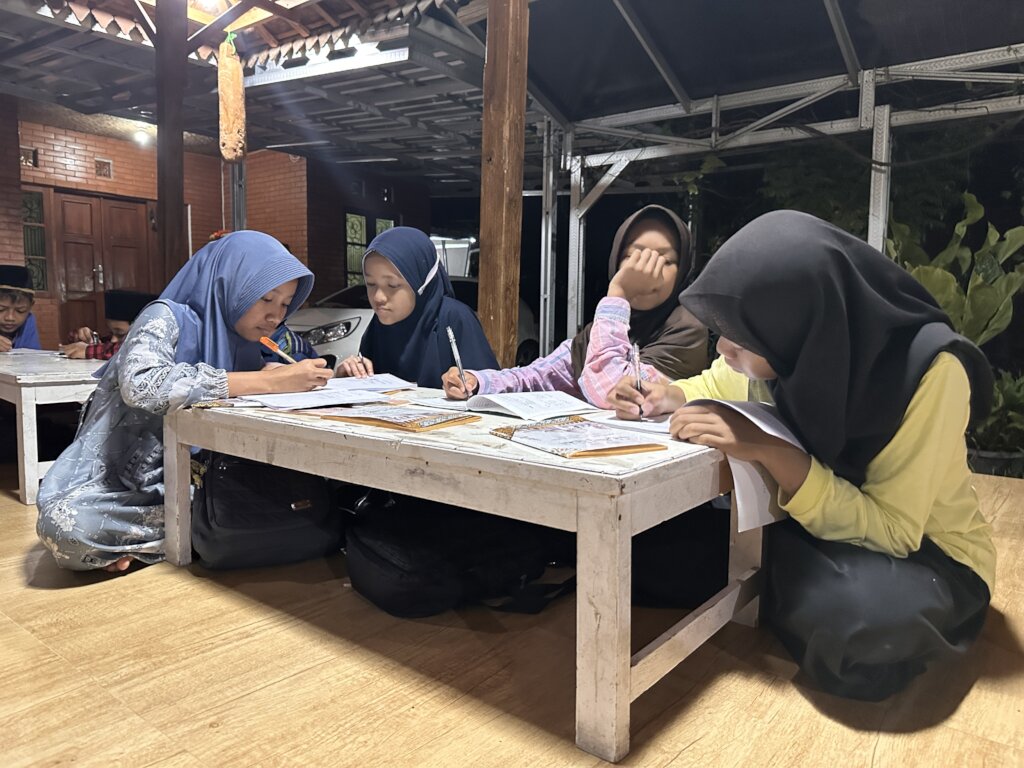
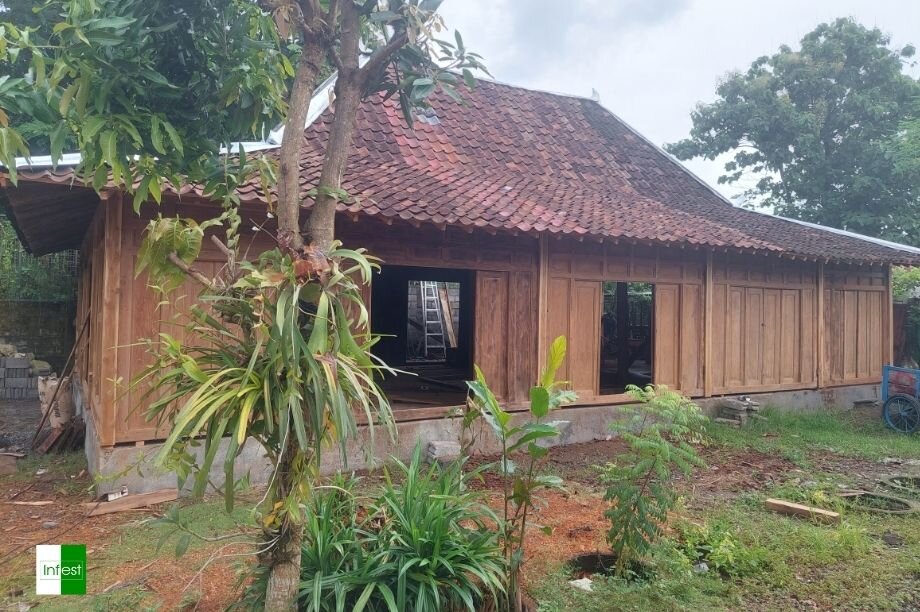
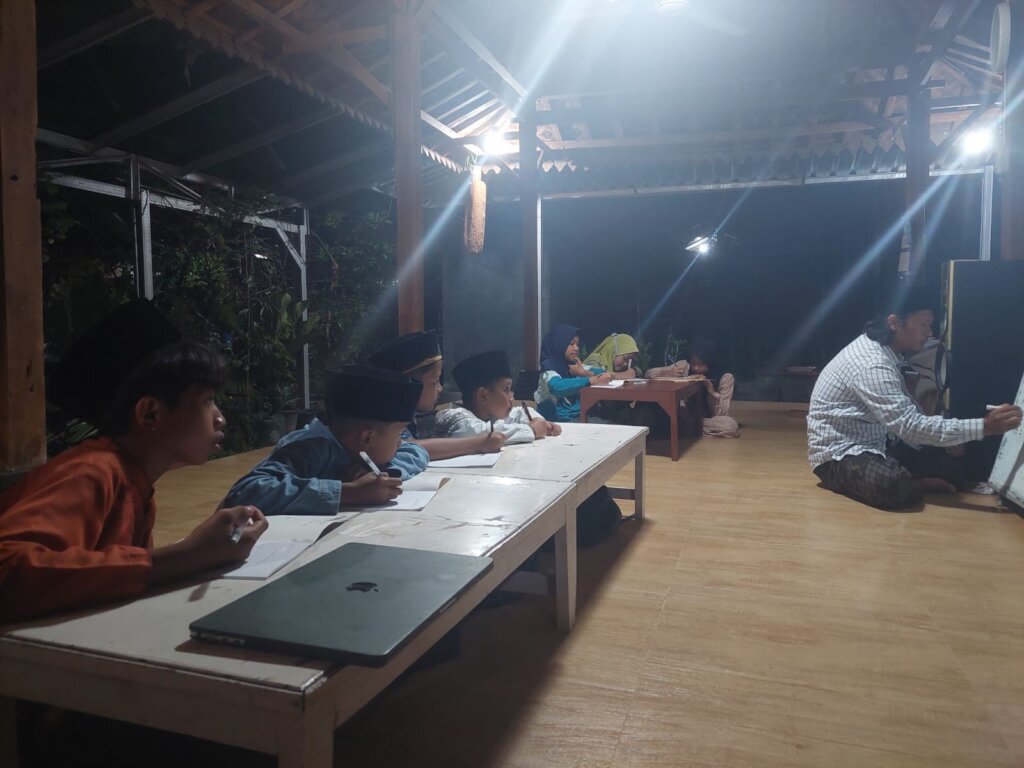
In the Classroom, a quiet and structured environment helps children internalize focus, discipline, and the etiquette of formal learning settings.
Though simple, these spaces play a powerful role in shaping children’s character.
Our Vision: Building a Boarding School for Character
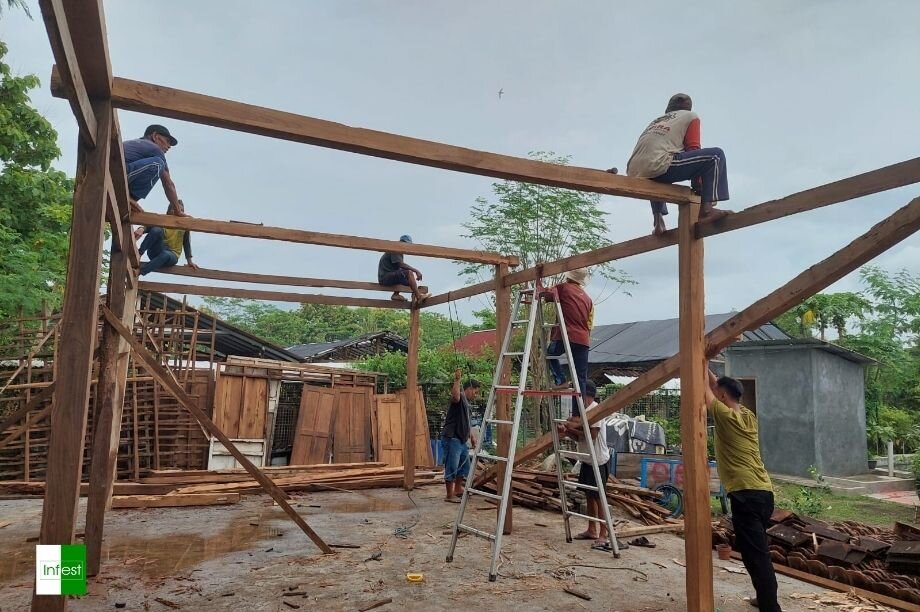
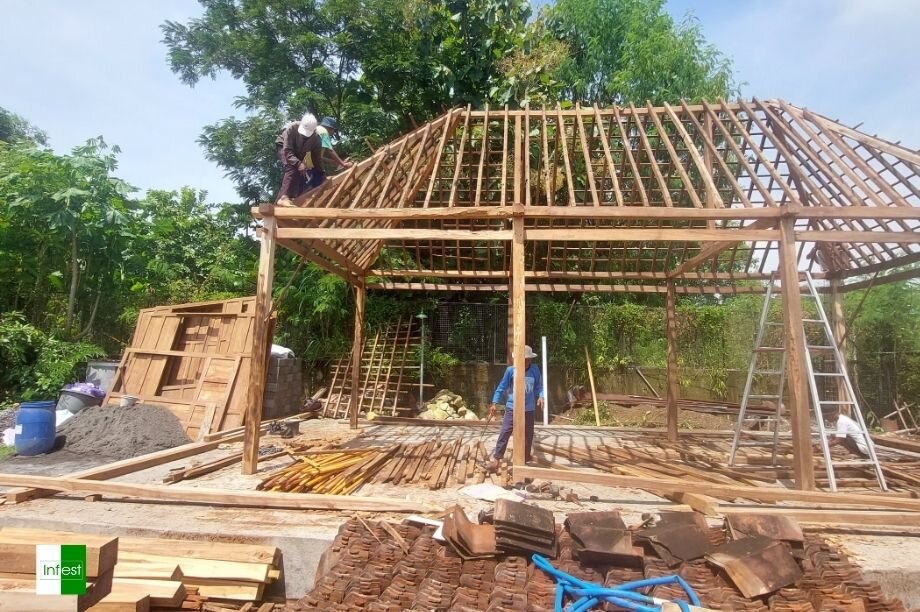
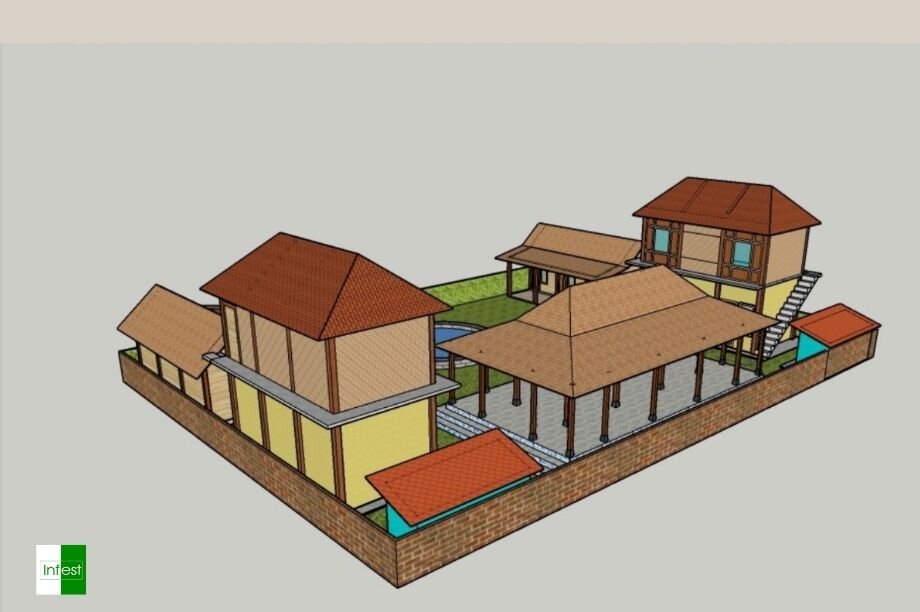
Our long-term dream to build student dormitories (asrama) and a library is deeply connected to this mission. A boarding school environment would allow us to nurture positive habits 24 hours a day, creating a holistic and supportive space—especially for children from remote areas who lack consistent learning support at home.
How Your Support Makes a Difference
Your generosity does more than support buildings—it invests in the human potential of Indonesia’s next generation. With your support, we are able to:
Develop soft-skill learning modules focused on communication and character building
Train local mentors to serve as role models of discipline, respect, and empathy
Maintain safe and nurturing learning spaces where children can practice social skills every day
Thank you for believing that a child’s character is just as important as their report card. Together, we are raising a generation that is not only smart—but also confident, kind, disciplined, and resilient.
With gratitude,
The Punthuk Sewu Learning Center Team
By Mufid | Teacher at Punthuk Sewu
By Mufid | Teacher at Punthuk Sewu
Project reports on GlobalGiving are posted directly to globalgiving.org by Project Leaders as they are completed, generally every 3-4 months. To protect the integrity of these documents, GlobalGiving does not alter them; therefore you may find some language or formatting issues.
If you donate to this project or have donated to this project, you can receive an email when this project posts a report. You can also subscribe for reports without donating.



Support this important cause by creating a personalized fundraising page.
Start a Fundraiser