Help Build a School for Underprivileged Children

by Yayasan Lembaga Kajian Pengembangan Pendidikan Sosial Agama dan Kebudayaan (INFEST)
Help Build a School for Underprivileged Children

Project Report | Jan 17, 2026
The Breadbasket Paradox: Structural Poverty and the Fragility of Indonesia's Food Security

By Irsyadul Ibad | Project Leader

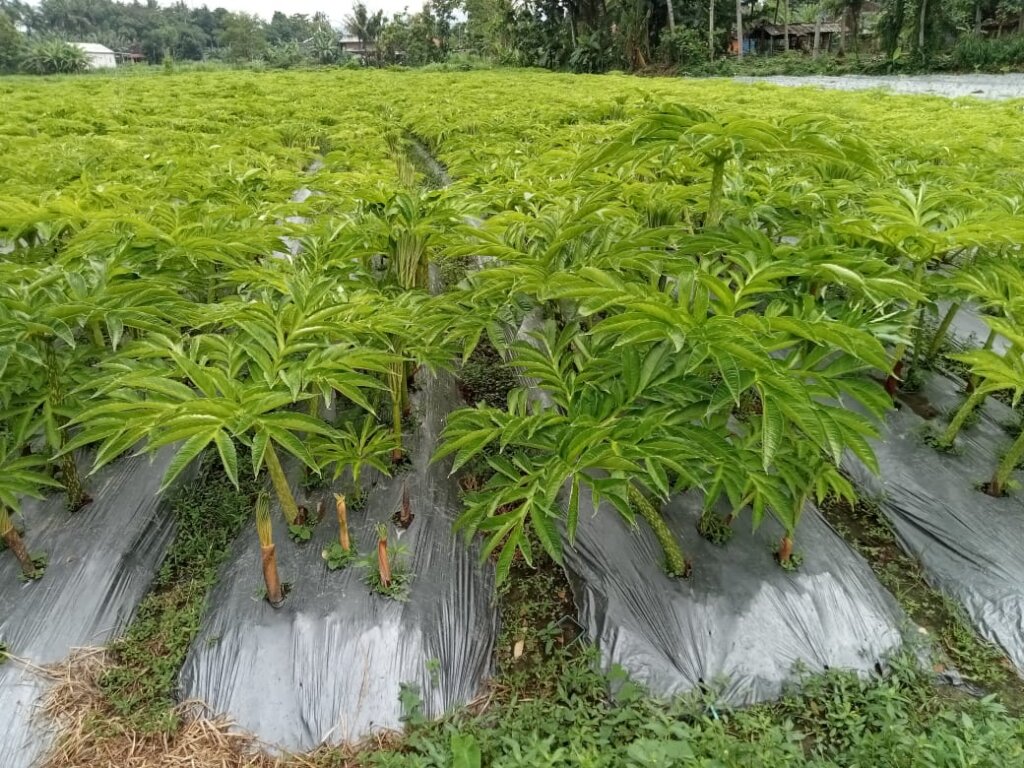
Poverty and food security are two inextricably linked issues within Indonesia's economic landscape. Ironically, as one of Southeast Asia's leading food producers, Indonesia faces a bitter reality: those who serve as the backbone of national food sovereignty—small-scale farmers—are the very group struggling most to access a decent life. Poverty in Indonesia is not merely persistent; it is structurally concentrated within the agrarian sector.

Poverty in a Global Perspective

The 2024 World Bank report starkly contrasts with domestic narratives. Approximately 60.3% of Indonesia's population—about 171.8 million people—live below the global poverty line for upper-middle-income countries ($6.85 per day). This figure indicates that a vast segment of society exists in a zone of "extreme economic vulnerability." While they may not be formally categorized as poor by national standards, they factually lack the purchasing power required for a healthy and dignified standard of living by global benchmarks.

The Education Gap: A Barrier to Innovation

This issue is further exacerbated by the educational profile of those in the agricultural sector. Data from the Indonesian Central Bureau of Statistics (BPS) consistently shows that the majority of Indonesian farmers (over 60%) have only completed primary school or have no formal schooling at all. This low level of formal education creates significant hurdles:

  • Technological Literacy Barriers: Difficulty in adopting modern or precision farming techniques.
  • Financial Illiteracy: Vulnerability to informal predatory lenders (moneylenders) due to limited access to formal banking.
  • Information Asymmetry: Farmers often remain "price takers" in the face of middlemen because they lack the capacity to analyze market data.

National Food Security on a Fragile Foundation

National food security is unattainable without the well-being of its producers. When farmers live in poverty and lack access to knowledge, their capacity to invest in sustainable practices is paralyzed. This creates a tragic situation: farmers are forced to sell their best crops for immediate cash, while their own families consume low-quality food. In the long term, this threatens regeneration; the younger generation will continue to abandon a sector perceived as a "legacy of poverty."

Strategic Solution: Punthuk Sewu Learning Center

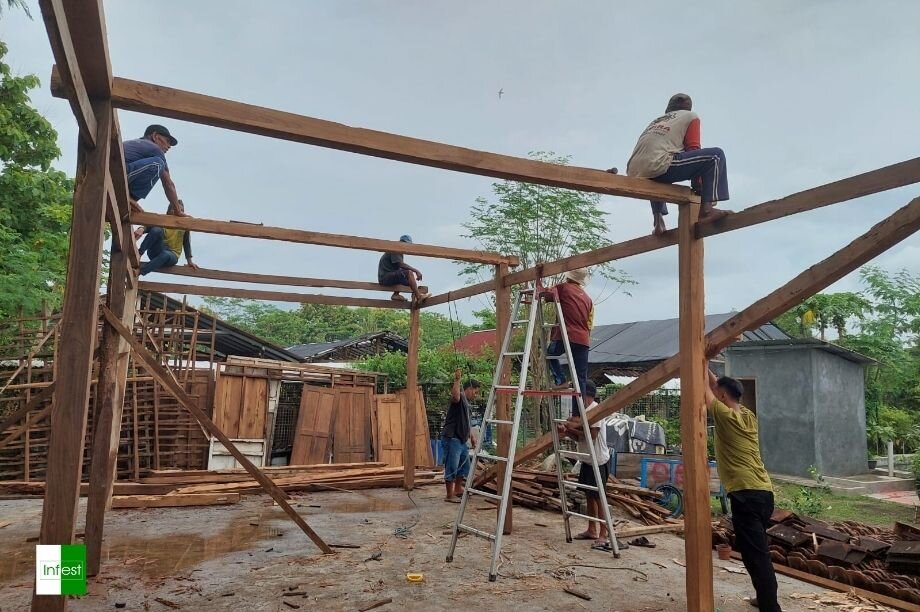
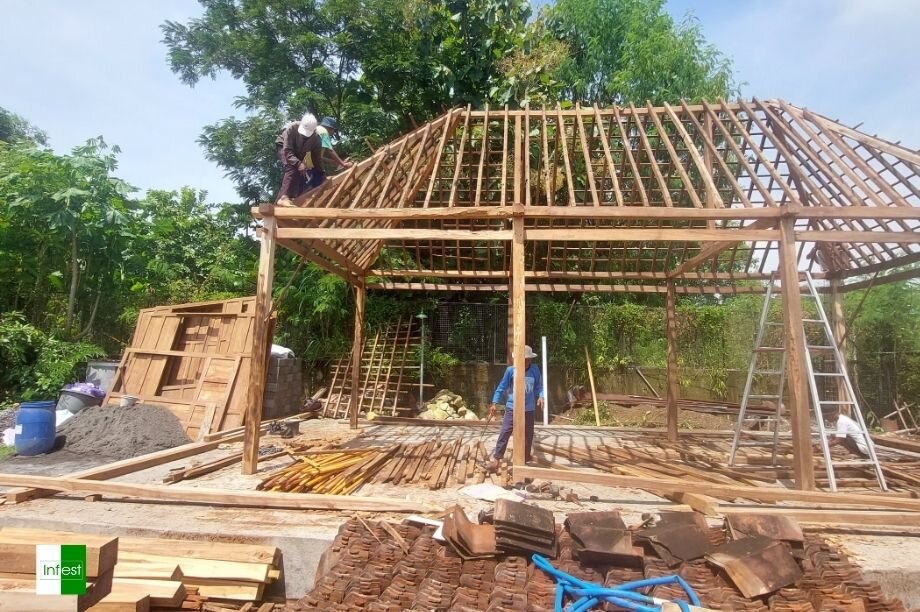
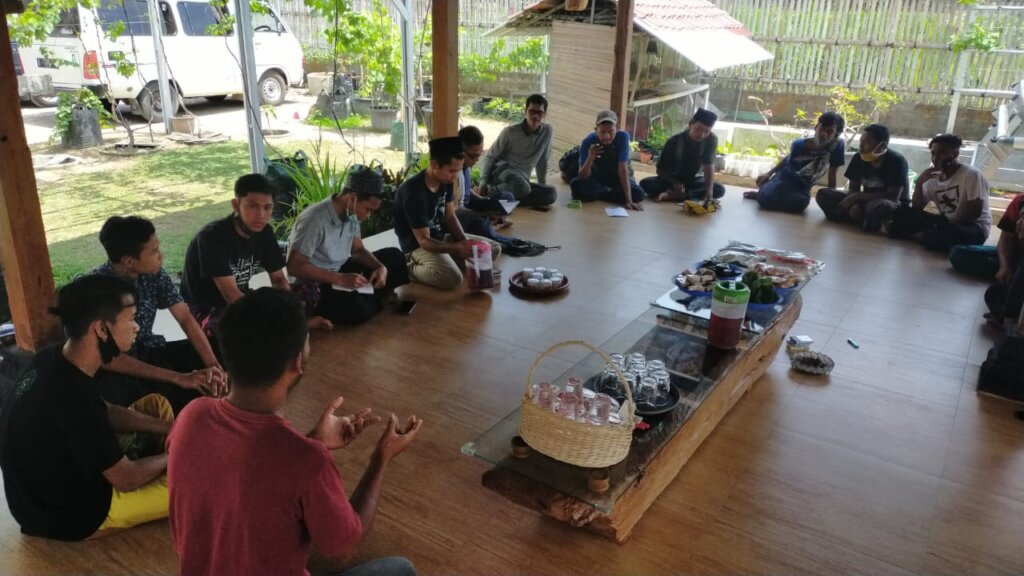
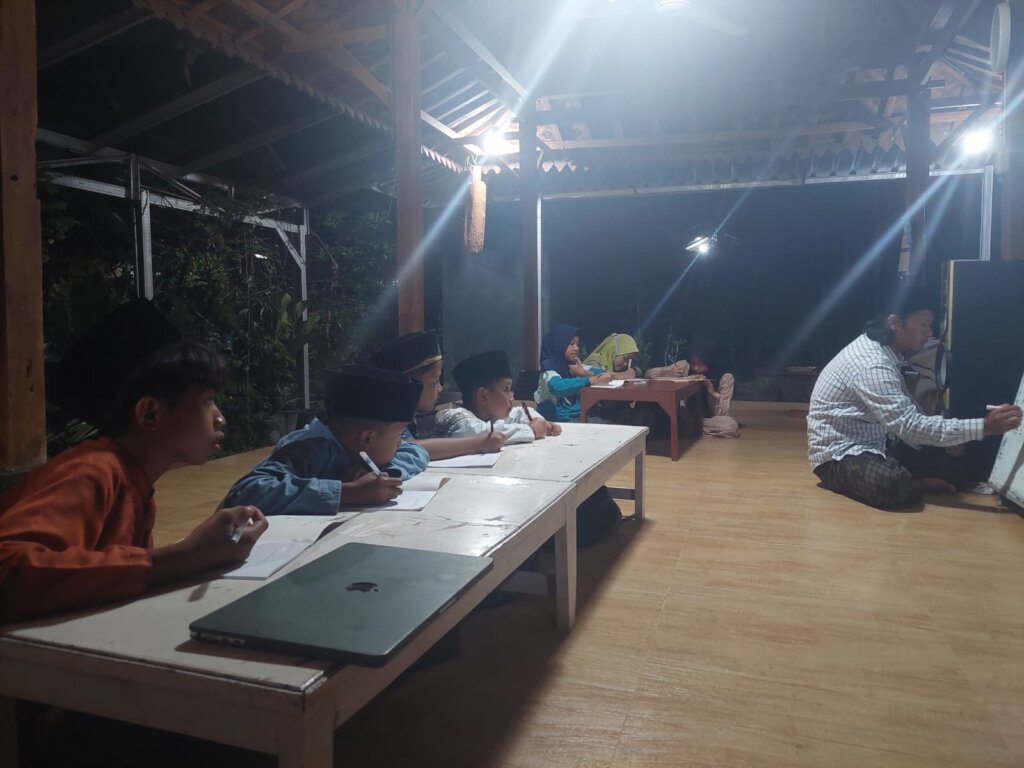
Recognizing that education is the primary key to breaking this cycle of structural poverty, Punthuk Sewu Learning Center is present with a mission of transformation through three main pillars:

  • Quality Education for Underprivileged Groups: We provide formal schooling tailored to those with economic constraints. Our focus is to equip students with innovative capabilities and practical skills to unlock better employment opportunities in the future.
  • Community Literacy and Productivity Hub: Through informal education services, we engage the youth and local communities. This program is designed to enhance technical and managerial skills, directly boosting household economic productivity.
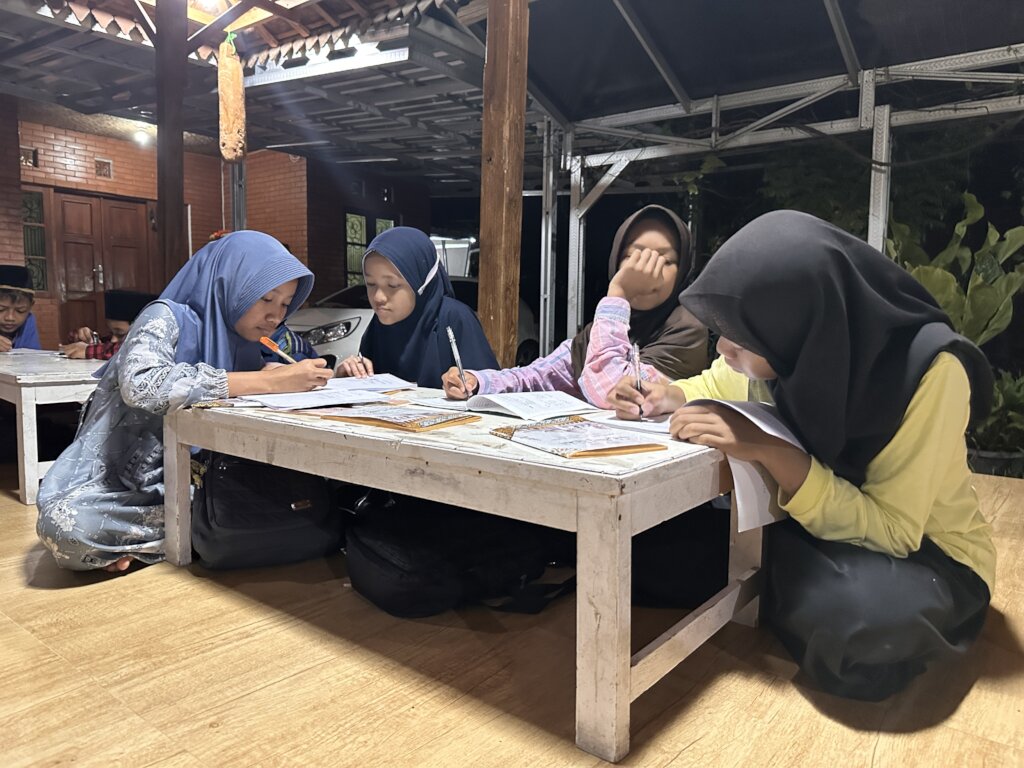
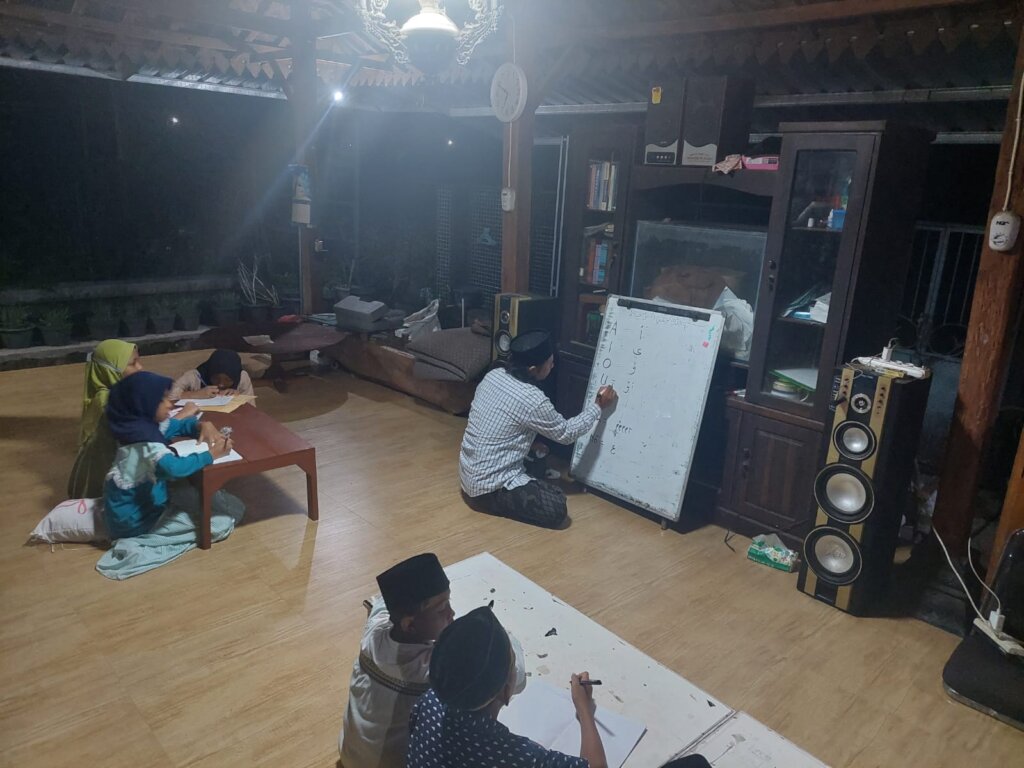
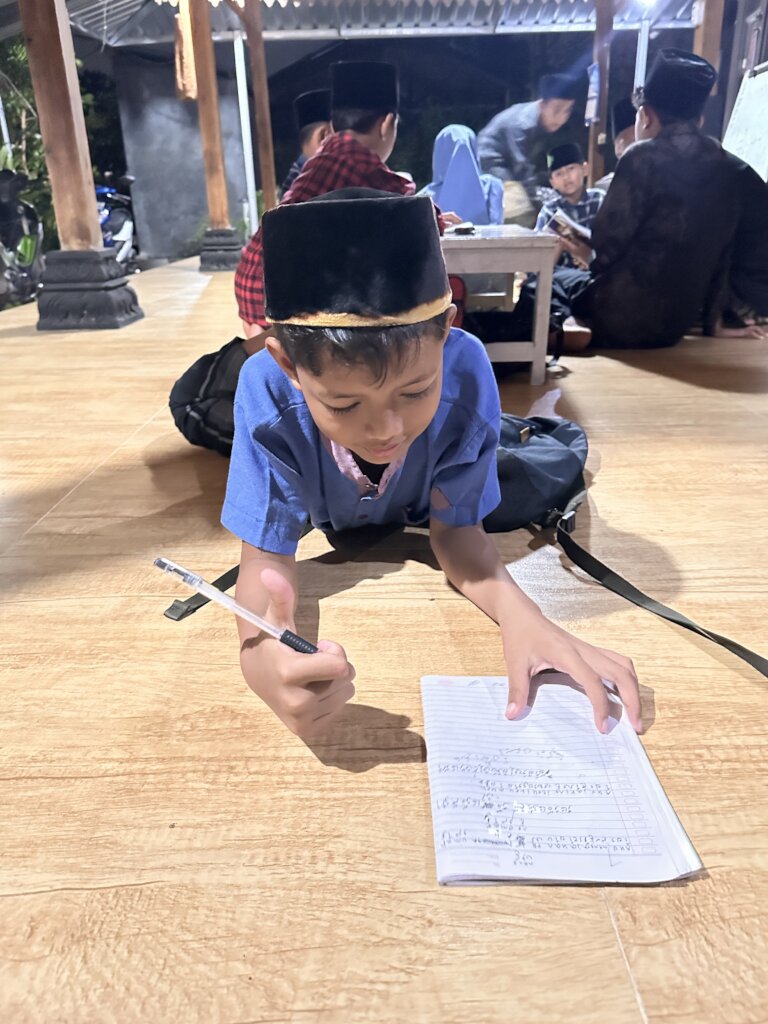
  • Support for School-Aged Children: We provide informal educational support (supplementary learning) for children from underprivileged families. The goal is to ensure they can successfully navigate formal education, prevent school dropout, and achieve a level of competitiveness equal to that of their peers.

Conclusion: Planting Hope, Harvesting Change

Ensuring a decent life for farmers and vulnerable communities is not just a social welfare issue; it is a fundamental prerequisite for national security. Through investing in education at Punthuk Sewu Learning Center, we are building a bridge for underprivileged groups to escape the trap of poverty.

By empowering and educating the next generation, Indonesia can lay a solid, equitable, and sustainable foundation for food security.

Share on Twitter Share on Facebook

Jan 16, 2026
Breaking the Cycle: Poverty and the Educational Access in Indonesia

By Irsyadul Ibad | Project Leader

Jan 16, 2026
Striving to Build a School for Underprivileged: a 2025 Note

By Irsyadul Ibad | Project Leader

About Project Reports

Project reports on GlobalGiving are posted directly to globalgiving.org by Project Leaders as they are completed, generally every 3-4 months. To protect the integrity of these documents, GlobalGiving does not alter them; therefore you may find some language or formatting issues.

If you donate to this project or have donated to this project, you can receive an email when this project posts a report. You can also subscribe for reports without donating.


Sign up for updates

Organization Information

Yayasan Lembaga Kajian Pengembangan Pendidikan Sosial Agama dan Kebudayaan (INFEST)

Location: Bantul, Yogyakarta - Indonesia
Website:
Facebook: Facebook Page
X / Twitter: Profile
Project Leader:
Irsyadul Ibad
Bantul , Yogyakarta Indonesia

Learn more about GlobalGiving

Teenage Science Students
Vetting +
Due Diligence

Snorkeler
Our
Impact

Woman Holding a Gift Card
Give
Gift Cards

Young Girl with a Bicycle
GlobalGiving
Guarantee

Get incredible stories, promotions, and matching offers in your inbox

WARNING: Javascript is currently disabled or is not available in your browser. GlobalGiving makes extensive use of Javascript and will not function properly with Javascript disabled. Please enable Javascript and refresh this page.