Project Report
| Apr 26, 2025
The Marriage that impresses the society
By George Obua | Project Leader
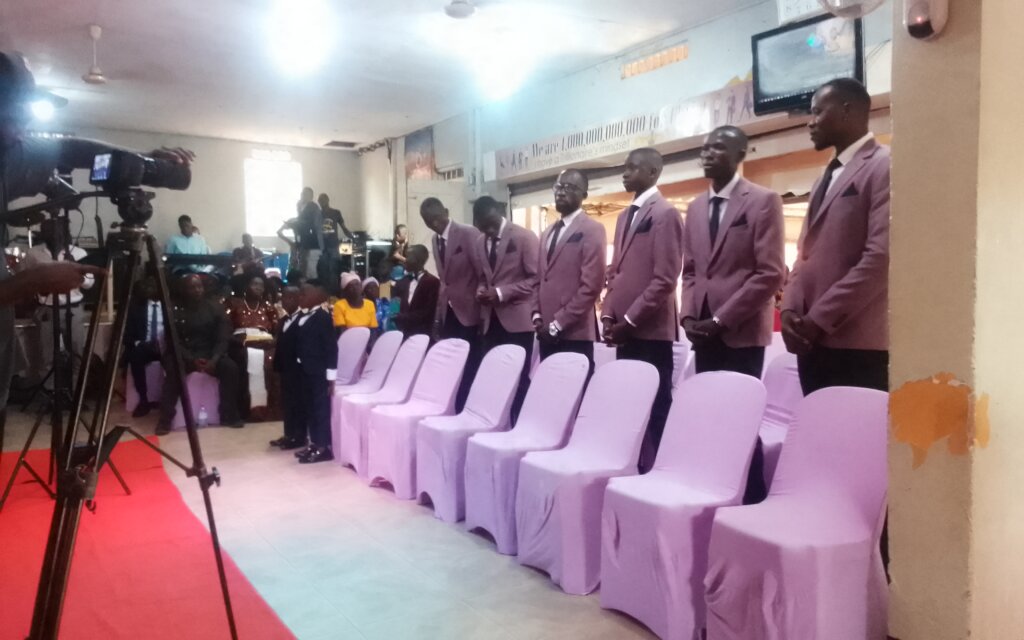
![An organized marriage that Impressed the society]()
An organized marriage that Impressed the society
The Marriage that impresses the society
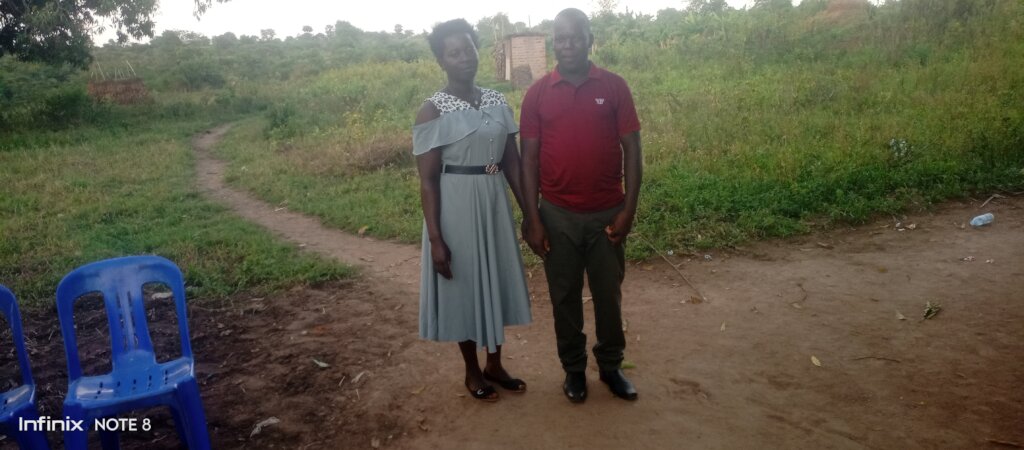
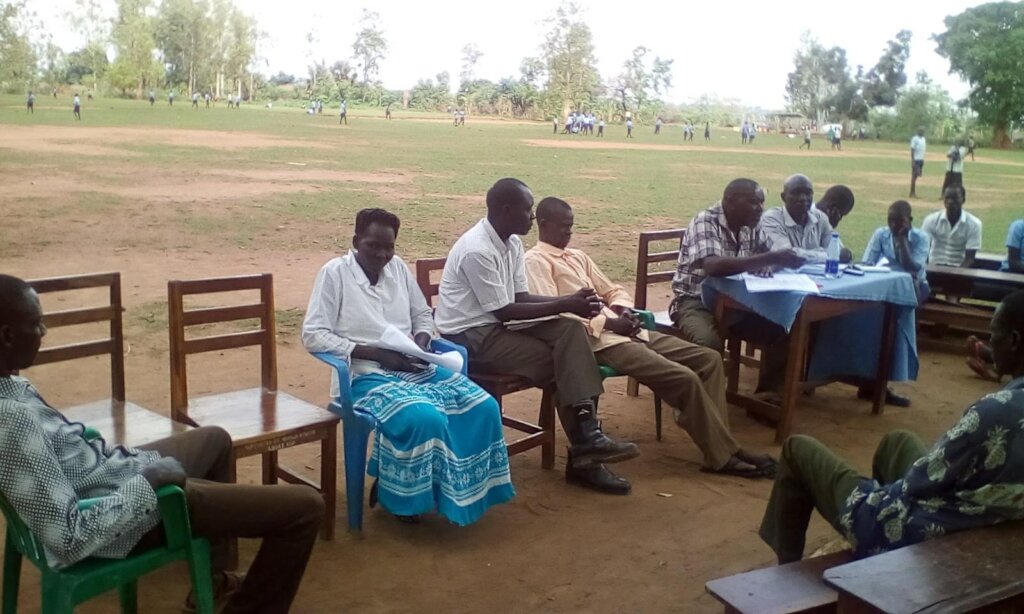
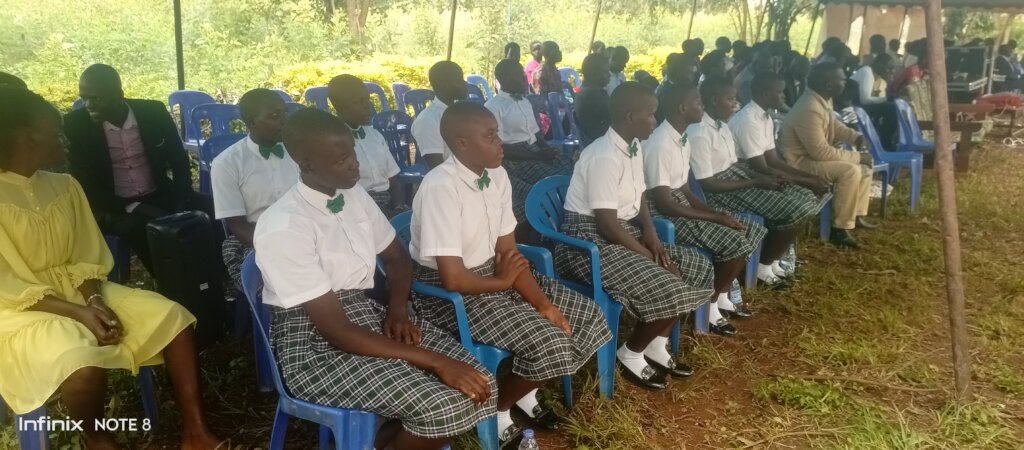
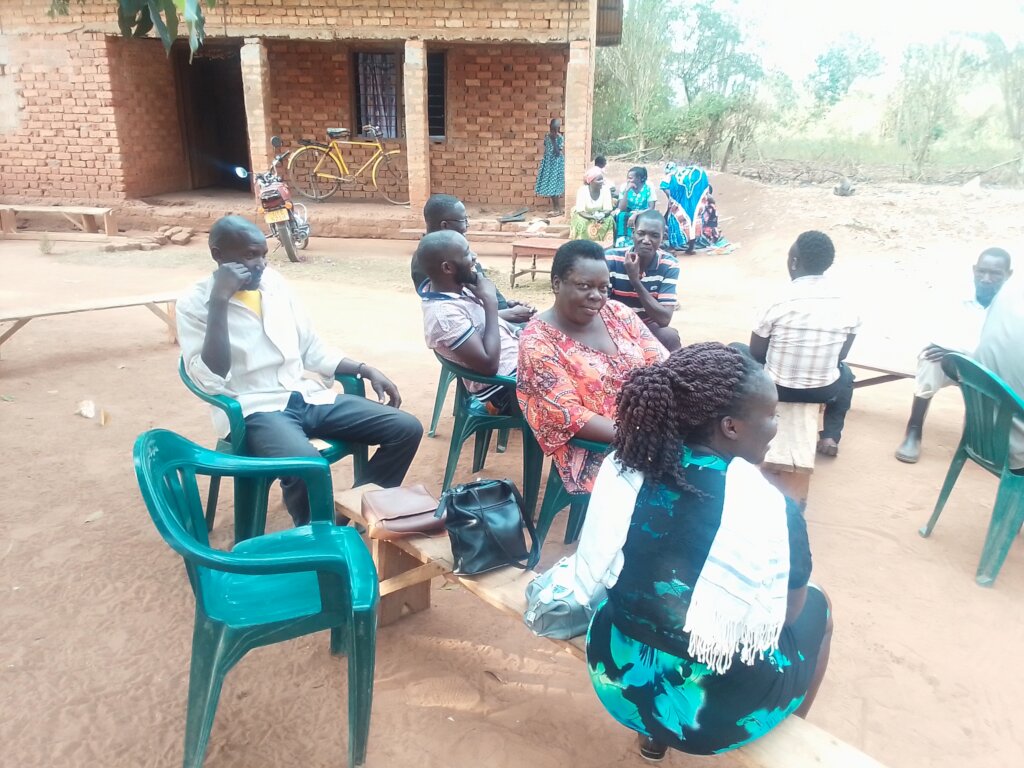
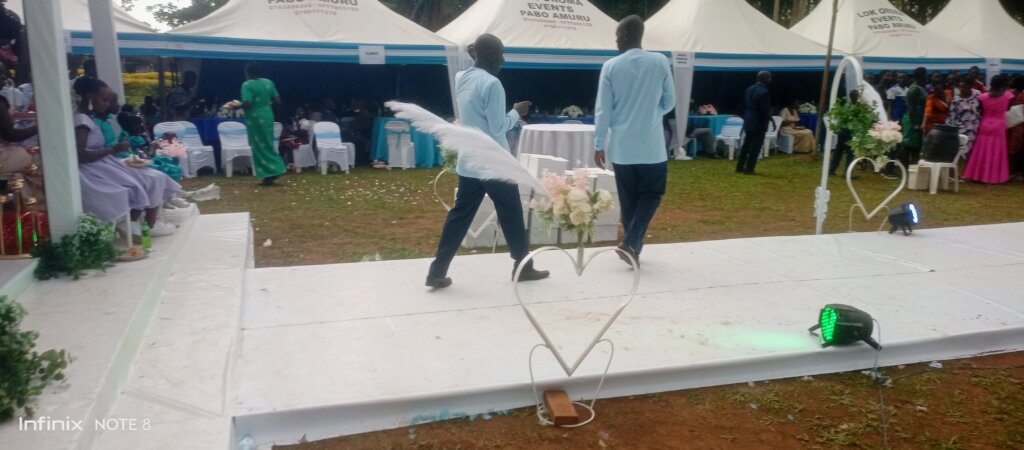
With support from the projects of Kole Intellectual Forum through their partners on the platform of GlobalGiving; Kole Intellectual Forum happens to be one of the delegates that had been part of the marriage of one their team that has organized a marriage that impressed their society; where by, the couples were able to publicly how their commitment, love, and the expected positive impact they would create to the community, reflected in terms of a wedding ceremony.
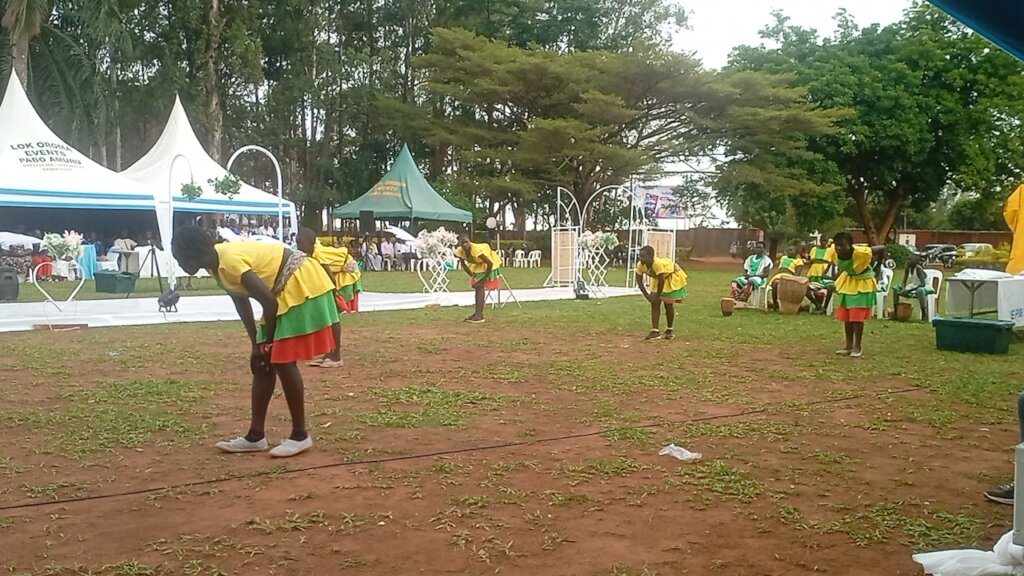
Basically, the wedding was characterized by unique themes, at an organized location, as well as the traditions that reflect the couple's personalities and values; at the same time, demonstrating strong values, good communication, and mutual respect that inspire others and make them to contribute positively to the social wellbeing of the community’s environment
![An organized marriage that embbed the traditions]()
An organized marriage that embbed the traditions
![Share on Twitter]()
![Share on Facebook]()
Apr 25, 2025
Implementation: invent, adopt, or adapt ideas
By George Obua | Project Leader
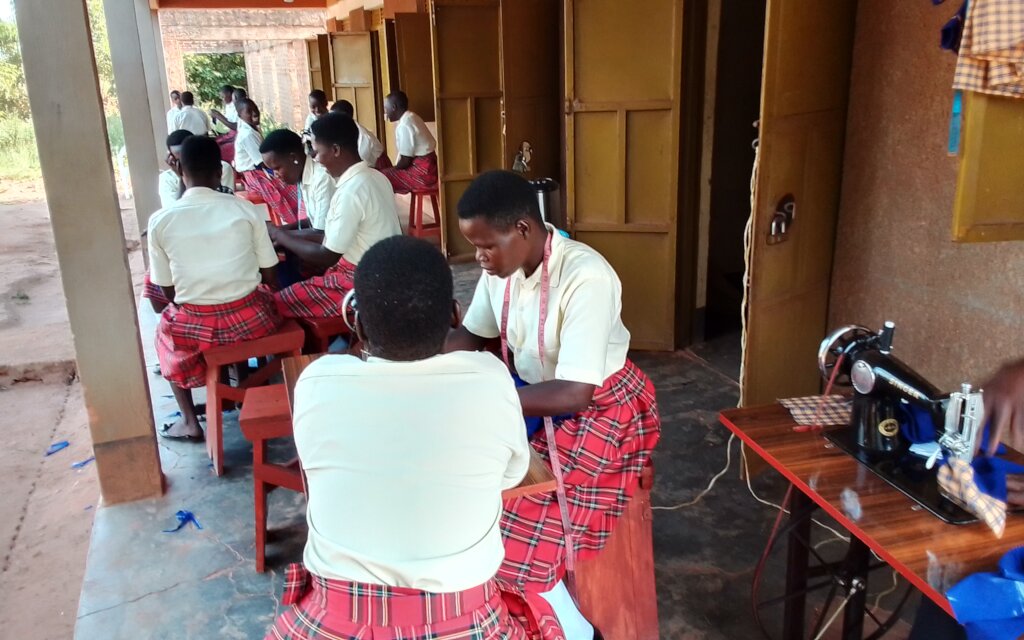
![Outcome of good application of the ideal ideas]()
Outcome of good application of the ideal ideas
Implementation: invent, adopt, or adapt ideas
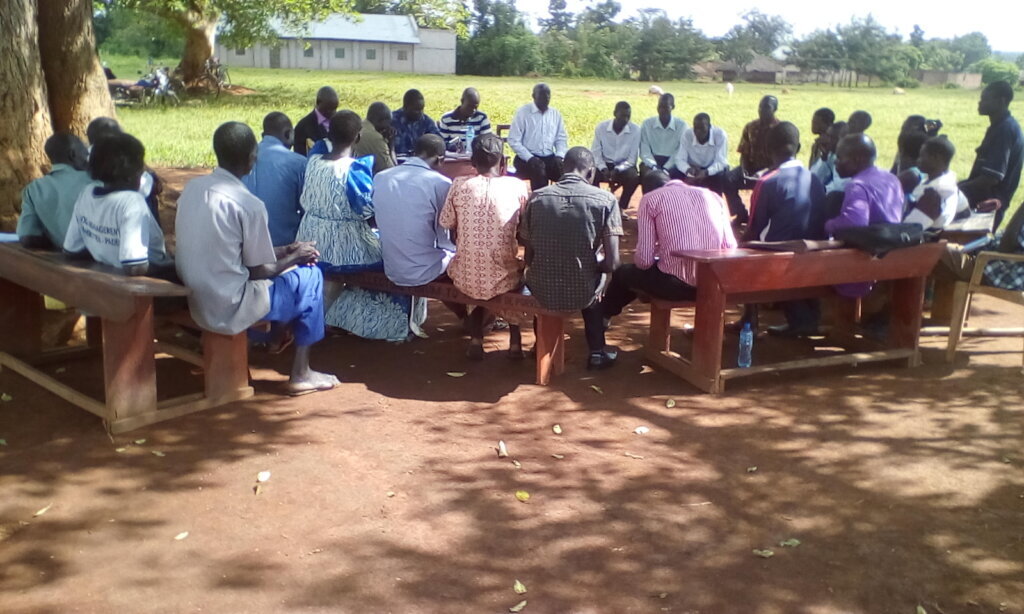
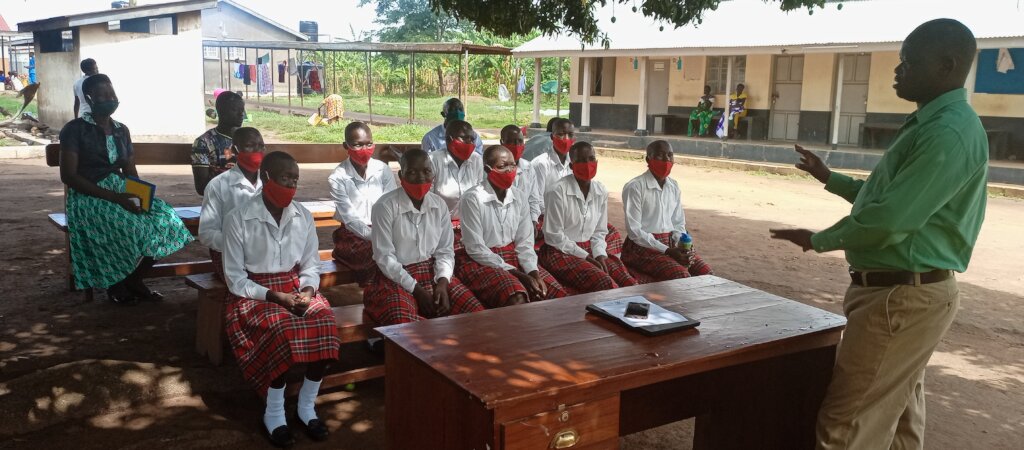
We are proud to report to our supporters and team of GlobalGiving that: Kole Intellectual forum is such an organization that is built on the concept of: to, invent, adopt, or adapt ideas; elaborating explained that, to invent, it means to create something entirely new and to adopt an idea is about taking something on or to accept it as your own, without necessarily changing it, while to adapt an idea means modifying it or changing it to fit a new purpose or situation. This is exactly how the activities, work plan and the implementation of Kole Intellectual Forum is built.
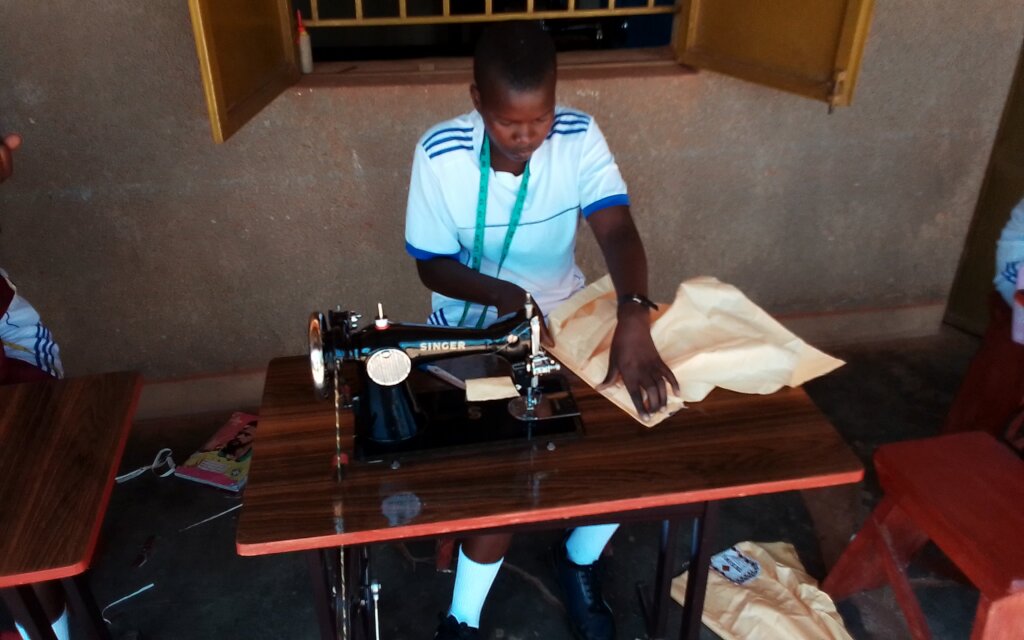
Given that: the project of Kole Intellectual Forum is something created from the concept of education that is completely new, in terms of physical object and process that requires originality and innovation; leading to new fields of study or technologies, call Home Economics.
Indeed, Home Economics is an idea that has been in existence, the organization has adopted but modified and adjusted it to make a more suitable or effective in the context education. Truly accepted and embraced by the society.
![Share on Twitter]()
![Share on Facebook]()
Apr 25, 2025
Celebrating the a ward from the University
By George Obua | Project Leader
Celebrating the a ward from the University
The Project Leader of Kole Intellectual Forum, with support from GlobalGiving to their organization in a number of ways; through their principles of: Listen, learn, act and repeat and also exposing them to a number of resources: Knowledge, donors, corporate companies, and so on; the Project Leader is grateful to their supporters that: for several years of being in touch with them; they have always tried their very best to explore into GlobalGiving website to learn new things that can help them to use the donations they are getting from them (donors) meaningfully.
For instance, the Project Leader is grateful to report to you that: on April 22, 2025, he joined the online University of Philanthropy and successfully completed, received a passing grade, and was awarded a Philanthropy University Honor Code Certificate of Completion in PhilanthropyU : Digital Advertising for Nonprofits; and this is quietly improving on the performance of the organization.
Attachments:
![Share on Twitter]()
![Share on Facebook]()